NHS Bolton Provider Services Quality Account 2010/11
←
→
Page content transcription
If your browser does not render page correctly, please read the page content below
NHS Bolton Provider Services
Quality Account 2010/11

            1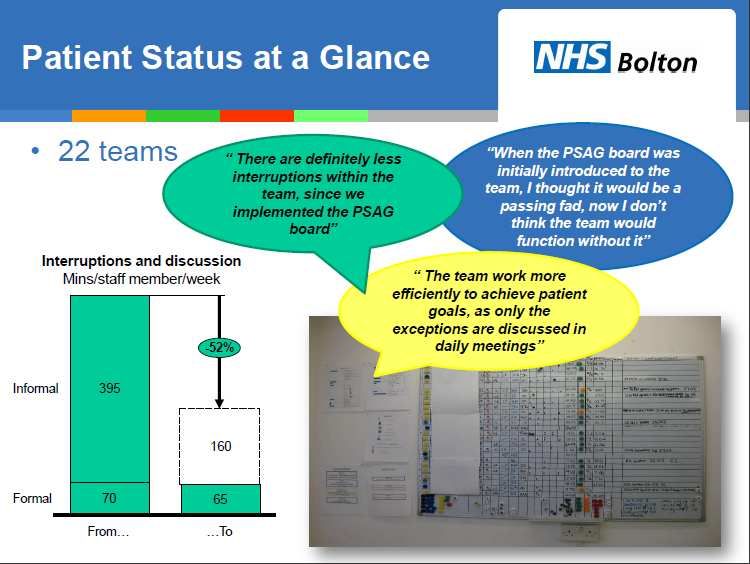
Contents                                    Page

Part 1: Chief Operating Officer Statement   3

Part 2: Priorities for Improvement          12

Statements of Assurance from the Board      13

Review of Services                          14

Participation in Clinical Audits            15

Research                                    19

Goals agreed with Commissioners             20

CQC registration                            23

Data Quality                                23

Part 3: Review of Quality Performance       23

3.1 Safety                                  23

3.2 Effectiveness                           32

32. Experience                              40

                                        2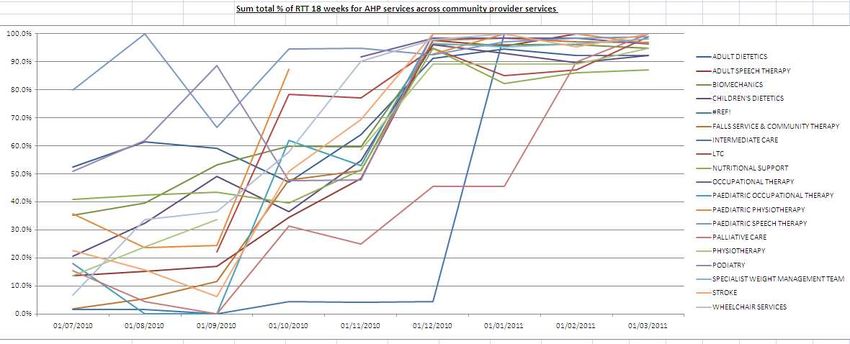
1. Statement from the Chief Operating Officer

NHS Bolton Provider Services is the Provider Arm of the Primary Care Trust in
Bolton.

We deliver a wide range of services within Bolton and some beyond our
geographical boundary. We have a long history and reputation for the emphasis we
place on the quality of service we provide and we always appreciate feedback from
our patients, their carers and external organisations who can help us improve the
way we do things.

The Triple Aim

Our strategy is based on the NHS Bolton triple aim of achieving better health for the
population of Bolton, by delivering best care and value for money in services.

These services place the patient at the centre of everything we do.

 We empower our staff to deliver this and we value them and invest in their
development. Well motivated and well developed staff offer the best standard of
care.

                                         3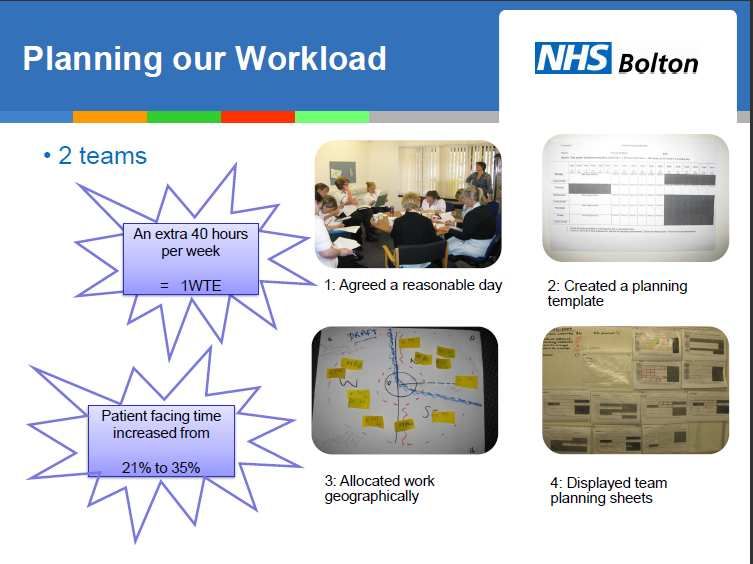
As a provider of Community based services for people in Bolton, our high level
objectives for 2010/11 reflected this strategy. Our approach to quality in this
organisation is to treat it as a journey; each year we take steps toward the
achievement of excellence. We are always stretching and challenging ourselves to
go beyond our targets.

2007 /8 had been a year of rapid growth in our services.
2008/9 was the year in which we consolidated our service portfolio.
2009/10 was our year to improve efficiency and safety in our services.

In July 2011 we will join with the Royal Bolton Hospital NHS Foundation Trust to
form a new integrated care organisation called the Bolton NHS Foundation Trust.
Some of the things we currently do will be done differently in the future as we
manage end to end pathways of care for the benefit of patients, but both
organisations already share the same ethos of service improvement, innovation and
effective use of the precious resources we have.

So, 2010-11 has been a year of preparation for service transfer, transformation and
integration with our local hospital service provider. We look forward to new
opportunities to work together to deliver better care for our population

The quality account is designed to demonstrate to you the progress we have made
in improving the way we provide the care necessary to meet your needs. As our
strategy puts you at the heart of what we do, we encourage you to feedback to us
your experiences both good and not so good, so that we know how satisfied you are
and can plan to improve the areas that need to perform better.

The safety of our services is paramount and we strive to ensure good standards of
infection prevention and control. We also have the dignity of our patients at the core
of how we do things. In achieving this we often ask our staff:

“Would you be happy for a member of your family to be treated in the service in
which you work?”

Many of our staff live, as well as work, in Bolton so they and their families are our
patients and this motivates them to strive to deliver the best possible standard of
care. All staff, both clinical and non clinical, contribute to this improvement agenda
and are empowered to take action to achieve it.

We work with our commissioners and our partners in care provision to ensure this is
ingrained in our everyday business and at the beginning of the year we agreed with
our commissioners some key objectives for us to focus on.

2010/11 has seen us perform well against the majority of our objectives; others have
been challenging and we have not quite met the targets we set ourselves. However,
we have in all cases been able to demonstrate improvements on previous years.
Some of our objectives have been impacted by changes within the NHS and by

                                          4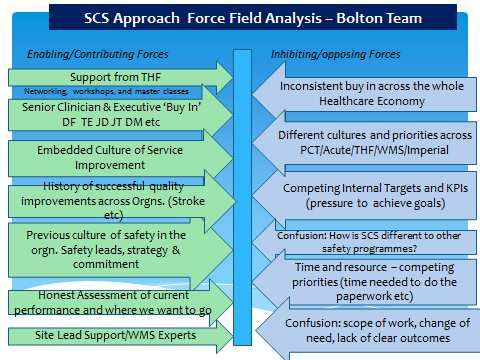
circumstances beyond our own control. This is the reality of life in a public service.
However we will continue to strive for further improvement moving forward.

I hope this report gives you a flavour of the achievements and challenges we have
faced on this leg of our quality journey and confirm to you that the information
contained in the report is an accurate reflection of our busy and successful year
delivering health care to you. Our work continues.

Wendy Pickard

Chief Operating Officer
NHS Bolton Provider Services

                                          5
Our performance during 2010/11 against a set of indicators agreed with our
commissioners is as follows;

The report shows the March 2011 end of year position.

   Best Care

       Indicator         Target     Achievement          Trend    Commentary
   To increase       Last Year     This year total   Achieved
   the number of     total was     is 4943
   people who        4553
   set a date to
   quit smoking.
   To Increase       2072          2074 to date      Achieved    .Data
   the number of                                                 collection
   people who                                                    continues    to
   remain smoke                                                  17th June
   free 4 weeks
   after quitting.
   To offer eye      100%          86%               Not met     The service
   screening to                                                  has had
   all patients in                                               staffing
   Bolton who                                                    difficulties
   have diabetes.                                                during the
                                                                 year which
                                                                 have impacted
                                                                 on this target.
   To Increase       4128          3961              Not met     Although this
   the number of                                                 target was not
   young people                                                  met Bolton has
   offered                                                       one of the
   screening for                                                 highest rates
   Chlamydia.                                                    of screening in
                                                                 Greater
                                                                 Manchester
                                                                 and we
                                                                 increased our
                                                                 number of
                                                                 screens by
                                                                 401 over the
                                                                 previous year
                                                                 total.

                                          6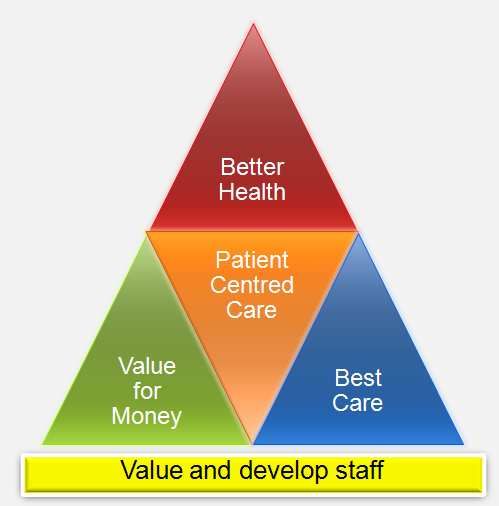
Patient Centred Care

      Indicator            Target    Achievement      Trend        Commentary
   Number of         N/A            1001           Good
   compliments
   received from
   patients in
   2010/11
   Number of         N/A            165            Reduction of
   complaints                                      28%     9218)
   received from                                   from previous
   patients in                                     year
   2010/11

   Best Care : Safety

       Indicator        Target     Achievement         Trend       Commentary
   Annual            No avoidable Zero cases       achieved
   number of         cases
   cases of
   MRSA
   bacteraemia
   occurring in
   bed-based
   services.
   Annual            No avoidable Zero cases       achieved
   number of         cases
   cases of
   clostridium
   difficile cases
   in bed-based
   services

                                          7
Best Care : Outpatient and clinic access
Indicator Target Achievement Trend Commentary
Reduce the Zero patients One patient Good
number of
patients who
at year end
are waiting
longer than
the national
standard of 13
weeks.
Reduce the Zero patients 5 patients good Within
number of tolerance
patients who
at year end
have waited
more than 6
weeks for an
outpatient
appointment.
The 90% 99% Target
percentage of exceeded
patients who
have been
treated within
18 weeks of
referral in
March 2011.
The 100% 80% Target not Referral
percentage of met numbers to
patients seen this service
by the have
orthopaedic exceeded the
service in contracted
March 2011 number and
offered a this has
choice of resulted in
secondary service
care provider pressures.
within 6 weeks
Genito-Urinary Bolton 100% Target met
Medicine service
appointment 100%.
offered within
848 hours in Ashton Leigh 100% Target met
March 2011. and Wigan
service
100%.
Number of Zero patients 5 patients Target met Within
patients accepted
waiting longer tolerance
than 6 weeks
for Audiology
diagnostics
Best Care : Community Equipment Access
Indicator Target Achievement Trend Commentary
Community 100% 99.6% Target met Within
loan tolerance
equipment
provided
within 7 days
Best Care : Urgent Care Access
Indicator Target Achievement Trend Commentary
Walk in Centre 100% Achieved
patient seen !00%
within 4 hours
Percentage of 95% 95.2% Achieved
urgent GP Out
of Hours
patients
clinically
assessed
within 20
minutes
Percentage of 95% 94.8% Narrowly Benchmarks
non urgent GP missed target. favourably
out of Hours with other
patients providers.
9clinically
assessed
within 60 mins
of call being
prioritised in
March 2011.
Average 85% 92.04% Target
occupancy exceeded
levels of
nursing beds
at Darley
Court
Average 42 days 27 days Target
length of stay exceeded
in Darley
Court nursing
beds
Percentage 85% 94.71% Target
bed exceeded
occupancy
rate in
intermediate
care facilities
Average 42 days 33 days Target
length of stay exceeded
in intermediate
care
Number of 25 per month 55 Target
new exceeded
intermediate
care at home
packages
provided
Average 42 days 16 days Target
length of stay exceeded
on
intermediate
care at home
package step
up care.
Average 42 days 22 days Target
length of stay exceeded
on
intermediate
care at home
package step
10down care.
Percentage of 85% 89.29% Target
medicines exceeded
prescribed
generically in
intermediate
care.
Best Care : Hospital Avoidance and early discharge
Indicator Target Achievement Trend Commentary
Percentage of 14.41%
hospital
admissions
avoided by
admission to
Bolton
Community
Unit in March
2011.
Number of 120 per 191 Target
early month exceeded.
supported
hospital
discharges
following a
stroke in
March 2011.
Number of 312 good
very high
intensity users
under the care
of an active
case manager
in March
2011.
11Value for Money
Indicator Target Achievement Trend Commentary
Cumulative 789,862 780,822 Achieved Within
activity for the accepted
year against tolerance
plan across all
services.
Rate of Less than 5% 4.48% Achieved
missed patient
appointments
Financial Balanced Balanced Achieved
performance Position position
at year end
Value and develop staff
Indicator Target Achievement Trend Commentary
Percentage of Below 5% 6.01% Action plans in
Staff sickness place
absence
Staff turnover Below 10% 7.56% Achieved
rate
2. Priorities for Improvement
Our priorities for improvement in 2011/12 have been agreed in partnership with the
RBH NHS FT as our Community Services will be integrating with those of the Acute
Trust from 1st July 2011.
The following priorities were agreed:
• To work together to reduce hospital mortality-many community interventions
and factors have a potential impact on hospital mortality
12• To continue our work to reduce the number of people who do not attend their
outpatient appointments-whilst we achieved our target across all services
there is variation between services, highlighting areas for further improvement
• To improve the timeliness and quality of clinical correspondence-we have a
joint plan to introduce digital dictation in Consultant-led services
• To improve the coverage and quality of appraisals and mandatory training for
our staff
• To improve patient safety through the Safety Express programme
Statements of Assurance from the Board
During 2010/11 NHS Bolton Provider Services provided and/or subcontracted the
following NHS service lines:
• Active Case Management
• Adult Audiovestibular Service
• Adult Audiology
• Anticoagulation
• Asylum Seeker and Refugee Specialist Nursing Service
• Biomechanics
• Bolton Community Practice (GP Services
• Bolton Community Unit
• Bolton IV Therapy Team
• Breast Disease Tier 2
• Children’s Community Nursing
• Community Medicines Management
• Community Paediatrics
• Complex Falls Service
• Community Stroke Team
• Continence Service
• Dermatology Tier 2 Service
• Diabetes Specialist Service
• Diabetes Screening
• Dietetics-Adults & Children
• District Nursing
• Elderly Medicine
• Epilepsy Specialist Nursing
• Expert Patient Programme
• Falls & Community Therapy
• GP Out of Hours Service
• Health Visiting
• Immunisation Team
• Integrated Community Equipment Service
• Integrated Sexual Health & Family Planning
• Minor Surgery
13• Musculo-Skeletal Therapy
• New born Hearing Screening
• Oral Health Promotion
• Orthopaedic CATS
• Paediatric Audiology
• Paediatric Therapy Services
• Palliative & End of Life Nursing and Therapy Services
• Podiatry
• Psychological Therapies
• Religious Circumcision
• Retinal Screening
• Rheumatology
• School Nursing
• Smoking Cessation/Stop Smoking Service
• Special Care Dentistry
• Specialist Weight Management Team
• Specialist Nurses-Children & Young People
• Speech & Language Therapy-Adults and Children
• The Parallel Young Person’s Health Service
• Walk- in Centre
• Wheelchair Service
The following Services are delivered in partnership with Bolton Council:
• Darley Court Nursing Beds/Intermediate Care
• Intermediate Care Residential
• Integrated Community Equipment Service
• Learning Disabilities Services
Review of Services
NHS Bolton Provider Services has reviewed all the data available to them on the
quality of care in all of our service lines, representing all of the income derived from
our provision of services to the people of Bolton for the period 2010-11.
Data reviewed included the following:
• Care Quality Commission compliance self-assessments
• Equality & Diversity self-assessment Toolkit submissions
• Routine performance reports
• Provider quality and CQUINS schedules
• NICE compliance returns
• Patient surveys (for all relevant services)
• Staff surveys
14Clinical Audit
NHS Bolton Provider delivers an annual programme of clinical audit activity across
all Divisions in accordance with a broad set of priorities identified by the
commissioner.
A central register of clinical audit activity is maintained and all practitioners
undertaking audit are asked to complete an initial audit registration form and to
provide regular updates on progress to the central database.
At the end of the audit the audit lead is required to send a summary report to the
integrated governance administrator so that key findings and learning are captured.
During 2010/11 a very small number of national clinical audits covered NHS services
that NHS Bolton provides. Most of the national audits relate to the acute aspects of
care rather than the community-provision of care for the condition concerned.
During 2010/11 NHS Bolton participated in one national clinical audit of the national
clinical audits and national confidential enquiries which it was eligible to participate
in.
The national clinical audits and national confidential enquiries that NHS Bolton
Provider Services was eligible to participate in during 2010/11 are as listed:
• National Sentinel Stroke Audit
• National Audit of Psychological Therapies
The national clinical audit that NHS Bolton Provider Services participated in during
2010/11 was the National Sentinel Stroke Audit.
The reports of 68 local clinical audits were reviewed by the Provider in 2010/11
And the Provider intends to take the following actions to improve the quality of
healthcare provided:
One example of audit activity from each Division is given. Further details can be
provided on request.
15SERVICE AUDIT TITLE FINDINGS &
RECOMMENDATIONS
AUDIOVESTIBULAR Audit of Benign • Of those with probable or
MEDICINE Paroxysmal Positional definite BPPV (15 patients)
100% had particle repositioning
Vertigo (BPPV) in therapy
elderly patients • There was a range of 3 months
referred to the Adult to 20 years (median 2 years)
Audiovestibular from onset of symptoms to time
Medicine clinics first seen
• Falls (or the absence of) were
documented in 80.5% of notes
• 56.1% of patients had a
documented history of recent
falls
• Drug history was documented in
70.7% of notes
• Co-morbidity is high
• Lying & standing blood pressure
was recorded in 90.5% of notes
Actions proposed:
• Improve documentation of falls
and drug history
• Fine tune the Bolton falls
pathway to include diagnosis
and management of vestibular
pathology
• Raise profile of service amongst
referrers to reduce the time from
onset of symptoms to time
referred to clinic
PALLIATIVE CARE Lone Worker • Audit Findings &
THERAPY TEAM Procedure Audit. Recommendations
Aim was to establish • Compliance with all 7 aspects
whether the members of the of procedure variable
PCTT were adhering to the • Procedure required review in
procedure-7 criteria used: line with new working
• Completion of pre- arrangements such as use of IT,
home visit risk access to lone worker devices
assessment form • Ensure all members of team
• Recording of all home complete mandatory training
visits in departmental • Ensure procedure for Lone
diary Home Visits is included on the
• Access to work departmental induction checklist
mobile and personal
attack alarm
• Access to contact
details of other team
members and Duty
Director
• Awareness of
procedure to follow if
incident occurs on
home visit
16• Aware of procedure to
follow if risk identified
• Up to date with
conflict resolution
mandatory training
Department of School Hearing Results
Audiology School Screening Audit 6 children identified and referred to the
Screening Audit The aim of the audit was to Audiology Department with sensori-
identify children who have an neural hearing loss
acquired or progressive
permanent sensori-neural Audit highlighted the importance of the
hearing loss at the age of 5/6 school screening system to pick up
(year 1) children even when they have passed
To identify any areas of the newborn hearing screening and the
improvement in the quality of fundamental role of the school nurses
the screening programme
This is an ongoing yearly
audit carried out nationally
and locally.
Research activity
NHS Bolton Provider encourages and supports many clinical staff both leading and
participating in research studies.
The following research studies involving the NHS Bolton Provider Services were
approved by the PCT in 2010/11:
Title/Subject of Study Sponsor
Use of assistant staff in the delivery of community University of York
nursing services in England
DYSCERNE NorthWest: A web based diagnostic Central Manchester
system for rare disorders University Hospitals
the acceptibility and feasibility of using a web- NHS Foundation
based system to facilitate the diagnosis and Trust
management of children referred from DGHs with
rare multiple anomaly syndromes?
The effectiveness of mirror box therapy for Manchester
improving arm motor skills in children with spastic Metropolitan
hemiparetic cerebral palsy University
TArgeting Synovitis in Knee OA (TASK) Salford Royal
Foundation NHS
Trust
What are the barriers and facilitators for parents Lancaster University
accessing local psychology services, when
experiencing low mood or anxiety after the birth of
their child?
Speech Perception Assessments with University of Wales
Deaf/Hearing Impaired clients: An investigation Institute, Cardiff
17into their efficacy as a clinical tool.
People with Long Term Conditions (CLAHRC) University of
This study aims to explore the experience and self Manchester
care support needs and practices of socially and
health disadvantaged people living with kidney
disease, diabetes and/ or heart disease and to
assess lay peoples’ systems of support and
access to resources which influence engagement
with services, information and coping strategies.
Accomplishing Serious Case Reviews in the NHS University of
This study aims to explore the views of NHS Huddersfield.
Named and Designated Safeguarding Children
Professionals in relation to the purpose and
process of producing Serious Case Reviews.
The role of basic emotions in binge eating University of
behaviours within a treatment seeking obese Lancaster
population.
Client and clinician attachment styles and University of
psychological mindedness Manchester
Education and Training for Health and Social Care UCLAN
Staff in End of Life Care in North West England: a
Scoping, Gap Analysis and Solution Finding Study
The principal objective of this project is to scope
the extent and nature of education and training for
health and social care staff in North West England
in End of Life Care, comparing provision with
benchmark guidelines (scoping
exercise).
Can the presence of Cortical Auditory Evoked University of
Potentials in infants under 3 months(corrected Manchester
age) with Auditory Neuropathy Spectrum Disorder
predict speech listening ability at the age of 12
months?
This information would allow the clinician working
with infants with Auditory Neuropathy Spectrum
Disorder to use Cortical Auditory Evoked
Potentials immediately after diagnosis in order to
get audiological information that is currently
unavailable through other assessments
Intervention for Parents with Young Asthmatic Central Manchester
Children The research evaluates an evidence University Hospitals
based parent education and NHS Foundation
Skills training programme for parents of asthmatic Trust
children. The intervention uses the established
Triple P Positive Parenting Programme.
18The number of patients receiving NHS services provided or subcontracted by the
Provider during 2010/11 that were recruited during that period to participate in
research approved by a research ethics committee has not been ascertained to date
due to the dispersed nature of these projects and the fact that in many cases the
Provider is purely acting as a Patient Identification Centre.
Goals agreed with Commissioners
Quality Schedules and CQUINS
A proportion of NHS Bolton Provider’s income in 2010/11 was conditional on
achieving quality improvement and innovation goals agreed between the Provider
and any person or body they entered into a contract, agreement or arrangement with
for the provision of NHS services, through the Commissioning for Quality and
Innovation payment framework.
Additionally the Provider Arm has worked to delivering a range of additional national
quality indicators.
Successful outcomes have been achieved in the following areas
• Ensuring sufficient appointment slots are available to cover contracted
activity levels in consultant led services
• Delivering a Single Sex Accommodation (DSSA) Plan
• Contributing to a reduction in teenage conception rates by increasing
the acceptance of Long Acting Reversible Contraception by women
aged 18 years and under
• Recording the height and weight of children in reception class to
address childhood obesity - 97% achieved
• Less than 13% patients excluded from retinal screening programme
achieving 3.91%
• No breaches of same sex accommodation requirements
• No inpatient suicides by use of non collapsible rails
• No wrong route administration of chemotherapy
• No misplaced naso gastric tubes
• No Intravenous administration of mis -selected concentrated potassium
chloride
Achievement of locally agreed quality standards have been demonstrated in the
following areas
• No issues escalated by the clinical governance group
• 100% of patients on an end of life pathway having a care plan
• Only 3.9% of consultant led clinic appointments have been cancelled by
the service
There is further work needed to ensure
19• 95% of patients on an end of life pathway dying in the preferred place of death
In line with Commissioning for Quality and Innovation Scheme (CQUINS) payments
have been received for work undertaken to establish baseline positions in the
following areas which can then be improved in 2011/12
• Timeliness of discharge letters from Bolton Community Unit, Darley Court,
Winifred Kettle and Alderbank Intermediate Care Units
• Timeliness of reporting attendance at outpatient appointments
• Timeliness of receipt of audiology test results
• The quality of discharge letters
• Producing an action plan to improve the timeliness and quality of clinical
correspondence
• Compliance with the collection of a community minimum data
CQC
NHS Bolton Provider Services is required to register with the Care Quality
Commission and is currently registered with no conditions.
The Regulated Activities for which NHS Bolton Provider Services is registered are
listed in the following table,:
REGULATED ACTIVITY
Personal Care
Accommodation for persons who
require nursing or personal care
Treatment of disease, disorder or
injury
Surgical procedures
Diagnostic and screening procedures
Transport services, triage and
medical advice provided remotely
Services in slimming clinics
20Nursing Care
Family planning
The Care Quality Commission has not taken enforcement action against NHS Bolton
Provider during 2010/11.
NHS Bolton Provider Services is subject to periodic reviews by the Care Quality
Commission and has had no site inspections to date.
NHS Bolton has participated in one special reviews or investigation by the Care
Quality Commission relating to Supporting Life After Stroke, details of which are
provided below:
CQC Supporting Life After Stroke
This review looked at the care experienced by people who have had a stroke (or
TIA-which is similar to a stroke but the symptoms disappear within 24 hours) and
their carers. It started from the point people prepare to leave hospital to the long-
term care and support that people may need to cope with stroke-related disabilities.
The overall assessment for Bolton PCT was ‘Fair performing’, numerically scoring
2.87. Bolton was placed 87th out of 151 organisations.
The report looked also at Adult Social Care, as well as links to other relevant
services, such as local support groups and services to help people participate in
community life.
The results for the areas of most relevance to the PCT Provider are shown below:
Quality Marker Relevant Services Score 0-5 (5 IS Best)
Management of transfer Community stroke 4
home rehab. services
Community-based services Specialist rehab. 3
services
Early supported discharge Community stroke rehab. 1
services
Meeting individuals’ needs PCT & Commissioner 3
joint work on Equality
Impact Assessment for
implementation of
National Stroke Strategy
Support for participation in Community stroke rehab. 2
community life (care plans services
with outcome-focussed
goals)
21End of Life Care Community Nursing & 5
Therapy Services
Range of information Community stroke rehab. 2
provided services
Review and assessments Community stroke rehab. 4
after transfer home services
Outcomes at one year Community stroke rehab 2
(HES 1 year mortality and services
HES I year emergency
readmissions
The Chief Operating Officer for Provider Services prepared a response to this report
in partnership with RBH FT’s Medical Director-this was presented to members of the
Board of NHS Bolton in March 2011.
The following were identified as areas for development
• Meeting individual needs and improving the range of information provided to
patients on transfer home-to be provided in CD/DVD format, large print,
Braille, audio and different languages.
• Improving outcomes at 1 year , reducing SMR and emergency re-admissions
at 1 year
• TIA care and support
• Systems in place for review after transfer
• Increasing the percentage of people with a care plan in place
• Increasing the percentage of people given a Helpline number
• Working together and integrated reviews
NHS Bolton Provider’s Children’s Community Nursing Team participated in the
National Cancer Peer Review, completing a self-assessment on 31st August 2010.
Internal Validation was undertaken on 30th September 2010.
The Operational Policy was reviewed and stated to be very clear, especially with
regard to the list of CNNs and their training status.
The following comments were made in the Internal Validation report:
“This is a well-established team that has developed significant expertise over the
years. There are a high number of specialist nurses. The service regularly receives
22compliments from parents who have really appreciated the standard of care and
flexible nature of the service. This is clearly a dedicated team who are passionate
about providing a holistic service for children and their families.”
No immediate risks or serious concerns were identified. The only concern noted was
that the training manual was in draft, awaiting finalisation from Manchester Children’s
Hospital.
Data Quality
NHS Bolton Provider Services is not required to submit data to the Secondary Uses
service for inclusion in the Hospital Episode Statistics.
Information Governance
NHS Bolton’s score for 2010/11 for Information Quality and Records Management,
assessed using the Information Governance Toolkit ,was an overall ‘Satisfactory’
score. The assessment was undertaken for the organisation as a whole and
therefore includes both Provider and Commissioner elements.
NHS Bolton was not subject to the Payment by Results clinical coding audit during
2010/11 by the Audit Commission.
3. Review of Quality Performance
3.1 Safety
Infection Control
NHS Bolton’s Infection Control Annual Report was presented to the Board of NHS
Bolton in May 2011. Full details of the Provider’s contribution to the achievement of
the overall health economy MRSA and C.Difficile targets can be found in this report
available on the PCT website www.bolton.nhs.uk.
The following extracts relate specifically to the Provider Services:
Following on from the campaign and the introduction of ongoing hand hygiene audits in
2009/10, hand hygiene audits are now routinely undertaken in 102 services/teams in the
Community Provider.
23The chart above shows the increasing engagement of teams from a baseline of 55 in April
2010 to the current number of 102.
By March 2011, 83 services/teams were reporting full compliance. The IPC Team is continuing the
work to ensure all the remaining services/teams will participate and importantly be fully compliant.
Full compliance means that every aspect of hand washing was correctly performed on every
occasion assessed-this includes both hand washing technique and compliance with uniform/non-
uniform policy.
For example, some people can fail the audit by having acrylic nails or wearing jewellery.
Aseptic Non Touch Technique (ANTT)
It is recommended that ANTT should be a part of all relevant clinical practices. NHS Bolton IPC
Team commenced the ‘rolling out’ of the ANTT programme to all relevant services. The Infection
Prevention & Control Assistant Practitioner has worked exceedingly hard over the past 12 months to
embed ANTT within Community practice. ANTT is now being included in all appropriate policies and
protocols and with other good practices has been a key part of keeping the community HCAIs low.
The following services have received training in ANTT in 2010/11:
• District Nursing Day & Evening Domiciliary Service
• Treatment Room Service
• BCU
• Darley Court
• Intermediate Care
• IV Therapy Team
• Imms & Vaccs team
• Podiatry
• Rheumatology
• Respiratory Team
24• Walk-In Centre
• Tissue Viability
Accident and Incident Data
The safety of people in our care and our staff is extremely important to us. Serious
incidents in healthcare are uncommon, but when they do happen they can have a
devastating and far-reaching effect.
It is essential that all types of incidents including those that don’t cause any harm or
where prevented are reported, actively investigated and wherever possible the cause
eliminated.
The Trust uses a database to record incidents; this allows the Trust to look at the
number, type and impact of the incidents reported and spot any trends that are
developing.
The graph below demonstrates the continuing success of the drive to develop a
safety culture which is open and encourages staff to report incidents- this has lead to
an increase in the number of incidents reported. Part of the reason for this success is
the introduction in August 2009 of the web- based incident reporting form, which
makes the reporting of an incident easier and quicker for staff; it also encourages the
member of staff to get involved in developing a solution which should help prevent
the incident happening again. It also facilitates the manager’s investigation of the
incident and enables feedback to the reporting member of staff.
During 2010/2011 the Trust successfully reduced the number of incidents of serious
harm to patients and staff whilst supporting an open incident reporting culture.
The graph below shows a reduction in the impact of incidents over the last four years
while the number of low harm incidents has increased. Not all of these serious
incidents relate to harm to patients as there are other categories of serious incidents
and these have seen a slight increase over time e.g. Information Governance.
25Our aim in 2010/2011 is to continue to encourage this culture of open, high reporting
which has been proven to help reduce the number of serious untoward incidents.
This reduction is in the main due to the learning which comes from the investigation
carried out both within the Department reporting the incident and the Division and
learning shared across the Trust.
The outcome of incidents and learning is shared at the Health Economy Safety
Committee hosted by NHS Bolton.
Our main areas of concern which are being tackled both locally within the Health
Economy and nationally are:
• Medication errors
• Pressure Sores
• Falls
Safety Express
This is a national improvement programme that aims to support improvements and
ultimately deliver harm free care through reliable systems, leading to efficiency and
cost savings in four avoidable harms: pressure ulcers, serious harm from falls,
catheter acquired urinary tract infections (CA-UTI) and venous
thromboembolism (VTE).
The design and concept emerged through consultation with frontline teams, and the
programme is aptly named ‘Safety Express as it aims to move at a pace and scale
previously unprecedented in English healthcare. Safety Express is a ‘call to action’ for
NHS staff who want to see a safer and more reliable NHS with improved outcomes at
significantly lower cost.
Safety Express is not a ‘stand alone’ improvement programme, but rather a
partnership with each SHA region and with existing programmes - in particular
Energising for Excellence, High Impact Actions, Patient Safety First, the Productive
26Series and the National VTE Implementation group The programme is divided into
two waves. January 2011 saw the commencement of wave one, whilst wave two is
due to commence in September 2011. AQUA, in partnership with NHS Northwest
are supporting 10 Safety Express ‘host’ organisations in wave one, and the Provider
arm of the PCT in conjunction with RBH FT are included within this first wave.
Key Aims
The key aims of the programme are - that by the end of 2012 teams will have achieved:
ü 80% reduction in category III and IV pressure ulcers developed in a care setting
ü 30% reduction in category III and IV pressure ulcers developed outside a care
setting
ü 50% reduction in serious harm and death from falls in a care setting
ü 50% reduction in UTI infections in patients with in-dwelling catheters
ü 50% reduction in VTE
In January 2011, 1000 frontline staff (100 from each Strategic Health Authority) came
together with a shared aim of reducing harm in the four identified areas; and it is
envisaged that a further 3000 frontline staff will engage with the programme by
September 2011.
Safety Express participants will work towards achieving this collaboratively, breaking
down traditional organisational and geographical boundaries to share and learn together.
Ten organisations from each Strategic Health Authority have been asked to lead a team
which includes representatives from their local health economy. The team is headed up
by an Executive sponsor – the Acting Director of Nursing RBH FT and a Steering Group
has been established. In addition, the formation of four sub-groups has taken place –
these are dedicated to the areas of the four avoidable harms.
Each sub-group or workstream is multidisciplinary and has representation from both the
acute trust and provider services. Patient and Nursing Home representatives are being
recruited to the programme and it is envisaged that once in place, their contribution will be
invaluable.
The outcome measures for the four avoidable harms are mandatory and for two of the
harms – pressure ulcers and VTE, the outcome measures form part of the CQUINs
targets.
Whilst a significant number of organizations are involved in measurement and
improvement work very few are measuring all four harms simultaneously; and even fewer
are measuring across the wider health economy. A data collection and measurement tool
has been developed (by the Safety Express ‘measurement sub-group’) - the Safety
Thermometer - which is applicable across all health care settings, is methodologically
robust and can be completed in a short space of time.
27In addition – many organizations are successfully piloting Intentional Rounding – a
formal checklist which is undertaken every 1 to 2 hours. The checklist requires a series of
specific questions to be asked, the answers of which are then documented and actions
taken as appropriate. Rounding has been shown to reduce falls, pressure ulcers, pain,
problems of dehydration and incontinence.
Work to Date
Within the short space of time that the programme has been running we have been
actively involved in 2 regional learning sessions where the 10 host organisations come
together to learn and share what works and what doesn’t; and have been actively
encouraged to ‘steel shamelessly’ rather than ‘re-inventing the wheel’.
To add to the learning and sharing we take part in weekly WebEx sessions which have a
particular focus around measurement, whilst also accessing a number of WebEx sessions
and conference calls on dedicated and relevant topics.
The four sub-groups meet on a monthly basis, feeding their update reports into the
steering group, which also meets on a monthly basis and is jointly chaired by medical and
nursing leads.
Safety Thermometer – This has been introduced across the District Nursing Service,
Darley Court and Bolton Community Unit. On completion of the tool, the team forward to
the Risk management Team who then collate and forward it on to a data analyst at RBH.
The information from Provider Services, in conjunction with the hospital data is then
submitted to the national team.
Intentional Rounding – This has been introduced into Darley Court, the original rounding
tool having been adapted to capture more relevant data in respect of those patients who
are ‘known fallers’. Following the initial pilot, the number of falls significantly reduced,
however, this reduction has not been sustained in the short-term.
Numerous pathways, pilots and best practice are being shared and developed within
the teams; and the measurement and outcomes dovetail into the successfully
established Exemplar Programme within the hospital, and the Productive Community
Series within Provider Services. This ensures that the work being carried out within
the Safety Express programme complements rather than duplicates any of the
existing work that is already being undertaken
:
Safer Clinical Systems
Safer Clinical Systems is about changing the way things are done. It is still under
development, but in terms of intention, can be described as ‘a unique, risk-based,
proactive approach using defined micro-system projects as a springboard for
creating system-wide sustainable change that has an impact across the whole
organisation’. The PCT have been working together with RBH and The Health
foundation to trial and test safety measures and to reduce risk and harm across the
system. The model below shows the streams of work completed and the process we
28went through to enable completion of the project and embedded process change
which occurred.
BoltonSCS Model
Environment
Culture
Communication
Individual risk & mitigation
System Measurement Develop
Diagnose Quantify
Readiness
Resilience
© Royal Bolton Hospital NHS Foundation Trust 2010 and Bolton PCT All rights reserved.
Not to be reproduced in whole or in part without the permission of the copyright owners
The Safer Clinical Systems methodology was applied to many common systems and
processes affecting patient care such as medication administration and patient
handover, with the aim of reducing errors with the potential to cause harm.
Safeguarding Children
NHS Bolton has declared compliance with statutory requirements and safeguarding
activity is reported to the PCT Board. This is included in the annual reports for
Safeguarding Children and the Health of Children in Care. The PCT Safeguarding
Children steering group are responsible for developing and maintaining a strategic
overview of the key issues across the health economy to ensure safeguarding
children is firmly embedded within the Clinical Governance framework.
29Safeguarding Children Training
There is a training policy in place in relation to safeguarding children and vulnerable
adults to ensure that all staff are alert to the need to safeguard and promote the
welfare of children and vulnerable adults and are appropriately skilled and competent
in carrying out their responsibilities appropriate to their role. A Safeguarding Children
training audit has been completed and will contribute to the development of a training
plan .Training needs are identified through appraisal, child protection supervision
and through contact with staff. In addition to training compliant with the training
strategy updates have been provided in child neglect, young people and sexual
exploitation, child protection supervision and managing allegations. Regular updates
are provided through reports and agenda items to meetings within the organisation.
Information for all staff is available on the Safeguarding Children site on the intranet
including updates on domestic abuse, Private Fostering and guidance about making
a referral to Social Care.
Serious Case Reviews/Incident Reporting
There have been no serious case reviews in Bolton from April 2010 to end of March
2011.The action plan from the last serious case review which was published in
February 2010 has been submitted to NHS North West and Bolton Safeguarding
Children Board and has been signed off as completed. No serious untoward
incidents have been reported.
The Named Nurse reviews all incident reports, risk assessments and complaints
where safeguarding is identified.
Staff Support
Working to ensure children are protected from harm requires sound judgements to
be made and increased numbers of children subject to a protection plan and looked
after remain a challenge for all staff and specifically for staff with safeguarding
responsibilities. In addition staff report increasingly complex issues for vulnerable
children and families. The Safeguarding children supervision framework for NHS
Bolton provides a formal process of professional support for all staff including
management supervision, peer supervision, specialist supervision, advice and
guidance and group supervision.
Examples of good practice
The rate of referrals that result in an initial assessment by Children’s Social Care is
90% which indicates that assessments and referrals are comprehensive and that
staff (including health) are correctly identifying levels of need.
Initial Case Conference reports and Court Reports are of a high standard with quality
assurance processes established within the Safeguarding Children office.
NHS Bolton staff contributed to the development of Bolton Safeguarding Children
Board policy implemented in October 2010 -“Policy for the resolution of professional
differences in safeguarding children” and are able to challenge and escalate where
concerns arise.
Concerns where children or adult carers miss appointments is recognised as a
safeguarding issue for staff who work with adults and children.
30Safeguarding Adults
The Department of Health has recently published new guidance for the NHS relating
to safeguarding adults. The document highlights that health services have a key role
to play in assessments, investigations and protection planning. This gives an
extended role to NHS staff and a remit beyond just acting as ‘alerters’ of possible
harm to vulnerable people. The new guidance sees safeguarding as an integral part
of healthcare and that NHS staff may have a role to play at each stage of the multi
agency process. The following report details how NHS staff in Bolton have been
engaging with this agenda:
Training
It is recognised that it is increasingly difficult to release staff for long periods of time
to receive training and in response to this the safeguarding adults training has been
offered in a modular format. This allows training to be delivered to staff teams on site
and to relate the learning to the work context. In addition to this, a new approach to
induction training has been adopted where children and adults presentations are
combined. Training has also been delivered to senior managers, which also includes
guidance on what to do when they are acting as on- call manager.
A new course has been developed which combines teaching on adult safeguarding,
mental capacity, human rights and dignity. The purpose of this course is to help front
line staff see how knowledge of these areas is important to help deliver health care
that respect patient’s rights and promotes empowerment and dignity.
In response to the increasing role of NHS staff in the safeguarding process we have
delivered training on investigation skills to equip NHS staff to lead on health related
investigations.
Clinical Governance
The new guidance from the Department of Health states that the NHS needs to
integrate safeguarding with clinical governance and patient safety. NHS staff in the
PCT complete an electronic incident form where they have concerns that a
vulnerable adult may have suffered significant harm. This ensures that the clinical
governance process and safeguarding is integrated. However, what front line staff
and managers often struggle with is knowing when a concern meets the threshold for
safeguarding adults. To help equip staff to make this decision, a new thresholds
document has been produced for NHS staff. For example this will help in determining
when a pressure ulcer or a fall should be considered as a safeguarding concern.
Mental capacity
This past year there has been a concerted effort to raise PCT staff awareness of the
Mental Capacity Act 2005. Training has been provided by a theatre group which
enabled staff to observe scenarios where mental capacity issues arise. One course
evaluation stated that it was the closest you could get to real situation of observing a
mental capacity assessment. In addition, training has been provided to teams and
support given to staff in assessing capacity and chairing best interest meetings.
31Staff Safety-Lone Worker Devices
In early 2010, NHS health staff in Bolton PCT (254), who work alone in the
community, were issued with a state of the art new security device, in order that they
can summon assistance in an emergency. The Identicom Lone Worker Devices are
fitted with a transmission system which can be triggered in an emergency situation,
and will ensure details of any verbal abuse or potential assault are heard instantly by
a remote 24/7 monitoring service. If lone workers consider their safety is threatened,
they activate the device and it alerts the monitoring centre, so that the police can
rapidly respond if required, and the sounds of the incident itself are recorded.
Evidence obtained through these devices, including audio recordings, can be used
in criminal and civil proceedings or to take local sanctions against alleged offenders.
The Identicom Lone Worker Device helps deliver healthy and safe working
conditions for Lone Workers in Bolton, and an environment free from harassment,
bullying or violence, in line with the new NHS Constitution. A comprehensive training
package was rolled out to relevant staff in early 2010 in Bolton, to make sure they
are fully equipped to make good use of this system.
Feedback from Lone Workers with the device is that “It is like having a buddy with
you when you are making visits to patients on your own”.
3.2 EFFECTIVENESS
Effectiveness is the term we use to encapsulate evidence-based practice such as
adherence to NICE Guidelines, coupled with a drive for efficiency and productivity.
This can be summed up as the best use of the time and the human resource
available.
One of the ways in which time can potentially be wasted is in having working
environments that are not well organised.
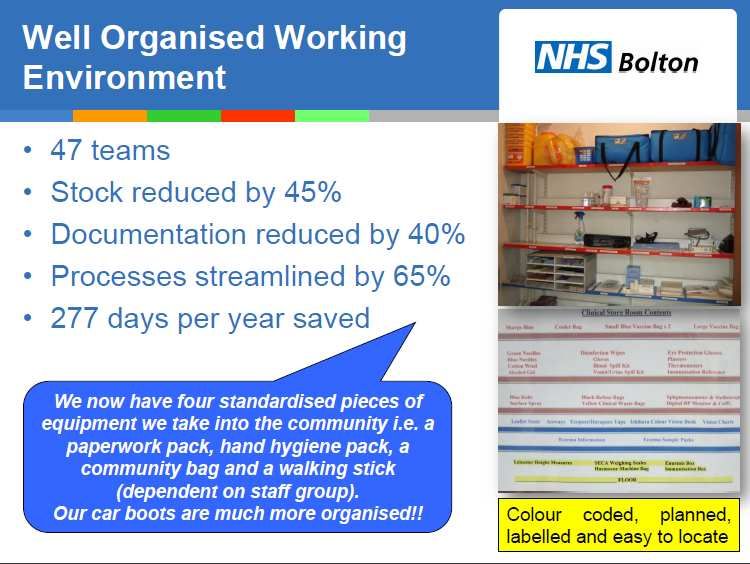
The ‘Productive Community Services’ programme is an initiative designed to make
teams as efficient as they can be whilst increasing job satisfaction by removing many
sources of frustration for staff.
Productive Community Services is an organisation-wide change programme
which helps systematic engagement of all front line teams in improving quality and
productivity.
The programme provides an evidence-based approach to improve the care clinical
teams provide in the community. The modular toolkit supports teams to analyse
their activities and develop more effective working practices. The modules are split
up into 3 different levels of foundation, planning and delivery and each module must
32be worked through in a systematic, building block approach. Some of the outcomes
are shown below;
33The Programme Manager for the Productive Series, Anna Troughton, was
nominated for the AHA awards for her leadership in PCS.
The School Nurses’ work in this area was shortlisted for the Diamond Care Awards
The following is an abstract written by the School Nurses and submitted for
consideration for presentation at the CPHVA Annual Conference:
Managing Safeguarding caseloads in school nursing using the Productive
Community Services “Knowing how we are doing module”
“NHS Bolton’s school nursing service took an innovative step, commencing
the Productive community services programme devised by the NHS institute
for innovation and improvement in 2010. This aimed to provide staff with the
time to reflect on their current practice and highlight areas for improvement,
promoting more effective and efficient working practices within our school
nursing teams.
We would like to share our experience, findings and service developments
attained from the completion of the “Knowing how we are doing (KHWAD)
module” which is the second module.
The KHWAD module helps lead a team, to develop, implement and frequently
review a set of measure that is specific to the needs of that team.
The school nursing team leaders identified key points from national serious
case review recommendations, that managers needed to have a clearer
understanding of their staff safeguarding workloads, make sure staff received
adequate safeguarding training and ensure staff accessed regular
management supervision of their high level cases. This raised concerns
locally as we did not believe we had a clear overview of these issues and
were aware that safeguarding cases were increasing on an unprecedented
34scale. This additional work was also causing an increase in workload
pressures and raising levels of stress with in their teams.
We therefore developed a visual management board in response to these
needs, to safely monitor the caseload, training and supervision levels.
Additionally we commissioned a workforce review to assist us in formulating a
numerical coding system which has enabled us to set safe workload
parameters for staff. This is incorporated on the board using a red, amber and
green (RAG) rating system to visualise low, medium and high levels of risk of
individual staff and the team as a whole.
The impact observed as a result of our changes are that the Team leaders
now have a clear understanding and succinct overview of the workload
pressures evident within the teams and can manage staff and their
safeguarding caseload more effectively. Ultimately, staff report that they feel
more supported and are able to provide a better quality of service for children,
young people and their families.”
Clinically led Quality Innovation, Productivity and Prevention (QIPP):
QIPP is about creating an environment in which change and improvement can
flourish; it is about leading differently and in a way that fosters a culture of
innovation; and it is about providing staff with the tools, techniques and support that
will enable them to take ownership of improving quality of care.
35Clinical leads from each service have attended training to drive clinically led
improvements to improve productivity and challenge current practice. Early
outcomes are showing reductions of DNA rates in targeted areas
AHP 18 weeks RTT
Allied Health Professionals (AHP) Referral to Treatment (RTT) data collection and
reporting was mandated from April 2011. Guidance received justified the importance
of AHP services for patients and their role in delivering definitive treatment for them
highlighting the need to understand the data to drive improvements in care pathways
and share best practice. As such all AHPs delivering NHS-funded services in acute,
community and mental health settings were required to collect and report AHP RTT
data. This collection and reporting was to be undertaken locally until the various data
sets were approved to allow AHP RTT data to flow for national reporting.
NHS Bolton Community Provider Arm went through a programme of work to ensure
data was collected and reported, and also various pieces of improvement work
which were implemented to develop patient pathways to achieve 18 week RTT.
Results graph below showing % of RTT 18weeks for AHP services across
Bolton Community Provider Arm.
36DIAMOND CARE AWARDS 2010
Shortlisted and winning Applicants
Best Care Category
Janet Hackin (PCT) Bolton Community Unit
Better Health Category
Sue Greenhalgh (PCT) Orthopaedic CATS
Robert Stell Winner (PCT) Specialist Podiatry Team
Value for Money
Gina Riley/Caroline Greenhalgh (PCT) District Nursing Service
Julia Stell (PCT) MSK Biomechanics Team
Valuing Staff
Liz Ashall-Payne Winner (PCT) Quality Improvement
Joanne Dorsman (PCT) School Nursing
Patient Experience
Julia Stell (PCT) Rheumatology Therapy Team
- Jane Leicester on winning the CSP Representative of the year award
- Susan Greenhalgh: A poster and joint presentation accepted for the CSP
Congress in Liverpool in October. The poster is for the Red Flag cards for
MSCC and the presentation is in relation to the AHP service improvement that
Sue has been involved in nationally.
- Sue Greenhalgh- will be presenting at the international safety conference in
April on CLINICAL PRESENTATION MAPPING: A NEW METHODOLOGY
FOR INFORMING EVIDENCE BASED PRACTICE
-
- Advancing Healthcare Awards finals
Janet Priest and her , Diagnostic neurological services, has been shortlisted in the
Rethinking the patient care pathway category of the 2011 Advancing Healthcare
Awards for Allied Health Professionals and Healthcare Scientists.
37Learning & Development
The delivery of safe, effective care relies heavily on the education and training of the
clinical , administrative and managerial workforce.
NHS Bolton Provider played a large part in achieving NHS Bolton’s recognition as a
Teaching PCT. The Learning and Development Team based at Pikes Lane Centre
for Health, are responsible for providing and supporting the delivery of mandatory,
statutory, induction, clinical and developmental training for all staff groups.
Mandatory update training sessions include update training on: non-patient moving
and handling, risk management and basic life support. The course is planned on a
year to year basis, running from April and often reflects training initiatives from other
departments of the organisation such as health and safety, fire management and
infection control.
The training session is led by staff within the Learning and Development Department
of NHS Bolton. The format of the training varies from year to year to reflect
organisational need and inform staff of any changes or initiatives that may need to
be communicated.
The training from April 2010 – March 2011 was scenario based and enabled staff to
identify with a variety of situations replicating incidents and everyday situations. The
main focus of the sessions was: basic life support, the management of risk and
moving and handling (non-patient) in the workplace setting, underpinned by infection
control.
The moving and handling and risk management elements of the course are
integrated to emphasise to staff the implications that one can have on the other. The
additional focus to this year’s training is that of fire safety and the identification of
risk.
The training lasts for three hours and is aimed at all staff employed by NHS Bolton.
Staff working in clinical roles have a responsibility to attend annually where as non-
clinical employees are required to attend on a three yearly basis.
Managers have a responsibility to ensure, that staff employed in all areas attend as
required via the annual appraisal process.
NHS Bolton currently employ 475 clinical staff who require training and assessment
in moving and handling skills in order to comply with national and local legal
requirements. Currently all new starters receive training in a classroom setting, this
includes:
• Identification of the role of the trainee and any training history relative to
moving and handling practice.
• The use of general equipment that may be used in a patient’s home; slide
sheets, hoists, slings, transfer boards, wheelchairs, hospital beds, and
turners.
• The management of risk both patient and carer related.
38You can also read


