Operational Plan 2020-2021 - Alberta's independent utilities regulator - Alberta Utilities Commission
←
→
Page content transcription
If your browser does not render page correctly, please read the page content below
Alberta’s independent utilities regulator

Operational
Plan
2020-2021
O
        ur operational plan sets out the
        work we intend to do during
                                                priorities established in previous planning
                                                cycles. Those initiatives are included in                4
        the 2020-2021 fiscal year in a          the Additional Initiatives section of this               Competition and Markets
        straightforward way that links our      document.
planned work to the strategic themes set
out in our AUC Strategic Plan 2019-2022         Supporting our strategic plan and this
                                                                                                         6
                                                                                                         Infrastructure
and to the outcomes we are intending to         operational plan, as a foundation, are
influence.                                      the core base-load responsibilities of
                                                our work as a regulator. While we pursue
                                                                                                         8
The operational plan also incorporates          the commitments in this operational                      Efficiency and Limiting Regulatory Burden
some of our efficiency and regulatory           plan, we remain committed to our vision
burden reduction initiatives, demonstrating     of delivering innovative and efficient                   12
how we intend to improve our workflow           regulatory solutions in all of our work.                 People
and enable innovation.

The operational plan additionally includes
                                                Effect of COVID-19                                       14
                                                                                                         Additional initiatives
the performance measures against which          This plan is currently the best

                                                                                                         16
we measure our work and achievements,           representation of our planned projects. We
and hold ourselves accountable.                 have re-evaluated our work because of the
                                                impact of COVID-19. A top priority during                Measuring success
Our operational plan and related work is        the crisis is to work with government,
organized around four strategic themes          industry and consumers to implement the
set out in our strategic plan. They are:        province’s Utility Payment Deferral Program
competition and markets, infrastructure,        to provide support to Albertans.                                                     Who we are
efficiency and limiting regulatory burden,
and people.                                     The AUC has also taken a hard look at              The Alberta Utilities Commission is an independent, quasi-judicial agency that
                                                                                                    regulates investor-owned natural gas, electric and water utilities and certain
                                                what its priorities should be throughout this
                                                                                                                          municipally owned electric utilities.
Our planned initiatives are described under     pandemic. We have adopted a flexible and
one of those four key themes, although          pragmatic approach to regulation, and we        The AUC is responsible to meet public interest considerations in the safe and reliable
in some cases the planned work delivers         have suspended or relaxed some activities       delivery of utility services and the rates charged to customers, and that utilities have
results across two or more objectives.          so that resources can be most efficiently                              the opportunity to earn reasonable returns.
                                                allocated, both for the AUC and our utility
It is important to recognize that our work is   sector stakeholders. As a result, some of         The AUC ensures that electric facilities are built, operated and decommissioned
                                                                                                                           efficiently and responsibly.
not limited to the initiatives supporting the   our planned work has been deferred to the
four themes of our strategic plan.              next planning period.                           It has regulatory oversight of aspects of the wholesale electricity market in Alberta as
We have identified other initiatives                                                                well as the retail gas and electricity markets. It receives no government funding.
that are either new or build on existing        - Mark Kolesar, Chair
Co mp et i tion and
market s                                                                                      4. Review AUC Rule 017: Procedures
                                                                                                 and Process for Development of ISO
                                                 2. Collaborate with the Alberta Electric
                                                                                                 Rules and Filing of ISO Rules with
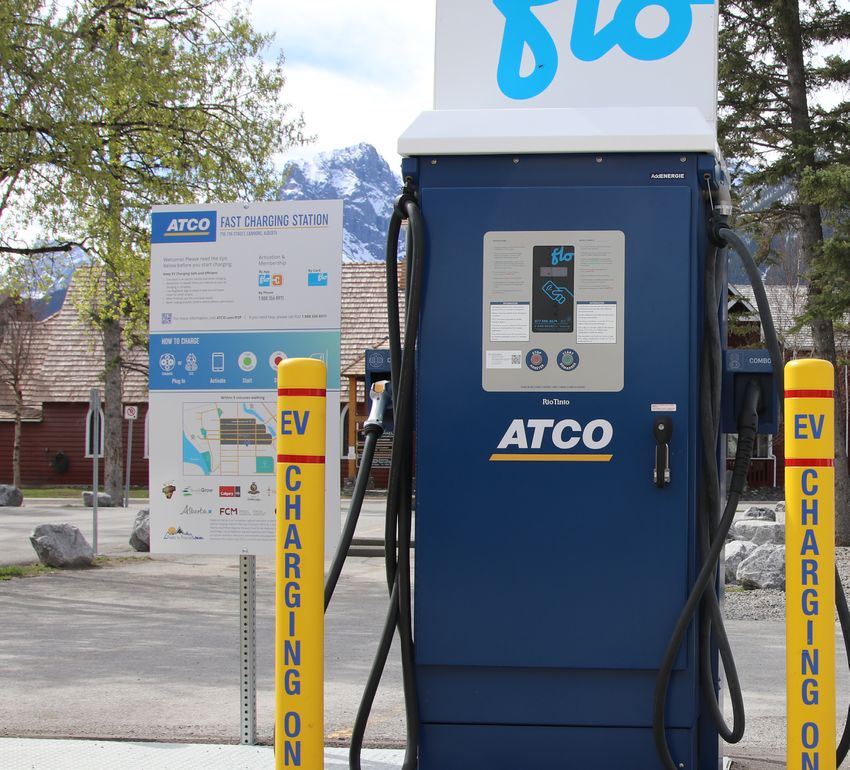
                                                    System Operator (AESO) and the                                                         Electric vehicles and the Distribution
                                                                                                 the Alberta Utilities Commission to
                The challenge:                      Department of Energy (DOE) to design
                                                                                                 consider streamlining the AESO’s filing   System Inquiry (Rates)
                                                    and implement a robust regulatory
            The effects of advancing                                                             requirements regarding its consultation
                                                    framework for electrical energy storage                                                Outcome: Electric vehicle charging
       technologies on both the industry                                                         process (Market Oversight and
                                                    in Alberta (Rates).                                                                    is one example of how new
    and on consumers have the potential                                                          Enforcement).
     to disrupt traditional utility business                                                                                               technologies, changing societal
                                                   Outcome: The regulatory framework                                                       values and expectations, and more
      models and rate structures. There                                                         Outcome: A more proportionate and
                                                   is modernized to accommodate the                                                        consumer-choice options are driving
     is a requirement to examine the role                                                       efficient approach to regulation.
                                                   benefits of new technology.                                                             the need for a smarter, more flexible
        of incumbents and new entrants
        in the technology-driven market                                                                                                    system.
      transition and to assess and adapt
     the regulatory framework, including                                                      5. Obtain and summarize stakeholder
                                                 3. Review and update interconnection
    the enablement of competition where                                                          feedback on the power plant self-supply
                                                    practices to create a standard and
                  barriers exist.                                                                export issues on behalf of the DOE
                                                    transparent process which provides
                                                                                                 (Facilities).
                                                    for consistent and nondiscriminatory
                                                    access and treatment by the incumbent
                                                                                                Outcome: A clear, concise response to
1. Evaluate financial settlement practices          utilities (Market Oversight and
                                                                                                the DOE summarizing the background
   to ensure prices reflect the value of new        Enforcement).
                                                                                                to the self-supply and export issue and
   services to the system; and advance                                                          stakeholders views on the options to
   market initiatives and enhancements             Outcome: Processes set out roles
                                                                                                address those issues and the market
   in a timely way to make the energy-             and responsibilities which are clearly
                                                                                                and tariff implications of each option.
   only wholesale market more price                defined and understood.
   responsive and accommodating
   to technological innovation and
   competition (Market Oversight and
   Enforcement).

    Outcome: An efficiently operated
    electricity market, with rules that enable
    new energy products, services and
    pricing.

4                                                                                                                                                                                   5
3. Consider alternative rate-setting
                                                                                              frameworks for transmission utilities
                                                                                              (e.g., longer test periods, revenue
                                                                                              requirement incentives or PBR-type
                                                    the AUC’s Indigenous consultation         structures) (Rates).                         Revision of Rule 007:
                The challenge:                      requirements so that they are better                                                   Applications for Power Plants,
                                                    coordinated with the consultation         Outcome: The ratemaking framework            Substations, Transmission Lines,
       A strong and efficiently operating           requirements of other government          reduces regulatory burden and                Industrial System Designations
       energy infrastructure is important           agencies.                                 improves incentives for transmission         and Hydro Developments
      to the health of Alberta’s economy.                                                     utilities to operate efficiently. Improved   (Facilities).
         AUC decisions on new projects           Outcome: Regulatory burden is reduced        incentives should result in lower costs
          and related pricing influence          by eliminating unnecessary information       for customers than they otherwise            Outcome: Revised rule to reflect the
        the level of investment, while its       requirements and improving                   would have been over time.                   evolution of electricity infrastructure
        processes ensure public interest         application-processing efficiency.                                                        to take into account advancing
       and participation responsibilities
                                                                                                                                           renewable technology including
      are met. Our objective is to develop
                                                                                                                                           improvements in wind and solar
     polices and decisions in pricing, cost                                                4. Conclude the Commission-initiated            technology as well as battery storage.
      allocation, cost recovery, social and    2. Evaluate and explore the use of non-        Distribution System Inquiry with the
       environmental considerations and           market valuation in the Commission’s        purpose of mapping out the key issues
     safety that both support the certainty,      legal requirement to assess the             related to the future of the electric
          confidence and independent                                                                                                       more granular metering data; re-design
                                                  economic effects of a facility project      distribution grid (Rates).
        expertise necessary for investor                                                                                                   of utility rates to send more effective
                                                  in its review process, by applying
        confidence and maintain a safe,                                                                                                    price signals; examine distribution
                                                  established principles to specific AUC      Outcome: Support the broader
      reliable and efficient infrastructure.                                                                                               and transmission system planning
                                                  circumstances (Facilities).                 development of a regulatory framework
                                                                                                                                           and reliability to ensure overall system
                                                                                              adapted to match the evolution of the
                                                                                                                                           optimization, control costs, address
                                                 Outcome: Non-market valuation                electric system.
                                                                                                                                           issues (e.g., tariffs) surrounding
1. Revise and rewrite AUC Rule 007               techniques may allow the Commission
                                                                                                                                           distributed energy resources and
   (Facilities).                                 to better understand the economic
                                                                                                                                           electric vehicle charging; accommodate
   • A more effective and efficient              costs or benefits of projects that are
                                                                                                                                           other consumer choice technologies
      process to: (i) address new and            not currently assigned a market value     5. Initiate follow-up proceedings required
                                                                                                                                           (Rates).
      evolving facility projects such as         (e.g., habitat loss, airshed impacts,        to address the observations or
      battery storage, wind and solar; (ii)      etc.).                                       principles identified in the Distribution
                                                                                                                                           Outcome: Adapt the regulatory
      consolidate and streamline relevant                                                     System Inquiry. Possible topics include:
                                                                                                                                           framework to accommodate the
      information requirements and                                                            enabling of, and customer access to,
                                                                                                                                           evolution of the electric system.
      eliminate outdated requirements;
                                                                                                                                           Empower customers with access to the
      implement a trusted-traveller
                                                                                                                                           data and technologies required to make
      approach to low-risk applications
                                                                                                                                           informed choices concerning energy
      whereby applications meeting
                                                                                                                                           use.
      prescribed information requirements
      will be approved subject to
      compliance audits; and (iii) update

66                                                                                                                                                                                   7
Outcome: Quantified or monetized 7. Assess the effectiveness of the
benefits realized from our efficiency new performance standards and
initiatives to better understand the other process changes for facilities
value of the improvements for both our applications implemented in Bulletin
internal costs and the costs of utilities 2019-15 (Facilities).
and stakeholders.
Outcome: Improvement and refinement
and monitor every individual efficiency
of the facilities application review
The challenge: project from approval through
process.
implementation, specific AUC files and
5. Enhance information sharing on AUC
How can the AUC improve its be assessed for effectiveness (Chief
application processes by conducting
workflow to deliver more cost- Executive).
an application workshop to guide
effective, timely and proportionate applicants through requirements. 8. Implement internal procedural changes
regulation, minimizing burden to Outcome: Improved effectiveness and
Further, the AUC Facilities Division allowable under the existing Rule 011:
industry and ensuring consumers efficiency in the AUC’s operational
will meet with prospective applicants Rate Application Process for Water
bear only the lowest prudent cost of performance and decision making
prior to application filing to answer Utilities. These procedural changes
regulation? processes.
questions about the application process may include the use of more negotiated
(Facilities). settlements, the introduction of
1. The AUC’s strategic plan objective round-table discussions and technical
to improve efficiency and limit Outcome: Improve understanding of meetings to improve the time and cost-
3. Review AUC Rule 022: Rules on Costs in
regulatory burden includes: stakeholder AUC application requirements and efficiency of water utility rate application
Utility Rate Proceedings governing costs
roundtables to identify and implement reduction of processing timelines for processes (Rates).
that regulated entities are ordered to
streamlining measures; a dedicated information requests and applications.
pay by the AUC to interveners in AUC
AUC Regulatory Burden Reduction Outcome: A more efficient, productive
applicant-driven proceedings (Rates).
Task Force to reduce bottlenecks; and timely process, proportionate to
Project Green Light, to facilitate staff- small-scale utilities.
Outcome: Improved efficiency in the
led development of new ways of 6. The AUC will work with the Aboriginal
AUC’s decision making processes
doing business; and the government’s Consultation Office and other
through improved practices and
red tape reduction initiative (Chief government of Alberta offices that
procedures as they relate to the
Executive). address Indigenous consultation 9. Implement a process that reviews
participation of interveners and
to coordinate requirements and the 36-month application forecast with
associated cost awards in rate
Outcome: Improved effectiveness and explore shared training opportunities
proceedings. utilities and intervener groups with the
efficiency in the AUC’s operational (Facilities).
goal of spacing important applications
performance and decision making
out to utilize resources more effectively
processes. Outcome: Indigenous consultation
practices will be consistent with (Rates).
4. Develop an assessment tool that
those for similar projects regulated
measures the impact of AUC regulatory Outcome: Optimizes the use of
2. A four-person AUC group will manage by other agencies and government
activities and incorporate results into resources required from the AUC,
the AUC’s efficiency and regulatory departments to promote consistency
a comprehensive annual report card customer groups and the utilities.
burden reduction efforts and work and predictability for applicants and
(Chief Executive).
plan, and report monthly. It will track stakeholders.
8 9
10. Consider alternative methods
    for testing and reviewing electric
    transmission capital projects or
    additions, including Implementing
    process improvements and
    considering alternatives for reviewing
    capital additions that could be made
    to the direct-assigned capital deferral
    account process in the future (Rates).

     Outcome: Focused record development
     results in timely approvals.

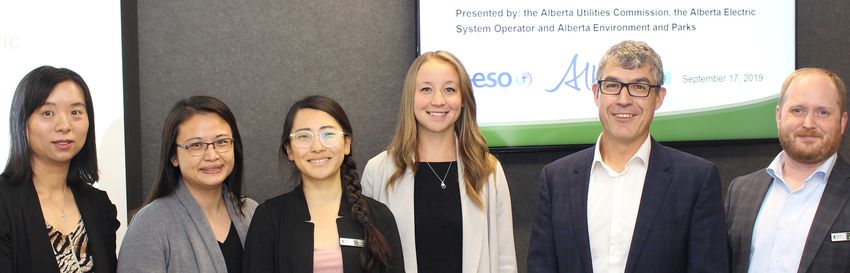
11. Establish new performance metrics                                                        From left to right: Joan Yu, Josephine Yau, Kloria Wen, Heidi Ritchie, JP Mousseau, Allan Anderson
    for the development of the record for
    intervener costs applications and         12. Improved coordination with Alberta
    Stage 1 review and variance                                                             13. Analyze best practices of
                                                  Environment and Parks (AEP) on
    proceedings. Currently, both processes                                                      comparable regulatory agencies
                                                  industrial approvals for thermal plants                                                      Power plant application workshop
    are guided by internal standards              and referral reports for renewable            in Canada and the U.S. to gain
                                                                                                information about common                       (Facilities)
    that do not have external record              projects to better align the AUC
    development metrics (Facilities and           and AEP processes and approvals               responsibilities and regulatory
                                                                                                                                               Outcome: Power plant application
    Rates).                                       (Facilities).                                 processes in order to continue to
                                                                                                                                               workshop for renewable applicants
                                                                                                develop benchmark performance
                                                                                                                                               streamlines both preparation and
     Outcome: Measurable, external facing        Outcome: Reduced regulatory burden,            measures (Chief Executive).                    processing of wind and solar applications.
     performance standards to promote            smarter, more coordinated and efficient                                                       Applicants, AUC and other government
     accountability and consistency in the       processes.                                   Outcome: Identify opportunities                  agencies such as Alberta Environment
     development of the record for costs                                                      to apply different processes at                  and Parks provide clarity about how to
     and review and variance applications                                                     the AUC with the objective of                    prepare facilities applications and better
     will ensure timely decisions.                                                            improved efficiency and reduced                  understand regulatory requirements.
                                                                                              regulatory burden.

10                                                                                                                                                                                                11
People
                The challenge:
       As competitive forces and technological advancements
     create new demands and begin to dramatically reshape the
     utilities sector, how can the Commission meet the challenge
     of attracting, developing and retaining people with the skills,
     experience and education required to meet these demands?

1. Expand on experiential learning, project        financial assessment of investments
   leadership and external learning and            in new technology and the analysis of
   development opportunities for our               data generated by advanced information            Conduct an environment scan to identify the skillset required to keep pace
   emerging leaders (Corporate Services).          technology (Corporate Services).                  with an evolving utilities industry (Corporate Services).

     Outcome: A roster of recognized               Outcome: Professional, savvy and                  Outcome: Modernize the AUC’s personnel competency requirements
     industry technical experts with               capable regulator.                                to evolve core and technical competency areas beyond traditional
     established leadership skills.                                                                  expertise.

                                                3. Develop a more decentralized,
2. Develop educational material with an            multi-disciplinary and team-based
   emphasis on internal competency                                                           4. Enhance the AUC’s leadership development program with a focus on preparing a
                                                   approach to our work (Chief Executive).
   development including evolving rate                                                          diverse group of emerging leaders to meet the technical and leadership demands
   design expertise, how emerging                                                               required in a changing environment (Corporate Services).
                                                   Outcome: A more agile and
   technologies will affect energy grids,          innovative regulator.
   consumer behaviour, the operation of                                                        Outcome: Identification and development of a diverse group of future leaders that
   emerging competitive markets, the                                                           possess the required technical and leadership skills to succeed the current leadership
                                                                                               team and face the challenges ahead.

12                                                                                                                                                                                 13
The challenge:
From left to right: Stephen Bruce,
In approaching our work for this operational planning period we
Dan Woodland, Darren Scholz
have aligned our efforts with the strategic objectives identified in
our strategic plan. Of course, our work is not limited to the initiatives
tied to our strategic objectives. We are also focused on how we can
improve and evolve our approach in other areas of our work. Formalize the AUC information technology cloud-computing strategy and
timeline (Corporate Services).
1. Initiate a process to consider inter- 3. Pursue reforms to AUC Rule 027: Outcome: Application of efficient and emerging information technologies.
temporal issues related to depreciation Specified Penalties for Contravention
including net salvage and other agreed- of Reliability Standards relating to 5. Review of policy changes brought 7. Performance-based regulation:
to matters (Rates). the lag time between the approval of forward by Measurement Canada • Develop a plan for rebasing of
new or revised reliability standards (Market Oversight and Enforcement). the subsequent generation of
Outcome: One-time consideration or the removal of obsolete reliability performance-based regulation (PBR)
of issues affecting multiple utilities standards and the inclusion of the new Outcome: Market participants that will occur after the current 2018-
will provide certainty, consistency or revised reliability standards. Review understand and comply with 2022 term (Rates).
between the utilities and efficiency for AUC Rule 019: Specified Penalties for Measurement Canada’s metering
all parties going forward as issues will Contravention of ISO Rules to consider requirements. • AUC Rule 002: Service Quality and
not need to be reconsidered in multiple the Market Surveillance Administrator’s Reliability Performance Monitoring
proceedings. request to amend the penalty table and Reporting for Owners of Electric
(Market Oversight and Enforcement). Distribution Systems and for Gas
Distributors will also be reviewed
Outcome: A flexible, proportionate 6. Upgrade current information technology
to include the distribution utilities’
2. Proactively engage stakeholders to approach to enforcement and market with a view to extend the life of the
asset-management program (Market
enable better understanding of our rules. AUC’s regulatory recording-keeping
Oversight and Enforcement).
compliance and enforcement activities system (eFiling System) and support
(Market Oversight and Enforcement). Project Green Light initiatives requiring Outcome: Continue providing strong
information technology system incentives for distribution utilities to
Outcome: Market participants 4. Revision of AUC rules (e.g., Rule 032: investment (Corporate Services). operate efficiently, provide lower rates
understand and comply with their Specified penalties) (Market Oversight for customers than they otherwise
regulatory obligations under the AUC’s and Enforcement). Outcome: Identification and would have been.
rules, decisions and orders to ensure maximization of current investment
consumers are protected. Outcome: Timely and proportionate in the AUC eFiling System to allow
consumer protection. for prolonged use and more efficient
processes.
14 15The AUC is committed to being a performance-based organization.
We will report the progress we have made in delivering on our commitments
in our AUC Annual Report Card to our stakeholders that will be published on
our website.
Those commitments arise from three aspects of our work:
• Our established legacy performance measures formerly housed in our
rolling three year business plans.
• The planned initiatives set out in our strategic plan and this Operational
Plan.
• The progress we have made on improving efficiency and limiting
regulatory burden, including our progress in reducing regulatory
requirements as required by the Alberta government’s red tape reduction
plan.
The published AUC Annual Report Card will provide clear, transparent and
comprehensive information that will allow stakeholders to better understand
and assess our progress in delivering on our commitments and meeting our
organizational objectives.
16Vision:
To be a trusted leader that delivers innovative and
efficient regulatory solutions for Alberta.
AUC 2019-2022 Strategic Plan:
http://www.auc.ab.ca/Shared%20Documents/2019-2022StrategicPlan.pdf
AUC Annual Report Card:
Inaugural report to be issued in June 2020
Contact us:
www.auc.ab.ca Calgary: Edmonton:
info@auc.ab.ca Eau Claire Tower 106 Street Building
310-4282 (in Alberta) 1400, 600 Third Avenue S.W. Tenth Floor, 10055 106 Street
1-833-511-4282 (outside Alberta) Calgary, Alberta T2P 0G5 Edmonton, Alberta T5J 2Y2You can also read


