Organizing, Playing, and Watching Games
←
→
Page content transcription
If your browser does not render page correctly, please read the page content below
Best Practices on Organizing, Playing, And Watching Little League® Baseball and Softball During the Coronavirus Pandemic

Organizing, Playing, and
Watching Games

As local Little League programs are considering a return to the field, it is recommended that each league and district adheres to the guidelines
set forth by their respective state and local government and health officials in terms of public gatherings, organized youth sports, and
sporting events when determining when it is safe to return to Little League activities. Local league volunteers should thoroughly review the
Season Resumption Guide (LittleLeague.org/SeasonResumption) and the Little League Coronavirus Frequently Asked Questions
for General Information, Insurance, and Tournament before returning to play. Once your league is able to resume activities, below are
some best practices for helping to provide a safe place to play, while stressing the importance of mitigating the spread of COVID-19.
These best practices have been compiled from resources and direct guidance from the U.S. Centers for Disease Control
and Prevention (CDC), the World Health Organization (WHO), The Aspen Institute, among others.
Leagues are encouraged to, first and foremost, follow all directives and guidance from their state and local government,
and should ask their state governmental and health officials for any information available regarding resuming youth
sports within the state. All Little League managers, coaches, umpires, league officials, and families are strongly
encouraged to review these guidelines.
This guidance was last updated on May 18. Little League will continue to update these comprehensive resources to
provide additional best practices guidance as information is further developed around COVID-19 mitigation.
In addition to state and local guidance, we encourage leagues to consider the following when returning to play.

                                                                                                                       Last updated : May 27, 2020
Best Practices on Organizing, Playing, And Watching Little League® Baseball and Softball During the Coronavirus Pandemic

General Guidance                                                                                      Key Audiences
                                                                                                      Players

Wash Your Hands Often:                                                                                Parents/Guardians/Caregivers
                                                                                                      and
• Wash your hands often with soap and water
                                                                                                      Other Children
  for at least 20 seconds, or about the time it
  takes to recite the Little League Pledge twice,                                                     Managers/Coaches
  especially after you have been in a public                                                          Umpires
  place, or after blowing your nose, coughing,
  or sneezing.                                                                                        League and District Officials
• If soap and water are not readily available,                                                        Fans/Spectators
  use a hand sanitizer that contains at least 60%
  alcohol. Cover all surfaces of your hands and
  rub them together until they feel dry. Leagues
  are encouraged to provide handwashing
  stations and/or hand sanitizer, if possible.                                                        CDC Resouces
• Avoid touching your eyes, nose, and mouth.                                                          How to Protect Yourself &
• Players are encouraged to bring their own                                                           Others (PDF Download)
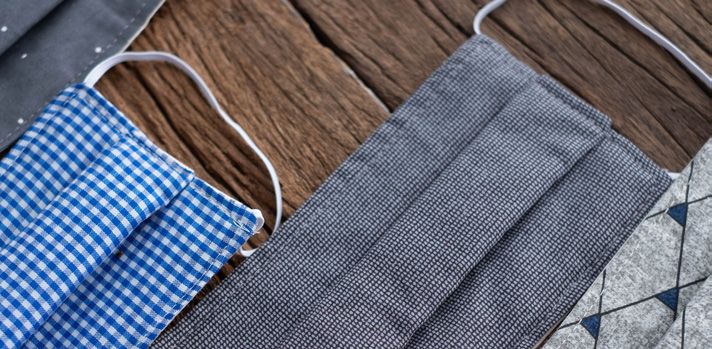
  hand sanitizer for personal use. Hand sanitizer                                                     Use of Cloth Face Coverings
  should be placed in all common areas off-field                                                      to Help Slow the Spread of
  for easy use.                                                                                       COVID-19 (PDF Download)

Cover Your Mouth and Nose                       Cover Coughs and Sneezes:                Self-monitoring and
with a Cloth Face Covering                      • If you are in a private setting and do Quarantine:
When Around Others:                               not have on your cloth face covering,           • All individuals should measure their body
• You could spread COVID-19 to others             remember to always cover your mouth               temperature to ensure that no fever is
  even if you do not feel sick.                   and nose with a tissue when you cough             present prior to participating or attending
                                                  or sneeze, or use the inside of your elbow.       each Little League activity. Anyone with
• Everyone should wear a cloth face
  covering when they have to go out in          • Throw used tissues in the trash immediately.      symptoms of fever, cough, or worsening
  public, for example, in public areas around   • Immediately wash your hands with soap             respiratory symptoms, or any known
  your Little League fields and parks.            and water for at least 20 seconds. If soap        exposure to a person with COVID-19
                                                  and water are not readily available, clean        should not attend any Little League activity
                                                  your hands with a hand sanitizer that             until cleared by a medical professional
                                                  contains at least 60% alcohol.                    (CDC Resource: If You Are Sick
                                                                                                    or Caring For Someone | PDF
                                                Social Distancing:                                  Download).
                                                • All players, coaches, volunteers,               • Any individual, including players, at risk
                                                  independent contractors, and spectators           for severe illness or with serious underlying
                                                  should practice social distancing of six feet     medical or respiratory condition should
                                                  wherever possible from individuals not            only attend Little League activities with
• Cloth face coverings should not be
                                                  residing within their household, especially       permission from a medical professional.
  placed on young children under age 2,
                                                  in common areas. For situations when
  anyone who has trouble breathing, or is
                                                  players are engaging in the sports activity,
  unconscious, incapacitated, or otherwise
                                                  see On-Field Guidance below for more
  unable to remove the mask without
                                                  information.
  assistance.
                                                • Avoid close contact with people who
• The cloth face covering is meant to protect
                                                  are sick.
  other people in case you are infected.
                                                • Stay home as much as possible.
• Do NOT use a facemask meant for a
  healthcare worker, as it is important for
  these facemasks are available for those
  professionals needing that personal
  protective equipment.
• Continue to keep six feet between yourself
  and others. The cloth face covering is not
  a substitute for social distancing.
                                                                                                                       Last updated : May 27, 2020
Best Practices on Organizing, Playing, And Watching Little League® Baseball and Softball During the Coronavirus Pandemic

On-Field Guidance                                                                                      Key Audiences
                                                                                                       Players

Healthy Practices:                                                                                     Parents/Guardians/Caregivers
• All players and coaches should practice good general health habits, including maintenance            Managers/Coaches
  of adequate hydration, consumption of a varied, vitamin-rich diet with sufficient                    Umpires
  vegetables and fruits, and getting adequate sleep.

No Handshakes/Personal Contact Celebrations:
• Players and coaches should take measures to prevent all but the essential contact
  necessary to play the game. This should include refraining from handshakes, high fives,
  fist/elbow bumps, chest bumps, group celebrations, etc. Little League International
  suggests lining up outside the dugout and tipping caps to the opposing team as a sign
  of good sportsmanship after a game.
• Players and families should vacate the field/facility as soon as is reasonably possible
  after the conclusion of their game to minimize unnecessary contact with players, coaches,
  and spectators from the next game, ideally within 20 minutes.

Drinks and Snacks:                                • Cloth face coverings should not be               equipment directly contacting the head
• Athletes, managers/coaches, and umpires           placed on young children under age 2,            and face (catcher’s mask, helmets).
  should bring their own personal drinks            anyone who has trouble breathing, or is        • Player’s equipment (e.g. bags, helmets,
  to all team activities. Drinks should be          unconscious, incapacitated, or otherwise         bats, gloves, etc.) should be cleaned and
  labeled with the person’s name.                   unable to remove the mask without                disinfected after each use by a parent/
                                                    assistance.                                      guardian/caretaker, where applicable.
• Individuals should take their own drink
  containers home each night for cleaning         Dugouts:                                         • Individuals disinfecting equipment are
  and sanitation or use single-use bottles.                                                          encouraged to use gloves while using
                                                  • Managers/coaches and players should
• There should be no use of shared or team                                                           disinfectants and follow the manufacturer’s
                                                    be assigned spots in the dugout or on the
  beverages.                                                                                         directions for use. All disinfectants should
                                                    bleachers so that they are at least six feet
                                                                                                     be stored properly, in a safe area, out of
• Teams should not share any snacks or              apart and must be placed behind a fence.
                                                                                                     the reach of children.
  food. Players should bring individual,          • Players are to stay at their assigned spots
  pre-packaged food, if needed.                                                                    • Players should not share towels, clothing,
                                                    when on the bench or while waiting their
                                                                                                     or other items that they may use to wipe
Personal Protective Equipment                       turn to bat.
                                                                                                     their face or hands
(PPE):                                            • Players and managers/coaches should wear
                                                    a cloth face covering while in the dugout.     Baseballs and Softballs:
• All managers/coaches, volunteers,
                                                                                                   • Baseballs and softballs should be rotated
  umpires, etc., should wear PPE whenever         Player Equipment:
                                                                                                     through on a regular basis, at least every
  applicable and possible, such as cloth          • No personal player bat bags/equipment            two innings, to limit individual contact.
  face coveringst.                                  bags should be allowed in the dugout.
                                                                                                   • Umpires should limit their contact with
• Players should wear cloth face coverings          Player equipment should be spaced
                                                                                                     the ball, and catchers should retrieve foul
  when in close contact areas and in places         accordingly outside the dugout to prevent
                                                                                                     balls and passed balls where possible.
  where recommended social distancing               direct contact.
  is challenging or not feasible, such as                                                          • Balls used in infield/outfield warm-up
                                                  • Players should have their own individual
  in dugouts.                                                                                        should be isolated from a shared ball
                                                    batter’s helmet, glove, bat, and catcher’s
                                                                                                     container.
• Players should not wear protective medical        equipment.
  gloves on the field during game play.                                                            • Foul balls landing outside the field of
                                                  • Measures should be enacted to avoid, or
                                                                                                     play should be retrieved by participating
• Players, especially at younger divisions, are     minimize, equipment sharing when feasible.
                                                                                                     players, coaches, and umpires. No
  not required to wear a cloth face covering      • Some critical equipment may not be able          spectators should retrieve the ball.
  while on the field during game play.              to be obtained by every individual. When
• Players will be permitted to wear a cloth         it is necessary to share critical or limited   Spitting, Sunflower Seeds,
  face covering on the field during game            equipment, all surfaces of each piece          Gum, etc.:
  play, if physically able to do so, based          of shared equipment must be cleaned            • Sunflower seeds, gum, etc., should not be
  on any directive of a medical provider or         first and then disinfected with an EPA-          allowed in dugouts or on the playing field.
  individual determination of the player/           approved disinfectant against COVID-19
                                                                                                   • All players and coaches are to refrain from
  parent/guardian/caretaker.                        and allowed sufficient time to dry before
                                                                                                     spitting at all times, including in dugout
                                                    used by a new player. Increased attention
                                                                                                     areas and on the playing field.
                                                    should be paid to detailed cleaning of all
                                                                                                                         Last updated : June 5, 2020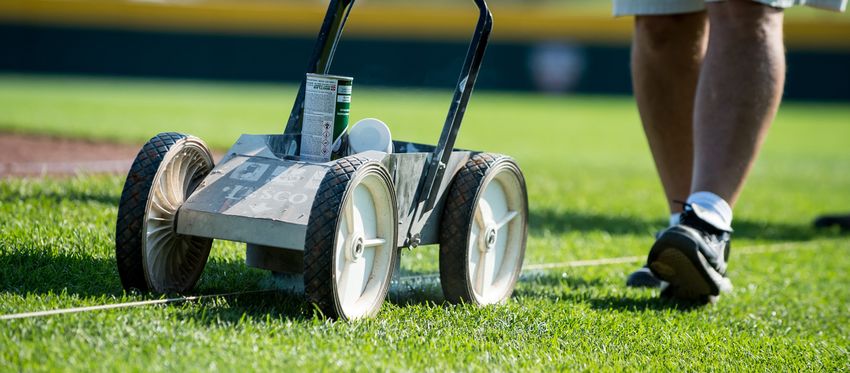
Best Practices on Organizing, Playing, And Watching Little League® Baseball and Softball During the Coronavirus Pandemic

Game Operations                                                                                      Key Audiences

and Umpire
                                                                                                     Managers/Coaches
                                                                                                     Umpires
                                                                                                     League/District Officials and

Guidance
                                                                                                     Volunteers

Pre-Game Plate Meetings:             Limit League/Game                                           Umpire Placement:
• If possible, plate meetings should Volunteers:                                                 • Umpires are permitted to be placed behind
  be eliminated.                                • For each game, there should only be              the pitcher’s mound/circle to call balls
• Social distancing of six feet between           the required team managers/coaches,              and strikes. Umpires are encouraged to
  individuals should be implemented during        umpires, and one (1) league administrator        keep a safe distance from players as much
  all pre-game plate meetings between             (i.e. Safety Officer, player agent, etc.) in     as possible.
  teams and umpires.                              attendance.                                    • If physically able, umpires are encouraged
                                                • Practices should be limited to the               to wear cloth face coverings while umpiring.
                                                  managers/coaches and players.
                                                • Scorekeeping should be done by team
                                                  coaches or team parent/guardian via
                                                  GameChanger. Proper social distancing
                                                  should be practiced.
                                                • Press boxes should not be utilized unless
                                                  there is ample room for social distancing
                                                  to occur within them.
                                                Field Preparation and
• Plate meetings should only consist of one     Maintenance:
  manager or coach from each team, and          • Fields should be mowed, raked, and
  game umpires.                                   lined prior to teams and spectators
• All participants should wear a cloth face       arriving at the complex and after they
  covering.                                       depart. It is encouraged that volunteers
• No players should ever be a part of plate       already participating in the game
  meetings.                                       (managers/coaches, umpires, and league
                                                  administrator) perform these tasks to limit
Equipment Inspection:                             individuals at the site.
• Players should place their individual         • It is recommended that any shared field
  equipment in a well-spaced out manner           preparation equipment be sprayed or
  for inspection. Umpires should avoid direct     wiped with cleaner and disinfectant before
  contact with equipment where possible           and after each use.
  but, when required, use hand sanitizer
  that contains at least 60% alcohol after
  the inspection of each individual piece
  of equipment.

                                                                                                                       Last updated : June 5, 2020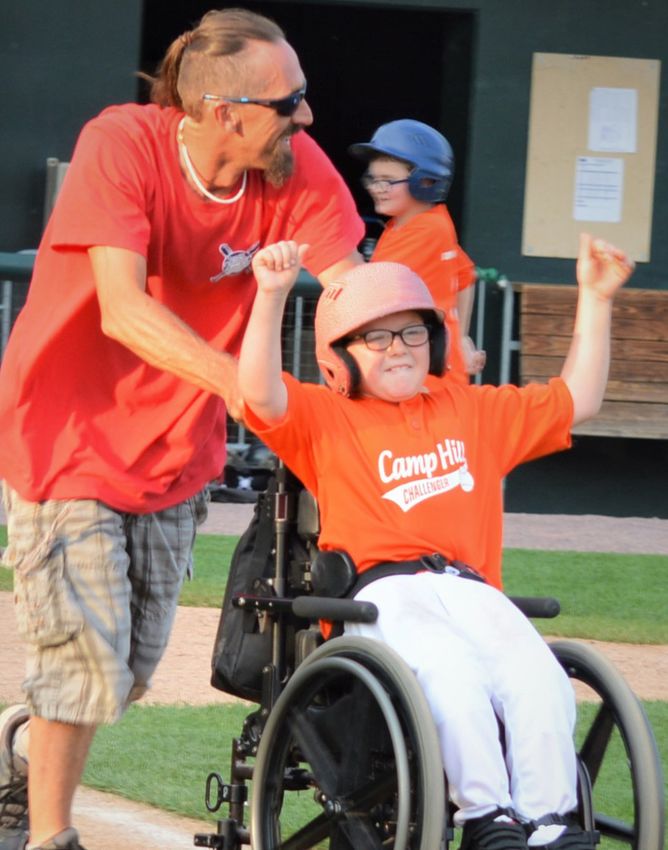
Best Practices on Organizing, Playing, And Watching Little League® Baseball and Softball During the Coronavirus Pandemic

Facility, Fan, and                                                                                 Key Audiences

Administrative
                                                                                                   League Administrators
                                                                                                   Parents/Guardians/Caretakers
                                                                                                   Fans/Spectators

Guidance Part 1                                                                                    CDC Resouces
Clean and Disinfect Shared                          the number of people allowed to gather         Reopening Guidance for
Equipment and Surfaces:                             in one place.                                  Cleaning and Disinfecting
• Clean AND disinfect frequently touched          • Wait in cars before practice or game; limit    Public Spaces
  surfaces daily and in between all facility        the use of van pool or carpools.
                                                                                                   Guidance for Cleaning and
  uses, including practices and games. This       • Allow time between practices and games
                                                                                                   Disinfecting (PDF Download)
  includes tables, doorknobs, light switches,       for cleaning and disinfecting.
  countertops, handles, desks, phones,                                                             Guidance for Administrators in
                                                  Limiting Spectator                               Parks and Recreation Facilities
  keyboards, facility equipment, dugouts,
  toilets, faucets, and sinks.
                                                  Attendance:
                                                                                                   Visiting Parks and Recreation
• If surfaces are visibly soiled or dirty, they   • All spectators should follow best social       Facilities
  should be cleaned with a detergent or             distancing practices — stay six feet away
  soap and water prior to disinfection.             from individuals outside their household;
                                                    wear a cloth face covering at all times;
                                                    avoid direct hand or other contact with
                                                    players/managers/coaches during play.
                                                  • Local Leagues may choose to minimize
                                                    the exposure risk to spectators by limiting
                                                    attendance to only essential volunteers
                                                    and limited family members.
                                                  • Spectators should bring their own seating
Spread Out Scheduling of                            or portable chairs when possible.
Practices and Games:                              • Leagues are encouraged to utilize
• League administrators should schedule             streaming opportunities to provide virtual
  sufficient time between practices and             spectating.
  games to facilitate the complete evacuation     • A spectator with any of the
  of individuals from a previous practice or        following conditions should not
  game from the premises before the next            attend a practice or game until
  group enters.                                     evaluated by a medical provider
• Players/families/spectators are instructed        and given clearance to do so:
  not to show up to fields more than 40            • Active COVID-19 infection
  minutes before game time.                        • Known direct contact with an individual
• Where possible, individuals should enter             testing positive for COVID-19
  your complex through one point of entry          • Fever
  and exit through another.                        • Cough
• Arrivals to the complex can be scheduled to      • Those at higher risk for severe
  help ensure a large number of individuals            disease should consider consultation
  are not arriving at the same time.                   with their medical provider before
                                                       attending a game and should
• If there is a game or practice prior to              ensure the strictest adherence to
  your event, families and spectators are              guidelines regarding face coverings,
  encouraged to stay in their vehicles or at           distancing, and handwashing.
  recommended social distances until the start         Such groups include:
  of their game play to prevent overcrowding           • Those with a serious underlying medical
  of spectator spaces and walkways.                      condition, including heart disease,
                                                         morbid obesity, diabetes, lung disease,
• On-field warm-up should be limited as                  immunocompromise, chronic kidney
  much as is reasonably possible and no                  disease, and chronic lung disease.
  more than 30 minutes.                                • Those currently residing in a nursing
• Ensure sure that practices and games follow            home or long-term care facility
                                                       • Those over 65
  all local and state directives regarding
                                                                                                                     Last updated : June 5, 2020
Best Practices on Organizing, Playing, And Watching Little League® Baseball and Softball During the Coronavirus Pandemic

Facility, Fan, and                                                                                    Key Audiences

Administrative
                                                                                                      League Administrators
                                                                                                      Parents/Guardians/Caretakers
                                                                                                      Fans/Spectators

Guidance Part 2
                                                 Concession Stands:                                    CDC Resouces
                                                 • No food or concession sales should be               Reopening Guidance for
                                                   allowed at facilities.                              Cleaning and Disinfecting
                                                                                                       Public Spaces
                                                 • Families are encouraged to bring their
                                                   own food/beverages.                                 Guidance for Cleaning and Disin-
                                                                                                       fecting (PDF Download)
                                                 Post Information to Promote
                                                 Everyday Preventive Actions:                          Guidance for Administrators in
                                                                                                       Parks and Recreation Facilities
                                                 • Leagues should display posters and signs
                                                   throughout the park to frequently remind            Visiting Parks and Recreation
                                                   visitors to take steps to prevent the spread        Facilities
                                                   of COVID-19. These messages may include
                                                   information about:
                                                      • Staying home if you are sick or do not
                                                        feel well, and what to do if you’re sick
                                                        or feel ill.
Public Restrooms:                                     • Using social distancing and maintaining
                                                        at least six feet between individuals in
• Communicate information on available                  all areas of the park.
  facilities and policies to all parents prior        • The CDC has downloadable resources
  to resuming or beginning season.                      available to post at public places; and
                                                        leagues are encouraged to utilize
• Access to public restrooms should be
                                                        additional resources from their state or
  limited if possible.                                  local authorities.
• A “one-in-one-out” policy, where only one
  individual is permitted within the restroom
  at one time, should be implemented to
  ensure adequate distancing in the confined
  restroom space.
• Prior to and after any league activity,
  restrooms should be thoroughly cleaned
  and disinfected. Restrooms should be
  disinfected on a regular basis.
• Public water fountains or refillable water
  stations should not be used, and should be
  turned off to discourage use, if possible.                                                       Member Communication:
                                                                                                   • Local leagues should disseminate
                                                                                                     information to all families, volunteers,
                                                                                                     and spectators about the Coronavirus
                                                                                                     risk and the efforts your league will be
                                                                                                     undertaking to mitigate those risks, as
                                                                                                     outlined above. Information should be
                                                                                                     disseminated by way of email, league
                                                                                                     website, social media, coach talks, and
                                                                                                     public announcements.
                                                                                                   • Designate a league board representative
                                                                                                     to be responsible for COVID19 concerns
                                                                                                     (e.g. Safety Officer)

                                                                                                                        Last updated : June 5, 2020
Best Practices on Organizing, Playing, And Watching Little League® Baseball and Softball During the Coronavirus Pandemic

Additional,                                                                                         Key Audiences

Division-Specific
                                                                                                    Players
                                                                                                    Parents/Guardians/Caregivers
                                                                                                    Managers/Coaches

Guidance                                                                                            Umpires
                                                                                                    League and District Officials

Tee Ball and Coach Pitch:                        Little League Challenger                       Little League® Sandlot
• Team numbers should be reduced, to help        Division® and Senior                           Fun Days
  limit the number of individuals at practices   Challenger Division:                           LittleLeague.org/SandlotFunDays
  and games.                                     • Buddies should be from the same household    • While activities should be player-led; the
• Volunteers are encouraged to be from the         as the player whenever possible.                adult volunteers overseeing Little League
  same household as players, as much as          • Buddies should wear cloth face coverings        Sandlot Fun Day events should provide
  possible. Coaches should wear cloth face         whenever possible, and frequently use           a thorough overview of appropriate
  coverings whenever possible.                     hand sanitizer that contains at least 60        mitigation effortsand are responsible for
• The focus on these divisions should be on        percent alcohol.                                ensuring these guidelines are followed.
  fun and player development.                    • Parents/Guardians of players with high       Pre-/Post-Practice and Game
                                                   risk health concerns should consult a        Free Play
                                                   medical professional prior to having their
                                                   player participate.                          • Unofficial pre- and post-practice or game
                                                                                                  activities should be discouraged. If they do
                                                                                                  occur, the activities should have constant
                                                                                                  adult supervision to assure appropriate
                                                                                                  social distancing and PPE guidelines are
                                                                                                  being followed.

                                                                                                                     Last updated : May 27, 2020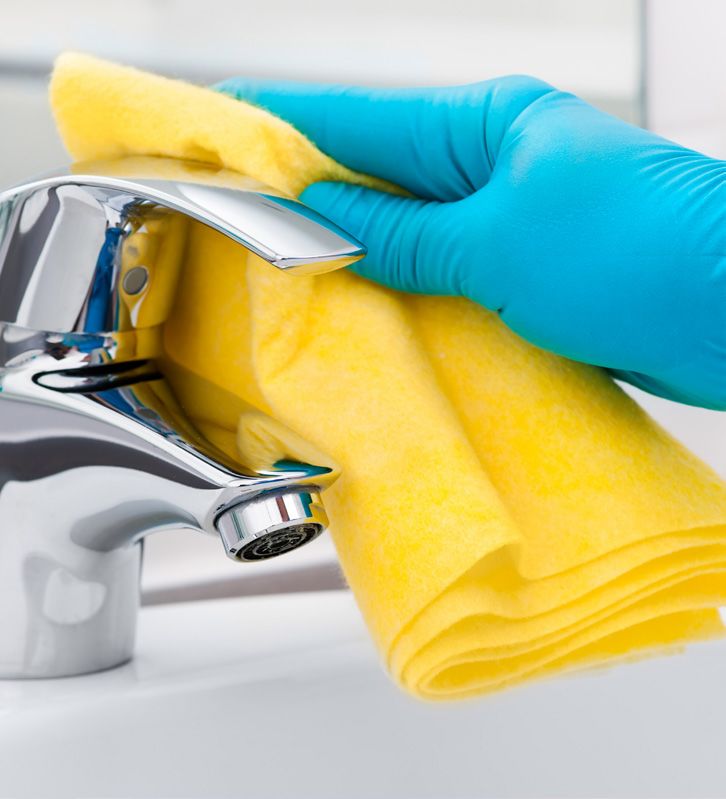
You can also read


