Pacific Community Transition Plan 2021 Foundations for a resilient future: Response to recovery - Foundations for a ...
←
→
Page content transcription
If your browser does not render page correctly, please read the page content below

Pacific Community Transition Plan 2021 | Foundations for a resilient future: Response to recovery

Pacific Community Transition Plan 2021
Foundations for a resilient future:
Response to recovery

                            1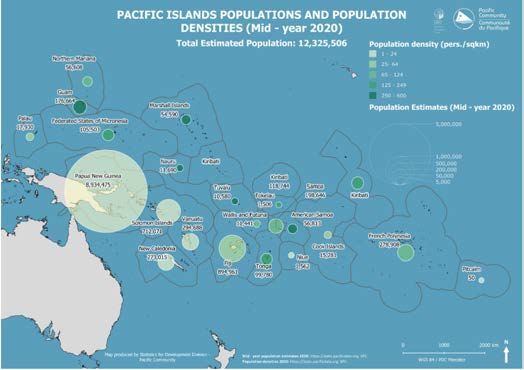
Pacific Community Transition Plan 2021
    Foundations for a resilient future:
    Response to recovery

                    Noumea, New Caledonia, 2020

2
Pacific Community Transition Plan 2021 | Foundations for a resilient future: Response to recovery

                                             © Pacific Community (SPC) 2020                                                  OUR ORGANISATION
All rights for commercial/for profit reproduction or translation, in any form, reserved. SPC authorises the partial repro-   Situated in the Pacific and owned by its membership,                             PACIFIC PEOPLE
duction or translation of this material for scientific, educational or research purposes, provided that SPC and the source   the Pacific Community (SPC) partners with communities,
document are properly acknowledged. Permission to reproduce the document and/or translate in whole, in any form,             governments, non-state actors, universities, and the                             We serve the people of the Pacific, 12.5 million people
whether for commercial/for profit or non-profit purposes, must be requested in writing. Original SPC artwork may not         private sector through science, knowledge and innova-                            living in 22 island countries and territories. Pacific people
be altered or separately published without permission.                                                                       tion to support evidence based decisions that support                            are known for their unique and vibrant cultures. ‘Culture
                                                                                                                             the empowerment, wellbeing and prosperity of Pacific                             is the breath that blows the conch shell of a nation’s
                                                   Original text: English                                                    people.                                                                          identity, intellectual, moral and spiritual life’.1
                                     Pacific Community Cataloguing-in-publication data

Pacific Community Transition Plan 2021: foundations for a resilient future - response to recovery

1. Pacific Community.
2. Technical assistance – Oceania.
3. International organization – Oceania.
4. Regionalism (International organization) – Oceania.

I. Title II. Pacific Community

341.2460995                                                                 AACR2

ISBN: 978-982-00-1365-0

                                                                                                                                 Pacific people have for centuries used wayfinding and knowledge to sustain life and livelihoods
                                                                                                                                 across the Blue Pacific.

                                                                                                                                 Today, the combination of science, technology and innovation with Pacific knowledge and
                                                                                                                                 wayfinding is vital for planning and action for impact in the region. This transition plan is designed
                                                                                                                                 to move SPC from immediate and necessary responses to the COVID-19 pandemic to recovery efforts
                                                                                                                                 that build long-term development transformation across the Blue Pacific Continent.

                                                                                                                             1   SPC. 2010. Regional Culture Strategy: Investing in Pacific Cultures 2010–2020. (http://purl.org/spc/digilib/doc/b3h23)

                                                             4                                                                                                                                            1
Pacific Community Transition Plan 2021 | Foundations for a resilient future: Response to recovery
OUR TRANSITION PLAN Key statistics and signals 2020
The Pacific Community Transition Plan 2021 sets out our strategic intent and plans for action to respond to, and support recovery
from the shocks of 2020. The Transition Plan builds on the strengths of previous strategies and lessons learned, recognises
Key statistics and signals 2020
the uncertainty of the present, and looks to consolidate a strong foundation for an aspirational and future-oriented Pacific
Community Strategic Plan 2021+.
COVID-19 NUMBERS IN THE PACIFIC
The Paci c has been largely spared the direct effects of COVID-19 in
GUIDING PRINCIPLES OUR TRANSITION PLAN WILL: terms of morbidity and mortality: As of 6 October 2020, 7 members
9 guide SPC’s work with members and partners to focus our scientific and (Commonwealth of the Northern Marianas, Fiji, French Polynesia,
technical capabilities, and regional public goods, on national and regional Guam, Papua New Guinea, New Caledonia and the Solomon
Member driven priorities for response to recovery priorities Islands) have reported a total case fatality of 1.2 %¹
Cases 7,124 Deaths 82
9 inform our pivot to building organisational systems and processes to better
Inclusive support our staff and member services Emerging economic impacts as a result of Covid-19
High-level thought leadership 9 provide a dynamic way forward, acknowledging that in times of high
uncertainty, plans must be adjusted to meet changes in context, needs and
Sharp decline in tourist arrivals,
aspiration
Bigger decline in per capita with border closures/ travel
restrictions is impacting Paci c
Increased demand for Gender economic growth rate, larger than economies heavily reliant on
Based Violence (GBV) crisis centre in previous crises, e.g. -11.4 for Palau tourism.
services from those experiencing
and -21% for Fiji²
We acknowledge SPC members, staff and partners who have contributed evidence and analysis to shape this plan through domestic violence. In Fiji, calls to the
regional mapping, trends analysis and foresight for the Strategic Plan 2021+ and the Blue Pacific 2050 Strategy; mid-year national domestic violence helpline
nearly tripled in April (527)
reflection and reporting; and member discussions on the impacts of COVID-19 and resulting needs. compared to March (187) and Remittances remain an important
February (97).⁷ source of income assisting families
OUR VISION to meet basic needs, education,
health care, traditional and cultural
As a member-owned, intergovernmental scientific and technical organisation, we are part of the Blue Pacific Vision: obligations³
School closures have disrupted
The Blue Pacific Continent is a region of peace, harmony, security, social inclusion, and increased education with girls less able to access
online learning options. Girls are also
prosperity so that all Pacific people are leading free, healthy and productive lives. Our Blue Pacific experiencing more pressure to
identity reinforces the potential of our shared stewardship of the Pacific Ocean and reaffirms the undertake domestic labour and care Lay-offs and job losses are being
responsibilities.⁶ reported across many PICTs. With little
connections of Pacific peoples with their natural resources, environment, cultures and livelihoods. Important markets for the Paci c tuna long
savings, many families will soon
line industry have been severely impacted
We understand that this vision can only be achieved through regional collective action. by COVID-19. Key Japanese markets fell as struggle to meet their daily basic
much as 74% (JPY 582 million)⁴ ; US markets needs; severest impacts will be felt by
fell around 63% (USD 4.3 million)⁵ in 2020
vulnerable groups.
compared to 2019
OUR REGION
2020 has been a year of unprecedented change on a global scale. Though the Pacific region is familiar with natural disasters
and shocks, we are experiencing a three-pronged crisis: the impact of COVID-19; the devastating effects of climate change and Targeted COVID-19 spending by Pacific governments⁸
natural disasters; and the fragile economic health of the region. Pacific Islands Forum Leaders are collectively navigating the
triple crisis. By invoking the Biketawa Declaration, establishing the Pacific Humanitarian Pathway on COVID-19, governments and 22.0% 21.0%
partners, including SPC are collectively responding to the COVID-19 pandemic as a major threat to The Blue Pacific – its peoples, 20
wellbeing and economies.
13.0%
10
10 9.0%
4.0%
0
Social safety nets Health spending Business
L support Food security Infrastructure
¹https://www.spc.int/updates/blog/2020/09/covid-19-pacific-community-updates
² https://www.imf.org/en/Countries/FJI
³http://www.fao.org/news/story/pt/item/1279154/icode/
⁴https://www.e-stat.go.jp/en/stat-search/files?
page=1&layout=datalist&toukei=00350300&tstat=000001013141&cycle=1&tclass1=000001013180&tclass2=000001013182
⁵https://www.st.nmfs.noaa.gov/apex/f?p=213:3:4530743049535:::::
⁶ http://pacificwomen.org/wp-content/uploads/2020/10/Thematic-Brief_Pacific-Girl-and-COVID19_Pacific-Women-October-2020.pdf
⁷ http://www.unwomen.org/en/news/stories/2020/6/feature-pacific-crisis-centres-respond-to-covid-19-amid-natural-disasters
⁸ https://devpolicy.org/what-are-pacific-governments-spending-on-in-response-to-covid-19-20200824/
2 3Pacific Community Transition Plan 2021 | Foundations for a resilient future: Response to recovery
KEY PIVOTS OF 2020 OUR THEORY OF CHANGE
We are applying the lessons learned from COVID-19-related expertise through member focal points, non-governmental We serve our Blue Pacific region COVID-19 requires deeper integration
lockdowns and travel restrictions to rethink our service organisations and consultants to deliver activities on the through generating and integrating of our scientific, social, cultural and
delivery models. As one of the ‘meeting houses of the Pacific’, ground. Digitising and localising our service delivery requires science, knowledge and innovation, technical capabilities to support the
we are experimenting further with the use of digital platforms additional capacity strengthening. Where field work is not strengthening individual and health of the Pacific. Recognising
for virtual engagement and training and publishing important possible, we are focusing on developing knowledge products, We assume that: institutional capacity, and building the interconnection between Pacific
data relevant to COVID-19, and natural disasters and shocks, through desk-based work including policy, draft legislation and trusted relationships through culturally people’s culture, health, well-being and
including on the Pacific Data Hub.1 We are working with local guidelines, and conducting remote assessments and reporting. - uncertainty in the region will continue and and contextually responsive practice livelihoods and the health, well-being
‘business as usual’ will not serve either short- to achieve sustainable development and prosperity of the Pacific Ocean and
1 Examples include data sets relevant to natural disasters and shocks, including health crises (https://sdd.spc.int/disasters-data). term COVID-19-related priorities or maintain outcomes. island environments is fundamental to
the course for achieving longer-term achieving sustainable development in
aspirations. To remain relevant and responsive we the region.
Navigating the forces of changes toward a thriving Blue Pacific Continent
Politics,
- Face-to-face interaction, a normal aspect of must adjust our voyage and the ways in
sovereignty and
Pacific relations and of SPC’s 74-year history, which we work. We must: Our Social and Environmental
Economic recovery geostrategic
Demographic Natural environment will remain constrained. • put Pacific people and equity Responsibility policy must guide our
COVID and transformation interest
and social
at the centre of our actions and people, operations and programmes
change - growing economic inequality will exacerbate through a people-centred approach
IMMEDIATE commitments
Resources, existing climate-change and social • strengthen the evidence value (human rights, gender equality, social
DEMANDS energy and Technology and SUSTAINABLE vulnerabilities. inclusion, culture, youth, people with
production chain to ensure decisions are
communications
Climate change
PACIFIC FUTURES informed by timely, high-quality, disabilities, and the relationship of
accessible data and knowledge Pacific people to the environment) in all
Built aspects of our work.
environment products
and As our member governments: • expand our digital capacity, assets,
urbanisation and services, designing purposeful We remain committed to our long-
- invest in the social welfare of their people digital engagement to navigate term goals for the Pacific and the
and recovery from COVID-19, we need ‘virtual fatigue’ goal of One SPC. We will transition
DRIVERS OF CHANGE to be mindful of the added pressure on • engage our members and from our current development and
governments, and additional requests stakeholders through two- organisational objectives to six key
This summary of regional drivers of change (below), which work. The drivers reflect SPC’s respect for Pacific ways and focus areas connected by sustainable
for project implementation support from way dialogue and improved
was derived from multidisciplinary workshops with SPC include efforts to reconcile traditions and cultures with the systems, Pacific people, and knowledge
members during this period of travel communication, particularly in
staff, highlights the interconnection of the environmental, digital world necessitated by COVID-19, and to enable SPC to integration. We will apply our core
restrictions. relation to safety, security, plans,
economic, social, and political factors that influence our build resilience and move forward by design, not disaster. capabilities from across 20+ sectors to
priorities and results.
- revise their own national plans and the these focus areas to add value to the
Blue Pacific 2050 Strategy, we need to efforts of our members to provide more
Demographic and The Pacific is undergoing significant social/cultural change driven by rapidly growing populations, urbanisation, impacts of non- A resilient region needs a resilient learning
social change communicable disease (NCD) and migration related to climate and employment. The increasing focus on gender equality, persons
respect national priorities and allocation of integrated responses to COVID-19 and
organisation. Our staff, core capabilities
living with disabilities and youth present growing opportunities for civic engagement and revisiting of education and employment resources, and partner plans and actions, and existing development challenges, and
needs. and integrated knowledge are our greatest
collaborate to increase efficiency, regional continue progress towards meeting the
assets. Localisation of resources, presence
Climate change Global ambition is not yet on track to reduce global warming to below 1.5°C. Pacific nations face loss and damage and widespread coherence, and collective impact. Sustainable Development Goals (SDGs).
and capacity strengthening will enable
impacts due to sea-level rise, more extreme weather, declining coral reef ecosystems, and disruption of ocean-based cultures.
However, growing capacity in understanding and managing climate impacts, access to climate finance, and formation of us to continue delivering services to our
partnerships support improved planning practices and social resilience. members. COVID-19 requires us to renew
our focus on the health and well-being of
Natural environment The current global mass extinction is degrading ecosystems, fisheries and forests and threatening the future of the communities
that rely on them. The vast ocean countries and territories of the Pacific have an opportunity to prevent social-ecological collapse our staff to support their continued service
through sustainably managing living resources and alleviating pressures on the environment. to the region.
Built environment Rapid urbanisation occurs almost entirely in coastal areas in most Pacific countries and territories, increasing the demand for
improved urban infrastructure (water, energy, transport and housing). Careful planning and ‘building back better’ following
disaster events can produce long-term savings, improved climate resilience, and a foundation for health and well-being.
Resources, energy and The falling cost of renewable energy and storage is improving access to electricity for remote communities and reducing demand
productivity for carbon-intensive industries. Ecosystem health and sustainable resource management will remain critical for sustainable
agricultural productivity, food security and economic growth.
Technology and Technology and communications continue to evolve, providing access to information and enabling new ways of working and
communications collaborating, but at the same time disrupting business practices and cultural norms. Opportunities for improving health and
medical services, tsunami warning systems, coastal management and fisheries monitoring come with challenges to skills and
infrastructure, cybersecurity, privacy and democratic processes.
Economics COVID-19 has resulted in a significant decline in key economic sectors and a need for local, sustainable solutions for economic
recovery. Bulging youth populations increase the demand for high-quality education, employment and health and psycho-social
services for young people. Global action on climate change and ocean health will increase the value of Blue Pacific carbon assets,
while creating stranded assets in carbon-intensive industries and technologies. Aligning these social, environmental and economic
goals provides a pathway to long-term prosperity.
Politics Global powers vying for geopolitical influence in the Pacific bring opportunities for development funding as well as threats to
Pacific sovereignty and stability. Pacific leaders are pursuing regional partnerships through the 2050 Regional Strategy for the Blue
Pacific Continent to increase their global influence and regional resilience.
4 5Pacific Community Transition Plan 2021 | Foundations for a resilient future: Response to recovery
Goal 1: Goal 2: Goal 3: Goal 4:
Pacific people benefit from sustainable Pacific communities are empowered Pacific people reach their potential and One SPC delivering integrated
economic development and resilient live long and healthy lives programmes through streamlined
services
IMPLEMENTING OUR TRANSITION PLAN
This Transition Plan will continue to be guided by the details of our divisional and corporate business plans. These business plans
contain legacy projects and programmatic funding that will transition to thematic plans and funding in Strategic Plan 2021+.
The SPC budget for 2021 includes allocations for realising our Transition Plan. Results will be reported as detailed in the Draft
Strategic Results Framework attached to this Transition Plan.
Natural
resources &
biodiversity KEY ORGANISATIONAL EFFORTS IN 2021 TO TRANSFORM OUR
Blue Pacific INSTITUTIONAL EFFECTIVENESS:
health Food systems
(Planetary A. Strengthening country and integrated programming G. Guided by an organisational learning agenda, we will apply
health) Our key focus areas have been through investment in our people, systems and processes, lessons for improvement and adaptation to planning,
Culture and human rights are an Sustainable shaped by the analysis of including by from the goal of One SPC down to projects and individual
integral part of environmental, systems and member plans and priorities, i. increasing our integrated programming capabilities; work plans. We will continue to develop an organisational
economic and social dimensions climate action ii. streamlining processes and improving the service culture that promotes internal collaboration through
COVID-19 assessments, SPC’s interdisciplinary teams, and ensure our staff are engaged
of sustainable development Equity, orientation of our finance, administration and
Blue Pacific education mandate, capabilities, regional communication functions through a shared services and supported and their skills are developed. In addition,
economies and we will strengthen links between design, delivery, impact
livelihoods
and social commitments and the SDGs model;
develoment iii. improving our business systems to support integrated and evaluation.
Transforming
institutional working, including finance, activity and results H. We will continue to be custodians of, and contributors
effectiveness planning and reporting. to 20 regional frameworks (Attachment A) and will seek
B. Working with our members to diversify our funding base to build on the interaction between these frameworks in
through strategic resource mobilisation efforts. undertaking collective action in our six key focus areas.
As part of the CROP2 family, we will continue to apply our
C. Opening digital channels (capacity platforms and policy) to scientific, cultural and technical capability to achieve the
add value to SPC’s traditional work. goals of the 2050 Strategy for the Blue Pacific Continent
Sectors and cross-cutting disciplines What we provide How we work Impact pathways and the Pacific Roadmap for Sustainable Development.
D. Communicating and integrating our science, data
Sustainable agriculture Institutional strengthening 1. Science, data and statistics Putting people and social Supporting localisation of and traditional knowledge, staying connected I. In preparation for the upcoming Pacific Community
safeguards at the centre regional responses and recovery with members and partners transparency and
Biosecurity Health system strengthening Strategic Plan 2021+, during the transition year we will
2. Research for decision- accountability, and maintaining trusted relationships.
Accompanying, and learning Advising and influencing at consult with members, conduct baseline studies for the
Culture Human rights making
with, our members. colleagues multiple levels E. Mainstreaming social and environmental sustainability in key focus areas, assess capability gaps and develop a
and partners our operations, people and programmes. capacity strengthening and talent management strategy as
Coastal and oceanic fisheries Integrated disaster risk 3. Capacity strengthening through trusted relationships required for its implementation.
and aquaculture reduction and climate resilience (individual and institutional) Innovating, piloting, and scaling F. Supporting SPC staff health and well-being through
or adapting approaches to meet Informing evidence- based appropriate COVID-19 responses (in recruitment, J. This Transition Plan positions the organisation to
Earth and marine observation Sustainable livelihoods 4. Coordination, convening and new challenges decisions with accessible, repatriation, flexibility of working arrangements, and undertake a future-oriented and ambitious Strategic
Economic and social statistics Maritime safety collaboration appropriate data generation, decentralisation/localisation) to ensure continued delivery Plan 2021+ with a 10-year time span. It also provides
collection, analysis and Country, integrated and sectoral curation, analysis, science, of services to and collaboration with members. a framework for deeper analysis in consultation
dissemination Sustainable fisheries 5. Co-development of programming and policy development. with members as we track the development of the 2050
evidence-based law, policy Sharing high-quality, relevant Strategy and refine our own strategic plan.
Education quality Public health governance, NCDs and regulation and other Complementing national programming aligned to
and health security knowledge-based tools and machinery of governments, member contexts and priorities
Energy security resources CROP sisters and key partners
Ocean science Supporting networks and
Food systems Delivering responsive, efficient structures to sustain capacity
Regional micro-qualifications 6. Planning, programming, and compliant services
Gender equality and social monitoring, evaluation and strengthening
inclusion Sustainable georesources learning Continuously improving and
Genetic resources (plant, fish, Sustainable forests and investing in the capabilities
livestock) landscapes of our people, systems and
processes
Governance Water and sanitation
6 7Pacific Community Transition Plan 2021 | Foundations for a resilient future: Response to recovery
STRATEGIC RESULTS FRAMEWORK
Blue Pacific vision:
The Blue Pacific Continent is a region of peace, harmony, security, social inclusion and increased prosperity so that all Pacific people are leading free, healthy and productive PACIFIC REGIONAL FRAMEWORKS FOR WHICH SPC HAS IMPLEMENTATION,
lives. Our Blue Pacific identity reinforces the potential of our shared stewardship of the Pacific Ocean and reaffirms the connections of Pacific peoples with their natural
resources, environment, cultures and livelihoods. We understand that this vision can only be achieved through regional collective action. COORDINATION AND ADVISORY ROLES
Long-term goals of Pacific Community members: SPC has implementation, coordination and/or advisory roles for the 20 Pacific frameworks listed below. These roles are specifically
referenced in SPC’s divisional and programmes business plans.
1. Pacific people benefit from sustainable economic development
2. Pacific communities are empowered and resilient The information summarises the time frame of the regional document, authorisation and governance details, purpose and
3. Pacific people reach their potential and live long and healthy lives
4. One SPC delivering integrated programmes through streamlined services
intended outcomes, and is presented alphabetically by theme.
Key focus areas Quantitative and qualitative evidence Information source 1. Framework for Pacific Regionalism (2014–) https://www.forumsec.org/wp-content/uploads/2017/09/Framework-
for-Pacific-Regionalism.pdf and the Boe Declaration for Regional Security https://www.forumsec.org/wp-content/
1) Evidence of relevance of SPC’s scientific and Annual SPC Results Reports, supported by
technical assistance (capacity building and evidence from evaluations/reviews uploads/2019/10/BOE-document-Action-Plan.pdf
supplementation) provided to Pacific Island
countries and territories (PICTs). SPC Results Explorer 2. Pacific Nationally Determined Contributions Hub (2018–), noting links to global Climate Change commitments and regional
centres, portals and frameworks
2) Evidence of effectiveness of SPC capaci-
Natural ty-building support (including capacity Follow-up surveys of trainees conducted by SPC 3. Pacific Regional Culture Strategy 2017–2020 (Phase 2) https://www.spc.int/resource-centre/publications/regional-culture-
resources & building through peer-to-peer collaboration), programmes strategy-investing-in-pacific-cultures-2010-2020
biodiversity e.g. participants:
Annual SPC Results Reports 4. Pacific ACP States Regional Environmental Management Framework for Deep Sea Minerals
Blue Pacific
health i. demonstrate increased skills or knowledge SPC Results Explorer; SPC capacity building Exploration and Exploitation (2016–) https://spccfpstore1.blob.core.windows.net/digitallibrary-docs/
Food systems
(Planetary on completion of training; and, where evaluation 2020 [link]
health) relevant, files/5a/5af6579cfdffddaa8ca6903dfbc5d3c5.pdf?sv=2015-12-11&sr=b&sig=fIr3fIk%2BR3zTZ9hp0dPrcJqpqg6Y0p%2F
Sustainable ii. 6 months after training, continue to apply Programme and project evaluations LFZATSSCCND4%3D&se=2020-08-20T06%3A23%3A35Z&sp=r&rscc=public%2C%20max-age%3D864000%2C%20max-
systems and
their increased skills/knowledge. stale%3D86400&rsct=application%2Fpdf&rscd=inline%3B%20filename%3D%2256557_Pacific_ACP_States_Regional_
climate action 3) Evidence of change in attitudes, including evo- Annual SPC Results Reports, supported by Environmental_Management_Framewor_Deepsea_2016.pdf%22
lution in people’s beliefs, options, motivation evidence from evaluations/reviews
Equity, or intentions, as a result of SPC’s contributions 5. Pacific Framework for the Rights of Persons with Disabilities (2016–2015) https://www.forumsec.org/framework-for-rights-
Blue Pacific education
economies and or assistance SPC Results Explorer. of-persons-with-disability/
and social
livelihoods develoment
Transforming 4) Evidence of change in practices and ways of Annual SPC Results Reports, supported by 6. Pacific Regional Education Framework (2018–2030) https://pacificdata.org/data/dataset/pacific-regional-education-
institutional working, including gender and youth consid- evidence from evaluations/reviews framework-pacref-2018-2030-moving-towards-education-2030
effectiveness erations, as a result of SPC’s contributions or
assistance SPC Results Explorer 7. Framework for Action on Energy Security (2010 – 2020), noting the Pacific Centre for Renewable Energy and Energy
Annual SPC Results Reports, supported by Efficiency (PCREE) https://www.pcreee.org/
5) Evidence of impact of SPC’s contributions at the evidence from evaluations/reviews and other
individual, institutional and population level analyses 8. Regional Roadmap for Sustainable Pacific Fisheries (2015 – 2025) https://www.ffa.int/system/files/Roadmap_web_0.pdf
(including measures of value where feasible)
SPC Results Explorer 9. A New Song for Coastal Fisheries – Pathways to Change (2015–) https://coastfish.spc.int/component/content/article/461-a-
Transition Plan objectives Quantitative and qualitative evidence Information source new-song-for-coastal-fisheries.html
Guide SPC’s work with members and partners to focus our scien- 6) Evidence of the continued relevance and 2021 Annual SPC Results Report, supported by 10. Regional Framework for Accelerating Action on Food Security and Nutrition in Pacific Small Island Developing States (in
tific, technical, culture and knowledge capabilities, and regional responsiveness of SPC’s services in the context evidence from evaluations/reviews and other draft) https://sustainabledevelopment.un.org/content/documents/17753PacificFramework.pdf
public goods, on national and regional priorities for responses to of changing member needs and priorities as a analyses.
recovery result of COVID-19 11. Pacific Platform for Action on Gender Equality and Women’s Human Rights (2018–2030) https://www.spc.int/sites/default/
files/wordpresscontent/wp-content/uploads/2017/09/PPA-2018-Part-I-EN2.pdf
7) Evidence of adaptation of SPC’s work in re-
sponse to members’ immediate and long-term 12. Healthy Islands Vision (1995–) https://www.spc.int/updates/blog/2017/09/measuring-progress-towards-the-healthy-
needs in the COVID-19 context, e.g.: islands-vision
2021 Annual SPC Results Report, supported by
i. how activities are delivered evidence from evaluations/reviews and other 13. Regional Strategy for Pacific Women in Maritime (2020–2024) http://prdrse4all.spc.int/sites/default/files/t8_-_annex_a_
Inform our pivots to build a better organisation with systems and analyses
ii. actual activities regional_strategy_for_pwm_2020-2024_0.pdf and the MTCC http://mtccpacific.spc.int/
processes to support our staff and member services
iii. objectives, theory of change and strategy SPC policies and procedures in response to
development changing contexts 14. Pacific NCD Roadmap, noting links to the MANA dashboard and Pacific Legislative Framework on NCDs (under
development) https://www.pacificdata.org/dashboard/health-dashboard
8) Evidence of the extent to which systems and
processes support SPC’s pivots 15. Framework for Pacific Oceanscape (2010–) https://www.forumsec.org/wp-content/uploads/2018/03/Framework-for-a-
9) Evidence that the SPC Transition Plan informs Pacific-Oceanscape-2010.pdf and the Pacific Community Centre for Ocean Science (PCCOS) https://www.spc.int/pccos
organisation-wide planning in 2021
2021 Annual SPC Results Report, supported by 16. Framework for Resilient Development in the Pacific (2017–2030) http://gsd.spc.int/frdp/
10) Evidence of programmes and projects being evidence from evaluations/reviews and other
Provide a dynamic way forward, acknowledging that in times of 17. Ten-Year Pacific Statistics Strategy (Phase 2, 2010–2020) https://sdd.spc.int/ten-year-pacific-statistics-strategy-typss
redesigned and adapted to better respond to analyses
high uncertainty, plans must be adjusted according to changes in
changing contexts
context, needs and aspirations Revisions to budgets and other planning 18. Pacific Roadmap for Sustainable Development (Agenda 2030) https://www.forumsec.org/wp-content/uploads/2018/10/
11) Availability of evidence to inform adjustments mechanisms The-Pacific-Roadmap-for-Sustainable-Development.pdf
and adaptations at project, programme and
organisational levels 19. Framework for Action on Transport Services (2011–2020) https://edd.spc.int/en/document-download/finish/60-
reports/606-frameworkforactionontransportservices
20. Pacific Youth Development Framework (2014–2023) https://www.spc.int/sites/default/files/resources/2018-05/Pacific_
Youth_Development_Framework.pdf
8 995 Promenade Roger Laroque
BP D5
9888 Noumea
New Caledonia
www.spc.int
10You can also read


