Parent Information Pack - About Children Child Care
←
→
Page content transcription
If your browser does not render page correctly, please read the page content below
Parent Information Pack
Who we are?
Kia Ora!                                         We are a family-owned and professionally
                                                 managed group of early childhood education
Welcome to All About Children, where a           centres. Management works closely with
lifetime of learning begins.                     experienced and passionate educators to
We are a leading provider of quality and         ensure that a high standard of care, attention
affordable early childhood education in          and education is maintained at all times.
New Zealand. We have many centres in the         Thank you for entrusting us with the care
North Island, each embedding our central         of your child in these formative early years.
philosophy of “belonging”. Yet every centre      My team and I look forward to working
has a distinct flavour, reflective of the        with you and delivering a personalised
communities and environment they flourish        learning programme within the safe, fun and
within, and the needs of the children and        stimulating environment of our centres so
families that form a part of it. Every centre    your child grows into a confident and happy
complies with the regulatory requirements        learner.
set by the Ministry of Education. You can be
assured that your child has access to the very
best resources and equipment.

                                                 Trina Tuki
                                                 Group Manager

                                                       All our centres
                                                  have a passionate team
                                              of qualified educators who take
                                            pride in growing and nurturing
                                         lifelong learners. We follow a
                                        child-centred approach that promotes
                                       development of creativity, individuality
                                      and self-confidence, whilst delivering
                                      the highest standard of care for
                                      your child. Learning is turned into an
                                       adventure at every age and stage of
                                        your child’s development, with
                                         hands-on experiences forming an
                                           integral part of this journey.

                                            2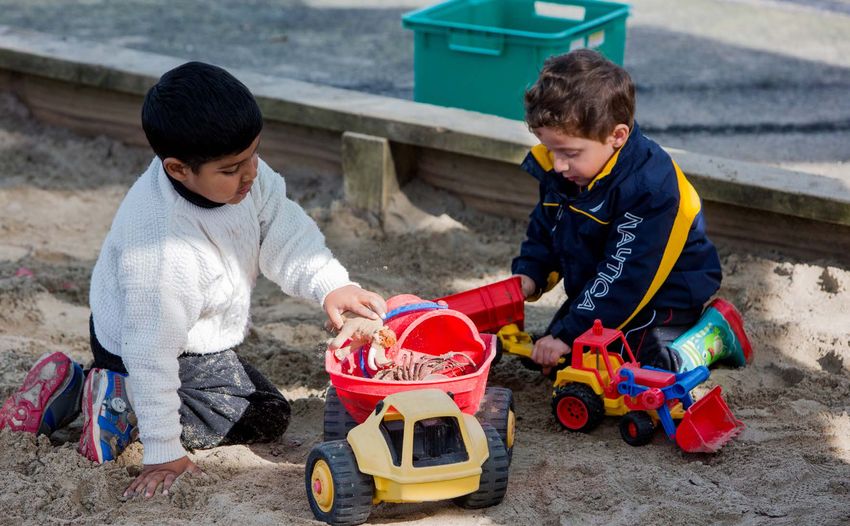
Our Beliefs
The central philosophy of All About Children
is “belonging”.

If someone feels like they
belong they will want to
interact with each other, their
peers, the teachers and the
parents. They will want to
participate in the programme
we offer and the inspiring
environment we create.
Our philosophy is drawn from the core
principles of the Ministry of Education
approved early childhood education
curriculum - Te Whariki. These guiding
principles include empowerment of children,
holistic development, recognising family
and community as integral in every child’s
development, and recognising that children
learn through responsive and reciprocal
relationships.
“Belonging” is wrapped around and built on
these Te Whariki principles. It encompasses
the well-being of our tamariki and values the
contribution of each child.

                                           3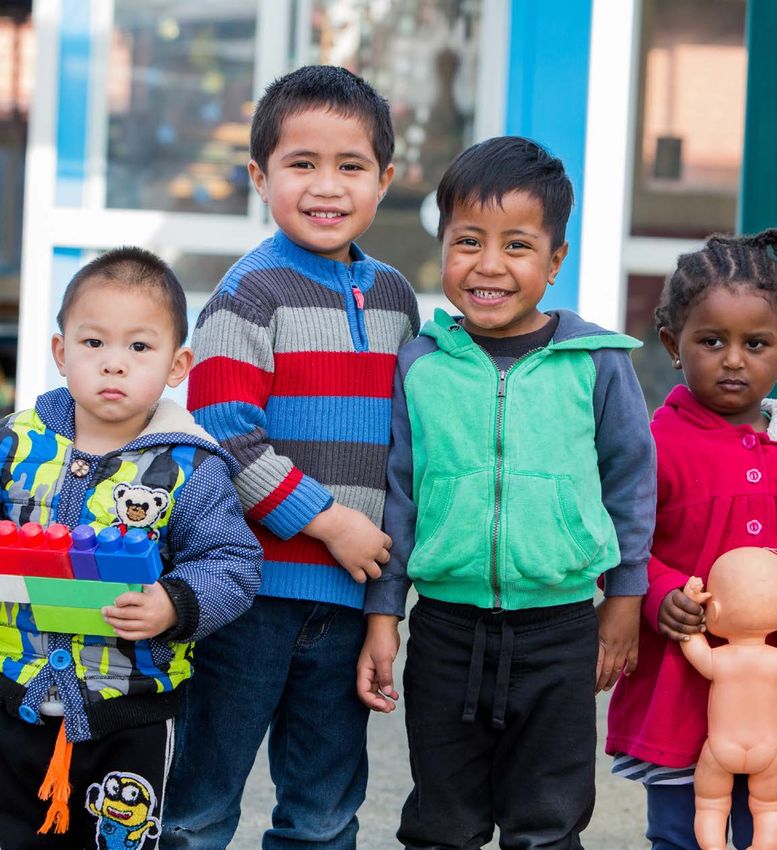
What “belonging” means?                              Never give up and to keep trying. Perfection
Be a part of an effective and communicative          is a constant process of improvement.
team. This team includes the educators,
centre management, parents, extended                 Going the extra mile to ensure that we are
families, the community and, of course, our          providing a warm, welcoming and home-
children.                                            like atmosphere. Our educators offer unique
                                                     experiences that help your children develop,
Environment is challenging, stimulating and          make friends and flourish emotionally,
culturally inclusive. We celebrate diversity         physically and academically.
and strive to ensure that the centres and
educators are equipped to deliver an early           Interactions are positive and respectful. We
childhood programme par excellence.                  understand that every child is unique, and has
                                                     different interests and learning requirements;
Lifting the spirits of our tamariki. These are       hence we tailor the early childhood
the most important years of a child’s life; we       programme at every centre to meet these
want to make them safe, fun and happy.               individual needs.

Ongoing professional development for                 Natural learning occurs for all.
all our educators to deliver a high quality
learning programme.                                  Goals and aspirations are valued and are in
                                                     consultation with parents and whanau.

                                                 4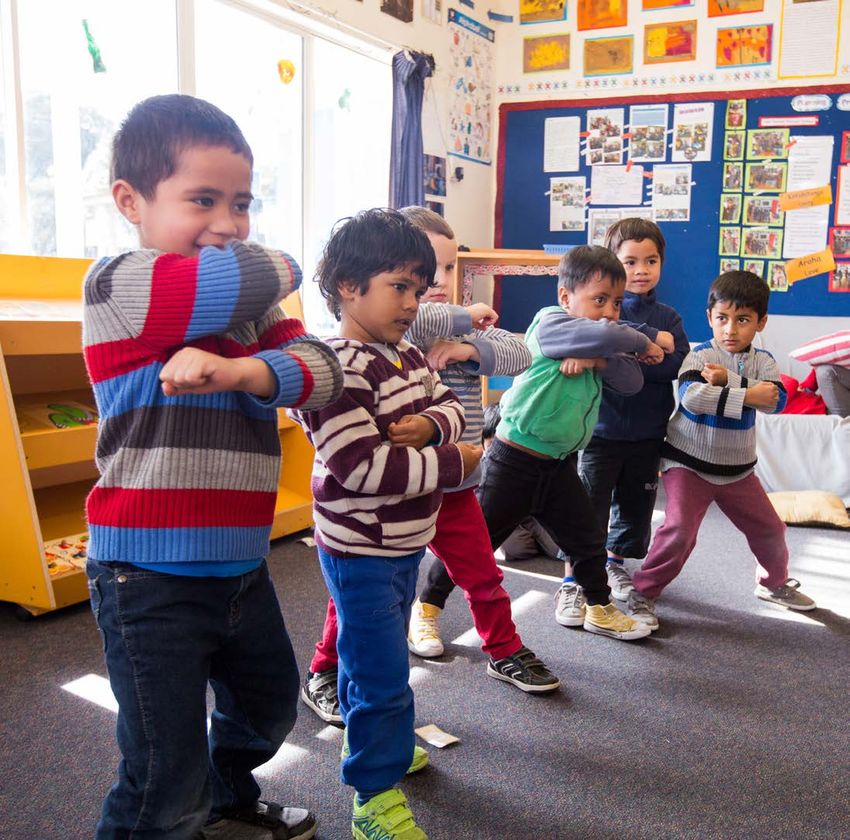
Ages and Stages
(Under 2’s, our babies and infants)

At this delicate and early stage of life,       day for many learning experiences. Curiosity
infants require adults who will respond         is a motivator for physical activity so all areas
to their needs calmly, treat them gently,       of curriculum are available to extend learning
and understand and respect their special        experiences.
routines. Our experienced educators provide
a loving and nurturing environment for          We provide babies’ with support and
every baby – it is like a home away from        encouragement, freedom of movement to
home for them.                                  practice and perfect their skills at their own
                                                pace. Our role as caregivers is to recognise
Babies’ needs and providing for them            their individual needs and support them with
Supporting the physical development, is the     their choices guiding them to new and exciting
focus at this stage along with assisting in     experiences.
emotional, social and language development.
Even though your infant may not be
independently mobile we ensure that there
are numerous opportunities throughout the

                                                       important
                                         Leaving your baby in anyone’s care at this age is
                                       tough for every parent. But remember, human beings
                                         are social by nature and thrive in the company of
                                          others. They need to start building meaningful
                                      relationships with groups and society right from birth.
                                        And so it is important for them to interact with the
                                        wider whanau, the community and children of their
                                        own age. An early childhood education centre is the
                                                      perfect platform to do this.
                                      One of the things that make the separation harder for
                                      whānau is the fear of missing out on your baby’s mile
                                      stones – the first step, the first word… Our educators
                                      capture these special moments and share them with
                                                  you, so you don’t feel left out.

                                            5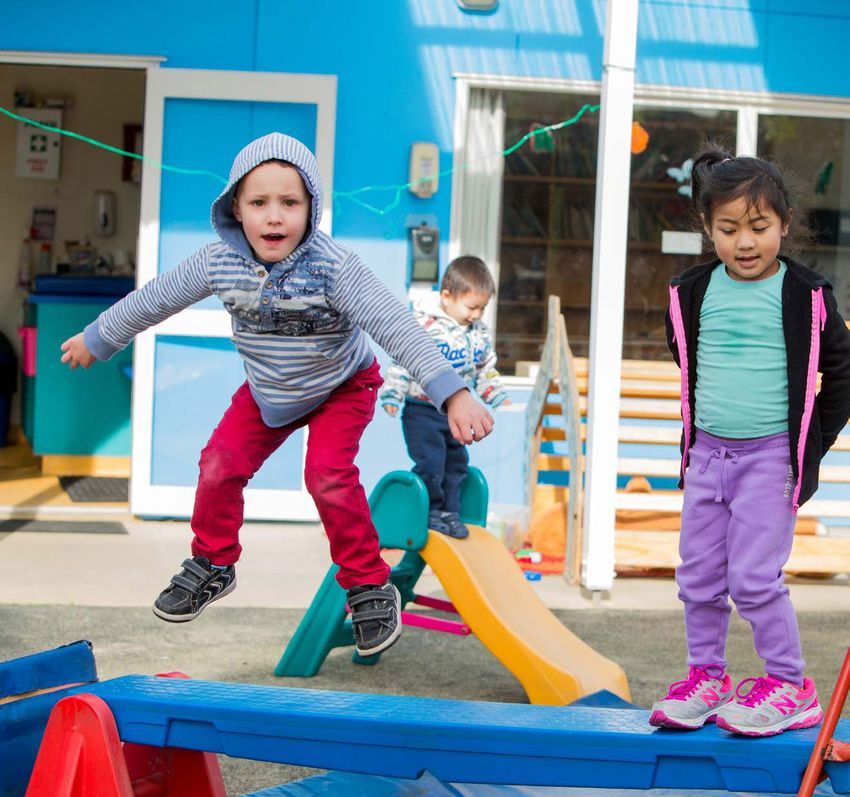
Ages and Stages
(Under 2’s, our babies and infants)

There is much to do and a world
to discover within the safe, fun
and stimulating environment
of our centres, and the fun
extends beyond the babies’
room or nursery.

                            s a n d infants
                     babi e                                                    ere
        a  t  a  r e           u p  t o ?                         l a t mosph
    Wh                     ng                          olou r f u
       p i c a l l y getti             o r b in g the c
    ty                   d and a  n
                                   b s
                                                                         ulation
                                                                                 ,
          o o  k in  g arou om.                                                     r stim
                                                                         outdoo gnise your
     •  L                      s ’ ro                         p   l a y,
                    babie                       , messy                       rs reco
        of the                  e  w  things ttentive care ost their
                    ring      n                                               bo
       • Explo                              Our a              plan to w friends.
                        d   t ex  tures.         v e  l o p  a                 e
         toys an eeds and de em to make n
                       s   n              age th
         infant’               encour                           .
          brain       a   n d
                                        g  a n d  talking
                                     in                                                      entre.
                         g, read                ir need
                                                             s.
                                                                                 t the c
         • Singin                     e r t h e                        d  re n a                    .
                 a p p   ing as
                                    p
                                                 e o   t h er chil                c e l e b rations
          •  N                         ith t  h                          s and                      ed at
                n t e r a  cting w              n t r e  a  ctivitie             e  s h l y prepar
           •  I                         in ce                            eals f r                ual
               P a  r t ic ipating                g ,  s h ared m            t h e ir individ
            •                           rish  in                  ted by                     ilk).
                           ing nou                   lemen                       east m
             • Enjoy tre and supp ormula or br everyone!
                                                          f
                 the cen ents (special                         c  u  ddles f
                                                                               rom
                              e m                         n d
                 requir ots of hugs a
                               gl
                • Gettin
                                                                                      e centre?
                                              What to bring to th
                                              • Bag with name.
                                                                    s, including a
                                              • Change of clothe
                                                                      name on it.
                                                 sun hat with their
                                                                     slippers.
                                               • Shoes, sandals or
                                               • Bottle (named).
                                                • Nappies.
                                                                       east milk
                                                • Milk formula or br
                                                                         ntres
                                                  (if required). The ce
                                                  provide milk.

                                                                    6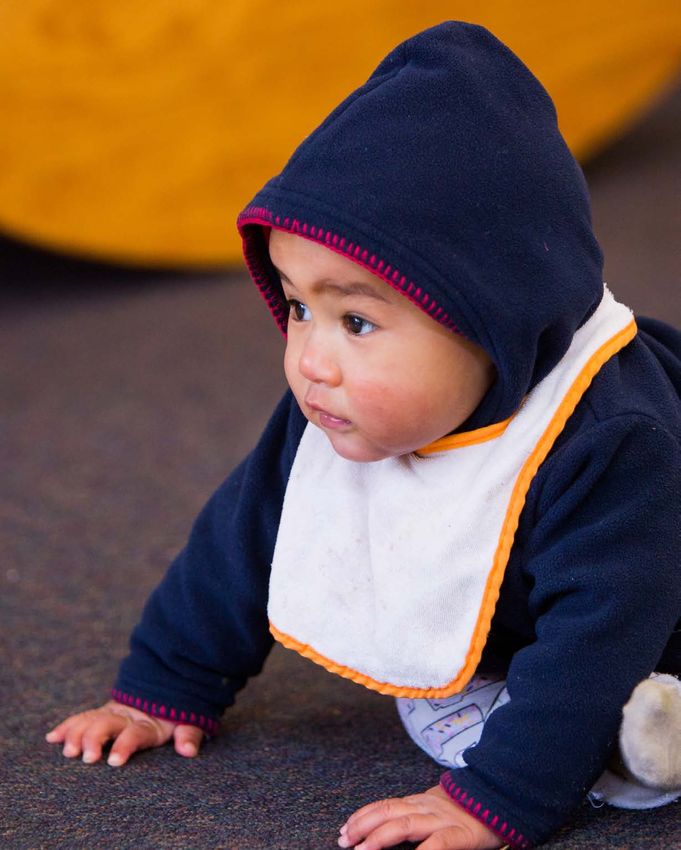
Ages and Stages
(2 – 3½ years, the toddlers)

Growing active learners
Toddlers love to get physical! They
learn significantly through play, and the
programme for this age group involves
a lot of it.
While physically they are still developing,
this is also the age when children gain
many self-help skills. We support this
development with carefully planned
activities based around children’s
individual interests. Language is another
key development                                             What do t
milestone for this age, and the                       Toddlers’ ne        oddlers need
                                                                    eds are not to       ?
activities at our centre                            from the nee                    o dissimilar
have a strong focus to support this.                               ds of infants
                                                    are much m                   . However, th
                                                                 ore capable                    ey
                                                    – ready to e               and indepen
Mixed emotions                                                   xplore and e               d  e nt
                                                     Our role as e             ager to disco
Toddlers are in a unique stage of                                  ducators at                ver.
                                                 encourage th                   this stage is
transition where they are regularly faced                       eir discovery                 to
                                                  independen                   and support
with conflicting emotional feelings. One                       ce, carefully                  their
                                                         assistance w         combining it
minute your toddler child may feel like                                hen they ne          with
they can do everything; the next minute                                              ed it.
they may dissolve into tears. It takes
experience and specialised individual
attention to care for a toddler and their
varying needs. With a low teacher to child
ratio at our centre, we are well placed to
provide this care.

What our toddlers typically get up to:
• Plenty of learning experiences throughout
  the day, including art and sensory, dress-ups,
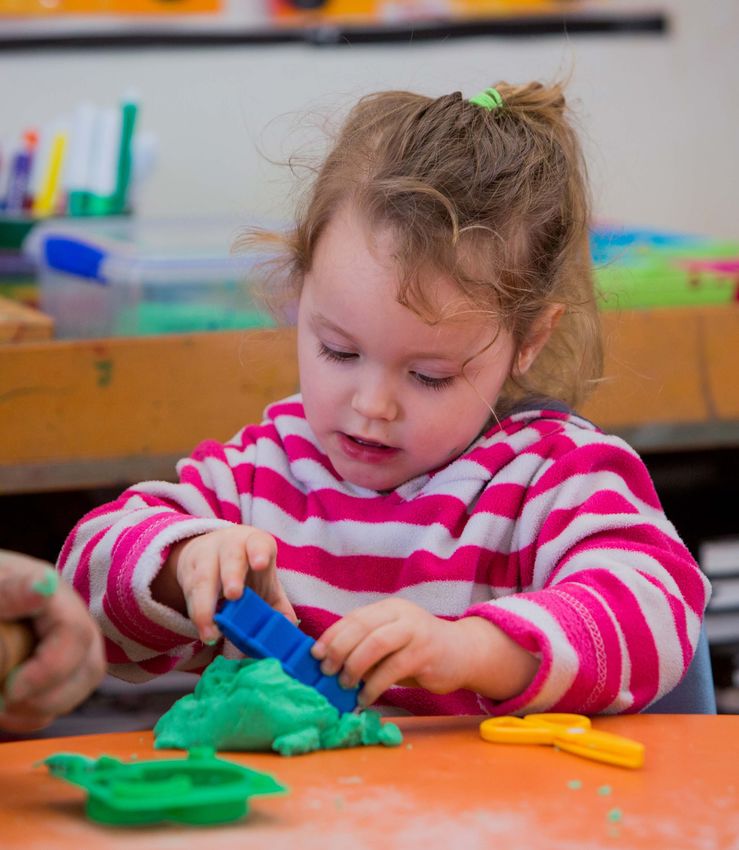
  painting, working with play dough, building
                                                                                    e centre?
  blocks, puzzles, etc.                                  What to bring to th
• Literacy – learning through story-telling & art.        • Bag with name.
• Outdoor play – sand, water, obstacle courses etc.       • Bottle for water.
                                                                                s, including a
• Getting closer to science and nature.                    • Change of clothe
• Social interaction with other children and                  sun hat with name.
                                                                                 slippers.
  educators.                                                • Shoes, sandals or
                                                                                  d).
• Group projects where everyone contributes                 • Nappies (if require
                                                                                   cessary).
  to a growing area of interest.                            • Milk formula (if ne
• Regular trips outside the centre.
• Participating in centre activities and
  celebrations.
• Sharing freshly prepared meals and healthy
  snacks.

                                                7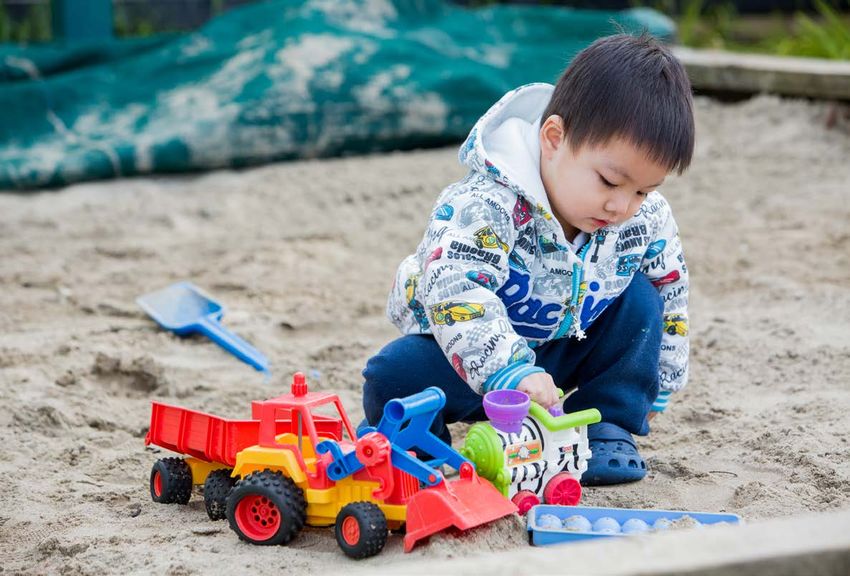
Ages and Stages
(3½ - 5 years, pre-schoolers)

Meeting the needs of our young
children
A day in the life of your pre-school
child at All About Children is
full of promise and prospect. Intertwined
with play is a need to encourage self-help,
ensuring your child eats, drinks, uses the
toilet and has a sleep if required. With
this age group we also focus a lot on
positive attitudes, developing social
skills and self-esteem.
Preparation for school and formal learning
is a key focus of the pre-school programme
(a part of the early childhood education
curriculum). We want our children to be
competent and confident learners, healthy
in mind body and soul. At our centre, we
support this by providing a challenging and
stimulating environment for every child.

Transition to School Programme                    • Regular excursions into the community and
All About Children is also proud to run             trips outside the centre.
a comprehensive transition to school              • Participating in centre activities and
programme. It is designed to support children       celebrations.
and their families when starting school. The      • Shared healthy meals (freshly prepared at
details of this programme are included on a         the centre).
separate sheet in this information pack.

What will your pre-schooler typically
gets up to:
• Learning through play. There is a lot of
  dramatic play, block building and puzzles,
  sand and water play, science and nature
  related activities and projects.
                                                                              yo        ur
• Plenty of outdoor play – running, jumping,
                                                             t o b r i ng for
  catching, throwing… such activities develop          What
                                                               ooler?
  hand-eye co-ordination and support future            pre-sch                e.                      sun
  brain development.                                            ith nam                       uding a
                                                        • Bag w             othe   s , in c l
• Literacy at mat time; and developing the                      ge of cl                    n it.
  foundation skills needed to read and write.            • Chan        t h e ir  name o
                                                                    h
                                                           hat wit                         pers.
• Learning to take responsibility for their                         s a n d a ls or slip
                                                                  ,
  belongings.                                             • Shoes
• Class projects based on a child’s interests.
• Social interaction with other children at the
  centre.

                                              8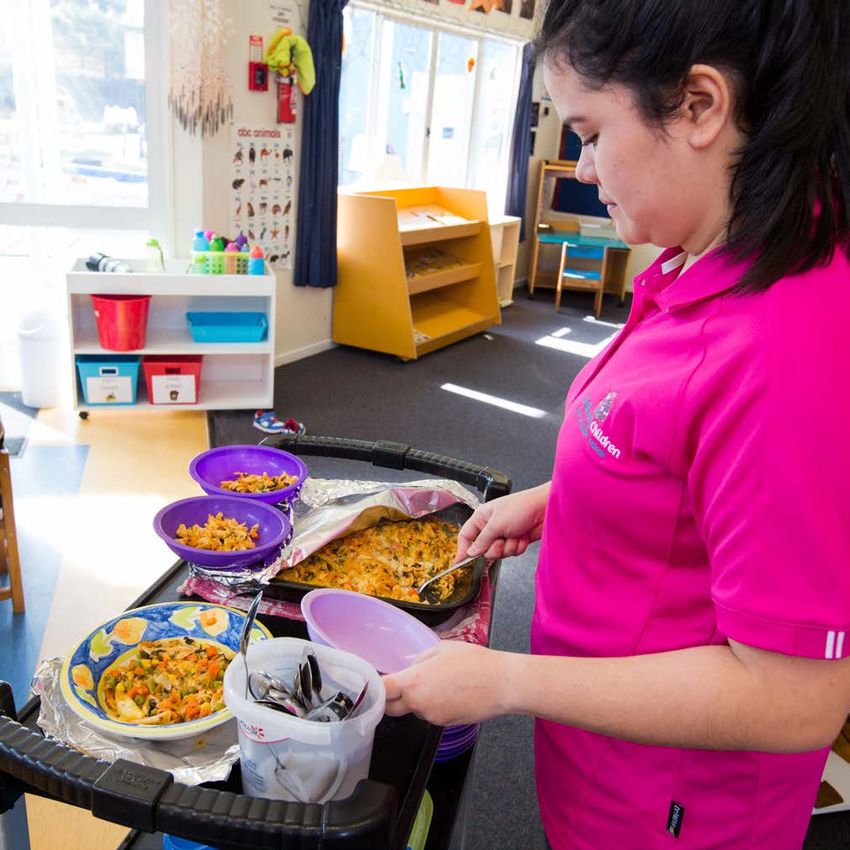
Ages and Stages
(Transition to School Programme)

Self-help skills, self-control and
communication form vital pillars of this
programme. These do not just begin when
your child starts attending the Transition to
School Programme; they kick in from birth.
Our role as educators is to nurture these from
that day forward. Your child must go through
this before they can read or write and this
forms the foundation of our Transition to
School Programme.
It is a commonly known fact that children
who’ve attended a quality childcare or
kindergarten settle more easily at school.
They have learnt to think clearly and solve
problems. These confident children have the
courage to ask questions and expand their
knowledge. Hence this transition programme
forms an integral part of our curriculum.

What is included in the Transition to
School Programme?
This programme is very tangible in results;       Key components
parents can see clearly what progress their       • Foundation skills for learning.
child is making at the centre and their journey     Teachers at the school would
to the next chapter of their learning.              like your child to be able to ask
The programme is designed to help your child        questions, pay attention, carry out
understand the world through activities like        small individual tasks like opening
growing gardens, caring for animals, etc. They      their school bag, etc. These skills are
are encouraged to express their creativity          foremost on this programme.
through arts, music, dramatic play and similar    • Empowering children with
activities. Use of numbers, object sorting,         responsibility for their belongings.
puzzles, counting games etc help them with        • Individual writing books.
their maths skills. Songs, games, rhymes,
plenty of writing activities, using computers     • Focused learning through play.
etc helps with their reading and writing          • Book bags with readers.
abilities.                                        • Portfolios.

How can you support?                              • Termly school visits.
• Take the free B4 School Health &                • Curriculum experiences (Science,
  Development Check.                                Maths, Physical, Literacy, Art, Music).
• Establish routines and rituals to make their    • Parent involvement.
  mornings and afternoons more smooth.            • Focused on learning dispositions.
• Monitor food and sleep carefully.
• Help manage anxiety by talking to your
  child about their experiences every day.
• Extend centre learning at home.
• Reading often and frequently to your child.

                                             9
Rhythm and routines of our centre
(What a typical day look like at our centre:)

No two days are the same at our centre.
Every day is a different journey, offering new
learning and more fun than the day before.
Our educators work tirelessly to create a
framework and grand plans for a day, these
are evolved with and based on children’s
interests.
Routines at our centres are flexible and
totally child-led.
You’re welcome to call the centre at any time
to find out what your child is up to or talk to
any of our the teacher. Daily activity charts
and online updates are also provided.

Nursery (babies and infants)
The routines in the nursery building are
completely run by individual needs to
maintain continuity between the home and
centre environment.
Morning tea, lunch and afternoon tea are
shared at kai time with milk offered as per the
child’s requirements at other times. Individual
cots and beddings are provided for rest times.
Throughout the day children engage in a
wide range of activities to support learning
and development.
Nappies are checked regularly throughout
the day. We offer good storage facilities for
parents who prefer to buy and provide their
nappies in bulk.
Pre-school (toddlers and pre-schoolers)
Not forgoing the individual needs of your
child, the programme in this building is geared
to connect children with nature and prepare
them with the skills and attributes required to
set each child up for success at school.

                                               10
Things we get up to at our centres
(Trips, excursions, activities and celebrations)
Excursions Centre activities
As part of the curriculum at the centre, our To add variety and flavour to the curriculum,
pre-schoolers regularly take trips out into you’ll often see us run special activities such
the community. They visit local libraries, as soccer, hip-hop dance classes, play gym
parks, shops or businesses and other events of and similar experiences within the centre.
interest in the vicinity of the centres. The activities are chosen in consultation with
parents and children’s interest at the time.
Centres choose excursions based on children’s
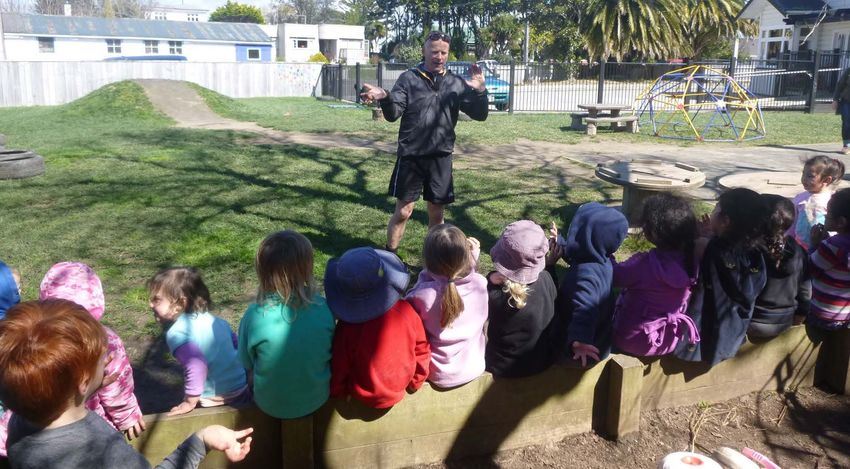
interests and the community within which We have a specialist soccer coach who trains
they are located. All excursions are supervised the children on ball skills, hand and eye
and follow regulatory requirements. Parent co-ordination etc. This happens once a week.
helpers are always welcome. We believe these
excursions are an opportunity for children to
explore the rich resources in the community
and apply or use the information they learn at
the centre.
Excursions are open to all children in the
centre over 2 years, and are another great
way to enhance learning in a fun way.
Children are encouraged to participate in
the planning of the trip, increasing their
excitement and promoting learning.
11Things we get up to at our centres
(Trips, excursions, activities and celebrations)
Special guests at the centres Child-led projects
From time to time, we invite ‘special guests’ Toddlers’ and pre-schoolers’ sections have
to the centre. These include police men/ one or multiple emergent ongoing programme
women in squad cars, fire engines with fire planning that encourages well-rounded
men telling the children about exciting tales learning.
of rescue, ambulance visits, farm animals
Children are encouraged to take the lead
and much more.
in their interests and are well supported by
Themed days educators who carefully and non-intrusively
plan extended learning activities around it.
The excitement never really ends at our
centres, where themed days fill up gaps
left by excursions, trips and centre visits by
people of interest. We have pyjama parties;
special colour days; decorate your bike day;
and many more. Learning is weaved into
every aspect of centre life – but it is always
fun and stimulating.
Celebrating
cultural diversity
We recognise New Zealand’s
and our centres’ cultural diversity,
and celebrate it by special festivals.
Matariki is celebrated with as much
gusto as Christmas, Diwali, Eid and
Chinese New Year. Parents and wider
whanau are invited to join in our
celebrations.
We also mark important milestones
of our children –
birthdays and graduation are a
special occasion at
our centre.
12We work with you
(Communicating with parents)
While we’re greatful to you for entrusting Monthly newsletters:
us with the enormous responsibility of These keep you informed about current
caring for your little ones and setting interests, upcoming centre activities, what
the foundations for their learning, this is has been happening and announcements.
certainly not a journey we embark on alone.
Parent participation:
Family values and community Parents are encouraged to be actively involved
in developing the centre’s programme and
involvement are central to our interacting with the children in the centre.
early childhood programme, and Come in and read books from the library; join
we encourage you to be involved us for trips and excursions; and share your
special talent with the whole group.
– even shape your child’s
We also hold regular parent evenings where
learning at our centres. Tell us you’re invited to know about current centre
what your child loves so together activities and plans going forward. Your
feedback is sought at this session on what
it forms the platform for their activities you’d like us to undertake and how
individual learning programme. the learning programme can be improved.
We keep you involved through regular Cultural celebrations:
feedback on your child’s progress and Parents are invited to share their cultural
invitations to be involved (hands-on) at our experiences and perspectives on cultural
centres. Here are some tools and ways for days that are organised to recognise our
us to do this. However, we’re always keen to diversity.
improve and your input is valued.
One-on-one meetings:
Orientation: Centre managers are always available to
Before joining a centre, we introduce the alleviate concerns and help with children’s
child and his/her family to the centre with developmental plans. Some of our centres
an orientation programme to make them have even set up regular one-on-one meetings
familiar with the surroundings, the educators between parents and centre managers.
and peers. We encourage you to discuss your
child’s needs, interests and routines with the Notice boards:
educators so the foundations of a successful In the reception area and around the centre,
partnership can be laid. you will find parent notice boards, which will
also give you relevant centre information,
Regular feedback: including activities, upcoming events, menu,
Talk to the teachers when you pick-up or policies and staff updates. We encourage you
drop-off your child. They have a wealth of to read the notice board regularly.
information to share and are always keen to
hear about your child’s evolving interests.
Some centres have an online feedback forum
to keep parents informed about a child’s daily
activities.
Portfolio:
Every child at our centre has a portfolio of
their learning stories. This is an important
record of your child’s progress and crucial
milestones. It is also a place for you to add
your child’s learning stories from home.
13Health, safety & nutrition Member of
Healthy Heart Foundation
attendance or send a sick child home.
A doctor’s certificate is required to clear your
child’s attendance if they’ve had a infectious
disease or illness. Please advise the centre
as soon as possible if your child has been
exposed to, or has, a communicable disease
to prevent it from spreading. Either yourself
or your emergency contact will be contacted
immediately to pick up a child who is
suspected of having a communicable disease.
Hygiene is paramount to help prevent spread
of germs. Children have to regularly wash
hands, before and after meals, toileting and
play.
Accidents or injuries
Members of our staff hold current First Aid
Certificates that are regularly updated. If
Fresh and nutritious food
required, medical help will be immediately
Children attending All About Children sought and parents or the emergency
experience a variety of healthy balanced and contact will be advised immediately.
nutritious food. The quality of food served
is such that we believe it will give children Medication
the energy they need for a busy day of play, All medication requirements must be written
learning and development. in the day book and signed by the parent/
Menus are carefully planned and freshly guardian. Please hand over the medication to
prepared on-site by a trained cook. A the educator for safety.
supporter of the Healthy Heart Programme;
we believe that good habits should be Immunisation
encouraged from an early age, and hence we Keeping an immunisation register is a legal
encourage our children and their families in requirement for all early childcare centres.
eating healthy and being physically active. Once your child is immunised, please provide
the centre management with a copy of the
All centres offer a seasonal and delicious
immunisation certificate for their records.
menu. While nutrition is at the core of the
menu, we never forget the tastebuds we Sun protection
cater to. Variety is weaved into the menu.
Sun safety is important, and we require all
Our centre caters for vegetarians, cultural
children to wear sun hats and appropriate
requirements and any food allergies your
clothing when outside in the summer
child might have cultural requirements.
months. Sun screen is provided at the centre,
Preventing illness and hygiene however, if your child is allergic to common
sun screen or has sensitive skin; please
To maintain a healthy environment at our
provide a named and suitable sun screen for
centres and protect all staff and children
their use while at the centre.
from illness, infection and contagious
diseases, we ask that if your child is unwell,
you keep him/her at home. The Centre
Manager reserves the right to refuse
14Admin stuff
(legal requirements, fee and policies)
Enrolment and changes operates an income-qualified subsidy scheme.
We honour this subsidy for qualifying families.
You are required to complete and sign
However, payment of full fees is the parent/
an enrolment form prior to your child
guardian responsibility and will be required
starting at any of our centres. Any changes
until the subsidy has been approved by WINZ.
to enrolment, including change of hours,
admission days, medical conditions, contact 20 Hours Subsidy
details or change in persons collecting
The Ministry of Education provides 20 Hours
your child must be notified to the centre
subsidy to ALL children between the age of
management immediately. Please note that
3 and 5 years. Please complete an attestation
some notice may be required to change
form (available at the centres) to be eligible
booked days or hours.
for this subsidy. This form confirms that you’re
Parents are required to give at least two not attending another early childhood centre
weeks’ written notice if withdrawing their at the same time as you’ve applied for funding
child. at our centres. If you change your enrolment
hours, you must complete another form.
Fees and WINZ subsidies
We offer quality childcare services at a Late pick-ups
very affordable cost. Fees are calculated on As per Ministry of Education guidelines
a weekly basis and are required to be paid and licensing requirements, late pick-ups of
in advance. If your fees are not up to date, any length are unacceptable as they have
management reserves the right to refuse entry financial and staffing implications. Please pick
of you and your child into the centre. up your child before closing time. A late fee is
Fees are payable even if your child is absent, charged for parents who arrive after this time.
as our licensing regulations require staff as per
the number of children enrolled. If the absence Essential guidelines and policies
is more than three weeks, a holding fee must As per the Ministry of Education’s
be paid. If a child takes holidays without requirements and to ensure smooth
informing staff, then the full fee is payable. functioning of all our centres, we’ve carefully
Full fees are also payable for public holidays. developed policies and practices that will
ensure your child’s safety, security and well-
Casual days are offered, subject to availability,
being at all times. Copies of these policies and
for children not enrolled full time. This can be
practices are available at our centres’ offices.
done through prior arrangement. Please speak
If you have any queries about the policies,
to the centre manager.
please contact the administration staff or
Work and Income New Zealand (WINZ) centre manager.
15106 High Street, Bulls
Ph: 06 322 1744
www.allaboutchildren.co.nz
Auckland . Wellington . Palmerston North . Bulls . MartonYou can also read


