Pathways to school success - Commission proposal for a Council Recommendation Anna-Maria Giannopoulou, Deputy Head of Unit B.2 Schools and ...
←
→
Page content transcription
If your browser does not render page correctly, please read the page content below

Pathways to school success
Commission proposal for a Council Recommendation

                                      Anna-Maria Giannopoulou,
                                      Deputy Head of Unit B.2 Schools and
                                      Multilingualism, DG EAC,
                                      European Commission

Photo by Tim Mossholder on Unsplash
Education is essential to
the vitality of European
Society and Economy. The
European Education Area
aims to bring to the
education and training
communities the support
they need to fulfil their
fundamental mission, in
challenging and exciting
times
Ursula von der Leyen
President of the European Commission

Assessment of the implementation of the
        2011 Council Recommendation on policies
              to reduce early school leaving

• On average, the rate of early school leaving
  decreased from 13.4% in 2011 to 10.2% in 2019 across
  Europe.
                       HOWEVER

• considerable differences still exist between countries and
  demographics with people of a migrant background,
  young men and those living in rural areas being more
  likely to end their education before compulsory school
  leaving age.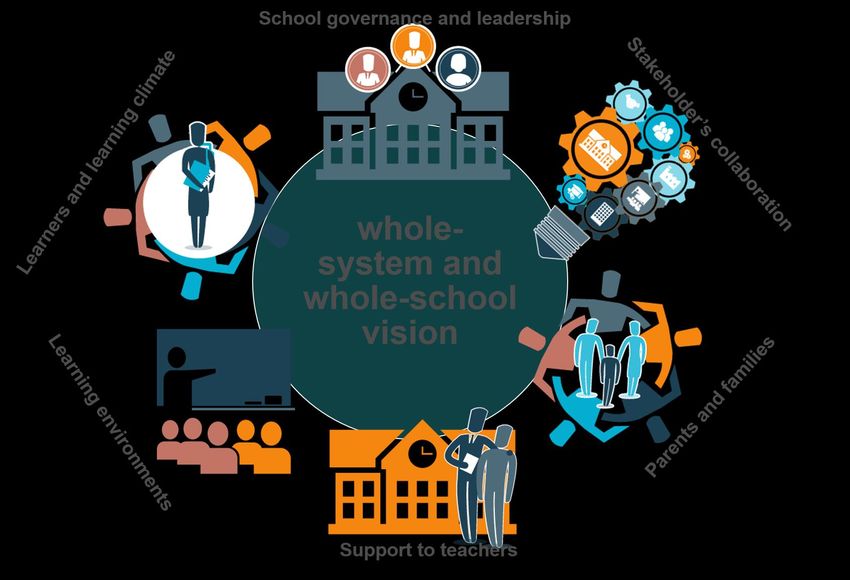
What are the challenges?

                                     10% early leavers from education
PISA 2018: one in five 15-year old
                                     and training
Europeans lack adequate reading,
                                     only 83% have completed upper
maths or science competences.
                                     secondary education.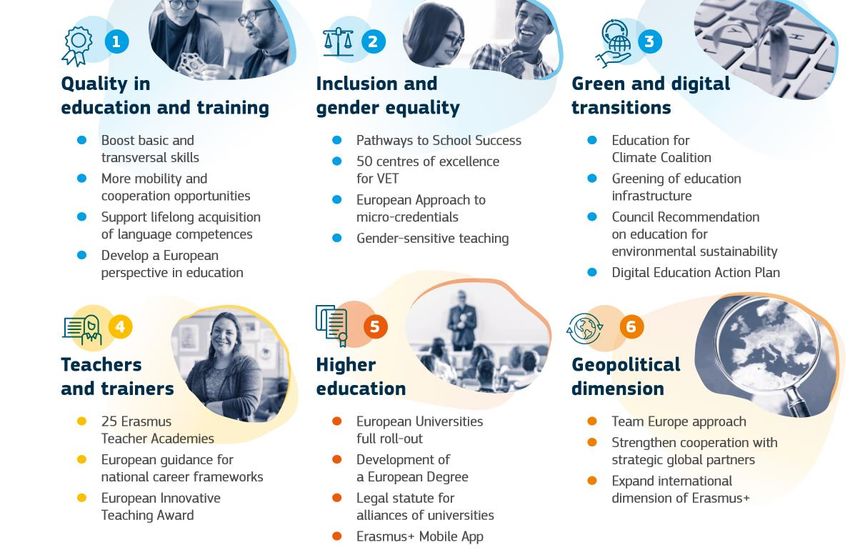
More challenges. . .

Photo by Timothy Eberly on Unsplash              Photo by Sharon McCutcheon on Unsplash

PISA 2018:                                        The COVID-19 has hit the most
Pupils’ sense of                                  fragile students hardest.
belonging at school is                            More learners at risk of
declining and bullying                            dropping out. Mental health
is widespread.                                    difficulties have risen.

Achieving a European Education Area by 2025

Pathways to school success

Expert Group on wellbeing
   and mental health

European Pillar of
                                                             Social Rights
EU strategy on the rights of the child
                                                                      Strategy on Rights of
                                                                      Persons with Disabilities
Child Guarantee
                                                                      The Action plan on
 Quality framework for                                                integration and inclusion
 high quality early
 childhood education and
 care systems                                                      EU equality strategies for the
                                                                   Roma

                   Erasmus+ Teacher                                 Digital Education Action Plan
                   Academies

                                                                   Council Recommendation on
                                   Horizon 2020                    online and distance learning
                                                     EU4Health
 European Strategy for a Better Internet for Children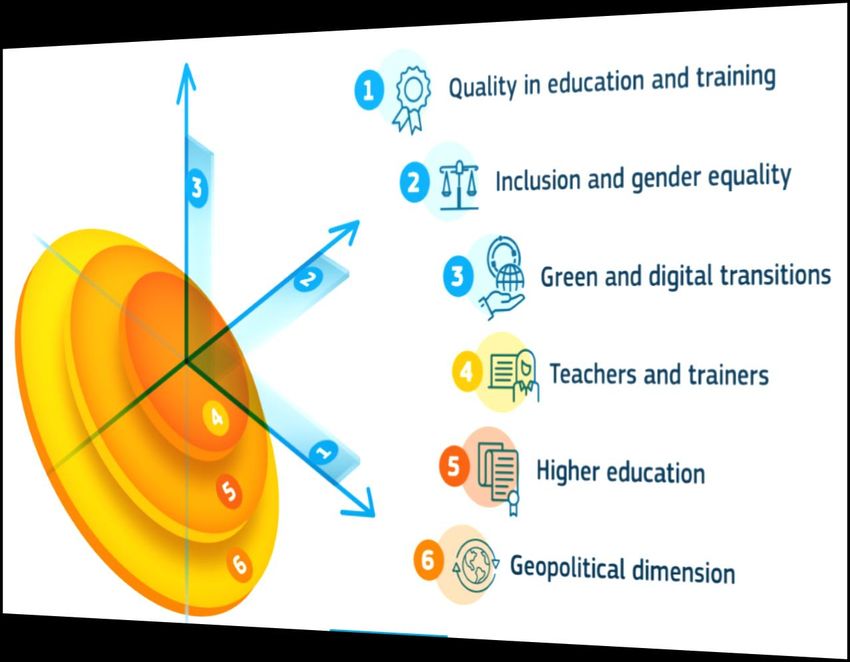
Proposal for a Council Recommendation on Pathways to
                   school success

                Focus on more vulnerable groups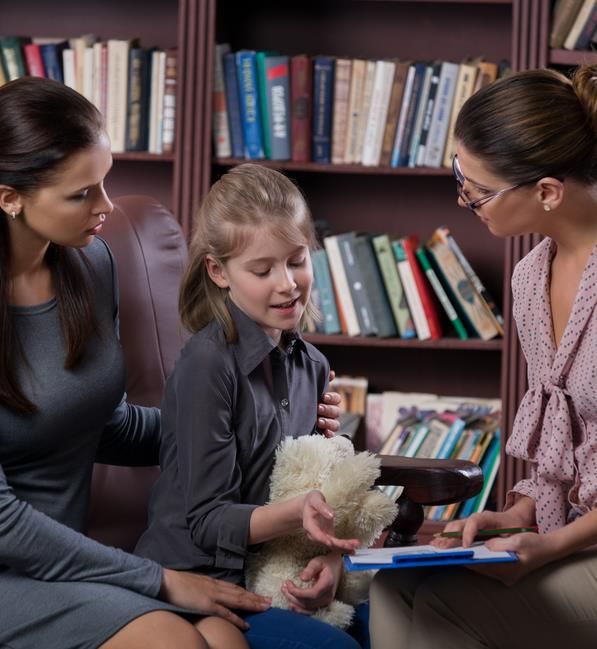
Pathways to school success: Indicative content
Policy guidance in cooperation with Member States

                                                compensation
       monitoring

                                 intervention
                    prevention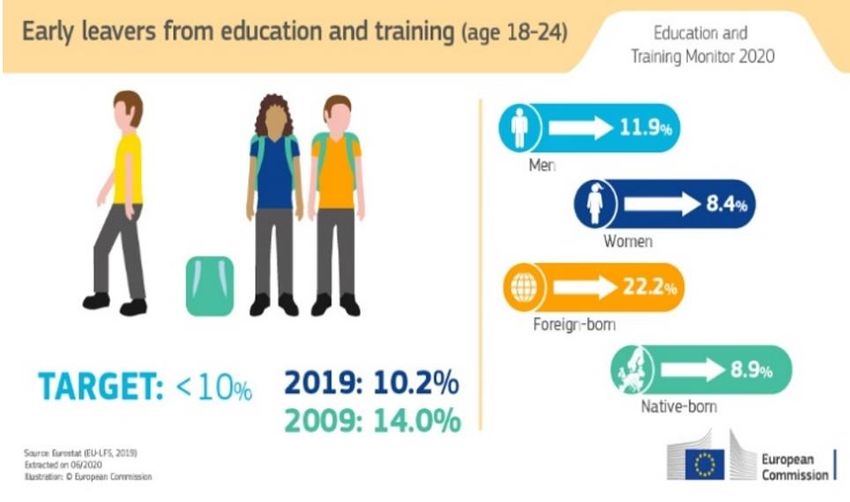
Monitoring
National, regional and local data
collection systems
Early detection and identification of
Member States to develop or further enhance national, regional and local data
learners
collection systems, regularly at risk
gathering a wide range of information on learners
• Some
and schools.
text These systems could enable the regular monitoring of
educational progress with a view to the early detection and identification of
•and
More text Additional support to schools or
learners at risk; follow-up measures for young people who have left education
training prematurely; steering policy development. Such systems could
also help identify thoselocal environments
schools presenting
or local environments presenting high
high levels of
educational disadvantage and which might benefit from additional support or
levels of resources.
educational disadvantage
follow-up measures for young people
who have left education and training
prematurely
Photo by Joshua Rawson-Harris on UnsplashPrevention
high quality early childhood education and
care
autonomy accompanied by effective
accountability
quality assurance mechanisms
early screening of language competences,
development problems and special
education needs
positive school climate
tackle bullying and violence at school,
discrimination, segregation
Initial training and continuous professional
development of all school staff on
Photo by Joshua Rawson-Harris on Unsplash educational disadvantageIntervention
support frameworks for pupils at risks
support for learners whose native
language(s) is/ are not the
language(s) of instruction
learners' active participation in school
life
extracurricular and out-of-school
activities
career education and guidance
active involvement of parents and
families
Shutterstock.comCompensation
right to individual educational support
free second chance programmes
Photo by Noah Buscher on UnsplashExpert Group on wellbeing and mental health
Policy Recommendations
promoting mental health and well-being
preventing bullying and violence at school
effective up-take of successful practices in
schools
recommendations for awareness raising
activities at EU and national level.Timeline
Open Public Results of Open
Consultation Public
Consultation
April May June July August Sept Oct Nov
2021 2021 2021 2021 2021 2021 2021 2021
Targeted Working
Consultation Group Education
Workshops Schools Launch of the Council -
expert group ADOPTION
Dec January February March April May Oct Nov
2021 2022 2022 2022 2022 2022 2022 2022Tools and ways of work
Exchange of information Financial incentives to
and experience Evidence stimulate policy
reform
12 weeks Open Public Analytical Erasmus+
Consultation Reports
Recovery and
targeted seminars New Studies Resilience Facility
meetings with policy- European Social
Good practices
makers, stakeholders Fund Plus
from Member
and experts
StatesThank you © European Union 2020 Unless otherwise noted the reuse of this presentation is authorised under the CC BY 4.0 license. For any use or reproduction of elements that are not owned by the EU, permission may need to be sought directly from the respective right holders. Slide xx: element concerned, source: e.g. Fotolia.com; Slide xx: element concerned, source: e.g. iStock.com
You can also read


