Pediatric Psychology Postdoctoral Fellowship - Scottish Rite ...
←
→
Page content transcription
If your browser does not render page correctly, please read the page content below
Pediatric Psychology
Postdoctoral
Fellowship
Scottish Rite for Children
Scottish Rite for Children trains physicians, pediatric psychologists and allied health professionals
 in multiple pediatric orthopedic disciplines. Scottish Rite’s history of excellence includes expert,
    compassionate care and leading-edge research, making the hospital the perfect place for
                  pediatric psychology fellows to receive their advanced training.

U.S. News & World Report has repeatedly recognized Scottish Rite’s achievements, consistently
    ranking the hospital, in conjunction with Children’s Health, among the leading pediatric
                                  orthopedic facilities in the U.S.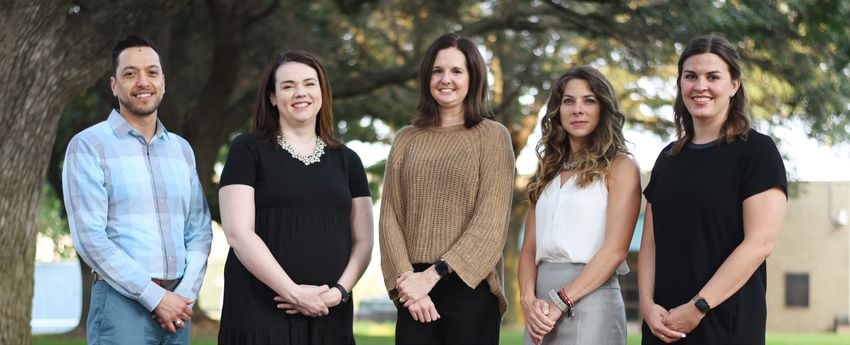
Table of Contents
Scottish Rite for Children ........................................................................ 2

The Setting ................................................................................................. 3

Postdoctoral Fellowship in Pediatric Psychology .............................. 4

Philosophy of the Program ..................................................................... 5

Goals and Objectives ............................................................................... 6

Design of the Program ............................................................................ 7

Pediatric Psychology Didactics .............................................................. 8

Conferences and Medical Rounds ......................................................... 9

Sample Weekly Schedule ........................................................................ 10

Training Plan, Supervision and Evaluation ............................................ 11

Pediatric Psychology Seminar ................................................................ 12

Fellowship Requirements ....................................................................... 13

Fellowship Research Requirements ...................................................... 14

Psychology Department Staff ................................................................ 15

Postdoctoral Pediatric Psychology Fellowship ................................... 18

Relocation to Dallas ................................................................................. 19

                                                                                                                  1
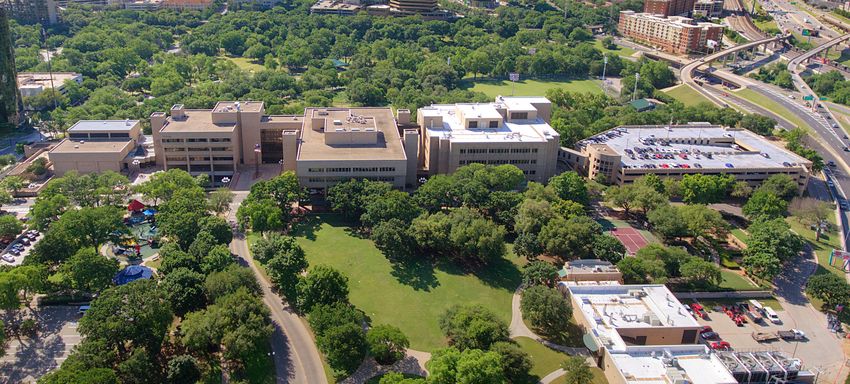
Scottish Rite for Children
Orthopedic Hospital, Dallas

   Scottish Rite for Children
   Scottish Rite for Children opened its doors to the children of Texas in 1921 after a group of Texas Masons
   approached Dallas’ first orthopedic surgeon, W. B. Carrell, M.D., about caring for children with polio. For nearly
   100 years since that auspicious beginning, the hospital has treated approximately 300,000 patients and has
   emerged as a world leader in pediatric orthopedic research, treatment and education. The hospital primarily
   cared for children with polio until the 1950’s when the Salk and Sabin vaccines virtu¬ally eradicated the disease in
   the Western Hemisphere. This allowed the medical staff at Scottish Rite to expand treatment for a wide range of
   orthopedic conditions.

   Now led by the hospital’s fourth chief of staff, Daniel J. Sucato, M.D., M.S., and President/CEO Robert L. “Bob”
   Walker, Scottish Rite is one of the nation’s leading pediatric orthopedic centers. The hospital treats a wide range
   of orthopedic conditions, including sports injuries and fractures, as well as certain arthritic, neurological and
   learning disorders, such as dyslexia.

   The philosophy of patient-centered care extends beyond treatment, to research and education. In Scottish Rite’s
   six Centers for Excellence, researchers are investigating pediatric orthopedic conditions while programs like the
   Fellowship in Pediatric Psychology prepare psychologists for a successful career in pediatric psychology.

   After 97 years at the same Dallas location, Scottish Rite built a second facility within the larger Dallas-Fort Worth
   Metro area. The Scottish Rite for Children Orthopedic and Sports Medicine Center is located in Frisco, Texas. This
   facility offers orthopedic outpatient clinics, a fracture clinic which accepts walk-in patients with no physician
   referral, a leading-edge Movement Science Lab with
   specialized capabilities for sport-specific training
   and testing to be co-located with several state-of-
   the-art physical therapy gyms. The Frisco campus
   has operating rooms for day surgeries, as well as
   shelled space for future growth. There are also on-site
   radiology services, dedicated space for psychology, an
   infusion lab and other ancillary patient services.

                                                               Scottish Rite for Children Orthopedic and
                                                               Sports Medicine Center, Frisco
    2
The Setting
The philosophy of patient-centered care extends beyond treatment to research and education. In Scottish Rite’s
six Centers for Excellence, researchers are investigating pediatric orthopedic conditions while programs like the
Fellowship in Pediatric Psychology prepare psychologists for a successful career in pediatric psychology.

The Pediatric Psychology Postdoctoral Training Program is offered through the Psychology department of
Scottish Rite for Children at our Dallas and Frisco campuses. Licensed psychologists and affiliated staff with
expertise in pediatric psychology and behavioral health coordinate and participate in interdisciplinary health care,
related teams, committees and research. Direct clinical inpatient and outpatient services are provided to Scottish
Rite patients, families and caregivers. The Psychology department is committed to quality clinical care and healthy
child development despite the stress and demands associated with the child’s health-related condition.

 Learn more about the culture of Scottish Rite through these videos:

                Manifesto                                                              A Place Like
                                                                                        No Other

                                                                                                                       3
Postdoctoral Fellowship in Pediatric Psychology
                             The Psychology department at Scottish Rite for Children offers
                             a one-year Pediatric Psychology Postdoctoral Fellowship. The
                             fellowship is designed to prepare doctoral-level psychologists
                             to practice in an inpatient or outpatient pediatric setting. The
                             fellowship provides clinical and research training in pediatric
Our Pediatric                psychology, including subjects such as adjustment to acute and
Postdoctoral                 chronic illnesses/injuries, surgery preparation and education,
                             pain management, adjustment to long-term hospitalization,
Fellow has the               and rehabilitation. Training is provided in clinical consultation/
opportunity to:              liaison, crisis intervention, pre-surgical evaluations and brief
                             outpatient treatment. Specific patient populations include but are
• Work in a collaborative    not limited to, children with acute, procedural and chronic pain,
  environment with a focus   rare orthopedic conditions, sport-related injuries, neurological
  on learning.               disorders and rheumatological disorders.

• Work on numerous           The Psychology department is committed to evidence-based
  multidisciplinary care     practices and the scientist-practitioner model. Therefore, the
  teams.                     fellow will be offered opportunities to engage in collaborative
• Care for children with a   research with fellowship supervisors and other staff. An
  wide array of pediatric    independent research project is expected to be completed by the
  orthopedic, neurologic     end of the fellowship year.
  and rheumatologic
  conditions.

 4
Philosophy of the Program
The goal of the fellowship program at Scottish Rite for Children is to train professional psychologists who
have a particular interest in pediatric psychology, with a niche focus on orthopedic conditions. The program is
designed to promote the development of clinical competence with children and families, with sensitivity to and
facility with cultural differences, ethical issues, interdisciplinary relationships and the changing environment of
health care.

The Postdoctoral Fellowship in Pediatric Psychology subscribes to the scientist-practitioner model, employing
evidence-based practices, integrating science and practice where principles of behavior, cognition, and
psychosocial adaptation are applied within the context of pediatric health care. The psychology staff works
collaboratively with other disciplines to conduct high-quality clinical care. In addition, staff and the psychology
fellow are involved in research projects designed to advance the field of pediatric psychology.

Our primary goal is to provide a dynamic, supportive environment for training postdoctoral fellows by
encouraging creativity, flexibility and understanding of how medical conditions impact children and families,
ultimately preparing them for advanced practice in pediatric psychology.

The fellowship adheres to the nine profession-wide competencies set out by the American Psychological
Association’s Standards of Accreditation for Health Services Psychologists and has included another
competency that is unique to postdoctoral fellows. These standards are essential for performing all services in
the field of psychology.

These competencies include:
1. Research                                          6. Assessment
2. Ethical and Legal Standards                       7. Intervention
3. Individual and Cultural Diversity                 8. Supervision
4. Professional Values, Attitudes, and Behaviors     9. Consultation and Interprofessional/Interdisciplinary Skills
5. Communication and Interpersonal Skills               and Management/Administration and Leadership

                                                                                                                      5
Goals and Objectives
Goal 1 Acquire advanced knowledge, assessment skills and intervention skills necessary to effectively
treat pediatric patients within a healthcare system.
1. Fellow will develop a range of diagnostic skills, including interviews, history taking, risk assessment, child
   protective issues, diagnostic formulation, triage and referral.
2. Fellow will develop skills in psychological intervention, including environmental interventions, crisis intervention,
   short-term individual psychotherapy and behavioral medicine techniques.
3. Fellow will develop proficiency with pre-surgical evaluations and education.
4. Fellow will develop proficiency in culturally competent clinical care and will gain experience working with
   patients from diverse cultural, ethnic and religious backgrounds in healthcare settings.

Goal 2 Develop scholarship and research skills consistent with the scientist-practitioner model of our
program that will prepare the fellow to pursue a career in pediatric psychology.
1. Fellow will integrate science and practice in assessment, intervention, consultation and the development of
   research.
2. Fellow will use research methodologies characteristic of pediatric psychology research to design a research
   study that informs evidence-based practice and considers issues of diversity.
3. Fellow will provide education, skill development and training in pediatric psychology for trainees from a variety
   of disciplines through didactic presentations and/or presentations on clinical, research, or professional issues.

Goal 3 Acquire advanced knowledge and skills in consultation and knowledge of pediatric psychology
within a healthcare system.
1. Fellow will develop proficiency in psychological consultation through individual cases and participation in
   multidisciplinary teams. This includes consulting with: parents, medical staff (e.g., physicians, nurses, social
   workers, PT, OT, etc.), school systems and the legal system. Consultation training occurs in both the inpatient
   and outpatient settings across both Scottish Rite campuses.
2. Fellow will appreciate important professional, ethical and legal issues related to providing mental health
   services within a medical setting.

         Competencies expected for postdoctoral fellows are outlined within the goals and objectives noted above. These
          competencies are consistent with APPIC guidelines, as well as with the APA Standards of Accreditation in Health
         Service Psychology suggesting advanced practice in the areas of patient care, medical knowledge, practice-based
       learning and improvement, interpersonal and communication skills, professionalism and systems-based practice. This
                              fellowship satisfies the requirements for licensure in the state of Texas.
                                                       tsbep.texas.gov

 6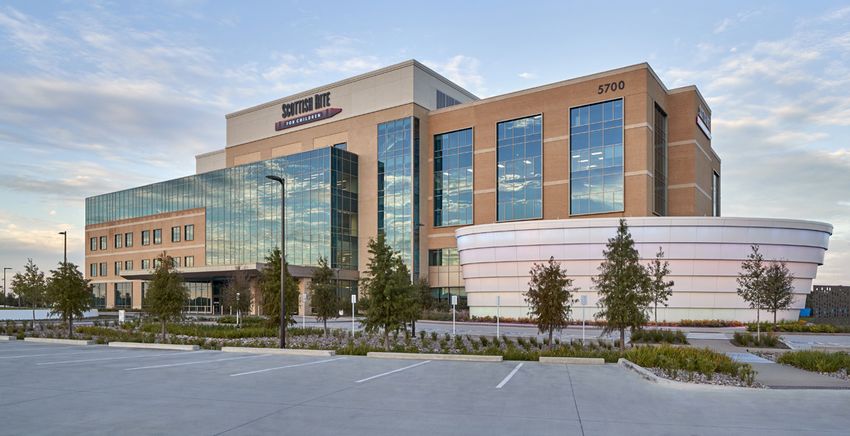
Design of the Program
Our training program is intended to provide a planned, programmed sequence of supervised training
experiences. The program begins with onboarding, followed by four major rotations (two to three months each)
across the Dallas and Frisco Campuses. The fellow’s daily schedule varies depending on consults received in
the Psychology department and his/her/their current rotation. The fellow will elect four immersive experiences
over the course of the training year. It will likely include attending clinics, seeing patients in the clinic setting,
brief individual and family outpatient therapy, rounding on inpatients, participating in educational activities and
collaborating with other hospital staff. The fellow will have a primary rotation (four days per week) and a half-day
of limited outpatient appointments. The fellow will attend weekly training sessions (didactics, rounds and journal
clubs), engage in research, participate in two to three hours of supervision per week and on-call coverage as
assigned. Supervisors will be determined based on rotation.

                                                                                        Tentative
                                                                                        Rotation
                                                                                        Schedule
                                                                                             Orientation
                                                                                              September
                                                                                             Rotation 1
                                                                                              October - December
                                                                                             Rotation 2
                                                                                              January - March
                                                                                             Rotation 3
                                                                                              April - June
                                                                                             Rotation 4
                                                                                              July - August

                                                                                                                     7
Pedicatric Psychology Didactics
                                                                           Didactics are presented by
    Schedule                            Topic
                                                                           staff psychologists unless
       1       Working in an Interdisciplinary Setting (Integrated Care)   otherwise noted. The fellow
       2                       Assessment of Suicide                       is expected to present on
       3              Chronic Pain: Overview and Intervention              clinical cases twice during
       4                      Faculty Case Presentation                    the training year. Depending
       5             Rheumatology: Overview and Intervention               on their rotation, the fellow
       6                          Ilizarov Treatment                       may have the opportunity to
       7                                Ethics                             develop didactic presentations.
       8                      Faculty Case Presentation
       9                               Diversity
       10          EOS, Halo, Growing/Magec Rods Surgery Prep
       11                     AIS and PSF Surgery Prep
       12                     Faculty Case Presentation
       13                     Fellow Case Presentation
       14               Hip Dysplasia and PAO Surgery Prep
       15                               Ethics
       16                     Faculty Case Presentation
       17                              Diversity
       18                          Sports Medicine
       19                         Transitional Care
       20                     Faculty Case Presentation
       21                              Diversity
       22                 Early Career/Entering Work Force
       23            Supervision Models/Being a new supervisor
       24                               Ethics
       25                     Fellow Case Presentation

8
Conferences and Medical Rounds
Postdoctoral Fellowship in Pediatric Psychology
Calendar of Structured Learning Activities for the 2021-2022 Training Year
Activity Day Time Hours
Orthopedic Conference Every Tuesday 7:00 - 8:00 a.m. 1/week
Conference topics highlight different conditions treated at the hospital. Etiology, assessment, treatment and
disease course are discussed. The postdoctoral fellow is expected to attend these didactic seminars to learn
more about the various conditions.
Psychology Research
Fourth Tuesday 8:00 - 9:00 a.m. 1/month
Conference
Psychology Research Conference is a monthly meeting where the postdoctoral fellow and the faculty
review current and future research studies where the Psychology department is involved.
Pediatric Psychology
Every Other Tuesday 8:00 - 9:00 a.m. 2/month
Didactic Seminar
Please see the Didactic Schedule for specific topics. The postdoctoral fellow is expected to participate in
these didactic seminars, which may include an interdisciplinary group of other providers, trainees, staff and
administrators.
Fellow Research Project Variable Variable 1/week
The Fellow Research Project is a supervised, year-long project. The postdoctoral fellow is expected to
work with a faculty supervisor and research coordinator to carry out a research project in a planned and
sequenced manner.
Grand Rounds /
Every Friday 6:00 - 8:00 a.m. 1/week
Sports Rounds
Depending on the rotation, the postdoctoral fellow will attend post-operative rounds with the orthopedic
or sports teams. Both sessions will include cases that the fellow has been involved with during preoperative
assessments.
9Sample Weekly Schedule
Monday Tuesday Wednesday Thursday Friday
9 a.m. - Noon 7 - 8 a.m. 8 a.m. - Noon 8 - 9 a.m. 7 - 8 a.m.
Orthopedics Ortho Conference Outpatients Psychology Ortho Post-Surgical
Appointments Department Rounds
8 - 9 a.m. Meeting
Psychology 8 a.m. - Noon
Didactics 9 a.m. - Noon Research
OR Orthopedics
Monthly Research
Team Meeting
9 a.m. - Noon
Orthopedics
1 - 4 p.m. 1 - 4 p.m. 1 - 4 p.m. 1 - 4 p.m. 1 - 4 p.m.
Orthopedics Orthopedics Orthopedics Orthopedics Administration/
EPPP Preparation
10Training Plan, Supervision and Evaluation
TRAINING PLAN
The Pediatric Psychology Postdoctoral Fellowship is a planned, programmed sequence of supervised training
experiences leading to the development of competencies necessary for advanced practice in pediatric
psychology. The postdoctoral fellow and his/her/their supervisors will develop an Individualized Training
Plan (ITP) at the beginning of the fellowship. The plan will assure that the fellow obtains adequate experience
and exposure to the various emphasis areas, specifies independent project(s) and considers special interests
and training needs. The ITP will delineate clinical activities, rotations and supervisors, involvement in the
emphasis areas, didactics, conferences, rounds, educational opportunities and time to prepare for the licensure
examination. The postdoctoral fellow will be expected to acquire core competencies by the end of the training
year. The formal training program will follow a structured supervision model beginning with the observation
of and modeling by licensed psychologists, proceeding to co-consult, and finally, independent practice under
supervision. The time and exact process will vary depending on the ITP of the fellow.
SUPERVISION
Individual supervision will occur formally for approximately two to three hours weekly with each rotation
supervisor. There is significant supervision, particularly at the beginning of the training year, which will occur
informally in clinics and on the inpatient unit. Specifically, our department will be using the Patient Ask
Recommendations See Evaluate (PARSE) Model for consultation work. These specifics will be addressed and
formalized at the beginning of each rotation with each supervisor. The fellow will have an outpatient clinic
supervisor, a consultation supervisor and a research supervisor. Throughout the year, the fellow will receive
supervision of his/her/their clinical practice, teaching and training, scholarship and professional development.
Supervision will transition from focusing on clinical issues to the use of a consultative clinical supervision
model as the fellow establishes his/her/their professional development as a pediatric psychologist.
EVALUATION PROCEDURES
There will be three evaluations of the fellow’s performance completed by his/her/their major rotation and
outpatient supervisors following the completion of each rotation. Feedback on competencies related to
each particular rotation will be provided following case presentations, didactic presentations, journal club
presentations, research presentations and record reviews. The postdoctoral fellow will also complete ongoing
self-assessments of their skill development to facilitate reflective practice. Modifications will be made to the ITP
as needed. The fellow will also create a portfolio to keep track of their formative and summative feedback.
11Pediatric Psychology Seminar
This year-long didactic seminar will address topics that highlight many of the health conditions treated
at Scottish Rite for Children and focus on the competencies that form the knowledge base for pediatric
psychologists. Each presentation will seek to provide the fellow with an understanding of the scientific
foundation underlying the practice of pediatric psychology, knowledge and appreciation of the core facets
of clinical child psychology, the ability to identify the contextual influences on child health and illness, and
will provide an overview of the medical literature that helps to guide our practice. The fellow will gain
knowledge of the familial influences on child health, an understanding of the systems and contexts that
affect child health and illness, and an appreciation of the benefits and difficulties of working within an
interdisciplinary setting. Further, cultural and social influences on clinical presentations will be emphasized.
OUTCOMES
• Increase fellow’s knowledge of a broad range of
pediatric/child health psychology topics.
• Delineate the types of psychological services
provided by pediatric psychologists.
• Critically evaluate pediatric psychology literature.
• Understand the competencies expected of pediatric
psychologists at a postdoctoral level of professional
development.
• Foster an awareness of the critical issues (both
research and clinical) in the field of pediatric
psychology.
12Fellowship Requirements
FELLOWSHIP REQUIREMENTS
• Attend all weekly training sessions (didactics, rounds and journal clubs).
• Participate in two to three hours of supervision per week.
• See up to five outpatients per week.
• Assist with covering assigned clinics.
• Inpatient coverage as assigned.
• Complete a research project during the course of the year.
• On-call coverage as assigned.
Due Process Performance
Procedures Evaluation Form
13Fellowship Research Requirements
The Psychology fellow will be expected to complete the following research requirements prior to the
completion of training:
• Participate in an ongoing study at Scottish Rite for Children or design and get RAP and IRB approval to
initiate a new study.
• Review and prepare data for analysis and interpretation.
• Identify target conference(s) to submit research OR complete a manuscript and submit for publication
consideration.
All fellows at Scottish Rite for Children are required to participate in monthly meetings with the medical
and research staff to review the status of fellow projects. The Psychology fellow will also participate in the
monthly psychology department research meetings and journal club.
Please note: if the fellow should choose to start a new study, the timeline for completion must account for
IRB/RAP submission and approval time. This can take up to four months. If this is chosen, it is recommended
that a retrospective study be completed to ensure completion of study-related activities during the fellowship
year.
Fellowship
research
Manual
For more information, please go to:
scottishriteforchildren.org/research
14Psychology Department Staff
Interim Training Director
Emily B. Gale, Ph.D., ABPP
Affiliations: Professional Organizations:
• Scottish Rite for Children • American Psychological Association (APA)
Education: • Society of Clinical Child Psychology
• University of Nebraska, Lincoln, NE, B.A. (Division 53)
Psychology • Association for Behavioral and Cognitive
• University of Nebraska, Lincoln, NE, M.A. Therapies
Clinical Psychology • Special Interest Group: Child
• University of Nebraska, Lincoln,NE, Ph.D. Maltreatment and Interpersonal Violence
Clinical Psychology • American Board of Professional
Psychology (ABPP)
Internship:
• University of Arizona College of Medicine,
Tucson, AZ, Clinical Child Psychology
Fellowship:
• Hennepin County Medical Center,
Minneapolis, MN, Clinical Child Psychology
Postdoctoral Fellowship
Staff Psychologist
Arturo Corrales, Psy.D.
Affiliations: Professional Organizations:
• Scottish Rite for Children • Texas Psychological Association (TPA)
Education: • American Psychological Association
• Texas Tech University, Lubbock, TX (APA): Division 16 (School Psychology);
B.A., Psychology & Spanish Division 33 (Intellectual & Developmental
• Wright State University, Dayton, OH, Disabilities/Autism Spectrum Disorders);
Psy.D. Clinical Psychology Division 54 (Society of Pediatric
Psychology); Division 53 (Society of
Internship:
Clinical Child & Adolescent Psychology),
• Jacobi Medical Center-North Bronx
Diversity Committee
Healthcare Network - Bronx, NY
• National Basketball Players Association
Fellowship: Mental Health & Wellness Program –
• Cincinnati VAMC – Cincinnati Foundation for Provider
Biomedical Research - Cincinnati, OH • Texas Young Professionals, Fort Worth
Chapter – Board Member
15Psychology Department Staff
Staff Psychologist
Lauren Cox, Ph.D.
Affiliations: Fellowship:
• Scottish Rite for Children • St. Jude Children’s Research Hospital
Education: Professional Organizations:
• Harding University, Searcy, AR, • Clinical Fellows Council, St. Jude
B.A., Psychology Children’s Research Hospital
• University of Mississippi, Oxford, MS, • Diversity Committee, Texas Child Study
M.A. Clinical Psychology Center
• University of Mississippi, Oxford, MS, • Association for Behavioral and Cognitive
Ph.D. Clinical Psychology Therapies (ABCT)
Internship: • American Psychological Association
• Texas Child Study Center/Dell Children’s (APA): Division 54 (Society of Pediatric
Medical Center, University of Texas at Austin Psychology); Division 53 (Society of
Clinical Child & Adolescent Psychology)
Staff Psychologist
Whitney M. Herge, Ph.D.
Affiliations: Professional Organizations:
• Scottish Rite for Children • American Psychological Association (APA)
Education: • Society of Pediatric Psychology (Division
• Boston College, Chestnut Hill, MA, B.A. 54)
Psychology/English, Concentration in Creative • Society for Clinical Child and Adolescent
Writing Psychology (Division 53)
• American University, Washington, DC, M.A. • Society of Developmental Behavioral
General Psychology Pediatricians
• University of Miami, Coral Gables, FL, Ph.D.,
Doctorate in Philosophy (Clinical Psychology,
Pediatric Health Track)
Internship:
• Mailman Center for Child Development,
Miami, FL, Pediatric Psychology
16Psychology Department Staff
Staff Psychologist
Emily Stapleton, Psy.D.
Affiliations: Professional Organizations:
• Scottish Rite for Children • American Psychological Association,
Education: Student Affiliate: Division 22 – Division
• University of Virginia, Charlottesville, VA, of Rehabilitation Psychology, Member;
B.A. Cognitive Science Division 22 – Section for Pediatric
• University of Denver, Denver, CO, Rehabilitation Psychology, Member;
M.A. Clinical Psychology Division 40 – Society for Clinical
• University of Denver, Denver, CO, Neuropsychology, Member; Division
Psy.D. Clinical Psychology 54 – Society for Pediatric Psychology,
Member; Orthopedic Special Interest
Internship:
Group
• Primary Children’s Hospital, Salt Lake City, UT
Pediatric Behavioral Health
Fellowship:
• Scottish Rite for Children, Dallas, TX,
Pediatric Psychology
17Postdoctoral Pediatric Psychology Fellowship
The Pediatric Psychology department at Scottish Rite for Children in Dallas, Texas is currently accepting
applications for one (1) full-time pediatric psychology postdoctoral position from August 29, 2022 –
September 1, 2023. The fellow participates in a full range of didactic training experiences, including a
pediatric psychology seminar, an orthopedic conference, post-operative rounds, a hand conference and
clinical team rounds. Based on interest, the fellow will have the opportunity to participate in faculty research
projects. The fellow is also provided with protected time for licensure preparation.
Graduation from an APA-accredited psychology doctoral program and completion of an APA-accredited
pre-doctoral internship is required. Candidates from clinical, counseling and school psychology programs
are welcome to apply. Applicants must be able to provide a letter from their graduate program indicating
that their degree will be conferred by August of the year they will begin fellowship training.
Benefits include: health and dental insurance, paid time off, access to an on-site gym and wellness classes,
on-call pay and other benefits. The position is funded through a market-competitive annual stipend. A
relocation stipend is also available.
Additional information about the hospital is available at: scottishriteforchildren.org
General questions or inquiries can be directed to:
Emily B. Gale, Ph.D., ABPP (emily.gale@tsrh.org) or at 214-559-7566.
Application Deadline: January 3, 2022
Applications are due January 3, 2022, though early applications are strongly encouraged. Applicants will
be notified of a formal invitation to interview by January 10, 2022. Formal interview invitations will be
sent out via email. Interviewees will have the choice of two dates: January 28, 2022 or February 2, 2022.
Applicants will be invited to interview via Microsoft Teams or phone.
Consistent with APPIC recommendations, we will be offering exclusively virtual interviews. The
interview day will start with a general welcome, overview of the training program, introduction of staff and
rotation overviews. Next, individual interviews will be conducted by members of the training staff. During
the interview, applicants will be asked to respond to general questions related to their prior experience,
training, crisis intervention, brief therapy and consultation/liaison skills. Applicants will be provided with
approximately 10-15 minutes for questions. Additionally, an optional follow-up question and answer session
can be scheduled with the Training Director following the last interview date, if additional questions remain.
Required Application Materials References
1. Curriculum Vitae References may be emailed separately to
the same address or mailed to:
2. Three letters of reference (including one from internship supervisor)
3. Cover letter that includes a statement of interest Scottish Rite for Children
4. Clinical writing sample of no more than 5 pages that is de-identified Emily B. Gale, Ph.D., ABPP
and represents the applicant’s professional writing ability. Interim Training Director
Psychology Department
5. Graduate transcript. Please send all materials with the exception of
2222 Welborn Street
references in PDF format in one email to emily.gale@tsrh.org
Dallas, Texas 75219
18Relocation to Dallas
Amazing Food
Dallas is a foodie’s dream. Dallas chefs take risks and create their own twists on traditional food. The
restaurants here are authentic, unique and funky. Plus, there is something for everyone! Love burgers?
Try out Twisted Root Burger in Deep Ellum. The tables are made out of bottle caps, the atmosphere is
laid back, and the burgers (available in beef, buffalo, turkey, and vegan options) are perfectly cooked and
packed with flavor. Are street tacos more your scene? Wander over to La Ventana in Downtown, where
you can feast on burritos or taco bowls on the sunny patio for only a few dollars. Whatever your stomach
desires, Dallas delivers!
No State Income Tax
That’s not a typo! Texas is one of only seven states in the U.S. that doesn’t have a state income tax.
Professional Sports Scene
Who doesn’t love the Dallas Cowboys? Known fondly as “America’s Team,” the five-time Super Bowl
champions run, kick and sweat it out at the AT&T Stadium just west of Dallas. If Basketball is more your
style, we’ve got the Dallas Mavericks. Our NHL team, the Dallas Stars, and our MLB team, Texas Rangers,
each have a loyal and active following as well.
A Neighborhood for Everyone
Whether you love the sights and sounds of the city or prefer quick access to the great outdoors, Dallas has
a neighborhood for everyone. Central Dallas will give you access to the newest businesses and restaurants,
East Dallas is a kayaking/paddle boarding/running haven and West Dallas is an eclectic mix of old & new.
19You can also read


