PIPELINE SAFETY We all play a role - Enable Midstream Partners
←
→
Page content transcription
If your browser does not render page correctly, please read the page content below
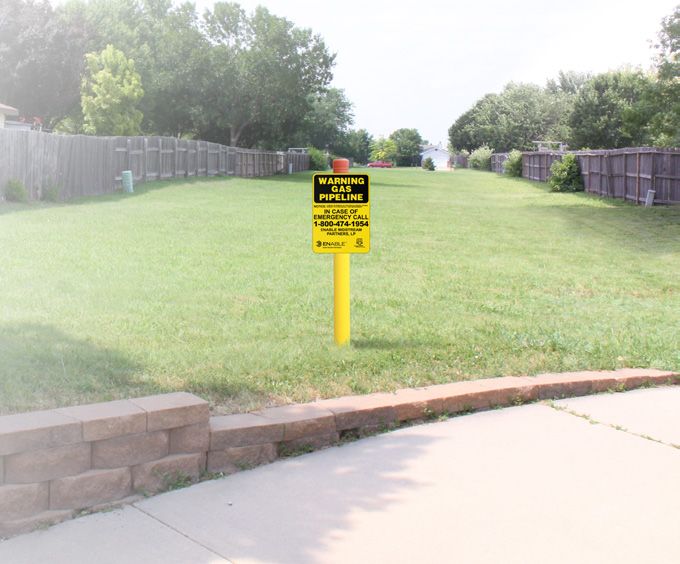
PIPELINE SAFETY We all play a role
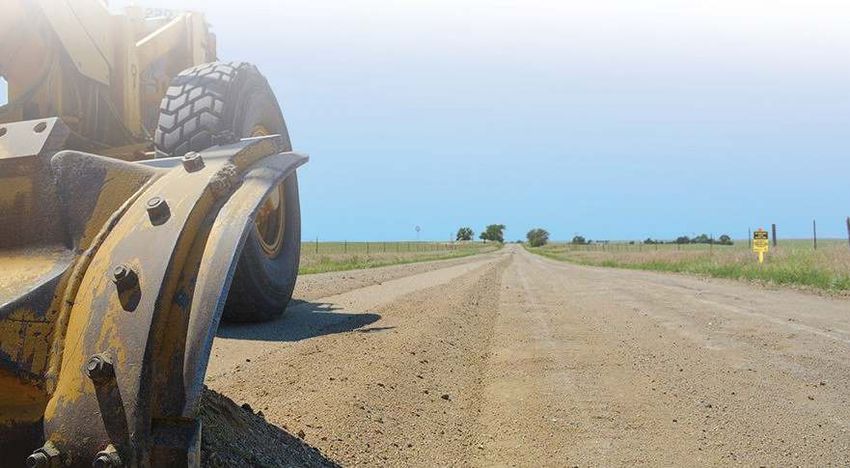
About Enable Midstream Partners, LP
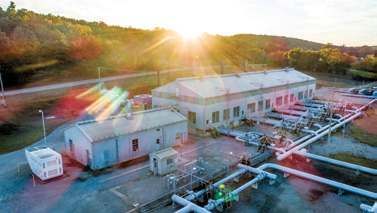
Enable Midstream Partners, through our subsidiaries, operates:
• Gathering pipelines – linking natural gas and crude oil sources to central
  collection points
• Processing plants – extracting natural gas liquids and producing pipeline-
  quality gas
• Transmission pipelines – moving products long distances to end users
• Compressor stations and pumping stations (located along transmission and
  gathering pipelines) – helping push energy products through the pipelines
• Distribution lines (farm taps) – delivering gas to farmers and other
  landowners
• Underground storage facilities – storing natural gas in reserve for periods of
  low demand. Gas is pumped out for transmission in periods of higher demand
In this brochure, the use of “Enable Midstream Partners,” “Enable Midstream
Partners, LP,” or “Enable Midstream” refers to all of the subsidiaries.

Purpose and reliability
Pipelines – America’s extensive pipeline network gathers, processes and
transports natural gas and petroleum products to homes, businesses
and industrial facilities every day. Since people rely on these products,
pipelines play an important role in our economy and quality of life.
According to the National Transportation Safety Board, pipelines are the
safest and most economical method of transporting these products. At
Enable Midstream, we do our part by designing, operating and maintaining
our pipeline systems for maximum reliability and safety.
Storage facilities – Most existing natural gas storage in the U.S. makes
use of depleted natural gas or oil fields. This practice takes advantage of
existing wells, gathering systems and pipeline connections. Depleted oil
and natural gas reservoirs are commonly used as underground storage
sites because of their wide availability. Underground storage facilities
connect to pipeline systems and safely store natural gas. During warmer
months, gas is stored to ensure adequate and reliable supply of natural gas
for our customers during times of high demand, such as cold winter days.
All Audiences - Pipeline Safety

                                                                                  All Audiences - Pipeline Safety
How we keep our pipelines safe
Enable Midstream is committed to the safe and reliable operation
of our pipelines and storage facilities in your community. Our
pipelines are designed, installed, tested, operated and maintained
in accordance with all applicable federal and state requirements
and monitored 24 hours per day, everyday from our system control
centers. Additional elements of our public safety programs include
routine inspections, cathodic protection, maintenance and testing
procedures, employee training and public education.
Enable Midstream has also developed and implemented an
Integrity Management Plan (IMP), which provides a process
for assessing and mitigating risks along the pipeline system. In
accordance with federal regulations for natural gas and crude oil
pipeline operators, the IMP calls for enhanced protection for High
Consequence Areas (HCAs), such as environmentally sensitive
areas, urbanized or populated areas and commercial waterways.
For more information about Enable Midstream’s pipeline safety
programs, emergency plans and IMP, please visit the Pipeline
Safety page at enablemidstream.com.

How you can help
Keeping pipeline systems safe is everyone’s responsibility. Pipeline
damage most often occurs during digging and excavation. Unsafe
excavating around pipelines is dangerous. Excavating includes digging,
grading and otherwise moving dirt, including for construction, fence
installation and landscaping.
State laws require you to contact 811, the national call-before-you-
dig phone number, before starting these types of activities. The chart
below shows the advance notice required by each state’s 811 center.
   STATE       NOTICE REQUIRED              STATE      NOTICE REQUIRED
  Alabama         2 working days           Missouri      2 working days
                                                        (excluding day of call)

  Arkansas        2 working days            North            48 hours
                                            Dakota     (excluding weekends and
                                                               holidays)

   Illinois       2 working days           Oklahoma      2 working days
                                                        (excluding day of call,
                                                       weekends and holidays)

   Kansas         2 working days           Tennessee     3 working days
                 (excluding day of call)

  Louisiana       2 working days             Texas       2 working days
                 (excluding day of call)

 Mississippi      2 working days

When you call or enter a notification online for work near our pipeline,
an Enable Midstream employee will go to the project site and mark the
ground at no cost to you. Yellow flags or paint will indicate the location
of our underground pipeline. After the appropriate waiting period, you
are free to dig. We only mark our Company’s lines and not those of any
other company. We also do not mark private lines, such as sprinklers
or gas service lines.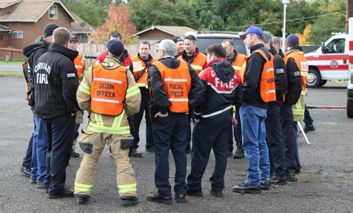
All Audiences - Pipeline Safety

How to keep rights-of-way safe
Pipelines and other utilities are buried and located in rights-of-way (ROWs).
All ROWs must be kept free from encroachments such as structures and
other obstructions for your safety, maintenance and emergency access.
If a pipeline crosses your property, do not plant trees, high shrubs or any
vegetation that would impede access to the ROW. Do not dig, build, store
or place anything on the ROW. If you have a question concerning the
pipeline location, call Enable Midstream to have the pipeline marked and
ROW staked. To avoid unnecessary risks, encourage community leaders to
consider pipeline locations when issuing permits for development.
Please call Enable Midstream and report any unauthorized excavating,
concerns or suspicious activities you notice near our pipeline ROWs
or facilities.

How to respond if a pipeline is damaged or disturbed
Even if you cause what seems to be only minor damage to a pipeline, notify
the pipeline company immediately. A gouge, scrape, dent or crease on
a pipeline or its protective coating may cause a future break or leak. It is
imperative the pipeline company inspect and repair damage to the line.

DO NOT attempt to repair the line yourself. If a line is ruptured or leaking, call 911.

How to identify our pipelines
Several tools are available to help identify Enable Midstream pipelines in your
area. In addition to those listed here, we are always available to help if you
have questions. Please visit enablemidstream.com.

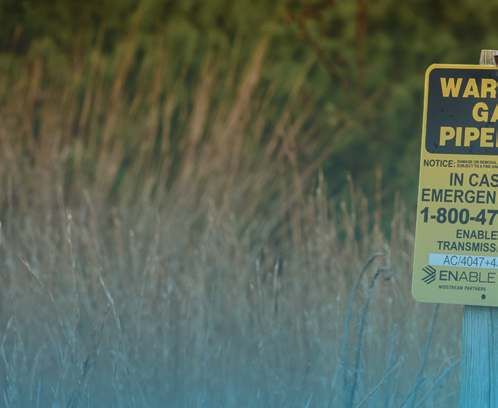
Pipeline markers
• Indicate approximate location - not exact
  location or depth
• Are found where lines meet streets,
  highways, waterways and railway
  intersections
• Display the pipeline operator name,                These are examples of some types of
  emergency number and product                       Enable Midstream pipeline markers.
  transported

Online mapping system
The location of Enable Midstream transmission pipelines can be found
at the National Pipeline Mapping System (NPMS) website,
www.npms.phmsa.dot.gov. NPMS does not include gathering lines.
For information regarding the location of our gathering pipeline assets
in Texas, refer to the Texas Railroad Commission’s online map at
rrc.state.tx.us/data/online/gis. In all other states contact Enable Midstream
via enablemidstream.com.
All Audiences - Pipeline Safety

Look. Listen. Smell.
If you see, hear or smell any of the following indicators, there may be a
pipeline leak. However, this should not be considered a complete list.
      SIGHT – Water bubbling; dirt or water blowing into the air; dead
      vegetation; dark brown spots on the ground; an oily sheen on top of the
      ground or floating on the surface of a body of water; a pool of liquid on
      the ground; a low-lying, dense white cloud or fog; frozen ground near a
      pipeline; fire or explosion
      SOUND – Bubbling, hissing, blowing, roaring or the impact of an explosion
      SMELL – Strange or unusual odor similar to petroleum or rotten eggs
      (However, some gasses are odorless and odorant cannot always be added.)

 DO
                1. Leave the immediate area on foot! Move away from
                   the leak or vapor cloud and maintain a safe distance.
                   Abandon any equipment being used in or near the area.
                2. Go directly to a safe location and then call 911 and the
                   pipeline company’s emergency number (if known).
                3. Warn others to stay away.

                1. Create any potential ignition source by flipping an

DO                 electrical switch, starting a motorized vehicle, lighting an
                   open flame, ringing a doorbell, etc.

NOT             2. Come into direct contact with any escaping liquids or gas.
                3. Drive into a leak or vapor cloud while leaving the area.
                4. Attempt to make any repairs or operate any pipeline
                   valves yourself. You may inadvertently route more product
                   to the leak or cause a secondary incident.
                5. Attempt to extinguish a natural gas or hazardous liquid fire.
                6. Use a telephone to call 911, or anything that could cause
                   a spark, until you are in a safe place.

How Enable Midstream responds to an emergency
If a pipeline incident is suspected, Enable Midstream personnel will be
dispatched to the site immediately to provide public safety officials with
information and help handle the emergency. We will take necessary
operating actions to restrict the flow of gas or liquids and minimize the
impact of the emergency. To learn more about our emergency response
plan, visit enablemidstream.com.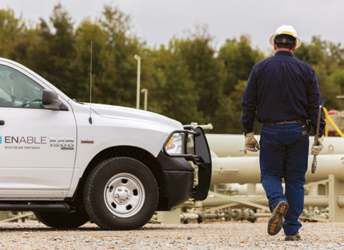
All Audiences - Pipeline Safety

Potential hazards of a natural gas pipeline release
The products we transport are flammable. Therefore, a release has the
potential to escalate into a fire or explosion, which could affect people or
properties in the vicinity of the pipeline. A gas release could negatively
impact personal health and the environment. It could also cause a loss
of services, expensive repairs and fines related to damaging a pipeline. A
product release from a high-pressure natural gas pipeline could even create
noise levels that are harmful to human hearing. The affected public will be
notified by Enable Midstream personnel and/or emergency responders if a
release occurs.

Potential hazards of a crude oil or hazardous liquids release
Liquid products and their vapors can also be highly flammable. Health
effects vary depending on the concentration and length of exposure.
Breathing vapors can cause nervous system and respiratory irritation.
Contact with the skin can cause irritation. The affected public will be
notified by Enable Midstream personnel and/or emergency responders if a
release occurs.
Hydrogen sulfide (H2S) occurs naturally in crude oil and natural gas.

                                                                                          ERG 128: Crude
                                Natural gas        Highly volatile       Hydrogen
 PRODUCT     Natural gas                                                                   oil & refined
                                condensate         liquids (HVLs)       Sulfide (H2S)        products

  LEAK
                 Gas            Liquid/vapor            Gas                  Gas            Liquid/vapor
  TYPE

 VAPORS    Lighter than air    Lighter than air   Heavier than air     Heavier than air   Heavier than air

                                                                                             Irritation of
           Extremely high                                                                   the eyes and
           concentrations                                              Can cause shock,   skin may occur
             may cause         Can be fatal if        Can cause          convulsions,      with exposure;
             irritation or     swallowed or        irritation to the      inability to
  HEALTH                                                                                     Vapors may
            asphyxiation;      breathed and       respiratory tract      breathe, etc.;    cause central
 HAZARDS       Possible         may cause             and effects          Hydrogen       nervous system
             presence of        respiratory         to the central      Sulfide (H2S)     effects. Possible
              Hydrogen           irritation       nervous system       can paralyze the      presence of
           Sulfide (H2S), a                                             sense of smell        Hydrogen
               toxic gas                                                                   Sulfide (H2S)

                                   Extremely           Extremely                               Extremely
                               flammable and        flammable in                            flammable in
                                                                           Extremely
                                 easily ignited    liquid or vapor                         liquid or vapor
                                                                       flammable, gas/
                               by heat, sparks       form; Vapors                            form; Vapors
              Extremely                                                air mixtures can
                               or flames; May     are heavier than                        are heavier than
   FIRE    flammable and                                                  be explosive
                                  accumulate          air and may                             air and may
           easily ignited by                                            and may travel
 HAZARDS                          in low areas        accumulate                              accumulate
           heat, sparks or                                              a considerable
                                  and travel a        in low areas                            in low areas
                flames                                                   distance to an
                                 considerable         and travel a                            and travel a
                                                                        ignition source
                                distance to an      considerable                            considerable
                                                                        and flash back
                               ignition source      distance to an                          distance to an
                               and flash back      ignition source                         ignition source

                                 Panola &                                                 Dunn, McKenzie,
                                  Harrison                                                    Mountrail
                               counties in TX;    Harrison County,
                                                         TX                                  & Williams
 APPLIES   All counties or                                             Robinson & Leon
                                 Canadian,                                                 counties in ND;
   TO          parishes        Custer & Grady     Hughes County,        counties in TX
                                                                                           Grady, Hughes
                               counties in OK          OK                                    & Stephens
                                                                                           counties in OK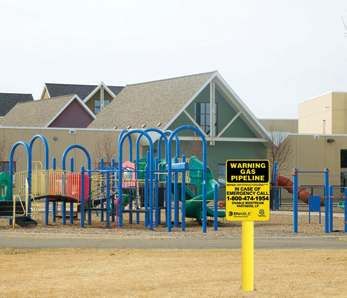
Affected Public

Where are pipelines typically located?
Pipelines can be located almost anywhere. A few examples include:
• Near residential neighborhoods, schools and sports facilities
• Throughout commercial or industrial areas
• Parallel to or underneath paved and non-paved roads, railroad tracks
  and bridges
• Below farmland
• Across or parallel to rivers, lakes and streams
• Close to parks and hiking trails
The important thing to remember is that while most pipelines are buried

                                                                             Affected Public
out of sight, they should never be out of mind. Everyone should try to
become familiar with where pipelines are located near their homes,
workplaces or commonly-visited areas.
Pipeline markers are placed where pipelines intersect public roads, river
crossings and railways. These markers list the product being transported
by the pipeline and provide the pipeline operator’s name and phone
number in case of an emergency.

What activities might cause pipeline damage?
Digging-related damage is the leading cause of pipeline incidents.
Even a slight nick can cause lines to corrode or weaken, resulting in a
pipeline emergency days, weeks or even years after what seemed to be
the slightest damage.
Residents and landowners enjoy maintaining and improving their
properties. However, this can sometimes create hazards if not planned
carefully. Typical activities that could cause damage include:
• Building fence
• Planting trees or gardens
• Installing basketball goals and flag poles
• Constructing storage sheds or other outbuildings
• Farming activities such as drain tiling, terracing, grading, contouring,
  ripping, deep tilling or soil sampling
• Walking on or driving over exposed pipe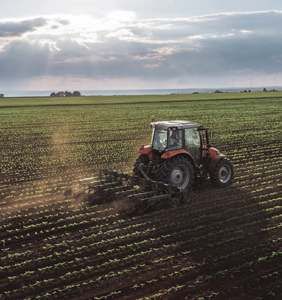
Affected Public

How can pipeline damage be prevented?
Always call 811 before digging, even when digging near a pipeline marker.
However, remember that pipeline markers do not indicate the exact location
or depth of the pipeline and may not be present in
certain areas.
Keeping a right-of-way (ROW) free of encroachments
is an essential element of maintaining pipeline
integrity and safety. Encroachments on the pipeline
ROW inhibit the pipeline operator’s ability to reduce
third party damage, provide ROW surveillance,
perform routine maintenance and required federal/
state inspections.

When should a pipeline operator be contacted?
Pipeline operators welcome the opportunity to work with residents and
landowners to prevent an emergency. While calling 811 before digging is the
most important practice, we also encourage contacting pipeline operators if
further information or coordination is needed.
If accidental damage has occurred or if a leak is suspected, call 911 and/or the
emergency number listed on the pipeline marker. If planning the construction
of a fence or outbuilding and there are concerns about encroaching upon the
pipeline ROW, please reach out to the pipeline operator via website or non-
emergency phone number. For questions or concerns about Enable Midstream’s
pipelines, please go to enablemidstream.com or call 1-800-829-9922.

Excavators/Contractors

Safe excavation
A leading cause of pipeline incidents is damage caused by failure to follow safe
digging practices during excavation activity. You can help prevent pipeline damage by:
• Becoming aware of pipeline markers in your area and associated pipelines
• Recording and keeping the names and contact information of pipeline operators in
   a permanent location in or near your telephone(s)
• Being aware of any unusual or suspicious activity or excavations taking place
   near the pipeline rights-of-way and reporting such activity by
   calling 911 and Enable Midstream
• Calling 811 before you dig
• Calling Enable Midstream if you damage a line
• Calling 911 if you cause a leak
All participating utilities with buried facilities will be located and marked with one or
a combination of the following: paint, flags, stakes, whiskers or offsets.

       Proposed excavation                   Communication

                                                                                            Excavators/Contractors
       Temporary survey                      Potable water
       Electric                              Reclaimed water & irrigation
       Gas, oil, steam & petroleum           Sewer & drain lines

                                                             Example of a tolerance zone
Tolerance zones
The immediate area surrounding a pipeline
is known as the “tolerance zone.” State laws
prohibit excavation by mechanized equipment
within a certain distance on either side of a
marked pipeline. This area varies by state.

Damaging or disturbing a pipeline
If you cause or witness even minor damage to a pipeline or its protective
coating, please immediately notify Enable Midstream. Even a small
disturbance to a pipeline may cause a future leak. A gouge, scrape, dent or
crease is reason enough for Enable Midstream to inspect the damage and
make repairs. Do not cover a pipeline that has been disturbed, it makes it
more difficult to find the damaged area.

Things to remember
•   ANY kind of displacement of the earth is
    considered excavation.
•   ALL forms of digging are considered excavation.
    The use of heavy equipment is not the only form
    of excavation.
•   ALWAYS call 811 prior to excavation.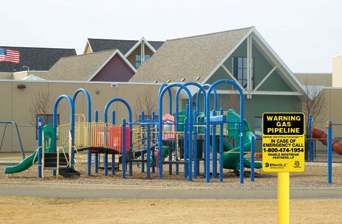
Excavators/Contractors
Education and resources
State One-Call centers work with underground utility owners and pipeline operators to
provide education and information to excavators. Most offer Damage Prevention training
events in regionally designated areas, which allow excavators the opportunity to ask specific
questions of the utility owners and pipeline operators in their local work areas. Most state
One Call centers also offer online training and webinars addressing a variety of excavation
safety topics. We strongly encourage excavators to participate in Damage Prevention events
and take advantage of valuable educational resources. You can contact the appropriate state
One Call center listed below for more information.
 ALABAMA / Alabama 811 / 800-292-8525                      MISSOURI / Missouri One Call System / 800-344-7483
  Website: www.al811.com                                    Website: www.mo1call.com
  Hours: 24 hours, 7 days                                   Hours: 24 hours, 7 days
  Advance Notice: 2 working days                            Advance Notice: 2 working days (excluding day of call)
  Marks Valid: 10 working days                              Marks Valid: As long as visible
  ARKANSAS / Arkansas 811 / 800-482-8993                   NORTH DAKOTA / North Dakota One Call / 800-795-0555
  Website: www.arkansas811.com                              Website: www.ndonecall.com
  Hours: 24 hours, 7 days                                   Hours: 24 hours, 7 days
  Advance Notice: 2 working days                            Advance Notice: 48 hours
  Marks Valid: 20 working days                               (excluding weekends and holidays)
                                                            Marks Valid: 21 calendar days
  ILLINOIS / JULIE, INC. / 800-892-0123                     OKLAHOMA / Okie811 / 800-522-6543
  Website: www.illinois1call.com                            Website: www.okie811.org
  Hours: 24 hours, 7 days                                   Hours: 24 hours, 7 days
  Advance Notice: 2 working days                            Advance Notice: 2 workings
  Marks Valid: 28 calendar days                              (excluding day of call, weekends and holidays)
                                                            Marks Valid: 10 business days
  KANSAS / Kansas 811 / 800-344-7233                        TENNESSEE / Tennessee 811 / 800-351-1111
  Website: www.kansas811.com                                Website: www.tn811.com
  Hours: 24 hours, 7 days                                   Hours: 24 hours, 7 days
  Advance Notice: 2 workings (excluding day of call)        Advance Notice: 3 working days
  Marks Valid: 15 calendar days                             Marks Valid: 15 calendar days
  LOUISIANA / Louisiana One Call / 800-272-3020             TEXAS / Texas 811 / 800-344-8377
  Website: www.laonecall.com                                Website: www.texas811.org
  Hours: 7:00 AM to 6:00 PM, Emergency Locates 24/7         Hours: 24 hours, 7 days
  Advance Notice: 2 working days (excluding day of call)    Advance Notice: 2 working days
  Marks Valid: 20 Days/30 Days for Forestry                 Marks Valid: 14 working days
  MISSISSIPPI / Mississippi 811, Inc. / 800-227-6477
  Website: www.ms811.org
  Hours: 24 hours, 7 days
  Advance Notice: 2 working days
                                                                     ALL STATES: 811
  Marks Valid: 14 working days

Common Ground Alliance (CGA) at cga.org is a member-driven association of 1,700 individuals,
organizations and sponsors in every facet of the underground utility industry. Established in 2000,
CGA is committed to saving lives and preventing damage to underground infrastructure by promoting
effective damage prevention practices. CGA has established itself as the leading organization in an
effort to reduce damages to underground facilities in North America through shared responsibility
among all stakeholders. CGA offers a variety of best practices, reports and other resources that help
excavators, utility owners and pipeline operators achieve damage prevention.
National Excavator Initiative (NEI) at safeexcavator.com is a broad-based damage prevention
effort that raises awareness of underground infrastructure, increases use of the 811 system and
encourages stakeholders to take additional safety steps after the 811 call is made in order to protect
themselves and the infrastructure. NEI provides meaningful information regarding underground
damage prevention, underground facility awareness and safety messages designed to drive continued
awareness and increased safety for those who are, or might be, impacted by damage to underground
facilities. NEI also offers a SafeExcavator app available on the App Store and Google Play which is an
easy, fast and free way to access the legal requirements pertaining to excavation in every state.
Emergency Officials
Emergency response planning
The safety and well-being of each employee and the public is what we value
most. We are committed to building and maintaining relationships with
emergency responders whose communities could be affected by a pipeline
emergency.
In an effort to build these relationships with emergency responders (as well
as meet federal regulatory requirements), Enable Midstream works with a
number of collaborative organizations to provide pipeline safety training
and meet with emergency response agencies who have jurisdiction in our
areas of operation. These face-to-face and virtual events offer emergency
responders an opportunity to receive valuable training, ask specific questions
of representatives from multiple pipeline companies, exchange contact
information and possibly receive a grant for their agency. These organizations
also attend many emergency response-related conferences and community
events to further extend these efforts.
Enable Midstream requests that all emergency response agencies make plans
to attend at least one of the offered events listed in your jurisdictional area
below. Schedules and registration can be found on the websites listed.
ALABAMA MISSOURI
Alabama Pipeline Awareness Cooperative Training (APACT) Pipeline Association of Missouri (PAM)
Website: www.apactpipelineawareness.com Website: www.showmepipeline.com
Phone: 205-567-5737 Phone: 877-477-1162
ARKANSAS NORTH DAKOTA
Arkansas Regulatory Partnership Program (ARPP) North Dakota Pipeline Association (NDPA)
Website: www.arpp.info Website: www.ndpa.pipelineawareness.org
Phone: 501-472-1005 Phone: 877-477-1162
ILLINOIS OKLAHOMA
Paradigm Liaison Services Oklahoma Pipeline Awareness Liaison (OPAL)
Emergency Officials
Website: www.il.pipeline-awareness.com Website: www.okpipelineawareness.com
Phone: 877-477-1162 Phone: 855-782-2927
KANSAS TENNESSEE
Kansas Pipeline Association (KPA) Partners In Protecting Everyone (PIPE)
Website: www.kpa-awareness.com Website: www.tn.pipeline-awareness.com
Phone: 866-577-1162 Phone: 877-477-1162
LOUISIANA TEXAS
Pipeline Association of Louisiana (PAL) Paradigm Liaison Services AND Practical Pipelines
Website: www.la.pipeline-awareness.com Paradigm Liaison Services
Phone: 877-477-1162 Website: www.tx.pipeline-awareness.org
Phone: 877-477-1162
MISSISSIPPI Practical Pipelines (Bowie, Gregg and Lipscomb Counties)
Paradigm Liaison Services Website: www.practicalpipelines.org
Website: www.ms.pipeline-awareness.com Phone: 972-472-6500
Phone: 877-477-1162
If for any reason your agency is not available to attend a face-to-face
or virtual event, please contact Enable Midstream directly by visiting
enablemidstream.com. Enable Operations personnel are happy to work
directly with your agency to establish emergency response plans, exchange
contact information and emergency response capabilities, or provide any
additional information.Emergency Officials Emergency Response Capabilities Survey Pipeline operators are required by federal regulation to work with emergency response agencies with jurisdiction in their areas of operation to assess their emergency response capabilities and equipment on-hand. This assessment helps both the pipeline operators and the emergency response agencies develop more comprehensive and efficient emergency response plans. Additionally, this assessment may identify gaps or equipment needs for some agencies and drive grant opportunities. If your agency attends a collaborative event discussed above, the ranking official in attendance from your agency will be asked to complete an Emergency Response Capabilities Survey. The survey data will then be provided to all sponsoring pipeline operators for that organization. If your agency is not available to attend a face-to-face or virtual event, please visit enablemidstream.com to complete an Emergency Response Capabilities Survey. This will help everyone work together to effectively protect the communities we serve. Incident response steps Effective communication and coordination between emergency responders and the pipeline/utility operator is important for successful management of pipeline incidents. For an effective response, please take the following actions: • Approach with caution from upwind/crosswind location, staying clear of vapor clouds, fumes, smoke and puddles. Use air monitoring equipment as hazardous atmospheric conditions such as Hydrogen Sulfide (H2S) may exist; • Secure the area and perimeter of the incident by restricting traffic and if necessary, inform people in the area to evacuate; • For an incident that has not resulted in fire, take steps to prevent ignition of gas vapors, such as rerouting traffic and reminding people in the area not to smoke or use electronic/ battery-powered devices. Establish barriers to prevent hazardous liquid leaks from spreading to water sources, storm drains or other sensitive areas; • For an incident that has resulted in a fire, do not extinguish the fire at its source since doing so could result in a vapor cloud that could re-ignite or spread a hazardous liquids fire. In this case, emergency responders should allow the fire at the source to continue burning while focusing on preventing the fire from spreading; • DO NOT attempt to extinguish a gas fire; this could prolong or worsen the incident; and • DO NOT attempt to operate pipeline valves; this could prolong or worsen the incident. Work with the pipeline representative as you develop a plan to address the emergency. The pipeline representative will need to know: • Your contact information and the location of the emergency • Size, characteristics and behavior of the incident and if there are any primary or secondary fires • Whether there are any injuries or deaths • Proximity of the incident to any structures, buildings, etc. • If there are any environmental concerns such as bodies of water, grasslands, etc.
Public Officials

Planning for your community
There are many tools available for public officials and their communities to help mitigate
and understand pipeline risks.
The National Pipeline Mapping System (NPMS)
• The NPMS can be accessed at: www.npms.phmsa.dot.gov.
• Basic information on transmission lines can be accessed including operator name,
  pipeline diameter and location and commodities transported.

Never use the NPMS website in place of calling 811 prior to starting an excavation
project. In addition, never rely on pipeline markers as an indicator of a pipeline’s
exact location. Markers provide the approximate location and general area of a
pipeline. NPMS does not display all underground pipelines or other utilities.

Pipeline and Informed Planning Alliance (PIPA)
It is crucial to coordinate with pipeline operators when
developing site plans in land-use, zoning and property-
development activities. One tool to assist with planning
and zoning around pipelines is the Pipelines and Informed
Planning Alliance (PIPA) recommended practices. The
purpose of PIPA is to reduce risks and enhance the safety
of affected communities and pipelines by improving
the way local planning and zoning officials plan new
development and land use near transmission pipelines.
These recommended practices can be accessed at:
http://primis.phmsa.dot.gov/comm/pipa/LandUsePlanning.htm.

High Consequence Areas
                                                                                                  Public Officials

• Pipeline operators provide enhanced protection for High Consequence Areas (HCAs).
  These are defined as heavily-populated areas, outside areas, open structures or
  facilities occupied by persons who are confined or of impaired mobility.
• Examples of HCAs include beaches, playgrounds, recreational facilities,
  campgrounds, outdoor theaters, stadiums, recreational areas near a body of water,
  religious facilities, office buildings, community centers, general stores, 4-H facilities,
  roller-skating rinks, hospitals, prisons, schools, day-care facilities, retirement facilities
  or assisted-living facilities.
• For more information about Enable Midstream pipelines near HCAs in your
  community, visit enablemidstream.com or call 1-800-829-9922.
Public Officials Constructing and maintaining roads near pipelines Protecting road crews and communities is a critical part of constructing and maintaining roads that are travelled daily. According to the U.S. Department of Transportation, there are nearly 4 million miles of roads in the U.S. with more than 2.8 million miles of pipelines below and beside them. To ensure safety on and along these roads, the safe excavation practices listed below are recommended: • Call 811 before digging, clearing or grading to have underground utilities and pipelines marked. Even if work crews are exempt from your state’s One Call law, calling 811 will help work crews and communities stay safe. • Tolerance zones (the immediate area on either side of a pipeline) are easily encroached upon when building or maintaining roads. Check the One Call law in your state to verify appropriate tolerance zones and contact Enable Midstream to be on-site if the use of mechanized equipment is necessary within the tolerance zone. • Road grading can remove ground cover above pipelines causing them to become exposed. Some state One Call centers offer a special Road Grading Request which may be submitted prior to annual maintenance. Check with your state’s One Call (listed on the Excavators & Contractors tab) to see if this option is available. • Pipeline rights-of-way (ROWs) are not designed to withstand the weight of heavy vehicles or machinery. If construction or maintenance plans include moving heavy equipment across a buried pipeline, contact the pipeline operator to coordinate and ensure no damage occurs. Education and resources Pipeline operators work with state One Call centers and collaborative organizations to provide education and information to excavators, contractors, emergency officials and public officials. Most offer Damage Prevention training events in regionally designated areas, which allow the opportunity to ask specific questions of the utility owners and pipeline operators in their local work areas. Additionally, most state One Call centers also offer online training and webinars addressing a variety of excavation topics. Departments responsible for municipal and county road work are encouraged to participate in Damage Prevention training and events mentioned on the Excavators & Contractors and Emergency Officials tabs of this brochure.
Español

Acerca de Enable Midstream Partners, LP
Enable Midstream Partners, a través de sus subsidiarias, opera:
• Tuberías de recolección – enlazan las fuentes de gas natural y petróleo crudo con los puntos
   centrales de recolección
• Plantas de procesamiento – extraen líquidos de gas natural y producen gas de calidad
   para tuberías
• Tuberías de transmisión – transportan productos a largas distancias hacia los usuarios finales
• Estaciones de compresores y estaciones de bombeo (ubicadas a lo largo de las tuberías de
   transmisión y recolección) – ayudan a propulsar los productos de hidrocarburos por las tuberías
• Líneas de distribución (farm taps) – entregan gas a los agricultores y otros dueños de tierras
• Instalaciones subterráneas de almacenamiento – almacenan gas natural en reserva para los
   períodos de demanda baja. El gas se bombea para su transmisión en períodos de demanda alta
En este folleto, el uso de “Enable Midstream Partners”, “Enable Midstream Partners, LP”
o “Enable Midstream” se refiere a todas las subsidiarias.

Objetivo y fiabilidad
Tuberías – La extensa red de tuberías de EE. UU. recolecta, procesa y transporta productos de
gas natural y petróleo para los hogares, negocios e instalaciones industriales todos los días. Dado
que la gente depende de estos productos, las tuberías desempeñan un rol importante en nuestra
economía y calidad de vida. De acuerdo con la Junta Nacional de Seguridad en el Transporte
(National Transportation Safety Board), las tuberías se consideran el medio más seguro y
económico para transportar estos productos. En Enable Midstream, hacemos nuestra parte al
diseñar, operar y mantener nuestros sistemas de tuberías para su máxima fiabilidad y seguridad.
Instalaciones de almacenamiento – La mayoría del almacenamiento de gas natural actual en
EE. UU. hace uso de los campos de gas natural o petróleo agotados. Esta práctica aprovecha los
pozos, sistemas de recolección y conexiones de tuberías existentes. Los reservorios de petróleo
y gas natural agotados comúnmente se destinan a sitios de almacenamiento bajo tierra porque
hay mucha disponibilidad. Las instalaciones subterráneas de almacenamiento se conectan a los
sistemas de tuberías y almacenan gas natural de manera segura. En los meses más cálidos, se
almacena gas natural para contar con un suministro adecuado y fiable para nuestros clientes
durante épocas de demanda alta, como los días invernales fríos.
Cómo mantenemos seguras nuestras tuberías
Enable Midstream está comprometida a la operación segura y fiable de nuestras tuberías
e instalaciones de almacenamiento en su comunidad. Nuestras tuberías están diseñadas,
instaladas, ensayadas, operadas y mantenidas conforme a todos los requisitos federales y
estatales aplicables, y se vigilan las 24 horas del día, todos los días, desde nuestros centros de
control de sistemas. Los otros componentes de nuestros programas de seguridad pública incluyen
inspecciones de rutina, protección catódica, programas de mantenimiento y ensayos, formación
de empleados y educación del público.
Enable Midstream también desarrolló e implementó un Plan de gestión de integridad (IMP)
que establece un proceso para monitorear y mitigar los riesgos en el sistema de tuberías. De
conformidad con las reglamentaciones federales para operadores de gas natural y petróleo crudo, el
IMP establece mayor protección para las áreas de alta consecuencia, tales como áreas ecológicas
                                                                                                      Español

sensibles, áreas urbanizadas o pobladas y vías navegables comerciales. Para más información sobre
los programas de seguridad de tuberías, planes de emergencia y el IMP de Enable Midstream, por
favor visite la página sobre seguridad de las tuberías en enablemidstream.com.
Español
Cómo puede ayudar usted
Mantener seguros los sistemas de tuberías es responsabilidad de todos. El daño a las tuberías ocurre
con mayor frecuencia cuando se cava y excava. Es peligroso excavar sin cuidado alrededor de las
tuberías. La excavación incluye cavar, nivelar y mover tierra de otro modo incluyendo para actividades de
construcción, instalación de cercos y jardinería.
Antes de comenzar estos tipos de actividades, las leyes estatales exigen contactar al 811, el número
telefónico nacional donde llamar antes de cavar. La tabla siguiente muestra el aviso anticipado que
requiere el centro 811 de cada estado.
ESTADO AVISO OBLIGATORIO ESTADO AVISO OBLIGATORIO ESTADO AVISO OBLIGATORIO
2 días laborales
2 días laborales
Alabama 2 días laborales Luisiana Oklahoma (excluyendo el día de la llamada,
(excluyendo el día de la llamada)
fines de emana y feriados)
Arkansas 2 días laborales Mississippi 2 días laborales Tennessee 3 días laborales
2 días laborales
Illinois 2 días laborales Missouri Texas 2 días laborales
(excluyendo el día de la llamada)
2 días laborales Dakota del 48 horas
Kansas
(excluyendo el día de la llamada) Norte (excluyendo fines de semana y feriados)
Cuando llame o envíe un aviso por internet para trabajar cerca de nuestras tuberías, un empleado
de Enable Midstream irá al lugar del proyecto y marcará el suelo sin costo alguno para usted. Las
banderillas o la pintura amarilla indicarán el lugar de nuestra tubería subterránea. Después del período
de espera apropiado, ya puede cavar. Solo marcamos las líneas de nuestra Compañía y no las de otras
empresas. Tampoco marcamos líneas privadas, como las de sistemas de riego o de servicio de gas.
Cómo mantener seguro el derecho de vía
Las tuberías y otras líneas de servicios públicos están enterradas y ubicadas dentro de una franja con
derecho de vía. Para su seguridad y para acceso por mantenimiento y por emergencias, los derechos
de vía deben mantenerse libres de intrusiones, tales como estructuras, y de otras obstrucciones. Si
una tubería cruza su propiedad, no plante árboles, arbustos altos ni otra vegetación que impida el
acceso al derecho de vía. No cave, construya, almacene ni coloque nada sobre esa área.
Si tiene una pregunta sobre la ubicación de la tubería, llame a Enable Midstream para que la marque
y coloque estacas en el derecho de vía. Para evitar riesgos innecesarios, aconseje a los líderes
comunitarios tener en cuenta las ubicaciones de las tuberías al emitir permisos de urbanización.
Llame a Enable Midstream y reporte excavaciones no autorizadas, inquietudes o actividades
sospechosas que vea cerca del derecho de vía de nuestra tubería o instalaciones.
Cómo responder si se daña o perturba una tubería
Por más pequeño que sea el daño a la tubería, avise a la compañía operadora inmediatamente.
Un golpe, ranura, raspón o deformación en la tubería o revestimiento protector puede causar
una ruptura o fuga en el futuro. Es fundamental que inspeccionemos y reparemos cualquier
daño a la tubería.
NO intente reparar la tubería usted mismo. Si hay una ruptura o fuga en la tubería, llame al 911.
Cómo identificar nuestras tuberías
Hay varios medios para identificar las tuberías de Enable Midstream en
su área. Además de los indicados aquí, estamos siempre a su disposición
para ayudarle si tiene preguntas. Por favor visite enablemidstream.com.
Señalizadores de tuberías
• Indican el lugar aproximado y no el lugar o la profundidad exactos
• Se hallan donde las tuberías hacen intersección con calles, carreteras,
vías navegables y ferrocarriles
Estos son ejemplos de algunos tipos
• Muestran el nombre del operador de la tubería, número de emergencia de señalizador de Enable Midstream.
y producto transportadoEspañol
Sistema de mapas en línea
La ubicación de las tuberías de transmisión de Enable Midstream se encuentra
en el sitio web del Sistema Nacional de Mapas de Tuberías (NPMS) en npms.
phmsa.dot.gov. NPMS no incluye las tuberías de recolección.
Para información sobre la ubicación de nuestras tuberías de recolección en Texas,
consulte el mapa en línea de la Texas Railroad Commission en rrc.state.tx.us/data/online/gis. En todos
los otros estados, contacte a Enable Midstream en enablemidstream.com.
Mire. Escuche. Huela.
Si ve, oye o huele cualquiera de estos indicadores, podría haber una fuga en la tubería. Sin embargo, esta
lista no es completa.
MIRE – Agua borboteando; ráfagas de tierra o agua en el aire; vegetación muerta; manchas marrón oscuro
en la tierra; película aceitosa en la tierra o flotando sobre el agua; acumulación de líquido en el suelo; nube
blanca o neblina densa muy baja; tierra congelada cerca de una tubería; incendio o explosión
ESCUCHE – Ruido de borboteo, siseo, soplido, rugido o el impacto de una explosión
HUELA – Olor raro o inusual similar al petróleo o huevos podridos (sin embargo, algunos gases no tienen
olor y no siempre se añade odorizante)
1. ¡Abandone el área de inmediato a pie! Aléjese de la fuga o nube de vapor y mantenga una distancia
SÍ prudente. Abandone los equipos que se están usando en el área o cerca.
2. Vaya directamente a un lugar seguro y luego llame al 911 y al número de emergencia de la
compañía de tuberías (si se conoce).
3. Advierta a otras personas para que no se acerquen.
1. No genere una fuente potencial de ignición al encender un interruptor eléctrico, vehículo
NO motorizado, llama abierta, tocar el timbre de una puerta, etc.
2. No entre en contacto directo con líquidos o gas fugados o derramados.
3. No conduzca hacia la fuga o nube de vapor cuando se aleje del área.
4. No intente reparar ni operar ninguna válvula de la tubería por sí mismo. Podría encauzar
inadvertidamente más producto hacia la fuga o provocar un incidente secundario.
5. No intente extinguir un incendio de gas natural o líquido peligroso.
6. No use un teléfono para llamar al 911 ni algo que pudiera generar una chispa hasta estar en
un sitio seguro.
Cómo responde Enable Midstream a una emergencia
Si se sospecha un incidente con la tubería, se despachará de inmediato al personal de Enable Midstream al área
para informar a los funcionarios de seguridad pública y asistir en la emergencia. Tomaremos los pasos operativos
necesarios para limitar el flujo de gas o líquidos y para minimizar el impacto de la emergencia. Para más información
sobre nuestros planes de respuesta ante emergencias, visite enablemidstream.com.Español
Peligros potenciales de la fuga de una tubería de gas natural
Los productos que transportamos son inflamables. Por lo tanto, existe el potencial de que una fuga
escale a un incendio o explosión que podría afectar a las personas o propiedades cerca de la tubería.
Una fuga de gas podría tener efectos negativos en la salud personal y el medio ambiente. También
podría causar la pérdida de servicios, reparaciones costosas y multas relacionadas con el daño a la
tubería. La fuga de producto de una tubería de gas natural a alta presión hasta podría crear niveles de
ruido perjudiciales para el oído humano. El personal de Enable Midstream o el personal de emergencias
notificará al público afectado en caso de fuga.
Peligros potenciales de una fuga de crudo o líquidos peligrosos
Los productos líquidos y sus vapores también pueden ser muy inflamables. Los efectos para la salud varían
dependiendo de la concentración y tiempo de exposición. Respirar los vapores puede causar irritación
respiratoria y del sistema nervioso. El contacto con la piel puede causar irritación. El personal de Enable
Midstream o el personal de emergencias notificará al público afectado en caso de fuga.
El sulfuro de hidrógeno (H2S) ocurre naturalmente en el petróleo crudo y gas natural.
Condensado de Líquidos altamente Sulfuro de ERG 128: Crudo y
PRODUCTO Gas natural
gas natural volátiles (HVL) hidrógeno (H2S) productos refinados
TIPO DE
Gas Líquido/vapor Gas Gas Líquido/vapor
FUGA
Más ligeros Más ligeros Más pesados Más pesados Más pesados
VAPORES
que el aire que el airer que el aire que el aire que el aire
Las La irritación delos
Puede causar
concentraciones ojos y la piel puede
shock,
extremadamente Puede causar ocurrir con la
Puede ser mortal convulsiones,
altas pueden irritación en las exposición; los
si se traga o inhabilidad de
PELIGROS causar irritación vías respiratorias vapores pueden
respira y puede respirar, etc.;
DE SALUD o asfixia; posible y efectos en el causar efectos en
causar irritación el sulfuro de
presencia de sistema nervioso el sistema nervioso
respiratoria hidrógeno (H2S)
sulfuro de central central. Posible
puede paralizar el
hidrógeno (H2S), presencia de sulfuro
olfato
un gas tóxico de hidrógeno (H2S)
Extremadamente
Extremadamente Extremadamente
inflamable y se
inflamable en forma Extremadamente inflamable en forma
prende fuego
líquida o vapor; inflamable, las líquida o vapor;
fácilmente con
Extremadamente los vapores son mezclas de gas y los vapores son
el calor, chispas
inflamable y se más pesados que aire pueden ser más pesados que
PELIGROS o llamas; puede
prende fuego el aire y pueden explosivas y viajar el aire y pueden
DE acumularse en
fácilmente con acumularse en una distancia acumularse en
INCENDIO áreas bajas y viajar
calor, chispas o áreas bajas y viajar considerable áreas bajas y viajar
una distancia
llamas una distancia hasta una fuente una distancia
considerable
considerable hasta de ignición y crear considerable hasta
hasta una fuente
una fuente de retorno de la llama una fuente de
de ignición y crear
ignición ignición
retorno de la llama
Condados Panola Condados Dunn,
Condado Harrison, McKenzie,
Todos los y Harrison en TX; Condados
SE APLICA TX Mountrail y Williams
condados o Condados Robinson y Leon
A Condado Hughes, en ND; Condados
distritos Canadian, Custer en TX
OK Grady, Hughes y
y Grady en OK Stephens en OK
¿Dónde están ubicadas las tuberías típicamente?
Las tuberías pueden estar en casi cualquier parte. Ejemplos:
• Cerca de vecindarios residenciales, escuelas y centros deportivos
• En todas las áreas comerciales e industriales
• Tendidas paralelamente o debajo de carreteras pavimentadas o no, vías de ferrocarril y puentes
• Debajo de tierras agrícolas
• Atravesando ríos, lagos y arroyos o paralelas a estos
• Cerca de parques y senderos para caminatasEspañol
Lo importante es recordar que, aunque casi todas las
tuberías están enterradas sin verse, siempre debe tenerlas
presente. Todos deben tratar de familiarizarse con la
ubicación de las tuberías cerca de sus casas, lugares de
trabajo o áreas que visitan comúnmente.
Los señalizadores de tuberías se colocan donde las
tuberías cruzan carreteras públicas, cruces de ríos y
cruces ferroviarios. Estos señalizadores indican qué
producto transporta la tubería y dan el nombre y teléfono
del operador en caso de emergencia.
¿Qué actividades podrían causar daño a la tubería?
El daño por excavaciones es la causa principal de incidentes con las tuberías. Hasta una pequeña
muesca o corte puede causar la corrosión o debilitamiento, creando una emergencia unos días,
semanas o incluso años después de un daño que parece muy leve.
A los residentes y propietarios de terrenos les gusta mantener y mejorar sus propiedades. Sin
embargo, eso a veces puede causar peligros si no se planea cuidadosamente. Las actividades
típicas que podrían causar daños incluyen:
• Construir un cercado
• Plantar árboles o huertas
• Instalar aros de básquetbol y mástiles para banderas
• Construir cobertizos u otros edificios externos
• Actividades agrícolas como instalación de tuberías de
drenaje, terraplenes, nivelación, contornos, roturado,
labrado profundo o muestreo de suelo
• Caminar o conducir sobre una tubería expuesta
¿Cómo puede prevenirse el daño a la tubería?
Llame siempre al 811 antes de cavar, incluso cuando cave cerca de
un señalizador de tuberías. Recuerde que los señalizadores no indican
la ubicación o profundidad exactas de la tubería, y quizás no estén
presentes en ciertas áreas.
Mantener el derecho de vía de la tubería libre de intrusiones es
esencial para conservar la integridad y
seguridad de la tubería. Las intrusiones
menoscaban la habilidad del operador de
reducir daños a terceros, vigilar el derecho de
vía y realizar el mantenimiento de rutina y las
inspecciones federales y estatales obligatorias.
¿Cuándo debe contactarse al operador de la tubería?
A los operadores de tuberías les complace trabajar con los residentes y dueños de terrenos
para prevenir emergencias. Aunque llamar al 811 antes de cavar es la práctica más
importante, también le aconsejamos contactar a los operadores de tuberías si necesita más
información o coordinación.
Si ocurrió un daño accidental o si se sospecha una fuga, llame al 911 o al número de
emergencia indicado en el señalizador de la tubería. Si planea construir un cercado o edificio
externo y teme invadir el derecho de vía de la tubería, le rogamos comunicarse con el operador
de la tubería por el sitio web o al número para casos que no son de emergencia. Si tiene
preguntas o inquietudes sobre las tuberías de Enable Midstream, visite enablemidstream.com
o llame al 1-800-829-9922.Español
Excavación segura
Una causa principal de incidentes con las tuberías es el daño causado por no seguir las
prácticas seguras durante la excavación. Usted puede ayudar a prevenir el daño a la tubería al:
• Saber dónde están los señalizadores de tuberías en su área y tuberías afines
• Registrar y mantener los nombres e información de contacto de los operadores de tuberías en un lugar
permanente en o cerca de su teléfono
• Estar atento a cualquier actividad o excavación inusual o sospechosa cerca del derecho de vía de la
tubería y reportarlo al 911 y a Enable Midstream
• Llamar al 811 antes de cavar
• Llamar a Enable Midstream si daña una tubería
• Llamar al 911 si causa una fuga
Todos los servicios públicos con líneas enterradas se localizarán y marcarán con uno o varios
métodos: pintura, banderillas, estacas, hebras o zonas vedadas.
Excavación propuesta Gas, aceite, vapor y Agua recuperada e
petróleo irrigación
Agrimensura temporal Comunicación Líneas de alcantarillado y
desagüe
Eléctrica Agua potable
Zonas de tolerancia Ejemplo de
El área inmediata que rodea a una tubería se conoce zonas de
como “zona de tolerancia”. Las leyes estatales prohíben tolerancia
la excavación mediante equipos mecanizados dentro de
cierta distancia a cada lado de una tubería marcada. Esa
área varía por estado.
Dañar o perturbar una tubería
Si usted causa o es testigo de un daño a una tubería o a su revestimiento protector, por más
insignificante que sea, por favor avise de inmediato a Enable Midstream. Hasta las perturbaciones
más pequeñas de una tubería pueden causar una fuga en el futuro. Los golpes, raspones,
abolladuras o deformaciones son causa suficiente para que Enable Midstream inspeccione el daño
y haga reparaciones. No cubra la tubería perturbada. Será más difícil hallar el área dañada.
Cosas para recordar
• CUALQUIER tipo de desplazamiento de tierra se considera una excavación.
• TODAS las formas de cavar se consideran una excavación. El uso de equipos pesados no es la
única forma de excavación.
• SIEMPRE llame al 811 antes de excavar.
Educación y recursos
Los centros de llamada única de los estados trabajan con los dueños de servicios públicos y
operadores de tuberías para educar e informar a los excavadores. La mayoría ofrece eventos
de formación en prevención de daños a nivel regional, donde los excavadores pueden hacer
preguntas específicas a los dueños de servicios públicos y operadores de tuberías en sus
áreas locales de trabajo. Casi todos los centros de llamada única también ofrecen formación
en línea y seminarios web sobre varios temas relacionados con la seguridad en la excavación.
Aconsejamos enfáticamente a los excavadores participar en los eventos de prevención de
daños y aprovechar los valiosos recursos educativos. Contacte al centro de llamada única
correspondiente para más información.Español
ALABAMA / Alabama 811 LUISIANA / Llamada única de OKLAHOMA / Okie811
800-292-8525 Luisiana / 800-272-3020 800-522-6543
Sitio web: www.laonecall.com
Sitio web: www.okie811.org
Sitio web: www.al811.com Horario: 7:00 AM a 6:00 PM, Localización de
Horario: 24 horas, 7 días
emergencia 24/7
Horario: 24 horas, 7 días Aviso previo: 2 días laborales
Aviso previo: 2 días laborales (excluyendo el
Aviso previo: 2 días laborales (excluyendo el día de la llamada, fines de
día de la llamada)
Validez de las marcas: 10 días laborales semana y feriados)
Validez de las marcas: 20 días/30 días para
Validez de las marcas: 10 días laborales
trabajos forestales
ARKANSAS / Arkansas 811 MISSISSIPPI / Mississippi 811, Inc. TENNESSEE / Tennessee 811
800-482-8993 800-227-6477 800-351-1111
Sitio web: www.arkansas811.com Sitio web: www.ms811.org Sitio web: www.tn811.com
Horario: 24 horas, 7 días Horario: 24 horas, 7 días Horario: 24 horas, 7 días
Aviso previo: 2 días laborales Aviso previo: 2 días laborales Aviso previo: 3 días laborales
Validez de las marcas: 20 días laborales Validez de las marcas: 14 días laborales Validez de las marcas: 15 días calendario
ILLINOIS / JULIE, INC. MISSOURI / Sistema de llamada TEXAS / Texas 811
800-892-0123 única de Missouri / 800-344-7483 800-344-8377
Sitio web: www.illinois1call.com Sitio web: www.mo1call.com Sitio web: www.texas811.org
Horario: 24 horas, 7 días
Horario: 24 horas, 7 días Horario: 24 horas, 7 días
Aviso previo: 2 días laborales (excluyendo el
Aviso previo: 2 días laborales Aviso previo: 2 días laborales
día de la llamada)
Validez de las marcas: 28 días calendario Validez de las marcas: mientras estén visibles Validez de las marcas: 14 días laborales
KANSAS / Kansas 811 DAKOTA DEL NORTE / Llamada única
800-344-7233 de Dakota del Norte / 800-795-0555
TODOS
Sitio web: www.kansas811.com Sitio web: www.ndonecall.com
Horario: 24 horas, 7 días
Aviso previo: 2 días laborales (excluyendo el
Horario: 24 horas, 7 días
Aviso previo: 48 horas (excluyendo fines de
LOS ESTADOS:
día de la llamada)
Validez de las marcas: 15 días calendario
semana y feriados)
Validez de las marcas: 21 días calendario 811
Common Ground Alliance (CGA) (cga.org) es una asociación impulsada por sus miembros integrada por 1,700
individuos, organizaciones y patrocinadores en cada aspecto de la industria de los servicios públicos subterráneos.
Fue fundada en el 2000 y está comprometida a salvar vidas y a prevenir daños a las infraestructuras subterráneas
promoviendo prácticas efectivas de prevención de daños. Se ha establecido como organización líder con el fin de
reducir daños a las instalaciones subterráneas de Norteamérica a través de la responsabilidad compartida entre
las partes interesadas. CGA ofrece una variedad de mejores prácticas, informes y otros recursos que ayudan a los
excavadores, dueños de servicios públicos y operadores de tuberías a lograr la prevención de daños.
National Excavator Initiative (NEI) (safeexcavator.com) es un esfuerzo amplio de prevención de daños que
crea conciencia sobre las infraestructuras subterráneas, fomenta el uso del sistema 811 y anima a las partes
interesadas a tomar otras medidas de seguridad tras llamar al 811 para su protección y la de la infraestructura.
NEI proporciona información útil sobre la prevención de daños subterráneos, conocimiento de las instalaciones
subterráneas y mensajes de seguridad para seguir creando conciencia y mayor seguridad para los que están o
podrían verse impactados por el daño a las instalaciones subterráneas. NEI también ofrece la aplicación Safe
Excavator (en App Store y Google Play) como modo fácil, rápido y gratuito de acceder a los requisitos legales de la
excavación en cada estado.
Planificación de respuesta a emergencias
Lo que más valoramos es la seguridad y el bienestar de cada empleado y del público. Estamos
comprometidos a forjar y mantener relaciones con el personal de respuesta a emergencias cuyas
comunidades podrían verse afectadas por una emergencia con las tuberías.
Con el fin de construir esas relaciones y para cumplir con los requisitos regulatorios federales, Enable
Midstream trabaja con una serie de organizaciones colaborativas para impartir formación en seguridad
de las tuberías y reunirse con agencias de respuesta a emergencias que tienen jurisdicción en nuestras
áreas de operación. Estos eventos en persona y virtuales ofrecen al personal de respuesta a emergencias
la oportunidad de recibir valiosa formación, hacer preguntas específicas a los representantes de varias
compañías de tuberías, intercambiar datos de contacto y posiblemente recibir una subvención para su
agencia. Estas organizaciones también asisten a muchas conferencias relacionadas con la respuesta a
emergencias y eventos comunitarios para ampliar más estas gestiones.
Enable Midstream solicita que todas las agencias de respuesta a emergencias hagan planes de asistir
al menos a uno de los eventos ofrecidos en su jurisdicción, que figuran abajo. La información sobre
cronogramas e inscripción se halla en los sitios web correspondientes.You can also read


