Postgraduate student's - companion The A-Z PUBLICATION - UFS
←
→
Page content transcription
If your browser does not render page correctly, please read the page content below
UFS POSTGRADUATE
                                                             A-Z PUBLICATION

                                                                          The
                                                               postgraduate
                                                                student’s
                                                                     companion
T: +27 51 401 7161 | E: postgrad@ufs.ac.za | www.ufs.ac.za/postgraduate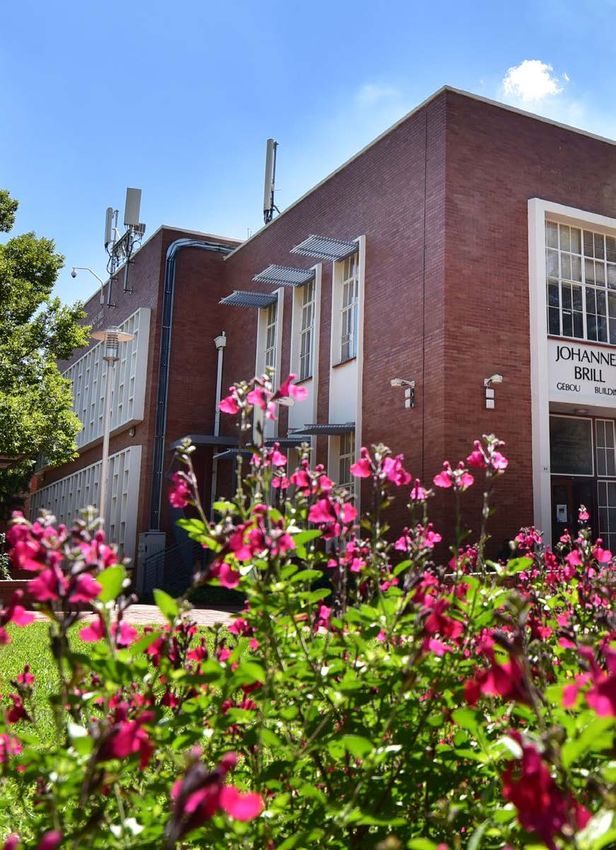
2 U F S P O S TGRAD U AT E A-Z PUBLICATION
About this guide                              6
                     Foreword by the Vice-Rector: Research                                 7
       Message from the Director of the Postgraduate School                                8
Postgraduate Academic & Administrative Processes @ the UFS                                 10
                             About the Postgraduate School                                 13

                                             Vision & Mission                              14

                                OVERVIEW OF PORTFOLIOS
                         Academic Writing : The Write Space                                15
                                                               Funding                     15
                                                           Marketing                       16
                                   Mentoring and coaching                                  17
                                   Monitoring & evaluation                                 17
                              Research capacity workshops                                  18
                        Student tracking & progress reports                                18
                                        Our contact details                                19

                                                HOW TO APPLY                               20

              BECOMING PART OF THE POSTGRADUATE FAMILY
                                           Orientation week                                20
              Welcoming function for postgraduate students                                 20
           Registration on the Postgraduate School database                                20
                                                       Newsletters                         21
                                             Coffee mornings                               21
                           Three-Minute Thesis Competition                                 21
                          Postgraduate School Social Media                                 21
       Supervisor/postgraduate student peer support groups                                 22

                                         U F S P OS TG RADU AT E A- Z P U BL I C ATI O N   3
INTERNATIONAL STUDENTS         23

                                               INTRODUCTION TO POSTGRADUATE STUDIES AT THE UFS
                                                                      Levels of postgraduate studies      27
                                                  Difference between a Master’s and Doctoral degree       28
                                                                             Postdoctoral Fellowship      29

                                                                                   FOR THE STUDENT
                                                                     Should I study further and why?      29
                                                                    What is an academic supervisor?       30
                                                                                 Finding a supervisor     30
                                               Roles, responsibilities and expectations of the student    31
                                                                          Researcher responsibilities     34
                                                                             Pathways to completion       35

                                                                                        SUPERVISION
                                                                   Relationship with your supervisor      36
                                                                                         Practicalities   36
                                                                                         Expectations     37
                                                    Strategies for getting the best feedback possible     38

                                                         RESEARCH PLANNING: THESIS/DISSERTATION
                                                                         Finding a research question      39
                                                                      Writing your research proposal      39
                                                                               Ethical responsibilities   41
                                                                 Writing your thesis and dissertation     43
                                                                                             Abstract     44
                                                                                         Introduction     46
                                                                                    Literature review     47
                                                                                   Research nethods       48
                                                                                             Findings     49
                                                                           Discussion and conclusion      50
                                                                                          Referencing     51
                                                                     Submission of Research outputs       52
                                           Discussion between you and your supervisor on your work        53
                                                                                    Article publishing    53

4   U F S P O S TGRAD U AT E A-Z PUBLICATION
Journal articles, books, conference proceedings                                 53
             Intellectual Property and Innovation at the UFS                                54
   Integration of Innovation with the Teaching and Research
                                       Objectives of the UFS                                55
      Business Development and Business Incubation at UFS                                   55

                                                              FUNDING                       56
                                Postgraduate Funding Office                                 58
                                           Available funding                                60

                                POSTGRADUATE RESOURCES                                      62
                                                                  Library
                         Directorate Research Development
                                         International Office
                              Student Recruitment Services
                                               Career Services
                                                   Kovsie Health
  Centre for Universal Access and Disability Support (CUADS)
                                        Student Counselling
                                                         Blackboard
                              Editing & Translation Services
                                 Student Academic Services
Making your voice heard – feedback on your student journey

                          POSTGRADUATE STUDENT COUNCIL                                      68
                                                         DIRECTORY                          70
                                                           FACULTIES                        71
                                POSTGRADUATE RESOURCES                                      73
                                                                      MAPS                  74
                                      Bloemfontein Campus
                                                 South Campus
                                           Qwaqwa Campus

                                   ANNEXURE: DOCUMENTS

                                          U F S P OS TG RADU AT E A- Z P U BL I C ATI O N   5
UFS POSTGRADUATE
A-Z PUBLICATION
About this guide ...
UFS                       POSTGRADUATE A-Z PUBLICATION is a guide that points
                          postgraduate students towards available services, support
and reliable information. It is also a guide for understanding some of the
critical concepts and processes in postgraduate research, and a tool to
help you develop your full potential as a postgraduate researcher.

UFS POSTGRADUATE A-Z PUBLICATION provides reliable information that will not only
help you to critically map out your thinking regarding the study you plan to undertake,
but also potentially to speed up your advancement through various aspects of the
research process.

U F S P O S T G R A D U AT E A - Z P U B L I C AT I O N used as tool to:

• Encourage repeated reflection on your planning;
• Provide an overview of the postgraduate research process, from research topic selection to final
    document submission;
• Encourage one to break down complex concepts and to understand each part of your own
    personal research process critically;
• Encourage the conceptualisation of realistic timelines, deadlines and budgeting;
• Encourage networking and discussion around various aspects of your research;
• Create a sense of ownership of your research;
• Provide space for personalised notes and sketches and
• Provide direct links to relevant UFS services, resources and contact information that would be
    specific to your needs as a postgraduate student.

6     U F S P O S TGRAD U AT E A-Z PUBLICATION
FOREWORD BY THE VICE RECTOR | RESEARCH

Dear Postgraduate Student

I
    t is an honour for the University of the Free State (UFS) to provide you
    with the information contained in this publication. We are hopeful that
    these guidelines will prove to be invaluable to you, and will ensure
    that you experience a smooth and rewarding postgraduate journey.

The UFS is a higher education institution situated in one of the poorer
provinces of the country, and strives to inspire its people with hope and
prospects for a brighter future through education. Education can create
better employment opportunities, and it is a great privilege to be able
to continue your undergraduate studies into a postgraduate programme.
Use this opportunity to the fullest to strengthen your curriculum vitae
and skills set in preparation for your chosen career.

The UFS values its postgraduate students, and one of the strategic goals of
the university is to increase the number of registered postgraduate students.
In support of this strategy, we have made available tuition bursaries
for all research master’s degree and doctoral students; we also
provide significant bursary funding for students at honours
level. These initiatives have made postgraduate studies and
programmes more accessible, and we hope that this financial
support will assist in making your studies towards a second
and third qualification a positive experience.

I am pleased to welcome every honours, master’s and
doctoral student to our Bloemfontein, Qwaqwa and South
Campuses. I wish you every success in your pursuit of
postgraduate education at the UFS, and I trust that this will
be an enlightening, challenging and empowering experience.

Prof Corli Witthuhn
VICE-RECTOR | RESEARCH

                                                                                U F S P OS TG RADU AT E A- Z P U BL I C ATI O N   7
M E S S A G E F R O M T H E D I R E C T O R O F T H E P O S T G R A D U AT E S C H O O L

Message from the Director

A
                      big, warm welcome to all the postgraduate students who have
                      joined the academic trip at the University of the Free State. Your
                      experience at the UFS will not only result in you accumulating
                      more knowledge, but will also result in you developing
tremendously as a human being (socially, psychologically, physically-,
                                               and intellectually). Just like the big transfer from
                                                  high school education to undergraduate
                                                     studies, the move from undergraduate
                                                      studies to postgraduate studies or even
                                                      from master’s to doctoral studies, or has
                                                      the potential to be both challenging and
                                                       rewarding. This leap requires certain traits
                                                       to be adopted to ensure the successful
                                                       completion of your academic studies.

                                                     Unlike undergraduate studies, where you spent almost your
                                                     entire undergraduate academic life in the comfort of fellow
                                                           students and academic staff members providing
                                                               guidance, postgraduate student life in most cases
                                                                  requires self-drive, and can be void of any social
                                                                    support to which one might be accustomed.
                                                                      This is where the Postgraduate School
                                                                       comes in. Our mandate is to create an
                                                                        enabling environment for postgraduate
                                                                         students to excel in their pursuit of their
                                                                           academic quests. The postgraduate
                                                                            school provides additional support to

8   U F S P O S TGRAD U AT E A-Z PUBLICATION
that which is provided by faculties and departments   information, especially funding bodies that they
in the form of workshops, courses, and other          can approach. This includes funding from the UFS,
presentations, which equip the students with the      NRF, and other bodies. We work in collaboration
requisite skills for the successful completion of     with other funding bodies to enable our students
their postgraduate education.                         to access the required funding information
                                                      and also to meet the requirements for funding
These workshops are offered not only at the various   from prestigious bursaries and fellowships. The
UFS campuses, but are also available in various       Postgraduate School issues a monthly newsletter
provinces and neighbouring countries where we         on available funding opportunities for students
have huge numbers of students. The aim is to          and junior staff.
reach as many postgraduate students as possible
without the students having to incur further travel   The Postgraduate School is keen to keep in touch
and accommodation costs.                              with the postgraduate student body. We work
                                                      closely with our Postgraduate Student Council.
The workshops/courses that we offer aim to
                                                      which offers various academic and social activities
broaden postgraduate students’ knowledge
                                                      to assist with adaptation to and integration into
of research processes/methods, which in turn
                                                      campus life. The Postgraduate School is situated
will influence throughput, publications, and the
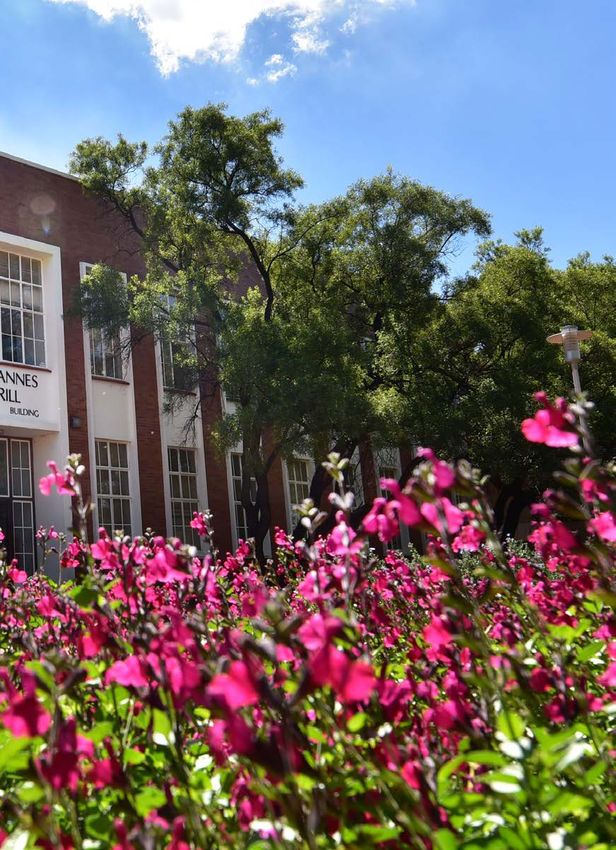
                                                      in the Johannes Brill Building on the Bloemfontein
quality of postgraduate research being produced
                                                      Campus. We urge all postgraduate students to
positively. The topics covered in presentations
                                                      attend our social functions as and when they are
include, but are not limited to, academic writing,
                                                      advertised and to pop in and say hello. Let us have
proposal writing, qualitative and quantitative
                                                      your current contact details so that we can keep
research methodology, and writing articles from
                                                      you informed of our various offerings. Let the
your thesis.
                                                      Postgraduate School smooth your passage as you
                                                      negotiate the academic trail at the University of
The postgraduate school is also strengthening its
                                                      the Free State.
online offerings so that students can accessthe
necessary academic material from anywhere in
                                                      If you cannot personally come to Johannes
the world. In addition, we are starting an online
                                                      Brill, please get in touch with us using the email
postgraduate forum where postgraduate students
                                                      address postgrad@ufs.ac.za. You can also use
can share ideas and experiences that will be
                                                      the same email address to send us your updated
enriching to fellow students.
                                                      contact details.

On top of our capacity-building endeavours,
we assist postgraduate students (especially           Prof Witness Mudzi
Research Master’s and PhD students) with funding      D I R E C T O R | P O S T G R A D U AT E S C H O O L

                                                                           U F S P OS TG RADU AT E A- Z P U BL I C ATI O N   9
About                                           THE POSTGRADUATE SCHOOL

T
                     he University of the Free State made an institutional commitment to
                     excellence in postgraduate education and established the Postgraduate
                     School (PGS) in 2011. Research excellence is often endorsed as a means
                     of proclaiming an ideal for the highest attainment of quality in research
                     at higher education institutions. This proclamation, however, pushes the
focus onto the outputs of your work as a postgraduate student, both as a measure of
institutional productivity, and as a reflection of your research skill.

The PGS takes cognisance of the knowledge and skills required to work in a 21st-century
knowledge economy, as well as the personal needs and desires for achieving excellence
within your research. This allows us to provide you with a hub of services geared
towards developing your postgraduate identity and providing you with free services*
specifically tailored towards carrying out your research activities successfully.

Since carrying out quality research requires an ever-evolving set of skills,
the PGS offers a variety of workshops and related events aimed at the
development of professional research skills. These workshops cover
the critical areas of writing skills, research methods, information
management, ethical practices, research supervision, project
management, theoretical application, intellectual property and
legislation, and career development.

In addition, we also have an information desk, an information-
rich website, regular electronic PGS newsletters, a postgraduate
funding office, which delivers reliable information and training
for gaining access to prestigious research funding, regular
postgraduate student networking events, and we house the
Postgraduate Student Council.

10   U F S P O S TGRAD U AT E A-Z PUBLICATION
VISION AND MISSION
Vision
OF THE POSTGRADUATE SCHOOL
The PGS strives to be a global leader
in postgraduate policy development,
offering customised service to the
postgraduate community at the UFS.
Mission
OF THE POSTGRADUATE SCHOOL
The PGS is a dynamic entity that supports
and partners with the postgraduate
community to develop and produces
successful, accountable and impactful
global citizens.
https://www.facebook.com/
postgraduateschoolufs
https://www.linkedin.com/in/
postgraduate-school-ufs-62720285/
https://www.youtube.com/channel/
UCxV8rEqyn5N2J8MsT9b41_g
THE STAFF AT THE
POSTGRADUATE SCHOOL:
https://www.ufs.ac.za/postgraduate/
postgraduate-school-home/
postgraduate-school/staff
U F S P OS TG RADU AT E A- Z P U BL I C ATI O N 11Overview
OF PORTFOLIO S AT THE PGS
ACADEMIC WRITING: opportunities for all stakeholders in the
W R I T E S PA C E supervisory process.
• The vision is that the postgraduate Write • Academic supervisors are almost exclusively
Space will facilitate the development of self-taught with some experience; they
holistic writing skills and related research, often lack efficiently developed supervisory,
policies and practices effectively and writing and language skills. In addition to
innovatively. Within the UFS’ PGS the Write that, students are predominantly not English
Space values the most effective and fit- first-language users and ill-prepared for
for-purpose approaches to facilitate the PG postgraduate studies.
students’ scholarly writing, keeping in mind • To address these challenges, the
that most PG students are non-traditional Write Space facilitates developmental
students. The identified needs of the opportunities (including workshops and
UFS’ postgrads, as well as relevant global language software), engages in continuous
research findings, influence the strategies research and policy development and the
and decisions in support of a proactive initiation of opportunities to contribute to
approach. the well-being and goal attainment of the
• The UFS’ postgraduate community - postgraduate community (e.g. online chat
including the leadership, academics and forum, online resource, video tutoring).
students – are well aware of the extendt
of supervisory challenges. The Write P O S T G R A D U AT E F U N D I N G
Space facilitats a variety of developmental • The main objective of the Funding Office is
12 U F S P O S TGRAD U AT E A-Z PUBLICATIONto provide support to students in need of distribution list, which holds more than
financial aid. 7 000 contacts.
• Our focus is on UFS Honours, Research • Newsletter: A quarterly newsletter informs
Master’s and Research PhD bursaries postgraduate students about upcoming
as well as NRF bursaries; and to inform workshops, due dates, current issues and
postgraduate students of available national achievements.
and international funding opportunities by
keeping them updated on available funding MENTORING AND COACHING
opportunities. PROGRAMME
• In addition to the administration, monitoring • The main focus of this programme is to
and evaluation of NRF and UFS bursaries, equip junior staff members, Master’s and
the funding manager also markets a large PhD students with the knowledge and
number of national and international skills on a personal and professional level
bursaries and scholarships. to (amongst other components) to develop
• Individual consultations are offered to those in their role as researchers contributing to
who require information regarding financial the increase of publication rate increase the
and/or funding support through our main publication rate at the UFS.
funding agency, the NRF. • Academic publication outputs have
• This portfolio produces an annual UFS repeatedly been found to be low, despite
postgraduate funding prospectus, which is compelling personal and professional
available on our website. reasons to publish (McGrail, Rickard &
Jones, 2006). To improve research output,
MARKETING the academic and intellectual quality of
• This portfolio is responsible for the the research environment is of paramount
availability and distribution of the PGS’ importance for postgraduate students and
marketing and branding material (e.g. staff members.
banners, corporate gifts, programmes,
newsletters, pamphlets, and others) to the M O N I T O R I N G & E V A L U AT I O N
media and the PG community. • This portfolio tracks the progress and
• Social media (Facebook, LinkedIn and impact of the various portfolios at the
YouTube) are essential marketing and PGS to determine whether targets are
communication tool providing excellent reached and objectives achieved through
support and information to our postgraduate transparency in all our activities as we
students who live far from Bloemfontein have accountability to Rectorate and to our
and cannot attend training opportunities on funders/stakeholders.
campus. • A range of templates and guideline
• Distribution list: regular communication documents focusing on the UFS
with our registered PG students, supervisors, postgraduate administrative processes is
deans, HODs, academic staff and specific being developed with a special focus on the
support staff takes place through our postgraduate student, the supervisor, the
U F S P OS TG RADU AT E A- Z P U BL I C ATI O N 13different milestones in the postgraduate postgraduate administrative life cycle.
journey, student-supervisor agreements, • The portfolio liaises with deans, heads of
different forms to be completed, deadlines departments, postgraduate students and
and funding opportunities. support services to facilitate the research
• This portfolio is responsible for the process between all relevant stakeholders.
quality assurance of all the postgraduate • The postgraduate student tracking portfolio
programmes offered from Honours level provides postgraduate management
to Doctoral degrees; including information information to university management,
from the yearbooks of each faculty, as deans and departments that is beneficial for
well as quality assurance relating to the future planning.
assessment and moderation of students’
research projects. R E S E A R C H C A PA C I T Y
• This portfolio is also tasked to assist with WORKSHOPS
the writing/giving input to policies such • The PGS offers workshops and seminars to
as the annual General Rules, Plagiarism enrich and empower postgraduate students
Policy, the Policy on Master’s and for research.
Doctoral studies and policies that appy to • The workshops are presented as a
postgraduate students. supplement to research training taking
place within academic programmes and
P O S T G R A D U AT E S T U D E N T is especially important for students who
TRACKING do not have the opportunity to attend
• The University of the Free State recognises formal capacity-development programme
the importance of tracking, monitoring opportunities in their departments.
and supporting of postgraduate students • Includes training on academic writing, in
throughout their period of study at the ufs. the latest research software, advanced
• The postgraduate student tracking portfolio methods in qualitative and quantitative
will implement and monitor the graduate research, ethics and intellectual property
research management (GRM) technology considerations in technology transfer,
to enable the process of monitoring and conducting literature reviews, and testing
evaluation of postgraduate students conceptual frameworks in different fields.
through all postgraduate processes from • We source our presenters from a wide
first registration to graduation through range of disciplines and from different
the functionality of the current PeopleSoft universities.
System.
• The GRM system will seek to identify To access our current training programme:
bottlenecks, opportunities and risks
early (early warning), improve reporting https://www.ufs.ac.za/postgraduate/
and auditing, monitor the student- postgraduate-school-home/activities/
staff relationship, assist in balancing training-and-development-opportunities
the academic workload, and govern
14 U F S P O S TGRAD U AT E A-Z PUBLICATIONO U R C O N TAC T D E TA I L S
I N F O R M AT I O N D E S K
T: +27 51 401 7161
E: postgrad@ufs.ac.za
Website: https://www.ufs.ac.za/postgraduate
ACADEMIC WRITING
T: +27 51 401 3174
FUNDING
T: +27 51 401 2045 / 9635
MARKETING
T: +27 51 401 7638
M O N I T O R I N G & E VA L U AT I O N
T: +27 51 401 9432
PROFESSIONAL DEVELOPMENT
PROGRAMME
T: +27 51 401 3541
R E S E A R C H C A PA C I T Y W O R K S H O P S
T: +27 51 401 9867
P O S T G R A D U AT E S T U D E N T T R A C K I N G
T: +27 51 401 9642
P O S T G R A D U AT E S T U D E N T C O U N C I L
T: +27 51 401 9926
WEBSITE
https://www.ufs.ac.za/postgraduate/
postgraduate-school-home/academics/
postgraduate-student-council
U F S P OS TG RADU AT E A- Z P U BL I C ATI O N 15H O W T O A P P LY : https://apply.ufs.ac.za/
P O S T G R A D U AT E A P P L I C AT I O N S
You need to contact the relevant department diretly for more information
before you apply and confirm closing dates.
The Application Helpdesk will assist you with the • Contact: +27 51 401 9666
application process. E: studentadmin@ufs.ac.za
If you have applied to study a programme in the
Contact the helpdesk agents for: Faculty of Health Sciences, contact
Lydia du Toit: +27 51 401 7513
• Information on any study programme’s
fhsapplications@ufs.ac.za
admission requirements; Fax2email: +27 86 579 5154 or +27 86 6669 191
• Assistance to complete your application For further information regarding postgraduate
forms (online or hard copy); studies, consult the following website:
• Tracking the status of your application. https://www.ufs.ac.za/postgraduate
16 U F S P O S TGRAD U AT E A-Z PUBLICATIONB E C O M I N G PA R T O F
R E G I S T R AT I O N
T H E P O S T G R A D U AT E ON THE
F A M I LY P O S T G R A D U AT E
SCHOOL
O R I E N TAT I O N W E E K D ATA B A S E
Twice a year, at the start of each semester, the If you are a postgraduate student at the UFS, we
PGS has an orientation week aimed at guiding would like you to register on our database in order
newly registered postgraduate students on to keep you informed about upcoming funding
their journey. The workshops cover a range of opportunities, workshops, newsletters and other
topics, including: relevant information. To register with the Postgraduate
School, please complete a registration form and
• Understanding the expectations related to the return to Miss Kamogelo Dithebe at dithebeks@
different milestones of postgraduate studies ufs.ac.za or drop off a hard copy at the front desk
• Prioritising tasks and time management of the Johannes Brill Building. The supplementary
• Developing an effective working relationship information will be kept confidential and will help us
to have a clearer picture of the postgraduate student
with your research supervisor
body at the university.
• Guidelines for the literature review
• The role of the Postgraduate School
• Introduction of various support services on NEWSLETTERS
campus
• Being a responsible researcher, including The “Postgraduate News” is
ethical standards and processes the official newsletter of the
PGS, which is produced in two editions. The first
edition, which gives information with regard to
WELCOMING open calls on funding is produced monthly. The
FUNCTION FOR second edition offers a quarterly report on the PGS
P O S T G R A D U AT E activities as well as information on
STUDENTS services provided.
The Postgraduate School hosts a series of COFFEE MORNINGS
welcoming events annually in order to welcome
new and returning postgraduate students across The Postgraduate School will have quarterly
all faculties officially. Students are also oriented on coffee mornings with postgraduate students. The
the functioning of the school, as well as its role in main purpose is to create a platform for students
enhancing their postgraduate experience. The first to engage informally with one another, the
is the Postgraduate Welcoming Function, with the Postgraduate Student Council and the staff of the
second event being the International Postgraduate PGS. This will also be a space for them to network
Information Session. Both events are conducted at with students from difference disciplines and/or
the Bloemfontein and Qwaqwa Campuses. faculties as well.
U F S P OS TG RADU AT E A- Z P U BL I C ATI O N 17https://www.youtube.com/
THREE MINUTE channel/UCxV8rEqyn5N2J8MsT9b41_g
THESIS or search for ‘PostgraduateSchool UFS’ on Youtube.
COMPETITION
SUPERVISOR /
The Three Minute Thesis (3MT®) is a research
P O S T G R A D U AT E
communication competition developed by the
STUDENT PEER
University of Queensland (UQ), whereby Master’s
SUPPORT GROUPS
and PhD students are given three minutes to
present a compelling oration on their thesis and
The PGS became aware of the need
its significance. The 3MT challenges students to
consolidate their ideas and research discoveries for assistance to the supervision
so they can be presented concisely to a non- community.
specialist audience. The 3MT was designed to
develop skills that will give students an important To create ...
career advantage once they complete their
studies. The institutional PhD winner and runner • comfortable spaces for both the
up become eligible for representation at the postgraduate students and the supervisors,
national competition. The UFS internal competition two peer support groups were created:
takes place in August annually, whilst the annual • Regarding supervision | for postgraduate
national competition takes place in October, students
where institutional representatives compete for • Regarding supervision | for supervisors.
the ultimate 3MT prize money. • The purpose of both are to share common
problems and solutions, challenges
and strategies, develop capacity, be
P O S T G R A D U AT E accountable, be empowered, to have a
SCHOOL SOCIAL sense of community and well-being and
MEDIA
how they understand and experience the
supervision process.
You can keep in touch with the
• Monthly lunchtime meetings of 40 minutes
Postgraduate School by following us on
each at the Postgraduate School are
Facebook and adding us on LinkedIn. We
scheduled and will including a video clip, an
post updates on our courses and activities,
open discussion and a lunch snack.
as well as links to general advice and info
• Although these are not advocacy or
about postgraduate study that we hope you
interest groups, the PGS will be cognisant
find useful:
of trends (problems and solutions) and
https://www.facebook.com/ may address these when and if the
postgraduateschoolufs opportunities may arise.
http://za.linkedin.com/ • However, both groups will operate under a
pub/postgraduate-schoolufs/85/202/627 safe space approach.
18 U F S P O S TGRAD U AT E A-Z PUBLICATIONINTERNATIONAL STUDENTS
INTERNATIONAL OFFICE
We would like to welcome all prospective international students to the
University of the Free State. Over the past few years, the UFS has been
steadily increasing its intake of postgraduate students at master’s, doctoral and
postdoctoral level. The University of the Free State is home to 2 057 international
students hailing from across the globe, as well as the African continent and
neighbouring countries such as Lesotho and Botswana. The university’s Office for
International Affairs (OIA) ensures a hassle-free study experience for students from
abroad. Staff assists students, visitors and faculty members to obtain the maximum
benefit from their stay at the UFS.
U F S P OS TG RADU AT E A- Z P U BL I C ATI O N 19The OIA serves as a central hub for international
students, providing support across a large platform,
which includes:
• assisting prospective students with questions
regarding admission, academic affairs, visas, study
permits and accommodation;
• compiling and administering budgets for sponsored
students; and
• providing on-going practical and emotional support
to students far removed from their familiar support
structures.
Additional services provided by the OIA comprise:
• assistance with exchange opportunities and the
coordination thereof;
• liaising with foreign embassies in South Africa;
• working with the Department of Home Affairs
regarding the renewal of study permits;
• negotiating, facilitating and managing international
inter-institutional agreements and partnerships;
• facilitating academic visits; and
• promoting the UFS at international conferences/
workshops.
I N T E R N AT I O N A L A P P L I C AT I O N S
All international students are advised to take note of
the following:
• An annual administrative fee is charged on all
international student accounts and is non-
refundable.
• You must have a VALID study visa before you can
enter South Africa. For further details, please visit
the Visa Facilitation Service (VFS) centre website:
http://vfsglobal.com/dha/southafrica/.
• Make sure your study visa is issued for study
purposes at the UFS and not at any other institution
in South Africa. All students must have a valid and
appropriate/correct visa to be registered at the UFS.
• You must be a member of a medical aid registered
in terms of the Medical Aid Schemes Act 1998 of
20 U F S P O S TGRAD U AT E A-Z PUBLICATIONSouth Africa, as required by the South • Students transferring from other universities
African Immigration Act. Please note that must include a certificate of conduct, as
your medical aid cover MUST be valid for well as a study record from their previous
the duration of your studies at UFS. No university with their applications. The
travel insurance or hospital plans will be closing date for students transferring from
accepted. For further details, please visit the other universities is 30 September 2016.
Department of Home Affairs’ website: www. • International postgraduate students
dha.gov.za. For information on medical aids must attach certified copies of degrees/
please visit: http://www.medicalschemes. certificates to their applications. Degrees/
com/MedicalSchemes.aspx for more infor- certificates that are not certified will delay
mation on registered medical aids. the processing of applications.
• You will be required to pay a pre-registration • Ensure that your application form is
fee before you can register as a UFS student. completed correctly and signed before
Communication on the amount expected returning it to the UFS. You should expect to
to be paid and the deadline will be sent receive feedback from the university within
to all new students by the Tuition Fees three weeks of sending your application.
Department. For further details, please visit
http://www.ufs.ac.za/kovsielife/unlisted-
P R E PA R AT I O N F O R
R E G I S T R AT I O N AT U F S
pages/tuition-fees/tuition-fees-30.
If your application is successful, you will receive
• Students with scholarships must make sure
a letter of admission from the admissions office,
that their sponsors are aware of the UFS
as well as a letter from the Office for International
regulation pertaining to payments prior to Affairs for the study permit. Visit the South African
registration and the payment of tuition fees. Embassy in your home country with the above
• Applicants who are in possession of a degree letters, as well as your passport, to apply for your
from non-South African universities must permit. Please be advised that your study permit
include the South African Qualifications application can take up to six weeks to be finalised.
Authority (SAQA) evaluation letter with
their application form.
• Non-South African certificates/degrees For further information on the above
matters please contact the Office for
must be assessed by SAQA prior to applying
International Affairs:
to the UFS. This process can take anything
Jeanne Niemann: | T: +27 51 401 3219
from two to three months. Please visit http://
www.saqa.org.za/ for more information.
All enquiries regarding applications:
• The application process must be completed
T: +27 51 401 9538 | +27 51 401 3724
before arrival for registration at the E: internationalenquiries@ufs.ac.za
university. Your details must be captured on
the UFS database to facilitate the registration Website: https://www.ufs.ac.za/
process. For this reason, adherence to supportservices/departments/international-
closing dates is extremely important. affairs-home
U F S P OS TG RADU AT E A- Z P U BL I C ATI O N 21INTRODUCTION TO
POSTGRADUATE STUDIES AT THE UFS
L E V E LS O F P O S TGRA D UATE STUDY
HONOURS MASTER’S
Earned by: • Earned by: Coursework and Dissertation
Coursework and research-based report • National Qualifications Framework: Level 9
• National Qualifications Framework: Level 8 • Scope of knowledge: You must be able to
• Scope of knowledge: You must be able
to demonstrate knowledge of and
engagement in an area at the forefront
of a field, discipline or practice; an
understanding of the theories, research
methodologies, methods and techniques
relevant to the field, discipline or practice;
and an understanding of how to apply such
knowledge in a particular context.
• Duration: 1 year
22 U F S P O S TGRAD U AT E A-Z PUBLICATIONdemonstrate specialist knowledge to enable POSTDOCTORAL FELLOWSHIP
engagement with and critique of current • Entails: Funded fixed-term research position
research or practices, as well as advanced • National Qualifications Framework: Level 10
scholarship or research in a particular field, • Scope of knowledge: You must be able to
discipline or practice. demonstrate expertise and critical knowledge
• Duration: 2 years in an area at the forefront of a field, discipline or
practice; and the ability to conceptualise new
D O C T O R AT E | P H D research initiatives and create new knowledge
• Earned by: Thesis or Articles or practice.
• National Qualifications Framework: Level 10 • Duration: 1 year +
• Scope of knowledge: You must be able to
demonstrate expertise and critical knowledge Difference between a
in an area at the forefront of a field, discipline or
practice; and the ability to conceptualise new Master’s and a Doctoral
research initiatives and create new knowledge degree
or practice.
W
• Duration: 3 – 4 years hile there are
obvious differences
in the length of study
and workload, one of the main
differences between Doctoral and
Master’s degrees is the need for Doctoral
students to provide an original contribution
to the body of knowledge and, in doing so,
fully realise mastery of the research process over
the course of the Doctoral thesis. One could also
view this main difference as follows: The Master’s
degree develops research skills,
while the Doctoral degree
involves research-
led practice.
U F S P OS TG RADU AT E A- Z P U BL I C ATI O N 23For a Master’s degree, common assessment Fellows are neither students, nor employees of the
criteria include: University of the Free State.
• technical competence;
• evidence of scholarly research; critical Objectives behind hosting Postdoctoral Fellows at
ability; the UFS:
• understanding of relevant theoretical • To place the University of the Free State at
issues; lucidity and coherence; and the forefront of research and innovation;
• a dissertation should have a theme or • To generate new knowledge and transfer
‘thesis’, which should be sustained, thus knowledge and skills;
presenting a unified, cumulative argument. • To enable outstanding doctoral graduates
to obtain experience of research and
The same general criteria applied in assessing innovation at a higher education institution;
Master’s dissertations are also applied for Doctoral • To provide an opportunity for promising
degrees, however they are applied much more young researchers from different
rigorously. The thesis is subject to critical assessment, universities to enhance their research skills
specifically against the basic requirement that a and expertise;
doctorate be an original contribution that extends • To expand on existing research and ideas
the frontier of knowledge. and to pursue new lines of research;
The PhD thesis will commonly include: • To interact with other academics and
• a greater sense of perspective, and often postdoctoral fellows;
coverage of a wider field than a Master’s • To encourage an increase in publication
dissertation; systematic knowledge of the outputs
field of study; • To establish and enhance South African
• an awareness of theoretical problems intellect;
directly or indirectly relevant to the topic; • To develop knowledge for stakeholders
• an extensive as well as intensive knowledge such as the government, business, industry
of the subject; and and social communities; and
• mastery of the skills and methods of • To promote national and international
research, and the student should be able to conference attendance by postdoctoral
conceive, design and implement research. fellows and the presentation of research
papers at these conferences.
POSTDOCTORAL FELLOWSHIP
At the time of the award, the doctor’s degree
What is a postdoc fellow? should have been conferred on the
P
• candidate no longer than five years ago.
ostdoctoral Research Fellowships are After the interviewing and selection process
normally awarded to individuals within has been completed, the host academic
five years of receiving a doctoral degree must supply the Postdoctoral research
for the purpose of engaging in a period Coordinator with the following details of
of dedicated research. Postdoctoral Research the chosen applicant:
24 U F S P O S TGRAD U AT E A-Z PUBLICATION• The name and full contact details of the Are there any good reasons
selected candidate.
• The amount of the award and its source(s)
not to continue with
(description of the original source/s and the postgraduate studies?
university cost entity/centre) from which it
Y
will be paid.
• The term of the award (one or two years es, if the only reason why you enrol for
initially). postgraduate studies is that you want
to avoid entering the job market or if
Should I study further you are afraid that you will not find a
job, it is better to invest more time in searching
and why? for a job rather than continuing to avoid
S
entering the real world.
tudents who are in the final months of
Another reason
their undergraduate years often ask
is if you have
themselves whether it is worth continuing
substantial
with postgraduate studies. Do not take this
debts after your
decision lightly! We work in a knowledge economy,
undergraduate degree.
where specialised knowledge and skills have
Rather consider starting
significant commercial value. Therefore, in today’s
to work and return to
competitive job market it is often not enough to
university a few years later
have only one degree. Having a postgraduate
when you have paid off your
degree is a sign of perseverance and dedication
study loans, or study part-time
to advance your knowledge. It shows that you
to avoid the potential loss of income
are serious about investing in your future career.
during full-time studies. Students who are
Graduate students often get the opportunity to
uncertain of the area of study in which they
engage with scholars from different disciplines,
want to specialise can also benefit from entering
while postgraduate students get the chance to rub
the labour market, because the experience they
shoulders with the leading thinkers in their field.
gain may help them to develop new interest and
It is very exciting to attend a conference and to
may take their careers in a new direction.
listen to the big names in your field, to meet them
and share ideas. Postgraduate studies also provide
Making an informed decision if and
the opportunity to change the direction of your
when you embark on postgraduate
career by choosing a postgraduate qualification
studies can pave the way
in a different field, such as a BA graduate
to a rewarding journey that
who continues with a qualification in Disaster
satisfies your intellectual
Management or Forensic Studies. Completing a
curiosity and passion for your
postgraduate degree can be very fulfilling and life-
subject.
changing. Graduating with a master’s or doctoral
degree gives students a strong sense of personal
satisfaction. It is not just emotionally rewarding, (Acknowledgement to
but can also be financially rewarding. Dr Henriëtte van den Berg)
U F S P OS TG RADU AT E A- Z P U BL I C ATI O N 25FOR THE STUDE 26 U F S P O S TGRAD U AT E A-Z PUBLICATION
NT U F S P OS TG RADU AT E A- Z P U BL I C ATI O N 27
F O R T H E S T U D E N T:
                                                What is an academic
                                                supervisor?
                                                At the heart of the postgraduate experience is an
                                                intensive relationship with a researcher who is your
                                                appointed supervisor, whether for your Honours
                                                research project, your Master’s dissertation, or the
                                                PhD work. You are entitled to expect a steady level
                                                of support from your supervisor; In turn, he/she
                                                is entitled to expect a specific level of application
                                                from you. These expectations are recorded in
                                                a Memorandum of Understanding between the
                                                student and supervisor. As postgraduate work
                                                becomes more independent, and the onus rests
                                                more and more with the researcher, the Faculty’s
                                                Postgraduate Office is committed to ensuring that
                                                the relationship with your supervisor and the
                                                department is as productive as possible.

                                                Finding a supervisor
                                                Candidates for Master’s or Doctoral students are
                                                encouraged to seek a supervisor with expertise
                                                in their proposed research area. At Honours
                                                level, supervisors are assigned to students by the
                                                academic department based on the research topics.
                                                Therefore, finding a supervisor is specifically relevant
                                                to Master’s (by dissertation) and doctoral students.
                                                Once you have decided on the broad research area
                                                in which you wish to work, it is important to find
                                                an academic supervisor who must be approved
                                                by the Head of the academic Department. Certain
                                                conditions and rules apply to such an appointment.
                                                There is no set way of finding a supervisor. You
                                                might make personal contact with someone under
                                                whom you would like to research, or you may ask
                                                for a supervisor to be allocated if you are accepted
                                                as a student. You could also seek advice from the

28   U F S P O S TGRAD U AT E A-Z PUBLICATION
Deputy Dean responsible for research in the Faculty do this is to have regular meetings. Set up regular
in which you wish to register. meetings with a simple agenda where you discuss
the work you’ve done, the issues that have arisen,
The approved supervisor is responsible for and what your next steps are.
providing the necessary guidance needed for
you to conduct and complete your research W R I T E U P YO U R R E S E A R C H I D E A S
successfully. As such, the supervisor needs to have A S YO U G O
the necessary expertise, knowledge and skills to You need to be writing from the start. Don’t wait
supervise the proposed research. As the student for the so-called write-up period. Get words down
being supervised, it is incumbent upon you to avail on paper as soon as you can. If you read some
yourself of the agreed upon supervision. articles, write about them. If you run experiments,
write about them. If it moves, you write about
Roles, responsibilities and it. The words you write may never make it into
your final dissertation/thesis, but they will be the
expectations of the student grandparents of the ones that do. Once you’ve
written the words, you need to show them to
people. You need regular feedback to refine your
PROFESSIONAL CONDUCT
writing and your thinking.
To be successful in your research it is essential to
demonstrate professionalism in your conduct. Being
professional is more than just dressing smartly or H AV E R E A L I S T I C R E S E A R C H G O A L S
having a degree. Professionalism requires refining a (IT IS NOT THE NOBEL PRIZE)
combination of behaviours, skills or competencies Most PhD students start off with wildly unrealistic
which, with repeated practice, will instil within you expectations about what they can achieve in three
the qualities of a professional. To be professional years. They see this as their big chance to make
means that you communicate effectively and a great contribution. The reality is that when you
appropriately while conducting yourself with are doing a Master’s or PhD you are learning to do
responsibility, accountability and integrity. research. The purpose of a research degree is to
learn how to be an independent researcher. Your
Your postgraduate studies provide an appropriate thesis doesn’t have to be perfect. In fact, it will
environment for developing your own personal never be perfect; it needs to be finished.
style of professionalism. To develop or improve
your professionalism, here are seven simple B E WA R E O F D I S T R A C T I O N S A N D
secrets to achieving success: OTHER COMMITMENTS
There are many potential distractions. Some may
M E E T R E G U L A R LY W I T H YO U R not even look like distraction, such as hunting for
SUPERVISOR references, doing courses, teaching and tutoring,
It is your responsibility to make sure you get the housework, shopping and, the biggest of all - email
supervision you need. Supervisors are invariably and Facebook (social media). There is nothing
busy. If you need advice on your approach, if you’re wrong with any of these activities, but the secret
stuck, or if you need feedback on your drafts then is to do the thesis first and fit the other things in
it’s up to you to get their attention. The best way to around the edges.
U F S P OS TG RADU AT E A- Z P U BL I C ATI O N 29a specific area of research, and to provide you
with the research skills needed to become an
independent researcher, or to prepare you
sufficiently to adapt the skills in the world outside
of academia. While the university is obligated to
develop teaching content and opportunities for
developing your educational competence, you
have the responsibility to:
• Develop your ability for independent,
honest and critical thought;
IT’S LIKE A JOB - SET REGULAR
• Communicate, transfer and exploit
H O U R S A N D TA K E H O L I D AY S
knowledge for the benefit of the university,
One of the traps in research is the flexibility. If you
don’t do that analysis today it doesn’t really matter
the economy and society as a whole;
– there’s always tomorrow and the day after, but • Develop an appropriate range of research
this leads to procrastination and guilt. You need to skills;
treat your research like a job. This means regular • Confirm your research roles and
hours, a plan, milestones and accountability. responsibilities in consultation with your
supervisor(s);
M A K E F U L L U S E O F T H E AVA I L A B L E • Give due consideration to any guidance
HELP or corrective action proposed by your
You don’t have to do it all yourself. There’s a lot of supervisor(s);
legitimate assistance available. This could be help • Recognise when you need help and raise
with editing, statistical advice, data entry, a cleaner. any problems or concerns with your
supervisor(s) as early as possible;
P E R S E V E R E : AT TA I N I N G A • Evaluate the potential risks posed by your
P O S T G R A D U AT E D E G R E E I S research process; behave honestly and
10% I N T E L L I G E N C E A N D 90% ethically in the course of your research; be
PERSISTENCE accurate and organised in your research
Of course you need intelligence, but that’s not activities;
enough. You have to be able to persist. You have to • Understand and carry out the procedures
be able to bounce back when things go wrong. The (including statistical and other analytic
failure rate for submitted PhDs is much lower than procedures for the evaluation of data) used
1%. However, one of the problems is that people in your research adequately;
don’t get to the end. People often wonder if they
• Comply with all relevant university policies
are clever enough to get a PhD. The bigger question
and procedures;
is, are they persistent enough to get a PhD?
• Comply with all bursary or scholarship rules,
regulations and/or terms and conditions;
Researcher Responsibilities • Submit your dissertation/thesis on time;
The primary purpose of doing a research degree • Submit a dissertation/thesis of an appro-
is to enhance and develop your knowledge in priate standard.
30 U F S P O S TGRAD U AT E A-Z PUBLICATIONPAT H WAY S T O C O M P L E T I O N O F A H I G H E R D E G R E E
BY
R E S E A R C H F O R A F U L L - T I M E C A N D I D AT E
D OCTO R AT E MASTER’S
(Max 4 years) (Max 2 years)
0 MONTHS 0 MONTHS
Registration Registration
6 MONTHS 6 MONTHS
Title Registration Title Registration
Research Proposal Research Proposal
12 M O N T H S 12 MONTHS
Ethics Ethics
Data collection Data collection
YEAR 2 & 3 YEAR 2
Data collection Data collection
Synthesis Synthesis
Annual review 31 October Annual review 31 October
3-3½ YEARS 1½-2 YEARS
Thesis submission Thesis submission
MAX 4 YEARS MAX 2 YEARS
Completion Completion
U F S P OS TG RADU AT E A- Z P U BL I C ATI O N 31FOR THE
SUPERVISOR:
S U P E R V I S IO N
The student-supervisor relationship is a funda-
mental part of postgraduate study, especially
at the Master’s and Doctoral levels. While this
relationship will vary between individuals and also
FOR
between individuals from different departments,
there are some general relationship aspects which
will apply to all students and supervisors
Relationship with you
supervisor
THE
The desired professional approach is one where
you are treated with respect, in an atmosphere
where you are not afraid to ask questions or show
your ignorance of a topic. Your supervisor should
SUP
provide intellectual and emotional support, while
also taking a critical approach to your work;
remember that any criticisms or suggestions are
about your work rather than you. While you will be
doing your own independent research, you should
also consider - and not instantly dismiss - ideas
put forward by your supervisor. If you do decide
not to implement a suggestion/edit, you should be
prepared to justify this.
VISO
Practicalities
It is professional for both you and your supervisor to
be prepared to be accountable, and to plan a mutually
agreeable working structure. Establish guidelines
about who will take responsibility for arranging
meetings and how often you will meet, and how far
in advance of meetings you will submit your work.
You are responsible for the quality assurance of the
32 U F S P O S TGRAD U AT E A-Z PUBLICATIONwork you submit to your supervisor, so while your
draft work does not have to be the finished article,
it can be a good idea to get someone else to read
through it before you submit it.
It is also worth remembering that your supervisor is
likely to have a lot of demands on their time as well
as other students requiring their attention. This means
that you should not necessarily expect to get feedback
straight away; conversely, six months to return
a piece of work isn’t acceptable or useful to you. It
is your responsibility; therefore, have to keep the
process going. In the end, it is your study, so it is not
unreasonable to expect the onus to be on you to get
the best out of the relationship. It is useful to record
a brief summary of any formal supervision meetings
with your supervisor as soon as possible after they
take place, and then email this back to them.
Expectations
• to receive a reasonable level of supervision
– frequent, dedicated meetings;
PER-
• to have your work considered well in
advance of any meeting;
• to have constructive feedback on your
written, oral and lab work;
• to have access to your supervisor when needed;
• for your supervisor to be open, friendly and
supportive
• for your supervisor to have a good
OR
knowledge of the area; and
• for your supervisor to be interested and
involved in your ultimate success.
Your supervisor will also have reasonable
expectations of you:
• to be reasonably independent, while asking
for help if you need it;
• to produce written work that may require a
series of draft versions;
U F S P OS TG RADU AT E A- Z P U BL I C ATI O N 33• to meet with him/her/them regularly; supervision is part of their role and what
• to prepare for meetings, so that work done they have agreed to do. If you are prepared
and ideas had can be presented and know what you want, this makes the
• coherently and in a way that’s easy to process run more smoothly
absorb in a short time; • Doubts about your own work – this is a
• to work according to an agreed timetable normal feeling with any academic work.
and to keep accurate records; Accept that, to get the job done well, you have
• to be honest when reporting progress and to deal with discussion of the weaknesses as
results; and well as the strengths of your work
• to raise difficulties promptly and keep her/ • Protecting yourself – some people only give
him/them informed of your progress negative feedback and never mention what
is good – they may assume you already
know what is good, so there is no need to
Strategies for getting the
talk about it, in which case you could try
best feedback possible asking something like ‘OK, we’ve talked
about the problems with my work. Are
• Be prepared
there some good points you’re happy with?’
• Know what you want – it is useful to specify
• Worthless feedback – if everything you
in advance at what level you’re seeking
produce yields just a nod or tick, you need
feedback, or if you want feedback on specific
to ask specific questions to elicit more
areas (e.g. general structure, the quality of
useful comment
your evidence, writing style) – this will help
your supervisor to focus on your needs.
Dealing with critical feedback
• Ask questions – better questions should result
in better feedback, e.g. ‘Do you think the • Critical feedback is a way of improving your
discussion of X fits better in section A or B?’, work, and a means of the supervisor to
rather than ‘Would you look at my writing?’ share their expertise about the topic.
Or you could say, ‘Don’t bother at this stage • Remember that criticism is based on your
with the sentence structure, but tell me if the work, rather than on you as an individual.
argument is logical and convincing’. Try to consider critical feedback in a calm
• Seek feedback from as many sources as and reasoned, rather an emotional way.
possible – your supervisor is not your only • Although you should consider all feedback,
source of feedback; you could ask other this does not mean you have to suspend
students, or other academics (though it is your judgment and blindly follow it. It may
best to mention this to your supervisor in be helpful to consider questions such as:
the latter case). Am I sure I understand what the reader
Overcoming reluctance to seek feedback is getting at? Do I think the reader has
can stem from several reasons: understood the points I was making? Do I
• Imposition on the supervisor – you may agree with the feedback? To what extent do
think that you are imposing on your I want to follow it? Why did I do it in the way
supervisor, but remember that providing I did it in the first place? Is it consistent?
34 U F S P O S TGRAD U AT E A-Z PUBLICATIONTHESIS/
D I S S E R TAT I O N :
RESEARCH
PLANNING
F I N D I N G A RESEARCH
Q U E S T I ON
R
esearch typically begins by
clearly identifying and defining a
problem you wish to study. You
may be given a problem situation
and a predetermined research question
that you need to answer, or you may be
required to identify and define your own.
At its essence a research problem is a
sentence or statement that describes (or
predicts) the relationship between two or
more variables, and is written in the form
of a clear question. It is a general statement
of the question you intend to study.
You can identify a potential problem by doing a small of what is out there and to make sure that your
preliminary search on a relevant database (our proposed research question has not already been
library subscribes to over 130 discipline-specific answered sufficiently.
databases). Other options include identifying
issues printed in the media or consulting with your It is very important that you take time and reflect
supervisor or a specialist immersed in your area of on the research problem you wish to study and to
interest who may have a good idea of where the define it as clearly as possible, because it is your
research gaps are. Regardless of where and how research problem that gives rise to your research
the question is identified, you will need to consult objectives, hypotheses, definition of variables, and
the available literature on the topic to get a sense selection of your methodology.
U F S P OS TG RADU AT E A- Z P U BL I C ATI O N 35You can also read


