Powering a New Decade of DNA Medicines - January 2021
←
→
Page content transcription
If your browser does not render page correctly, please read the page content below

Powering a New Decade of DNA Medicines
       January 2021

:INO
Forward-Looking Statements

      This presentation includes statements that are, or may be deemed, “forward-looking statements,”” within the meaning of Section 27A of the Securities Act of 1933, as
      amended. All statements, other than statements of historical facts, included in this presentation regarding our strategy, future operations, future financial position, future
      revenue, projected costs, prospects, plans and objectives of management are forward-looking statements. In some cases, you can identify forward-looking statements by
      terms such as “may,” “might,” “will,” “objective,” “intend,” “should,” “could,” “can,” “would,” “expect,” “believe,” “anticipate,” “project,” “target,” “design,” “estimate,” “predict,”
      “opportunity,” “proposition,” “strategy,” “potential,” “plan” or the negative of these terms and similar expressions intended to identify forward-looking statements.

      You should not place undue reliance on these forward-looking statements. Forward-looking statements include, but are not limited to, statements about: the timing and
      success of preclinical studies and clinical trials; the ability to obtain and maintain regulatory approval of our product candidates; the scope, progress, expansion and
      costs of developing and commercializing our product candidates; our expectations regarding the amount and timing of our expenses and revenue; the sufficiency of our
      cash resources, plans for the use of our cash resources and needs for additional financing; our ability to adequately manufacture our product candidates; our ability to
      obtain and maintain intellectual property protection for our product candidates; our expectations regarding competition; the size and growth of the potential markets for
      our product candidates and the ability to serve those markets; the rate and degree of market acceptance of any of our product candidates; our anticipated growth
      strategies; the anticipated trends and challenges in our business and the market in which we operate; our ability to establish and maintain development partnerships; our
      ability to attract or retain key personnel; our expectations regarding federal, state and foreign regulatory requirements; regulatory developments in the United States and
      foreign countries and other factors that are described in the “Risk Factors” and “Management's Discussion and Analysis of Financial Condition and Results of
      Operations” sections of our Annual Report on Form 10-K for the year ended December 31, 2019 and Form 10-Q for the quarter ended September 30, 2020, which have
      been filed with the Securities and Exchange Commission (SEC) and are available on the SEC's website at www.sec.gov.

      In addition, the forward-looking statements included in this presentation represent INOVIO's views as of the date hereof. INOVIO anticipates that subsequent events and
      developments may cause its views to change. However, while INOVIO may elect to update these forward-looking statements at some point in the future, the company
      specifically disclaims any obligation to do so, except as may be required by law. These forward-looking statements should not be relied upon as representing INOVIO's
      views as of any date subsequent to the date of this presentation.

      Third-party industry and market information included herein has been obtained from sources believed to be reliable, but the accuracy or completeness of such
      information has not been independently verified by, and should not be construed as a representation by, INOVIO. The information contained in this presentation is
      accurate only as of the date hereof. “INOVIO” and the INOVIO logo are trademarks and service marks of INOVIO. All other trademarks, service marks, trade names,
      logos and brand names identified in this presentation are the property of their respective owners.

2
Powering DNA Medicines

                   15 DNA medicine clinical programs currently in development
           (HPV-associated diseases, cancer, and infectious diseases, including COVID-19)

Precisely Designed Plasmids Delivered                        Well-tolerated and Robust Immune Responses
  Through Proprietary Smart Device                                     in More Than 3,000 Patients

      Extensive Patent Portfolio
                                                                           No anti-vector response
     Protecting Technology Platform

Designed to treat and prevent cancers                                      No frozen storage issues
       & infectious diseases                                               (room temp storage >1 yr.)

       Strong and experienced                                       Targets multiple antigenic sequences;
          management team                                          combining multiple antigens into single vial

3
DNA Medicines Platform Built on INOVIO's
    Proprietary Technology

      OPTIMIZED PLASMID DESIGN AND DELIVERY TECHNOLOGY

                             PROPRIETARY
    PRECISELY               SMART DEVICES                IN VIVO
DESIGNED PLASMIDS               (CELLECTRA®)
        (SynCon®)
                          Intramuscular    Intradermal
                             Device for     Device for
                           Pre-Cancers &     Vaccines
                              Cancers

4
INOVIO’s Technology Advantages

                  Clinical Efficacy
                  •   Demonstrated clinical efficacy in Phase 2b study
                  •   Lead candidate VGX-3100 in Phase 3 for precancerous cervical dysplasia

                  Tolerability
                  •   Favorable safety profile tested in over 3,000 patients and over 6,000 administrations
                  •   Carries no potential toxicity from viral vectors

                  Versatility and Boosting
                  •   Targets virtually any antigenic sequence; combining multi-antigens into single vial
                  •   Initiated first-in-human study of optimized dMAb™ plasmid
                  •   No anti-vector response – allows for additional boosting

                  Rapid and Scalable Manufacturing
                  •   “Off-the-shelf” product; no frozen storage issues (room temp storage >1 yr.)
                  •   Rapid development from concept to human in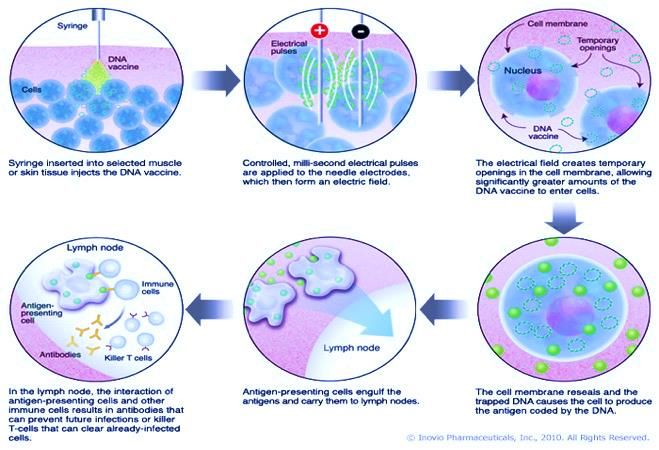
6

         INOVIO DNA Medicines Pipeline

                          PRODUCT                   INDICATION                     PRECLINICAL     PHASE 1           PHASE 2       PHASE 3          PARTNER/COLLABORATOR/FUNDER

                                                      COVID-19
                          INO-4800
                                                    (Coronavirus)
      INFECTIOUS
       DISEASES

                          INO-4700                     MERS

                          INO-4500                   Lassa Fever

                          INO-4201                      Ebola

                         PENNVAX-GP                      HIV
          HPV-TARGETED

                                       Precancerous Cervical Dysplasia (HSIL)

                          VGX-3100      Precancerous Vulvar Dysplasia (HSIL)

                                         Precancerous Anal Dysplasia (HSIL)                                                                        (China; INOVIO maintains global rights)

                          INO-3107    Recurrent Respiratory Papillomatosis (RRP)

                                                Head & Neck Cancer
                          MEDI0457
                                        Cervical, Anal, Penile, Vulvar Cancers
    dMAb™ ONCOLOGY
           IMMUNO-

                          INO-5401         Glioblastoma Multiforme (GBM)

                          INO-5151                 Prostate Cancer

                                                      COVID-19
                                                    (Coronavirus)

                          INO-A002                      Zika

                                                                                                 INTERNALLY FUNDED             EXTERNALLY FUNDED
Infectious Disease Programs &
    COVID-19 Vaccine Program

7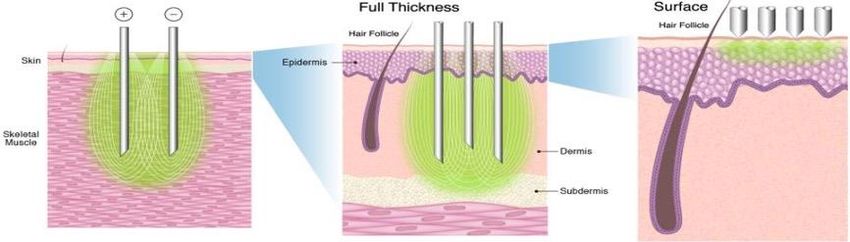
INO-4800 Clinical and Manufacturing Plan/Strategy

                                                                                                 Manufacturing &
          COVID- 19 vaccine                  Clinical data and plan                              scale up
    INOVIO is developing a two-dose   •   Phase 1 dosing regimen complete                • Scaling up plasmid and device
    INO-4800 regimen for protection     o Showed favorable safety and tolerability         through consortium of CMOs
    against COVID-19 disease                profile                                        and partnerships globally
                                      • Elicited a broad immune response across          • Excellent stability profile, room
                                          multiple assays, preliminary clinical            temperature for >1 year,
                                          responses                                        anticipated 5- year shelf life at
                                      • Demonstrated binding, neutralizing                 2-8°C
                                          antibodies & cellular responses at week 6
                                      Phase 2 ongoing in U.S.
                                      • Fully funded by U.S. DoD
                                      Phase 3 planned
                                      • Fully funded by U.S. DoD
                                      • Multi-site, blinded, case-driven, immunogenicity
                                         and efficacy trial in U.S.
                                      • Ongoing Phase 2 clinical trials in China and
                                         South Korea
8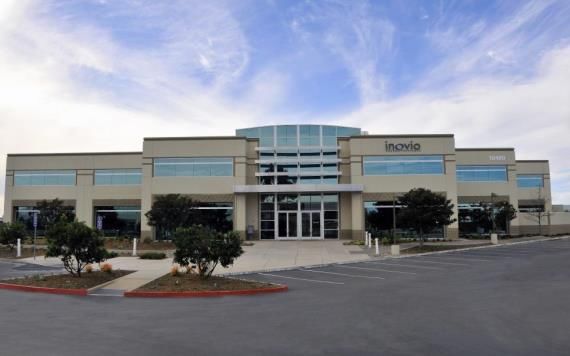
INO-4800 Key Differentiators

     Tolerable and Easy to Administer:               Temperature Stable and Transportable:
     • INO-4800 has a strong tolerability profile    • Vaccine is projected stable at room
                                                       temperature for more than a year, at 37°C
     • Administered intradermally and has
                                                       for more than a month
       caused only very limited side effects (mild
       injection site reactions)                     • Five-year projected shelf life at normal
                                                       refrigeration temperature and does not
     Immunogenic:                                      need to be frozen during transport or
                                                       storage
     • 100% of Phase 1 participants
       demonstrated overall immunological            Repeat Administration:
       response rates                                • INO-4800 can be re-administered if
     • Balance of neutralizing antibodies and          immunity wanes
       favorable T-cell responses (CD8 and           • Potential for seasonal boosting usage
       CD4)                                            with no concerns of generating an anti-
                                                       vector response, based on
9                                                      observations to date
INO-4800 Ph 1 Trial Data: Regimen was well-tolerated and
generated both B and T cell immune response

     A•       Tolerability

          -     1.0mg and 2.0mg doses of INO-4800 in a 2-dose regimen is well tolerated in initial cohort of younger (18-50)
                subjects evaluated in the U.S.

     B•       Immunogenicity
          -     INO-4800 induced a balanced immune response comprising both B cell (neutralizing and binding antibodies) and T
                cell (Th1 effector and memory cell) responses

     Data from cohort of Phase 1 peer-reviewed and published in EClinical Medicine;
     Phase 1 expansion study is ongoing:
     • Tolerability and immunogenicity of 1.0mg and 2.0mg doses in expanded age groups of older subjects (51-64) and elderly (65 years and older)
     • Tolerability and immunogenicity of 0.5mg dose in a 2-dose regimen (Days 0, 28) at age groups of 18-50, 51-64 and 65+ years

10
U.S. Phase 1: Week 8 Immunogenicity on 40 Subjects in 18-50 year age group
Induction of Antigen Specific T Cells by ELISpot* LIVE SARS-CoV-2 Neutralization*
1.0mg vs 2.0mg 1.0mg vs 2.0mg
• Strong CD4 and CD8 T cell responses generated to • The 1.0 mg and 2.0 mg dose group both
multiple regions of the spike protein demonstrated seroconversion in 95% of the subjects
• 74% of the subjects had T cell responses at the 1.0 • 78% demonstrating neutralizing antibodies in the 1.0
mg dose group and 100% of the subjects in the 2.0 mg dose group and 84% demonstrating neutralizing
mg dose group demonstrated cellular responses antibodies in the 2.0 mg dose group
11 * Published in EClinicalMedicine, an open access clinical journal published by The Lancet. "Safety and immunogenicity of INO-4800 DNA vaccine against SARS-CoV-2: a preliminary
report of an open-label, Phase 1 clinical trial." Date of publication: December 24, 2020.Phase 2/3 Clinical Trial- INNOVATE (INovio INO-4800 VAccine Trial for Efficacy)
Evaluating efficacy in subjects 18+ years of age with optimal dose for each age group
• Phase 2 segment: to evaluate tolerability and immunogenicity in order to select dose(s) for efficacy evaluation in Phase 3
• Phase 3 segment: to evaluate efficacy using the selected dose(s) from Phase 2 segment in a case-driven fashion
Phase 2 Segment: Dose Confirmation FDA concurrence based on: Phase 3 Segment: Efficacy
• Phase 2 Week 8 tolerability + Week
Group 1 Group 2 6 immunogenicity 1:1 Randomization
• Phase 1 Week 8 tolerability + Week
6 immunogenicity
Active (INO-4800)
Active (INO-4800) Active (INO-4800)
Selected Dose
1.0 mg 2.0 mg
N = 150 N = 150
Placebo Placebo
N = 50 N = 50 Placebo (SSC-0001)
12HPV-Related Programs 13
HPV-Associated Diseases Market Overview

                                                         HPV-associated conditions per year in US:

                                                                                                                                                                                                                   • 80M Americans currently infected with HPV
                                                                                              HPV INFECTION                                                                                                        • 14M new infections annually
                                                                                                                                                                                                                   • ~7M high-risk HPV infections (HPV 16/18)
     Years to progression

                                                                               LOW-GRADE DYSPLASIA                                                                                          • Cervical: 1.1M to 1.7M

                                                                                                   HIGH-GRADE                                                                 • Cervical: ~195,000
                                                                                                                                                                              • Vulvar: >25,000
                                                                                                    DYSPLASIA                                                                 • Anal: >14,000

                                                                                                                                                           •       Cervical: ~12,000
                                                                                                            CANCER                                         •       HPV-associated H&N: 18,000
                                                                                                                                                           •       Anal: ~ 6,500
                                                                                                                                                           •       Vulvar: ~ 4,000

                     Sources: US CDC (2018) HPV and Cancer, available at: https://www.cdc.gov/cancer/hpv/statistics/cases.htm (accessed July 22, 2019); Saraiya M, Unger ER, Thompson TD, Lynch CF, Hernandez BY, Lyu CW, Steinau M, Watson M, Wilkinson EJ, Hopenhayn C, Copeland G, Cozen W,
                     Peters ES, Huang Y, Saber MS, Altekruse S, Goodman MT; HPV Typing of Cancers Workgroup. US assessment of HPV types in cancers: implications for current and 9-valent HPV vaccines. J Natl Cancer Inst. 2015 Apr 29;107(6):djv086; Inovio Pharmaceuticals, internal estimates from
                     published data (2015-16, 2017-18); US CDC, personal communication (2015); NCI SEER Cancer Stat Facts: Cervix Uteri, Vulvar, and Anal Cancers – https://seer.cancer.gov/statfacts (accessed 2017-18); *Measured as: Genital Warts – Initial Visits to Physicians’ Offices, United States,
14                   1966-2014. Fig. 47; Schiffman M, Solomon D. Findings to date from the ASCUS-LSIL Triage Study (ALTS). Arch Pathol Lab Med. 2003 Aug;127(8):946-9; US CDC. Genital HPV Infection – Fact Sheet.
Published VGX-3100 Phase 2b Study Achieved All Primary
and Secondary Endpoints
Phase 2b Endpoints (n=167)
Increased and persistent
Primary: Regression to CIN1 or Normal 49.5% P=0.017 Regression of CIN3 & presence of CD8+ cells
HPV to normal (24 weeks post-last dose)
Regression to Normal AND
Secondary: 40.2% P=0.003
Virological Clearance
Week 0
T Cell Responses Measured in Blood
800
Pre
VGX-3100
VGX-3100 Specific T Cells1
Placebo
600
CD8+
T Cell
400 * Infiltration
* * *
Week 36
200
Post
0
0 5 10 15 20 25 30 35 40
Study Week
Treatment at wks 0, 4, & 12
IHC Staining: HPV IHC Staining: CD8 +
*Statistically significant; bars are 95% Cl
Trimble et al. Lancet 2015
15VGX-3100 Phase 3 Program: HPV-Associated Cervical HSIL/
Precancerous Dysplasia
TRIAL: VGX-3100 Phase 3 consists of 2 studies in parallel:
• Targets HPV 16/18 subtypes;
E6/E7 oncogenes REVEAL1 (primary) n=198 – Enrollment Closed REVEAL2 (confirmatory) n=198 – Now Enrolling
• Designed to treat high-grade Study follow-up through week 88 (as in P2b) Study follow-up through week 40
squamous intraepithelial lesions Topline efficacy data expected 1H21
(HSIL)
FIRST treatment FIRST non-invasive Primary endpoint:
for HPV infection of treatment for cervical Regression of HSIL (CIN2/3) AND
the cervix pre-cancer clearance of HPV 16/18 in the cervix
2:1 Randomized (2:1), double-
blind, placebo-controlled
Dosing: month 0, 1, 3
(as in P2b) mo.9 Primary endpoint measured at
month 9 (as in P2b)
16Recurrent Respiratory Papillomatosis (RRP) Caused
by HPV 6 and 11
Areas affected by
Recurrent Respiratory Papillomatosis (RRP)
• HPV-associated disease; caused by HPV 6 and 11
• Rare, orphan disease with ~15,000 total active cases
within the U.S., where virtually all of those require
surgical procedures
• ~6,000 new cases per yr. in the U.S.
• Growths can lead to life-threatening airway obstructions
• SoC is lifelong surgery (repeated/multiple times per yr)
• Currently, disease is incurable and can only be
treated by surgery to remove tumors, which
temporarily restores the airway
• RRP may occur in adults as well as in children who are
thought to have contracted the virus during childbirth
Sources: RRP Foundation; Venkatesan et al. Otolaryngol Clin North Am 2013; Ivancic et al. Laryngoscope Investigative Otolaryngol;
17 www.nidcd.nih.gov/health/recurrent-respiratory-papillomatosis; Derkay et al Arch Otolaryngol Head Neck Surg (1995); Armstrong et al Arch Otolarygol
Head Neck Surg (1999); Marsico et al STDs (2014).Immuno-Oncology Programs
(INO-5401 for Newly Diagnosed GBM )
18INO-5401 for Newly Diagnosed GBM in Phase 1/2 Study in
Collaboration with Regeneron
TRIAL: INO-5401 (encoding tumor-associated antigens: hTERT, WT1, PSMA)
Primary Endpoints:
Safety, tolerability
x32 x20
Phase 1b/2 open label study Combination with Cohort A: Cohort B:
Regeneron’s PD-1 Secondary Endpoints: MGMT Promoter MGMT Promoter
for newly diagnosed
checkpoint inhibitor Immunological impact, Unmethylated: Methylated:
glioblastoma (GBM)
cemiplimab (Libtayo®) PFS and OS 32 patients 20 patients
WK 3
DAY 0 INO-5401 WK 6 WK 9
INO-9012 WK
INO-5401 DOSE 2 INO-5401 INO-5401 18
Resection INO-9012 INO-9012 INO-9012
DOSE 1 DOSE 3 DOSE 4
INO-5401 + INO-9012
continues every
Screening RT +TMZ * * * 9 weeks until disease
3 WEEKS WK WK progression
TMZ 12 TMZ 15 TMZ
RT within
42 days of resection
Cemiplimab every 3 weeks until disease progression
19 *TMZ 6 Cycles (Cohort B only)INO-5401 Results: Interim review in newly diagnosed GBM patients
OS18 data, demonstrated immunogenicity and tolerability in a majority
of patients
Immunology Output to Date
C o h o rt A C o h o rt B
• Overall survival at 18 months (OS18) presented at SNO 10000 10000
2020 Annual Meeting:
PBMC
P B M C
1000 1000
• Promoter Methylated OS18 of 70% (14/20)
6
6
IF N - S F U /1 0
IF N - S F U /1 0
100 100
• MGMT Promoter Unmethylated OS18 of 50% (16/32)
10
• Median overall survival in the unmethylated GBM patients
10
was 17.9 months, which compares favorably to historical 1 1
WT1 PSM A h T E R T IN O - 5 4 0 1 W T1 PSM A hTERT IN O -5 4 0 1
controls n=22 n=17
Baseline Week 9 Week 21
• Median OS for methylated patients has not yet been
reached and the study is ongoing
• This study shows that INO-5401+INO-9012 with cemiplimab
and radiation/TMZ have an acceptable tolerability profile, are
immunogenic, and may improve survival in newly diagnosed
GBM
• Additional data expected in the coming months, including
correlative immunology and tissue data, as well as total study Several patients have experienced pseudo-progression, with progression by RANO criteria and
drug exposure and concomitant medication use radiographic evidence of progression on MRI, without evidence of tumor on repeat biopsy
20
Stupp et al. N Eng J Med 2005; Hegi et al. N Eng J Med 2005; Stupp et al. N Eng J Med 2009Overall Survival at 18 Months
Median OS; unmethylated (Cohort A) 17.9 mo. (14.5 - NR) Historical 14.6-16 mo.**
Median OS; methylated (Cohort B) NR (18.4 – NR) Historical 23.2-25 mo.**
Overall Survival at 12 Months n Alive/N Total OS12% (95% CI)
MGMT Unmethylated (Cohort A) 27/32 84.4 (67.2-94.7)
MGMT Methylated (Cohort B) 17/20 85.0 (62.1-96.8)
Combined 44/52 84.6 (71.9-93.1)
Overall Survival at 18 Months n Alive/N Total OS18% (95% CI)
MGMT Unmethylated (Cohort A) 16/32 50 (31.9 - 68.1)
MGMT Methylated (Cohort B) 14/20* 70 (45.7 – 88.1)
Combined 30/52 57.7 (14.5 – 71.3)
NR: not reached
*Two patients in Cohort B withdrew consent for additional follow-up at Week 3 and were considered deceased
21 **Gilbert et al. J Clin Oncol 2013; Gilbert et al. N Eng J Med 2014. Comparison is limited due to differences in study populationFinancials & Milestones 22
Well-Balanced Pipeline of Milestones                                                                     NASDAQ:INO
     Supported by Strong Balance Sheet
                                    INO-4800
                                    ✓   Dec. 2020: Published Phase 1 data from first cohort in The Lancet's EClinicalMedicine
                                    ✓   Dec. 2020: Dosed first subject in Phase 2 clinical trial called INNOVATE (INovio INO-4800
                                        VAccine Trial for Efficacy)
             $337.2M                ✓   January 2021: Fully enrolled 640 patient Phase 2 clinical trial in China
        Cash and short-term
                                    ❑   1Q21: Complete INNOVATE Phase 2 segment
           investments
                                    ❑   2Q21: Initiate Phase 3 segment of INNOVATE trial (pending partial clinical hold lift on Ph3)
         As of September 30, 2020   VGX-3100
                                    ✓   Report full data from Phase 2 VIN/AIN clinical trials
                                    ❑   2021: Initiate Phase 3 trials for VIN/AIN; Attain orphan drug designation
                168M                ❑   1H21: REVEAL 1 Phase 3 top-line efficacy & tolerability data
       Common stock shares          INO-5401
          outstanding               ✓   4Q20: OS18 data from Phase 1/2 GBM clinical trial (INO-5401 plus Libtayo®)
                                    ❑   2021: Additional survival and immunology data
        As of September 30, 2020
                                    Platform Development
                                    ✓   4Q20: Awarded two-year grant from DARPA to advance COVID-19 dMAb candidate
                                    ❑   1Q21: Initiate Phase 2 field study for Lassa with INO-4500 funded by CEPI
                                    ❑   2021: Initiate Phase 2 MERS study with INO-4700 funded by CEPI
23
24
Appendix

25
Experienced Executive Team and Board of Directors

        J. Joseph Kim, Ph.D.                         Peter Kies                   Jacqueline Shea, Ph.D.                   Laurent Humeau, Ph.D.
          President & CEO                              CFO                                 COO                                      CSO
       • Decades of biotech/ pharma            • Ernst & Young                   • Former CEO/COO of Aeras              • Extensive R&D leadership exp. in
         management                            • Experience with growth          • Held management positions              vaccine, cell and gene therapy
       • Merck: hepatitis A and B                companies                         at Emergent BioSolutions and           developments in private biotech and
         vaccines manufacturing;                                                   Microscience Ltd.                      mid-cap companies
         HIV vaccine (Ad5) R&D                                                                                          • Led Translational Research, Human
                                                                                                                          Therapeutics Division for Intrexon

                             Simon X. Benito
                             Chairman of the Board, Former SVP, Merck Vaccine Division        David B. Weiner, Ph.D.
                                                                                              Executive VP, Director, Vaccine Center, The Wistar Institute
     Board of                J. Joseph Kim, Ph.D.
                             President & CEO, INOVIO Pharmaceuticals                          Wendy L. Yarno, Ph.D.,
     Directors               Ann. C. Miller, M.D.                                             Former Executive VP and Chief Marketing Officer, Merck
                             Former Head of Sanofi Oncology Global Marketing                  Lota S. Zoth
                             Jay Shepard                                                      Former CFO, MedImmune
                             Former President & CEO, Aravive
26
INOVIO Technology – Powering Potent Antigen Specific
Immune Responses
INOVIO DNA medicines power a patient’s immune system to generate
functional antibodies and killer T cells in vivo to fight cancer and infectious disease
1. Identify diverse 2. Assess gene sequence 3. Create optimal 4. Insert SynCon sequence for each 5. Manufacture DNA medicine
strains/variants of a of selected antigen(s) from Consensus Sequence for selected antigen into a separate and deliver into muscle (IM) or skin (ID) using
target virus or cancer chosen strains/variants of the selected antigen precisely designed plasmid CELLECTRA® proprietary smart device
the virus or cancer
Antigen Y
Strain 2 Sequence 1 EMEKIVLLFAIV…SL
Antigen Y Sequence 2 AMESIVLLFAIV…SL DNA DNA
Antigen Y
Strain X Sequence X Medicine Medicine
AMEKIVILLFAIV…SK
Consensus
Strain 1
AMEKIVILLFAIV…SL
Intramuscular Device for Intradermal Device for
Pre-Cancers & Cancers Vaccines
6. Protective antibody and killer T
cells (CD8) produced by immune system
27INOVIO’s Technology Delivering Precisely Designed
Plasmids with Proprietary Smart Devices
INOVIO’s DNA medicine powers a patient’s immune system
to generate functional antibodies and killer T cells
28Key Characteristics of INOVIO’s DNA Medicines Platform
Robust Immune
Responses
(Neutralizing anti-bodies/
B cells and Killer T cells)
Rapid &
Rapid Design Scalable Manufacture
Refrigerated
(2-8°C) Storage SynCon®
>5 years Safety & Tolerability
CELLECTRA®
Effective boosting
Room Temp (25°C) (No Anti-Vector
Storage >1 year; Response )
37°C >2 months
29Limitations of Other Approaches
Viral Vectors – Receptor/cell target based mediated entry
• Systemic delivery/local injection
• Preexisting or induced immunity is an issue
• Biologic variability of take
• Immune bias tuned by vector
• Hard to re-administer/tissue tropism limits and positives
RNA – LNP/nanoparticle delivery dependent
• Systemic delivery, localized expression (liver>lung or spleen)
• Process for manufacture and release work in progress
• Formulations + RNA follow tissue targeting of the particles/cold
chain required, include focus on IV route
• DLT observed, low CTL induced, inflammatory
RNA Sequence
• High cost of goods
30Precise Design + Intracellular Delivery =
Improved Immune Responses
With EP No EP
Muscle Muscle
+ GFP + GFP
GFP GFP
Display of GFP (green fluorescent protein)
gene expression after CELLECTRA®
delivery into rabbit muscle
31Innovation in the Delivery of SynCon® DNA Medicine
CELLECTRA®-5PSP CELLECTRA®-3P Surface EP (SEP)
• Intramuscular • Intradermal – • Surface
• 13, 19, 25mm electrodes minimally invasive • Noninvasive
• In clinical use • 3mm electrodes • 4x4 electrode array
• In clinical use • Specifically targets epidermis
• In late-stage preclinical development
1
mm
3 mm
32INOVIO-Led Global Coalition to Advance INO-4800
Funders
Collaborators
Manufacturers
33Infectious Disease Platform:
Consistency of Positive Clinical Data and Partnering Opportunities
Product Indication Data Reported (to date) Partner/s
PENNVAX-GP HIV • Phase 1: 93% (71 of 76) evaluable vaccinated participants showed a
CD4+ or CD8+ cellular immune response to at least one of the vaccine
antigens
• 94% (62 of 66) demonstrated an env specific antibody response
INO-4201 Ebola • Phase 1: High levels of binding antibodies measured (ELISA) in 95%
(170 of 179) of evaluated subjects
• Published: The Journal of Infectious Diseases, March 2019
INO-4700 MERS • Phase 1: High levels of binding and neutralizing antibodies in >90% of
(GLS-5300) subjects
• 98% generated an antibody and/or T cell response against MERS
• Published: The Lancet Infectious Diseases, July 2019
• Presented: ASGCT, May 2020
INO-4600 Zika • Phase 1: High levels of binding antibodies measured (ELISA) in 100%
(GLS-5700) (39 of 39) of evaluated subjects
• Published: New England Journal of Medicine, October 2017
34U.S. Phase 1: Week 8 Safety on 40 Subjects in 18-50 year olds
Systemic and Local Adverse Events (AEs) Related to Study Drug by Dose
Post First Dose Post Second Dose
Symptom Symptom
Any Systemic Event Any Systemic Event
Arthralgia Arthralgia
Fatigue Fatigue
Fever Fever
Chill Chill
s s
Headache Headache
Myalgia Myalgia
Nausea Nausea
Any Local Event Any Local Event
Erythema Erythema
Induration Induration
Pain Pain
1.0mg 1.0mg
Percentage of Subjects 2.0mg Percentage of Subjects 2.0mg
n=20 n=20
No serious adverse events (SAEs) reported and all adverse events (AEs) reported were mild
No dose discontinuations due to AEs
No tolerability concerns as per Data Safety Monitoring Board (DSMB)
35U.S. Phase 1: Week 6/8 Immunogenicity on 40 Subjects in 18-50 year age group
Induction of humoral and/or cellular responses to SARS-CoV-2 Spike Antigen
Immune Responses
1.0mg Cohort 2.0mg Cohort
Immune Assay All Subjects Value Responder Value Responder Rate‡ All Subjects Value Responder Value Responder Rate‡
n (%) n (%)
Neutralization Week 6 GMT 44.4 82.4 15/18 (83%) 34.9 63.5 16/19 (84%)
Reciprocal Titer [95% CI] [14.6, 134.8] [29.1, 233.3] [15.8, 77.2] [39.6, 101.8]
RBD Binding Antibody Week 6 27.3 385.6 10/18 (56%) 66.8 222.1 14/18 (78%)
GMT Reciprocal Titer [95% CI] [4.8, 156.8] [69.0, 2154.9] [17.4, 257.5] [87.0, 566.8]
S1+S2 Binding Antibody Week 6 174.4 320.0 17/19 (89%) 136.8 508.0 15/19 (79%)
GMT Reciprocal Titer [95% CI] [59.9, 507.3] [160.5, 638.1] [34.5, 543.1] [243.6, 1059.4]
Total Seroconversion (Response in N/A N/A 18/19 (95%) N/A N/A 18/19 (95%)
Neutralization, RBD or S1+S2)
IFN-gamma ELISpot Week 8 26.2 45.6 14/19 (74%)µ 71.1 71.1 19/19 (100%)µ
Median SFU per [95% CI] [10-64] [21.1, 142.2] [32.2-194.40] [32.2, 194.40]
1.0mg Cohort excludes one subject with baseline positive NP ELISA
‡ Response criteria: Neutralization -Week 6 PRNT IC ≥ 10, or ≥4 if binding ELISA activity is seen RBD & S1+S2 Binding -Week 6 value >1 ELISpot – Value ≥12 SFU over Week 0
50
µ - Responders generated using Week 6 or Week 8 data
• 100% response observed in both 1.0 mg and 2.0 mg dosing levels
• T-cell and B-cell responses observed in both 1.0 mg and 2.0 mg dosing levels
36INO-4800 Demonstrates Durable Efficacy, Tolerability;
Only COVID-19 Vaccine With No Adverse Events >Grade 1
• Protect against SARS-CoV2 virus that causes COVID-19
TRIALS: INO-4800 • Target Spike protein
Human Phase 1 study 40 healthy volunteers age 18-50
Clinical Study: (Initial 2 cohorts reported) x40 1 mg and 2 mg cohorts, 2 doses (Weeks 0 and 4)
Interim findings 100% (38 out of 38) of trial Demonstrated binding and Trial expanded with
participants demonstrated Well tolerated, no SAEs
(Week 6 efficacy and neutralizing antibodies and older participants,18
overall immunological through Week 8
Week 8 tolerability) T cell immune responses and older and added
responses through week 6 dose arm of 0.5 mg
5 rhesus macaques received INO-4800, 5 received placebo
Non-Human
Primate (NHP) Study:
Challenge study
x10 2 doses (Weeks 0 and 4)
Challenge with SARS-CoV-2 (Week 17)
Memory T and B cell Neutralizing antibodies
17-week findings Durable antibody and T cell responses → reduced viral against early virus and No antibody-dependent
(13 weeks after responses for >4 months loads, faster clearance in dominant G614 mutant enhanced disease events
2nd dose) after initial dose lungs, nasal passages variant
37Robust Cellular and Humoral Immune Responses Following
Immunization of INO-4800 in Rhesus Monkeys
Animal: Treatment: Group Vaccine Delivery Dose per immunization n
Rhesus macaque Day 0 and 28 ID delivery of pDNA 1 pGX9501 ID, 1 site 1 mg 5
2 pGX9501 ID, 2 sites 2 mg 5
SARS-CoV-2 Spike peptides
300 Prebleed Week 2 Week 6
nCoV S1
SFU/million cells
SARS-CoV-2 Spike Pool 1
1000000
Group 1: 1mg
200 SARS-CoV-2 Spike Pool 2
100000
Group 2: 2mg
SARS-CoV-2 Spike10000
Pool 3
Endpoint titer
SARS-CoV-2 Spike Pool 4
1000
100 SARS-CoV-2 Spike Pool 5
100
10
0 1
0.1
g
g
g
g
g
g
m
m
m
m
m
m
0 2 4 6 0 2 4 6
1
2
1
2
1
2
CoV-2 Spike peptides
1:
2:
1:
2:
1:
2:
Week
up
up
up
up
up
up
ro
ro
ro
ro
ro
ro
Week 2 Week 6
G
G
G
G
G
G
SARS-CoV-2 Spike Pool 1 Robust and rapid B and
SARS-CoV-2 Spike Pool 2
SARS-CoV-2 Spike Pool 3 T cell responses in NHPs
SARS-CoV-2 Spike Pool 4
SARS-CoV-2 Spike Pool 5
38HPV-Related Clinical Program Overview
• Cervical dysplasia: Phase 2b PoC trial demonstrated a complete response in 43 out of 107
patients in regression of high-grade cervical lesions and elimination of HPV infection
Precancerous
• Vulvar dysplasia: Open-label Phase 2 trial showed 8 out of 10 women had reduction in
Dysplasias lesion area; 2 of 10 had no virus at 6 months (interim)
(VGX-3100) • Anal dysplasia: Open-label Phase 2 trial showed clearance of precancerous lesions in 10
out of 20 patients, decrease in lesions for 15 of 20 (interim)
• Phase 1 trial for HNSCC, 2 out of 4 patients treated with MEDI0457 and 2 different PD-1
Head & Neck checkpoint inhibitors experienced a long-term complete response for >2 years
Cancer • MEDI0457 is licensed by AstraZeneca and currently in a Phase 1b/2a study in
(MEDI0457) combination with durvalumab (PD-L1 checkpoint inhibitor)
• Pilot study for Recurrent Respiratory Papillomatosis (RRP) demonstrated a clinical
RRP benefit in 2 out of 2 patients by delaying surgery due to lack of tumor recurrence
(INO-3107) • A Phase 1/2 clinical trial for treating RRP with INO-3107, which includes both HPV 6
and HPV 11 antigens, is currently recruiting
39VGX-3100 Phase 2 Studies in HPV-Associated Vulvar and
Anal HSIL/Precancerous Dysplasias
• Target HPV 16/18 subtypes; E6/E7 oncogenes
• Treat high-grade squamous intraepithelial lesions (HSIL)
TRIALS: VGX-3100 • INOVIO plans to pursue a registrational Phase 3 clinical trial for
HPV-16-/18-associated Vulvar and anal dysplasia as well as to
apply for rare and orphan disease designation in 2021
Precancerous Phase 2
Trial participants were 24 women
Vulvar Dysplasia: open-label study x24 between 22 and 70 years of age at entry
and other than having HSIL were healthy
Decrease in lesion Non-detectability of HPV 16/18 and
Efficacy Results lesion clearance: 15% of patients vs. a
(6 months post treatment) area: 63% of patients
historical comparison of 2%
Precancerous Phase 2 23 patients enrolled
Anal Dysplasia: open-label study x23 18 years of age or older
Efficacy Results Decrease in number of lesions: Clearance of lesions:
(6 months after start 50% of patients
78% of patients
of treatment)
40INOVIO and QIAGEN Developing Biomarker to
Optimize Patient Selection
In 2Q 2019, INOVIO entered into collaboration with QIAGEN to
co-develop a liquid biopsy-based pretreatment commercial test kit to guide
patient selection for VGX-3100:
• Aimed to produce an accurate test that would increase absolute efficacy
of VGX-3100 among HPV-infected women who have progressed to
cervical HSIL (pre-cancer)
• Commercialization of a CDx test concurrently with VGX-3100 could
enhance market adoption of this first-in-class DNA medicine
41MEDI0457 for HPV-Related Cancers in Partnership
with AstraZeneca
• MEDI0457 (formerly INO-3112) = VGX-3100 + INO-9012 (IL-12 plasmid)
• In 2015, AstraZeneca acquired exclusive rights to MEDI0457
• $27.5M upfront
• ~$250M in potential development and commercial milestones
• Double-digit tiered royalties on MEDI0457 sales
• AstraZeneca is evaluating MEDI0457 in combination with its PD-L1 checkpoint
inhibitor, durvalumab, in HPV-associated cancers
42MEDI0457 Phase 1 Study Demonstrates Complete Response
Phase 1 study of
MEDI0457 (VGX-3100+IL-12)
in 22 HPV+ H&N cancer patients
• Robust antigen-specific CD8+ killer T cell responses
observed in 20/22 – 90.1% – of patients (both tumor
tissue and peripheral blood)
• 4 progressed over several year period exhibiting
recurrence with metastatic disease; treated with PD-1
• 2/4 (50%) show complete response to PD-1 therapy
and remained tumor free for 2+ years
• 50% CR rate compares well in metastatic HPV+ H&N:
• 4% CR rate (8/192) by KEYTRUDA alone
• 3% CR rate (6/240) by OPDIVO alone
• (Top image) CT neck with IV contrast demonstrating partial response pre- and • AstraZeneca conducting Phase 2 studies combining
6 weeks post-nivolumab.
• (Bottom image) PET scan images pre- and 6 weeks post-nivolumab. MEDI0457 and durvalumab (PD-L1 inhibitor)
43 Published in Clinical Cancer Research (CCR) 2018INO-3106 Pilot Study in RRP – Completed
TRIAL: INO-3106 (for HPV 6-caused RRP)
x2
Phase 1 pilot, Enrolled 2 adult 4 doses of vaccine, CELLECTRA-delivered
single-site, patients with RRP, 3 weeks apart on INO-3106 (only for HPV 6)
clinical study HPV 6+ Day 0, Weeks 3, 6, 9 plasmid encoded antigens
Two RRP patients After receiving 4 doses, 1 patient Open-label Phase 1/2 study to
had prior surgeries has gone >915 days without evaluate efficacy, tolerability,
every 6 months surgery, and the second went and immunogenicity of INO-
584 days without surgery 3107 (for HPV 6 and 11)
Published in Vaccines (MDPI); entitled "Immune Therapy Targeting E6/E7 Oncogenes of Human Papillomavirus Type 6 (HPV-6) Reduces or
Eliminates the Need for Surgical Intervention in the Treatment of HPV-6 Associated Recurrent Respiratory Papillomatosis“; January 23, 2020.
44INO-3107 Phase 1/2 Study in RRP – Granted Orphan Drug
Designation Phase 1/2 Currently Enrolling
TRIAL: INO-3107 (for HPV 6 and/or 11-caused RRP)
Granted Orphan Drug Designation
x63
Phase 1/2 open- Target enrollment 4 doses of vaccine, CELLECTRA-delivered
label, multicenter 3 weeks apart on INO-3107 plasmid
clinical study Day 0, Weeks 3, 6, 9 encoded antigens
Enrollment criteria: Subjects who have required at Primary endpoint: A doubling or more in the time between
least two surgical interventions per year for the past surgical interventions following the first dose of INO-3107
three years for the removal of associated papilloma(s) relative to the frequency prior to study therapy
45INO-5151 Phase 2 Prostate Cancer Combination Study
TRIAL: INO-5151 (encoding tumor-associated antigens: PSA, PSMA)
Phase 2 study (PORTER) for Three cohort, 45-patient platform study,
metastatic castration-resistant x45 INO-5151 in Cohort C
prostate cancer
Cohort C – 15 patients
PICI/CRI will fund & execute
INO-5151 (DNA immunotherapy)
the clinical study
CDX-301 (FLT3 ligand) from Celldex Therapeutics
Nivolumab (anti-PD-1) from Bristol-Myers Squibb
46Scientific Advisory Board
David B. Weiner, Anthony W. Ford- Stanley A. Plotkin, M.D. Rafi Ahmed, Ph.D.
Ph.D., Chairman Hutchinson, Ph.D.
• Developed rubella and • Professor, Department of
• “Father of DNA vaccines” • Former SVP, Vaccines rabies vaccines Microbiology and
• Executive VP, The Wistar R&D, Merck • Oversaw Sanofi flu vaccine Immunology, Emory
Institute; Director, Vaccine • Oversaw development: • Emeritus Professor, Wistar University School of
Center Singulair®, Januvia®, Institute & University of Medicine
Gardasil®, Zostavax®, Pennsylvania
Proquad® and Rotateq®
47INOVIO Fully Integrated Capabilities Poised for Rapid Production
Philadelphia Corporate and San Diego San Diego Device Engineering
Operations Site Research Center and Manufacturing Facility
• Corporate, Clinical, Regulatory, • Molecular biology, cell biology, and • Electroporation delivery device and
Compliance, Biostatistics, and clinical immune monitoring consumable design, engineering, and
Data Management functions • Research-grade DNA manufacture manufacturing
capabilities • Delivery device testing and distribution
• 6,000 sf dedicated BSL-2 research lab
• 53,000 sf facility opened in July 2017
(wet lab and cell culture)
• 5,000 sf cGLP labs to process, store, and • ISO 13485 and MDD certified by TÜV
analyze human clinical trial samples America in San Diego
• Well established QA capability
48You can also read


