Pöyry Post JOINING FORCES
←
→
Page content transcription
If your browser does not render page correctly, please read the page content below
ÅF & PÖYRY
                                        JOINING
                                        FORCES
MANAGEMENT CONSULTING

Pöyry Post
                            ENERGY

SPRING 2019

                                             INSIGHTS
                                    HYDROGEN BY PIPE
                           PUTTING THE ‘ELECTRIC’ IN EV

                                          INTERVIEWS
                        PEKKA LUNDMARK (CEO FORTUM)
                          GREG JACKSON (CEO OCTOPUS)
PÖYRY POST ENERGY
2 3
CONTENTS EDITORIAL
DEAR READERS,
From its first issue, the Pöyry Post has always been a careful observer of the business
world in general and the energy industry in particular. We are on the trail of relevant
market developments, emerging technologies, compelling business models and
pioneering innovations with one clear focus, the needs of our clients. On 21 February,
Pöyry announced that it had joined forces with ÅF to create a leading engineering,
design and advisory services company. The additional value that we bring to you, our
clients, is so large that we decided, in order to keep you as informed as ever, to dedicate
INSIGHT our centre pages to this topic and introduce the CEO of ÅF Pöyry Jonas Gustavsson.
HYDROGEN BY PIPE
Is It hype? History has taught us that innovation does not look for ways, it creates them. And
IMPRINT those who do not change for fear of change will eventually lose the freedom to change
in a self-determined way. Clearly, our interview partner Pekka Lundmark, CEO of
CORPORATE NEWS Fortum, keeps on being active and agile in business and outlines in his interview how
JOINING FORCES Fortum intends to Lead The Change (p.8). With the central thought he expressed in our
PUBLISHER ÅF Pöyry conversation “We have to get better. Decarbonize and take care of the environment” he
Pöyry Management Consulting
could not have given a better summary for the collection of Pöyry Post articles that deal
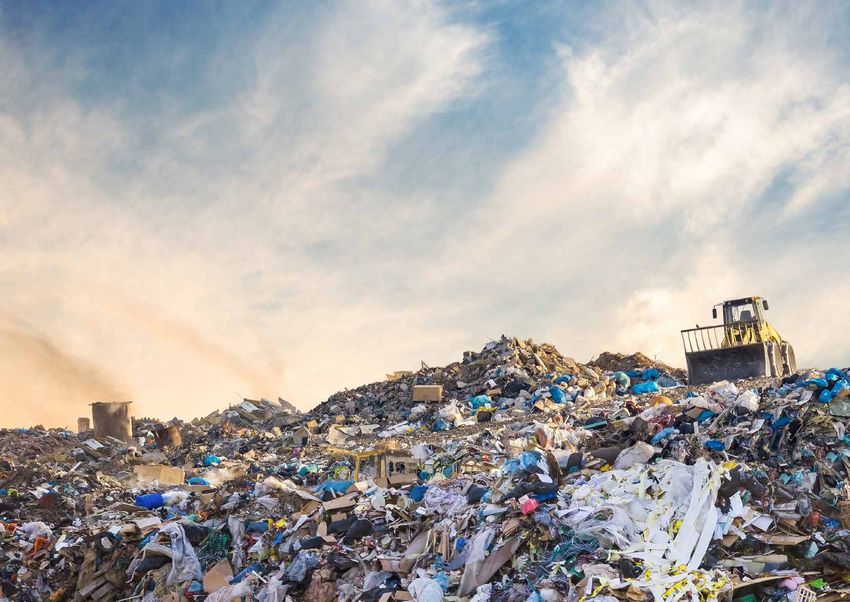
with the circular economy and how the energy industry can deal with plastic waste,
Matthew Brown
hydrogen and renewables.
matt.brown@poyry.com
Applying any new technology to business has its challenges, but the disruptive poten-
Roland Lorenz
tial of AI is probably only comparable with the profound changes that came along with
roland.lorenz@poyry.com INTERVIEW
the PC in the 1980s. Like the PC, AI will pave the way for an unparalleled and endur-
PEKKA LUNDMARK
Leading the change ing acceleration in innovation throughout, creating a significant boost for the global
www.poyry.com
economy. This is why our colleague Richard Pinnock’s article (p. 28) introduces our
new AI framework Krti 4.0 that Pöyry has jointly set up with Infosys and Nokia to sup-
EDITORIAL TEAM
port particularly industry, utilities, transportation and infrastructure organisations.
Matt Brown, Roland Lorenz,
Andrew Morris
Global energy markets will continue to undergo massive transformation and companies
need to stay flexible. Martin à Porta, CEO of Pöyry and acting president of the Manage-
AUTHORS
ment Consulting division, shares his latest perspectives in our feature interview and
Martin à Porta, Rebecca Bleasdale,
describes Why flexible is King.
Brendan Cronin, Lucy Field,
Tomi Nyman, Michel Martin,
In the truest sense of the word you can expect a versatile edition of our magazine,
Richard Pinnock, Robert Schwarz,
which we hope you find a pleasant and informative read, and we look forward to your
Fiona Skinner, Benedikt Unger,
feedback!
Jan Wierzba, John Williams FEATURE
OUR WASTE IS OUR RESOURCE
EDITORIAL STAFF Pöyry PlasticsToBio initiative
MANAGEMENT CONSULTING
Filip & Grimm DIGITAL REVOLUTION
Distributed ledger technologies
Raquel Ogando,
Matt Brown Roland Lorenz
Dean Jackson, Tim Pohlmann
WANT MORE? Head of Western Europe, Head of Nordics,
Middle East and Americas Central and Southern Europe
Virgil Grymonprez (Creative Director)
10 THE NEW SILK ROAD
Diverse markets offer immense opportunity
CONCEPT AND REALISATION
Filip & Grimm 20 UNLOCKING RESIDUAL VALUE FOR IPP S
www.filip-grimm.com Emerging markets
THANKS TO
24 INTERVIEW GREG JACKSON
Lots of new energy
Fortum, Octopus Energy
FEATURE 26 WASTE TO GREEN GAS
SOURCES PUTTING THE “ELECTRIC” IN EV How can GB incentivize a win-win transformation
E-mobility
Photography:
28 PÖYRY’S AI FRAMEWORK “KRTI 4.0 TM ”
ÅF Pöyry, Bolt (Taxify), Tying it all together
Fortum, Octopus Energy, iStock,
Adobe Stock, Gettyimages 32 WHY FLEXIBLE IS KING!
Martin à Porta perspective
PÖYRY POST ENERGY
4 5
e-car
e car
850 feet high
The Netherlands is a country famous for its windmills, but
it’s never had one like this. GE is planning to build the world’s
largest wind turbine outside the city of Rotterdam. It will
stand 850 feet high (259m) from the base to the top of the
blade, almost as tall as the Eiffel Tower, and it will produce
12 megawatts of power, enough to keep the lights on in more
than 15,000 homes.
1000 KM RANGE
Researchers have developed a battery type that allows electric cars with a range of 1000 kilometers.
This could mean a breakthrough for e-mobility. The company “Innolith” wants to introduce a new battery
technology based on inorganic electrolytes. The advantages? No exotic materials, no fire hazard and a
1046ft 1063ft 850ft
good ten times more charge cycles than with conventional lithium-ion batteries. The battery is not only
319m 324m 259m
safer, it also has significantly lower costs per charging cycle. They are talking about 55,000 charging Chrysler Building Eiffel Tower Haliade-X 12 MW
cycles with a half-hour changeover and a charging depth of between 0 and 100 %.
16 mollusks, millions of data
Mollusks can be used to monitor the quality of water around industrial
sites in real time — an inexpensive solution with unmatched reliability.
15 cents/min.
Total Exploration & Production’s R&D teams joined forces with the French
National Center for Scientific Research (CNRS) for the study. Just 16
mollusks in a net less than a meter long can generate and send more than 2.5
million datapoints daily over long periods and continuously. The principle of high-
frequency, non-invasive (HFNI) valvometry involves observing the mollusks’ natural gaping
The electric scooter scene wins popularity! Estonian ride-hailing firm Bolt, formerly known as cycle and noting when this is disturbed using electromagnets attached to both parts of the shell
Taxify, is launching its electric kick scooter-sharing service in Madrid, following a rollout last year in so that the activity can be recorded and then analyzed.
Paris. Rides in the Spanish capital will cost 15 cents a minute, on top of a €1 minimum
charge. Customers need to scan a QR code to unlock the scooters and can leave them
>75 % & >100 %
on the street once a trip is complete. The move marks another stepping stone in the
start-up’s drive toward new mobility options beyond car hailing.
Study from The Ohio State University shows potential for Earth-friendly plastic replacement combining natural
rubber with bioplastic in a novel way that is already capturing the interest of companies looking to shrink their
environmental footprints. The study involved melting rubber into a plant-based thermoplastic called PHBV along
with organic peroxide and another additive called trimethylolpropane triacrylate (TMPTA). The end product was
75 % tougher and 100 % more flexible than PHBV on its own - meaning it is far easier to shape into packaging.
The 1 st China Is Aiming High for The World’s First Solar Power Station In Space.
The plan is to build a solar facility with a capacity equivalent to one
megawatt slated for 2030 and build then larger generators, with a
gigawatt-level facility. A solar power station orbiting the earth in space at 36,000 km would be a Just Walk Out
first of its kind, and with a budget of $8 billion annually, not many would be able to Innovation led to a breakthrough in image processing
compete with that. The possibilities for inexhaustible power supply through AI, which provides a higher detection rate
may not be too far off and could be the solution to the energy than conventional model-based methods. Amazon
shortages around the globe. used this for a new business model called Amazon
Go, a new kind of store with no checkout required.
It uses computer vision, sensor fusion and deep
learning. The so-called “Just Walk Out
Technology” automatically detects when
products are taken from or returned to
the shelves and keeps track of them in
a virtual cart. When a person is done
shopping and leaves the store, a
receipt is sent, and the person gets
charged via their Amazon account.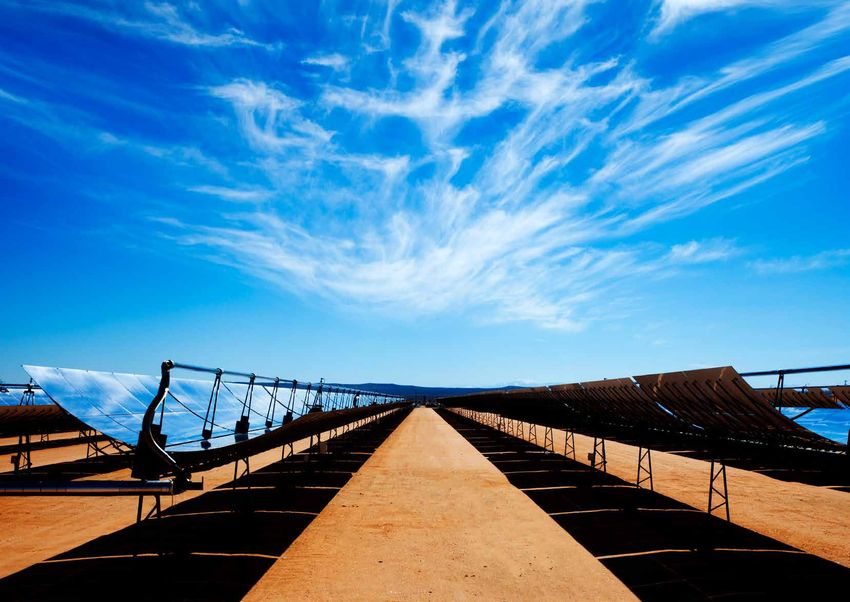
PÖYRY POST ENERGY
6 7
As far back as the 1870s the energy potential then the existing gas networks could be pathway against an all-electric pathway and
of hydrogen was being recognised. In his repurposed to deliver hydrogen to provide heat examined the potential role for hydrogen for
novel ‘The Mysterious Island’, the visionary to industry and homes. Hydrogen can also be the heat, power and transport sectors. In the
author Jules Verne wrote, “water will one day stored in many of the existing natural gas storage zero-carbon gas pathway, hydrogen demand
be employed as fuel, that hydrogen and oxygen facilities and this could allow a form of seasonal is expected to grow significantly in these three
which constitute it, used singly or together, will storage that renewables alone cannot provide. sectors to reach over 2,000 TWh by 2050. We
furnish an inexhaustible source of heat and light, also examined the different production costs of
of an intensity of which coal is not capable.” For industry, hydrogen offers a route to hydrogen and found that hydrogen production
Now, almost 150 years later we are starting to decarbonisation that otherwise could be costs from methane reforming were consistently
realise that maybe he was on to something. It extremely costly and difficult. It offers an lower than hydrogen produced by electrolysis.
HYDROGEN
is possible that hydrogen offers a route to the alternative to electrification – which for some
John Williams decarbonisation of our energy systems and this may not even be feasible – and to the installation This is because by 2050 a flexible demand side
john.williams@poyry.com is becoming increasingly attractive to policy of carbon capture at individual plants. Green (made possible by millions of electric vehicles)
makers and the energy industry for a number of or blue hydrogen can also decarbonise many and high levels of interconnection mean that
BY PIPE:
reasons. industrial feedstocks e.g. ammonia production there is generally an absence of many very
and demonstration projects are investigating the low electricity price periods, which otherwise
WHAT ARE THE BENEFITS use of hydrogen to decarbonise steel production. would support hydrogen production from
OF HYDROGEN? electrolysis at lower cost than from methane
IS IT HYPE?
For the electricity and renewables industry, reforming. Subsequently methane reforming is
Primarily, hydrogen emits zero carbon when converting power to hydrogen allows excess the dominant source of hydrogen production.
burned and so could be considered a zero renewable electricity to be used instead of However, production from electrolysis has a
carbon energy source, depending on how it is being curtailed and this gives additional value higher share in some regions in Europe with very
produced. It can be used as a replacement for and revenue for renewables. It also raises the high renewable penetrations and less system
natural gas in a number of applications including possibility to use hydrogen as a storage medium flexibility (e.g. Iberia/Italy).
power generation, industrial feedstocks and for electricity. Excess electricity can be used to
process heat and domestic heat and cooking. It create hydrogen at times of low demand or price, The figure on the previous page shows the
can also be used with fuel cells to decarbonise which can then be stored and converted back potential growth in hydrogen demand by sector
transport. In short, it can help to decarbonise into electricity when demand or price increases. to 2050 from our zero-carbon gas pathway and
those sectors where a total electrification shows the significance of the heat and transport
solution could be extremely difficult and SO, WHAT’S THE ISSUE? sectors in driving this demand growth.
expensive to achieve. The figure below shows the relative split of
It seems hydrogen could solve all our energy hydrogen production between SMR/CCUS and
Hydrogen The energy industry has grasped the potential of problems! In reality, there are many issues that electrolysis in the same pathway.
Production methods
hydrogen and many projects are underway to need to be considered before embarking on a
investigate its production and use. pathway to hydrogen deployment. Firstly, the WHAT IS THE FUTURE OF
These projects vary in scale hydrogen supply chain including production, HYDROGEN IN THE ENERGY MIX?
Hydrogen can be produced in a number of from investigations on transport and storage will need to be significantly
ways: blending hydrogen expanded to meet potential demand. But without The potential is clear, but the route to realising
Electrolysis – electricity is used to separate with natural gas certainty that this demand will emerge, the risks this potential is uncertain. There are numerous
water into hydrogen and oxygen. Where in existing are significant. barriers that will need to be overcome which
the electricity is renewable the hydrogen is networks, include creating a business case, acceptance of
considered zero carbon. This is sometimes hydrogen Secondly, there are issues with each of the CCS, public acceptance of hydrogen in the home
called ‘Green’ or ‘Renewable Hydrogen’. CCGTs, hydrogen production methods. Grey hydrogen as well as proving the safety case for hydrogen. If
small is not low carbon and so has little role to play these barriers can be overcome then possibly we
Steam Methane Reformation (SMR) – refers stand- in a decarbonised energy environment. Blue can exploit Jules Verne’s ‘inexhaustible supply of
to a chemical synthesis that reacts steam alone hydrogen needs CCS, and although this is a heat and light’.
at high pressure to produce hydrogen and proven technology, we are not yet at a stage
carbon dioxide from hydrocarbons such as where it can be deployed economically at scale.
natural gas. This is sometimes referred to as Green hydrogen is the most expensive of the
‘Grey Hydrogen’ Hydrogen demand (TWh) Hydrogen production (TWh)
production methods and will need very low
electrolysers electricity prices and reductions in the costs of
SMR with Carbon Capture Utilisation and to the grand electrolysis to make it a reality. Pyrolysis is not
Storage (CCUS) – where CCUS is added to the ambitions of the yet proven to be able to work at scale and be
SMR process to capture and prevent release H21 project in the competitive with the other production methods.
of the carbon dioxide, the process can be North of England. However, if hydrogen is the solution to
considered as low carbon. This is sometimes For gas producers decarbonising the difficult sectors of residential
referred to as ‘Blue Hydrogen’. and network companies, heat, industrial heat and the heavier end of the
hydrogen provides a possible transport sector then these issues will need to be
Thermal Methane Pyrolysis (TMP) – this answer to the existential threat of an all- overcome. Pöyry’s analysis carried out recently
involves natural gas and a low-temperature, electric world. If natural gas can be converted for our study ‘Decarbonising Europe’s Energy
high-pressure reaction with no oxygen into hydrogen with little or no carbon emissions, System by 2050’ compared a zero-carbon gas
present to produce hydrogen and solid
carbon. This is also ‘Blue Hydrogen’.
PÖYRY POST ENERGY
8                                                                                                                                                                                    9

Leading                 Over the last ten years, the rules of the game and business models in the energy industry have changed fundamentally. Some energy suppliers are
                        suffering massively from reputational problems and find themselves under pressure to act as a result of digitalisation and the rising number of new
                        competitors. In the centre of this storm, one CEO, Pekka Lundmark, behaves very calmly, at least on the outside. Fortum’s CEO has very clear ideas

the
                        when speaking about what has to happen next: “We have to get better. Decarbonize and take care of the environment”.

                        Pöyry: It is rare to see a CEO who is so             of bio-based solutions that are seamlessly             With the planned European coal phase out,
                        vehemently committed to sustainability and           connected to the energy ecosystem, such as             coupled with Germany’s 2022 nuclear stop-date,
                        Corporate Social Responsibility issues for his       producing bio oil from forest residues at our CHP      Uniper’s gas assets and competence will have an

change
                        company and the industry as a whole. What            plants or replacing fossil raw materials through       important role to play.
                        prompts you to take this stance and what             fractioning technologies.
                        reaction do you expect from the stakeholders?                                                               Pöyry: So you see natural gas as a sensible
                        Lundmark: Global energy-related CO 2 emissions       Pöyry: The circular economy leads to added             bridging technology for CO2-free energy
                        hit an all-time high again in 2018 and the year      value for suppliers and customers. Which               production?
                        was among the warmest ever recorded, so              opportunities arise for Fortum as a result?            Lundmark: Absolutely, gas will play a vital role
                        frankly I do not see I can be anything else, but     Lundmark: The whole value chain around                 on the way to carbon neutrality; first natural gas
INTERVIEW               committed. Europe needs to become carbon             waste is still evolving, which creates numerous        and eventually clean, synthetic gas. Natural gas

PEKKA LUNDMARK          neutral by 2050 if we want to have a chance
                        of reaching the 1.5 C goal in line with the IPCC
                                                                             possibilities in, for example, recycling of plastics
                                                                             and rare and valuable metals. Just recently we
                                                                                                                                    has roughly half of the emissions of coal-fired
                                                                                                                                    generation and will be crucial in providing
CEO OF FORTUM           report. Energy companies have the opportunity        announced a new technology allowing us to              security of supply for the growing share of
                        to make a huge difference, but at the same time,     recover more than 80% of materials embedded            intermittent renewables in the system. At the
                        we need to make sure that our stakeholders           in lithium-ion batteries for recycling, thus           same time, we should put more effort into
                        understand that that the transition will take time   improving the environmental profile of electric        developing large scale solutions for producing
                        and has to be managed in an orderly manner, so       vehicles as well as easing the raw material            clean gases with renewable electricity. While
                        that we do not compromise security of supply or      challenges related to battery manufacturing.           clean electricity alone can help decarbonise
                        the competitiveness of European industry.                                                                   other sectors, like passenger road traffic and
                                                                             One perhaps less traditional application of            heating of individual buildings, converting
                              Pöyry: In this context, you are driving        circular economy involves heating and cooling.         clean power to gas will also allow for the
                                 the idea of the circular economy            We are one of the largest heat producers in the        decarbonisation of “hard to electrify” sectors
                                       and want to establish Fortum          world and have started recovering excess heat          such as heavy traffic and various industries. That
                                         as a solution provider for          from our customers to reduce the need to burn          would be circular economy at its best!
                                         sustainable cities. What does       fuels for heat production. Datacentres, which
                                         “circular economy” mean for         are the most obvious example of this, are large        Pöyry: You highlighted that companies alone
                                         Fortum?                             electricity consumers and inadvertently also           can only do so much and that an EU-level
                                        Lundmark: We have partnered          large heat producers: a 100 MW datacentre              solution for tackling climate change is required.
                                        with cities like Oslo, Stockholm     produces enough heat to supply up 50 000               What is your message to politicians?
                                        and Espoo with a goal to             residents connected to a Nordic district heating       Lundmark: We believe that the EU emissions
                                       decarbonise each city’s heating       network.                                               trading (ETS) is the best way to take Europe to a
                                       and to provide other innovative                                                              lower carbon future and that national measures,
                                       energy solutions. However, we         Pöyry: According to your own statement, 96%            like taxes, support schemes and bans, should
                                       believe that carbon neutrality        of Fortum’s energy production in Europe is             target sectors that are outside the ETS, like
                                      requires us to take a closer look      CO2-free. Strategically speaking, how does your        transportation, agriculture, and building-specific
                                      at not only energy, but the use of     stake in Uniper fit into your portfolio?               heating. However, the ETS needs to be further
                                      resources in general.                  Lundmark: Most of the public attention with            strengthened if we are serious about reaching
                                                                             regards to Uniper is focused on what the               our targets. Expanding its coverage both
                                        For us circular economy today        company has been, in the past. We are focused          geographically and to new sectors would be a
                                        means that as large a share as       on potential and the impact our companies              great way to do this, because the more emissions
                                        possible of the waste our society    can have in the future. The compatibility of           that fall within the emissions cap, the simpler it is
                                      produces is reused or recycled.        Fortum and Uniper lies in our strategic mix of         to reduce them. A possible immediate expansion
                                     This requires that hazardous            assets - both clean and secure - as well as the        target would be the heating and cooling of
                                    substances be effectively removed        expertise required to successfully and affordably      individual buildings, which would increase
                                  from circulation. Furthermore, waste       drive Europe’s transition towards a low carbon         the emission trading volume by one fourth.
                                 that is unsuitable for reuse or recycling   energy system. We firmly believe that Uniper’s         Something that should be looked at further into
                                should be recovered as energy, and           stated role as the provider of security of supply      the future is integrating all other emissions – and
                              thereby reducing the need for virgin fuels     is an excellent match with Fortum’s ambition to        perhaps carbon sinks – into the same market-
                            in electricity and heat production. For us,      accelerate the energy transition with increasing       driven system.
                          circular economy also means development            renewable generation and innovative solutions.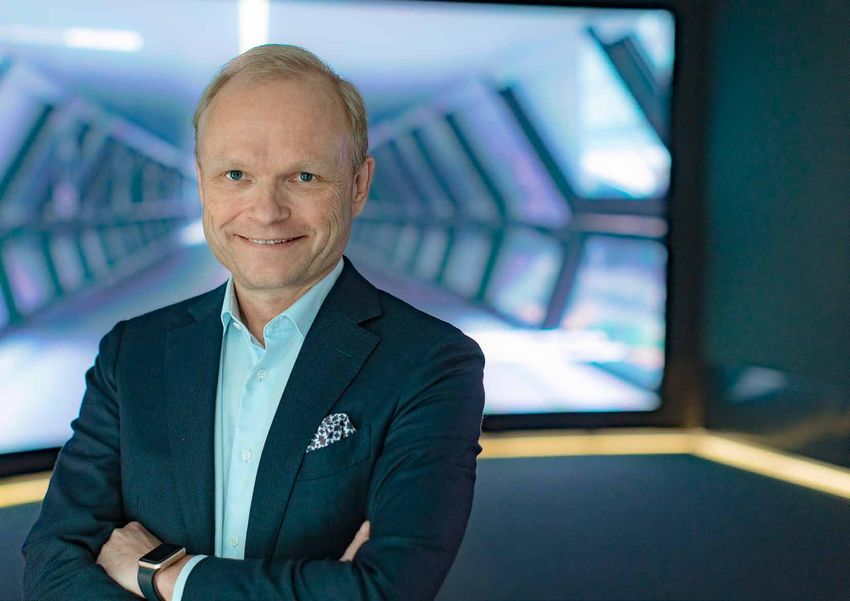
PÖYRY POST ENERGY
10 11
BRI INVESTMENT IN EASTERN EUROPE AND THE CAUCASUS 2013 TO 2018 (Q2)
DIVERSE MARKETS ALONG
THE NEW
market reform, the first of which will likely be for
solar capacity in the Chernobyl area. In both
countries, auction winners are awarded long-
term (15-20 year) PPAs with a guaranteed buyer,
SILK ROAD
providing security for investors.
While deployment and investment volumes so far
Fiona Skinner
have been modest, commitments made by both
fiona.skinner@poyry.com
regional stakeholders and international players
OFFER IMMENSE OPPORTUNITY
hold promise. In 2017, the energy ministries of
Kazakhstan, Uzbekistan, Tajikistan, Kyrgyzstan
and Turkmenistan all committed to accelerating
As we approach the 30 year anniversary of the Caucasus, as well as established working around security of supply; their uptake of renewable energy with the
the fall of the Soviet Union, it’s a good time to relationships with Chinese firms implementing • rising standards of living, leading to growing support of IRENA. Kazakhstan has dedicated
take stock of the growing opportunities offered BRI. Pöyry is uniquely placed to advise firms electricity demand and driving the need for 1% of its annual GDP to its “transition to a
by the evolving power markets across Central seeking to capture opportunities falling from increased and more flexible generation Green Economy” initiative. A number of project
Asia and the Caucasus. This fulcrum region is China’s overseas expansion. Our clients have capacities; and developers, multilateral development banks
often referred to as the New Silk Road in a nod consistently confirmed that Pöyry is one of the • ambitious regulatory and political goals and high-profile oil and gas players wishing to Beyond an historic role in the Silk Road, investments in Serbia, Romania and Bosnia and
to the ancient trade route connecting East and select few consultancies covering the rapidly evolving to support the scale-up of renewable diversify their investment portfolios have already governments in Central Asia and Eastern Herzegovina. However, as of 2017 renewables
West, now being revived under China’s Belt and evolving Central Asian power markets in detail. technologies. begun to make their mark on the region. Europe have been quick to sign up to China’s drew most investment, in Kazakhstan, Serbia,
Road Initiative (BRI). The region is comprised Initiative. All of the countries mentioned in this Ukraine and Croatia.
of diverse countries at various stages of energy DIVERSE MARKETS INVESTMENT BELT & ROAD INITIATIVE article are among the 123 members of the BRI,
market liberalisation. having pledged through the signing of an official As put by EBRD’s President Sir Suma
Previously dependent on an integrated regional Attracting foreign investment continues to be a China’s Belt and Road Initiative (BRI) builds on agreement to welcome Chinese investment. Chakrabarti, “A new Silk Road is taking shape
Key drivers in this process have been the power system with heavily interlinked energy key priority for governments across the region. a growing wave of Chinese overseas investment This may prove to be a timely move as Chinese before our very eyes.”
European Union (EU) Association Agreements industries, each country’s natural resource Renewables auctions are a growing method of which began to grow in the early 2000s. Indeed, investment in the United States falls under trade
signed by Ukraine, Georgia and Moldova, endowment has strongly dictated the trajectory encouraging renewable energy deployment, by since 2005, China’s cumulative overseas tensions. Indeed, already USD 13 billion in Pöyry’s presence in the Chinese market,
eventually resulting in membership of the EU of its power market. The outcome has been a set increasing competition and putting downward investment is now on the cusp of hitting USD 2 capital investment and construction contracts for combined with our expertise in the SE
Energy Community. The Energy Community, of heterogeneous markets with vastly different pressure on prices while allowing governments trillion. energy and utilities have been brought forward European and Central Asian markets, means
which currently has nine members (Albania, power market structures that are each uniquely to control the speed and size of capacities under the Initiative in Eastern Europe and the we are uniquely well-placed to advise investors
Bosnia and Herzegovina, Kosovo, North positioned for the accelerated deployment of installed. In 2018, Kazakhstan awarded almost Central Asia and Eastern Europe are key BRI Caucasus since 2013. in the region, and those international firms
Macedonia, Georgia, Moldova, Montenegro, renewable energy technologies in the coming 900MW of renewables capacity through tenders. fulcrum regions on the route to Western Europe. seeking to partner on BRI projects – as well as
Serbia and Ukraine), aims to create an integrated decades. Despite their fundamental differences, Ukraine has also announced the introduction of The initiative is not limited to spend on transport Most of the USD 13 billion of BRI investment providing advice on the Chinese market itself.
European energy market by supporting countries key trends driving structural change across the auctions in 2019 as part of its current multi-stage infrastructure to facilitate Chinese exports, in the region has been in oil and gas, primarily
in developing regulatory frameworks for region include: over 30% of the USD 600 billion invested or in Kazakhstan and Kyrgyzstan as China seeks
BREAKDOWN OF INVESTMENT AND CONTRACTS BY SECTOR
liberalised markets. (TOTAL BETWEEN 2013 AND 2018 Q4) pledged under the BRI has been in energy or to ensure sufficient supplies in its import-
• aging, soviet-era utilities; driven by Chinese state-owned energy dependent oil and gas markets. Major Chinese
Pöyry has long focused on the evolution of these generation and grid firms, sovereign wealth funds and the Asian coal firms have also made inroads, with PÖYRY’S SERVICES
markets (amongst others) and brings a unique infrastructure leading to Infrastructure Investment Bank. significant thermal coal and coal to chemical Our offering for these markets is structured
combination of local insights in Central Asia and growing concerns in two tiers.
As a first step, we offer screening reports to
assist our clients in the pre-project, pre-FID
phase. Our research provides high-level
due diligence screening, with provisional
benchmarking in markets of interest across
the New Silk Road countries.
We also offer clients the option to develop
a full Pöyry Independent Market Report
with wholesale electricity price projections
on specific target markets. Full Pöyry
Independent Market Reports provide
wholesale price projections and their
fundamental drivers to 2040, and investigate
key issues such as the roll-out of renewable
energy sources. In recent years, we
have developed full Pöyry Independent
Market Reports for Georgia, Ukraine and
Kazakhstan.
PÖYRY POST ENERGY
12 13
to collect all the plastics, we have to make sure vegetable oils, sugar, starch and lignocellulosic collection and recycling, even when plastics
they are recycled as efficiently as possible. A materials. In addition to the virgin materials, the demand grows on the market.
OUR WASTE
number of technologies are available for sorting agricultural sector generates billions of tons of
and mechanical recycling, but the chemical waste and residue materials that can be made Simplifying a long story: We can demonstrate
recycling sector is the golden opportunity for available and suitable for the production of how all the global plastics can be turned bio-
the industry. The great thing about some of plastics and other bioproducts. based in an affordable, economical manner.
IS OUR RESOURCE
the chemical recycling technologies is that This does require substantial investments and
they accept mixed waste, even dirty plastics, COMBINING RECYCLING AND BIO-BASED changes in attitude, but the economic planning
multilayers, even bio-based waste as feedstock PLASTICS FOR A FOSSIL-FREE SOLUTION shows that it is feasible and the payback times
– which can be converted to hydrocarbons or can be lucrative, once the unit costs are low
The Pöyry PlasticsToBio initiative aims at turning Tomi Nyman
monomers. If we have a strong will, we can replace 10% following sufficient scale-up of operations.
all plastics in the world bio-based.
of fossil plastics feedstock with bio-based Effectively, 20-30 oil refineries globally need
tomi.nyman@poyry.com When will the rate of investment be high feedstock and bio-based plastics – every to be converted to recycling units or they will
enough? Recently the plastics market has grown year. We can make the choice between become obsolete. This has the added benefit
Our vision is fully fossil-free plastics production. can be demonstrated that all plastics can be chemical recycling is still possible – breaking the at a rate of 4% annually – equating to 10-15 taking a vegetable oil, turning it into a fuel and of reducing CO 2 emissions from the industry
The transition is affordable and economically produced from bio-based feedstock in the polymers back into monomers or hydrocarbons million tonnes year on year. In order to make a burning it in an engine in less than a second, by 1 billion tonnes annually, reducing global
viable and will lead to a better understanding future. Secondly, it can be very profitable and for subsequent new polymerization of high- substantial difference to the situation, we must or alternatively, produce a plastic from it and emissions by 2.5%. ÅF Pöyry is creating
of the value of products, and even rubbish. in the future, bioplastics can become cheaper quality new plastics – until eventually the aim at investing in new collection and recycling recycle it ten times during the next 100 years. a taskforce to bring together the partners
Wherever we look, we see plastic rubbish than fossil plastics are today. Thirdly, we will majority of the original plastic is lost in energy capacity every year that enables recovering Inserting this 10% and consequently collecting throughout value chains to make this transition
around – and yet a lot of valuable raw material save more than 1 Gt of CO 2 every year when production. The technologies are already over 30 million tonnes until we reach the levels everything back carefully after use, we retain the a reality. Companies involved in plastics
and energy has been used to produce it and implementing this logic. There are two strands to available. In Europe alone, the local production of plastics coming to market a few seconds or value and the material. Gradually, the biocontent manufacturing, waste management, oil refining,
distribute it. Still, after use, the best thing this initiative, recycle as much plastic as possible of plastics exceeds 65 million tons of plastics; years after production, after the products have in the pool of plastics starts to increase and renewable feedstocks, bioplastics, retailers and
mankind has come up with is to throw it out of and increase the amount of plastic produced less than a third is collected and less than 15% is reached their end-of-life. For Europe, this would the fossil content will decrease. Therefore, brands are welcome to join and participate.
the window or burn it, ’out-of-sight, out-of-mind’. from bio-based sources. recycled. These numbers still do not include the currently require investing in ~60-70 million before we even realise, we are actually recycling
amount of imported plastics and plastic goods tonnes of plastics recycling capacity. bioplastics. For further information or to discuss how to join
Today we produce almost 400 million tonnes of The entire transition can be financed and the used and discarded after use in Europe. We our future changing taskforce, visit:
plastics annually. In a matter of a few decades, solution is actually rather simple. All plastics collect plastics today and most of it is incinerated Bio-based plastics When the decoupling of fossil feedstock is www.poyry.com/plasticstobio Passionate about
due to global population growth and the have a value, even after use. We see a piece of to make four products: electricity, heat even in done with substantial scale we could turn all turning all plastics in the world bio-based
increasing wealth leading to a growing middle- rubbish on the street and continue walking. We excess, ash and carbon dioxide – the last three of The global production of bio-based vegetable- the plastics bio-based in a matter of about Twitter: @tomi_nyman
class, the demand for goods and packaging all walk past the ‘money’ on the streets without which are not deemed to be actually necessary. origin raw materials exceeds 500 million tonnes. only 10 years, although in practice it must #PlasticsToBio
made from plastics will grow three-fold! giving a second thought to pick it up. If a $1 The logistics are already in place and require There will never be enough virgin biomass to be acknowledged it will take 20-30 years.
note would have been lying on the streets, it little change, but we need to stop incinerating, use it directly to replace all plastics production The amount of capital used for raw material
People have said it is crazy and a megalomaniac would more than likely be picked up. A global and instead recycle everything, with meticulous without causing harm to food supplies. The will decrease thanks to efficient recycling
idea, but fully fossil-free plastics production plastic deposit scheme would demonstrate efficiency. main three segments of this pool of materials are and capital can be spent to ensure efficient
is viable and sustainable. The entire global value and support collection of waste.
plastics production can become bio-based Entering a full circular economy with regards
by using bio-based feedstock systematically. Recycling to plastics requires significant investments
This would be the largest transformation of the into education, logistics and collection of all
petrochemical industry ever. The concept and Plastics can be recycled mechanically several plastic after its end of life. Once we are able
initiative is extremely ambitious – yet doable, times until the technical properties become so
when well-planned and organised. Firstly, it low that it no longer works as plastic. After that,
Gradual large-scale use of bio-based feedstock in plastics production
combined with intensive recycling will end up decoupling plastics entirely
from fossil feedstock eventually.
PÖYRY POST ENERGY
14 15
17,000
Putting the
ENERGY COMPANIES NEED TO UNDERSTAND The largest battery storage whole European demand.
CHARGING NEEDS AND IMPLICATIONS projects are 300MW with However, most home EV chargers
At the same time, energy companies need to 4 hours of storage. 17,000 are rated at 6-11kW, which more
be ready for the impact that the EV charging electric vehicles would than doubles peak electricity
industry will have on the energy sector. have equivalent storage to demand in an average household.
‘electric’ in EV
There are opportunities and challenges. those projects. Even more impressively, Ionity’s
On the one hand, extra volumes of demand ultra-fast charging network will offer Benedikt Unger
create new revenue potential. On the charging with up to 350kW. An EV, benedikt.unger@poyry.com
other hand, ignoring or underestimating the impact of EV charging at that speed, adds a load comparable
charging could lead to supply issues, or at the very least to that of a medium-sized warehouse. Distribution
cost increases. From a business perspective, electricity networks will be on their heels. They need to
suppliers will want to make sure they capture a part of the act fast, but also need a long-term
value that is created by the additional energy demand. strategy for dealing with electricity
The year 2018 was another record-setting complex, heavily regulated, and intransparent. For single customers, Paola Lualdi in our Milan office load from electric vehicles.
year for the electric vehicle industry. Plug-in However, since electricity costs make up a large has worked with utilities on their strategy in incorporating
vehicles are selling better than ever before, and portion of the cost associated with setting-up electric vehicles
new milestones – e.g. 4 million EVs on the road and operating a vehicle charging station, their into their portfolio.
globally – were reached. While these are positive developers will need to understand energy She describes
signs, the global EV market share is still in the markets, networks and regulation. The main her experience:
low single digits, and growth has fixed cost components for a “Energy suppliers
not quite reached ‘exponential’ vehicle charging station are are excited about the
scale yet. 49.1% grid connection, transformer additional electricity
EVs have a 49.1% market installation and the actual sales, and they will look
Several factors that have been share in Norway – the charging connections themselves, to get involved in providing
discussed as inhibitors for highest of any country. EVs including buildings and land charging services and
stronger growth in e-mobility – have been supported by costs. Of these components, mobility services. For some
cost, lack of model variety, and government for decades, grid connection makes up a utilities, this might include
lack of knowledge – remain valid. and incentives mean that significant proportion. Extending investing and operating
The biggest factor might yet be they are already cheaper the distribution grid to build a charging structure, or
the lack of a public charging than their gasoline and new connection can cost roughly even fleets of electric
infrastructure for electric diesel counterparts. €350k, depending on the location vehicles.”
vehicles. But it appears that this and country. On the variable cost
is about to change, which is an side, the main component is the On the other hand,
exciting proposition, as it creates new investment electricity itself. Charging station operators need electricity networks
opportunities. to understand electricity markets in order to companies will be even more
be able to profit from offering charging to their significantly affected. When
However, it also creates challenges for customers. looking at the nature of energy
companies, as it means that: consumption by electric
• non-energy companies need to understand Lisa Figge, from our Dusseldorf office, has vehicles, it becomes clear
energy markets and networks; recently helped an automotive client lay out a that while adding additional
• energy companies need to understand plan to design, construct and operate a private volumes of demand,
transport; and electric van charging network in Germany. In her e-mobility adds even more
• new companies will need to be formed and experience, “clients need support in the analysis in terms of required network
new business models established. of regulatory and energy market characteristics capacity. An EV typically
on the design and operation of DC-fast charging consumes around 3,000kWh
Pöyry Post has spoken with several project depots for electric vehicle fleets. Especially in the per year, less than the average
managers about their thoughts on these three early stages of planning, it is important to define household in most Western
areas. the preliminary parameters in terms of business European countries. Even if EVs
model and dimensions for charging stations were to achieve a market share of 50% in
NON-ENERGY COMPANIES NEED TO with the customer in advance. It has proved 2030 across Europe, electricity demand
UNDERSTAND ENERGY MARKETS AND particularly helpful to answer questions on the would only increase by around 70TWh, the
REGULATION energy market/grid connection using scenarios.” size of the Austrian market, or 2% of the
For companies outside the sector, dealing with
energy can be a tough task. It may seem overly
PÖYRY POST ENERGY Pöyry Management Consulting
16
Mikael Maasalo
NEW BUSINESS MODELS NEED EV charging. At the
TO BE ESTABLISHED moment, this is mostly
+35 85 0412 2887
mikael.maasalo@poyry.com
Rob Lee is Pöyry’s expert for the
GB electricity market and he has
85-95% done via demand
side management
While in the long-
been watching closely as vehicle or response. In the
term, public charging
charging has slowly entered his future, this could
infrastructure will be a
area. Since April 2018, more involve vehicle-to-
key driver of EV growth,
than 450 public charging points grid.” Obviously, the
85-95% of EV drivers
per month have been added in need for revenue
currently charge
the UK alone. And this is even stacking is not a
mostly at home
though the sector faces great new phenomenon.
uncertainty. “Electric vehicle Since filling
charging is a difficult business stations operate
proposition. There is a consensus that the in a very low margin industry,
sector is growing and companies should be their operators have always been
Performance
able to generate strong revenue. However, creative in identifying extra ways
without any history and reference point, to make money. It has often been
it is difficult to attract finance into such a reported that the sales of coffee
business”, Rob explains. and other drinks and snacks are
Booster
more important to filling station
A common feature of many of these operators than the sales of fuels.
ventures is that they do not enjoy the And it also works the other way
luxury of relying on a proven and around. In an effort to attract
well-known business model. more customers to spend time in
While it is clear that public charging their stores, super market chains
infrastructure requires an influx of like Tesco in the UK and Aldi in
Bring your
investment, it is important that the Germany have petrol pumps at some of their
right mix of charging connectors store sites. Sure enough, those same players
are provided in the right have already made an effort to secure a place
places. Therefore, any revenue
projections for an EV charging
at the table in the large banquet that is the
electric vehicle charging industry. Tesco have
Operational Exellence
business are not only influenced
by one’s expectations of how
joined forces with Volkswagen, to create one
of the largest public charging networks in the to the next level.
many people will drive an UK. Aldi is providing free charging at some
electric vehicle, but also of its stores in Germany. Time will tell if their
Digital platform for continuous improvement
about how and where selection of charging technology will mean this
they will want to investment can pay dividends. of district heating systems
charge their car.
The companies’ IN THE LONG TERM
Hourly Performance Updates
main concern is We at Pöyry believe that electric vehicles will
about utilisation of play a key role in the decarbonisation of the Individual Dashboard
their asset, since it energy sector. Our analysis shows that in a Up to 8% of revenue in cost savings
comes with high up-front investment world with >50% renewable penetration, the
Measuring the Execution Gap (EXGAP)
cost. As a result of this uncertainty, flexibility from EV charging is key to managing
companies are looking to stack revenue intermittent power supply, and to keeping the
streams to create a sustainable and lights on and power costs down.
investable business model.
Reflecting on this uncertainty, Rob thinks
that solutions are being developed: “One way DID YOU KNOW?
that developers and investors could combine A new cloud based digital solution from
VEHICLE-TO-GRID electric vehicle charging with more reliable our new colleagues at ÅF, in a joint venture
EVs can react to price signals and charge revenue streams is through a business model with Volvo Cars, now provides the Swedish
at the right time. And they can even provide which includes electricity storage projects, with Transport Administration with slippery
power back to the grid when it is needed. access to more bankable revenue streams, road conditions data. This is one of the
This capability is called vehicle-to-grid (V2G). alongside vehicle charging. Indeed, commercial first initiatives in Europe to share data from
V2G could be a key factor in future electricity propositions along these lines are emerging.” vehicles in daily traffic with road authorities
markets that will be dominated by intermittent And Paola explains how business models could on a larger scale. The solution provides
generation. It will be interesting to observe go even further: “EVs are basically mobile the Swedish Transport Administration
whether that will be in the electricity market batteries. Utilities can benefit from scheduling continuous and comprehensive road data
(i.e. price arbitrage), or in system services EV charging when prices are low. They can to improve winter maintenance, all the while
(i.e. reserve and response). also sell services, such as response or reserve, allowing Volvo Cars to see how data from their
to grid companies, utilising the flexibility of cars strengthen traffic safety for all motorists.
PÖYRY POST ENERGY
 18

ÅF AND PÖYRY

Joining forces
                                                                                                              ÅF Pöyry in numbers

                                                                                                              • ~19,900 MSEK (~1,860 mEUR)
                                                                                                                revenue pro forma*
                                                                                                              • 1,800 MSEK (170 mEUR)
                                                                                                                EBITA pro forma*
On 21st February, Pöyry announced that it had joined forces with                                              • Operating in 50 countries
ÅF to create a leading European engineering, design and advisory                                              • 17,000 employees
services company, employing 17,000 experts around the world.
In this edition of the Post, we share more on the development, the
rationale and the additional value that we are bringing clients.

“In times of great change and challenge, you          contributed their multi-disciplinary capability     combining the vision and tools to create and
have to be clear upon your way forward, and           to form new ideas and received support to           fertilise cross-sectoral ideas, the ambition
stay consistent and brave in your conviction.         commercialise their offerings. Pöyry’s results      to build proprietary solutions, the delivery
As one company, ÅF Pöyry will take our joint          improved significantly since 2016. In parallel,     capability to make it happen and the potential
abilities and possibilities to the next level. Next   the market was consolidating and additional         to make 1+1=3.
level for our business in terms of delivered          delivery capability was needed for Pöyry to         Geographically, we now have a strong
value. Next level for our client relations by         reach the next level.                               European base and international presence in
combining our expertise and insights. And                                                                 over 50 counties, thus enabling international
next level for our employees for personal             WHY ÅF?                                             diversification: many of our energy clients will
development,” says Jonas Gustavsson, CEO &                                                                recognise this storyline.
President of ÅF Pöyry.                                Pöyry’s strong performance development
                                                      was noticed in the market and the company           MAKING FUTURE AND GENERATING
CONTEXT FOR JOINING FORCES WITH ÅF                    received several expressions of interest to         MORE VALUE FOR CLIENTS
                                                      join forces. However, one company had the
Since Martin à Porta became President and             right ingredients – ÅF – a larger engineering       Making Future is the Vision of our new company
CEO in 2016, Pöyry carried out an ambitious           and design company, with its headquarters in        – realised through sustainable engineering
development program. Client focus was put             Stockholm, Sweden.                                  and design solutions and built on a strong
at the heart and many simplifications were                                                                and sector focused management consulting
introduced throughout the organisation.               With a shared Nordic heritage, complementary        division. Bringing sharp insights and deep
Employees were energised and empowered to             sector know-how in energy, industry and             predictive capability, Pöyry Management
‘think and act as if it were their own company’,      infrastructure and its strong digital capability,   Consulting’s 400 world-class consultants,
as part of a modern culture of intrapreneurship.      ÅF was an attractive fit for Pöyry. By combining    help clients to manage transformations and
An environment of innovation was cultivated           expertise with increased scale in resources,        to generate value from future trends, for
and new digital solutions and services were           it will be possible to achieve even more for        example, smart infrastructure & cities, future
brought to market. As part of the company’s           clients. For ÅF, joining forces with Pöyry          mobility, global bio economy and industrial
digitalisation drive an Innovation Platform           brought an international platform upon which        digitalisation. In the rapidly changing energy
was introduced, accelerating cross-company            it could continue to grow in selected niches        sector Pöyry is already being recognised as
collaboration and concept creation. Through           and deliver more exciting client projects. Now      the most recommended advisor for the energy
the platform, experts from different sectors          combined, the ÅF Pöyry synergies are powerful:      transition.

                                                                                                          “Many of our latest advisory solutions and

                                                                                                                                                                       “In times of great change and challenge,
                                                                                                          services embrace digitalisation, enabling
                                                                                                          clients to see the future with greater clarity,
                                                                                                          contributing to better decisions, which increase
                                                                                                          efficiency, performance and flexibility,” says
                                                                                                          Martin à Porta, President of Management
                                                                                                                                                                   you have to be clear upon your way forward,
                                                                                                                                                             and stay consistent and brave in your conviction. “
                                                                                                          Consulting at ÅF Pöyry.

                                                                                                                                                                                                  Jonas Gustavsson
                                                                                                                                                                                                      CEO ÅF Pöyry
PÖYRY POST ENERGY
20 21
Unlocking residual Residual value is a The position of the final tariff on the spectrum (e.g. wind versus thermal generation).
between value and cost depends on route-to-
function of supply market options available to the IPP as well as the
approach taken to the negotiation of any new
In the absence of a wholesale market, a more
sophisticated approach is needed. For example
value for IPPs in
and demand PPA. Figure 2 shows potential route-to-market
options.
in Oman, the Single Buyer has provided a
system marginal cost curve against which bids
fundamentals will be evaluated based on their contribution to
The potential to use a private (or ‘corporate’ reducing overall system cost.
emerging markets
In calculating the residual value, the first step is PPA) as a route-to-market is an increasingly
Brendan Cronin interesting option. The desire of large
brendan.cronin@poyry.com
to look at the supply and demand fundamentals
to determine what value the IPP has to the companies to purchase green energy makes this IPPs will continue to
system. This is effectively the avoided cost for
the Single Buyer of procuring new capacity
particularly relevant for renewables generators.
Wholesale market is included, as one may have
make an important
The number of Independent Power Producers
(IPPs) has grown rapidly since the early 1990s as
significantly greater than the PPA, which means
there is significant life and potential operational
New IPPs are experiencing high levels of
competition for new projects and developers can
and potentially running less efficient plants. A
dispatch model (such as Pöyry’s BID3 model)
been introduced since the IPP was originally
developed. An effective wholesale market with
contribution
power sectors around the world have liberalised. value in the asset after the initial PPA expires. make themselves more competitive in a tender is used to assess the cost to the Single Buyer in pricing linked to system marginal cost represents
The introduction of IPPs has perhaps been
The introduction of IPP arrangements is by increasing their residual value assumption the absence of the continued operation of the a promising option to recover residual value.
the regulatory intervention that has made the
commonly the first step in permitting greater which means a lower PPA tariff can be offered. IPP. This value sets an upper limit on the tariff Other aspects that can influence the outcome
private sector participation in the power sector Residual value In many cases residual values have been pushed of a new PPA and residual value, as the Single include land rights, grid connection and fuel
greatest contribution to decreasing power sector
costs in the last 30 years. IPPs will undoubtedly
in emerging markets. Examples can be seen
across Asia, Middle East, Africa, SE Europe and
assumptions to 25 to 50% of total investment cost (received
at the point that the PPA expires). Developers
Buyer is very unlikely to accept a tariff that would
incur more cost than simply allowing the project
supply, fuel procurement decisions, capabilities
of the central buyer, regulatory framework and
continue to make a large contribution in the
future, but there will be increasing focus on
Latin America. In these markets there is usually
a single central buyer for all the power produced,
are receiving who don’t make this kind of assumption have
struggled to win new IPP tenders in recent years
to close. government co-investment.
residual value assumptions. Developers must
better understand the risk from commodity price
rather than a traded wholesale market. increasing focus in many markets. The lower limit of the PPA tariff is the future cost
of keeping the plant operational – below this Single Buyers uncertainty, demand growth uncertainty and
technological change after the PPA expires.
IPPs in emerging markets are typically
underpinned by a strong long-term Power
This residual value is becoming an area of
increasing focus for both existing and new
There are a number of factors (slower demand
growth, falling technology costs as well as
the developer would simply decommission the
project.
need new tools
Purchase Agreement (PPA) that limits market optimism bias) which means residual value has
existing IPPs. Single Buyers have traditionally used a levelised PÖYRY SERVICES
risk and are in effect ‘take-or-pay’ contracts often been overstated in many markets. A new IPP needs to take all of this into
cost of energy (LCOE) to evaluate bids received • Market analysis: Providing future market
providing the IPP a predictable income as long as Pöyry has observed an increasing demand for consideration when submitting its bid for a PPA.
Existing IPPs that were developed in the ‘boom’ in IPP tenders. This was sufficient when bids insights using our leading BID3 dispatch
the power plant is made available. PPAs of 15 to independent market advice on residual value
that followed liberalisation of power markets are were for a single technology that could be simulation tool.
25 years are often allocated by the single buyer for new IPP tenders, PPA extensions and M&A
through a tender process. This allows significant
now coming to the end of their initial PPA term.
Residual value assumptions that were made at transactions in these emerging markets. Route-to-market will expected have the same operating pattern.
However, it is not appropriate to evaluate
• Strategy development: Helping
organisations adapt to challenges and
leverage through project finance debt.
However, most power projects have a lifetime
the start of the PPA term will now face a market
test.
impact the residual generators with differing cost characteristics opportunities.
• Transaction advisory: Supporting a wide
(e.g. an old versus new generator) or
value that is recovered technologies range of M&A transactions and project
financings.You can also read


