PRECINCT MASTERPLAN Launceston General Hospital - OCTOBER 2021 - TAS Health
←
→
Page content transcription
If your browser does not render page correctly, please read the page content below
Launceston General Hospital
PRECINCT MASTERPLAN
OCTOBER 2021

  Department of Health
Contents

1. INTRODUCTION ..................................................................... 3                                                             4. THE MASTERPLAN ...................................................................19
    1.1 Vision and objectives................................................................................................... 3                      Precinct expansion capacity.......................................................................................... 20
    1.2 Background...................................................................................................................... 4              4.1 New mental health services precinct............................................................. 21
    1.3 Principles........................................................................................................................... 5         4.2 New tower on the main campus .................................................................... 22
    1.4 Methodology ................................................................................................................. 6                 4.3 New older persons inpatient unit ................................................................... 23
    1.5 Stakeholder engagement......................................................................................... 6                               4.4 New hospital entry................................................................................................... 24
    1.6 Scope ................................................................................................................................. 8       4.5 New administration and learning hub............................................................ 25
                                                                                                                                                        4.6 Clear zoning...................................................................................................................26
2. STRATEGIC PLANNING CONTEXT .................................. 8                                                                                      4.7 New coronary care unit and medical imaging expansion.................. 27
    2.1 Role of the LGH........................................................................................................... 9                    4.8 Improved access to ED........................................................................................... 28
    2.2 Demographics............................................................................................................. 10                    4.9 More carparking.......................................................................................................... 28
    2.3 Our Healthcare Future........................................................................................... 11                             4.10 Integrated landscaping.......................................................................................... 28
    2.4 Clinical service planning findings........................................................................ 11                                   4.11 Consolidated surgical services zone............................................................. 29
                                                                                                                                                        4.12 Women’s and Children’s services zone ..................................................... 30
3. INFRASTRUCTURE PLANNING CONTEXT ....................14                                                                                               4.13 New primary health hub.................................................................................... 31
    3.1 Main campus.................................................................................................................15                  4.14 Pharmacy expansion.............................................................................................. 32
    3.2 Other buildings............................................................................................................ 15                  4.15 Pathology, allied health and cancer services future expansion...... 33
    3.3 Facility planning findings ........................................................................................ 16                          4.16 Consolidated back of house / hospital service zone.......................... 34
    3.4 Service and infrastructure priorities................................................................ 18                                        4.17 Executive offices and Department of Medicine relocation............ 35
    3.5 Planning assumptions and constraints ........................................................... 18
                                                                                                                                                    5. IMPLEMENTING THE MASTERPLAN .................................36
                                                                                                                                                        5.1 Implementation planning ...................................................................................... 36
                                                                                                                                                        5.2 Implementation phases .......................................................................................... 37

                                                                                                                                                                           LAUNCESTON GENERAL HOSPITAL PRECINCT MASTERPLAN REPORT – OCTOBER 2021 – 2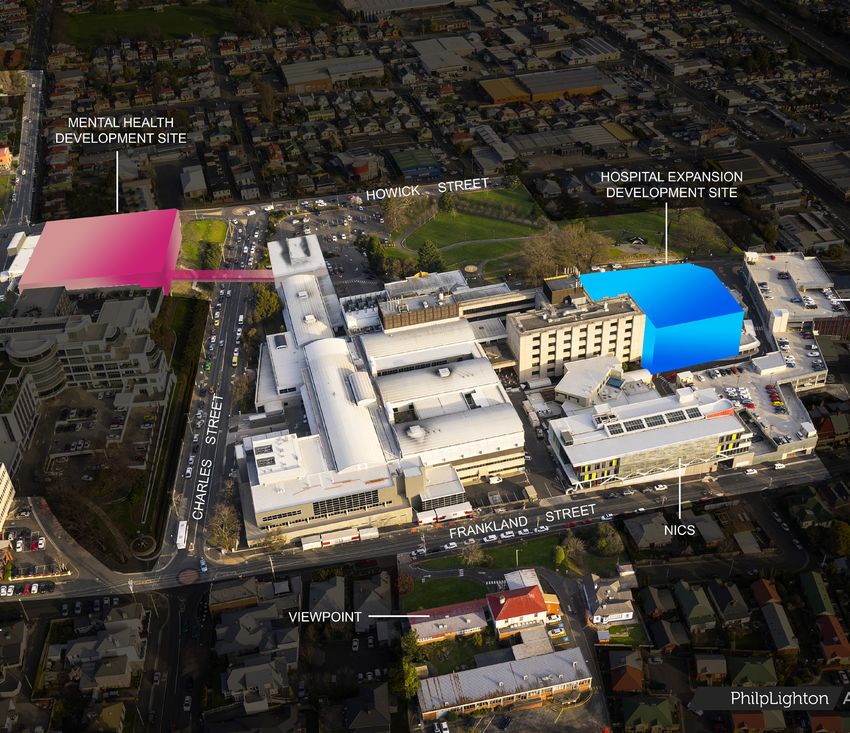
1. Introduction
                                           Building on a hospital site is challenging and it is important that all development
  This Masterplan presents a roadmap       works are planned carefully to minimise disruption to service delivery and impacts
  for the development of the               on patients and staff. That is why this Masterplan proposes a staged approach to
                                           development, in a sequence that facilitates orderly demolition and construction,
  Launceston General Hospital (LGH)
                                           limits double decanting, and capitalises on and maximises clinical links.
  precinct over the next 20 years. It is
                                           This Masterplan takes into consideration that health services will change over time,
  informed by what we know about           as care models and service priorities evolve and as advancements in technology are
  current and future demand pressures,     made. We must be responsive to the changing needs of the community we serve
  service growth, the condition of         and to our workforce, with a constant focus on improving patient outcomes.

  our assets and what we have heard
                                           1.1 Vision and objectives
  from the community, staff, other
                                           The strategy outlined in this Masterplan is designed to make the best use of land
  service providers and our partner        and buildings and to maximise development opportunities on the LGH precinct to
  organisations about what is important    support the delivery of safe, high quality healthcare now and into the future. The
                                           Masterplan provides a framework to address projected demand for clinical services
  to them.
                                           as well as issues identified with current infrastructure in the short, medium, and
                                           longer term.

                                                                    LAUNCESTON GENERAL HOSPITAL PRECINCT MASTERPLAN - OCTOBER 2021 - 3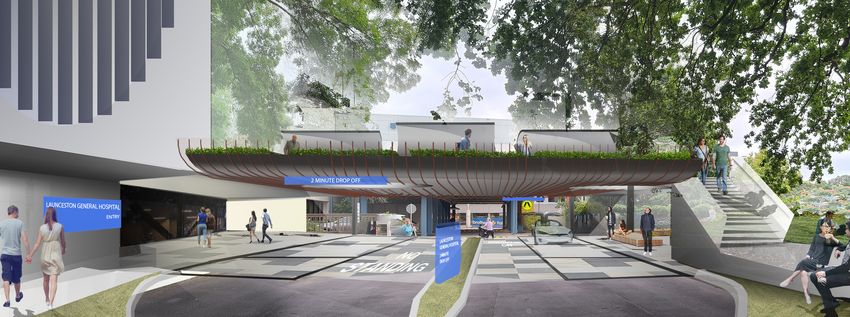
The broad objectives for the LGH precinct are to:      1.2 Background                                               In late 2019, the Department of Health began
                                                                                                                                      developing a Masterplan for the LGH precinct, to
                     • provide contemporary and well-designed            In 2018, the Tasmanian Government committed to
                                                                                                                                      guide how the remainder of the funding will be
                       facilities that effectively enable health         a major redevelopment of the LGH and allocated
                                                                                                                                      allocated and to develop short, medium and long-
                       service delivery                                  more than $87 million for new capital projects. This
                                                                                                                                      term expansion and redevelopment solutions that
                                                                         funding has enabled the progression of some key
                     • improve patient and visitor amenities,                                                                         will enable staged growth to meet service demand
                                                                         infrastructure priorities including:
                       wayfinding, and pedestrian and vehicle                                                                         and funding availability. The COVID-19 pandemic
                       circulation                                          • expanding and enhancing the scope of the                disrupted these planning processes, but work was
                                                                              Charles Street tower development to provide             able to resume in late 2020 to develop and refine
                     • unlock development potential on the site to                                                                    the options outlined in this Masterplan.
                                                                              additional floors of clinical space
                       create more space to modernise the hospital
                       and accommodate future growth                        • upgrading critical core infrastructure                  The Government has committed to the next stages
                                                                                                                                      of the Launceston General Hospital redevelopment
                     • provide more space for staff learning and            • installing new negative pressure rooms in the           masterplan, with a $580 million major investment
                       collaboration activities                               Acute Medical Unit                                      over 10 years to meet future demand.
                     • ensure the maximum economic, social, and             • upgrading the 39 Frankland Street building.
                       environmental benefit to the public from any
                       potential public investment in infrastructure.

                  This Masterplan also aims to achieve balance
                  between rapid delivery of improved facilities and
                  the best long-term outcome. It recognises that
                  increasing service delivery capacity in the short
                  term is often the most pressing need. However, it
                  must be considered in the context of a longer-term
                  strategy as well as non-infrastructure alternatives,
                  such as new models of service delivery and
1. Introduction

                  technology solutions.

                                                                                                                       LAUNCESTON GENERAL HOSPITAL PRECINCT MASTERPLAN REPORT – OCTOBER 2021 – 4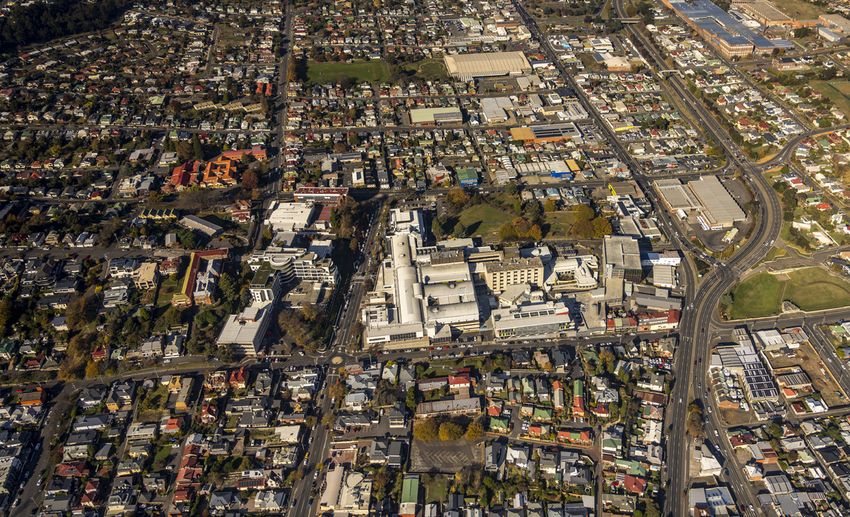
1.3 Principles
                  The following principles have been used to establish the foundations of a Masterplan that is forward-thinking and focused on the total needs of the precinct.
                  Where there are competing priorities and limited resources, these principles help to develop, assess, and refine options.

                       Consumer centred                   Functional and connected            Flexible and sustainable                    Deliverable                   Optimises use of total
                                                                                                                                                                       health system resources

                   • Developments are informed by         • Developments improve the         • Future buildings are inherently   • Developments are affordable        • Developments provide value
                     current and future health needs        efficiency of operational          flexible and long life, able        and achievable.                      for money.
                     of the community.                      relationships.                     to respond to advances in         • Coordinated and time-efficient     • Non-infrastructure solutions to
                   • Future buildings enable safe,        • Clinical and support service       healthcare, technology, new         build programs are able to be        service needs are considered.
                     contemporary, effective and            zoning promotes connectivity,      models of care and patient          designed and delivered.
                                                                                               needs.                                                                 • Maximum benefit is derived
                     efficient models of patient            safety, and effectiveness.                                           • Construction works can be            from any previous investments.
                     care and are designed to             • Seamless patient journeys are    • Developments deliver the            delivered while maintaining
                     meet the accessibility needs of                                           required quality of design                                             • Focus is given to whole-of-life
                                                            facilitated.                                                           clinical functionality.              rather than just initial capital
                     consumers, visitors and staff.                                            and contribute to wider
                                                          • Interprofessional connectivity     environmental, social, and        • Service interruptions and            costs.
                   • New facilities are designed to         and learning are supported.                                            impact on patients, staff, and
                     contribute to the process of                                              economic sustainability.                                               • Opportunities for partnership
                                                                                                                                   visitors are considered in           are pursued.
                     healing and with regard to:                                                                                   planning decisions.
                     • the safety, privacy, and dignity
                       of patients, staff, and visitors
                     • the diverse needs, values, and
1. Introduction

                       circumstances of consumers,
                       including their race,
                       religion, gender, age, sexual
                       orientation, and any disability.

                                                                                                                                 LAUNCESTON GENERAL HOSPITAL PRECINCT MASTERPLAN REPORT – OCTOBER 2021 – 5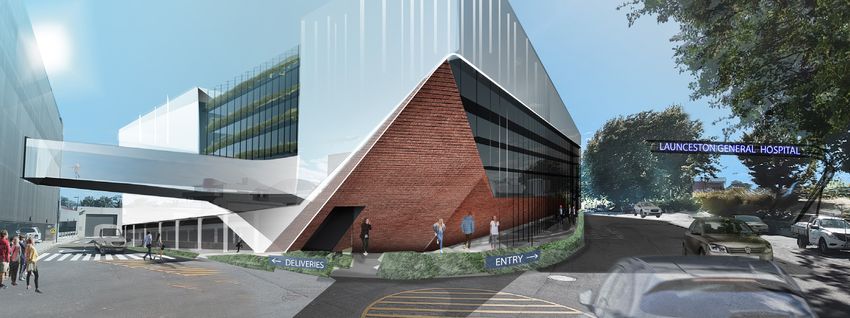
1.4 Methodology                                               • assessment of whole-of-site building services             1.5 Stakeholder engagement
                                                                                  and critical infrastructure, considering its ability
                  A consultative process has been taken to develop                                                                          In late 2019, the Northern Reference Group was
                                                                                  to support expansion and corrective actions
                  this Masterplan in the following broad phases:                                                                            formed to help guide and inform the Masterplan
                                                                                  required
                                                                                                                                            process, and clinical service planning began.
                  Understanding the current and future service
                                                                                • determination of opportunities and constraints            The Northern Reference Group comprises
                  context through:
                                                                                  of future development of the precinct.                    representatives from the LGH Executive team, the
                     • an analysis of hospital utilisation data, including                                                                  Northern Consumer and Community Engagement
                                                                             Determining the best use of the land and buildings
                       the number and nature of hospital admissions,                                                                        Council, the Australian Nursing and Midwifery
                                                                             to help address emerging service and infrastructure
                       emergency department presentations,                                                                                  Federation (ANMF), the Australian Medical
                                                                             challenges and identify options that include:
                       outpatient activity and operating theatre                                                                            Association (AMA), the Health and Community
                       utilisation                                              • service model changes as an alternative to                Services Union, and the Department of Health
                                                                                  infrastructure investment                                 Infrastructure Services.
                     • consultation with clinical staff, support staff and
                       volunteers of the LGH, members of the public,            • no building work at all, including the                    Early in the planning process, stakeholder
                       community and consumer representatives,                    decommissioning and potential demolition of               consultation was undertaken with clinical
                       local healthcare providers, key partner                    existing buildings                                        staff, support staff and volunteers of the LGH,
                       organisations, the Northern Reference Group,                                                                         members of the public, community and consumer
                                                                                • relocating or reassigning functions within the            representatives, local healthcare providers, key
                       and executive members of the LGH and the
                                                                                  existing precinct buildings                               partner organisations, and executive members of
                       Department of Health and Tasmanian Health
                       Service                                                  • refurbishing existing buildings                           the Department of Health and Tasmanian
                                                                                                                                            Health Service.
                     • a literature review of models of care and an             • new capital developments.
                       analysis of workforce priorities.                                                                                    A public submission process was undertaken from
                                                                                                                                            December 2019 to February 2020 and a series
                  Assessment of existing assets to understand their                                                                         of focused workshops were held in early March
                  condition and suitability to support service delivery,                                                                    2020 with clinical service groups and partner
                  including:                                                                                                                organisations. A copy of the consultation findings
1. Introduction

                     • site investigation and analysis of whole-of-site                                                                     summary report is available here.
                       physical capacity for expansion

                     • identification of opportunities and constraints
                       of current physical assets

                                                                                                                             LAUNCESTON GENERAL HOSPITAL PRECINCT MASTERPLAN REPORT – OCTOBER 2021 – 6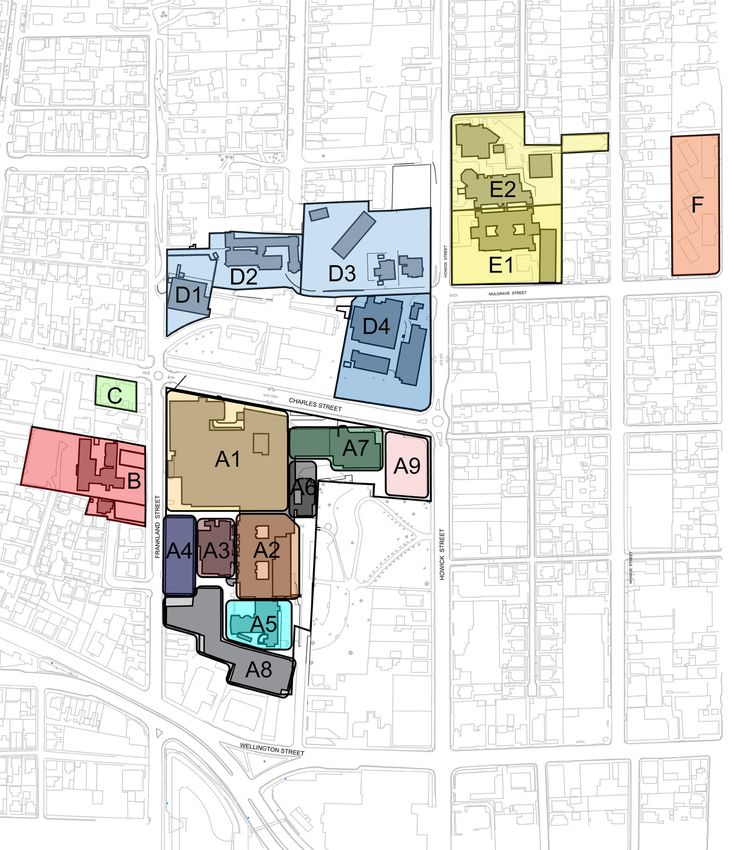
Draft Masterplan - public consultation                  meet contemporary standards. Stakeholders also
                                                                          expressed a strong desire to receive information
                  Input from the early consultation process was
                                                                          about upcoming developments and to be involved
                  used to formulate a Draft Masterplan, which was
                                                                          in the planning of them.
                  launched by the Minister for Health for public
                  consultation on 28 May 2021 and published on the        Feedback from this consultation process has
                  Department of Health website. A survey link was         informed some minor updates to the Masterplan
                  provided on the website and in all communication        and will be used as the next stages of detailed
                  materials, for people to register their interest in a   planning. Communication and engagement activities
                  focus group and/or provide feedback.                    will also be revised in response to feedback. All
                                                                          stakeholder input, questions and advice received
                  A range of activities occurred during the
                                                                          has been recorded for use as we move through
                  consultation process to seek feedback from
                                                                          the planning and implementation phases.
                  stakeholders on the Masterplan including
                  correspondence and meetings with key stakeholder
                  groups, staff communiques, onsite information
                  booth, reference group meetings, stakeholder
                  information and focus group sessions. Feedback
                  from the joint ANMF/AMA member survey on their
                  understanding of the Masterplan process, their key
                  priorities and any challenges or opportunities that
                  they were able to identify was also received during
                  the consultation process.

                  In general, stakeholder feedback indicated broad
                  support for the Masterplan principles and planned
                  developments, with much of the feedback echoing
                  previous findings from earlier facility planning
1. Introduction

                  consultation and assessments, covering a wide
                  range of general issues such as accessibility and
                  car parking, storage, improving staff amenity
                  across the campus and delivering facilities that

                                                                                                                   LAUNCESTON GENERAL HOSPITAL PRECINCT MASTERPLAN REPORT – OCTOBER 2021 – 7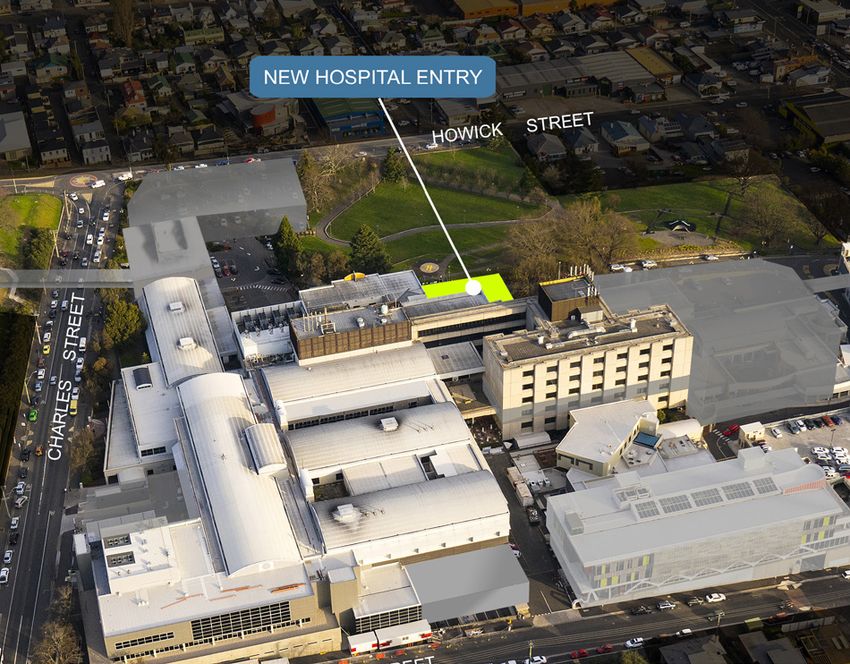
1.6 Scope
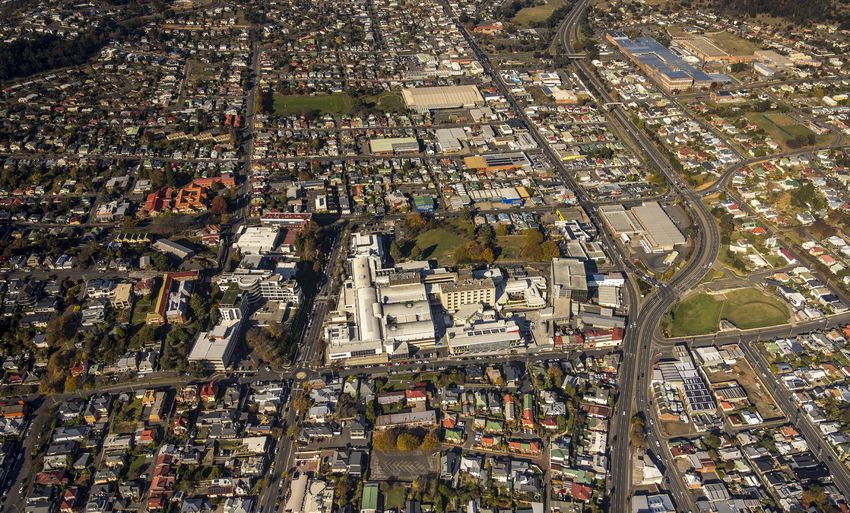
                  The scope of this Masterplan includes the main
                  LGH campus and its surrounding sites and buildings:

                  A1-9:     Main hospital campus

                  B:        Viewpoint

                  C:        Spur Wing

                  D1:       39 Frankland Street

                  D2:       Old Nurses’ Home
                                                                              Char le
                  D3:       Holman Clinic Accommodation and                                s Stree
                            Gardener’s Cottage                                                        t
                  D4:       Anne O’Byrne

                  E1:       Allambi and Mulgrave Street

                  E2:       John L Grove and Northern Dental

                                                                                                                    Howick Street
                            Service

                  F:        Nalumi Flats

                                                                        Frankland Street
1. Introduction

                                                                                                                                     Fig 1. Existing LGH precinct

                                                                                           LAUNCESTON GENERAL HOSPITAL PRECINCT MASTERPLAN REPORT – OCTOBER 2021 – 8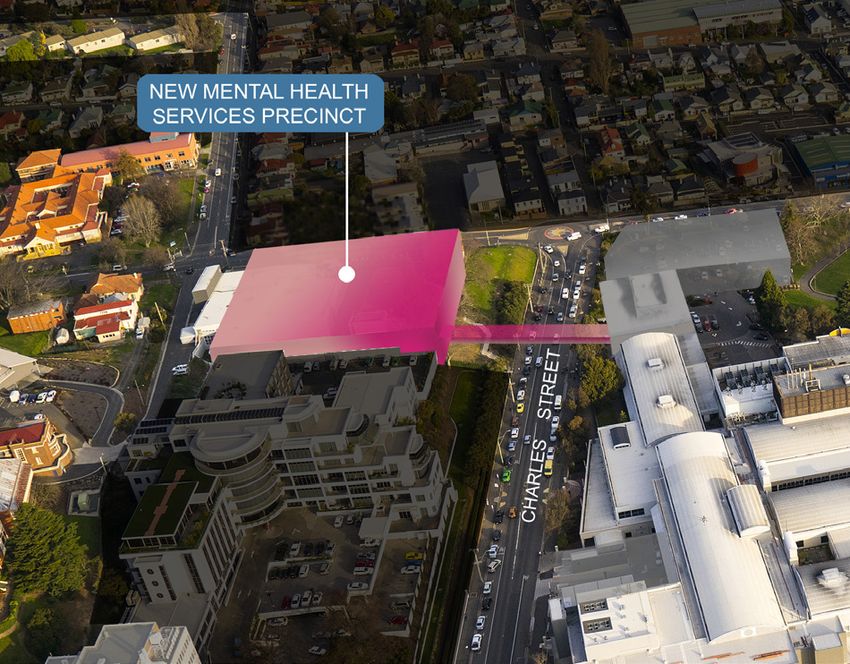
2. Strategic          2.1 Role of the LGH

    planning context   It is important that health services are considered and planned for in the context of the
                       statewide Tasmanian public health system.

                       As the major hospital for its primary catchment area of greater Launceston and the
                       North East, and as the principal referral hospital for the North West and West Coast
                       regions, the LGH provides acute care, including emergency, intensive care, and in-patient
                       services; maternity services; outpatient clinics; and community and sub-acute services.
                       Community and outpatient services include allied health, nursing, health promotion,
                       home care, and palliative and aged care services. These services are provided from
                       community health centres and rural facilities, as well as at the LGH.

                       A review of the current level of services delivered at the LGH has shown that this
                       clinical service profile is appropriate for the type of care required and the projected
                       number of patients into the future. It also shows that the LGH provides a high level
                       of self-sufficiency for the clinical needs of its community, with good links to specialist
                       treatment in Hobart or interstate where appropriate.

                       As an accredited teaching hospital, the LGH has a close partnership with the University
                       of Tasmania through the Launceston Clinical School and the School of Nursing
                       and Midwifery based in Launceston. Research and innovation are encouraged and
                       supported throughout the hospital with research sponsored by the Clifford Craig
                       Medical Research Trust.

                       Refer to the Tasmanian Role Delineation Framework and Clinical Services Profile for
                       more information of the clinical service profile of the LGH and other major hospitals.

                                                     LAUNCESTON GENERAL HOSPITAL PRECINCT MASTERPLAN - OCTOBER 2021 - 9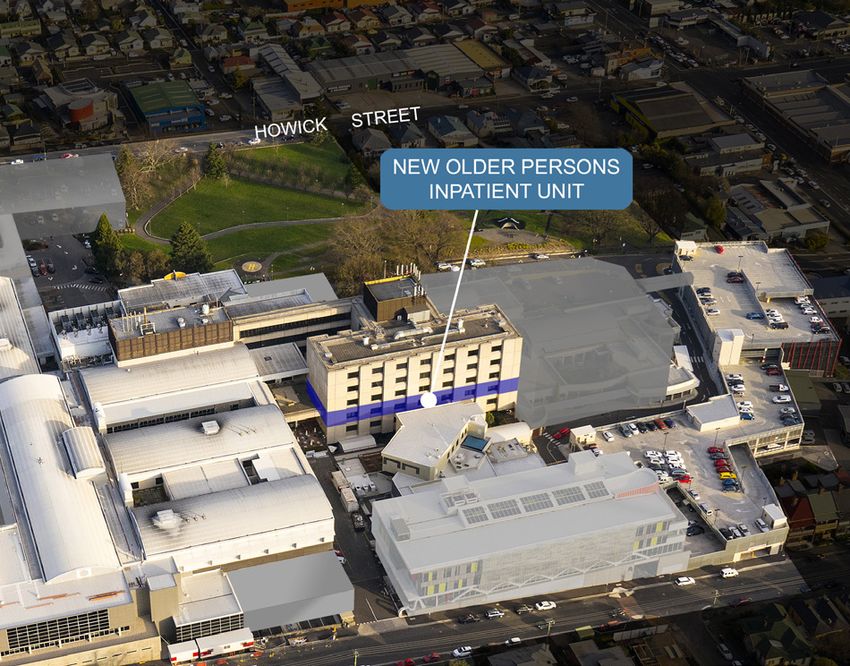
2.2 Demographics
                                Overall, Tasmania has unique social and
                                demographic factors, including an ageing population
                                and a high number of people living with multiple,
                                significant health conditions, which are a major
                                cause of the projected increases to service demand.

                                The estimated population growth for the LGH
                                primary catchment is relatively low; with the
                                population projected to rise 2.6%, from 144,603 in
                                2018 to 148,402 in 2036. However, the projected
                                increase in the number and proportion of patients
                                aged over 70 years of age will present a major
                                challenge for the public health system in the
                                Northern region over the next 20 years.

                                Currently the cohort of patients aged over 70 years
                                of age occupy 40% of total occupied bed days in
                                Northern Tasmania but this is projected to increase
                                to 60% of total occupied bed days by 2036. This
                                demographic change will have a significant impact
2. Strategic planning context

                                on overall future service demand. Data from 2018-
                                19 showed that residents of the LGH’s primary
                                catchment made up 83% of admissions, with a
                                further 14% of patients from the North West and
                                West Coast and the remainder comprised of those
                                from Southern Tasmania, interstate and overseas.

                                                                                      LAUNCESTON GENERAL HOSPITAL PRECINCT MASTERPLAN REPORT – OCTOBER 2021 – 10
2.3 Our Healthcare Future The development of the Our Healthcare Future Plan The important role of clinical service planning as
will be underpinned by an evidence-based approach, a key driver of future infrastructure investment will
Following the release of Our Healthcare Future
which includes statewide clinical services planning be supported by the establishment of a Statewide
Immediate Actions and Consultation Paper in late
and detailed modelling of Tasmanians’ current and Clinical Senate to provide expert advice on health
2020, in July 2021, the Tasmanian Government
future health needs. service planning.
released Stage Two of Our
Healthcare Future, which This work will be led by an Expert Advisory Group,
outlines the long term health including representatives from key stakeholder
2.4 Clinical service planning findings
reform agenda for the State. groups including health consumers, clinicians, A clinical service planning exercise was undertaken
The Policy has a focus on academia, primary health and social services, for the LGH, to inform the consideration of
connecting and rebalancing together with senior members of the Department. infrastructure development options for the
care across our acute, sub- Masterplan. Many of the recommendations of the
This Masterplan has been designed to be responsive
acute, rehabilitation, mental LGH Clinical Service Plan report relate to the
to the priorities in the forthcoming Our Healthcare
health, and primary health implementation of new service models, with
Future Plan and to other future service changes by
sectors, through to care in a focus on changes to models of care, with
ensuring that new developments are future-proofed
the community. increasing delivery of care in the community and
and can be delivered in stages. In the short term
closer to the home. The recommendations will be
It points to opportunities to improve the and while new service models are being developed
considered through the implementation of Our
sustainability of our hospitals and the health of our and implemented, additional space for hospital-
Healthcare Future.
community, underpinned by increased availability of based care is provided in this Masterplan.
primary and community care. Where appropriate From the comprehensive range of
One of the immediate actions outlined in Our
2. Strategic planning context
and safe to do so, this will include alternatives to recommendations provided in the LGH Clinical
Healthcare Future is to develop a 20 year Health
hospital care that are delivered in the community, Service Plan report, the recommendations that
Infrastructure Strategy for Tasmania, to ensure health
closer to home. have direct impacts for infrastructure decisions are
facilities enable the delivery of the right care, in the
detailed in the following tables. These key findings
Our Healthcare Future outlines opportunities for right place, which will improve access to quality
have helped inform the direction of the LGH
reform under its three key improvement areas: healthcare and help manage service demand on
Masterplan and the proposed major developments.
Better Community Care; Modernising Tasmania’s our hospitals.
The Masterplan also recognises that the future
Health System; and Planning for the Future.
Once finalised, this LGH Masterplan will support service model will need to respond to changing
In alignment with the key themes that emerged the Health Infrastructure Strategy, which will provide needs over time, and therefore that the Masterplan
during the consultation, the next phase of these a statewide framework for ensuring our health must be flexible, to respond to these future changes.
reforms is to engage in co-design to develop a new infrastructure is flexible, scalable, adaptable and
Click here to read the full clinical service
long-term plan for healthcare in Tasmania, to build responsive to changing models of care.
planning reports.
an integrated and sustainable health service.
LAUNCESTON GENERAL HOSPITAL PRECINCT MASTERPLAN REPORT – OCTOBER 2021 – 11Managing current service pressures
Issue Findings Recommendations
Improve care Medical inpatients with complex • A secure older persons’ unit is established to support the provision of safe and appropriate care for behaviourally
for medical chronic diseases and mental health complex older medical patients.
inpatients co-morbidities are at particular risk of
likely to extended hospital admissions, which
experience can be associated with poorer clinical
long lengths of outcomes for them and reduced access
stay
to services for other patients.
Improve Patients with mental health needs • A new purpose-built, mental health facility that co-locates inpatient acute care, community crisis care, and
access and require timely access to services in an community mental health services is developed, with service integration supported by co-locating Mental Health
integration of appropriate and accessible care setting Services, Alcohol and Other Drug Services and Forensic Mental Health Services.
mental health that has a substantial community-based
services presence.
Priorities for LGH facility improvement
Issue Findings Recommendations
Modernisation The current mental health inpatient • Refurbished wards should include:
2. Strategic planning context
facilities (Northside) and the medical • support for bedside models of care and line-of-sight monitoring
ward facilities (D Block) should be
prioritised for a complete refurbishment • an increased number of single rooms and isolation rooms
to support contemporary models of • improved air handling and segregation in line with contemporary infection control
care.
• flexible shared therapy spaces to support the provision of allied health services and emerging allied health-led
models of care
• sufficient storage for medical equipment, beds, linen, and medications
• pneumatic tube delivery capacity.
LAUNCESTON GENERAL HOSPITAL PRECINCT MASTERPLAN REPORT – OCTOBER 2021 – 12Issue Findings Recommendations
Expansion Medical imaging, procedural cardiology, • Increase footprint of Medical Imaging to accommodate a second CT scanner (with capacity to add a third within
the day procedure unit and pathology 10 years); an expanded and improved ultrasound space; a patient waiting area equipped with wall oxygen/suction,
should be investigated for service emergency call bells, and disabled toilet facilities; and capacity to add a second MRI within five years.
footprint expansion as a priority. • Increase ambulatory capacity for procedural cardiology services. A purpose-built cardiac angiography space that
accommodates two suites, located in the Medical Imaging Department or within the surgical theatres complex, may
be required to meet increasing demand.
• The Day Procedure Unit requires an increased footprint to accommodate a designated admissions area, improve
patient flow and expand the current intake and recovery spaces.
• Pathology requires additional space for phlebotomy and consultant spaces. Establish satellite sites for blood and
sample collection away from the main pathology area in areas of high-demand such as the Holman Clinic. Changes
in service profile may change pathology space needs. For example, introducing local stem cell transplant preparation
may increase space requirements, while centralising coronial autopsies to Hobart within five years will reduce LGH
anatomical pathology and mortuary capacity requirements.
Improved The LGH precinct requires improved • Increase access to affordable parking close to care, particularly for patients with mobility constraints.
access patient and staff access. • Improve wayfinding within the precinct, especially on the main campus.
• Increase access to green space particularly for sub-acute care, palliative care and patient/family waiting areas.
Service improvement and reform
2. Strategic planning context
Issue Findings Recommendations
Building The LGH Masterplan provides an • Invest in facilities, infrastructure, and models of care that support quality, patient-centred, integrated care, as close to
capacity opportunity to support service home as possible.
beyond the improvement and reform in Northern
walls • Maintain the current inpatient capacity of the LGH and build additional capacity through increased community-based
Tasmania. services, home-based services, telehealth enabled care, and care-sharing arrangements with other providers.
• Investigate opportunities for a co-located private hospital, to help build the local health workforce, sustainably
broaden clinical service provision, and increase flexibility in response to local health needs.
• Reduce congestion on the main campus site and improve patient access by relocating less time-critical services and
functions from the main campus to the outer precinct.
• Co-locate services that share patient care groups, to facilitate improved service integration.
LAUNCESTON GENERAL HOSPITAL PRECINCT MASTERPLAN REPORT – OCTOBER 2021 – 133. Infrastructure
planning context
The LGH is one of the oldest hospitals in Australia
and began operating in 1806 in a convict military
hospital tent. On 14 May 1863, a 102-bed hospital
facility was opened and named the LGH (located
east of Charles Street). Between 1937 and 1942 a
replacement hospital was constructed on what is
now the Mantra Charles Hotel site. In 1981 the first
stage of the ‘new hospital’ on the current site was
completed west of Charles Street.
LAUNCESTON GENERAL HOSPITAL PRECINCT MASTERPLAN REPORT – OCTOBER 2021 – 143.1 Main campus As a hospital that was planned in the early 1980s, More information on the building stock is available
the structural grid of the main campus is compatible in the draft health facility and architect report.
Since opening, it has undergone several considerable
with the space standards applicable at the time.
vertical and horizontal expansions: For those buildings and sites not identified in this
However, the structure places significant restrictions
Masterplan for repurposing or redevelopment, the
• 1986 expansion of the Holman Clinic – on any expansion, refurbishment or repurposing
Department of Health’s strategic asset management
outpatient Medical Oncology, Radiation of existing departmental areas in relation to both
plan will determine how these buildings will be used
Oncology and Clinical Haematology services, the structural grid and the floor to floor heights.
and maintained to support service delivery.
including commissioning of three linear There are particular limitations on expanding
accelerators inpatient unit capacity. The inflexibility of the precast
concrete façade system also restricts refurbishment
• 1996 the Queen Victoria Hospital (Maternity) of existing areas. Any recent refurbishments and
moved to the LGH site vertical expansions have therefore had to work
• Between 2009 and 2012 several expansions around the existing constrictions and provide a ‘best
were implemented fit’ option with compromises to current standards.
- Expansion of the Department of The main campus site has now reached a point
Emergency Medicine where there is limited viability or opportunity to
further expand without redevelopment of existing
- A new Acute Medical Unit building footprints.
3. Infrastructure planning context
- A new Ambulatory Care Unit
3.2 Other buildings
- Expansion of Levels 4 and 5 above the
The buildings surrounding the main campus range
Emergency Department, including ICU
in age, condition, and suitability for purpose. Some
expansion and operating theatres
buildings are at the end of their useful life, are
- The Launceston Health Precinct expensive to maintain and unsuitable for clinical
multi-level car park and support service delivery. Others have received
upgrades over time and are fit for purpose and/
- The Northern Integrated Care
or could be improved in the short term at an
Services (NICS)
acceptable cost until major developments on the
• In 2018, the expansion of ward 4K and precinct are implemented.
subsequent development of the Charles
Street tower
LAUNCESTON GENERAL HOSPITAL PRECINCT MASTERPLAN REPORT – OCTOBER 2021 – 153.3 Facility planning findings
Findings and recommendations from assessment of the design and functionality of the precinct sites and buildings are summarised below and have helped to inform
the direction of the Masterplan and the proposed major developments.
Issue Findings Recommendations
Inpatient unit The floorplate of the inpatient units was built to the • Increase physical footprint of inpatient units to:
modernisation relevant standard at the time of construction. - comply with modern standards for hospital inpatient unit
To meet contemporary standards of hospital
accommodation and enable contemporary models, - increase percentage of single bed rooms
an expanded footprint is required. - include appropriate clinical support accommodation (e.g. allied health and pharmacy
services)
- improve supplies and storage capacity.
Expansion There is limited space on the main campus to expand • Unlock the Northside site on the main campus to expand the footprint of the
and modernise the hospital. The majority of clinical main campus.
departments on the main campus that require • Establish a future expansion zone beyond the 20-year Masterplan.
expansion and refurbishment are landlocked with no
viable options available to gain additional space needed.
Wayfinding There are a range of factors that make it difficult • Establish a new heart for the main campus, located centrally in the site and creating a hub
for visitors to navigate through the hospital precinct, where visitors can be provided with facility information and orientate themselves.
including lack of main orientation point, fragmented
3. Infrastructure planning context
• Through the circulation system, link up multiple entrances to the new hub. The hub should
zoning, physical disconnection, lack of distinct visual be spacious to allow for a large number of people and reinforce readability of space.
cues and confusing signage.
• Create a central movement corridor east to west, south to north with connection to
carparks.
• Establish dedicated services corridor and services lift system, separate from the visitors’
corridor and lift system.
Accessibility Maximise physical access to the hospital precinct to • Ensure future development plans meet accessibility requirements for consumers, visitors
meet the accessibility needs of consumers, visitors, and and staff.
staff, and to improve vehicle access and pedestrian • Divert traffic away from Charles Street by creating a new front entry and a dedicated
circulation. hospital drop-off for visitors.
• Provide integrated vehicle parking solutions.
Office space As activity and the number of clinical departments have • Develop an accommodation plan for administrative functions, including assessment of
increased, the number of offices/workspaces for clinical administrative functions that could occur off the main campus to free up space.
and support staff has not increased.
LAUNCESTON GENERAL HOSPITAL PRECINCT MASTERPLAN REPORT – OCTOBER 2021 – 16Issue Findings Recommendations
Maximise use of Some of the buildings and land surrounding the main • Consider re-using and/or repurposing existing buildings that:
precinct assets campus are suitable for repurposing or development • are structurally sound
to help reduce congestion on the main campus.
• are compliant or can cost-effectively and readily be made compliant with current building
codes
• are located so as not to have a negative impact on the achievement of a functional and
operationally efficient site
• have floor plates and structural grids of a size and configuration that offers flexible
accommodation
• provide floor to floor heights that can accommodate the planned uses.
• Make upgrades to the Allambi building to provide additional clinical space until major
precinct redevelopment.
• Maintain the John L Grove and Northern Dental Service for their current use.
Connectivity / Developing clear and distinct zoning across the precinct • Group like, compatible, and relatable services and activities (clinical and support) to
integration will help to increase efficiency, ensure important clinical improve efficiency of hospital departments and strengthen synergising relationships.
connectivity is maintained and improve wayfinding.
Greenspace Patients, staff and visitors would benefit from • Promote connection with nature into all aspects of hospital design.
connectivity to the natural environment through nature, • Develop a better connection with Ockerby Gardens.
space, and place – natural lighting and access/views to
3. Infrastructure planning context
nature.
Promote healthy Provide staff and visitor amenities and spaces that • Promote health and wellbeing through urban design.
people spaces promote health and wellbeing. • Improve end of trip facilities.
• Create collaborative working environments for staff and students.
• Support learning and research.
Storage There is a lack of appropriate storage capacity across • Ensure all future developments include an assessment of storage needs and capacity.
most clinical departments for essential supplies and
equipment.
Ancillary and support Ensure ancillary and support spaces are designed to • Ensure that future developments consider the clinical department’s staffing establishment,
spaces meet the needs of the relevant clinical department, to ensure sufficient offices and workspaces.
to provide sufficient staff offices and workspaces, and • Develop an accommodation plan for administrative functions, including an assessment of
storage for essential supplies and equipment. administrative functions that could occur off the main campus to free up space.
• Ensure all future developments include an assessment of the clinical department’s storage
needs, to ensure appropriate capacity to store essential supplies and equipment.
LAUNCESTON GENERAL HOSPITAL PRECINCT MASTERPLAN REPORT – OCTOBER 2021 – 173.4 Service and infrastructure priorities There will be a need for additional physical bed Developing on a hospital site
capacity while the necessary service changes are Major refurbishments and expansions of existing
During the Masterplanning process, additional
made. This physical capacity is provided for in this hospital sites are complex, expensive and time
immediate service priorities that have infrastructure
Masterplan. However, should these service changes consuming. They create service disruptions,
implications have emerged, and these have been
not be implemented, significantly more space on excessive noise, vibration, and dust which affects
considered in the Masterplan.
the main campus will be required to provide the all adjacent areas. Extra care is required in the
• A new 10-bed, five-chair coronary care unit projected additional bed capacity to contemporary planning phase to ensure that any planned works
health facility standards. are appropriately scoped, practical, and achievable.
• Relocation of Infusion Services from the Day
All proposals outlined in this Masterplan are subject
Procedure Unit Co-located private hospital
to detailed site investigation, feasibility assessments
• Establishment of a Neurology Service In December 2017, Calvary Health Care submitted and clinical service planning. They may need to be
an unsolicited bid to the Tasmanian Government adjusted or replanned if not considered viable.
• Review of space requirements for Specialist to build a new private hospital, co-located with
Clinics, noting that at the time of developing the the LGH. Since the release of the LGH Precinct
Masterplan, a review of the service models and Masterplan consultation draft, the Tasmanian
governance arrangements for Specialist Clinics Government has signed a Memorandum of
is underway and the outcomes will inform the Understanding (MOU) with Calvary Health Care
final Masterplan to accelerate the delivery of their $120 million
co-located private hospital on the Viewpoint site
3. Infrastructure planning context
3.5 Planning assumptions and adjacent to the LGH.
constraints
At the time of publishing the final Masterplan,
Service model changes Calvary is yet to confirm the clinical services it
The physical life and use of the buildings extend over plans to deliver. The Department’s negotiations with
many changes in health policy, practice, technological Calvary Health Care are ongoing, and opportunities
advances, demographic trends, epidemiological for shared infrastructure, clinical and support
developments, and public expectations. While this services will be investigated through this process.
Masterplan is designed with some flexibility, it has
The Masterplan includes the flexibility to respond
been informed by recommendations from the
to changes on and surrounding the LGH precinct.
clinical service planning analysis and directions of
Infrastructure decisions will be based on evidence,
Our Healthcare Future. Both identified the need for
and consider the relevant context to ensure that
additional capacity to be built in the community and
strategic solutions are achieved. This includes
home-based care settings to address current and
investigation of opportunities arising from a
future hospital bed pressures.
co-located private hospital.
LAUNCESTON GENERAL HOSPITAL PRECINCT MASTERPLAN REPORT – OCTOBER 2021 – 184. The Masterplan
LAUNCESTON GENERAL HOSPITAL PRECINCT MASTERPLAN REPORT – OCTOBER 2021 – 19Precinct expansion capacity
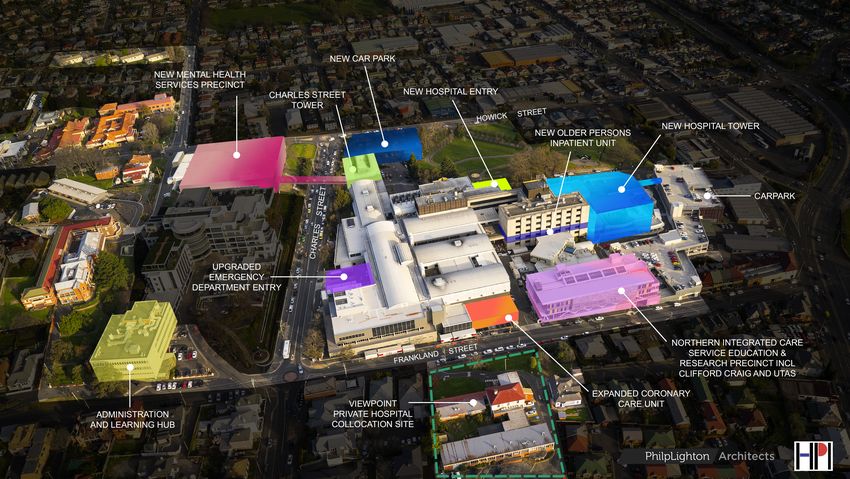
There are two sites on the LGH precinct that have
been assessed as highly suitable for redevelopment.
These are underutilised sites with design and
functionality constraints that, over time, will be
costly and impractical to rectify.
The site on the corner of Charles and Howick
Streets, which is currently used for administration
and supply activities, offers a prime development
site. It is suitable for a new mental health
services precinct.
This would allow the acute mental health unit
(Northside) to be relocated from the main
campus, freeing up the Northside site for a major
hospital expansion and modernisation.
4. The Masterplan
Fig 2. LGH precinct expansion capacity
LAUNCESTON GENERAL HOSPITAL PRECINCT MASTERPLAN REPORT – OCTOBER 2021 – 204.1 New mental health services precinct
Fig 3. New mental health services precinct Fig 4. Artist impression of inpatient unit bedroom (concept only) Fig 5. Artist impression of dining and lounge rooms viewed from
nurses’ station (concept only)
A new, purpose-built mental health precinct on The precinct would be directly connected to the
the Anne O’Byrne site will enable the provision hospital via an airbridge, allowing transportation of
of safe and therapeutic, recovery-oriented care patients, services traffic, and rapid deployment of
and will be co-designed with consumers and staff. the medical emergency team from the main campus
It will be designed to enhance privacy and dignity, (Code Blue) where required. This development
with a range of spaces for patient, family, carer and consolidates services and staff from several
staff use. locations on the LGH precinct. It unlocks a prime
development site on the main campus to enable
The concept plan is an L-shaped facility with two
expansion and development of the hospital.
connected buildings. On the Charles Street side
would be a ground floor inpatient service with
4. The Masterplan
courtyards, single rooms and flexible spaces. The
community/outpatient mental health services
(child and adolescent, adult, older persons and
forensic mental health) and alcohol and other
drug services would be provided from the
Howick Street side.
LAUNCESTON GENERAL HOSPITAL PRECINCT MASTERPLAN REPORT – OCTOBER 2021 – 214.2 New tower on the main campus
Fig 6. New hospital tower development Fig 7. Artist impression of new Northside tower site from Cleveland Street (concept only)
The Northside site represents a major development main LGH internal circulation (main street), with on Level 1 and Allied Health Services on Level 2.
opportunity and is the key to unlocking space large and flexible floor plates on the existing main Space for outpatient clinics and/or a primary health
for expansion on the main campus. The area campus site. It would connect to the existing hub (supporting new models of multidisciplinary
occupied by Northside is currently underutilised, inpatient unit tower (D Block), which would be integrated care for people with complex chronic
housing one mental health ward of 20 beds with refurbished and expanded to increase the number conditions) could be provided on Level 3 of this
a small administration area on the level above. R of single rooms, without reducing the number of development. A pedestrian link from the Northside
Block, which accommodates allied health offices overall beds in the ward. The Northside tower tower direct to the existing hospital main
and orthotics/prosthetics on Level 2 and the would also be expanded southward towards the east-west street and to the multistorey car park
rehabilitation ward on Level 3, is also underutilised Ockerby Gardens to enable a second inpatient would be included in this development. More
and requires extensive refurbishment. The area can unit ward on each floor of the tower. The acute detailed concept floor plans for the Northside
4. The Masterplan
potentially deliver an additional 12,000m² of total rehabilitation ward would be located directly above tower are available in the draft facility planning
floor area to the hospital. the new inpatient ward for medical patients with and architect reports.
complex behaviours on Level 3. The new building
The concept plan for the Northside site is a seven-
would provide for expansion of Cancer Services
storey tower with direct access to the existing
LAUNCESTON GENERAL HOSPITAL PRECINCT MASTERPLAN REPORT – OCTOBER 2021 – 224.3 New older persons inpatient unit
Fig 8. New older persons inpatient unit Fig 9. Artist impression of new older persons inpatient unit (concept only)
The refurbishment of Ward 3D will create for other patients. With an ageing population, these • a generous number of activity and shared
additional inpatient capacity. It will be designed as a additional beds, specially designed to contemporary therapy rooms, preferably with external
dedicated and purpose-built inpatient unit for the standards, are critical to the care of older patients outlook
care of older patients with complex behavioural and to the overall functioning of the hospital.
• visitor/family amenities
needs (e.g. dementia and delirium). This ward
The new unit would be designed to meet • staff work areas, meeting rooms and amenities
currently accommodates a temporary inpatient
Australasian Health Facility Guidelines for the care to support multidisciplinary assessment and
ward to support the Tasmanian Government’s
of older patients, including: treatment plans.
commitment to increase elective surgery.
• a homely environment to assist with
Medical patients who are older, and who have Generally, shared rooms are not recommended.
orientation and comfort
complex chronic diseases and mental health co- However, within the floor-plate size limitations
4. The Masterplan
morbidities, have special needs. The LGH does not • physically distinct but flexible ‘pods’ of beds, of D Block, a maximum of 17 beds split into an
currently have a fixed medical home in the hospital each with their own dedicated support areas 8-bed pod and a 9-bed pod can be achieved if
with the necessary infrastructure to enable best that can be deployed by clinicians to meet the four of the bedrooms were shared 2-bed rooms.
practice care for these patients. These patients are differing care needs of patients Future expansion of the unit is included as part of
at particular risk of extended hospital admissions, the Northside tower development, providing an
• dedicated outdoor activity and exercise areas,
which can be associated with poorer clinical additional 9-bed pod, for a total of 26 beds in
designed to allow patients to wander safely
outcomes for them and reduced access to services this unit.
LAUNCESTON GENERAL HOSPITAL PRECINCT MASTERPLAN REPORT – OCTOBER 2021 – 234.4 New hospital entry
Fig 10. New hospital entry development Fig 11. Artist impression of new hospital drop-off and entry at Cleveland Street (concept only)
There will be a new primary hospital entry point • To the east, the internal street will connect • To the south, the new landscaped forecourt
accessed from Cleveland Street. This will be the to the existing Charles Street entry and the along Cleveland Street will provide a visual
main public drop-off and pick-up point. A new outpatient unit of the Charles Street tower. and physical connection to Ockerby Gardens,
landscaped forecourt will connect the area to the encouraging use of this vast green space by
• To the west, a new link-bridge will span
hospital main entry, which will directly lead into the staff and visitors.
over the road to connect into the existing
centre of the hospital. The Charles Street entry
multistorey carpark.
will be redesigned and will include a dedicated
ambulance and public access point for the • To the north, the centre of the hospital
emergency department. will expand down to Level 2 and create a
new Frankland Street entry. The connection
The new centre of the hospital will include the
4. The Masterplan
from Level 3 to Level 2 will be marked
hospital kiosk, a new main reception/ information
architecturally by a generous central staircase
desk and new seating area. Internal hospital ‘streets’
and a double height internal streetscape,
will be established that span from the central heart
stretching all the way to the new Frankland
of the hospital to simplify visitor circulation inside
Street entry.
the hospital and improve wayfinding.
LAUNCESTON GENERAL HOSPITAL PRECINCT MASTERPLAN REPORT – OCTOBER 2021 – 244.5 New administration and learning hub
Fig 12. New administration and learning hub Fig 13. Breakout and collaboration space (CH Smith building, Launceston)
at 39 Frankland Street
The 39 Frankland Street building provides an A full refurbishment of 39 Frankland Street will be
excellent opportunity close to the hospital to undertaken to create a dedicated administration
consolidate and expand clinical administration, and learning hub. This will include:
education and meeting facilities. As a teaching
• relocation of the nursing education unit and
hospital, spaces to support multidisciplinary
simulation centre as part of a purpose-built,
learning and collaboration activities are critical,
flexible use facility to support education and
but congestion and social distancing requirements
training activities for clinical and support staff
prevent this from being fully supported on the
main campus. There are also various hospital • flexible-use meeting facilities with audio visual
administrative functions that are suitable to be and other technologies
4. The Masterplan
drawn away from the main campus into a central
zone to help free up space for essential clinical • a new administration hub, using open plan
functions. office design principles with a range of quiet
and collaboration zones, consistent with
Tasmanian Government office accommodation
fit-out guidelines.
LAUNCESTON GENERAL HOSPITAL PRECINCT MASTERPLAN REPORT – OCTOBER 2021 – 254.6 Clear zoning
Consolidation of outpatient, inpatient and clinical • Inpatient zone (vertical): medical and surgical • Women’s and children’s zone (vertical and
zoning allows flexibility in the management of inpatient units in a single tower (D Block and horizontal): birthing, neonatal care, women’s
the hospital, enables future expansion, and assists Northside tower) providing future flexibility in inpatient unit, paediatric inpatient unit on
wayfinding for visitors. Distinct, clear zoning of the management of beds based on changing Level 4 and outpatient services in Charles
hospital departments will be established vertically caseload and clinical services profile Street tower
or horizontally and aligned to the hospital circulation
• Emergency and critical care zone (vertical and • Outpatient and allied health zones will be
corridors.
horizontal): emergency department, medical created in several locations to support
• Surgical zone (horizontal): operating theatres, imaging and coronary care unit (CCU) relevant clinical services
day procedure unit, admissions, recovery, short on Level 3 and intensive care unit (ICU) on
• Back of house/hospital service zone (vertical):
stay and inpatient units (IPUs), and staff work Level 4
hospital services, pharmacy and loading dock
areas and amenities all consolidated on Level 5
consolidated on Levels 1 and 2
4. The Masterplan
Fig 14. LGH precinct, cross-section view of clinical zones
LAUNCESTON GENERAL HOSPITAL PRECINCT MASTERPLAN REPORT – OCTOBER 2021 – 264.7 New coronary care unit and
medical imaging expansion
A new 10-bed, 5-chair coronary care unit will be
established as part of the expansion and redesign
of the Medical Imaging unit on Level 3 of the main
campus. This will be a staged refurbishment, with the
first stage being the construction of an extension
over the existing services driveway along Frankland
Street to accommodate the coronary care unit. Two
cardiac catheterisation (cath) labs, with associated
support and recovery spaces, will be included in the
expansion and redesign.
The Medical Imaging department will be expanded
and redesigned to accommodate an additional
CT scanner using space vacated by the Nuclear
Medicine department. The future relocation of the
day procedure unit as part of the operating theatre
consolidation on Level 5 will provide more space
for future expansion, including an expanded and
improved ultrasound space; a patient waiting area
equipped with wall oxygen/suction, emergency call
bells, and disabled toilet facilities; and capacity to add
a second MRI.
4. The Masterplan
New Cath lab
New CCU
Fig 15. Level 3, new coronary care unit and medical imaging expansion
LAUNCESTON GENERAL HOSPITAL PRECINCT MASTERPLAN REPORT – OCTOBER 2021 – 274.8 Improved access to ED 4.9 More carparking
The Masterplan will improve access and design of The existing carpark on the corner of
the ED in the following ways: Howick and Charles streets could be
upgraded to a multistorey carpark as part
• Redesign of the ED airlock
of a comprehensive car parking plan for the
• Redesign of ED ambulance and patient drop precinct.
off to provide separate zones for ambulances
and patients. 4.10 Integrated landscaping
• Lengthened visitors’ drop-off from Charles The new Cleveland Street entry allows an
Street allowing two lane driveways, with one opportunity for the hospital to reconnect
of the lanes dedicated for drop-off with Ockerby Gardens. The Masterplan
has also introduced new landscaping at the
• Reorganised ambulance parking bay with Charles Street entry forecourt of the hospital
a separate entry and exit driveway allowing and rooftop landscaping for staff, visitors, and
one-directional travel and additional patients to enjoy without venturing outside
ambulance bays the main hospital building.
• New ED waiting room, with separate waiting
areas for children, adults, and people in acute
psychological distress
• Better physical and visual separation of the
ambulance triage bays from the public area Additional car
parking, ED
• Better external pedestrian pathway linking the access and
ED entry from the Charles Street entry airlock
4. The Masterplan
• Better internal corridor connection with the
central heart of the hospital for visitors
Fig 16. Level 3, improved access to Emergency Department and
• An additional bank of dedicated service lifts additional carparking.
for patient transportation to ICU, theatres,
and the wards
LAUNCESTON GENERAL HOSPITAL PRECINCT MASTERPLAN REPORT – OCTOBER 2021 – 284.11 Consolidated surgical
services zone
Level 5 will become the consolidated theatre
complex. The new department will include day
surgery services, the Surgical Short Stay Unit, and
theatre supports such as change rooms and offices
that are currently located on Level 4.
The relocation of day surgery services will allow
sharing of resources, recovery bed bays and theatre
supports such as the Central Sterilising Services
Department (CSSD). The proposed relocation
provides opportunity to create new theatres and to
assign smaller existing theatres to day surgery cases
instead. It also provides an opportunity to expand
the CSSD.
4. The Masterplan
Surgical services
zone
Fig 17. Level 5, consolidated surgical services zone
LAUNCESTON GENERAL HOSPITAL PRECINCT MASTERPLAN REPORT – OCTOBER 2021 – 29You can also read


