PREDICT THE FUTURE INVENT IT - IS TO - THE BEST WAY TO
←
→
Page content transcription
If your browser does not render page correctly, please read the page content below
THE BEST WAY TO
 PREDICT
THE FUTURE
          IS TO
 INVENT IT
 2023 National Robotics Challenge
           April 13-15, 2023

         www.thenrc.org
              (Updated 3/12/23)
1986 - 2023
   37 years of
  open-robotics
   The longest continually
operating robotics competition
         in the world!

             2 of 66     www.thenrc.org
Contest Sponsors
We would like to thank our contest sponsors. Without their financial and in-kind contributions this event
would not be possible.

                           Premier Corporate Sponsor (> $10,000)

                             Sustaining Partner ($5,000 - $10,000)

                                                3 of 66                                    www.thenrc.org
C A T I O N
NDATION                 Contributing Partners

                         C AREER        CENTER

               DEPCO, LLC
              www.depcollc.com

                              4 of 66            www.thenrc.org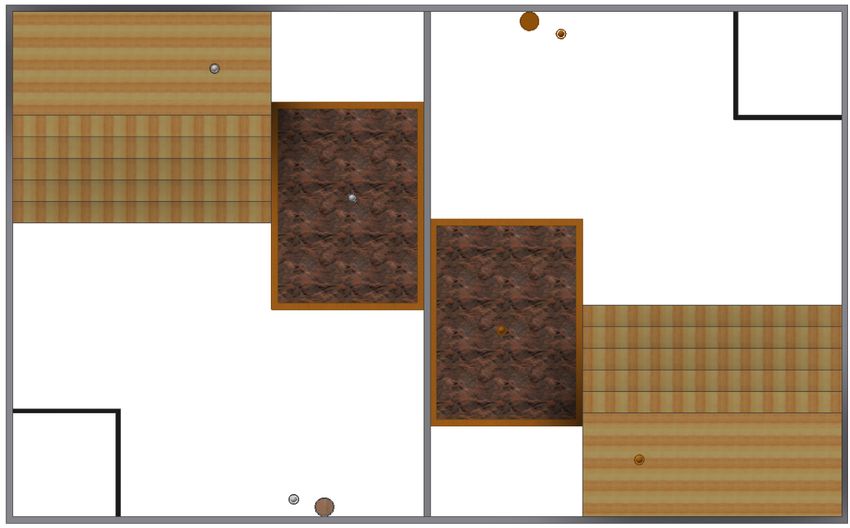
Table of Contents

OFFICIAL RULES AND REGULATIONS ........................................................................................6
General Competition Information .................................................................................................8
Dr. James Hannemann Leadership and Service Award ............................................................11
Parent/Student Authorization Form ............................................................................................12
Contest Complexity Guide...........................................................................................................13
Additive Manufacturing RemotEDx SME/NRC Challenge.........................................................14
Autonomous Vehicle Challenge (AVC) .......................................................................................16
Bot Ball ..........................................................................................................................................21
Combat Robot ...............................................................................................................................27
Manufacturing Workcell (Virtual) ................................................................................................35
Micromouse Contest ....................................................................................................................38
Mini-Sumo Robot ..........................................................................................................................42
Pick and Place Programming (Virtual) .......................................................................................45
Rescue Robot ...............................................................................................................................47
Robo Hockey.................................................................................................................................54
Robot Maze Contest .....................................................................................................................57
Robot Problem Solving ................................................................................................................62
Sumo Robot ..................................................................................................................................63

Every attempt has been made to publish an accurate Contest Manual. However, updates and new
information becomes available on a regular basis.

For the most current information and announcements, please refer to the contest web site:

                                                           www.thenrc.org

                                                                 5 of 66                                                     www.thenrc.org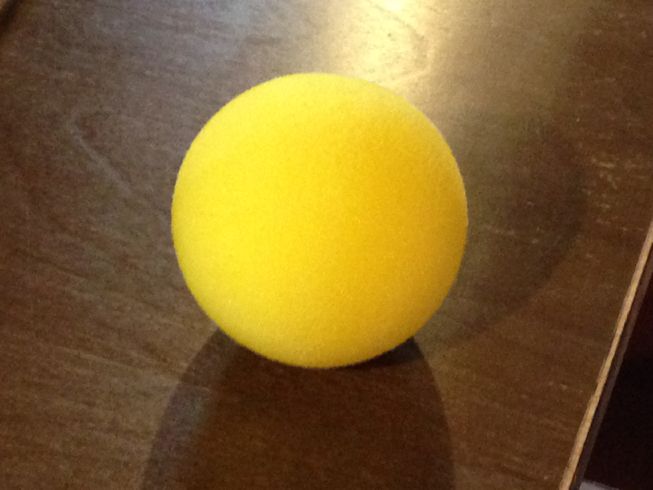
OFFICIAL RULES AND REGULATIONS

INTRODUCTION

  The National Robotics Challenge began in 1986 as the Robotics International of the Society of
  Manufacturing Engineers (RI/SME) Robotic Technology and Engineering Challenge (RI/SME-RTEC).
  RI/SME-RTEC was developed under the guidance and inspiration of Tom Meravi, Associate Professor
  from Northern Michigan University and the late Dr. James Hannemann, co-chairman of the event. RI/
  SME-RTEC moved to Marion, Ohio in 2004 under the guidance of Ed Goodwin, Ritch Ramey and Tad
  Douce. In 2005 the contest was renamed the National Robotics Challenge. From this humble
  beginning, with two workcells and two pick and place competitions, the 2023 competition offers twelve
  exciting contest categories.

  The National Robotics Challenge is designed to provide students of all ages and levels of study the
  opportunity to demonstrate their knowledge and understanding of manufacturing processes, controls,
  robotics, and other technologies through competitive engineering contests. Students are judged on
  their application of technology principles, engineering concepts, and their ability to solve real-world
  problems through a team approach.

  The National Robotics Challenge is designed to complement classroom instruction and provide
  students the opportunity to apply classroom knowledge in challenging and fun situations. Each contest
  is specifically designed to test the students’ skills and knowledge in a particular area of manufacturing,
  technology, robotics, and automation. The event is open to any student in elementary, middle school,
  high school, or post-secondary school anywhere in the world.

  Last year over 1200 participants from 13 states and 2 countries competed in the NRC event. Our vision
  is to become the premier robotics competition for elementary, middle, high and post-secondary school
  students around the globe.

MISSON

  The mission of the National Robotics Challenge is to provide educational robotics competitions where
  students can develop the creativity, engineering, problem solving, and leadership skills they will need in
  the world of tomorrow.

GENERAL INFORMATION

  The 2023 competition is Thursday, Friday and Saturday, April 13, 14 & 15, 2023.

  Registration costs: $80 per team/school plus $15.00 per robot
  Registration must be received no later than Friday, February 24th, 2023.

  All registration will be completed online.
  The registration link will be available on the National Robotics Challenge website (www.thenrc.org) by
  Monday, January 2nd, 2023.

                                               6 of 66                                     www.thenrc.org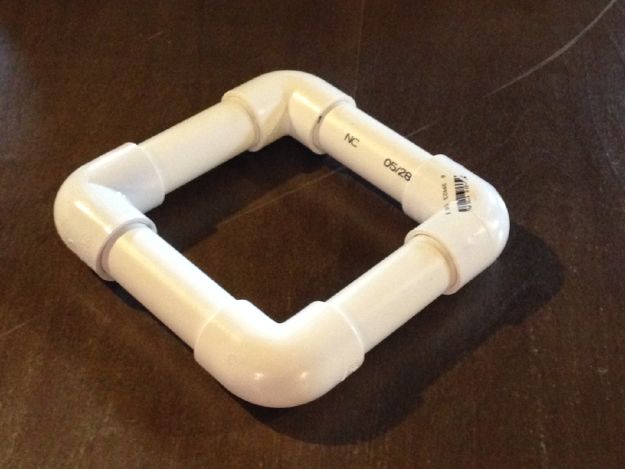
STAYING IN TOUCH

  The National Robotics Challenge committee has several online tools to facilitate communication
  between the NRC Committee, Advisors, Student and Parents.

  Facebook:
  Become a fan of the National Robotics Challenge on Facebook. Search for “The National Robotics
  Challenge” or go to: www.facebook.com/TheNRC

  Twitter:
  Follow us on Twitter - @followNRC

  YouTube:
  www.youtube.com/nrcrobotv

CONTEST MANUAL

  An updated version of the Contest Manual can be found on-line at the National Robotics Challenge
  website (www.thenrc.org) under the “Contest Manual” link.

  There are many changes from last year’s contest manual. Every attempt has been made to highlight
  these changes with (New for 2023). However, in order to ensure your team’s successful participation
  in this year’s event, please review the contents of this manual carefully.

  Check the website often; it is your source for current information, updates, and changes.

                                            7 of 66                                   www.thenrc.org
General Competition Information
Contest Categories
  The National Robotics Challenge is composed of twelve exciting contest categories. These educational
  activities are designed to provide students with an opportunity to demonstrate their knowledge and
  understanding of technology through a variety of contests. Each contest challenges student knowledge
  in a particular area of manufacturing, technology, robotics, and automation. A robot may only be
  entered in one contest category per year, unless otherwise noted in a contest category section of this
  manual.

Advisor Expectations
   Advisors may not handle the robot at any time at the competition area. Advisors may only serve as a
   coach and should not actively engage with repair, programming, and/or operation of the robot. Any
   operation that involves the robot must be completed by a student.

Levels
   Individual students and teams are invited to participate in the following divisions, based on the current
   academic level of the most senior team member:

       Elementary
       • Students enrolled in a public, private, or home school offering instruction less than middle school.

       Middle School
       • Students enrolled in a public, private, or home-school offering instruction between and including
         grades six, seven and/or eight.

       High School
       • Students enrolled in a public, private, or home-school offering instruction between and including
         grades nine, ten, eleven and/or twelve.

       Post-Secondary
       • Students enrolled in a public, or private school offering instruction at less than the baccalaureate
         level or a public or private school offering programs at or beyond the baccalaureate level
         (included community college, technical institute and university undergraduate and graduate
         students.)

         Post-Secondary events:
          • Autonomous Vehicle Challenge (AVC)
          • Combat Robot (Beetleweight Only)
          • Manufacturing Work cell
          • Micromouse Contest
          • Sumo Robot

Judging
   All of the contests are ranked based on the criteria in this manual. Students are judged on their
   application of technological principles and concepts, and their ability to solve difficult problems through
   a team approach. During the judging for each contest, only the contest facilitator and judges/officials
   are permitted in the designated contest area. Instructors, team advisors, parents, and additional
   competition attendees are prohibited from entering into the designated contest area while judging is
   occurring. Concerns regarding, or objections to a judge’s ruling must be brought to the attention of the
   Director of Contest Judging or Director of Events at the time of the contest judging. For all contests
   and special awards, the decisions of the judge(s) are final and binding.

                                                 8 of 66                                     www.thenrc.org
Awards
  Awards for each contest are presented on the following levels: Gold, Silver, and Bronze

Honda Innovation Award
  This award will be presented to the team with the most creative/innovative design that exemplifies
  Honda values. The judging team will nominate one team from each category for this award. A panel of
  award judges will analyze each nominated team and then select a winner. Each team that was
  nominated will receive a plaque and the winning team will receive a trophy/plaque and a $500.00 check
  for their school.

Safety and Liability
   The National Robotics Challenge organization, staff, committee, competition sponsors, competition
   facilitators and/or judges/officials may stop the operation of any contest or special award participant if it
   is determined that the operation of the entry is hazardous. Such stoppage may disqualify the participant
   from that portion of the competition. Each contestant is responsible for his/her own personal safety and
   safety equipment. EduEverything, Inc. assumes no financial or organizational liability through its role as
   a sponsor of the National Robotics Challenge. The National Robotics Challenge, EduEverything, Inc.,
   and the Veterans Memorial Coliseum, Marion, Ohio, shall hold harmless the other party from and
   against all claims, suits or actions or injury or damage arising from any intentional or negligent act of
   the party’s employees, agents, officers and/or authorized subcontractor(s) while performing duties
   needed for sponsoring this event.

Dress Code
   The National Robotics Challenge showcases outstanding entries, students, instructors, programs,
   schools, and sponsors. Our judges and sponsors come from diverse professional organizations and
   they expect students to look and act like professionals. For this reason, we ask that you abide by the
   following dress code at this event:

   A. All participants, advisors, and chaperones must wear a collared shirt and pants at all times on the
      competition floor.
   B. A team or National Robotics Challenge t-shirt may be substituted for a collared shirt. (Teams are
      encouraged to develop a team shirt or uniform to wear during the event.)
   C. The following attire is not permissible at the National Robotics Challenge:
      1. Shorts
      2. Cut-off pants
      3. Ripped, Distressed, or Destroyed Pants
      4. Torn clothing
      5. Overly baggy clothes
      6. Open toed shoes (safety concerns)
      7. Soiled clothes
      8. Hats (Official National Robotics Challenge hats may be worn during competition)
   D. Any individual who does not adhere to the above dress code will be asked to comply or be
      disqualified from his/her event(s).

Accessibility
   The National Robotics Challenge is committed to providing reasonable accommodation to persons with
   a disability to facilitate their full participation in the National Robotics Challenge events. Please contact
   Tad Douce at 740-361-6772 at least one month prior to the National Robotics Challenge should such
   accommodations be required.

Financial Assistance
   You should begin planning now to finance the cost of your participation and trip. The following are
   recommendations to obtain financial assistance:

                                                 9 of 66                                      www.thenrc.org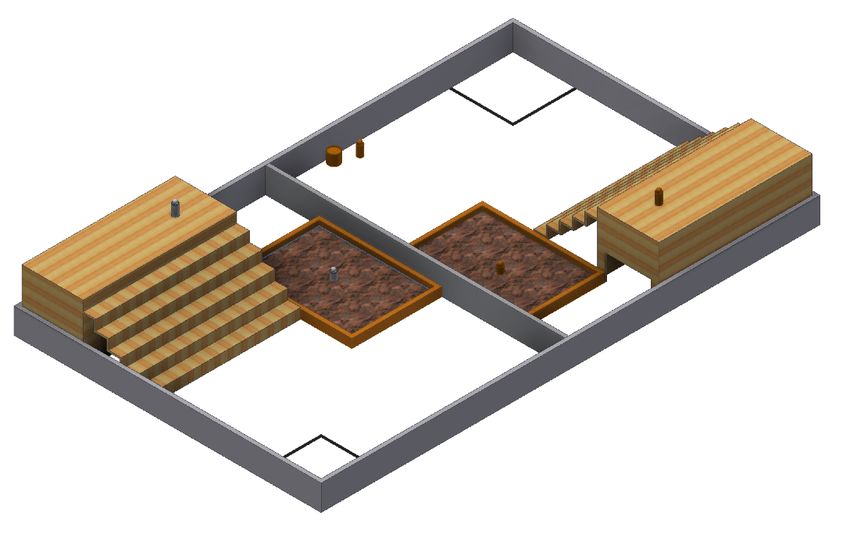
Institutional Support
    Request support from your school or university. Your Faculty Advisor/Instructor can help determine if
    your institution can pay for a portion or all of your expenses. ASK YOUR FACULTY ADVISOR /
    INSTRUCTOR FOR HELP!

Fund Raisers
   Fundraisers are a good way to obtain the funds required to finance your trip. Students and communities
   are willing to “pitch-in” for a good cause. What is your cause? A challenging, educational experience
   that helps prepare you for your manufacturing future, and a chance to represent your school. Some
   ideas include: donut, bagel, bake or candy sales, car washes, community yard service, snow shoveling,
   lawn raking, senior citizen services, selling popcorn/candy at school sporting events, etc.

Local Service Organizations and Government Agencies
   Check with your Faculty Advisor / Instructor to determine whether any community organizations, state
   or Federal government agencies, such as NASA, a local foundation, or service organization would be
   willing to donate a portion of the needed funds.

Local Companies
   Is there a local manufacturing company that may be interested in sponsoring your trip? Perhaps they
   are willing to donate some of the needed equipment. Check with your Faculty Advisor for contact
   names.

Manufacturers and other Industry Partners
  Manufacturers and industry partners are excellent contacts, which are often more than willing to get
  involved in a project of this type. Your Faculty Advisor/Instructor can provide a list of contacts.

                                              10 of 66                                     www.thenrc.org
Dr. James Hannemann Leadership and
Service Award
James W. Hannemann Ph.D. (1937 – 2001)
Working behind the scenes, Dr. Hannemann volunteered his time and talents tirelessly for fifteen years
helping the Robotic Competition grow, expand and develop into the competition it is today. From its humble
beginnings in 1986, with two workcells and two pick and place competitions, the current competition offers
contests for elementary to post-secondary students in a wide range of categories.
In recognition of Dr. Hannemann’s years of service to the RI/SME Student Robotic Competition, now the
National Robotics Challenge, and to the thousands of students he touched, the National Robotics
Challenge has established the Dr. James Hannemann Leadership and Service Award. This award is given
annually at the National Robotics Challenge awards ceremony.
2022 Dr. James Hannemann Leadership and Service Award Recipient
The directors of the National Robotics Challenge are pleased to announce that the 15th annual Dr. James
Hannemann Leadership and Service Award was presented to Mark Robinson from Tri-Rivers Career
Center and Brad Pottkotter from Marion City Schools.
Mark Robinson joined the NRC team early in 2009. From that time forward, Mark
has been instrumental in creating contests, competition fields, and assisting with
event logistics. From assembly and painting to setting up brackets and rewiring
electric cords, Mark does it all. In addition to his NRC work, Mark serves as the
lead instructor at the Marion Robotics & Advanced Manufacturing Technology
Education Collaborative (RAMTEC) on the Tri-Rivers Career Center Campus,
where he continually shepherds and inspires the next generation of engineers and
robotics technicians that will help our community to thrive in automation. Mark has
also been instrumental in developing Vex robotics competitions in Ohio. He has
coordinated and hosted numerous events, including the prestigious Kalahari
signature event that draws young robotics technicians from throughout the nation for a one-of-a-kind
competitive experience.
Brad Pottkotter joined the NRC team in 2006 and has increased his participation
every year since. In 2013 he took over managing the fiscal operation for
EduEverything. This move to a CFO position has allowed EduEverything to secure
additional funding opportunities through grants and partnerships. His outstanding
contribution of time and talent has also equipped EduEverything to launch our
Drones in School program to further diversify our mission to promote the idea that
students must still have the skills necessary to make real and tangible objects. In
addition to his work as the chief financial officer, Brad also oversees the
competition floor layout, assembly, and clean-up each year. This undertaking
requires enormous time, logistics, and labor to pull off successfully. Each year
during the National Robotics Challenge, Brad Pottkotter is usually the first one in the building and the last
one to leave once clean-up is wrapped up. When Brad is not spending time with his family or working on
EduEverything financial records, he serves as the Integrated Production Technologies instructor at Marion
Harding High School. He and his students have successfully built annual entries for the Manufacturing
Workcell competition.
The NRC is immensely grateful to Mark and Brad for their continued service to our program and the
community as a whole. We wish them many ongoing years of success and look forward to seeing them at
the NRC for many years to come!
11 of 66 www.thenrc.orgParent/Student Authorization Form
National Robotics Challenge Authorization Form – 2023
CONSENT, RELEASE, HOLD HARMLESS AND AUTHORIZATION TO REPRODUCE PHYSICAL LIKENESS
This form is required of all minors and adults who attend the National Robotics Challenge (NRC). Copies of this
completed form are to be retained and kept on file by minor’s parents, advisors and/or school administration. It is the responsibility
of the advisor to make sure there is a completed form for each participant and to give a copy to the school administrator if
necessary. The National Robotics Challenge reserves the right to request a completed copy of this form at any time from the
chapter advisor or state advisor. Do not send this form to the National Robotics Challenge office.
As used below, NRC shall mean the National Robotics Challenge and its officers, directors, employees, assigns, and agents
(including any third party designated and approved by the NRC) at any time, including, without limitation, individuals or entities
involved in print, publication, television, broadcast, or video media. As used below, “Participant” shall mean any individual, student,
advisor, teacher, or volunteer involved in an NRC activity. The participation in any NRC contest, program, meeting or conference
(collectively, the “Event”), agrees to the following:
I hereby grant to the NRC the right to photograph and/or videotape me (my child) during my participation in an Event. I
further grant to the NRC, forever and throughout the world, the right to use these photographs and videotapes of my likeness,
voice and sounds during my participation, and to reuse or license the right to such photographs and videotapes of my participation,
and my name, likeness and biography, as the NRC may desire, in all media and in all forms and for all purposes, including without
limitation, advertising and other promotions for the NRC, without further compensation to me or any limitation whatsoever. In
granting this license, I understand that the NRC is not under any obligation to exercise any of their rights, licenses and privileges
herein granted. Each such photograph and videotape shall be a work for hire and the NRC shall be deemed the owner of any
copyright and/or trademark rights therein (and all applications, registrations and renewals resulting there from). If, however, the
work is deemed not to be a work made for hire by a court of competent jurisdiction, then this Consent and Release to Produce
Physical Likeness (“Release”) shall constitute an irrevocable assignment by the Participant of the worldwide copyright in the work
to the NRC. It is an NRC policy not to print a minor’s picture accompanied by his/her name unless the NRC has obtained specific
permission from his/her parent or guardian.
The undersigned being fully cognizant of the risks in participating in an Event, hereby assumes the risks of bodily injury
(including, without limitation, death) and property damage, inherent in such participation. Exception to the extent due to the gross
negligence or willful misconduct of the NRC, to the fullest extent permitted by applicable laws, I hereby waive any claims or causes
of action which I may now or forever have against the NRC arising out of my participation, and I will indemnify and hold harmless
the NRC against any and all claims resulting from such participation.
I hereby release the NRC and its respective successors, affiliates, licensees and assigns from all claims, demands,
liabilities, damages, costs and expenses (including, without limitation, attorney’s and other professional fees and expenses) that I
may now or ever have against the NRC arising in connection with my participation in the Event and the NRC’s exercise of rights
hereby granted, including, without limitation, claims for compensation, defamation, or invasion of privacy, or other infringements or
violations of personal or property rights of any sort. In the event I should sustain injuries or illness while involved in an Event, I
hereby authorize the NRC to administer, or cause to be administered, such first aid or other treatment and medications I may bring
as may be necessary under the circumstances, to include treatment by a physician or hospital of the NRC’s choice.
This Release shall be binding upon my heirs, personal representatives and assigns, and me and shall be governed by
and construed under the laws of the State of Ohio without regard to conflicts of laws principles. Venue for any legal action arising
out of or in connection with this Release shall be in Marion County, Ohio. This release constitutes the entire agreement among the
parties hereto with respect to the subject matter of this Release and supersedes any and all previous agreements among the
parties, whether written or oral, with respect to such subject matter. I understand that this form involves a release of legal rights. A
parent or guardian agrees to all of these terms on behalf of a minor.
Participant’s Name _____________________________________________________________________________________________________
Participant’s Signature __________________________________________________________________________________________________
School _______________________________________________________________________________________________________________
Home address___________________________________________ City_____________________________ State __________ Zip ___________
Allergies______________________________________________________________________________________________________________
Current Medication_____________________________________________________________________________________________________
History of heart condition, diabetes, asthma, etc. ______________________________________________________________________________
Physician’s name and telephone___________________________________________________________________________________________
Insurance company and policy number______________________________________________________________________________________
_____________________________________________________________________________________________________________________
Parent/Guardian’s Name ________________________________________________________________________________________________
Signature of Parent/Guardian of Minor Participant _____________________________________________________________________________
Minor’s Age _________
Parent’s Phone _________________________(h)____________________________ (c) Email_________________________________________
12 of 66 www.thenrc.orgContest Complexity Guide
Mechanical Electrical Programming
Event
Complexity Complexity Complexity
Additive Manufacturing RemotEDx
SME/NRC Challenge ⚙⚙⚙⚙ ⚙ ⚙
Autonomous Vehicle Challenge (AVC) ⚙⚙⚙⚙ ⚙⚙⚙ ⚙⚙⚙⚙⚙
Bot Ball ⚙⚙ ⚙⚙ ⚙⚙⚙
Combat Robot ⚙⚙⚙⚙⚙ ⚙⚙⚙ ⚙⚙
Manufacturing Workcell ⚙⚙⚙⚙⚙ ⚙⚙⚙⚙⚙ ⚙⚙⚙
Micromouse ⚙⚙ ⚙⚙⚙ ⚙⚙⚙⚙⚙
Mini-Sumo Robot ⚙⚙ ⚙⚙ ⚙
Pick and Place Programming ⚙ ⚙ ⚙⚙⚙⚙
Rescue Robot ⚙⚙⚙⚙ ⚙⚙⚙ ⚙
Robo Hockey ⚙⚙⚙⚙ ⚙⚙ ⚙
Robot Maze ⚙⚙ ⚙⚙ ⚙⚙⚙
Robot Problem Solving ⚙⚙⚙⚙ ⚙⚙ ⚙⚙⚙
Sumo Robot ⚙⚙⚙ ⚙⚙⚙ ⚙
13 of 66 www.thenrc.orgAdditive Manufacturing RemotEDx SME/NRC
Challenge
Middle School, High School, Post-Secondary
(Updated for 2023)
OVERVIEW
The goal of the Addi ve Manufacturing RemotEDx SME/NRC Challenge is to challenge compe tors
is to give students to addi onal opportuni es to experience simulated manufacturing projects that
will enable to use the skills learned from the SME/ToolingU training while in the RemotEDx
program. The event focuses on an addi ve manufacturing design with strict requirements on form,
t, and func on of compact and intricate designs.
This contest has been designed to challenge students understanding of and skills in Addi ve
Manufacturing.
Par cipants use basic engineering techniques to evaluate designs they have modeled, 3D printed
and tested. Each team researches, designs, and tests models to determine superior engineering.
Teams research, model, and test a structure designed to hold the greatest load. Each team is given
the selected height to be tested and must plan, 3D print, and submi ed a model for destruc ve
tes ng.
MATERIALS AND SUPPLIES NEEDED
Materials to be Provided by Student Compe tor:
• Printed 3D designed structure
• Structures can submi ed in person by 10:00 AM Eastern Time on Friday, April 14th, 2023
at the Na onal Robo cs Challenge in Marion, Ohio or they can be postmarked by March
18th and mailed/shipped to:
Ritch Ramey
268 Thew Ave
Marion, Ohio 43302
• In addi on to the printed structure, the following items must be submi ed via email to
ritchramey@gmail.com by 4:00 PM on April 1, 2023.
• Computer design rendering les in STL or CMB format.
• Digital Engineering notebook
• Video Presenta on showing structure in prin ng process and students describing why
they made design choices speci c to their submi ed structure.
Note: If needed, students may have an online interview with a panel of judges to further
evaluate their project.
14 of 66 www.thenrc.org
fi
ti
ti
ti
ti
ti
ti
ti
ti
tt
ti
fi
fi
ti
ti
ti
ti
tt
tt
tt
ti
ti
tiREGULATIONS
1. Structure Speci ca ons
1.1.The height is the distance from the bo om of the
base plate to the top of the structure. On the nal
submi ed model this measurement must be
between 4” and 4.5”.
1.2.The maximum width and depth of the structure
must not exceed 6” by 6”.
1.3.The structure must support the 6" x 6" x ¾" test
block at the top of the structure.
1.4.The center of the structure must have an
internal clearance sha to allow passage
for the test rod. The clearance sha must
allow for a 3" outside diameter cylinder to
pass completely through the structure
from top to bo om.
1.5.Structures that do not permit the passage
for a 3" clearance sha are not tested.
1.6.Maximum total weight of the submi ed
structure is 40 grams.
2. Materials
2.1.All structures must be printed in a single
print as one piece from PLA, ABS or Nylon.
2.2.Build material can be removed a er the
print is complete, but nothing may be
added to the structure.
EVALUATION
1. Tes ng
1. All structures are destruc vely tested by a aching a
tes ng device of the coordinator’s choice to the test
block and adding resistance un l the structure fails.
1.1.Structures are NOT tested if:
1.1.1.Center is blocked.
1.1.2.Test block will not rest on top.
1.1.3.Structure is outside of stated size
limita ons.
1.2.Weight will be added to the test block un l the structure fails.
1.3.The structure will be deemed to have “failed” once the bo om of the test block reaches 3 1/2”
away from the base of the structure/tes ng pla orm.
1.4.Structure will be evaluated by a strength to weight e ciency ra o. The total weight held in
pounds will be divided by the total weight of the structure. The structure with the highest
strength to weight ra o will be deemed the winner.
15 of 66 www.thenrc.org
ti
ti
ti
tt
tt
fi
ti
ti
ft
ft
ti
ti
ft
ft
tt
tt
ti
ti
tt
fi
tf
ffi
tt
tiAutonomous Vehicle Challenge (AVC)
Middle School, High School, Post-Secondary
Contest Description
For the Autonomous Vehicle Challenge each team will design and build a vehicle to navigate an obstacle
course. A successful run is one where the vehicle navigates around the four (4) waypoints (blue
stanchions) and crosses the finish line in under 5 minutes. Additionally, bonus points are given for
completing special tasks during a run. Once earned, bonus points cannot be taken away. Teams can score
bonus points even if they do not complete a successful run.
Rules and Course Layout
5. The course will be located on the parking lot of the Marion Veterans Memorial Coliseum, Marion,
Ohio
6. Each vehicle must pass on the outside of stanchions in the course shown in Figure 1: AVC Course
Layout. Blue stanchions will be placed on top of the blue corner dots shown and yellow stanchions
on the yellow dot. Final placements of stanchions and obstacles will be at the discretion of the
judges.
7. The autonomous vehicle must fit inside a 24” x 24” x 24” space. Any robot entered that does not
meet the size requirement by the end of the device evaluation or expands beyond that size during
competition will be disqualified.
8. The vehicle must be fully autonomous and self-contained. No transmitters or communication
beacons (other than GPS) of any kind are allowed. You may NOT tether to a laptop or other device.
Everything necessary for the vehicle’s navigation/processing/sensing must be attached and part of
the vehicle itself.
9. The AVC event will take place outside in the parking lot west of Veterans Memorial Coliseum. The
event will run regardless of weather conditions. (with the exception of lightning)
10. Allowances for unforeseen delays will be taken into account, but will be up to the contest judges.
Please notify the contest judges immediately if you have an issue that prevents you from competing
on schedule. (Repairs, bad code, gremlins, or dead batteries do not count. Be prepared for
anything and everything.)
11. Each team is given 3 attempts throughout the day to earn points.
12. Teams will be called when it is time to bring your vehicle to the starting line and if you are not ready,
you will forfeit that run and receive no points.
13. During the competition the course will be closed to both spectators and participants. Participants
with vehicles currently running may follow within the inner perimeter of the course (Yellow lines in
figure 1), but may not be on the course with the vehicles when they are running.
14. Teams are expected to make all necessary measurements, adjustments, and sensor readings
before the event starts. Once the first heat is started, only competing vehicles and their team may
be in the course, and to start their vehicle for the run.
16 of 66 www.thenrc.org15. We will be running 1 vehicle at a time. You will place your robot anywhere behind the start/finish
line, wait for a signal, and press a button to start your robot. Time will begin when the robot first
crosses the Start line. It must be in a ready position, and be started with a physical input (button,
switch, etc). It may not be started wirelessly.
16. If you need to wait for GPS lock or a setup routine, you will need to do this before your run starts.
17. Time-based points start at 300 and are deducted (1 per second) until the run is completed. You
cannot get negative points for time. Time points only count if your run is successful. Each
successful run will be given points based on the time it took them to finish the course and whatever
bonuses were achieved.
18. All teams are scored and ranked by the total number of points accrued in all three runs. The team
with the highest points wins. Each run will add more points to the team’s overall score.
Bonus Points
• 50 - passing through the arch
• 50 - clearing the ramp
• 25 - each successful corner cleared (vehicle must completely clear corner, not just reach it)
Scoring Examples:
• Teams complete a run in 2.5 minutes and passes under hoop. this team would score 150 points for
their time, 20 points for each completed corner (100 points), and 50 points for the hoop bonus. Their
total score would be 150+100+50 = 300
• Team does not complete course, but goes around 3 corners and clears the hoop and ramp. they would
score no points for time (did not complete course), but would receive 60 points for 3 successful corners,
50 points for the hoop, and 50 points for the ramp. they would end up with a total of 160 points for the
run.
• Team completes course in 1 minute, but does not clear the ramp or the hoop. They would get 240
points for time and 100 points for successfully clearing all 5 corners. Their total score would be 340.
17 of 66 www.thenrc.orgAVC Course Details
Figure 1: AVC Course Layout
Figure 2: AVC Driving Course
18 of 66 www.thenrc.orgAVC Obstacle Details
On the course, you will encounter several obstacles. The dimensions and details for the obstacles can be
found below.
19 of 66 www.thenrc.orgFINAL EVENT –
Autonomous Vehicle Challenge (AVC)
LEVEL: _____ Middle School _____ High School _____ Post-Secondary
SCHOOL: ___________________________________________________________________
CAPTAIN: ___________________________________________________________________
Size Requirement Passed: ________ Robot Size Requirement: 24” x 24” x 24”
Points Points Points
Points Awarded Awarded Awarded
Each Round 1 Round 1 Round 2 Round 2 Round 3 Round 3
Corner 1 Cleared +20
Corner 2 Cleared +20
Corner 3 Cleared +20
Corner 4 Cleared +20
Corner 5 Cleared +20
Ramp Cleared +50
Passed Through Arch +50
Course CompleteBot Ball
Elementary, Middle School, High School
(Updated for 2023)
Contest Description
The Bot Ball contest challenges student teams to design, construct, program and operate a battery-
powered robot for use in ball collection game.
Rules
1. Only two team members at a time are allowed at the playing field while the Robot is on a task
attempt. To share in participation, members may switch out with each other between attempts.
2. There will be a random selection prior to the competition to determine which team is the white
team and which team is the orange team.
3. Once the team color is determined, the team steps up to the playing field and has 30 seconds
to perform any needed setup routines and download the applicable program to their robot.
4. The Judge starts the match, and the team performs task attempts for 90 seconds. The first 70
seconds are autonomous (no remote control) and the final 20 seconds can be operator
controlled via a wireless remote. More matches run until every team has competed once, this
process is known as a “round”. There are 3 rounds in the contest. After each match, teams may
go to the pit and fix or adjust the robot.
5. The judges will signal when operator control is available. Teams may choose to continue with
their robot in autonomous mode if desired.
6. The robot is defined as the micro-controller, (NXT, EV3, VEX-IQ, Parallax, Arduino, etc.) and
anything connected to it in any way, including any loose objects being held, manipulated, or
moved.
7. The robot must be programmed using programming software. (i.e. LEGO MINDSTORMS,
RoboLab, Pbasic, C, etc.)
8. The “end zone” is the volume behind the black base line and inside border walls.
9. Before the match, between task attempts, and only while the Robot is completely inside the
square “base” area, the team may aim the Robot, repair it, load or unload it, add or remove
parts, switch programs, and reset mechanisms.
10. All task attempts must start with the robot completely inside the “base” area as shown in the
robot position diagram in position A, with the robot turned on but all programs turned off. The
robot must start from within the base lines. This starting technique applies during the whole
match, not just at the beginning.
21 of 66 www.thenrc.org11. Jigs or other alignment devices may be used to help aim the robot in starting position and they
must stay completely in the end zone.
12. While on a task attempt, the robot is to be controlled only by its program, its motors, and its
interaction with the field, and not by interaction of any kind with the team. Remote control or
signaling of sensors in any way is not allowed during the autonomous period.
13. A task attempt is started when the team starts a program. Delaying or causing the release of
stored energy in any form by hand is not allowed. This starting technique applies during the
whole match, not just at the beginning.
14. A scoring attempt is an effort by the robot to move one or more of the game objects into scoring
position. Scoring attempts can be tried in any order, re-attempted whenever possible, or not
attempted at all.
15. Touching the other team’s robot will result in automatic disqualification for that round.
16. During the autonomous period the robot is understood to be on a scoring attempt starting from
the instant a program is initiated. The next time the team controls or interacts with the robot in
any way (touching/carrying is most common), it is a signal that the robot is failing or can no
longer continue on its own, and the current scoring attempt is immediately terminated. The
team must then bring the robot by hand to the starting position (base) for the next scoring
attempt. Any changes to the playing field after the instant the team interacts with the robot are
invalid, and are reversed by the referee.
17. Points for moving an object are awarded only if the object is completely in scoring position as
specified in the game description, no matter where the robot is, and no matter whether the
object is packaged, palletized, or bound/connected to other objects.
18. Objects in the way of future task attempts can be removed from the field by the referee upon
request unless doing so would have a direct effect on scoring.
19. Refer to the robot position diagram after rule 10. If a scoring attempt is terminated while all
functional parts of the Robot are completely out of the end zone as shown in positions D, F and
G, the team must bring the Robot by hand to Starting Position for the next scoring attempt.
Because of this action, one “Robot Return Penalty” is deducted from the score, but
accomplishments made during the scoring attempt are retained. Scoring attempts terminated in
positions A through E do not result in a “Robot Return Penalty”, and there is no loss if the robot
happens to be out of Base when the match ends.
20. If an object being moved is NOT held by or linked to the robot when a task attempt is
terminated, the object stays where it is on the field. If an object IS held by or linked to the robot
when a task attempt is terminated AND the object is not completely in a scoring position, there
are two possibilities: 1) Objects that began the Match in the End Zone are kept by the team for
another task attempt. 2) Objects that did not begin the Match in the End Zone are taken off the
playing field by the referee (and do not score). This rule applies to all objects, including scoring
objects, projectiles, props, tools, and agents of any kind.
21. Once an object is completely inside the End Zone (completely past the black line), a team
member can move the object by hand to any place within the End Zone.
22. At any time during the match, the team may recover robot parts that come off as an obvious
result of damage or disintegration. The team may do this by hand or request help from the
referee.
22 of 66 www.thenrc.org23. The team may not touch “Task Models” outside of the end zone. If they are damaged or
otherwise disturbed between task attempts or by anything but valid robot action, the referee
restores them as soon as possible. If it is obvious to the referee that task model damage is part
of team strategy the team will be disqualified from the event.
24. To minimize controversy about what happened during a match, THE SCORE IS DETERMINED
AT THE END OF THE MATCH, BY THE CONDITION OF THE FIELD AT THAT TIME ONLY. If
the thickness of a line on the field comes into question, and for other situations that are “too
close to call” the team is given the benefit of the doubt. Scores from each Round are
independent, and only a team’s best score counts.
25. The “Terms & Rules” are superseded by the “Challenge Tasks” when the two conflict.
26. Decisions of the judges are final and binding.
Game Description
Points are awarded for moving ping-pong balls and tubes into a scoring area (end zone or gutter).
Additional points are awarded for moving any “nest” or large foam ball into a scoring area. Points are also
awarded for each ping-pong ball that is “free” (outside of the tubes, nests, gutters or end zones) and
touching the playing surface outside a scoring area.
Challenge Task points are awarded as follows:
• 5 points for each ping-pong ball of your team’s color in either “gutter”.
• 5 points for each tube of your team’s color in either “gutter”.
• 5 points for each foam ball in your team's “gutter”
• 3 points for each ping-pong ball of your team’s color in your team’s “end zone”
• 3 points for each tube of your team’s color in your team’s “end zone”
• 3 points for each foam ball in your team’s “end zone”
• 3 points for each nest in your team’s “end zone”
• 1 point for each “free” ping-pong ball of your team’s color touching the playing surface
• 10 points for each BONUS ball in your team's “gutter”
• -30 points for the BONUS tube in your team's “gutter”
• -20 points for the BONUS tube in your team's “end zone”
1. “Starting Position” is with the entire robot completely within the base. The base is defined as the
square center section on each end of the board.
2. On the judges signal the robot is to leave the base, attempt to earn challenge points through a
scoring attempt and return to base with only its program to control it. If the team touches the robot
before it returns to base a “Robot Return Penalty” will be given and the robot must be returned to
“Starting Position.”
Tips:
• Concentrate on developing a solution step by step. Don’t try to get it all at once or things will get
out of hand very quickly.
• Teamwork is crucial. The challenge is too much for one person to get done alone in time. Try
dividing up tasks for different team members.
• Test and refine your design as many times as possible. The robot must be ready for whatever
comes its way.
23 of 66 www.thenrc.orgBot Ball
The following is the description for the Bot Ball competition for the National Robotics Challenge. Please
keep in mind that the challenge points do not necessarily need to be earned in a specific order.
Ping-Pong Balls 4” Foam Ball
Bonus Orange White
Ball Ball Ball
Nest Tube
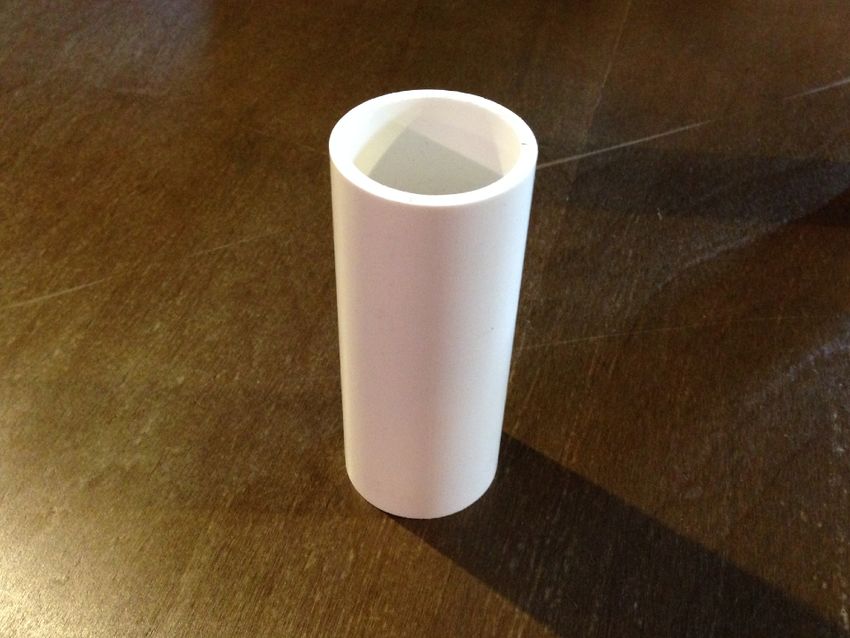
Nests are made from four pieces of 1” Standard 1 1/2” PVC pipes 4
PVC pipe, each 5” long, and four 1” PVC 1/2” long. Electrical tape on
elbows. The nests have an inside ends to indicate color.
dimension of 5” and an outside
dimension of 8”.
Bonus White Orange
Tube Tube Tube
24 of 66 www.thenrc.orgPlaying Field
For the main playing field the NRC is using the The gutter will be made from 3/4 inch thick white
VEX IQ Challenge Full Field Perimeter & Tiles. PVC, 2 1/2 inches high.
You can purchase this product at:
www.vexrobotics.com
Top View of Playing Field
Orange Team Tubes 9 - Orange BONUS Tube and White Team Tubes
End Zone Line for
and 3 Ping Pong Ping-Pong 3 BONUS Ping Pong and 3 Ping Pong
the White Team
Balls Balls Balls Balls
Orange Team Gutter
Orange White
Team Team
Base Base
White Team Gutter
End Zone Line for Nests Score for Either 4” Foam Balls Score for 9 - White
the Orange Team Orange or White Either Orange or White Ping-Pong Balls
25 of 66 www.thenrc.orgFINAL EVENT – Bot Ball
LEVEL: _____ Elementary _____ Middle School _____ High School
SCHOOL: ___________________________________________________________________
CAPTAIN: ___________________________________________________________________
Scored Points Scored Points Scored Points
Points
Tasks Objects Awarded Objects Awarded Objects Awarded
Each
Round 1 Round 1 Round 2 Round 2 Round 3 Round 3
In Either Gutter -
• Team Ping Pong Balls +5
• Team Tubes +5
In Team’s Gutter -
• Foam Balls +5
• BONUS Ping Pong Balls +10
• BONUS Tube -30
In Team’s End Zone-
• Team Ping Pong Balls +3
• Team Tubes +3
• Any Nests +3
• Foam Balls +3
• BONUS Tube -20
Free Ping Pong Balls
• Team Ping Pong Balls
outside of the tubes, +1
nests, gutters or end
zones
Robot Return Penalty
Number of times the
robot is handled by a
team member outside -5
the end zone.
Total Points
Highest Total:
Judge’s Comments:_____________________________________________________________________
_____________________________________________________________________________________
Judge’s Signature: _____________________________________________________________________
26 of 66 www.thenrc.orgCombat Robot
Classes: Antweight, Antweight-Plastic, Beetleweight, Beetleweight-Plastic
Middle School, High School, Post-Secondary (Beetleweight ONLY)
Contest Description
In the Robot Combat event students design and create a single custom-built machine that employs one or
more methods of destroying or disabling their robot competitor. This robotic device will be remote-
controlled but may include some autonomous operations. We are utilizing a modified version of the
SPARC Robot Construction Specifications v1.1.
Rules
0. Size Requirements: The Robot must fit inside a 14” x 14” x 14” space. Any robot entered that does not
meet the size requirement by the end of the device evaluation or expands beyond that size during
competition will be disqualified.
1. Overview and Purpose
1.1. The SPARC Robot Construction Specifications was created to provide both builders
and event organizers with an up to date and easy to implement ruleset.
1.2. The SPARC Standard Ruleset will call out areas where the rules are often altered by
the events and will provide the most frequently used options for easy adaptation.
1.3. If you choose to utilize the SPARC Robot Construction Specifications and modify the
rules to adapt to your event please note specific areas that differ from the standard
SPARC rules in section 2.
2. Deviations From Robot Construction Specifications
2.1. The Combat Robot rules are a modified version of the SPARC Robot Construction
Specifications v1.2. To simplify the understanding for the specifications some
section of the original ruleset were completely removed. To view the original rules
go to: www.sparc.tools
3. General
3.1. All participants build and operate robots at their own risk. Combat robotics is
inherently dangerous. There is no amount of regulation that can encompass all the
dangers involved. Please take care to not hurt yourself or others when building,
testing and competing.
3.2. If you have a robot or weapon design that does not fit within the categories set forth
in these rules or is in some way ambiguous or borderline, please contact the event
organizer. Safe innovation is always encouraged, but surprising the event staff with
your brilliant exploitation of a loophole may cause your robot to be disqualified
before it ever competes.
3.3. Each event has safety inspections. It is at their sole discretion that your robot is
allowed to compete. As a builder you are obligated to disclose all operating
principles and potential dangers to the inspection staff.
3.4. Cardinal Safety Rules: Failure to comply with any of the following rules could result
in expulsion or worse, injury and death.
3.4.1. Radios that do not operate using spread spectrum technology may not be
turned on at or near events for any purpose without obtaining the appropriate
frequency clip or explicit permission from the event.
3.4.2. Proper activation and deactivation of robots is critical. Robots must only be
activated in the arena, testing areas, or with expressed consent of the event
and it's safety officials.
27 of 66 www.thenrc.org3.4.3. All robots must be able to be FULLY deactivated, which includes power to
drive and weaponry, in under 60 seconds by a manual disconnect.
3.4.4. All robots not in an arena or official testing area must be raised or blocked up
in a manner so that their wheels or legs cannot cause movement if the robot
were turned on. Runaway bots are VERY dangerous.
3.4.5. Locking devices: Moving weapons that can cause damage or injury must
have a clearly visible locking device in place at all times when not in the
arena. Locking devices must be painted in neon orange or another high-
visibility color. Locking devices must be clearly capable to stopping, arresting or
otherwise preventing harmful motion of the weapon.
3.4.6. Weapon locking pins must be in place when weapon power is applied during
a robot’s power-on procedure. This includes all powered weapons regardless of
the power source or weight class.
3.4.7. It is expected that all builders will follow basic safety practices during work on
the robot at your pit station. Please be alert and aware of your pit neighbors
and people passing by.
4. (New for 2023) Weight Classes
4.1 This event will offer four weight classes: Beetleweight, Beetleweight- Plastic,
Antweight, and Antweight-Plastic.
An Antweight robot is defined as a:
• 1lb rolling robot (wheels)
• 1.5lb shuffle robot (any walking mechanism derived from continuous rotary
motion)
• 2lb non-wheeled robot (linear walking mechanisms or non-rotational motion)
• Plastic Class (See 4.4)
A Beetleweight robot is defined as a:
• 3lb rolling robot (wheels)
• 4.5lb shuffle robot (any walking mechanism derived from continuous rotary
motion)
• 6lb non-wheeled robot (linear walking mechanisms or non-rotational motion)
• Plastic Class (See 4.4)
(There is a 100% weight bonus for non-wheeled robots. There is a 50% weight
bonus for shufflers or other forms of locomotion which do not fall within the
definition of non-wheeled robot - see 5.1.2 for a definition of a non-wheeled robot.)
4.4. Plastic Class
4.4.1 The purpose of the plastic class is to allow an easier entry point for those who
may not have access to a full shop or just want to try something different. The
plastic class is run as a separate class from the other robots, so they will only fight
against other robots in the plastic class.
In general, all the normal rules apply to plastic class bots except the construction
materials must be plastic as described below:
1. PET, PETG, ABS, or PLA, PLA+ are the only materials that can be used for
the chassis and weapons. No other types of plastics or materials allowed (ie.
metal, carbon fiber, UHMW, etc)
2. Motors, electronics, axles, fasteners and adhesives can be any material,
but cannot be used in such a way to enhance the structural integrity, armor
the robot, or enhance any weapon.
28 of 66 www.thenrc.org3. Not all weight classes will run a separate plastic class. The event organizer
will specify if there will be a separate plastic class and if so for which weight
class(es), ie "1lb plastic class"
Robot may be disqualified at the Event Organizer’s discretion if it is deemed to
violate the spirit of the class. Contact the event organizer ahead of time if you
are not sure your robot meets the above definition.
5. Mobility
5.1. All robots must have easily visible and controlled mobility in order to compete.
Methods of mobility include but are not limited to:
5.1.1. Rolling (wheels, tracks or the whole robot)
5.1.2. Non-wheeled: non-wheeled robots have no rolling elements in contact with
the floor and no continuous rolling or cam operated motion in contact with the
floor, either directly or via a linkage. Motion is “continuous” if continuous
operation of the drive motor(s) produces continuous motion of the robot.
Linear-actuated legs and novel non-wheeled drive systems may qualify for this
bonus. If you are intending to enter a non-wheeled robot in any event contact
the event as soon as possible to determine what if any weight bonus you will
qualify for.
5.1.3. Shuffling (rotational cam operated legs)
5.2. Other methods of locomotion are not permitted, (hovercrafts, Jumping and
hopping, flying, etc.)
6. Robot control requirements:
6.1. Tele-operated robots must be radio controlled, or use an approved custom system
as described in 6.4.3. Radio controlled robots must use approved ground
frequencies, typically 27/49/50/53/75/900/2400 for the United States.
6.2. Tethered control is typically not allowed.
6.3. Pre 1991 non-narrow band radio systems are not allowed.
6.4. Radio system restrictions for this event with corresponding weight and or weapon
restrictions:
6.4.1. Radio systems that stop all motion in the robot (drive and weapons), when
the transmitter loses power or signal, are required for all robots with active
weapons or any robot over 12lbs. This may be inherent in the robots electrical
system or be part of programmed fail-safes in the radio. Robots 1 lb and less
typically will be required to have drive fail-safes.
6.4.2. All robot radio systems must have a way to change frequencies or coded
channels to prevent radio conflicts. Having at least two frequencies or coded
channels available is required. Lack of extra frequencies may result in a forfeit.
Digital spread-spectrum radios that use frequency hopping or automatic channel
selection qualify under this rule.
6.4.3. If you are using a home built control system, or a control system not covered
here, you must first clear it with the event you plan to attend.
6.4.4. Toy radio systems are sometimes allowed at events for robots up to 12 lbs
with no active weapons.
6.4.5. RC systems on the AM band are sometimes allowed at events for robots up to
12 lbs with no active weapons.
6.5. This event does not require a separate power switch for the radio, but it is
encouraged.
7. Autonomous/Semi-Autonomous Robots: Any robot that moves, seeks a target, or
activates weapons without human control is considered autonomous. If your robot is
autonomous you are required to contact this event before registration.
7.1. Autonomous robots must have a clearly visible light for each autonomous subsystem
that indicates whether or not it is in autonomous mode, e.g. if your robot has two
29 of 66 www.thenrc.orgautonomous weapons it should have two “autonomous mode” lights (this is separate
from any power or radio indicator lights used).
8. Batteries and Power
8.1. The only permitted batteries are ones that cannot spill or spray any of their contents
when damaged or inverted. This means that standard automotive and motorcycle
wet cell batteries are prohibited. Examples of batteries that are permitted: gel cells,
Hawkers, NiCads, NiMh, dry cells, AGM, LIon, LiFe, LiPoly, etc. If your design uses a
new type of battery, or one you are not sure about please contact the event you’re
planning to attend.
8.2. All onboard voltages above 48 Volts require prior approval from this event. (It is
understood that a charged battery's initial voltage state is above their nominal rated
value)
8.3. All electrical power to weapons and drive systems (systems that could cause
potential human bodily injury) must have a manual disconnect that can be activated
within 15 seconds without endangering the person turning it off. (E.g. No body
parts in the way of weapons or pinch points.) Shut down must include a manually
operated mechanical method of disconnecting the main battery power, such as a
switch (Hella, Whyachi, etc) or removable link. Relays may be used to control power,
but there must also be a mechanical disconnect. Please note that complete shut
down time is specified in section 3.4.3.
8.4. All efforts must be made to protect battery terminals from a direct short and
causing a battery fire.
8.5. If your robot uses a grounded chassis you must have a switch capable of
disconnecting this ground. ICE robots are excepted from this rule if there is no
practical way to isolate their grounding components. You must contact this event for
this exception.
8.6. All Robots must have a light easily visible from the outside of the robot that shows
its main power is activated.
9. Pneumatics
9.1. Pneumatic systems on board the robot must only employ non-flammable,
nonreactive gases (CO2, Nitrogen and air are most common). It is not permissible
to use fiber wound pressure vessels with liquefied gasses like CO2 due to extreme
temperature cycling.
9.2. You must have a safe and secure method of refilling your pneumatic system.
9.2.1. SPARC recommends the use of standard paintball fill fittings available at many
retail outlets and online. For specs see Part#12MPS from Foster, http://
www.couplers.com.
9.4. All pneumatic components on board a robot must be securely mounted. Particular
attention must be made to pressure vessel mounting and armor to ensure that if
ruptured it will not escape the robot. (The terms 'pressure vessel, bottle, and source
tank' are used interchangeably)
9.5. All pneumatic components within the robot must be rated or certified for AT LEAST
the maximum pressure in that part of the system. You may be required to show
rating or certification documentation on ANY component in your system.
9.6. All pressure vessels must be rated for at least 120% of the pressure they are used
at and have a current hydro test date. (This is to give them a margin of safety if
damaged during a fight.) If large actuators, lines, or other components are used at
pressures above 250psi these will also need to be over-rated and are to be pre-
approved for this event.
9.7. All primary pressure vessels must have an over pressure device (burst/rupture disk
or over pressure 'pop off') set to no more than 130% of that pressure vessels
rating. (Most commercially available bottles come with the correct burst assemblies,
use of these is encouraged)
9.8. If regulators or compressors are used anywhere in the pneumatic system there
must be an (additional) over pressure device downstream of the regulator or
30 of 66 www.thenrc.orgYou can also read


