President Elect Curriculum Materials - March 18 20, 2021 - Rotary District 7750
←
→
Page content transcription
If your browser does not render page correctly, please read the page content below

President‐Elect
Curriculum Materials

    March 18‐20, 2021

President-Elect Discussion Materials

                                                                                   Page
                     Effective Leadership ............................................. 2
                     Making the Most of Rotary’s Public Image ....... 14
                     Engaging Your Community ................................. 24
                     Your Rotary Foundation ..................................... 31
                     Membership Engagement & Development........ 42

                     Resources
                     Discussion Leader Contacts ....... Inside Rear Cover

All materials utilized or referred to at Carolinas’ PETS are available: www.carolinaspets.org

Small Group Session Materials 2021             2021.03.02                                   Page 1 of 56
EFFECTIVE LEADERSHIP
Learning Objectives

At the end of this session, participants will be able to:

   1. Understand the importance of developing and using goal‐setting
      and strategic thinking as proven, effective club management
      strategies
   2. Use Rotary Club Central at www.rotary.org/ClubCentral to post and
      track club goals & Rotary Citation progress for the coming year
   3. Understand the importance of developing and/or updating the
      club’s strategic plan
   4. Understand the key leadership issues in operating a Rotary Club
               a.   Planning & Goal Setting
               b.   Budgets & Budgeting
               c.   Assembling & Preparing a Leadership Team
               d.   Club Assemblies
               e.   Leading Meetings
               f.   Strategic Planning
               g.   Succession and Sustainability planning
   5. Use proven “best practices” for club leadership (NOW and
          throughout your year of leadership)

Notes & follow‐up:

Page 2 of 56                          2021.03.02               Small Group Session Materials 2021
EFFECTIVE LEADERSHIP, continued
                   Club Goal Setting                 Club Budgets/Budgeting

       Preparing YOUR Leadership Team                   Club Assemblies

                   Leading Meetings                    Strategic Planning

                  Club Sustainability                        Other

Small Group Session Materials 2021      2021.03.02                            Page 3 of 56
EFFECTIVE LEADERSHIP, continued
VISION, OBJECTIVES & GOALS
What is YOUR VISION for your club during the year you serve as Club
President? What will your club look like at the end of your term?
You can't do everything. What are 3 (no more than 4) OBJECTIVES ‐‐
measurable achievements ‐‐ you want to accomplish as President?
o Membership Growth
o Service Projects Effectiveness
o The Rotary Foundation Growth
o Sustainability/Succession
What ACTION PLANS will be needed to achieve those goals? (Who, What,
by When?)
How will you use the Rotary International My Rotary’s CLUB CENTRAL to
post and track your club’s goals? www.Rotary.org/ClubCentral
VISION
At the end of my term as President, I see my Rotary club …
OBJECTIVES (List three measurable achievements for 2021‐22)
Note: You may have 2‐3 incremental GOALS as part of each Objective — see next page
1.
2.
3.
Page 4 of 56 2021.03.02 Small Group Session Materials 2021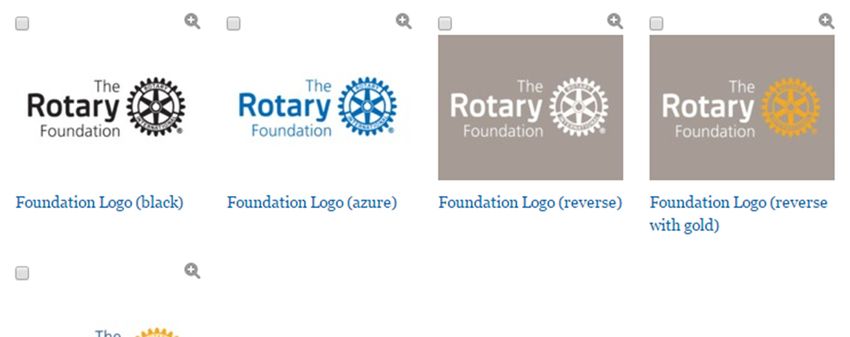
EFFECTIVE LEADERSHIP, continued
GOALS

Each Objective may have intermediate goals. For example:
          Objective: Increase member support of The Rotary Foundation
          Goals:
              1.   5 new Paul Harris Fellows
              2.   100% Sustaining Members ($100 per member per year)
              3.   3 new Benefactors
              4.   Annual Fund per capita giving $_______

Strategies/Action Plans
What are the things we'll need to DO to accomplish our Goals & Objectives?
WHO will get those done, and by WHEN?
                                     Action Plans - Objective 1
               Action Plan                     Who                By When

                                     Action Plans - Objective 2
               Action Plan                     Who                By When

                                     Action Plans - Objective 3
               Action Plan                     Who                By When

Small Group Session Materials 2021        2021.03.02                        Page 5 of 56
EFFECTIVE LEADERSHIP, continued
Goal Setting
Have you set your club goals for the coming year?
Entered your goals in Rotary Club Central?
How does your club determine which goals to set?
Who will help you set your Club’s annual goals? What gets measured
Who will monitor & report on status? gets done
Key Points
The following “best practices” strategies can help you and your club
achieve desired goals:
Establish and communicate a clear timeline
Outline the specific steps needed to achieve the goal (actions needed)
Determine WHO is responsible for implementing each step and assign the
responsibility
Consider the resources/tools available to help you
Identify the criteria for measuring the club’s progress and for what
constitutes success
Monitor/evaluate/report on the progress toward the goal
LEADERSHIP TEAM
Effective clubs have effective leadership TEAMS; it’s hard for one person to
make a truly effective club! How are you developing your leadership team?
LOOK FOR NEW (and also proven) IDEAS in this session.
Timing ‐‐ The time to have your leadership team lined up is NOW. If you
don't have these key positions filled today, make that a priority for the
month of April:
o Membership Chair
o Service Projects Chair
o RI Foundation Chair
o Club Administration Chair
o Public Image Chair
o Fundraising Chair
Page 6 of 56 2021.03.02 Small Group Session Materials 2021
EFFECTIVE LEADERSHIP, continued
LEADING EFFECTIVE & ENGAGING MEETINGS
To help ensure effective weekly meetings, club presidents can:
Delegate the responsibility of arranging interesting programs to a club
administration or program committee
Create and publish meeting agendas/bulletins in advance
Relate programs to current club projects and activities using the Rotary
monthly theme calendar (see Resources and References Handout #6)
Include programs that update members of Rotary information
Begin and end the meetings on time
Show Rotary Videos to begin your meeting to showcase projects around the
world
Display a slideshow of Rotary Images and your club’s photos during meals
and fellowship time to show pride in Rotary members at work and service.
Have a contingency plan in case the scheduled program is cancelled
Refer to Club Meeting Agenda and Board Meeting Agenda in "Resources &
References" section (Page 11)
Club Assemblies
What will you discuss at your club assembly?
Annual and long‐range goals, goal setting, and club budget/finances
Service projects and club activities
Key committee reports/activities/updates
Club training and member education strategies
Membership engagement, growth, and retention strategies
Attendance at the district conference or other district and RI meetings
Any topic raised in an open forum
Small Group Session Materials 2021 2021.03.02 Page 7 of 56
EFFECTIVE LEADERSHIP, continued
STRATEGIC PLAN
Creating a Strategic Plan for your club is not as daunting as it may seem. Use the
Club Plan framework above (Vision, Objectives, Strategies/Action Plans), and
stretch the timeline from one year to three years.
Add an assessment of Strengths, Weaknesses, Opportunities and Threats (SWOT)
and you have a basic Strategic Plan that the club can build upon.
Strengths Weaknesses
Opportunities Threats
SUSTAINABILITY & SUCCESSION PLANNING
Your role as a club leader also includes ensuring the vitality and future
sustainability of the club. Developing a bench and a succession line of future
leaders is an essential strategy for a healthy, vibrant club that will continue to do
needed and worthy projects in your club’s community. Lack of sustainability &
succession planning could mean that your current members become the last
generation of Rotarians serving the needs of your community.
Club Leadership Development Culture
Identifying and cultivating future club leaders starts with:
Committee assignment – a meaningful role on a key committee, preferably
with a “mentorship‐oriented” committee chair
Committee Chair assignments – Clear‐cut objectives and accountability
where leadership skills are developed and demonstrated.
Page 8 of 56 2021.03.02 Small Group Session Materials 2021EFFECTIVE LEADERSHIP, continued
Club Leadership Development Culture, continued
Board member — Visibility into the inner workings of the club. Most club
Boards have a two‐ or three‐year term, with some members rotating on
and off each year. What is your club’s Board rotation plan? What will you
need to change, if anything, to adopt this process?
Club President identification — Club Bylaws require the election of both a
President and President‐ Elect in December to serve the following Rotary
year (beginning July 1)
o Many clubs also identify a President Nominee (to follow President‐
Elect), for a total of three years of identified forward leadership
o Board Members and other Officers (Secretary, Treasurer) for the
coming year should be elected at the same time
All club leaders (Officers, Directors, key Committee Chairs) should be
participating in available training opportunities:
o Club Leadership Training Assembly offered by the District
o District Foundation & Grants Training
o Rotary Leadership Institute (RLI)
o District Conference
Thinking about your club:
How many years forward are Presidents identified? _______
My successor is: _______________
His/her successor (or likely successor) is: ______________
Which of our leadership candidates have completed (or started) Rotary
Leadership Institute (RLI)? _________________________________
http://www.RLI33.org
Other sustainability strategies to consider:
o ______________
o ______________
o ______________
Small Group Session Materials 2021 2021.03.02 Page 9 of 56EFFECTIVE LEADERSHIP, continued
YOUR ROLE IN CLUB ADMINSTRATION
Review and update, if necessary, your club’s Constitution & Bylaws.
Create a month‐by‐month budget for income and expenses — See "Budgets
& Financial Management in the Resources Section (Page 12)
Know the club’s administrative policies and procedures (particularly as they
relate to the role of the Board, the Secretary, and the Treasurer) that serve
as the framework for the operation of a Rotary club.
Prepare so that your Officers and Directors/Board Members FULLY
understand their function and duties.
Understand the reporting requirements of Rotary International and of your
Rotary District. Fulfill administrative duties to your District and Rotary
International.
Prepare to make your Governor’s visit the best in the District.
Oversee the responsible stewardship of club finances.
Understand what meetings you will lead and which ones you will delegate.
Know and use the “best practices” for running meetings
Page 10 of 56 2021.03.02 Small Group Session Materials 2021EFFECTIVE LEADERSHIP, continued
CLUB MEETING AGENDA (sample)
Opening/Welcome
Pledge of Allegiance (optional) Club Meetings
Song (optional) 1. Written Agenda
2. Everyone on Agenda receives in
Ecumenical Invocation (optional) advance
Visiting Rotarians, Guests 3. Fit to your club and your club
culture
New Member Introductions
4. Capture Visitor and Guest
General Announcements Names & Contact Information
Member News/Happy Bucks, etc. at Check‐in
Speaker Introduction
Speaker
Closing Announcements/Reminders/Upcoming Events
4‐Way Test
BOARD MEETING AGENDA (sample)
Opening
Ecumenical Invocation (optional)
Approval of Minutes, last meeting (Written minutes now required within 60
days of Board meeting per April 2016 Council on Legislation)
Secretary’s Report
Board Meetings
New Member 1. At least Quarterly
Proposals 2. Written Agenda
3. Board receives Agenda in advance
Resignations 4. Board receives Minutes in advance
Treasurer’s Report (Written minutes required < 60 Days after mtg.)
Balance Sheet 5. Best Practice – Record the meeting for the person
writing Minutes
Income Statement 6. Recommendation – Board Retreat before 7/1
Delinquent Members
Committee Chair Reports
Progress Review ‐ Presidential Citation & Governor's Award
Closing Announcements/Reminders/Upcoming Events
Small Group Session Materials 2021 2021.03.02 Page 11 of 56EFFECTIVE LEADERSHIP, continued
BUDGETS & FINANCIAL MANAGEMENT
Are your club “financials” in good order? Does your club have a well‐prepared and
communicated Budget? Are there changes that should be made to your club’s
budget? (Does your club have unnecessary expenses that raise the cost of Rotary
membership?)
What is YOUR ROLE in your club’s budget?
Why is the “budget” so important?
Has your budget been updated to reflect current RI and District dues?
Budget Best Practices
The following are items that should be considered/included in the budget and
budgeting process:
Club should have a Balance Sheet, showing all club assets (including
reserves) and liabilities, updated at least monthly
Club should have an Income Statement showing all income and expense
categories, updated at least monthly
Balance Sheet and Income Statement should be presented for Board review
Monthly (minimum ‐ Monthly to Board; Quarterly to club membership)
Budget should include all Income/Expense line items as estimated for
coming year. Look at history for two prior years when estimating.
Budget should include allowances for expenses outside club operations,
such as reimbursement of officers for attendance at District events,
Training, RLI, Pre‐PETS, PETS, RI Convention, etc. Ensure that club dues are
sufficient to cover RI and District dues, plus operating funds for the club.
Budget items should be monthly, as a Rotary club’s income and expenses
are irregular; large expense items occurring at intervals during the year.
Reserves must cover expenses between dues income intervals.
Rotary Foundation contributions are not club cash reserves. Those funds
are not the club’s funds, and should be forwarded monthly to TRF, or at a
minimum, quarterly. Best practice: Have all members enroll in TRF Rotary
Direct and discontinue having club treasurer collect monies for TRF. Make
this a part of the New Member Orientation process for all new members.
Assistant Governors are available to assist clubs with budgeting, if needed.
Page 12 of 56 2021.03.02 Small Group Session Materials 2021EFFECTIVE LEADERSHIP, continued ONLINE RESOURCES Rotary Club Central: http://www.rotary.org/ClubCentral Rotary Governance documents: https://my.rotary.org/en/learning‐ reference/about‐rotary/governance‐documents Council on Legislation: www.rotary.org/col Rotary monthly theme calendar: https://my.rotary.org/en/news‐media/calendar Be a Vibrant Club: Your Club Leadership Plan: https://www.rotary.org/myrotary/en/document/be‐vibrant‐club‐your‐club‐ leadership‐plan‐north‐america Rotary Brand Center: www.Rotary.org/BrandCenter Rotary Videos: http://vimeopro.com/rotary/rotary‐videos Rotary Images: http://rotary.org/images Small Group Session Materials 2021 2021.03.02 Page 13 of 56
MAKING THE MOST OF ROTARY’S PUBLIC IMAGE
Reference: Lead Your Club, 222‐EN–(518), Chapter 6

Learning Objectives

At the end of this session, participants will be able to:
     1. Understand the purpose and intent of implementing a Public
        Image plan for your Rotary Club
     2. Understand Rotary branding guidelines, use of the Rotary logo
        and resources available at the Brand Center
        www.rotary.org/brandcenter
     3. Share proven strategies, ideas and best practices to enhance the
        club's (and Rotary's) Public Image
     4. Collaborate with peers (here at PETS and at your club) on
        leveraging Social Media as part of Public Image plans throughout
        the year
     5. Understand and incorporate Rotary's Vision Statement and Seven
          Causes (formerly Areas of Focus) into the club's Public Image
          strategies

Notes & follow‐up:

Page 14 of 56                      2021.03.02               Small Group Session Materials 2021
MAKING THE MOST OF ROTARY’S PUBLIC IMAGE, continued
Attracting Members Community Awareness
Increase Foundation Gifts Social Media Engagement
Traditional Media Engagement Telling Your Rotary Story
Innovation Other
Small Group Session Materials 2021 2021.03.02 Page 15 of 56MAKING THE MOST OF ROTARY’S PUBLIC IMAGE, continued YOUR ROTARY STORY What will you say when someone asks, “What is Rotary?” How will you convey in your own words how Rotary helps you to JOIN LEADERS, EXCHANGE IDEAS, and TAKE ACTION? Please answer the following questions with 3‐5 bullet points each. Why did you join Rotary? Why have you stayed with Rotary? The answers to these questions become YOUR Rotary Story. Page 16 of 56 2021.03.02 Small Group Session Materials 2021
MAKING THE MOST OF ROTARY’S PUBLIC IMAGE, continued
PUBLIC IMAGE STRATEGIES
Which of these "best practices" are part of your club's Public Image plan?
Establish a Public Image Committee and Public Image Plan
Attend District Public Image Training opportunities
Review all club collateral for correct use of the Rotary logo and club logo
Review all online presence ‐‐ website, social media, blogs, etc. for correct
logos and branding ‐‐ redesign as needed
Establish a website and social media presence, if not already in place
Prominently display the Rotary logo during service
projects and on permanent project markers
Post and TAG service project photos
Budget for “Rotarian at Work” shirts for hands‐on projects
Engage local media with news releases and video posts
Prioritize attracting members as an objective of your Public Image plan
IMPORTANT: Highlight Program Speakers Using Social Media
A few days prior to your club meeting, post about and TAG your speaker
Post and TAG the speaker WHILE they are at your meeting
Post a thank you within one business day, again TAGGING the speaker
Get as many of your members as possible to follow the above 3 steps and
post on their personal social media pages too
What does this do?
o It spreads the information out far beyond your own network
o It showcases the great club programs your club has
o It creates club engagement
o Through the “viral” effect of sharing, more become aware of your
club and the great work it does within the community
o It acts as an attraction tool for future member candidates
All of this is part of your club’s Branding!
Small Group Session Materials 2021 2021.03.02 Page 17 of 56MAKING THE MOST OF ROTARY’S PUBLIC IMAGE, continued
Rotary Branding Do’s and Don’ts:
1. DON'T use the old blue & gold Rotary wheel ‐‐ anywhere
2. DO use the "Masterbrand" logo ‐‐ the word "Rotary" alongside a
gold wheel (samples below)
3. DO create a Club Logo using the template in the
Brand Center
4. DO use the published guidelines
https://my.rotary.org/en/document/tell‐rotarys‐story‐voice‐and‐visual‐
identity‐guidelines‐rotarians
Rotary Logos are available in many formats from MyRotary’s Brand Center
http://www.rotary.org/brandcenter
Page 18 of 56 2021.03.02 Small Group Session Materials 2021MAKING THE MOST OF ROTARY’S PUBLIC IMAGE, continued Rotary Logos as found in MyRotary’s Brand Center Small Group Session Materials 2021 2021.03.02 Page 19 of 56
MAKING THE MOST OF ROTARY’S PUBLIC IMAGE, continued
The VISION of Rotary
          “Together, we see a world where people unite and take action to create
          lasting change – across the globe, in our communities, and in ourselves”

            Uniting, Taking Action, Creating Lasting Change … has many forms

The Rotary Foundation’s flagship project

Page 20 of 56                         2021.03.02                 Small Group Session Materials 2021
MAKING THE MOST OF ROTARY’S PUBLIC IMAGE, continued
The Rotary Foundation’s Seven Causes
Promoting Peace
Supporting Mothers and Children
Fighting Disease
Growing Local Economies
Providing Clean Water
Supporting Education Protecting the Environment
Small Group Session Materials 2021 2021.03.02 Page 21 of 56MAKING THE MOST OF ROTARY’S PUBLIC IMAGE, continued
Great brands build their stories around simple ideas. The three phrases below convey the essence of
who we are and help us tell our story with strength and consistency. They communicate what makes
Rotary a positive force in communities all over the world.
ROTARY UNITES LEADERS
Rotary brings together leaders who use their combined expertise to tackle
some of the toughest challenges in their communities
Rotary harnesses the strength and experience of professional and
community leaders from nearly every country in the world
ROTARY EXCHANGES IDEAS
At Rotary, we discover and celebrate our diverse perspectives during club
meetings, conferences, service projects, and social events
Rotary finds a place for your expertise and passion. Whether you want to
lead a project or participate in one, Rotary welcomes your involvement.
ROTARY TAKES ACTION
Rotary creates positive change in communities around the world through
our service projects
From stocking food pantries to providing clean water and improving
maternal health, Rotary clubs join forces to carry out impactful and
sustainable projects in communities around the world
THROUGH ROTARY
We build lifelong relationships
We honor our commitments
We connect diverse perspectives
We apply our leadership and expertise to address social issues
Page 22 of 56 2021.03.02 Small Group Session Materials 2021MAKING THE MOST OF ROTARY’S PUBLIC IMAGE, continued References, Resources, Tools and Support End Polio Now: http://www.EndPolioNow.org Club Public Image Committee District Public Image Committee Rotary Public Image Coordinator (RPIC) and their assistants Small Group Session Materials 2021 2021.03.02 Page 23 of 56
ENGAGING YOUR COMMUNITY
Reference: Lead Your Club, 222 EN–(518), Chapter 8

Learning Objectives

At the end of this session, participants will be able to:
     1. Identify the ingredients of an effective community‐building
        service project that helps to tell Rotary’s story
     2. Determine a balanced program of service for the club
     3. Understand the difference between a fundraising project and the
        service project(s) it funds
     4. Understand the role and importance of YOUR leadership and
        commitment in your club’s service projects
     5. Understand the importance of periodically evaluating every club
        project
     6. Identify the “best practices” of successful and effective club
          projects

Notes & follow‐up:

Page 24 of 56                    2021.03.02                 Small Group Session Materials 2021
ENGAGING YOUR COMMUNITY, continued
Identifying Community Needs Projects Should Assist in Attracting &
Retaining New Members
Rotary’s Public Image Determining Whether A Project Is
Should Always be a Factor A Good “Fit” For Your Club
Insuring Club Support/Participation Involving Members & Committees
Partnering With Another Organization Evaluating A Completed Project
Small Group Session Materials 2021 2021.03.02 Page 25 of 56ENGAGING YOUR COMMUNITY, continued
OBJECT OF ROTARY
The Object of Rotary is to encourage and foster the ideal of service as a basis of
worthy enterprise and, in particular, to encourage and foster:
FIRST: The development of acquaintance as an opportunity for service;
SECOND: High ethical standards in business and professions; the recognition of
the worthiness of all useful occupations; and the dignifying of each Rotarian’s
occupation as an opportunity to serve society;
THIRD: The application of the ideal of service in each Rotarian’s personal,
business, and community life;
FOURTH: The advancement of international understanding, goodwill, and
peace through a world fellowship of business and professional persons united
in the ideal of service.
Notes & follow‐up:
Page 26 of 56 2021.03.02 Small Group Session Materials 2021ENGAGING YOUR COMMUNITY, continued AVENUES OF SERVICE We channel our commitment to service at home and abroad through five Avenues of Service, which are the foundation of club activity: Club Service focuses on making clubs strong. A thriving club is anchored by strong relationships and an active membership development plan. Vocational Service calls on every Rotarian to work with integrity and contribute their expertise to the problems and needs of society. Learn more in An Introduction to Vocational Service and the Code of Conduct. Community Service encourages every Rotarian to find ways to improve the quality of life for people in their communities and to serve the public interest. Learn more in Communities in Action: A Guide to Effective Projects and this Community Service presentation (PPT). International Service exemplifies our global reach in promoting peace and understanding. We support this service avenue by sponsoring or volunteering on international projects, seeking partners abroad, and more. Youth Service recognizes the importance of empowering youth and young professionals through leadership development programs such as Rotaract, Interact, Rotary Youth Leadership Awards, and Rotary Youth Exchange. Notes & follow‐up: Small Group Session Materials 2021 2021.03.02 Page 27 of 56
ENGAGING YOUR COMMUNITY, continued
KEY POINTS
We are “People of Action” — We identify needs in our communities, create
solutions, then fund and execute service projects (fundraisers are a means
to an end ‐ not an end in themselves)
While we are a Membership Organization first and foremost, our
“business” is service ‐‐ thus “Service Above Self” is Rotary’s principal motto
Every Rotarian is tasked with the responsibility for finding ways to improve
the quality of life in his or her community and around the world through
service projects
Service projects provide opportunities for both member and community
involvement and fellowship
Effective, meaningful service projects are essential to attracting and
retaining Rotarians
Service projects are also a part of your club’s public image and the image of
Rotary International
A successful service/community-impact project requires the following steps:
Conduct a needs assessment to determine the needs and concerns of the
community. Projects repeated for many years can lose effectiveness and
community impact.
Develop a plan to ensure the project will be meaningful and successful
Implement the project to deliver the service
Evaluate current projects to plan for future projects, learning from the
successes and the failures; evaluation should be a part of all stages, from
project planning to implementation and post‐project review
o Does the need for the project still exist?
o Are members still passionate about the project?
o Who/what would be harmed if we dropped or reinvented the
project?
Page 28 of 56 2021.03.02 Small Group Session Materials 2021ENGAGING YOUR COMMUNITY, continued Community Engagement Resources Contact information for Secretariat staff and RI and Foundation officers and appointees is listed in the Official Directory and at www.rotary.org. Download publications at www.rotary.org, or order them through shop.rotary.org. The following resources are available to help you conduct successful service projects. They can be found from the Lifecycle of a Project webpage on MyRotary. MyRotary Take Action Develop Projects Lifecycle of a Project. Communities in Action (605a‐EN) — Provides comprehensive instructions for planning, conducting, and evaluating a service project. Community Assessment Tools (605‐EN) — Provides comprehensive details for how to conduct community assessments. Lead Your Club: Service Projects Committee (225d‐EN) — A comprehensive manual for your club’s Service Projects Committee. Rotary Showcase User Guide – This guide will teach any Rotarian what Rotary Showcase is and how to use it effectively. It includes an anatomy of an efficient Showcase project including some featured past projects. Rotary’s Areas of Focus (965‐EN) — Provides excellent examples of service projects in each of Rotary’s Six Areas of Focus Human Resources Club and District Support representative — Staff members at international offices and RI World Headquarters who can answer administrative questions and direct other inquiries to appropriate RI and Foundation staff. MyRotary – Visit EXCHANGE IDEAS COMMUNITY MARKETPLACE to find Rotarians and Rotaractors who are developing innovative resources that help clubs and districts connect with each other. MyRotary – Visit EXCHANGE IDEAS DISCUSSION GROUPS to find a group that is discussing projects that you may want to emulate, or learn from, or even extend. Rotarian Action Groups — International groups of Rotarians, Rotarian spouses, and Rotaractors who join together to conduct international service projects related to a specific topic. Small Group Session Materials 2021 2021.03.02 Page 29 of 56
ENGAGING YOUR COMMUNITY, continued
Informational Resources
Club Central — Club assessment and goal‐setting tools used to plan service
project goals. Via the RI website and through new Webinars, learn more about
the system and how it can help your club plan for your year.
Club Assessment Tools (808–EN) — A companion piece to the Membership
Development Resource Guide
RI programs newsletters — E‐newsletters on specific RI programs. Sign up at
http://www.rotary.org/newsletters/
Rotary Community Corps Handbook (770‐EN) — Basic steps for organizing a corps,
including how to identify potential leaders; also includes case studies and project
ideas.
The Rotary Foundation Quick Reference Guide (219‐EN) — A detailed overview of
the programs and services of The Rotary Foundation.
World Community Service Handbook: A Guide to Action (742‐EN) — Information
on the WCS program, including overviews of donations‐in‐kind projects and the
Rotary Volunteers program, as well as Rotary Foundation grants.
Abuse and Harassment Prevention Training Manual / Leaders’ Guide (775‐EN) —
Youth protection guidance that can be modified to comply with local laws and
situations to create and maintain the safest possible environment for participants.

Financial Resources
Funds from individual donors or local businesses
Rotary Foundation grants and grants from other foundations
Funds solicited through the http://Ideas.Rotary.org database

Page 30 of 56                      2021.03.02                  Small Group Session Materials 2021
YOUR ROTARY FOUNDATION
Reference: Lead Your Club, 222 EN (518), Chapter 7

Learning Objectives

At the end of this session, participants will be able to:
     1. Identify the seven Causes of Rotary Foundation and how they
        relate to Rotary Foundation grants
     2. Understand how your club can benefit from District Grants and
        participate in Global Grants
     3. Identify the “best practices” of clubs that successfully grow
        member support and contributions to The Rotary Foundation
     4. Understand how to use historical club contribution data to set
        reasonable goals for both Annual Fund and PolioPlus fundraising
     5. Understand how to use available informational and District
          resources to educate members on The Rotary Foundation's goals,
          accomplishments and value as their “charity of choice”

Notes & follow‐up:

Small Group Session Materials 2021   2021.03.02                      Page 31 of 56
YOUR ROTARY FOUNDATION, continued
Motto: “Doing Good in the World”
The Rotary Foundation’s Mission Statement:
… to enable Rotarians to advance world understanding, goodwill, and peace
through the improvement of health, the support of education, and the
alleviation of poverty
YOUR Rotary Foundation has seven specific Causes:
Promoting Peace
Fighting Disease
Providing Clean Water
Saving Mothers and Children
Supporting Education
Growing Local Economies
Protecting the Environment
https://www.rotary.org/en/learning‐reference/about‐rotary/areas‐focus
Page 32 of 56 2021.03.02 Small Group Session Materials 2021YOUR ROTARY FOUNDATION, continued
What are the big differences between The Rotary Foundation and other
charitable foundations?
Rotary’s Vision Statement (not TRF’s)
“Together, we see a world where people unite and take action to
create lasting change — across the globe, in our communities, and in
ourselves.”
Rotary Members
People of Action
Grants from the Rotary Foundation are initiated by
o A Rotarian who sees a community need and creates a solution
o A Rotary club that supports the project
o Rotarians who agree to execute the project
Then,
o The Rotary Foundation funds the project
o The Rotarians monitor, evaluate, and report on the project
Grants from The Rotary Foundation are initiated and directed by Rotarians,
Rotary clubs and Rotary Districts. Therefore:
o You know where your contributions are going
o Rotarians “have your back” on the project (monitoring, evaluation)
o Required reporting ensures funds are spent as intended
Clubs' and Districts' grant eligibility and available funding is based on their
club members' contributions to The Rotary Foundation
What kinds of grants are available from The Rotary Foundation?
o District Grants
o Global Grants
Small Group Session Materials 2021 2021.03.02 Page 33 of 56YOUR ROTARY FOUNDATION, continued How are District and Global Grants funded by Rotarians' contributions? Ideas for my club's District Grant requests: Page 34 of 56 2021.03.02 Small Group Session Materials 2021
YOUR ROTARY FOUNDATION, continued
District Grants - Characteristics and guidelines
IMPORTANT: District grants for your term as President will be made
BEFORE July 1. Get a grant application underway ASAP if not already in
process
Awarded to your club by your District’s Grants Committee, based on District
guidelines (get with your District Foundation Chair soon to learn more)
Simple, flexible, innovative
Small‐scale, short‐term (YOUR ROTARY FOUNDATION, continued
Promoting The Rotary Foundation in your club
Identify a committed member as the club Foundation Chair
o Select committee members who have supported the Foundation
Lead by example — attend and encourage attendance at your district
Rotary Foundation seminars and other related events
Lead by contributing personally and encourage your Board of Directors to
do likewise
Promote contributions from club members
o Include recommended Sustaining Member contribution ($100/year)
on dues invoice
o Paul Harris Level Point Match offers
o Rotary Direct — Regular contributions via bank draft or credit card
Plan educational and inspirational club programs focused on The Rotary
Foundation every quarter (especially in November, Rotary Foundation
Month)
Utilize District Rotary Foundation resources for support
Set club contribution goals and track them in Rotary Club Central
Available Reports:
o Monthly Contribution Report (overall club progress)
o Club Recognition Summary (Individual giving)
My club’s strategies for promoting contributions to The Rotary Foundation:
Page 36 of 56 2021.03.02 Small Group Session Materials 2021YOUR ROTARY FOUNDATION, continued
Donor Recognition Levels
Paul Harris Fellow (PHF) $1,000 lifetime contribution
Sustaining Member $100 year
Paul Harris Society $1,000/year
Multiple Paul Harris Fellow $1,000 add’l increments: PHF+1, PHF+2, etc
Major Donor $10,000 lifetime contribution (Level 1)
$25,000 (Level 2)
$50,000 (Level 3)
$100,000 (Level 4)
Arch Klumph Society $250,000 minimum (multiple levels)
Club Banner Recognition Levels
100% Foundation Giving Club
Everyone > $25 to Annual Fund, PolioPlus Fund, approved global
grants, or Endowment Fund
and club Per Capita > $100
Every Rotarian, Every Year Club
Everyone > $25 to Annual Fund
and club Per Capita > $100
100% Paul Harris Fellow – All members are Paul Harris Fellows (one time)
Estate Pledge (Bequest) Levels
Benefactor $1,000 Estate pledge
Bequest Society $10,000 Estate pledge (Level 1)
$25,000 Estate pledge (Level 2)
$50,000 Estate pledge (Level 3)
$100,000 Estate pledge (Level 4)
$250,000 Estate pledge (Level 5)
Small Group Session Materials 2021 2021.03.02 Page 37 of 56YOUR ROTARY FOUNDATION, continued
Goal Setting — Annual Fund
All necessary data for the goal‐setting process described below is on the Club
Fundraising Analysis, available from My Rotary ‐ Reports
OR: tinyurl.com/PETSFoundationReports
Consider the club’s historical giving levels
o Per capita Annual Fund (based on July 1 membership)
o Total Giving (based on Rotary year)
If your club’s per capita giving is below the District average:
o Set your goal at the District average OR
o Close the gap by half
If your club’s per capita giving exceeds the District average:
o Take the best of your past five years’ per capita and beat it by $1.
o Your club’s Total Giving goal for the Annual Fund is the per capita
goal times your estimated July 1, 2020 membership
Club Fundraising Analysis (available from My Rotary ‐ Reports)
Page 38 of 56 2021.03.02 Small Group Session Materials 2021YOUR ROTARY FOUNDATION, continued
Goal Setting — PolioPlus
Your club’s PolioPlus contribution history is in the PolioPlus report (available from
My Rotary ‐ Reports) OR: tinyurl.com/PETSFoundationReports
For the seven Districts in Carolinas’ PETS as a whole, the PolioPlus goal is $35 per
capita. Your District's per capita goal may be higher (substitute for $35 below).
Consider the club’s historical giving levels
o Per capita (based on July 1 membership)
o Total Giving (based on Rotary year)
If your club’s per capita giving is below $45:
o Set your goal at $45 OR
o Close the gap by half
If your club’s per capita giving exceeds $45:
o Take the best of your past five years’ per capita contributions and
beat it by $1.
Your club’s Total Giving goal for PolioPlus is the per capita goal times your
estimated July 1, 2020 membership
Notes:
Small Group Session Materials 2021 2021.03.02 Page 39 of 56YOUR ROTARY FOUNDATION, continued
Motto & Mission Seven Causes
How are Grants Initiated? Grant Types
Foundation Committee, Promoting YOUR Foundation
Personal and Board Example
Recognizing Members for Goal Setting
Their Foundation Support
Page 40 of 56 2021.03.02 Small Group Session Materials 2021YOUR ROTARY FOUNDATION, continued
Resources
“What other Rotary Foundation resources are available?”
Your District Rotary Foundation chair and committee
Your District Rotary Foundation Seminar (PLAN NOW TO GO)
Your District Grant Seminar (President‐Elect and Foundation Chair‐Elect
should attend)
Your District Governor and Assistant Governors
Your Regional Rotary Foundation Coordinator
Your Rotary Foundation staff at RI World Headquarters
The following are suggested as informational club resources:
The Rotary Foundation Reference Guide, 219 EN—(1117)
https://my.rotary.org/en/document/rotary‐foundation‐reference‐guide
www.rotary.org/myrotary/en/rotary‐foundation
(become familiar with all links and sub links on this page)
E‐learning modules
https://my.rotary.org/en/learning‐reference
o Rotary Foundation Basics
o Rotary Foundation’s Six Causes and Choosing a Grant
Small Group Session Materials 2021 2021.03.02 Page 41 of 56MEMBERSHIP ENGAGEMENT, GROWTH, AND DEVELOPMENT
Reference: Lead Your Club, 222 EN (518), Chapter 5
Learning Objectives
At the end of this session, participants will be able to:
1. Understand the relationships between Retention, Attrition and
Attraction Rates
2. Understand the four Key Success Factors of membership growth:
Prospect Identification (Lead Generation)
Attracting Members
Onboarding New Members
Retaining Members
3. Identify one or more Intentional Strategies to accomplish each of
the four membership Key Success Factors
4. Understand 2016 Council on Legislation (COL) flexibilities, including:
Meeting Flexibility
Alternate Membership Types
Satellite Clubs
5. Share proven “best membership practices” for communicating with
and engaging potential, new, and current members
6. Leave PETS with the framework of an effective Club Membership
Growth Plan
Page 42 of 56 2021.03.02 Small Group Session Materials 2021MEMBERSHIP ENGAGEMENT, GROWTH, AND DEVELOPMENT, continued
Retention, Attrition & Attraction Prospect Identification
(Lead Generation)
Attracting Members Onboarding New Members
Engaging Members COL Flexibilities
Notes & follow‐up:
Small Group Session Materials 2021 2021.03.02 Page 43 of 56MEMBERSHIP ENGAGEMENT, GROWTH, AND DEVELOPMENT, continued
The Benefits of Being a Member of Rotary!
A high quality, high integrity network of like‐minded people
Opportunity to serve your own community and others worldwide
Part of something bigger than yourself
Personal growth & development, particularly in leadership skills
Outstanding programs from high‐impact speakers
Mentoring youth or younger members or being mentored yourself
Rotary Global Rewards (https://www.rotary.org/myrotary/en/member‐
center/rotary‐global‐rewards)
An Effective Rotary Club is One That:
Sustains or increases its membership base Essential
Implements successful projects that address the needs of its community
and communities in other countries
Supports the Rotary Foundation through both program participation and
financial contributions
Develops future club leaders capable of serving Rotary beyond the club
KEY POINTS: A vibrant, active Club Membership Committee and a Club Trainer
can greatly assist your club in achieving its goals!
Notes & follow‐up:
Page 44 of 56 2021.03.02 Small Group Session Materials 2021MEMBERSHIP ENGAGEMENT, GROWTH, AND DEVELOPMENT, continued
RETENTION, ATTRITION AND ATTRACTION
Fact: Clubs lose and attract members every year (Attrition is Real)
Retention Rate = % of members retained in a given year
o Example: 40 member club retains 34 members = 85% Retention rate
Attrition Rate = % of members lost (resigned) in a given year
o Example: 40 member club loses 6 members = 15% Attrition rate
Therefore: 100% - Retention Rate = Attrition Rate (100% - 85% = 15%)
Attraction Rate = % of new members attracted (added) in a given year
o Example: 40 member club adds eight members = 20% Attraction rate
Attraction Rate must exceed Attrition Rate to grow membership
District Membership Trends through 7/1/2019
Look closely at the data for your District
Notice that Districts with net membership GAINS attracted a lot of members, but
just barely enough to grow. Why did they not attract more?
Also notice that Districts with net membership LOSSES attracted a lot of
members, but just not quite enough to grow. Why did they not attract more?
Across all seven Carolinas’ PETS Districts, market limitations can’t explain this.
Possible Conclusion: Most clubs will work just hard enough at membership to
maintain their size, or decline by one or two members/year if surprised by a late
resignation. Clubs are simply satisfied to just maintain or slightly decline in
membership.
Is your club one of those clubs?
Small Group Session Materials 2021 2021.03.02 Page 45 of 56MEMBERSHIP ENGAGEMENT, GROWTH, AND DEVELOPMENT, continued
Five Things I Wish All Rotarians Knew (and Believed) About Membership
1. Nothing Else Matters — Rotary is a Membership Organization And Our Product is
Service — If you get Membership right, pretty much everything else takes care of itself.
If you don't get membership right, everything else is a struggle for the whole year.
Work on membership first, get your membership committee up and running first, and
then attend to other priorities. Make sure your membership chair is 100% committed to
membership growth, and to getting started in April or May (the April or May before the
next Rotary year). And that the Membership Chair has a committee. NOTE: A committee
cannot be one member!
2. Attrition is Real — Membership organizations lose members, most at alarming rates. I
know, you're thinking "Nobody would quit our great club". Wrong. The three‐year
average annual attrition rate for Zone 33 clubs is fourteen percent (14%) annually. Half
of those leave for reasons you can't control. A handful of clubs have long‐term attrition
rates below 10% and none lower than 8%. Build your membership plan around the
assumption that 15% of your members will leave during this next Rotary year, and have
a plan to replace them. Count your blessings (and your membership gain) if that doesn't
happen.
3. Retention is Important for the LONG Term — Retention rates can be changed over
time, not quickly, and you can't retain your way from 20 to 30 members. Work on
retention strategies, but don't count on moving the needle quickly. Find out why people
leave through exit surveys, and fix those problems. Hint: Most attrition casualties have
been members less than 1, 2 or 3 years (MEMBERSHIP ENGAGEMENT, GROWTH, AND DEVELOPMENT, continued
INTENTIONAL MEMBERSHIP STRATEGIES
10:3:1 Rule
Prospect Identification (Lead Generation) 10 targets (conversations)
3 Prospects (to a meeting)
1. Use the “Who do You Know?” handout at a 1 Member
Club Assembly. Actually allow time for people
to fill it out (making it clear we're not leaving 'till everyone has some names
written down) and then ask them to approach ten of those people about
Rotary.
2. Classification/Profession Gap Analysis — Secure a list of local businesses
and professions from the Chamber of Commerce and/or list sources like
InfoUSA or ZoomInfo (available at your local Library). Identify businesses
and professions that ought to have someone in Rotary. Present the list at a
Club Assembly and ask which members know someone at each and who
will invite them to an upcoming Rotary Information Hour (#4 below).
Attracting Members
3. Club President personally asks each member to bring a new member into
the club ‐‐ an eyeball‐to‐eyeball conversation over breakfast, lunch, coffee,
adult beverage or a two‐way telephone conversation. Takes the anonymity
out of the ask. “Can I count on you doing this not only for the club but also
for me?”
#1 PROVEN ROI Strategy
4. A regularly‐scheduled “Rotary Information Hour” once a quarter or
once a month. The “intentional” part is that it’s a standing event, on
the club calendar, and members are reminded by email or phone to
bring their prospective members. Not just to a meeting whenever
you think of it, but to a regularly scheduled date, time and place.
See: Recipe for a Successful Membership Event
5. “Drip Marketing” ‐‐ Create a central prospect list, including email
addresses, and use the “Potential Member” feature in DaCdb or another
email distribution mechanism (Vertical Response, Constant Contact or
MailChimp), to send your club’s E‐Bulletin once or twice a month to your
entire prospect list. Regularly reminding prospects of your club's brand
makes you “Top of Mind” when the time is right for the prospect to join a
community service organization. Be sure and include “Response”
information so they know how to raise their hands when they're ready.
See: Don’t Squander Your Leads
Small Group Session Materials 2021 2021.03.02 Page 47 of 56MEMBERSHIP ENGAGEMENT, GROWTH, AND DEVELOPMENT, continued
INTENTIONAL MEMBERSHIP STRATEGIES, continued
6. Take advantage of 2016 Council on Legislation flexibilities, such as:
a. Create a Corporate Membership category, allowing multiple people
from a company to become Rotarians, with one being the
“Corporate Active” member and the others “Corporate Associates”
b. Create a “YP‐35” membership category that follows the “Rule of 85”
dues, meals and attendance structures
c. Create Satellite club(s) for groups of members that have a different
need or focus from the standard club
d. Get creative. Put actions in place that are relevant for your club
e. https://www.rotary.org/myrotary/en/club‐flexibility
Onboarding New Members
7. Create a New Member Orientation program and process to engage
members immediately in your club. Early engagement is the key success
factor in retention. To follow up your New Member Orientation, use the
New Member Scavenger Hunt for a fun way to get members engaged in
learning more about Rotary and about your club.
Retaining Members
8. Upgrade Programs — Clubs have proven that the club experience
(including great programs) is what attracts and keeps members.
Programs need to be informative, educational or inspirational (or a
combination thereof). Limit or avoid programs by other non‐profits
(members see those as fundraising requests) unless there is a value
proposition for your club.
9. Mentorship — Create a mentorship plan to assign an experienced
member to work with a new member. Mentors help new members get
acquainted and engaged with existing members.
10. Meaningful Service Projects — The bottom line of engaging and retaining
members is for the club to do meaningful, Rotary-branded service
projects of its own (not writing checks to other non‐profits). Hands‐on,
shoulder‐to‐shoulder service work is where members get to know and
bond with each other.
HOPE is NOT a Strategy
Page 48 of 56 2021.03.02 Small Group Session Materials 2021MEMBERSHIP ENGAGEMENT, GROWTH, AND DEVELOPMENT, continued
Club Membership Growth Plan
Membership Goal -- Grow by _____ members (net), requiring ____ new members
Our Membership Challenges ‐‐ What are the membership challenges facing our club?
High Attrition rate? Low Attraction Rate? Maintaining existing growth momentum?
Actual Club Data at: http://RIZones33-34.org/Zone33MGI (page down to your District/Club)
Prospect Identification (Lead Generation) ‐‐ What is our plan for prompting members to think of
candidates AND for inspiring members to contact them?
Intentional strategy(ies) we will use:
Who's responsible/accountable?
Attracting Members ‐‐ How will we make our club attractive to prospects? How will we tell the Rotary
story?
Intentional strategy(ies) we will use:
Who's responsible/accountable?
Onboarding New Members -- How will we ensure that new members understand Rotary, our
club, expectations and opportunities for service?
Intentional strategy(ies) we will use:
Who's responsible/accountable?
Retaining Members ‐‐ How will we improve our club experience so members want to remain in Rotary?
How will we make our service projects more compelling for our members?
Intentional strategy(ies) we will use:
Who's responsible/accountable?
Small Group Session Materials 2021 2021.03.02 Page 49 of 56MEMBERSHIP ENGAGEMENT, GROWTH, AND DEVELOPMENT, continued
Resources and References
The following are suggested informational club resources; they are valuable tools
that come from the Rotary International website:
Chapter 5 of Lead Your Club: President (EN‐518 Edition)
Rotary Club Central
https://www.rotary.org/clubcentral
Get More Out Of Membership: Connect For Good
https://my.rotary.org/en/document/connect‐good
Strengthening Your Membership: Creating Your Membership Plan
https://my.rotary.org/en/document/strengthening‐your‐membership‐
creating‐your‐membership‐plan
Membership Assessment Tools
https://my.rotary.org/en/document/membership‐assessment‐tools
Membership section of MyRotary Learning Center
https://my.rotary.org/en/learning‐reference/learn‐topic/membership
New Member Orientation: A How‐to Guide for Clubs
https://my.rotary.org/en/document/introducing‐new‐members‐rotary‐
orientation‐guide
Rotary Basics (such as the ABC’s of Rotary)
Rotary Awards
https://my.rotary.org/en/learning‐reference/learn‐topic/awards
Rotary Global Rewards Program
https://my.rotary.org/en/member‐center/rotary‐global‐rewards/offers
Rotary Newsletters
http://www.Rotary.org/newsletters
Page 50 of 56 2021.03.02 Small Group Session Materials 2021RI MEMBERSHIP RESOURCE GUIDE, November 2019 Edition
The names of hyperlinked resources appear with an underline and usually in a
blue font and can be downloaded on www.rotary.org by clicking on the
hyperlink, or ordered on shop.rotary.org with the SKU number provided. If you
experience any trouble when placing your order, please email
membershipdevelopment@rotary.org or shop.rotary@rotary.org.
PUBLICATIONS
Name Description Audience Available
This guide explains the process of Club presidents and
Strengthening creating a membership development membership http://shop.rotary.org/
Your Membership plan and provides strategies and tools committees, and
you can use to attract and engage new district membership (SKU: 417)
members. chairs
This guide describes a nine‐step process
Starting a Rotary to create a new club, from the initial http://shop.rotary.org/
District governors
Club idea to the charter celebration, and (SKU: 808)
beyond.
Utilize this guide to develop a process
Introducing New for engaging new members from the http://shop.rotary.org/
Members to start by helping them get involved, Club leadership
Rotary connecting them with a mentor, and by (SKU: 414)
pacing the learning over time.
A quick guide for clubs with strategies http://shop.rotary.org/
Be A Vibrant Club for enhancing your club’s structure, Club leadership
activities, and even culture. (SKU: 245A)
http://shop.rotary.org/
Eight‐page guide shows how to get
Connect for Good Current members
involved and connect with Rotary. (SKU: 595)
This comprehensive guide to all things
Rotary covers everything from how http://shop.rotary.org/
Rotary Basics New members
Rotary began to how you can optimize (SKU: 699)
your membership experience.
http://shop.rotary.org/
This prospective member brochure
Impact Begins
explains who we are and what sets us Prospective members (SKU: 001)
With You
apart from other organizations.
Small Group Session Materials 2021 2021.03.02 Page 51 of 56LEARNING CENTER: ONLINE COURSES
Name Description Audience Available
Create a step‐by‐step plan to
Your strengthen your membership and Rotary
Membership keep your club vibrant and members http://rotary.org/learn
Plan relevant. (log in My Rotary account required)
Best Practices Is your club losing more members
Rotary http://rotary.org/learn
for Engaging than it’s gaining? It’s time to get
members (log in My Rotary account required)
Members serious about engaging members.
Are new members leaving within a
Kick‐start Your
year or two? Learn how to better Rotary http://rotary.org/learn
New Member
connect with them and help them members (log in My Rotary account required)
Orientation
get involved from the start.
If you find that your club’s rules
Practicing
are preventing members from Rotary http://rotary.org/learn
Flexibility and
getting the experience they want members (log in My Rotary account required)
Innovation
from Rotary, try changing them.
A diverse club reflects the make‐up
Building a of its community, has a greater Rotary http://rotary.org/learn
Diverse Club impact, and is more attractive to members (log in My Rotary account required)
prospective members.
What’s all this talk about
Online
membership leads? This course Rotary http://rotary.org/learn
Membership
will clear up the mystery behind members (log in My Rotary account required)
Leads
these online leads.
Take this course to help your club
Is Your Club Rotary http://rotary.org/learn
stay valuable to your members and
Healthy? members (log in My Rotary account required)
your community.
Are guests of your club not
Strategies for
interested in joining? Learn how to Rotary http://rotary.org/learn
Attracting
improve the club experience to members (log in My Rotary account required)
New Members
make it attractive to visitors.
Learn how to use the Program
Participants and Alumni Report as
https://my.rotary.org/en/document/ho
Alumni Report a tool to identify club program District and
w‐use‐program‐participants‐and‐
Guide speakers, service project zone leadership
alumni‐report
volunteers, or prospective
members.
Page 52 of 56 2021.03.02 Small Group Session Materials 2021TOOLS
Name Description Audience Available
This discussion group provides a forum
https://www.rotary.org/
Membership Best for leaders at all levels to share best
myrotary/en/exchange‐
Practices Discussion practices for recruiting, attracting, Rotary members
ideas/groups/membershi
Group engaging, and retaining current and
p‐best‐practices
prospective members.
This resource helps club leaders pinpoint http://shop.rotary.org/
Rotary Club Health opportunities for growth and prescribes Club leaders
Check resources to help remedy problem areas. (SKU: 2540)
Learn how to evaluate and improve your
membership development plan with
Membership these tools, complete with sample http://shop.rotary.org/
Current members
Assessment Tools surveys and information on organizing (SKU: 801)
new clubs, recruiting and retaining
members.
In this template, clubs can upload their
Customizable Rotary own photos, edit text, list dates of Prospective https://brandcenter.ro
Club Brochure upcoming events, and share member members tary.org/
testimonials.
RESOURCES
Name Description Audience Available
https://my.rotary.org/en/
New! Club Keep your membership committee on track
Rotary document/club‐
Membership with this checklist covering assessments,
Members membership‐committee‐
Committee Checklist attraction, and engagement initiatives.
checklist
This online toolkit can help clubs connect
with Young Professionals by first
understanding them. Topics included are https://www.rotary.org
Engaging Young Rotary
characteristics of your audience, your club’s /en/engaging‐younger‐
Professionals Toolkit Members
culture, ideas for outreach and engagement, professionals‐toolkit
and the long‐term benefits of becoming a
Rotarian.
Updated! State of Understand the current State of Rotary’s
https://my.rotary.org/en/
Rotary’s Membership Membership: how we got here, who is
Rotary document/state‐
power point joining, who is leaving — and the
Members membership‐
opportunities that exist to strengthen
presentationt
membership.
Small Group Session Materials 2021 2021.03.02 Page 53 of 56You can also read


