PRESS DOSSIER 2020 - Urban Campus
←
→
Page content transcription
If your browser does not render page correctly, please read the page content below
PRESS DOSSIER 2020
01                                        02                                        03
HISTORY, MISSION AND VISION               SOCIAL EVOLUTION AND RESIDENTIAL MARKET   URBAN CAMPUS - COLIVING

04                                        05                                        06
URBAN CAMPUS A UNIQUE RESIDENTIAL MODEL   PROFILE OF URBAN CAMPUS RESIDENTS         THE URBAN CAMPUS EXPERIENCE

07                                        08                                        09
SUMMARY                                   THE TEAM                                  CONTACT DETAILS
                                                           2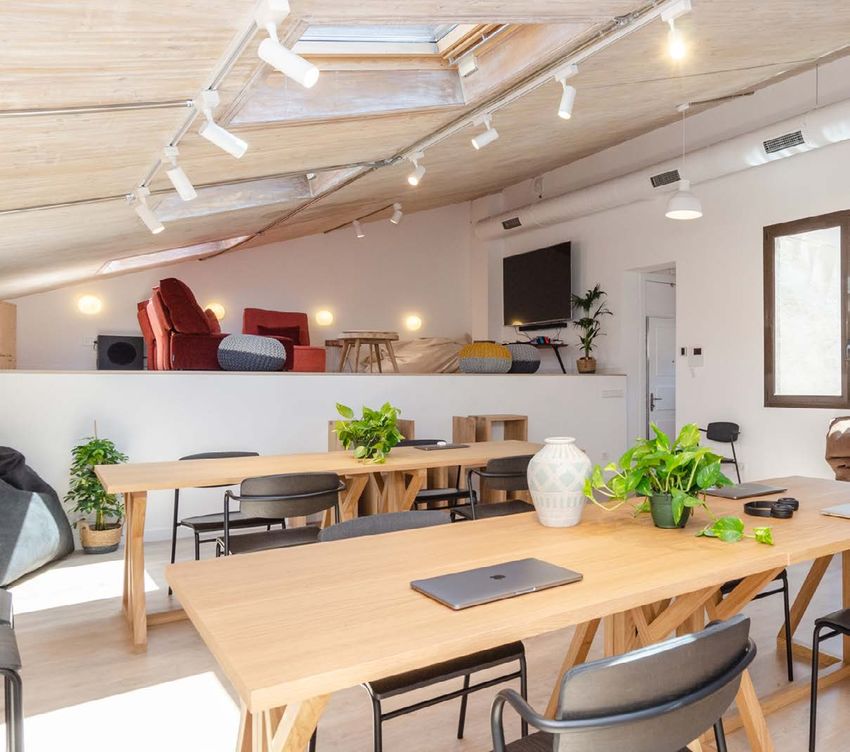
HISTORy,             Urban Campus, a new actor in the residential real estate market,

   MISsIoN
                        and more specifically in the Coliving sector, was created by John
                       van Oost and Maxime Armand, after observing the evolution of
                       metropolitan lifestyles and a stubborn real estate market, in the

and VISIoN            face of these changes.

                   Not just content with offering improved residential accommodation,
                  Urban Campus has the ambition to respond to the deepest needs of
                the population, revolutionizing how people live and interact in cities,
              creating an offer that is accessible and comfortable.

       After the success of its five coliving and coworking spaces in Madrid, Urban
    Campus will open 30 residences in the next five years, in the main cities of Europe.

                                                       iN 2025:
                                                       + 30 spaces

                                                                                            3
SOCIAL EVOLUTION
AND RESIDENTIAL MARKET
Having a comfortable and cozy home, a roof over
your head that allows you to feel safe and inte-
grate into a community, whether in a town or a
city, is one of the basic needs of any human
being.
However, the current residential real estate
model responds less and less to this need,
with an urban population that is constantly
transforming.
Singles and couples without children represent 52% of households in the 50
The inhabitants of big cities face a largest European cities.
shortage of housing, dizzying prices,
difficult access conditions and of- households are made up of a single person
fers that are not adapted to their
needs nor expectations. Often the
or a couple without children.
apartments are small, old, and
poorly equipped, and located
in buildings where the inhab-
itants do not know each oth-
er or barely ever cross paths,
which contributes to their París: 70% Barcelona: 43% Madrid: 41%
increasing loneliness and By 2030, 68% of the world’s population will live in cities (up from 55% in 2018),
discomfort. and between 2016 and 2030, the proportion of single-person households will
grow faster than all other types, to around 120 million.
Thanks to changes in work opportunities and mobility-oriented careers,
lifestyles are evolving rapidly. New trends in consumption are
appearing, that allow inhabitants needs to be met immediately, and
encourage self-care and care of the environment.
Consumers are more and more informed and expect clearly defined
offers with a standard minimum of quality, from brands and companies
whose values they share and are authentic.
Easy & quick access to a product and the time to enjoy it, becomes more
important than possessing a product. With the search for new experiences
and immediate satisfaction, the lines between our personal, professional
and social life tend to blur, and our needs change rapidly, heightened by
technological advances.
4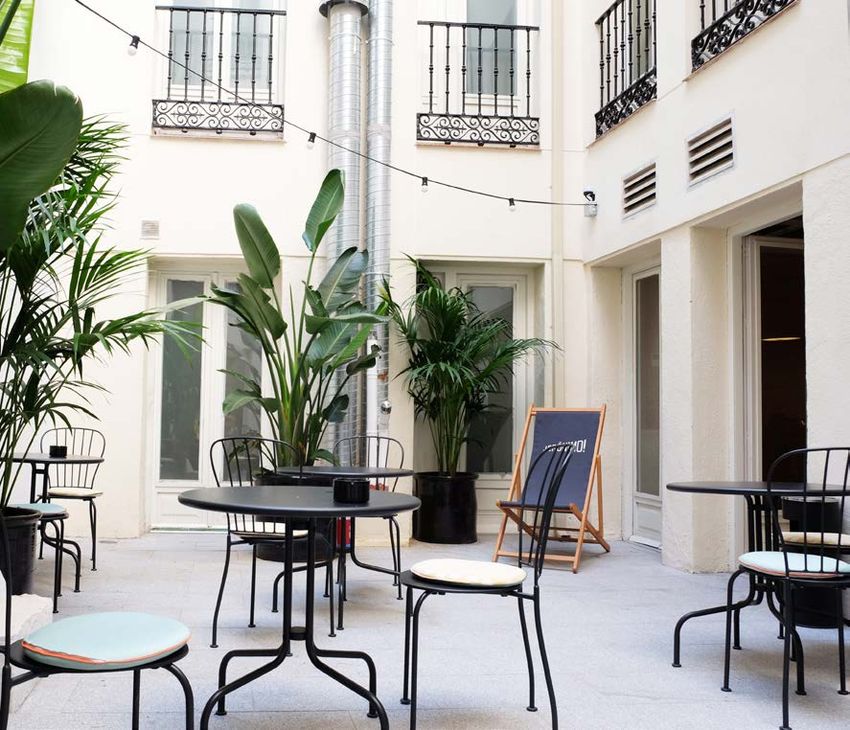
COLIVING
In large European cities such as Madrid, Paris or Lisbon, it is increasingly difficult to meet the
existing demand for housing, coming from young professionals.
There is no coherence between the residency options offered and the demand, due to three
underlying reasons:
1 The inflexibility of lease 2The large size of existing floors 3High prices .
agreements. and wasted spaces.
New players in the game are offering a new urban residential alternative: Coliving, which
consists of the leasing of a private space (or furnished and equipped studio) with access to
common areas (common kitchen, cinema, terraces, gym, etc.) and a community of residents
with similar interests.
Coliving is the transformation of buildings through social architecture, to create connections
between people. We could say that coliving is sharing buildings and favouring the creation of
a community.
For Urban Campus, the concept of coliving goes far beyond the renovation of buildings. It is
the creation of private and common spaces (through social architecture) attractive interior
design and accessibility, to provide residents with a true sentiment of feeling at home.
A home whose inhabitants belong to a community that shares a lifestyle, culture, and interests.
A community that lives in the heart of the city and is close to public transport.
The notion of “home” transforms the building into more than just bricks and mortar. It adds
an emotional value that the real estate market, whose assets have the highest profitability,
can no longer ignore.
Urban Campus anticipates this revolution by designing residences influenced by economic
and social studies and observations of new needs.
5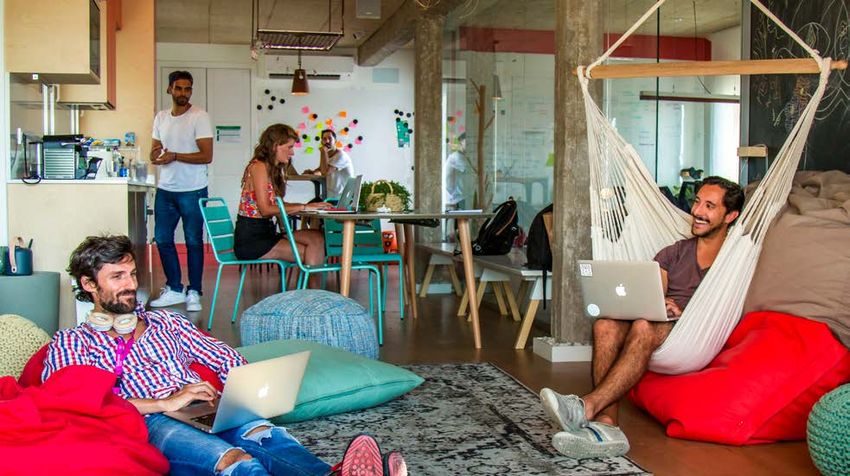
URBAN CAMPUS
                                                                                 a unique residential
The Urban Campus model offers an answer to the questions of social change
                                                                                        model
in the urban environment:

•   Lack of accessible quality housing in Europe’s   •   The conversion of single-use buildings into
    biggest cities.                                      mixed spaces.
•   An     environment that fosters human            •   A positive impact on the social and economic
    relationships and a better quality of life.          environment of neighboring communities.

A solution to the discomfort caused by loneliness, social isolation and its consequences on people’s
health.

Urban Campus spaces are located in central or emerging areas of the city, which are well connected
with access to public transport and commercial and leisure areas.

Urban Campus residences, whose surface varies between 4,000 and 8,000 m², are living spaces whose
models are based on four fundamental elements:

             All-inclusive service for residents, on a single invoice, that includes all supplies
                                                                                                                                     URBAN CAMPUS USERS PROFILE
             and services (from WIFI to maintenance).                                                       Urban Campus residential buildings are marketed to professionals, aged between 25 and
                                                                                                            50 years old, who want privacy but also to belong to a community of people with similar
                                                                                                            interests. Somewhere where they can expand their social network, in turn helping them to
             A rich and international community, encouraged by the Community Developers,                    achieve their personal or professional goals.
             who co-ordinate networking among the entire Urban Campus community, through
             different activities. They play a role as facilitators within each space, which creates        Some are entrepreneurs or expatriates whose profiles do not meet the criteria required by
             the best conditions to favor personal and professional growth.                                 classic real estate offers or who find it difficult to find accommodation corresponding to their
                                                                                                            needs.

             Warm, intimate and optimized design and decorations, to achieve a feeling of
             belonging and home.
                                                                                                                       >40 years

                                                                                                                                                                                                               average age: 31
                                                                                                                                              4%
                                                                                                                                                             79%               27-40 years
             Technology: An online booking and payment platform, developed internally.
                                                                                                                                               17%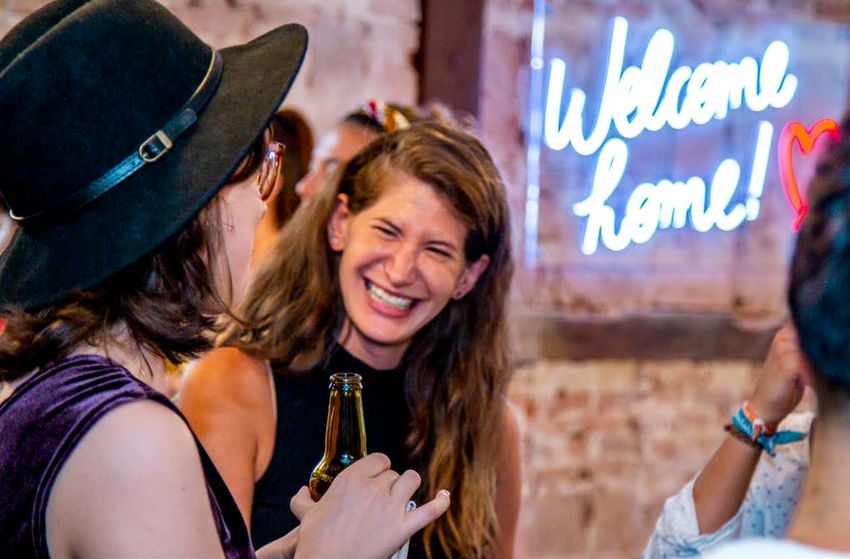
THE URBAN CAMPUS EXPERIENCE
      3 important pillars

                                    COMMUNITY
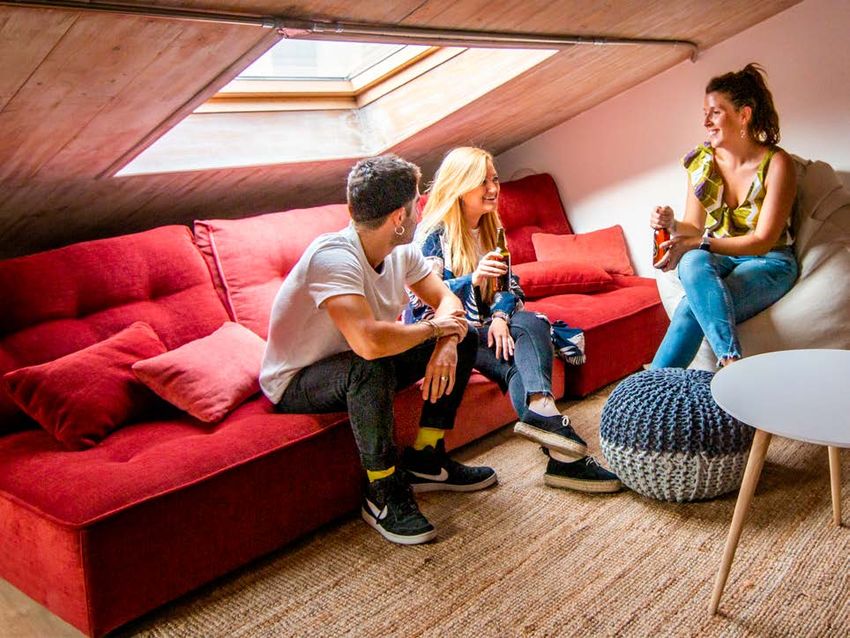
          Community                 The Urban Campus residences are attractive because of their location and comfort, but the
                                    secret to their success lies in their residents’ experiences. Urban Campus has developed
                                    spaces where each of its inhabitants feel like they’re home, and not in a rented, shared place.

                                                                               88%
                                       88% OF OUR COLIVERS FEEL SOCIALLY SUPPORTED
                                                AND PART OF THE COMMUNITY
                                    The Community Development team is responsible for fostering relationships among the
                                    community, animating the spaces and turning their experience at Urban Campus into an

                                                                                                                                      commynity
                                    unforgettable one.

 Design            Technology       They get to know the members before they move into our campuses, and encourage
                                    relationships between those who they think will have something in common, which allows to
                                    create a link quickly and feel at home.

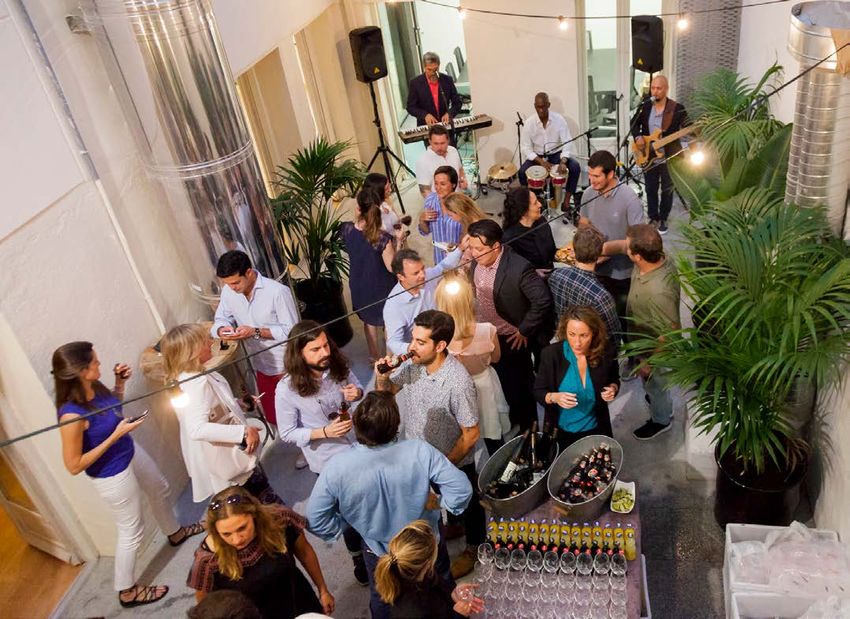
                                    Community dinners are organized twice a month to introduce new members, to network,
                                    resolve small technical or logistical conflicts, develop the calendar of activities etc.

                                    Through these dinners community members create different groups to organize activities.
                                    These groups are divided by areas of interest and encourage collaboration, in order to
                                    develop projects and grow together: language exchanges, entrepreneurship courses, wellness,
                                    gastronomy and sports, are just a few of the groups created by members.

                                    Events and workshops are also organized several times a month for the entire Urban Campus
                                    community. These events range from cultural exchanges, cooking classes, wine or
                                    product tastings, brainstorming sessions or workshops to cocreate a new common
                                    space together.
                                7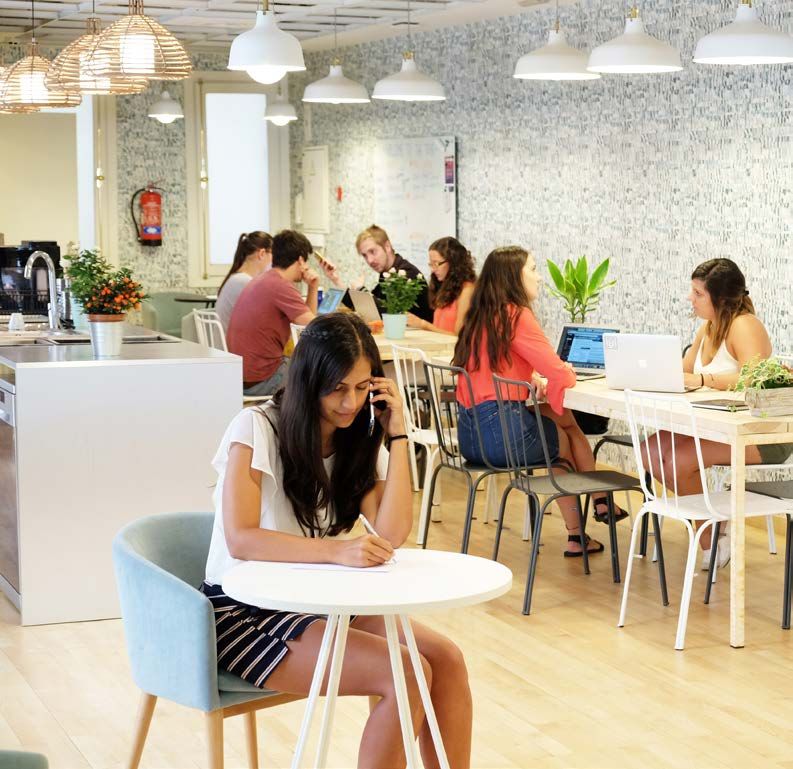
DESIGN
         Urban Campus residential buildings are designed based on the needs and expectations of its
         residents and form a real local ecosystem.

         In a building of between 4,000 and 8,000 m², the private spaces 1 (studios between 12 and 28
DESIGN

         m²) represent around 70% of the total area, the common spaces 2 (kitchen, library, gym, etc.)
         about 10% of the space, workspaces 3 (open space offices, private offices, meeting rooms),
         also around 10%, (same percentage for the F&B spaces) 4.

                                                                                    CO-WORKING SPACE
                                                                                    F&B SPACE
                                                                                    PRIVATE SPACE
                                                                                    COMMON SPACE
                                                                                    CORE COMMUNICATIONS

         Spaces with a comfortable and warm design.
         Urban Campus takes great care in the design of its private and common areas to offer an
         immediate feeling of well-being, comfort and privacy, but also to increase sociability within
         its walls.

         Every detail is analyzed to promote durability, flexibility, adaptability and space optimization.
         The walls are customizable so that everyone can create their own environment, the furniture
         is easily movable so that the spaces are multifunctional and adapt to the creativity of the
         community.

         The success of the Urban Campus residences in Madrid has been proved, with 95% of the
         colivers willing to recommend Urban Campus to a friend and with 35% of residents extending
         their stay. This demonstrates the relevance, profitability, and viability of this model, that will
         soon be developed in other European cities such as Pantin (Paris), with a projected coliving
         space of 4,200 m², comprising 110 studios of 24 m², in a neighborhood that experts are calling
         the new Brooklyn.

                                                                                                          8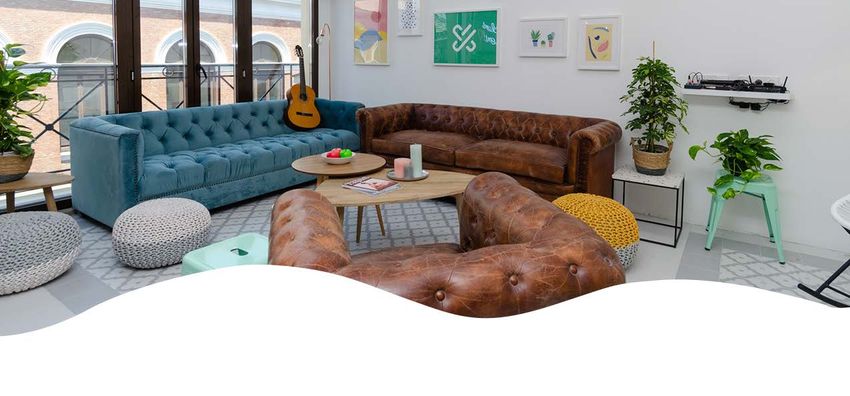
TECHNOLOGY                                                                                           Digital platform
                                                                                                     The Urban Campus digital platform is the basis for the future development of new digital
                                                                                                     services, such as a multifaceted app, to be used by members, owners, maintenance services
                                                                                                     etc.

                                                                                                     The cutting-edge digital and technological strategy of Urban Campus is an asset aimed to
                                                                                                     optimize the operation of residential buildings, whose spaces are equipped with sensors that
                                                                                                     gather technical information about their use.

                                                                                                     This information serves to:
                                                                                                          • Reduce operating costs.
                                                                                                          • Control space access remotely to facilitate entry for residents, maintenance or
                                                                                                             cleaning.
                                                                                                          • Have a detailed knowledge of the use of spaces, to improve and optimize the design
                                                                                                             of buildings.

A 100% digital, simple and fast reservation process.
After registering on the Urban Campus website, potential residents have the option of making
an online visit through videoconferencing or booking an appointment for an on-site visit. Once
they decide, the reservation is made in approx. 6 minutes.

Signing of the contract and the lease and deposit payment are done online, through a secure
system with credit card or SEPA transfer. The rent and invoices are automatically processed
each month through a system developed by Urban Campus.

Easy moving in and installation
On the day of arrival, a Community Developer will welcome the resident to the community.
They will only need to bring their suitcase, thanks to our toothbrush ready studios.

From their arrival they will be able to open the door of their private area and have access to
all common spaces of the building, in synchronization with the Urban Campus system, using
an electronic key or their smartphone.
                                                                                                 9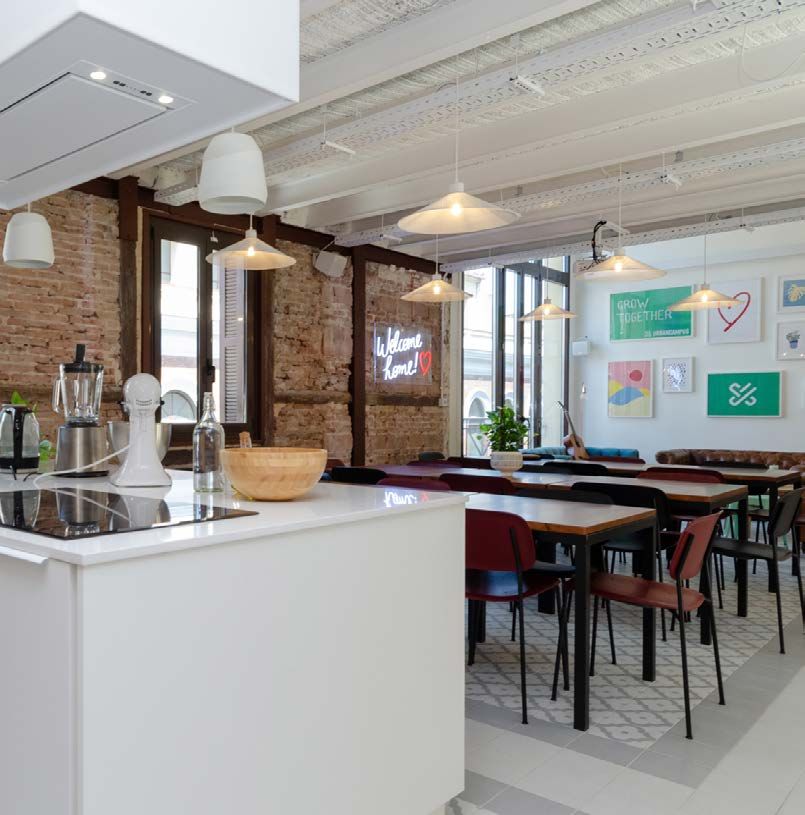
summary            Founded in 2016 by John van Oost and Maxime Armand, Urban Campus is redefining the rules of residential housing in major European cities,
                               offering coliving, coworking and community events, adapted to new lifestyles.

                                                                                                                                             mellado madrid coliving
                                                                                                                                                           opened: october 2018
                                                                                                                                                            dimensions: 2.456 m2
                                                                                                                                                                      estudies: 74
                                                                                                                                                      average price: €850/month

                                                                       URBAN CAMPUS
                                                                          spaces:
                                                                         colivings
                        malasaña madrid coliving
Opened: june 2019
dimensions: 2.027 m2
estudies: 36
average price: €1500/month

                                                                                   10
Coworking for gastro entrepreneurs, start-up incubator
specialized in the food sector of 263 m² for an average price
of € 135 / month, with a professional kitchen with first-class
equipment, beautiful common areas for gastronomic activities.
dimensions: 263 m2 average price: €135/month
LIBERTAD, madrid COWORKING
JERÓNIMO, madrid COWORKING
opened: april 2017
dimensions: 1.967 m2
urban campus offices: 200
average price: 250€/month
spaces:
coworkings
11THE TEAM
John van Oost Maxime Armand
Co-founder & CEO Co-founder & COO
30 years of experience in Real Estate & Venture Capital. Founder and 9 years of experience in Digital Product Development.
managing partner of:
Former Lead Project Manager at Fabernovel, a leading digital
Fluxus Ventures, a VC firm headquartered in Palo Alto, that backs innovation company with 400 employees in 5 countries. Designing
prop-tech startups. new digital products and services for CAC 40 companies. Among
other projects, Maxime developed a fully automated “on-demand”
Captiva Capital Management, that raised more than €3.8B of equity coworking offer for Alstria Office REIT and prototyped connected
capital from global institutional investors to incubate and fund 9 objects for L’Oreal.
real estate platforms in 4 European countries and Singapore. These
platforms acquired and managed more than 1,800 properties worth System engineer for Ecomouv, geotracking solution for the French
in excess of €13.2B. goods vehicles transit toll, the HGV eco-tax.
Alstria Office AG, the largest German REIT with 116 office buildings Master in IT Engineering from Mines-Télécom Institute. Master in
and a market cap of €2.6B. Urban Services Engineering from Sciences-Po.
BS in Economics and MBA from KU Leuven. MS in Material Sciences
& Engineering from Stanford University
Maxime Depreux
CDO
10 years of experience in Real Estate Development and
Management.
Former COO - Premium Outlets, in charge of the European portfolio
of outlets of the Hammerson group: value of Hammerson Premium
Outlets increased from £1 bn in 2014 to £2.5 bn in 2019.
Previously Portfolio director - Asset Management, Development
and Investment at Hammerson France.
MSc in Management from HEC Paris, including partnerships at
the University of British Columbia and University of Melbourne.
12.com
Contact:
Marta Torres
T. 636 48 48 66
13 marta.torresvilas@Urbancampus.comYou can also read


