PROTEINS BY DESIGN XMAB ANTIBODY & CYTOKINE THERAPEUTICS - CORPORATE OVERVIEW JANUARY 2022
←
→
Page content transcription
If your browser does not render page correctly, please read the page content below
Proteins by Design®
XmAb® Antibody & Cytokine Therapeutics

Corporate Overview
January 2022
Forward-Looking Statements

Certain statements contained in this presentation, other than statements of historical fact, may
constitute forward-looking statements within the meaning of the Private Securities Litigation Reform
Act of 1995. Such statements include, but are not limited to, statements regarding Xencor's
development plans and timelines; potential regulatory actions; expected use of cash resources; the
timing and results of clinical trials; the plans and objectives of management for future operations; and
the potential markets for Xencor's product and development candidates. Forward-looking statements
are based on the current expectations of management and upon what management believes to be
reasonable assumptions based on information currently available to it, and involve numerous risks and
uncertainties, many of which are beyond Xencor's control. These risks and uncertainties could cause
future results, performance or achievements to differ significantly from the results, performance or
achievements expressed or implied by such forward-looking statements. Such risks include, but are
not limited to, potential delays in development timelines or negative preclinical or clinical trial results,
reliance on third parties for development efforts and changes in the competitive landscape including
changes in the standard of care, as well as other risks described in Xencor's filings with the Securities
and Exchange Commission (SEC). Xencor expressly disclaims any duty, obligation or undertaking to
update or revise any forward-looking statements contained herein to reflect any change in Xencor's
expectations with regard thereto of any subsequent change in events, conditions or circumstances on
which any such statements are based, except in accordance with applicable securities laws. For all
forward-looking statements, we claim the protection of the safe harbor for forward looking statements
contained in the Private Securities Litigation Reform Act of 1995.

2
Xencor: Engineering Antibody Immune
Functions to Make Better Drugs                                                                          Antibody Structure
                                                                                                   Fv                        Fv
    • XmAb® Fc domains: small changes, big functional impacts
         – Augments native immune functions and/or controls structure
         – Preserves half-life, stability and production
         – Over 1,000 issued patents and pending patents worldwide

    • Expansive, advancing bispecific antibody and cytokine drug candidate portfolio
         – 8 XmAb bispecific antibodies in Phase 1 or 2 clinical studies
         – 2 XmAb cytokines in Phase 1 clinical studies
         – Multiple pre-clinical programs

    • Partnership portfolio leverages modular XmAb technology
         – Co-development and extensive commercial rights with Genentech and Janssen
         – Multiple partnerships for technology licenses: little/no effort and greatly broadens scope
                                                                                                         XmAb® Fc
    • 3 XmAb antibodies commercialized by partners; ongoing revenue generation                            Domains
         – Ultomiris® (Alexion) multiple indications approved U.S., EU, Japan
         – Sotrovimab (Vir/GSK) granted U.S. EUA and global authorizations to treat mild-to-moderate COVID-19
         – Monjuvi® (MorphoSys) U.S./EU approvals for relapsed or refractory DLBCL

                                                                AstraZeneca Rare Disease

3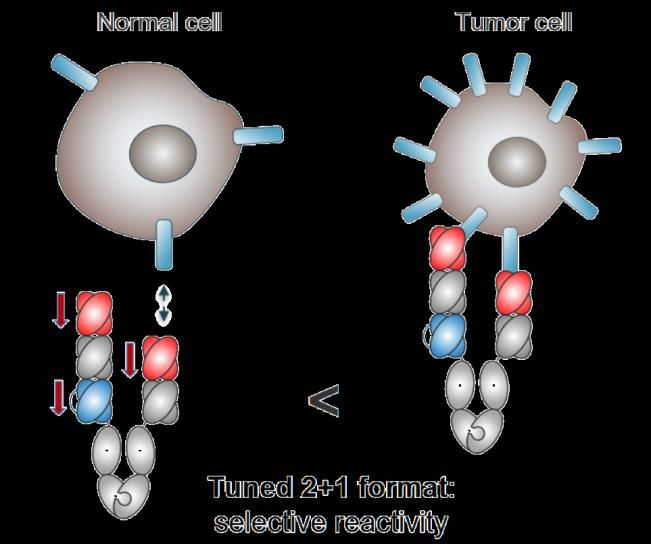
Layers of Value Creation Built on XmAb® Technology

                                              Engineered         Innovations within
                                               Cytokines            Bispecifics
    Future waves of pipeline growth
                                            IL-15, IL-2, IL-12      Novel targets,
    are built upon technological                                 mechanisms & formats
    competitive advantage                   Targeted IL-15s
                                                                 CD28 T cell engagers,
                                                                  ENPP3, XmAb® 2+1

                                               Clinical execution & advancement
    Broad internal clinical-stage                  Encouraging initial data from
    portfolio of 6 bispecific antibodies     vudalimab, plamotamab and tidutamab
    and 2 engineered cytokines                 support mid-stage development plans

                                                3 products marketed by partners
    XmAb® technology platforms have
    enabled a strong financial foundation    16 partnerships for XmAb technology
    and provided technical validation            $660mm in cash & equivalents*

                                                                        * 12/31/2021 estimate

4
XmAb® Fc Domains Shift Focus of Antibody Drug
Discovery by Creating New Axes for Differentiation
                Standard Technology

       Fv
     focus

     Same Fc

                   Soliris®            Rituxan®             anti-CD19   Fv Bispecifics   Cytokines
                                                            antibody
                XmAb Fc Engineering

    Xencor Fc
    Domains

                  Ultomiris®           Monjuvi®            Obexelimab      XmAb           XmAb
                  (ravulizumab)   (tafasitamab/XmAb5574)                 Bispecifics     Cytokines

5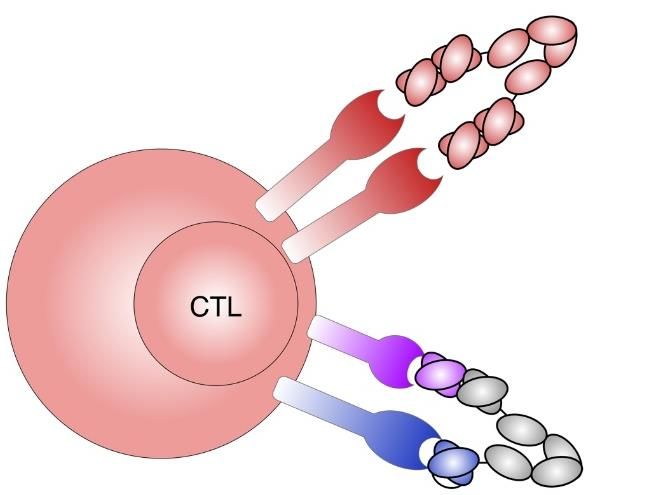
XmAb® Fc Domains Augment Natural Antibody Functions

    Natural Fc
    Function
                   Circulating                Cytotoxicity          Immune regulation   Stable homodimer
                    half-life               (immune cell)           Antigen clearance       structure

    Fc Receptor      FcRn                 FcgRIIa, FcgRIIIa              FcgRIIb               N/A

    Fc Domain
    Redesigns

    XmAb           Xtend™                    Cytotoxic             Immune Inhibitor        Bispecific
    Enhanced       Domain                     Domain                  Domain                Domain
    Function       Prolonged            Enhanced cytotoxicity       Immune inhibition   Stable heterodimer
                    half-life              (immune cell)             Rapid clearance         structure

                          Additional Fc domains: stability, complement activation

                       99.5% identical to natural antibody
                  Plug-and-play substitution into any antibody
6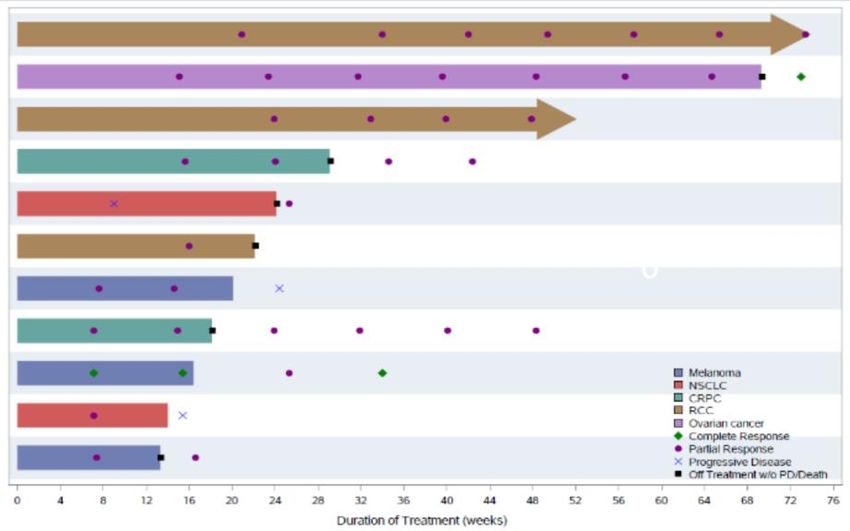
Development Focus on XmAb® Bispecifics and Cytokines

        Program                       Fc                                                                                                          Commercial
                                                        Indications         Preclinical      Phase 1           Phase 2        Phase 3
    (Targets/Design)                Domain                                                                                                          Rights

       Vudalimab                    Bispecific            mCRPC
       PD-1 x CTLA-4                  Xtend         Gynecologic Tumors

       Tidutamab                    Bispecific          MCC, SCLC                                              Phase 1b/2
       SSTR2 x CD3

      Plamotamab                                                                                                                                                     1
                                    Bispecific      B-cell malignancies
        CD20 x CD3

       XmAb841                      Bispecific
                                                         Oncology
      CTLA-4 x LAG-3                  Xtend

       XmAb104                      Bispecific
                                                         Oncology
        PD-1 x ICOS                   Xtend

       XmAb306                      Bispecific                                                                                                                       2
                                                         Oncology
      IL15/IL15Ra-Fc                  Xtend

       XmAb564                      Bispecific
                                                        Autoimmune
          IL2-Fc                      Xtend

       XmAb968                      Bispecific      T-ALL, T-LBL, AML       IST
        CD38 x CD3

       XmAb819                      Bispecific
                                                         Renal cell
     ENPP3 x CD3 (2+1)                                   carcinoma

       XmAb808                      Bispecific        Prostate cancer,
       B7-H3 x CD28                   Xtend              Oncology

       XmAb662                      Bispecific
                                                         Oncology
          IL12-Fc                     Xtend

1 Co-development                                                                          2 Co-development   with Genentech; 45% P&L share; option to co-promote in U.S.
                    with Janssen; 20% development cost share; option to co-detail

7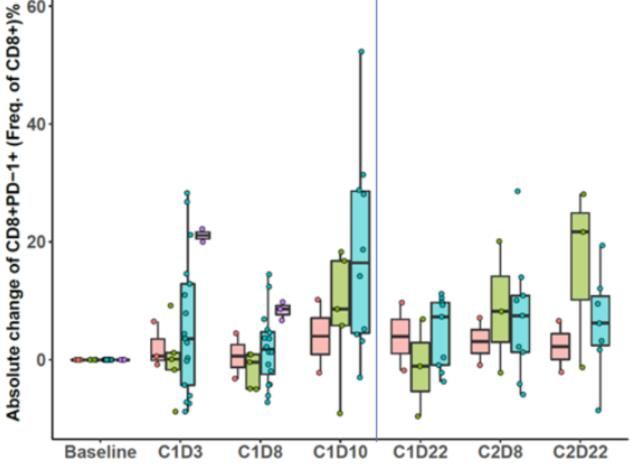
Progress Across Portfolio Segments Leading to
Value Creating Milestones in 2022
     Segment                         2021                                                     2022
                  Entered Janssen plamotamab/CD28 collaboration         Initiate potentially registration-enabling Phase 2 study
                                                                        of plamotamab in combination with tafasitamab and
                  Presented additional Phase 1 data from                lenalidomide, in r/r DLBCL
                  plamotamab in NHL                                     Present data from plamotamab Phase 1 monotherapy
       T Cell     Announced longer follow-up and additional biomarker   expansion cohorts in 2H 2022
      Engagers    analysis from Phase 1 of tidutamab in NET             Incorporate subcutaneous administration into ongoing
    (CD3, CD28)   Initiated Phase 1b/2 study of tidutamab for           Phase 1 study of plamotamab
                  Merkel cell carcinoma and small-cell lung cancer      Initiate Phase 1 study of XmAb819 in RCC

                  Submitted IND for XmAb819 (ENPP3 x CD3) for           Submit IND for XmAb808 (B7-H3 x CD28)
                  renal cell carcinoma                                  Initiate Phase 1 study of XmAb808 in solid tumors

                  Announced maturing Ph1 data from vudalimab in         Initiate Phase 2 study of vudalimab in high-risk mCRPC
       TME        CRPC, RCC and tumors without approved CPIs            and certain gynecologic malignancies
     Activators   Initiated Phase 2 study of vudalimab in mCRPC
                                                                        Present initial data from the Phase 2 study of
                                                                        vudalimab in mCRPC in 2H 2022

                                                                        Present data from XmAb564 healthy volunteers study
                  Presented early, high-level data from XmAb306
                  (IL15/IL15a-Fc)                                       Initiate Phase 1 multiple-ascending dose study
    Engineered                                                          of XmAb564 in select autoimmune diseases
     Cytokines                                                          Announce new clinical studies of XmAb306 with other
                  Initiated Phase 1 healthy volunteer study of
                                                                        agents (e.g., NK or T-cell recruiting)
                  XmAb564 (IL2-Fc) for autoimmune disease
                                                                        Submit IND for XmAb662 (IL-12-Fc)

                                                                        Amgen guides to development plans for AMG 509
                  Worldwide authorizations for Vir/GSK’s sotrovimab
      Select                                                            (STEAP1 x CD3) XmAb® 2+1 bispecific antibody in
      Partner     Minjuvi® (tafasitamab) approved in EU                 prostate cancer

     Programs                                                           Vir/GSK’s sotrovimab continued use against SARS-CoV-2
                  Licensed obexelimab to Zenas BioPharma                omicron and new variants

8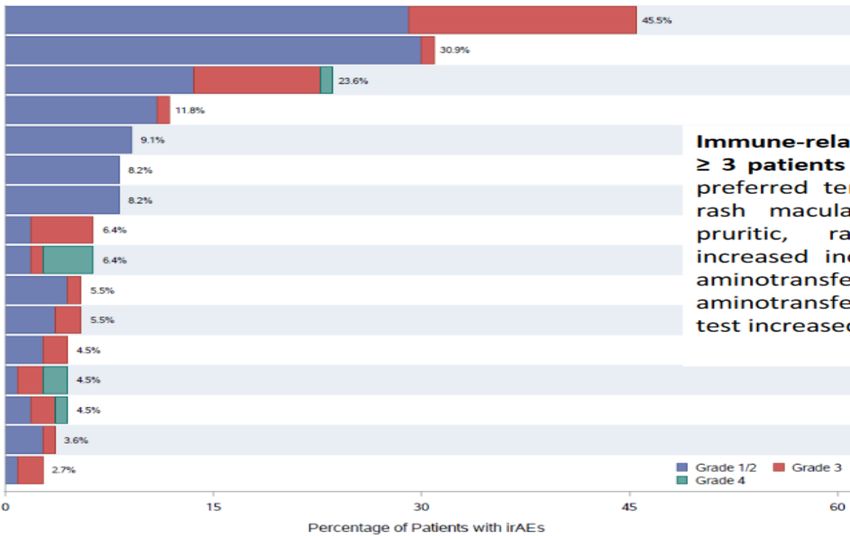
XmAb® Products Marketed by Partners Provide
Three Royalty Streams
     XmAb Fc                                                        Commercial
      Domain    Medicine                 Indications               Rights/Partners

                           Paroxysmal nocturnal hemoglobinuria
                           (PNH) or atypical hemolytic uremic
                           syndrome (aHUS) to inhibit
                           complement-mediated thrombotic          AstraZeneca Rare Disease
                           microangiopathy (TMA)

     Xtend™
                           Emergency Use Authorization (EUA) for
    Fc Domain
                           the Treatment of COVID-19

                           In combination with lenalidomide for
                           the treatment of adult patients with
                           relapsed or refractory DLBCL not
                           otherwise specified, including DLBCL
                           arising from low grade lymphoma, and
                           who are not eligible for autologous
    Cytotoxic              stem cell transplant (ASCT)
    Fc Domain
                           Minjuvi® (global)

9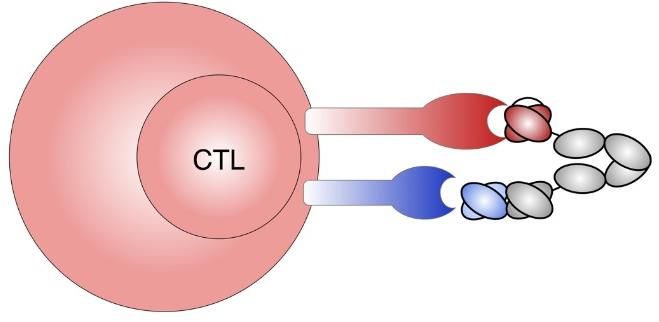
XmAb® Fc Domains Create Numerous Differentiated
Antibodies for Technology Partners
                                 Fc                                                                                                  Commercial
     Selected Programs                       Indications      Preclinical      Phase 1        Phase 2     Phase 3     Marketed
                               Domain                                                                                                  Rights

        Ultomiris®             Xtend™        PNH, aHUS
                                                                                                                                   AstraZeneca Rare Disease

         Monjuvi®
                              Cytotoxic        DLBCL
 (tafasitamab/XmAb5574)
       Sotrovimab               Xtend         COVID-19                                         EMERGENCY USE AUTHORIZATION (FDA)
         (VIR-7831)
                              Cytotoxic
         VIR-3434                            Hepatitis B
                               Xtend

 SARS-CoV-2 mAb Duo             Xtend         COVID-19

                               Immune       Autoimmune
        Obexelimab
                               Inhibitor      Disease
                               Immune
        AIMab7195                            Food Allergy
                               Inhibitor

         VIR-2482               Xtend        Influenza A

     XmAb bispecific          Bispecific      Oncology

         AMG 509                 2+1           Prostate
       STEAP1 x CD3           Bispecific        cancer

     XmAb bispecific          Bispecific      Oncology

     XmAb bispecific                           Prostate
                              Bispecific
        TAA x CD28                              cancer

                         Technology licensing expands pipeline with very little opportunity cost
Registered trademarks: Ultomiris® (Alexion Pharmaceuticals, Inc.), Monjuvi® (MorphoSys AG).

10
XmAb® Bispecific Fc Domain Enabling New Classes of Biologics and Therapeutic Mechanisms of Action
Plug-and-play Fc Domain Enables Rapid Prototyping of
Target Combinations and Pipeline Generation

      XmAb®
                                                XmAb®
     Bispecific
                                               Cytokines
     Antibodies

       XmAb® Bispecific Fc Domains Retain Beneficial Antibody Properties
          Highly stable, modular scaffold

           Antibody-like half-life in vivo
                                                  Enable Multiple Classes
                                                     of New Biologics
      Compatible with standard manufacturing
          and development processes

12
Distinct and Novel Mechanisms-of-Action
Enabled By XmAb® Bispecific Domain
T Cell Engager Dual Checkpoint/Co-stim Cytokine-Fc
Vudalimab
CTLA-4
Cytotoxic Cytotoxic
T Cell T Cell PD-1
CD3 or
CD28
nivo, pembro
TAA (CD20,
SSTR2, B7-H3, etc.)
IL15 IL15Ra IL15/
anti-X
IL15Ra
Cytotoxic
T Cell
Tumor Cell
XmAb306 Targeted Cytokine
XmAb841
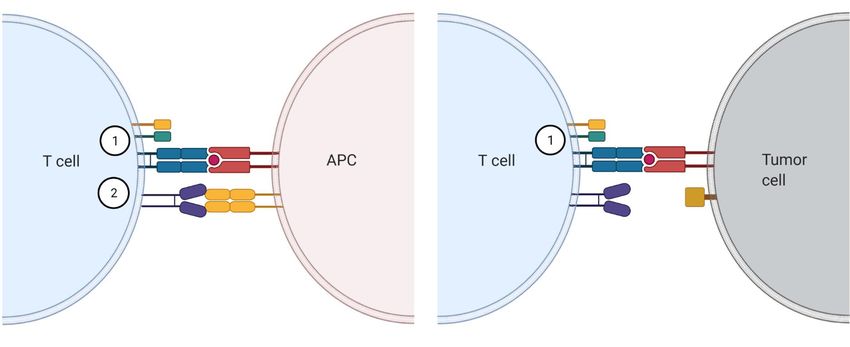
13XmAb® Bispecific Antibodies Against CD28 Provide
Tumor-Specific T Cell Activation Boost
T Cell Engager
Classic interaction between T cell and Interaction between T cell and tumor cell
antigen presenting cell (APC) amplified with CD28 bispecifics
CD3 Bispecific or
(Signal 1) Checkpoint Inhibitor
CD3
TCR MHC
2
TAA
CD28
(Signal 2)
CD28 × TAA
CD28 co-stimulation promotes tumor-specific activation and proliferation
Low affinity, monovalent binding designed to avoid historic safety concerns (superagonism)
14XmAb® Engineered Cytokines
XmAb® Cytokines: Potency-tuned to Enhance
Half-life and Tolerability

                                                                          Reduced affinity
                           toxicity                                       • Receptor selectivity
                                                                          • ↑Half-life
                                      native cytokine
 activity
                                      XmAb potency-optimized             XmAb Fc
                                      cytokine-Fc                        •   ↑Half-life
                                                                         •   ↑Stability
                                                                         •   Modular
                                                                         •   Enables targeting
                          Time →

            Xencor’s general approach for creating cytokine therapies
                • Overcomes native cytokine short half-life and high toxicity
                • Systematically engineering broad portfolio of cytokines

16
Growing Portfolio of XmAb® Cytokines
XmAb306 XmAb564 XmAb662 XmAb Targeted IL-15
IL12-p35
anti-X
IL-2 IL12-p40
Cytokine IL-15/IL-15Ra (Treg selective) IL-15/IL-15Ra
XmAb®
Bispecific
Fc Domain
Cell Targets Cytotoxic NK, T cells Regulatory T cells IFNg secreting NK, T cells Immune marker defined
Indication Oncology Autoimmune Disease Oncology Oncology
Phase 1 Phase 1 Preclinical stages
Status IND in 2022
Dose Escalation Dose Escalation
2 clinical-stage XmAb® Cytokines, more in IND-enabling and preclinical stages
Engineered to expand select immune cell populations
Designed to be tolerable, active, easy to use
17XmAb®306: IL-15 with Long Half-life, Improved Tolerability
and Extended T and NK Cell Stimulation in NHP Models
Tolerability in NHPs PK in NHPs
0
10
XmAb306
re la tiv e s e ru m c o n c e n tra tio n
Engineered IL15Rα 10 -1 XmAb306
IL15
-2
10
wt-Fc wt-Fc
-3
10
0 2 4 6 8 10
D ays post dose
In vivo pharmacodynamics
C D 8 T c e lls C D 1 6 + N K c e lls
10 10
Xtend 8 8
fo ld in c r e a s e
fo ld in c r e a s e
Bispecific Fc 6 6
XmAb306
4 4
XmAb306
XmAb306 2
wt-Fc
2
wt-Fc
0 0
0 5 10 15 0 5 10 15
D ays p ost d ose D ays p ost d ose
Potential to enhance activity of both NK therapies (Rituxan, Herceptin, allo NK cells, etc.)
and T cell therapies (checkpoint inhibitors, cell therapies)
Ongoing Phase 1: monotherapy and combination with atezolizumab (PD-L1) in advanced solid tumors
Co-development with Genentech; 45% worldwide P&L share; option to co-promote in U.S.
18XmAb®306 Promotes High Levels of Sustained NK Cell
Expansion in Ongoing Phase 1 Dose-Escalation Study
Encouraging preliminary data announced in November 2021
• Consistent and robust dose-dependent NK cell expansion and accumulation upon repeat dosing has
been observed for multiple NK cell subsets, including mature NK cells. Significant NK cell expansion
and accumulation was observed beginning in lower dose cohorts, and at higher dosing cohorts NK
cell expansion has reached 40- to 100-fold higher levels than baseline and has been sustained for
weeks throughout dosing.
• Unconfirmed RECIST responses have been observed in multiple tumor types, including in a patient
treated with XmAb306 monotherapy.
• The study has reached dose levels that promote T cell activity, and evidence of peripheral effector T
cell proliferation has been observed.
• Generally well tolerated as both a monotherapy and in combination with atezolizumab. No DLTs or
treatment-related SAEs have been observed to date. Dose escalation continues for both monotherapy
and in combination with atezolizumab.
• XmAb306 has a multi-day circulating half-life, which is consistent with its reduced-potency design and
data generated in preclinical studies.
Announce new clinical studies of XmAb306 in combination with other agents,
such as NK or T-cell recruiting therapies, in 2022
19XmAb®564: IL-2 with Long Half-life, Improved Tolerability
and Selectivity for Treg Activation in NHP Models
In vivo pharmacodynamics (NHPs)
IL2
Selectivity design
↓IL2R - lower potency
↑IL2Rα – Treg bias
Xtend
Bispecific Fc
XmAb564
Monovalent design to avoid undesired activation
Treg amplification has potential in numerous autoimmune
diseases – use of native IL-2 limited by toxicity and poor Pharmacokinetics (NHPs)
1000
selectivity XmAb27564 1X Dose
100 XmAb27564 3X Dose
Phase 1, single-ascending dose trial in healthy volunteers WT-IL2-Fc 1X Dose
10
• Assessing PK, safety, biomarkers of activity
(Treg vs. T effectors) 1
• Subcutaneous delivery
0.1
0 6 12 18 24 30 36
Phase 1, multiple-ascending dose trial in patients (2022 start) Days
20XmAb®662: IL-12 with Long Half-life, Improved
Tolerability and Potent Immune Stimulation
IL12-p35 Strong anti-tumor activity (mice)
IL12-p40
250
Tumor Volume (mm3)
200 wt
150
XmAb662
100
0.1 mg/kg
50
Xtend 0
0 2 4 6 8 10 12 14 16 18 20 22 24
Bispecific Fc
-50 Days Post Dose 1
XmAb662
Superior PK (NHPs)
Concentration (ng/mL)
100,000
10,000
XmAb662
Highly immune stimulating – IFNg secretion, activation 1,000 1 mg/kg
of NK and CD8 T cells 100
Native IL-12 therapy active in multiple tumor types, but toxic 10
wt
1
Gradual activity build up for potential improved tolerability 0 5 10 15
Time (days post dose)
IND planned in 2022, IND-enabling studies ongoing
21XmAb® Bispecific Antibodies Tumor Microenvironment Activators Vudalimab (PD-1 x CTLA-4) Updated Preliminary Phase 1 Data SITC 2021
XmAb® Dual Checkpoint/Co-Stim Bispecifics Have Distinct
Mechanisms to Stimulate the Tumor Microenvironment
                                                        Vudalimab (XmAb®717)
                                       PD-1             • PD-1 x CTLA-4 bispecific
                                                        • Selective for PD-1/CTLA-4 double-
                                                          positive cells → potential improved
                                      CTLA-4              tolerability
                                                        • Phase 2 initiated in prostate cancer
                                                        • Phase 2 initiated in gynecologic
      XmAb®306                                            tumors and high-risk mCRPC
      • Synergizes with dual   PD-1
                                               nivo,
        checkpoint/co-stim
                                               pembro

                                                        XmAb®841
                                      LAG-3             • CTLA-4 x LAG-3 bispecific
                                                        • Combinable with anti-PD-1 for
                                                          triple checkpoint blockade
                               CTLA-4                   • Phase 1 ongoing

                                      PD-1              XmAb®104
                                                        • PD-1 x ICOS bispecific
                                                        • Synergistic T-cell stimulation
                                      ICOS              • Phase 1 ongoing

23
XmAb® Dual Checkpoint/Co-Stim Bispecifics are
Designed to Promote Tumor-Selective T Cell Targeting
Periphery Tumor Environment
Weak monovalent interactions Strong bivalent interactions on
on single-positive cells double-positive cells TIL Activation
No Activation
2nd Tumor
checkpoint
only
Double-
positive TILs
PD1
only • Tumor infiltrating lymphocytes (TILs)
coexpress multiple checkpoints (Matsuzaki
2010, Fourcade 2012, Gros 2014)
• Bivalent binding increases avidity
24Vudalimab: Selective PD-1 x CTLA-4 Inhibition to Enable
Dual Checkpoint Inhibition in Broad Range of Indications
Phase 2 metastatic castration resistant Clinical Activity Across Multiple Tumor Types
prostate cancer (mCRPC) started Q3 2021
• Patients stratified by molecular subtype
• Combination or monotherapy, depending
on subtype
mCRPC rationale
• Initial data from vudalimab Phase 1 study
• Limited checkpoint inhibitor competition
• High unmet need
• CTLA-4 blockade historically associated
SITC 2021
with increased response rates
Second Phase 2 study: gynecologic Activity in multiple tumor types in patients with prior
tumors & high-risk mCRPC starting up treatment with checkpoint inhibitors
Generally well tolerated throughout expansion cohorts, most
• CR in BRCA+, serous ovarian cancer common adverse events were immune-related rash and
patient in Phase 1 transaminase elevations
• PRs in high-risk mCRPC patients (n=2/4 Lower rates of some types of immunotherapy-related adverse
events, including colitis, than are typically seen with CTLA-4
evaluable and with measurable disease) in blockade
Phase 1
25Vudalimab Was Generally Well Tolerated;
Most Common Adverse Events Were Immune Related
Immune-related adverse events reported for
≥3 patients at the 10 mg/kg dose (n=110)
Rash
Pruritus
Transaminases increased
Diarrhea
Hypothyroidism
Infusion related reaction
Myalgia
Acute kidney injury
Hyperglycemia
Blood creatinine increased
Pneumonitis
Blood bilirubin increased
Lipase and amylase increased
Lipase increased alone
Adrenal insufficiency
Pancreatitis
Immune-mediated pancreatitis (Grade 5) was reported for one patient with RCC, whose cancer had
already metastasized to the pancreas at baseline and progressed on study. Grade 5 myocarditis and
respiratory failure were reported for a patient with NSCLC who had a history of significant cardiac
SITC 2021 events, including atrial fibrillation and the insertion of a dual-chamber pacemaker.
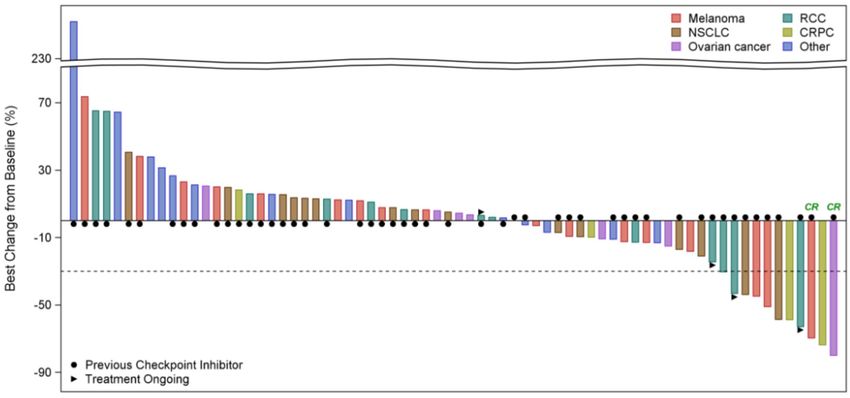
26Clinical Activity Across Multiple Tumor Types in Patients Who
Had Previously Been Treated With a Checkpoint Inhibitor
The objective
response rate
across 10 mg/kg
cohorts was
14.1% (11/78).
The median duration of response for all responders was 18.3 weeks (unadjusted).
The median duration of response for patients with RCC was 24.1 weeks (unadjusted),
and two RCC patients remained on treatment.
SITC 2021
27Efficacy Analysis: Responses in CRPC & Ovarian Cancer
Provide Rationale for Phase 2 Clinical Development
Complete responses Partial responses
A complete response was Several partial responses observed in melanoma (n=2), RCC (n=3), NSCLC
observed in a patient with (n=2) and CRPC (n=2). All responses in patients with melanoma and CRPC and
BRCA1+ high-grade serous two responses in patients with RCC were confirmed. All responders, except those
ovarian cancer, who had received with CRPC, had received prior checkpoint inhibitor therapy.
multiple prior treatments,
including olaparib and nivolumab
in the metastatic setting. The
patient had a partial response after Encouraging clinical activity in prostate cancer
Cycle 4, and by Cycle 18 of
treatment all lesions had resolved Of the 12 efficacy-evaluable patients with CRPC, 4 had measurable disease
except a lesion in the abdominal and follow-up RECIST assessments, including the 2 CRPC responders.
wall, which later showed no cancer
cells upon biopsy.
The two CRPC responders had visceral and nodal metastases, had response
durations of 41.3 and 27.0 weeks, were without progression on bone scans and
A confirmed complete response was
had confirmed prostate-specific antigen (PSA) reductions of more than 50% from
observed in a patient with
baseline. Among twelve patients with baseline and follow-up PSA assessments,
melanoma during dose-escalation at
including the two responders, 33% (4/12) had PSA reductions greater than 50%.
the 10 mg/kg dose level.
SITC 2021 Efficacy analysis included 78 evaluable patients receiving any amount of vudalimab, who had been followed for at least two cycles prior to data cut.
28XmAb® Bispecific Antibodies CD3 and CD28 T Cell Engagers
XmAb® T Cell Engagers Use Multiple Formats and
Affinity Designs to Customize for Each Tumor Target
            XmAb® 1+1                                        XmAb® 2+1

                                                     Tumor antigen (e.g., ENPP3, STEAP1)

                        Tumor
                        Antigen                                   Tuned 2+1 Format = Selective Reactivity
                        (e.g., CD20)

                                       CD3
      CD3

       5 clinical-stage
       CD3 programs
                                             • AMG 509
                                                                                 <
                                             • XmAb819

 CD3 affinity tuned for reduction of cytokine release syndrome and off-tumor cell killing
 Tumor antigen binding affinity tuned for tumor expression density and to match format

30
Plamotamab: Leading the Creation of Highly Active,
Chemo-free Antibody Combinations in Lymphoma
• Plamotamab (CD20 x CD3) generally well tolerated and demonstrates encouraging
monotherapy activity at intravenous Phase 2 dose – 50 mg flat dosing every two weeks
following step-up dosing
• PK modeling supports subcutaneous administration; incorporating into ongoing Phase 1
Monotherapy activity supports the potential for a differentiated safety profile
and better outcomes for patients when plamotamab is combined
with other agents in a chemotherapy-free regimen:
Unique chemo-free combination with Janssen worldwide license to plamotamab; two-year
tafasitamab (Monjuvi®) and lenalidomide research collaboration to create novel XmAb® CD28
• Recruits distinct and complementary cytotoxic bispecifics targeted against certain B cell targets
immune cells, T cells and Natural Killer cells, • Potential to amplify the activity of plamotamab and other CD3
against tumor cells bispecifics with targeted, tumor-selective co-stimulation
• Phase 2 in relapsed/refractory diffuse large B cell • Plamotamab: Mid-teen to low-twenties royalties; 20% development
lymphoma (DLBCL) planned to start in early 2022 cost-sharing; option for 30% co-detail
• Phase 1b studies also planned in frontline DLBCL, • CD28 bispecifics: High-single to low-double digit royalty; option to
r/r follicular lymphoma fund 15% of development costs for increased royalties; option for
30% co-detail
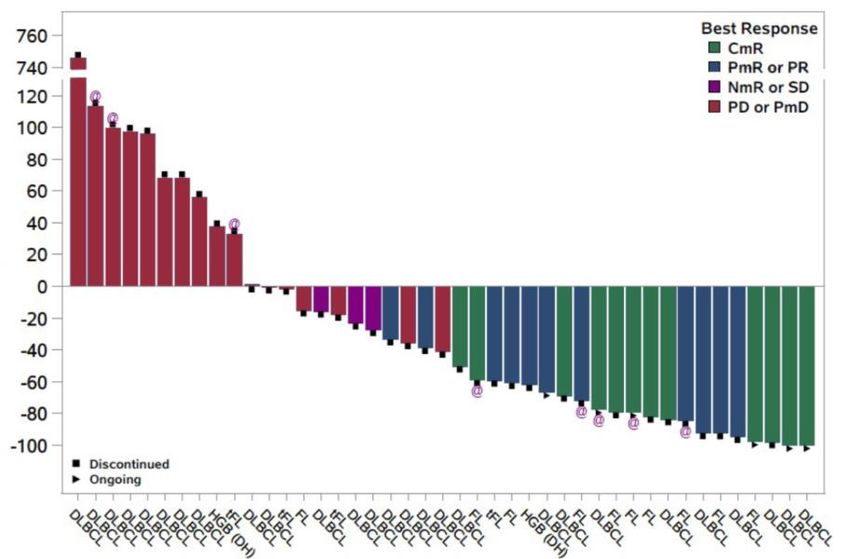
31Monotherapy Safety, Tolerability and Activity Support
Novel Combination Development Plans
Phase 1 Part C Results at RP2D Part B + C Tumor Response – DLBCL and FL (n=47)
Heavily pretreated patients (n=14)
• Median 4 prior therapies for FL (n=4)
Best % Change from Baseline
• Median 5 prior therapies for DLBCL (n=8)
Plamotamab generally well tolerated
• No Grade 3/4 CRS events
• Safety events generally mild, moderate in
severity
@ = Cohort Part C
Encouraging response rates
• 100% ORR (4/4) in FL, and CRs were
observed in two patients (50%)
• 40% ORR (2/5) in DLBCL, and a CR was Median duration of response for the overall population of weight-
observed in one patient (20%) based dosing cohorts and Part C was 225 days for DLBCL and
171 days for FL.
• All 5 evaluable patients with DLBCL received
prior CAR-T therapy, and two evaluable
patients with DLBCL received prior NK cell Expansion groups in DLBCL and FL now open
therapy to evaluate safety and efficacy of plamotamab
monotherapy at RP2D
• Data from expansion cohorts planned for 2H 2022
RP2D = Recommended Phase 2 Dose
ASH 2021
32Differentiated Chemo-free Combination Strategy to
Develop Plamotamab in Lymphoma
Plamotamab + Tafasitamab Plamotamab + B Cell x CD28 Bispecific
• Targets two different highly expressed • Novel mechanism to amplify T-cell cytotoxicity
B-cell antigens, CD19 and CD20, by binding CD28 to activate co-stimulation
to potentially avoid resistance due to pathways in a targeted, tumor-selective
antigen loss manner
• Recruits distinct and complementary • Offers additional level of control over CD3
cytotoxic immune cells, T cells and bispecific T-cell activation, offering potentially
Natural Killer cells, against tumor cells reduced toxicity and higher tumor killing
T Cell B-cell Tumor NK Cell T Cell B-cell Tumor
Two Complementary Anti-Tumor Mechanisms Amplified T-cell Cytotoxicity
33Tidutamab: SSTR2 x CD3 Antibody in Solid Tumor
Indications with High Unmet Need
Acute & Sustained T Cell Proliferation
Phase 1b/2 study initiated Q3 2021 in small cell lung
cancer (SCLC) and Merkel cell carcinoma (MCC)
• SSTR2-expressing tumor types known to be
responsive to immunotherapy
Phase 1 data update in neuroendocrine tumors (NET)
presented at NANETS, October 2021
• 21 patients in dose-escalation, 20 patients in expansion
• Heavily pre-treated: 50% received prior radionuclide Acute & Sustained T Cell Activation
• Stable disease in 27%
• Generally well tolerated; CRS observed in 41% of
patients, nearly all Grade 1/2
• CD8+ effector T cells showed a dose-dependent and
persistent increase in proliferation activity marker Ki67
• Higher baseline intratumoral PD-L1 expression and
increases on treatment were associated with a shorter
time on study
34Novel Tumor Targets and Immune Activation Differentiate
Next Clinical Bispecific Antibodies (e.g., ENPP3, CD28)
XmAb819 (ENPP3 x CD3) XmAb808 (B7-H3 x CD28)
Selective T cell directed cytotoxicity Enhanced, selective T cell activation through CD28
On-target cell line
Off-target cell line
• Tumor-specific boost to T cells (Signal 2)
• Renal cell tumor antigen ENPP3 also • B7-H3 enables potentially broad solid tumor
expressed at low levels on normal tissue use; high expression in prostate cancer
• Multi-valent XmAb 2+1 format for • IND submission planned in 2022
selective high-density ENPP3 binding
• Reduced potency CD3 binding to improve Janssen collaboration for CD28 bispecific antibody
rates/severity of cytokine release syndrome against an undisclosed prostate target opens access
• IND submitted in December 2021 to prostate-cancer franchise for clinical combinations
35Layers of Value Creation Built on XmAb® Technology
2022 Milestones
Announce new clinical studies of XmAb306 with other agents
Technological Competitive Advantage (e.g., NK or T-cell recruiting)
Creates Future Pipeline Growth Present data from XmAb564 healthy volunteers study
Initiate Phase 1 multiple-ascending dose study of XmAb564
Tumor-selective
Engineered Multi-valent in select autoimmune diseases
CD28 Bispecific
Cytokines Antibodies Formats Initiate Phase 1 study of XmAb819 in RCC
Submit IND and initiate Phase 1 study of XmAb808 (B7-H3 x CD28)
Submit IND for XmAb662 (IL-12-Fc)
Initiate vudalimab Phase 2 study in high-risk mCRPC and certain
Clinical Execution & Advancement gynecologic malignancies
Present initial vudalimab Phase 2 study data in mCRPC in 2H22
Encouraging initial data from
vudalimab, plamotamab and tidutamab Initiate potentially registration-enabling Phase 2 study of plamotamab in
support mid-stage development plans combination with tafasitamab and lenalidomide, in r/r DLBCL
Present plamotamab Phase 1 monotherapy expansion cohort data in 2H22
Incorporate subcutaneous admin in ongoing plamotamab Phase 1 study
Strong Financial Foundation &
Technical Validation
Amgen guides to development plans for AMG 509 (STEAP1 x CD3)
3 products marketed by partners XmAb® 2+1 bispecific antibody in prostate cancer
16 partnerships for XmAb technology Vir/GSK’s sotrovimab continued use against SARS-CoV-2
omicron and new variants
$660mm in cash & equivalents*
* 12/31/2021 approximation
36Proteins by Design® XmAb® Antibody & Cytokine Therapeutics Corporate Overview January 2022
You can also read


