QMCA A joint initiative - Queensland Major Projects Pipeline 2020
←
→
Page content transcription
If your browser does not render page correctly, please read the page content below
2019 | 1.3° above average

                            Queensland
                            Major Projects
                            Pipeline 2020
                            A joint initiative

                            QMCA
                            IAQ                  QLDMPP.COM.AU | i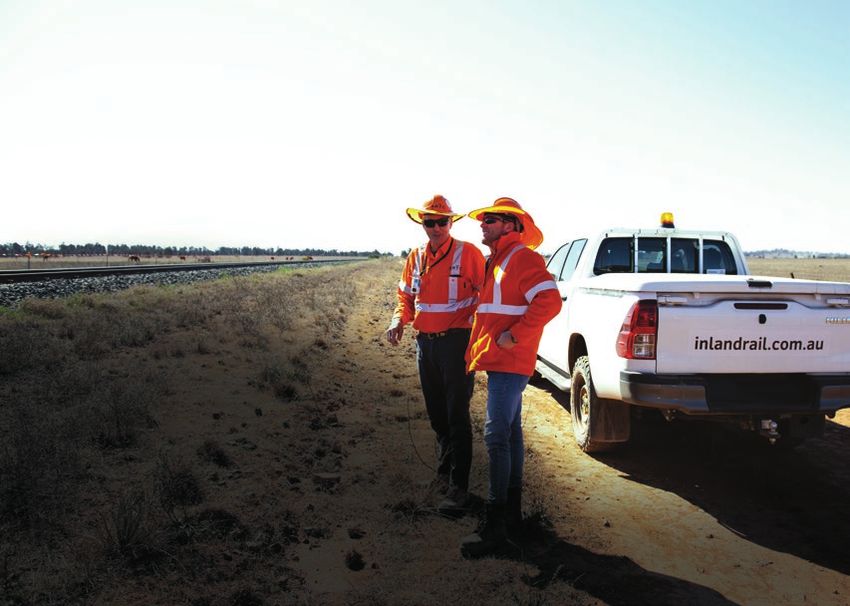
Nowhere else in Australia do infrastructure peak bodies consult so
                                          closely with both their respective governments, government-owned
                                          corporations and private sector proponents to accurately chart the
                                          status of all major projects in their home state.

          We are proud to introduce       The outcome of this collaboration is an authoritative
                                          report which describes the scale, timing and location
                                                                                                      We live in uncertain times. This year Australia has
                                                                                                      lived through one of the worst bushfire seasons in

          the 2020 Queensland Major       of all major engineering projects being considered or
                                          developed in Queensland.
                                                                                                      living memory. While some may question whether the
                                                                                                      bushfires are linked to climate change, the evidence
                                                                                                      that climate change is real cannot be ignored as

          Projects Pipeline Report
                                          For 2020 we have moved away from printing the               our report cover graphically illustrates. Combined
                                          large static report and placed greater emphasis on          with accelerated biodiversity loss, increased natural
                                          digital. All your detailed information and in-depth         disasters, infectious diseases, the water crisis,
                                          analysis can be found at our dedicated website –            geopolitical tensions and technological changes,

          to you – an initiative of the   qldmpp.com.au – where, for the first time, you will
                                          also be able to search and sort data in the pipeline
                                          project listing.
                                                                                                      the long-term global outlook is hard to predict.

                                                                                                      For these reasons sustainability and resilience are

          Queensland Major Contractors    In another first, we will issue two updates to the
                                          report during 2020. In June we will provide an update
                                                                                                      key themes in the report. As well as our traditional
                                                                                                      focus on the economic sustainability of the industry,
                                                                                                      we also explore issues related to environmental

          Association (QMCA) and the      addressing projects advanced in both the State and
                                          Federal budgets and another update addressing the
                                          State election in October.
                                                                                                      sustainability such as the need for action to make
                                                                                                      Queensland’s existing infrastructure more resilient to
                                                                                                      natural disasters, what new infrastructure is required

          Infrastructure Association of   The Queensland Major Projects Pipeline Report
                                          (QMPPR) 2020 presents mixed news for the major
                                                                                                      to combat the effects of climate change and what we
                                                                                                      can all do to address the causes and impacts of
                                                                                                      climate change.

          Queensland (IAQ).
                                          projects industry. At just over $50b, the five-year
                                          pipeline is larger than in 2019. However, this is due       Sincere thanks go to our partner BIS Oxford
                                          to the addition of $9.4b in unfunded works, mainly          Economics for their expert guidance, compilation
                                          backed by the private resources sector. The public          of the project listings and the detailed independent
                                          sector continues to do the heavy lifting.                   analysis that underpins the report. We also would like
                                                                                                      to thank our report sponsors whose support enables
                                          Globally, the pressure on governments to build more         us to provide such in-depth analysis.
                                          and more infrastructure and deliver services keeps
                                          growing without a sufficient income base. Queensland
                                          is one of Australia’s largest states and with its growing
                                          and dispersed population, feels this burden acutely.
                                          Public spending is under pressure from competing
                                          needs with ever increasing community needs for
                                          spend on health and education as well connecting
                                          infrastructure in transport, water, energy and digital.

                                          Queensland needs to secure more financing without
                                          placing an unsustainable burden on public borrowing
                                          or taxation. Increasing private sector spend on
                                          economic enabling public infrastructure is crucial
                                          to increase sustainability and maintain liveability.
                                                                                                      Jon Davies                   Priscilla Radice
                                                                                                      Chief Executive Officer      Chief Executive Officer
                                          The south east Queensland (SEQ) City Deal and a
                                          successful bid for the 2032 Olympics would be great
                                          catalysts to lift business confidence and attract more
                                          private funds.

ii | QLDMPP.COM.AU                                                                                                                            QLDMPP.COM.AU | 1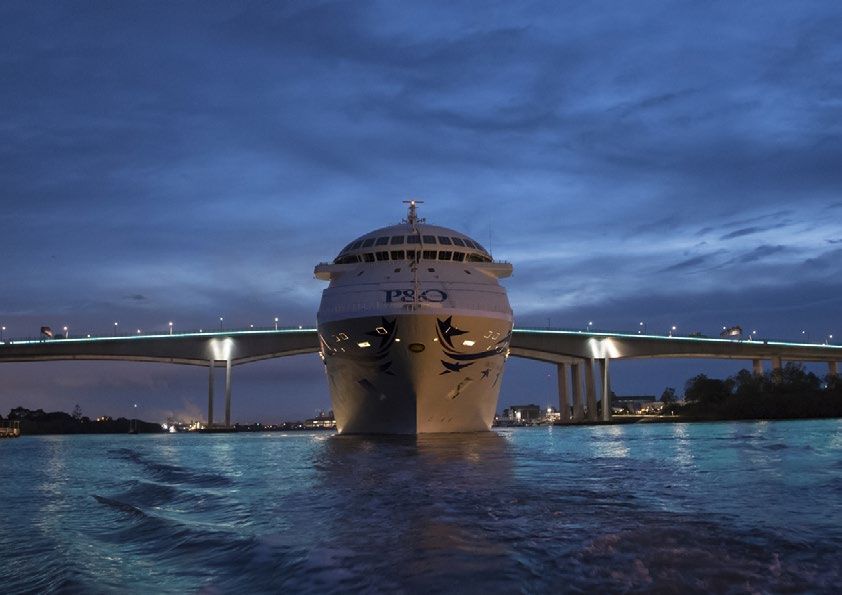
Queensland Major Projects
Pipeline Report 2020 is a joint
initiative of QMCA and IAQ.

The creation of this report
is supported by BIS Oxford
Economics and Struber.

Visit the website for the         WELCOME

full report, including an          4
interactive database of the       Introduction and
projects in the pipeline.         overview

qldmpp.com.au                     THE OUTLOOK

                                   6                        20                         24
                                  Pipeline outlook          Regional outlook           Construction outlook
                                  – risks, challenges and   – substantial disparity    – productivity, capacity
                                  opportunities             and mixed fortunes         and capability

                                  SUSTAINABILITY
Online you will find the
detailed analysis:                12                        18
Executive summary
Interactive project list          Environmental             Financial sustainability
State pipeline outlook
Regional pipeline outlook         sustainability            – advocating for a
Sustainability insights
Economic summary
                                  – a visceral issue for    healthy pipeline
Construction outlook              Australians

                                  ECONOMY                                              PROJECT LIST

Supported by                      28                                                   Interactive project list
                                                                                       – visit qldmpp.com.au
                                  Economy
                                  – the risks and
                                  opportunities

2 | QLDMPP.COM.AU                                                                                     QLDMPP.COM.AU | 3
This pipeline report
15
gathers data from
222 projects, each 28
Ot
her reso
urces
Ro 72
with a value of l
ad
a
sa
Co
2
nd
m.
Pipelines Telecom
$50m+, organised
brid
222
ges
Oil and gas
14
projects in
into 11 sectors. 2 the pipeline
Ele
c tr
il
i ci
ts
r
Ra
o
ty
rs /P
RIGHT
Distribution of the project pipeline
28 Se
we
Water
H a r b ou
rag ce
by sector. e
D e fe n 17
The long standing Queensland 9 10
Major Projects Pipeline Report 21 6
(QMPPR) is developed by the
Queensland Major Contractors
Association (QMCA) and the
Infrastructure Association of
Queensland (IAQ). The list includes all engineering construction projects In June we will provide an update addressing
in excess of $50m. It was developed by BIS Oxford projects advanced in both the State and Federal
The QMPPR has become the barometer of current Economics with QMCA and IAQ member input budgets and another update addressing the State
and future major project activity, and construction throughout November 2019 to January 2020. election in October.
industry conditions in Queensland. The online
report provides a comprehensive list of major A complete list of major projects has been To see the report in its complete detail and use the
infrastructure projects and an analysis on the considered for this analysis (and is available online interactive project list, visit qldmpp.com.au.
corresponding level of construction activity based at qldmpp.com.au) including explicit assumptions
on both the completion of existing projects and the of work done for each project.
likelihood of potential projects proceeding.
4 | QLDMPP.COM.AU QLDMPP.COM.AU | 5
Pipeline outlook Unfunded
categories
– risks, challenges $2b
$8b Unlikely
Projects considered not to occur
in the next five years, even if
and opportunities
POSED ANNOU announced. There are $4.6b in
DIBL
Y PRO NCED
$2 unlikely projects in the pipeline.
.8b
CRE
13 .9b
$2 41
UN
DE
R
Prospective
E PR
TIV OC
EC UR
16
P
OS EM
PR EN Projects considered likely to occur
17
T
over the next five years but not
$8
yet formally proposed. There are
$7.5b in prospective projects in
.9b
UN
6b
PUBLIC
DE
the pipeline.
R
$5.4b $19.8b
CO
Y
$.0
EL
NS
LIK
TR
Credibly Proposed
4
UN
38
UC
Unfunded Funded
TIO
Projects that are supported by
N
governments and/or the private
sector but still in prefeasibility/
Valu tity
Quan e
Qua
tity
Valu
business case mode and therefore
do not have funding committed.
e
RIGHT
n
Public and private pipelines distributed There are $11b in credibly
by stage in funding lifecycle. proposed projects in the pipeline.
PRIVATE
There is $50.6b in total major Funded
Quan e
Valu tity
project work in the pipeline
n
categories
Valu
e
Qua
tity
between 2019/20 and 2023/24
inclusive. This is comprised Announced
Projects which have funding
of $27.4b in funded work and
N
TIO
$17.8b $7.6b support but have not yet entered
19
29
$23.2b in unfunded work.
UC
UN
the procurement stage (as at
TR
L IK
NS
January 2020). There are $9.5b
$4
EL
Unfunded Funded
CO
b
Y
in announced projects in the
R
Maintaining a growing pipeline of major project
.8
DE
.1
pipeline.
UN
work requires shifting currently unfunded projects
b
$5
into the funded category, as well as growing the 18 T
value of the pipeline overall. While the most likely EN
Under Procurement
3
PR
OS
REM
scenario for major project work excludes “unlikely”
b
PE CU
CT
RO Projects in a procurement
.0 3
IVE
projects, these are included to show their potential $4 18 UN
DE
RP
stage but have not yet started
impact on major project work, particularly later in .7 6 $ construction (as at January 2020).
the forecast. b CRE
DIBL
Y PRO
POSED ANNOU
NCED There are $3.2b in projects under
procurement in the pipeline.
The analysis is based on a considered view of both
funded and unfunded projects. The funded forecast
$1. 5 b
view is similar to a “worst case scenario” outlook,
$9b Under Construction
should international developments or public sector Projects under construction or
finances deteriorate significantly, or the combination completed in 2019/20. There are
of threats to the Queensland construction industry $14.7b in projects currently under
remain unaddressed. construction in the pipeline.
6 | QLDMPP.COM.AU QLDMPP.COM.AU | 7
$20b
$18b
$16b
Unlikely
Prospective
$25.2b
$14b
Credibly proposed
Funded
Public pipeline
$12b
$10b $5.4b
Unfunded
$8b
$19.8b
Funded
$6b
$17.8b $7.6b
$4b Unfunded Funded
$2b
$0
FY13 FY14 FY15 FY16 FY17 FY18 FY19 FY20 FY21 FY22 FY23 FY24
$25.4b
Private pipeline
ABOVE RIGHT
Distribution of funded to unfunded projects While totals for public and private outlooks
over the next five years. are similar, much of the private pipeline
remains unfunded.
The total size of the pipeline has increase in unfunded work since last year, however
72% of the increase in unfunded work ($6.7b) is
This year the strong disconnect The number and sheer size of unfunded private
sector-backed projects in the pipeline means this
increased significantly by the from the resources and heavy industry sector, and between public and private situation can turn quickly. But for now, the public
includes major additions to the pipeline across coal, sector is being asked to do more of the ‘heavy lifting’
addition of $9.4b in unfunded gas and minerals projects. Consequently, the large investment is becoming more to maintain the stability of the funded pipeline. As
work. Funding some of these increase in resources-related unfunded work also pronounced. global economic conditions improve through the
impacts heavily on the unfunded pipeline and outlook 2020s (barring further shocks), it can be expected that
projects could see funded work volatility for key resources regions including Mackay- Private sector funding is a persistent weak point in some of the currently unfunded resources projects
rise back above 2018/19 levels – Isaac and Outback. the pipeline. Last year, the value of funded private will proceed. This highlights the critical importance
of finding ways to attract private sector dollars into
sector work was $8.3b, compared to $7.6b in this
and potentially much higher. The strong increase in unfunded resources-related report. More worryingly, the value of privately public infrastructure in Queensland and gaining
works points to work done in previous years to bring funded work announced or under procurement community acceptance.
With greater visibility on upcoming projects, the total projects to feasibility stages. However, the uncertain has nearly halved from $3.5b last year to just $1.8b
outlook for major projects has improved compared outlook for global growth, commodities demand this year. The largest driver of engineering construction in
to the QMPPR 2019. The total activity forecast for and prices continues to drive delays in investment Queensland is publicly funded transport projects.
2022/23 is now $4.4b larger than the QMPPR 2019 decisions. While the lack of funding is concentrated Only four of the unfunded publicly-backed projects
forecast, with the expansion in major project activity heavily in resources and heavy industry, rail, roads The split of public to private major are considered unlikely compared to 19 projects
to $12.9b by 2022/23. This is comprised of $5.2b in and water projects see a similar decline in funding in project activity is almost 50/50 originated by the private sector. Much of this
funded work and $7.7b in unfunded work. the five-year pipeline. The major project construction difference lies with resources and heavy industry,
The previously forecast setback in the current decline in the final year of the five-year pipeline is not however nearly 80% of publicly- where return on investment is more volatile and
financial year has come to pass and activity in 2019/20 unusual because the infrastructure project funding strongly tied to commodity prices and general
is expected to reach $6.6b. This is $391m lower than horizon is closely tied to Government and large backed major projects are funded economic conditions. The long term structural
2018/19 and $727m of this figure remains unfunded. corporation budget cycles. The 2020 Pipeline reveals compared to 30% for the private issues facing the thermal coal sector in particular
While this is significant, it is unlikely to be as severe a number of challenges and risks, but there are also puts a significant portion of the $8.7b unfunded
as previously predicted. The Australian Government’s substantial opportunities and potential. sector. coal pipeline at risk. There are also a large number
$1.9b transport package announced in November of unfunded privately-backed major projects in
2019 has expedited project timings and offset the electricity.
decrease in funded projects in other sectors.
All segments except roads and bridges saw an
8 | QLDMPP.COM.AU QLDMPP.COM.AU | 9
BELOW
                                                                                                                                                                                                                +$6.68b
Changes in the pipeline between the 2019
and 2020 reports, separated by sector.

Funded
Unfunded

                                           +$1.74b
                                                        +$1.03b                                                                  +$0.89b
+$0.58b                                                                                        +$0.71b
                                                                                                                       +$0.13b                                           +$0.28b

     Roads and                                 Railways and                                   Non-water                     Water and                                       Defence                            Resources and
        bridges      –$0.2b                      harbours                                     utilities                     sewerage                       –$0.08b                                             heavy industry

                                                                                                                                                                                                –$0.82b

                                                                                –$1.67b

The value of the funded pipeline                              Non-water utilities activity, comprising mostly
                                                              electricity and telecommunications work, is expected
is similar to last year's, but there                          to suffer the most. Major project activity declines             Port of Brisbane is building the new Brisbane
                                                              from $2b in work done in 2018/19 to just $56m in
are significant variations by                                 2023/24. This is a consequence of major project                 International Cruise Terminal – a world-class facility
sector and some sectors simply                                completions, such as the National Broadband
                                                                                                                              that will transform cruising out of Brisbane.
                                                              Network (NBN), with no large replacements in the
lack projects to sustain growth.                              pipeline to compensate. It is also reflective of the
                                                              falling work done on renewable energy generation                For more information visit www.portbris.com.au/cruise
There is a growing volume of water and resources              projects since the 2018/19 peak. The considerable
project work in the pipeline, although much of it is                                                                          and follow Port of Brisbane on social media
                                                              policy uncertainty at the Australian Government
unfunded. Water and sewerage major project work               level is also likely contributing to the lower levels
rises from $488m in 2019/20 to $1.1b by 2022/23.              of investment.
Funded resources and heavy industry major work in
the pipeline has declined $800m since last year, but          It should be noted that this sector is typically more
the pipeline rises $3.6b by 2022/23. At their respective      volatile than sectors such as transport and, as such,
peaks, however, 67% of water and sewerage projects            the outlook can shift quickly if new projects emerge
(principally dams) and 62% of resources and heavy             or are funded. Given the positive outlook for new
industry projects remain unfunded.                            renewable generation requirements in Queensland
                                                              as part of Australian Energy Market Operator’s
The gas pipeline major project work is currently              (AEMO) Draft 2020 Integrated System Plan (ISP), it is
very weak – the completion of the North East Gas              likely that new projects will originate in this sector
Interconnector in 2017/18 has left a gap in activity.         in coming years. The Queensland Government has
The minimal construction remaining is mostly                  successfully led renewable energy investment, and
supported by the Roma East Gas Project and the                has recently called on the Australian Government to
Arrow Bowen Pipeline as part of the ongoing                   support more investment in renewable energy via the
development of the coal seam gas fields and LNG               Northern Australian Industry Fund. Exploring this
processing facilities in Queensland.                          concept has considerable merit.
                                                                                                                              DELIVERING FOR QUEENSLAND

                                                                                                                              $177 million                     245 jobs supported,            Around   450,000
10 | QLDMPP.COM.AU                                                                                                            investment by Port of Brisbane   on average, during each year   passengers welcomed in the        QLDMPP.COM.AU | 11
                                                                                                                                                               of construction                2020/21 cruise season
Environmental
sustainability
– a visceral issue
for Australians

RIGHT
Queensland's mean temperature anomalies
from 1910 to 2019 have risen to 1.3° above

                                                      1910 | 0.51° below average

                                                                                                        2019 | 1.3° above average
average.

Environmental sustainability
is a visceral issue for many
Australians, particularly with
recent disastrous bushfires
across eastern Australia and
crippling droughts and floods.
These events are highlighting the
risks and challenges associated
with ensuring environmental
sustainability.
From an infrastructure and major projects pipeline
perspective, our role includes:
• Acknowledging the risks and opportunities to the
   pipeline from anthropogenic (human-induced)
   climate change;
• Supporting structural adjustment policies and
   reskilling for new industries;
• Embedding impact design principles in new
   infrastructure, especially in coastal zones;
• Ensuring infrastructure is resilient to dangerous
   climate change impacts; and
• Taking steps to address root causes of
   anthropogenic climate change and minimising
   the carbon footprint of our industry.

12 | QLDMPP.COM.AU                                                                 QLDMPP.COM.AU | 13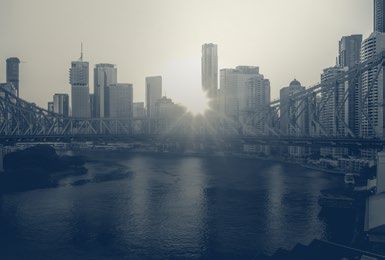
Queenslanders are particularly                            Despite some uncertainty regarding the severity
                                                          of the temperature response to a given increase in
                                                                                                                   will reach 2C above pre-industrial levels or higher4,
                                                                                                                   with catastrophic consequences not just for the
                                                                                                                                                                           Importantly, Queenslanders are increasingly
                                                                                                                                                                           aware of the risks and challenges posed by climate
exposed to the impacts of global                          carbon dioxide in the atmosphere, there is a general     environment but also the Queensland economy.            change and want action. Following the most recent
                                                          consensus by climate scientists that2:                                                                           Federal election in May 2019, the ABC/Vox Pop Labs
warming and climate change.                               • The earth’s climate has always changed over            By contrast, the most current drought and bushfires     Australia Talks National Survey6 revealed that 84%
                                                              timescales ranging from thousands of years to        have played out in the context of the current 1C        of Australians wanted at least some action on climate
The first step in addressing environmental                    millennia;                                           of warming above pre-industrial levels. Natural         change. 65% of Queenslanders said that climate
sustainability is recognising the climate is indeed       • Greenhouse gases from human activity are               disasters and extreme weather events such as            change was a problem personally and the single
changing due to a build-up of greenhouse gases in             warming the world (anthropogenic); and               heatwaves, droughts, fires, floods and cyclones         biggest issue keeping them up at night. Even in rural
the atmosphere.                                           • Effort is needed to reduce emissions and to adapt      are predicted by climate science to become more         and regional Queensland where employment in
                                                              to the changes that are likely to occur from the     frequent as warming moves towards 1.5C and 2C           coal and gas industries is most focused, there is only
Greenhouse gases (including carbon dioxide,                   gases already in the atmosphere.                     (or higher). Warmer and more acidic seas are also       30% support for more coal as a source of energy,
methane, nitrous oxide, ozone and water vapour)                                                                    expected as the climate warms, affecting coastal and    with 72% and 56% supporting more solar and wind,
are relatively transparent to short-wave infrared         The Queensland economy is dependent on climate-          ocean ecosystems and increasing coral bleaching of      respectively, in the energy mix.
radiation (such as heat from the sun). This means that    sensitive industries such as tourism, agriculture and    the Great Barrier Reef. Rising sea levels have been
they allow sunlight to enter the atmosphere and heat      mining. The state is also more exposed to negative       estimated to impact on 27,000-35,000km of road and      Environmental sustainability provides Queensland
the Earth’s surface. These surfaces then re-radiate       impacts such as increased heatwaves, droughts, fires,    rail assets Australia-wide, with a net replacement      with a massive economic opportunity which is
that heat as long-wave infrared radiation, which          floods, cyclones and rising sea levels.                  value of $51-67b (in 2008 dollars)5.                    potentially far greater than the fossil fuel industry.
greenhouse gases tend to absorb rather than transmit.
The result is that the long-wave infrared radiation is
‘trapped’ and heat accumulates in the atmosphere          Over 60% of the total economic cost                      Climate change is happening and
causing a warming process. This process is known
as the ‘greenhouse’ effect because it is similar to the   of climate-related disasters over                        Queensland is already experiencing
effect that glass has, trapping heat in a greenhouse1.    the decade to 2016 was focused in                        its negative impacts.
Carbon dioxide is a greenhouse gas and the increase       Queensland. 3                                            These negative impacts will only increase in coming
in the burning of carbon-based fossil fuels (including                                                             decades, even if global carbon emissions were to fall
coal and gas) and increased deforestation since the       Unfortunately, even in an extreme scenario where         steeply. This means that resilience, adaptation and
Industrial Revolution is leading to higher rates of       all human-induced carbon emissions were to cease         climate mitigation strategies need to be employed
global warming as a result of more carbon being           immediately, many decades of high anthropogenic          simultaneously. Resilience and adaptation strategies
concentrated in the atmosphere.                           carbon emissions has already locked in some              will need to take into account the current and
                                                          amount of global warming. Most climate science           potential impacts of warming, but carbon emissions
                                                          now recognises that a best case scenario may be to       reduction will be necessary to keep warming
                                                          limit global warming to just 1.5C above pre-industrial   contained and minimise the costs associated with
                                                          levels. Given slow global action on mitigating carbon    adaptation.
                                                          emissions, it is now more likely that global warming

14 | QLDMPP.COM.AU                                                                                                                                                                                                  QLDMPP.COM.AU | 15
Resilience and adaptation Optimising the use of less carbon- Environmental sustainability provides
strategies will become an intensive materials is likely to be an Queensland with a massive economic
increasing part of the major important way of cutting embedded opportunity which is potentially far greater
projects industry, allowing the carbon in new infrastructure. than the fossil fuel industry. Supporting
industry to lead and contribute International studies indicate that up to half of all the global effort to reduce emissions will
to better outcomes. CO2 emissions in the construction industry are from benefit very important industry sectors
cement production, both in the manufacturing
Fundamentally higher levels of spending on process and as a by-product of the chemical to Queensland – tourism and agriculture
infrastructure will likely be required, and this may reactions8. However, a significant proportion (up to
43%) of these emissions are re-absorbed as cement
– which are highly susceptible to climate
drive a bigger major projects pipeline over time.
The billions spent on desalination and recycled ages and weathers over time in a process called change impacts.
water in Queensland (and other states) during the carbonation9. This illustrates the importance of
millennium drought is one example of how expensive looking at the full lifecycle of construction materials
adaptation is, and how it impacts the major project in determining their carbon emissions intensity. Even
industry. In general, given the very long life required so, low-carbon cements are available which are less
of new infrastructure (typically up to 100 years), and
the uncertainty of how far climate change will go
energy-intensive to produce as they often include
magnesia, enabling the absorption of carbon dioxide 1 2 3
(depending on the success or otherwise of mitigation during curing. Other 'sustainable' materials such
strategies), infrastructure planners and builders as timber, straw and compressed earth have lower Queensland can leverage from Queensland is already the national The development of more
will need to embed significant resilience principles carbon footprints than cement, as well as absorbing its own natural and comparative leader in terms of installing new economic ‘green’ hydrogen
into new infrastructure design, as well as adapting CO2 while growing. advantages to build new industries renewable energy generation, production processes which utilise
existing infrastructure to withstand potentially severe that will help drive down particularly solar, and Australia is renewable energy also offers
climate change impacts. Apart from choice of materials, increasing industry carbon emissions. This includes outpacing the world in renewable considerable opportunity for new
productivity through new technologies and by Queensland's world leading energy generation installation Queensland jobs and exports. In
Apart from contributing to broader economy-wide implementing strategies and policies that result in solar resources and access to per capita. This illustrates how 2019, the Queensland Government
CO2 emissions reduction targets, the construction less re-working and waste is also likely to lead to “next generation” commodities quickly a fossil fuel-dominated released a 2019-2024 Hydrogen
industry can also target reductions in its own carbon the strongest reductions in emissions over time. including copper, lead, zinc, silver, industry can transition to cleaner Industry Strategy with a vision of
footprint as an environmental sustainability goal. With productivity falling 30% over the past five years phosphate and rare earths. renewable energy sources given making Queensland the leader for
Carbon emissions from the Australian construction at the national level10, a large potential benefit in the right incentives. While Australian hydrogen production
industry are estimated to represent around 18% terms of CO2 emissions could be realised if previous the Queensland Government by 203011. This followed CSIRO’s
of all emissions, with energy and materials key productivity performance is restored. Consequently, maintains a 50% renewable successful demonstration of
contributors7. CO2 is generated throughout the achieving productivity goals not only assists with energy target, the end of the their world-first technology for
entire construction process including extraction, reducing costs of projects and avoiding capacity Australian Government's 2020 refuelling fuel cell electric vehicles
manufacturing, transportation, construction, and capability constraints, but can also be a strong renewable energy target and (FCEVs) from ammonia at the
maintenance and disposal. weapon in the fight against climate change. lack of a replacement target is – Queensland Centre for Advanced
alongside transmission challenges Technologies.
There are a range of strategies which the Australian Embracing circular economy – negatively impacting the pace
construction industry can employ to reduce carbon of new renewable installations
emissions, such as increased use of sustainable principles would provide the industry a in Queensland.
materials, reduced waste, increased recycling,
reduced transport requirements, utilising less carbon- common platform for reform.
intensive transport, reduced on-site generators by
establishing grid connections and utilising spatial
technologies to minimise idling and distance travelled
by construction equipment.
16 | QLDMPP.COM.AU QLDMPP.COM.AU | 17Financial An action plan
for financial
sustainability sustainability
– advocating for a
healthy pipeline Completing these actions will
see Queensland's project pipeline
become robust and resilient.
1 2 3
Since its inception, the QMPPR There have been improvements ensuring the budget
allocations are spent on infrastructure as planned,
Governments continue to Australian and State Government and industry to work
seek collaborative, long term Governments to include with community to implement
has not just reported on the a greater willingness to utilise cheap debt to finance value approaches to tendering resilience and adaptation work in diversification strategies to
productive infrastructure investment (helping to
outlook for major project activity smooth the path of investment despite economic
and procurement to achieve infrastructure audits and develop enable a positive transition for
sustainable industry outcomes. a list of at risk infrastructure. regional economies currently
but has also been a strong volatility), as well as steps to develop a new SEQ
dependent on fossil fuel
City Deal.
advocate for the long term industries.
sustainability of the pipeline The formation of the Infrastructure Industry Steering
Committee (IISC) has resulted in discussions taking
and the broader industry. place between Government and Industry focused on
Sustainability can be considered in many contexts:
increasing collaboration in areas such as pipeline of
work, procurement, project delivery, management of
4 5 6
• Ensuring sustainable levels of infrastructure project risk and supporting design and innovation. Industry takes a leading role The Queensland Government Government and industry to
investment to meet projected needs; However, these discussions are still yet to result in the engaging with Queensland to trial use of lean construction develop a suite of policies to
• Sustainability of funding and finance for development of clear and quantifiable infrastructure communities to achieve a greater methodology on new projects reduce the carbon footprint
infrastructure projects; investment metrics and targets, or reforming
understanding of the sustainable and work with industry to of the construction industry
• A financially sustainable industry that can procurement and contracting relationships to reduce
continue to efficiently deliver long-lived costs, boost productivity, and target long term value
ways to fund and finance our provide necessary certainty for in Queensland.
infrastructure projects; and and quality infrastructure instead of minimising up growing infrastructure needs, investment in other productivity
• A visibly funded pipeline that enables the front capital cost. with the aim to increase private improving tools and processes.
industry to invest in training and innovation that sector investment in traditionally
will improve productivity. There is also little progress on key policy reforms public sector infrastructure.
and initiatives that will help sustain infrastructure
Many of the challenges associated with financial investment and its efficient funding and delivery
sustainability have been addressed in previous over the long term, including moving away from
QMPPRs. Progress on meeting QMPPR's inefficient, pro-cyclical funding and financing 7 8 9
recommendations in Queensland has been mixed. streams, effective encouragement of private
investment (which in funded terms, remains very Governments to partner with Australian and State governments Government and industry to
This year’s QMPPR shows an increase in the value of low in the current QMPPR) and leveraging from other industry to provide funding for to have consistent plans to reduce focus on asset management and
the pipeline, with the public sector committing more financing and funding models, such as those used further research into the impacts carbon emissions in the spirit of take-up of technology to improve
funding to a range of projects – in turn, this is helping successfully in New South Wales and Victoria. of climate change on the built the Paris Agreement. productivity outcomes.
to reduce the projected downturn in major project environment.
work in 2019/20 that was forecast in last year’s report.
18 | QLDMPP.COM.AU QLDMPP.COM.AU | 19Regional outlook
– substantial
disparity and $0.3b | Outback
mixed fortunes
$0.8b | Cairns
RIGHT
Heat map of funded major project work in
Queensland's regions. $1.7b | Townsville
$2.9b | Mackay – Isaac
Note | Does not include
multi-regional projects
The overall Queensland outlook
has improved since the previous
year’s QMPPR, however, there $3.06b | Fitzroy
continues to be substantial
disparity between different $1b | Wide Bay
regions in terms of activity size,
growth and funding volatility.
Around 40% of all funded work in the pipeline is
focused in south east Queensland with Greater $1.6b | Sunshine Coast
Brisbane expected to see the highest levels of work.
Meanwhile, more of the riskier, unfunded projects lie $7.2b | Greater Brisbane
in the central, northern and western regions of the state
where investment in resources, large water projects
(such as dams) and electricity generation projects are $1.1b | Gold Coast
more prominent, however typically unfunded.
$3.5b | Ipswich, Toowoomba, and Logan
$3.5b | Darling Downs – Maranoa
20 | QLDMPP.COM.AU QLDMPP.COM.AU | 21Greater Brisbane Gold Coast Sunshine Coast Outback Townsville Wide Bay
The Greater Brisbane region has Queensland's fastest growing With strong population growth The outback region has the lowest Funded activity in the Townsville While a large proportion
a strong 99% funded pipeline with population will benefit greatly and increasing tourism, the ratio of funded to unfunded region is more diverse than other (63%) of work is unfunded,
major project work expected to from publicly funded transport Sunshine Coast will mostly benefit major project work with 94% of regions. Currently funded work is this year's pipeline represents an
average $1.4b per annum. infrastructure over the five-year later in the pipeline from funded activity in the pipeline currently peaking in 2019/20 ($589m) before improvement in funded transport
pipeline with funded major project transport projects with an average unfunded and more than 50% of a sharp fall in following years infrastructure with an average
Total pipeline value | $7.3b activity averaging $212m per spend of $314m per annum. this considered unlikely. with 53% of the pipeline currently spend of $192m per annum.
Percent unfunded | 1% annum. unfunded.
Sector Driving Growth Total pipeline value | $1.6b Total pipeline value | $5.2b Total pipeline value | $2.6b
Roads Total pipeline value | $1.8b Percent unfunded | 0% Percent unfunded | 94% Total pipeline value | $3.6b Percent unfunded | 63%
Rail Percent unfunded | 42% Sector Driving Growth Sectors Driving Growth Percent unfunded | 53% Sectors Driving Growth
Sector Driving Growth Roads Roads Sectors Driving Growth Water
Roads Rail Renewables Water Roads
Rail Airport Roads
Minerals
+253% Defence
Harbours
+171% +168%
+152%
+56%
+47% +46%
+16% Darling Downs
– Maranoa Fitzroy Outback QLD average
Greater Brisbane Gold Coast Sunshine Coast Ipswich Townsville Wide Bay Cairns Mackay –0.5%
– Toowoomba –12% – Isaac
– Logan
–71%
–91%
Ipswich, Toowoomba, Darling Downs – Fitzroy Cairns Mackay – Isaac ABOVE
Logan and Beaudesert Maranoa Fitroy's outlook goes against most Funded activity in Cairns Funded work is expected to peak
Expected growth by region in funded
major project work over the next five years
regional trends – major project depends entirely on transport at $1.1b in 2020/21 supported by – compared to QMPPR 2019.
The outlook has substantially This region has the most improved work is expected to continue to fall infrastructure. Diversity could be large resource and renewable
improved in the final three years outlook since last year's report, over the pipeline, yet it currently introduced to the major project projects. Mackay-Isaac has the
of the pipeline, almost completely with $3.4b and $2.7b in funded has the highest level of funded mix if unfunded projects in water largest unfunded major project
driven by the $3.2b Inland Rail and unfunded activity respectively, work in the pipeline ($1.04b) but and renewables were to go ahead. activity of any region ($7.2b) and
Project which could trigger other supported substantially in the the average per annum sits at currently has no funded projects
investment, especially in logistics. latter years by the $3.2b Inland almost half that ($605m). in 2023/24.
Total pipeline value | $1.1b
Rail Project.
Percent unfunded | 30%
Total pipeline value | $5.3b Total pipeline value | $4.5b Total pipeline value | $10.2b
Total pipeline value | $6.2b Sectors Driving Growth
Percent unfunded | 34% Percent unfunded | 32% Percent unfunded | 71%
Roads
Sectors Driving Growth Percent unfunded | 44%
Sector Driving Growth Rail Sector Driving Growth
Roads Sector Driving Growth Defence Harbours Coal
Rail Resources Roads Rail
Water Rail Coal
Renewables Renewables
22 | QLDMPP.COM.AU QLDMPP.COM.AU | 23Construction outlook
– productivity, capacity
and capability
Productivity trends
Queensland
Australia
2014
2015
2013
2012
2016
2018
2017
2003
2010
2011
2000
2008
2009
2002
2019
2007
1998
2004
2006
2001
2005
1999
RIGHT
Queensland construction activity BELOW
Queensland construction labour
productivity has seen minute
1 A possible understatement
of employment growth
2 The heavy usage of offshore
fabrication for construction
reached record-high levels in Queensland's peak construction activity
was in 2013/14 and is forecast to be building
historical growth, with 2018/19 in the industry between products in the peak period
productivity returning to levels 2009 and 2013 due to had less intensive labour
2013/14 with $68.7b in work done again, though not necessarily to the same
heights. seen in the early 2000s. The figure a misclassification of force requirements while
(driven by exceptional resources above provides a time-series of construction workers generating substantial boosts
construction labour productivity as mining workers. in the Construction Gross
investment), a figure yet to be since 1997/98, highlighting the Value Added (i.e. the output
surpassed by any other state.12 lack of growth in the 20-year
time span, both nationally and in
of the domestic construction
industry in Queensland, as
Construction had begun to build-up from 2000/01 and Queensland. opposed to “work done”).
work done underwent twelve years of consecutive
growth – besides a small dip in 2009/10 – to reach the It seems likely that there has
peak in activity. The volatile and cyclical nature of been little structural change in
$68b | 2013/14
resources activity is a factor which continues to play construction labour productivity
a significant role in determining future construction in the past two decades, and the
$54b | 2024/25 peak in productivity during the
outcomes for Queensland.
second phase of the resources
The construction peak in 2013/14 was also experienced boom can instead be attributed
in Western Australia, similarly benefiting from the to two things:
resources investment boom, and both resource rich
states have experienced sharp declines in the years
following. Queensland work completed fell by a
cumulative 43.1% in 2014/15 and 2015/16, the decline
driven by the sequential completion of multi-billion $19b | 1993/94
dollar LNG projects and a beyond-uninspiring thermal
coal market.
24 | QLDMPP.COM.AU QLDMPP.COM.AU | 2521% 50–200m 4%
A key risk for the major projects industry in While there are many causes of cost overruns,
Queensland is that growth in work done in the including suboptimal approaches to procurement
pipeline in coming years will be increasingly and managing risks, separate studies by BIS Oxford
competing for skills and materials from other projects Economics for road and rail sectors indicate that
– both within and outside the construction industry there remains a national shortage of key skills to
– presenting capacity and capability risks to project deliver all transport megaprojects as mapped out by
timings and costs. Already, major projects in other the Australian and State Governments, particularly
21% 200–500m 16% states, such as Sydney Metro and Sydney Light Rail from 2021/22 as total construction activity lifts13 14.
have seen a significant overrun in costs, while many Consequently, it remains likely that projects in
projects across road and rail in Victoria and New the QMPPR may be delayed, or be delivered at a
South Wales have also been delayed. higher cost, than reported here. The result may be a
smoother, less cyclical, pipeline (and higher delivery
costs) as a consequence of market necessity rather
Cost overruns represent a ‘double than via an effective industry plan.
whammy’ for the construction industry
20% 500m–1b 15% – not only does it affect industry
productivity, but it absorbs funds that
otherwise could have been earmarked
for other projects.
37% 1b+ 63%
2018/19
2023/24 A new freight future
for Australia.
ABOVE
Megaprojects are becoming more common
7,200 jobs
over the next five years.
Much of major project work Industry capacity and capability risks remain in the
remains concentrated in
transport megaproject space, given the strong phase
of megaproject activity nationally. Overall declining
levels of major project activity indicates industry
for Queensland.
‘megaprojects’ over $1b has the capacity and capability to take on new work,
in value posing risks to capacity although some sectors (e.g. rail) may experience
constraints earlier than others. A strong upswing in
and capability. resources-related activity – if it does take hold – also
presents capacity and capability risks for regional Inland Rail will transform how we
Queensland. move goods around Australia and
In 2018/19, around 21% of major project work was on
projects valued between $50-200m. By 2023/24, this generate new economic opportunities
falls to just 4%, with 63% of all major project activity for our regions.
based on projects worth over $1b. The falling share of
$50-200m projects is a cause for concern considering Spanning 1,700km from Melbourne
that these projects tend to support a large number of to Brisbane, this fast freight backbone
highly competitive construction contractors which will connect all of Australia – north,
form the backbone for the industry.
south, east and west.
Learn more about Inland Rail The Australian Government is
delivering Inland Rail through the
26 | QLDMPP.COM.AU inlandrail.com.au Australian Rail Track Corporation
(ARTC), in partnership with
QLDMPP.COM.AU the
| 27
private sector.
IR_1677Economy Coronavirus and pandemics
The 2020 World Economic Forum Global Risks
Report15 identifies a range of factors which could
For Australia, the earliest and most significant
impacts on growth are expected to come through
– the risks and impact negatively on the global economy over the
coming decade. These include climate change and
accelerated biodiversity loss, increasingly nationalist
and unilateralist geopolitics, economic inequality and
trade services. In 2019, almost 1.5 million Chinese
people visited Australia, including approximately
165,000 students in our universities and colleges.
This market is at risk from China's suspension of
opportunities
stagnation, and health systems under pressure from outbound group tours for two months, decisions
rising pandemic risks. in Australia to cancel flights to and from China
and tougher travel restrictions introduced by the
The coronavirus (COVID-19) outbreak, which Australian Government. However, the virus epicenter
originated in China in late 2019, introduces a of Wuhan is a significant manufacturing hub which
significant risk to Australian and global economies. means the longer strict virus countermeasures are
Given the direct impact on production and spending in place, the greater the risk to industrial production
in China, BIS Oxford Economics has already revised and manufacturing – supply chain and commodity
China’s economic growth in the first quarter of 2020 economies, such as Australia, are most likely to feel
down by more than 2 percentage points. Even if these second-round impacts.
there is a rebound in the second quarter of 2020, total
growth for 2020 is now forecast to be closer to 5% for The Queensland economy is particularly exposed to
2020, compared to 6.1% in 2019. the economic risk because it is Australia’s leading
economy for tourism and is a key ‘resources
With the spread of COVID-19 outside of China, there state’ that exports raw commodities for Chinese
is potential for a more serious and long-lasting global manufacturing. Weaker growth will likely impact
impact. The sharp weakening in first quarter activity on State Government revenues (through taxes and
in China is already applying pressure to the global royalties) and financial position. In this situation,
economy, with fears that sharp sell-offs in financial there is a risk that public sector funded capital
markets could expand into the real economy. A sharp projects – such as those included in the major projects
contraction in global tourism and trade as COVID-19 pipeline – could be delayed or cancelled to preserve
spreads in Asia, Europe and the Americas during the state’s financial position.
the first quarter is now likely. Longer term, China’s
substantial role in global supply chains will continue
to impact production in countries outside of China,
with Oxford Economics calling the first quarterly
decline in global GDP since the global financial crisis.
The outlook contained in this Queensland is also exposed to local, national and
global risks. The most obvious downside risk to 2020 Queensland State Election and
report is subject to significant Queensland’s economic outlook relates to a further
upside and downside risks. The weakening in the global economy beyond the Early State Budget
forecasts assumed in this report. Weaker than
cyclical nature of work projected expected global growth, impacting on trade and Given the importance of the public sector in driving Budget – it will be handed down on the 28 April
industrial demand, has the potential to impact the major projects pipeline – whether through direct 2020 instead of in June, and before the Federal Budget
could increase and be further investment and production on Queensland resources investment in transport and utilities infrastructure, in May.
compounded by external factors. projects particularly, as well as affecting Queensland’s
exports of services such as tourism. In turn, weaker
or indirectly through policies designed to stimulate
private investment – election years tend to introduce The early delivery of the Queensland State Budget
Queensland’s economy should improve in coming export growth can potentially impact on state an extra element of risk to the major projects outlook. effectively compresses the timeframe for making
years, although the pace and magnitude of growth government revenues from royalties and other taxes, Politicking for the 2019 Federal election resulted in strategic infrastructure decisions and project choices,
is subject to several significant risks. Queensland affecting public spending. some significant infrastructure ‘wins’ for Queensland which are often made in partnership with the
is blessed with natural strengths and advantages: such as funding for Warrego, Lindesay, Carnavon Australian Government.
increasing connections with the faster-growing When considering Queensland's risks, it is worthwhile and Bruce Highways upgrades, major milestones
economies of Asia, traditionally strong population discussing the Queensland State Election and Early for Inland Rail and over a billion dollars for projects This may give rise to a misalignment between the
growth, and high-quality natural resources which State Budget, 2020 SEQ City Deal, 2032 SEQ Olympic through the Northern Australian Infrastructure Fund. State and Federal Budgets or could enable greater
support mining, tourism and renewable energy Bid and the growing impact of coronavirus and transparency.
industries. pandemics. The 2020 Queensland State Election, scheduled to be
held on 31 October 2020, will likely have a significant The QMPPR will be updated after the delivery of the
impact on the pipeline as currently unfunded projects 2020/21 State and Federal Budgets in April and May
may be promised funding, and new projects may be to ensure it remains up to date with the latest project
proposed. Already, the ‘election year’ is driving an and policy developments.
earlier than usual delivery of the Queensland State
28 | QLDMPP.COM.AU QLDMPP.COM.AU | 29City Deals
SMARTER PARTNERSHIPS
An inked SEQ City Deal could provide a catalyst for The Townsville City Deal unlocked funding for Stage
sustainable growth in infrastructure investment 2 of the Haughton Pipeline, subject to the outcomes
which could have upside potential for the current of a business case assessment, as well as confirming
major projects pipeline. In March 2019, a Statement funding for the Port of Townsville Channel Capacity Bielby is proud to
of Intent towards an SEQ City Deal was signed in Upgrade, establishment of the Townsville Industrial support the 2020
Brisbane by the Council of SEQ Mayors (CoMSEQ), Development Board and acceleration of the State
the Queensland Government, and the Australian Development Area to explore opportunities for new
Queensland
Government. With City Deal negotiations expected industrial development, as well as confirming funding Major Projects
to last 12-18 months, it is likely that some form of for the preservation of the Townsville Eastern Access Pipeline Report.
City Deal will be completed in 2020, making this Railway Corridor.
the second such deal between the three tiers of
government in Queensland (the first being the A SEQ City Deal could have a similar impact on
Townsville City Deal struck in 2016). confirming funding for significant transport and
utilities infrastructure in the region as well as
accelerating developments, particularly if a 2032
As highlighted in previous QMPPRs, SEQ Olympics bid is successful. Roads | Marine | Rail | Bridges | Resources | Renewables
the key benefit of a City Deal is ROADS • BRIDGES • RAIL • PIPELINES • DAMS • RENEWABLES www.bielby.com.au
the collaborative platform they
provide between the three levels of
government and the private sector.
2032 SEQ Olympics Bid
In December 2019, the Queensland Government The south east Queensland region, representing
announced it was considering a bid to host the roughly two-thirds of the state’s population, is
2032 Olympic Games. A 2032 SEQ Olympics would already expected to experience strong population Advancing analytical solutions
require significant capital expenditure on upgrading growth and demand for transport services in coming to commercial problems.
or rebuilding venues and enhancing transport decades. The SEQ Regional Strategic Transport Road
infrastructure in the SEQ region. Map developed by CoMSEQ in conjunction with the PRECISE ANALYSIS & PRAGMATIC ADVICE
Games Feasibility Study indicates that a winning bid
A 2016 study on costs and cost overruns at all Olympic would require an accelerated (‘advanced’) scenario
Games between 1960 and 2016 has found that the for transport projects including faster rail links
average cost has been US$5.2b and the average cost between Brisbane and Gold Coast, Sunshine Coast and
overrun has been 156% in real terms16. This makes Ipswich and an upgrade to the Logan Motorway to be
the Olympics the highest average cost overrun of delivered prior to the Games instead of in following www.iresolve.solutions
any type of megaproject. No city has run the Games decades. This is on top of committed base investment
without a cost overrun since the Los Angeles Games including Cross River Rail, Brisbane Metro, and
in 1984, while the 2020 Tokyo Olympics are currently Pacific Motorway and Bruce Highway upgrades. Here,
expected to cost US$12.6b, up from a budget of
US$7.3b17.
the establishment of the National Faster Rail Agency –
and a commitment to a Brisbane to Gold Coast faster
WE ALWAYS FIND A WAY
rail business case – in the 2019/20 Budget is a positive
step.
TO DELIVER
In Queensland’s favour, hosting the
Commonwealth Games on the Gold There is still uncertainty as to whether Queensland
We successfully deliver
will bid and the timing of selection of the winning
Coast in 2018 has already established bid, which could occur anytime between 2021 and challenging projects for the
2025. On a more positive note, assuming the current energy, infrastructure and
a significant portion of direct Games wave of rail infrastructure rolls out as planned, the resources industries with a
infrastructure. completion of very large metro and other rail projects dedication to problem solving and
in Melbourne and Sydney could provide a legacy of getting the job done safely and
If Queensland were successful in bidding for the 2032 newly skilled labour to utilise on faster rail initiatives. efficiently.
Olympics, it is expected that there would be a positive
impact on the major project pipeline, business
confidence and international reputation. ENGINEERING - CONSTRUCTION - COMMISSIONING
30 | QLDMPP.COM.AU QLDMPP.COM.AU | 31Project Description Sponsor Funding Region Total Value Eng Status 19/20 20/21 21/22 22/23 23/24 Project Description Sponsor Funding Region Total Value Eng Status 19/20 20/21 21/22 22/23 23/24
source ($m) Value source ($m) Value
($m) ($m)
Bruce Highway; Caboolture to Steve Qld Government & Public Sunshine 331 250 Announced 50 75 75 50
Roads, bridges and runways Irwin Way - Package 1
Bruce Highway; Caboolture to Steve
Federal Government
Qld Government & Public
Coast
Sunshine 331 250 Announced 50 75 75 50
Irwin Way - Package 2 Federal Government Coast
Kingsford Smith Drive Upgrade Brisbane City Council Public Brisbane 650 440 Under 30 30
Bruce Highway; Caloundra Road to Qld Government & Public Sunshine 813 442 Under 170 72
Inner City Construction
Sunshine Motorway Federal Government Coast Construction
Brisbane Metro CP Brisbane City Council Public Brisbane 944 650 Under 50 250 250 100
Bruce Highway; Deception Bay Road Qld Government & Public Moreton Bay - 150 85 Announced 20 40 25
Inner City Procurement
Upgrades Federal Government North
Brisbane New Parallel Runway Phase Brisbane Airport Private Brisbane - 830 380 Under 110
Bruce Highway - Maroochydore Road Qld Government & Public Sunshine 301 180 Under 50 80 50
2 North Construction
Interchange Upgrade Federal Government Coast Procurement
BAC Automall Brisbane Airport Private Brisbane - 89 50 Under 25 25
Bruce Highway - Ingham to Cardwell Qld Government & Public Townsville 460 345 Prospective 30
North Procurement
Range Deviation Federal Government
Cunningham Highway - Yamanto Qld Government Public Ipswich 330 241 Prospective 87 116 38
Bruce Highway - Goorganga Plains Qld Government & Public Mackay - 330 248 Prospective 80
Interchange to Ebenezer Creek
Upgrade Federal Government Isaac
Centenary Hwy Bus Lanes - Ipswich Qld Government Public Ipswich 400 240 Prospective 18 120 102
Bruce Highway - Rockhampton Federal Government Public Wide Bay 157 91 Under 31 30
Mwy to Toowong
Northern Access Upgrade Stage 1 Construction
Centenary Hwy Bridge Duplication Qld Government Public Ipswich 150 100 Credibly 50 50
Bruce Highway - Managed Motorways QLD Government / Public Moreton Bay - 105 53 Announced 26 27
Proposed
Program - Gateway Motorway to Federal Government North
Jabiru Island Bridges (Hope Island Qld Government Public Gold Coast 136 102 Unlikely 10 20 42 30 Caboolture
Road (Oxley Drive) road duplication
Bruce Highway - Townsville Northern QLD Government / Public Townsville 72 54 Announced 34 20
- stage 4)
Access Intersections Upgrade Federal Government
Ipswich Motorway; Rocklea to Darra Qld Government & Public Ipswich 400 240 Under 65 25
Bruce Highway - Sarina to Cairns - Qld Government & Public Townsville 514 298 Under 100 103 60
Stage 1 - Oxley Road to Granard Road Federal Government Construction
Haughton River & Pink Lily Lagoon Federal Government Construction
Ipswich Motorway; Rocklea to Darra Qld Government Public Ipswich 520 390 Prospective 30 150 150 60 Upgrade
Stage 2 - Oxley to Darra
Bruce Highway - Sarina to Cairns - Qld Government & Public Mackay - 497 215 Under 45 20
Coomera Connector Stage 1- Qld Government & Public Gold Coast 500 300 Prospective 50 Mackay Ring Road / Bypass - Stage 1 Federal Government Isaac Construction
Coomera to Nerang Federal Government
Bruce Highway - Sarina to Cairns - Federal Government Public Mackay - 111 80 Under 19 25 28
Pacific Motorway; M1 North: Eight Qld Government & Public Logan - 397 264 Under 44 88 88 44 Mackay Northern Access Upgrade Isaac Construction
Mile Plains to Daisy Hill: Watland St to Federal Government Beaudesert Procurement
Bruce Highway - Sarina to Cairns - Federal Government Public Townsville 103 77 Announced 19 38 20
Sports Dve
Saltwater Creek Upgrade
Pacific Motorway; M1 North: Eight Qld Government & Public Brisbane - 88 44 Under 22 22
Bruce Highway - Sarina to Cairns - Federal Government Public Wide Bay 107 80 Announced 40 40
Mile Plains to Daisy Hill: Sports Dve to Federal Government South Procurement
Tiaro Flood Immunity Upgrade
Gateway M’Way
Bruce Highway - Sarina to Cairns - Federal Government Public Cairns 481 300 Under 20 90 110 80
Pacific Motorway; M1 North: Eight Mile Qld Government & Public Brisbane - 88 62 Announced 22 40
Cairns Southern Access Corridor Construction
Plains to Daisy Hill: Loganlea Rd to Federal Government South
Stage 3 - Edmonton to Gordonvale
Paradise Rd
Bruce Highway - Sarina to Cairns - Federal Government Public Cairns 104 65 Under 30 20
Pacific Motorway; M1 North: Eight Mile Qld Government & Public Brisbane - 88 62 Announced 22 40
Cairns Southern Access Corridor Construction
Plains to Daisy Hill: Paradise Rd to Federal Government South
Stage 4 - Kate Street to Aumuller
Watland St
Street
Pacific Motorway; M1 North: Eight Mile Qld Government & Public Brisbane - 88 62 Announced 22
Bruce Highway - Sarina to Cairns - QLD Government Public Cairns 225 162 Announced 20
Plains to Daisy Hill: Rochedale Park Federal Government South
Cairns Southern Access Corridor
and Ride
Stage 5 - Foster Road intersection
Pacific Motorway; M1 South: Qld Government & Public Gold Coast 198 154 Under 58 28
Cooroy to Curra : (Section D) - Qld Government & Public Wide Bay 550 422 Under 50 100 100 100
Mudgeeraba to Varsity Lakes Federal Government Construction
Southern D1 Federal Government Procurement
Capacity Upgrade
Cooroy to Curra : (Section D) - Qld Government & Public Wide Bay 450 326 Under 20 100 100 80
Pacific Motorway; M1 South: Varsity Qld Government & Public Gold Coast 250 140 Under 40 50 50
Northern D2 Federal Government Procurement
Lakes - Tugun: Varsity Lakes - Burleigh Federal Government Procurement
Townsville Ringroad stage 5 Qld Government & Public Townsville 180 90 Under 45 45
Pacific Motorway; M1 South: Varsity Qld Government / Public Gold Coast 250 160 Under 40 60 60
Federal Government Procurement
Lakes - Tugun: Burleigh to Palm Beach Federal Government Procurement
Peak Downs Hwy Improvements - Qld Government & Public Mackay - 189 120 Under 15
Pacific Motorway; M1 South: Varsity Qld Government / Public Gold Coast 250 175 Under 40 70 65
Eton Range Federal Government Isaac Construction
Lakes - Tugun: Palm Beach to Tugun Federal Government Procurement
Peak Downs Highway - Walkerston Qld Government & Public Mackay - 150 76 Announced 38 38
Pacific Motoway: Exit 41 QLD Government / Public Brisbane - 75 50 Under 25 25
Bypass Federal Government Isaac
Federal Government South Procurement
Smithfield Bypass Qld Government & Public Cairns 152 106 Under 50 31
Pacific Motorway: Exit 49 QLD Government / Public Brisbane - 75 50 Under 25 25
Federal Government Construction
Federal Government South Procurement
Neville Bonner Bridge Destination Brisbane Private Brisbane 110 70 Under 35 35
Pacific Motorway; Miles Platting Road Qld Government & Public Logan - 196 160 Under 60 15
Inner City Construction
to Rochedale Road (Gateway Merge) Federal Government Beaudesert Construction
Cairns Ring Road QLD Government / Public Cairns 359 251 Announced 31 90
Sunshine Coast Airport - New East- Queensland Airports Public Sunshine 297 240 Under 150 40
Federal Government
West Runway Limited Coast Construction
Gladstone Port Access Road QLD Government / Public Outback - 125 88 Announced 33 55
Mooloolah River Interchange Qld Government Public Wide Bay 430 250 Credibly 50 150
Extension Federal Government North
Proposed
Gympie Arterial Road Interchange QLD Government / Public Wide Bay 65 51 Credibly 9 22 20
Rockhampton Ring Road Qld Government & Public Fitzroy 1000 750 Announced 50 200 200
Upgrade Federal Government Proposed
Federal Government
Kianawah Road, Lindum Rail Crossing Brisbane City Council Public Brisbane - 85 60 Announced 26 34
Capricorn Highway (Rockhampton to Qld Government & Public Fitzroy 75 60 Under 35 25
Upgrade / QLD Government / East
Gracemere) Federal Government Construction
Federal Government
32 | QLDMPP.COM.AU QLDMPP.COM.AU | 33You can also read


