QR CODE PAYMENTS FEATURE STORY 8
←
→
Page content transcription
If your browser does not render page correctly, please read the page content below

QR
CODE
FEATURE STORY 8                            NEWS & TRENDS 11
                                                           PAYMENTS
                                                           TRACKER®

                                                                                       DEEP DIVE 15
How Decathlon deployed QR codes for        67 percent of consumers say that QR codes   How contactless QR code-enabled
seamless and secure contactless payments   make contactless transactions easier        payments gained popularity during
                                                                                       the pandemic and what this means
                                                                                       for merchants

                                                                                                         JANUARY 2021
03                         What’s Inside
                           A look at recent QR code-enabled payment
                           developments, including how implementation
                           rates surged in 2020 and why such payments
                           are poised to grow even more popular in the
                           year ahead

08                         Feature Story
                           An interview with Tony Leon, chief technology
                           and eCommerce officer for sporting goods
                           retailer Decathlon, on why ease of use
                           and security are essential to ensuring the
                           widespread adoption of QR code-enabled
                           contactless payments

11		                       News & Trends
                           The latest QR code headlines, including a new
                           QR code-based contactless payment program
                           at 8,200 CVS pharmacy locations and a
                           nationwide QR code payment initiative in India

15                         Deep Dive
                           A detailed examination of how the pandemic
                           has pushed consumers’ use of QR code-
                           enabled contactless payments and how
                           merchants can cater to these demands to
                           boost customer loyalty and engagement

19		                       About
               		Information on PYMNTS.com and Citcon

Acknowledgment
The QR Code Payments Tracker® is done in collaboration with Citcon, and
PYMNTS is grateful for the company’s support and insight. PYMNTS.com
retains full editorial control over the following findings, methodology and
data analysis.
WHAT’S
INSIDE
QR codes have been a ubiquitous part of            also quick implementers of QR codes, with one
consumers’ lives for several years, allowing       QR code generation company reporting that it
businesses and organizations to provide easy,      saw a 25 percent increase in implementations
instant access to information on customers’        from restaurants and a 700 percent increase
smartphones without forcing them to open           from hotels.
mobile browsers and painstakingly type in
web addresses. They underwent something of a       QR code-based payment systems are also being

renaissance in 2020, however, with the pandemic    mandated at the national level in many countries.

driving skyrocketing demand for contactless        Japan began rolling out a unified QR-powered

payments in the United States and abroad. This     smartphone payment service in April, for exam-

in turn has prompted numerous merchants to         ple, while Singapore enabled QR code payments

seek out QR code-based payment solutions to        for its public health system throughout 2020.

offer quick, cost-effective contactless options.   Other nations entered the space even earlier,
                                                   with Banco de México — Mexico’s central bank
The method continues to build a loyal follow-      — introducing a QR code-based payment sys-
ing, with a recent PYMNTS study finding that       tem in 2019.
roughly 34 percent of consumers who pre-
fer to use QR code-based payment methods           The U.S. currently has no nationwide QR initia-

would avoid shopping with merchants that did       tives in place, instead allowing private businesses

not offer them. Businesses of all types are thus   to implement this technology at their own paces.

working overtime to meet consumers’ digital        Americans’ growing demands for contactless

demands and tap into this loyalty, with provid-    payments and the rise in businesses looking for

ers like Square and PayPal introducing QR code     solutions to implement them could cement the

payments for their point-of-sale (POS) systems     U.S. as a leader in the QR space if current trends

and merchants like CVS Pharmacy rolling out        hold, however.

QR code-based payment integrations at stores
across the U.S. Restaurants and hotels are

                                                                        © 2021 PYMNTS.com All Rights Reserved   3
What’s Inside

    QR CODE DEVELOPMENTS AROUND                       system for payment apps Venmo and PayPal.
    THE WORLD                                         Customers display the codes on their phones
                                                      for cashiers to scan, at which point funds are
    The past year saw QR codes proliferate rapidly,
                                                      transferred from stored payment cards, bank
    with their popularity and usage rates booming
                                                      accounts or app balances. CVS said the QR
    as demand for contactless payment methods
                                                      code-enabled payment system is currently
    skyrocketed. A recent survey found that 84 per-
                                                      available at 8,200 locations.
    cent of U.S. and United Kingdom consumers
    have scanned a QR code at least once, while       U.S. retailers are adding QR code integrations
    32 percent had done so within the past week.      voluntarily, but merchants in several other
    Customers appeared to be quite enthusias-         countries are facing mandates from their gov-
    tic about using the codes, with 67 percent of     ernments. The Indian government recently
    respondents saying that QR codes make con-        announced that businesses with turnovers
    tactless transactions easier and 54 percent       of more than Rs 500 crore ($67 million USD)
    reporting that they have used them more often     would be required to implement QR-based pay-
    since the pandemic began.                         ment systems by March 31 or face fines. The
                                                      government’s initiative is intended to help the
    Various U.S. retailers are implementing and
                                                      nation more accurately track transactions and
    expanding their QR code integrations in
                                                      prevent merchants from falsely claiming tax
    light of such trends, with drugstore chain
                                                      exemptions while also bringing the country
    CVS Pharmacy unveiling a new contactless
                                                      closer to its goal of going cashless.

                                                      For more on these stories and other QR code
                                                      developments, read the Tracker’s News and
                                                      Trends section (p. 11).

                                                      DECATHLON ON THE QR CODE
                                                      DEPLOYMENT CHALLENGE FOR
                                                      THE U.S. RETAIL ENVIRONMENT
                                                      QR codes are all but ubiquitous for enabling
                                                      contactless payments in overseas retail stores,
                                                      but they have been slow to catch on in the
                                                      U.S. despite record-high demand for touch-
                                                      free payment options. Simplicity and security
                                                      are the keys to gaining U.S. consumers’ accep-
                                                      tance of QR code payments, according to Tony
                                                      Leon, chief technology and eCommerce offi-
                                                      cer for sporting goods retailer Decathlon, but
                                                      the good news is that such systems offer these

4    © 2021 PYMNTS.com All Rights Reserved
two qualities in spades. In this month’s Feature   been the expansion of contactless payments,
Story (p. 8), PYMNTS spoke to Leon about           including a resurgence in the popularity of QR
how dynamically generated QR codes that are        code-enabled solutions. One recent study
unique to each transaction can keep contact-       found that the usage of such payment meth-
less payments convenient and protected.            ods grew at twice the rate of noncontactless
                                                   payments between February and March of
HOW THE PANDEMIC IS PUSHING QR                     last year, for example, and this growth then
CODES, CONTACTLESS PAYMENTS                        skyrocketed after the pandemic’s onset. This
BACK INTO THE SPOTLIGHT                            month’s Deep Dive (p. 15) explores the recent
                                                   rise in contactless payments — especially QR
The pandemic has had a rapid and dramatic
                                                   codes — and the pandemic’s impact on this
effect on consumers’ purchasing habits, includ-
                                                   growth. It also examines what these trends
ing their long-term payment preferences and
                                                   mean for merchants and the future of the pay-
needs. One of the most significant changes
                                                   ments space.
precipitated by the global health crisis has

                                                                       © 2021 PYMNTS.com All Rights Reserved   5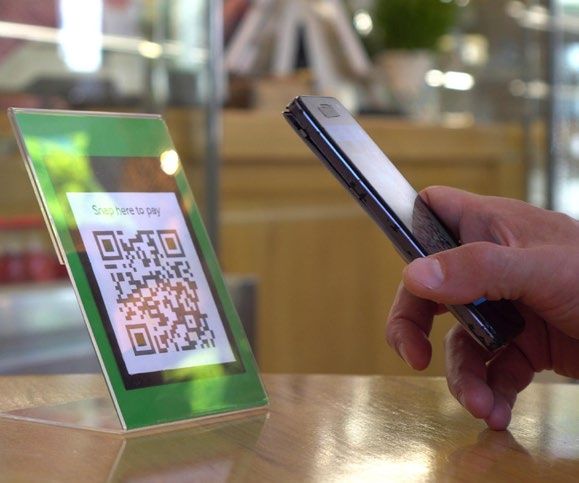
What’s Inside

        Executive
        Insight
        How is the ongoing pandemic continuing to impact consumer demand for contactless payment
        experiences? How can QR codes help meet that need?

       “The pandemic has made consumers broadly more familiar with QR codes. There are reports
        that restaurants have seen a 25 percent increase in QR code usage by consumers in the past six
        months and hotels have seen [a nearly] eightfold increase. This familiarity is making QR code
        use as a payment method in the U.S. … something that consumers feel comfortable with. Add
        on to that the safety dynamic, where both merchants and consumers would like to avoid high-
        touch surfaces, and it sets us up for an environment that is absolutely ripe for QR code growth.”

        What are some notable challenges merchants have faced in offering QR codes in stores, and
        how can these problems be solved?

       “While [lack of familiarity] has historically been the largest problem with offering QR codes, this
        problem is now mostly over. The key challenge now is making front-office staff aware of QR
        codes and their benefits. With health and safety so much at the forefront of people’s minds,
        this is a great time to reiterate that QR code payments reduce both customer and retailer virus
        exposure. The long-term benefits [include] starting to establish an online connection to your
        in-store customers, so this is a strategic play as well. That may not be seen by checkout staff
        as critical to them, however, so the health message can be extremely effective.”

        Countries such as India are making it mandatory for certain businesses to use QR code-based
        payments. What are the benefits of implementing such systems, and are there any drawbacks?
        Do you foresee these payments becoming mandatory for certain businesses in the U.S.?

       “The United States is unlikely to make QR code-based payments mandatory. That said, we could
        see business leaders taking a proactive approach to address this and future pandemics by
        requiring QR code payments [for the improvement of] customer and employee safety. For this
        to happen, the first step is driving in-store familiarity. Some companies are already well at the
        forefront of this, with the likes of Starbucks now driving a large proportion of their payments
        through QR.”

       Wei Jiang
        president and chief operating officer
        Citcon

6    © 2021 PYMNTS.com All Rights Reserved
FIVE                         REGULATION

 FAST
                               The Indian government
                               ordered certain merchants
                               to institute QR code-based

FACTS
                               payments or face fines.

INTERNATIONAL                  CUSTOMERS
Nepal has seen strong growth   One-third of customers will
in QR code-based               reconsider their purchases
payments since August.         if they are not given QR
                               code-based payment options.

CONVENIENCE                    IMPLEMENTATION
Two-thirds of customers say    CVS launched a contactless
QR codes make contactless      QR code-based payment
transactions easier.           system at 8,200 stores
                               nationwide.

                                              © 2021 PYMNTS.com All Rights Reserved   7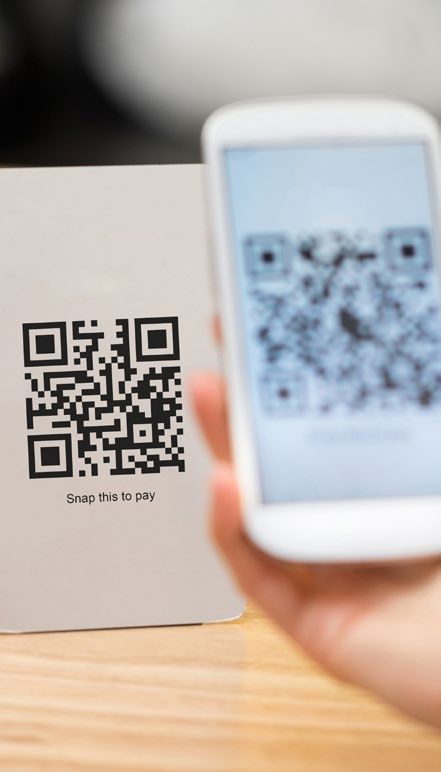
FEATURE
    STORY
    How Decathlon Deployed QR
    Codes For Seamless And Secure
    Contactless Payments

    Contactless payments have surged in pop-
    ularity over the past year, fueled by both an
    increased reliance on digital banking and the
    effort to contain COVID-19’s spread by reduc-
    ing the need to touch POS system surfaces or
    handle cash. Mastercard recently reported that
    79 percent of its cardholders around the world
    now prefer contactless transactions, reflect-
    ing a 40 percent increase in their use during
    Q1 2020. Eighty-two percent of Mastercard
    customers also confirmed that they view con-
    tactless payments as more hygienic than
    alternatives.

    The U.S. lags behind the rest of the world when
    it comes to adoption of contactless payments,
    but it has been catching up. A survey conducted
    near the beginning of the pandemic found that
    27 percent of small businesses saw growth

8    © 2021 PYMNTS.com All Rights Reserved
Feature Story
in contactless payment usage — a share that
has likely increased since then. French sport-
ing goods retailer Decathlon, which has 1,647
stores worldwide and two in the U.S., is one of
many businesses deploying QR codes as a way
of enabling contactless payments.
“QR codes are key because they are a bridge
between our system and customers’ phones,”
said Tony Leon, Decathlon’s chief technology
and eCommerce officer, in a recent interview
with PYMNTS. “The technology is quite simple,
and there are no specific technical challenges
with the code itself.”
That does not mean that QR code rollouts are
completely frictionless, however. Decathlon
faced its share of security and customer accep-
tance challenges when introducing its QR code
system as an alternative to cash payments.
QR codes were instrumental in ensuring seam-
WHY AND HOW RETAILERS less contactless payments, with customers
IMPLEMENT QR CODE-ENABLED scanning them and completing transactions
PAYMENTS with their stored payment cards, Apple Pay or
Decathlon, like retailers the world over, saw cus- Google Pay. These codes are not paper slips
tomers eschewing cash in favor of contactless taped to the checkout counter, either: The POS
transactions due to the lowered risk of infec- system dynamically generates them for each
tion. This change was well in the works even transaction.
before the pandemic hit, according to Leon.
“It’s a unique, random link generated by our sys-
“Before the pandemic, we had only 15 percent tem, and the customer can scan it with their
of payments [made] by cash,” he explained. [phone’s] camera, acting as a bridge between
“People were not really pushing for contactless our system and the customer’s phone,” he said.
payment, but when the pandemic hit, people
The innovation did encounter obstacles, how-
became much more aware of the risk. Now
ever, especially with customers unused to
we’re close to zero payments by cash, and we
making payments through their phones. The
grew from 5 percent to 20 percent of payments
key to gaining customer trust came down to
made directly from customers’ phones.”
simplicity and security, according to Leon.
© 2021 PYMNTS.com All Rights Reserved 9CHALLENGES IN DEPLOYING
QR CODES
QR code-enabled contactless payments are
nearly ubiquitous overseas, but they are still
the exception rather than the norm in the
U.S., despite the pandemic. Global vendors
like Decathlon have applied the lessons they
“In the U.S.,
learned in their foreign locations to encourage people are
use at their American stores. The secret, Leon
said, is to make the system as intuitive and fric- not used to
tionless as possible.
scanning QR
“In the U.S., people are not used to scanning QR
codes so much compared to other countries,”
codes so much
he said. “The trick is to [make it] simple enough compared to
other countries.
that they can follow the steps on their phones
and not have anything else to do. We made it
so people can have access to it without any
... The trick is to
application — it’s just a webpage.”
[make it]
Ensuring the security of these QR codes is also
critical to widespread acceptance, said Leon. simple enough
QR codes are often at risk of being covered
up by fraudsters, who replace them with their
that they can
own codes in an effort to redirect clicks or trick follow the steps
victims into paying them instead. Decathlon’s
all-digital display system keeps this from on their phones
occurring, though, through the generation of
new codes for each customer.
and not have
“We kept generation of the QR code internal,”
anything else
Leon said. “It’s not publicly available, so nobody to do.”
can access or modify [it] from the outside.”
Customers who do adopt these QR code-
enabled payments have said they plan use
them long into the future. This development
demonstrates how radically the pandemic is
changing consumers’ payment behaviors and
shaping the U.S. retail environment for years to
come.
10 © 2021 PYMNTS.com All Rights ReservedNEWS &
TRENDS
QR code trends
TWO-THIRDS OF US, UK
CONSUMERS SAY QR CODES
SIMPLIFY CONTACTLESS
TRANSACTIONS
The pandemic has drastically altered the global
economy, with social distancing forcing many
businesses online and stay-at-home orders
prompting many employees to work from
home. Everyday interactions and transactions
have also changed, with contactless payment
solutions becoming preferred due to their min-
imal viral infection risks. QR code-enabled
options have witnessed exceptionally robust
uptake, with a recent survey finding that 84 per-
cent of U.S. and U.K. consumers have scanned
QR codes at some point and that 32 percent
had done so within the past week.
Customers are largely receptive to using these
solutions for contactless payments, with 67
© 2021 PYMNTS.com All Rights Reserved 11 11News & Trends
percent of respondents saying that QR codes QR CODES’ POPULARITY IS
make contactless transactions easier and 54 EXPANDING IN NEPAL
percent saying they have used such options
QR codes are also growing popular in smaller
more since the pandemic began. QR codes are
nations, with Nepal being a prime example.
likely to see their popularity rise after the pan-
The country logged 85,975 more QR code-
demic has passed as well, with 58 percent of
enabled transactions in November than it did
consumers saying they would like to see the
in October, adding to the 265,000 transactions
technology deployed more widely in the future.
made from mid-September to mid-October
and the 179,000 transactions noted between
ONE-THIRD OF QR CODE-USING
mid-August and mid-September. The two-
CUSTOMERS REFUSE TO COMPLETE
month period from mid-August to mid-October
PURCHASES IF OPTION IS
saw more than 66 billion Nepalese rupees
UNAVAILABLE AT CHECKOUT,
($563 million USD) change hands via QR code-
REPORT SHOWS
enabled payments — a significant development
Customers’ growing appreciation for QR codes in a small country that still heavily relies on
has been so swift that many who use them cash and has large shares of unbanked and
for contactless payments now refuse to do underbanked individuals.
business if they are not available. A recent
PYMNTS report revealed that 34 percent of Nepal Rastra Bank (NRB), the country’s central
customers who prefer to use QR codes to make bank, is undertaking an initiative to make QR
payments would not complete their purchases code-based payments more systematic and
if the option were not offered at checkout. uniform, as they currently do not contain sev-
Merchants are responding to this loyalty by eral pieces of information that other countries
expanding their implementation of QR code- typically include with QR code transactions.
based contactless solutions, with restaurants The bank plans to ensure that Nepalese QR
offering digital menus and payment options via code-based solutions include data like custom-
QR codes taped to dining tables, for example. ers’ and merchants’ identities, bank details and
transaction times and dates. NRB explained
Other providers are looking to lower the entry that doing so would allow it to more easily
barrier for customers and encourage more QR search through and filter transactions for secu-
code usage. PayPal waived transaction fees for rity purposes.
QR codes in May, when the option was rolled
out in 28 markets around the world, for exam-
ple. These initiatives seem likely to pay off, as
one-third of customers say that contactless
payments have become their go-to transaction
methods during the pandemic.
12 © 2021 PYMNTS.com All Rights ReservedQR codes
ONE-THIRD OF CUSTOMERS WOULD
SWITCH TO GROCERS THAT OFFER
enabling CONTACTLESS PAYMENTS, STUDY
FINDS
contactless Grocery shopping habits have changed
payments remarkably over the past year, with more cus-
tomers than ever using delivery or curbside
pickup options. Customers’ preferred ways to
CVS PHARMACY INTRODUCES
pay for their groceries are also shifting, and
CONTACTLESS PAYMENTS THROUGH
QR codes are playing a central role in this evo-
VENMO AND PAYPAL QR CODES
lution. A recent survey found that 35 percent
One retailer that has introduced QR codes into of consumers would be willing to leave their
its payments process is drugstore chain CVS primary grocery stores for ones that offer con-
Pharmacy, which recently rolled out a new sys- tactless payments, with QR codes being the
tem for contactless QR code-based payments preferred method for 18 percent of respon-
through the Venmo and PayPal mobile apps. dents. Touchless credit and debit cards are still
Customers can access the option by clicking the most popular contactless payment meth-
“scan” on their payment apps, at which point ods, at 43 percent and 39 percent, respectively.
their phones will display QR codes cashiers
can scan to complete purchases. The contact- The study also found that 16 percent of con-
less solution allows users to transfer funds sumers have started using online grocery
from their stored payment card details, bank delivery services — up from 4 percent at the
accounts or Venmo and PayPal app balances beginning of 2020. It revealed that most con-
and is currently offered at 8,200 CVS locations. sumers still do some of their shopping in
stores, however, preferring to buy perishable
This rollout comes as contactless payment items such as meat and vegetables at brick-
rates hit record highs, with one survey finding and-mortar locations and have shelf-stable
that 80 percent of consumers worldwide are goods delivered.
leveraging touchless options. CVS said that its
contactless payments have increased by 43
HONG KONG BUS PROVIDERS
percent since the beginning of 2020, primar-
TO BEGIN ROLLING OUT QR
ily because consumers are seeking methods
CODE-BASED PAYMENTS
that allow them to avoid touching surfaces or
equipment. QR code-based payments are also making
waves outside of retail. Hong Kong-based
transit providers Citybus and New World First
Bus recently announced that they would begin
© 2021 PYMNTS.com All Rights Reserved 13News & Trends
accepting QR code-enabled payments on India closer to being a cashless economy — a
nine routes starting Jan. 9. The effort marks long-time goal for the country’s Department
the first phase of the providers’ new rollout of of Revenue.
electronic payment services. The companies
eventually plan to accept QR code-based pay- The Department of Revenue is also looking
ments for the more than 300 routes they serve. to use QR codes to verify businesses’ trans-
actions and prevent firms from fraudulently
The service will allow commuters to scan the exploiting tax credits. Numerous companies
buses’ QR codes using their mobile devices, were producing fake invoices to misrepresent
with the system displaying the word “approved” their sales and claim credits that they did not
and providing a brief voice message to confirm earn. Such scams would be impossible under
that the transactions have been completed. the new QR code-based payments system
The offering will accommodate numerous fare because it logs and tracks each transaction.
tiers, including those for adults, children and
seniors as well as tickets for two-way fares ARGENTINA BEGINS FIRST PHASE OF
and same-day return trips. Fares for adults ELECTRONIC PAYMENTS INITIATIVE
are preset on the system, but selection but-
The Argentine government is also embarking
tons will enable passengers to switch to other
on a nationwide QR initiative with the rollout
fare options.
of the first stage of its Payment with Transfer
QR regulations program. The Central Bank of the Argentine
Republic (BCRA) began operating a new elec-
tronic payment tool at 50,000 different shops
INDIAN GOVERNMENT GIVES that can read any QR code for virtual wallets or
BUSINESSES FOUR MONTHS TO bank apps. The service will be free for all busi-
INSTITUTE QR PAYMENTS nesses and individuals, and the government
Businesses in the U.S. are largely implement- plans to enable all of the country’s businesses
ing QR-based contactless payments on their to accept smartphone-based payments within
own timelines, but in India they will soon be the next year, creating an open digital pay-
required. A recent mandate from the Indian ments system for all of Argentina.
government gave businesses with turnovers
The government plans to have this payment
of more than Rs 500 crore ($67 million USD)
system installed at every Argentine company
until March 31 to implement a QR-based pay-
by November of this year, with payments con-
ment system or face fines. The program, which
firmations and messages sent through the ISO
launched in March of last year, initially set an
20022 messaging standard format. The initia-
implementation deadline of December 2020,
tive also aims to provide more transparency
but the date was pushed back amid the ongo-
into cash handling for certain businesses.
ing pandemic. The initiative intends to move
14 © 2021 PYMNTS.com All Rights ReservedDEEP DIVE
How Merchants Can Tap Contactless
Payments And QR Codes To Drive Consumer
Loyalty And Spending
Banks, financial players and businesses aban-
doned many of their expectations for 2020
shopping and payment trends during the
pandemic as they scrambled to respond to
customers’ and clients’ new needs on the fly.
One of the most game-changing — and poten-
tially long-lasting, according to recent research
— trends is consumers’ rapid adoption of con-
tactless payment methods at the POS. This
includes everything from mobile wallets to tap-
and-go debit cards to QR code payments, the
last of which have experienced particularly
strong resurgence during the months since the
pandemic began.
Consumers’ newfound appreciation for touch-
less payments is understandable, considering
the health concerns surrounding methods like
physical cards or cash. What is especially
© 2021 PYMNTS.com All Rights Reserved 15 15Deep Dive
80% of consumers worldwide
are now using some form of
contactless payments, including
QR codes.
intriguing about this trend is how the pandemic how these trends will grow and change in the
has shifted consumers’ perceptions regarding near future, especially as consumers’ financial
certain contactless payment methods — nota- and payment preferences and needs shift.
bly QR codes. The payment technology has
until recently seen differing levels of adoption HOW CONTACTLESS SOLUTIONS’
across markets, with roughly 6 percent of U.S. RISE OPENED THE QR CODE DOOR
users having scanned such codes to make
QR codes’ recent renaissance could have a
payments as of 2011, for example. The method
large impact on the payment industry’s future.
instantly caught on in China, however, where
There was some speculation that QR codes
QR code-based payment apps such as WeChat
would vault into the spotlight globally even
Pay have rapidly ballooned to claim more than
before the pandemic began, with one 2019
a billion monthly users.
report predicting that 11 million U.S. house-
The pandemic is driving consumers in other holds would be using QR codes to scan and
markets to examine QR codes with more pay for goods and services by the end of
interest, leading businesses and financial play- 2020. Exactly how many American consum-
ers to delve into why this touchless payment ers tapped QR codes last year is still unknown,
method is capturing customers’ trust and but the pandemic did push consumers to uti-
attention. The following Deep Dive explores lize contactless payments, resulting in a rising
how the pandemic has affected QR codes’ tide that is also lifting QR code use.
global emergence as well as why consumers
Consumers almost immediately embraced
are increasingly gravitating toward such con-
contactless payments for grocery shopping
tactless payment methods instead of more
and other routine purchases once the global
traditional payment solutions. It also analyzes
health crisis began, with one study noting that
16 © 2021 PYMNTS.com All Rights Reservedthe adoption of such payment methods grew risk of disease transmission through waiters
twice as fast as that of noncontactless pay- and other customers. QR codes cut out the
ments between February 2020 and March need for disposable menus entirely, saving the
2020. It also found that 80 percent of con- restaurants printing costs and even eliminating
sumers worldwide are now using some form the risks of infection from waiters just bringing
of contactless payments, including QR codes. the menus to the trash.
Another report revealed that 84 percent of U.K.
and U.S. consumers have paid via QR codes, The jump to contactless seems to have
with 26 percent doing so in the month before boosted consumers’ use of QR code-based
the survey. payments, especially at the physical POS. A
recent PYMNTS report found that the number
Restaurants are another arena where QR of consumers who would shop at brick-and-
codes are seeing a renaissance. One-third mortar stores if QR codes were made available
of customers expressed interest in dispos- is rising steadily, climbing almost 2 percentage
able menus when on-premises dining began points from June 22, 2020, to Aug. 31, 2020, to
to return over the summer, as these menus reach more than 13 percent of customers.
could be destroyed after use to reduce the
© 2021 PYMNTS.com All Rights Reserved 17Deep Dive
Another study showed that this growing adop- in fast-growing methods like QR code-enabled
tion is leading customers to desire or expect solutions — could give these businesses the
QR code-based payment options. Fifty-three edge they need to stand out in a crowded mar-
percent of U.K. and U.S. consumers wanted QR ket now and down the line.
codes be deployed more widely in the future,
illustrating that consumers’ pandemic-driven
pivot to contactless has opened the door for
QR codes to take a greater role in the global
payments space. The next major factor busi-
nesses must consider entails planning their
FIGURE 1:
future contactless innovations, especially as
Consumers’ propensity to shop in
offering flexible access to consumers’ pre-
physical stores based on merchants’
ferred payment methods can dramatically payment options
affect their loyalty. Share of consumers who say select digital
payment offerings would entice them to
continue shopping in stores, by date
QR CODES AND THE LOYALTY
QUESTION Digital payment option availability
60.1% 0000000000
Consumers are placing more value on pay- 57.4% 0000000000
ments choice, with recent PYMNTS data
Payment methods are not impacted
indicating that customers’ loyalty to their cho- 39.9% 0000000000
42.6%
sen payment methods could even exceed that
0000000000
toward specific brands or businesses. This Pay online
trend is especially pronounced among con- 37.0% 0000000000
37.3% 0000000000
sumers who prefer to use QR code-based
Pay in-store with contactless card
contactless payments, with 34 percent of 28.2% 0000000000
these customers stating that they would avoid 25.6% 0000000000
doing business with merchants that did not Curbside pickup
offer the method. This loyalty toward QR code 24.1% 0000000000
22.8% 0000000000
payments is important for merchants to con-
sider as contactless payment usage grows. Pay in-store with digital wallet
20.7% 0000000000
21.1% 0000000000
Offering contactless payment methods that
Pay in-store with any touchless methods
drive consumer loyalty can be critical to mer-
19.8% 0000000000
chants’ success, especially as the fight to 20.2% 0000000000
keep customers’ attention becomes more Pay in-store with QR code
challenging. Staying one step ahead of the con- 13.4% 0000000000
11.6% 0000000000
tactless payment renaissance — and investing Source: PYMNTS.com
August 31
June 22
18 © 2021 PYMNTS.com All Rights ReservedABOUT
PYMNTS.com is where the best minds and the best content
meet on the web to learn about “What’s Next” in payments
and commerce. Our interactive platform is reinventing
the way in which companies in payments share relevant
information about the initiatives that shape the future of
this dynamic sector and make news. Our data and analytics
team includes economists, data scientists and industry
analysts who work with companies to measure and quantify
the innovation that is at the cutting edge of this new world.
Founded in 2015, Citcon enables billions of mobile wallet
consumers to shop and pay anywhere, anytime around the
world with its industry-leading digital payment offering. In
the last three years, Fortune 1000 businesses like Loreal,
Hermes, Texas Instruments, Panda Express, Nordstrom,
Caesars Entertainment, MGM Resorts, Revolve, Tumi,
Samsonite, Blue Nile and many more have chosen Citcon’s
mobile payment solutions to expand their payment and
commerce infrastructure to support their next phase of
business expansion. Citcon is headquartered in Silicon
Valley and has five regional offices in the U.S., Canada,
Europe and Asia.
We are interested in your feedback on this report.
If you have questions or comments, or if you would
like to subscribe to this report, please email us at
feedback@pymnts.com.
© 2021 PYMNTS.com All Rights Reserved 19 19DISCLAIMER
The QR Code Payments Tracker® may be updated periodically. While reasonable efforts are made to keep
the content accurate and up to date, PYMNTS.COM: MAKES NO REPRESENTATIONS OR WARRANTIES OF
ANY KIND, EXPRESS OR IMPLIED, REGARDING THE CORRECTNESS, ACCURACY, COMPLETENESS, ADE-
QUACY, OR RELIABILITY OF OR THE USE OF OR RESULTS THAT MAY BE GENERATED FROM THE USE OF
THE INFORMATION OR THAT THE CONTENT WILL SATISFY YOUR REQUIREMENTS OR EXPECTATIONS.
THE CONTENT IS PROVIDED “AS IS” AND ON AN “AS AVAILABLE” BASIS. YOU EXPRESSLY AGREE THAT
YOUR USE OF THE CONTENT IS AT YOUR SOLE RISK. PYMNTS.COM SHALL HAVE NO LIABILITY FOR ANY
INTERRUPTIONS IN THE CONTENT THAT IS PROVIDED AND DISCLAIMS ALL WARRANTIES WITH REGARD
TO THE CONTENT, INCLUDING THE IMPLIED WARRANTIES OF MERCHANTABILITY AND FITNESS FOR A
PARTICULAR PURPOSE, AND NON-INFRINGEMENT AND TITLE. SOME JURISDICTIONS DO NOT ALLOW
THE EXCLUSION OF CERTAIN WARRANTIES, AND, IN SUCH CASES, THE STATED EXCLUSIONS DO NOT AP-
PLY. PYMNTS.COM RESERVES THE RIGHT AND SHOULD NOT BE LIABLE SHOULD IT EXERCISE ITS RIGHT
TO MODIFY, INTERRUPT, OR DISCONTINUE THE AVAILABILITY OF THE CONTENT OR ANY COMPONENT OF
IT WITH OR WITHOUT NOTICE.
PYMNTS.COM SHALL NOT BE LIABLE FOR ANY DAMAGES WHATSOEVER, AND, IN PARTICULAR, SHALL
NOT BE LIABLE FOR ANY SPECIAL, INDIRECT, CONSEQUENTIAL, OR INCIDENTAL DAMAGES, OR DAMAGES
FOR LOST PROFITS, LOSS OF REVENUE, OR LOSS OF USE, ARISING OUT OF OR RELATED TO THE CON-
TENT, WHETHER SUCH DAMAGES ARISE IN CONTRACT, NEGLIGENCE, TORT, UNDER STATUTE, IN EQUI-
TY, AT LAW, OR OTHERWISE, EVEN IF PYMNTS.COM HAS BEEN ADVISED OF THE POSSIBILITY OF SUCH
DAMAGES.
SOME JURISDICTIONS DO NOT ALLOW FOR THE LIMITATION OR EXCLUSION OF LIABILITY FOR INCIDEN-
TAL OR CONSEQUENTIAL DAMAGES, AND IN SUCH CASES SOME OF THE ABOVE LIMITATIONS DO NOT
APPLY. THE ABOVE DISCLAIMERS AND LIMITATIONS ARE PROVIDED BY PYMNTS.COM AND ITS PARENTS,
AFFILIATED AND RELATED COMPANIES, CONTRACTORS, AND SPONSORS, AND EACH OF ITS RESPECTIVE
DIRECTORS, OFFICERS, MEMBERS, EMPLOYEES, AGENTS, CONTENT COMPONENT PROVIDERS, LICEN-
SORS, AND ADVISERS.
Components of the content original to and the compilation produced by PYMNTS.COM is the property of
PYMNTS.COM and cannot be reproduced without its prior written permission.
20 © 2021 PYMNTS.com All Rights ReservedYou can also read


