Queensland life sciences - globally competitive - Department of ...
←
→
Page content transcription
If your browser does not render page correctly, please read the page content below

Queensland life sciences
globally competitive
I am thrilled that Queensland is leading its 20th Mission to the
BIO International Convention in the United States.
Over those 20 years we have stood proudly on the world stage, punching above
our weight in scientific research, state-of-the-art scientific infrastructure and in
commercialising our innovations.
As I look at the Queensland story for the last 20 years—reflecting on our
challenges and importantly, our collective successes born from tenacity and
vision—I feel confident saying we are now an internationally-recognised centre
of life sciences.
Our world-class research facilities deliver incredible and life-changing
breakthroughs, with our universities pioneering the cervical cancer
immunisation drug GARDASIL® and the Vaxxas NanopatchTM vaccine
technology, exploring dengue fever elimination and researching a malaria vaccine.
Queensland’s natural mega-biodiversity provides us with a great advantage over many regions of
the world, with access to environments ranging from tropical coastal habitats to lush rainforests and
outback grasslands.
On top of all that, Queensland is a wonderful place to live. We are home to the Great Barrier Reef
and some of the best beaches in the world, supporting a variety of coastal ecosystems.
It is a pleasure to be here celebrating our 20th year. I am sure it will be another successful
convention.

Annastacia Palaszczuk MP
Premier of Queensland
Minister for Trade

Front cover:
1.   Dr Daniel Timms is the founder and inventor of BIVACOR, a total artificial heart designed to take over
     the complete function of a patient’s failing heart, with the hope of replacing the need for transplants.          1       2
2.   Dr Michelle Wykes and her Molecular Immunology Group at QIMR Berghofer study the mechansims by
     which parasites causing malaria can evade human immunity. The group’s pardigm-shifting study applied
     to cancer cells is leading to the developent of novel immunotherapies.                                                3       4
3.   Associate Professor Chamindie Punyadeera leads the Saliva Translational Research (STaR) laboratory
     within the Queensland University of Technology. The team is developing novel diagnostic and prognostic
     biomarkers for cardiovascular diseases and head and neck cancers and linking oral health to systemic                              5
     diseases.
4.   Professor Jennifer L Martin AC, Director, Griffith Institute for Drug Discovery (GRIDD) at Griffith University.
     GRIDD is home to unique resources for drug discovery including Compounds Australia and NatureBank,
     and focuses its research on infectious disease, cancer and neurobiology.
5.   Dr Paul Giacomin, Advance Queensland Mid-Career Research Fellow at the Australian Institute of Tropical
     Health and Medicine, James Cook University, explores the potential beneficial effects of hook worms in
     alleviating inflammation associated with autoimmune diseases. Photographer Romy Bullerjahn.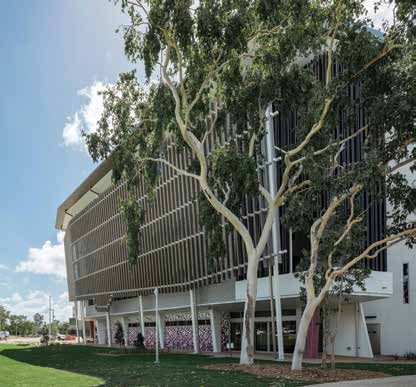
Contents
Queensland is the place for life sciences. . . 2

Advance Queensland. . . . . . . . . . . . . . . . . . . 5
   Government support. . . . . . . . . . . . . . . . . . . . . . . . . 5

Dynamic industry. . . . . . . . . . . . . . . . . . . . . . 6
   Active industry association . . . . . . . . . . . . . . . . . . . 6
   Industry case studies. . . . . . . . . . . . . . . . . . . . . . . . 6

Leading capabilities. . . . . . . . . . . . . . . . . . . . 8
   Health infrastructure. . . . . . . . . . . . . . . . . . . . . . . . . 8
   Clinical trials . . . . . . . . . . . . . . . . . . . . . . . . . . . . . . 10
   Case study: QIMR Berghofer. . . . . . . . . . . . . . . . . . 12
   Biofutures . . . . . . . . . . . . . . . . . . . . . . . . . . . . . . . . 13                                                                          1
   Global solutions for food security. . . . . . . . . . . . . 14

Invest with us. . . . . . . . . . . . . . . . . . . . . . . .  16
   Case study: Vaxxas Nanopatch™ . . . . . . . . . . . . . 16

Investment opportunities . . . . . . . . . . . . . .  17

Collaborate with us . . . . . . . . . . . . . . . . . . .  19                         Professor Ian Frazer AC,
   Case study: Johnson & Johnson. . . . . . . . . . . . . . . 19                      The University of Queensland,
                                                                                      Chair Translational Research Foundation Board,
   Case study: Queensland Emory Drug Discovery                                        co-invotor of GARDASIL®—the world’s first cervical cancer vaccine
   Initiative. . . . . . . . . . . . . . . . . . . . . . . . . . . . . . . . . . 20

Collaboration opportunities . . . . . . . . . . . .  21
   Facilities and services. . . . . . . . . . . . . . . . . . . . . . . 23
   University commercialisation contacts. . . . . . . . . 23
   Easy-to-find research capabilities. . . . . . . . . . . . . 24

University commercialisation contacts. . . . 23

Capabilities. . . . . . . . . . . . . . . . . . . . . . . . . . 24
Why Queensland is the place for life
                                                                • investing in biotechnology research and its
    Queensland life sciences are globally                         commercialisation
    competitive. The state is home to highly                    • supporting world-class research precincts and centres
                                                                  of excellence
    attractive and successful knowledge hubs
                                                                • translating knowledge from key international alliances
    in health, agriculture, the environment and
                                                                  into new products and services.
    industrial biotechnology, utilising the state’s
    unique biodiversity, world-class skills and
                                                                Well connected
    infrastructure.
                                                                The Queensland Government is fostering key international
    Easy to do business                                         alliances to promote technology transfer, the exchange of
                                                                ideas and access to the skills required to advance research
    Ideally positioned at the crossroads of the Asia–Pacific,   collaborations and accelerate development.
    Queensland has many advantages as an investment
    destination including:                                      Queensland’s key international relationships in science and
                                                                research include working at the state or national level with
    • a strong, stable economy and governance institutions
2                                                               Canada, China, India, New Zealand, Europe and the USA.
    • market access via free trade agreements with key
      trading partners including China and Japan
                                                                A dynamic industry
    • an educated, highly skilled, motivated workforce with
      access to world-class training facilities                 Our life sciences sector has more than:
    • the lowest payroll tax in Australia, low commercial       • 250 companies in the life sciences industry1
      property rentals and competitive living costs compared    • 85 core biotechnology companies1
      to other Australian states                                • 80+ biotechnology-related research organisations
    • a legal framework with strong intellectual property         employing more than 6600 researchers2
      rights and patents regulations.                           • revenues exceeding A$600 million for biotechnology
                                                                  companies and A$1.07 billion for biotechnology-related
    Strong government support                                     research institutes.
    The Queensland Government has a long history of
    investing in the life sciences sector, which is paying      Science making a difference
    dividends. It has committed over A$6.1 billion to boost     Queensland is one of the top two Australian states
    Queensland’s science research, development and              and territories for scientific impact in most of the life
    innovation since 1999.                                      sciences, including drug discovery, biochemistry, applied
    The Queensland Government is continuing to actively         microbiology and biotechnology, molecular biology,
    support the state’s life sciences industry through:         genetics, animal science and zoology, and cellular and
                                                                molecular neuroscience.3
sciences
Queensland is home to
million
people
3
TEXAS
1.7m
km
2
Queensland’s economy
is worth
A$326 billion 4
1 Queensland Life Sciences Review Report 2011
2 Queensland Science Capability Directory
qld.gov.au/ScienceDirectory
3 Elsevier SciVal, 2012–15
4 Australian Bureau of Statistics 2016–17
Source: abs.gov.au/ausstats/abs@.nsf/mf/5220.0
Gold Coast Health and Knowledge Precinct
Asia–Pacific’s emerging health and innovation hub, the
200-hectare (500-acre) Gold Coast Health and Knowledge
Precinct, is a unique global business location for high-tech
industry development, research collaboration and jobs of
the future.
Supported by A$5 billion investment in infrastructure,
including a world-class university, one of Australia’s major
public hospitals and a new private hospital, the precinct
hosted the Gold Coast 2018 Commonwealth Games™
Athletes Village, which will be transformed into a vibrant
community in which to live, work and learn.
9.5 hectares of prime greenfield land, serviced by the Gold
Coast Light Rail, are available for health and innovation
investment with attractive incentives available.
www.gchkp.com.au
4
Queensland Biomedical 10-Year Roadmap and Action Plan
an Advance Queensland priority initiative
The A$4 million Biomedical Roadmap sets out the Queensland Government’s
vision to position Queensland as a globally competitive Asia–Pacific biomedical
hub.
Key initiatives include:
• Biomedical Assistance Fund—A$2 million initiative to help Queensland
biomedical enterprises leverage government and private sector funding to
bring new products and services to market
• Biomedical Voucher Program—A$1.5 million initiative to support Queensland-
based biomedical businesses to attract new national and international clients
to develop ther biomedical products in Queensland
• Queensland Biomedical Launchpad—initiative in partnership with ON, CSIRO’s
innovation program, to take a group of biomedical enterprises through a
tailored market validation program.
For more information on the Biomedical Roadmap and initiatives visit:
statedevelopment.qld.gov.au/industry-development/
biomedical-and-life-sciences.html
Advance Queensland                                                                               advancequeensland@ditid.qld.gov.au

Government support                                            • supporting researchers, scientists and clinicians to
                                                                develop their innovations into practical commercial
Queensland has a strong research infrastructure platform
                                                                outcomes, and to access appropriate support through a
and is investing in people, ideas and partnerships to drive
                                                                range of Fellowships
creativity and innovation. The government’s A$518 million
                                                              • supporting innovators to develop and test their ideas
Advance Queensland initiative is invigorating research
                                                                to solve Queensland challenges and create commercial
and development in the state, and growing the knowledge-
based jobs of the future.                                       opportunities through the Small Business Innovation
                                                                Research program
Advance Queensland is enabling the shift from ideas and
                                                              • supporting the development of new or improved
research into outcomes through a number of influential
                                                                products, processes or services to secure investment
programs designed to foster collaborations, knowledge
                                                                and global markets, and to grow businesses through the
transfer and translation, investments and new enterprises
                                                                Ignite Ideas program
by:
                                                              • supporting science engagement and communication
• helping to turn ideas into reality with co-investment
                                                                projects, events and activities that increase the reach
  in Queensland businesses at the forefront of                                                                                        5
                                                                and impact of science in Queensland through Engaging
  commercialising groundbreaking research or
                                                                Science Grants.
  innovations through the Business Development Fund
• improving collaboration between Queensland                  Advance Queensland is helping find new solutions to
  universities and industry through Knowledge Transfer        improve everyday lives through programs that foster
  Partnerships to exchange skills and ideas and inspire       current and future talent and enable researchers and
  innovation                                                  industry to solve global challenges.
Dynamic industry
Active industry association Industry case studies
Life Sciences Queensland Ltd (LSQ) Anteo Diagnostics
is an active Australian peak industry
Anteo Diagnostics Ltd is a global technology company,
body, working with 190 member
developing and commercialising products for sale into the
organisations and all levels of
life sciences, diagnostics, medical devices and energy
government to provide leadership, promotion and growth
markets. Based in Queensland, the Anteo Group owns
opportunities for life sciences firms and organisations. It
patented ‘nanoglue’ or ‘nanocoating’ technologies, which
also raises the profile of the key role played by life sciences
are used, for example, by customers from the healthcare
innovation in economic development.
sector to deliver faster, cheaper or more sensitive tests.
LSQ is a leading vehicle for building and maintaining a
Nanometre-thin glues used to bind proteins onto synthetic
globally competitive sector in Australia by:
surfaces for diagnostic applications also have uses in
• facilitating business development of new and existing many other areas, including biomedical, health care,
companies energy, electronics, environment, textiles, food and
• profiling members’ capabilities through national and agriculture, and any other ‘nanotechnology’ field where
6 international marketing small particles are used.
• developing and advocating approaches to deal with
Next generation, high-performance lithium-ion battery
industry issues to take advantage of new opportunities
materials require glues and coatings to improve capacity,
• identifying and recruiting relevant international
achieve faster charging and increase battery cycle life.
strategic partners and networks
• strengthening access to, and linkages with, relevant The same core technology spans both life sciences and
science research capabilities industrial markets.
• hosting industry forums to bring together the life anteotech.com
sciences sector in the Asia–Pacific region. lsq.com.au
Cook Medical has a strong track record of developing innovative
technologies that help to improve the quality of life for patients around
the globe. Cook’s Queensland facility manufactures and exports products
that were pioneered and patented in Australia, including customised
endovascular stent-grafts for the treatment of aortic aneurysms, as well as
products used in the IVF process. Together, these products represent two
great Australian innovation success stories.
Barry Thomas, Director – Asia Pacific, Vice President – Cook Incorporated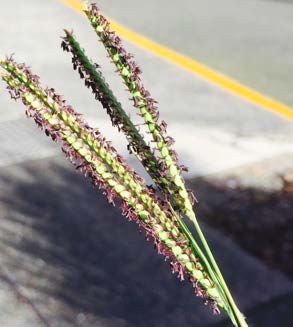
Bioproton—enzymes for innovative animal feed
Bioproton is an award-winning, Australian-based
biotechnology company developing, manufacturing and
marketing high-quality feed enzyme supplements and
exporting these to the world. Founded in Finland, the
company recognised that Queensland offered a better
location to access the growing Asia–Pacific market.
Bioproton has significant research programs to develop
new generation feed additives with improved efficacy.
These will assist farmers with lower production costs, and
with products that are higher quality and safe, and that
leave a lower environmental footprint.
Bioproton collaborates with local universities in joint
research projects, and sponsors PhD candidates, and
undergraduate and post-graduate students to work with 7
the company.
Ellume—home diagnostic platform To assure quality, Bioproton has all its R&D and production
facilities GMP/GLP certified. This allows it to produce
Ellume is a health technology company that develops,
a wide variety of enzymes to pilot scale. In 2018–19,
manufactures and commercialises high-performance
Bioproton will upgrade its GMP large fermentation facility
digital diagnostics, using proprietary technology. Ellume
to enable large-scale production on site.
uses a unique fluorescent nanoparticle, integrated with an
ultra-sensitive analyser, to enable the rapid detection of a Currently, Bioproton is running several projects to optimise
variety of common conditions by healthcare practitioners the production and properties of critical industrial
using the ellume·lab platform. enzymes. It is also developing an innovative bioprocess to
produce highly bioavailable
Test results are available in under 10 minutes*, and the first
astaxanthin. bioproton.com
tests offered are group A streptococcus and influenza A/B,
followed by RSV, CRP, chlamydia and D-dimer.
ellume·lab developed by doctors for doctors
ellume.com.au
* Test results vary depending on the condition being tested.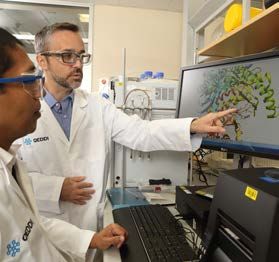
Leading capabilities
Health infrastructure The Translational Research
Queensland’s life sciences industry is going from strength Institute is a disruption to
to strength, with particular success in human health business as usual. TRI connects
research and development. This is built on advanced scientists with clinicians to solve
facilities, experienced researchers and an integrated healthcare problems. It is a catalyst for change.
approach to the development of new technologies with The goal is to improve the percentage of medical
local and international industry. innovations that are translated and made available
The Royal Brisbane and Women’s Hospital campus hosts worldwide. The ultimate outcome—improved
the QIMR Berghofer Medical Research Institute. This healthcare, jobs and manufacturing industries.
institute houses more than 900 scientists specialising in Professor Carolyn Mountford, CEO and Director of Research,
research focusing on cancer, infectious diseases, mental Translational Research Institute
health and a range of complex disorders. QIMR Berghofer
is a world leader in cancer immunotherapy, biomarker and
TRI is home to more than 1000 researchers, clinicians and
target discovery, and human genetics.
scientific support staff from its partners: The University of
8 Nearby is the Institute of Health and Biomedical Innovation Queensland, Queensland University of Technology, Mater
(Queensland University of Technology), a collaborative Research and the Princess Alexandra Hospital.
institute working to develop global health solutions
Through groundbreaking commercial partnerships such as
covering three broad areas—prevention, mind and body
the TRI Innovation and Translational Centre in collaboration
health, and recovery.
with Siemens Healthineers, TRI is leading the way in
Brisbane’s Princess Alexandra Hospital campus brings medical research.
together some of Queensland’s leading institutes such
The Gold Coast Health and Knowledge Precinct is
as the Translational Research Institute (TRI) and the
emerging as a significant integrated location in Asia–
Pharmacy Australia Centre of Excellence.
Pacific for education, research, knowledge creation and
TRI is a leading Australian innovative medical research, the commercialisation of newly developed technologies.
development and translation facility. It accommodates a Opportunities exist for investment and collaboration, with
range of cutting-edge technology developments, including incentives available.
interventions to prevent and treat human diseases, www.gchkp.com.au
and to provide early diagnosis for treatable disease.
The Health and Food Sciences Precinct delivers leading
TRI works to take medical innovations through to real-
research at the interface of health care, medicine, food
world implementation via its Translational Pathway and
and nutrition. The precinct houses research staff from the
Translating Innovation Programs in Immunotherapy,
Queensland Government, CSIRO and The University of
Diagnostic Imaging and the Microbiome.
Queensland, co-located with Queensland Health Forensic
and Scientific Services staff.New tropical research facility
As Australia’s only dedicated tropical health and medical
research institute, the Australian Institute of Tropical
Health and Medicine’s newly completed infrastructure
(pictured), based at James Cook University in northern
Queensland, facilitates world-leading research that
improves healthcare solutions for tropical populations.
In particular, it is addressing threats such as TB, dengue
fever, streptococcal infections, bacterial sepsis and
malaria.
aithm.jcu.edu.au
Patheon Biologics is proud to be part of the
cGMP manufacturing
Queensland network supporting international and local
9
Queensland is home to the only two organisations in biopharmaceutical companies to progress their innovative
Australia fully dedicated to the cGMP grade contract discoveries into drugs of the future. The region is well
manufacture of biopharmaceutical active ingredients—
established to support the research, manufacture, clinical
Patheon Biologics, part of Thermo Fisher Scientific,
evaluation and commercial supply of treatments to the
and LuinaBio. These Brisbane-based facilities have
complementary manufacturing processes, and serve as highest international standards, ensuring patients benefit
a testament to Queensland’s capabilities across the full from this world-class biotech hub.
spectrum of biopharmaceutical development. Patheon Stephen Lam, Senior Vice President, Head of Patheon Biologics
Biologics focuses on mammalian cell culture products,
while LuinaBio has expertise in microbial cell-derived
products and live biotherapeutics. LuinaBio has been a cornerstone of the Queensland life
Patheon Biologics also has an advantage, being co-located sciences industry for more than 20 years. Operating in
with Queensland’s TRI. This means biopharmaceuticals Queensland’s vibrant biotech sector meant great things
can be discovered and developed, and clinically tested and for our business, including access to highly qualified
manufactured, in a single location. staff, close proximity to world-class research and strong
relationships with local complementary service providers.
Les Tillack, CEO, LuinaBio LtdLeading capabilities cont’d
Clinical trials Clients have the competitive advantage to get into
the clinic faster than they could if they were doing
There are significant advantages to conducting clinical
trials in Australia. Non-dilutive funding and streamlined their clinical trials in the USA for example.
clinical trial processes provide unique support to Dr Kym Baker, General Manager Patheon Biologics
biomedical product developers, all within a First-world
regulatory environment that is 100 per cent aligned with Everything you need in one place
international standards, including:
Bringing together financial, manufacturing, bioanalytical,
• incentives for R&D expenditure through the R&D Tax
clinical and regulatory experts, Queensland is the one-
Incentive scheme, including for clinical trials
stop shop for clinical research and development:
• fast-track progression to global phase II trials under the
• Patheon Biologics and LuinaBio are the industry
Australian Clinical Trial Notification scheme
leading biopharmaceutical contract manufacturing
• high-quality data that is acceptable in North American, organisations. LuinaBio specialises in microbial
European and Asian jurisdictions. cell-derived products and live biotherapeutics, while
Patheon Biologics offers mammalian cell culture
10 Why Queensland capabilities.
The Queensland Government is committed to working • TetraQ is a contract research organisation providing
with industry to enhance the competitiveness of the local a range of integrated and tailored preclinical services
clinical trial sector by: to the global pharmaceutical and biotechnology
• streamlining the ethics and governance approval industries.
processes: • Clinical Network Services is a uniquely integrated
— 97 per cent of commercial clinical trials are reviewed service group providing a comprehensive range of
within the 60 days ethical review window services in strategic planning, delivery of chemistry,
— the Interstate Mutual Acceptance Memorandum of manufacturing and control/non-clinical development
Understanding between Queensland, New South programs, and rapid initiation of clinical trials.
Wales, Victoria and South Australia has been a major • ERA Consulting is a leading independent regulatory
contributor in decreasing duplication of ethical affairs and product development consultancy
review for clinical trials specialising in complex biotechnology-related
— Queensland Health is participating in a trial of new medicines, and assisting with preclinical services and
research governance review processes in order to CMC, and clinical trial design and applications.
streamline review times further Patheon Biologics is collaborating with the research
• improving recruitment and retention of patients to facilities and expertise available at The University of
clinical trials in Queensland Queensland’s Australian Institute for Bioengineering and
• managing the Database of Research Activity which lists Nanotechnology (AIBN) for the development of mammalian
all research conducted in Queensland Health facilities. cell lines.Q-Pharm clinical trials facility
Through the partnership between Patheon Biologics and • Griffith University Clinical Trial Unit provides state-
AIBN’s National Biologics Facility, Australia now has the of-the-art facilities and professional coordination
capability to span the chasm between the fundamental services for phase I–IV clinical trials, not only to staff
discovery of potential biopharmaceuticals and biologics, and collaborators, but also to external customers such
and the ability to prepare clinical grade material for human as the pharmaceutical, biotech, nutraceutical and
trials and subsequent commercial manufacture. complementary medicine industries, as well as clinical
research organisations.
Already, this partnership has produced benefits for a
number of Australian and international companies that Therapeutic Innovation Australia (TIA) supports a national
are now having clinical grade material manufactured in network of translational health service providers for
Brisbane. development of pharmaceuticals, biologics and cell-
based therapies. Queensland facilities directly supported
The Queensland Clinical Trials Network Inc., via LSQ, include:
assists developers of human therapeutics and devices to • Griffith University’s Compounds Australia
distribute preclinical and clinical research to the network’s
• The University of Queensland’s: 11
‘best-of-breed’ cluster of service providers. — AIBN National Biologics Facility
Clinical trial facilities integrated with leading research — Centre for Integrated Preclinical Drug Development.
institutions and major hospitals include: TIA manages the Australian Therapeutic Pipeline
• Q-Pharm is an early-phase clinical trials company, (www.therapeuticpipeline.com), a national network that
which is wholly owned by QIMR Berghofer. Their trials promotes and supports facilities. Queensland-based
have been submitted and accepted by regulators in members include:
Australia, Europe and North America. • Griffith University’s NatureBank
• TRI’s Clinical Research Facility provides a safe • The University of Queensland’s Centre for Clinical
environment to conduct patient research, with ready Diagnostics; and CO-ADD (Community for Open
access to hospital facilities and emergency response Antimicrobial Drug Discovery),
teams. The CRF has around 40 studies currently • QIMR Berghofer’s:
underway, which include evaluating treatments for — statistical and scientific services units
a range of cancers; skin, respiratory, liver and brain — Q-Pharm
disorders; obesity and rheumatoid arthritis. — Q-Gen
• University of the Sunshine Coast Clinical Trials Centre — genomiQa
facilitates industry-sponsored clinical drug and device TIA is supported by the Australian Government’s National
trials across a range of trial phases and therapeutic Collaborative Research Infrastructure Strategy.
areas. Its private network of trial sites spans primary
care, specialist medicine and cancer.Leading capabilities cont’d
Case study: QIMR Berghofer Unique integrated clinical research platform
QIMR Berghofer is a world-leading translational research QIMR Berghofer has developed an approach that
institute focused on cancer, infectious diseases, mental seamlessly combines both preclinical and clinical trials via
health and chronic disorders. the combination key in-house services:
• Q-Pharm—a commercial phaseI/II clinical trials facility,
QIMR Berghofer has an established pipeline of therapeutic
wholly owned by QIMR Berghofer and forming the
–diagnostic intellectual property assets at various stages
cornerstone for integrated clinical research. Since its
of development, with the most advanced programs
inception in 2002, Q-Pharm has been involved in more
receiving proof of concept investment. In addition, QIMR
than 400 clinical trials, and conducts about 30 clinical
Berghofer has established the SEEDBox® (Science
studies each year. The facilities include a recruitment
Exploitation and Entrepreneurial Development program),
and outpatients clinic; specialised 62-bed facility;
which is tasked with accelerating the translation of these
data management and quality assurance units; PC2
projects through focused commercialisation. Unlike the
laboratory; and on-site pharmacy
early pipeline, projects in the SEEDBox® are assigned
• Q-Gen Cell Therapeutics—a TGA-approved facility to
a full-time entrepreneur who coordinates their critical
manage GMP manufacturing of cellular therapies
12 path development within strict timelines and investment
• Clinical Trials and Biostatistics Unit—a facility that
tranches.
enhances clinical capabilities by providing the
QIMR Berghofer has established a number of strategic infrastructure and expertise to conduct early and late
collaborations with commercial partners for the phase clinical trials strictly following the regulatory
development of therapies up to and including clinical guidelines (Food and Drug Administration) and
development. These projects continue to develop and biopharmaceutical industry standards.
expand into productive partnerships with exciting clinical
milestones in the future:
• Bristol Myers Squibb—a collaborative research and
licensing partnership for the discovery and development
of novel therapeutic antibodies in immuno-oncology
• Atara Biotherapeutics—worldwide licence and research
agreement to develop and commercialise allogeneic
T-cell therapies for potential application in the
treatment of various cancers and certain autoimmune
disorders
• Medicines Malaria Ventures (MMV)—strategic clinical
development collaboration using QIMR Berghofer’s
malaria challenge model. MMV funds malaria challenge
clinical trials on pipeline projects.
Associate Professor Juliet French, Functional Genetics Laboratory,
and Associate Professor Stacey Edwards, Functional Cancer Genomics
Laboratory. Photo courtesy QIMR BerghoferBiofutures dedicated Biofutures Queensland team working across
government and industry with the Biofutures Industry
The global biorefinery products market reached almost Envoy.
US$438 billion in 2014, and the sector is expected to reach
US$1128 billion by 2022 (World Economic Forum 2014). Since the launch of the Biofutures Roadmap, the
Queensland Government has directly supported 15
Queensland is well positioned to contribute to this market new biofutures projects potentially worth more than
with its tropical and subtropical climate, significant A$1.4 billion that could generate more than 2500 jobs.
biomass availability, technologically advanced agricultural
The Queensland Government’s vision is that the roadmap
sector, world-class research capability in its universities
initiatives lay the foundation for a A$1 billion sustainable
and industry, and policy settings, including a biofuels
and export-oriented industrial biotechnology and
mandate.
bioproducts sector, attracting significant international
In 2016, the Queensland Government announced the investment, and creating regional, high-value and
Advance Queensland Biofutures 10-year Roadmap and knowledge-intensive jobs.
Action Plan, which seeks to harness our state’s existing
Queensland universities and institutes are partnering
environmental and industry strengths to establish a new
with national and international bioindustrial companies
industrial biotechnology and bioproducts sector over the
and providing leading R&D capability on advanced
next decade.
biofuels, biochemicals, bioplastics, specialised energy 13
A range of initiatives was launched under the roadmap crops and high-yield cultivars, algae products, fibre and
to support industry and position Queensland for these composite products. For further details on potential R&D
opportunities, including the biofutures-focused Industry collaborators refer to advance.qld.gov.au/our-vision/
Development, Commercialisation, Acceleration and roadmap/biofutures.aspx.
Research Fellowship programs. These are overseen by a
Biofutures Biofutures
Biofutures Industry
Commercialisation Acceleration
Development Fund
Program Program
Pre
commercial
RESEARCH AND DEVELOPMENT DEMONSTRATION DEPLOYMENT FULLY COMMERCIALLeading capabilities cont’d
Global solutions for food security Professor Sagadevan Mundree
Director Centre for Tropical Crops
and Biocommodities, QUT
Queensland is committed to boosting scientific
partnerships to support the state’s economy, of which
agriculture is a key industry. The Queensland Government
is investing in agricultural research programs ranging
from beef probiotics and controlling livestock parasites to
improving food productivity and nutritional security. There
are also important partnerships in agricultural research
programs, particularly in the cultivation and processing of
raw materials.
Despite recent technological advances, including improved
varieties and irrigation systems, changing climatic
conditions remain a dictating factor affecting agricultural
productivity and global food security. to fill the gap. The centre’s Director Professor Sagadevan
Mundree said the research enables existing farmers to use
14 Researchers at the Queensland University of Technology marginal land to expand into chickpea and other tropical
(QUT) are developing drought-tolerant and disease- pulse production. Queensland has an opportunity to
resistant varieties of chickpea. This is set to put develop this industry and reap the rewards in the future.
Queensland at the forefront of Australia’s pulse exports.
QUT is leading a major international humanitarian project
The Centre for Tropical Crops and Biocommodities is using funded by the Bill and Melinda Gates Foundation to create
biotechnology to genetically engineer chickpea varieties bananas with resistance to banana pathogens, and with
to withstand Australia’s harsh climate. Pulses are an high levels of pro-vitamin A to alleviate the continuing
important source of protein. burden of malnutrition in Africa and Asia.
As the world’s population increases, its dependence on The project partners include the National Agricultural
animal protein is not sustainable, which leaves chickpeas Research Organisation of Uganda, the International
Institute for Tropical Agriculture, the Malawi Department
The Bill and Melinda Gates Foundation of Agricultural Research Services and five institutions
Queensland researchers are improving the health of in India. After successful field trials in Queensland,
people living in the tropical world through funding the biofortification project has now moved into the
from the Bill and Melinda Gates Foundation. development phase with new field trials in Uganda. Iron
biofortification is the next target, and potentially high
The University of Queensland, QUT and Griffith iron lines are already in the field in Australia. The virus
University have received significant funding from the resistance field trial commenced in Malawi in 2016.
foundation to progress research in plant breeding, Ultimately biofortification will be combined with disease
malaria, public health management and nutrition. resistance in bananas.The Queensland Alliance for Agriculture and Food Investment in beef: QAAFI and its partners are investing
Innovation (QAAFI) is a stand-out generator of innovation A$6.2 million over five years in the northern beef industry
and impact in tropical and sub-tropical agriculture and to accelerate genetic gain for increasing productivity in Bos
food sciences. indicus beef cattle herds.
Formed in 2010, QAAFI brings together scientific experts Banana biosecurity: QAAFI’s research in banana disease
from the Queensland Government and The University of detection, diagnostics and outbreak response has
Queensland (UQ), which is a global leader in agricultural delivered a benefit-cost ratio of approximately A$7.7 to
research. QAAFI works in over 40 countries. every A$1 of research investment funding.
QAAFI is working with the Bill and Melinda Gates
Foundation to:
• implement the Foundation’s Breeding Program Analysis
Tool (BPAT) across key public sector plant-breeding
programs in Africa and Asia
• increase productivity of sorghum breeding programs
in sub-Saharan Africa and other water-limited
environments
• tackle bunchy top disease by identifying accessions of
wild species of seeded bananas with natural resistance
15
to the bunchy top virus
• develop the non-toxic pesticide BioClay, which received
initial support from the foundation.
Spotlight on sorghum: The sorghum pre-breeding
program has licensed nearly 3000 sorghum lines to the
international sorghum industry since 1989, delivering a Professor Neena Mitter (left), Director of the new Centre for
Horticultural Science with r Hayward and PhD student Jayeni Hiti
cost-benefit of A$8.90 for every A$1 invested.
Bandaralage. Photo courtesy QAAFI
The quality of QAAFI’s research is reflected not only
in UQ’s global standing in agricultural science, but
also in QAAFI’s income in 2017 of A$40 million,
demonstrating the world-leading capabilities of
QAAFI’s scientists, and their capacity to work
collaboratively with industry to meet challenges of
importance to the agricultural and food sectors.
Professor Robert Henry,
Director, QAAFI
The University of QueenslandInvest with us
Queensland is the ideal investment location, with a stable We are actively encouraging more investments and
economy, low business operating costs, a highly skilled new enterprises between Queensland and the world
workforce, great lifestyle and strategic Asia–Pacific through Advance Queensland initiatives like the
location. Business Development Fund, which is helping turn
ideas into reality. We are also opening up investment in
Over the past decade, the Queensland Government has
Queensland’s regions with the Regional Business Angels
made significant investments in science and technology
Support Program, which is linking investors with regional
that have provided an enduring legacy. Our critical mass
entrepreneurs.
of knowledge hubs has strengthened the state’s global
competitiveness and attracted significant support and To find out more visit advance.qld.gov.au
investment from international researchers and businesses.
Case study: Vaxxas Nanopatch™
The Nanopatch™ is a vaccine delivery technology that
uses thousands of microscopic projections to deliver
16 vaccines directly to dense populations of immune cells just
below the surface of the skin.
Application of the Nanopatch™ avoids nerve endings
that cause pain, and in model systems has been shown
to enhance immune response, using as little as 100th The NanopatchTM and its application for vaccinations
of the dose typically needed for the traditional needle
and syringe. The Nanopatch™ has now been used in two
clinical studies using influenza accine with encouraging
HealthCare Ventures and the companies it manages seek
results.
new investments and conduct drug development activities
The patented Nanopatch™ was developed at The globally. We are active in Queensland—investing in
University of Queensland and licensed to Vaxxas Pty Ltd by Vaxxas and its NanopatchTM vaccine delivery technology,
UniQuest. manufacturing clinical trial material of our monoclonal
antibody products, and conducting clinical trials—because
Vaxxas has secured more than A$48 million in equity
of its world-class research, knowledge-based industries
funding led by Australian venture capital firm OneVentures,
and supportive environment. The vibrancy and breadth
in addition to more than A$10 million from the Bill and
of the Queensland life sciences community creates new
Melinda Gates Foundation, the World Health Organization,
ideas, generating investment opportunities and innovative
and global pharmaceutical companies, to advance a series
businesses.
of clinical programs and develop a pipeline of new vaccine
products for major diseases. Mr Doug Onsi, Managing Director,
HealthCare Ventures, USAInvestment opportunities
Queensland has world-class infrastructure that supports
a vibrant and growing scientific community, with a
number of demonstrated commercial successes, including
the GARDASIL® vaccine. We have many breakthrough
technologies developed by Queensland researchers that
are ready for investment.
Find out more by contacting the commercialisation offices
listed on page 23.
3D-printed cardiovascular components to replace diseased
heart valves and vascular tissue can be customised
to patient specifications. The printed components
3-D printed MEW aortic roots. Photo courtesy QUT
have anisotropic and elastic properties identical to
normal vascular tissue, allowing them to fully mimic the
tissue they are replacing. This avoids the replacement, Immune-oncology axis for cancer therapy Researchers
degeneration and thrombogenic issues of competing have identified a novel immune regulatory axis which 17
technologies. acts through the modulation of GAL9 on both T-cells and
Dendritic cells. Using selective antibodies they have
QUT bluebox is seeking an industry partner to assist with
demonstrated that GAL9 modulation disrupts checkpoint
clinical trials through to licensing to launch the technology
molecules and drives activated T-cells toward a Th1
into clinical application.
effector type.
Diagnostic and prognostic for prostate cancer Prostate QIMR Berhofer is exploring both licence and investment
cancer is a silent killer disease in men worldwide and opportunities to drive the further development of this
current diagnostic tests are inadequate. program.
QUT researchers have identified a panel of biomolecules
Peptide for faster healing of chronic wounds Most chronic
called micro RNAs that can be detected in blood plasma
wounds are ulcers, for which few drugs promote healing
to indicate the presence of prostate cancer, and another
and closure. James Cook University has a peptide that
micro RNA panel to determine which patients are likely to
heals wounds in a mouse model faster than the leading
suffer from more aggressive disease.
drug on the market; shows bioactivity derived from
The result would be fewer invasive biopsies, and improved millennia of human–parasite co-evolution; is applicable to
survival outcome for patients. high-value, wound indications; and is low cost.
QUT bluebox is seeking an industry partner to collaborate James Cook University is seeking collaborative investment
and develop the technology. to commercialise the peptide into a wound treatment.Investment opportunities cont’d
Type-1 regulatory T (TR1) cell therapeutic QIMR Berghofer Olfactory cells for spinal cord repair Griffith University
researchers have discovered a novel method of identifying, researchers are focused on improving effectiveness of the
extracting and generating large numbers of T R1 cells olfactory cells in repair of the spinal cord leading to a Phase I/IIa
capable of maintaining immune tolerance or limiting overt clinical trial of patients, whereby a glial bridge made of olfactory
inflammation. cells will be transplanted into patients with contusion spinal
cord injury followed by intensive physiotherapy for 12 months.
QIMR Berghofer is exploring both licence and investment
opportunities for this technology. Griffith Enterprise is seeking partnering: cell purification; 3D
cell culturing; bioprinting; natural product discovery; high
Unmasking cancer cells to the immune system throughput drug screening; animal spinal surgery; human
Researchers at QIMR Berghofer have identified a series of spinal surgery; GMP production of cells; transport of human cell
lead molecules that block the epigenetic target G9a. G9a products; physiotherapy; compliance/reporting/clinical trial
inhibition unmasks cancer cells to the immune system, management.
shutting off therapy resistance and driving cell death
pathways. Functional foods for chronic human diseases The effectiveness
of functional foods in the treatment of chronic human
QIMR Berghofer is seeking funding for preclinical
18 development through IND-enabling studies; and a partner
inflammatory diseases such as obesity, inflammatory bowel
disease and osteoarthritis is being evaluated through a number
with expertise in epigenetic modifiers, possibly with other
of preclinical and clinical trials.
‘synergistic’ compounds for combination studies.
The University of Southern Queensland is seeking investors
Vaccine delivery platform A biopolymer-based technology
to support pilot trials; and collaborators to enhance research
is producing vaccines and diagnostics in high yield and
outputs.
purity in bacterial cells. The biopolymer beads produced
are decorated with covalently linked and densely
packed antigens and are highly effective in inducing
immunogenicity. New vaccines can be developed and
ready for use within four to six months. This platform
is applicable for any existing and emerging pathogenic
threats.
Griffith Enterprise – Griffith Institute for Drug Discovery is
seeking co-development programs to apply the vaccine
platform technology to the development of new vaccine
candidates.
Advance Queensland Research Fellow, Dr Sunil Panchal (right)
with Jim Goodrich (left), owner, Goodrich Fruit Company,
Warroo, and Professor Lindsay Brown, Research Leader, USQ
Functional Foods Research Group
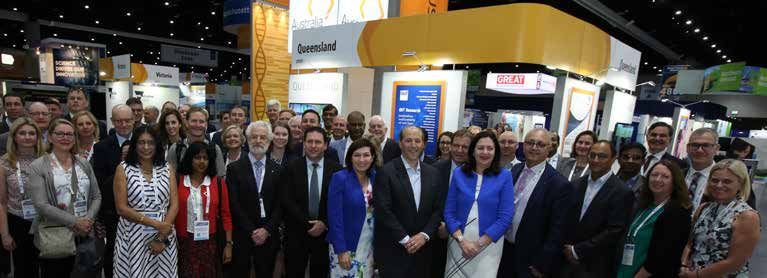
(Pictured in a Queen Garnet Plum orchard)Queensland delegates at BIO 2017
Queensland recognises the importance of partnering with Sciences Collaborative Science Fund, which encourages
leading international experts across all life sciences to research collaboration between scientists in Queensland
access cutting-edge technology, intellectual know-how and and the Chinese Academy of Sciences.
new markets. The state works in partnership with many of
Our Platform Technology Program is providing financial
the world’s established and emerging knowledge powers
incentives to larger scale co-funded projects that
including Canada, China, India, Europe and the USA.
accelerate the development and deployment of significant
The Queensland Government is encouraging new and highly collaborative industry-based platform
collaborations between Queensland and the world with technology projects.
programs like the Queensland–Chinese Academy of
19
To find out more visit advance.qld.gov.au
Case study: Johnson & Johnson JJIPO @ QUT provides networking and training sessions and
face-to-face meetings. It hosts key international Johnson
The Johnson & Johnson Innovation Partnering Office at & Johnson experts to speak at networking events for the
Queensland University of Technology (JJIPO @ QUT) serves benefit of the whole ecosystem. Beyond partnering meetings,
as a strong platform to identify and nurture life sciences the collaboration also explores funding opportunities and
research collaboration across Queensland. mentorship for entrepreneurs who plan on researching and
developing their healthcare solutions in Queensland.
Based at QUT’s Institute of Health and Biomedical
Innovation, JJIPO @ QUT is a public–private partnership
Queensland offers excellent opportunities for industry
between the Queensland Government, QUT and Johnson &
engagement with its world-class scientific infrastructure,
Johnson Innovation launched in 2016. The partnering office
translational approach to life sciences research, track
provides access to valuable knowledge exchange, scouting
record of collaboration, and the Advance Queensland
programs, and scientific, regulatory and commercialisation
expertise from the Johnson & Johnson Family of Companies initiative supporting the commercialisation of science
for academics, entrepreneurs and other early-stage innovation to discover, develop and deliver real solutions
innovators. to patients globally.
Kathy Connell, Johnson & Johnson
Innovation’s Senior Director of New Ventures
for Australia New ZealandCollaborate with us cont’d
Case study: Queensland Emory Drug
Discovery Initiative
Queensland Emory Drug Discovery Initiative (QEDDI),
operational since 2016 as a business unit of UniQuest,
is a unique initiative supported by the Queensland
Government, The University of Queensland (UQ) and
UniQuest. It is a drug discovery and development
capability created to translate and accelerate innovative
biological research from academia towards new medicines.
Based at UQ’s Institute for Molecular Bioscience and
leveraging UQ’s research infrastructure, it has core
capabilities and expertise in medicinal chemistry,
compound screening and profiling, and industry standard
project management. Through collaborating with academic
20 researchers, QEDDI provides a unique opportunity
to advance biomedical research to new candidate
therapeutics, enabling commercial partnerships to bring
new medicines to the public.
QEDDI has a commitment to address unmet needs across
all human health, and aims to develop a project portfolio
across several therapeutic areas. QEDDI’s current projects, Unique licensing and investment opportunities are
supported by its team of approximately 20 drug discovery available through UniQuest for QEDDI’s pipeline of novel
experts and external collaborators, and a distinguished therapeutic, validated and de-risked drug leads.
international advisory committee from the pharmaceutical QEDDI employs international experts from industry with
industry, seek to identify novel treatments for important a track record in drug discovery and development. It
diseases such as: cancer, inflammatory disorders and also provides training and development opportunities
neurodegenerative diseases. During the past 18–24 for young scientists who are interested in a career in
months, supported by a rigorous external review, four the biotechnology industry and wish to learn about
projects have been selected and initiated, and have drug discovery and development, creating future job
passed early milestones as they advance through the opportunities in a critical knowledge-based industry.
initial phases of drug discovery, ultimately advancing QEDDI is supported through the Advance Queensland
towards a commercial partnership. initiative.Collaboration opportunities
Collaborations with Queensland researchers provide Early detection for EBV infection-related cancers There
organisations and research institutes with access to world- is a global public health need for early diagnosis of
class knowledge and modern research infrastructure to EBV infection-related cancers, and for EBV-associated
develop new initiatives and technologies that provide autoimmune diseases. Clinical symptoms associated with
global solutions. these diseases are non-specific, and early detection is
difficult.
Here’s just a few of the collaboration opportunities
currently available in Queensland life sciences. The Doolan Laboratory at James Cook University will
develop an ‘antigen strip’ or immunoblot strip based on
To learn more about these opportunities, visit the
diagnostic platform to solve this problem.
Queensland Science website. qld.gov.au/InvestInScience
James Cook University is seeking collaborative investment
to extend this work.
Immunotherapy and diagnostic for subtropical grass
pollen allergy Grass pollens are a major cause of hayfever
and allergic asthma globally. QUT researchers have
developed the first available standardised diagnostic
test for Bahia and Johnson grass allergy offering high 21
confidence with outstanding specificity and sensitivity.
This is supporting development of a novel immunotherapy
that may offer more targeted and effective relief for allergy
sufferers.
QUT bluebox is seeking an industry partner to collaborate
and develop the technology.
Rapid pinprick test for lung pathogens Chronic obstructive
pulmonary disease (COPD) is the third leading cause
of death globally. Professor John Miles’s biomarker is
developing immune gene profiling assays for point of care
diagnostics capable of distinguishing between bacterial
and viral infections within hours of patient admission, and
direct appropriate COPD treatment.
James Cook University is seeking partners to help translate
its biomarkers banks and to develop and commercialise
these new diagnostic tools.
Bahia—a subtropical grass—is a
significant pollen allergen source.
Photo courtesy QUTNexgen plants for non-GM crop improvements Nexgen is Tackling antibiotic resistant microbial infections The
a UniQuest start-up company exploiting a novel non-GM University of Queensland (UQ) has three different
platform technology to introduce pathogen-resistance, innovations to overcome antimicrobial resistance:
production or consumer traits into existing commercial 1. Vancapticins are a novel class of compounds
22 crop varieties within months. developed that selectively target gram-positive
Nexgen is looking to partner with organisations interested bacterial membranes in preference to mammalian cell
in developing the next generation of food, fibre, energy membranes by concentrating the antibiotic at the site
and ornamental crops; and is seeking investors to increase of the target. They have 20 to 100 times more potency
business activities in the USA. than vancomycin or daptomycin against MRSA and
enterococci, and maintain significantly better activity
Development of novel hand, foot and mouth disease against vancomycin-resistant strains.
(HFMD) therapeutics HFMD infects millions of children 2. Novel colistin analogues have been developed with
around the world each year. It presents as mild disease improved potency and safety profile over existing
through to severe neurological disease. antibiotic treatment options for highly drug-resistant
bacterial infections, and broad spectrum activity
Potent small molecule inhibitors have been developed for
against multiple drug-resistant ESKAPE strains relevant
HFMD.
to human health.
Griffith University–Institute for Glycomics is seeking a
3. A chemistry-based novel adjuvant has been identified
company partner to co-develop their carbohydrate-based
which re-sensitises drug-resistant gram-negative and
small molecule candidates through lead optimisation and
-positive bacteria to existing antibiotics.
preclinical stages. An option to an exclusive global licence
is available. UniQuest is seeking partners or investors to develop one or
more of these technologies to address the urgent threat of
antibiotic-resistant microbial infections.Reducing brain damage post-stroke A neuroprotective University
therapeutic is being developed for application in the
treatment of brain injury following a stroke, to prolong the
window of therapeutic intervention past the current four
commercialisation
hours based on existing treatments.
UniQuest is seeking an investment, or a licensing/
contacts
collaboration partner to develop or co-develop the peptide- Queensland research institutes are all working to take local
based drug candidate. research to the global market.
• Griffith University – Griffith Enterprise
griffithenterprise@griffith.edu.au
+ 61 7 735 5489
griffith.edu.au/griffith-enterprise
• Griffith University – Institute of Glycomics
Dr Chris Davis, General Manager
chris.davis@griffith.edu.au
+ 61 7 5552 7033
• James Cook University – Innovation and Commercialisation
DirectorRS@jcu.edu.au
+ 61 7 4781 5011
jcu.edu.au 23
• QIMR Berghofer Medical Research Institute
+ 61 7 3362 0222
qimrberghofer.edu.au
Facilities and services
• Queensland University of Technology – QUT bluebox
Compounds Australia—access to Australia’s chemistry enquiries@qutbluebox.com.au
is right there at your fingertips at Australia’s national + 61 7 3138 9420
compound management facility, Compounds Australia. qut.edu.au/research/commercialisation-qut-bluebox
CASPeR, a customised web portal, opens the door to • The University of Queensland – UniQuest
Australia’s unique chemistry. enquiries@uniquest.com.au
+ 61 7 3365 4037
The Australian Centre for Cancer Glycomics (A2CG) is a uniquest.com.au
pioneering hub of advanced infrastructure and innovative
• University of Southern Queensland – Office of Research
researchers dedicated to mapping the cancer glycome and
Development,
translating these discoveries into novel cancer therapies.
Dr Erin Rayment, Director
The Institute for Glycomics, Griffith University, is seeking to erin.rayment@usq.edu.au
attract a foundation partner for the A2CG to fund a five-year + 61 7 3470 4611
program to systematically mine the human cancer glycome. usq.edu.au/research
For more Queensland collaboration opportunities visit qld.gov.au/InvestInScienceYou can also read


