School Improvement to Maximise Learning - Evidence of Impact - HubSpot
←
→
Page content transcription
If your browser does not render page correctly, please read the page content below
School Improvement                         Evidence
   to Maximise Learning                       of Impact

                     Quorn Area School
              Quorn, South Australia • Australia

Learn more at au.corwin.com/visiblelearning
DEMOGRAPHICS

      SACE                                                                                    Aboriginal and Torres
    Completion                Students                   Staff         Nationalities            Strait Islanders

    100%                       116                     22                   4                          24

    The Context
                                                                  This has been an amazing opportunity, to
    Quorn Area School is a rural co-educational                   start over with a real sense of focus on
    school, located in the Flinders Ranges of South               student learning. It has been great to see
    Australia. We have always been committed to                   students shifting their learnings from a
    providing quality learning experiences that                   risky adventure to personal journey over
    enables students to achieve their personal best.
                                                                  which they have increasing control.
    We have now raised our expectations to have all
    students make at least one year’s progress for a
    year’s worth of teaching. Our school has a current                                         - Leadership Team
    enrolment of 110 students, ranging from Foundation
    (5 years old) to grade 12 (17-18 years old).
                                                                 and school improvement has maximised learning for
                                                                 students and staff.
    Getting Started
                                                                 The Deciding Factor
    Our Visible Learning (VL) journey began late in 2017
    when we entered into a three-year professional               The Approach
    learning process to make learning visible across our         Prior to embarking on the Visible Learning journey,
    school. Our aim was to continually improve learning          there was a wide variety of programs running
    outcomes and have higher progress for all students.          across the school. These programs were not always
                                                                 connected to our overarching goals and it was clear
    Visible Learning has been implemented with                   from a review of evidence, gathered from an external
    the purpose to maximise student and teacher                  review process with our Corwin partners and through
    learning and work towards developing a shared                our own evidence gathering processes, that there
    understanding of a language of learning. The                 was a lack of understanding of current and effective
    short-term goal was to ensure everyone, especially           pedagogies to maximise student learning.
    our learners, had a common understanding
    of what makes an effective learner.                          All staff participated in the Visible Learning
                                                                 Foundation Day workshop, which provided important
    Prior to 2017, staff professional learning, both at a        background to the research of what works best in
    school level and individual level was extremely ad           schools for improving student achievement. As a
    hoc. As a site, we had minimal evidence to show              result of an evidence gathering process over a period
    impact on learning for staff and for students for the        of three months, it became apparent that both
    investment of time and resources we had placed               teachers and students had varied understandings of
    on professional learning. This paper highlights a            the characteristics and dispositions of effective
    professional learning process we began in 2017 and           learners. Whilst there was clarity in ‘what’ learners
    how this evidence-based cycle of ongoing learning            were learning, ‘how’ effective learners learn was not

2                                         Learn more at au.corwin.com
clear and this became our first focus area. We            reality. The SCA report along with evidence gathered
    wanted to develop a shared language of effective          by the Leadership Team was analysed to inform the
    learners i.e. clearly identifying learning dispositions   design of the first Visible Learning Action Plan, a
    we wanted our learners to be able to articulate           process undertaken by the Leadership Team during
    and use.                                                  another day with a Corwin Visible Learning consultant.

                                                              Our evidence gathering and analysis informed our key
    }   It’s nice to know what we are doing and
    why we are doing it. We also have goals and
                                                              focus areas. These included:

    they are up on the wall to remind us. We get              1. Developing a shared language of learning across
    to change them when we meet our goals. I                  the school (Learner Dispositions).
    also have a chance to improve each piece of               Learning Intentions and Success Criteria (WALT ‘We
    writing with our class criterion scale. I also set        are teaching to…’, WILF ‘What I am looking for...’,
                                                              TIB ‘This is because…’, WAGOLL ‘What a Good
    myself goals based on this criteria.
                                               ~              One Looks Like’).
                                     - Mia - Year 6 Student
                                                              2. Developing students’ understanding of assessment
                                                              and results (Effective Feedback).
    Evidence Informed Implementation                          3. Using data to inform planning (Moderation).
    We participated in a School Capability Assessment         It became evident that the school’s priorities
    (SCA), an evaluation visit conducted by the Corwin        needed immediate refinement to avoid initiative
    team, which provided immense insight into the             fatigue. This decision prompted the re-design of a
    school’s current perceived practices verses actual        whole school site improvement plan, with VL in the

3                                           Learn more at au.corwin.com
Visible Learning Strand          What do we want to find out?                What tools/methods will we use?

                               What does it mean to be a good learner at        Video diary & focus group questions.
    Visible Learners
                               QAS?

                               How are staff tracking progress to support       Progress and achievement tool &
    Know Thy Impact
                               students in understanding their achievement?     Student interviews.

                               To what extent do QAS teachers match the         Teacher survey & Student survey.
    Passionate & Inspired
                               profile of an Inspired and Passionate teacher?

                               What is the quality of our feedback to both      Student Feedback survey &
    Effective Feedback         students and teachers? Who is it from and        Student interview about feedback.
                               how is it received?

    Figure 1: Evidence Gathered

    centre, emphasising the focus on developing learner          methods (see Figure 1 above), we developed
    capability as our core purpose.                              our aspiration. The aspiration has been kept alive
                                                                 through scheduled walkthroughs, a Professional
    As we began implementation, we recognised we had
                                                                 Learning Community model, Impact Coach meetings
    been too ambitious in our focus areas. This led to
                                                                 and analysis of data, as well as the first topic of our
    the creation of teacher PLC (Professional Learning
                                                                 agenda at weekly leadership meetings.
    Communities) for each area of focus, providing
    opportunities for further research and understanding
    aligning the whole school focus in one area,                Learner Dispositions:
    developing student capability to become effective           Apart from developing and publishing our Site
    learners.                                                   Improvement Plan, the Learner Dispositions were
                                                                the first visible sign in classrooms that we were on a
    The second stage was to ensure Learning Design
                                                                new learning journey, as a whole school. Although a
    (teacher planning and delivery) became an
                                                                lengthy process, it was really rewarding. We made
    embodiment of learning in reality, whereby students
                                                                time to speak with students and understand their
    were encouraged to be more active with their
                                                                idea of what a good learner is. This meant that the
    learning, understanding what they were learning and
                                                                students and community knew that their opinion
    the purpose of their learning.
                                                                mattered and that we valued their choice and voice
    The guiding coalition led the development of a              in how the school operated. Collectively we decided
    strategic plan for implementation of systems and            that the overall choice of dispositions would line the
    processes including intentional evidence gathering,         walls of our classrooms and be embedded within
    analysis and communication processes and weekly             the learning process. This would help them be lived,
    activities that were timetabled and carried out by          embedded and articulated on a daily basis. The
    the Visible Learning team. This ensured that relevant       dispositions sit alongside the learning intentions as
    data was gathered and current information was               reminders to students of ‘how’ we learn effectively.
    openly shared with teachers and students. The PLC           Teachers make reference to the task first and
    teams were responsible for sharing their learning with      encourage and name relevant dispositions that will
    staff. This ongoing communication and professional          help students achieve success, for example how they
    learning ensured all staff were aware of the focus and      could be working like ‘Inquiring Ivy’ whilst assessing
    alignment of the strategic plan to the needs of our         their achievement of the learning intention and being
    learners.                                                   self-aware of their approach to learning.

    Using the evidence gathered from a variety of

4                                         Learn more at au.corwin.com
Learning Intentions & Success Criteria:
    To develop assessment capable learners, teachers
    needed to first know what students would learn
    and what success would look like. Teacher clarity
    was paramount as a building block to building
    assessment capable learners. Learning intentions
    and success criteria are now visible for all students
    across the school. After 12 months of implementation
    of learning intentions and success criteria across the
    school, when students are asked, “What are you
    learning?” we have had a 40% increase in students
    who can articulate the learning intention not just the
    task or subject. Just with this slight tweak of practice,
    walkthroughs and school data have also identified
    that there has been a 60% reduction in behavior
    issues as the students are more focused on the
    learning.                                                   and analysis of quality data and student voice. One
                                                                example of this was sharing our baseline data, “What
                                                                makes a good learner” student interviews video with
                                                                all staff, which highlighted students’ lack of awareness
                                                                and language around what constituted a good
                                                                learner.

                                                                It has also been refreshing to shift the focus of staff
                                                                meetings to professional dialogue around student
                                                                learning and measurable growth. Practices that have
                                                                become common place such as making learning
                                                                intentions and success criteria visible have made
                                                                a significant impact on pace and rigor within the
                                                                classrooms, as students have a clearer understanding
                                                                of what the end game is for the lesson, why they
                                                                are learning it and how to successfully achieve that
                                                                learning.

                                                                We also have a large proportion of teachers working
                                                                with ICT to allow students constant access to success
                                                                criteria, as well as providing pertinent and timely
                                                                feedback on learning tasks. A whole school data
                                                                management system has made individual
                                                                data and assessment information more visible
                                                                to stakeholders. This data is made accessible to
    Successes:
                                                                students and in turn more open and transparent
    Key milestones in our journey would have to be the
                                                                for parents to discuss and keep track of their child’s
    willingness for teachers to make pedagogical changes
                                                                learning.
    and shift in their practice. There is evidence of a
    deeper understanding and belief from staff that they
    are accountable for knowing the impact they have on         Challenges:
    outcomes and growth for all students. This movement         Moving from anecdotal evidenceto hard evidence
    from teacher perception to seeking evidence of their        gathering was difficult to begin with and some staff
    impact has been attributed to robust questioning            found openly sharing data initially confronting, but

5                                           Learn more at au.corwin.com
led to the co creation and shared understanding
    of expected standards of student work across the
    school. Establishing benchmarks and standards
    of work allowed for effective dialogue of student
    progress, and we were able to establish a data
    gathering cycle that was efficient and effective in
    providing evidence to support our decision-making
    processes.

    Another challenge was capturing student
    progressions and how it could be measured,
    monitored and tracked on a continual basis. To
    overcome this, a whole school data gathering
    process and the use of and online platform was used.
    This ensured data was captured electronically and
    accessible by stakeholders and not just classroom
    teachers.

    Leadership challenges included making time to
    monitor change and ensure there were processes
    embedded and communicated clearly to staff to            practices of staff, recognising we too were learners
    build sustainable practice. This was overcome with       and that we were part of a collaborative process of
    allocated time on the timetable to focus on the          implementing practices that would help all students
    implementation process for teachers, providing           progress and become successful learners. Creating
    opportunities for teacher collaboration and support      an environment where people and practices can be
    from the Impact Coaches to understand what               challenged using effective feedback in a safe learning
    changes may be needed in practice. Overall, the sites    environment was imperative to moving forward.
    biggest challenge was shifting the thinking and daily

       WATCH THE VIDEOS ABOUT                               }my teaching
                                                                With a focus on Visible Learning within
                                                                         practice I have been able to
         VISIBLE LEARNINGplus!                              clearly define the process of teaching to my
                                                            students, for example discussions about ‘What
                                                            I am looking for”, “This is Because” & What A
                                                            Good One Looks Like”. This transparency has
                                                            made learning more visible as well as taking
                                                            the guess work out of not knowing what the
                                                            teacher wants by the end of each lesson. We
                                                            have been setting goals and it’s great to see
                                                            students using the language of our agreed
                                                            learner dispositions and also articulating their
                                                            nest steps.
                                                                          ~
                                                             Key Outcomes
                                                            Impact of the Professional Learning Process:
                   Scan the QR code or                      The Year 2 Teacher Mindframes Surveys undertaken
                   visit au.corwin.com                      throughout the process indicated that there had

6                                        Learn more at au.corwin.com
been a significant shift in teachers focusing more
    on dialogue than monologue within classrooms.
    Student discussion and collaborative learning is seen
    as a valuable part of learning and this has led to a
    significant reduction in student disengagement.

    Our evidence tells us that we now also have a higher
    degree of collaboration and trust amongst colleagues
    as teachers are working across year levels moderating
    work and creating agreed criterion. Teachers are
    more willing to share practices and opening up their
    classrooms to allow for lesson observations and
    peer feedback. Time is allocated to analyse, share
    and use data amongst staff. This has helped create
    a culture of transparency and professional dialogue
    about learner progress and high achievement. Visible
    Learning is now also aligned with our Learning,
    Design and Moderation process requirements from            3. Unpacking and embedding effective learning
    State initiatives and other key priorities as we create    intentions and success criteria thus ensuring teacher
    a culture of continual evaluation and improvement so       clarity for all learners.
    all may progress.                                          4. Keeping a focus on learning through PLC’s,
    More importantly, our learners are clear about             relevant coherent professional learning, continued
    what they are learning, what success looks like, and       evidence gathering through Walkthroughs and quality
    how to be an effective learner, using the learner          feedback.
    dispositions when learning becomes challenging.
                                                               The Journey Continues:
    Lessons Learnt:                                            The improvements that have been made on
    Intentionality is key. As a site, we found that            maximising student learning over the past year has
    once a timeline of targets was established, the            been significant. We will continue professional
    implementation was more likely to happen as                learning in Visible Learning to deepen our knowledge
    priorities had been established and planned. It            and understanding of the practices that work
    was also important to communicate that Visible             best to develop assessment capable learners and
    Learning is not a program that you implement; it is a      effective use of evidence to inform practice. Staff are
    philosophy and culture of learning that it is imperative   committed to exhibiting exemplary practice and
    to continually focus and communicate as a whole            deepen implementation of whole school aligned
    community to ensure a clear focus of improving             systems and processes. We know now we are making,
    student outcomes and to build visible learners.            and can make, a difference to the progress and
                                                               achievement for ALL students, because our evidence
                                                               tells us so.
    Where We Are Now:
    1. Created a deliberate professional learning structure
    where data, evidence and information can be
    shared and discussed as all teachers take shared
    responsibility for improving student outcomes.

    2. Developing data literacy for all teachers and
    learners.

7                                        Learn more at au.corwin.com
What       does it take to create schools where all
    students are learning—not by chance, but by design?
    Professional learning is successful if—and only if—it has a measurable impact on
    student learning. Corwin’s Visible Learningplus School Impact Process approaches
    professional learning with a focus on evidence-based practices and implementation
    support for long-term success for all learners.

                                            Understand what works
                                            Build a common understanding and language
                                            of learning across school around what works
                                            (and what doesn’t) to accelerate learning and
                                            monitor progress.

      Collect and analyse
      your evidence
      Understand where you are now in implementing
      high-impact practices so you can chart where
      you want to go and how to get there.

                                                     Develop your PD
                                                     plan with experts
                                                     Bring in the leading minds to help you
                                                     formulate a PD plan for long-term,
                                                     measurable growth and collaboration
                                                     amongst team members.

                                                                                              N189V5

8                             Learn more at au.corwin.com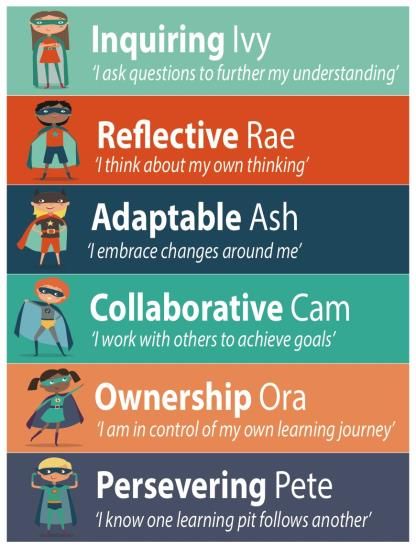

You can also read


