Reconciliation Action Plan 2019 2021 - AWS
←
→
Page content transcription
If your browser does not render page correctly, please read the page content below
Reconciliation Action Plan
      2019 – 2021

       Reconciliation Action Plan March 2019 – March 2021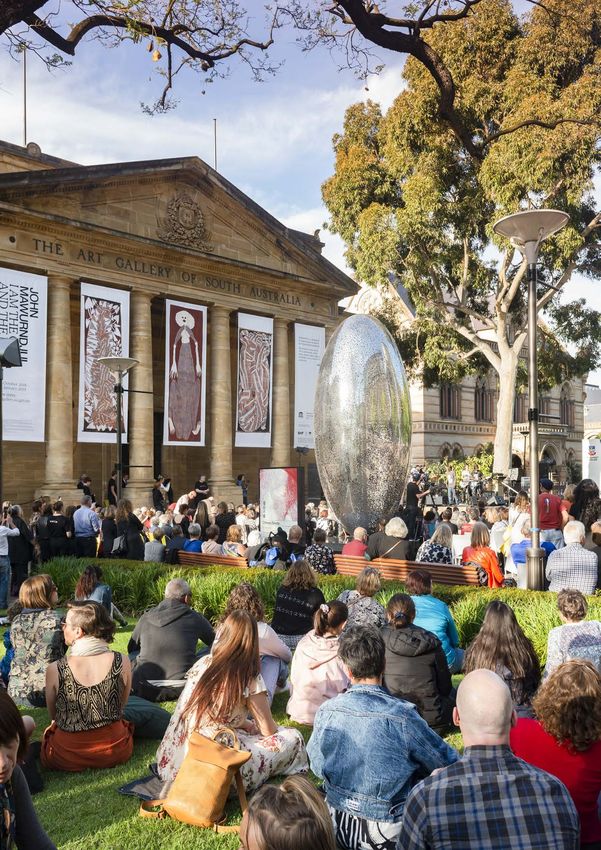
Acknowledgement of Country

                                 The Art Gallery of South Australia respects the important role language plays in                     Aboriginal and Torres
                                 strengthening culture and supports the inclusion of Aboriginal and Torres Strait Islander            Strait Islander peoples
                                                                                                                                      are respectfully
                                 languages in our exhibitions, displays and public programs.                                          advised that this
                                                                                                                                      publication may
                                 The Art Gallery of South Australia Kaurna            The Art Gallery of South Australia stands on    contain the images or
                                 yartangka yuwanthi.                                  Kaurna land.                                    names of people who
                                                                                                                                      have passed away.
                                 AGSArlu Kaurna miyurna parna yaitya                  AGSA recognises Kaurna people as the
                                 mathanya Wama Tarntanyaku tampinthi.                 custodians of the Adelaide Plains

                                 Parnaku yailtyarna, tapa purruna kuma                Their beliefs and way of life continues.        Image left
                                 muinmurninthi.                                                                                       Welcome to Country
                                                                                                                                      by Jack Buckskin at
                                 AGSArlu yalura nakunthi yaiya wirrkangka,            AGSA sees the perfection in art, creation       TARNANTHI launch, 2018;
                                                                                                                                      photo: Nat Rogers.
                                 yaitya pintyangka, yaitya tapa purrunila.            and culture.

                                 AGSA purtipurti.                                     AGSA celebrates.

                                 Purrutyi wirrkalirrkalarna, pintyalintyalarna        AGSA acknowledges all the artists.
                                 AGSArlu tampinthi.

                                 AGSArlu wangkanthi “Ngaityalya” yaitya               AGSA says “Thank you” to all the
                                 nakupi miyurnaitya.                                  Indigenous artists on show.

                                 AGSArlu yaitya mathanya kumarta                      AGSA recognises the Indigenous
                                 yartanangku Tidna Wirltunangku,                      custodians from other parts of Australia
                                 warrunangku kuma tampinthi.                          and from overseas.

                                 Over many decades we have developed deep relationships with artists from the Anangu
                                 Pitjantjatjara Yankunytjatjara (APY) Lands and for their communities we share this
                                 Pitjantjatjara translation.

                                 Art Gallery of South Australia nyanga palunya        The Art Gallery of South Australia is located
                                 panya Kaurna tjuṯaku ngurangka ngaṟanyi              on Kaurna Country.

                                 Panya Kaurna tjutaya iritinguru nguraritja tjuta     The Gallery acknowledges the Kaurna
                                 nyinangi munula kuwari tjanampa Tjukurpa             people as the Traditional Custodians of
                                 kulini.                                              the Adelaide Plains and recognises the
                                                                                      importance of their ongoing cultural and
                                                                                      heritage beliefs.

                                 Nganaṉa kuwari puḻkaṟa pukularinyi aṉangu            The Gallery proudly celebrates Aboriginal
                                 maṟu tjutangku palyantja tjuṯa nyakula munula        and Torres Strait Islander art and cultures
                                 tjanytjunmananyi tjananya munu tjanampa              and expresses its gratitude and respect to
                                 kiminiti tjuṯa kuḻu waarka wiṟu palyaṟa              the artists who have created the works of
                                 iyanyangka.                                          art in the collection and on display as well
                                                                                      as to their communities.

                                 Munu Gallery-ngku kulini munu waḻkuni                The Gallery also pays respect to the cultural
                                 aṉangu maru, Torres Strait Islander tjuṯa munu       authority of Aboriginal and Torres Strait
                                 aṉangu First Nations nguṟa overseas-nguru            Islander peoples who visit here from across
                                 tjuṯa tjana nyangakutu wiṟuṟa pitjanyangka           Australia and First Nations people from
                                                                                      around the world.

                                 Thank you to Kaurna Warra Karrpanthi for kindly providing the Kaurna translation and
                                 Dr Sam Osborne, Associate Director: Regional Engagement (APY Lands), University of
                                 South Australia for providing the Pitjantjatjara translation.

Art Gallery of South Australia                                            Reconciliation Action Plan March 2019 – March 2021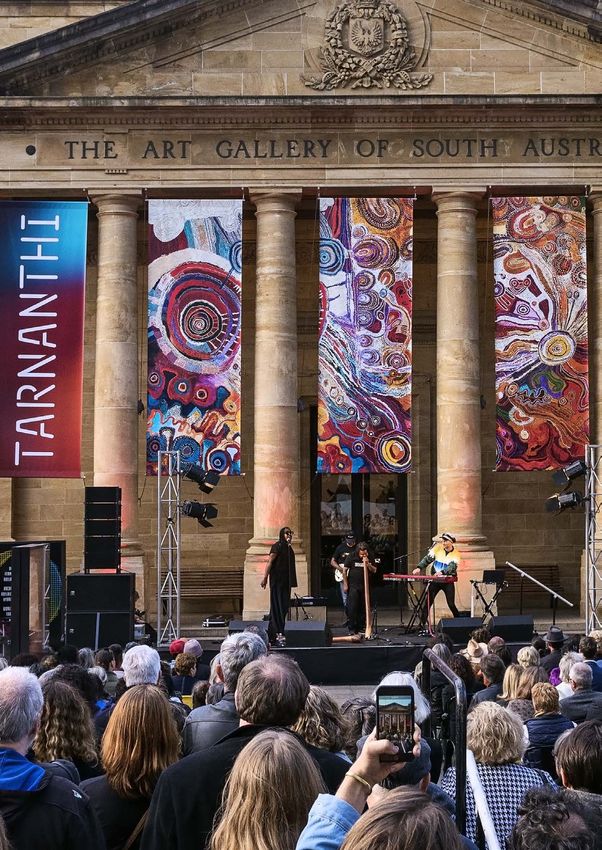
Message from the Director and Chair

                                 It is a privilege to present the Art Gallery of South Australia’s first Reconciliation
                                 Action Plan (RAP). The development of this RAP has enabled us to proudly reflect
                                 on our reconciliation achievements, while identifying how we can commit to new
                                 actions that will provide better opportunities for Aboriginal and Torres Strait
                                 Islander peoples in the years ahead.
                                 AGSA’s collection is displayed in a colonial-era building that projects colonial
                                 cultural values, yet stands on land that has always been part of the Country of the
                                 Kaurna People of the Adelaide Plains.
                                 As one of the most visited cultural institutions in South Australia, AGSA has an
                                 influential public role. We welcome more than one million visitors annually, of all
                                 ages and from all cultural backgrounds, and nurture a safe place for artistic
                                 inspiration and contemplation. The breadth and diversity of art in our collection
                                 created by Aboriginal and Torres Strait Islander artists helps our broad audience to
                                 learn and develop a greater appreciation of the culture and history of Australia’s
                                 First Peoples. Our Aboriginal and Torres Strait Islander art collection intertwines
                                 the ancient and the contemporary and is displayed as part of global conversations
                                 about identity, land, spirituality and politics.
                                 AGSA has established respectful relationships with Aboriginal Elders, artists and
                                 communities over many years. Through such ongoing relationships and through
                                 practical measures, we support artists in creating works of art that they determine
                                 they should make, in keeping with an artist-led approach underpinning all
                                 contemporary art acquisitions, displays and exhibitions at the Gallery. Further to
                                 this approach, we understand the particular importance to Aboriginal and Torres
                                 Strait Islander communities of making and sharing art for the maintenance of a
                                 strong, vibrant and adaptive culture.
                                 Our RAP has been enriched by learnings from three iterations of the
                                 groundbreaking TARNANTHI, an annual celebration of contemporary Aboriginal
                                 and Torres Strait Islander Art. The voices of many TARNANTHI artists, staff                        Image above (top)
                                                                                                                                    Rhana Devenport ONZM,
                                 members and Cultural Advisors can be found within this RAP. We owe a deep                          Director, Art Gallery of South
                                 gratitude to these leaders for their generosity in sharing their cultural and personal             Australia.
                                 histories.                                                                                         Image above
                                                                                                                                    Tracey Whiting, Chair,
                                 Thank you also to AGSA staff who have contributed their ideas through multiple                     Board of the Art Gallery.

                                 consultation processes. This RAP has the commitment of all management and staff                    Image left
                                 and will benefit from its shared ownership.                                                        TARNANTHI launch 2017,
                                                                                                                                    featuring Electric Fields;
                                                                                                                                    photo: John Montesi.
                                 Art plays a vital role in the reconciliation journey and our institution is proud to
                                 be strengthening opportunities for Aboriginal and Torres Strait Islander peoples.
                                 We look forward to implementing this RAP and working towards a more reconciled
                                 Australia.

                                 Rhana Devenport ONZM           Tracey Whiting
                                 Director 				Chair
                                 Art Gallery of South Australia Board of the Art Gallery

Art Gallery of South Australia                                                 Reconciliation Action Plan March 2019 – March 2021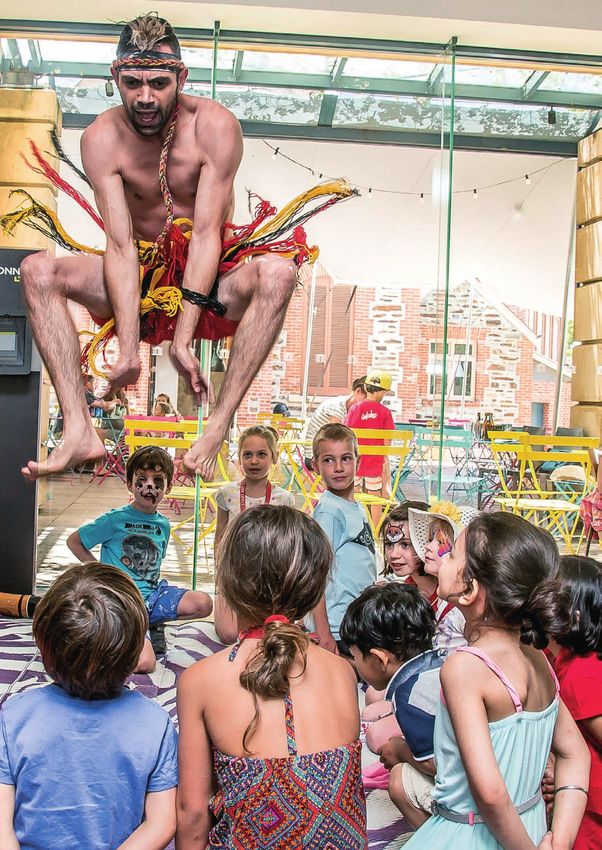
Message from Reconciliation Australia Vision for reconciliation
Reconciliation Australia is delighted to welcome the Art Gallery of South Our vision is to establish an environment for reconciliation by promoting understanding Image
Richard Bell, Kamilaroi/
Australia to the Reconciliation Action Plan (RAP) program by formally endorsing of and respect for Aboriginal and Torres Strait Islander histories and cultures through the Kooma, northern Riverine
its inaugural Innovate RAP. power of art.
region, Jiman/Gurang
Gurang, north east region,
Queensland, born 1953,
As a member of the RAP community, the Gallery joins over 1000 dedicated Charleville, Queensland,
corporate, government and not-for-profit organisations that have formally We also envisage the establishment of a Art is a starting point for people of all ages
The Sign Says It, 2017,
Brisbane, synthetic polymer
committed to reconciliation through the RAP program since its inception in more equitable society and workplace by to learn and grow. With the privilege of our paint on linen, 200.0 x
2006. RAP organisations across Australia are turning good intentions into creating opportunities for Aboriginal and public role, we will:
200.0 cm; Acquisition
through TARNANTHI:
positive actions, helping to build higher trust, lower prejudice and increase pride Torres Strait Islander peoples – to make Festival of Contemporary
in Aboriginal and Torres Strait Islander cultures. •L
isten to, champion and provide a platform Aboriginal & Torres Strait
and exhibit works of art, develop skills and Islander Art supported by
for the diverse voices and stories of BHP 2017, Art Gallery of
Reconciliation is no one single issue or agenda. Based on international research gain employment. By fostering the unique
Aboriginal and Torres Strait Islander artists. South Australia, Adelaide,
and benchmarking, Reconciliation Australia defines and measures reconciliation expertise of Aboriginal and Torres Strait © Courtesy the artist and
Milani Gallery.
through five critical dimensions: race relations; equality and equity; institutional Islander artists, acknowledging our past, •R
espect the cultural authority of Aboriginal
integrity; unity; and historical acceptance. All sections of the community— and helping the broader community to and Torres Strait Islander peoples through
governments, civil society, the private sector and Aboriginal and Torres Strait learn more, we will proudly work towards a the way we work, by supporting the making
Islander communities — have a role to play to progress these dimensions. reconciled future. of art and by understanding the importance
of this in maintaining a strong, vibrant and
The RAP program provides a framework for organisations to advance adaptive culture.
reconciliation within their spheres of influence. This Innovate RAP provides the
Gallery with the key steps to establish its own unique approach to reconciliation. •C
elebrate the vital role that art plays in the
Through implementing an Innovate RAP, the Gallery will develop its approach reconciliation journey and share Aboriginal
to driving reconciliation through its business activities, services and programs, and Torres Strait Islander works of art with
and develop mutually beneficial relationships with Aboriginal and Torres Strait the broadest audience.
Islander stakeholders.
We wish the Gallery well as it explores and establishes its own unique approach
to reconciliation. We encourage the Gallery to embrace this journey with open
hearts and minds, to grow from the challenges, and to build on its successes. As
the Council for Aboriginal Reconciliation reminded the nation in its final report:
“Reconciliation is hard work — it’s a long, winding and corrugated road, not
a broad, paved highway. Determination and effort at all levels of government
and in all sections of the community will be essential to make reconciliation
a reality.”
On behalf of Reconciliation Australia, I commend the Art Gallery of South
Australia on its first RAP, and look forward to following its ongoing
reconciliation journey.
Karen Mundine
Chief Executive Officer
Reconciliation Australia
Art Gallery of South Australia Reconciliation Action Plan March 2019 – March 2021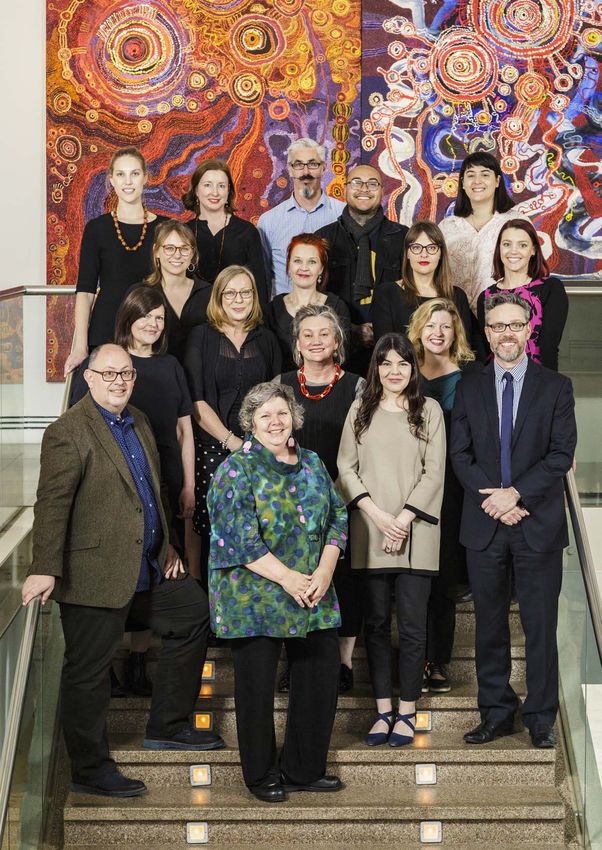
Our business

AGSA’s objectives are prescribed by the Art       Within the Gallery, Aboriginal and Torres       Image
                                                                                                  Installation view: Gallery 17
Gallery Act 1939 and can be summarised as         Strait Islander works of art are purposefully   featuring site-specific
the preservation, research and education          integrated throughout our permanent             installation OA_CAMO by
                                                                                                  Reko Rennie.
associated with heritage and contemporary         exhibitions and displays. This approach is
works of art of aesthetic excellence and          part of our distinct curatorial signature and
historical or regional significance.              was developed through listening to the
                                                  aspirations of the artists and communities
Our mission is to serve the South Australian
                                                  with whom we work directly.
and wider communities by providing access
to original works of art of the highest           Through all our artistic programming
quality. Through our permanent collection,        and specifically through TARNANTHI,
temporary exhibitions, publications,              the Gallery works with Aboriginal and
education, research and public programs,          Torres Strait Islander artists and
AGSA seeks to become part of the daily life       communities across Australia.
of all Australians – to champion art, artists     TARNANTHI also partners with local
and their ideas. These ideas are amplified by     and regional South Australian cultural
our curatorial approach through which             institutions and provides a vital
displays of works from the collection are         opportunity for reconciliation goals and
frequently changed – sparking new                 outcomes with each partnering
conversations and challenging historical          organisation.
narratives. Through our collection and
                                                  During the 2017 TARNANTHI Festival,
displays, the Gallery represents
                                                  528 Aboriginal and Torres Strait Islander
contemporary ideas of importance to our
                                                  artists were engaged to produce new works
twenty-first-century audience. We aim to
                                                  of art, representing artists from 139
be a leading art museum in Australia and
                                                  language groups. In its first presentation as
the Asia Pacific Region with a distinct
                                                  a focus year, TARNANTHI 2018 featured
and innovative identity and a strong
                                                  the major solo survey exhibition John
creative voice.
                                                  Mawurndjul: I am the old and the new.
AGSA is much-loved and one of the most            Developed and co-presented by the
visited cultural institutions in the state.       Museum of Contemporary Art (MCA) and
Our visibility and reputation in the              AGSA in close association with Maningrida
community is considerable, and thanks to          Arts & Culture, this exhibition welcomed
a long and generous history of philanthropy,      over 130,000 visitors and attracted
guided by strong directorship, our collection     widespread critical acclaim. In addition,
is of national and international significance.    the Gallery supports many Aboriginal
                                                  businesses and organisations that assist
AGSA’s collections, including the Aboriginal
                                                  with our operations and public programs.
and Torres Strait Islander art collection,
are often shown at other galleries and            AGSA employs sixty-seven full-time
museums across Australia and around               employees of whom three full-time
the world.                                        employees identify as Aboriginal and
                                                  Torres Strait Islander. This equates to four
                                                  per cent of the workforce. The Gallery
                                                  intends to expand this representation
                                                  through the implementation of our RAP.

                                                 Art Gallery of South Australia                                                   Reconciliation Action Plan March 2019 – March 2021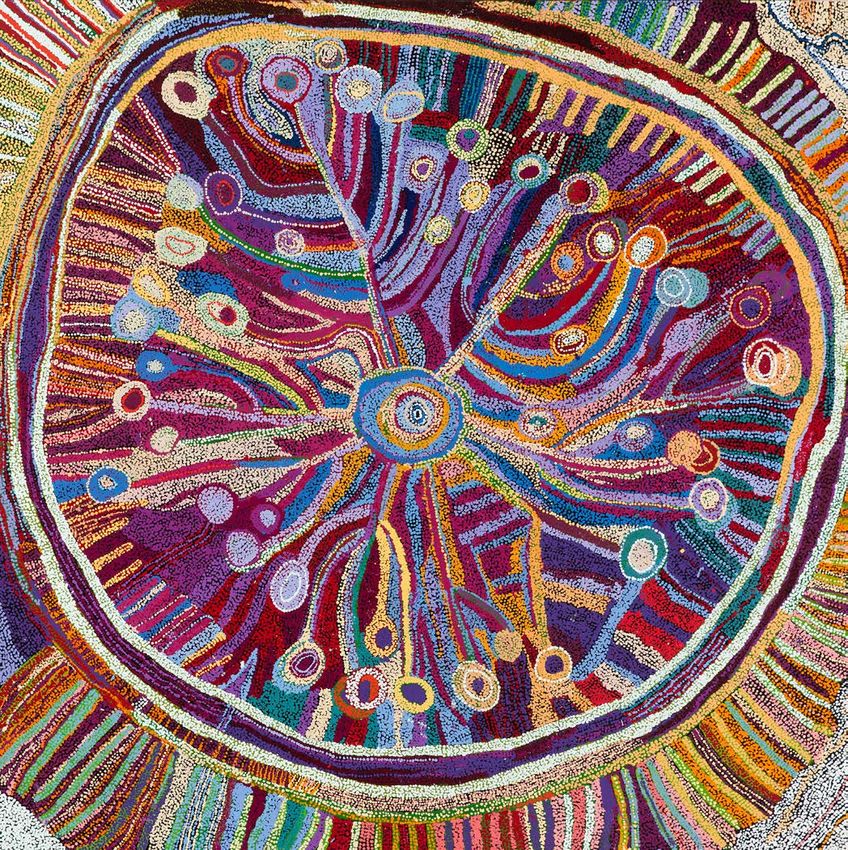
Our RAP

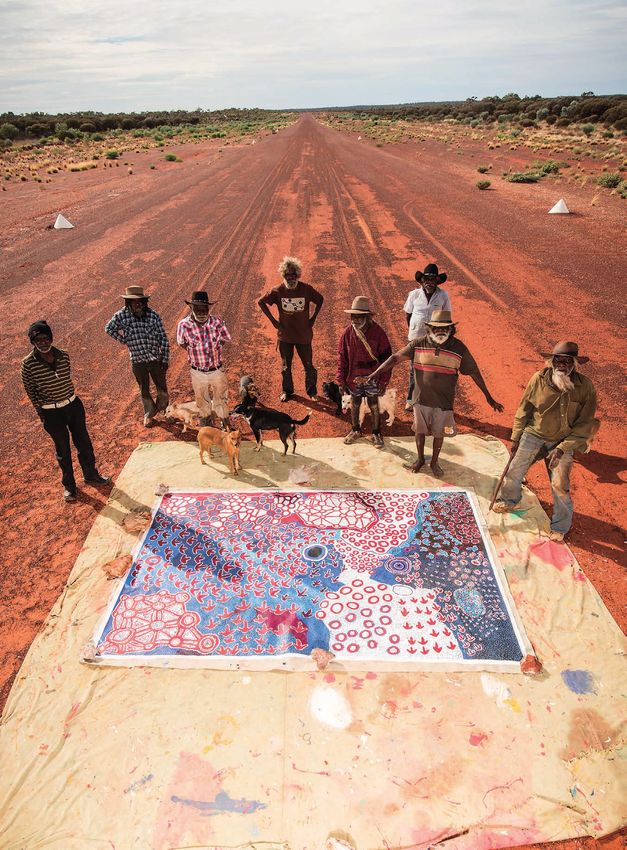
                                 AGSA recognises the importance of art in            In 1980 ours was the first public art               Image
                                                                                                                                         Spinifex Arts Project artists
                                 fostering the cultural understanding and            institution to purchase a Western Desert            standing with completed
                                 respect that are vital to reconciliation across     painting – a large-scale canvas by Anmatyerre       men’s collaborative Ilkurlka,
                                                                                                                                         Spinifex Country, Great
                                 the broader community. We understand                artist Clifford Possum Tjapaltjarri – in an         Victoria Desert, 2015;
                                                                                                                                         photo: Stephen Oxenbury.
                                 that Aboriginal and Torres Strait Islander art      important early step for an art movement
                                 is not separate from the national story but         that has since captured the imagination of the
                                 an essential part of it. We also recognise that     world.
                                 creating and sharing art is a crucial element
                                                                                     In recent years we have helped to promote
                                 in maintaining and continuing cultural
                                                                                     the work of Anangu Pitjantjatjara
                                 knowledge among Australia’s strong,
                                                                                     Yankunytjatjara artists, notably in 2010
                                 resilient and adaptive First Peoples.
                                                                                     through the nation’s first major exhibition
                                 The development of a RAP articulates and            showcasing this vibrant emerging desert
                                 reinforces our deep commitment to                   painting movement. And each year we now
                                 working with and supporting Aboriginal              stage TARNANTHI, which draws hundreds of
                                 and Torres Strait Islander artists and              thousands of visitors to appreciate the
                                 communities, our valuable role in enhancing         cultural and artistic diversity presented by
                                 understanding of the art and culture of             hundreds of artists from across the country.
                                 Australia’s First Peoples, and our
                                                                                     Through our RAP, AGSA expresses a resolve
                                 responsibility to present and celebrate the
                                                                                     to foster reconciliation by celebrating and
                                 depth and breadth of this art among a wide
                                                                                     cultivating understanding of Aboriginal and
                                 audience.
                                                                                     Torres Strait Islander art and artists; to
                                 AGSA has long been a leader in the                  respect, nurture and present the diverse
                                 mainstream recognition of Aboriginal art.           artistic voices of Australia’s First Peoples in
                                 Ours was the first state art museum in              genuine and meaningful ways; and to help
                                 Australia to acquire a work by an Aboriginal        nourish the cultural strength and champion
                                 artist when we purchased an early                   the artistic excellence of Aboriginal and
                                 watercolour by Albert Namatjira in 1939.            Torres Strait Islander Peoples – for the
                                                                                     benefit of First Australians and all Australians.

                                 Our Innovate RAP is based on three core pillars
                                 of reconciliation

                                 Relationships
                                 The Gallery will continue to work respectfully with Aboriginal and Torres Strait Islander
                                 peoples to improve reconciliation outcomes. We will listen and learn from the diverse voices
                                 of Australia’s First Peoples and create a safe place for cultures to connect.

                                 Respect
                                 Aboriginal and Torres Strait Islander peoples have inhabited and held an abiding connection
                                 to this land for some 65,000 years. We respect the knowledge and traditions of the world’s
                                 oldest living cultures and support Aboriginal and Torres Strait Islander people’s important
                                 role in Australia’s past, current and future society.

                                 Opportunities
                                 The Gallery is committed to providing opportunities, such as employment and funding
                                 for Aboriginal and Torres Strait Islander led projects, to develop the leadership and
                                 self-determination of Australia’s First Peoples.

Art Gallery of South Australia                                           Reconciliation Action Plan March 2019 – March 2021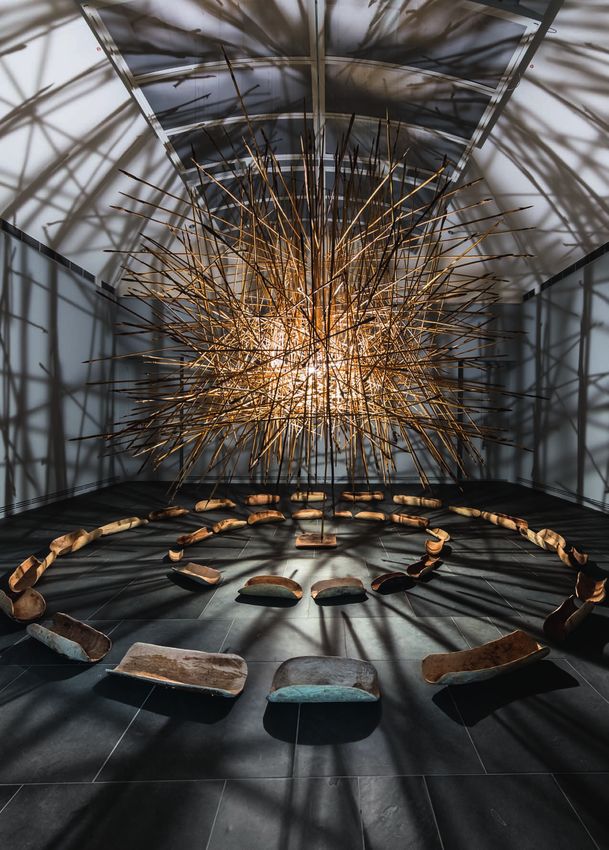
Image
                                 Image                                                                                            Lena Yarinkura and Bob Burruwal, from
                                 Sammy Dodd, Pitjantjatjara/                                                                      Maningrida Arts and Culture, with their
                                 Yankunytjatjara people, South Australia,                                                         work Namorrorddo, TARNANTHI, 2017;
                                 born 1946, Winpiranganyi, South                                                                  photo: John Montesi.
                                 Australia, Mumu Mike Williams,
                                 Pitjantjatjara people, South Australia,
                                 born 1952, between Kenmore Park and
                                 Pukatja (Ernabella), South Australia,
                                 Tjukurpa Kunpu Mulapa, 2016, Mimili,
                                 South Australia, synthetic polymer paint
                                 on canvas mail bags; wood, spinifex resin
                                 and kangaroo tendon, 121.5 x 75.0 cm (a),
                                 123.0 x 73.0 cm (b), 123.0 x 2.2 x 2.3 cm
                                 (c); Acquisition through TARNANTHI:
                                 Festival of Contemporary Aboriginal &
                                 Torres Strait Islander Art supported by
                                 BHP 2017, Art Gallery of South Australia,
                                 Adelaide, © Sammy Dodd and Mumu
                                 Mike Williams / Copyright Agency.

Art Gallery of South Australia                                               Reconciliation Action Plan March 2019 – March 2021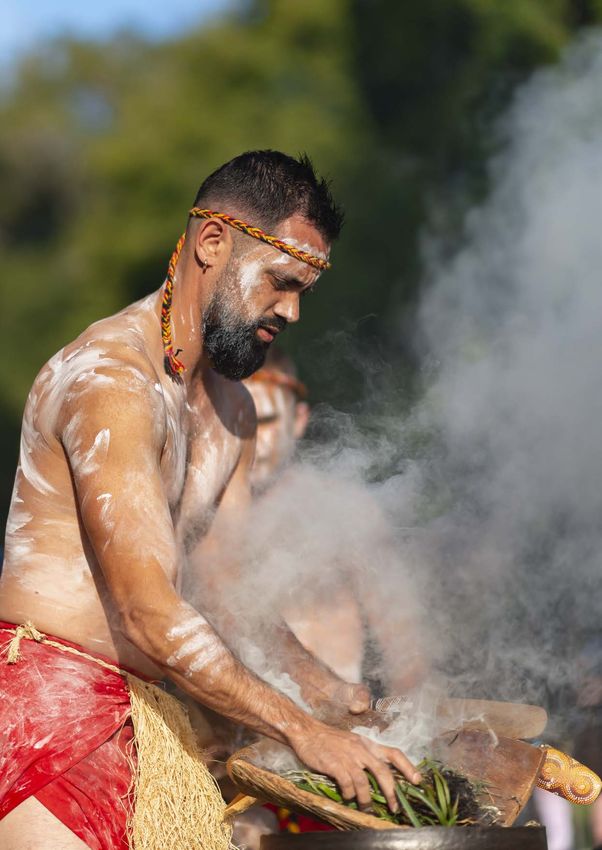
Governance of the RAP

The Gallery’s Director, Senior Management Group and staff from across the organisation         An external Cultural
are champions for our RAP and committed to actively supporting reconciliation.                 Advisory Committee
Throughout the development of this RAP, a number of optional actions and deliverables          helps to support
were workshopped and nominated by staff, with responsibility for implementation spread         TARNANTHI
                                                                                               and information
across work areas. The level of engagement and support for our RAP is evident in the
                                                                                               exchanges will occur
membership of our first Reconciliation Working Group (RWG), with close to one-third of         between the RWG
staff nominating to join the Group. Its purpose will be to support the development, launch     and the Cultural
and implementation of our RAP and to champion our vision to others. The RWG Terms of           Advisory Group.
Reference were adopted in June 2018. RWG meetings will be open for all staff to attend to
increase the cultural competency of our organisation and a Guide representative will be also
be invited to attend meetings. The Chair will rotate annually. RWG membership currently
comprises:

Stewart Adams                                 Laura Masters                                    Image
                                                                                               Reconciliation Working
Image Services: Photography &                 Image Services: Sales & Rights Officer           Group in front of Kangkura-
Logistics Officer                                                                              KangkuraKu Tjukurpa –
                                              Kylie Neagle                                     A Sister's Story by Ken Family
Heidi Chamberlain                             Learning, Education Officer                      Collaborative, left to right,
                                                                                               first row: Stewart Adams,
Senior Marketing Coordinator                                                                   Nici Cumpston, Elle Freak,
                                              Barry Patton                                     Mark Horton second row:
Jane Crosby                                   Writer and Researcher, Aboriginal Art,           Heidi Chamberlain,
                                                                                               Jacqueline Schaare,
Project Manager, TARNANTHI                    TARNANTHI                                        Tracey Dall, Mimi Crowe
                                                                                               third row: Rebecca van
Mimi Crowe                                    Tom Readett                                      Essen, Megan McEvoy,
Producer, TARNANTHI                           Ngarrindjeri people, Education Officer,          Gloria Strzelecki, Kylie Neagle
                                                                                               fourth row: Laura Masters,
                                              TARNANTHI                                        Jane Crosby, Barry Paton,
Nici Cumpston
                                                                                               Tom Readett, Alise Hardy
Barkindji people, Artistic Director,          Leigh Robb*                                      absent: Antonietta Itropico,
TARNANTHI                                     Curator, Contemporary Art                        Leigh Robb, Georgia Walker;
                                                                                               photo: Saul Steed.
Tracey Dall                                   Jacqueline Schaare
Senior Coordinator, Image Services/           Graphic Designer, Marketing
TARNANTHI                                     and Exhibitions

Elle Freak                                    Gloria Strzelecki
Assistant Curator of Australian               Assistant Curator, Aboriginal and
Paintings and Sculpture                       Torres Strait Islander Art

Alise Hardy                                   Rebecca van Essen
Teen Programs Officer                         Development Officer

Mark Horton                                   Georgia Walker*
Deputy Director                               Communications Coordinator

Antonietta Itropico*
Manager, Publications
                                              * absent from photo opposite
Megan McEvoy
Exhibitions and Public Programs
Coordinator

                                               Art Gallery of South Australia                                                    Reconciliation Action Plan March 2019 – March 2021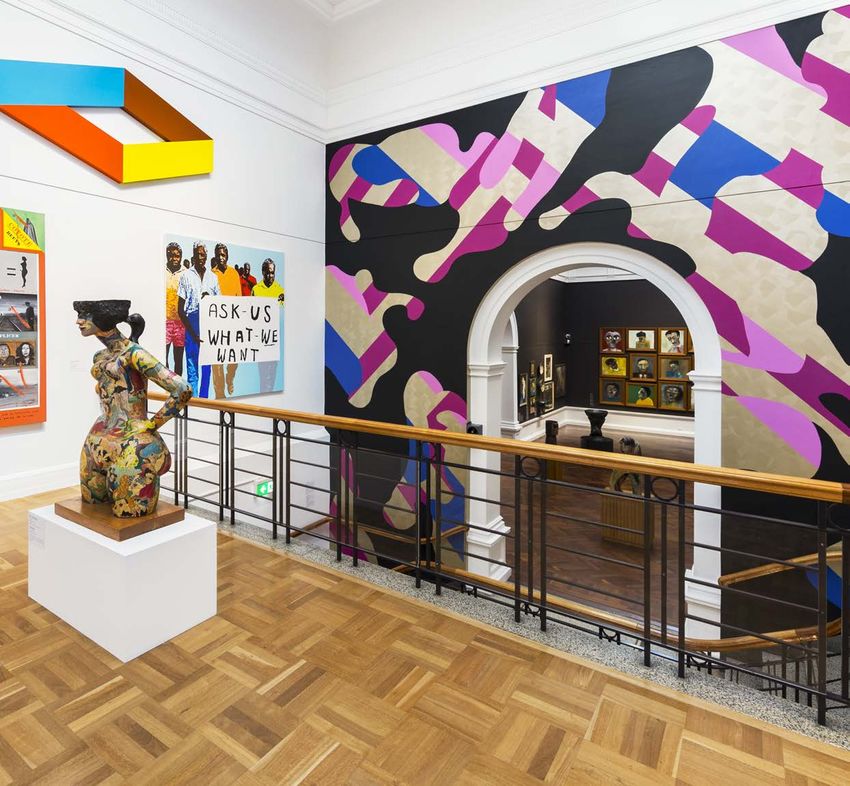
Case study: TARNANTHI

TARNANTHI is an annual celebration of              The event also provides an environment           Image below
                                                                                                    Artist Mervyn Street,
Aboriginal and Torres Strait Islander art and      for artists and cultural concepts to connect     Abstracted Muster
artists which is unique in its scale and scope.    by bringing together people and ideas            exhibition, Adelaide
                                                                                                    Central School of Art
It comprises a major exhibition, a biennial        from diverse locations. Artists may have         Gallery, Adelaide,
                                                                                                    TARNANTHI, 2017;
festival of exhibitions at numerous sites          opportunities to upskill through practical       photo: Tony Kearney.
around Adelaide, and an annual Art Fair,           placements at technical and artistic
                                                                                                    Image right
which together present the work of                 organisations or to establish networks for       TARNANTHI launch,
hundreds of Aboriginal and Torres Strait           future collaborations and career                 2018; photo: Nat
                                                                                                    Rogers.
Islander artists from across the country.          development by exhibiting with like-
In 2017 almost 400,000 people attended             minded partner organisations. In addition,
TARNANTHI exhibitions and events.                  TARNANTHI delivers a notable economic
                                                   benefit to Aboriginal and Torres Strait
Tarnanthi is a Kaurna word that means to
                                                   Islander communities – for example, the
come forth or to appear, a concept made
                                                   Art Fair has now generated almost
real by encouraging artists to create
                                                   $2.2million in sales, with all proceeds
significant new works and collaborative
                                                   going directly to art centres, artists and the
projects, through which Aboriginal artists
                                                   Purple House Foundation. TARNANTHI is
and communities reinforce cultural
                                                   a flagship program of the Art Gallery of
knowledge and continuity and strengthen
                                                   South Australia, presented in partnership
community empowerment and pride.
                                                   with BHP and with support of the
                                                   Government of South Australia.

                                                  Art Gallery of South Australia                                            Reconciliation Action Plan March 2019 – March 2021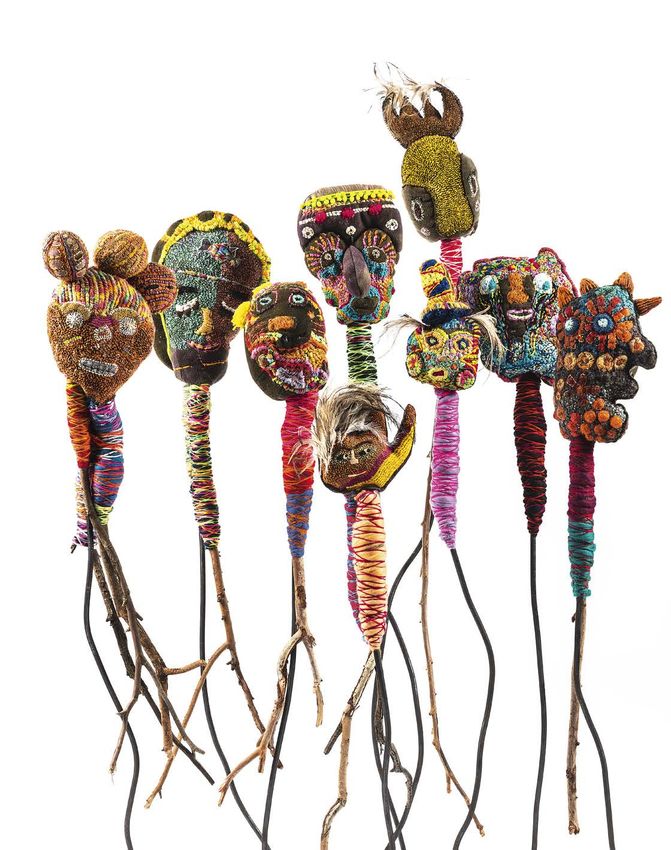
Case study: Education programs

                                 AGSA’s education programs help to                  Since 2017, several short courses have been     Image below
                                                                                                                                    Students from Allenby
                                 broaden understanding and appreciation             offered to educators and the public to          Gardens Primary School
                                 of Aboriginal and Torres Strait Islander           expand understandings of Aboriginal and         visiting TARNANTHI, 2015;
                                                                                                                                    photo: Saul Steed.
                                 art and cultures among younger people,             Torres Strait Islander art and cultures.
                                                                                                                                    Image left
                                 from early-years students to tertiary level.       Aboriginal and Torres Strait Islander artists   Jack Buckskin performing at
                                 Our kids and families program, Start,              and curators deliver these programs, with       Start; photo: Casper Buisman.

                                 offers an exciting introduction to visual art      the Gallery’s collection as the backdrop.
                                 on the first Sunday of every month and             With each course rapidly booking out,
                                 multiple programs each year are curated by,        and attendees coming from interstate,
                                 or programmed with, Aboriginal and/or              AGSA plans to expand this program in the
                                 Torres Strait Islander artists.                    coming years.
                                 Our Studio and school holiday programs             AGSA has also developed a substantial
                                 also immerse learners in meaningful                number of online education resources for
                                 activities that connect to our Aboriginal and      schools, which profile individual Aboriginal
                                 Torres Strait Islander displays. School            artists and art centres.
                                 programs – supported by the Department
                                 of Education and tailored to meet the
                                 Australian curriculum – range from tours of
                                 the collection and learning opportunities for
                                 visiting school groups to professional
                                 development workshops for educators.
                                 Outreach programs also take the learning
                                 programs on the road to regional schools.

Art Gallery of South Australia                                          Reconciliation Action Plan March 2019 – March 2021
Profile: Nici Cumpston
Nici Cumpston has developed a purposefully what they want to present and achieve, Image below
Visit to Ernabella Arts,
inclusive philosophy in her role as the what support they may need and how they Pukatja, as part of
Gallery’s first dedicated Curator of might want to extend their artistic Contemporary Collectors
APY tour with Nici
Aboriginal and Torres Strait Islander Art. practice. She also has a clear appreciation Cumpston, June 2017.
A practising artist of Afghan, English, of how communities work. She sees her Image right
Irish and Barkindji Aboriginal heritage, role in part as one of advocate who Nici Cumpston, Artistic
Director TARNANTHI;
she believes that the artist comes first and cultivates opportunities for artists to photo: Ben Searcy.
foremost – and provides a high level of develop. Nici promotes emerging artists
practical support and encouragement for and helps to find the openings in which
Aboriginal and Torres Strait Islander artists. talent flourishes. ‘To me, that means more
This means that preparations for exhibitions than anything. They’re the stories that are
and the Gallery’s annual TARNANTHI event the most meaningful – seeing the artist’s
involve considerable work directly with confidence grow, seeing communities have
artists, art centres and communities, asking opportunities that they might not have
artists to imagine their work on a national or otherwise had,’ Nici says.
international platform and determining
Art Gallery of South Australia Reconciliation Action Plan March 2019 – March 2021Image left Image above
Janice Peacock, Meriam Mir people, Wawiriya Burton, Pitjantjatjara people,
Torres Strait Islands, born 1955, Mareeba, South Australia, born 1928, Pipalyatjara,
North Queensland, Pearls Hell lugger crate South Australia, Ngayuku ngura – My country,
with not so flash bottom, from the series 2012, Amata, South Australia, synthetic
Ailan Crates and Traits in the Straits, 2004, polymer paint on linen, 198.0 x 198.0 cm;
Brisbane, rope, plastic bags, raffia, string, Gift of Lisa Slade and Nici Cumpston 2013,
paint, feathers, shells, rocks, sand, shellac, Art Gallery of South Australia, Adelaide,
wood, fishing devices, buttons, plastic © Wawiriya Burton / Copyright Agency.
aquarium plants, calico cloth, 175.0 x 97.0 x Ngayuku ngura – My country was painted by
56.0 cm (irreg.); South Australian An–angu artist Wawiriya Burton in 2012 during
Government Grant 2005, Art Gallery of the early stages of the development of the
South Australia, Adelaide, © Janice Peacock. exhibition Heartland: Contemporary Art from
South Australia. The painting is a
demonstration of Burton’s custodial
responsibility for Country in the north west
of South Australia.
Art Gallery of South Australia Reconciliation Action Plan March 2019 – March 2021Relationships
The Gallery will continue to work respectfully with Aboriginal and Torres Strait Islander peoples to improve Action 3
reconciliation outcomes. We will listen and learn from the diverse voices of Australia’s First Peoples and create a
Develop and maintain mutually beneficial relationships with Aboriginal and Torres Strait Islander peoples,
safe place for cultures to connect.
communities and organisations to support positive outcomes.
DELIVERABLE TIMELINE RESPONSIBILITY
Action 1
The Reconciliation Working Group (RWG) actively monitors RAP development and implementation of actions, Develop and implement an engagement plan to work with our Aboriginal and Torres June 2019 Producer, TARNANTHI
Strait Islander stakeholders.
tracking progress and reporting.
Meet with local Aboriginal and Torres Strait Islander organisations to develop June 2019 Director
DELIVERABLE TIMELINE RESPONSIBILITY guiding principles for future engagement.
RWG oversees the development, endorsement and launch of the RAP. Quarterly Chair, RWG Ensure Aboriginal and Torres Strait Islander peoples contribute to Gallery decision- Annual review Director
meetings making processes, including future Board appointments, major projects and in November Chair, Board of the
judging panels. Art Gallery
Ensure Aboriginal and Torres Strait Islander peoples are represented on the RWG. May 2018 Chair, RWG
Engage Aboriginal and Torres Strait Islander peoples to share their knowledge of Annual review Public Programs
Meet at least four times per year to monitor and report on RAP implementation and February Chair, RWG art and culture at public events, including Neo (for teenagers) and Start (for children in November Coordinator
update all staff after each meeting. May 3–12).
August
November
Establish Terms of Reference for the RWG. March 2018 Chair, RWG
Review the Terms of Reference of the TARNANTHI Cultural Advisory Group and December 2018 Producer, TARNANTHI
Action 4
support information exchanges between the RWG and the Cultural Advisory Group. Raise internal and external awareness of our RAP to promote reconciliation across our business and
the arts sector.
Encourage broad representation on the RWG from across the organisation including May 2018 Deputy Director
membership from the Senior Management Group.
DELIVERABLE TIMELINE RESPONSIBILITY
Develop and implement a strategy to communicate our RAP to all internal and March 2019 Head of Marketing
external stakeholders. and Membership
Communications
Manager
Action 2
Promote reconciliation through ongoing active engagement with stakeholders and Annual review Head of Development
Celebrate and participate in National Reconciliation Week (NRW) by providing opportunities to build and maintain partners. in November
relationships between Aboriginal and Torres Strait Islander peoples and other Australians.
Encourage all staff to participate in TARNANTHI events to develop relationships Annually in Director
with Aboriginal and Torres Strait Islander artists. October
DELIVERABLE TIMELINE RESPONSIBILITY
Ensure publication in the Gallery’s magazine of articles that highlight RAP initiatives. Annual review Manager, Publications
Organise at least one internal event for NRW each year, including volunteers. 27 May – 3 June Development Officer in November
Register all NRW events via Reconciliation Australia’s NRW website. Annually in May Development Officer
Support an external NRW event. 27 May – 3 June Public Programs
Coordinator
Ensure our RAP Working Group participates in an external event to recognise and 27 May – 3 June Chair, RWG
Action 5
celebrate NRW. Create opportunities to support Aboriginal and Torres Strait Islander artists and products.
Host NRW events that feature Aboriginal artists and leaders, linking with existing 27 May – 3 June Assistant Director,
works on display. Artistic Programs DELIVERABLE TIMELINE RESPONSIBILITY
Senior Curator
Encourage donors, sponsors and partners to support Aboriginal artists through Annual review Head of Development
Public Programs acquisitions, funding, exhibitions and capacity-building initiatives. in November
Coordinator Head of Benefaction
Inform Guides about NRW and encourage them to focus on Aboriginal and Torres 27 May – 3 June Front of House Promote new acquisitions of Aboriginal and Torres Strait Islander works of art and Annual review Head of Marketing
Strait Islander works of art during public tours. Coordinator retail products, to reach the broadest audience. in November and Membership
Education Support Retail Manager
Officer Manager, Publications
Art Gallery of South Australia Reconciliation Action Plan March 2019 – March 2021Respect
Aboriginal and Torres Strait Islander peoples have inhabited and held an abiding connection to this land for some Action 8
65,000 years. We respect the knowledge and traditions of the world’s oldest living cultures and support Aboriginal
Provide opportunities for Aboriginal and Torres Strait Islander staff to engage with their cultures and
and Torres Strait Islander people’s important role in Australia’s past, current and future society.
communities by celebrating NAIDOC Week.
DELIVERABLE TIMELINE RESPONSIBILITY
Action 6
Engage employees in continuous cultural learning opportunities to increase understanding and appreciation of Review HR policies and procedures to ensure there are no barriers to staff March 2019 Deputy Director
participating in NAIDOC Week.
Aboriginal and Torres Strait Islander cultures, histories and achievements.
Provide opportunities for all Aboriginal and Torres Strait Islander staff to participate First week Deputy Director
DELIVERABLE TIMELINE RESPONSIBILITY with their cultures and communities during NAIDOC Week. in July
Develop and implement an Aboriginal and Torres Strait Islander cultural awareness June 2019 Director Provide opportunities for staff to participate in NAIDOC Week activities. First week Deputy Director
training strategy for our staff, volunteers and permanent contract staff, which in July
Annual review
defines cultural learning needs of employees in all areas of our business and in November
considers various ways that cultural learning can be provided (online, face-to-face Engage Aboriginal and Torres Strait Islander peoples to lead Gallery NAIDOC First week Public Programs
workshops or cultural immersion). Week events. in July Coordinator
Investigate opportunities to work with Kaurna people and/or Aboriginal and Torres June 2019 Chair, RWG
Strait Islander consultants to develop cultural awareness training.
Provide opportunities for all staff and volunteers to participate in cultural training. 2 x per year Chair, RWG Action 9
Provide more opportunities for the community and staff to learn about the diversity of Aboriginal and
Promote Reconciliation Australia’s Share Our Pride online tool to staff and Annual review Chair, RWG Torres Strait Islander artists and maintain institutional integrity through the way we work.
volunteers. in November
DELIVERABLE TIMELINE RESPONSIBILITY
Celebrate and recognise Aboriginal and Torres Strait Islander anniversaries and Annual review Director
achievements. in November
Action 7
Expand the inclusion of Kaurna and other Aboriginal languages in displays and Annual review Assistant Director
Engage employees in understanding the significance of Aboriginal and Torres Strait Islander cultural protocols, interpretive materials. in November Artistic Programs
such as Welcome to Country and Acknowledgement of Country, to ensure there is a shared meaning. Senior Curator
Education Officer
DELIVERABLE TIMELINE RESPONSIBILITY
Develop cultural competency questions to be used during recruitment processes Annual review Chair, RWG
and investigate how the RAP can be mentioned in job descriptions to ensure new in November
Develop, implement and communicate a cultural protocol document for Welcome January 2019 Chair, RWG
staff are aware of our commitment to the RAP.
to Country and Acknowledgement of Country and include it in all induction Annual review
processes for staff and volunteers. in November Offer Auslan interpretation of Welcome to Country and Aboriginal artist talks and Annual review Education Support
ensure interpreters have cultural training in appropriate Aboriginal sign terminology, in November Officer
Develop a list of key contacts for organising a Welcome to Country and maintaining December 2018 Public Programs if sign language is not delivered by Aboriginal and Torres Strait Islander peoples.
respectful partnerships. Coordinator
Maintain and expand the delivery of educational workshops and outreach programs At least 2 x Education Officer
Invite a Kaurna Elder or representative to provide a Welcome to Country at All major Public Programs in collaboration with Aboriginal and Torres Strait Islander peoples. per year
significant events, including all major public exhibition openings. openings and Coordinator
Annual review
events
in November
Include an Acknowledgement of Country at the commencement of all important Annual review All staff and
Develop six new learning resources about Aboriginal and Torres Strait Islander 6 x within RAP Education Officer
internal and external meetings, including public tours and talks given by staff or in November Volunteers artists, and broader reconciliation themes. timeframe TARNANTHI
volunteers.
Encourage staff to include an Acknowledgement of Country at the commencement Annual review Chair, RWG Continue to develop cultural exchange opportunities, such as with Desart. Annual review Assistant Director
of all meetings. in November in November Artistic Programs
Display Kaurna Acknowledgement of Country at Gallery entrances. June 2019 Head of Marketing Increase the number of visitors to the Gallery who identify as Aboriginal and Torres Annual review Director
and Membership Strait Islander peoples and expand opportunities for engagement. in November
Develop and implement a style guide for Kaurna Acknowledgement of Country for February 2019 Head of Marketing Ensure all marketing images reflect broader cultural diversity, including Aboriginal Annual review Head of Marketing
all published materials. and Membership and Torres Strait Islander peoples. in November and Membership
Writer and researcher
TARNANTHI Aim for 100% of ministerial furnishing loans to showcase Aboriginal and Torres Annual review Assistant Director
Strait Islander works of art and provide extended wall texts for people to learn more in November Artistic Programs
Manager, Publications
about the work.
Ensure ethical research relating to Aboriginal and Torres Strait Islander artists in Annual review Senior Curator
line with relevant protocols including the Australia Council’s Protocols for Working in November
with Indigenous Artists.
Maintain and grow relationships with artists, art centres and copyright agencies Annual review Senior Coordinator:
to ensure the appropriate use of images and protect Aboriginal and Torres Strait in November Image Services
Islander artists’ legal and moral rights in line with the Indigenous Art Code.
Ensure cultural warnings are provided in exhibitions, online and in publications, Annual review Senior Curator
where appropriate. in November Head of Marketing
and Membership
Manager, Publications
Art Gallery of South Australia Reconciliation Action Plan March 2019 – March 2021Opportunities
The Gallery is committed to providing opportunities, such as employment and funding for Aboriginal and Action 12
Torres Strait Islander led projects, to develop the leadership and self-determination of Australia’s First
Grow the leadership capacity of Aboriginal and Torres Strait Islander peoples, including staff and artists.
Peoples.
DELIVERABLE TIMELINE RESPONSIBILITY
Action 10 Identify and encourage staff to apply for Aboriginal and Torres Strait Islander As opportunities Director
leadership opportunities. are identified
Investigate opportunities to improve and increase Aboriginal and Torres Strait Islander employment outcomes
within our workplace.
Create employment opportunities for Aboriginal and Torres Strait Islander peoples Annual review Director
across all parts of the organisation. in November
DELIVERABLE TIMELINE RESPONSIBILITY
Actively participate in the State Government’s Aboriginal Employment Industry 3 x per year Assistant Director
Collect information on our current Aboriginal and Torres Strait Islander staffing Annual review Deputy Director Cluster Program for Arts and Culture. Artistic Programs
arrangements to inform future employment opportunities and ensure staffing in September or
numbers are maintained or increased within the RAP timeframe. when staffing Promote exhibition, prize and event opportunities through Aboriginal and Torres Annual review Head of Marketing
changes Strait Islander networks and media. in November and Membership
Communications
Develop and implement an Aboriginal and Torres Strait Islander Employment and June 2019 Deputy Director Manager
Retention strategy. Project Officer
Artistic Programs
Engage with existing Aboriginal and Torres Strait Islander staff to consult on June 2019 Director
employment strategies, including professional development.
Advertise all vacancies in Aboriginal and Torres Strait Islander media. Annual review
in November
Deputy Director Governance, tracking progress and reporting
Review HR and recruitment procedures and policies to ensure there are no June 2019 Deputy Director
barriers to Aboriginal and Torres Strait Islander employees and future applicants Actions 13–16
participating in our workplace.
13 Report RAP achievements, challenges and learnings to Reconciliation Australia.
Improve opportunities for Aboriginal and Torres Strait Islander peoples by: Annual review Deputy Director
• Including in all job advertisements the statement that Aboriginal and Torres Strait in November DELIVERABLE TIMELINE RESPONSIBILITY
Islander people are strongly encouraged to apply.
• Exploring how TARNANTHI employment vacancies can be advertised solely for Complete and submit the RAP Impact Measurement Questionnaire to 30 September Chair, RWG
Aboriginal and Torres Strait Islander peoples in the first instance. Reconciliation Australia. annually
Investigate participating in the RAP Barometer. May 2020 Chair, RWG
14 Report RAP achievements, challenges and learnings internally and externally.
Action 11
Investigate opportunities to incorporate Aboriginal and Torres Strait Islander supplier diversity within our
DELIVERABLE TIMELINE RESPONSIBILITY
organisation.
Publicly report our RAP achievements, challenges and learnings through reports, Annual review Head of Marketing
publications and other marketing materials. in November and Membership
DELIVERABLE TIMELINE RESPONSIBILITY
Review and update procurement policies and procedures to ensure there are no March 2019 Deputy Director Report RAP progress annually to the Board of the Art Gallery. Annual review Deputy Director
barriers for procuring goods and services from Aboriginal and Torres Strait Islander in November
businesses.
Develop and communicate to staff a list of Aboriginal and Torres Strait Islander Annual review Chair, RWG 15 Review, refresh and update RAP.
businesses that can be used to procure goods and services, including utilising in November
Aboriginal Business Connect.
DELIVERABLE TIMELINE RESPONSIBILITY
Develop at least one commercial relationship with an Aboriginal and/or Torres Strait December 2018 Deputy Director
Islander owned business. Liaise with Reconciliation Australia to develop a new RAP based on learnings, Six months Chair, RWG
Retail Manager challenges and achievements. prior to RAP
expiry date
Investigate Supply Nation membership. December 2018 Chair, RWG
Send draft RAP to Reconciliation Australia for review and feedback. Four months Chair, RWG
Increase commercial relationships with Aboriginal and/or Torres Strait Islander June 2019 Producer, TARNANTHI prior to RAP
owned businesses or artists to develop products for the Gallery Store. Retail Manager expiry date
Submit draft RAP to Reconciliation Australia for formal endorsement. Three months Chair, RWG
prior to RAP
expiry date
16 Report on the wellbeing and economic outcomes of our reconciliation initiatives.
DELIVERABLE TIMELINE RESPONSIBILITY
Monitor and report on the economic and wellbeing benefits of TARNANTHI. Annual review Producer TARNANTHI
in November
Monitor and report on acquisitions and loans of Aboriginal and Torres Strait Islander Annual review Registrar
works of art. in November
Art Gallery of South Australia Reconciliation Action Plan March 2019 – March 2021‘All these faces, our faces, our stories.
Listen! We have stories to tell. We come
Kulata Tjuta (front cover image)
here and work, we have done this for a
while now. See these faces, they all have
stitched all over them all these stories, Initiated by senior men from the Anangu Pitjantjatjara Yankunytjatjara Image front cover
Jimmy Donegan, born 1940, Roma Young, born 1952,
(APY) Lands, Kulata Tjuta is at once a contemporary art project and a Ngaanyatjarra people, Western Australia/
markings. That’s what we do, sew and cultural maintenance initiative. Meaning many spears, Kulata Tjuta is Pitjantjatjara people, South Australia; Kunmanara
(Ray) Ken, 1940–2018, Brenton Ken, born 1944, Witjiti
talk and listen and try to make things get made up of 550 kulata (spears) suspended in an explosive formation that George, born 1938, Sammy Dodd, born 1946,
Pitjantjatjara/Yankunytjatjara people, South Australia;
better. So, we thought we might make hovers above a circular installation of hand-carved piti (wooden bowls) Freddy Ken, born 1951, Naomi Kantjuriny, born 1944,
these faces so you can listen, to us, to made by An_angu women. The work references the atomic bomb testing Nyurpaya Kaika Burton, born 1940, Willy Kaika
Burton, born 1941, Rupert Jack, born 1951, Adrian
that was carried out at Emu Junction and Maralinga between 1953 and
our stories, listen to us getting better.’ 1963. Initiated by the British, the tests took place without the permission
Intjalki, born 1943, Kunmanara (Gordon) Ingkatji,
c.1930–2016, Arnie Frank, born 1960, Stanley
Douglas, born 1944, Maureen Douglas, born 1966,
Yarrenyty Arltere Artists, Larapinta Valley Town Camp, of Aboriginal custodians and had devastating effects on both the people Willy Muntjantji Martin, born 1950, Taylor Wanyima
Alice Springs and the environment. Cooper, born 1940, Noel Burton, born 1994,
Kunmanara (Hector) Burton, 1937–2017, Cisco Burton,
The Kulata Tjuta project was formally established in 2010 in the born 1963, Angela Burton, born 1966, Moses Brady,
born 1993, Freda Brady, born 1961, Kunmanara
recognition that skills in weapon and tool making were crucial for (Ronnie) Douglas, 1949–2017, Marcus Young, born
1998, Kamurin Young, born 1994, Frank Young, born
instilling cultural awareness and pride in the younger generation. Since its 1949, Carol Young, born 1972, Anwar Young, born
inception, at least three contemporary art installations involving kulata 1994, Mumu Mike Williams, born 1952, Ginger
Wikilyiri, born 1930, Mr Wangin, born c.1939, Lyndon
have been developed and presented, and by sharing the skills of weapon Tjangala, born 1994, Bernard Tjalkuri, born c.1930,
and tool making across generations and communities, Anangu keep Iluwanti Ungkutjutu Ken, born 1944, Keith Stevens,
born 1940, Graham Kulyuru, born 1939, William
culture strong. Tjapaltjarri Sandy, born 1951, Mary Katatjuku Pan,
born c.1944, Kunmanara (Tiger) Palpatja, c.1920–
2012, Mark Morris, born 1975, Kevin Morris, born
1984, Errol Morris, born 1965, Yaritji Young, born
c.1956, Lydon Stevens, born 1967, Pitjantjatjara
people, South Australia; Alec Baker, born 1932,
Margaret Ngilan Dodd, born 1946, Eric Kunmanara
Barney, born 1973, Priscilla Singer, born 1968,
Kunmanara (Jimmy) Pompey, 1952–2018, David
Pearson, born c.1964, Peter Mungkuri, born 1946,
Yankunytjatjara people, South Australia; Pepai
Jangala Carroll, born 1950, Michael Bruno, born
1994, Pitjantjatjara people, South Australia/Luritja
people, Northern Territory; Mick Wikilyiri, born 1938,
Pitjantjatjara/Yankunytjatjara people, South Australia;
Adrian Riley, born 1961, Aaron Riley, born 1974,
Walpiri people, Northern Territory; Vincent Namatjira,
born 1983, Western Arrernte people, Northern
Territory, Kulata Tjuta, 2017, Anangu Pitjantjatjara
Yankunytjatjara Lands, South Australia, wood,
spinifex resin, kangaroo tendon, plus 6 channel DVD
with sound, (dimensions variable); Acquisition
through TARNANTHI: Festival of Contemporary
Aboriginal & Torres Strait Islander Art supported by
BHP 2017, Art Gallery of South Australia, Adelaide,
Courtesy the artists and Ernabella Arts, Iwantja Arts,
Kaltjiti Arts, Mimili Maku Arts, Tjala Arts, Ninuku Arts,
Tjungu Palya Artists, APY Art Centre Collective.
Image left
Valerie Stafford, Anmatyerre people, Northern
Territory, born 1963, Coniston Station, Northern
Territory, Roxanne Sharpe, Luritja people, Northern
Territory, born 1985, Alice Springs, Northern Territory,
Rhonda Sharpe, Luritja people, Northern Territory,
born 1977, Alice Springs, Northern Territory, Dulcie
Sharpe, Luritja people, Northern Territory, born 1957,
Hamilton Downs Station, Northern Territory, Rosabella
Ryder, Arrernte people, Northern Territory, born 1975,
Alice Springs, Northern Territory, Marlene Rubuntja,
Arrernte people, Northern Territory, born 1961, Alice
Springs, Northern Territory, Dulcie Raggett, Luritja
people, Northern Territory, born 1970, Alice Springs,
Northern Territory, Roxanne Petrick, Eastern Arrernte/
Alyawarr people, Northern Territory, born 1986, Alice
Springs, Northern Territory, Trudy Inkamala, Arrernte/
Luritja people, Northern Territory, born 1940, Hamilton
Downs Station, Northern Territory, Every face has a
story, every story has a face: Kulila!, 2016, Alice Springs,
Northern Territory, mixed media, dyed blankets,
polyester wadding, embroidery thread, twigs, 228.0 x
120.0 x 100.0 cm (overall); Acquisition through
TARNANTHI: Festival of Contemporary Aboriginal &
Torres Strait Islander Art supported by BHP 2017, Art
Gallery of South Australia, Adelaide, © Yarrenyty
Arltere Artists.
Reconciliation Action Plan March 2019 – March 2021Contact details Jane Crosby, Project Manager, TARNANTHI crosby.jane@artgallery.sa.gov.au T +61 8 8207 7112 Art Gallery of South Australia North Terrace, Adelaide agsa.sa.gov.au The Art Gallery of South Australia is part of the Department of the Premier and Cabinet (DPC). This RAP sits under the DPC RAP currently in development and contributes to broader departmental and State Government objectives.
You can also read


