REGIONAL ARTS DEVELOPMENT FUND (RADF) LOGAN - GUIDELINES FOR APPLICANTS 2020-2021 - Logan City Council
←
→
Page content transcription
If your browser does not render page correctly, please read the page content below

REGIONAL ARTS
DEVELOPMENT FUND (RADF)
LOGAN
GUIDELINES FOR
APPLICANTS
2020-2021
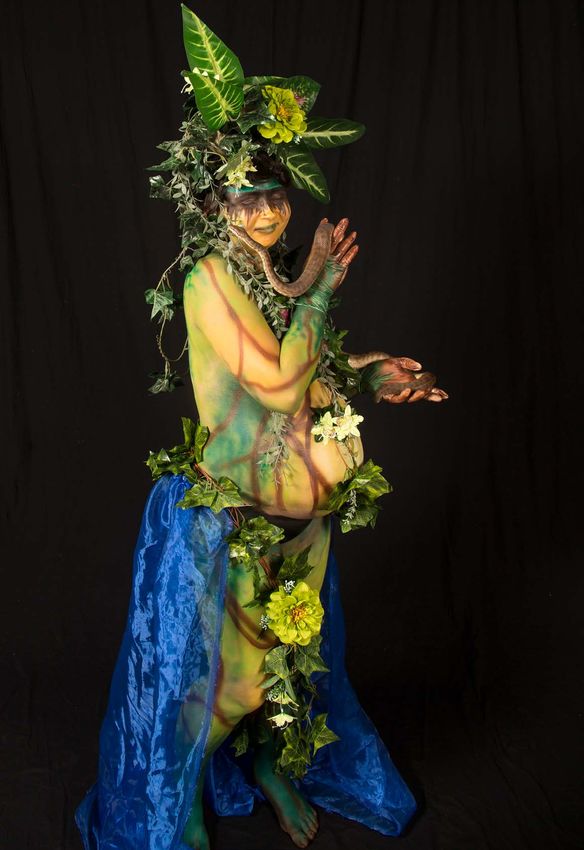
Sandra Temple Earth Mother, 2017,
body paint on model. Photography
by Natator Photography, model
Nadya Neklioudova.
CONTENTS

What is the Regional Arts Development Fund (RADF)?                                           4

How does RADF operate?                                                                       6

What are the acknowledgment, reporting and acquittal processes?                              6

What are the roles and responsibilities of the partners?                                     6

What are our social justice considerations?                                                  7

What are the four categories of funding?                                                     7

What are the eligibility requirements?                                                       8

What does RADF not support?                                                                  8

What legal considerations should you be aware of?                                            9

  Radha Pedersen working at DAP Jewellery School, 2017.                     Radha Pedersen, Ocean, 2017, silver.

                                                    REGIONAL ARTS DEVELOPMENT FUND (RADF) LOGAN GUIDELINES FOR APPLICANTS   3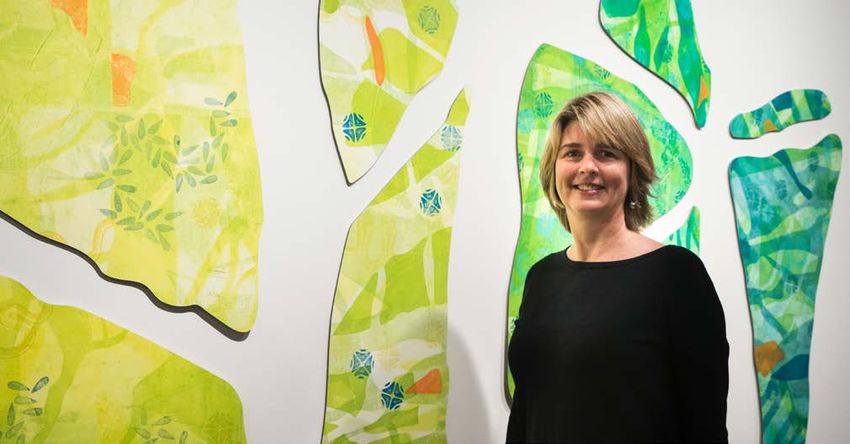
WHAT IS THE REGIONAL ARTS                                                       RADF objectives
    DEVELOPMENT FUND (RADF)?                                                        The objectives for RADF 2020-2021 are to:

    The RADF is a partnership between state and local                               1. Support local artists and arts and cultural activity to deliver
    governments which invests in quality arts and cultural                             value for local communities
    experiences across Queensland based on locally                                  2. Provide opportunities for local communities to participate
    determined priorities.                                                             in arts and cultural activities
                                                                                    3. Invest in locally-determined priorities delivered through arts
    RADF 2020-2021 promotes the role and value of arts,
                                                                                       and cultural activity
    culture and heritage as key drivers to: support diversity
                                                                                    4. Contribute towards current government priorities
    and inclusivity; grow strong regions; and provide training,
    education and employment opportunities for Queensland
                                                                                    Assessment criteria
    artists and local communities.
                                                                                    Information provided by applicants need to:
    For further information on RADF please contact
    Logan City Council on 3412 3412 or                                              • meet the criteria of quality, reach, impact and viability as
    visit: logan.qld.gov.au/RADF.                                                      published on Arts Queensland website:
    For information on other Arts Queensland programs and                              arts.qld.gov.au/regional-arts-development-fund
    opportunities please visit: arts.qld.gov.au.                                    • comply with local RADF grant program guidelines
                                                                                    • align to the identified arts and cultural priorities in Creative
                                                                                       city: Logan City Council Arts, Culture and Heritage
                                                                                       Strategy 2018-2022 of development, engagement, places
                                                                                       and spaces, partnerships and communication.

    Rachael Lee, installation Envisage - unseen rhythms, 2018, Logan Art Gallery.

4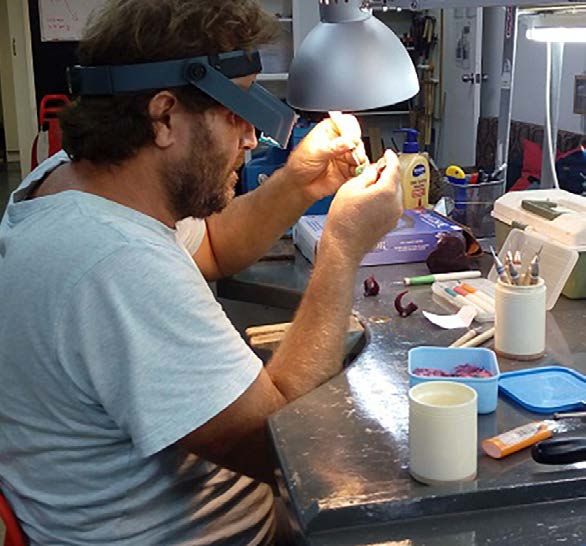
Allen ‘Onesian’ Vili’, Te Iwa O Mata Ariki, 2018, digitally manipulated
                                                             REGIONAL image
                                                                        ARTS DEVELOPMENT    āhau (I(RADF)
                                                                             from He kākano FUND    am a seed)
                                                                                                          LOGANproject.
                                                                                                                  GUIDELINES FOR APPLICANTS   5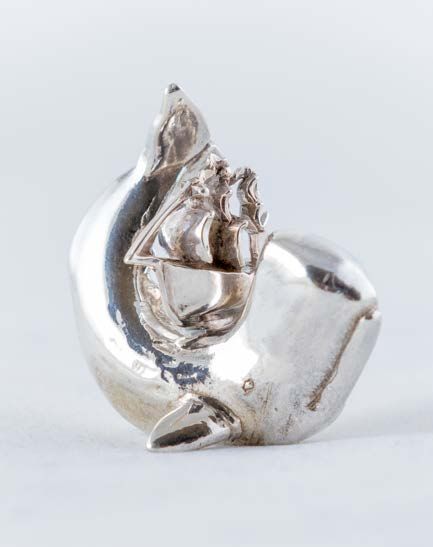
HOW DOES RADF OPERATE?                                               RADF 2020-2021 funded activities must acknowledge the
                                                                         Queensland Government and the Council in all promotional
    Arts Queensland manages the RADF Program by means of                 material, publications and products by inclusion of the RADF
    an annual budget for allocations to individual councils and          2020-2021 acknowledgment text and logos.
    infrastructure support for local councils in their administration
    of the Program.                                                      Acknowledgement text for RADF
    Each council has a nominated RADF Liaison Officer and                2020-2021
    a RADF Committee that is culturally and geographically               The Regional Arts Development Fund is a partnership between the
    representative of the community.                                     Queensland Government and Logan City Council to support local
                                                                         arts and culture in regional Queensland.

    Councils bid annually to Arts Queensland for an allocation
                                                                         You can download the Queensland Government logo and
    of funds. Councils prepare a funding bid to Arts Queensland
                                                                         style guide at:
    based on consultation with their community. This annual bid
                                                                         arts.qld.gov.au/aq-funding/acknowledgement.
    is ratified by Council.
                                                                         The Logan City Council logo and RADF outcome report will
    Arts Queensland and individual local councils contribute
                                                                         be included electronically in the successful applicant’s RADF
    funds to support the local RADF grant program.
                                                                         pack.
    Grant rounds and their closing dates are advertised on Logan
    City Council’s website. There are generally two grant rounds         WHAT ARE THE ROLES AND
    per year subject to funding availability.
                                                                         RESPONSIBILITIES OF THE
    The RADF Committee assesses individual RADF applications
                                                                         PARTNERS?
    against Council’s corporate plan; Arts Culture and Heritage
    Strategy; and the RADF Guidelines to recommend                       Arts Queensland’s role in the RADF Program is to:
    applicants for funding. The RADF Liaison Officer presents the
                                                                         • provide liaison and advisory services and to support
    recommendations to Council ‘s representative, the Libraries
                                                                            councils in shaping arts and cultural activity that meet the
    and Creative Industries Manager, for ratification.
                                                                            needs and aspirations of their local communities.
    Recommendations made by the Committee can be
                                                                         Councils’ role in the RADF Program is to:
    overturned if the application is ineligible under the Guidelines,
    are not in line with Council’s cultural policy, or interferes with   • nominate a staff member as a RADF Liaison Officer
    Council initiatives that are already in progress.                       to support the RADF Committee and the local RADF
                                                                            Program
    WHAT ARE THE ACKNOWLEDGMENT,                                         • ensure council’s Arts, Culture and Heritage Strategy and
                                                                            Cultural Development Policy includes RADF
    REPORTING AND ACQUITTAL                                              • advocate that arts and culture are included in council’s
    PROCESSES?                                                              corporate plan
                                                                         • establish and manage the RADF Committee and cover its
    All RADF 2020-2021 funded activities are required to
                                                                            operational expenses
    complete a Project Outcome Report. The Project Outcome
                                                                         • ensure that RADF grants are allocated according to the
    Report includes information about the success of your
                                                                            funding criteria in the Guidelines
    project, budget and support material which are required to
                                                                         • bid for funds and report funding outcomes to Arts
    be submitted to Logan City Council within 8 weeks of the
                                                                            Queensland
    completion of your project.
                                                                         • promote the RADF Program locally
    Successful RADF applicants will be required to provide               • operate within the Local Government Act, 2009
    promotional images of the RADF activity for use by the State
    Government and Logan City Council.

6
WHAT ARE OUR SOCIAL JUSTICE 2. Cultural tourism/creative project
CONSIDERATIONS? Use this category if you need support for:
The RADF Committee considers the social justice A project or activity that focuses on Logan’s locally distinct
implications of its decisions. Aboriginal people, Torres Strait arts, culture and/or heritage both for members of that
Islanders, Australian South Sea Islanders, people from community and for visitors.
culturally and linguistically diverse backgrounds (CALD), older
people, young people and people with disabilities are among or
the groups that may need help to make their participation in
Preservation and/or to improve access to locally held
arts activities possible.
collections of significance, and/or to collect and tell local
stories from the past and the present of significance to
WHAT ARE THE FOUR CATEGORIES OF Logan.
FUNDING? RADF grants can support initiatives and activities that focus
on:
There are four categories of funding available for individuals,
groups or council: product development by professional artists, either as
individuals or in partnership with individual community
1. Skills development members or community groups.
Use this category if you are: • community stories which can be documented in a variety
of forms and mediums including plays, videos, artwork,
An individual professional arts, culture or heritage worker
digital exhibitions, education programs, oral histories and
living in Logan to attend professional development seminars
publications
or activities, master classes, mentorships with recognised
• community organisations such as historical societies,
arts and cultural peers, and placements with recognised arts
museums, libraries, archives, galleries, Indigenous and
and cultural organisations.
migrant community groups which collect and provide
or public access to their cultural heritage collections are
eligible to apply
A Logan based community group who wants to engage
• marketing of professional artistic product
a professional arts, culture or heritage worker to work
with them to develop their arts practice; or, to run arts
3. Regional partnerships
development workshops or community projects, including
documentation, preservation, interpretation and collection Use this category if you need support:
management training.
For innovative arts projects where artists, communities and
RADF grants can support: councils work together in their community, or in partnership
with another community, to achieve enhanced outcomes
• Intrastate and interstate activities (Arts Queensland’s
from RADF grants.
Individuals Fund supports international activities including
overseas travel). RADF grants will support projects that can demonstrate a
• Travel, accommodation and fees associated with partnership between:
employing professional artists or artsworkers to work on
• artists and local industry
community projects or workshops in the local community.
• artists and community arts organisations
• Assistance for up to 65 per cent of the total costs for
• artists and non-arts community organisations
travel.
REGIONAL ARTS DEVELOPMENT FUND (RADF) LOGAN GUIDELINES FOR APPLICANTS 74. Strategic initiative WHAT DOES RADF NOT SUPPORT?
These are Council-led arts related projects that deliver on the The following categories of individuals and organisations are
current Creative city: Logan City Council Arts, Culture and not eligible for funding through the RADF Program:
Heritage Strategy 2018-2022 actions. Only Council is eligible
to apply under this category for up to two out-of-round • Amateur arts activities except for professional services
initiatives per financial year. to amateur arts activity. One of the main RADF aims is to
develop professional artists in the regions. Note: Emerging
professional artists are eligible for funding.
WHAT ARE THE ELIGIBILITY • Artists or artsworkers who do not have an Australian
REQUIREMENTS? Business Number (ABN).
• Applicants who submit unsigned applications.
The following categories of individuals and organisations can
• Applicants who have failed to acquit previous RADF
apply for a RADF grant:
grants.
• Individual professional artists, artsworkers, cultural workers • Projects for which artsworkers are paid less than the
or project coordinators who: recommended rates.
» are based in the local council area, or if based outside • Activities that commence before Council approval is given.
the local council area are able to demonstrate how the RADF should not be used as a ‘top-up’ fund.
project will directly benefit arts and culture in the local • Craft workshops — unless a professional artist or
council area. artsworker is employed to work with a craft group to apply
» are permanent residents or Australian citizens. their skills in an innovative way to an arts development
» have an Australian Business Number (ABN). outcome.
• Partnerships, Collectives, Artist Run Initiatives or • Murals — funding is available for murals from other
Incorporated organisations based in the local council area, government sources as part of anti-graffiti programs.
or those based outside the local council area that are able RADF grants can only be allocated to murals that adhere
to demonstrate how the project will directly benefit arts to the RADF objectives, assessment criteria and eligibility
and culture in the local council area requirements.
• School arts activities except where those activities
Applications must be completed on the application form form part of broader community cultural development
and submitted by the due date. Late applications will not be processes or are part of professional arts development.
considered. • Framing or freight — up to 50 per cent of these costs can
be covered as part of presentation costs for significant
For all categories, an amount of $8,000 per applicant is the
exhibitions.
maximum level of funding that can be awarded.
• Competitions — they are prolific and could monopolise
All applicants must: funds. The competitive environment does not necessarily
nurture emerging artists, as there is generally only one
• Discuss their project with the Logan RADF Liaison Officer
winner.
prior to submitting their application.
• Eisteddfods — they are essentially amateur competitions.
• Link their application to Creative city: Logan City Council’s
Arts, Culture and Heritage Strategy 2018-2022. • Summer/Winter schools — councils should not support
• Not have requested or received any sponsorship or more than two places per annum.
funding from Logan City Council for a project or activity for • Publishing costs — requests for grants to publish books
which they are seeking RADF support. should be directed to organisations that provide print-
• Successful applicants are eligible to reapply for funding on-demand services. A small proportion of printing costs
two years after their Outcome Report has been received are eligible as part of the presentation costs for significant
and the grant is successfully acquitted. This will provide projects. As a guide only, 10% of the total publishing costs
opportunities for new applicants to access funds. would be considered a small proportion.
8• Purchase of capital items, e.g. equipment, buildings
WHAT LEGAL CONSIDERATIONS
or vehicles. RADF gives artists and organisations
opportunities for employment, professional development SHOULD YOU BE AWARE OF?
and a chance to practise their art. Buying capital items
does not necessarily lead to these outcomes. Exception: Right to Information (RTI)
Capital items can be funded only when they are included Previously known as Freedom of Information (FOI) on 1 July
as part of a project application and the RADF Committee 2009 the Freedom of Information Act 1992 was replaced by
considers the purchase integral to that project; and where two pieces of legislation: the Right to Information Act 2009
the item will remain available for community use. (RTI) and the Information Privacy Act 2009 (IP). The RTI deals
• Recurrent funding for arts organisations — operational with applications for non-personal information IP deals with
expenses are ineligible under RADF including wages for requests for personal information; amendments of personal
permanent staff and office expenses. information.
• Accredited study, training or university courses — RADF
does not fund the primary training of artists, only their The RTI is the Queensland Government’s approach to giving
professional development once they are practicing. the community greater access to information held by the
• RADF does not support 100% of any project. Applicants Government, unless on balance it is contrary to the public
are required to make a significant contribution which may interest to provide that information. Also, the RTI aims to
be in-kind. make more information available, provide equal access to
information across all sectors of the community and provide
Please contact the local RADF Liaison Officer if you require: appropriate protection for individual privacy. For more
• examples of the types of projects that are eligible for background information about the Government’s approach
funding through the RADF Program and details about the legislation, please visit: rti.qld.gov.au.
• definitions used for the RADF Program
• assistance with your application
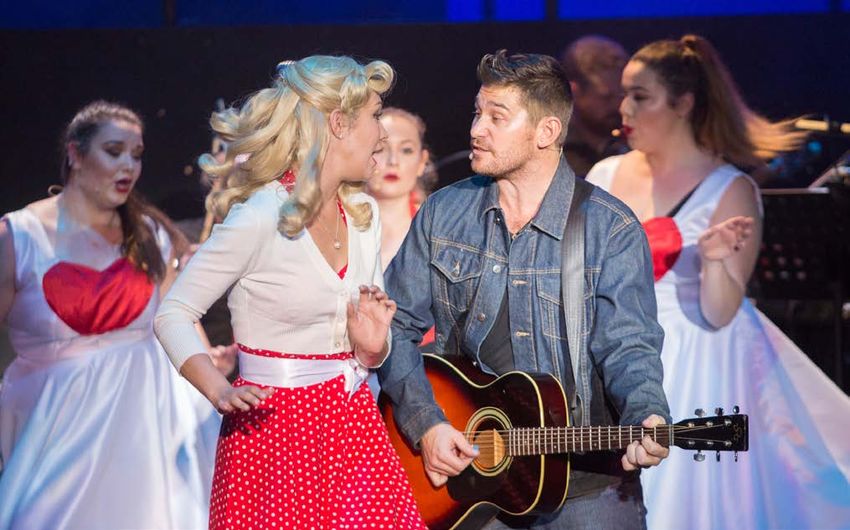
Footlights Theatrical Inc., Billy Buckett - a rock ‘n’ roll love story, 2018, Logan Entertainment Centre. Photography by Vincent Swift Photography.
REGIONAL ARTS DEVELOPMENT FUND (RADF) LOGAN GUIDELINES FOR APPLICANTS 9The Regional Arts Development Fund is a partnership between the Queensland Government
and Logan City Council to support local arts and culture in regional Queensland.
logan.qld.gov.au/radfYou can also read


