RESPECT YOUR HEALTH Guide - RESPECT YOUR HEALTH - EUROSCHOOLS 2012 - Yuck Boys Live
←
→
Page content transcription
If your browser does not render page correctly, please read the page content below

RESPECT
YOUR
HEALTH
Guide
RESPECT your Health – Euroschools 2012

                                         1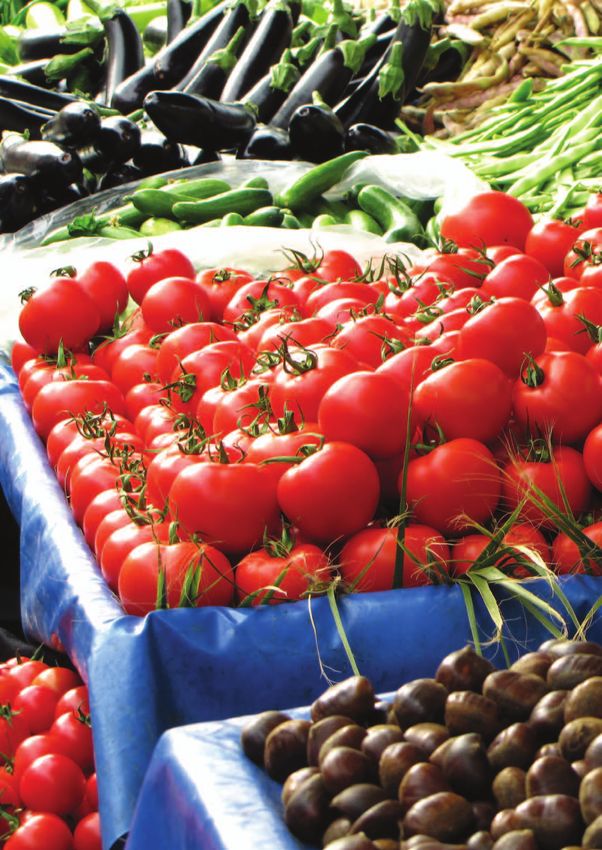
RESPECT your Health
– Euroschools 2012

                                    foreword       5

                            Project Overview       7

                Module 1 – Healthy Lifestyle
                             Physical Activity     9
                               Healthy Eating     15
                                     Tobacco      25
                                     Alcohol      33

                   Module 2 – Our community
                           Community Players      39
                         Community Outreach       43
                         Engaging Volunteers      47

                    Module 3 – Activity Pool
                 How to organize a Tournament     51
                         Football and Fair play   53
                                  Other Sports    59
                               Other Activities   61

                        Monitor your Activities   64
                                       Partners   66
               UEFA EURO 2012 Respect programs    67

                                                   3
foreword

                                                                                                            Dear Friends,

                                                                                                            We at UEFA strongly believe in the power
                                                                                                            of sport to bring about positive social change.
                                                                                                            The UEFA EURO 2012 presents an exciting
                                                                                                            opportunity for communities across Poland
                                                                                                            and the Ukraine to embrace the spirit of the game
                                                                                                            and, through football, develop society.
                                                                                                            Following the great success of
                                                                                                            EUROSCHOOLS 2008, UEFA is proud to present
                                                                                                            RESPECT your Health – Euroschools 2012,
                                                                                                            the official community health education program
                                                                                                            of the UEFA EURO 2012. It will contribute to
                                                                                                            strengthening local communities and improving
                                                                                                            health literacy levels in Poland and the Ukraine.
                                                                                                            Members of every community in and around the
                                                                                                            eight host cities in Poland and the Ukraine will be
                                                                                                            able to participate in a wide range of activities in
                                                                                                            this unique project. RESPECT your Health offers
                                                                                                            something for everyone; young or old,
                                                                                                            male or female, with or without disabilities,
                                                                                                            we encourage you all to get involved.
                                                                                                            Together we can make the first European
                                                                                                            Championship in Eastern Europe a success
                                                                                                            —one that goes beyond the football pitch

    “I joined RESPECT your Health                                                                           and has a lasting, positive effect on our
                                                                                                            proud host countries and their citizens.

           - Euroschools 2012                                                                               We wish all our participants
                                                                                                            a wonderful time with RESPECT your Health!

     because I strongly believe in                                                                          Your Michel Platini

 the power of sport to bridge divides,                                                                      UEFA President

  mobilize communities and improve
health. Table tennis changed my life—
         what’s your passion?ˮ             Natalia Partyka,
       Polish table tennis player, four-time Olympic medallist, RESPECT your Health ambassador

                                                                                                                                                                   5
Project Overview

                                          Citizens of Poland and Ukraine!
                                          The 14th European Championship and first ever to                       Lots of little people
                                          be held on eastern European soil – UEFA EURO 2012 -
                                          will set a benchmark for all future championships.                         doing lots of
                                          You are in the unique position of being pioneers,
                                          ready to show the world your enthusiasm for                           little things in lots of
                                          the game and your passion for your home countries.
                                          We urge you to use the full potential of the world`s                     little places can
                                          most popular sport to bring about social change
                                          in your communities. Integration, education, gender                   change the way we live
                                          equality, anti-racism or health –
                                          football can address anything.                                          together on earth.
                                          RESPECT your Health – Euroschools 2012                               How to use this guide
                                          is YOUR official community health education program for              The RESPECT your Health guide contains three different modules.
                                          the UEFA EURO 2012. It focuses on smoking prevention, healthy        Healthy Lifestyle – Our Community – Activity Pool
                                          eating, responsible alcohol consumption and physical activity
                                          among young people and their parents. Over the coming year, all      Healthy Lifestyle focuses on physical activity, healthy eating,
                                          eight host cities in Poland and Ukraine are encouraged to partici-   tobacco and alcohol.
                                          pate and get their communities moving and ready for
                                          the big Championship.                                                Our Community gives guidance on community-related topics,
                                                                                                               such as “Who is part of my community?”, “How can I reach
                                          Our Vision, our Goals                                                community members?” and “How can I engage volunteers?”
                                          RESPECT your Health – Euroschools 2012 envisages…
                                          …an increase in health literacy levels                               Finally, the Activity Pool provides you with a variety of activi-
                                          …a positive change in lifestyles                                     ties and ideas on how to get your community moving. It shows
                                          …an increase in community involvement in social activities           you how to organize tournaments, teaches you a way of playing
                                          …a wider range of citizens playing sport and using local sports      football that emphasizes fair play (Football3) and proves that
                                          facilities, thanks to a greater sense of community ownership         health issues can be tackled by mobilizing your community.

                                          RESPECT your Health – what is happening?                             When going through the sections you will realize
                                          We invite all interested communities within the eight host cities    that each of them contains:
                                          in Poland and Ukraine to take part in this exciting program.         …Background information and key facts
                                          A Community Liaison Officer in each host city will be support-       …Practical tips and hints
                                          ing local institutions, such as schools, Orliks (Polish community    …Ideas for games and activities and
                                          sports grounds built as part of UEFA EURO 2012), youth clubs         …Links to further information
                                          and NGOs to broaden their existing programs in order to engage       When delivering exercises you may find it useful
                                          more community members and promote healthy living.                   to have a copy of this guide to hand…
                                          Special train-the-trainer workshops will be offered to those

                                  ь
                                          working in the communities to acquire the necessary knowledge        Now it is time to become active! And remember: Through your
                                          and skills to meet our ambitious goals.                              extraordinary engagement you can help your community to
  GDANSK                                  This guide was developed to provide teachers, coaches, anima-        stand out and qualify for the RESPECT your Health youth football
       WARSAW                             tors (widening participation officers working at Orliks), parents    tournament!
                                          and community leaders, with a wide range of ideas on how to
POZNAN                                    engage their communities in common activities, to have fun           Your RESPECT your Health Team
                                          together and to promote healthy living. The guide was also de-
    WROCLAW                               veloped for YOU – so what are you waiting for?
                       KYIV               We ask each community to organize regular events and work-
                LVIV            KHARKIV   shops on health-related issues. Take a look at the guide for some
                                          inspiration!
                              DONETSK     As a special incentive, those communities that prove to be most
                                          active and creative and that succeeded in mobilizing a wide
                                          range of community members will qualify for the RESPECT your

п                                         Health youth football tournament in summer 2012!

                                          So get inspired and get active!

                                                                                                                                                                                   7
“I love life and do my best to prevent Healthy Lifestyle
premature aging. Moreover I´m a Physical Activity
fashionable woman, so I look for trends
and my favorite is a healthy lifestyle.
Exercise, eating with dignity and
taking care of your own health Levels of physical activity across Europe have
“Sport
– these are the trends which one
started to decrease in recent years. The joint host
countries of UEFA EURO 2012 – Poland and Ukraine –
is a preserver
should stick to for more than a season.”
are no exception to this. The aim of this section is to
give you information on the importance of physical
Olga Freimut,
activity among young people, their friends and fami- of health.”
Ukrainian television presenter, journalist and model; RESPECT your Health ambassador
lies in order to support them to become more active Hippokrates
and thus to live a healthier life.
This section will provide you with...
1. Information on physical activity and inactivity
2. Information on the links between increased physical activity
Healthy Lifestyle
and improved health
3. Tips and exercises to help increase levels of physical activity
The basics – What is physical activity?
Physical activity is any movement that raises your heart rate. It
can be vigorous (e.g., sports such as football, basketball or
handball), moderate (e.g., brisk walking or jogging) or light
(e.g., yoga or slow walking).
Playing sport on a regular basis and adopting a physically active
lifestyle, through walking or cycling to school, for example, are
crucial for health and academic performance, as well as being
great ways of having fun with friends and family. Unfortunately,
around the age of 16 activity levels often start to decline. If Get moving!
physical activity is integrated into everyday life, however, it can 1. Playing together!
have a very positive impact on health. Playing games or sports with friends and family is one of
Activity used to be part of everyday life. In the 21st Century, the best ways of encouraging each other to stay physically
however, technology has led to a decrease in activity levels: active. For some family members this may be more difficult,
• People use the car, bus or train to get to school or work so encourage them to start with some short-term goals and
instead of walking or cycling to build these up as time goes on. In the winter months see
• People use elevators or escalators instead of taking the stairs what indoor facilities are available in your local community.
• People spend increasing amounts of time in front of the For more ideas, take a look at the Activity Pool.
television and the computer 2. Finding the perfect sport!
• Parents are more concerned about letting their children play Offer lots of different activities to help your participants find
outside due to the risk of road traffic, and stranger danger. the sport of their choice. Use the physical activity diary in
exercise 2 below to help them identify the activities they have
Benefits of an active lifestyle enjoyed most. Don’t worry, there is a suitable
To understand the benefits of leading an active lifestyle, it is sport for everyone!
useful for both children and their parents to be aware of the 3. Using every moment!
following facts: Encourage your participants to build physical activity into
?
A physically active lifestyle can help improve both your short and their daily routine. Suggest walking or cycling to school, uni-
did long-term health because it: versity, the workplace or even the shops whenever possible.
• Reduces the risk of heart disease, diabetes and certain Using stairs instead of the elevator is a small step in the right
you cancers (most commonly breast and bowel) direction!
know… • Improves cardiovascular and muscular fitness
• Helps build stronger bones, reducing the risk of bone Safety first!
fractures and osteoporosis (especially among females) Make sure your participants know the following rules:
Young adults in the Ukraine (18-29 years) • Helps prevent obesity and excess weight • Drink plenty of water. See the notes on hydration in the
are among the most inactive group within In addition, a physically active lifestyle can also help improve Healthy Eating section of this guide
the Europe and Central Asia region, while general wellbeing because it: • Take it slowly. Build activity sessions up weekly, not daily
66% of Polish citizens NEVER play sport! • Increases energy levels, improves sleep and adds fun to the day • Allow your body to warm up and take some time after
Let’s use UEFA EURO 2012 to become more • Reduces symptoms of stress, anxiety and depression activity to cool down
active than ever! • Leads to better concentration at school and can improve • Remember to stretch before and after every workout
Source: Eurobarometer Special Report on Sport and Physical Activity,
academic performance • Wear comfortable clothing
2010 Health and Demography Report 2010, World Bank
• Improves self-confidence • Let a member of your family know where you
• Helps people find new friends are going at all times
9
Exercises
01. H-O-R-S-E
(but we’ve called it B-U-R-G-E-R) 02. Know your body Short Term Goal: → 60 minutes activity per day 03. Physical activity diary
H-O-R-S-E (or B-U-R-G-E-R as we’ve renamed it) Key message Key message
Day Activity Intensity Time Spent on Activity
is a warm-up game used by basketball players and footballers. It is important for all participants to understand the health Young people should do at least 60 minutes of moderate physical
It’s for two or more people. benefits of regular physical activity. This session will help the 01. eg. activity every day and at least another 20 minutes vigorous
Walked to school low 10 min.
Equipment participants understand what happens to our bodies during a Football training vigorous 60 min.
activity three times a week. This does not need to be in one
Basketball or soccer ball training session. Cycle Ride medium 30 min. session - it could be in small 10 minute bursts.
Instructions Equipment Equipment
In B-U-R-G-E-R, each letter represents one life. Football or basketball; Stop watch 02. Flip chart or clipboard with paper and pen
The first player to spell out the word B-U-R-G-E-R loses. Instructions Copies of activity diaries
Player #1 is allowed to shoot from anywhere on the court. Before you start Instructions
If he/she scores, player #2 must repeat the shot from the same Ask the group how they feel before you start. Print out the physical activity diary below and ask the
Healthy Lifestyle
position. If player #2 misses, he/she receives the first letter of Get them to consider how warm they are, 03. participants to keep a record of their daily activity for
whatever word you’ve chosen (in the case of B-U-R-G-E-R, player their breathing rate, and get them to take their pulse. the next week.
#2 would receive the letter “B”). If player #2 also scores, This is how to measure a pulse: Before handing out the activity diary
no letter is given to either player. Player #1 then gets the ball Gently place 2 fingers on the inside of your wrist. Do not use use your flip chart to discuss:
back and he/she can select a new spot to shoot from. your thumb because it has its own pulse that you may feel. 04. What types of activities are your participants usually involved in?
If player #1 misses his original shot, then player#2 is free to Count the beats for 30 seconds; then double the result What could be added to the list of activities? Share ideas.
shoot from anywhere on the court and play proceeds as before: to get the number of beats per minute (bpm). What keeps them from being more active (e.g. time, money,
if he/she scores, it forces the next player to try and repeat this The usual resting pulse is about 75-85 bpm. parents, opportunities, equipment)?
shot. The game can be played with two or more players. For older participants, depending upon their health and 05. At the end of week one ask each young person
The first player to spell out B-U-R-G-E-R loses. level of fitness, their approximate resting pulse rate to present their activity diaries and discuss:
♻ Alternatives
Play the game with ANY other word that is associated
with an unhealthy lifestyle, such as coke or fries.
will be anywhere between 60-80 bpm.
Warm up
Make sure to have the group warm up and stretch. 06.
What did they do? Were they active enough? (60 min/day)
What other activities would have been fun to do?
As they are doing this, explain the importance of these
exercises. Ask the group how they are feeling – are they
breathing more heavily, are they getting warmer,
are there any other differences they have noticed? 07.
During training
?
After a 30 minute training session ask the group how they
are feeling. Get them to measure their pulse rates again. did
?
Explain why it differs from the first time they measured it. you
did Cool down
know…
you Make sure to take at least another 15 minutes for the cool down
and stretching. As the group cools down discuss again what is Tips and hints
know… happening to their bodies. At the end of the session get
everybody to retake their pulse – is it back to normal? Set a physical activity challenge for teams or individuals Health and wellbeing are substantially
Cardiovascular disease, including heart
disease and stroke, is the single most
♻ Alternatives
This game can be played in
basketball training or track and field practice.
to try and encourage participants to keep their diary ‘on
track’. Do the physical activity diary at least twice over the
course of the year and select:
enhanced by frequent physical activity.
Add healthy eating to the equation and
the benefits are even more significant.
common cause of death in Eastern Europe. The most valuable player(s): the most active individual or So remember:
In Ukraine, for example, the death rate team
from heart disease is 14 times higher for
men, and 25 times higher for women
than it is in France.
In Poland, meanwhile, the likelihood of
+
a heart attack for men aged 35 to 64 living
in Warsaw is nearly three times higher
than for men living in Catalonia; for women,
the risk is nearly four times greater.
One way to reduce the risk of Tips and hints
cardiovascular disease is an active lifestyle.
For further tips on staying healthy, visit: Remember that you can ask participants to measure their
www.worldheart.org own (or other’s) pulses during any activity. It can also be a = healthy living3
Source: World Heart Federation, 2011 (Health Partner of UEFA’s Football and Social nice icebreaker to allow new groups to get to know each
Responsibility Portfolio)
other.
11
Exercises
Round 1
04. The physical activity
challenge
Some ideas for keeping
children active
True or false?
1. It is important to make sure you go through a full warm up and
stretching routine before taking part in sport and training sessions.
Key message Below you can find a list of ideas to help kids and their families TRUE – A full warm up is needed to prepare the body for vigorous
Get young people to think about why they are not more active become more active! Coaches can print this out as reminder physical activity and will help prevent injury, increase agility and men-
tally prepare for a session.
and share ideas on how to incorporate activity into everyday life. for participants that there is always something to do. 2. Regular physical activity can reduce your chances of getting heart
Equipment On a budget disease.
TRUE – Being physically active is a great way of reducing your chances
Football or any large ball Make an obstacle course – indoors or out. of heart disease, but make sure you try to eat more healthily and don’t
Flip Chart or clipboard with paper and pen Jump over jumpers and zigzag around shoes. smoke.
3. Most people get enough physical activity from their normal daily
Instructions Get a couple of yo-yos for the kids to keep in their pockets routine.
Round 1 to use when they’re standing about. FALSE – although some people may be able to achieve this, many
people across Europe are falling well short of five 30 minute sessions of
Get the young people to stand in a circle and pass the ball Get skipping ropes – they are cheap and can be great exercise. physical activity per week.
around the circle. Hide and seek – it’s free and fun.
Healthy Lifestyle
4. You don’t have to train like a marathon runner to become more
The first person passes the ball to the person on their left and 15 minute fun physically fit.
TRUE – there are lots of sports and recreational activities you can
then runs around the outside of the circle until they return to Play hopscotch outside. choose to get fit and healthy – just make sure you do them on a regular
their starting position. At the same time the ball continues to be Make up a dance routine to a song. basis.
5. People who need to lose some weight are the only ones who will
passed left around the circle until it reaches its starting point Start a hula-hoop competition - how long can they keep it going for? benefit from regular physical activity.
– what was faster the ball or the runner? Grab a broom or stick and have a go at limbo - how low can they go? FALSE – Everybody can benefit from regular physical activity, not just
the overweight.
When the runner returns to his/her starting point they have until Play catch with a ball. 6. All exercises give you the same benefits.
the ball returns to shout out a reason/excuse as to why they On grass, see how many times you can leap frog over each other. FALSE – You should try to mix up the types of exercise between ones
that promote moderate or vigorous exertion, as well as activities that
are inactive (e.g. lack of time, lack of equipment, parents won’t Starjumps - see who can do the most in a minute; the winner strengthen bones and increase flexibility.
let them play out, they travel by car, there are no local activity gets to choose what to play next. 7. It doesn’t take a lot of money or expensive equipment to become
physically fit.
groups). See if they can hop on the spot for 10 minutes. TRUE – It costs hardly any money at all to undertake activities such as
The coach writes this on the flip chart or clipboard, thereby com- Have a race to see which kid can change their outfit the quickest. brisk walking, jogging, hiking, gardening and dancing.
piling an ‘Excuses List’. All-day activities 8. Physical activity can help to reduce levels of stress and tension.
TRUE – It has been proven that regular physical activity is a great way
The exercise is then repeated by the next person in the circle and Get on your bikes! Taking the kids on a bike ride is heaps of improving mood and reducing stress.
this continues until all the group have made the run and given an of fun and gives the heart and lungs a good work-out, too . 9. Exercising once or twice a week is enough to keep children healthy.
FALSE – Children need to take at least 60 minutes moderate exercise
excuse! Go on a treasure hunt. Plan a route and take clues with you for each day with another 20 minutes vigorous activity 3 times a week.
How many excuses can the group come up with? Discuss these the kids to guess and get them to lead you to the next stop. 10. Physical activity can help to reduce cardiovascular disease risk fac-
tors such as high blood pressure and cholesterol.
Round 2 excuses with the group, and make sure that for every excuse the You could go via the playground or café. TRUE – Physical activity lowers heart disease risk in people who have
group comes up with you have solutions to overcome them. For more ideas take a look at the Activity Pool. high blood pressure and/or high levels of cholesterol.
11. Increasing levels of physical activity have no impact on diseases
Whatever the weather – ideas for wind, rain and snow such as type 2 diabetes and osteoporosis.
Round 2 When it’s windy, fly a kite. FALSE – In fact, being physically active is a great way of avoiding
The exercise is then repeated, this time passing and running to Catch the leaves – first one to 20 wins. diseases like type 2 diabetes, and is especially important in preventing
women from developing osteoporosis.
the right. Run against the wind. 12. Running a 100m race is an example of aerobic exercise.
Instead of coming up with excuses, this time participants must Have a snowball match. FALSE – Running fast over a short distance is, in fact, an example of
anaerobic exercise.
shout out a type of physical activity (e.g. walking, bike riding, jog- Make a snowman or giant snowball. 13. Once you reach retirement, there is no real point in staying fit and
ging, housework, dancing, football, gardening). active – true or false?
FALSE - Older people can achieve significant fitness and wellbeing
The coach again writes these on an “Activity List”. benefits, and avoid health problems through regular physical activity.
♻ Alternatives
Play this game by getting participants to call out
healthy/unhealthy foods, or the consequences of drinking alco-
14. Energy drinks are a great way of giving you extra energy for sports
and exercise.
FALSE – As well as being full of sugar, energy drinks can put additional
stress on the heart while training.
hol/smoking etc. 15. Drinking alcohol the night before training won’t have any effect on
performance.
FALSE – Drinking the night before training or playing sport can seri-
ously impair performance.
16. Once you have finished a training session, you should spend at least
10 minutes cooling down
TRUE – It is very important to follow a structured cool down after
training including gentle exercising, stretching and re-fuelling with fluids
and foods.
17. Being physically active can help to improve concentration and
performance at school.
TRUE – Regular exercise is shown to improve concentration.
18. Steady swimming for an hour can help burn up to 750 calories in
men and 600 calories in women.
TRUE – Swimming is a great way to stay fit and burn calories whilst it is
a great ‘non-impact’ sport to undertake if you are getting over an injury.
19. Your diet won’t have any effect upon you’re your ability to train and
improve fitness
FALSE – A healthy diet is important to maintain and improve levels of
fitness – you can’t substitute one for the other!
20. Exercising outside is a great way of maintaining levels of vitamin D.
TRUE – Sunshine is the only completely natural source of vitamin D
and, along with diet and exercise, has emerged as one of the most
important preventive factors in human health.
13
Healthy Lifestyle
                                             Healthy Eating

                                             Children and adults from many European countries
                                             eat larger portions of food and meals which                            “The wise man should
                                             contain higher levels of saturated fats,
                                             salt and sugar. Therefore, the topics of                               consider that health
                                             healthy eating and addressing levels of obesity
                                             have become big issues for society in recent years.                       is the greatest
                                             This is no exception in the UEFA EURO 2012
                                             host countries of Poland and Ukraine.                                   of human blessings.
                                             The aim of this section is to provide you
                                             with simple information to allow you to discuss                     Let food be your medicine.”
                                             the topic of healthy eating with the young people                                                 Hippokrates
                                             you are coaching and their families.

                                                                                                                                                                                         Healthy Lifestyle
                                             This section will provide you with...
                                             1. Information on healthy eating as a basis for discussions with
                                                the participants
                                             2. Interactive exercises to help children and young people under-
                                                stand the key issues around healthy eating

                                               Tips and hints
                                                                                                                 The Basics - What’s the point in eating healthily?
                                               When you talk to participants about healthy eating,               Between age one and adolescence, children grow an average of
                                               remember to use the practical tips below that cover               nearly 7 cm per year. Growing bones and muscles require proper
                                               the basics of healthy eating...                                   nutrition to reach their full potential. Children who get plenty of
                                               1. Gimme five! Eat 5 servings of fruits and vegetables a          exercise and eat a well-balanced diet are better able to perform
                                                  day. Ask the group to talk about their favourite fruits and    and concentrate at school, at sport and at home.
                                                  vegetables and tell them about the “Easy ways to 5 a
                                                  day” (see below).                                              A healthy diet is essential for everyone,
                                               2. Base meals on starchy foods. At least half the                 especially children, as it helps with:
                                                  calories in the diet should come from carbohydrate-rich        • Maintaining a healthy weight. A child who is obese be-

                                    ?
                                                  foods, so it is a good idea to include at least one of these      tween the ages of 10 and 13 is 80% more likely to be obese in
did                                               at every meal. Ask the group what each of the children            adulthood. Healthy eating and exercise lowers the chance of
                                                  had for their dinner the day before, and where their car-         being overweight and therefore protects a child’s health from
you                                               bohydrates came from – encouraging them to eat brown              many conditions including heart disease, asthma and Type 2
know…                                             rice, whole-grain bread, wholemeal pasta is a good way            diabetes.
                                                  of getting more fibre into them.                               • Reducing the risk of heart disease. A diet high in satu-
                                               3. Too much saturated fat is not good for your                       rated fat increases the risk of heart disease and stroke. It is
Too much salt can lead to raised blood            health. Eating too many foods that contain saturated              estimated to cause about 31% of coronary heart disease and
pressure which can put people at risk             fats (nearly all animal fats) is not good for your body.          11% of strokes worldwide.
of heart disease and stroke. Still, many          Take a look at the “Did you know” box on bad and good          • Brain development and learning. Dairy products, fresh
people are currently eating too much salt.        fats above and ask the group about their favourite foods.         fruits, leafy green vegetables, fish, nuts and lean meats can
To cut down salt intake, people should            Try to recognise whether these foods contain mainly               boost brain function and development. Consistent water in-
be aware that 75% of the salt in our diet         “good” or “bad” fats. Point out alternatives to favourite         take also enhances a child’s energy and attention levels.
comes from everyday foods such as bread,          foods that are heavy in saturated fats.                        • Bone development. Calcium intake is very important for
cereals and processed meals. The best way      4. Don’t skip breakfast! After a night’s sleep, energy               teenage bones in order to fully develop and prevent
of reducing the overall salt intake is to         levels are low so it is important to have breakfast. Ask          osteoporosis later in life. Dairy products are an excellent
cut down on processed foods. Try also to          the group what they had for breakfast before the session          source of calcium.
avoid adding salt to foods during prepara-        starts and see how many have eaten breakfast and what          • Muscle development. The consumption of iron is essential
tion or when on the table.                        they have eaten – suggest cereal with semi-skimmed                for gaining muscle mass. Green leafy vegetables such as
                                                  milk, fruit or yoghurt or wholemeal bread.                        spinach, green cabbage, kale and broccoli are an excellent
                                                                                                                    source of iron.
                                                                                                                                                                                    15
?
did
you
know…
that there are different types of fat
– some bad, some good?
Bad fats:
• Saturated (animal) fat is found in foods Supporting young people to develop healthy
such as pies, meat products, sausages, eating habits
cheese, butter, cakes and biscuits. All the food we eat can be divided into five groups:
Good fats: 1. Fruit and vegetables are a vital source of vitamins and
• Unsaturated (vegetable) fats which minerals. It’s advised that we eat at least five portions of fruit
provide us with the essential fatty and vegetables a day. This lowers the risk of heart disease,
acids needed to help us stay healthy. stroke and some cancers. Eating five portions is not as hard as
Oily fish, nuts and seeds, avocados, it might sound (see “Easy ways to your 5 a day”).
olive oils and vegetable oils are 2. Starchy foods such as rice, pasta, bread and potatoes are
sources of unsaturated fat. an important part of a healthy diet. They are a good source of
energy and the main source of a range of nutrients in our diet.
Starchy foods are fuel for your body. You should choose whole
grain where possible, as they contain more fibre and usually
Healthy Lifestyle
more vitamins and minerals than white varieties.
3. Meat, fish, eggs and beans are all good sources of protein,
which is essential for growth and repair of the body. They are
also good sources of a range of vitamins and minerals. Around
15% of the calories that we eat each day should come from
protein. Meat is a good source of protein, vitamins and miner-
als such as iron, zinc and B vitamins. To cut down on fat try to
eat lean cuts of meat and skinless poultry whenever possible.
Cook meat by grilling rather than frying. Fish is another
important source of protein, and contains many vitamins and
minerals. Oily fish is particularly rich in omega-3 fatty acids Healthier fast food
which are good fats. Eggs and pulses (including beans, nuts Not all fast food needs to be unhealthy! If you are eating out or
and seeds) are also great sources of protein. Nuts are high in buying food from a takeaway restaurant follow the guidance
fibre and a good alternative to snacks high in saturated fat. below:
They still contain high levels of fat, however, so eat them in • Select foods that are grilled not fried
moderation. - always avoid deep fried foods.
4. Milk and dairy foods such as cheese and yoghurt are good • Read fast food menus very carefully - words like ‚
sources of protein. They also contain calcium, which helps crispy‘ and ‚crunchy‘ often mean ‚deep-fried‘ and ‚fatty‘!
to keep your bones healthy and are essential in reducing the • Choose a baked potato rather than fries and don‘t fill it up
risk of brittle and fragile bones in later life. However, many with butter and cheese.
dairy products are high in saturated fat. To enjoy the health • Don‘t add extra cheese or sauces to burgers, chips or
benefits of dairy products without eating too much fat, go for zapiekanka (grilled Polish baguette).
lower fat products. • Avoid dishes that are high in saturated fat such as fried
5. Fats and sugar: Fats and sugar are both good sources of chicken, hot dogs and doner kebabs.
energy for the body, but when we eat too much of them we • Pastry is very fatty, especially if it‘s flaky. Avoid products
consume more energy than we burn which makes us put on wrapped in pastry such as pies.
weight. Sugar occurs naturally in foods such as fruit and milk, • Grabbing a sandwich or zapiekanka? Choose one that doesn‘t
but we don’t need to cut down on these types of sugar. Sugar have a lot of mayo, or extra layers, and look for low-fat fillings
is also added to lots of foods and drinks such as fizzy drinks, like cottage cheese or tuna, rather than cheese or bacon.
“As an athlete, physical health cakes, biscuits, chocolate, pastries, ice cream and jam. Most of
us need to cut down on the foods with added sugar.
• At the salad bar, steer clear of salads with dressing, go for
fresh vegetables, sliced roast meats and poultry
was always necessary for my success. 6. Beware of junk food - Junk food is a term used for any food
that is regarded as unhealthy and has low nutritional value.
(not processed high salt/fat meats like salami)
and vegetables without sauces.
Now I am more aware than ever of the Junk food is relatively cheap to manufacture, convenient to
consume, and has a lot of flavour because of its typically high
long-term benefits of healthy living - fat, salt, or sugar content. It is also very high in calories and Tips and hints
can lead to obesity.
the habits I developed early
Most junk food from takeaways and processed foods from
supermarkets should be avoided, but not everything is bad!
have helped me continue to enjoy
Print out the guidelines above to help children and their
families make informed, healthier choices when buying fast
my life to the fullest.”
foods.
Also – “The great lunch box relay game”, featured at the
Irena Szewińska end of this topic, will allow you to explore good and
seven-time Olympic medalist from Poland and RESPECT your Health ambassador bad foods with young people in a fun and active way.
17
less
                                                                              How energising are energy drinks?
                                                                              Studies done on energy drinks show that their ingredients (sugar,
                                                                              sodium, and caffeine) are dangerous when taken in high dosages
                                                                              and when used during sports sessions. Vigorous play on its own
                                                                              will dehydrate a person, and energy drinks can actually exacer-
                                                                              bate dehydration, forcing the muscles to work even harder. The
                                                                              stimulating properties of energy drinks can raise both heart rate
                                                                              and blood pressure, and for some people can lead to palpitations.
                                                                              In addition, one can of energy drink and many types of sports
                                                                              drinks contain the equivalent of nearly 10 teaspoons of sugar! So
                                                                              it’s best to steer clear of these and stick to water! Find out more
                                                                              about the negative consequences of energy drinks
                                                                              www.nhs.uk/livewell/tiredness-and-fatigue/pages/energy-myth

                                                                                                                                                    Healthy Lifestyle
                                                                              buster.aspx

                                                                              Easy ways to your 5 a day!
                                                                              It’s easier than you think to eat five portions of fruit and
                                                                              vegetables a day. Just one apple, banana, pear or similar-sized
                                                                              fruit or a slice of pineapple or melon is one portion. Three
                                                                              heaped tablespoons of vegetables is another portion. Naturally
                                                                              the portions also depend on the size of the person - as a rough
                                                                              guide, one portion is the amount a person (child or adult) can fit
                                                                              in the palm of their own hand. Here are lots of different ideas of
                                                                              how to get a portion.
                                                                              Defrost one
                                                                              Frozen fruit and vegetables count. It only takes a couple of
       Hydration – are you drinking enough?                                   minutes to heat up some frozen peas.
       Water is one of the most important nutrients! It improves              Open one
       physical and mental performance and helps to protect the body          Canned fruit and vegetables count too. So get busy with the tin
       against chronic diseases. Water is also good for oral hygiene and      opener. Choose canned fruit and vegetables in their own juice.
       healthy skin. Children should drink at least a litre of liquid a day   That’s healthier than eating fruit canned in sugary syrup or
       (about 5-6 glasses), preferably of water or even sparkling water       vegetables canned in added salt and sugar.
       with an added dash of natural fruit juice if this helps to improve     Drink one
       consumption. Adults should drink 1-2 litres a day                      One glass (150ml) of unsweetened fruit juice per day counts as
       (about 6-8 glasses). If the weather is very hot or if you have done    one portion. So you can start on your way to 5 a day at breakfast.
       lots of exercise, both children and adults need to drink even          Chop one
       more to prevent dehydration.                                           Fruit can be fun for both kids and parents. Peel it, slice it, make
                                                                              shapes with it!
                                                                              Pack one
         Tips and hints                                                       A piece of fruit or vegetable can help cheer up a lunch box. For
                                                                              kids try carrot sticks, baby tomatoes or a banana with a face
         A well-balanced diet includes a variety of foods from all the        drawn on the skin. Dried fruit counts too! Try raisins or dried
         food groups mentioned above. However, most people eat                apricots - they make a great healthy treat.
         too much fat, sugar and salt, and not enough fruit, veg-             Sprinkle one
         etables and fibre. Print out the food pyramid to show your           It’s easy to add fresh, frozen or canned fruit and vegetables to
         participants what a healthy diet should look like. For more          meals. Try sprinkling sweetcorn or pineapple chunks on top of a
         information on healthy eating go to:                                 pizza.
         www.healthy-eating.org.uk                                            Dip one
         Also – to help deliver these messages to your groups, there          It’s fun to dunk. Cucumber, pepper and carrot sticks all go great
         is a handy game at the end of this topic called “The food            with low fat dips.
         pyramid” that will help the young people learn the types of          Pulse one
         food that belong in each section!                                    Lentils, beans and peas are all pulses that count towards 5 a day
                                                                              and they can easily be added to stews and sauces.
more

                                                                                                                                              19
Exercises Lunch Box
Option Cards
x
x x
x
x
x
x
Starchy foods x
x
Teams
Fats
and sugars
01. The food pyramid game 02. The great lunch box relay
Key message Key message
Healthy Lifestyle
This exercise is loosely based upon baseball. Through this session This activity introduces young people to foods that make up
you can help children to understand what foods are in each food a healthy lunch box – and highlights the foods that should be
Milk and dairy fridge-zone group and the importance of getting the balance between food avoided! It should provide an opportunity to talk to young people
groups right. about the types of foods they eat.
Equipment Equipment
Cards to set up the five “Food group bases” Two sets of lunch box options cards (use text or pictures)
Picture cards for different types of foods Materials to make an obstacle relay (e.g. nets, hoops, balance
Rounder’s or baseball bat beams, cones, goals)
(if you don’t have one, use a broom handle) Two lunch boxes or baskets
Any kind of ball (i.e. softball) Instructions
Instructions Set up two identical obstacle courses side by side. At the start of
Place the five food groups around the outside of the pitch, using each course place the lunch box or basket. At the other end of
them as “bases”. Set up a pitching bowling point about 8 - 10 the course scatter the lunch box options cards.
meters away from the batting point. Scatter the food picture Split the group into two teams (one for each course).
cards face down in the “Fridge Zone” (a designated area behind On the whistle the first player from each of the teams makes
Meat, fish, the pitcher) their way around the obstacle course. When they reach the end
eggs and beans pitcher Fruits and vegetables Split the group into two teams. they try to select the healthiest option for the lunch box and
Team A bats first – team B takes it in turns to pitch the ball to sprint back to the start.
the batter who has three attempts to hit the ball, otherwise the Back at the start the card must be put in the lunch box before
next player from team A gets to bat. The rest of team B are the second team member sets off.
fielders and will try to catch the ball and beat the batter to the The race continues until both teams complete the course and the
designated food base. lunch box is “packed”.
When the batter hits the ball he or she runs to the fridge, picks At the end of the game ask each team to talk about the contents
up a food card and must then hold up the card and shout out the of their lunch box. Why was each food selected? Is it a healthy
name of the food picked up. The race is now on to reach the cor- food or would there have been a healthier option?
rect food base first! Scoring
After shouting out the name of the food, the batter will have to The team who completes the course the fastest scores 5 points
Batter run to the correct food base before the fielding team can throw Each healthy item in the lunch box scores 1 point
the ball to the hands of a fielder standing at the correct base. Beware. Each unhealthy item in the lunch box means 1 point
Referees beware – you must always make sure that both the deducted
Examples for food group bases
Fruits and vegetables
Apple, Banana, Orange, Carrot, Beetroot, Cabbage, Mushrooms,
batter and fielders have chosen the correct base in line with the
chosen food card!
If the batter does this correctly and reaches the base before the
♻ Alternatives
This game is really quick and easy to set up before,
during or after a normal football training session.
Salad, Tomatoes, Grapes, Peppers, Pear, Courgettes, Aubergine fielding team, their team will score 1 point. If the ball hit by the Instead of building an obstacle course, why not have
Starchy foods batter is caught by one of the fielders (i.e. without the ball bounc- a fun football skills practice by having the players
Pasta, Potatoes, Bread, Rice ing) or the fielding team is able to get the ball to the correct base dribble their football around cones.
Milk and dairy first, a point is subtracted from the batting team’s total.
Cheese, Milk, Yoghurt, Cottage Cheese, Cream Continue through the team until everyone has had a bat. Suggestions for lunch box option cards
Meat, fish, eggs and beans Team B now bat and team A bowl and field. Healthy Options
Beef, Nuts, Salmon, Sausage, Lentils, Eggs, Tuna, The team with the most points wins. Wholemeal Bread, Chicken, Fish, Salad, Carrot Sticks, Raw Pep-
Kidney Beans, Pork, Chickpeas, Lamb, Chicken, Seeds
Fats and sugars
Cake, Lard (beef fat) Sunflower Oil, Olive Oil,
♻ Alternatives
Make the food bases the size they resemble in the food
pyramid - fats and sugar should be very small, while the fruits
pers, Celery Sticks, Water, Fruit Juice, Apples, Bananas, Pasta
Salad, Yoghurt, Borscht, Mizeria, Kasza, Gołąbki
Unhealthy Options
Ice Cream, Fizzy or Energy Drink, Chocolate, Ho and vegetables base should be much bigger. Crisps, White Bread, Chocolate, Biscuits, Doner Kebab, Sausages,
Fizzy Drinks, Sweets/Candy Bars, Cheese, Smalec, Naleśniki,
Babka, Szarlotka, Pączki
21Exercises
03. Alphabet of healthy food movies True or false?
Key message Alphabet Cards Movies and documentaries are a great way of communicating As mentioned before, the true and false questions
This game uses the alphabet as the basis for identifying nutri- health messages some of which have been covered in this sec- can be the base of many group-based games.
tious foods. Play as a large group or divide the children into tion. You could show a movie on a community day or organize a To get inspired take a look at "Run for your life",
smaller groups. The goal is to think of at least one healthy food movie night. Try to choose movies according to the age group described in the Tobacco section,
for each letter of the alphabet. you would like to target (age classifications are given for each or "The ultimate base race" in the Alcohol section.
Equipment film). Examples of interesting health related movies:
Alphabet letter cards (A-Z) • “Supersize Me”, Morgan Spurlock (12) Fruit and Vegetables
1. It is recommended that we eat at least 3 portions of fruit and vegetables a day.
Footballs (1 per team) • “Eat Drink Man Woman”, Ang Lee (parental guidance) FALSE – You need at least 5 a day – every day!!
Cones • “Fast Food Nation”, Richard Linklater (15) 2. Eating five apples in a day is the best way of reaching
your recommended five a day target.
Instructions • “Food inc.”, Robert Kenner (parental guidance)
Healthy Lifestyle
FALSE – You might reach your target, but you should
Set up 2 lanes running the length of the playing area. • “King Corn”, Aaron Woolf (documentary) always try to eat a variety of fruits and vegetables!
3. Potatoes don’t count towards your five a day.
At one end scatter the alphabet cards with the letter facing TRUE – Potatoes are vegetables but they don’t count towards your 5 a day.
downwards. 4. Tinned vegetables do count towards your five a day.
Split the group into two teams. Give the front person in each TRUE – Tinned, fresh, frozen and dried fruit and vegetables
all count towards your five a day.
team a football.
When the coach blows the whistle, the person at the front of Salt
5. Adults should eat no more than a teaspoon of salt a day.
each line must dribble their football down the lane until they TRUE – Although many people consume a lot more than this,
reach the alphabet zone. In the alphabet zone the player must which can contribute to long term health problems.
6. About 40% of our daily salt intake is already contained in the foods we eat.
pick up a letter of the alphabet and shout out a healthy food FALSE – In fact it is around a massive 75%, contained in
starting with that letter. everyday foods like bread, cereals and processed foods.
7. You can identify those foods that are high in salt by their taste.
Once a healthy food has been shouted the player carries the card FALSE – Some foods high in salt don’t taste very salty because they have a lot
and dribbles the ball back to the start before passing the ball to of sugar in them whilst taste buds within our mouths get used to the salt levels.
the next team member. 8. Sea salt is better for you than table salt.
FALSE – It does not matter what form salt comes
If the player cannot think of a suitable fruit or vegetable start- in i.e. salt flakes, grains etc… It all contains sodium.
ing with the designated letter, a member of his or her team can
Saturated Fat
shout out their answer. This player must now run down to the 9. Adult males should eat no more than 60g of saturated fat a day.
alphabet zone before the first player is allowed to come back FALSE – That’s way too much! Adult males should be aiming for under 30g per day.
10. Adult females should eat no more than 20g of saturated fat a day.
with the card. TRUE – Although you should try to aim lower than 20g.
If after 20 seconds neither the player nor his/her team can think 11. Sausages are high in saturated fat.
TRUE – And they are high in salt as well!
of a healthy option allow the other team can have a go. If they 12. Butter contains more saturated fat than margarine.
can think of a healthy food then the card will be theirs and the TRUE – Butter and margarine contain similar amounts of fat,
although butter contains greater levels of saturated fat.
game goes on. If none of the teams can come up with a solution
a new card can be selected. The process is repeated until the Sugar
entire alphabet has been used 13. Sugars found naturally in whole fruit are less likely to cause tooth decay
TRUE – Because the sugars are contained within the structure of fruit
The team with the most letters of the alphabet at the end of the rather than added sugar.
game is the winner! 14. Savoury foods like tinned soup and readymade pasta sauces don’t contain sugar.
FALSE – Even savoury readymade foods such as cooking
sauces and soups can be high in sugar.
Hydration
15. A quarter of the body is made up of water – true or false?
Tips and hints FALSE – In fact the body is actually made up of two thirds of water
– so make sure you keep hydrated.
16. About 6-8 glasses of fluids are recommended
Play this game with any other topic. Have the players call for most people with a moderate physical activity level per day.
out the names of unhealthy foods, sports or plants. TRUE
17. Water lubricates the joints and eyes, aids digestion and flushes out toxins.
TRUE
Food Groups
18. Around 15% of the calories that we eat each day
should come from protein foods such as meat.
TRUE – But make sure you try to eat lean cuts of meat
and always grill the meat rather than frying.
19. The best types of food to give you more energy are dairy foods.
FALSE – In fact starchy foods such as pasta and rice are the best for energy.
20. Consuming dairy and milk products are good for your teeth, bones, and nails.
TRUE – Dairy products are rich in calcium, but also in saturated fat, so remember
to eat them in moderation and use semi-skimmed milk and low fat yoghurt.
23Healthy Lifestyle
tobacco
naphtylamine*
pyrene*
naphtalene
(moth-repellent)
Cadmium*
In both of the UEFA EURO 2012
host countries smoking remains
“Smoking is pointless!
(used in batteries) a major public health problem. In line with You waste your money, you smell
RESPECT your Health – Euroschools 2012 of smoke, but worst of all
arsENIC
ammoniac
(detergent)
we want to use the opportunity to address
this pressing issue! The aim of this section
you put your health and
(LETHAL POISON) is to provide you, the community workers, other people’s health at risk.
with simple information to help you Don’t do it and think about how
nicotine
discuss and deliver clear messages
on the topic of tobacco and smoking
much better you will feel.”
Cristiano Ronaldo,
dibenzaCrIdInE* (used as herbicide and with young people, their friends and families. professional football player, captain of the Portuguese national team
insecticide)
Healthy Lifestyle
This section will provide you with:
1. Information on the dangers of tobacco, reasons why people
polonIUM 210* tolUENE start smoking and current statistics on smoking in Poland and
(A RADIOACTIVE ELEMENT) (INDUSTRIAL SOLVENT) Ukraine
2. Information on the major health risks attached to smoking
3. Some specific guidance for addressing the topic of smoking
and the dangers of tobacco
DDT vinyl cHLORIDE The basics
(INSECTICIDE) (USED IN PLASTIC MATERIALS) Tobacco use is the single largest cause of preventable premature
death in Europe. Therefore, preventing tobacco use in children
and adolescents, reducing tobacco use in adults, and reducing
non-smokers’ exposure to second-hand smoke are essential
public health objectives for communities. Some key facts to
AcetonE consider:
(solvent) methanol • Most people start smoking and become addicted to nicotine Why start smoking?
(used as rocket fuel) when they are still children Three out of four children become aware of cigarettes before
• Young smokers can show signs of addiction to tobacco after they reach the age of five regardless of whether their parents
CARBON MONOXIDE a very short period of time smoke. Experimentation is an important predictor of future use,
(FOUND IN EXHAUST FUMES) CYANHYDRIC ACID • Those who start smoking at the youngest ages are more with many children under the age of 16 trying cigarettes for the
(WAS USED IN THE GAS CHAMBERS) likely to smoke heavily and find it harder to give up first time. So why do people start smoking and continue exposing
• Children whose parents or siblings smoke are around three themselves to this risk?
times more likely to smoke than other children Home environment: Children who live with parents or siblings
who smoke are around 90% more likely to become smokers
?
themselves than children of non-smoking households, and many
did children start smoking by the age of 15 as a result of exposure to
you smoking in the home.
Peer pressure: People are undoubtedly guided by the action
know… of their friends or siblings. Studies have revealed that the rate
of smoking among young people with three or more friends who
smoke is 10 times greater in comparison to the rate of those
danger
who do not have friends who smoke.
1x = 11 minutes Promotion and media: Other influences include tobacco
advertising, sponsorship, promotion and point of sale displays, all
poison
of which foster positive attitudes towards smoking and increases
According to a study by the University of the likelihood of starting to smoke. Fortunately, both host coun-
Bristol an average smoker dies 10 years tries have already banned tobacco advertising. Still, smoking in
earlier than a non-smoker of the same age. films and TV programs, especially by celebrities, can also create
This means a loss of 11 minutes of lifetime a positive image of smoking.
for each cigarette smoked.The researchers Addiction: Children who experiment with cigarettes can quickly
also calculated that the typical male become addicted to the nicotine in tobacco. It is a sad fact that
smoker “will consume a total of 311,688 they may show signs of addiction within four weeks of starting to
cigarettes” from age 17 until death at age 71. smoke and before they commence daily smoking. Many people
Source: British Medical Journal, 2000. assume they will be able to stop smoking whenever they choose,
* KNOWN CARCINOGENIC SUBSTANCES www.ncbi.nlm.nih.gov/pmc/articles/PMC1117323/
but the nicotine in cigarettes, cigars, and spit tobacco is highly
addictive.
25Great news!
The UEFA EURO 2012
hosted by Poland and Ukraine
will be declared as a
tobacco-free tournament!
This means that there will be Why is smoking so dangerous?
no smoking allowed anywhere There are 4,000 reasons why tobacco smoke is
within tournament stadia and harmful - deadly in fact. That is the shocking
number of chemicals found in cigarette smoke
fan zones, whilst the sale and - a complex cocktail of chemicals. In addition to better
known contents such as nicotine (a highly addictive
promotion of tobacco chemical), tar (a sticky brown compound deposited
in the lungs), cigarettes contain some chemicals
products will be banned. used in batteries, detergents, and even poisons.
See the diagram to learn more about what poisons
smokers are inhaling without realising.
Don’t forget that, whatever your age,
it’s never too late to stop smoking!
The Health Impact of Smoking
Healthy Lifestyle
Besides the immediate “unpleasant” impacts of smoking, 20 minutes after quitting:
such as constant bad breath, yellow fingers, smelly hair – Your heart rate drops
and clothes, there is a long list of illnesses caused by 8 hours after quitting:
the use of tobacco that everybody should be aware of: – Oxygen levels will return to normal
• Smokers have reduced aerobic capacity 2 weeks to 3 months after quitting:
• Smokers lose their sense of taste – Your lung function begins to improve,
• Smoking has been associated with increased sperm your heart attack risk begins to drop
abnormalities and is a cause of impotence 1 to 9 months after quitting:
• Smokers have dull complexions and age early – Your coughing and shortness of breath decrease.
• By the age of 40 smokers have the wrinkles 1 year after quitting:
of someone 20 years older – Your added risk of coronary heart disease
• Smokers under the age of 40 have a five times is half that of a smoker’s
greater risk of a heart attack than non-smokers Source: Centers for Disease Control and Prevention,
retrieved 8.03.2011 from www.cdc.gov/
• Smoking causes bleeding gums and loss of teeth
• About one third of all cancer deaths can be
attributed to smoking. These include cancer Last but not least
of the lung, mouth, throat, bladder, kidney, Non-smokers have more money to spend on themselves!!
stomach, liver and cervix This means that by not smoking or giving up smoking one will
• Smoking causes almost 90% of deaths have extra money to go towards: CDs and downloads, tickets for
from lung cancer the cinema, clothes, a bike, a skateboard, a gym membership,
• People who smoke between 1 and 14 cigarettes new running or skating shoes…
a day are eight times more likely to die
?
from lung cancer than non-smokers
• Smoking causes around 80% of deaths did
from bronchitis and emphysema you
• Smoking causes around 17% of deaths
from heart disease
know…
Danger! There are special health risks for children
• Early smoking impairs lung growth and causes
a premature decline in lung function
• Children who smoke are more likely to suffer from
?
shortness of breath and are therefore not as fit
did • The earlier children become regular smokers and
you persist in the habit as adults, the greater the risk of
developing lung cancer, heart disease and suffering
know… from a stroke
• Child and adolescent smoking causes
serious risks to respiratory health
Last year, over 5 million people died • Children who smoke are two to six times more The cowboy model and figurehead of one of
worldwide as a result of tobacco. That susceptible to coughs and increased phlegm, the world’s most famous cigarette brands
many coffins would stretch, end-to-end, wheeziness and ear infections than those died of lung cancer due to smoking. He was
from Warsaw to Bangkok. Many smokers who do not smoke only 51 years old! Thereupon the World
will die 15 - 20 years before their time. Read more about the risks of smoking: Health Organization initiated the anti-
That equates to someone in the world www.world-heart-federation.org/cardiovascular-health/ tobacco campaign which you can see above.
dying of smoking every 7 seconds. cardiovascular-disease-risk-factors/tobacco
27You can also read


