Samoa Noni (Nonu) MARKET STUDY - PHAMA Plus
←
→
Page content transcription
If your browser does not render page correctly, please read the page content below
Samoa Noni (Nonu) MARKET STUDY
Samoa Noni (Nonu)
   MARKET STUDY

                    i
ACRONYMS.............................................................................................................. V

           NOMENCLATURE .................................................................................................... 1

           EXECUTIVE SUMMARY............................................................................................3
           1.1. Key Findings Of This Report...........................................................................................................7
           1.2. Priorities.................................................................................................................................................7

CONTENTS   OBJECTIVES.............................................................................................................8
           2.1. Methodology....................................................................................................................................... 9

           LITERATURE REVIEW............................................................................................10
           3.1. Academic Research.......................................................................................................................... 11
           3.2. Market Studies................................................................................................................................... 11
           3.3. Related................................................................................................................................................ 12
           3.4. Excluded Literature........................................................................................................................ 13

           BOTANY................................................................................................................... 14
           4.1. History..................................................................................................................................................16
           4.2. Traditional Uses............................................................................................................................... 17
           4.3. Commercialization.......................................................................................................................... 17
           4.4. Cultivation..........................................................................................................................................19
           4.5. Pests and Disease........................................................................................................................... 21
           4.6. Processing.......................................................................................................................................... 21

           MARKET.................................................................................................................. 23
           5.1. Discussion...........................................................................................................................................24
           5.2. Noni Product Manufacturer/Distributers..............................................................................24
           5.3. Multi-level Marketing.....................................................................................................................26
           5.4. Wholesale Product Manufacturers..........................................................................................28
           5.5. Samoa’s Noni Exports..................................................................................................................35
           5.6. Polynesia’s Noni Exports.............................................................................................................36
           5.7. Imports from Polynesia................................................................................................................ 37
           5.8. Exotic Natural Fruit Juices.........................................................................................................38
           5.9. Nutritional Supplements.............................................................................................................39

 ii                                                                                                                                                                       iii
ACRONYMS

SAMOA’S NONI INDUSTRY................................................................................... 41
6.1. Economic Contribution.................................................................................................................42
6.2. Value Chain.......................................................................................................................................42
6.3. Five Forces Market Analysis..................................................................................................... 44
6.4. Assessment......................................................................................................................................45

MARKET STRATEGY.............................................................................................. 46
7.1. Creating Value...................................................................................................................................47                 AFM Avocados from Mexico, collaborative agricultural export marketing
7.2. Capturing Value...............................................................................................................................54                          organization
                                                                                                                                                                         CBD Cannabidiol, extract of the Cannabis sativa plant (also known as marijuana
7.3. Product Areas..................................................................................................................................55                       or hemp), which contains no psychoactive ingredient THC
7.4. Further Innovation..........................................................................................................................61                   CTAHR College of Tropical Agriculture and Human Resources at the University of
                                                                                                                                                                             Hawaii, Manoa campus
                                                                                                                                                                      EBITDA Earnings Before Interest, Taxes, Depreciation, and Amortization
COVID-19 CONSIDERATIONS.............................................................................. 62
                                                                                                                                                                        FAO    Food and Agriculture Organization of the United Nations
8.1. Healthy Lifestyle Products During COVID-19.......................................................................63
                                                                                                                                                                        FDA    U.S. Food and Drug Administration
8.2. COVID-19 Search Trends.............................................................................................................63                              GDP    Gross Domestic Product
8.3. COVID-19 Threats...........................................................................................................................65                     GMO     Genetically Modified Organism
                                                                                                                                                                      HACCP    Hazard Analysis Critical Control Points, a food safety standard
                                                                                                                                                                         IPCIndependent Product Consultant, term used to identify multi-level market
REFERENCES......................................................................................................... 67                                                      distributors for Tahitian Noni® products
                                                                                                                                                                        ITC International Trade Centre
APPENDIX I: NONI PLANT PESTS AND DISEASES.......................................... 76                                                                             IWG-Nonu Samoa Industry Working Group-Nonu
                                                                                                                                                                        MAF Samoa Ministry of Agriculture and Fisheries
APPENDIX II: STAKEHOLDERS CONSULTED.................................................... 77                                                                              MCIL Samoa Ministry of Commerce, Industry and Labour
IWG-Nonu.................................................................................................................................................. 77           MLM Multi-level marketing: business structure where non-employee salespeople
                                                                                                                                                                             earn commissions on sales to subordinate recruits in a legal pyramid
Government.............................................................................................................................................. 77                  scheme
External Resources................................................................................................................................ 77                  NESOI Not Elsewhere Specified Or Included
Samoa.........................................................................................................................................................78       NZAID New Zealand Agency for International Development
                                                                                                                                                                        PINA   Pacific Islands Noni Association
Polynesia....................................................................................................................................................78
                                                                                                                                                                         RTD   Ready-To-Drink
                                                                                                                                                                         SAT   Currency: Samoan Tala
APPENDIX III: TRADE DATA................................................................................ 78                                                              SEC   U.S. Securities and Exchange Commission
Exotic Natural Fruit Juices..................................................................................................................79                          SKU Stock-Keeping Unit; a unique retail product often represented as a number
                                                                                                                                                                             and barcode on package labels
Nutritional Supplements..................................................................................................................... 80
                                                                                                                                                                       SROS Scientific Research Organisation of Samoa
                                                                                                                                                                       WIBDI Women in Business Development Incorporated

iv                                                                                                                                                                                                                                                        v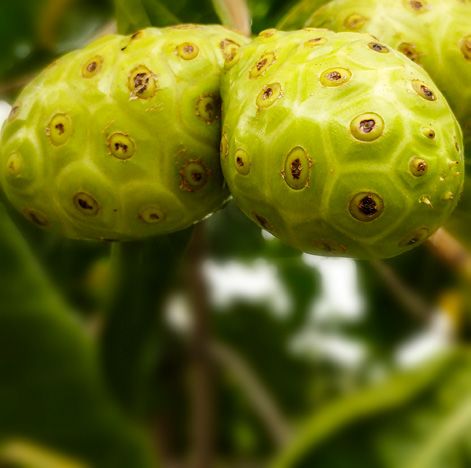
Nonu (Morinda citrofolia) is known worldwide                           For the purpose of consistency, this report
               by dozens, if not hundreds of vernacular                               uses “noni” herein where referencing Morinda
               names (Nelson & Elevitch, 2006). Popular                               citrofolia, its fruit and products, except
               common names include the “awl tree”                                    where referring to a report title, direct quote,
               (Australia, India, Java, Malaya); “morinda”                            or brands and entities containing the word as
               (Australia, Vietnam, USA, Surinam); various                            a proper noun.
               cheese-like terms, “cheesefruit” (Australia),
               “limburger tree” (USA), “formagier” (Haiti),                           Samoa’s producers/exporters may consider
               and references to painkilling properties,                              doing the same when communicating
               “pain bush” (Trinidad & Tobago), “pain killer”                         with international markets. International
               (Puerto Rico, Virgin Islands) (Nelson, 2006).                          companies engaged in consumer public
               The word Morinda in its botanical name is                              relations and marketing have made

NOMENCLATURE
               derived from the Latin morus for “mulberry”                            substantial investments in the term “noni,”
               and indicus for “Indian,” in reference to its                          over the past 30 years, including but not
               most common English name: the “Indian                                  limited to the world’s best-known product
               mulberry.”                                                             brand Tahitian Noni®. Developing similar
                                                                                      awareness of the term “nonu” will be costly
               In Samoa and among some other Polynesian                               and may add to market confusion with the
               nations, the plant and its fruit are best known                        well-established “noni” product name.
               as nonu. There are many similar variations
               of this pronunciation used worldwide: non,                             By standardizing external communication
               noni, nony, nono, nho, nen, nin, nino, nuna,                           using the term “noni,” the industry can
               nenu, mona, monii, atoni, and nhau just to                             leverage existing name equity established
               name a few (Nelson, 2006). Among these,                                by others for maximum accessibility in
               “noni” is the most common used in trade,                               English-speaking markets. Translation
               and best recognized by English-speaking                                or regionalization may additionally be
               consumers searching for products derived                               appropriate when marketing consumer
               from the Morinda citrofolia tree 1 . “Nonu”                            products within specific predominantly non-
               Google searches for “nonu” outnumber                                   English speaking countries, such as China,
               “noni” searches only in New Zealand, where a                           Korea, and Japan 3 .
               popular professional rugby player shares the
               same name 2 .

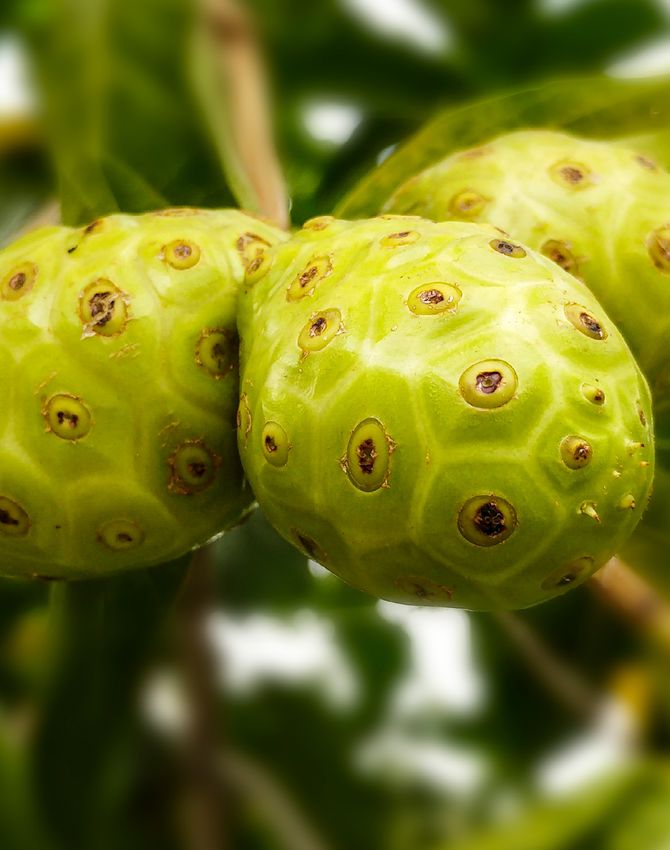
               Figure 1: Ripening noni fruit.
               Photo credit: Andrew Hetzel.

               1   Google Trends keyword search results
               2   Too few searches are made within Samoa for Google to display results for either term
               3   Research for this study was conducted entirely in English

 1                                                                                                                                  2
Noni is an important agricultural export from Widespread demand for commercial noni
Samoa, providing income for more than products began with an American company
17,000 smallholder semi-subsistence farming that introduced Tahitian Noni® juice to
households and contributing more than mainstream North American consumers as
1.
SAT$10m annually to the country’s economy. an ancient but newly rediscovered health
As a crop, noni is unique in many ways. The tonic 4 . Others followed seeking to capitalize
tree is hearty, growing in an unusually wide on the growing consumer curiosity for noni
range of soil and environmental conditions. juice and by developing new channels for
It has an exceptional tolerance to heat, wind, sale in Europe and Asia. French Polynesia’s
fire, flooding, saline, and drought that make noni production industry was entirely
it arguably the most durable climate-change committed to production of Tahitian Noni®
immune crop in commercial production juice as the company grew, so competing
EXECUTIVE
anywhere today. Its fruit is harvested retail product manufacturers looked for
continuously throughout the year, containing wholesale juice and fruit concentrate
high vitamin content and potential health suppliers in Samoa, Hawaii, the Cook Islands,
SUMMARY
benefits unmatched by popular produce. Fiji and other tropical regions. This created a
noni gold rush among producing countries,
Also, unlike other agricultural exports from which quickly established commercial
Samoa, noni is new to world trade. Despite farming and processing facilities.
being consumed or used as traditional
medicine for thousands of years in the areas In the early 2000’s, consumer media
where it grows wild, noni fruit was unknown featured noni products as the latest
to most consumers outside of Polynesia just health fad, universities began research on
30 years ago. Samoa only began commercial promising compounds found in the plant’s
production in 2000. This creates a number of unique biochemistry, and noni industry
challenges unique to noni trade that do not associations were formed to discuss issues
exist for other commodities, such as a lack of of standards and quality. Development
market data, product standards, supporting workers championed noni production
institutions, and established markets with as a new potential source of income for
predictable demand. However, being new developing countries uniquely positioned to
can also have benefits: novel products are meet escalating consumer demand. During
not constrained by commonly accepted these golden years, global noni exports grew
uses or historic sales performance. The quickly, and experts predicted billion-dollar
non-traditional markets where noni trades retail noni product market valuations by
welcome innovation, creating opportunities the decade’s end. That vision stalled during
for industry growth and value addition only the Great Recession of 2007-2008 when
limited by imagination. Samoa’s noni export volumes and values
plunged. In retrospect, it was likely an illusion
anyway due to a critical misunderstanding
about the market fundamental driving the
noni juice craze: Tahitian Noni® is a multi-
level marketing (MLM) company.
4 There is little scientific evidence supporting noni juice health claims; however, this situation is no different for any
other fruit juice or nutritional supplement.
3 4MLM is a legal form of pyramid scheme Consumer demand, however, does not grow Although Samoa has the experience and Samoa’s noni producers must collaborate
where independent product distributors spontaneously. It is carefully cultivated potential to offer juice and other noni with each other and with government to
recruit others to do the same, each receiving by private companies or collaborative products of superior quality, the wholesale take the lead and set the industry’s highest
some percentage of downstream sales. New associations of product manufacturers market of trade for noni remains immature standards for quality to create value while
recruits generally buy inventory, which is a through a sustained series of marketing and is unwilling to pay for differentiating concurrently transforming into niche
main source of upstream commissions. An activities7. Agricultural commodity marketing value beyond meeting minimum standards specialty consumer product manufacturers.
analysis of data published by the company boards like the California Milk Processor’s for product safety compliance. Samoa also As a consumer product maker rather than
shows that less than 0.5% of 300,000 active Board (Got Milk?), Japan’s Kobe Beef faces the burden of high costs of production wholesale ingredient supplier, Samoa will
distributors earn a profit from noni product Marketing and Distribution Association, and and distribution due to its remote location then set the market message for the noni
sales (Taylor, 2011). While Tahitian Noni® used the Avocados from Mexico collaborative and inefficient traditional methods of industry while building consumer geographic
noni juice as a vehicle to collect revenue, the marketing entity all work tirelessly to non-intensive smallholder farming. This brand loyalty. Producers will capture new
real product being purchased by distributors keep their products relevant and popular. places Samoa in the unenviable position of value from downstream consumer sales
was a dream of financial independence. It is Combined with a strict set of quality being a premium supplier in a commodity leading to new manufacturing jobs, more
unclear how much Tahitian Noni® juice was standards for their branded agricultural market where anyone can quickly be a less demand for noni fruit from farmers, and
ever consumed by paying customers and products, targeted collective marketing expensive competitor. Worse, it is a market better market communication unhindered by
how much remains in the unsold inventory of pays a substantial return on investment where most participants are operating layers of middlemen.
aspiring sales recruits. for producers by sustaining visibility and blind since so little information like prices
communicating differentiated value to and trade volumes are published. The Women, in particular stand to benefit from
Demand for Samoa’s noni exports returned achieve high prices. No entity is currently scant market intelligence that exists stays this as they currently participate only in the
after the recession but without the fulfilling this role, so worldwide attention within the offices of buyers and sellers who far up-stream low value segment of the value
enthusiastic enabling environment that from noni’s main “healthy lifestyle” audience perceive no incentive to share 9 . This results chain, yet offer a diversity of perspectives
previously encompassed the industry. has drifted to other crops perceived as being in an unstable and unpredictable market that promise the potential of innovation
Published independent research declined more relevant in 2020. where client-supplier relationships are purely to reach to new markets. Consumers10
over the following decade 5 , as did new transactional based on short term factors motivated by authenticity, utility, and
noni product launches, online searches, Economic growth in S. Korea and China 8 of convenience without long-term stability. sustainability will pay for the added value
and coverage by consumer press. The few have allowed Samoa’s noni export industry Disposable supplier relationships are low- provided by Samoa’s specialty noni goods.
organizations representing noni’s interests, to expand output dramatically to those value and easily substitutable. Wholesale noni juice can be produced in
like the Pacific Island Noni Association countries since 2010 due to an across-the- many places, but there will be no substitutes
and Australian Noni Growers Association board increase in demand for all types of The turbulent environment created by these for the strong brand reputation that Samoa
disbanded. Today, noni has been surpassed natural fruit juices. Additionally, eruption factors present Samoa’s noni industry with can achieve.
by newer novel trends like turmeric, of the Kilauea volcano in 2018 damaged the need to innovate in order to protect its
kombucha, coconut water, spirulina, some Hawaii noni-producing estates causing economic future as a noni producer. Without
cannabidiol (CBD) oil, and others. Hawaiian retail noni product manufacturers quick action, the country risks becoming a
to look for convenient alternate suppliers. high-cost supplier of wholesale commodities
Few entities aside from a handful of brands Although these events have buoyed the in an unpredictable market with increased
vertically integrated from farm to retail 6 industry to record export volumes in recent competition from substitutes. Lacking a
have a long-term interest to advocate for years, the future of Samoa’s noni industry is vocal industry champion, the noni fruit itself
noni. Retail product manufacturers will far from secure. may fade into obscurity among consumers,
bottle whatever consumers are willing to threatening the economic contribution
buy with no allegiance to a single ingredient. Noni trees produce fruit in just three years it currently makes to the livelihoods of
The same indifference is extended to their after planting and are relatively easy to thousands of families.
wholesale supplier network. When goji maintain. Any country in the tropics has the
berries, collagen, or pomegranate pips potential to quickly become a noni grower,
become more popular than noni fruit, and commercial fruit juice production
manufacturers quickly change suppliers and facilities are inexpensive relative to other
introduce a new flavour to the production manufacturing industries. This has not
line. Today, Hawaii or India may be perceived escaped the notice of entrepreneurs in
as competitors to Samoa’s noni industry, but places like India, Myanmar, Vietnam, and
the reality of competition is not from another Peru, where small wholesale juice industries
country, it is from other crops. have recently emerged.
5 The makers of Tahitian Noni® have funded a significant portion of the noni-related research recently published. 9 In stakeholder consultations, exporters reported not knowing the final country destination or application of goods sold. Nearly two
6 e.g. Tahitian Noni®, Dave’s Noni® (India) and some small estate brands in Hawaii. dozen commercial buyers failed to respond or refused to comment for this study claiming participation would disclose company
7 Positive scientific discovery, like clinical proof of some health benefit also increases demand; however, no scientific discovery is certain and may secrets.
conclusively prove negative characteristics that reduce demand. 10 Particularly Generation Z and Millennials
8 In addition to a recent tariff reduction in China to 5%.
61.1. Key Findings Of 1.2. Priorities
This Report
1.2.1. Set high standards
2.
• Noni is a robust, climate-adaptable
• Complete national standards and grading
tree that produces fruit with uniquely
system for fruit and preparations
desirable biochemistry. While
• Document best practices for farming and
misunderstood and historically
cultivation
misrepresented by opportunists, it offers
• Contribute to CODEX proceedings and
nutrition and health impacts comparable
implement resulting safety standards
to or better than most widely consumed
fruits available today.
• Noni is farmed by thousands of semi- 1.2.2. Build capacity and
subsistence households in Samoa,
who will benefit from increased noni
production and value.
innovate
• Organize IWG-Nonu for participation in
OBJECTIVES
• Some potential exists to expand noni retail niche markets as a trade association
exports as a wholesale ingredient, but • Provide extension training and reference
this strategy will be short-lived due to tools for smallholder farmers
increasing low-cost competition and • Develop a supply chain for women-
the availability of numerous superfruit produced products, and encourage
substitutes. women’s ownership of noni businesses
• The value of noni exports from Polynesia • Facilitate development of new range
has doubled in the past five years, while of products targeting healthy lifestyle
Samoa’s market share has decreased by (including natural foods and nutritional
one third. supplements), livestock and pet products
• A vacuum of industry coordination industries
presents an opportunity for Samoa • Provide certification assistance in relevant
to take a leadership role in advancing and popular schemes (HACCP, organic,
commercial interests and brand image of Fair Trade, non-GMO, kosher, gluten free,
noni fruit, which is to Samoa’s benefit. and others)
• Fruit ingredient suppliers are easily
substitutable. To ensure consistent
1.2.3. Commercialize
long-term market demand, Samoa must
advance into consumer markets as a • Collect retail market intelligence
supplier of innovative retail products • Develop Samoa noni origin brand and
with a strong brand identity among assets
consumers. • Establish and implement a marketing
• The future of Samoa’s noni industry is communications plan
far from secure. Without coordination • Conduct targeted marketing campaigns
to strengthen its position and consumer in high-value markets
interest in noni, the market may collapse. • Participate in relevant industry trade
events and missions
• Establish trade representation and
distribution partners or facilities in
consumer markets
7 8This study was commissioned to better
understand the global market for production
2.1. Methodology
and consumption of noni and noni-based
Within the scope of this assignment, the
products. The resulting report is intended
3.
author has examined available market and
to provide useful information for Samoa’s
trade data, published reports and academic
noni industry (represented by IWG-Nonu) to
journal articles, consulted with industry
increase competitiveness and recommend
stakeholders, and analyzed market trends
opportunities that add new value to noni
using desktop research. A number of past
production. The end goal is to protect
reports have discussed noni agriculture,
and improve the welfare of Samoa’s noni
biochemistry, and potential health impacts.
industry, particularly smallholder farming
As noni is a relatively new commercial crop,
families, including women and people with
few published studies have considered
disabilities.
LITERATURE REVIEW
product economics and trade issues;
no reports were found featuring market
Specifically, this report seeks to identify:
opportunities. Where other data is not
available, this study has looked to the
• A clearer picture of the market for noni
performance of the broader markets for
and noni products
trade (e.g. nutritional supplements, fruit
• Technical and strategic advice for
juice) where noni is a participant but not the
Samoa’s noni value chain based on study
sole commodity.
findings
• Opportunities to improve returns from
In many cases, it was not feasible to gather
sales of current products in existing and
new primary data for this report but
new markets
stakeholder consultations confirmed that key
• Opportunities for diversification and
findings from past assessments of the sector
value addition from the development of
remain valid. As a result, this document
consumer products
focuses on the potential for improved market
• Mechanisms for IWG-Nonu to improve
positioning of Samoa’s noni industry, as this
capacity:
is an area that has not been well-addressed
• collecting and communicating market
in previous analyses.
information, and
• providing quality assurance services
and traceability
• Issues affecting gender equality,
disability, and social inclusion (GEDSI)
within the value chain, with suggestions
on how they may be addressed
• Other issues of relevance that are
discovered or occur during the duration
of the study, which includes potential
COVID-19 impact.
9 10For the purpose of avoiding unproductive duplication of work, the following documents have (later Morinda, Inc., a subsidiary of New Age
been identified as primary sources. Most published reports featuring noni fall into two broad Beverages), trade information from Oceania
categories: those examining plant biochemistry and medical effects, and others documenting regions and sales information from Japan” innovation will continue to be the
agronomic or processing best practices. Marketing and trade topics are underrepresented in (Macpherson et al., 2006). As the market critical factor for future success
this body of knowledge, although a few studies make mention of speculative market values leader, this is a reasonable starting point but (Rogers et al., 2009)
and trading considerations like product safety. fails to take into consideration Tahitian Noni’s
multi-level marketing distribution scheme.
MLM significantly reduces the correlation
markets due to comparative advantages
between Tahitian Noni revenues (largely
3.1. Academic to directly confirm or refute these figures,
however, present-day value is likely lower.
from sales to its own salesforce as inventory)
but caution, it “is now being eroded through
increased competition from new entrants
Research and world market demand for noni products.
The report’s conclusions point to “a bright
on the international market; therefore
A study written at around the same time by significant efforts will be needed to maintain
future [for noni production] although more
The most comprehensive resource dedicated researchers Olivier Potterat and Matthias competitiveness in a changing world market”
studies are needed…” (Macpherson et al.,
to all aspects of noni production and use is Hamburger from the University of Basel (Rogers et al., 2009).
2006). An addendum to the executive
Noni: the Complete Guide for Consumers examines the phytochemical properties of summary further notes widespread
and Growers (2006) by University of Hawaii noni, then assesses health claims and safety Many of the industry needs identified by
destruction to Queensland’s noni farming
professor (retired) Scot Nelson and Hawaii for human consumption. They conclude that the report have not been addressed since
by Tropical Cyclone Larry (2006), which
Island agroforestry writer Craig Elevitch. despite an inadequate amount of available the time of publication, leading to present
struck near the time of publishing. There is
Nelson also launched The Noni Website clinical data, noni contains chemicals with day challenges they predicted. The authors
no mention of the Australian Noni Growers
(2006), which is maintained by CTAHR interesting properties that “warrant further forewarn, “with increasing price competition
Association or its activities online after 2006
and presents several articles detailing investigation,” and that “adverse [health] it will be essential to maintain high quality
and attempts at reaching them for this study
good practices for noni production and events seem rare and may be idiosyncratic products and differentiate and brand these
were unsuccessful.
processing, known health issues, plant pests in nature” (Potterat & Hamburger, 2007). accordingly” (Rogers et al., 2009). As a
and diseases, as well as the proceedings On marketing practices, they observe “there small Pacific Island nation with limited
“Samoa Morinda citrifolia (Nonu): A Case
of a 2002 conference held in Hawaii is a stark contrast between the sweeping domestic opportunities, Samoa “must
Study of Agriculture for Growth in the
dedicated to noni production. Nearly all claims on curative and disease preventive establish international market niches that
Pacific” (Rogers, Tuioti-Mariner, & Tuoro,
future noni studies and extension training properties of Noni products and testimonials will allow them to charge prices that will
2009), provides a comprehensive overview
materials reference these materials. In all published on numerous websites, on one cover their high international trade costs,”
of Samoa’s noni value chain, economics,
of its content, however, little is mentioned hand, and the almost complete lack of stressing that “innovation will continue to
and industry constraints immediately
about the economics of noni production clinical data on the other” (Potterat & be the critical factor for future success”
following the Great Recession of 2007-
opportunities for trade. The few references Hamburger, 2007). Speaking to the size of a (Rogers et al., 2009). Although the private
2008. The authors stress the importance
to market demand are upbeat, but without global market, they note “reliable sale figures industry had performed admirably, they
of international exports to the small island
substantiating data or sources: “worldwide are not available, but it is claimed that the suggest “interventions are required by the
nation, and particularly high value exports
markets for noni products are expanding market has reached US$1.3 billion in annual government to … stimulate the industry so as
that directly impact semi-sustenance faming
yearly, from a US$400 million industry in sales” (Potterat & Hamburger, 2007). No to regain export competitiveness” (Rogers et
families. They further recognize Samoa’s
2001 to a projected $2 billion industry in source is cited for this value but this report al., 2009).
dominance as an early supplier to world
2006” (Nelson & Elevitch, 2006). There is is nonetheless misrepreseted as fact by
no known source of retail data available multiple future research teams.
3.3. Related standards” (Gold et al., 2004). This creates
an environment with asymmetric information
3.2. Market Studies Rural Industries Research and Development
Corporation for the purpose of evaluating Broadening the scope of research to other
between buyer and seller, which the authors
describe as a “black box” where downstream
growth and value-added opportunities for relevant areas of crop promotion, this
Two noni market studies were produced value chain processes and ultimate consumer
Queensland noni farmers, represented by the study includes concepts of value addition
in the early 2000’s examining the market uses are hidden from producers. This study
Australian Noni Growers Association. Their through differentiation and niche marketing
potential for noni and Samoa’s noni value advocates use of the Five Forces model to
report mainly focuses on agronomic, genetic, described in “Markets and Marketing
chain: analyze competitive frameworks and develop
and biochemical issues resulting from Strategies for Agroforestry Specialty
specialty niche markets among wood
processing and fermentation. An attachment Products in North America” (Gold, Godsey,
“The Potential for a New Value Adding products, which are applicable to noni as a
to the report from the Australian Institute & Josiah, 2004). Noni trade is similar to
Industry for Noni Tropical Fruit Producers” small but high value agricultural niche good.
for Commercialisation attempts to quantify agroforestry in that “many products typically
(Macpherson, Daniells, Wedding, & Davis,
market value “based primarily on revenue lack established marketing institutions,
2006) was commissioned by Australia’s
information from Tahitian Noni® International market information, and grade or quality
11 123.4. Excluded
Literature
4.
One other notable publication, arguably
the most famous study of noni, has not
been directly cited in this report. “The
Pharmacologically Active Ingredient in
Noni” (Heinicke, 1985) is thought to have
launched modern commercial production of
noni through its discovery of a mysterious
compound that caused a frenzy of consumer
interest. Dr. Ralph Heinicke was a Dole
company scientist studying pineapples
who claimed to have found an unknown
compound in noni similar to one in the
BOTANY
pineapple enzyme bromelain (Brown, 2012).
He named and patented the substance
xeronine and theorized a precursor
substance proxeronine necessary for its
activation. The discovery was described in
an article for the Pacific Tropical Botanical
Garden Bulletin, the non-scientific member
newsletter of a botanical preserve in Hawaii11 .
Figure 2. Plant atlas drawing c.19th century
In addition to curing drug addiction without
withdrawal, Heinicke suggested “noni
could be used for ‘arthritis, atherosclerosis,
blood vessel problems, drug addiction,
gastric ulcers, high blood pressure, injuries,
menstrual cramps, mental depression, poor
digestion, relief of pain, senility, sprains, and
many others’” (Brown, 2012). The article was
not peer reviewed and Heinicke provided
no chemical structure for xeronine or
supporting data for his assertions. Neither
xeronine nor proxeronine has been found
since (Wanjek, 2006). This article has
nonetheless become the central supporting
evidence of noni marketing for its cure-
all powers. Heinicke later worked as a
consultant for the makers of Tahitian Noni®
into his 90’s (Smillie, 2004).
11 The Pacific Tropical Botanical Garden was later gifted The Kompong botanical estate of horticulturist Dr. David
Fairchild in South Florida and changed its name to the National Tropical Botanical Garden.
13 14Noni is a fruit-bearing evergreen tree or
shrub native to Australia, Indonesia, and
Known by the botanical name Morinda
citrofolia, noni is a part of the Rubiacae
4.1. History building or firewood. It was a reliable choice,
with the ability to thrive in an unusually wide
New Guinea that reaches 3 – 10 m (9 – 33 genetic family. Rubiacae includes coffee, Noni has been used by humans for range of soils and climates and the ability
ft) tall at maturity. It is found in tropical quinine, gardenias, and jasmine, all of which thousands of years. The plant is thought to to tolerate droughts of six months or longer
climates between 19° north and south have commercially significant biochemical have originated in the area north Australia (Nelson & Elevitch, 2006, p. 45).
latitudes worldwide, with particularly dense properties (Nelson & Elevitch, 2006). Noni or New Guinea (Nelson & Elevitch, 2006,
populations among the islands of Polynesia is most likely to be consumed as whole fruit, p. 2). It was one of the original “canoe From the Bismarck Archipelago, the Lapita
(Nelson & Elevitch, 2006). Elsewhere, noni fruit juice and extracts, however, leaves, bark plants” carried by the Lapita 13 peoples who rapidly continued east to establish the first
has been naturalized or is commercially and roots served as tea, and seed oil also populated most of Polynesia. The Lapita are settlements of the South and Central Pacific:
cultivated in South Asia (India, Sri Lanka) contains bioactive components that may one of human history’s great civilizations; the Solomon Islands and Vanuatu, followed
and Southeast Asia (Myanmar, Thailand, offer health benefits. While its chemistry skilled seafarers possessing navigation and by Fiji, Tonga, and Samoa. Once reaching
Vietnam, Laos), coastal areas of Central and and interaction with human physiology is survival abilities that allowed them to reach Tonga and Samoa in 800 BCE, they waited
South America, the Caribbean and West not fully understood, studies have shown and inhabit the most isolated lands of the for 1200 years before pushing thousands of
Africa. that noni’s high nutritional content may planet, like astronauts of their day. Where kilometers into the open ocean to Hawaii,
have therapeutic value (Almeida, Oliveira, & they traveled, they brought noni with them. Rapa Nui, and finally New Zealand. Noni has
Fruit of the noni tree are lumpy and potato- Hotza, 2019). Compounds found in noni have traditional uses in all regions where they
shaped, with lime-green to pale-yellow demonstrated antioxidant, antimicrobial Skilled sailors, the Lapita left from Taiwan settled.
exterior skin, and translucent off-white fleshy (antibacterial, antiviral), anti-inflammatory, 4,000 years ago (2,000 BCE) and traveled
interior with dark seeds. It emits a strong and analgesic properties. thousands of miles past the Philippines over Noni reached Europe in the 1760s, brought
smell similar to cheese as it matures. the open ocean in canoes to the Bismarck by prominent Swedish botanist Carl
Unlike its biological relatives, however, noni Archipelago (Gibbons, 2016). They brought Linneaus, who was known to collect and
Noni trees flower continuously and fruits is a remarkably hearty plant that grows food and survival goods like taro, yams, catalog unusual plants of the Pacific (Nelson
are harvested multiple times annually. in a wide range of soil types (infertile or breadfruit, pigs, and chickens with them. & Elevitch, 2006, p. 2). Linneaus gave it the
Mature trees grown on well-maintained fertile, from alkaline to acidic) and severe Combined with fishing, local game, and botanical name Morinda citrofolia; “Morinda”
farms are capable of achieving 230 kg of environments from extremely dry to trade, this allowed for the establishment of derived from the Latin words indicus for
fruit per plant annually, though it is often extremely wet. It can be found thriving in sustainable settlements in distant locations. Indian and morus for “mulberry” meant
less. Farmed using intensive practices under wild forests, along shorelines, fallow fields, to describe its resemblance to the Indian
good growing conditions, a five-year-old in waste areas, or near inhabited villages. Along the way, they collected other plants mulberry (Nelson & Elevitch, 2006). It would
crop produces approximately 78,100 kg/ha It’s often the first plant to colonize waste and materials that proved useful. Noni was a be another two centuries before the plant
of fresh fruit, yielding 35,700 liters of pure areas or lava fields, and has an uncommon multipurpose crop used for medicine, dyes, and its uses became widely known outside of
juice 12 (Nelson & Elevitch, 2006). tolerance to heat, wind, fire, flooding, saline emergency food rations, animal fodder, and Polynesian culture.
content, and drought (Nelson & Elevitch,
2006).
The plant’s resilience and utility as a famine
food, medicine, and source of construction
material made it valuable to the seafaring
ancestors of Polynesia. It remains a
traditional medicine used in curing and
preventing diseases in Polynesian cultural Figure 4. Noni origin,
medicine today but was popularized among migration with Lapita
peoples © Andrew
broader consumer markets only in the past
Hetzel
thirty years.
Figure 3 Noni plant growing in a lava field
Photo credit: Scot Nelson
12 Assumes planting of 716 trees per ha, good drainage, integrated pest management, and organic fertilization; juice extracted at 50% 13 It is not known what this civilization of people called themselves; the name “Lapita” hails from the local name of a beach in New
though 60% may be possible. Caledonia where artifacts where first identified during modern times in 1917. Their migration is known by dating artifacts found at
archeological sites.
15 164.2. Traditional Uses Noni is sold in many countries as a dietary
supplement or home health remedy,
Critics describe noni as a wellness fad of
the early 2000’s with visibility propelled
including Australia and New Zealand, China, by multi-level marketers who sold the
Table 1 Traditional uses of noni, adapted from Noni: The Complete Guide (Nelson & Elevitch, 2006, p.8)
the United States and Europe as a prepared appealing story of a cure-all to would-be
Part Preparation Traditional Use fruit juice or health supplement; often in juice entrepreneurial distributors (Wanjek, 2006).
form and diluted, sweetened, or blended This may be true, but the same may also be
Extract or Treatment for bleeding, stomach ailments, hernias, hypertension,
with other fruit juices to mask the cheese- said of first American banana distributors in
vapor urinary tract ailments, sties, vitamin A deficiency
like and sour fermented flavor. Once ripened, the 1800’s14 , the first Italian or Portuguese
Livestock fodder; food wrap and flavoring; treatment for burns,
Fresh noni fruit ferments rapidly. After juicing, orange traders of the Mediterranean arriving
Leaf headaches, fever; witchcraft
producers adjust the degree of fermentation from China in the 15th century, or Muslim
Treatment for bruising, fever, physical injuries, stings, to meet product safety standards and the merchants selling apples along the Silk Road
Poultice
rheumatism, tuberculosis taste preference of destination markets. It in the 8th century (Kurtz-Phelan, 2008;
Tea Laxative; treatment for malaria, fever, and pain is also consumed in the form of capsules Morton, 1987; Spengler, 2019).
Extract or oil Treatment for hypertension, ulcers containing fruit extractions, or sometimes as
Treatment for boils, bruising, physical injury, rheumatism, a dehydrated fruit leather or paste. The most popular fruits sold worldwide
Poultice today were once touted as exotic fruits
tuberculosis
Fruit Some producers advertise noni products with curative properties. What potentially
Famine food; laxative; treatment for appetite loss, sore throat,
for general health improvement or more beneficial minerals, fiber, and other
Ripe cracked skin, cuts or wounds, gum and mouth infection,
specifically as remedies for a large variety of compounds like antioxidants, phenolics,
intestinal worms, toothache; swine fodder
ailments, including but not limited to: anxiety, and alkaloids exist in popular fruit, noni
Unripe Mouth sores, witchcraft
bacterial infections, common colds, high offers the same or more (Nelson & Elevitch,
Bark Treatment for hypertension and jaundice blood pressure, hearing loss, depression, 2006; Potterat & Hamburger, 2007). Noni
Stem Axe handles, canoe parts and paddles, firewood, red dye, pain, and fatigue (“Noni: Uses, Side Effects, may be a newer and less known by modern
Wood
shovels Interactions, Dosage, and Warning,” n.d.). consumers, but it has begun on a trajectory
Seed Oil Insecticides and insect repellent This marketing practice is not recommended, similar to the most widely consumed fruits
Root Carving; yellow pigment; treatment for infected cuts as noni’s efficacy is not proven and claims in human history and from the perspective
often violate product label laws in consuming of medical claims, has arguably superior
countries. chemistry.
Published materials have explored potential
4.3. Commercialization
Today, noni fruit products are a small part of
health benefits of noni consumption, the larger healthy lifestyle (natural products
sometimes showing promising results in and nutritional supplements) consumer
Most consumers outside of Polynesia animal studies or the mechanisms by which retail product category alongside other
were unaware of the fruit until it was noni’s chemistry acts (West, Deng, Isami, superfoods and natural remedies. Within that
introduced to America in the 1990’s by the Uwaya, & Jensen, 2018). However, few clinical category, noni faces significant competition
makers of Tahitian Noni® who touted it as studies have been conducted with human from other fruits deemed to be “superfoods”
a mysterious French Polynesian superfood participants to show conclusive benefit. with properties that are similarly associated
with healing abilities. Their effort was well- Although generally agreed as being safe and with good health. The category itself is large,
timed and executed, launching noni as a widely approved for human consumption at estimated to be valued in the hundreds
global health craze despite a lack of clinical low doses, it is not approved by government of billions if not trillions of dollars and
evidence to support health claims. This puts authorities as a medical treatment or as a growing (McGroarty, n.d.). One study found
noni in good company because despite pharmaceutical in any country. However, in traditional medicines (US$360b) and healthy
widespread consumer belief otherwise, 2011, China registered a noni and blueberry eating (US$702b) segments in which noni
there is no evidence that fruit juice of any blended fruit juice product as a functional is sold to be valued more than a trillion
kind improves health (Cheng, Fiechtner, & food for the general purpose of “enhancing dollars (McGroarty, n.d.). Within the United
Carroll, 2018). Some popular fruit juices like immunity” (West et al., 2018). States, the natural products and supplement
orange juice, may have a negative health industry is valued at US$158b (NFM Staff,
impact due to high concentrations of natural 2019). Noni, however, remains a small
sugars that contribute to obesity and other participant in global commerce. Substantial
noncommunicable diseases (Braun, 2014). Figure 5. FDA warning letter to Hawaiian Organic opportunity exists within the global arena
Noni for health claims in violation of drug label
laws. to increase the quantity and value of noni
products traded.
14 The word “superfood” was coined by marketers at the United Fruit Company, not scientists, for the purpose of selling bananas around
the time of World War I (“Superfoods or Superhype?,” n.d.).
17 184.4. Cultivation Organic mulch or worm composting is
an easy and inexpensive way to produce
tree. Routine pruning helps make fruit more
easily accessible 16 and increases canopy
organic fertilizer that can be implemented airflow, reducing the severity of pest and
on small scale farms or developed as a larger disease outbreaks (Nelson & Elevitch, 2006,
entrepreneurial business supplying others. p. 58). Promotion and education of the
Although not strictly necessary for noni two practices combined will increase yield
production, fertilizer will increase output and harvest productivity which make noni
and consequently potential earnings per farming a more valuable activity.
Figure 6 Noni tree nursery in Samoa, photo credit: PHAMA Plus
There are a few organized noni estates in Demand for fruit is inconsistent due to
Samoa but much of the fruit is collected from unpredictable downstream sales volumes,
plants growing wild (Rogers et al., 2009). which cause the farm gate price paid
Farming using traditional methods limits the at collection stations to rise and fall
productivity of smallholder agriculture and dramatically. In times of market oversupply,
Figure 7. Productive noni plant at a drip-irrigated, pruned, and organic fertilized estate farm on Kauai,
lack of active management may leave trees farm gate price has been known to fall to Hawaii. Photo credit: Andrew Hetzel
susceptible to future pests and disease. as little as SAT$.20 per kg for conventional
fruit, far less than minimum wage for labor
There is no harvest season for noni. The required (Rogers et al., 2009). In prolonged
trees fruit continuously year-round and times of low demand, some trees have been
may be harvested 2-3 times per month, so replaced entirely with other crops. This has
smallholder farmers collect fruit only as created supply shortages when foreign
required by processors. Few to no fertilizer market demand rebounds.
inputs are used and trees are not necessarily
pruned to increase yield or reduce height15 . Reliable sales forecasting by exporters
Although these activities are not necessary will help flatten demand and farm gate
for noni fruit production, active maintenance price extremes. However, improvements
and integrated pest management increases in productivity will help to increase yield
productivity and efficiency of harvesting potential while also lowering the cost burden
(Nelson & Elevitch, 2006). Trees growing on on labor, a large percentage of whom are
small family plots may not be ideally spaced women who pick noni part time around other
for efficiency (3-4.5m x 3-4.5m) and most household work and family obligations.
families lack farming equipment like ladders
and tractors for harvesting and collection.
15 Noni trees are not self-pruning and most farmers remove lower branches to reduce pest damage from insects and rats (Nelson & 16 Noni trees can grow up to 10m in height.
Elevitch, 2006).
19 204.5. Pests and Disease eating malt vinegar on fish and chips, while
another will be reminded of rotting trash on
Technically distinct from fermented foods20 ,
pickled foods with similar sourness are
a warm day. also trendy. Mainstream American food
There is a widespread belief among Samoa’s
manufacturers have recently introduced an
noni industry that noni trees are impervious
Sour products have become increasingly array of pickled and pickle-flavored foods,
to pests and diseases, which is not entirely
popular in recent years, and a particularly including pickled soft drinks, snack foods,
true. Noni is “susceptible to attack by a range
strong category among millennial and even a pickle-flavored milkshake (O.
of pests and disease-causing pathogens17 ”
consumers19 (“Fermented Foods Still on Top, Harrison, 2018). In Asian consumer markets,
but there has not been a significant outbreak
but Superfood List Sees Some Changes,” fermented and pickled flavors are well known
in Samoa yet (Nelson & Elevitch, 2006).
2018). Fermented foods and beverages like and already widely consumed in traditional
There are no “plant-pathogenic bacteria,
sourdough bread, kimchi, miso, sauerkraut, cuisine.
viruses (aside from one report of Tobacco
and kombucha juice are a fast-growing
Mosaic Virus infecting noni in Fiji), viroids, or Figure 8 Noni trees affected by black flag disease
in Hawaii, photo credit: Scot Nelson segment of the functional food category Consumer taste preferences are not static.
phytoplasmas, which are destructive to some
in America. One study estimated a 149% Repeated exposure to a flavor profile is
other crops,” that attack noni but nematodes
increases plant well-being and subsequent increase in U.S. retail sales during 2018 alone, known to increase desirability so any trend
and fungi remain a threat (Nelson & Elevitch,
pest and disease resistance “as compared to in part driven by consumer perception that toward fermented food potentially increases
2006). Pruning, mulching and intercropping
bare soil culture” (Nelson & Elevitch, 2006). fermented foods are healthier than non- desirability of fermented noni products
are all practices that can mitigate the
Intercropping is likely already practiced with fermented products (Nielson-Stowell, 2020; (Appleton, Hemingway, Rajska, & Hartwell,
incidence of potentially harmful pests and
traditional subsistence farming, but can be Saxe, 2019). Commenting on the trend, 2018). Further opportunities exist to adapt
diseases. Pruning, in addition to increasing
adapted to commercial agriculture, providing the U.S.-based Fermentation Association the taste of noni products to better suite
plant productivity from new growth,
additional streams of farming revenue and reports “Consumers are purchasing products widespread desirability, for example through
improves canopy airflow that reduces the
pest or disease resistance. Papaya, coconut, with ancient wisdom, a trend defining the selective breeding of noni trees for improved
change of fungal growth that is often found
and kava are good potential intercropping nutrient-dense, time-honored food that is flavor, experimental processing techniques
in wetter locations. Mulching, or adding a
options (Nelson & Elevitch, 2006). made of simple, clean ingredients” (Nielson- that mitigate or remove unwanted flavor
nutrient-rich layer of decaying organic matter
Stowell, 2020). compounds, or the development of new
retail products like nutritional supplements
that modify or circumvent taste (e.g.
4.6. Processing converted in increasingly complex chemical
reactions causing the beverage to sour
capsules).
further. In commercial production, juice is
Noni has an unusual savory fruit flavor that
pressed from the fruit and then pasteurized
can be described as being similar to cheese
and either maintained in holding tanks for
that many find unappetizing. It is sometimes
fermentation or refrigerated prior to sale
compared to the durian fruit for its pungent
(Nelson & Elevitch, 2006). The fermentation
odor (Karp, 2017). Ripe noni contains
process tends to soften the harsh flavor
the same chemical ingredient (butyric or
of noni juice, making it more palatable to
butanoic acid) found in rancid butter or
consumers but also risks introducing an
parmesan cheese that contributes to its
unpleasant sourness and small concentration
unappealing smell (Almeida et al., 2019).
of ethanol (Nelson & Elevitch, 2006). In
The flavor of noni will not be appealing to all Figure 9 Noni juice fermented 2 months (left) and
Samoa, producers store noni juice for 2 years (right). Photo credit: Scot Nelson
consumers but it will be to some, and other
between a few weeks to six months to
methods can be employed to manipulate its
achieve a desired degree of fermentation.
flavor to be palatable for more.
Perception of sourness18 is highly variable
Traditionally, juice is allowed to slowly drip-
due to individual biology, age, gender,
extract or seep from the fruit in a sealed
and cultural association (Trachootham et
container over 2-8 weeks, during which
al., 2018). Biologically, the same food or
time the juice ferments as bacteria convert
beverage perceived as sweet and fruity by
sugars into acetic acid and other chemical
one person may be perceived inedible and
compounds, adding an astringency and
sour by another. From a cultural perspective,
slight sensation of sourness. The slower the
one consumer may associate the taste of
fermentation process, the more sugars are
sourness with a pleasant experience, like
17 See list in Appendix I. 19 Interest in exotic fruit is also on the rise, which may offer an opportunity for noni producers.
18 In this case due to the presence of acetic acid as the result of fermentation. 20 The pickling process requires the addition of an acid whereas fermentation results from bacterial activity.
21 22You can also read


