Screening Children for Lead Exposure in Nevada - An Underestimated Need - Betsy Huang, MD, FAAP - University of ...
←
→
Page content transcription
If your browser does not render page correctly, please read the page content below
Screening Children for
                                                   Lead Exposure in Nevada
                                                     - An Underestimated
                                                            Need

Betsy Huang, MD, FAAP                                                   1
President, Nevada Chapter of the American Academy of Pediatrics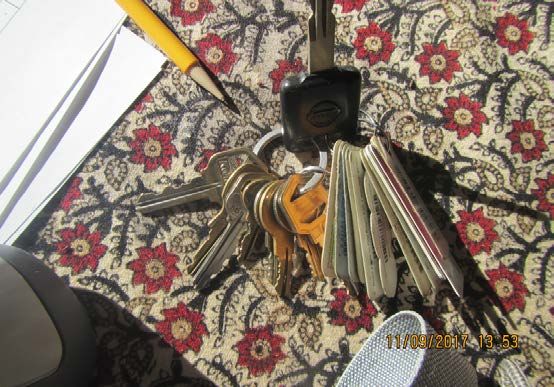
NVCLPPP
Learning Objectives
•   Summarize a historical perspective of lead
•   Describe possible sources of lead exposure
•   Understand the effects related to lead exposure
•   Understand the state of lead poisoning prevention in Nevada
•   Implement lead testing strategies

                                                                  2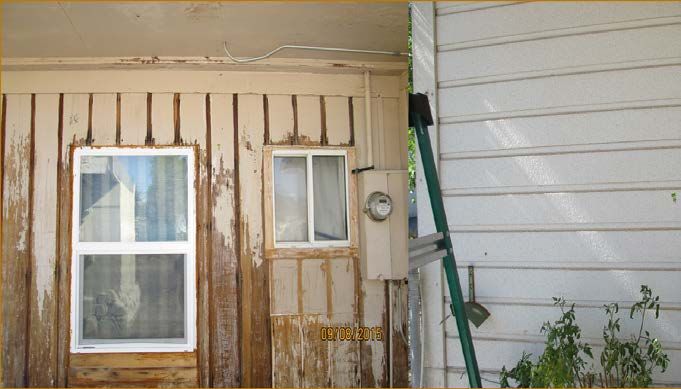
NVCLPPP
Brief Historical Overview of Lead

                                    3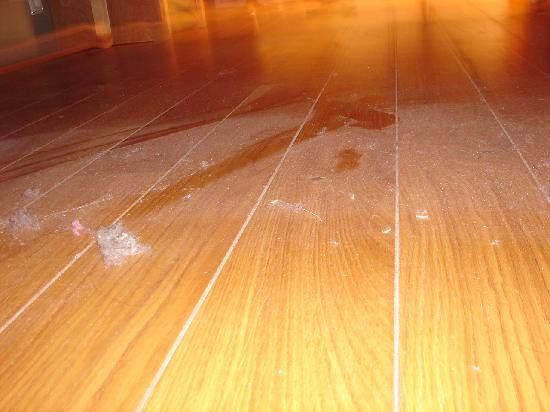
Timeline                                                                        1973 Gasoline Ban
                                                                                Leaded gasoline phase out is begun to end in 1988
                               1978 Lead Paint Outlawed
                    More than 290,000 homes built before 1978 in Nevada

                                                                               1988 Plumbing Solder Ban
       1995 Nevada State Health Division Study                                 Lead pipe-fitting solder banned for drinking water pipes
Inconclusive study published on the prevalence of lead poisoning in children

                                           Canning Solder Ban
                          The use of lead solder to seal food cans is banned

                                                                               2001 Lead Dust, Paint, and Soil Standards
                                                                                EPA sets standards for health departments and lead workers for first
                                                                                                                                              time
                      2006 Southern Nevada
Childhood Lead Poisoning Prevention Program
   Southern Nevada Health District receives first CDC CLPPP grant for Nevada

                                                                               2009 NRS 442.700 made law
                                                                               Encourage providers to screen and report blood lead levels

    2015 HUD Lead and Healthy Homes Program
    HUD funds a lead and healthy homes program capable of remediation work

                                                                                            2017 Nevada Childhood Lead
                                                                                                             Poisoning
                                                                                                    Prevention Program
                                                                                                 CDC funds to establish a statewide program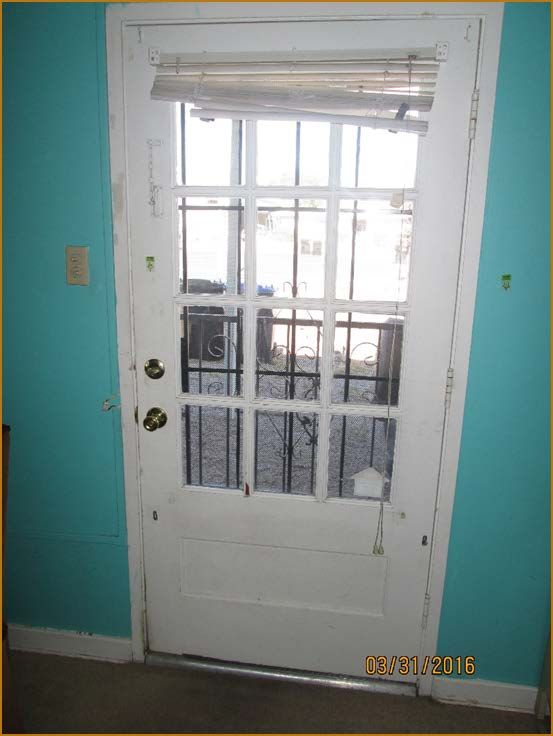
NVCLPPP
Sources of Lead Exposure

                           5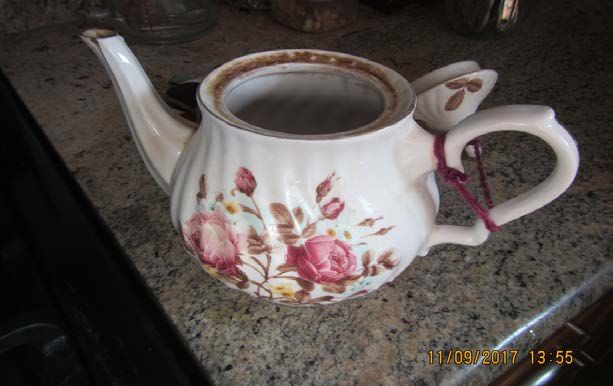
NVCLPPP
Primary Source of Exposure is Where CHILDREN live

                                 Likelihood of Lead Exposure in the Home

                                                          Percent Suspected of     Percent Suspected of Having
                                  Year of Construction   Having Lead-Based Paint    Lead-Based Paint Hazards

                                       Before 1940                87%                         68%

                                        1940-1959                 69%                         43%

                                        1960-1977                 24%                         8%

  Nearly, 500,000 homes in              1978-1988                  7%                         1%
Nevada are built prior to 1988
                                                                                                            6
                       American Healthy Homes Survey, 2011; Jacobs DE et al., Env Health Perspect, 2002.
NVCLPPP
Most Common Sources of Lead Exposure
                                                           Lead contaminated
           Lead                           Lead dust        soil from
           paint in                       produced         deteriorating
           poor                           from             surfaces, leaded gas
           condition                      deteriorating    emissions,
                                          surfaces         manufacturing
                                                           processes

                       Lead in water
                                                          Lead in air through
                       primarily as a result
                                                          industrial processes
                       of corrosion or
                                                          and hobbies e.g.
                       wearing away of
                                                          lead-battery
                       materials containing
                                                          manufacturers
                       lead
                                                                        7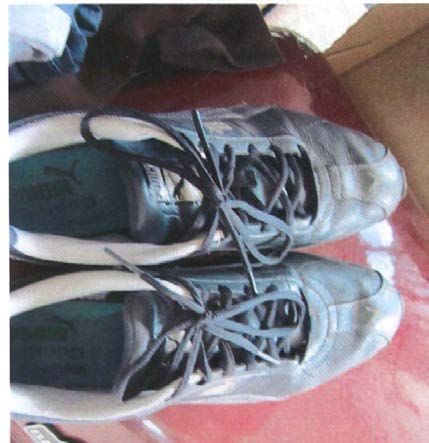
NVCLPPP
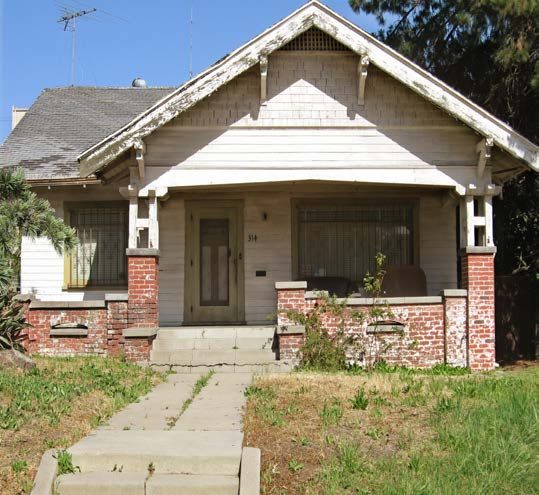
      Nevada Examples of Common Lead Sources

Photos provided by the Henderson Lead Hazard Control and Healthy Home’s Project   8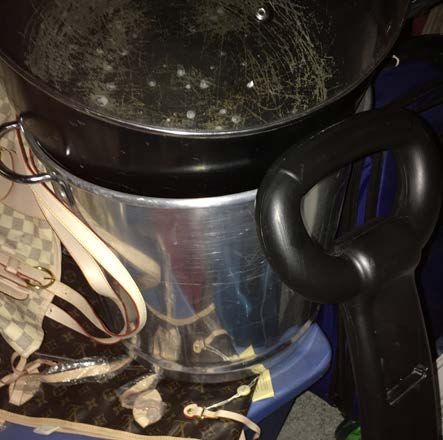
NVCLPPP
Other Sources of Lead Exposure – What we bring into the home

                                                               9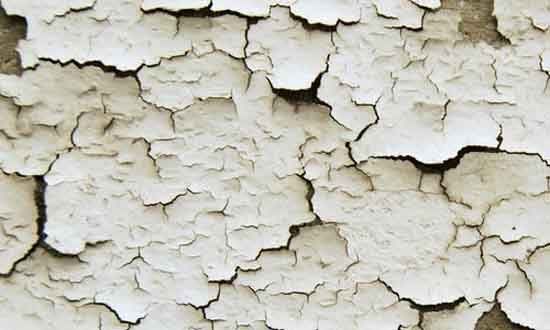
NVCLPPP
 Exposure through Cultural Practices – What we bring into the home
Lead may be found in traditional and folk medicines, most often those used for arthritis,
infertility, upset stomach, menstrual cramps, colic and other illnesses. It can also be found
in cosmetics and in ayurvedic medications.
                                                                            Bhasma
    Azarcon and Greta               Kohl and Surma
                                                              ayurvedic medicine used to treat and
used to treat upset stomach       used in eye makeup
                                                                    prevent health problems

                                                                                             10
NVCLPPP Workplace and Hobbies – What we bring into the home Workplace exposures Lead exposure from hobbies • Contractors who renovate or repair homes built before 1978 • Shooting: lead materials used in • Workers who sand/scrape/blast lead-based paint ammunition preparation • Recyclers/Sanitation workers around metal, electronics, or batteries • Soldering: lead based solder used in • Manufacturers of bullets, ceramics, electronics, or jewelry electronics • Firing range workers, gunsmiths, or police officers/military • Stained glass/Pottery crafts: lead in th • Construction and demolition workers glazing, paint, and binding. • Boatswains and shipyard workers exposed to marine paints • Fishing: Sinkers and some lures contain • Mining • Battery plants • Lead smelters • Bridge construction and repair • Steel workers • Automobile mechanics 11
NVCLPPP
   Nevada Examples of Non-Traditional Lead Sources

   vintage brass tea kettle                     vintage tea pot                             house keys
           14 PPM                                  13.6 PPM                                 7,059 PPM

Photos provided by the Southern Nevada Health District Environmental Health Team in response to EBLL     12
NVCLPPP
Nevada Examples of Non-Traditional Lead Sources
car keys imported metal pot ceramic plate
9,833 PPM 46.3K PPM 393 PPM
Photos provided by the Southern Nevada Health District Environmental Health Team in response to EBLL 13NVCLPPP
Nevada Examples of Non-Traditional Lead Sources
tamale steamer ceramic cup shoe from a gun
367 PPM 16.3K PPM range worker
66.2K PPM
Photos provided by the Southern Nevada Health District Environmental Health Team in response to EBLL 14NVCLPPP
Who‘s Most at Risk
15NVCLPPP
Lead Poisoning
• Children are most vulnerable
• All children under age 6 are at risk due to:
• Hand-to-mouth activity
• Rapidly growing bodies
• Exposure to traditional and non-traditional sources
of lead
• Who’s at greatest risk
• Children living in older housing
• Children who are low-income or of ethnic minority
status
16NVCLPPP
Impact of Lead Exposure
17NVCLPPP
Impact of Elevated Blood Lead Levels on the Body
New York State Department of Health, 2012;
Belinger & Belinger, J Clin Invest, 2006
>100 μg/dL Decreased hemoglobin synthesis
>40 μg/dL Encephalopathy, Colic, Frank anemia, Seizures, Nephropathy, Coma
40 μg/dL Decreased hemoglobin synthesis
30 μg/dL Increased Vitamin D metabolism, increased risk of hypertension in adulthood
20 μg/dL Increased nerve conduction velocity, increased level of erythrocyte
10 μg/dL Developmental Toxicity: Decreased IQ, Hearing, Growth, Transplacental transfer, Impaired
peripheral nerve effectsNVCLPPP
Signs and Symptoms of Lead Exposure
• Headaches • Weight Loss
• Stomachaches, abdominal pain • Lethargy and fatigue
• Loss of Appetite • Pallor from anemia
• Vomiting or Nausea • Metallic taste in mouth
• Constipation • Muscle and joint weakness and pain
• Seizures • Irritability
AT LOW DOSES LEAD EXPOSURE PRESENTS NO SYMPTOMS
19NVCLPPP
No Safe Level of Lead Exposure
• No known threshold for effects of lead exposure
• Lead poisoning causes adverse health effects
• Damage to nervous system and brain
• Delayed growth and development
• Learning disabilities, decreased IQ and hearing damage
• Increased risk of behavioral problems
• In extreme, cases, it can lead to coma and death
• In pregnant women
• Increased risk of premature and low-birth weight newborns
20NVCLPPP
Effects of Early Lead Exposure on a Developing Brain
• Apoptosis
• Excitotoxicity
• Decreased cellular energy metabolism
• Impaired heme synthesis
• Oxidative stress
• Lipid peroxidation
• Altered activity of secondary messenger systems
• Altered neurotransmitter release and receptor densities
• Decreased brain volume into adulthood
21
Kim, Ann Occup Environ Med, 2015.NVCLPPP
Impact of Elevated Blood Lead Levels on Brain Organization/Language
High Lifetime Mean Low Lifetime Mean
Blood levels Blood levels
(26 μg/dL) (7.6 μg/dL)
Yuan et al, Pediatrics, 2006.
Activation in left frontal cortex, adjacent to Broca's area, and left middle temporal gyrus, including Wernicke's area, were found to be
significantly associated with diminished activation in subjects with higher mean childhood blood lead levels, whereas the compensatory
activation in the right hemisphere homolog of Wernicke's area was enhanced in subjects with higher blood lead levels. 22NVCLPPP
Potential Adverse Outcomes
Hypothesized chain of events linking early lead exposure to adverse outcomes in later
childhood and adulthood
Childhood Reduced IQ
Executive Dysfunction
Poor School Achievement
High Dropout
Lead Poor Impulse Control
Difficulty Delaying
ADHD
Conduct Disorder
Poisoning Gratification Aggression and Violence
Substance Abuse
23
Wright et al. PLoS Medicine, 2008.NVCLPPP
Relationship of Blood-Lead Exposure and IQ, Pooled Analysis (n=1,333)
Steepest rate of decline per μg/dL
occurs in BLLNVCLPPP
Blood Lead Level and Academic Achievement Deficits
Mean Blood Lead Levels Grouped by Michigan Educational Assessment Program Scores: Detroit Public Schools, MI, 2008–2010 (p < 0.001)
Mathematics Proficiency n Mean BLL Science Proficiency n Mean BLL Reading Proficiency n Mean BLL
Advanced 4375 5.81 Advanced 1539 5.97 Advanced 3709 5.41
Proficient 8699 6.47 Proficient 5113 7.48 Proficient 10585 6.96
Partially Proficient 6206 8.31 Partially Proficient 4093 8.67 Partially Proficient 5037 8.06
Not Proficient 1837 9.10 Not Proficient 1546 9.28 Not Proficient 1709 8.81
25
Zhang et al. Am J Public Health, 2013.NVCLPPP
Early Lead Exposure History and Criminal Arrests in Early Adulthood
Among 250 19-24 year olds followed since birth, likelihood of being arrested (based on
county criminal justice records) was significantly associated with:
• Prenatal Blood Lead Levels
• Blood Lead Levels at 6 Years of Age
• Average Blood Lead Level up to 6 Years of Age
26
Wright et al. PLoS Medicine, 2008.Lead Testing in Nevada
27NVCLPPP
Lead Poisoning in Nevada
• Testing rates in Nevada are low -NVCLPPP
Testing for Lead
29NVCLPPP
Recommendations for Testing
• CDC recommends children are tested at 12 and 24 months, or
• Reaches 12 and 24 months of age, respectively; or
• At least once before the child reaches 6 years of age
• Providers of children who are symptomatic or a potential exposure to lead has been
identified, regardless of a child’s age.
• Blood lead testing can be conducted via capillary or venous methods.
• If a capillary specimen shows a level of 10 μg/dL or greater, the result must be
confirmed via venous blood draw
• Testing is covered by Medicaid and usually covered by most insurance providers. 30NVCLPPP
Recommendations for Screening: Childhood Lead Poisoning Risk
Questionnaire (CLPRQ) (Adapted from: Illinois Department of Public Health)
• In Nevada, since testing rates are
low, we can not determine local
risk factors. However, based on
other studies and state data,
screening criteria have been
developed to determine who
should be prioritized for testing.
• A Yes to any one question should
prompt a test.
31NVCLPPP
Nevada Childhood Lead Poisoning Prevention Advisory Board
Recommends
• That ALL children are tested
Because
• We are unable to identify at risk populations in Nevada due to low testing rates
and lack of demographic data reported with testing data (zip code,
race/ethnicity)
32NVCLPPP
Childhood Blood Lead Testing & Follow-up Recommendations
Blood Venous Blood
Lead Test Confirmation Retest Venous Retest – After Recommended
Result Within Recommended Actions based on BLL Actions
• Provide dietary and environmental educationNVCLPPP
Physical Examination
• A physical exam of children with a blood lead level ≥20 μg/dL is recommended to
determine:
• Whether child has any signs suggesting encephalopathy
• Whether child is engaging in high-risk behaviors (e.g. pica, hand-mouth behavior)
• If child has a behavioral or neurodevelopmental disorder requiring referral (e.g.
ADHD, oppositional defiant disorder, developmental delay, speech delay)
• Children identified by means of routine blood lead screening might have no remarkable
findings on a physical examination.
34NVCLPPP
The Role of Medical Providers
• According to a recent estimate, 12-16% of American Children have developmental or
behavioral disorders.
• Primary care practitioner’s office is often the ONLY place where most children 5 and
younger are seen and is ideal for developmental and behavioral screening
• Help us improve the long-term outcomes of children in Nevada by making sure children
are tested and parents understand the importance
35NVCLPPP
Resources
• Contact your local health department for resources available in your jurisdiction
• Select areas of Southern Nevada may qualify for remediation of lead hazards at no-cost
in both owner-occupied and rental housing
36NVCLPPP
For more information
Erika Marquez PhD, MPH
Program Manager, Nevada Childhood Lead Poisoning Prevention Program
Research Associate Nevada Institute for Children’s Research and Policy
702-895-5067
erika.marquez@unlv.edu
Betsy Huang, MD, FAAP
Nevada Health Centers
702-735-9334
bhuang@nvhealthcenters.org
This publication was supported by the Grant or Cooperative Agreement Number, 1 NUE2EH001366-01-00, funded by the Centers for Disease Control
and Prevention. Its contents are solely the responsibility of the authors and do not necessarily represent the official views of the Centers for Disease
Control and Prevention or the Department of Health and Human Services. 37You can also read


