COVID-19 Vaccinations & the fight against Delta - Nepean Blue Mountains PHN with Associate Professor Nicholas Wood, NCIRS 19 August 2021 7.00pm ...
←
→
Page content transcription
If your browser does not render page correctly, please read the page content below

COVID-19 Vaccinations & the fight against Delta

                                     Nepean Blue Mountains PHN with
                            Associate Professor Nicholas Wood, NCIRS
                                                                                   19 August 2021
                                                                                  7.00pm – 8.30pm

                Wentworth Healthcare provider of the Nepean Blue Mountains PHN.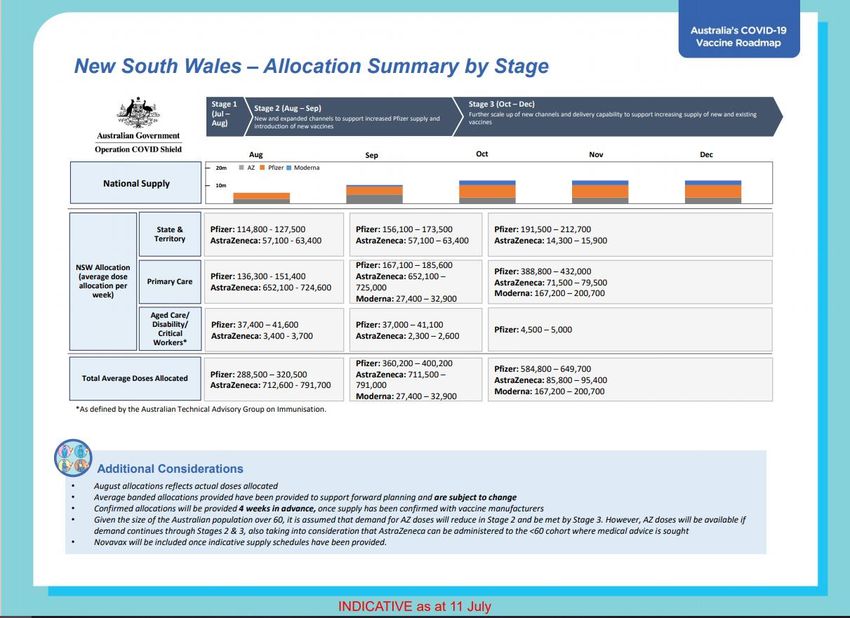
0

Wentworth Healthcare provider of the Nepean Blue Mountains PHN.
Introductions
 Facilitator / Q&A Moderator
 • Dr Michael Crampton
   GP Clinical Lead, Wentworth Healthcare. GP, Myhealth
   Windsor and Windsor COVID-19 Respiratory Clinic
 Key Speaker
 • Associate Professor Nicholas Wood
   Associate Director, Clinical Research and Services,
   National Centre for Immunisation Research and
   Surveillance
Introductions

 The Panel
 • Kate Tye - Snr. Mgr. Primary Care Support and
   Development, Wentworth Healthcare
 • Katie Taylor - Practice Manager, Myhealth North Richmond
 • Dr Louise McDonnell - GP, Hazelbrook General Practice.
   Clinical Lead for HealthPathways and GP Lead at the
   Hazelbrook Commonwealth Vaccination Centre

Agenda
•    Nepean Blue Mountains Vaccination program update – Kate Tye
•    COVID-19 vaccines update – Associate Professor Nicholas Wood

•    Vaccine program considerations – Dr Michael Crampton
•    A practice perspective
     o   Katie Taylor, Practice Manager

     o   Dr Louise McDonnell, General Practitioner

•    Q & A – facilitated questions with the Panel – Dr Michael Crampton
•    Close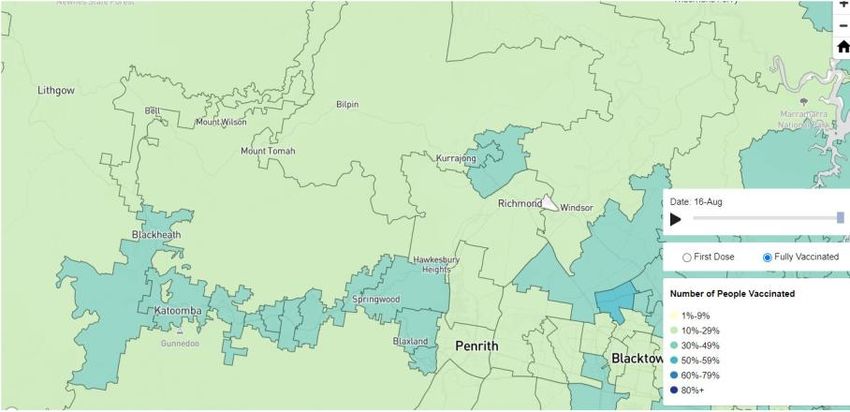
Nepean Blue Mountains
COVID-19 Vaccination Roll-Out Update

                                                Kate Tye
    Senior Manager Primary Care Support and Development

       Wentworth Healthcare provider of the Nepean Blue Mountains PHN.
COVID-19 Vaccination Roll-Out
Nepean Blue Mountains Region
NBM Vaccination Program

           Primary Care Vaccination Sites - Nepean Blue Mountains Region

Vaccination Type            NBM Region     Penrith LGA   Blue Mountains LGA   Hawkesbury LGA   Lithgow LGA

AstraZeneca                          92            52                   14                20            6

Pfizer                               37            16                    8                 9            4
Commonwealth Vaccination
Centres - AZ & PF                     3             1                    1                 1            0

Pharmacy -AZ                          1                                                                 1

Total                                96            53                   15                21            7

 State Vaccination Hubs – Delivered by the Local Health District

 Nepean Vaccination Hub – Sommerset St moving to Panthers from Monday 23rd August 2021
 Caddens AstraZeneca Hub – Baptist Church Caddens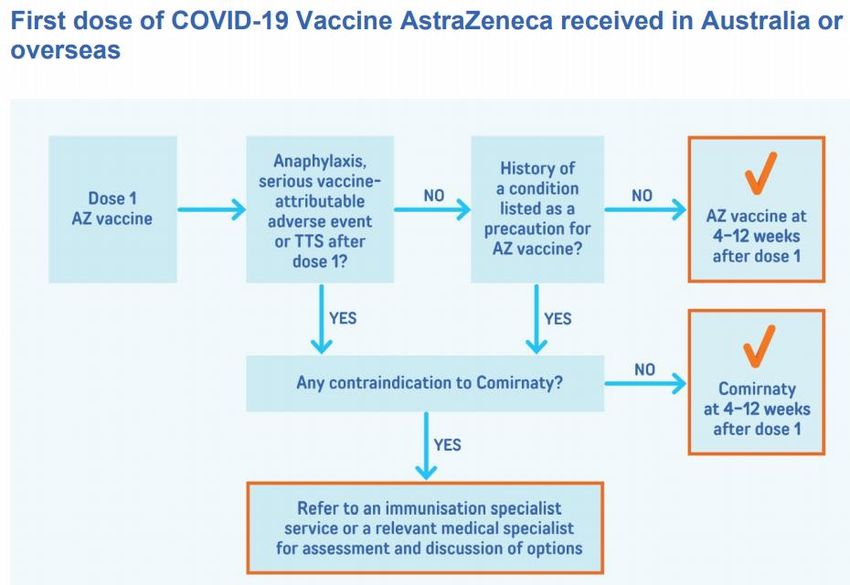
Nepean Blue Mountains Population

                         Estimated proportion of doses
                       administered to NBMPHN residents*                                                                             304,128 residents estimated
                                                                                                                                     over age of 15yrs

                                                                                                                                     608,256 doses required to
                                                                                                                                     fully vaccinate this
                                                                            Estimated proportion of total
                                                  36.07%                    required doses administered
                                                                                                                                     population

                               63.93%                                       Estimated proportion of doses                            219,410 doses have been
                                                                            still to be administered                                 delivered to people who
                                                                                                                                     reside in NBM region
                                                                                                                                     between
                                                                                                                                     22nd March -15th August

 *Please note that this information is based on data obtained from the Australian Immunisation Register (AIR) and should be used as an estimate only and interpreted with
caution. AIR data does not distinguish between first and second doses, it includes data from state hubs and may also underestimate administration counts with some data
being excluded due to inability to be accurately mapped to a clinic.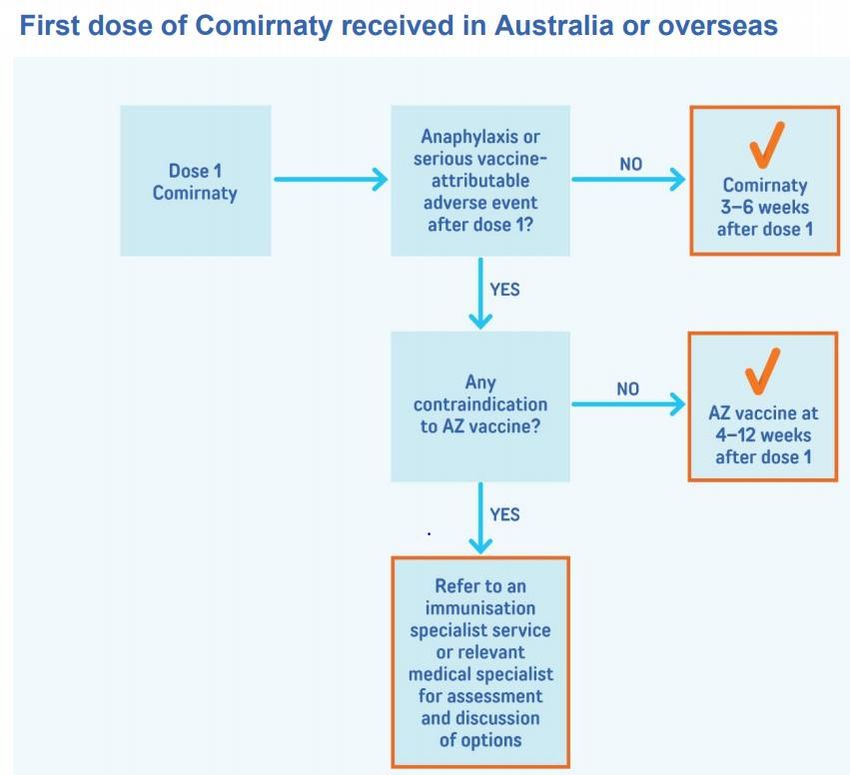
219,400 doses Administered by Age – NBM Region
50000
                                                       44,670
45000
                                              41,020
40000                                                           37,920
                                     35,420
35000

30000

25000                       22,870

20000
                   16,600                                                15,650
15000

10000

5000    3,000                                                                      2,260
    0
        10-19      20-29    30-39    40-49    50-59    60-69    70-79     80+     Unknown
Lithgow LGA – Population Vaccinated by Postcode
Blue Mountains LGA – Population Vaccinated by Postcode
Hawkesbury LGA – Population Vaccinated by Postcode
Penrith LGA – Population Vaccinated by Postcode
Where to from here?
➢ Commencing the 16th September additional general
  practices will receive the Pfizer vaccine onboarded
  across three weeks
➢ General practices will then be delivering both AZ and
  Pfizer vaccine
➢ Working closely with practices to assist them to plan
  how they will deliver the two vaccines
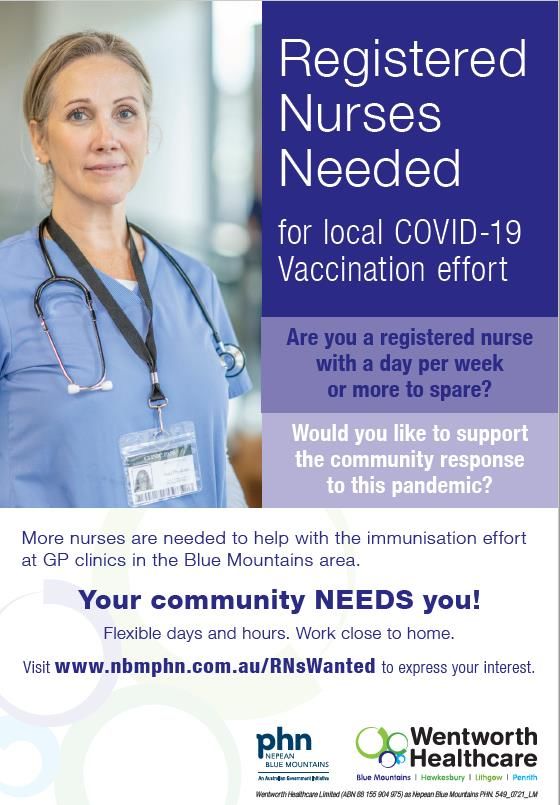
➢ 165 RN – Nurse Immunisers have expressed interest
  to undertake casual shifts at a practice – contact our
  workforce team
➢ Additional pharmacies will commence over the
  coming weeks
Associate Professor Nicholas Wood
Associate Director, Clinical Research
and Services
National Centre for Immunisation
Research and Surveillance
NBMPHN

Update COVID-19
vaccines

A/Professor Nicholas Wood
Topics

• NSW Ministry of Health and AEFI reporting
• Latest information on the use of AstraZeneca vaccine
• Infectivity of Delta variant
• Vaccine safety
 • TTS
 • ITP after AstraZeneca vaccine

• Mixed schedules and Booster doses
• Vaccination in children
                                                         Page 20
NSW Health and Adverse events
• Reports coming in from GP, Specialist, Public
• Processed by MoH team
• Expert panel process
• Ad hoc serious AESI case review
• Weekly meeting with haematology experts
• 3 weekly meeting with cardiology experts
• 3 weekly meeting with neurology experts
• Fortnghtly meeting with allergy experts
• NSWISS able to provide advice
• EMAIL: schn-nswiss@health.nsw.gov.au
Page 21What should you tell your patients about the AZ vaccine?
• Explain efficacy
• Risk of infection
• Need 2 doses
• Explain safety
• AusVaxSafety www.ausvaxsafety.org.au
• TTS risk – noting lack of data in under 40yr olds
• How to monitor for symptoms that might be related to an adverse event including
TTS
• What action should be taken by individuals in the event of such symptoms arising
https://www.ausvaxsafety.org.au/our-work/covid-19-vaccine-safety-surveillance
Page 22CESPHN Update COVID-19 vaccines Page 23
Vaccine efficacy against Delta

Microsoft Word - Melbourne Children's Campus - Weekly COVID-19 Vaccine Updates (15 July 2021).docx (unimelb.edu.au)
  Pharmacy Update COVID-19 vaccines                                                                                   Page 24
CESPHN Update COVID-19 vaccines Page 25
Hospitalised cases in NSW

CESPHN Update COVID-19 vaccines   Page 26
Has advice changed now with outbreaks?
• Patients are now advised:
    • If 60 years of age or older and unvaccinated book an appointment
      for COVID-19 vaccine now
    • If first dose of AstraZeneca has been received, second dose can
      be given 6-8 weeks after dose 1 (previously 12 week interval
      between dose 1 and 2)
    • For those aged 40-59 years and not yet been vaccinated and are
      unable to obtain an appointment for the Cominarty (Pfizer) vaccine,
      encouraged to speak to GP about AstraZeneca risks and likely
      benefits
    • Anyone aged 18-39 years wishing to get the AstraZeneca vaccine,
      is encouraged to talk to their GP
 https://www.nsw.gov.au/covid-19/health-and-wellbeing/covid-19-vaccination-nsw/about-vaccine-rollout

 Health Ed Update COVID-19 vaccines                                                                    Page 27
Risk of TTS
(Keep in mind, the risk estimates in the under-50s are based on a much smaller number
of people who received the AstraZeneca vaccine compared to those over 50.)
https://www.health.gov.au/initiatives-and-programs/covid-19-vaccines/learn-about-covid-19-vaccines/about-the-astrazeneca-covid-19-vaccine
Page 28TTS after AstraZeneca
People should seek immediate medical attention if
they develop any of the following symptoms after
vaccination:
• severe or persistent headache, blurred vision,
confusion or seizures
• shortness of breath, chest pain, leg swelling or
persistent abdominal pain
• unusual skin bruising and/or pinpoint round spots
beyond the site of vaccination.
The most common time period for onset of TTS
symptoms is 4–30 days after vaccination.
https://www.health.gov.au/news/joint-statement-from-atagi-and-thanz-on-thrombosis-with-thrombocytopenia-syndrome-tts-and-the-use-of-covid-19-vaccine-astrazeneca Page 29ITP after AstraZeneca vaccine
Immune thrombocytopenia (ITP)
• The TGA is closely monitoring reports of ITP and investigating whether there may be a link
with the AstraZeneca vaccine. This is in light of cases reported to the TGA and
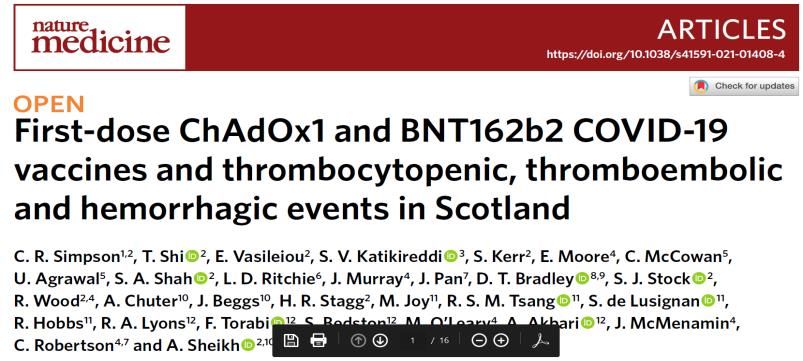
a recent Scottish study suggesting a small increase in the risk of ITP (1 in 100,000
vaccinated people).
• TGA has received To 8 August 2021, the TGA has received 46 reports of suspected ITP
following vaccination..
https://www.tga.gov.au/periodic/covid-19-
vaccine-weekly-safety-report-12-08-2021
Page 30Other TGA reports post AstraZeneca vaccine
• Reports of suspected GBS
• GBS is currently being accessed by the Pharmacovigilance Risk Assessment Committee in
Europe
• TGA will report on this investigation when more information is available
• Capillary Leak syndrome- cases have been reported following immunisation with the
AstraZeneca Vaccine overseas
https://www.tga.gov.au/resource/covid-19-vaccine-safety-monitoring-plan
Page 31ATAGI –NSW Outbreak
• All adults in greater Sydney should strongly consider the benefits of earlier
protection with COVID-19 Vaccine AstraZeneca rather than waiting for
alternative vaccines
• Astra Zencea - recommend a shorter interval of 6-8 weeks between doses
in an outbreak (versus the routine 12 week interval)
• Spacing Comirnaty (Pfizer) to a routine interval of 6 weeks would allow
limited vaccine supplies to be redirected to obtain first dose protection in
outbreak areas of greatest need.
• BASICALLY = get at least one dose as soon as you can
Page 32Mixed schedules
• Combined or mixed COVID-19 vaccine schedules are currently not routinely recommended
in Australia (except for where AEFI after dose 1).
• More information relating to safety and efficacy, as well as information on appropriate
intervals between doses is required.
• Several European countries are giving Pfizer or Moderna as second doses to AstraZeneca
recipients
• ATAGI Advice on “vaccine switch” – in special circumstances just released
Page 33COVID-19 vaccination – Clinical advice on the use of a different COVID-19 vaccine as the second dose | Australian Government Department of Health CESPHN Update COVID-19 vaccines Page 34
CESPHN Update COVID-19 vaccines Page 35
Precautionary conditions for dose 2

• If a person has had dose 1 of Astra Zeneca and has the following
 •   History of Heparin induced thrombocytopenia
 •   History of CVST
 •   History of idiopathic splanchnic vein thrombosis
 •   History of antiphospholipid syndrome with thrombosis

• Then move to Pfizer for dose 2 to complete the primary course

                                                                     Page 36
AstraZeneca Vaccine medical contraindication
Page 37PHN Update COVID-19 vaccines Page 38
Health Ed Update COVID-19 vaccines Page 39
Safety of Astra Zeneca and Pfizer mixed vaccine schedule

COVID-19 vaccination – Clinical advice on the use of a different COVID-19 vaccine as the second dose (health.gov.au)

  Health Ed Update COVID-19 vaccines                                                                                   Page 40
Pfizer COVID-19 vaccine
Comirnaty
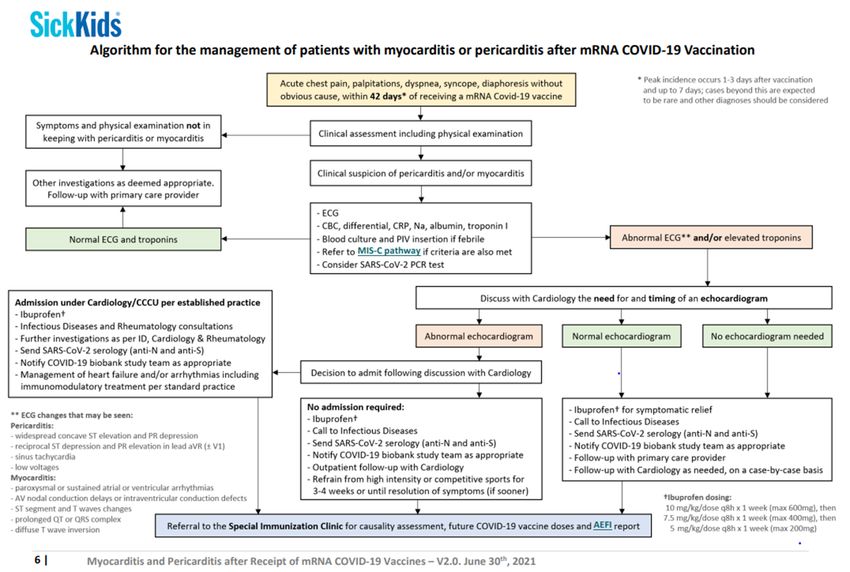
Myocarditis and Pfizer vaccine

• Post-market safety surveillance of mRNA COVID-19 vaccines has found an increased
  frequency of myocarditis and pericarditis most frequently
    •   in adolescents and younger adults under 30 years of age,
    •   more frequently in males compared to females, and
    •   more frequently after the second dose.

• Need Investigation with ECG, CXR, Troponin, potentially ECHO or Cardiac MRI
• Majority of cases have been mild and have resolved.
• Mild cases may be treated with non-steroidal anti-inflammatory drugs (NSAIDS) for
  symptomatic relief.

                                                                                      Page 42
interim-guidance_myocarditis-pericarditis-after-mrna-covid-19-vaccination-in-children.pdf (sickkids.ca)
Page 43COVID-19 vaccination – Guidance on Myocarditis and Pericarditis after mRNA COVID-19 vaccines (health.gov.au) CESPHN Update COVID-19 vaccines Page 44
Underlying cardiac conditions and Pfizer COVID vaccine

CESPHN Update COVID-19 vaccines                          Page 45
ATAGI advice

Health Ed Update COVID-19 vaccines   Page 46
Any other serious adverse event
                                     attributed to the first dose of a
                                     COVID-19 vaccine
                                     includes:

                                     o Myocarditis following an
                                     mRNA vaccine – discuss with
                                     specialist.

                                     o Immune thrombocytopenia
                                     (ITP) following dose 1 of any
                                     COVID-19 vaccine*

Health Ed Update COVID-19 vaccines                              Page 47
Myocarditis and pericarditis after Pfizer vaccine
• Should be seen by a cardiologist for ongoing review
• Often need serial ECG and ECHO
• Patients with established myocarditis should be admitted to hospital for
cardiac monitoring (ideally continuous ECG monitoring), until the cardiac
biomarker levels have peaked and symptoms have resolved
• Avoid high intensity exercise or competitive sports until resolution of
symptoms and ECG changes and normalisation of cardiac function
• Not for 2nd dose of mRNA vaccine,
• Discuss with vaccine or medical specialist re “vaccine switch”
Page 48TGA approves Pfizer vaccine in 12-15 year olds Health EdN Update COVID-19 vaccines Page 49
Clinical trial data

July 15, 2021
N Engl J Med 2021; 385:239-250
DOI: 10.1056/NEJMoa2107456

 Health Ed Update COVID-19 vaccines   Page 50
Children aged 12-15 years now approved for Pfizer

• ATAGI recommends priorities for Comirnaty (Pfizer) vaccine:

• children with specified medical conditions that increase their risk of severe
  COVID-19 – see Appendix A for more details

• Aboriginal and Torres Strait Islander children aged 12–15 years

• all children aged 12–15 years in remote communities, as part of broader
  community outreach vaccination programs that provide vaccines for all
  ages (≥12 years).
ATAGI statement regarding vaccination of adolescents aged 12–15 years | Australian Government Department of Health

                                                                                                                     Page 51
Vaccine safety in adolescents
Page 52Vaccination in children and adolescents CESPHN Update COVID-19 vaccines Page 53
Recent questions

 Q. Can you administer the COVID-19 vaccine less than 7 days after a live vaccination?
 A. Yes in special circumstances e.g. outbreak, imminent travel

 Q. Do patients need to wait 7 days after a COVID-19 vaccine to receive other vaccinations?
 A. No, a shorter interval (
Vaccine boosters including variants are under study

Pfizer commenced studies for boosters
• A third dose of the Pfizer COVID-19 vaccine as a booster
• A variant-specific booster candidate, based on the B.1.351 variant

Moderna commenced studies for:
• A variant-specific booster candidate, based on the B.1.351 variant (mRNA-1273.351)
• A multivalent booster candidate, mRNA-1273.211, which combines Moderna’s authorized
  vaccine and variant-specific booster in a single vaccine.
• A third dose of the Moderna COVID-19 Vaccine as a booster.

 Wu K, Choi A, Koch M, et al. Variant SARS-CoV-2 mRNA vaccines confer broad neutralization as primary or booster series in mice. bioRxiv 2021:2021.04.13.439482.

                                                                                                                                                                   Page 55
US announcement
Page 56Take home message
• Vaccines are the best way to protect people from COVID-19
• Everyone should continue to get their vaccination when asked to do so unless
specifically advised otherwise.
• As with all vaccines and medicines, the safety of COVID-19 vaccines is being
continuously monitored.
• Cases of an extremely rare specific type of blood clot with low blood platelets
continue to be investigated.
• TGA encourage people to report symptoms that could suggest myocarditis
particularly after the second dose of Comirnaty (Pfizer)
Page 57THANK YOU Questions? https://www.ncirs.org.au/covid- 19/covid-19-vaccines- frequently-asked-questions
Vaccine program
 considerations
  Dr Michael Crampton
Vaccine program considerations
1. Local data:
https://www.nsw.gov.au/covid-19/find-the-facts-about-
covid-19#map-of-nsw-vaccinations-by-home-postcode
2. Practice Data: CAT4
3. Vaccine delivery

• Commonwealth Plan – broaden then increase supply to
  busiest practices
• Practice Plan – Clinics, Opportunistic, Outreach
              Opened Vial Opened Vial Drawn Up      Drawn Up
                                      Syringe       Syringe
              Refrigerated Room      Refrigerated   Room
 AZ           48 hours    6 hours    6 hours        1 hour
 Pfizer       6 hours     1 hour     6 hours        1 hour
4. Protecting Vaccinators and Staff • Vaccination session = Medium Contact risk event • So contact with +ve case -> shutdown • If vaccinators wear - N95, gloves, eye protection = low exposure risk • So contact with +ve case -> continued practice
5. Patient Vaccine Eligibility
• Commonwealth/State ‘eligibility divide’
 •   Active campaign to broaden GP eligibility to equal local rules
 •   Dr de Toca: “Use clinical judgement in all situations” as long as TGA
     approved
 •   Dr de Toca: “Excess Dose Policy exists” (must be TGA approved)

6. Drive thru delivery of vaccines
 • ATAGI (and Commonwealth) guidelines recently published to assist
   practices who may wish to consider delivering by a drive thru option
Katie Taylor Practice Manager Myhealth North Richmond
MYHEALTH NORTH RICHMOND
   COVID-19 Vaccination Clinic Workflow
• 7 GPs
                 • 5 Nurses (3 Practice Nurses & 2 Vaccination Only
                 Nurses)
                 • 1 AIN
                 • 6 Administration Staff

                 •   Delivering both Astra Zeneca and Pfizer.
MYHEALTH NORTH
RICHMOND         •   20 x 1 hour clinics Monday – Friday.
                 •   10 clinics per vaccine.
                 •   1 morning & 1 afternoon session per vaccine.

                 •   Recently introduced Saturday afternoon clinics.
5. The patient
3. waits the
Patient required 15/30
arrives at minutes
the clinic
1. Booking
6. The patient the Vaccine
makes
second appt 2. The day
before
4. The patient receives
their vaccine• Ever changing vaccine eligibility requirements
• Managing requirements around two vaccines
• Managing patient expectations
CHALLENGES
• Balancing GP/Nurse time between vaccines and
regular duties
• Spatial limitations
• Minimising risk of staff burn out• Utilise entire team
• Streamline as many steps as possible
• Standing Order allows for Nurse led clinics
LEARNINGS
• Vaccine clinic is just that
• Onus on the patient to prepare themselves
• Do not over commitMore information Our website https://www.nbmphn.com.au/Health- Professionals/Coronavirus/Immunisation HealthPathways https://nbm.communityhealthpathways.org/83566 3.htm Subscribe to our COVID-19 updates https://www.nbmphn.com.au/Contact/Subscribe- to-receive-NBMPHN-news
Any further
                  questions?
     Email covid@nbmphn.com.au

or contact your Practice Support Officer
You can also read


