Sociocultural behavioral traits in modelling the prediction of COVID-19 infection rates
←
→
Page content transcription
If your browser does not render page correctly, please read the page content below
The current issue and full text archive of this journal is available on Emerald Insight at:
                          https://www.emerald.com/insight/2632-279X.htm

   Sociocultural behavioral traits in                                                                                       Sociocultural
                                                                                                                              behavioral
     modelling the prediction of                                                                                                   traits

      COVID-19 infection rates
                                              Charles Alba
           Student Engagement Network, The Pennsylvania State University,
                          University Park, PA, USA, and                                                                   Received 12 August 2021
                                                                                                                           Revised 31 August 2021
                                         Manasvi M. Mittal                                                                Accepted 31 August 2021

College of Information, Sciences and Technology, The Pennsylvania State University,
                             University Park, PA, USA

Abstract
Purpose – Over the past decades, many health authorities and public policy experts have traditionally relied
on indicators that are dependent on a nation’s economy, its health-care infrastructure advancements, and
superiority in biomedical sciences and technology to predict potential infection rates should a health pandemic
occur. One such commonly relied-upon indicator was that of the Global Health Security (GHS) Index. However,
the coronavirus disease 2019 (COVID-19) pandemic has shown how such variables prove to be inaccurate in
predicting the infection rates during a global health pandemic. Hence, this paper proposes the utilization of
socio-cultural behavioral traits to predict a country’s COVID-19 infection rates.
Design/methodology/approach – This is achieved by proposing a model involving the classification and
regression tree (CART) algorithm and a Poisson regression against the six selected cultural behavioral
predictors consisting of individualism, power distance, masculinity, uncertainty avoidance, long-term
orientation, and indulgence.
Findings – The results show that all the selected cultural behavioral predictors are significant in impacting
COVID-19 infection rates. Furthermore, the model outperforms the conventional GHS Index model based on a
means squared error comparison.
Research limitations/implications – The authors hope that this study would continue promoting the use
of cultures and behaviors in modeling the spread of health diseases.
Practical implications – The authors hope that their works could prove beneficial to public office holders, as
well as health experts working in health facilities, in better predicting potential outcomes during a health
pandemic, thus allowing them to plan and allocate resources efficiently.
Originality/value – The results are a testament to the fact that sociocultural behavioral traits are more reliant
predictors in modeling cross-national infection rates of global health pandemics, like that of COVID-19, as
compared to economic-centric indicators.
Keywords Health policy, COVID-19, Cultures, Sociocultural behaviors
Paper type Research paper

© Charles Alba and Manasvi M. Mittal. Published in Journal of Humanities and Applied Social Sciences.
Published by Emerald Publishing Limited. This article is published under the Creative Commons
Attribution (CC BY 4.0) licence. Anyone may reproduce, distribute, translate and create derivative works
of this article (for both commercial and non-commercial purposes), subject to full attribution to the
original publication and authors. The full terms of this licence may be seen at http://creativecommons.
org/licences/by/4.0/legalcode
    The authors would like to thank Prof James Wang (PhD., MSc., MSc.) and Mr. Li Yu (Msc.) for this
opportunity, and more importantly, for their close guidance and helpful advice throughout this whole
process. The authors would also like to acknowledge Ms. Anmolika Singh, who helped conceptualized the
idea, but was not involved in the pipeline of the project. The authors would also like to thank the researchers
of the 2021 Undergraduate Exhibition (Social and Behavioral Science) who provided us valuable feedback
                                                                                                                        Journal of Humanities and Applied
during the presentation of the preliminary methods and results presentation (Alba et al., 2021).                                           Social Sciences
    Funding: This project was funded by the Pennsylvania State University's Student Engagement                                Emerald Publishing Limited
                                                                                                                                                2632-279X
Network Remote Innovation Grant (Grant number 012599).                                                                    DOI 10.1108/JHASS-07-2021-0128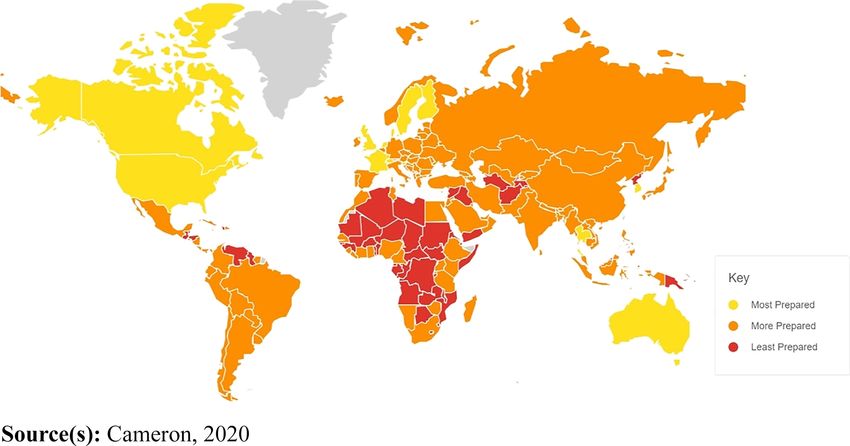
JHASS                  1. Introduction
                       For the longest time, authorities, researchers, and planners at a local, national, and global
                       level have heavily relied on indicators that are a function of a nation’s economic stability and
                       its advances in health-care infrastructure and technology to predict the spread of viruses
                       during a global health pandemic. Hence, these metrics were crucial in assessing their
                       preparations concerning global health pandemics. Their initial assessments based on these
                       metrics are critical in amending relevant policies to best prepare their communities for global
                       health pandemics (McInnes and Lee, 2006; Rushton and Youde, 2014). Such is demonstrated
                       by existing metrics such as that of the Global Health Security (GHS) Index (Rushton, 2011;
                       Boyd et al., 2020), which relies on a series of nonbehavioral variables to matriculate its data
                       (Razavi et al., 2020). Such nonbehavioral variables include a country’s health-care
                       infrastructure capacity, its advances in biomedical sciences and technology, and its overall
                       economic and political stability (Razavi et al., 2020). Even recently recommended metrics such
                       as that of the Epidemic Preparedness Index do heavily weigh a “country’s economic
                       resources, public health communications, infrastructure, public health systems, and
                       institutional capacity” in its metric evaluation (Oppenheim et al., 2019). However, as
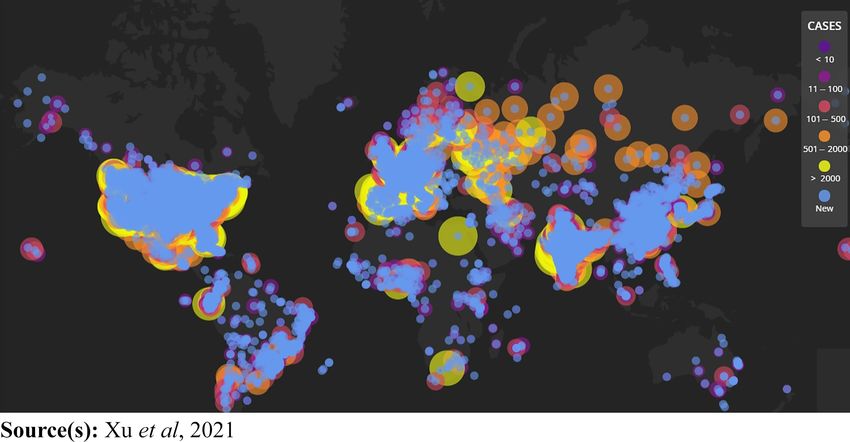
                       evidently shown in the figures in relation to the coronavirus disease 2019 (COVID-19)
                       pandemic (like that of Figure 1), indexes like that of the GHS Index have come under scrutiny
                       from medical or health-care experts as well as public policy experts alike for its failure toward
                       coming remotely close to predicting or forecasting the real figures of the COVID-19 pandemic
                       (Aitken et al., 2020; Abbey et al., 2020). We would discuss this more in Section 1.2. This has led
                       many to question the viability of such metrics for future uses (Aitken et al., 2020; Abbey et al.,
                       2020; Dalglish, 2020).

                       1.1 Purpose
                       Many metrics have often neglected the behavioral aspects of a pandemic. However, as
                       evidently displayed by the COVID-19 pandemic, we have witnessed how the behavioral traits
                       spanning across different countries do impact its COVID-19 infection rates. This could be
                       attributed to the fact that global health pandemics are infectious, and therefore one’s behavior
                       could directly infect and impact its infection rates (Soofi et al., 2020). This would be elaborated
                       in Section 1.3. Thus, we propose the use of numerous quantifiable behavioral traits to predict
                       a country’s COVID-19 infection rates. Specifically, we have identified six distinct

Figure 1.
Total COVID-19 cases
as of August 2021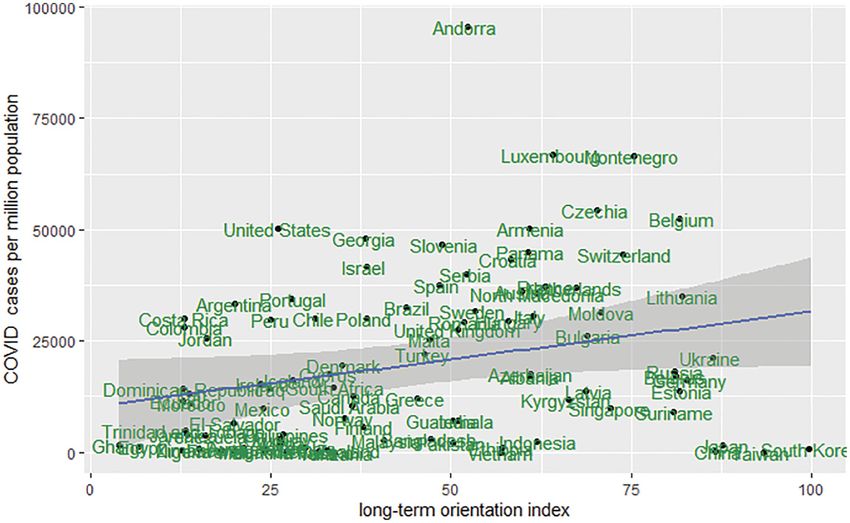
sociocultural behavioral traits as predictors. These six traits are individualism, power            Sociocultural
distance, masculinity, uncertainty avoidance, long-term orientation, and indulgence, and              behavioral
would be elaborated in Section 2.
   Because the GHS Index was traditionally considered the “Bible” of models in predicting
                                                                                                           traits
global health pandemics prior to COVID-19, we shall use the GHS model as a form of
comparison to our proposed model in this paper.

1.2 Failure of the GHS Index
The Index is scored on a zero- to hundred-point scale, with 100 representing the highest
possible score a country can receive. However, although the Index is useful in identifying
gaps in pandemic preparedness, the GHS Index rankings and scores are not correlated with
COVID-19 infection rates (Nuzzo et al., 2020).
    Furthermore, while economic indicators could potentially be used to suppress novel
viruses through the development of vaccines, it fails to account for the crucial time lag
between the initial spread of the virus until the time it takes to effectively vaccinate
communities to a level in which herd immunity is achieved.
    The initial spread of the virus is arguably as critical as the development of a vaccine
(Karaivanov et al., 2021; Howard et al., 2021). A nation that is able to keep the spread of novel
viruses under control during a health pandemic would be able to prevent deaths and swiftly
converge back to a “normal life”, thus requiring less effort or urgency in achieving herd
immunity amongst its communities through methods like vaccinations (Mazey and
Richardson, 2020).
    This is evident from comparing the COVID-19 infection rates of Figure 1 with the GHS
Index of Figure 2. These maps are exemplary of how countries that were deemed the most
prepared in terms of a global health pandemic fared the worst, while the exact opposite
happened to countries that were slated to be the least prepared toward a global health
pandemic. For instance, the USA which was ranked as the “most prepared” country to deal
with a GHS threat by the GHS Index has witnessed the highest cases of COVID-19 infection
rates, while countries like Vietnam which rank 50 in the GHS Index have been highly praised
for its handling of the COVID-19 pandemic (Duong et al., 2020). This has led many to question
the viability of such metrics for future uses (Aitken et al., 2020; Abbey et al., 2020;
Dalglish, 2020).

                                                                                                          Figure 2.
                                                                                                      The GHS Index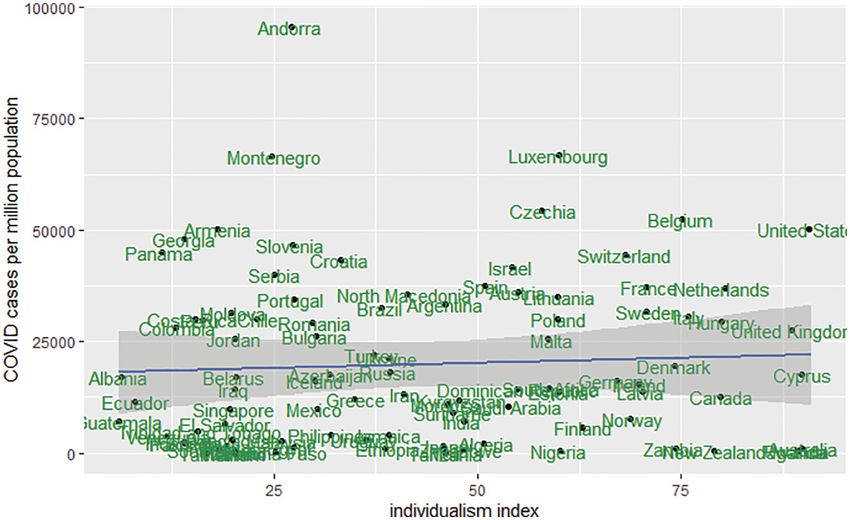
JHASS   1.3 How behaviors could affect COVID-19 and why it could be a good predictor
        Keeping the spread of novel viruses, like that of COVID-19, within control is critical in the initial
        stages of a pandemic whilst waiting months or potentially years for a vaccine to develop (Black
        et al., 2020). Unlike economic indicators which fail to account for the massive time-lag between
        the spread of a novel virus to the immunization of its population, behavior does have a direct and
        immediate impact on the spread of any virus. Furthermore, most global health pandemics are
        known to be extremely contagious (Honigsbaum, 2009; Morens et al., 2009) and are, therefore,
        more susceptible to massive or rapid spreads. In the instance of COVID-19, the virus is known to
        spread through infected droplets/fluids (Chaudhuri et al., 2020; World Health Organization,
        2020), with studies suggesting that the virus is potentially airborne (Borak, 2020; Setti et al.,
        2020). Therefore, behavior is important to control the spread of contagious novel health viruses
        and keep their surroundings safe. Behavior could include wearing a mask in public, sanitizing
        hands regularly, keeping social distance, etc. Maintaining behavior to spread fewer water
        droplets is important and responsible for society which not everyone follows.
            For instance, according to Galbadage et al. (2020), social distancing is an evidence-based
        practice to help prevent the transmission of pathogens that are known to spread from person
        to person within a 3–6 feet distance through respiratory droplets. The adherence to social
        distancing is henceforth reliant on culturally dependent behavioral traits as is made evident
        by Durante et al. (2021), Huynh (2020) and Nikolov et al. (2020).
            Another widely studied field correlates behavior to the adherence of mask-wearing. While
        it is widely proved that mask-wearing does help prevent the spread of COVID-19 between
        individuals, the adherence to mask mandates has remained a pressing issue since the start of
        the pandemic. Many social scientists have suggested that such behaviors are attributed to
        sociocultural behavioral traits (He et al., 2021; Hearne and Ni~ no, 2021; Palmer and Peterson,
        2020; Nikolov et al., 2020), with Palmer and Peterson (2020) even specifying masculinity,
        which is one of our predictors, as an influential trait that influences such mask defying
        behavior.
            Therefore, it normatively seems fitting to use behavioral indicators in favor of economic-
        centric indicators in the prediction of novel viruses, like that of COVID-19, for it directly and
        instantly accounts for the spread of viruses within communities.

        1.4 Who would benefit from it?
        This proposed model could be useful in evaluating a country’s preparedness for future health
        crises or health pandemics.
            Thus, from a macro-perspective, our paper is targeted toward health policy experts, public
        policy experts, sociological psychologists and public office holders or appointees.
        Specifically, they could assess or predict potential outcomes or preparedness toward
        future health pandemics based on their numerous sociocultural behavioral traits. Based on
        such predictions, they could then craft policies or legislature and allocate the appropriate
        funds aimed at improving their chances of better preparing for future health crises (Murray
        and Frenk, 2008; Gadarian et al., 2021; Jay and Paulo, 2020).
            From a micro-perspective, health providers, hospital staff and manufacturers of essential
        health-care equipment could also benefit greatly from such findings. Specifically, they could
        use such findings to prepare, anticipate or stand by the necessary equipment like makeshift
        beds and personal protective equipment (PPE) like N95 masks, waterproof gowns and face-
        shields (Amrami et al., 2021).

        1.5 Related works
        What makes our work novel is the fact that no existing known literature has attempted to use
        quantifiable behavioral traits to model cross-national COVID-19 infection rates at a global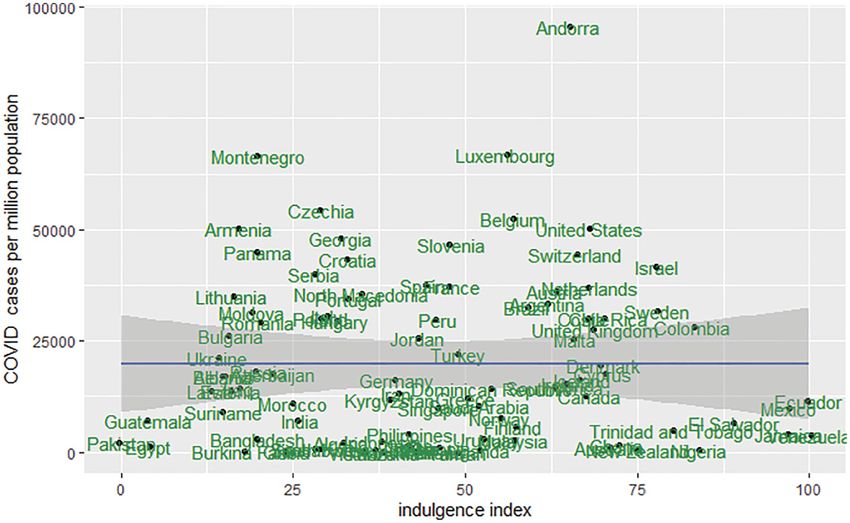
scale. While there is existing literature targeted toward correlating quantifiable behaviors to        Sociocultural
that of COVID-19, most of these studies in the literature are aimed at using behavior to predict         behavioral
specific reactions to peculiar micro-aspects of COVID-19. For instance, a study done by
Margraf et al. (2020) examined the behavioral traits of “perceived usefulness, adherence and
                                                                                                              traits
their predictors” to explain reactions and outcomes related to mask-wearing and social
distancing. This study was limited to only eight countries. Other attempts in using behaviors
to predict COVID-19-related incidents include the utilization of Twitter analytics to explain
the opposition toward mask-adherence (He et al., 2021), using socioeconomic factors to
analyze the adherence toward mask-wearing mandates (Hearne and Nino, 2021), and
attempting to correlate mask-adherence defiance to socialcultural behavioral traits like
masculinity (Palmer and Peterson, 2020).
    The spread of fake news relating to COVID-19 remains another widely published domain
that attempts to link behavior to aspects concerning COVID-19. For instance, van der Linden
et al. (2020), as well as Rodrigues and Xu (2020) have attempted to correlate behaviors with the
spread of fake news relating to COVID-19, with the ultimate goal of using these findings to
mitigate the spread of COVID-19 misinformation.
    While these publications fall within the same broad umbrella of using behaviors to explain
COVID-19 outcomes, it extensively differs from our aim of using sociocultural behavioral
traits to model the prediction of cross-national spread of health pandemics like that of
COVID-19.

2. Description of the identified cultural behavioral traits
The six identified behavioral traits that have been identified include individualism, power
distance, masculinity, uncertainty avoidance, long-term orientation and indulgence. They are
commonly known as the “dimensions of national culture” (Hofstede, 2011). These traits are
selected because they have been identified as traits by socio-psychologists as behavioral
traits that can be spanned and identified uniquely across national boundaries (Hofstede et al.,
2005; Minkov, 2007).
    The first four traits were first matriculated by Hofstede (Hofstede et al., 2005) and the latter
two were later built upon Hofstede’s works by Minkov (2007). All these behavioral traits for
our selected data source are scored based on a 0 to 100 scale.
    While there are many multidimensional models (Minkov and Kaasa, 2021; House et al.,
2004; Bond and Lun, 2014; Leung et al., 2002; Inglehart and Baker, 2000; Stankov et al., 2014;
etc.) which we could rely on for our analysis, we selected the model by Minkov et al. (2016)
since many of these models are derived and originated from aspects of the model proposed by
Hofstede and Minkov. This originality could also reduce the phenomena of multicollinearity
and the curse of dimensionality – as many of the models extract multiple dimensions in their
same proposed framework from singular dimensions of Hofstede’s (1991) work. Thus,
choosing the updated but original works of Minkov et al. (2016) where the dimensions were
crafted with individuality could add legitimacy toward our model from reduced
multicollinearity, as later exemplified in Section 4.2.
    Furthermore, this remains the only model that contains comprehensive vast global
records that have been recorded and updated since its inception by Hofstede (1991).
Furthermore, it remains the only model to have comprehensive validation between its
subjective cultural theories and objective cultural applications (Minkov and Kassa, 2021).
    Finally, with relevance to the previously mentioned point, this selected model by Minkov
et al. (2016) remains one of the few models which is behavioral or socioeconomical in nature,
rather than philosophical or classical in nature. This makes it more applicable for our study of
the influence of the spread of viruses through human behavior.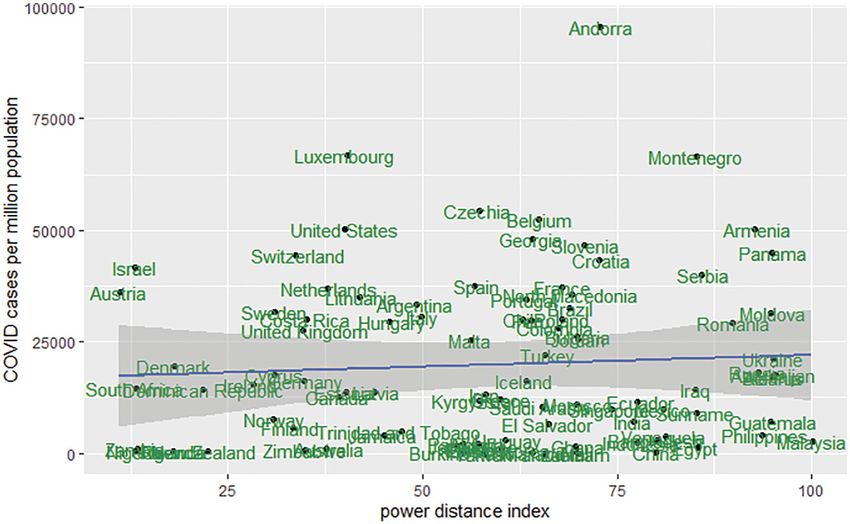
JHASS   2.1 Individualism
        Individualism is a social pattern that “consists of individuals who view themselves as
        independent of any community” (Triandis, 2018). Thus, they are primarily motivated by their
        personal goals and desires (Triandis, 2018; Hofstede, 2011). Individualistic cultures are
        typically affiliated with national characteristics of freedom, assertiveness and universalism
        (Minkov and Kaasa, 2021). Collectivism, on the other end of the spectrum in the
        “individualism dimension”, could be best described as “the social pattern consisting
        closely linked individuals who see themselves as part of one or more collectives” (Triandis,
        2018). Such collectives could refer to groups within their communities such as families, work
        employees or tribes. Thus, from a behavioral perspective, individuals from nations with more
        collective cultures tend to focus on the goals of these collectives over their personal goals
        (Triandis, 2018; Hofstede, 2011) due to their prioritization of social factors (Mahrous, 2011).
        Cultural traits are often correlated with national characteristics of conformism,
        submissiveness and exclusionism (Minkov and Kaasa, 2021). Therefore, a country that
        was the most individualistic culture would obtain a score of 100, whereas a country with a
        collectivist culture would obtain a score of 0.

        2.2 Power distance
        Power distance “refers to the extent to which national cultures expect and accept that power
        is distributed unequally in society” (Basabe and Ros, 2005; Mahrous, 2011). Thus, countries
        that score higher in their power index rankings could expect a culture whereby their citizens
        expect or command formal deference to higher authorities (e.g. parents or elected officials)
        compared to their counterparts with lower power index score (Basabe and Ros, 2005;
        Hofstede, 2009). Thus, while countries with higher power distance indexes are expected to
        witness lower levels of power inequality, they are expected to resent big powerful groups like
        governments or large corporate entities compared to their counterparts with lower power
        index scores (Mahrous, 2011).

        2.3 Masculinity
        Countries that score highly on the Masculinity Index are known to be more ”masculine” in the
        sense whereby they are expected to align with the more ”historical and outdated” perspective
        of the roles of men and women whereby “men are (expected) to be assertive, ambitious and
        competitive (and) to strive for material success” (Arrindell et al., 2003; Hofstede, 1984, 1986,
        1996), whereas ”Women are expected to serve and care for the nonmaterial quality of life, for
        children and for the weak” (Arrindell et al., 2003; Hofstede, 1984, 1986, 1996). Thus, more
        masculine societies are expected to have a greater emphasis on material success over other
        value-based nonmaterialistic issues (Mahrous, 2011). Countries that score lower on this index
        thus identify with a more feminine perspective, whereby women and men could have more
        overlapping and equal societal responsibilities (Arrindell et al., 2003; Hofstede, 1984,
        1986, 1996).

        2.4 Uncertainty avoidance
        Uncertainty avoidance pertains to distrust and anxiety its relevant citizens would face when
        confronting unknown situations. Thus, a country where its citizens are expected to face
        distrust and anxiety in the face of unknown adversaries, like that of the COVID-19 pandemic
        would score higher in the uncertainty avoidance index. As a result, countries with higher
        uncertainty avoidance are expected to witness higher levels of stress and anxiety compared
        to their more uncertainty tolerant counterparts. Conversely, countries that are uncertainty
        tolerant, the opposite of uncertainty avoidance, are more likely to confront unknown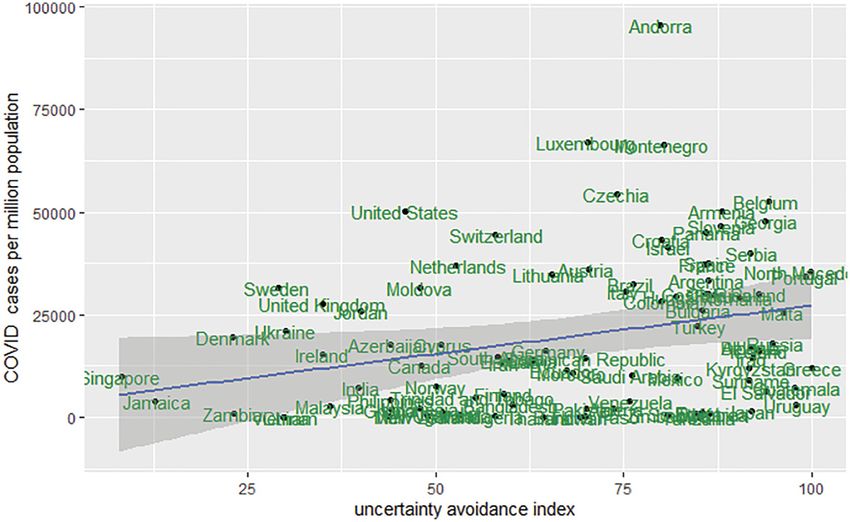
situations with “fixed habits and rituals”, all in pursuit of the truth (Steinhauser, 2018;          Sociocultural
Hofstede, 2009).                                                                                       behavioral
                                                                                                            traits
2.5 Long-term orientation
In a long-term-oriented culture, also known as Flexhumility, its citizens are expected to
display foresight by planning for the future as always needed. Thus, a country where its
citizens are viewed as more long-term oriented is expected to score high in the long-term
orientation index (Kapros, 2019). Thus, flexhumility societies are frequently affiliated with
national values of self-control and self-sufficiency. On the other hand, countries with short-
term-oriented cultures do not necessarily lack foresight, rather, they simply believe that the
“past provides a moral compass” (Alcantara-Pilar et al., 2018) and they are thus expected to
adhere to their moral compasses as a form of moral good whilst living in the present
(Alcantara-Pilar et al., 2018). This is also known as monumentalism. Hence, monumentalistic
societies often observe high self-esteem (Minkov and Kassa, 2021) and self-content (Minkov
and Kassa, 2021). This index is meant to reflect a more philosophical and religious aspect of a
country’s behavior rather than the practical side of a country’s behavior (Minkov, 2007).

2.6 Indulgence
In countries that score high on the “indulgence” index, individuals are expected to engage in
impulses that satisfy their wants and feelings. Henceforth, society must feel free and “easy-
going”. On the other hand, countries that score low on the “indulgence” index are said to be
more restrained, whereby their citizens feel that life is tough, dominated by duties and is filled
with restricted amounts of freedom (Iancu and Badea, 2020).

3. Research methodology
3.1 Data collection and materials
3.1.1 COVID-19 data. We obtain our up-to-date COVID data courtesy of Ritchie from the
European Center for Disease and Prevention control (Ritchie, 2020). It is worth noting that we
count and consider our COVID cases Ci with respect to time ti which is the time difference in
days from which the first case(s) of COVID was reported in ith country up to Dec 14, 2020
(Hubbard, 2020; Elbaum, 2020). We chose Dec 14, 2020 as our cutoff because it was the date a
vaccine was approved. Thus, we chose this date wanting to avoid potential confounding
variables from impacting our analysis, because after all, in a pandemic, a country’s citizens’
reaction to the approval of the vaccine can be correlated with both its infection rates and
behavior.
3.1.2 Behavioral data. Our behavioral data of the six distinct quantified behavioral traits
identified and explained in Section 2 was accurate as of 2016 (Hofstede, 2016). This dataset
presents us with n 5 97 countries worth of relevant behavioral data. It is worth noting that
some countries had missing data from some behavioral traits. Thus, we have decided to use
classification and regression tree (CART) imputation, to “fill in” these missing data. This
would be elaborated in Section 3.2.
   Thus, in total we have n 5 97 countries as our sample size after merging the two distinct
datasets.

3.2 Methods
Hence, we would use the following algorithm to proceed with our implementation:
   (1) Apply the CART algorithm to impute the missing data.
   (2) Use Poisson regression to analyze our data.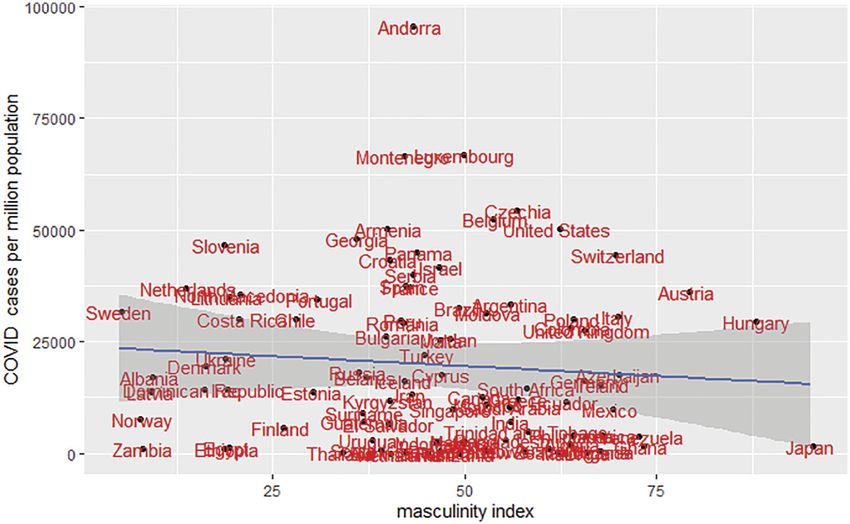
JHASS   3.2.1 CART imputation. We use the CART algorithm to impute our missing behavioral data,
        as elaborated and exemplified by Van Buuren et al. (2018). Our obtained bootstrap of (Yobs,
        Xobs) is set to size n1 5 50.
        3.2.2 Poisson regression. We will use a Poisson distribution, where
                                                ri ∼ Poisðλi Þ                                  (1)

        where

                                                      ci
                                              ri ¼       * 1000000                                     (2)
                                                      pi

        and
                                                             ci
                                                      λi ¼                                             (3)
                                                             ti

        given Ci is the number of cases for given country i, ti is the time-period in terms of the number
        of days since COVID-19 was first confirmed in ith country up to Dec 14 (the day a COVID
        vaccine was approved), pi is the population of ith location. Thus, this will prompt us to obtain
        the following:

                                     λ
                               log     * 1000000 ¼ β0 þ β1 X1 þ . . . þ βn Xn                          (4)
                                     p

        thus, giving us

                                                                            p
                             logðλÞ ¼ β0 þ β1 X1 þ . . . þ βn Xn þ log                                 (5)
                                                                         1000000

        where Xn is the given n 5 1, 2, 3, 4, 5, 6 denoting each distinct behavioral index previously
        identified in Section 2.

        4. Results
        4.1 Data analysis
        As shown in Figure 3, the individualism (sub Figure 3a), power distance (sub Figure 3b),
        uncertainty avoidance (sub Figure 3d), long-term orientation (sub Figure 3e) and indulgence
        (sub Figure 3f) indexes displayed positive correlations with the COVID cases per million
        population, denoted as ri in Eqn (2). Only the masculinity index (Sub Figure 3c) displayed a
        negative correlation with the COVID cases per million population.

        4.2 Statistical findings
        The obtained statistical results in Table 1 suggest that at α 5 0.001 we have very strong
        evidence to suggest that the six identified behavioral traits have a significant impact on a
        country’s COVID-19 infection rates given p-value < α.
           Furthermore, the fact that our Variance Inflation Factor (VIF) falls within the reasonable
        range of VIF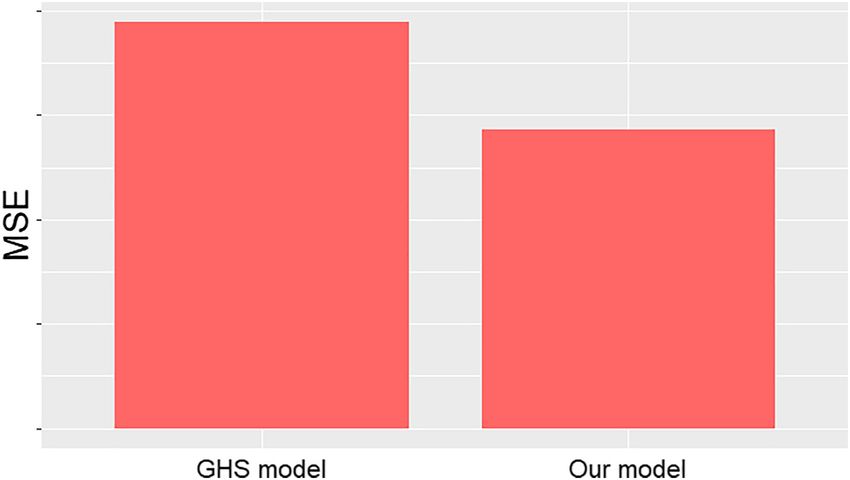
Sociocultural
                                                                                                    behavioral
                                                                                                         traits

           Individualism index against                       Power Distance index
             covid cases per million                         against covid cases per
                  population ri                               million population ri
                       (a)                                             (b)

                Masculinity index                           Uncertainty Avoidance
              against covid cases per                     index against covid cases per
               million population ri                          million population ri
                        (c)                                            (d)

                                                                                                           Figure 3.
                                                                                                       The respective
                                                                                                individual behavioral
              Long-term orientation                            Indulgence index
                                                                                                  indexes against the
           index against covid cases per                     against covid cases per
                                                                                                     COVID cases per
               million population ri                          million population ri
                                                                                                million population (ri)
                        (e)                                            (f)

It is worth noting that the GHS model has predicted a country’s preparedness and ability to
handle the pandemic in the opposite direction to the actual happenings of the COVID-19
pandemic in terms of the number of COVID infection rates per million population (denoted ri).
This was previously discussed in Section 1.2.
    However, even if we were to ignore this facet and run a fitted GHS model against a
country’s COVID-19 infection rates, our behavioral model in Eqn (5) still outperforms this
model by MSE 5 1461.748 in a 70–30 train-test split.
JHASS These results are further evidence of our hypothesis that these behavioral indexes are
indeed an accurate and reliable indicator toward the spread of an infectious disease during a
global health pandemic.
5. Discussion
5.1 Model accuracy and reliability
Our results show that our selected sociocultural behavioral traits are more accurate
predictors in modeling the spread of viruses, like COVID-19, as compared to indicators that
are dependent on a country’s economic strength and advancements in biotechnology, like the
GHS Index. Thus, we hope that this spearheads the use of quantifiable behavioral traits in
predicting the spread of novel health pandemics at a cross-national level.
5.2 Policy implications
5.2.1 Policy implications toward stakeholders involved at a macro-level. From the macro-
perspective, these results could certainly shift the mindsets of stakeholders involved at a
macro-level, as previously elaborated in Section 1.4. Public and health policy office holders
should be encouraged by our results to consider the behavioral aspects when crafting
measures to deal with health pandemics. Policies should be legislated with the consideration
of how its citizens would behave. Furthermore, specific guidelines should be drafted with the
goal of counteracting the negative aspects of our selected sociocultural behavioral predictors
while enhancing the positive aspects of our chosen predictors.
This mindset of legislating pandemic-oriented policies largely differs from traditional
mindsets attributed by traditional economic-centric indicators like that of the GHS Index.
Specifically, prior to the COVID-19 crisis, policy-makers crafted pandemic-oriented policies
Coefficients Estimate Z-value Pr(>jzj)
(Intercept) 0.6533763 32.75by seeking to assess and advance their health-care technologies or biomedical advancements. Sociocultural
The perception behind this is that a society with a stronger economic status is able to invest behavioral
more in health-care technologies that could better deal with the outbreak of viruses. This
perception is certainly encouraged by indicators like the GHS Index which has ranked a
traits
country’s preparedness solely on economic-centric indicators. However, as suggested from
our results and based on our explanations in Section 4.2, this mindset is evidently flawed.
Thus, we hope that our results could encourage a shift in mindsets of stakeholders involved in
a macro-level, where behavioral traits are considered in favor of economic statuses to keep
future global health pandemics under control.
For instance, our results show that countries that are ranked higher in terms of
individualism tend to have higher COVID-19 infection rates. This means that societies with
individuals who tend to view themselves as independent stakeholders of their community are
likely to fare poorer in initial responses to the breakouts of global health pandemics. Hence,
with that in mind, health authorities governing countries with higher individualism index
scores could consider the fact that should a health pandemic occur, individuals are more
likely to fend for themselves or their immediate loved ones and contribute or rely less on the
community for help. Hence, policies like the distribution of stimulus cheques could prove
effective, as more “individualistic” individuals are more likely to risk going out to work to
financially support their loved ones, and less likely to have structural support from their
communities. Likewise, when advertising mandates like stay-home orders or mask mandates,
public policy officials governing more individualistic societies could perhaps consider
advertisements that place a heavier emphasis on the immediate impacts on individuals and
their loved ones instead of reiterating the safety of communities.
Using uncertainty avoidance as another instance, our results show that countries with
higher scores in this index (i.e. are more avoiding) naturally fare better in controlling the
spread of pandemics than countries with more “tolerant” individuals.
This means that societies with individuals who are not anxiously deterred by the
unknown or uncertainty of information are more likely to fare poorer as compared to their
more “uncertain” counterparts. Hence, countries that score lower in this index (i.e. are more
tolerant), may want to reconsider being precautious or reserved in communicating findings or
information during the breakout of novel viruses simply because their citizens are not
deterred from the unknown. Federal authorities in such intolerant societies may also want to
reconsider introducing executive enforcements or overriding local governments, especially
pertaining guidelines and regulations. This is because they are likely to embrace such clearly
written rules and regulations from the highest of authorities as compared to their more
“uncertain” counterparts (Mahrous, 2011).
It is worth noting that the two above examples are not meant to be exhaustive, but serve as
an exemplification of how our results cause a fundamental shift in the mindsets when dealing
with global health pandemics.
5.2.2 Policy implications toward stakeholders at a micro level. Our model could also better aid
stakeholders, like hospital staff and manufacturers of PPE equipment, as previously
elaborated in Section 1.4. Specifically, our model gives us an insight into the impact of
sociocultural behavioral traits on the spread of diseases like COVID-19 as elaborated in our
results. Thus, the aforementioned stakeholders could now better anticipate the reactions
concerning a health pandemic. These stakeholders could henceforth ensure a more equitable
allocation of resources when dealing with global pandemics.
For instance, our results show that countries that are ranked higher in terms of
individualism tend to have higher COVID-19 infection rates. Thus, as elaborated in Section 2,
more individualistic societies, where its citizens tend to see themselves as individuals and
thus fend for themselves in times of crisis, are more likely to fare poorer in global pandemics.
Thus, one would expect individuals from more individualistic societies to buy massiveJHASS amounts of supplies like PPE out of immediate concern for themselves or their loved ones.
This behavior of “panic buying” was common in countries like the USA (Shanthakumar et al.,
2020) and the United Kingdom (Bentall et al., 2021), which scored higher in the individualism
index. Hence, stakeholders like manufacturers of PPE could utilize our model in determining
potential reactions to phenomena like panic-buying by imposing restrictions or quotas on the
purchase of supplies.
This example is not meant to be exhaustive but serves as a demonstration of how our model
could potentially benefit stakeholders at a micro level, as previously elaborated in Section 1.4.
6. Conclusion
We proposed the use of numerous quantifiable sociocultural behavioral traits in modeling the
prediction of a country’s COVID-19 infection rates. Our model involves the use of the CART
imputation algorithm and Poisson regression. Our results show that the six identified
sociocultural behavioral traits of individualism, power distance, masculinity, uncertainty
avoidance, long-term orientation and indulgence have a very significant impact in predicting
a country’s COVID-19 infection rate. Likewise, our proposed model outperforms the GHS
Index model, which is heavily reliant on economic-centric indicators and indicators that are
reflective of a country’s advancements in healthcare or biotechnology.
6.1 Limitations and future works
As evident from this paper, this paper is focused on predicting a country’s COVID-19 infection
rates. As such, it is obvious that it fails to account for variations and differences in COVID-19
infection rates within each respective nation. This limitation can be attributed to the fact that
our selected version of Minkov and Hofstede’s behavioral traits are meant to be distinctive
across nations, and thus, such data are not available at an interstate, intercity or
intercommunity level. After all, as best noted by both Hofstede (1996, 1984, 2009, 2016) and
Minkov (Minkov and Kaasa, 2021), as well as other established researchers (House et al., 2004;
Lenartowicz and Roth, 2001; Tung, 2008; Mahrous, 2011), such distinctive behavioral cultures
drawn within national boundaries are not meant to reflect intercultural traits.
In terms of future works for similar studies at an interstate level, Minov and Kaasa (2021)
recently introduced a “revised” version of their “model of cultures” involving the 50 US states
which include a singular cultural metric identified as the “subjective-culture individualism-
collectivism” dimension.
However, this availability remains limited only in the context of the USA. Furthermore,
this involved a different methodology as compared to our proposed model which was done in
the global context.
In terms of future works for similar studies at an intercity and intercommunity level, there
are plentiful amounts of the literature directed toward structuring matriculated and
quantifiable behaviors at a community level (Glenwick and Jason, 1984; Jason et al., 2021).
Psychologists often refer to this as behavioral community psychology.
Unfortunately, most of these metrics require heavily involved interactions with
communities, which was not possible at the given time of this written work, due to
enforced measures like social distancing required to suppress COVID-19.
Thus, if any future work should be done on our works, we hope it could be focused on
using such methods aimed at applying quantifiable behavioral traits in predicting COVID-19
or health pandemic infection rates at a state, city or community level.
References
Abbey, E.J., Khalifa, B.A., Oduwole, M.O., Ayeh, S.K., Nudotor, R.D., Salia, E.L., Lasisi, O., Bennett, S.,
Yusuf, H.E., Agwu, A.L. and Sic Karakousis, P.C. (2020), “The global health security index isnot predictive of coronavirus pandemic responses among organization for economic Sociocultural
cooperation and development countries”, PloS One, Vol. 15 No. 10, e0239398.
behavioral
Aitken, T., Chin, K.L., Liew, D. and Ofori-Asenso, R. (2020), “Rethinking pandemic preparation: global
health security index (ghsi) is predictive of covid-19 burden, but in the opposite direction”, The
traits
Journal of Infection, Vol. 81 No. 2, p. 318.
Alba, C., Mittal, M. and Singh, A. (2021), “Using quantifiable behavioral traits to predict a country’s
covid 19 infection rates”, 2021 Undergraduate Exhibition (Social and Behavioral
Sciences), 16095.
Alcantara-Pilar, J.M., Del Barrio-Garcıa, S. and Rodrıguez-Lopez, M.E. (2018), “Does language matter?
a cross-national comparison of the moderating effect of language on website information-
processing”, Journal of Business Research, Vol. 88, pp. 66-78.
Amrami, K., Domnick, R., Heinzen, E., Helfinstine, K., Jayakumar, A., Johnson, P., Knepper, C.,
Marcelletti, D., Mickelson, M., Rojas, R., George, M.S., Tande, A., Walvatne, K., Wutthisirisart,
P., Pollock, B.D., Carter, R.E., Dowdy, S.C., Dunlay, S.M., Habermann, E.B., Kor, D.J., Limper,
A.H., Liu, H., Franco, P.M., Neville, M.R., Noe, K.H., Poe, J.D., Sampathkumar, P., Storlie, C.B.,
Ting, H.H. and Shah, N.D. (2021), “Deployment of an interdisciplinary predictive analytics task
force to inform hospital operational decision-making during the covid-19 pandemic”, Mayo
Clinic Proceedings, Elsevier, Vol. 96, pp. 690-698.
Arrindell, W.A., Eisemann, M., Richter, J., Oei, T.P., Caballo, V.E., Van der Ende, J., Sanavio, E., Bages,
N., Feldman, L., Torres, B., et al. (2003), “Masculinity–femininity as a national characteristic and
its relationship with national agoraphobic fear levels: fodor’s sex role hypothesis revitalized”,
Behaviour Research and Therapy, Vol. 41 No. 7, pp. 795-807.
Basabe, N. and Ros, M. (2005), “Cultural dimensions and social behavior correlates: individualism-
collectivism and power distance”, International Review of Social Psychology, Vol. 18 No. 1, pp. 189-225.
Bentall, R.P., Lloyd, A., Bennett, K., McKay, R., Mason, L., Murphy, J., McBride, O., Hartman, T.K.,
Gibson-Miller, J., Levita, L. and Martinez, A.P. (2021), “Pandemic buying: testing a psychological
model of over-purchasing and panic buying using data from the United Kingdom and the
republic of Ireland during the early phase of the covid-19 pandemic”, PloS One, Vol. 16 No. 1,
e0246339.
Black, S., Bloom, D.E., Kaslow, D.C., Pecetta, S. and Rappuoli, R. (2020), “Transforming vaccine
development”, Seminars in Immunology, Elsevier, 101413.
Bond, M.H. and Lun, V.M.C. (2014), “Citizen-making: the role of national goals for socializing children”,
Social Science Research, Vol. 44, pp. 75-85.
Borak, J. (2020), “Airborne transmission of COVID19”, Occupational Medicine, Vol. 70 No 5, pp 297-299.
Boyd, M.J., Wilson, N. and Nelson, C. (2020), “Validation analysis of global health security index (ghsi)
scores 2019”, BMJ Global Health, Vol. 5 No. 10, p. e003276.
Cameron, J.E. and Nuzzo, J.B. (2020), The Global Health Security Index 2020, Nuclear Threat Initiative,
available at: https://www.ghsindex.org/.
Chaudhuri, S., Basu, S., Kabi, P., Unni, V.R. and Saha, A. (2020), “Modeling the role of respiratory
droplets in covid-19 type pandemics”, Physics of Fluids, Vol. 32 No. 6, 063309.
Dalglish, S.L. (2020), “Covid-19 gives the lie to global health expertise”, The Lancet, Vol. 395 No. 10231,
p. 1189.
Duong, D.M., Le, V.T. and Ha, B.T.T. (2020), “covid 19? controlling the covid-19 pandemic in vietnam:
lessons from a limited resource country”, Asia Pacific Journal of Public Health, Vol. 32 No. 4,
pp. 161-162.
Durante, R., Guiso, L. and Gulino, G. (2021), “Asocial capital: civic culture and social distancing during
covid-19”, Journal of Public Economics, Vol. 194, p. 104342.
Elbaum, R. (2020), Dec. 14 Coronavirus Updates: First Federally Approved Vaccine Administered, NBC
News, available at: https://www.nbcnews.com/news/us-news/blog/covid-19-coronavirus-
vaccine-hospitals-warp-speed-n1251068.JHASS Galbadage, T., Peterson, B.M. and Gunasekera, R.S. (2020), “Does covid-19 spread through droplets
alone?”, Frontiers in Public Health, Vol. 8, p. 163.
Glenwick, D.S. and Jason, L.A. (1984), “Behavioral community psychology: an introduction to the
special issue”, Journal of Community Psychology, Vol. 12 No. 2, pp. 103-112.
Gadarian, S.K., Goodman, S.W. and Pepinsky, T.B. (2021), “Partisanship, health behavior, and policy
attitudes in the early stages of the COVID-19 pandemic”, Plos One, Vol. 16 No. 4, e0249596.
He, L., He, C., Reynolds, T.L., Bai, Q., Huang, Y., Li, C., Zheng, K. and Chen, Y. (2021), “Why do people
oppose mask wearing? A comprehensive analysis of us Tweets during the Covid-19 pandemic”,
Journal of the American Medical Informatics Association, Vol. 28 No. 7, pp. 1564-1573.
no, M.D. (2021), “Understanding how race, ethnicity, and gender shape mask-
Hearne, B.N. and Ni~
wearing adherence during the covid-19 pandemic: evidence from the covid impact survey”,
Journal of Racial and Ethnic Health Disparities, Vol. 2021, pp. 1-8.
Hofstede, G. (1984), [Dataset] Culture’s Consequences: International Differences in Work-Related
Values, Vol. 5, Sage, pp. 13-252.
Hofstede, G. (1986), “Cultural differences in teaching and learning”, International Journal of
Intercultural Relations, Vol. 10 No. 3, pp. 301-320.
Hofstede, G. (1991), Cultures and Organizations: Software of the Mind, McGraw-Hill, New York, Vol. 1.
Hofstede, G. (1996), “Gender stereotypes and partner preferences of asian women in masculine and
feminine cultures”, Journal of Cross-Cultural Psychology, Vol. 27 No. 5, pp. 533-546.
Hofstede, G. (2009), Geert Hofstede Cultural Dimensions, Taylor Training.
Hofstede, G. (2011), “Dimensionalizing cultures: the hofstede model in context”, Online Readings in
Psychology and Culture, Vol. 2 No. 1, pp. 2307-0919.
Hofstede, G. (2016), “Culture’s consequences: comparing values, behaviors, institutions, and
organizations across nations”, Collegiate Aviation Review, Vol. 34 No. 2, p. 108.
Hofstede, G., Hofstede, G.J. and Minkov, M. (2005), Cultures and Organizations: Software of the Mind,
McGraw-Hill, New York, Vol. 2.
Honigsbaum, M. (2009), “Pandemic”, The Lancet, Vol. 373 No. 9679, p. 1939.
Howard, J., Huang, A., Li, Z., Tufekci, Z., Zdimal, V., van der Westhuizen, H.M., von Delft, A., Price, A.,
Fridman, L., Tang, L.H. and Tang, V. (2021), “An evidence review of face masks against covid-
19”, Proceedings of the National Academy of Sciences, Vol. 118 No. 4, pp. 1-12.
House, R.J., Hanges, P.J., Javidan, M., Dorfman, P.W. and Gupta, V. (Eds) (2004), “Culture, leadership,
and organizations”, The GLOBE Study of 62 Societies, Sage publications, pp. 1-28.
Hubbard, J. (2020), Coronavirus (Covid-19) Update: December 14, 2020, Federal Drug Agency (FDA),
available at: https://www.fda.gov/news-events/pressannouncements/coronavirus-covid-19-
update-december-14-2020.
Huynh, T.L.D. (2020), “Does culture matter social distancing under the covid-19 pandemic?”, Safety
Science, Vol. 130, p. 104872.
Iancu, D. and Badea, D. (2020), “Empirical analysis of the influence of culture in managerial processes
based on the hofstede model”, International Conference Knowledge-Based Organization,
Sciendo, Vol. 26, pp. 205-210.
Inglehart, R. and Baker, W.E. (2000), “Modernization, cultural change, and the persistence of
traditional values”, American Sociological Review, Vol. 65 No. 1, pp. 19-51.
Jason, L.A., Glenwick, D.S. and Moritsugu, J. (2021), “Behavioral methods in community settings: a
neglected or a vital force?”, Behavior and Social Issues, 2021, pp. 1-10.
Jay, V. and Paulo, B. (2020), “National identity predicts public health support, during a global
pandemic”, pre-print from psyarxiv.
Kapros, E. (2019), “Towards addressing the limitations of educational policy based on international
large-scale assessment data with castoriadean magmas”, Innovations in Big Data Mining and
Embedded Knowledge, Springer, pp. 61-81.Karaivanov, A., Lu, S.E., Shigeoka, H., Chen, C. and Pamplona, S. (2021), “Face masks, public policies Sociocultural
and slowing the spread of COVID-19: evidence from Canada”, Journal of Health Economics, Vol.
78, 102475. behavioral
Lenartowicz, T. and Roth, K. (2001), “Does subculture within a country matter? A cross-cultural study
traits
of motivational domains and business performance in Brazil”, Journal of International Business
Studies, Vol. 32 No. 2, pp. 305-325.
Leung, K., Bond, M.H., de Carrasquel, S.R., Mu~noz, C., Hernandez, M., Murakami, F., Yamaguchi, S.,
Bierbrauer, G. and Singelis, T.M. (2002), “Social axioms: the search for universal dimensions of
general beliefs about how the world functions”, Journal of Cross-Cultural Psychology, Vol 33 No.
3, pp. 286-302.
Mahrous, A.A. (2011), “Antecedents of privacy concerns and their online actual purchase
consequences: a cross-country comparison”, International Journal of Electronic Marketing and
Retailing, Vol. 4 No. 4, pp. 248-269.
Margraf, J., Brailovskaia, J. and Schneider, S. (2020), “Behavioral measures to fight covid-19: an 8-country
study of perceived usefulness, adherence and their predictors”, Plos One, Vol. 15 No. 12,
p. e0243523.
Mazey, S. and Richardson, J. (2020), “Lesson-drawing from New Zealand and covid-19: the need for
anticipatory policy making”, The Political Quarterly, Vol. 91 No. 3, pp. 561-570.
McInnes, C. and Lee, K. (2006), “Health, security and foreign policy”, Review of International Studies,
Vol. 32 No.1, pp. 5-23.
Minkov, M. (2007), What Makes us Different and Similar: A New Interpretation of the World Values
Survey and Other Cross-Cultural Data, Klasika i Stil Publishing House Sofia, Bulgaria.
Minkov, M., Hofstede, G. and Hofstede, G.J. (2016), “Allemaal andersdenkenden: omgaan met
cultuurverschillen”, Business Contact, pp. 1-3.
Minkov, M. and Kaasa, A. (2021), “A test of the revised minkov-hofstede model of culture: mirror
images of subjective and objective culture across nations and the 50 US states”, Cross-Cultural
Research, 2021, 10693971211014468.
Morens, D.M., Folkers, G.K. and Fauci, A.S. (2009), “What is a pandemic?”, The Journal of Infectious
Diseases, Vol. 200 No. 7, pp. 1018-1021.
Murray, C.J. and Frenk, J. (2008), “Health metrics and evaluation: strengthening the science”, The
Lancet, Vol. 371 No. 9619, pp. 1191-1199.
Nikolov, P., Pape, A., Tonguc, O. and Williams, C. (2020), “Predictors of social distancing and mask-
wearing behavior: panel survey in seven us states”, pre-print from arXiv, 2009.13103.
Nuzzo, J.B., Bell, J.A. and Cameron, E.E. (2020), “Suboptimal us response to covid-19 despite robust
capabilities and resources”, Jama, Vol. 324 No. 14, pp. 1391-1392.
Oppenheim, B., Gallivan, M., Madhav, N.K., Brown, N., Serhiyenko, V., Wolfe, N.D. and Ayscue, P.
(2019), “Assessing global preparedness for the next pandemic: development and application of
an epidemic preparedness index”, BMJ Global Health, Vol. 4 No. 1.
Palmer, C.L. and Peterson, R.D. (2020), “Toxic mask-ulinity: the link between masculine toughness and
affective reactions to mask wearing in the covid-19 era”, Politics and Gender, Vol. 16 No. 4,
pp. 1044-1051.
Razavi, A., Erondu, N. and Okereke, E. (2020), “The global health security index: what value does it
add?”, BMJ Global Health, Vol. 5 No. 4, p. e002477.
Ritchie, H. (2020), Coronavirus Source Data, European Center for Disease Prevention and Control,
available at: https://ourworldindata.org/coronavirus-source-data.
Rodrigues, U.M. and Xu, J. (2020), “Covid 19 Regulation of covid-19 fake news infodemic in China and
India”, Media International Australia, Vol. 177 No. 1, pp. 125-131.
Rushton, S. (2011), “Global health security: security for whom? security from what?”, Political Studies,
Vol. 59 No. 4, pp. 779-796.JHASS Rushton, S. and Youde, J. (2014), Routledge Handbook of Global Health Security, Routledge, pp. 5-81.
Setti, L., Passarini, F., De Gennaro, G., Barbieri, P., Perrone, M.G., Borelli, M., Palmisani, J., Di Gilio, A.,
Piscitelli, P. and Miani, A. (2020), “Airborne transmission route of COVID-19: why 2 meters/6
feet of inter-personal distance could not be enough”, International Journal of Environmental
Research and Public Health, Vol. 17 No. 8, p. 2932.
Shanthakumar, S.G., Seetharam, A. and Ramesh, A. (2020), “Understanding the socio-economic
disruption in the united states during Covid-19’s early days”, pre-print from arXiv, 2004.05451.
Soofi, M., Najafi, F. and Karami-Matin, B. (2020), “Using insights from behavioral economics to mitigate
the spread of covid-19”, Applied Health Economics and Health Policy, Vol. 18 No. 3, pp. 345-350.
Stankov, L., Lee, J. and Van de Vijver, F.J. (2014), “Two dimensions of psychological country-level
differences: conservatism/liberalism and harshness/softness”, Learning and Individual
Differences, Vol. 30, pp. 22-33.
Steinhauser, Z.K.D. (2018), “Culture as a factor influencing creativity”, Central and Eastern Europe in
the Changing Business Environment, p. 152.
Triandis, H.C. (2018), Individualism and Collectivism, Routledge, pp. 19-68.
Tung, R.L. (2008), “The cross-cultural research imperative: the need to balance cross-national and
intra-national diversity”, Journal of International Business Studies, Vol. 39 No. 1, pp. 41-46.
van Buuren, S., Kelley, D.E., Mas, J.F., Rahlf, T., Murray, S., Leemis, L., Dayal, V., Sun, C. and Kohl, M.
(2018), “Flexible imputation of missing data”, Language, p. 579.
van der Linden, S., Roozenbeek, J. and Compton, J. (2020), “Inoculating against fake news about covid-
19”, Frontiers in Psychology, Vol. 11, p. 2928.
Xu, B., Gutierrez, B., Mekaru, S., Sewalk, K., Goodwin, L., Loskill, A., Cohn, E.L., Hswen, Y., Hill, S.C.,
Cobo, M.M. and Zarebski, A.E. (2020), “Epidemiological data from the COVID-19 outbreak, real-
time case information”, Scientific Data, Vol. 7 No. 1, pp. 1-6.
World Health Organization (2020), “Getting your workplace ready for COVID-19: how COVID-19
spreads, 19 March 2020 (No. WHO/2019-nCov/workplace/2020.2)”, World Health Organization,
pp. 1-8.
Appendix
The codes, data and resources for this project could be found at the github page https://github.com/
cja5553/socio-cultural-behavioral-traits-and-covid19.
Corresponding author
Charles Alba can be contacted at: cja5553@psu.edu
For instructions on how to order reprints of this article, please visit our website:
www.emeraldgrouppublishing.com/licensing/reprints.htm
Or contact us for further details: permissions@emeraldinsight.comYou can also read


