Spring 2021 - Hatje Cantz Verlag
←
→
Page content transcription
If your browser does not render page correctly, please read the page content below
Spring 2021
EDITORIAL
Dear Book Lovers,
When we wrote the editorial for the fall preview in Zoe Leonard has sent us around four hundred pictures
February 2020, "viral" still seemed an acceptable adjective of the Rio Grande River from the United States. It marks
to us. As a possible metaphor for the fact that something the border between the USA and Mexico. This river is an
prevails—in a positive sense. It is not only in this respect intense metaphor for the separation of two nations, the
that we have learned a lot since the spring, or should we marking of the other, a strict line between what is home
say: Have we been taught a lesson? and what is foreign, between languages and differences,
With this first program since and with the novel corona- between one side and the other. All of these themes affect
virus, we want to speak to you with titles that continue us in Europe deeply: migration, the EU, the failure to reach
to open up the changed world to us, through the experi- a consensus on common values, Brexit, nationalism, rivers
ence of the pandemic, despite the pandemic, in defiance as borders—these images also show how comprehensive,
of the pandemic, or all at once. What is certain is we are how global, their themes are.
no longer sure about anything that was once considered
a certainty just over half a year ago. In such a situation, But above all, we would like to extend to you, dear book
images often help, because they sometimes show what people, a very personal greeting. In these exceptional
we cannot yet grasp in thought or language. times, when so little is known about what lies before us,
And through pictures our program reveals new insights, you have shown us what books mean to you to such an
outlooks, and overviews of different topics, the role of things extent and with such commitment that we must thank
in the world, and digital media. They’re about a new look you directly. If proof had been needed that books really do
at old knowledge—about Der Blaue Reiter, for instance. Or exist, it could not have been provided more wonderfully
about lesser-known women whom one would like to get to than in the months since last March. No wonder then,
know better, like Ottilie W. Roederstein. We would also like that our view of the future looks bright; with books, fore-
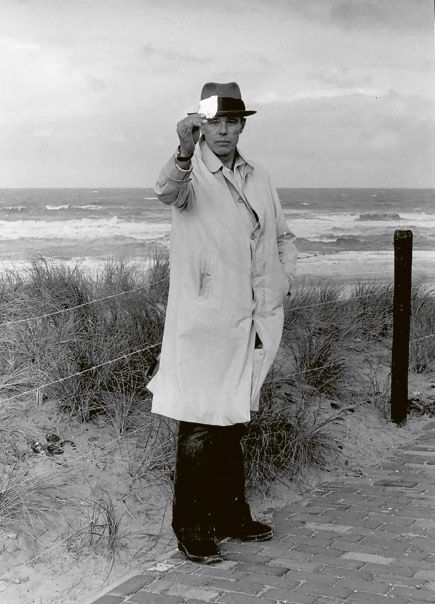
to talk about older gentlemen, such as Joseph Beuys, whose sight and wisdom, together we can master any challenges
birthday will be celebrated for the 100th time in 2021, and that the coming months might bring.
whose art has not lost any of its topicality to this day.
We have books about those moments of pause that the We thank each and every one of you for every purchase,
coronavirus has given us, such as Tom Hegen’s photo- for every reading, for every digital click, for every look in
graphs of grounded airplanes. We also have books on how our virtual shop window and every contribution to Art on
awareness can turn into productivity, which is what the the Beat.
book by Sean Scully (in conversation with David Carrier),
the interviews with museum people by András Szántó, or With warm greetings and—on-the-beat—
Philipp Zitzlsperger’s design discourse all stand for. Max Sven Fund, Nicola von Velsen, and the Hatje Cantz team
Siedentopf’s Survival Guide also represents this, albeit
each with its own themes.
We celebrate 75 years of Hatje Cantz with the motto
“Art on the Beat.” Here too, there will be events, discus-
sions, and exhibition visits that will take place differently
than planned in spring. The conditions of the pandemic
demand new formats and special requirements for each
personal meeting. We will provide information about the
program on our digital channels.
Together with Joana Katte, Torsten Köchlin has created
our dynamic birthday logo, while our website will also get
a new look for this great anniversary—but as with many
good things, it will take a little time.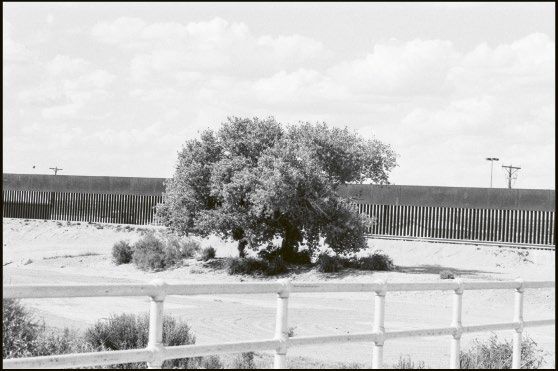
CONTENTS

Highlights                                            Photography
 2   Rodin / Arp                                      40    Frank Horvat
 3   Joseph Beuys                                      41   Tom Hegen
 4   Ottilie W. Roederstein                            42   Angelika Platen
 5   Zoe Leonard                                       43   Erwin Olaf
 6   Group Dynamics                                    44   Christine Turnauer
 7   The Picasso Connection                            45   Jon Lowenstein
 8   On Everyone’s Lips                               46    Daniel Freeman
 9   Anni and Josef Albers                             47   Romeo Alaeff
10   Schule des Augenblicks                            48   Julien Guinand
11   Gerhard Richter. Bibliographie                   49    Michele Nastasi
                                                       50   Sandra Ratkovic
                                                       51   Peter Nitsch
New Series                                             52   Roger Ballen
                                                       53   Max Siedentopf
12 Tal Sterngast. Twelve Paintings
                                                       54   Pascale Weber
13 Dirk Boll. Was ist diesmal anders?
14 Philipp Zitzlsperger. Das Design-Dilemma
15 András Szántó. The Future Museum                   Architecture
                                                       55   Erik Dhont
Art                                                    56   Candide: 12
                                                       57   Women in Architecture
16   Franz Gertsch
                                                       58   Discreet Beauty of Simplicity
17   Tools for Utopia
                                                       59   Gabriel Guevrekian
18   Christo and Jeanne-Claude
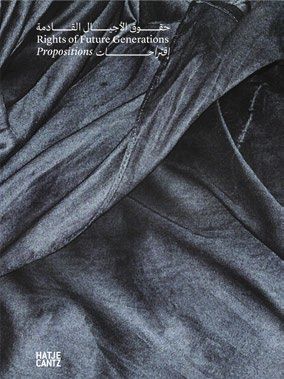
                                                      60    Rights of Future Generations
19   Abstract Painting,
                                                       61   Eyes of the City
     Art History and Politics
20   Josef Albers. Suchen und Finden
                                                       63   Backlist
21   Leonilson
22   Michael Morgner
23   Italian Architectural Drawings                    70   Editions / Special editions
24   Thomas Schütte
25   Andrew Bick                                       72   Credits
26   Lea Grebe
27   Cristina Iglesias                                 73   Contact
28   Jenny Brockmann
29   Landon Metz
30   Wo sind wir hier, Nathan Egel?
31   Brigitte Waldach
32   Andreas Eriksson
33   Hidden Patterns
34   Peter Weibel
35   Marco Godinho
36   Genaro Strobel
37   Lonnie van Brummelen and
     Siebren de Haan
38   Romanian Contemporary Art 2010–2020
38   Grenzen in der Kunst. Tschechische Kunst
     in drei Generationen
39   Marianna Christofides
Two Masters in Dialogue
             For the first time in a museum exhibition—and hence, in
             this catalogue—the groundbreaking work of a great innova-
             tor of late-nineteenth-century sculpture encounters the in-
             fluential work from a protagonist of twentieth-century ab-
             stract sculpture: Auguste Rodin meets Hans (Jean) Arp. Both
             artists are characterized by their unique artistic innovations
             and the joy of experimentation; both strongly influenced
             their eras and have lost nothing of their topicality to this
             day. As sculptural milestones, the creations of Rodin and Arp
             illustrate in a vivid and exemplary way fundamental aspects
             in the development of modern sculpture. Rodin’s pioneering
             ideas and new artistic horizons for sculpture were taken up
             by Arp and fascinatingly developed, reinterpreted, or con-
             trasted. Indeed, both oeuvres exhibit numerous artistic af-
             finities and points of reference, which become a particularly
             revealing visual experience in this clever juxtaposition.

             AUGUSTE RODIN (1840–1917) led sculpture to new forms of expression,
             ultimately approaching Impressionism stylistically with his dynamic
             surface, while also under the influence of Symbolism, in terms of con-
             tent. Sculptures such as The Thinker, The Kiss or The Burghers of Calais
HIGHLIGHTS

             are among the icons of modernism.
             HANS (JEAN) ARP (1886–1966), founder of the Dada movement in
             Zurich, is known for his biomorphic sculptures in plaster, stone, and
             bronze. He sought the expression of “organic abstraction.” His oeuvre
             also includes paintings, drawings, and poems.

                                                                                          Rodin / Arp
             ●   Clever comparisons                                                       EDITOR
             ●   Sculpture of the modern age                                              Raphaël Bouvier on behalf of Fondation Beyeler, Riehen/Basel
                                                                                          TEXTS
             ●   Exhibition catalogue from the Fondation
                                                                                          Astrid von Asten, Raphaël Bouvier, Catherine Chevillot, Lilien Feledy,
                 Beyeler                                                                  Tessa Paneth-Pollak, Jana Teuscher
                                                                                          GRAPHIC DESIGN
                                                                                          Bonbon

                                                                                          English
                                                                                          240 pp. ● ca. 125 ills. ● 27.4 x 31 cm ● hardcover
                                                                                          ca. €58.00, $68.00, £58.00
                                                                                          December 2020

                                                                                          EXHIBITIONS
                                                                                          Fondation Beyeler, Riehen/Basel
                                                                                          January 31–May 16, 2021
                                                                                          Arp Museum Bahnhof Rolandseck
                                                                                          June 26–November 14, 2021

                                                                                                     Rodin / Arp
                                                                                                     ca. €58.00, $68.00, £58.00
                                                                                                     ISBN 978-3-7757-4874-2
                                                                                                     (German)

                                                                            ISBN 978-3-7757-4875-9
                                                                                   English

             2
Beuys in the 21st Century
In thirteen chapters, the exhibition and the accompany-
ing catalogue offer profound insight into the cosmopoli-
tan thinking of Joseph Beuys, as manifested in his actions,
which are presented in the form of video projections and
photographs. For it is in this capacity—as an acting, speak-
ing, and moving figure—that Beuys examined the central,
radical idea of his expanded concept of art: "Every human
being is an artist." The goal of his universalist approach
was to renew society from the ground up. To this day, his
influence can be felt in artistic and political discourses. In
this exhibition, contemporary artists and representatives
from various areas of society enter into a multilayered,
transcultural dialogue with Beuys. From today’s perspec-
tive, they confirm, question, and expand upon his theses
about the possibilities of a future conceived via art.

JOSEPH BEUYS (1921–1986) fundamentally changed the twenti-
eth-century as a draftsman, sculptor, teacher, politician, activist, ac-
tion, and installation artist. His 100th birthday in 2021 is an occasion
to rediscover, appreciate, and critically question his complex body of
work and his international influence.

                                                                                                                                                   HIGHLIGHTS
●   How art contributes to society and politics
●   Transcultural dialogues with contemporary
    artists
●   100th birthday of Joseph Beuys 2021
                                                                             Every person is an artist: Practices
                                                                             in cosmopolitics with Joseph
With B-Town Warriors, Ruth Bader Ginsburg, Phyllida Barlow, Nelly            Beuys
Ben Hayoun-Stépanian, Fatou Bensouda, Huma Bhabha, Dineo
Seshee Bopape, Angela Davis, Dusadee Huntrakul, Jes Fan, Charles             EDITORS
Foster, Bill Gates, Núria Güell, Anna Halprin, Donna Haraway, Raphael        Eugen Blume, Susanne Gaensheimer, Isabelle Malz,
Hillebrand, Jenny Holzer, Michel Houellebecq, Lazar Kunstmann | L’ux,        Catherine Nichols
Jeong Kwan, Mierle Laderman Ukeles, Zoe Leonard, Goshka Macuga,
Antanas Mockus, Baptiste Morizot, Bruce Nauman, Tuan Andrew                  English
Nguyen, Sister Rosemary Nyirumbe, Howey Ou, William Pope.L, Cia              ca. 360 pp. ● ca. 200 ills. ● 24 x 30 cm ● softcover with flaps
Rinne, Tejal Shah, Vandana Shiva, Santiago Sierra, Patti Smith, Edward       ca. €48.00, $55.00, £48.00
Snowdon, Christopher D. Stone, Suzanne Lacy, The Otolith Group,              March 2021
Thich Nhat Hanh, Greta Thunberg, Malala Yousafzai, among others

                                                                             EXHIBITION
                                                                             K20, Kunstsammlung Nordrhein-Westfalen, Düsseldorf
                                                                             March 27–August 15, 2021

                                                                                        Jeder Mensch ist ein Künstler
                                                                                        Kosmopolitische Übungen mit Joseph Beuys
                                                                                        ca. € 44,00 [D], € 44,00 [A], CHF 49,00
                                                                                        ISBN 978-3-7757-4865-0 (Deutsch)

                                                               ISBN 978-3-7757-4866-7
                                                                      English

                                                                                                                                               3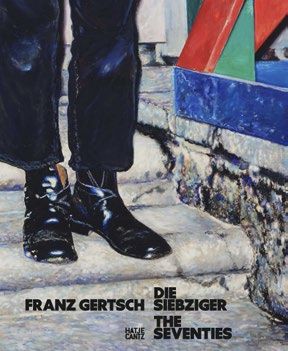
A Tough Woman
             Ottilie W. Roederstein, born to German parents in Zurich in
             1859, was one of the leading painters in the German-speak-
             ing world during her lifetime. She also enjoyed early recog-
             nition in Paris. As one of the few women artists of her time,
             she successfully dedicated her entire life to art and led an un-
             conventional but respected existence in Germany together
             with her partner, the gynecologist Elisabeth H. Winterhalter.
             Although Roederstein’s early work adhered to the conventions
             of the academy, the painter increasingly opened herself up
             to other currents in her more mature work and in the 1920s
             found her way to an austere, objective visual vocabulary.
             Despite her international reputation as a portraitist and
             painter of still lifes, Roederstein fell into obscurity almost
             immediately after her death in 1937. Now, after several
             decades, the Kunsthaus Zürich and the Städel Museum in
             Frankfurt am Main are presenting the first monographic
             show of her work, accompanied by this comprehensive cat-
             alogue.

             OTTILIE W. ROEDERSTEIN (1859–1937) had fought for her success:
             not only against the resistance of her parents, who did not want such
HIGHLIGHTS

             a “dubious” activity for their daughter, but also against the numerous
             prejudices of that time. Like her friend Elisabeth H. Winterhalter, she
             fought for equal rights for women. She opened a teaching studio that
             was also for female students.

             ●   Monographic exhibition                                                  Ottilie W. Roederstein
             ●   The rediscovery of a great Swiss-German                                 EDITORS
                 artist                                                                  Zürcher Kunstgesellschaft / Kunsthaus Zürich; Sandra Gianfreda /
             ●   Painter between tradition and modernity                                 Städel Museum, Frankfurt am Main; Alexander Eiling and Eva-Maria
                                                                                         Höllerer
                                                                                         TEXTS
                                                                                         Alexander Eiling, Sandra Gianfreda, Eva-Maria Höllerer, Barbara Rök,
                                                                                         Iris Schmeisser
                                                                                         GRAPHIC DESIGN
                                                                                         Fine German Design

                                                                                         English
                                                                                         ca. 208 pp. ● ca. 230 ills. ● 21.5 x 28 cm ● hardcover
                                                                                         €44.00, $50.00, £44.00
                                                                                         December 2020

                                                                                         EXHIBITIONS
                                                                                         FREI. SCHAFFEND. Die Malerin Ottilie W. Roederstein, Kunsthaus
                                                                                         Zürich, December 18, 2020–April 5, 2021
                                                                                         Städel Museum, Frankfurt am Main, May 19–September 5, 2021

                                                                                                    Ottilie W. Roederstein
                                                                                                    €44.00, $50.00, £44.00
                                                                                                    ISBN 978-3-7757-4794-3 (German)

                                                                           ISBN 978-3-7757-4795-0
                                                                                  English

             4
Along the River Border
Zoe Leonard is among the most influential artists of her gen-
eration. Her work merges photography, sculpture, and instal-
lation, balancing rigorous conceptualism with a distinctly
personal vision. Al Rio / To the River, initiated in 2016, is an
ambitious photographic project addressing the more than
one-thousand miles of river boundary shared by the United
States and Mexico. Leonard approaches the river, known as
Rio Bravo in Mexico and Rio Grande in the United States, as
a multifaceted leitmotif in which cultural, ecological, histori-
cal, social, political and economic concerns intersect.
Published in two volumes, the first will feature Leonard’s
photographs, while the second will bring together written
contributions from a remarkable group of international art-
ists, essayists, journalists, poets and scholars. Conceived as
an alternate form of circulation for the work, the publica-
tion also provides an interdisciplinary reference for people
interested in the river, environmental issues, borderlands
culture and contemporary border issues.

ZOE LEONARD (*1961, Liberty, New York) works in photography, sculp-
ture and installation. Her participation in Documenta IX brought her

                                                                                                                                                        HIGHLIGHTS
work to international attention. She has been the subject of solo
shows at MOCA—Museum of Contemporary Art, Los Angeles (2018),
Whitney Museum of American Art, New York (2018), and MoMA, New
York (2015). She lives and works in New York City and Marfa, Texas.
                                                                          Zoe Leonard
                                                                          Al Rio / To the River
●   Interdisciplinary texts
●   Highly topical themes                                                 COPUBLISHED WITH
                                                                          Mudam Luxembourg — Musée d’Art Moderne Grand-Duc Jean
●   Two volume edition
                                                                          EDITOR
                                                                          Tim Johnson
                                                                          WRITERS
                                                                          C.J. Alvarez, Ariella Azoulay, Cecilia Ballí, Remijio "Primo" Carrasco,
                                                                          Dolores Dorantes, Darby English, Álvaro Enrigue, Catherine Facerias,
                                                                          Nadiah Rivera Fellah, Josh T. Franco, Esther Gabara, Adolfo Guzman
                                                                          Lopez, Aimé Iglesias Lukin, Elisabeth Lebovici, Jose Rabasa, Cameron
                                                                          Rowland, Roberto Tejada, Karla Cornejo Villavicencio
                                                                          GRAPHIC DESIGN
                                                                          Joseph Logan

                                                                          English, French, Spanish
                                                                          ca. 256 pp. + 336 pp. ● ca. 350 ills. ● 22.8 x 28 cm ● softcover,
                                                                          two volumes
                                                                          ca. €64.00, ca. $75.00, ca. £64.00
                                                                          May 2021

                                                                          EXHIBITIONS
                                                                          Mudam Luxembourg—Musée d’Art Moderne Grand-Duc Jean
                                                                          May 1–September 12, 2021
                                                                          Musée d’Art Moderne de Paris
                                                                          October 15, 2021–February 6, 2022

                                                           ISBN 978-3-7757-4878-0
                                                           English, French, Spanish

                                                                                                                                                    5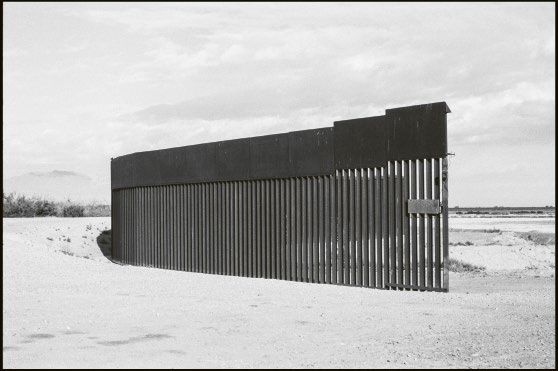
Art as a Collaborative Process
             “The whole work, called art, knows no borders and peoples,
             but humanity.” This is what Franz Marc and Wassily Kandinsky
             wrote in 1911 in their almanac Der Blaue Reiter (The Blue Rid-
             er). This programmatic publication established Der Blaue
             Reiter (ca. 1911–14) as one of the first transnational artist cir-
             cles. Their credo also inspires the Lenbachhaus to consider
             the work of the participating artists—among them Gabriele
             Münter, Alfred Kubin, Maria Marc and Elisabeth Epstein—not
             only aesthetically and historically, but also in its intellectual,
             socio-economic, and political context, for the Blue Rider circle
             advocated a global, equal understanding of art, not only in
             words, but also through images and deeds. Caught up in the
             time of the colonial world order before World War I, however,
             even they did not succeed in implementing an emancipatory
             practice of art beyond national affiliation and traditional hier-
             archies and genres. For the Lenbachhaus’s current exhibition
             catalogue, the idea of equal rights for all cultural production,
             as pursued in the almanac, is nevertheless fundamental.
             For the first time, the many connections that the Blue Rider
             made to Japanese woodcuts, Bavarian and Russian folk art,
HIGHLIGHTS

             children’s drawings, contemporary music, and art from Bali,
             Gabon, Polynesia, New Caledonia, Sri Lanka, and Mexico are
             presented in their entirety.

             The project is funded by the German Federal Cultural Foundation as
             part of the Museum Global program. It will be followed in the fall of
             2021 by a second exhibition, Group Dynamics—Collectives of Moderni-        Group Dynamics
             ty, dedicated to groups of artists working worldwide. This catalogue
             will also be published by Hatje Cantz.
                                                                                        The Blue Rider
                                                                                        EDITORS
                                                                                        Matthias Mühling, Annegret Hoberg, Anna Straetmans, Städtische
             ●   New views on the Blue Rider                                            Galerie im Lenbachhaus and Kunstbau München
                                                                                        TEXTS
             ●   Comprehensive work exhibition
                                                                                        Annegret Hoberg, Isabelle Jansen, Matthias Mühling, Vanessa Joan
             ●   Aesthetics, globalization and society                                  Müller, Anna Straetmans
                                                                                        GRAPHIC DESIGN
                                                                                        magma design

                                                                                        English
                                                                                        ca. 320 pp. ● 200 ills. ● 25 x 29 cm ● hardcover
                                                                                        ca. €48.00, ca. $55.00, ca. £48.00
                                                                                        March 2021

                                                                                        EXHIBITIONS
                                                                                        1. Group dynamics—The Blue Rider, Lenbachhaus,
                                                                                        March 23, 2021–March 5, 2023
                                                                                        2. Group dynamics—Collectives of Modernity, Lenbachhaus,
                                                                                        October 19, 2021–April 24, 2022

                                                                                                   Gruppendynamik. Der Blaue Reiter
                                                                                                   ca. €48.00, $55.00, £48.00
                                                                                                   ISBN 978-3-7757-4840-7 (German)

                                                                          ISBN 978-3-7757-4841-4
                                                                                 English

             6
Picasso’s Success Story in Bremen
Without a doubt, Picasso is one of the most important and
versatile artistic personalities of the twentieth century. But
how does a body of work become so successful, and how
does it wind up in major collections, museums, and exhi-
bitions? Not infrequently, it is the courage of individuals
who recognize genius in the works and advocate for them
in the face of conservatism and criticism. In Picasso’s case,
this role in Germany fell to the Bremen art dealer Michael
Hertz. It was his commitment in the post-war period that
resulted not only in the museumization of the artist after
the Second World War, but that also greatly benefited Kun-
sthalle Bremen, which has one of the most extensive col-
lections of the artist’s prints. This volume brings together
the outstanding printworks, including lithographs, linocuts,
and book illustrations. Picasso’s oeuvre of prints can be re-
garded as a fascinating collection, in which can be read the
triumph of the affordable medium in post-war Germany, as
well as the dealer’s strong commitment.

PABLO PICASSO (1881–1973) is regarded as the epitome of the twen-
tieth-century artist. In addition to his paintings and sculptures, his

                                                                                                                                                 HIGHLIGHTS
graphic works also enjoy special fame.
MICHAEL HERTZ (1912–1987) made a name for himself in the post-
war period as an art dealer. Through his contacts to the French art
scene, he encountered the work of Picasso and became the exclusive
representative for his printworks in Germany.

                                                                           The Picasso Connection
●   Picasso’s prints in post-war Germany                                   The Artist and His Gallerist
●   A lively chapter in gallery history                                    EDITOR
●   A treasure from the print collection at the                            Kunsthalle Bremen
                                                                           TEXTS
    Kunsthalle Bremen
                                                                           Michael Hertz, Kai Hohenfeld, Manuela Husemann, Barbara Nierhoff-
                                                                           Wielk
                                                                           GRAPHIC DESIGN
                                                                           one / one

                                                                           English
                                                                           ca. 224 pp. ● 471 ills. ● 22.5 x 27 cm ● hardcover
                                                                           €44.00, $50.00, £44.00
                                                                           November 2020

                                                                           EXHIBITION
                                                                           Kunsthalle Bremen, November 21, 2020–March 21, 2021

                                                                                      Die Picasso-Connection. Der Künstler und sein Bremer
                                                                                      Galerist
                                                                                      €44.00, $50.00, £44.00
                                                                                      ISBN 978-3-7757-4804-9 (German)

                                                             ISBN 978-3-7757-4805-6
                                                                    English

                                                                                                                                             7
Stimulating Art from a Stimulating
             Physical Zone
             Mouth, lips, tongue, and teeth—speech, pain, and
             screams—eating, swallowing, spouting off, and spitting—
             lust and passion: the oral cavity is an extremely stimu-
             lating zone of the body, in the truest sense of the word.
             Science and medicine are not the only fields that have in-
             vestigated it though. From antiquity to the present day, art
             and cultural history have done the same. The Kunstmuse-
             um Wolfsburg has pursued the wide-ranging path of this
             motif’s history in order to present the first comprehensive
             show about the mouth in the fall of 2020. The compan-
             ion publication offers thematically dense essays that not
             only allow the reader to delve into the topic, but also go
             far beyond the exhibition itself. The mouth, its faculties
             and qualities, are closely examined through film history,
             ethnology, literary theory, and architecture.

             The KUNSTMUSEUM WOLFSBURG has been collecting international
             contemporary art since 1994. With the acquisition of key works of
             late modernism and important additions from contemporary art, a
             top-class collection has been built up. Parallel to this, the museum
HIGHLIGHTS

             presents an ambitious exhibition program, tracing cultural connec-
             tions for the public. The exhibition On Everyone’s Lips is curated by
             UTA RUHKAMP.

             ●   All about the mouth
             ●   Thematic exhibition                                                    On Everyone’s Lips
             ●   Cultural history of the oral                                           The Oral Cavity in Art and Culture
                                                                                        EDITOR
                                                                                        Uta Ruhkamp
                                                                                        TEXTS
                                                                                        Andreas Beitin, Hartmut Böhme, Horst Bredekamp & Kolja Thurner,
                                                                                        Roland Garve, Birte Hinrichsen, Olaf Knellessen, Harald Lemke, Karin
                                                                                        Leonhard, Jürgen Müller, Uta Ruhkamp, Beate Slominski, Marcus
                                                                                        Stiglegger, Ulrike Vedder
                                                                                        GRAPHIC DESIGN
                                                                                        Mario Lombardo

                                                                                        English
                                                                                        352 pp. ● 350 ills. ● 24 x 31 cm ● hardcover
                                                                                        €48.00, $55.00, £48.00
                                                                                        November 2020

                                                                                        EXHIBITION
                                                                                        On Everyone's Lips. From Pieter Bruegel to Cindy Sherman
                                                                                        Kunstmuseum Wolfsburg, October 31, 2020–April 5, 2021

                                                                                                   In aller Munde. Das Orale in Kunst und Kultur
                                                                                                   ca. €48.00, ca. $55.00, ca. £48.00
                                                                                                   ISBN 978-3-7757-4799-8 (German)

                                                                          ISBN 978-3-7757-4800-1
                                                                                 English

             8
Pair Constellations
They were not only two of the outstanding artists of the
Bauhaus, but also a well-known couple. Their many famous
works and the artists they influenced as teachers and role
models bear witness to their life and work. But that is not
all, as another ingenious couple literally shows us. The pho-
tographer duo Lake Verea has joined forces with the Josef
and Anni Albers Foundation to trace the material and intel-
lectual traces of their artistic creativity in their estate. Cor-
respondence with Bauhaus colleagues, tubes of paint and
fabric fibers are captured with an extraordinary feel and
vividness. Seeing the objects gives wings to the imagination.
For inevitably, one sees the hands of the artists at work, who
formed their very own contribution to 20th century art his-
tory from these objects, conversations and trains of thought.
ANNI ALBERS (1899–1994) and JOSEF ALBERS (1888–1976) were
both Bauhaus artists in Dessau and Berlin. Together they emigrated
to the USA in 1933, where their path led them to Black Mountain Col-
lege and finally to Bethany. With their textile art and his painting and
theory, both left behind an oeuvre that was both independent and
influential for later generations.
HIGHLIGHTS
FRANCISCA RIVERO-LAKE CORTINA (*1973) and CARLA VEREA
HERNÁNDEZ (*1978) always appear together as photographers. This,
together with their extraordinary eye, makes them one of the most
extraordinary and versatile phenomena in contemporary photogra-
phy. Their works are accordingly represented in the most renowned
exhibitions and collections.
2 x 2: Anni and Josef Albers
by Lake Verea
● An album about Anni and Josef Albers
● The other biography EDITOR
Karen Stein
● Exceptional making-of of art TEXTS
Lake Verea, Brenda Danilowitz
GRAPHIC DESIGN
Rutger Fuchs
English
192 pp. ● ca. 300 ills. ● 16 x 15.5 cm ● softcover
ca. €24.00, $26.00, £24.00
February 2021
96 97
206 207
ISBN 978-3-7757-4888-9
English
9The Photographic Moment
Although it is still a relatively young art form, photography
Schule des
is characterized by a changeability and richness of facets
that is unparalleled. Initially, as the “pencil of nature,” it
Augenblicks
amazed its viewers because it was able to capture reality
itself on glass and paper. But soon it revealed its possibili-
ties for artistic mise-en-scène. Digital photography and its
potential for manipulation multiply the expressive dimen-
sions of photographs to infinity. Ian Jeffrey takes us on a
journey into the history of photography, where the great
masters of this extraordinary medium pay their respects.
As with a photograph itself, the most important stages in
the development of this extraordinary medium are illumi-
nated in order to finally arrive at a comprehensive picture
of an inexhaustible wealth of creativity.
IAN JEFFREY (*1942) is a writer and art historian who has intensively
studied the history of photography. He was a tutor and professor at
Goldsmiths, University of London and is the recipient of the J. Dudley
Johnston Award of the Royal Photographic Society, Bath.
Fotografien von
Talbot bis Ruff
HIGHLIGHTS
● History of fine photography
● Great masters of photography
● Continuation volume to School of Seeing
WALKER EVANS Schule des Augenblicks
Fotografien von Talbot bis Ruff
Evans’s early influences included Paul Grotz, GIRL IN FULTON STREET, NEW YORK. 1929
a young German writer and photographer who Fulton Street is in the Lower East Side of New York,
introduced him to the Leica camera. He knew not far from the Brooklyn Bridge. Evans, using
Berenice Abbott, the sculptor turned photographer a 35 mm camera, took three pictures of the girl. The
who had brought Eugène Atget’s pictures to New sign to the left advertises the FULTON BILLIARD
York, where they were exhibited at Julien Levy’s PARLOR and one above extols SPAGHETTI, but
gallery in 1931 and 1932. Lincoln Kirstein, the both were trimmed when the picture was printed
writer and patron of the arts, was a close friend. in American Photographs in 1938. The picture
In February 1931 Kirstein described Evans as in its definitive printing in 1938 was straightened
living in ‘a particularly depressing penurious to emphasize those three vertical sections.
hole in the wall’ – at 14th Street and 5th Avenue. Evans liked systematically structured images.
Evans shared his hole in the wall with Hans The girl looks resolute. Man, represented by three
TEXTS
Skolle, a German painter and photographer. felt hats with bands, moves in single file to the
Kirstein added that their poverty was ‘really so right – a stroke of luck recognized after the event.
sad’, and he wondered how they kept themselves There is always the question of what sets Evans
clean. Kirstein published an influential arts journal, apart as one of photography’s major artists. He may
Hound and Horn, to which Evans contributed. have been a documentarist and an anti-graphic
Ian Jeffrey, Max Kozloff
artist, but at the same time he looked for definitive
images which might stand for a big idea. The
‘girl’, honoured by her placing in the central zone,
represents something like militant womanhood.
Child in back yard. 1932
In American Photographs, where the images
GRAPHIC DESIGN
dooreman
are presented one to a spread, she follows Girl
in Fulton Street, New York. The child, probably
another New Yorker, looks to her left across
a schematic drawing of an idealized young lady.
Thus the child looks forward and the girl looks
back in a tableau devoted to coming of age
– with some reference to its allures and dangers.
German
The problem in the 1930s was to make photographs count for something. The most usual way of doing
this was to juxtapose two images across a spread in such a way that they made a point –
440 pp. ● 400 ills. ● 17 x 24 cm ● hardcover
ca. €34.00, ca. $40.00, ca. £34.00
although often the point was coarse or whimsical. The idea in American Photographs was
to imitate moving pictures with one image leading to and supplementing another. On the
dust jacket for the original book, readers are urged to think of the book as following on
– as a kind of movie.
222 223
February 2021
STEPHEN SHORE
b. 1947
A prodigy, Shore took up photography U.S. 10, POST FALLS,
at the age of eight, inspired by a TV programme, Love IDAHO, USA. August 25, 1974
that Bob, which featured a successful commercial Idaho, in the far northwest of the USA, is
photographer. Aged fifteen, he worked with Andy mountainous with rivers and waterfalls. The artist
Warhol at The Factory and in 1968 published black- who decorated THE FALLS got straight to the point
and-white pictures in Andy Warhol (Moderna Museet, in that painting of the operative bit of a waterfall.
Stockholm). In 1970 he attended a ten-day workshop SELECT FRUIT, the boxes say, and those are
run by Minor White, poles apart from the world onions in the foreground, along with corn cobs.
of Warhol, and Shore’s only formal training in the
medium. In 1973, at the age of twenty-six, he showed
his black-and-white pictures in the Metropolitan
Museum in New York, ‘Landscape/Cityscape’. In 1975
he participated in the important ‘New Topographics’
exhibition at George Eastman House in Rochester, NY.
Bellevue, Alberta. August 21, 1974
There are substantial mountains in the distance, and
a heroic sky. The picture was shown in an exhibition
of 1976 at the Smithsonian Institution in Washington,
DC, ‘Signs of Life: Symbols in the American City’, Survey pictures are innately mysterious. They invite naming and reading: this is a miniature chapel, for
devised by the architects and planners Venturi instance, and those are mountains far off, and a fine display of clouds. Naming and reading
Schule des Sehens
and Rauch. The chapel is part advert and part are tautological and redundant exercises, for we know that those are stones and fences and
functioning building, for the sign says ‘Walk In’. onions anyway. Documentary returns us to early childhood in the first instance, before raising
In the exhibition the picture was intended to show supplementary questions. The chapel would have been just large enough to be delivered to
that ‘the symbol is more important than the building’. its site by truck. The sign to the right advises us to ‘Drive Safely, Drive with God’ – who may
be mindful of motorists’ transgressions. Then at Post Falls the vehicle drivers have left their
Bilder von Giotto bis Warhol
doors open – for ventilation or in haste? There is no knowing where documentary analyses will
end. The Chapel image, for instance, may have caught Shore’s eye because it juxtaposed the
organic white and blue of the sky with the geometries of the building, also in white and blue.
Documentary in the 1970s and 1980s, which was a great era in the history of survey pictures,
was unruly and promiscuous, likely to spring any number of surprises. Authorities and pundits
€28.00, ca. $45.00, ca. £25.99
such as Venturi and Rauch might point out a preferred meaning but the photographers of the
period, and Shore in particular, had plenty of options in reserve – many of them temptations to
reflect across a broad spectrum.
ISBN 978-3-7757-4588-8 (German)
362 363
ISBN 978-3-7757-4861-2
German
10Bibliophilic: Artist Books and Surveys of
Works
In a longstanding cooperation with the Gerhard Richter
Archive, Dresden, Heinrich Miess has compiled this com-
prehensive and fully illustrated index of all monothematic
publications by Gerhard Richter himself and on his work.
In this book of books, the individual works are presented in
chronological order and are accompanied by precise descrip-
tions and commentaries. In addition to the title pages, exem-
plary double pages have been selected to document the de-
velopment of Gerhard Richter’s artistic work in synoptic form.
For this book overview, distracting details—such as shad-
ows of book blocks or in the centerfold, and yellowed paper
edges—have been carefully retouched. The result is a clear
and uniform overall picture of Richter’s body of work. The
technical care taken in this publication is a congenial re-
sponse to the complexity of the content of the various pub-
lications and their references to one another.
GERHARD RICHTER (*1932) grew up in Dresden and attended the art
academy there. After escaping from the GDR, he attended the Düssel-
dorf Art Academy, where he held a professorship in painting from 1971
HIGHLIGHTS
to 1993. He lives and works in Cologne.
● Bibliophile overview of his work
● Book of all books
● With an introduction by Dietmar Elger Gerhard Richter. Bibliographie
Kataloge · Künstlerbücher ·
Monographien · 1962–2020
01GRLay-Muster>Cantz_01GR Verz/NEU23.11.10 23.08.20 23:54 Seite 3 01GRLay-Muster>Cantz_01GR Verz/NEU23.11.10 23.08.20 23:54 Seite 4
1976 1976 / 1977
EDITOR
Gerhard Richter Archiv, Dresden
17
Gerhard Richter
Florenz, 1976
Herausgeber: Edizioni Masnata-Spagnoli
18
Gerhard Richter – Atlas der Fotos, Collagen und Skizzen
Krefeld, 1976
Herausgeber: Kaiser Wilhelm Museum Krefeld
19
Gerhard Richter – Das grafische Werk
Hamburg, 1976
Herausgeber: Deutsche BP Aktiengesellschaft
20
Gerhard Richter
Paris, 1977
Herausgeber: Centre national d’art et de culture Georges
TEXTS
Dr. Dietmar Elger, Heinrich Miess, Gunnar Schmidt
Redaktion: Renzo Spagnoli, Francesco Masnata Redaktion: Gerhard Storck Redaktion/Text: unbekannt Pompidou – Musée national d’art moderne
Text: Giorgio Cortenova Text: Gerhard Storck u. a. (Zitate) Gestaltung: – Redaktion: Daniel Abadie
Gestaltung: Galerie/Gerhard Richter Gestaltung: Tünn Konerding Ausstellung: 18.3.-30.4.1976 Text: Benjamin H. D. Buchloh, Pontus Hulten
Ausstellung: Januar/Februar 1976 Ausstellung: 8.2.-14.3.1976 Format: 20,9 x 21,0 cm Gestaltung: Gerhard Richter
Format: 15,0 x 21,1 cm Format: 16,9 x 23,0 cm; 32 S. Offsetdruck (unpaginiert), 20 S. Offsetdruck, 7 Abbildungen, Drahtklammerheftung, Ausstellung: 1.2.-21.3. 1977
36 S. Offsetdruck (unpaginiert), 11 Abbildungen, Klebebindung, 4 S. 28 Abbildungen, Drahtklammerheftung, 4 S. Umschlag, Offset- 4 S. Umschlag, Offsetdruck Format: 21,9 x 24,8 cm; 76 S. Offsetdruck, 66 Abbildungen,
Umschlag, Offsetdruck druck Auflage: 600 Exemplare Fadenheftung, 4 S. Umschlag, Offsetdruck
GRAPHIC DESIGN
Auflage: 1000 Exemplare Auflage: unbekannt Auflage: unbekannt
Groba Perez Canto
17 a 18 a 19 a 20 a
1 7 Der erste in Italien publizierte Auf S. 13-35 Abbildungsteil, unter- 18 Trotz des geringen Umfanges sen mit einer Textstelle aus Wien- 1 9 Umschlag in Schwarz gedruckt Erklärungen zur Ausstellung. 19a ture de Gerhard Richter enthält die- gen durchsetzte Text Buchlohs
Katalog Gerhard Richters, erschie- brochen von Kurzbiografie und anschauliche Darstellung des Atlas ers Die Verbesserung von Mitteleu- auf lederartig strukuriertem Das Verzeichnis der ausgestellten ses Buch zugleich einen ersten beginnt mit S. 11 und endet, viermal
German
nen zur Ausstellung in der Galerie Ausstellungsverzeichnis auf S. 24- durch die Text- und Bildzusammen- ropa. Die Auswahl der Motive zeigt Papier; Inhaltsseiten auf leicht Grafiken auf den S. 9-19 enthält kei- Essay Buchlohs, in den kommenden unterbrochen durch Strecken ganz-
Renzo Spagnoli. S. 3-7 unbetitelter 26, gedruckt in Schwarz auf mattem stellung: Einem Auszug aus Witt- ganze Tafeln und Einzelbilder des durchscheinendem, rauhem Werk- ne Angaben zu Format und Aufla- Publikationen einer der führenden seitiger Bildtafeln auf S. 58. S.
Essay von Giorgio Cortenova; S. 8/9 Papier; alle Bilder angeschnitten gensteins Tractatus folgt Storcks Atlas in Gegenüberstellungen, auf druckpapier. Texte stark ver- ge. Sh. auch 14, Butin usw. Interpreten der Arbeit Richters. 59–69 die Grau-Gemälde von 1975
doppelseitiges Porträtfoto und auf und überwiegend auf rechten Sei- Beschäftigung mit Gerhard Richt- S. 4/5 als Beispiel den 18a Zeitungs- größert vom maschinengeschriebe- Auf S. 3 Vorwort von Pontus Hul- als Tafeln und auf vier Installati-
S. 10/11 Zitat Richters aus einem ten 17a. Der in Schwarz auf leich- ers Sammelwerk, die in kleinen ausriss Sekretärin mit Lineaturen nen Originalmanuskript. S.3 2 0 Katalog zur ersten Einzelaus- ten, dem damaligen Direktor des onsfotos; S. 71–73 Angaben zur Bio-
Brief vom 23.2.1975 an Edy de Wil- tem Karton gedruckte Umschlag Textblöcken den Abbildungsteil Richters zur Übertragung des Selbstbildnis in Offset von 1971; stellung Richters in Frankreich. Centre Pompidou; S. 4–9 Die Vesuv- grafie, Autorenliste und das Aus-
de über die Entstehung der grauen wurde glanzkaschiert. durchfließt, unterbrochen von Motivs auf Leinwand und eine Wie- S.4/5 Biografie, Ausstellungen und Unter dem Titel Ready-Made, pho- Bilder von 1976. 20a Der, mit zahl- stellungsverzeichnis.
Bilder in italienisch und englisch. Ehrenzweigs Zitat und abgeschlos- dergabe des Ölgemäldes. Literatur; S. 6-8 und S. 20 tographie et peinture dans la pein- reichen spaltenbreiten Abbildun-
440 pp. ● 2300 ills. ● 24 x 30 cm ● clothbound
48 49
01GRLay-Muster>Cantz_01GR Verz/NEU23.11.10 23.08.20 23:54 Seite 5 01GRLay-Muster>Cantz_01GR Verz/NEU23.11.10 23.08.20 23:54 Seite 6
ca. €58.00, ca. $68.00, ca. £58.00
1993 1993
February 2021
85 85/I a 85/I b 85/I c 85/I d 85/II 85/III 85/IV
Gerhard Richter – Retrospektive (Museumsausgabe) Gerhard Richter – Retrospektive (Verlagsausgabe) Band I: Katalog der Ausstellung Band II: Texte Band III: Werkübersicht 1962-1993
Bonn, 1993 Ostfildern, 1993 Text (in deutscher, englischer und französi- Text (in deutscher, englischer und französi- Text (in deutscher, englischer und französi-
Herausgeber: Kunst- und Ausstellungshalle der Bundesrepublik Herausgeber: Kunst- und Ausstellungshalle der Bundesrepublik scher Sprache): Wenzel Jacob, Kasper scher Sprache): Benjamin H. D. Buchloh, scher Sprache): Atelier Gerhard Richter,
Deutschland, Bonn Deutschland, Bonn König, Suzanne Pagé, Björn Springfeldt Peter Gidal, Birgit Pelzer Dietmar Elger
Redaktion: Annette Kulenkampff, Antje Utermann Redaktion: Annette Kulenkampff, Antje Utermann 196 S. Offsetdruck, 150 Abbildungen, 112 S. Offsetdruck, 52 Abbildungen, Faden- 236 S. Offsetdruck, (die Abbildungsseiten
Text: siehe Einzelbände Text: sh. Einzelbände Fadenheftung heftung unpaginiert) 1892 Abbildungen, Fadenhef-
Gestaltung: Rainald Schumacher Gestaltung: Rainald Schumacher 4 S. Umschlag, Offsetdruck, Mattkaschur 4 S. Umschlag, Offsetdruck, Mattkaschur tung
Ausstellung: 23.9.-21.11.1993 (Paris, folgende siehe unten) Ausstellung: 23.9.-21.11.1993 (Paris, folgende siehe unten) 4 S. Umschlag, Offsetdruck, Mattkaschur
Format: 25,0 x 28,0 cm Format: 25,3 x 28,6 cm
3 Bände (Schuber/Offsetdruck-Überzug: 25,2 x 28,8 x 4,8 cm) 3 Bände (Schuber/Offsetdruck-Überzug: 25,8 x 29,2 x 5,4 cm)
Auflage: 3600 Exemplare Auflage: 1500 Exemplare
85/II a 85/II b 85/III a 85/III b 85/IV a 85/IV b
85 Die broschierte Museumsausga- Kasper König, Suzanne Pagé und drei Bände. Band I und Band III Geteiltes Gedächtnis: Zwei Skulp- Travestie. Der mit Referenzabbil- Endlichkeit von Peter Gidal und gedruckt in sechs Farben, neben Bonn, Kunst- und Ausstellungshal-
be (885 /Ia Rücken des Schubers + Björn Springfeldt. Der Tafelteil mit gedruckt auf Samtoffsetpapier. turen für einen Raum von Paler- dungen durchsetzte Text endet auf auf S. 105–111 Das tragische Begeh- dem Vierfarbdruck Glanzlack auf le der Bundesrepublik Deutschland
8 5/Ib Rücken der drei Bände), als überwiegend auf rechten Seiten 85 /III Band II, Texte, in Schwarz mo; Das Subjekt als Specimen: S. 78. Das 5. Kapitel ist eine über- ren von Birgit Pelzer. Dieser Auf- den Abbildungen und Silber für die (10.12.1993-13.2.1994); Stockholm,
auch die leinengebundene Ausgabe stehenden Farbabbildungen, diese auf Werkdruckpapier gedruckt. Auf Achtundvierzig Portraits; 18. Okto- arbeitete Fassung des Aufsatzes satz erschien zur Pariser Ausstel- Spiegel-Arbeiten. Erläuterungen Moderna Museet (12.3.-8.5.1994);
des Verlags (885/Ic + 85/Id, wie vor) in chronologischer Folge auf S. S. 4 Kurzbiografien der Autoren. ber 1977; Betty; Richters Faktur: von 1989 (sh. 57); das 8. Kapitel lung als Sonderdruck (sh. 81). 85/IV und Legenden zur Werkübersicht Madrid, Museo Nacional Centro de
erschienen in aufwändig hergestell- 23–174, darin auf den S. 121–141 alle Buchlohs Essay Die Malerei am Zwischen Synekdoche und Spekta- wurde in Texte zur Kunst, Heft 8, Band III, Werkübersicht 1962-1993, von Dietmar Elger auf S. 146–196; Arte Reina Sofia (8.6.-22.8.1994).
ten Schubern. 85/II Band I, Katalog 15 Bilder des Werkes 18. Oktober Ende des Sujets, ab S. 7 gliedert kel; Gerhard Richter und die Alle- 1992, abgedruckt. Auf S. 81–96 Mit- auf S. 6–145 sämtliche Werkabbil- S. 197–234 Anhang mit Biografie, Fortsetzung im Anhang.
der Ausstellung, enthält auf S. 4–19 1977. S. 176–190 Verzeichnis der sich in neun Kapitel: Atlas: das gorie des abstrakten Kabinetts; schrift eines Gesprächs, das Buch- dungen der Arbeiten Richters im Ausstellungsverzeichnissen, Biblio-
Grußwort, Danksagungen und Vor- ausgestellten Werke, die Fotonach- Archiv der Anomie; Ema (1966) Pandora-Malerei: Vom Versagen loh 1986 mit Richter führte. S. Verhältnis 1:50 mit den WVZ-Num- grafie, Filmliste und den Fotonach-
worte der Kuratoren Wenzel Jacob, weise und das Impressum für alle oder ein Akt in der Neoavantgarde; der Abstraktion zur heroischen 99–103 der Beitrag Unendliche mern in drei Reihen übereinander; weisen. Weitere Ausstellungorte:
88 89
ISBN 978-3-7757-4867-4
German
11Familiar Images Read Differently
Berlin’s Gemäldegalerie is known for its outstanding col-
lection of European paintings from the thirteenth to eight-
eenth century. Each chapter in this book is dedicated to one
painting from the collection. In the breadth of this idiosyn-
cratic selection, painting, as it discovers itself becomes a
medium for the formulation of modern subjectivity. Each
painting in focus unfolds its own making and its artistic
concerns as they reflect contemporary issues, today. What
are the paradoxes within which art is made by women?
How does the primordial drive to destroy works of art af-
fect today's art discourse? Where did the modern struggle
of painting against the picture begin? Why does the Wild
Man from early German Renaissance still haunt us? And
why doesn’t it matter whether Jan Vermeer used an optical
device for his paintings? Twelve Paintings highlights the cur-
rentness of the Old Masters.
TAL STERNGAST (*1972, Israel) studied photography and film in Jeru-
salem, London, and Berlin. She has published numerous essays and
articles about contemporary art and film in international newspapers
and art magazines. She has organized several exhibitions. This book
is based on the article series “Alte Meister,” published in the weekend
supplement of die tageszeitung from 2017 until 2019.
● A new view of old
NEW SERIES
● Successful series from the taz Tal Sterngast. Twelve Paintings
● A pleasurable reading of great paintings Excursions in the Gemäldegalerie
of the Staatliche Museen zu Berlin
FOREWORD
Michael Eissenhauer
TEXT
Tal Sterngast
COVER DESIGN
studio stg
Das Museum als Safe Space
Caravaggio, Amor Vincit Omnia (1601–1602)
English
112 pp. ● 12 ills. ● 14 x 21 cm ● softcover
Michelangelo Merisi da Caravaggios Bild Amor Vincit Omnia aus dem
Jahr 1601 hat heute noch die Kraft, Museumsbesucher in seinen
€24.00, $26.00, £24.00
Bann zu ziehen. Hinter Amors nacktem Körper dirigiert seine Hand
den Blick auf die andere Seite der Figur, ins Bild hinein. Obwohl es November 2020
das Gemälde auf provokative Weise darauf anlegt, seine Betrachter
zu adressieren und zu konfrontieren, lenkt es deren Blick auch hin-
ter den Rücken der Figur.1 Es eröffnet einen Raum in eine illusionäre
Ferne, der den realen Raum im Atelier und im Museum erweitert.
Am Ende seines radikalen Projekts einer Suche nach den Wurzeln
der abstrakten Malerei kam der amerikanische Maler Frank Stella zu
dem Schluss, dass Caravaggio eine neue Art des Bildraums erfunden
habe, der sich jenseits der Bildoberfläche in den Raum des Betrach-
Tal Sterngast. Twelve Paintings. Excursions in the
ters hineinprojiziere, den er gleichsam einhülle und verschlinge.
Wir sehen uns aufgehen in dieser Sphäre, deren Effekt mit einem
Gyroskop2 verglichen werden kann, einem Kreiselinstrument, das
Gemäldegalerie of the Staatliche Museen zu Berlin
von Bewegung und Neigung unbeeinflusst bleibt.
€ 24,00 [D], € 26,00 [A], CHF 27,50
Das Jahr 2017 wird als das Jahr erinnert werden, in dem die Kunst
von innen angegriffen wurde. Im Sommer dieses Jahres verursachte
das auf der Whitney Biennale in New York gezeigte Bild Open Casket
ISBN 978-3-7757-4907-7 (ebook, English)
(2016) der Malerin Dana Schutz einen Aufruhr in der Kunstwelt.
Schutz’ Bild gibt eine Ikone des afroamerikanischen Kampfs für
Gleichheit, die Fotografie des vierzehnjährigen Emmet Till, wieder,
der 1955 einem Lynchmord zum Opfer fiel. Die Spuren der Gewalttat
sind auf dem Körper des toten Jungen zu sehen. Seine Mutter hatte
darauf bestanden, ihren Sohn bei der Beerdigung im offenen Sarg zu
1 Siehe Michael Fried, The Moment of Caravaggio, Princeton 2010.
Tal Sterngast. Zwölf Bilder
2 Frank Stella, Working Space, Cambridge/London 1986, S. 1–22.
14 15
€24.00, $26.00, £24.00
Sterngast_Aufbau.indd 14-15 04.09.20 17:23
ISBN 978-3-7757-4766-0 (German)
ISBN 978-3-7757-4767-7
English
12
Also available as an ebookFinancial Crises and the Art Market
To see, hear, and feel art is one thing—to know how art
is distributed, traded, and appreciated is the other side of
the coin. Whether on the stock exchange or the museum
floor, both share a closely interwoven history. The experi-
enced art dealer and mediator Dirk Boll tells it with the
help of a fascinating constant: every ten years, the art and
business market undergoes a profound shock or transfor-
mation. Whether the economic crises of 1990 or 2010, the
bursting of the first Internet bubble in 2000, or the coro-
navirus crisis—every decade leads to a completely differ-
ent assessment of art. This is especially true in the context
of digital developments, from the virtual viewing room to
new distribution opportunities, which are currently caus-
ing the art world to undergo its most lasting changes. So,
it is high time to take stock and see art with new eyes.
DIRK BOLL (*1970, Kassel) studied law and cultural management in
Freiburg and Ludwigsburg and received his doctorate on the organi-
zational forms of the art market. Since 1998 he has been working for
Christie’s auction house. He has been the president of Christie’s Eu-
rope, Middle East, Russia, and India since 2017.
● Financial markets and values of art
● Major crises and their potential
● A different history of art
NEW SERIES
Dirk Boll
Was ist diesmal anders?
Wirtschaftskrisen und die neuen
Kunstmärkte
TEXT
Dirk Boll
ILLUSTRATED BY
Kathrin Jacobsen
German
160 pp. ● 6 ills. ● 12 x 19 cm ● softcover
ca. €18.00, ca. $20.00, ca. £18.00
November 2020
English edition will be published 2021
Was ist diesmal anders? Wirtschaftskrisen und
die neuen Kunstmärkte
ca. €18.00, $20.00, £18.00
ISBN 978-3-7757-4812-4 (ebook)
Don’t Be Afraid to Participate. The Little ABC
€4.95, $7.50, £4.50
ISBN 978-3-7757-4178 (English, German)
ISBN 978-3-7757-4811-7
German
13Design Reconsidered
The relationship between art and design has always been
the subject of controversial discussion, not just since
the Arts and Crafts movement began. The relationship
between the two genres can look back on a long history
of different positions, approaches, and new distinctions.
A change in perspective is therefore urgently required.
Zitzelsperger’s argument is a historical one that traces
the points where art and design meet or repel each other
from the Renaissance onward. Zitzelsperger locates the
decisive turning point toward the end of the nineteenth
century, when design became closely connected to the
newly emerging philosophy of American pragmatism.
Beyond ontology and the aesthetics of production, the
author brings to light a new horizon that is open to the
intentions underlying design and its practical realization.
PHILIPP ZITZLSPERGER (*1965) is Professor of Image Science and
Dean of Research at the Design Department of the Fresenius Univer-
sity of Applied Sciences and a private lecturer at the Institute of Art
and Image History at the Humboldt University in Berlin.
● New research perspective
● History of design since the Renaissance
● Design philosophy
NEW SERIES
Philipp Zitzlsperger
Das Design-Dilemma
zwischen Kunst und Problemlösung
TEXT
Philipp Zitzlsperger
GRAPHIC DESIGN
Neil Holt
German
ca. 320 pp. ● 40 ills. ● 14 x 21 cm ● softcover
ca. €34.00, ca. $40.00, ca. £34.00
April 2021
Philipp Zitzlsperger
ca. €34.00, ca. $40.00, ca. £34.00
ISBN 978-3-7757-4886-5 (ebook)
ISBN 978-3-7757-4863-6
German
14What Public Institutions Are Capable Of
As museums worldwide shuttered in 2020 because of the
coronavirus, New York-based cultural strategist András
Szántó conducted a series of interviews with an internation-
al group of museum leaders. In a moment when economic,
political, and cultural shifts are signaling the start of a new
era, the directors speak candidly about the historical limita-
tions and untapped potential of art museums. Each of the
twenty-eight conversations in this book explores a particu-
lar topic of relevance to art institutions today and tomorrow.
What emerges from the series of in-depth conversations is
a composite portrait of a generation of museum leaders
working to make institutions more open, democratic, inclu-
sive, experimental and experiential, technologically savvy,
culturally polyphonic, attuned to the needs of their visitors
and communities, and concerned with addressing the de-
fining issues of the societies around them. The dialogues of-
fer glimpses of how museums around the globe are under-
going an accelerated phase of reappraisal and reinvention.
ANDRÁS SZÁNTÓ (*1964, Budapest), PhD, advises museums, cultural
institutions, and leading brands on cultural strategy. An author and
editor, his writings have appeared in the New York Times, Artforum,
the Art Newspaper, and many other publications. He has overseen the
National Arts Journalism Program at Columbia University and the
Global Museum Leaders Colloquium at the Metropolitan Museum of
Art. Szántó, who lives in Brooklyn, has been conducting conversations
with art-world leaders since the early 1990s, including as a frequent
NEW SERIES
moderator of the Art Basel Conversations series. András Szántó
The Future of the Museum
● New museum concepts 28 Dialogues
● Culture debate GRAPHIC DESIGN
● Lively dialogues Neil Holt
English
320 pp. ● 30 ills. ● 12 x 19 cm ● softcover
ca. €22.00, ca. $25.00, ca. £22.00
November 2020
The Public Realm
CONVERSATION PARTNERS:
CECILIA ALEMANI
Director & Chief Curator, The High Line
Marion Ackermann, Cecilia Alemani, Anton Belov, Meriem Berrada,
New York City, USA
Daniel Birnbaum, Thomas P. Campbell, Tania Coen-Uzzielli, Rhana
Devenport, María Mercedes González, Max Hollein, Sandra Jackson-
A MUSEUM WITHOUT A CEILING
Dumont, Mami Kataoka, Brian Kennedy, Koyo Kouoh, Sonia Lawson,
Adam Levine, Victoria Noorthoorn, Hans Ulrich Obrist, Anne
Pasternak, Adriano Pedrosa, Suhanya Raffel, Axel Rüger, Katrina
One of the memorable experiences of my lifetime was
Sedgwick, Franklin Sirmans, Eugene Tan, Philip Tinari, Marc-Olivier
collaborating with the Italian-born curator Cecilia
Alemani on a project initiated by Art Basel that turned
the Argentine capital of Buenos Aires into a city-wide
Wahler, Marie-Cécile Zinsou
outdoor museum. As the head of the art program of
the High Line, New York’s immensely popular elevated
park, Alemani, who was born in 1977 in Milan, is a
leading proponent of inserting contemporary artworks András Szántó. The Future of the Museum
in the public realm. We spoke when the High Line was
still closed during the coronavirus epidemic, and while
Alemani was busy preparing for her next major curato-
28 Dialogues
rial undertaking, as the first Italian woman invited to
lead the Venice Biennale.
ca. €22.00, $25.00, £22.00
ISBN 978-3-7757-4828-5 (ebook)
ISBN 978-3-7757-4827-8
English
15A Time of New Beginnings
In 1969, Franz Gertsch painted Huaa...!—which shows
a man galloping wildly on horseback—after a film still
from a magazine. Photographs have formed the basis for
his work ever since, which he almost always takes him-
self. They include snapshots of the young Gertsch family,
pictures from a trip to the South of France, photos of his
encounters with Luciano Castelli and his dazzling circle
of friends, and portraits of Patti Smith. This publication
shows key works from the seventies, both in full views and
with details in original size. Zeroing in on these almost
abstract-looking details reveals the vibrant quality of the
painting with its shimmering surfaces.
FRANZ GERTSCH (*1930) celebrated his 90th birthday in 2020. With
his participation at documenta in Kassel in 1972 he rose to interna-
tional fame as a Swiss Photorealist. The paintings in this book were
done during this decisive creative phase.
● Icons of Photorealism
● The dawn of the seventies
● Monumental painting
60 61
Franz Gertsch
Die Siebziger / The Seventies
Saintes Maries de la Mer III 1972
Acryl auf ungrundierter Baumwolle
60
–
Acrylic on unprimed cotton
260 × 370 cm 67
EDITOR
Elisabeth Nowak-Thaller 24. Mai, der Tag der Schutzpatronin der Roma und Sinti,
das Fest der heiligen schwarzen Sara.
Meeresrauschen, der Geruch von Salzwasser, das Glitzern
der Wellen, nasser Sand und kühle Gischt, eine leichte
Brise, einige Wolken ziehen über den tiefblauen Himmel.
Anna Wesle
ART
Unter der Sonne funkeln die aufschäumenden Wellen wie
Edelsteine.
24. Mai, der Tag der Schutzpatronin der Roma und Sinti, Es ist der Strand der weißen Pferde der Camargue und
das Fest der heiligen schwarzen Sara. ihrer verwegenen Reiter, die in wildem Galopp im Sand
TEXTS
Meeresrauschen, der Geruch von Salzwasser, das Glitzern
der Wellen, nasser Sand und kühle Gischt, eine leichte dahinstürmen, und es ist der Strand der Roma und Sinti
Brise, einige Wolken ziehen über den tiefblauen Himmel. und ihrer Kinder. Ein Ort, den Franz Gertsch mit seiner
Unter der Sonne funkeln die aufschäumenden Wellen wie Familie 1971 besuchte.
Edelsteine.
Es ist der Strand der weißen Pferde der Camargue und Vier dunkelhaarige Mädchen in festlichen Kleidern und
Angelika Affentranger-Kirchrath, Jean-Christophe Ammann,
ihrer verwegenen Reiter, die in wildem Galopp im Sand Röcken spielen hinter einem Steinwall am Meeresufer. Ein
dahinstürmen, und es ist der Strand der Roma und Sinti Kind bückt sich, um Muscheln im Sand zu entdecken, ein
und ihrer Kinder. Ein Ort, den Franz Gertsch mit seiner Fa-
milie 1971 besuchte. anderes Mädchen hat soeben Meerwasser in eine Plas-
Vier dunkelhaarige Mädchen in festlichen Kleidern und tikflasche gefüllt, diesen Schatz vielleicht eben aus den
Röcken spielen hinter einem Steinwall am Meeresufer. Ein Wellen geborgen, zwei andere Mädchen eilen neugierig
Kathleen Bühler, Luciano Castelli, Andreas Fiedler, Matthias Frehner,
Kind bückt sich, um Muscheln im Sand zu entdecken, ein
anderes Mädchen hat soeben Meerwasser in eine Plas- herbei. Keines der Kinder würdigt uns Erwachsene mit
tikflasche gefüllt, diesen Schatz vielleicht eben aus den einem Blick. Die Kinder entdecken die Welt, sind ganz in
Wellen geborgen, zwei andere Mädchen eilen neugierig ihrem Tun versunken. Sie genießen den herrlichen Son-
herbei. Keines der Kinder würdigt uns Erwachsene mit
einem Blick. Die Kinder entdecken die Welt, sind ganz in nentag am Meer.
Helmut Friedel, Franz Gertsch, Maria Gertsch-Meer, Josef Helfenstein,
ihrem Tun versunken. Sie genießen den herrlichen Son- Es gibt sie noch, diese unbeschwerte Kindheit, irgendwo
nentag am Meer. in Frankreich, in Saintes-Maries-de-la-Mer. Ein Ort der
Es gibt sie noch, diese unbeschwerte Kindheit, irgendwo in
Frankreich, in Saintes-Maries-de-la-Mer. Ein Ort der Frei- Freiheit und der Lebensfreude. Eine 2330-Seelen-Ge-
heit und der Lebensfreude. Eine 2330-Seelen-Gemeinde meinde an der Mittelmeerküste im Südosten Frankreichs.
Cathérine Hug, Anette Hüsch, Peter Iseli, Rita Kersting, Harald Kunde,
an der Mittelmeerküste im Südosten Frankreichs. Vincent van Gogh verweilte im Mai 1888 an diesem Platz,
Vincent van Gogh verweilte im Mai 1888 an diesem Platz,
wo er Skizzen für das weltberühmte Gemälde Fischerboo- wo er Skizzen für das weltberühmte Gemälde Fischer-
te am Strand fertigte. In den 1950er- und 1960er-Jahren boote am Strand fertigte. In den 1950er- und 1960er-Jah-
zog es wieder viele Künstler und Aussteiger an diesen ma- ren zog es wieder viele Künstler und Aussteiger an diesen
gischen alten Kraftplatz, wo seit dem 12. Jahrhundert be-
magischen alten Kraftplatz, wo seit dem 12. Jahrhundert
Christiane Lange, Rainer Michael Mason, Elisabeth Nowak-Thaller,
rühmte Wallfahrten stattfinden. In diese heimliche Haupt-
stadt des Naturparks Camargue pilgern am 24. und 25. Mai berühmte Wallfahrten stattfinden. In diese heimliche
Tausende Gläubige, vorwiegend Sinti und Roma aus ganz Hauptstadt des Naturparks Camargue pilgern am 24. und
Europa, um die Schreine der heiligen Maria Jakobäa und
der heiligen Maria Salome, die seit 1448 Ziel der Pilger sind, 25. Mai Tausende Gläubige, vorwiegend Sinti und Roma
zu verehren und um der Prozession der heiligen Sara zu aus ganz Europa, um die Schreine der heiligen Maria Jako-
Anna M. Schafroth, Erika Schlessinger-Költzsch, Hemma Schmutz,
folgen. Sinti und Roma – über Jahrhunderte hinweg als bäa und der heiligen Maria Salome, die seit 1448 Ziel der
fahrendes Volk ausgegrenzt und davon in ihrer Kultur
stark geprägt – identifizieren sich mit der zu ihren Leb- Pilger sind, zu verehren und um der Prozession der heili-
zeiten verfolgten schwarzen Sara, der Schutzpatronin der gen Sara zu folgen. Sinti und Roma – über Jahrhunderte
Bernhart Schwenk, Samuel Vitali, Guido de Werd, Anna Wesle,
66 Saintes Maries de la Mer III, 1972
Beat Wismer
GRAPHIC DESIGN
Saintes Maries de la Mer III
1972
Kerstin Riedel
German, English
208 pp. ● 90 ills. ● 23.8 x 29 cm ● hardcover
€44.00, $50.00, £44.00
October 2020
EXHIBITIONS
Museum Franz Gertsch, Burgdorf, March 21–October 4, 2020
LENTOS Kunstmuseum, Linz, October 30, 2020–February 21, 2021
ISBN 978-3-7757-4809-4
German, English
16You can also read


