Strategic Plan (2017-2019) - The Ministry of Environment Vision of 2025 Foreseeing the Future - FAO
←
→
Page content transcription
If your browser does not render page correctly, please read the page content below
The Ministry of Environment
Strategic Plan (2017-2019)
         Vision of 2025
      Foreseeing the Future
“The human environment encounters degradation and violation, and it needs
special care that involves developing and enforcing legislation. This also involves
 providing adequate and specialized qualified human resources capable of seri-
 ous field work, as well as motivating the participation of all official and civil insti-
tutions and organizations under the aim of protecting the soil, water and air from
pollution, protecting the agricultural land from violation, combating desertification
 and soil erosion, maintaining nature reserves, and conducting a comprehensive
            afforestation efforts and sustainable forests’ development “

          His Majesty King Abdullah II bin Al-Hussein
His Royal Highness Crown Prince Hussein bin Abdullah
Table of Contents

Foreword by H.E Minister of Environment                                8
Introduction                                                           10
The Methodology of Developing the Ministry of                          11
Environment’s Strategic Plan
Risk management’s Plan                                                 13
The Summary of the Quadrilateral Analysis of Strength, Weaknesses,     14
Opportunities and Threats (SWOT)
The Summary of the Results of analyzing Political, Economic, Social,   15
Technological , Legal and Environmental Factors (PESTLE)
The Ministry of Environment’s Mission and Vision                       20
The Ministry of Environment’s Core Principles                          22
The National Strategic Priorities                                      24
Jordan 2025 Vision document                                            24
The Executive Developmental Program of the Jordanian                   24
Government – Sectoral Objectives
The Agenda of The Global Sustainable Development                       25
The Strategic/Institutional Objectives                                 26
The Ministry of Environment’s Vision of 2025 and the                   28
Strategic Objectives Tree 2017-2019
The Programs                                                           29
The List of Projects                                                   30
  - Ongoing Projects                                                   30
  - Additional Projects                                                36
Strategic Objectives’ Performance Indicators                           38
Appendix 1: The List of Consultative Meetings and Work Sessions        46
dedicated to the Making of the Strategic Plan
Appendix 2: The List of Related Entities and their Classification      47
Appendix 3: The Resources and Documents that were utilized             49
STRATEGIC PLAN ( 2017 - 2019 )

                 Foreword by H.E Minister of Environment                                           We have identified the new vision for the Ministry as follows:” A distinguished ministry in
                                                                                                   protecting the components of the environment and sustaining them for a better life”. As for
                                                                                                   our new mission statement it is stated as follows:” Conserving the environment and its eco-
                                                                                                   systems through developing legal, strategic and policy frameworks in addition to spreading
                                                                                                   environmental culture and enhancing environmental monitoring and law enforcement and
                                                                                                   transition to a green economy within a participatory approach and a supporting institutional
                                                                                                   structure to contribute to achieving sustainable development”.
                                                                                                   The strategy is launched in parallel with the endorsement of the new environmental protec-
                                                                                                   tion law no ( ) for 2017. During all stages of developing the strategy it has been ensured that
                                                                                                   the strategy will be in harmony with the provisions of the new law in a way that makes the
                                                                                                   strategy act as the implementation plan for the new law that provides the legal mandate for
                                                                                                   the Ministry of Environment to pursue its goals in providing a healthy and clean environment
                                                                                                   for all citizens.
                                                                                                   The strategy is based on a thorough analysis of external and domestic factors that influence
I am glad to introduce to you the strategic plan for the Ministry of Environment that covers       environmental management in Jordan and determine its priorities. Some of the key domes-
the period 2017-2019                                                                               tic factors that shape our environmental challenges are scarcity of water and other natural
                                                                                                   resources, and the impact of many polluting and degrading factors resulting from increased
This strategy has been developed through a participatory effort conducted by technical
                                                                                                   economic growth and human populations which in turn increase demands for public services
working teams from the Ministry supported by national experts in strategic planning. This
                                                                                                   that rely on natural resources. Increased economic growth is causing continuous challenges
approach was based on a comprehensive methodology that actively engaged key partners
                                                                                                   to regulate developmental activities that are essential to address poverty and unemploy-
that are directly involved in the implementation of environmental legislation, most notably
                                                                                                   ment in a matter that supports development but yet conserves environmental conditions.
the Royal Department for Environmental Protection and the Royal Society for the Conserva-
tion of Nature. In addition, the expectations and needs of our clients and partners including      Key external factors include the impacts of the huge wave of refugees from Syria in the past
civil society organizations, academic institutions and the private sector were all integrated in   few years, in addition to local and national impacts of climate change resulting from global
the strategy through various focus group meetings.                                                 sources. Some positive emerging factors include the increasing opportunities available new
                                                                                                   global management and financing sources including the transition to green economy mod-
The process for developing the strategy relied on a detailed analysis of existing conditions
                                                                                                   els.
and foreseeing the future while keeping direct connections to national and global environ-
mental and developmental goals. In this context I would like to convey my appreciation to          The challenge remains now to turn the strategy objectives into tangible results. Achieving
GIZ for providing required technical and financial assistance in the process of developing the     this requires the active participation of all partners since it is a common responsibility and
strategy within the strategic framework of our cooperation to contribute to environmental          does not rely only on the shoulder of the Ministry of Environment. Environmental respon-
protection in Jordan.                                                                              sibility is reflected in all of our social behaviors regardless of our places and roles in society.
                                                                                                   The implementation of the strategy is not only linked with institutional effort but mainly with
The strategy is linked to the National Vision 2025 and the Executive Development Programme
                                                                                                   personal convictions and our social and ethical duties.
(EDP) for 2016-2018 and the recently adopted international Sustainable Development Goals
(SDGs) for 2030. In the final analysis, strategic goals were developed along with affiliated
thematic programmes and projects all integrated within the landscape of national and global
environmental objectives.
                                                                                                                                                                      Minister of Environment
Key performance indicators were identified and will constitute the implementation mile-
stones for this strategy. They are linked with performance indicators in the EDP and in har-                                                                           Dr. Yaseen M. Khayyat
mony with Jordan’s international commitments with global environmental governance sys-
tems.

  8                                                                                                                                                                                                9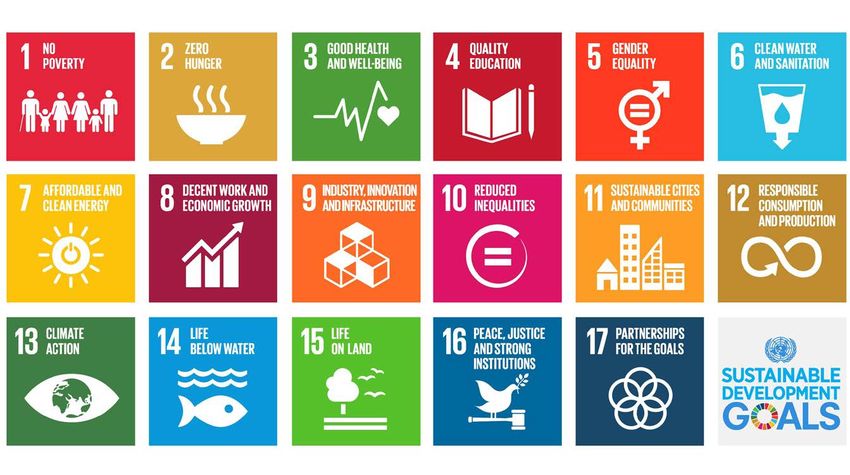
STRATEGIC PLAN ( 2017 - 2019 )

     Introduction
     The Jordanian Ministry of Environment is constantly seeking to protect
     the environment and improving its components in a sustainable manner.
     Accordingly, the ministry exerted efforts in maintaining the Jordanian en-
     vironment in full collaboration with all the partners and the active entities
     in the environmental sector and in other crosscutting sectors; To ensure
     the continuation of the the ministry’s pioneer and pivotal role success-
     fully, in light of the challenges that are surrounding the region, and the
     accelerated changes in recent years, especially the Syrian asylum crisis,
     the developing of the ministry’s vision-2025 and the ministry’s strategy
     of (2017-2019)- to build upon the previous strategy of (2014-2016)- has
     become an urgent need for the ministry to cope with social, economic and
     demographic changes that are affecting the Jordanian environment and its
     components in particular in a direct way, and affecting all the aspects of life
     in Jordan in general.                                                             The Methodology of Developing the Ministry of Environment’s Strategic
     Based on that, the Ministry of Environment’s strategy (2017-2019) has             Plan
     been developed in a time where Jordan is witnessing various interior and
                                                                                       The methodology of developing the Ministry of Environment strategic plan for the years of (2017-
     exterior changes and challenges. This effort has also been conducted in
                                                                                       2019) has based on the accredited methodology of the ministry endorsed by its Planning and Moni-
     response to the instructions of His Majesty King Abdullah II bin Al-Hussein
                                                                                       toring Committee (PMC). In this participatory approach a large number of relevant stakeholders with-
     in prioritizing the environment and granting it a special care to ensure the
                                                                                       in the sector and external partners were involved, particularly the Royal Department for Environment
     development of the legislative frameworks, providing specialized skilled
                                                                                       Protection (Rangers) and the Royal Society for Conservation of Nature (RSCN). The strategic plan
     personals and activating partnerships to protect the environment. To cope
                                                                                       depended on key reference documents and resources as a referential framework, where different
     with the accelerated changes, the Ministry has sought to foresee the future
                                                                                       resources have been studied and analyzed in a detailed manner, in addition to the discussions of
     and develop its strategy in a manner that goes hand in hand with the Vi-
                                                                                       working teams and experts within brainstorming sessions. Thus, the methodology used for strategic
     sion of Jordan 2025 using a participatory approach that included involving
                                                                                       planning included the following:
     all stakeholders from inside the Ministry and key partners in protecting the
     environment and maintaining it from outside the ministry. Accordingly, the        ●    Forming a technical working team within the Ministry of Environment
     strategy was aligned with Jordan’s international commitments in the envi-
     ronment sector and keeps pace with the continuous development within              ● Capacity building for the technical working team in the field of strategic planning by conducting
     national and international environment protection objectives.                     a training workshop for the technical teams on the basics, concepts and mechanisms of strategic
                                                                                       planning and management, conducted by an expert specialized in the strategic planning field.
     The development of this strategic plan and the comprehensive implemen-
     tation of it during the next three years will be based on understanding the       ● Analyzing the Ministry of Environment interior and exterior environments, wherein, historical in-
     reality of Jordan’s environment sector and the Ministry, in a participatory         formation have been collected, studied and analyzed. The references that were studied included
     approach with decision makers and beneficiary partners. This is consid-             the following:
     ered to be a consolidating step in the process of developing the ministry
     to protect the environment and to participate in achieving the national sus-          - Reviewing and analyzing the related legislation and regulations such as: environmental protec-
     tainable development goals.                                                              tion law number 52 for the year of 2006,
                                                                                           - Reviewing and analyzing the Ministry of Environment’s previous strategic plan of (2014-2016),
     The preparation of the strategic plan came through participatory effort
     that included teams from the ministry in collaboration with experts spe-              - Reviewing and analyzing the Jordan 2025 vision document,
     cialized in strategic planning according to a thorough approach that has
                                                                                           - Reviewing and analyzing the Government’s Executive Development Program of (2016-2018),
     encompassed involving of the key implementation partners identified by
     the environmental protection law: the Royal Department for Environment                - Reviewing and analyzing international environmental policies frameworks such as the interna
     Protection (Rangers), and the Royal Society for the Conservation of Na-                  tional sustainable development goals (SDGs) 2030 and Paris Agreement for climate change,
     ture (RSCN) in the process of planning. In addition to that the process               - Reviewing and analyzing the environment sector national plans and policies,
     was relaying on participatory approach that has included combining the
     needs, expectations and hopes of all the partners within private sector,              - Reviewing and analyzing the Syrian crisis response plan (2016-2018),
     governmental sector, and civil society organizations through consultative             - Reviewing and analyzing the Ministry’s organizational structure,
     meetings and focus groups. Developing the strategic plan has relied on
     analyzing the reality and foreseeing the future in a way that contributes in          - And reviewing and analyzing the previous reports in addition to studies about achievements and
     achieving the sectoral, national and international objectives.                           challenges.

10                                                                                                                                                                                      11
STRATEGIC PLAN ( 2017 - 2019 )

Through specialized workshops and brainstorming sessions, the working team has done a SWOT
analysis, where strengths, weaknesses, opportunities and threats that might encounter the Ministry
have been determined. In addition to that, working teams have analyzed the political, economic,
social, technical, legal and environmental indicators that are affecting the sector through (PESTLE
analysis).

● An abstract of the interior and exterior environments analysis has been prepared and shared with
  all stakeholders in developing the strategic plan of (2017-2019)

● A strategic retreat involving all stakeholders for developing the strategic plan has been conducted
  late in August 2016, in order to review the analysis’ results and develop the Ministry of Environ-
  ment’s draft strategy (2017-2019). The retreat was designed according to the principles of gov-
  ernmental creativeness laboratory to come out with creative and innovative ideas in developing
  the strategic plan, the retreat included:

  - Reviewing and developing the ministry’s vision ,                                                     Risk Management Plan:
  - Reviewing and developing the ministry’s mission,                                                     In the light of the accelerated changes in regional and local circumstances , with the Syrian asylum
                                                                                                         crisis and its consequences on the Jordanian environment on top of it, the focus on risk management
  - Reviewing and developing the ministry’s values,                                                      has become an urgent need to guarantee the success in achieving the Ministry of Environment’s
                                                                                                         strategy of (2017-2019). Furthermore, the strategic plan development process aimed to guarantee
  - Developing the draft strategic objectives for the next three years, and in a way that goes hand in   that the achievements of defined objectives on the national level are also connected with the Sus-
     hand with the strategic priorities of Jordan 2025 vision,                                           tainable Development Goals (SDGs) for 2030. Based on that, a methodology has been developed
                                                                                                         and strategic planning has been applied within the Ministry of Environment to guarantee the develop-
  Determine the programs and projects needed to achieve the strategic objectives.                        ment of a complete and comprehensive risk management plan. The approach has been in line with
                                                                                                         the best practices within the field, the Ministry of Public Sector Development instructive guidelines
● After the strategic retreat, a questionnaire was designed to survey the opinion of all stakeholders
                                                                                                         and with Kind Abdullah II Award for Excellence requirements regarding risk management. The ap-
  about the draft strategic plan components. Afterward the results of the questionnaire and recom-
                                                                                                         proach includes the following:
  mendations were analyzed, and the suitable recommendations were included in the draft strate-
  gic plan.                                                                                              ● Capacity building for the ministry’s team in the field of risk management.
● Following to the questionnaire, consultation meetings were organized and conducted with part-          ● Through a number of workshops, a list that includes all the predictable risks connected to the
  ners, whereby the stakeholders related to the strategic plan have been invited. The meetings             Ministry of Environment’s strategic plan (2017-2019) was developed.
  were based on focus groups concept, wherein the needs, expectations and hopes of both private
  and public sectors alongside with the civil society organizations, funding agencies and donors,        ● Analyzing the risks and ranking them according to their priority, probability and potential effects on
  have been carefully observed.                                                                            achieving the Ministry of Environment strategy.
● Brainstorming sessions and workshops have been conducted in order to develop the programs              ● During the second strategic retreat of the Ministry of Environment in October 2016, the risks have
  and the projects conclusively, and develop the performance indicators and objectives for the next        been reviewed and the procedures that are to be taken have been determined to manage the
  three years.                                                                                             risks, in an ideal way.
● Various workshops have been conducted to develop a thorough and a complete risk management             ● Preparing a document that includes the evaluation of risks and its management plan (2017-2019).
  plan.
                                                                                                         ● Establishing a mechanism to measure the risk management plan effectiveness and efficiency
● A second retreat has been conducted for all stakeholders in developing the strategic plan and            utilizing the feedback and through the percentage of the achieved objectives.
  implementation plans early in October 2016. To organize the development of the implementation
  plans, reviewing the risk management plan and the institutional development initiatives in the
  Ministry.

   12                                                                                                                                                                                                       13
STRATEGIC PLAN ( 2017 - 2019 )

Table 1: The SWOT Analysis for the Ministry of Environment and its                                        Summary of the Results Political, Economic, Social, Technological,
enabling structures:                                                                                      Legal and Environmental Factors (PESTLE) analysis
            Deleterious                                    Supportive                                     Factors                            The Expected Impact
            Weaknesses                                      Strengths
                                                                                                          Political Factors
· The absence of a complete knowl- · The existence of the executive arms supporting                       Security and political stability
                                                                                                                                        The political stability within Jordan helps greatly in applying and
  edge management system and           the ministry in enforcing the legislation (The Roy-                in Jordan                     implementing long-term strategies, and offers opportunities in cu-
  the difficulty in obtaining informa- al Department for Environment Protection and                                                     mulative institutional buildup and benefiting from previous achieve-
  tion in a fast and precise manner.   the Royal Society for the Conservation of Nature)                                                ments and building upon them
· Inability to attracting, retain and   · The existence of an environmental fund that                     The short life span of the    Except for the last government of Dr Abdullah Al-Nosoor, the life
  develop specialized human re-           supports environmental projects                                 government comparatively      span of previous governments in Jordan was comparatively short,
  sources in some fields.                                                                                                               which prevented the successive administrations from implement-
                                        · The leadership support regarding innovation and

                                                                                             Interior
· Insufficiency regarding the elec-       creativeness                                                                                  ing their visions and applying their plans in a complete way. More-
  tronic preparedness of the min-                                                                                                       over, the decision-making process might be subjected to changes
                                       · The existence of advanced monitoring systems,                                                  of the administrations’ decisions
  istry and regarding the electronic
                                         pioneering at the regional level
  services that the ministry provides.                                                                    The governmental orienta-     The government’s priority in bridging the gap in energy sector and
                                       · The existence of regional licensing committees                   tions toward promoting in-    in developing investments has pushed many major projects to the
                                         within the governorates                                          vestments and strengthening forefront, even though some of those projects can be accompanied
                                        · The reservoir of both the explicit and implicit                 energy security as a priority with negative impacts on the environment
                                          knowledge that the ministry possess                                                           The instability within the neighboring countries and the heavy pres-
                                                                                                                                        sure of migration during the last five years have increased the bur-
                                        · The introduction of the Climate Change Director-                The instability within the    den on the country and pressure on the resources and infrastruc-
                                          ate as well as the green economy unit within the                neighboring countries and     ture. This pushed the governments to focus on responding to those
                                          ministry                                                        the consequences of asylum crises, in particular the Iraqi and Syrian crises, accordingly affect-
             Challenges                                   Opportunities                                                                 ing interest in sustainable development due to lack of resources.
· The increase in pollution level     · The existence of donors and external financing in                 Economic Factors
  due to the incremental growth in      addition to the regional and international con-
                                                                                                          The increase in energy billThe increase in energy bill has obliged the government into taking
  various sectors such as the trans-    cerns with the environmental projects and sus-
                                                                                                                                     a different trajectory of solutions and alternatives that might nega-
  portation sector, the energy sector   tainable development
                                                                                                                                     tively affect the environment such as expanding the oil exploration
  and the industrial sector, and the
                                      · The governmental orientation towards the green                                               processes, utilizing oil shale and also utilizing nuclear energy.
  lack of commitment towards envi-
                                        economy and supporting the sustainable devel-                     Mining Sector              Major Jordanian industries are connected with mining (phosphate,
  ronmental standards.
                                        oping                                                                                        potash and cement) and the accompanied industries, which have
· The degradation of ecosystem                                                                                                       negative impacts on the environment and the surrounding ecosys-
                                      · The increasing local, regional and international
  and the increasing desertification                                                                                                 tem.
                                        concern regarding the investments in clean ener-
  due to urbanization at the expense
                                                                                               Exterior

                                        gy resources and the other sustainable develop-                   The emphasize on promoting The government’s orientation in promoting investments and facil-
  of farmlands, and violating forest
                                        ment projects                                                     investments                itating its processes might be looked at as a major challenge to
  lands and reserves. Finally, the
  absence of water resources man- · The existence of thorough national plans in                                                      the environmental sector while guaranteeing the reduction of the
  aging systems.                        terms of managing the various environmental                                                  negative impacts resulting from investment projects and to assure
                                        issues and the legislative frameworks that are to                                            that all those projects are subjected to internationally adopted en-
· The weak level of environmental                                                                                                    vironmental standards.
                                        support the actualizing of the sustainable devel-
  awareness and environmental                                                                             Transportation sector      Transportation networks, transportation means and investments
                                        opment
  education within the local commu-                                                                                                  comprises a major challenge to the environment sector due to their
  nities and the economic sectors     · The presence of influential and effective civil
                                                                                                                                     predicted effects on the local environment as major infrastructure
                                        society organizations
· The consequences of the Syrian                                                                                                     projects (streets, tunnels and railroads networks) and increased
  asylum crisis                       · The governmental approach towards actualizing                                                vehicles with resulting emissions.
                                        the electronic government
                                        · The governmental orientation towards achieving
                                          the concept of decentralization

  14                                                                                                                                                                                                     15
STRATEGIC PLAN ( 2017 - 2019 )

Factors                            The Expected Impact                                                    Factors                           The Expected Impact
Water shortages                    Water shortage obliges Jordan into developing major projects in        The interest and support          The interest shown by various local and international organiza-
                                   the field of water such as Red Sea Dead Sea project and water          provided by both local and the    tions can be considered an opportunity to utilize the experiences
                                   desalination projects, taking into consideration the predicted im-     international organizations re-   and resources that are granted by them.
                                   pacts on the environment and the ecosystems resulting from those       garding environmental issues
                                   projects.
                                                                                                          Technical Factors
The consequences of the            The consequences of the Syrian refugee crisis has put a pressure
Syrian asylum crisis               on the country’s economic and natural recourses in addition to the     The government’s orientation    The orientation towards the electronic and smart government
                                   infrastructure, which accordingly required a response to this crisis   towards achieving the electron- can be considered as an opportunity for the ministry in terms
                                   and which in many cases can be on the expense of local develop-        ic government and the smart     of developing its electronic infrastructure, information system
                                   ment.                                                                  government                      and its electronic services, in addition to benefiting from modern
                                                                                                                                          technologies harnessing and make use of it.
                                                                                                          The existence of the modern     The existence of modern technologies is a perfect opportunity to
                                                                                                          tools, devices and technologies develop the ministry’s processes and services and to increase
Factors                              The Expected Impact                                                                                  their effectiveness.
                                                                                                          The limited amount of active    The limited amount of platforms specialized in data, information
Social Factors                                                                                            systems in data management      and environmental knowledge is regarded to be an obstacle for
Weak levels of awareness             The lack of environmental awareness and the lack of social inter-    and environmental knowledge decision-makers and planners. While, exploring facts and reach-
and environmental education          est towards the environmental issues represent massive chal-         and the absence of national     ing it in a fast and easy way when the information is needed.
and the lack of social interest      lenges to the environment sector in the field of behavior mod-       platform for exchanging envi-
towards the environmental            ification and building up awareness regarding the importance         ronmental knowledge
issues                               of environmental issues and their effects on the reality and the
                                     future of upcoming generations.
Poverty and unemployment             Poverty and unemployment may form a reason for violations
                                     on the environment and nature such as (logging for the sake of
                                     heating or illegal killing). In general, poverty can cause weak-
                                     ness in terms of access to information, knowledge, and aware-
                                     ness about the importance of environmental issues.
Lack of focus on environmen-         The Importance of including the environmental issues in the ed-
tal issues importance in the         ucational curriculum, and working with partners in a methodolog-
schools and universities curric-     ical way on modifying the behavior of individuals toward being
ulums                                concerned about the conserving the environment.
The growth in population             The growth in population due to natural growth and the Syrian
                                     asylum and other factors, is causing huge pressure on natural
                                     resources and ecosystems, precisely, in refugee hosting com-
                                     munities.

  16                                                                                                                                                                                                      17
STRATEGIC PLAN ( 2017 - 2019 )

Factors                            The Expected Impact                                                    Factors                             The Expected Impact
                                                                                                          The high rates of desertification   Desertification is one of the most important challenges facing
The absence of plans and           The absence of a technology master plan and the utilization of
                                                                                                          due to soil degradation that is     the Jordanian environment sector and the ecosystem conserva-
visions regarding the technolo-    modern technologies in a comprehensive way (even if it was pro-
                                                                                                          caused by the urbanization at       tion and protection.
gies and electronic information    visional on the upcoming years) are regarded to be obstacles to
                                                                                                          the expense of the farmlands
systems                            the development of the ministry’s electronic and technological
                                                                                                          on one hand, and the lack of
                                   systems
                                                                                                          water resources on the other
                                                                                                          hand, also the violation on the
                                                                                                          forest lands and reserves
Factors                            The Expected Impact
                                                                                                          The climate change process          Climate change is one of the biggest challenges especially
Legal Factors
                                                                                                          negative impacts especially on      under water scarcity and increased desertification process in
The existence of legal frame-      The existence of a legal regulatory framework for the ministry         both, the water and agricultural    Jordan
work covering the Ministry of      activities (laws, regulations, instructions and policies) is a solid   sectors.
Environment activities             ground that can be built upon it in the field of developing the
                                   legislative framework and guaranteeing proper enforcement              The lack and inaccuracy of in- The inability to identify and measure indicators will lead to
                                   which will achieve the objectives of the ministry and the sector.      dicators related to environmen- impracticality to manage environmental projects and initiatives
The absence of the accompa-        The absence of comprehensive studies that accompany the                tal dimension within sustain-   effectively and ensuring the achievement of the desirable goals.
nying studies                      process of developing legislation, especially in the assessing         able development.
                                   the costs and social impacts of new legislation.
The weakness regarding the         Despite the legislative framework for environment protection,          The lack of integrated solid and    The non-existence of an integrated solid and hazardous wastes
law-enforcement processes          the sector still faces a weak law enforcement without proper           hazardous wastes manage-            management system poses a threat to the environment and
                                   strict penalties                                                       ment system (industrial and         ecosystems and affects the achievement of the Ministry strate-
Weak utilization of the experi-    Weakness in the use of services that should be provided by             medical).                           gic objectives and the sector.
ences and staff of The Royal       major stakeholders to implement the ministry mandate is con-
Department for Environment         sidered as an obstacle in the quest of achieving the objectives        The concept of green economy        The integration of the green economy concept in the broader
Protection (RANGERS) in            of the ministry and the whole sector in the best way possible          is still experimental and under     economic planning system in Jordan as well as focusing on the
law-enforcement                                                                                           developing, and the importance      private sector under the guide lines of the Jordan 2025 Vision,
                                                                                                          of empowering this concept          is a challenge
Environmental Factors                                                                                     as a national mechanism that
The weakness regarding the         The poor coordination system may weaken the legislative sys-           contributes to achieving en-
coordination between some of       tem or reduces the effectiveness of applying the law enforce-          vironmental sustainability in
the organizations in policy for-   ment in a complete and comprehensive way.                              collaboration with partners and
mulation and enacting environ-                                                                            private sector.
mental legislations that results
in an overlapping of authorities
roles
The limited amount of active in-   The lack of active institutional mechanisms might affect the
stitutional mechanisms related     possibility to benefit from the partnership with the private sector
to private sector partnerships     and ensuring the unification of efforts and visions to protect the
in environmental fields and        environment.
decision-making processes.
Not taking into consideration      Not dealing with the sustainable development dimension in an
the sustainable development        integrated way could lead to prioritizing needs in a way that
dimensions in an integrated        contributes to failure in achieving the environmental objectives
way while formulating the Eco-     in Jordan in light of focusing on investment and energy sources.
nomic, social and environmen-
tal policies.

  18                                                                                                                                                                                                       19
STRATEGIC PLAN ( 2017 - 2019 )
The Ministry of Environment’s Mission and Vision
The Vision The Mission
“A distinguished ministry in protecting the components of the environment and sustaining “Conserving the environment and its ecosystems through developing legal, strategic and
them for a better life” policy frameworks in addition to spreading environmental culture and enhancing environ-
mental monitoring and law enforcement and transition to a green economy within a partici-
The vision of the Ministry of Environment has evolved with a focus on the institutional dimension patory approach and a supporting institutional structure to contribute to achieving sustain-
by an emphasis towards establishing a distinguished ministry that has the means of institutional able development”.
structure that is based on comprehensive excellence standards. The Ministry aspires to achieve
the highest levels of effectiveness, creativeness and competences in implementing its activities and The mission expressed the purpose and reasons for the ministry existence which includes the pro-
achieving its objectives. That can be achieved through the ministry’s core role in protecting the en- tection of the environment with its various components, ecosystems and biological systems and con-
vironment and maintaining all of its components including air, water, soil and ecosystems and its serving their diversity. This should be achieved through the pioneering role of the ministry in setting
sustainability. In a way that lines completely with Royal orientations in this field, and in line with the legislative frameworks, developing the strategies, formulating policies and setting regulatory stan-
national directions and strategic priorities regarding the environment sector that is documented in the dards for activities of protecting and preserving the environment and associated activities, in addition
Jordan 2025 vision, in order to reach the ambition and dream of providing better life for everyone to strengthening the environmental monitoring and law enforcement. Where, the ministry’s efforts
on the Jordanian lands. contribute in spreading environmental culture and modifying the individual and social behavior re-
garding the environmental issues awareness, thus leading to protect and preserve the environment.
The mission emphasized that the ministry will work to achieve its objectives through a participatory
approach that empowers active partnerships relying on a distinctive institutional structure with the
pillars of well-trained and specialized staff
20 21STRATEGIC PLAN ( 2017 - 2019 )
The Ministry of Environment’s Core Principles
Within the exterior working environment, the ministry believes in
Transparency is adopted by the ministry as a core principle and strengthening partnerships, collaboration and flexible integration
Transparency that is manifested in the ministry’s announcements of all of its ac- with partners and clients in a way that serves the mutual inter-
tivities, projects and works. It is also expressed in the ministry’s ests and achieves the objectives of the ministry in protecting the
and approach in providing all the information for information-seekers Participation environment and its components as well as sustaining it.
Credibility credibly, transparently and precisely in accordance with the rele-
vant legislations, and in a way that supports and strengthens the
processes of accountability and follow-up.
The ministry considers excellence to be a core principle at the
levels of both the institution and the individual and it is constantly the ministry is applying the concept of justice in all of its pol-
Excellence seeking to improve its performance and to be distinctive through icies and processes in a way that guarantees equity for the
applying the international excellence standards and supporting employees and clients by applying non-discriminatory policies
and creativity and innovation, as well as integrating the concepts re-
Justice and regulations that guarantee a decision-making process that
is responsive to the needs, thoroughly inclusive to everyone,
Creativity lated to creativity within working model of the ministry making it
participatory and representative at all levels.
an applicable working policy.
The ministry and its employees value their commitment and re-
sponsibility towards the country and their work, as for the minis-
Within the ministry’s interior working environment, the ministry try, commitment and responsibility is a core principle and with-
and its employees support the concept of teamwork, collabo- Commitment out it, the ministry would not be able to protect and preserve
ration and experiences sharing in order to achieve the ministry the environment. Nevertheless, the ministry is strengthening the
Teamwork objectives, ensure the work integration by providing all the team-
and principles of devotion to work, and it is constantly working on in-
work requirements via the ministry efforts. Responsibility stilling the concept of responsibility within all employees through
a successful implementation of the legislations, the instructions,
the procedures, the systems and finally the codes of conduct.
22 23STRATEGIC PLAN ( 2017 - 2019 )
National Strategic Priorities Global Sustainable Development’s Agenda 2030:
Jordan’s 2025 Vision Document
Proceeding from the instructions of His
Majesty Kind Abdullah II bin Al-Hussein
regarding the importance of protecting
and preserving the environment, the
ministry of environment’s strategy ob-
jectives 2017-2019 is compatible with
the strategic priorities of Jordan’s Vision
2025 regarding the environment sector,
and in line with the national plans and di-
rections that aims to achieve their utmost
objective which is providing better life for
the citizens and to improve the quality
of life also. Thus, in order to reach this
aim and objective, Jordan’s Vision 2025
Document has set five strategic prior-
ities that are to be achieved within the
environment sector by the year 2025,
manifested in the following:
● Conservation of ecosystems,
● Reducing the negative impacts of The global environmental policies have been considered an important reference in the strategic
environmental changes on humans planning process for the Jordanian ministry of environment, and particularly the sustainable devel-
opment agenda 2030 and Paris Agreement on Climate Change.
● Improving general public awareness
in the field of environment protection In this aspect where four of the SDGs link directly with the ministry of environment strategic activities
and orientations:
● Improving the institutional capacity in
organizations working in the environ Goal 12: Responsible production and consumption: Ensure sustainable consumption and produc-
ment sector tion patterns
● Private sector participation Goal 13: Climate action: taking urgent actions to combat climate change and its impacts
Goal 14: Marine recourses: Conserve and sustainably use the oceans, seas and marine resources
to achieve sustainable development
Executive Developmental Program of the Jordanian
Goal 15: Life on land: Protect, restore and promote sustainable use of terrestrial ecosystems, sus-
Government – Sectoral Objectives: tainably manage forests, combat desertification, and halt and reverse land degradation
and halt biodiversity loss
The ministry of environment’s strategy for the years of 2017-2019 is consistent with the sectorial
objective “Protecting the components of the environment and sustaining them” and other minor ob-
jectives as listed in the executive governmental program:
● Conservation of ecosystems,
● Reducing the negative impacts of the environmental changes on human
● Improving general public awareness in the field of environment protection
● Improving the institutional capacity in the organizations working in the environment sector
24 25STRATEGIC PLAN ( 2017 - 2019 ) Strategic/Institutional Objectives: In accordance to what was previously discussed, the Ministry conducted consultation discussions with its partners to review these initiatives and has set five objectives for the environment sector in the Kingdom: · To protect & conserve the ecosystems This objective manifests the core work of the ministry, and it is directly emphasizing on achieving the ministry’s vision through protecting the environment and protecting its various components of water, air and soil as well as protecting ecosystems and ensuring its diversity in a broad sustainable basis. · To prevent and reduce the negative impacts on the environment caused by pollution & climate change This objective forms a continuation for the policies of protecting, maintaining and sustaining the environment and ensuring the sustainability of all its components, through reducing the negative impacts that are caused by pollution, and limit impacts on humans affected as a result of deficiency in related services such as water and sanitation, particularly under the consequences of the refugee crisis within the region, in addition to addressing climate change. · To develop the capacities and anchoring the excellence culture This objective goes hand by hand with the national objective to strengthen the governmental man- agement system and to improve the level of service and achieving excellence. This can be done by taking into consideration the institutional development of the ministry, improving its services, raising the capacity of workers and optimizing utilization of partnerships, within full integrated implementa- tion of the excellence model. · To raise public awareness and behavior change on environmental protection This objective was developed to deal with the overall low public environmental awareness on the individual and community levels, and to show the importance of environment protection and preser- vation through general awareness raising and behavioral change processes. · To improve partnership with the private sector in priority sectors management This objective works together with the fifth strategic priority in the Jordan 2025 vision in the envi- ronment sector, focusing on the importance of improving cooperation and partnership between the public and private sectors in the sake of managing the Environmental field priority sectors and col- laborate in protecting and preserving the Environment. 26 27
STRATEGIC PLAN ( 2017 - 2019 )

The Ministry of Environment Vision 2025 and the Strategic Objectives   Programs:
tree 2017-2019                                                         The ministry has developed a range of programs in order to ensure the achievement of its strategic
                                                                       objectives and to ensure managing the strategic plan and applying it in a proper way. The programs
                                                                       include:

                                                                       1. Natural Resources Management: The aim of this program is to develop and activate the frame-
                                                                          works for integrated environmental management of natural resources in order to conserve biodi-
                                                                          versity, combat desertification and rehabilitate degraded lands.

                                                                       2. Waste and Chemicals Management: The aim of this program is to come up with waste man-
                                                                          agement frameworks and coordinate the application of these frameworks, as well as supporting
                                                                          pioneer initiatives for safe solid and dangerous waste disposal.

                                                                       3. Climate Change: The ministry aims from applying this program to raise the environmental aware-
                                                                          ness about climate change impacts and respond to such impacts by adaptation and mitigation,
                                                                          and that is through implementing the climate change policy as well as formulating and coordinat-
                                                                          ing that national efforts to achieve sustainable development.

                                                                       4. Ozone Layer Protection: The ministry, through this program, aims to manage the national stra-
                                                                          tegic plan to phase out the ozone layer depleting substances.

                                                                       5. Environmental Regulation of Developmental projects:

                                                                         The ministry aims through applying this program to regulate the developmental activities through
                                                                         granting environmental approvals for the industrial properties by strengthen inspections and en-
                                                                         vironmental auditing.

                                                                       6. Monitoring and protecting environmental components

                                                                       The ministry aims through this program to contribute in laws and policies implementation and to
                                                                         support the environmental inspection and audit processes through improving the environmental
                                                                         monitoring and evaluation in the industrial areas and wastewater treatment plants, monitoring
                                                                         water resources, studying air quality, and preparing environmental state reports.

                                                                       7. Administration and Institutional development: The ministry aims through this program to de-
                                                                          velop its institutional capacities and services, anchoring the excellence culture, and provide the
                                                                          necessary financial and administrative services to conduct other programs, which makes this
                                                                          program significant to improve the ministry’s performance and efficiency level and to enable it to
                                                                          carry out its tasks competently.

                                                                       8. Legislation, policies and environmental strategies development: The ministry aims through
                                                                          this program to develop the national legislation, strategies and policies related to the environ-
                                                                          ment, completely or partially, and to ensure it is consistent with national orientations aiming to
                                                                          preserve the environment and its components as well as to protect them.

                                                                       9. Environmental and educational awareness: The ministry aims to raise the awareness about
                                                                          environmental topics and the importance of preserving the environment and protecting its com-
                                                                          ponents on individual, institutional and community levels, and modifying behavior about engaging
                                                                          with the environment, in order to achieve the institutional and national objectives.

                                                                       10.Shifting to Green economy: The ministry aims through this program, to steer the economy and
                                                                          development to adopt green development concepts in selected sectors, and that is by formulating
                                                                          national polices and plans which contributes in achieving sustainable and inclusive development,
                                                                          and the rationalization of natural resources use.

  28                                                                                                                                                                   29
STRATEGIC PLAN ( 2017 - 2019 )
List of Projects: Start- Com-
NO. Project Title ing pletion Objectives Program
Ongoing Projects:
Date Date
The table below includes major projects list, in which the source of funding was identified, Enhancing
Environmen-
and will be implemented by the ministry of environment to accomplish its strategic plan, as institutional
tal Legislation,
well as its expected starting and finishing dates. The New Environment Protection capacity for
6 2015 2017 Policies, and
Law MoEnv and
Strategies Devel-
Start- Com- the culture of
opment
NO. Project Title ing pletion Objectives Program excellence
Date Date Creating an Environmental Park in Conservation Natural resourc-
7 2016 2017
Al-Rsayfa of ecosystems es management
The Completion of the National Conservation Natural Resourc-
1 2017 2019
Network of Protected Areas of ecosystems es Management Preventing
and reducing
Upgrading the evaporation unit in Al Waste and
Preventing environmental
8 Hamra landfill to treat the leachate 2016 2018 Chemicals Man-
and reducing Environmental impacts in-
The Preparation of the State of the water agement
environmental components cluding climate
2 environment report and Environ- 2017 2019 change
impacts in- monitoring and
mental Indicators Report Preventing
cluding climate protection
change and reducing
Waste and
environmental
9 Monitoring groundwater quality 2017 2019 Chemicals Man-
impacts in-
Mainstreaming Rio global Agree- Conservation Natural resourc- agement
3 2015 2018 cluding climate
ments in the Development Sectors of ecosystems es management change
Sustainable Use for Ecosystem Conservation Natural resourc- Preventing
4 2014 2019
Services in Jordan of ecosystems es management and reducing
Waste and
Studying the impact of pesticides on environmental
10 2017 2019 Chemicals Man-
Enhancing the environment impacts in-
Environmen- agement
institutional cluding climate
tal Legislation, change
Waste Management Framework capacity for
5 2016 2018 Policies, and
Law MoEnv and
Strategies Devel-
the culture of Preventing
opment
excellence and reducing
Waste and
Increase the effectiveness of solid environmental
11 2017 2019 Chemicals Man-
waste recycling impacts in-
agement
cluding climate
change
Preventing
and reducing
Waste and
Emergency contingency system for environmental
12 2017 2019 Chemicals Man-
hazardous substances and waste impacts in-
agement
cluding climate
change
30 31STRATEGIC PLAN ( 2017 - 2019 )
Preventing Preventing
and reducing and reducing
Waste and
Hazardous Waste management environmental environmental Waste and
13 2017 2019 Chemicals Man-
Center/Swaqa impacts in- 21 Upgrading the Alakidr Landfill 2017 2019 impacts in- Chemicals Man-
agement
cluding climate cluding climate agement
change change
Preventing
and reducing
The development of a system for Waste and Preventing
environmental
14 collection and management of e 2017 2019 Chemicals Man- and reducing
impacts in-
waste agement First biennial update report (FBUR) environmental
cluding climate 22 2016 2017 Climate change
change on Climate Change impacts in-
cluding climate
Preventing
change
and reducing Monitoring and
Study levels of air pollutants result- environmental protecting envi- Preventing
15 2017 2019 Institutional support to inform about and reducing
ing from factories impacts in- ronmental com-
cluding climate ponents the short lived climate and air pollut- environmental
23 2015 2017 Climate change
change ants. Supporting National Action impacts in-
and Planning on SLCPs (SNAP) cluding climate
Preventing change
and reducing Monitoring and
Enhancing
environmental protecting envi-
16 Study and monitor water quality 2017 2019 partnership
impacts in- ronmental com- The central industrial wastewater Transition to
24 2017 2019 with the pri-
cluding climate ponents treatment plant green economy
vate sector in
change
priority sectors
Preventing Preventing
and reducing Monitoring and and reducing Monitoring and
National project for remote water The establishment of an electronic
environmental protecting envi- environmental protecting envi-
17 monitoring / Higher Council for Sci- 2017 2019 25 system to monitor the concentra- 2017 2019
impacts in- ronmental com- impacts in- ronmental com-
ence and Technology (HCST) tions of pollutants
cluding climate ponents cluding climate ponents
change change
Preventing Preventing
and reducing Environmental and reducing
Development and implementation of
environmental Regulation for Partnership for Market Readiness environmental
18 inspection programs for hot spots, 2017 2019 26 2016 2019 Climate change
impacts in- Development (phase two) impacts in-
and environmental auditing
cluding climate projects cluding climate
change change
Preventing
and reducing Environmental
environmental Regulation for Enhancing
19 Environmental Police (RANGERS) 2017 2019 awareness
impacts in- Development Environmental
cluding climate projects and behavioral
27 Environmental Awareness’ Project 2016 2019 awareness and
change changes for
education
environmental
Preventing protection
and reducing Environmental
Evaluation and licensing commit-
environmental Regulation for
20 tees in the field of environmental 2017 2019
impacts in- Development Enhancing
impact assessment
cluding climate projects partnership
change Environment Protection fund/ Proj- Contin- Transition to
28 2009 with the pri-
ects funding ues green economy
vate sector in
priority sectors
32 33STRATEGIC PLAN ( 2017 - 2019 )
Enhancing Preventing
The establishment of industri- partnership and reducing
Transition to
29 al wastewater treatment plant in 2016 2018 with the pri- National Adaptation Plan Process environmental
green economy 38 2017 2018 Climate change
Al-Halabat/Zarqa vate sector in for climate change impacts in-
priority sectors cluding climate
Enhancing change
Construction of hazardous waste
partnership
processing units in Swaqa by Transition to Enhancing
30 2016 2019 with the pri-
launching an international bidding green economy Policy dialogue and knowledge partnership
vate sector in Transition to
process 39 management on low emissions 2016 2018 with the pri-
priority sectors green economy
development strategies vate sector in
Enhancing priority sectors
partnership
Collecting and recycling of expired Transition to Preventing
31 2016 2017 with the pri-
Lead acid batteries green economy and reducing
vate sector in The preliminary assessment of mer- Waste and chem-
priority sectors environmental
40 cury and its compounds in Jordan 2016 2017 icals manage-
Enhancing impacts in-
project ment
Replacement for Ozone Layer de- partnership cluding climate
Ozone Layer change
32 pleting substances in air-condition- 2013 2018 with the pri-
protection Enhancing
ing and cooling maintenance sector vate sector in
priority sectors awareness
Implementation of the national Environmental
Integrated management for rehabil- and behavioral
Conservation Natural resourc- 41 campaign (all Jordan is your home - 2016 2018 awareness and
33 itating the environmental degraded 2017 2019 changes for
of ecosystems es management keep it clean) education
areas environmental
protection
Preventing
Preventing and reducing
Implementation of infrastructure Waste and chem-
and reducing environmental
42 works in the surrounding area of 2016 2017 icals manage-
Irrigation pumps operating by solar environmental impacts in-
34 2017 2019 Climate change Swaqa hazardous waste landfill ment
energy REEE impacts in- cluding climate
cluding climate change
change
Preventing
Electronic tracking system for and reducing
Waste and chem-
household septic water and waste environmental
Ecosystems Rehabilitation in the 43 2016 2017 icals manage-
Conservation Natural resourc- oils containers ,and hazardous impacts in-
35 Jordanian’s Badia (environmental 2011 2019 ment
of ecosystems es management waste transportation vehicles cluding climate
compensation program) change
Enhancing
Environmen- Preventing
institutional
tal Legislation, and reducing
Protection of the environment and capacity for
36 2017 2019 Policies, and Climate Change Technical needs environmental
biodiversity in Jordan 2 MoEnv and 44 2014 2017 Climate change
Strategies Devel- assessment impacts in-
the culture of
opment cluding climate
excellence
change
Preventing
Improving the quality of life and and reducing Enhancing
Implementation of the second
green infrastructure in Amman environmental partnership
37 2017 2018 Climate change phase of the national strategy to Ozone Layer
to mitigate and adapt to climate impacts in- 45 2017 2021 with the pri-
phase out the Ozone Layer deplet- protection
change cluding climate vate sector in
ing substances in the coming years
change priority sectors
34 35STRATEGIC PLAN ( 2017 - 2019 )
Additional Projects: Start- Com-
.NO Project Title ing pletion Objectives Program
The following table includes a list of additional projects, in which the source of funding was not iden- Date Date
tified until the date of the plan development. The Ministry of Environment is seeking to secure funds
to implement these projects and achieve its strategic plan. The table includes the expected starting Enhancing
and finishing dates. awareness
Environmental
Utilizing social media for environ- and behavioral
6 2017 2019 awareness and
mental awareness project changes for
education
environmental
Start- Com- protection
.NO Project Title ing pletion Objectives Program
Date Date Enhancing
awareness
The establishment of Biodiversity Development of visual and audible Environmental
Conservation Natural resourc- and behavioral
1 database and link it electronically 2017 2019 7 content to raise awareness about 2017 2019 awareness and
of ecosystems es management changes for
with the ministry environmental issues education
environmental
protection
Support the management and finan-
Conservation Natural resourc-
2 cial sustainability to sustain Protect- 2017 2019 Enhancing
of ecosystems es management Environmen-
ed Areas institutional
tal Legislation,
Upgrading the knowledge manage- capacity for
Preparation of national inspection Conservation Natural resourc- 8 2017 2019 Policies, and
3 2017 2018 ment in the ministry project MoEnv and
plan for biodiversity protection of ecosystems es management Strategies Devel-
the culture of
opment
excellence
Enhancing
Environmen-
institutional Enhancing
Development and modernization tal Legislation, Environmen-
capacity for institutional
4 of environmental regulations and 2016 2019 Policies, and Gender mainstreaming in environ- tal Legislation,
MoEnv and capacity for
instructions project Strategies Devel- 9 mental policies and procedures 2017 2019 Policies, and
the culture of MoEnv and
opment project Strategies Devel-
excellence the culture of
opment
excellence
Enhancing
awareness Enhancing
Environmental Environmen-
Mainstreaming environmental con- and behavioral institutional
5 2017 2019 awareness and tal Legislation,
cepts in school curricula changes for Human resources development capacity for
education 10 2017 2019 Policies, and
environmental project MoEnv and
protection Strategies Devel-
the culture of
opment
excellence
36 37STRATEGIC PLAN ( 2017 - 2019 )
Performance indicators levels for the strategic objectives. Annual average pH of treat-
ed industrial wastewater
Institutional 6-9 6-9 6-9
(base value will vary for
Strategic Standards Sectorial/ Basic Value Targeted Value each station)
Objective Institutional Year Value 2017 2018 2019 The annual rate of Chemical
Oxgen Demand (COD) in
Preventing treated industrial wastewa- Institutional 150 150 150
and reducing ter (mg / L) (base value will
environmen- The impact of air pollution on ecosystems indicators (Based on the specifi- vary for each station)
tal impacts cation/ technical related)
Annual average concentra-
including cli-
tions of total dissolved sol-
mate change
ids (TDS) in treated industri-
The average annual con- Institutional 2000 2000 2000
al wastewater (mg / L) (base
centration levels of nitrogen value will vary for each sta-
dioxide gas in the industrial Institutional *1 0.05 0.05 0.05 tion)
areas (ppm) (base value will
Annual average concen-
vary for each station)
trations of total suspended
The average annual con- solids (TSS) in treated in-
centration levels of sulfur Institutional 60 60 60
dustrial wastewater (mg /
dioxide gas in the industrial Institutional 0.04 0.04 0.04 L) (base value will vary for
areas (ppm) (base value will each station)
vary for each station)
Preparation of the national
The average annual con- Institutional 2016 0 100% - -
environmental indicators list
centration of fine particulate
Ozone Layer Protection indicators
matter in ambient air PM10
Institutional 120 120 120 The percentage of phasing
(micrograms per cubic me-
ter) (base value will vary for out of Pzone depleting sub- Institutional 2014 21 40 40 40
each station) stances
Annual average concen- Climate change indicators
trations of fine particulate The Renewable Energy’s
matter PM2.5 in ambient air contribution in the overall Sectorial 2015 7 8 9 9
Institutional 65 65 65
(micrograms per cubic me- energy mix (%) 2
ter) (base value will vary for The progress in production
each station) of the National Adaptation Institutional 2016 0 60% 80% 100%
The impact of water pollution on ecosystems indicators (Based on the spec- Plan for climate change
ification/ technical related) The progress in achieving
Annual average concen- the national climate change Institutional 2015 20% 40% 50% 70%
tration of total nitrogen in policy objectives
household wastewater Sectorial *1 70 70 70 The number of the national
treatment (mg / L) (base val- projects funded by the inter- Institutional 2016 1 2 3 4
ue will vary for each station) national climate funds
The annual rate of Biological Waste Management Indicators
Oxygen Demand (BOD) in
The percentage of solid
domestic processed waste- Sectorial 60 60 60
waste disposed in the Land- Sectorial 2015 85 85 80 80
water (mg / L) (base value
fills (%)
will vary for each station)
The percentage of solid
The annual rate for the pH
waste that is recycled and Institutional 2015 15 15 20 20
of the treated household
Sectorial 6-9 6-9 6-9 re-used (%)
waste water (base value will
vary for each station) The percentage of treated
Institutional 2015 25 50 50 55
hazardous waste (%)
* (the baseline value for each monitoring station mentioned in following tables)
( Ministry of Energy and Mineral resources, base line value is 7% in 2015 and the targeted value is 10%in 2020 and)
38 39You can also read


