Strategy Housing - Wakefield Council
←
→
Page content transcription
If your browser does not render page correctly, please read the page content below
Housing
		Strategy2013-18
Good housing in a thriving 21st Century District

     www.wakefield.gov.uk

1
“We want Wakefield to be
    a thriving 21st Century
    district. A place where
                                 Foreword
    everyone can achieve         In the Wakefield Together District Plan the Council and its   •    Provide more support and advice to improve the
                                 partners set out their vision for the District.                    financial confidence in households to help tackle
    their full potential and                                                                        poverty
    where most vulnerable        The new Housing Strategy aims to set out for residents
                                 and partner organisations how the Council will work over      •    Work with partners and homeowners to improve the
    people are protected. We     the next 5 years to deliver on the housing commitments             energy efficiency of more homes in the district to help
    will do this by building     made in the District Plan                                          address fuel poverty and reduce carbon emissions
    and sustaining stronger      These commitments are to:                                     An effective housing strategy will help to ensure that these
    communities, creating        •    Seek to ensure the housing offer in the district meets
                                                                                               aims are achieved, and this document is about how we will
    vibrant places and                                                                         pursue these priorities over the coming 5 years.
                                      the needs of our changing and growing population,
    investing in our future to        including older, vulnerable and disabled people          We’ll also be producing a new Housing Strategy Action
                                                                                               Plan using the targets from this strategy, and reporting
    ensure we succeed”           •    Work with tenants, landlords and residents to deliver
                                                                                               back to you via the Council’s website each year on the
                                      warm, well designed and well maintained homes that
                                                                                               progress we’ve made.
                                      people are proud of and able to live in comfortably.
    Wakefield Together                                                                         We have also set up a new email address,
                                 •    Continue to work with housing developers to increase
    District Plan 2012-16             the number of homes, including affordable homes.
                                                                                               housingviews@wakefield.gov.uk so that you can give
                                                                                               us feedback on this new strategy, and on other housing
                                 •    Continue to bring empty properties back into use to      issues in our district.
                                      improve community vitality and the supply of homes.
                                                                                               Councillor
                                 •    Try to achieve “no second night out” for those finding
                                                                                               Mrs Denise Jeffery
                                      themselves without a home
                                                                                               Portfolio Holder for
                                                                                               Regeneration and Economic
                                                                                               Growth

2
Contents

    1. Introduction		                                                      4

    2. Our challenges and priorities                                       6

    3. Our key housing achievements in recent years                        9

    4. Some key facts that affect our plans for housing                    11

    5. More Homes		                                                        13

    6. Better Homes, Better Places                                         23

    7. Housing Investment: jobs, training and opportunities for business   32

    8. Better Homes, Better Health		                                       37

    9. Achieving our targets, and Listening, Learning and Reporting Back   49

3
Introduction
T   he Council has made a commitment with its Wakefield
        Together partners to strive to meet the housing needs
    of the district as one of its 5 key pledges in the 2013-16
                                                                      Most of us move between these situations at different times
                                                                      in our lives. The Council believes that having affordable
                                                                      access to good housing of the right type sits at the heart of
    Wakefield District Plan. But what do we mean by housing           residents’ being able to pursue these choices. The Council’s
    need?                                                             challenge is to do the best it can to help the district’s
    There are some things we all need from our homes; safety,         residents have the kind of home they need.
    comfort and to be able to live in them within our financial
    means. But we also need to consider:
    •    Some people need an affordable social rented home
    •    Some people are looking for a private rented home
         that’s easy to get and where they can live for as long as
         it suits their plans
    •    Some people are looking to buy their first home; others
         are looking to buy a bigger home as their family grows,
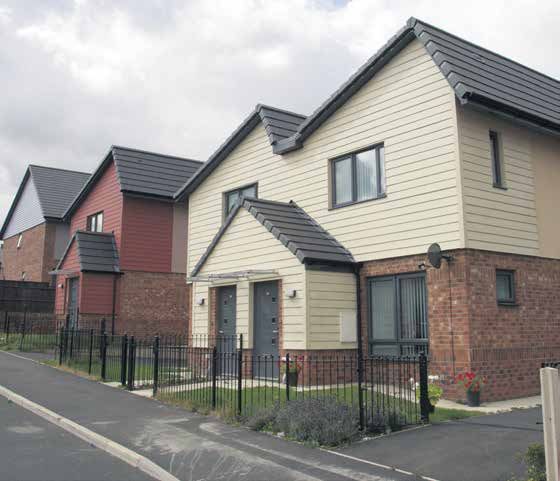
         or a smaller more manageable home for later in life                                                                          Sherwood Court,
    •    Some people need a bit of help so they can live 		                                                                           Kettlethorpe
         independently in their home; others need an adapted
         home and daily care
    •    Companies need suitable places for their employees to
         live if they are thinking of relocating to or expanding in
         the Wakefield district

                                                                                                 Verner Street, Featherstone

5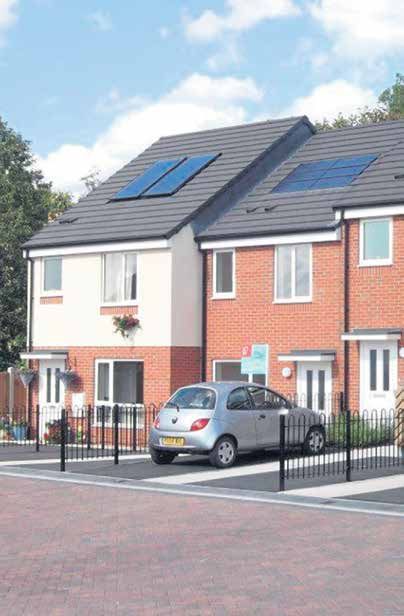
Our
challenges
and priorities

G   ood quality housing not only provides homes for
    people, but also helps to support employment and
business growth, improves the quality of life in our city,
                                                             2.2 Your financial challenges
                                                             In the last 5 years:
towns and neighbourhoods and improves health and             • Pay has fallen on average by £30-£35 a week for
wellbeing.                                                       full time workers (based on a 40 hour week)
• Housing need continues to grow and changes over            • Costs of living have risen substantially
     time. Perhaps the biggest influences on patterns of     • Unemployment is higher and young people under
     housing need are:                                           25 are finding it particularly difficult to find work
• Changes to the economy which affect employment
• How much people earn                                       • Mortgage costs have been historically low, but it is
• How much businesses invest in new homes                        much more difficult and expensive now for first time
• Government’s policies around housing and house 		              buyers and other buyers who do not have lots of
     building                                                    equity to get a mortgage
• Funding for welfare, housing and supporting                • Since 2010 the rents for most new and some
     businesses                                                  existing social housing have been increased to the
                                                                 Government’s new Affordable Rent level, which is
2.1 Our financial challenges                                     up to 80% of local private rents
                                                             • Large scale changes to welfare benefits are being
•    Large cuts to the funding for councils made by the
                                                                 implemented by the Government. Restrictions
     Government are also affecting how we can help
                                                                 to housing benefit for both social and private tenants
     residents and businesses
                                                                 are affecting some peoples’ ability to stay in their
•    Going forward the Council must deliver services with
                                                                 current homes and adding more pressure to
     fewer resources. As a Council we are facing a
                                                                 household budgets. These changes have affected
     budget cut of over £150m between 2010 and 2018.
                                                                 around 5,000 social housing tenants and 6,600 		          Railway Terrace, Fitzwilliam
     Although good progress has been made so far we
                                                                 private housing tenants so far
     still have more work to do to achieve these savings
•    This challenges us to deliver services in new ways      • Due to the abolition of Council Tax benefit and cuts
     and means and we have to make tough choices, 		             made by the Government, the Council has removed
     both around priorities and what we will and won’t           the 100% rebate for Council Tax, requiring everyone
     be able to do ourselves                                     of working age to pay something towards their bill

7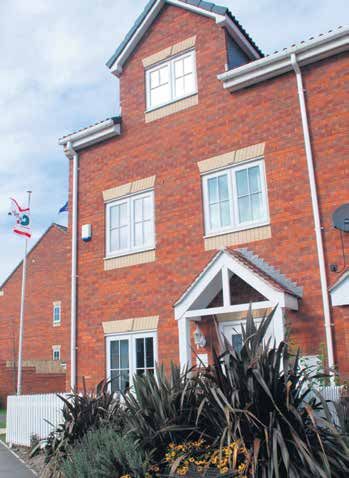
2.3 Our key partners’ financial 		                               2.4 Looking forward: Our housing priorities
challenges                                                        This strategy considers the impact of these changes and
In the last 5 years:                                              proposes how the Council and its partners will continue to
• Reductions to the Government grant for building new             work towards achieving the right housing priorities for our
    affordable homes and the changes to welfare and 		            district. For the next 5 years, our priorities will continue to
    housing benefit are affecting the income of 		                be:
    Registered Housing Providers (RHPs). This is
    affecting their scope to finance housing projects and
    deliver services to their tenants
                                                                  • More homes
• House building companies have been building less
    new homes, as people have been finding it much more           • Better homes, better places
    difficult to get mortgages so sales have fallen. Many
    companies have developed their own home ownership             • Housing investment;
    support products to help people to buy, and keep the
    supply of new homes moving forward                              jobs, training and
• The expansion of the private rented housing market                opportunities for business                                                    Sunnydale, Ossett
    has been a positive response to difficult
    circumstances, offering more places for people to live
    and preventing new homes standing empty                       • Better Homes,
• Many voluntary organisations have seen their access               Better Health
    to grant support reduced, affecting their ability to offer
    local services at a time when need is increasing

                                                                                                                                    Parkdale, Castleford

8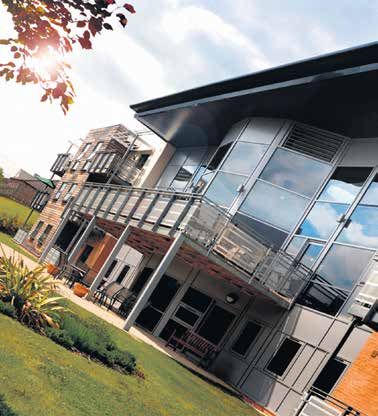
Our key housing
achievements in
recent years
Key achievements
     1.   Bringing sites forward to build 800 new homes in priority
          regeneration areas and working in partnership with
          Registered Housing Providers to deliver more than 1,500
          new affordable homes.

     2.   Helping 400 families to stave off the repossession of
          their homes

     3.   Launching our Responsible Landlord Scheme with 155
          landlords and 2,835 properties now accredited.

     4.   Completing neighbourhood improvements in the South East

     5.   Helping owners to get more than 1,000 empty homes
          back into use

     6.   Helping 9,500 households to improve the energy efficiency of
          their homes

10
Some key facts that affect our plans for housing
4.1 The number of households in the district                  Living costs are increasing                                     Our residents are getting older
is growing faster than the supply of homes                    • In the last 9 years the average household cost for gas        • 56,000 of the 326,000 people who live in our district
                                                                  and electricity has doubled                                    are over 65
• By 2031 we estimate that there will be 42,000 more
  households in the district                                  • Nearly 20% of people who replied to our recent survey         • By 2035 we expect the number of over 65s to have
                                                                  told us that they are struggling with the costs of 		          grown by a third
• We would need to build 1,600 new homes every year
                                                                  repairing their home                                        • The number of people aged 90+ has increased by
  until 2033 to make sure there are enough homes, but in
  2012/13 due to the recession only 534 (net) were built      • In a national survey, more than 50% of people said               35% to 2,200 since the Census of 2001.
                                                                  they worried about being able to pay their bills
                                                                  each month                                                  Homes to meet community needs
4.2 Average earnings are not keeping pace
                                                              • The maximum Council Tax benefit is now capped at 70%          • There are not enough homes specifically built to meet
with inflation                                                    and all working age people will have to pay towards their      the needs of people with physical and learning
• The average pay (based on a 40 hour week) is around             Council Tax; As at April 2013 approximately 19,300 		          disabilities and autism.
  £20,030, a drop of more than 8% since 2007                      people were affected by this change                         • According to the Council’s local assessment of gypsy
• The average income of households claiming benefit will                                                                         and traveller families housing needs, there is a shortfall
  be lower by £940 per year or £18 per week in 		             Poor health and reduced wellbeing is a concern                     of 17 pitches over the next 5 years
  2015/16 as a result of welfare reforms (excluding 		        • Around 20,170 of working age people are claiming a            • There is an increase in the number of people with
  London). This excludes the impact of Universal Credit,         disability-related benefit                                      complex and multiple needs seeking housing and
  which is yet to be implemented.                             • Under Welfare Reform changes as at April 2013 		                 support
• Youth unemployment is above regional and national              around 5,600 working age people have had their
  rates and is particularly prevalent in ex-coalfield areas      benefits reduced because they are judged to have
• At the point of the 2011 Census 11,700 people 		               more bedrooms than they need and 95 families have
  said they were unemployed; of these around 1,900               been affected by the new benefit cap of £500 per
  had never worked and 4,496 people said they were               week for families/lone parents and £350 per week for
  long term unemployed. The highest levels of 		                 single people
  unemployment were in the Wakefield East area, at 		         • There are more people living with dementia, and this
  7.9%, and the lowest in Wakefield Rural at 3.2%                number will increase
                                                                                                                                               Stump Cross Meadows, Pontefract

12
More Homes
T   he district has over 140,000 homes. The majority of
                                      homes, 89,000, are owner occupied, with around
                                  35,000 social rented homes and 16,000 homes that are
                                                                                                 we will continue to co-operate with neighbouring councils
                                                                                                 to ensure that the plans for new homes complement each
                                                                                                 other across local authority boundaries.
                                  privately rented.
                                  The 2010 population projections estimate that by 2032          5.1 The housing market
                                  there will be an additional 42,000 households in the
                                  district, compared to 2010. The number of households           Just over 71% of the homes in the district are in Council
                                  increased by 8,198 between 2001-2010, and this trend is        Tax bands A and B. The average house price for a Council
                                  expected to continue over the next 20 years.                   Tax band A and B property was around £118,000 in 2011.

                                  The Council’s Local Development Framework (LDF) sets           Owning a home
                                  out clearly how it will use its land and Planning powers to
                                  help ensure that new homes are built in the right number,      Nearly two thirds of the homes in the district are owner
                                  of the right kind and in the right locations. This will help   occupied. The proportion of these owned without a
                                  to meet housing need and demand and to support the             mortgage is increasing due to there being more older
                                  sustainability of existing towns. There is ample land          owners. Fewer people overall now own with a mortgage
                                  identified for housing over the next 10 years. The majority    as it has become more difficult to access lending recently.
                                  of the 1,600 new homes needed each year to 2026                House prices across the district vary considerably; some
                                  are to be built in and around Wakefield City, Castleford,      parts of the south east of the district have the lowest
                                  Pontefract, Knottingley, Featherstone and Normanton, and       average house prices at approximately £103,000, and a
                                  65% of these homes are to be built on sites which are          similar property in Newmillerdam or Woolley can cost an
                                  being re-used.                                                 average of £183,000.

                                  The LDF relies on an assessment of housing need to inform      The key issue for buying a home is access to mortgages. In
                                  its policies for new homes. In 2015 we will be updating        our recent survey 72% of people said the biggest obstacle
                                  our Strategic Housing Market Assessment, to ensure             to buying a home was saving for a deposit. Some would-
                                  that our understanding of housing need and the housing         be buyers are being asked for deposits of up to 20%. The
                                  market is accurate and up to date. As part of this process     average first time buyer will be about 38 years old before
     Railway Terrace, Normanton                                                                  they can buy their first home.

14
The first phase of the Government’s Help to Buy scheme Renting from a Registered Housing Provider months’ rent or around £500. Some landlords also ask
will help some buyers looking for their first homes, by Around 24% of households are in social rented homes; for payment of rent in advance, again typically around a
offering a Government loan of up to 20% of the price of this is a reduction of 4% since 2001, but remains a high months’ rent.
a new home, meaning the buyers need only find a 5% percentage compared with the Yorkshire and Humber Payments of this scale can be very difficult for people
deposit. There are indications from house builders that the average. There are also 20,656 (Sept 2013) people on to afford. Help is available for single people who are
availability of this scheme is increasing sales and property the Housing Register who are looking for a social rented homeless, or in danger of being so, from the Wakefield
reservations. By September 2013 around 270 applications tenancy. Rent Deposit Scheme. The scheme provides landlords
for Help to Buy had been made across the district.
with a bond guarantee and offers clients housing-related
The Government has implemented phase 2 of this scheme Renting privately support during their tenancy. We hope to expand the scope
earlier than planned, which applies to all homes and isn’t The number of households privately renting has increased of this scheme, so it can offer bond guarantees to couples
restricted to first time buyers. Again it requires only a 5% significantly since 2001 up from 6,600 to 16,000 in 2011. and families in some circumstances, as well as single
deposit from a buyer and the Government guarantees the More than 4,400 private rented properties across the people.
next 15% of a mortgage, providing compensation to a district became available to rent in 2012; two thirds were
lender if the buyer defaults on their mortgage in the first 7 houses, and one third flats. The average cost of renting a Impacts of changes to housing benefit
years. This help, however welcome by people looking to home in the private sector is £546 a month and rents are
buy their first home, or trade up to a larger one, will drive Changes to housing benefit as part of the Government’s
rising as demand for homes increases. Rents are rising
up property prices unless the supply of new homes can Welfare Reforms are changing the patterns of demand
fastest for smaller 1 and 2 bedroom properties. Costs
outpace the demand. for rented homes. Help with housing costs has been cut
vary across the district from £450 to £640 per month
for working age social housing tenants deemed to have
Financial support from the “Bank of Mum and Dad” has depending on the property and the area.
spare bedrooms. For tenants with 1 spare bedroom the
also enabled some young people to buy a home, but this On average, working households on lower incomes need rent used for housing benefit purposes will be reduced by
can mean that parents have used up their savings or to spend more than 30% of their income to rent privately. 14% or about £12 per week; for tenants with 2 or more
extended their own mortgages. This may bring a range of Only a third of private properties coming up for rent are spare rooms, the rent used for the purposes of housing
financial problems for parents as they get older. affordable within the Local Housing Allowance limits, and benefit will be cut by 25% or about £23 per week. Similar
thus within the reach of households on benefits. restrictions are in place for private tenants in the form of
In addition to rent, new tenants of private rented homes Local Housing Allowance. Along with cuts to the eligibility
are usually also asked for a bond payment typically of one for housing benefit in both tenures, single people under 35
15years old living in privately rented accommodation can only 2001 but has grown more in some areas than others.
get housing benefit to cover the rent of a room in a shared In Wakefield North, the percentage of private rented
house and not a self-contained flat. properties has grown from 8% of the overall stock in 2001
Instinct, Ackworth to almost 22% in 2011. Castleford Whitwood, however,
There is an insufficient supply of good quality shared
has seen private rented sector increase very modestly from
houses in the district to meet the likely increase in demand
8% in 2001 to 11% in 2011.
that will arise from this change.
In Normanton and Pontefract private rent levels are
There is some evidence that more people are giving up
increasing as there is increased competition for properties.
social tenancies citing that they can no longer afford their
This competition is driving up rents; the average rent in
homes. A significant number are moving in with family or
these areas has increased by about £20 a month since
friends, and evictions from private tenancies are increasing.
2009. However, in Featherstone, parts of Castleford and in
Of the 13,609 households in the district identified as being in
Wakefield North rent levels remain at the 2009 level. This
housing need, nearly 88% cannot afford to rent or buy on the
is in stark contrast to Wakefield West where rent levels have
open market, and a similar percentage of all newly forming
increased by almost £60 a month since 2009.
households cannot afford to buy or rent without support.
The tenure mix also differs from area to area. There are high
levels of home ownership in Wakefield Rural and Wakefield
Different things are happening in the housing North West accompanied by relatively low levels of social and
market across the district affordable housing. Not unsurprisingly this reduces residents’
The population has grown over the last ten years by an options when looking for suitable housing and alternatives
average of 3.3% but some parts have grown more quickly to ownership. The highest levels of social and affordable
than others. For instance, the Wakefield Central population housing levels are found in Wakefield Central where 37% of
grew by 21.9% in this same period. The Castleford area all homes are in this tenure.
saw an increase in the 0-4 age group by more than 15%,
the largest increase in the district. In the Wakefield Rural Building new homes
area however, the 65+ age group grew by 20%, almost There is interest in building new homes in the district; since
double the increase of anywhere else in the district. 2009 almost 3,100 new homes have been built. High
Noble Road, Outwood The private rented sector has almost doubled since levels of interest continue in the Pontefract, Knottingley
16and Castleford parts of the district which have seen 1,221 The LDF policy CS 6 sets out that new homes must provide Pontefract - there are a number of sites for new housing
new homes, but all areas have benefited from some new a broad mix of housing suitable for different types of at Pontefract, the largest being the former Prince of Wales
homes, showing a return of greater confidence recently to households; For example the need to increase the supply colliery site where around 900 new homes are planned in
our housing market. of smaller, affordable 1 and 2 bedroom homes for the the next 10 years. A new northern relief road is needed to
growing number of small households, and 4 bedroom and manage the increased traffic from these new homes.
More information about housing in each of the seven
larger homes for larger families and shared homes.
settlement areas within our district can be found in the Featherstone - at the Girnhill estate Strata will start work
Area Profiles attached with this document. There are locations for new homes across the district, and in early 2014 on 224 new homes and Taylor Wimpey are
to help us meet our housing growth targets, a number planning a further 450 new homes nearby.
of large housing schemes are also progressing. In many
5.2 Providing new homes Normanton - across a number of sites including the
cases these are guided and supported by master plans
Railway Sidings, Ashfield and the former brickworks, there
The Council has allocated enough housing land to build the prepared by the Council with input by local residents and
are proposals for more than 750 new homes by housing
new homes that are needed but the slow housing market businesses, to help co-ordinate development.
developers, and WDH will be building 90 new homes on
is making housing developers cautious. The rate at which sites on Queen Elizabeth Drive and The Village pub site. A
new homes have been built in recent years has fallen well Wakefield - at City Fields, formerly
New East Wakefield - around 2,500 new homes are new delivery plan has been agreed for Normanton to help
behind our target despite the Council granting planning bring development forward.
permission for 1,820 more new homes in 2012/13. planned over the next 15-20 years. A new relief road
is needed to open up access to the land, and a new Knottingley - there are two proposals for in excess of 200
neighbourhood centre with shops and services, a public new homes adjacent to the Warwick estate, and proposals
transport hub and a new school are planned. A planning to help delivery are contained in the Knottingley and
application for the first 500 new homes at the Stanley end Ferrybridge Delivery Plan.
of the area has been submitted.
The South East of the district - the Council is working
Castleford - 3,000 new homes are planned as part of the to bring forward sites for new homes supported by the
Castleford Growth Delivery Plan across a number of sites Regional Growth Fund. Keepmoat and Chevin are soon to
around the town, along with 2,000 new jobs and transport start building new homes at City Estate, Fitzwilliam and at
and environmental improvements. New homes are already Frickley and Gordon Place South Elmsall. In all, 650 new
being built at Navigation Point. homes are planned over the next 10 years.
17Wakefield city centre - further phases of new homes Council and WDH representatives, and its focus will be
are planned for the Waterfront and Merchant Gate, and the on generating benefits for Wakefield residents. It will
Westfield Lane, master plan being developed for Kirkgate will also provide contribute to achieving the LDF target for new homes,
South Elmsall the opportunity for new homes. increasing the overall speed at which new homes are built,
and giving the Council and WDH another tool to ensure we
Rural Wakefield - the rural areas of the district have
are responding to local housing need.
some of the highest value properties and rent levels.
However, there is unmet housing need, particularly from
Looking forward:
older residents, and therefore there is a need to grow the
supply of homes with sympathetic development. • We are expecting the housing market to gradually
improve as the economy improves, with more homes
A new Housing Joint Venture Partnership in 2014 being built and sold.
• We expect that mortgages will gradually become
In 2014 the Council will be launching an innovative
easier to get, but that mortgage lending will remain
new partnership with WDH by establishing a Housing
cautious, with deposits required and realistic sums
Joint Venture Partnership to build new homes for sale
lent which buyers can afford to repay as well as
to generate profits to re-invest in new homes and the
meeting other household costs.
regeneration of the district. This type of investment model
is a new way forward for the Council which makes the very • It’s likely that house prices will begin to rise again, but
best use of scarce Council resources to capture the profit not at the speed of previous years, and this should be
Westgate, Wakefield generated by the sales of new homes for re-investment in positive as it helps to minimise the gap between
the district, enhancing the benefits which can be achieved prices and incomes
for residents. • We’ll see new homes in many locations across the
district, and large new housing schemes will progress
Over a 5-7 year period the Partnership aims to build to starting on site with the first new homes being sold
around 193 new homes across 3 sites, the majority being in the next few years
for sale but also providing around 57 more new affordable
• In some parts of the district where property values
homes to rent.
are lower, the viability of sites may remain poor, with
Netheroyd, Sharlston The Partnership will be run by a Board comprised of less interest from house builders
185.3 Renting from a Registered Housing rented sector, as people sometimes cannot wait for a
Provider suitable social rented home to become available.
The Council no longer owns homes for rent, having New restrictions for working age social housing tenants
transferred its housing stock to Wakefield and District who are under occupying their home are significantly
Housing (WDH) in 2005. It’s vital, therefore, that the Council affecting the demand for social rented homes, with some
works closely with WDH and the other Registered Housing tenants needing to move into smaller homes. These
Providers (RHPs) who own and manage around 35,000 tenants are competing with would-be tenants looking for
social homes across the district to ensure that people have a home, and there is a very limited supply of smaller 1
good quality, well managed homes. Appendix 1 sets out bedroom properties available. Tackling the shortage of
the numbers of homes owned and managed by the RHPs supply of smaller homes is now a priority for the Council.
in the district.
Looking forward
Between 2011 and 2015 a total of 641 new affordable
• The grant rates available to RHPs for new affordable
homes will have been built across the district by RHPs,
homes are expected to fall again in 2015/18; this
90% of which were 2 or 3 bedroom houses, but only 18 of
may result in fewer new affordable rented homes
which were bungalows. In 2010 the Government reduced
being built in future.
the grant funding in the Affordable Housing Programme
and RHPs are reviewing their business plans to work out • Lower grant rates will also make it more difficult for
what they can now afford to build under the new regime. RHPs to deliver specialised supported housing
This may mean that fewer affordable homes are built each schemes. We know that we need more such
year, and the gap between the demand for and supply of schemes for older people, and for people with
an affordable home, last assessed in 2011 at 772 new physical and learning disabilities and autism.
homes per year, may get bigger. • There are decreasing numbers of Council owned
This may lead to longer waiting times for people on the housing sites available for affordable housing
Housing Register, and people enduring inadequate living development, and we will be working with our RHP
conditions such as overcrowding, for longer. This may partners to help identify suitable sites for new
continue to drive up demand for homes in the private affordable homes.
Navigation Point, Castleford
19from landlords to further expand the number of homes
Looking forward they rent out, to cater to still-growing demand, which will
• The next round of the Affordable Housing be welcome. However, they prefer to cater to the family
Programme runs from 2015-18. We must work market, with few planning to provide the smaller homes
closely with our RHP partners to maximise the which are needed.
successful bids for the right kinds of new homes The Welfare Reforms being made may affect the future
to help meet housing need in the district working of the private rented sector, as landlords are
• The Council will be reviewing and re-appointing concerned about changes to housing benefit affecting their
to its RHP Development Partnership in 2014, tenants’ abilities to pay their rents and the introduction of
putting in place its partners for delivery of new Universal Credit. This may lead to fewer landlords offering
affordable homes for the next 5 years. homes to people on benefits.
The Council supports “LetsHelpYou”, a web based service
5.4 Homes in the private rented sector which helps connect would-be tenants with landlords
who have properties to rent in our area, and is able to
The number of Wakefield residents living in the private help put people looking for a home to rent in touch with
rented sector in the district has doubled since 2001. This our Wakefield Responsible Landlord Scheme accredited
growth has been caused by increased demand for homes landlords.
from people having difficulty in buying a home, or getting
a social rented tenancy. Private landlords have responded Landlords are increasingly using credit checks to assess
to this demand by buying more properties to rent, and the financial background of would-be tenants, which can
some owners of homes they are unable to sell have rented make it difficult for people who have debts to access a
them out. There is now more “buy to let” professional tenancy.
investment taking place in the district, with property
investors capitalising on these housing market conditions,
and achieving an attractive yield on their investment.
Our 2013 research by Arc4 into the private rented housing
market in the district has shown that there is an appetite Aaron Wilkinson Court, South Kirkby
20There are also early signs tht landlords are becoming more
reluctant to let to tenants on housing benefit due to the
uncertainty about welfare referals.
Chantry Square
Looking forward
Waterfront,
• We expect the private rented market to continue to
grow, as more people rent for longer whilst saving to
buy a home and the supply of social rented homes
falls short of meeting the demand.
• Property investors intend to grow the number of 2
bedroom properties available for rent.
• The Council will explore the options for encouraging
an increased supply of well managed private rented
homes, working with accredited landlords and
property investors to fill the gaps in supply of smaller
homes
• We’ll support the growth of well managed shared
houses with a new House in Multiple Occupation
Conversion Loan for accredited landlords.
• New ways of working between landlords need to
be developed to better link the social and private
rented housing sectors, to make it easier for
households to move between tenures and help
landlords to keep their properties let
The Wharf, Knottingley
21More homes - our
targets for the next
5 years
TARGET 5
improve linkages between the social
TARGET 1
rented and private rented housing sectors
increase delivery to 1,600 new homes
per year
TARGET 6
enable more shared homes, 1 bedroom and
TARGET 2
4/5 bedroom homes to be built and homes for
30% of all new homes should be affordable
older people
homes
TARGET 7
TARGET 3
review our RHP development partnership
Shinwell, Upton start the delivery of new homes at City Fields,
and appoint partners for the next 5 years
Pontefract and Castleford
TARGET 4
support housing developers and accredited
private landlords to expand the number of
homes available for rent
22Better Homes, Better Places
T   ackling problems like empty homes and poor property
                                     condition removes what can become real problems
                                 for local residents, affecting their health and wellbeing,
                                                                                                Advice and Support for home owners
                                                                                                The Council has an important role in providing advice
                                                                                                and support to help home owners to best use their own
                                 attracting anti-social behaviour, reducing the popularity
                                                                                                resources to keep their homes in a good, safe, warm
                                 of neighbourhoods and the value of other homes. Better
                                                                                                condition. We advise owners on the cause of repair
                                 homes are an important part of joined up area working,
                                                                                                problems, how to remedy property faults and how to find
                                 helping to achieve the local priorities on crime, health and
                                                                                                and employ a reputable builder. We provide a summary
                                 prosperity set out in the 7 Area Plans developed with local
                                                                                                of this advice in our leaflet “A guide to arranging work in
                                 people across the district.
                                                                                                your home”. In the last three years we have also helped
                                 The previous stock condition survey found that 81%             56 older and low income home owners with a Houseproud
                                 of privately owned homes in the district were in good          Loan; affordable finance to get essential repair work done
                                 condition, but 19% (around 21,000) would fail to meet the      to their homes.
                                 decency standard. The most common problems were with
                                 excess cold and poor energy efficiency, general disrepair       Looking forward
                                 and hazards that may cause trips and falls. The poorer
                                 condition homes tended to be in the private rented sector,      During 2013-14 we will re-launch the Council’s Advice
                                 and were mostly pre-1919 terrace homes.                         Service for owners, aiming to help more people and
                                                                                                 increase the number of private homes that are improved.
     Ruskin Avenue, Wrenthorpe                                                                   This free Advice Service will cover issues such as:
                                 6.1 Working with the homeowners and                             • Diagnosing and prioritising repair work
                                 private landlords                                               • Choosing the right tradesperson
                                 The Council has three important roles in supporting owners      • Managing the financial side of repair work
                                 and residents to maintain and improve the quality of            • Understanding your rights and responsibilities
                                 privately owned homes:
                                 • Advice and Support for home owners
                                 • Influencing the quality of private rented homes
                                 • Improving property standards through enforcement

24
Influencing the quality of private rented homes There are a small number of private landlords we know
of whose businesses are a cause for concern, and their
The Council runs the very successful Wakefield
properties become targets for us to tackle. We work with
Responsible Landlords Scheme (WRLS), which improves
West Yorkshire Police, the Border Agency, other council
the quality of properties and management standards in the
services, RHPs and local groups to tackle a range of
private rented sector. We actively work with, and publicly
problems including illegal immigration, overcrowding,
recognise, those landlords who are willing to attain and
anti-social behaviour and criminal activity. During 2012 we
stick to good property standards. There are currently 155
worked in this way in the College Grove area of Wakefield.
accredited landlords, managing between them more than
2,835 homes.
There are real benefits for landlords who join the WRLS.
Each year the Council runs 3 free training events, providing Looking forward
best practice information and updates on national policy • We will continue our efforts to get to know more
changes which affect their businesses. Accredited landlords and expand the membership of the WRLS.
landlords are also able to advertise their accreditation The proposals include:
This will be even more important going forward as we
to would-be tenants, increasing confidence in their - a compulsory redress scheme to provide
know that the private rented sector is growing rapidly.
businesses. We also provide them with advice on landlord/ compensation for tenants
• To help us expand our activity on the WRLS, we will be
tenant law, repair and maintenance issues and help them - a new code of practice setting standards for
exploring ways of offering sponsorship opportunities
access benefits advice. The Council’s work with landlords is property management
connected with the scheme, for reputable, relevant
recognised by the National Accreditation Network. - a new tenants charter to help tenants get
businesses which offer services to landlords and tenants.
We also work, of course, with other landlords who are the best from their tenancy
not in the WRLS to advise them on all these issues, but • The Government is currently drafting legislation aimed at - increasing scope for longer term tenancies
know we are not in contact with many of the private improving the private rented sector. extra guidance for local councils on how to
landlords in the district and are unaware of the condition protect tenants from illegal eviction
and management standards of some of the homes in this The Council will closely review the new regulations to
sector. In these cases we rely on tenants contact us to let make sure we maintain our good practice standards
us know where property conditions are poor. going forward.
25Looking forward
• We must continue to enforce standards for property
and tenant safety, and must maintain a district-wide
coverage for this service
• We have reviewed our target areas for targeted
activity with landlords whose properties or
management practices are causing concern.
With our partners, we have identified hotspot
areas at Hemsworth and Wakefield city centre for
College Grove, Wakefield Priory Fields, Pontefract targeted enforcement action.
Improving property standards through enforcement • A key challenge will be keeping pace with the
An example of our work with tenants and landlords
expansion of the private rented sector, to ensure we
Sometimes it is necessary for the Council to use its
Following a complaint of overcrowding a visit was made to a are aware of locations where minimum standards are
statutory powers to force an owner to meet their
4 storey 6 bedroom Victorian terrace property in Wakefield not being met.
legal responsibilities. The Housing Health and Safety
city centre. The property was found to be significantly
Rating System provides a clear framework to guide
overcrowded, with 14 residents, and there was no fire
our enforcement work. In addition the Council has an 6.2 Improving social rented homes
detection system, no protected route of escape in the event
Enforcement Concordat which sets out its approach and
of fire and one of the two available bathrooms was not in Almost 100% of all the RHP properties in the district now
how we will work with owners and others to remedy
use through disrepair. meet the Decent Homes standard, and many exceed this.
problems.
We worked with the landlord to ensure that he installed a But RHP investment in property standards doesn’t stop there.
Each year between 250-350 people contact us asking for RHPs are now working to achieve high energy efficiency
fire detection system, fire doors to form a protected route of
help in tackling a problem with their private rented home standards to help tenants cope with ever-rising fuel prices.
escape and repaired the second bathroom. The number of
or landlord. The most common complaint is that a landlord They are also tackling the specific technical challenges that
people living in the property was also reduced to one tenant
is reluctant to do repair work, which can be making their arise from improving non-traditionally constructed homes,
per bedroom. The landlord is now in the process of applying
home uncomfortable, insanitary or dangerous. as well as continuing to invest in major works such as roof
for an House in Multiple Occupation license, and we will
monitor the condition of the property going forward. replacement, to keep properties in good condition.
26The area used to be terrible and we were
Looking forward frightened to go into the back yard or
• We expect to see RHPs continuing to invest in leave the house. Since the works were
improving homes, particularly in energy efficiency all finished, we now feel a lot safer in our Wilson Street before
improvements. homes and it is much more peaceful -
• Depending on future trends in housing need and Wilson Street resident
the welfare benefit regime, RHPs may do some
property conversions to make sure their homes best
meet demand and are fully occupied.
The scheme made a real difference to how people felt
about their local area.
6.3 But it’s not just better homes, its better
places too At West End in Hemsworth the Council acted to prevent
In the last 5 years the Council has completed a number of housing the area falling into complete decline. The area was Wilson Street after
market renewal regeneration schemes which have made a real troubled with vandalism and anti-social behaviour and
difference to not just homes, but to whole neighbourhoods. people responded by leaving the area, house prices
were falling and there were problems with some of
The improvement scheme at Wilson Street Triangle in the landlords who bought up properties as the prices
Castleford is an excellent example of how a range of works fell. We agreed a combination of demolitions, physical
comes together to transform peoples’ living environment. improvements to streets and targeted work with the
This scheme was part of a co-ordinated programme of problem landlords and local residents, and successfully
regeneration in Castleford which also saw the award halted the decline in the area. Today it is a thriving and
winning Castleford foot bridge built over the river in 2008 . safe community where residents feel much happier to
At Wilson Street we invested in: make their home. Our plans to see new homes built
• improved highways, footpaths and rear roads in the area have been delayed by the recession, and
we have created a temporary wildflower meadow on
• new boundary walls to unify the design for the West End, Hemsworth
the site, but over the coming years we expect to make
area and improve security for home owners
progress on this ambition.
• removing obsolete and derelict outbuildings
• better car parking
• transforming open spaces and introducing street
art work
27Helping new homes fit into neighbourhoods Looking after garage sites and car parks
The Government funds that were available to carry out The Council maintains a number of garage sites and car
housing-led neighbourhood improvement schemes are no parks across the district. These provide local facilities for
longer in place. But the Council continues to work hard residents and support the vibrancy of local shops, as well
to secure what resources are available to help create the as helping to prevent parking problems in neighbourhoods
right environment for housing growth, by improving our not originally designed for cars
neighbourhoods.
In South Elmsall, Fitzwilliam, Featherstone, Hemsworth
and Kinsley the Council will soon have completed a series 6.4 Tackling empty homes
of road and street scene improvements supported by the Empty homes are found in every part of the district. An
Regional Growth Fund, to help new homes to fit into their empty home is a wasted opportunity, both for the owner
neighbourhoods by accommodating increased traffic. and the district, and can be a real problem for adjoining
We are also expanding the car parking at Fitzwilliam train residents if they become targets for vandalism and anti-
station. social behaviour. In 2012/13 we helped to bring back into
The Council has secured funds to help finance the use 336 empty homes, working with owners and landlords
Pontefract northern relief road, which will help reduce to improve these homes and either help them sell to new
traffic congestion in the area and accommodate occupiers or find tenants for them.
Lock Lane, Castleford more traffic from new homes, and is working with the The new Empty Homes Loans we launched in 2012 are
landowners to plan the work. We have also secured an invaluable tool in helping get these homes re-occupied.
funds from the West Yorkshire Transport Fund to finance So far we have made19 loans and have had a further
the New East Wakefield relief road, and will work with the 60 enquiries. We’ve also jointly funded a project with
landowners in the area to secure a start on site in 2015. WDH and Chevin Housing to buy and bring back into use
12 empty homes. In June 2013 we ran our first Empty
Property Fair, linking up the owners of 69 empty homes
with investors, managing agents and landlords who
might want to buy them. More than 80 people and 17
Wilson Street, Castleford
28businesses attended the Fair. 6.5 Registered Housing Providers work in
In 2013 the Council has become a primary authority neighbourhoods
for the National Empty Homes Loan Fund, which RHPs have a major influence on the vitality and success
complements our own Empty Homes loans by offering of the neighbourhoods where they manage homes.
larger loans of £5-15k to help owners bring empty Although their main focus is housing management and
properties back into use. maintenance, all RHPs invest time and resources in
supporting their tenants, and neighbourhoods, to thrive.
Looking forward
WDH manage the majority of social rented homes in
• We will continue to strive to deliver schemes to the district and they have a vision of Creating Confident
improve streets, open space and traffic flow where Communities. Their large improvement programmes Lincoln Street, before
new homes are built. have included works to design out crime and improve
• The Council is currently carrying out feasibiity work the street scene, the environment, green open space
on a Community Infastructure leaving (CIL) to help and play facilities, as well as support services aimed
fund critical infastructure required to bring forward at residents’ health, employment opportunities and
new homes. It is not yet clear how such a levy engagement in local activities. They also run a “Love
might work in our district Where you Live” programme where WDH employees
volunteer their time to support local people and groups
• We’ll continue our work to bring empty homes
to brighten up their local landscapes.
back into use, maximising the supply of homes to
meet housing need
• Over time patterns of demand for garages change,
and in 2014 we will be reviewing our sites to
evaluate their demand and viability.
Lincoln Street, after Empty Property Fair
29Their Community Leadership Programme works with
local schools to help them develop the skills of young
people and they have supported the Council’s Sports and
Active Lifestyles programme to help get people active and
improve health.
Yorkshire Housing have their Neighbourhood Promise to
work closely with tenants and run local events.
Chevin run their “Growing Together” project to help
Whinn Dale, Extra Care, Normanton promote healthy eating and growing your own food,
bringing residents together and reducing social isolation.
At the South Kirkby “Turning the Corner” project, run jointly
with Groundwork Wakefield, aims to reduce anti-social
behaviour, with oral history being the focus of the project.
Riverside have been very successful in tackling anti-social
behaviour issues in the Painthorpe area of Crigglestone.
Through intensive management and a programme
of improvements the area has become much more
sustainable, with new homes recently provided.
Looking forward
• We expect that the RHPs will continue to invest
in services to help neighbourhoods to thrive,
and that they will concentrate their efforts to
help their tenants into work, as this helps to
protect tenants from the impact of welfare
Whinn Dale, Normanton benefit changes
30Better Homes, Better
Places – our targets
for next 5 years TARGET 12
improve the streets and environment
TARGET 8 around our priority housing growth sites
re-launch the Councils Advice Service for
home owners in 2013 TARGET 13
review the sustainability of the Council’s
TARGET 9 garage sites
expand the number of properties accredited
through the Wakefield Responsible Landlord TARGET 14
scheme by 350 each year help bring at least 280 empty homes back
into use each year
TARGET 10
target enforcement work at poor landlords
TARGET 11
complete work on the Wakefield East Relief
Road and complete work on the northern
relief road in Pontefract
Whinn Dale, Normanton
31Housing investment: jobs, training and opportunities for business
Wakefield is a good place to do business. In 2011 it was      Housing also offers investment opportunities for
 voted the Local Authority of the Year in the Yorkshire        companies and individuals looking to build new homes,
 Property Industry Awards.                                     or buy existing homes to rent out. Feedback from
 The Wakefield Jobs and Growth Plan 2012-17 sets out           companies building homes in the district is positive about
 how the Council and its partners aim to help grow jobs        the Council having in place its LDF Core Strategy and
 and business opportunities in the district. A programme       a clear commitment to housing growth. It emphasised
                                                               the importance of clear and efficient Planning processes       Verner Street, Featherstone
 of master and delivery plans is underway to help achieve
 co-ordinated economic and housing growth. Being able          and reasonable levels of planning contributions as being
 to offer the right kinds of homes helps to encourage          key to attracting them to invest in the district, as well as
 businesses to relocate to Wakefield, and retains those        the availability of sites in a range of locations. Recent
 businesses which are growing and looking to expand.           discussions with housing developers working locally have
                                                               shown growing confidence in the local housing market,
                                                               and an expectation of increasing their scale of building
 7.1 Investment                                                over the next 5 years.
 New homes can help to support the viability of mixed use      Our 2013 research into the private rented housing
 developments. For example in Knottingley the Council is       sector revealed that there is healthy interest by property
 working with the developer of a large industrial site where   investors in buying and renting more homes, as they are
 new homes are proposed alongside power generation and         achieving on average a satisfactory yield of over 4% on
 new business premises.
                                                               their investment.
 There is a shortage of homes in the district at the high
 value end of the housing market. 8% of movers surveyed
 in our last Strategic Housing Market Assessment were          7.2 Jobs and Training
 interested in this type of home. These homes tend             Building new homes creates jobs and training opportunities.
 to be bought by high-earning business people and              In the 2011 Census around 13,000 people said they were
 professionals, who are often very mobile and prepared to      employed in construction in the district, which is about
 commute long distances. We must cater appropriately           8% of all those employed. This number has been static
 for this demand, to help households of this kind, and their   for the last three years. Construction has been hit hard
                                                                                                                                                            Instinct, Ackworth
 businesses and skills, to stay in the district.               by the recession, but there are now positive prospects

33
for investment and employment in the district, with were invested with 285 local companies providing goods The Together Foundation
construction activity forecast to grow in the coming years. and services. More than half of the people employed on Through the Together Foundation, Chevin HA have been
schemes in their investment programme live in the district. running their Wakefield Home Improvement Project
The Council is working proactively with developers through
its new Apprenticeship Hub to maximise the opportunities WDH’s Community Employment Advisers have helped offering local residents and young people the chance to
for new training and jobs for local people from the more than 300 people to find employment, and gain real on-site experience of construction work. They
provision of new homes. referred a further 449 people to employment–related also support the Cee Vee project, run with South Kirby
training. Since 2005 WDH have taken on more than Community Association. This is a unique project that
The Council secured £8m of Regional Growth Fund 70 apprentices, helping them grow their skills and helps jobless people get back into work by giving them
monies to help provide 650 new homes on sites in the experience and to move into permanent employment. a video CV to use for job applications. Chevin have
south east of the district. The building of these homes will In 2012 they launched the WDH Academy, working with also helped 9 young people learn to drive as a way of
help to safeguard more than 150 jobs in construction, and JobCentre Plus, offering 20 young people a six month opening up their employment options. The Skillsbuild
in companies which supply materials and other services, work placement with WDH, more than half of whom project based in Fitzwilliam, run in partnership with the
over a 7 year period. found employment after their placement. Additional Council’s Alternative School Provision Team, Wakefield
The management and maintenance of around 35,000 partnerships to enable more people to gain skills and a College and Jobcentre Plus, is targeted at young people
social rented homes by the RHPs working in the district work record continue to be developed. not in education, employment or training, has helped
also contributes significantly to the local economy. In 106 young people aged 14-19 gain qualifications in
2013 a Northern Housing Consortium study found that Guinness Northern Counties (GNC) and access to work construction skills, Maths and English. The association
social housing organisations contributed £4.64bn Gross has appointed an Employment Advisor for the district,
GNC have an Access to Work Strategy for their tenants, working primarily with Chevin residents.
Value Added to the northern economy and supported and a long standing apprenticeship partnership with
116,900 jobs in 2011. The Homes and Communities Upturn Enterprise Ltd, as well as supporting the National
Agency also require every RHP to provide 1 training place Places for People and economic development
Housing Federation’s “Apprenticeship Pledge”. In
per £1m of investment in homes. Places for People have an Economic Development
2012/13 80% of apprentices found permanent jobs
Strategy that covers a range of employment and
on leaving these level programmes, and all of them
Investment, jobs and training at WDH business issues, including a traineeship and
achieved an NVQ Level 2 and Key Skills qualifications.
apprenticeship programme to help young people, at
Wakefield and District Housing invested £84m in major risk of becoming homeless into employment and using
improvements to homes they own in 2012/13 and European funds to support people who want to become
£22m in repairs. Almost three quarters of these funds self employed or run small businesses.
34Yorkshire Housing and local training 7.4 Student housing Woodside,
Yorkshire Housing regularly offer a range of Normanton
The Council is also working hard to improve the skills
apprenticeships from plumbing and joinery to business levels of local residents to help attract new businesses
administration and health and safety. In 2012 they also to the area. We are working with Wakefield College try
provided £5,000 to help keep the Job Club running in to create a university presence in Wakefield city centre
Havercroft, showing their commitment to helping local to give people the chance to achieve and use higher
people into work. They are also working in partnership level skills locally. More students in the city will bring
with Chevin on a 6 week training and mentoring course on more economic activity, and they will also need places
“How to start your own business”. The Business Coaches to live. In 2013 we helped the Backstage Academy, who
will support potential business start ups for up to 5 years. offer degree level qualifications in events management
and media, to find 60-80 flats for students joining
Instinct, Ackworth
7.3 The Leeds City Region Green Deal them in 2013, and will be taking a wider look at more
scheme opportunities for student housing during 2014.
The Leeds City Region Green Deal scheme should
Fisher Street,
launch in the summer of 2014, offering energy efficiency Looking forward Knottingley
improvement loans and works to homeowners. In its • As the economy improves we are expecting the
first 3 years the £60m project aims to carry out works scale of private investment in new housing in the • As the Council and Wakefield College work towards
at around 10,000 homes across the city region, and district to increase. establishing a University presence we expect to see
to create or safeguard 600 jobs. Key elements of this • We also expect that more local people will work the number of students living in the district
project are opportunities for local energy and building in construction and associated supplier businesses, increasing, and the need for the right kind of student
companies to get involved in carrying out the works and expanding the opportunities for apprenticeships. housing will therefore also increase.
employing local people to carry them out.
• The Green Deal project should expand the • The future scale of investment by RHPs will ensure
opportunities for local energy and building that they will remain large contributors to the local
companies to get involved in retrofitting energy economy and to tackling worklessness amongst their
efficiency measures to private homes. tenants
35You can also read


