Stronger Together - Annual Review 2016-2017 - Wellington City Mission
←
→
Page content transcription
If your browser does not render page correctly, please read the page content below
Stronger Together

        Annual Review 2016–2017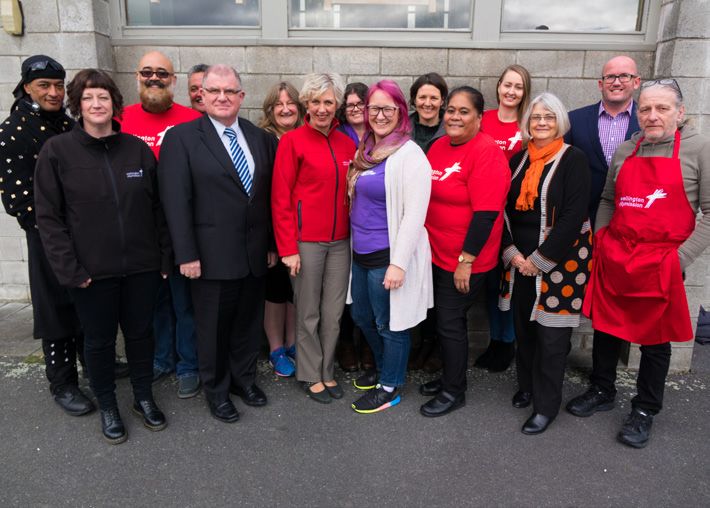
We are whānau to each other, and to those
    who seek assistance. Therefore our sacred
    task is to be in relationship, and to create
    the best community we possibly can.
2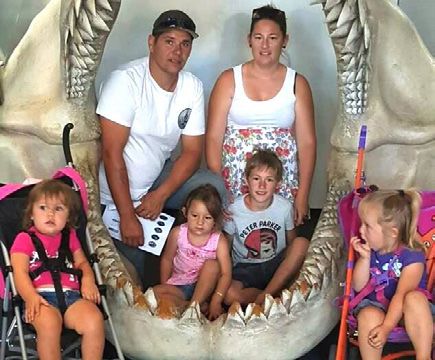
Contents

           REPORTS – CHAIRMAN, CEO, MISSIONER   04

           ABOUT US                             06

           YEAR IN REVIEW                       06

           ORGANISATIONAL STRUCTURE             08

           STATISTICS                           10

           MISSION FOR FAMILIES                 12

           MISSION FOR YOUTH                    14

           MISSION FOR INDEPENDENCE             16

           MISSION FOR SENIORS                  18

           KEMP HOME & HOSPITAL                 20

           FINANCIAL REPORTS                    22

           CITY MISSION STORE                   24

           FUNDRAISING & WAYS TO SUPPORT        26

           THANKS TO OUR SUPPORTERS             28

           THANKS TO OUR PARTNERING AGENCIES    30

                                                     3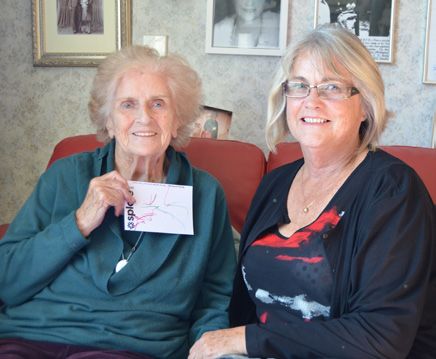
Reports – Chairman, CEO, Missioner

                                                                                  CHAIRMAN’S REPORT

                                                                                  Please let me thank you for your support; for the resources you provide to us.
                                                                                  Whether through donations, food, prayer or your volunteer time, it all helps The
                                                                                  Mission function each and every day.

                                                                                  This year has seen us build on our Vision and Values with a facilitated rethink of
                                                                                  what we will seek to be doing over the next decade. Whilst this is work in progress
                                                                                  our faith is our centre, and our focus is on helping shine a light of hope in the lives
                                                                                  of individuals and communities in which we work; in the life of the one in front of
                                                                                  us at each moment.

                                                                                  Despite the relative strength of the New Zealand economy, the need for our
                                                                                  services has not declined, but is more complex, entrenched and demanding.
                                                                                  Emerging pressures on housing access and affordability, migration, refugees,
                                                                                  young people and the elderly mean that the focus of our work continues to change
                                                                                  as the Wellington region changes.

                                                                                  We are not meant to live life alone. We are called into community and in
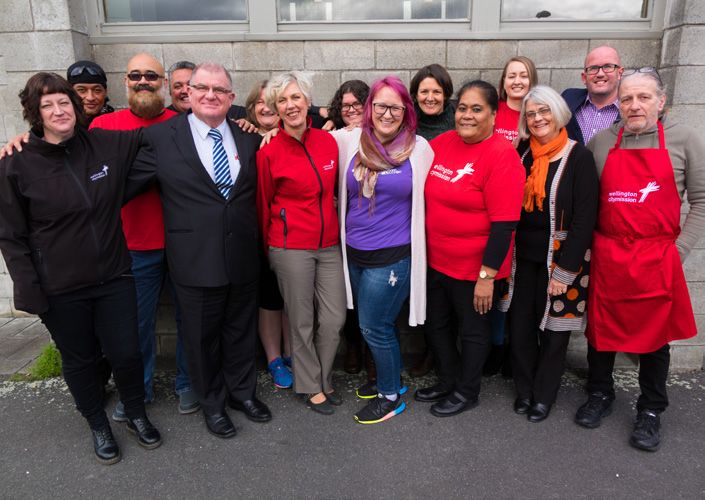
    Rev. Jon Hartley        Michelle Branney          Rev. Tric Malcolm           community we are stronger together. So we walk alongside those who need us at
    Chairman                Chief Executive Officer   Wellington City Missioner   that point in time and for as long as it takes, which can look inefficient in financial
                                                                                  terms – but that is not our measure.

                                                                                  Our Vision is lives and communities being empowered and transformed, finding hope
                                                                                  where they are because we all should experience a fullness of life, no matter who we
                                                                                  are. It is hard to measure the financial return on investment of a changed life, yet that
                                                                                  is what we are committed to as can be seen in the stories our clients tell.

                                                                                  On the behalf of the Board I would like to thank our staff and volunteers for their
                                                                                  commitment and achievements. Without you all we simply couldn’t do what we
                                                                                  seek to – to show some hope where it is missing.

                                                                                  Our constant challenge is sustaining our resources; our capacity to help people in
                                                                                  the Wellington region is proportionate to your goodwill and generosity. We thank
                                                                                  you for that, and hope and pray that you will help us do more.

                                                                                  Atua manaaki
                                                                                  Rev. Jon Hartley

4
CHIEF EXECUTIVE OFFICER’S REPORT                                                           WELLINGTON CITY MISSIONER’S REPORT
Our Vision of “people and communities empowered, transformed, experiencing                 The phrase “No man is an island” from the famous 17th Century poem by John
fullness of life” is simply not possible if embarked on with anything less than            Donne has echoed around me as of late (despite its non-inclusive language!).
“community” in mind. That’s why the theme of our review this year is “Stronger             That’s because as some people offer their generosity, and others seek assistance,
Together”. The Mission is a community made up of supporters, staff, agencies,              I am often amazed by the web that is The Mission. Every time we look at one
and clients working together to bring meaning and quality of life – which was              aspect of it, that one part cannot be isolated. All the pieces are connected. And so
demonstrated throughout the year.                                                          that is also a reflection of the wider way all of us are a community together.

In November, the Kaikoura earthquake adversely affected our Street Appeal, with a          Something that really fosters a sense of togetherness is feeling that we each belong.
reduction in people available to volunteer and donate. However the generosity of our       That’s why one of The Mission’s Values is ‘Whanaungatanga’, or ‘Belonging’. We look
supporters soon shone through when an anonymous donor made up the shortfall –              to create a sense of belonging in all we do - developing connection and community
alongside our regular donors who donated in record numbers in December.                    that is lasting. We are whānau to each other, and to those who seek assistance. It is
                                                                                           not a surprising way of being, considering that we believe in a God who is relational
We carried out our first staff engagement survey, which had a response rate of 86.7%.      – Creator, Son and Holy Spirit. Therefore our sacred task is to be in relationship, and
Eighty-eight percent of staff rated their overall satisfaction in working at The Mission   to create the best community we possibly can.
as positive, with 11% neutral. Ninety-one percent understood and considered The
Mission’s culture and values positively. The incredible feedback really affirmed           Sometimes that challenges us because it’s easy to become comfortable with who
staff feelings of goodwill and belief in the work they carry out together each day.        is already in our circle. The invitation to be part of a larger community puts us in
                                                                                           proximity to people we may not naturally meet. It invites us to share our stories, our
The survey results also indicated that our organisation could be more innovative,          lives, and our resources. Often, it also asks us to let go a little; to let go of our world
and explore new ventures. This is one of the reasons we have used co-design                view and need for control, and allow ourselves to become community to others.
methodology to develop a strategic plan that will take us into the next decade.
We will be exploring new ways to deal with emerging needs and issues, and also             It has been such a privilege over this year to have been invited into so many
seeking opportunities to improve our sustainability – such as through our City             people’s lives and stories: in corporate sponsors’ leadership days, sleeping out
Mission Stores, and revitalised partnership with the Ministry of Social Development.       with 50 young people at 14 Hours Homeless, inside classrooms across the city,
                                                                                           eating in our dining room with our whānau, fitting guests with shoes from the
Taking an approach of togetherness has always been an important and effective              Shoe Clinic, accompanying a koroua (elder) to his hospital appointments, and
method to help empower clients across all Mission programmes and services.                 seeing wonderful families enjoying themselves at ‘Beauty and Beast’.
Of particular note this year has been further developments and opportunities for
guests in our Drop-in Centre, with more programmes and activities to strengthen            Thank you for the privilege of being in this with you all!
capacity both as individuals and a group.
                                                                                           Rev. Tric Malcolm
Ultimately the betterment of the people we serve requires a collective approach
and the goodwill of many people. My thanks go to all those who have volunteered,
donated, and worked for The Mission this year.

Ngā mihi
Michelle Branney
                                                                                                                                                                                         5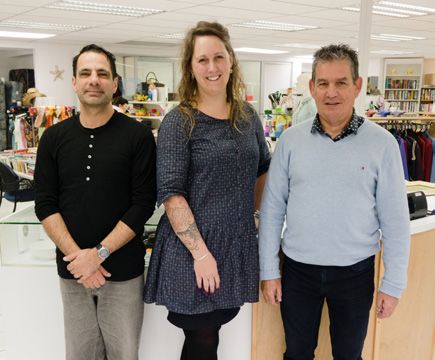
About Us & Year in Review

    ABOUT US                                            VISION                         VALUES                        YEAR IN REVIEW
    The Wellington City Mission is a charitable trust                                  Arohatanga
    affiliated to the Anglican Church. It has been
                                                        People and communities         Compassion
                                                                                                                     This year, The Mission continued to be there for society’s most
                                                                                                                     vulnerable, and for individuals and families who simply can’t
    helping Wellingtonians in need for over 110         empowered, transformed,                                      navigate the system in order to improve their health and welfare.
    years, beginning in 1904 when it was part of St.    experiencing fullness          Haumanu
    Peter’s Church. In 1929, an Act of Parliament                                      Restoration                   The Government is taking an approach to social policy called
    established The Mission as a separate entity.       of life.                                                     ‘social investment’, which in simple terms means Government
                                                                                       Tūmanako                     committing resources today with the expectation that in the
    The Mission prides itself on being open to                                         Hope                          future there will be a worthwhile return. This could be indicated
    anyone who needs assistance – regardless of         MISSION                                                      by a quantifiable improvement and better long-term results
    their religious belief, age, ethnicity or social                                   Mana motuhake                 for people, especially those who are vulnerable or in hardship.
    background. Our four Mission programmes                                            Self-determination            Ultimately, the number of New Zealanders relying on social
    (Families, Youth, Independence, and Seniors)
                                                        Centred on Christ’s                                          services and the overall costs for taxpayers would reduce.
    assist a range of people living in Greater          compassion, we seek to         Manaakitanga                  Although viewed through the lens of Christian compassion rather
    Wellington’s communities. The Mission also
    operates an elder care residential facility (Kemp
                                                        achieve fullness of life for   Hospitality/Generosity        than economic theory and terminology, The Mission continues
                                                                                                                     to walk alongside those who are struggling or at risk, and are
    Home & Hospital).                                   those who are at risk or       Whanaungatanga                seeking to achieve fullness of life.
                                                        struggling in the Greater      Belonging
    We believe in providing holistic support to                                                                      In recent times, entry to ‘walk-in’ agencies (such as Work
    those who need help, offering access to all our     Wellington region.             Whakatautoko                  & Income NZ) has become more restricted, or application
    programmes in response to need. Together, we                                       Advocacy                      processes are only available online. As a result, a worrying
    work to identify and address people’s underlying                                                                 number of people have been effectively excluded or denied the
    issues to create positive outcomes.                                                Whakakaha                     assistance they need. In response, The Mission offered increased
                                                                                       Courage                       advocacy throughout every service. We answered more demand
                                                                                                                     from young and old to access assistance to housing, resources
                                                                                       Kaitiakitanga                 including funds and financial assistance, medical care, and
                                                                                       Stewardship                   educational support.

                                                                                       He ahi kā roa                It also became a requirement for social services to submit
                                                                                       We are in for the long haul   clients’ personal data to the Ministry of Social Development
                                                                                                                     for some funding contracts. When discussing this with those
                                                                                                                     people we work with, many expressed reticence – for a range of
                                                                                                                     reasons. We would like to think that de-identified data could offer
                                                                                                                     insight into the situations that most of the people we work with are
                                                                                                                     experiencing, and also the success (or otherwise) of interventions
                                                                                                                     – be that preventative or responsive in nature. ‘Big data’ should be
                                                                                                                     able to improve spending decisions around vulnerable people over
                                                                                                                     the long term, without necessarily compromising personal privacy.
6
The way many of our services work, particularly our Budgeting        intensive support including educational, mentoring and health         Our own eldercare home and hospital, Kemp, experienced
Advice, will suit the changes that the Ministry of Social            services. Some have accessed mental health care while on the          the trend for seniors to stay in their own home environments
Development have specified in the Building Financial Capability      programme, others are in need of counselling for a number             longer. Although a very high standard of care is offered as
contracts. The Mission’s key outcome of self-empowerment sits        of reasons as well as alcohol/drug misuse or dependence. We           evidenced by four-year Health and Disability Standards
well with capability-building in clients managing their personal     increased staff time with each student, referred rangatahi and        certification, bed occupancy was not optimal in terms of
finances and transactions. During the year The Mission’s service     their whānau to other Mission and external services for holistic     efficiency. In relation to scale, larger hospitals or multiple
evolved in line with the move toward building the financial          support, and strengthened Tikanga and Te Reo tuition. Success is      hospitals make lower average costs possible. Maintaining
capability of people and communities. This included redefining       expressed in different ways for different people. We are pleased      community and whānau links is important to Kemp, and staff
our ‘Budget Advisors’ to ‘Financial Mentors’, and preparing for      to have remained in contact with several former students who          work together to acknowledge and celebrate resident and
group and peer-led support for those needing this form of advice.    have informed us how they have achieved success and their own         whānau cultural and spiritual values. The monthly Māori
                                                                     personal aspirations.                                                 & Pasifika resident groups and harakeke/flax weaving are
Although we have mostly worked with families on an ‘early                                                                                  popular, as are the weekly church services held on-site.
intervention’ basis, we have also worked with an increased           Many of our Mission for Independence clients experience
number of Child Youth and Family (now Ministry for Vulnerable        multiple issues and changing situations. Many also have poor          One of the highlights of our year was the opening of our City
Children, Oranga Tamariki) referred families. Their higher risk      general health correlated with financial hardship, and the            Mission Store in Taranaki Street. The shop sells high quality
factors and less stable situations call for more frequent and        risk of mental health problems escalates when hardship is             second-hand clothing, furniture, houseware, books and more.
closer engagement by our social workers. For example, we             increased. There has been an increase in people presenting            Not only are proceeds used to fund our community work,
provide additional support when children are placed back to their    with methamphetamine addiction this year. All such factors            but a charity shop was one great way for us to step up in an
parents or alternative Court-appointed (non-parental) care. In       can consequently produce lack of security in housing, and             increasingly challenging fundraising environment, and create
all situations, trusting relationships between our Mission for       homelessness can ensue. To address clients’ financial issues and      sustainable long-term income. It’s been such a success that we
Families social workers and families or caregivers enable them       improve their well-being, staff have spent more time advocating       will be opening a second store in Petone in August 2017.
to make decisions that are workable and benefit their children.      with external agencies for healthy and affordable housing,
                                                                     upskilled through training workshops, and co-ordinated the            Also in the immediate future, we will be prioritising and
Treasury has identified factors that are predictive of poor future   delivery of wellness programmes on site.                              operationalising the elements captured in our Strategic Framework,
outcomes for children 0-14 years of age. Our Mission for Youth                                                                             which was brought together by way of co-design in the last
rangatahi have a history of at least two or more of those factors,   Each year we are visiting more seniors in private rental              quarter of last year and the first quarter of the next. We look
which include:                                                       accommodation. There are fewer who own their own homes.               forward to initiating some innovative ideas in line with our future
                                                                     The threshold for eligibility for state funded in-home support        vision and commitment to keep pace with our changing world.
•   Child Youth and Family involvement or a child being placed       such as assistance with showering, meal preparation and
    in care for a period of time                                     household cleaning for those who cannot manage such activities        Throughout the following pages of this Annual Review, you can
•   main caregiver has a Corrections history                         is seemingly rising. Over the year, 79% of the service users          read more about the nature and breadth of The Mission’s activities.
                                                                     with Mission for Seniors were living alone, 12% as a couple           Building on our history of walking beside those who are often
•   main caregiver is in receipt of a benefit (long term)
                                                                     and 9% living with family. Our advocacy for vulnerable seniors        overlooked, we have a future in mind that is inclusive and just.
•   mother has no formal qualifications.                             is often centred around their capacity to safely remain in their
                                                                     home environment. This could mean physical safety or health.
As well as service delivery to a group of students with an           Much of Mission for Seniors’ work has involved GP and hospital
average age of 14½ who have been withdrawn or excluded from          appointments, assisting clients to find the right housing for their
mainstream school, some very high-risk rangatahi attended            needs, and helping reconnect with whānau or get more involved
Mission for Youth this year. On the whole, students needed more      in their communities again.
                                                                                                                                                                                                                 7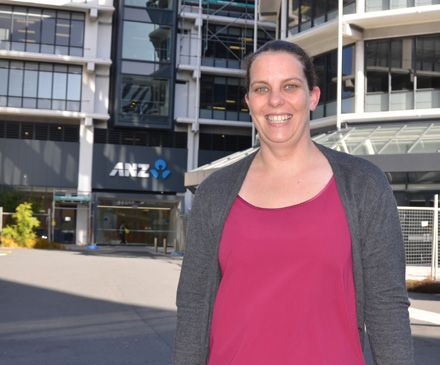
Organisational Structure

                                            Board of Trustees                                       BOARD OF TRUSTEES

                         Chief Executive Officer       Wellington City Missioner

                                                                                                           Rev. Jon Hartley                  Michael Wood                Bishop Justin Duckworth
                                                                                                              Chairman                      Deputy Chairman

     Project Manager             Manager              General Manager            Manager
    City Mission Store       Corporate Services         Operations        Marketing & Fundraising

                                                                                                            Jeremy Neeve                      M.J. Cheape                           Joy Baird

                                        Mission for                Kemp Home & Hospital
                                    (Community Services)        (Mission Residential Care Ltd)

                                                                                                        Rev. Darryl Gardiner                 Garry Wilson                          Matt Maua'i
                  Families      Independence         Youth         Seniors                                                                  (Until Jan. 2017)                    (Until Nov. 2016)

                                                                                                    We thank all present and past Board of Trustees members for their service.

8
MANAGEMENT TEAM
Michelle Branney Rev. Tric Malcolm
Chief Executive Officer Wellington City Missioner
Khoa Nguyen Maria Millin Robbie Ross
Manager General Manager Manager
Corporate Services Operations Marketing & Fundraising
Olivia Lange Fay Fruean-Va’ai Vicki St Clair Valelia Gibb
Manager Manager Manager Nurse Manager
Community Programmes Mission for Youth Mission for Seniors Kemp Home & Hospital
(Families & Independence)
9Statistics
MFF
MFY
MFI
= Mission for Families
= Mission for Youth
= Mission for Independence
150 199
MFF 150 families were supported by our Mission MFY Students were assisted to achieve 199 NCEA
MFS = Mission for Seniors for Families social workers – 54% lived in the Hutt credits, and take part in 141 Education Outside of the
KEMP = Kemp Home & Hospital Valley, and 46% lived in Wellington Classroom sessions and life skills workshops
1,165 104
MFF Staff made 1,165 face-to-face visits to MFY Staff made 104 face-to-face contacts, and
families in their homes, and 1,882 contacts via 930 contacts via phone or email, with parents and
phone or email caregivers
1,062 95%
MFF Staff made 1,062 advocacy contacts to external MFY 95% of students did not offend or reoffend
organisations to support or advocate for families while enrolled on the programme
339 20
MFF 339 children were supported by Mission for MFY 20 students attended Mission for Youth
Families
44 15
MFF 44 families no longer needed Mission for MFY All 15 of the students who transitioned from the
Families support, and became independent after programme graduated after they had successfully
they successfully completed the objectives in their completed the objectives in their personal plans, and
personal plans no longer needed Mission for Youth support
10189 171 25,140
MFI 189 people received Budgeting Advice and MFS 171 seniors were supported by Mission for KEMP Kemp Home & Hospital provided 25,140 bed
reduced their combined debt by $107,539.80 Seniors caseworkers – 74% lived in the Hutt Valley, nights of accommodation for 122 people
and 26% in Wellington and Porirua
247 1,540 491
MFI The Community Services Advocate MFS Staff made 1,540 face-to-face visits with KEMP Staff took 491 opportunities to improve their
helped resolve 247 different issues for a total of clients in their own homes and in the community, skills, through 42 training sessions
116 clients and 1,022 contacts via phone or email
29,554 187 57
MFI 29,554 meal servings (breakfasts, soups, mains, MFS Staff made 187 visits, and 1,330 contacts via KEMP Kemp Home & Hospital had 57 new
and desserts) were provided in the Drop-in Centre to phone or email, to external organisations to support admissions
16,182 people or advocate for clients
3,010 168 800
MFI We gave out 3,010 food parcels MFS Staff made 168 referrals for clients to external KEMP Residents were able to take part in more
services for additional specialist or local support than 800 planned recreational activities and outings
and community activities. Regular events included
12,959 57
morning exercises, daily newspaper reading, music
appreciation group, church services and tai chi.
Special events included Matariki, residents Christmas
MFI 12,959 separate financial transactions were MFS 57 clients no longer needed Mission for parties and operatic concerts. Community events
made on behalf of clients using Total Money Seniors support, and became independent after included visits by Titahi Bay School kapa haka
Management, through The Mission’s Trust account they successfully completed the objectives in their group, van outings to the community, harakeke/flax
– worth a total of $938,258.89 personal plans weaving, visiting musicians.
11Mission for Families
THE PROGRAMME THIS YEAR LOOKING FORWARD
People enrolled on Mission for Families (MFF) tend to be Over the last year Mission for Families (MFF) have seen a In the year ahead financial stress will continue to be one of
young sole parents, with children aged from 0–16 years old. higher referral rate from the Ministry for Vulnerable Children, the most common hardships our families face. To help combat
Circumstances vary hugely but many have poor living conditions, Oranga Tamariki (formerly Child, Youth & Family) and an this issue Mission for Families is working to expand access to
abusive or unreliable spousal relationships, and little local increase in the complexity of issues for families around Mission Financial Mentoring and reduce any barriers currently
family support. financial hardship and housing. stopping people from accessing this service. A key part of this
will be training a MFF social worker as a financial mentor so
The programme provides early intervention and support for Financial hardship is an issue that affects a majority of MFF they are equipped to provide this support to families who are
these families throughout the Greater Wellington region through clients. To help relieve this pressure MFF has continued to part of the programme.
household assistance, advocacy, guidance, social work, and collaborate with other Mission programmes such as Financial
parenting and life-skills. Typically a family will come to us either Mentoring (formerly Budget Advice) and the Foodbank to offer Issues around suitable housing will also continue to impact
through another agency or self-referral. holistic support. We also refer families to external budgeting the families we work with in the coming year. As they did over
services when necessary; however the high demand for these the last year, MFF social workers will dedicate more time to
After assessing their circumstances, key problems and potential services means it’s taking longer for these families to be seen, advocating for families in regards to their housing, from helping
solutions, one of our social workers will begin working regularly particularly in the Hutt Valley. them to access the right accommodation, to advocating for an
with them – often in the client’s own home. In the short-term we improvement in the health of their homes.
help families get by day-to-day – providing food parcels, general More families are requesting MFF’s assistance regarding
household items and furniture (especially for babies), and housing. Some of the most common housing issues that families Families have been coming to the MFF programme with more
helping them find suitable accommodation as needed. We have are facing include overcrowding and cold/unhealthy homes that complex issues, so as a result more time and assistance is
developed strong working relationships with external agencies, are affecting the health of these families – particularly children. needed from our social workers to help them achieve their goals.
and can advocate for our clients in situations they may find As a result, our MFF social workers have spent more time
difficult, for example in working with government agencies and advocating on behalf of families with landlords and providers to Looking to the year ahead, we are also planning to improve the
other organisations. help upgrade housing or find more suitable accommodation. way we collect data to ensure it’s as targeted and transparent
as possible. This will allow us to describe our programme and
To achieve enduring change, MFF equips clients by providing We have also continued to work with external agencies to provide report back to our stakeholders even more effectively.
education through our internal services including Mission for further specialised support for families, such as Community
Independence’s Financial Mentoring service. We also collaborate Mental Health Services. Over the last year we have focused on
with several external social agencies and networks, such as the strengthening our relationships with these agencies so that our
Strengthening Families process. families have better access to the services they need.
As families are empowered and become more confident, our
support and contact with them slowly winds down. Although they
may still have further work to do, the knowledge and resources
clients gain through their journey with us gives them the strength
and opportunity they need to achieve a life they couldn’t have
imagined before. Of course we will remain there for them should
they ever need our support again in the future.
12Early intervention for families through advocacy, education, support and
guidance, equipping families to better manage their own circumstances.
The Mission works closely with other agencies to make sure
families who have been put under immense strain can get
through the hardest times, and then build on their lives. With
everyone working together, it can lead to a better life than
they ever imagined.
MY STORY
My husband and I had been together for 10 years and had four
children when, after a night of drinking, he assaulted me badly. It
was devastating, and our family life got a whole lot tougher when
my husband went to jail as a result. I was left with nothing and had
to go on the benefit. I was really depressed, but our kids needed
me to be strong – especially because our eldest boy has autism,
and our three girls were all under three years old.
My Mission social worker took away some of the pressure
immediately by visiting me at home with food parcels, and talking
about ways to manage as a single parent. She also opened the
door to a whole network of support through ‘Strengthening
Families’, where lots of agencies work together to help out.
Meanwhile my husband was working hard on himself. He
completed drug and alcohol and stopping violence counselling,
and stopped drinking over two years ago.
Now life is better than ever. My husband and I got married, and
he started his own business. We’re better at communicating
together, know much more about parenting techniques, and are
confident to make the important decisions. It means our kids are
all so much more settled.
Through it all, my Mission social worker stood by me without
judgement, and made it easy for me to get the help I needed. It
was up to me to find my own direction, but she was there to guide
me. We don’t need any help from The Mission now. I’m so proud
of my family, and we’re really excited about having our new baby
very soon!
13Mission for Youth
THE PROGRAMME THIS YEAR LOOKING FORWARD
Disengaged rangatahi (young people) often look for new ways In the last year Mission for Youth (MFY) has seen an increase in In the coming year we are expecting to grow our programme,
of being accepted. This can lead down a negative or counter- the complexity of students' issues. More high-risk students are continue to improve the curriculum we can offer, and continue
productive path, and cause associations with detrimental role entering the programme and they are accessing more services giving our rangatahi (young people) more opportunities with
models and involvement in anti-social activities, crime and drugs. than in previous years, including mental health support and their education.
counselling. This has meant an increase in the amount of time
Mission for Youth (MFY) provides a comprehensive Alternative MFY spends working with these students, as well as coordinating With many of our students moving into further education and
Education and life-skills programme for these young people. with external social services. employment, we will continue to focus on preparing them for
We aim to provide them with a place of belonging, which offers these opportunities, both academic and practical.
opportunities to master skills and encourages self-reliance, The trend of seeing younger students entering MFY’s
motivation and generosity. programme has continued. Our demand in the last year has Urban Arts are an effective way of engaging rangatahi and in
been with Year 9 students and the average age of our students the past we have had students interested in music and graffiti
Typically our rangatahi are aged between 13 and 16, and have has remained at 14½ years. art. In the year ahead we would like to expand this part of the
often grown up experiencing family disruption, violence, abuse, programme and create more ways for students to get involved by
mental health issues, or drug and alcohol addiction. Through In the last year MFY has seen an increase in the number of introducing different options.
counselling, personal support, advocacy and mentoring, some students' families who need extra support with food parcels, due
of Greater Wellington’s ‘high-risk’ youth can address underlying to high living costs. We have been able to refer these families to We have recently started a mentoring programme in partnership
issues in a safe environment. Simultaneously, they work to our Foodbank and other Mission services for holistic support. with Kahungunu Whānau Services for young Māori male students
achieve NCEA qualifications, learn new academic and social MFY has also worked more closely with Oranga Tamariki in the who need extra external support. We are looking forward to
skills, and build positive relationships. last year due to the intensive family issues that many of the more students taking part in this programme in the coming year.
students are facing. Kahungunu Whānau Services also offer family support through
Students work through personal plans tailored to their their Whānau Ora programme with other rangatahi at MFY.
strengths, interests and needs, to achieve meaningful This year we strengthened Tikanga and Te Reo tuition in the
academic and social goals, and lasting transformation. With MFY programme, and we have seen our students engage more
the encouragement and guidance of youth workers, they work in the classroom and throughout the social programmes. Many
through important issues and explore future possibilities. We students have continued onto further education in the last 12
also collaborate with a range of external community services months with some attending the New Zealand Institute of Sport,
and specialists for more comprehensive support; these include Capital Training, WelTec and Te Wānanga O Aotearoa. Others
Oranga Tamariki, alcohol and drug counsellors, Police Youth have entered full-time employment.
Aid, and health education providers.
We have continued to work collaboratively with many external
Students are encouraged to build on their achievements – by social service agencies to provide the best care of our students,
returning to mainstream school, enrolling in ongoing education including Police Youth Aid (Wellington Central and Johnsonville),
or moving into paid employment – to enable them to progress Evolve Youth Service and Kahungunu Whānau Services.
towards leading productive, positive, and fuller lives.
14A comprehensive Alternative Education programme for youth who
have disengaged or been excluded from mainstream schools, providing
a place of belonging, life-skills, and new opportunities.
We all face challenges, often at pivotal points in our lives.
The Mission is proud to see incredible people who once asked
for our help become those who give help to others. By pulling
together and supporting each other through hard times, we
create stronger and more resilient communities.
MY STORY
It would have been so easy for everyone to just give up on me
when I was a teenager. I was hanging out with an older crowd,
dabbling in drugs and alcohol, and getting angry at teachers. By
the time I was fifth form (Year 11) I’d been to four schools, and it
got to the point where I just stopped showing up.
When my parents tried Mission for Youth, straight away I could
tell it was the place for me. Teachers had more time to spend
one on one, and I could have honest conversations about what
I was going through. I started working towards achieving NCEA
Level 1, and drinking and drugs were no longer important to me
because I had a purpose. The youth workers spent time going
through issues at home as well, and my relationship with my
family improved. All along the way I picked up heaps of life-skills
that I still use today. After a year, I passed NCEA Level 1 and got
my first job. Since then I’ve worked in a lot of exciting places, and
about six years ago I started at ANZ.
The life I have now was once beyond my imagination. I love my
job, and my partner and I now own our own home. The teachers
at Mission for Youth had a huge impact on me. I’ll always
remember how they genuinely cared about me and my future.
Now I’m really happy to be supporting The Mission in return! I’ve
organised my team at work to get involved with the Christmas
Star Appeal, volunteered in the Drop-in Centre, and have been
invited to talk to the current youth students. Hopefully, I’ll be
helping someone else who is falling through the cracks now.
15Mission for Independence
THE PROGRAMME THIS YEAR LOOKING FORWARD
People in distress due to unemployment, debt, accommodation Accessing suitable and affordable housing has continued to be Across Mission for Independence’s services housing is expected
issues and social isolation often access our Mission for a key issue for many MFI clients. For the Community Services to continue as a major issue and focus for the year ahead. Our
Independence (MFI) programme. Many are minimum-wage Advocate (CSA) in particular, homelessness remains a significant CSA and financial mentors anticipate that this will remain as
workers, single-income earners or beneficiaries who find concern. MFI staff have spent more time working with people in a key challenge for clients, and they will continue to work with
themselves unable to meet basic living costs. regard to housing, including advocating with external agencies. them on improving their housing situations.
Our Drop-in Centre (DIC), Foodbank, Community Services Our Foodbank has seen clients coming in with more complex With the cost of living continuing to increase, our Foodbank is
Advocate (CSA) and Financial Mentoring services are all elements and wide-ranging issues than in previous years and, as a result, expecting that people will continue coming to the service with
of the programme. The DIC is a place that provides hot meals has referred more people to other Mission programmes (such complex needs and severe emotional strain. To ensure they
and shelter and fosters social connection for a variety of people. as Financial Mentoring and Mission for Families) for holistic receive the holistic support they need, we will keep referring
The Foodbank offers immediate assistance, but also helps relieve support. There has also been an increase in the number of people to other Mission services where needed.
a major stress as clients focus on achieving positive long-term Foodbank clients who are working full-time, part-time or
outcomes. The CSA connects people with the services they need, self-employed, indicating that many employed people are also In the last 12 months our financial mentors have been focusing
and Financial Mentoring (which offers budgeting advice and struggling to meet basic living costs at the moment. on a new Ministry of Social Development supported service.
Total Money Management) provides people with assistance and This combines budgeting knowledge and strengths-based
education to move to sustainable financial management. This year we redefined our ‘Budget Advisors’ to ‘Financial questions to create a financial plan, with clients leading the
Mentors’. The need for our Financial Mentoring service has way to achieve their financial goals. We are looking forward to
When someone first asks The Mission for help, one of MFI’s continued to grow, and our mentors have noticed an increase working with this new process. While it might take some time
services is often their first connection point. Crucially, this in the complexity of clients' debts. Clients are coming to the for clients to get used to this new approach, we are confident
service can form the gateway for people to access other Mission service with larger debts to multiple creditors, taking more time that it will be successful.
programmes and services – to identify their underlying issues, and expertise from our mentors.
and discuss options and possibilities to address them – and get In the coming year MFI is also looking forward to getting
on track to a positive future. MFI also offers holistic support to the The Drop-in Centre (DIC) has seen an increase in the number involved in more initiatives involving other Mission programmes,
wide range of clients across all The Mission’s programmes, for of meal servings over the last year. Many guests are coming to for example collaborations with Mission for Youth and Mission
example Mission for Families. The Mission with multiple complex issues including poor general for Seniors.
health, addictions, and mental health conditions. Engaging
We recognise and value meaningful activities that give people with these vulnerable guests requires staff time, patience and
a sense of belonging and achievement – such as employment, compassion. In order to deal with these complex issues, DIC
formal qualifications, volunteer work and other community staff and volunteers have spent time up-skilling through several
participation. Through education and engagement, people are training workshops and seminars.
empowered to make the choices and changes that will help them
live independently – not in isolation, but with more productive and
sustainable self-management.
16Guiding, supporting and equipping financially disadvantaged and
unemployed people towards independence and self-management.
Many people who come to The Mission have multiple issues
to address before they can begin to move forward with their
lives. Often these issues intertwine to create what can seem
an insurmountable challenge. In response, individual Mission
services often work together in harmony to effectively break
through each of those challenges.
MY STORY
After 40 years in an abusive marriage, I found myself thrown out
on the street with nowhere to go and nothing but the clothes on
my back. It was a horrible time in my life. I felt completely lost
and alone, and had to start from scratch. Thankfully Work &
Income found me emergency housing, but the living conditions
were pretty miserable and I was getting really sick and having
major operations. On top of it all, my husband had always
controlled our money so I’d never learnt how to manage everyday
expenses. I had debt, was losing track of bills, and using credit to
pay for things I couldn’t afford.
My Mission caseworker made such a difference when she came
into my life. She brought me food parcels, advocated for me to
get the healthcare I needed, and made sure I was taking care
of myself. She even helped me find the lovely home I still live in
today! She then introduced me to a Mission for Independence
financial mentor, and I can’t tell you how much of a relief it was
going on their Total Money Management. My income started
automatically going to the right places, and I was learning about
paying bills and keeping track of my spending. With her ongoing
guidance, after a couple of years I paid back all my debt, and even
started making savings.
I never expected to have my life change as it did, and if it wasn’t for
The Mission during that time I wouldn’t be here today. I still have
health challenges but I’m financially secure, and confident – so I
can get on with enjoying life and being part of my local community.
17Mission for Seniors
THE PROGRAMME THIS YEAR LOOKING FORWARD
Many people who access the Mission for Seniors (MFS) Housing availability and affordability has been a new issue With an aging population, our MFS team are anticipating a
programme are living alone and in need of daily support. Health for many of our Mission for Seniors (MFS) clients this year, growth in the programme in the coming years. Over the next 20
and ongoing issues are making daily life a struggle. Many are especially in the rental market. As a result, we have been years it’s expected that people with dementia (both globally and
feeling lonely and/or they have become disconnected from their working closely with seniors to assist them with finding the right in New Zealand) will double, so it’s likely that more older people
communities. Some are the main caregivers for their partner housing for their needs. will need assistance from programmes such as MFS.
(often with dementia) or an adult family member.
Health and well-being has continued to be an issue for many With the rise in cognitive impairment and other health issues
MFS provides a unique relationship with older people by taking clients. Over the last three years approximately 50-60% of our that we have seen, we will continue to prioritise health education
a person-centred holistic approach. Our home visiting team of home visits to seniors have been for health and well-being for MFS staff. This is so our staff are able to support seniors with
qualified and experienced social and case workers walk alongside reasons. Hospital admissions are common (especially with our up-to-date and accurate information regarding their well-being
seniors by acting as an information and problem solving resource. Lower Hutt clients) and hospital visits have increased. In order issues, and connect them with the appropriate external agencies
A strengths-based approach is used for helping older people to to best manage each client’s individual health needs, our team and networks for this.
feel empowered so they can recognise their aspirations, capacities, is continually up-skilling and making sure we have an excellent
barriers, options, and resources to improve their quality of life. knowledge of the agencies and networks within the health sector. In the coming year we are also anticipating that issues around
They are supported to make positive changes to their well-being affordable and appropriate rental housing will continue to put
and to become interdependent with their community, which Loneliness and disconnection from the community also remain pressure on our current and potential clients. Our team are
enables them to remain in their own home for as long as possible. as key issues for seniors on this programme, with 30% of MFS prepared to spend more time with seniors and advocate on their
clients saying they are disengaged from others and 36% feel behalf around housing issues.
Initially we assist with prioritising the goals and how changes can lonely. Our staff have continued to provide support in this area,
be made. This might mean helping people to gain their rightful helping seniors to reconnect with whānau or get more involved in With social isolation remaining as an issue for seniors, we will
entitlements and connecting them with the services they need. their communities again. continue to focus on helping them connect with their whānau and
If appropriate, family and friends are included in the journey. get involved in their communities. However more people in their
Transition support is also given when living alone at home is no In the last year MFS has also seen an increase in mobility 60’s and 70’s are now active on the internet and are using email,
longer practical or safe. By showing seniors the options that are impairment, cognitive impairment, short term memory loss and Skype and social media to more easily keep in touch with family
available to them, they’re able to live a fuller life. depression in seniors they are working with. Dealing with these and friends. As a result, our MFS team believes that facilitating
issues can be complex, so we have continued to train our staff on social interaction and connection will become less of a focus for
Many people move off the programme once they feel empowered the best ways to manage them. the programme in the coming years.
or have completed their personal goals. There is always the
proviso that seniors can ask The Mission for support again if new
challenges and difficulties arise.
18Enhancing fullness of life, dignity and respect for older people with
health, disability or social isolation issues.
The Mission believes that everyone deserves the opportunity
to continue experiencing a vibrant life, no matter their age.
By being there for those who may struggle to have their
voices heard, we create diverse and colourful communities to
live in and be proud of.
MY STORY
I’m really happy to be independent, although I don’t mind saying
that when you’re 100 years old you need a bit of help every now
and then. My husband passed away a few years ago, so I live in
our home by myself. I do the best I can although my eyesight,
hearing and steadiness aren’t what they used to be. I like to
take care of health appointments and banking myself but it can
get really overwhelming. Travelling is exhausting, and trying to
understand complicated information can be really confusing.
When I’m at home, I sometimes get into trouble working myself
into a worry – especially about my children. They’re in their 70s,
and are facing difficulties themselves, so I can’t expect them to
always be available if I need a hand.
Knowing my Mission caseworker, Annette, is there for me is
tremendous. She always makes sure that I have everything
I need, and spends time listening and problem-solving. She
helps me get to important appointments and then understand
everything so I can make the best decisions for myself. Without
her I doubt I would have been able to deal with the audiologists to
get my all-important hearing aids, or arrange a walker so quickly
after a recent near fall. She has made my medication so much
simpler with blister packs, and makes sure I’m not overpaying
for them too.
Most of all, The Mission's support means I get to appreciate and
be thankful for everything that’s good in my life. I’m so happy to
still be in my home, and I’m looking forward to each new day.
19Kemp Home & Hospital
THE PROGRAMME THIS YEAR LOOKING FORWARD
Located in Titahi Bay, Kemp Home & Hospital is an excellent Kemp Home & Hospital has continued to deliver services with With consideration for the changing resident demographic
residential care option for seniors. It’s an 81-bed facility, offering care and compassion within a home-like environment for both and future models of support for seniors, in the coming year
both rest home and hospital-level care, for people who require permanent and respite residents. Kemp will review its current operation and model of practice
permanent or short-term care. Residents have access to a and determine our long-term approach to supporting the most
physiotherapist, podiatrist, dietician, and hairdresser, and are This year Kemp has seen a continued trend of seniors remaining vulnerable seniors.
served nutritious home-style meals to suit all dietary needs. in their own homes longer. Seniors are entering residential care
Both home and hospital are independently audited to ensure when they are frailer, so Kemp has seen a marked increase in Residents are continuing to enter residential care with
compliance with NZ Health and Disability Services Standards. the complexity of residents' medical, behavioural and social increasingly complex issues, so a higher level of clinical expertise
needs. This has meant an increase in registered nurse input at and resources are required to meet these needs.
While we acknowledge the importance of supporting the physical Kemp, along with a need for more specialised equipment such as
needs of residents so they can gain maximum fulfilment from life hoists and pressure relief mattresses. We are also looking to identify new technologies to enhance
for as long as they are able, a holistic approach to care and support our service delivery for the benefit of both residents and their
is essential. A person’s social, cultural and spiritual well-being Kemp has also continued to facilitate opportunities for residents whānau. For example, we are looking into simple tracking
are all part of their care at Kemp. In-house activities run six days a to participate in the community and maintain links with whānau. technology for confused residents who can be prone to wander.
week, including themed days throughout the year. There are also There are regular visits from local community groups as part
resident social groups. In line with The Mission’s Christian values, of the recreation programme, and there are a variety of special Some of our residents have limited whānau or social support, so
St. Nicholas Chapel is on site, with a dedicated Chaplain to provide events throughout the year. Residents are given opportunities this year Kemp will continue its focus on providing that support
spiritual support and pastoral care. to celebrate their cultural and spiritual values too, such as a to ensure each resident feels included and cared for.
Māori & Pasifika resident group, harakeke/flax weaving, and
We encourage residents to maintain links with whānau and celebration of Matariki month.
community, and welcome whānau participation in our events. We
have open visiting hours and hold monthly community support At Kemp we value collaboration and enjoy working together to
group meetings on site. It’s also critical that the environment achieve the best results. We work in partnership with residents,
encourages residents to make meaningful choices – including their families, and with other agencies such as Mary Potter
their clothing, the layout and contents of their rooms, and Hospice and Capital & Coast District Health Board Services to
participation in healthcare decisions. Regular resident and whānau deliver the best care.
meetings mean people get a say in the place they call home.
This year Kemp was pleased to achieve its four-year Health and
Kemp Home & Hospital’s environment enables many of its Disability Standards certification, verifying compliance with the
residents to be as independent as they can, and achieve a lifestyle Health and Disability Standards and confirming that it's a high-
that would not be possible without a level of support. quality place to live and work.
20An 81-bed facility offering both rest home and hospital-level care, for
residents who require permanent or short-term care – improving their
quality of life.
It can be hard for people to reach out for help – especially
when they don’t realise just how much they are struggling. By
banding together to provide a safe home, healthcare, hobbies,
and opportunities to mend or build new relationships and find
spirituality, they can get back to living a meaningful life.
MY STORY
Life was really tough after my mum passed away six years ago. It
was a terrible blow for our family, and my relationships with my
sisters broke down. My two children had moved away too, so I felt
alone and lost my God and faith. I didn’t know at the time I was
unwell, but my mental and physical health deteriorated. I kept
moving from one flat to another, couldn’t take care of myself, and
never felt at ease living alone. I wasn’t coping, and ended up in
hospital for a while. My nurse saw that I needed full-time care,
and arranged a meeting with Kemp Home & Hospital. A week
later I moved in.
I didn’t think I would enjoy being in care but I do! Kemp has
such a caring atmosphere – all of us are one big family. I feel
safe, healthy, and know I’m being well cared for by staff. I love
being able to remain so independent. I go shopping, and meet
family and friends for coffee. I take part in most of the in-house
activities, like morning exercises, arts and crafts, gardening, and
special events like our cultural days. I’ve got my sisters back in
my life too. It turned out they didn’t know where I was because
I didn’t have a phone in my flat. We talk a lot now, which is
wonderful. I’ve found my faith again as well. I attend the services
in Kemp’s chapel, and have friends who pick me up to take me to
another church on Sundays.
I get great joy every day through all the activities I do, and my
relationships with other people – and it’s all improved my health
as well. I really am so blessed. I have a great life here, and feel
at peace.
21Financial Reports
FULL FINANCIAL SUMMARY OF COMPREHENSIVE REVENUE AND EXPENSE FOR THE YEAR ENDED 31 MARCH 2017
REPORT AVAILABLE:
2017 2016
The summary financial reports have been $ $
extracted from the audited financial statements
of the Wellington City Mission (Anglican) Operating Expenses
Trust Board, for the year ended 31 March
2017. The summary financial reports may not Operating Kemp Home & Hospital 3,983,063 3,923,704
contain sufficient information to enable a full Operating Community Services 3,352,510 2,886,572
understanding of the financial affairs of the Prepackaged meal production – Ezee Meals2 45 20
trust. Copies of the full financial statements
7,335,618 6,810,296
for the year ended 31 March 2017 can be
obtained from the Corporate Services Manager, Operating Revenue
Wellington City Mission, PO Box 7477, Newtown,
Wellington 6242. Kemp Home & Hospital fees 3,927,497 3,892,117
Community Services income – donations, grants 2,596,398 2,756,496
Retail store sales1 354,638 0
Prepackaged meal production – Ezee Meals2 18,099 14,000
6,896,632 6,662,613
Other Revenue
Investment income 225,585 102,812
Consolidated Loss For The Year (213,401) (44,871)
Other Comprehensive Revenue and Expense
Revaluation of land and buildings 0 387,408
Total Comprehensive Revenue and Expense (213,401) 342,537
1
The Wellington City Mission operates one retail store, which opened in April 2016.
2
We ceased production of Ezee Meals in August 2014. Revenue and expenses are in relation to the historic sale of plant and inventory.
22SUMMARY OF CONSOLIDATED FINANCIAL POSITION AS AT 31 MARCH 2017
ASSETS 2017 2016 LIABILITIES 2017 2016
$ $ $ $
Current Assets Current Liabilities
Cash and cash equivalents 308,517 294,059 Trade and other payables 314,240 260,994
Trade and other receivables 211,127 276,427 Income in advance 49,650 29,170
Investments 60,489 268,963 Employee entitlements 493,868 500,057
Prepayments 100,717 104,778
857,758 790,221
680,850 944,227
Non-Current Liabilities
Non-Current Assets
Employee entitlements
Investments 3,318,066 3,054,915 – long service leave 65,689 65,689
Property, plant & equipment 6,474,600 6,620,238
65,689 65,689
9,792,666 9,675,153
Equity
Accumulated funds 6,811,933 7,025,334
Total Assets 10,473,516 10,619,380 Asset revaluation reserve 2,738,136 2,738,136
9,550,069 9,763,470
Total Equity & Liabilities 10,473,516 10,619,380
23City Mission Store
In April 2016, The Mission opened a second-hand shop. The City
Mission Store is located on the corner of Taranaki and Abel
Smith Streets – just a few doors down from where The Mission’s
historic hospital and office once was on Taranaki Street.
The shop sells high-quality second-hand clothing, furniture,
houseware, books, movies, and more. It is run and operated by a
diverse group of people living in Greater Wellington – a mixture
of paid staff and volunteers. Everything is donated by generous
people who’d like to see their very usable yet unwanted items
find a new home. We also have a truck that does item pickups
and drop-offs throughout the region.
JEREMY NEEVE, PROJECT MANAGER,
CITY MISSION STORE:
What I love about the concept of the City Mission Store is that it
has both recycling and community elements to it. Our donors
give us their unwanted goods, and in turn we sell those to
people in genuine need and others who are just op-shoppers
looking for a great deal. That money then goes back towards
helping people in the community through the work that The
Mission does. It’s just a really good story all around.
WHY SET UP THE CITY MISSION STORE?
Like all charities, The Mission faces increasing challenges to
raise funds from donations, grants, and contracts. A charity
shop was one great way to take some control and create
sustainable long-term income, and potentially grow the
number of stores. It’s good for profiling The Mission in town too,
because a lot of people walk or drive past and see our signage.
It also directly assists some of The Mission’s clients, because
they are able to have donated or buy high-quality furniture and
clothing that will really help them out.
24You can also read


