MOUNT ST. MARY'S HOSPITAL 5300 MILITARY ROAD LEWISTON NY 14092 NIAGARA COUNTY
←
→
Page content transcription
If your browser does not render page correctly, please read the page content below
MOUNT ST. MARY’S HOSPITAL • 5300 MILITARY ROAD • LEWISTON NY • 14092

                          NIAGARA COUNTY
Table of Contents
Page Number
1. Leadership Welcome 3
2. Executive Summary – Identified Themes 4-6
3. Process and Methods 7-9
4. Community Health Needs Assessment 10-13
Overview of Mount St. Mary’s Hospital 10
Catholic Health Charity Care 10
Mount St. Mary’s/Catholic Health Mission 11
Mount St. Mary’s Service Area & Demographics 12-15
Community Resources 16
Systems and Access to Care
Other Community Providers
5. 2019-2021 Community Health Improvement Plan
The Process (Summary) 17-24
Summary 17
Affordable Care Act 18
New York State Prevention Agenda 18
Process 19-20
Evaluating Input and Finalizing Priorities 21-22
Niagara County Responses Summary 23-24
Mount St. Mary’s and Catholic Health 25-30
Public Participation – Identified Priorities 25
Action Items - Details 26-30
Attachments:
A Community Information Attachment A 31-32
B 2018 Niagara County Survey Attachment B 33-41
C 2019 Niagara County Survey Results Attachment C 42
D 2013-16 Mount St. Mary’s CHNA Tracking Attachment D 43-56
E Mount St. Mary’s Community Survey 2019 Attachment E 57-61
F Survey Contact Information Attachment F 62-63
G County Health Rankings and Roadmaps Attachment G 64
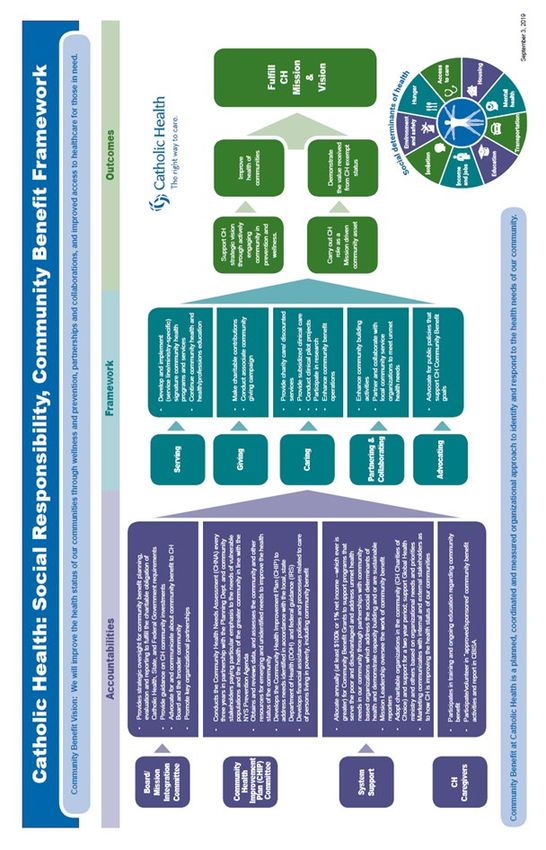
H Community Benefit Framework Attachment H 65
Mount St. Mary's Hospital CHNA 2019-21 2
Leadership Welcome

  December 2019

  Dear Community Resident:

                       As one of the largest health care providers in Western New York, we continually look for
                       ways to improve the health of those who reside in our community. To support this effort,
                       we conduct a Community Health Needs Assessment (CHNA) every three years to
                       understand the health concerns and issues faced by community residents. The latest
                       assessment is included here.

                       The assessment process was a collaborative effort between Catholic Health and other local
                       organizations concerned about the health of our community including Catholic Medical
                       Partners, Niagara County Department of Health, Buffalo State College, and the University
                       at Buffalo. Additionally, we solicited input from other community organizations,
 Mark Sullivan
                       individuals and groups. This input helped develop focused programs and services that best
President & CEO        address the health and wellness needs of the people who rely on us for care.
Catholic Health
                       The completed assessment provides the framework for our Community Health
                       Improvement Plans, which address the identified and prioritized community needs. One of
                       the areas emphasized in our assessment and plan is the need to address health disparities
                       in our community by improving access to care, especially for the poor and underserved.
                       To that end, in 2018, Catholic Health provided more than $126 million in charity care and
                       community benefit for the people of Western New York.

                       Catholic Health is committed to leading the transformation of health care in our
                       community and to improving the health of its residents, enhancing the experience of
                       patients and reducing the cost of care. Our commitment to quality is demonstrated by our
Bart Rodrigues         achievement of the highest quality rankings in cardiac, vascular, orthopedics and women’s
 SVP & Chief           services through government and third-party quality rating agencies. In addition, our
Mission Officer        commitment to help patients make informed health care decisions is evidence by our
                       recently launched public website, www.knowyourhealthcare.org, which contains
                       important health care quality information.

                       We look forward to working together with you and our community partners to improve
                       the health and quality of life for the residents of Niagara County. We welcome you to learn
                       more about Catholic Health by visiting www.chsbuffalo.org or calling HealthConnection at
                       716-447-6205.

  Roger Duryea
  VP, Planning &
     Business
  Development

                                            Charles J. Urlaub,                      Bernadette Franjione,
                                                President                           VP,Mission Integration
                                         Mount St. Mary’s Hospital                 Mount St. Mary’s Hospital

                                                              Mount St. Mary's Hospital CHNA 2019-21      3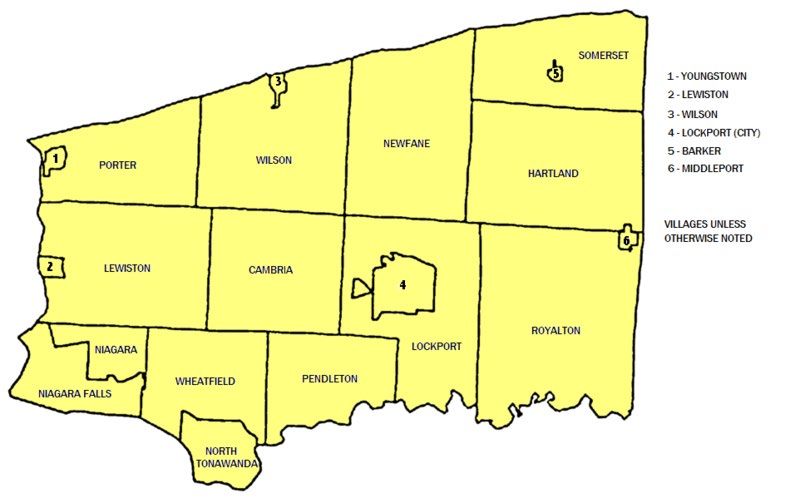
Executive Summary – Identified Themes
Background
        Mount St. Mary's Hospital is comprised of a 175-bed community hospital and a fully-licensed
Child Care Center on its campus in Lewiston, NY. It also operates a Neighborhood Health Center clinic in
the City of Niagara Falls and an off-site Outpatient Rehabilitation Center. In addition, primary care and
medical specialties are offered at facilities on-campus and at sites throughout the community.
        Our Mission: We are called to reveal the healing love of Jesus to all.
        Mount St. Mary's Hospital employs more than 700 people and has about 200 volunteers.
        Mount St. Mary's Hospital was formed in 1907 by the Sisters of St. Francis who came north from
Buffalo to care for the sick and the poor. In 1997 the Sisters of St. Francis turned over sponsorship to the
Daughters of Charity National Health System to continue in their tradition of excellence and service. In
2000, the Daughters of Charity merged with the Sisters of St. Joseph to create the Ascension Health
national healthcare system.
        In July 2015, the sponsorship of Mount St. Mary’s was transferred to Catholic Health of Buffalo.

Overview of Process
        The 2019-2021 Niagara County Community Health Needs Assessment (CHNA) began by bringing
together the participants from the 2013 and 2016 process. This included the Niagara County Department
of Health, and representatives of the four hospitals in Niagara County: Mount St. Mary’s, Niagara Falls
Memorial, DeGraff Memorial, and Eastern Niagara. The process was coordinated by the Population
Health Collaborative of Western New York.
        Initial meetings focused on evaluating activities and progress from the 2016 CHNA’s and the County
Department of Health’s Community Service Plan priorities. Mount St. Mary’s posted its 2016-18 report on
the hospital website and providing notice in the media. We did not receive any written input following
publication on the report. Subsequent sessions were devoted to developing a countywide questionnaire to
survey residents and initiatives to gather as much relevant data as possible from surveys, interviews, and
focus groups.
        As part of this coordinated initiative, Mount St. Mary’s worked to develop an updated three-year
(2019-2021) Community Health Improvement Plan (CHIP) to continue the collaboration in our
community to improve patient care, preventive services, overall health, and quality of life. Our input
process covered many segments of the community including individual surveys, mail surveys of
community organizations, input from medical providers and staff, input from local health officials and
others of varying socioeconomic backgrounds.
        The CHNA and CHIP processes are linked directly to requirements specified by the Federal
Internal Revenue Service and the New York State Department of Health. Under the Patient Protection
and Affordable Care Act of 2010 (PPACA), the federal government (IRS) requires all state-licensed, tax-
exempt hospitals to develop a Community Health Needs Assessment and Community Health
Improvement Plan to maintain their Internal Revenue Code Section 501(c)(3) tax-exempt status.
Similarly, New York State requires hospitals and local health departments to collaborate within their
community to identify local health priorities and plan a strategy for local health improvement focused on
the Prevention Agenda 2019-2024: New York State’s Health Improvement Plan (Prevention Agenda).

                                                         Mount St. Mary's Hospital CHNA 2019-21    4
Community Health Improvement Plan

        Mount St. Mary’s Hospital, as part of Catholic Health, is committed to addressing the significant
health needs of our community. This is reflected in this updated three-year (2019-2021) Community
Health Improvement Plan (CHIP). The plan began with the prioritization of the significant health needs
challenges experienced by patients and families identified in the CHNA. Mount St. Mary’s considered the
importance placed on those needs by both New York State as outlined in the Prevention Agenda, by a
local assessment community survey conducted by the Niagara County Department of Health
(Attachment B), by a survey conducted by Mount St. Mary’s targeting community organizations and
groups in our primary service area (Attachment E) and by other collected input that included targeted
efforts in underserved areas of the community and focus groups (Attachment F).

        Mount St. Mary’s then assessed its capabilities and resources with the potential to strengthen
relationships with current partners and others in the community to select projects that had the greatest
opportunity to reduce the health disparities and meet the needs of the residents of our community. The
overall goal remains to improve the health of residents of our community.

        Two of the underlying barriers identified in the focus groups and discussions that are not
specifically part of the Prevention Agenda are Health Education and Transportation. These represent
factors that significantly influence our community’s health status and are root causes of poor health and
adverse outcomes. Strategies will include an approach that more intentionally addresses social
determinants of health, outside the traditional delivery of healthcare services with special attention to
access and health inequities.

       The progress of Mount St. Mary’s CHIP will be measured and reported annually to the community
on the Mount St. Mary’s/Catholic Health website in addition to paper copies which are available at our
Hospital Information desk and our Neighborhood Health Center.

       The Mount St. Mary’s Hospital Website can be found at:

       Mount St. Mary’s Hospital:           www.chsbuffalo.org/mountstmarys

Community Priorities Not Specifically Addressed

        Through the needs assessment, numerous areas were identified as important and clearly impact
the health of the community. Mount St. Mary's identified the “significant” needs as related to the New
York State Department of Health Prevention Agenda priorities. Within the “priorities,” Mount St. Mary's
will address numerous health needs as described in the publicly available CHNA report.

       Some of the other health concerns identified included stress management, neighborhood safety,
water safety and child abuse/neglect. We did not address in our plan because of a lack of expertise and
resources to effectively address each of the issues.

                                                        Mount St. Mary's Hospital CHNA 2019-21   5
Identified Community Health Need Themes
The programs that Mount St. Mary’s has put in place to address its priorities involve participation and
cooperation of numerous community groups and organizations. Mount St. Mary’s will continue to support
several health collaborative groups which include community partners, the Niagara County Health
Department, Niagara County Office of Mental Health and Substance Abuse, academia, and local schools.
These partners will be engaged throughout the years in an evaluation process to determine new areas of
need or refine current service offerings.
2019-2021 Prevention Agenda Items #:
Prevent Chronic Diseases
1) Improve access to prevention and self-management programs for 14,20 & 22
those with heart disease and diabetes
Promote a Healthy and Safe Environment
2) Improve support programs targeting older adults and reduce fall rates 5
Promote Healthy Women, Infants and Children
Promote Well-Being and Prevent Mental and Substance Use Disorders
3) Facilitate supportive environment promoting dignity 42, 43 & 44
for all through “Trauma Informed Care” practices
Prevent Communicable Diseases
4) Improve vaccination rates for HPV and Influenza 24 & 25
Niagara County Department of Health – Community Hospitals
1) Improve access to prevention and self-management programs for those with heart disease and diabetes
2) Improve nutrition, healthy eating and food security
3) Facilitate supportive environment promoting dignity for all through “Trauma Informed Care” practices.
Prevent opioid substance misuse and deaths
Mount St. Mary's Hospital CHNA 2019-21 6Process and Methods
Satisfying the requirements of the IRS and Department of Health (DOH), Mount St. Mary’s
Hospital followed the process described below in completing its Community Health Needs Assessment
and Community Health Improvement Plan.
1. Establish the Assessment Infrastructure
A Steering Committee was established that included representation from various segments of the
organization. Members of the group from Mount St. Mary’s who worked on identification of internal priorities:
Gary C. Tucker, President and Chief Operating Officer
Dr. Thomas Cumbo, Chief Medical Officer
Jessica Visser, RN, BSN, Vice President – Patient Care Services
Bernadette Franjoine, Vice President – Mission Integration
Tom Greico, Director of Operations
Karen Hogan, Director, Clearview
Patricia Villani, Director, Clinical Practice Management
Julie Berrigan, Executive Director, Mount St. Mary’s Hospital Foundation
Maryann Cogdill, RN, Director of Maternity Services
Sr. Nora Sweeney, DC, NHC Case Manager
Sr. Louise Gallahue, DC, Community Care Coordinator
Margaret Gabriele, Manager, Care Management
Fred Caso, Director, Public Relations and Community Affairs
Others as determined
2. Defining the Purpose and Scope
In New York State (NYS), all not-for-profit hospitals are required to develop a Community Health
Improvement Plan (CHIP), which have similar requirements to those of the IRS Community Health Needs
Assessment. NYS requires that each organization, in cooperation with the local department of health and
other providers in their county, collaboratively choose to work on two Prevention Agenda priority focus
areas and address disparities in at least one of them. The NYS Prevention Agenda guided Mount St. Mary’s in
focusing its assessment efforts and in defining its service area as western Niagara County. It also helped to
identify the most important health issues in the community, set priorities and align work with community
partners.
Mount St. Mary's Hospital CHNA 2019-21 73. Collect and Analyze Data (Summary in Attachments B-C-D-E-F)
Mount St. Mary’s conducted significant outreach in the community and within the organization to
collect input.
The primary data collection efforts included:
• Written Survey targeting local community organizations and non-profits that are active in the
primary service area
• Written Survey targeting local block clubs and church groups active in the primary service area
• Focus Group at the Mount St. Mary’s Neighborhood Health Center, located in the part of the
service area with the lowest per capita income and underserved in a variety of ways
• Focus Group at Lewiston Senior Center
• Internal Input with groups of associates, including:
Security Department
Nutrition Services
Environmental Services
PSC Aides
• Internal Input with providers, including:
Pediatricians
Obstetricians/Gynecologists
Primary Care
PSC Aides
• Input from Focus Groups conducted throughout Niagara County by Niagara County DOH
• Written Survey conducted by Niagara County Department of Health that was countywide, but
also with the ability to gather input from our primary service area.
• 1-on-1 conversations with clients of Heart, Love and Soul Food Pantry (Sr. Louise Gallahue)
• 1-on-1 conversations with patients of Neighborhood Health Center (Sr. Nora Sweeney)
4. Identify Resources/Community Collaboration
The Mount St. Mary’s Steering Committee reached out to a cross–section of the hospital’s associates to
facilitate identification of individuals and organizations that represent the broad interests of the community and
have expertise in public health, to help identify the health needs in the community. These included Niagara Falls
Memorial Medical Center, Eastern Niagara Hospital, DeGraff Hospital, Niagara County Department of Health,
Niagara University, Heart, Love, and Soul Food Pantry, Niagara Falls City Schools, and multiple other local
organizations throughout the process with special attention to those who serve the marginalized.
5. Prioritization of Community Needs
Prioritization of the health needs identified in the 2019-2021 CHNA began by considering the
degree of alignment with the New York State Prevention Agenda framework. Significant health needs
represented within the New York State Prevention Agenda are:
A. Prevent Chronic Diseases
B. Promote a Healthy and Safe Environment
C. Promote Healthy Women, Infants and Children
Mount St. Mary's Hospital CHNA 2019-21 8D. Promote Well Being
E. Prevent Communicable Diseases
6. Create Community Health Improvement Plan and Monitor Progress
Priority areas identified through the needs assessment were used to focus community benefit
planning for the next three years. A Community Health Improvement Plan has been developed which
includes the focus areas, goals, and objectives for addressing the prioritized significant community health
needs and addresses the two collaboratively chosen Prevention Agenda priorities.
Within the Community Health Improvement Plan are roadmaps for how the priorities will be
addressed. These plans include specific actions to be taken, collaborations that will be instituted and
targets to measure success. Mount St. Mary’s will build on its successes in addressing areas of concern,
such as the establishment of Pediatric Care Coordinators at its Neighborhood Health Center achieved
through a grant from the Tower Foundation.
A dashboard with Community Health Improvement Plan measures will be used to communicate
and gauge progress throughout the three-year duration.
To facilitate the accomplishment of these goals Catholic Health made an intentional decision of
allocating one percent of its net income from previous year, for projects related to community needs.
Mount St. Mary’s will also maintain engagement with its community partners by establishing
work plans for collaborative efforts to achieve annual targets. The Mount St. Mary’s Steering Committee
has established a monthly meeting to discuss and track progress of the Community Health Improvement
Plans and collaborative efforts with community partners. Adjustments will be made as needed.
7. Board Approval and Public Availability of the Community Health Needs Assessment
The final Mount St. Mary’s CHNA will be presented to the Catholic Health Mission Committee of
the Board.
The Catholic Health Hospital Board of Directors reviewed and approved the Community Health
Improvement Plan for each of its hospitals on October 17, 2019.
Reports have been published electronically on the Catholic Health/Mount St. Mary’s Hospital
website with hard copies available at the hospital and the Mount St. Mary’s Neighborhood Health
Center.
Mount St. Mary's Hospital CHNA 2019-21 9Overview of Mount St. Mary’s Hospital
Mount St. Mary's Hospital is comprised of a 175-bed community hospital and a fully-licensed
Child Care Center on its campus in Lewiston, NY. It also operates a Neighborhood Health Center clinic in
the City of Niagara Falls and an off-site Outpatient Rehabilitation Center. In addition, medical specialties
in Otolaryngology, Primary Care, General Surgery and Orthopedics are offered at facilities on-campus
and throughout the community. Mount St. Mary’s serves as the Medical Provider for the PACE Program
in Niagara Falls. Our Mission: We are called to reveal the healing love of Jesus to all.
Staff at Mount St. Mary’s includes more than 200 physicians with privileges, 200+ RN's and LPN's,
30 allied health professionals and numerous employees in supporting roles. In all, Mount St. Mary's
Hospital and Health Center employs more than 800 people and has about 200 volunteers.
Mount St. Mary's Hospital was formed in 1907 by the Sisters of St. Francis who came north from
Buffalo to care for the sick and the poor. In 1997 the Sisters of St. Francis turned over sponsorship to the
Daughters of Charity National Health System to continue in their tradition of excellence and service. In
2000 the Daughters of Charity merged with the Sisters of St. Joseph to create Ascension Health.
Ascension Health is the largest not-for-profit healthcare system in the nation.
In July 2015, the sponsorship of Mount St. Mary’s was transferred to Catholic Health of Buffalo.
An important component of the service provided to the community by Mount St. Mary’s involves
our association with Catholic Medical Partners (CMP), Mount St. Mary’s and Catholic Health’s physician
partners. This is a physician-led independent practice association with a network of over 900 physicians
of which one-third are primary care providers. CMP is driven to improve care delivery in the community
through its member physicians.
Catholic Health Charity Care
One of the fundamental reasons for the creation of Catholic Health was to ensure the continued
viability of faith-based health care to meet the needs of residents in Western New York. Integral to this
effort is caring for the needs of those who are poor and disadvantaged. In the Niagara community,
Mount St. Mary’s activities and services at its Neighborhood Health Center and collaboration at the
Heart, Love and Soul Food Pantry are two prime examples of this commitment to those in need. Other
initiatives are undertaken through active involvement and leadership in community organizations such as
Pinnacle Community Services, Niagara University, Opportunities Unlimited of Niagara, and the Niagara
Organizing Alliance for Hope (NOAH), and others.
Each year, Catholic Health touches tens of thousands of community residents through community
health education programs, health screenings, clinical and support services, and community support
activities. Catholic Health also has a robust Financial Assistance Program.
In Niagara County these initiatives have included day-long screenings at the hospital, outreach at
community events from downtown Niagara Falls to Wheatfield, among others. Mount St. Mary’s and
Catholic Health will continue to meet community needs by providing charity care and Medicaid services,
in addition to various other community benefit programs, including community health improvement,
community benefit operations, health professions education, community building, as well as, cash and
in-kind contributions. In 2018 Catholic Health provided $126 million in charity care, of which MSM
contributed $10.6 million.
Mount St. Mary's Hospital CHNA 2019-21 10Mount St. Mary’s/Catholic Health (CH) Mission, Vision and Values
Mount St. Mary’s/Catholic Health’s Mission:
We are called to reveal the healing love of Jesus to all
1. Vision
As a trusted partner, inspired by faith and committed to excellence, we lead the transformation
of healthcare and create healthier communities.
2. Catholic Health Values
A. Reverence
We honor the inherent dignity and uniqueness of each person.
B. Compassion
We unconditionally demonstrate empathy, kindness, and acceptance.
C. Integrity
We are honest, transparent, and accountable.
D. Innovation
We continually learn, find creative solutions, and embrace change.
E. Community
We work together to build community and promote social justice in our organization and
in society.
F. Excellence
We commit to achieve the highest standards of quality, safety, and service.
Mount St. Mary's Hospital CHNA 2019-21 11Community Served
A) Area Served:
The Primary Service Area for Mount
St. Mary’s is generally described as
Western Niagara County.
Eighty-Five percent of our patients
come from this area.
Services are provided at the main
hospital campus in Lewiston and the
Neighborhood Health Center
in the City of Niagara Falls.
B) Demographics:
Detailed demographics of the community
from US Census and other data are included in the report.
C) Existing Health Care Facilities:
There are two community hospitals in our Primary Service Area –
Mount St. Mary’s Hospital, 5300 Military Road, Town of Lewiston NY
Niagara Falls Memorial Medical Center, 621 Tenth Street, City of Niagara Falls NY
Mount St. Mary's Hospital CHNA 2019-21 12Demographic Summary
A Community Hospital, Mount St. Mary’s is part of Catholic Health (The System), a not-for-profit
integrated healthcare delivery system that operates four acute care operations in Erie County and one in
Niagara County. The primary service area for Mount St. Mary’s is Western Niagara County. U.S. Census
Bureau data is available for all of Niagara County. A demographic profile of Niagara County and our
community is summarized below.
Demographics
Population by Race/Ethnicity
2018 Niagara County
2018 Population 2023 Population Change
Variable Count % of Pop Count % of Pop
Population 210,185 100.0% 208,476 100.0% -0.8%
White 182,856 87.0% 179,303 86.0% -1.9%
White Hispanic 3,880 1.8% 4,609 2.2% 18.8%
Black 15,046 7.2% 15,316 7.3% 1.8%
Black Hispanic 475 0.2% 565 0.3% 18.9%
American Indian & Alaska Native 2,363 1.1% 2,444 1.2% 3.4%
Hispanic 210 0.1% 249 0.1% 18.6%
Asian/Pacific Islander 2,650 1.3% 3,145 1.5% 18.7%
Asian/Pacific Islander Hispanic 33 0.0% 38 0.0% 15.2%
2+ Races 5,795 2.8% 6,552 3.1% 13.1%
2+ Races Non-Hispanic 5,105 2.4% 5,730 2.7% 12.2%
2+ Races Hispanic 690 0.3% 822 0.4% 19.1%
Other 1,475 0.7% 1,716 0.8% 16.3%
Other Non-Hispanic 176 0.1% 174 0.1% -1.1%
Other Hispanic 1,299 0.6% 1,542 0.7% 18.7%
Hispanic Ancestry 6,587 3.1% 7,825 3.8% 18.8%
Non-Hispanic Ancestry 203,598 96.9% 200,651 96.2% -1.4%
Race / Ethnicity
• The population of Niagara County is predominantly White, representing 87% of the population.
• African-Americans comprise 7.2% of the population.
• The next largest population segment is Hispanic/Latino representing 3.0%.
• A small portion, 1.1% are Native Americans, and most are in our primary service area.
• Less than 1% described as not proficient in English
Health Insurance Coverage
• Roughly 7% of Niagara County residents are uninsured. The remaining 93% are either covered
through Medicare, Medicaid, are dual eligible or have private insurance.
Employment/Unemployment
• The unemployment rate for Niagara County is 3.4%, which is lower when compared to New York
State (4.6%) and national (4.1%) rates.
Sources: The Caritas Co.
Mount St. Mary's Hospital CHNA 2019-21 13Mount St. Mary’s Service Area Demographic Snapshot
Overall Population
Selected Area USA
2010 Total Population 99,014 308,745,538
2018 Total Population 95,023 326,533,070
2023 Total Population 93,671 337,947,861
% Change 2018 - 2023 -1.4% 3.5%
Average Household Income $63,914 $86,278
Population (Male/ Female)
%
2018 2023 Change
Male Population 45,895 45,328 -1.2%
Female Population 49,128 48,343 -1.6%
Females, Child Bearing Age (15-44) 17,234 16,859 -2.2%
Household Income Distribution
Income Distribution
HH % of USA
2018 Household Income Count Total % of TotalNiagara County Demographics (SUMMARY) - 2019
Population
• The total population of Niagara County has declined about 2.7% from 216,094 to 210,185
between the years of 2010 and 2018 respectively.
• Of this amount, 94,031 people reside in Mount St. Mary’s Hospital Primary Service Area.
• 19% of the overall population is composed of individuals aged 65 and older. This is a 1.3%
increase from the 2016 population analysis.
• About 51% female
• 22% rural
• The median household income of Niagara County is $54,000
• About 13% of the residents of Niagara County are considered to be living below the poverty line.
NOTE: 2019 Federal Poverty Levels are defined as Household of:
1 $12,490
2 $16,910
3 $21,330
4 $25,750
5 $30,170
6 $34,590
7 $39,010
8 $43,430
Race and Ethnicity
• The population of Niagara County is predominantly white, representing 85% of the population.
• Black or African-Americans comprise about 7% of the population.
• Hispanics are the next largest racial group at 3.1% of the population.
• Native-Americans account for only 1% of the population, and most are in our primary service
area.
• About 9% of Niagara County residents do not predominantly speak English at home.
Health Insurance Coverage
• Roughly 7% of Niagara County residents are uninsured. The remaining 93% are either covered
through Medicare, Medicaid, are dual eligible or have private insurance.
Unemployment Rate
• The unemployment rate for Niagara County is 3.4%, which is lower when compared to New York
State (4.6%) and national (4.1%) rates.
Mount St. Mary's Hospital CHNA 2019-21 15Community Resources
Systems and Access to Care
The Niagara County health care system is centered on work by four community hospitals: Mount
St. Mary’s Hospital (of Catholic Health), Niagara Falls Memorial Medical Center (independent), DeGraff
Memorial Hospital (Kaleida Health) and Eastern Niagara/Lockport Memorial Hospital (Kaleida Health).
Another important provider that impacts the community is Roswell Park Cancer Institute, a national
cancer center.
Other Community Providers
Another important health care provider organization in Niagara County is a Federally Qualified
Health Center. Supplementing these providers is a broad range of other community organizations
providing various health services and resources.
Mount St. Mary's Hospital CHNA 2019-21 162019-2021 Community Health Improvement Plan
The Process
Summary
Starting in January 2018, Mount St. Mary’s Hospital individually, and collectively with the Niagara
County Department of Health and three other local hospitals (Niagara Falls Memorial, Eastern Niagara,
and DeGraff Memorial), conducted a Community Health Needs Assessment (CHNA) to better understand
the health needs of the community we serve and to fulfill the requirements of both the Internal Revenue
Service (IRS) and the New York State Department of Health (DOH).
To ensure the assessment was comprehensive, we began with consideration of the projects in the
previous cycle, in addition to input from the public and several community organizations.
Our outreach for Mount St. Mary’s included a mail survey to area:
o Community and Service Organizations
o Local Block Clubs
o Area Churches
We also conducted focus groups/surveys:
o Mount St. Mary’s Neighborhood Health Center
o Mount St. Mary’s Hospital Associates
o Mount St. Mary’s Hospital Medical Providers
o Town of Lewiston Senior Center
In addition, as part of our work with the Niagara County Department of Health, we aggressively
supported a written and online survey from County residents. Of the more than 1,500 responses
to the survey received from the Niagara County DOH, more than 1,000 were from residents of the
Primary Service Area of Mount St. Mary’s.
In considering our strategy for 2019-2021, we took into account all of this information.
Mount St. Mary's Hospital CHNA 2019-21 17Patient Protection and Affordable Care Act of 2010
Under the Patient Protection and Affordable Care Act of 2010 (PPACA), the federal government requires
all state-licensed, tax-exempt hospitals to develop a Community Health Needs Assessment and
Implementation Strategy to maintain their Internal Revenue Code Section 501(c)(3) tax-exempt status.
Specific requirements include:
1. Input from the community and public health experts
2. Collaboration with other organizations
3. Description of the community served by Catholic Health
4. Description of the process and method used
5. Description of the prioritized health needs identified
6. Description of how the hospital plans to meet the identified health needs
New York State Prevention Agenda
Since 2009, New York State has required hospitals and local health departments to collaborate within
their community to identify local health priorities and strategize for local health improvement focused on
the Prevention Agenda 2019-2024; New York State’s Health Improvement Plan (Prevention Agenda).
This collaborative approach is designed to improve the health status of New Yorkers and reduce health
disparities through increased emphasis on prevention. Requirements of New York State 2019-2021 plan
include:
1. Define the community served
2. Align investments in evidence-based interventions to the Prevention Agenda
3. Assess and select at least two of the Prevention Agenda’s priorities to address collaboratively
with community organizations and the local health department
4. Describe the evidence-based interventions that will be implemented to address those priorities
and the health disparity of interest
Catholic Health’s and Mount St. Mary’s assessment represents an internal collaboration across its
facilities, and collaboration with external organizations in the community, to identify the health needs of
the community and develop a strategy for addressing them. The systematic process used helped identify
significant health needs across Catholic Health’s Erie and Niagara county service area including among
vulnerable and under-represented populations. It also helped identify ways in which continued
collaboration could improve patient care, preventive services, overall health, and quality of life.
Mount St. Mary's Hospital CHNA 2019-21 18Process
3. Establish the Assessment Infrastructure
A Steering Committee was established that included key representatives from throughout Mount
St. Mary’s that included representation from Community Clinics, Mission, Marketing, Community
Education, Social Services, Finance, Medical Providers and Services Lines. The Steering Committee
reviewed IRS & DOH requirements and established the project timeline and work plan. Active
participation of the hospital representatives on the Steering Committee meets the requirements for a
joint assessment.
4. Defining the Purpose and Scope
In New York State (NYS), all not-for-profit hospitals are required to develop a Community Health
Improvement Plan (CHIP). The requirements of the CHIP, while not identical, are very similar to those of
the IRS Community Health Needs Assessment. One of the NYS requirements is that each organization,
with the local department of health and other providers in their county, collaboratively choose to work
on two Prevention Agenda priority focus areas and address disparities in at least one of them. The
Prevention Agenda guided Mount St. Mary’s in focusing its assessment efforts and in defining its service
area as Western Niagara County. It also helped to identify the most important health issues in the
community, set priorities and align work with community partners.
5. Collect and Analyze Data
Mount St. Mary’s solicited and collected data both from a specific survey targeting community
organizations and agencies in our Primary Service Area, and cooperatively with the Niagara County
Department of Health and other local hospitals for a survey or residents county wide.
Our data collection and analysis process included:
• disseminating a 34 question survey (Attachment B) developed by the Niagara County
Department of Health/Niagara County Hospitals/Population Health
• disseminating a 6 question survey (Attachment E) devised by Mount St. Mary’s to community
organizations, churches, block clubs; and,
• facilitating group discussions with community services, internal staff, and medical providers
The different surveying methods ensured a broad representation of various population segments.
Utilizing this variety of sources to develop the health needs assessment ensured the inclusion of
persons who represent the broad interest of the community and have special expertise in, or knowledge
of, public health issues and concerns. It also provided for the inclusion of input from members of
medically underserved, low-income, uninsured or other disparate populations, and organizations that
represent these groups. See Attachments E & F for the participants and results.
Mount St. Mary's Hospital CHNA 2019-21 196. Identify Resources/Community Collaboration
The Mount St. Mary’s Community Needs Assessment Group and Community Relations
Department reached out to a cross section of the hospital’s associates to facilitate identifying individuals
and organizations that represent the broad interests of the community and have expertise in public
health, to help identify the health needs in Western Niagara County.
7. Prioritization of Community Needs
The community health needs identified throughout this process required prioritization. The first
step in the prioritization process was to use the New York State Prevention Agenda as a framework
within which to align the community health needs. Significant health needs represented within the New
York State Prevention Agenda are:
A. Prevent Chronic Diseases
B. Promote a Healthy and Safe Environment
C. Promote Healthy Women, Infants and Children
D. Promote Well Being
E. Prevent Communicable Diseases
8. Create Community Health Improvement Plan and Monitor Progress
Priority areas identified through the needs assessment were used to focus community benefit
planning for the next three years. A Community Health Improvement Plan (CHIP) has been developed
which includes the focus areas, goals, and objectives for addressing the prioritized significant community
health needs and addresses the two collaboratively chosen Prevention Agenda priorities. Within the CHIP
are plans which constitute roadmaps for how the priorities will be addressed. These plans include
specific actions to be taken, collaborations that will be instituted and targets to measure success. A
dashboard with implementation plan measures will be used to gauge progress throughout the three-year
duration.
Mount St. Mary’s will maintain engagement with its community partners by establishing work
plans for collaborative efforts to achieve annual targets.
9. Board Approval and Public Availability of the Community Health Needs
Assessment/Community Health Improvement Plan
The Final Report and supporting information is communicated to the Catholic Health Board of
Directors for Approval.
Upon approval, the report is published electronically on the Mount St. Mary’s/ Catholic Health
website with hard copies available upon request at the main Information Desk in the hospital’s
Main (South) Lobby.
Mount St. Mary's Hospital CHNA 2019-21 2010. Overall Evaluation Process
Conversations regarding concerns in communities and organizations across Niagara County shared
several priority themes:
• Strongest: access to fresh food and health care, level of engagement of community members in
healthy lifestyle and accountability for own health, education for youth, healthy family units,
unemployment and underemployment, transportation, safe neighborhoods, substance abuse and
behavioral health. Pain management also an issue.
• Top health issues: Cancer, heart disease/obesity, diabetes
o Need to address obesity in all age groups, especially in low-income neighborhoods, to
reduce incidence of chronic disease and/or management of condition
• Significant within Heart, Love & Soul and low-income neighborhoods: safe, affordable housing,
dental care and transportation
• Shared across human service agencies: housing, transportation, lifestyle choices and behaviors
Dialogue regarding opportunities to improve health from community members and organizations in
Niagara County:
• Urgent concern for rising number below or at poverty level. Opportunity to work collaboratively
to help people reach a better, more stable place in life for themselves. Helping to change the
community in a most tangible way.
o Well-being of community has great influence on how healthy we are
o Return to focus of caring for others in neighborhood, concern for welfare of others
• Leverage strengths in community – dedicated service agencies, proven success rates, high impact.
o Majority of what affects health is outside of physician practice and health system
o Need for community response to problems, more coordinated advocacy
o Continue to work with others/maintain and enhance partnerships
• Residents are in need of affordable housing and support. Also, easier access to whatever help
that is needed to stay safe and healthy, reduce visits to hospital. Strong link between housing and
health (unstable housing = unstable health/less likely to address health needs). Influence and
investment in stable housing can reduce health care costs and emergency room/inpatient
admissions/readmissions.
o Need access to providers, hospital based services, pharmacies
o Dental Care and Transportation is vital
o Investment in community, housing listed as highest of needs, help low income residents
live better
o Food security needs to be a priority
• Need more programming and education closer to where community lives, bring health education
to schools (parents and students); provide health fairs in less traditional settings (parent-teacher
conferences).
o Update information about SDI, HIV, HPV, healthy relationships, values, self-image
Mount St. Mary's Hospital CHNA 2019-21 21• Mount St. Mary’s is a reliable, trustworthy partner, quality services and positive patient
experience, well-positioned with CH, compassionate culture with strong focus on mission, vision,
and values, already present in critical service areas.
• Significant community need surrounding lack of behavioral health and substance abuse treatment
resources
o Provide Behavioral Health First Aid Training for associates and community
o Trauma Informed Care
o Presence of treatment and socioeconomic barriers:
Mount St. Mary's Hospital CHNA 2019-21 22Responses From 1,080 Residents of Western Niagara County
When you think about your own health or the health of your community, which of the following
issues are you most concerned about?
Mount St. Mary's Hospital CHNA 2019-21 23Niagara County Residents Selected Health
Concerns by Percent
Ever been told you have Asthma/COPD by… 20.44
Safety of neighborhood* 12.74
Food/water safety and quality* 11.56
Child abuse/neglect* 9.45
Injury prevention (falls, motor vehicle safety,… 6.92
Domestic violence* 6.92
Asthma/COPD* 6.58
Firearm related injuries* 2.19
Homicide* 2.03
0 5 10 15 20 25
Maternal health (care for moms, during and
5.32
after pregnancy)*
Family planning (pregnancy prevention)* 4.3
Teenage pregnancy* 2.7
Infant death* 1.6
0 1 2 3 4 5 6
Immunization and/or prevention of infectious
12.49
disease (such as flu)*
Infectious diseases (hepatitis, TB)* 4.56
Sexually transmitted infections* 2.03
0 2 4 6 8 10 12 14
Mount St. Mary's Hospital CHNA 2019-21 24Public Participation – Survey Results
Information was obtained mainly through a mail survey to community organizations and churches and
individual interviews with hospital volunteers. In addition, Mount St. Mary’s surveyed internal members of the
hospital, and members of its community including its board of associates’ volunteers, St. Francis Guild
volunteers, and general hospital volunteers, a community focus group, and in a mailing to community service
organizations.
More than 1,500 surveys were collected from residents of Niagara County. Major findings as to key
health issues from the Countywide Survey were:
COUNTYWIDE RESULTS % #% MSMH SERVICE AREA RESULTS % STRATEGIES SELECTED
Access to Affordable Care 46% Access to Affordable Care 44%
High Blood Pressure 39% High Blood Pressure 39% 2
Cancer 32% Cancer 34% 3
High Cholesterol 32% High Cholesterol 34% 2
Mental Health Problems 31% Mental Health Problems 26% 4
Overweight/Obesity 22% Overweight/Obesity 20% 2
Heart-Related Issues 22% Heart-Related Issues 24% 2
Physical Activity 19% Physical Activity 18% 1
Alcohol and/or drug use 17% Alcohol and/or drug use 17% 4
Tobacco Use 17% Tobacco Use 16%
Access to Healthy Food 17% Access to Healthy Food 13% 5
Nutrition/Eating Healthy 17% Nutrition/Eating Healthy 14% 5
Diabetes 16% Diabetes 14% 2
Stress Management 13% Stress Management 14%
Neighborhood Safety 12% Neighborhood Safety 12%
Food/Water Safety 11% Food/Water Safety 11%
Child Abuse/Neglect 9% Child Abuse/Neglect 9%
COMMUNITY ORGANIZATIONS COMMUNITY GROUP
- Substance Abuse - Obesity
- Mental Health - Mental Illness
- Cancers - Pain Management
PRIMARY CARE PROVIDERS FOCUS GROUP DISCUSSION
- Substance Abuse - Drugs
- Mental Health - Diabetes
- Diabetes - Cancer
OB/GYN PROVIDERS
- Obesity
- Diabetes
- Teenage Pregnancy
INTERNAL STAFF
- Dental
- Cancers
- Diabetes
Mount St. Mary's Hospital CHNA 2019-21 252019-2021
Mount St. Mary’s Hospital Project 1:
Improve Support Programs Targeting Older Adults and Reduce Rate of Falls
Designated Mount St. Mary’s Project Leaders: Andrew Schultz, Rehabilitation, Laura Volz, Pharmacy
Catholic Health Leadership Sponsor/Support: Charles Urlaub
NYS Prevention Agenda: Promote a Healthy and Safe Environment
Goal(s) addressing Improve the health of older adults by addressing core health issues that matter. Our initiative
community need: will educate staff and the community about mobility, medications, mentation and know what
matters; assess our facilities and patient areas to ensure they address needs of individuals;
review patient education materials to act on what matters regarding current and future care,
develop and implement individualized mobility plans and create an environment that enables
mobility, implement a standard process for age-friendly medication and ensure adequate
nutrition, hydration, sleep and comfort while maximizing independence and dignity.
Project's Target Falls are the leading cause of injury deaths, hospitalizations and ER visits among adults 65+.
Population: Falls are one of the most critical, and most preventable, potential injury. The number of older
adults with complex needs is growing rapidly, while safe, effective and reliable care is a
pressing need. The fact that the number of adults over the age of 65 is projected to double in
the next 25 years triggers the call for urgent attention. It is also important to integrate
transportation and food security as high impact factors
Outcome Objectives: PA 5 - Rate of hospitalizations due to falls per 10,000 - Aged 65+ years
Improve 2018 Niagara
County Prevention
Agenda (PA) Indicators
goals
Project Measures/ Year 1 (2019): (1) evaluate Year 2 (2020): (1) implement Year 3 (2021): (1) continue
Interventions/Strategic and enhance the current Falls programs such as exercise implementation plan; (2)
Activities by year and by Reduction Team. (2) review classes (tai chi) to improve review and evaluate
site: current mandatory balance, home assessment outcome metrics and make
educational program on Falls and modification, community adjustments as necessary.
Prevention for staff and awareness and education, (2) (3) share information at
providers, make improvements work with providers to outreach events (4)
where needed; (3) identify achieve a reduction in monthly review of data
community outreach hospitalizations due to falls. regarding progress
events/forum to share info (3) share information at
(4) gather baseline data outreach events (4) monthly
review of data
MSMH Resources Year 1 (2019) Year 2 (2020): (1) Broaden Year 3 (2021): (1) secure
Necessary: (1) Collaborate with Nursing, collaboration to include local funding to pilot on-site
Primary Care, Pharmacy and food pantries and nutrition services (i.e. medication
PT Rehab and identify best providers; include review by pharmacists)
practices transportation (VanGo)
Collaboration: Who and Year 1 (2019): (1) Bring Year 2 (2020): (1) outreach to
how each partner will together staff and providers of other community groups who Year 3 (2021): Continue to
interact to affect the the organization. (2) work with the elderly; (2) work with existing partners
project goal participate in gap assessment Continue work with existing and identify new partners
partners to identify
opportunities for
implementing action plan.
Mount St. Mary's Hospital CHNA 2019-21 262019-2021
Mount St. Mary’s Hospital Project 2:
Improve Access to Prevention and Self-Management Programs For Those With Heart Disease and
Diabetes (Collaboration With Niagara Department of Health)
Designated Mount St. Mary’s Project Leaders: Claire Johnstone, Cardiology; Sophia Overton, MSMH Diabetes Educator
Catholic Health Leadership Sponsor/Support: Charles Urlaub
NYS Prevention Agenda: Prevent Chronic Diseases
Goal(s) addressing Our community survey, internal discussions and community focus group all identified obesity,
community need: cardiac health and diabetes as major health concerns for the community. Programs such as
“Heart Smart” and the DPP have proven to improve obesity and underlying causes of diabetes
and heart disease.
Project's Target Diabetes is more prevalent among adults receiving Medicare or Medicaid than among those
Population: with private insurance and is more common among older adults, adults with lower household
incomes and educational attainment, and adults living with a disability. Prediabetes is also
more common among older adults, adults with lower household incomes, and among adults
living with a disability. Cardiovascular disease is also a leading cause of hospitalizations and
death in Niagara County.
Outcome Objectives: PA 14 – Percentage of adults who are obese PA 22 - Rate of hospitalizations for short-term
Improve 2018 Niagara complications of diabetes per 10,000 - Aged 18+ years
County Prevention
Agenda (PA) Indicators
goals
PA 20 - Age-adjusted heart attack hospitalization rate per 10,000 population
Project Measures/ Year 1 (2019): (1) Work with Year 2 (2020): (1) develop Year 3 (2021): (1) monitor
Interventions/ MSMH Diabetes Educator and community program to results from programming
Strategic Activities by MSMH Diabetes Advisory Board include nutrition, exercise, and make adjustments as
year and by site: to identify opportunities for medications and other necessary. (2) Share
education; (2) Work with components (2) implement information at outreach
Cardiology staff to identify community education events (3) continue to track
needs; (3) review current Heart programming to address data and metrics.
Smart Program as prospective diabetes and cardiac health;
model for Mount St. Mary’s. (4) (3) share information at
Identify appropriate community outreach events (4) continue
forums (5) gather baseline data. to track data and metrics.
MSMH Resources Year 1 (2019): (1) investigate Year 2 (2020): Secure Year 3 (2021) (1) monitor
Necessary: potential internal resources (2) necessary resources for activities and seek
secure locations for programs community programming resources as available.
(i.e. Heart, Love & Soul) and transportation.
Collaboration: Who Year 1 (2019): (1) identify Year 2 (2020): Secure Year 3 (2021): Build on
and how each partner potential community partners partners and locations for relationships with
will interact to affect (2) integrate food security implementation of community partners and
the project goal community programming adjust as needed.
i.e. Niagara County Dept. of
Health.
Mount St. Mary's Hospital CHNA 2019-21 272019-2021
Mount St. Mary’s Hospital Project 3:
Improve Vaccination Rates for HPV and Influenza
Designated Mount St. Mary’s Project Leaders: Ana Gabriele, MSMH Neighborhood Health Center; Laura Volz, Pharmacy
Catholic Health Leadership Sponsor/Support: Charles Urlaub
NYS Prevention Agenda: Prevent HIV/STD, Vaccine Preventable Diseases and Healthcare Associated Infections
Goal(s) addressing Our community survey, internal discussions and community focus groups all identified the
community need: prevention of infectious disease, such as flu, as a major health concern. Cancer Prevention was
also identified as an important concern and with it, HPV immunization.
Project's Target This includes the general population, targeting those who are poor and vulnerable, with special
Population: attention to those in addiction recovery.
Outcome Objectives: PA 24 - Percentage of adolescent females that received 3 or more doses of HPV vaccine - Aged 13-17 years
Improve 2018 Niagara
County Prevention
Agenda (PA) Indicators
goals
PA 25 - Percentage of adults with flu immunization - Aged 65+ years
Project Measures/ Year 1 (2019): (1) creation of Year 2 (2020): (1) evaluate Year 3 (2021): (1) continue
Interventions/ advisory group to discuss success of initial plan and to evaluate success of initial
Strategic Activities by current initiates and potential make adjustments as plan and make adjustments
year and by site: improvements; (2) develop a necessary, including locations as necessary; (2) share
program and implementation and hours convenient to information at outreach
plan; (3) identify appropriate public; (2) share information events (3) gather reporting
community forums (4) establish at outreach events (3) gather data.
baseline reporting metrics reporting data.
MSMH Resources Year 1 (2019): (1) identify a Year 2 (2020): (1) continue to Year 3 (2021): (1) continue
Necessary: “provider champion” for each work with “provider to work with “provider
targeted group; (2) research champions;” (2) seek champions;” (2) seek to
and seek appropriate funding to “champions” for related integrate into community
implement plan (3) address targeted populations. (3) based organizations (i.e.
transportation needs address transportation needs schools, Pinnacle
Community Services)
Collaboration: Who Year 1 (2019): (1) reach out to Year 2 (2020): Continue work Year 3 (2021): Continue
and how each partner with local schools and parent with existing partners to work with existing partners
will interact to affect groups; senior centers; at-risk identify opportunities for to identify opportunities for
the project goal populations, insurance implementing action plan. implementing action plan
providers, community
pharmacies, and Heart, Love &
Soul Food Pantry, among
others.
Mount St. Mary's Hospital CHNA 2019-21 282019-2021 Mount St. Mary’s Hospital – Niagara County Department of Health -- Project 4:
Facilitate Supportive Environment Promoting Dignity For All Through “Trauma-Informed Care”
Practices (Collaboration With Community Partners)
Designated Mount St. Mary’s Project Leaders: Bernadette Franjoine, VP Mission Integration, Mount St. Mary’s
Catholic Health Leadership Sponsor/Support: Charles Urlaub
NYS Prevention Agenda: Mental and Substance Use Disorder Prevention
Goal(s) addressing Our focus group conversations with various local health and human service agencies as well as
community need: community members highlighted the importance of improving access to care and care
outcomes for the poor and disadvantaged to improve population health. These populations are
more likely to have higher levels of chronic diseases, are less likely to utilize wellness visits, and
have poorer health outcomes than the general population. Some organizations in area have
instituted trauma-informed care practices to provide better support and engagement with
vulnerable communities. Concerns regarding the negative impact of food insecurity and dental
health also surfaced in a majority of discussions.
Project's Target Members of Erie and Niagara County vulnerable communities including, but not limited to:
Population: those who suffer from behavioral health or substance abuse problems, are part of racial or
religious minorities, are part of the Medicaid population, are immigrants, identify as Lesbian,
Gay, Bisexual or Transgender or are HIV positive.
Outcome Objectives: PA 42 - Age-adjusted percentage of adults with poor PA 44 - Age-adjusted suicide death rate per mental
Improve 2018 Niagara health for 14 or more days in the last month 100,000 population
County Prevention
Agenda (PA) Indicators
goals
PA 43 - Age-adjusted percentage of adults binge drinking during the past month
Project Measures/ Year 1 (2019): (1) formalize our Year 2 (2020): (1) implement Year 3 (2021): (1) continue
Interventions/ teams and develop a MAT and strategy that will include implementation of the plan.
Strategic Activities by TIC strategy; (2) identify community awareness of TIC (2) share information at
year and by site: screening tools; (3) inventory and MAT; (2) formalize the community events (3)
existing cultural and structural MAT Closed Support Group at complete integration of
competency initiatives (4) MSMH NHC (2) update Trauma-Informed
gather baseline data Resource Listing. approaches into operations
(3) gather data
MSMH Resources Year 1 (2019): (1) Seek internal Year 2 (2020): (1) Identify a Year 3 (2021): (1) identify
Necessary: funding and administrative subject-matter expert(s) (2) resources as needed (2)
support; address transportation, address transportation,
dental and nutrition needs. dental and nutrition needs.
Year 1 (2019): (1) Continue
Collaboration: Who Year 2 (2020): (1) continue Year 3 (2021): (1) continue
relationship with SUNY Buffalo
and how each partner outreach and involvement of outreach and involvement
Institute of Trauma and Trauma
will interact to affect community based of community based
Informed Care; (2) identify
the project goal organizations and community organizations. .
associate champions (3) work
events such as the annual
with provider for MAT; (4)
Christmas Shoppe.
engage with Niagara County
Opioid Task Force and Niagara
University; and with team at
Heart, Love & Soul Pantry.
Mount St. Mary's Hospital CHNA 2019-21 29You can also read


