Summary PLAYGROUND AND PLAYSPACE - City of Monash
←
→
Page content transcription
If your browser does not render page correctly, please read the page content below
Summary
PLAYGROUND
AND PLAYSPACE
Strategy 2020

           MONASH Playground Strategy | summary 1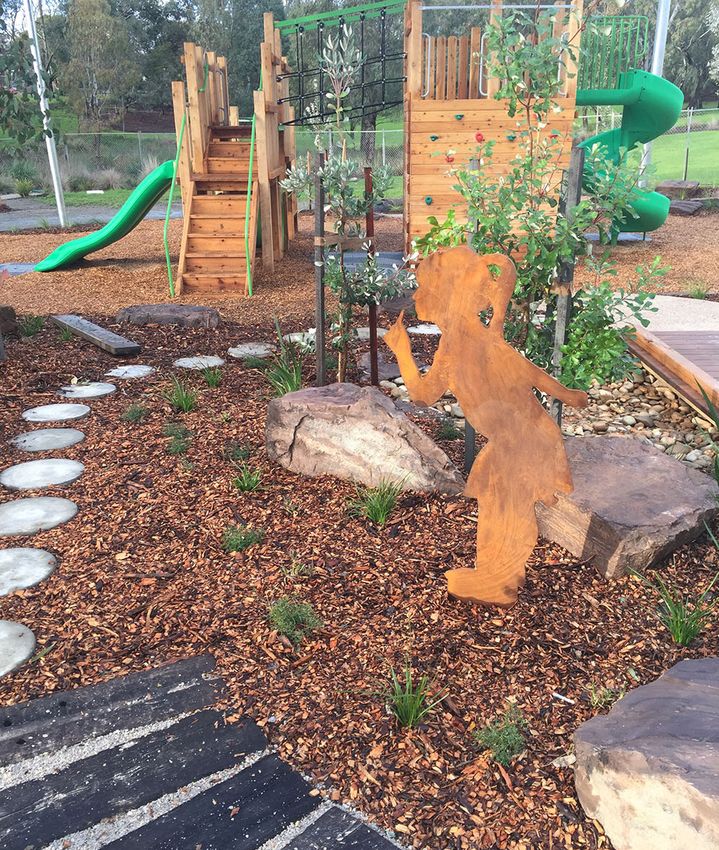
Contents
      Introduction.................................................................................................................3
      Background.................................................................................................................4
      Scope of Strategy........................................................................................................6
       Playgrounds.......................................................................................................................................6
       Playgrounds in Facilities.................................................................................................................6
       Outdoor Recreation Infrastructure................................................................................................6
      Vision..........................................................................................................................7
      Objectives of Strategy.................................................................................................8
      The Importance of Playgrounds...................................................................................9
       Social Gathering Places..................................................................................................................9
       Growth and Development.............................................................................................................10
       Obesity..............................................................................................................................................11
       Reimagining Play............................................................................................................................11
      Policy Context...........................................................................................................13
      Assessment of Supply and Demand...........................................................................14
       Demographic Analysis...................................................................................................................14
       Community Needs.........................................................................................................................17
       Assessment of Supply...................................................................................................................18
       Benchmarking.................................................................................................................................19
       Gaps in Open Space.......................................................................................................................20
       Potential Gaps in Provision...........................................................................................................20
      Recommendations....................................................................................................25
       Recommendations – Service Levels & Provision Standards.................................................26
       Recommendations – Playgrounds Upgrades..........................................................................27
       Recommendations – New Playgrounds....................................................................................29
       Recommendations – Outdoor Recreation Infrastructure......................................................30

2 MONASH Playground Strategy | summary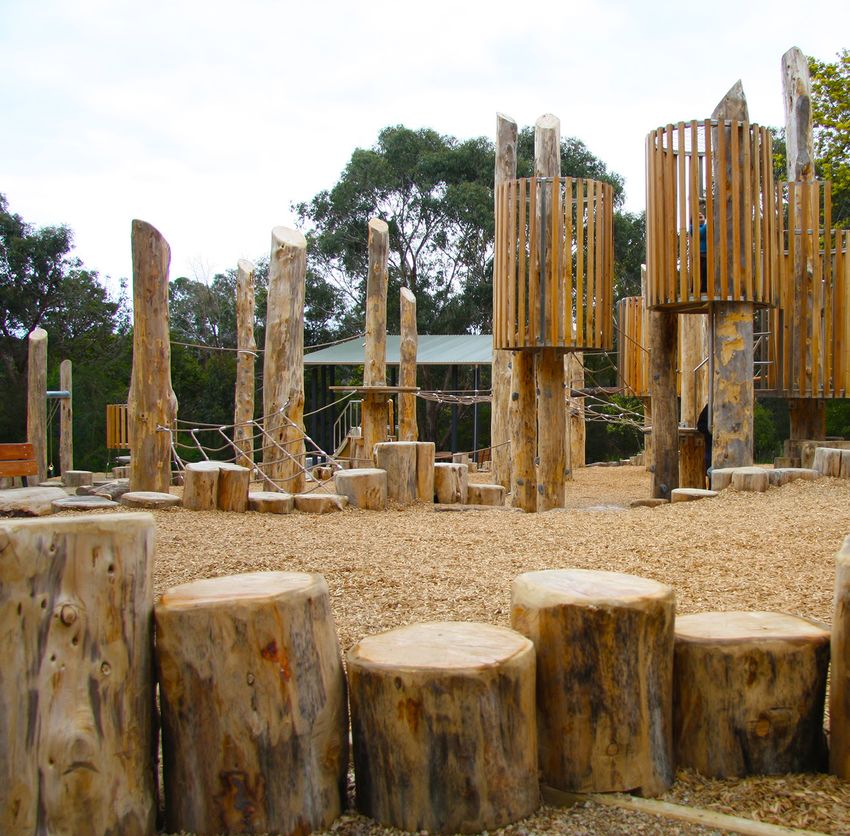
Introduction
Monash Council provides a diverse                                     The Monash Playground and Playspace
                                                                      Strategy (the ‘Strategy’) has been
array of play opportunities for                                       developed to ensure a planned, equitable
                                                                      and sustainable approach to the provision
children throughout a network of                                      and management of playgrounds and
                                                                      playspaces in the City of Monash.
136 playspaces located in parks
                                                                      Play is important for children’s physical,
and reserves. This is soon to be 138                                  cognitive and social development. Through play,
with two new playgrounds being                                        important life skills are learnt using interaction,
                                                                      risk taking, imagination, socialising and
constructed in Clayton (pocket                                        self-expression. Playing allows children to learn
                                                                      about themselves and others.
playground at the Skyrail Activity Hub
                                                                      Playgrounds provide environments where
in Centre Road) and Waverley Park                                     children can explore, create, imagine, interact
                                                                      and reflect. Successful playgrounds enable
regional playspace (off Edgbaston                                     children of all ages to take calculated risks,
                                                                      interact with others and be physically active.
Way in Mulgrave).                                                     Playgrounds have evolved from simple slide
                                                                      and swing sets to integrated equipment that
                                                                      incorporate a range of features, challenges,
                                                                      themes and experiences.

                                                                      Monash is a desirable area to live; as a result
                                                                      more people are choosing to stay in smaller
                                                                      houses and units to raise a family. As urban
                                                                      density intensifies and private open space
                                                                      is reduced, the importance of public open
                                                                      space increases. This places pressure on
                                                                      open space realms to provide high quality
                                                                      experiences for a range of ages and interests.
                                                                      The continual improvement of quality passive
                                                                      and active open space, including playgrounds,
                                                                      will actively promote community participation
                                                                      in physical activity and improve wellbeing.

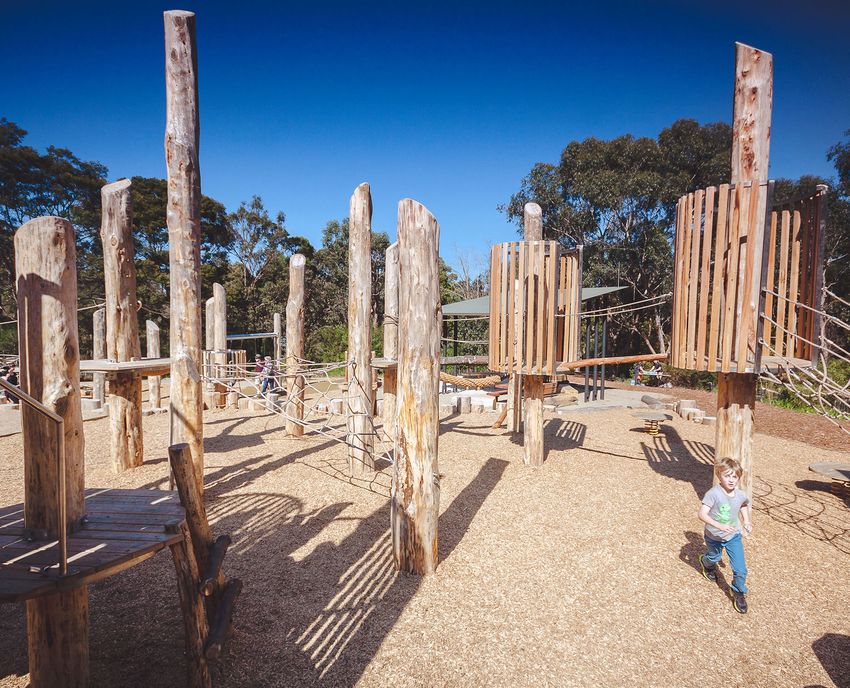
                     Va l ley R e se r ve re g io na l p lays pac e
                     lo c ate d i n M t Wave rley

                                                                                       MONASH Playground Strategy | summary 3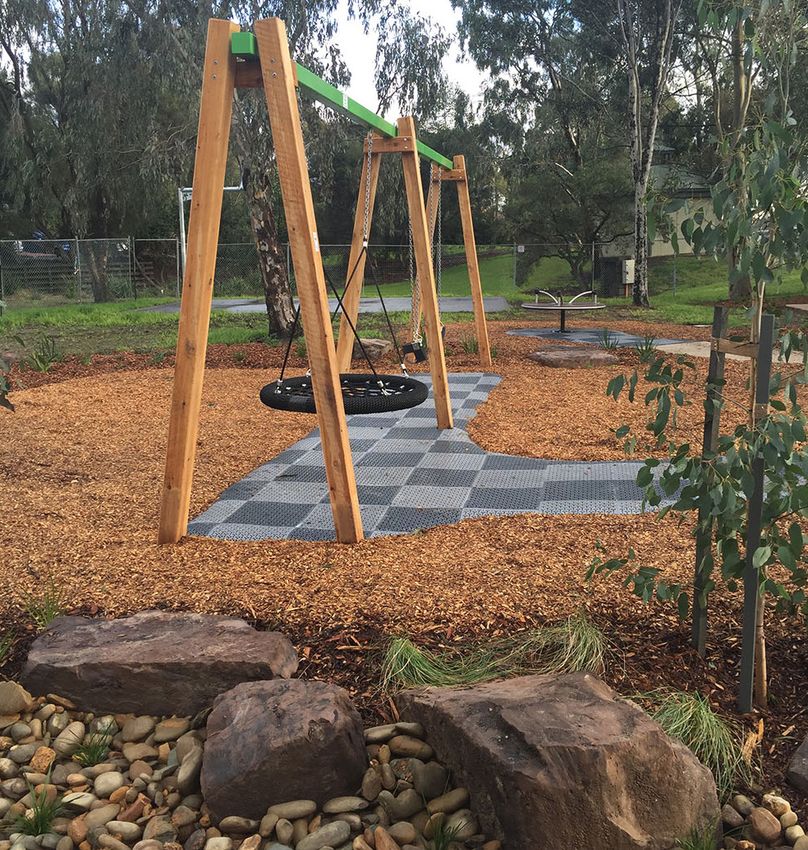
Background
      The Monash Playground and
      Playspace Strategy 2020 establishes
      a framework for upgrading and
      developing playgrounds in the City of   Over recent times, Council has progressively
                                              removed and replaced outdated playgrounds,
      Monash. The Strategy is cognisant       often no longer compliant with Australian
                                              Standards.
      of and aligns with the Monash Open
                                              Over the last six years Council has upgraded
      Space Strategy (October 2018) which     a total of 38 playgrounds (including two
                                              fitness stations) across Monash at a total
      identified a hierarchy of open space    cost of approximately $6.5M (refer to Recent
      provision for parks and reserves        Playground Projects, p.5). This included
                                              the construction of Monash’s first regional
      that have primary functions as          playspace at Valley Reserve which won the
                                              Parks and Leisure Australia’s 2016 National
      active (sports grounds) or passive      Award of Excellence for development of a Major
                                              Playspace ($0.5M+).
      (recreational) spaces.

        Valley Rese r ve
        regional playspace
        locate d in Mt
        Wave rley

4 MONASH Playground Strategy | summary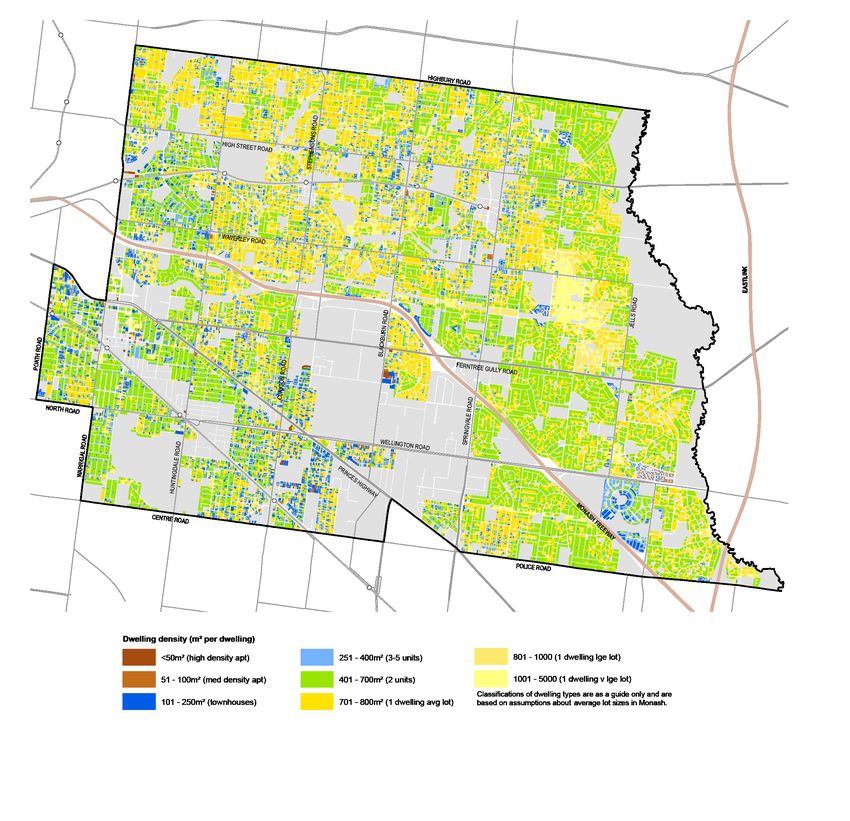
Recent Playground Projects
YEAR           SITES                                     TOTAL COST P.A.
2014-15        Valley Reserve Stage 1, Wellington         $1,150,000
               Reserve, Ashwood Drive Reserve,
               Beverley Grove Reserve, Brandon Park
               Reserve

2015-16        Reg Harris Reserve, Marykirk Drive         $995,000
               Reserve, Tally Ho Reserve, Woodlea
               Drive Reserve, Viewpoint Avenue
               Reserve, Mackellar Avenue Reserve,
               Bailey Street Reserve, Valley Reserve
               Stage 2

2016-17        Dirigo Drive Reserve, Burlington Street    $980,000
               Reserve, Mayfield Park Reserve,
               Portland Street South Reserve, Davies
               Reserve, Napier Reserve, Jingella
               Reserve Fitness Station

2017-18        Pascall Street Reserve, Fiander Avenue     $1,050,000
               Reserve, Netherby Avenue Reserve,
               Arthur Street Reserve, Samada Street
               Reserve, Murumba Drive Reserve,
               Freeway Reserve, Essex Heights
               Reserve Fitness Station

2018-19        Glen    Waverley    North      Reserve,    $1,350,000
               Mannering Drive Reserve, Catherine
               Avenue Reserve, Dennis Street Reserve,
               Adrian Street Reserve, Galbally Reserve

2019-20        Melissa Street Reserve, Evelyn Street      $900,000
               Reserve, Electra Reserve, Wellesley
               Road Reserve

       TOTAL                 38 projects                  $6,425,000

                                                         MONASH Playground Strategy | summary 5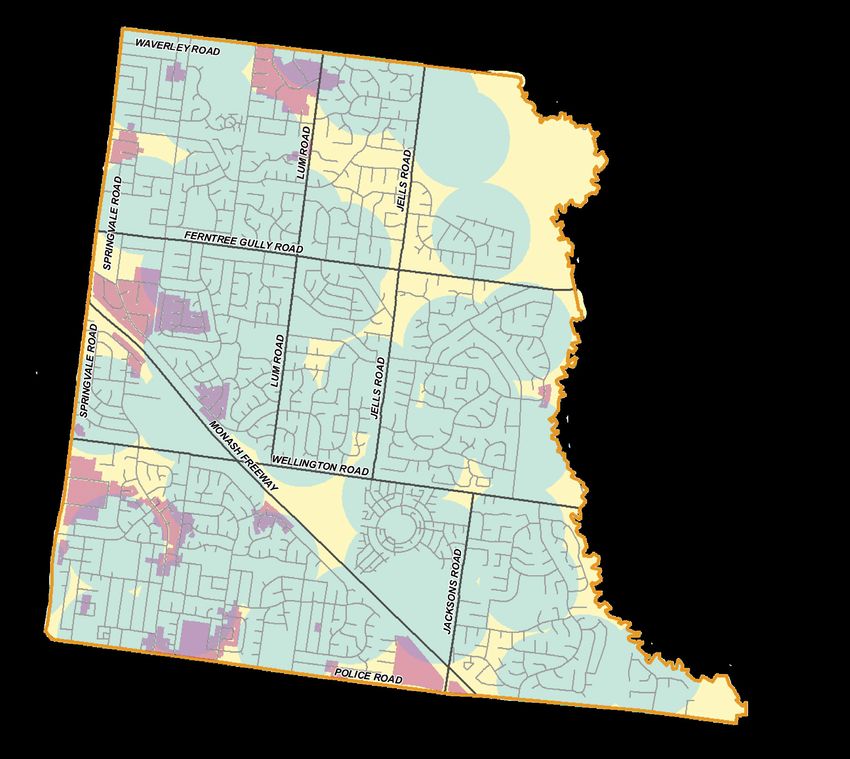
Scope of Strategy
       PLAYGROUNDS                                     PLAYGROUNDS IN
      For the purposes of this Strategy a public       FACILITIES
      playground is defined as:
                                                       Monash also provides play equipment and
                                                       small playgrounds in facilities such as child
         …any publicly                                 and occasional care centres, preschools and
                                                       kindergartens, neighbourhood houses and
      accessible area used                             maternal and child health centres. Generally
                                                       playgrounds in facilities are part of the service
      for outdoor play or                              offering provided by the service occupying the

      recreation which                                 facility - they are not accessible by the broader
                                                       public and they fall outside the scope of this
      contains recreational                            Strategy.

      play equipment or                                OUTDOOR RECREATION
      infrastructure such                              INFRASTRUCTURE
      as slides and swings                             Whilst the scope of this Strategy focuses
      which is typically found                         on public playgrounds, it is important to
                                                       note that Council also provides a range
      in a park or reserve.                            of outdoor recreational facilities in public
                                                       parks and reserves that do not generally
                                                       constitute a playground such as:
      A playground generally forms part of a           { Fitness or exercise stations and equipment
      playspace which may incorporate additional         (12 sites)
      infrastructure and features such as picnic       { Basketball hoops, half and full courts for
      shelters, public toilets, drinking fountains,      social basketball (15 sites)
      basketball half court etc.
                                                       { Community tennis facilities such as public
      Monash currently has 138 designated                tennis courts, hit-up tennis walls and table
      playgrounds (inclusive of 2 new playgrounds to     tennis tables (eight sites)
      be constructed within the next 12 months).       { Bocce courts (six sites)
                                                       { Skate park (two sites)
      Refer to Appendix 1: Playgrounds in Monash
                                                       { Bouldering/climbing walls (two sites).
      for a comprehensive list of public playgrounds
      in the City of Monash.                           In some cases, where recreational infrastructure
                                                       such as a basketball hoop or exercise station
                                                       is integrated into the playspace (as opposed to
                                                       stand-alone recreational infrastructure) it will be
                                                       considered and treated as part of the scope and
                                                       the design intent of the playground.

6 MONASH Playground Strategy | summary
Vision
Our vision for playspaces:
The City of Monash will provide a diverse range
of quality, fun, accessible, well designed and
maintained playspaces that assist children’s
physical, cognitive, emotional and social
development as well as providing a community
meeting point that encourages interaction,
understanding, physical activity and community
wellbeing.

                                                    Reg Harris
                                                    Accessible
                                                    Basket S wing

The images on this page reflect
the improved standards in new
playground design. Features include                                           Reg Harris Climbing
equipment providing creative, high quality play                               S tructu re and Natu re
                                                                              Play e le me nts
opportunities, access for all abilities and ages,
and rubberised under surfacing.

                                                          MONASH Playground Strategy | summary 7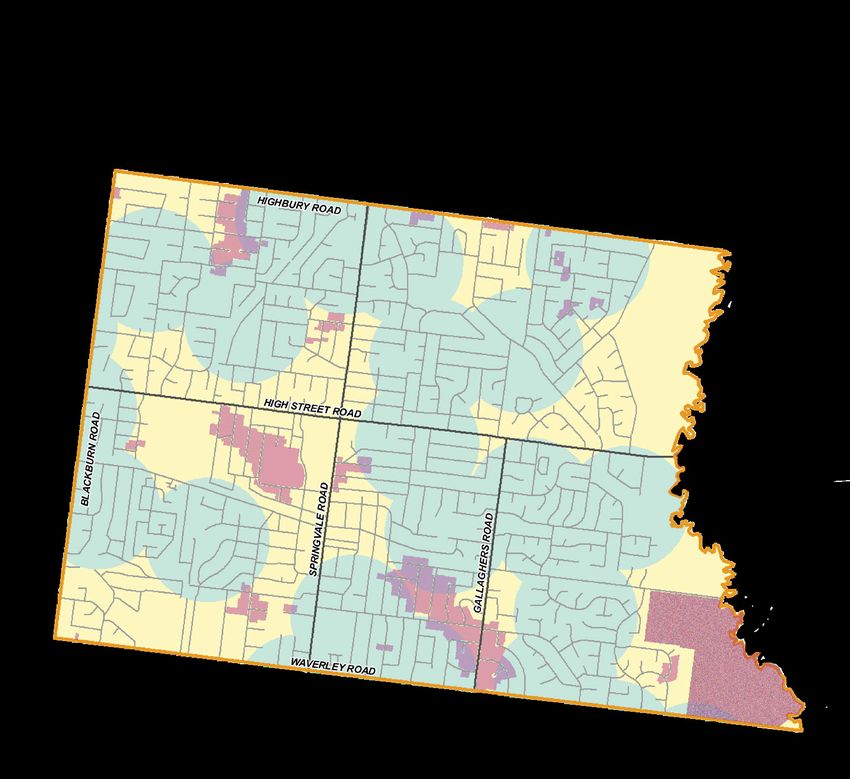
Objectives of Strategy
      The objectives of the Strategy are to:             { Inform playground designs to ensure they
                                                           are consistent with the Monash Playspace
       { Provide strategic direction for the planning,     Design Principles and Playground
         development and upgrade of playspaces in          Classifications and Service Levels (refer to
         the City of Monash                                Recommendations 2 & 3 on p.26)
       { Ensure future playground developments           { Provide play environments and equipment
         are relevant and responsive to community          that offer children with recreation
         needs                                             opportunities that contribute to their
       { Maintain a safe play environment for              physical, emotional, cognitive, social and
         children in our parks where children can          sensory development
         take calculated risks                           { Provide a variety of creative, high quality
                                                           play opportunities for children and their
                                                           families to enjoy and recreate together.

8 MONASH Playground Strategy | summary
The importance of playgrounds
The United Nations has stated that:                  Through play children develop qualities
                                                     necessary in adulthood, such as:
   …every child has a                                    { problem solving

right to rest and leisure,                               { independence

to engage in play and                                    { self-awareness
                                                         { creativity
recreational activities                                  { resilience
appropriate to the age                                   { spatial knowledge

of the child, and to                                     { flexibility and ability to deal with change.3

participate freely in                                Play provides the opportunity for children to
                                                     engage with other children, be active and learn,
cultural life and arts.1                             extend and adapt their skills. It is an essential
                                                     tool for physical, social, cognitive and emotional
                                                     development in children and is critical to
                                                     children being able to reach their full potential.
The Good Playspace Guide acknowledges
the importance of play as follows:
                                                     SOCIAL GATHERING
 All children need to play. All children have
 the right to play. When children play they
                                                     PLACES
 are not just filling in time, they are learning     Quality playspaces provide venues for
 to interpret their world. Play facilitates the      community events, activities and social
 learning of life skills, and for this reason, the   gatherings and often become the social hub for
 provision of quality outdoor Playspaces is          local communities, particularly for those with
                                                     young children, and contribute to the landscape
 vitally important in local communities.2
                                                     appeal of individual settings.

                                                     Playspaces provide and facilitate a broad
                                                     range of benefits for local communities,
                                                     including:
                                                         { Facilitating opportunities for social interaction.
                                                         { Contributing to a sense of community
                                                           connectedness and wellbeing.
                                                         { Contributing to community pride and
                                                           appreciation of the natural environment.
                                                         { Encouraging participation in physical
                                                           activities (which derives a range of physical
                                                           and mental health benefits).

                                                     1
                                                          United Nations Convention on the Rights of the Child, Article 31
                                                     ² Sport and Recreation Victoria, Good Play space Guide, 2007
                                                     3
                                                         Sport and Recreation Victoria, Good Play space Guide, 2007

                                                                               MONASH Playground Strategy | summary 9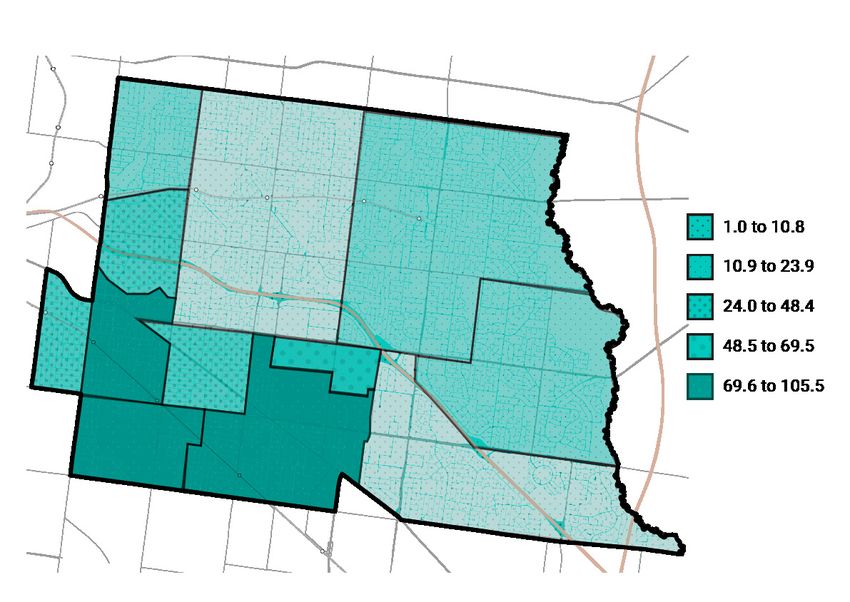
GROWTH AND DEVELOPMENT
      The City of Monash is experiencing significant       In many property developments, older housing
      population growth that is predicted to continue in   stock is being replaced with high density
      the future. The estimated residential population     apartments, often leading to a loss of private
      in 2018 is 200,077 and this is expected to grow to   gardens in the neighbourhood. The loss of
      249,287 by 2041 (or approximately 20%) by 2041.4     private gardens impacts on space for children
                                                           to play, while increasing urbanisation impacts
      Monash is also experiencing a significant            on opportunities to connect with nature (hence
      amount of residential development, particularly      importance of nature play and use of natural
      in areas such as Clayton and Glen Waverley           materials and plantings).
      (Map 1: Dwelling Density in Monash).

      Map 1: Dwelling Density in Monash

                                                                   4
                                                                       City of Monash Population Forecast. Profile ID

10 MONASH Playground Strategy | summary
OBESITY
The obesity epidemic is one of the greatest physical activity than those without. Young boys
public health challenges confronting Australia performed more physical activity (25 minutes
today. We are now one of the most overweight per day each weekend), while adolescent
of all developed nations, with 60% of Australian boys performed an additional 16 minutes per
adults classified as overweight or obese,5 of day as compared to those without access to
which approximately one in three are obese. playspaces. The same was not seen amongst
The rate of overweight and obese Australians girls. Features important to adolescent girls
has been increasing steadily over the past 30 included trees that provide shade, water
years, and can be linked to changing lifestyles, features and signage regarding dogs.
modernisation and technological change which
affect the type and amount of food we eat and The study also found that adolescent boys and
the level of physical activity we maintain. girls both did not perform the recommended
one hour of moderate-to-vigorous-intensity
Overweight and obese children face the physical activity per day. This highlights
same health conditions as adults, and the need for features that promote physical
may be sensitive to the effects on their activity for various age groups and genders –
self-esteem and peer-group relationships. in particular, the inclusion of interesting and
Nearly one in four of Australian children age-appropriate play equipment.
are classified as overweight or obese, with
17% of all 2-16 year olds overweight and
6% obese.6 This figure has grown markedly REIMAGINING PLAY
from an estimated 5% in the 1960s.
Play must look beyond the typical play
It is widely acknowledged that it is important equipment generally associated with traditional
to instil the participation in physical activity and playgrounds. Traditional playgrounds generally
healthy eating to children before they develop provide some physical opportunities for play,
poor physical and nutritional habits. Children, but often fail to cater for the full spectrum of
however have different needs to those of adults, children’s developmental needs.
as do different segments amongst children
(young and adolescent, boys and girls), so it is
important that these issues are acknowledged
when designing playspaces to encourage a
physically active community.
The Centre for Physical Activity and Nutrition
(or C-PAN) at Deakin University, through their
‘public open spaces’ research, has confirmed
the importance of providing children with
access to public open spaces. Boys
with access to playspaces in their
local park had a greater level of
Natu re play (e.g.
climbing a tree) can
prese nt an oppor tu nit y
to e ngage with more
dif ficult or complex
physical c halle nges.
5
Obesity in Australia: A
Need for Urgent Action
6
National Preventative
Health Strategy
MONASH Playground Strategy | summary 11Developmental Needs of Children and relationship to Play Experiences
outlines the key developmental needs of children and the types of play
opportunities and space that provide for these needs to assist Council
in articulating the relevance and importance of more unique play
environments, rather than typical physically focused play equipment.
Developmental Needs of Children & relationship to Play Experiences
Development Need Play Experience
COGNITIVE Gardens, logs, rocks, sand, natural elements that
Opportunity for exploration, manipulating allow for touch. Focus on unique textures, things
objects, problem solving, imaginative play. that can be manipulated or create sounds or
Most important for really young children. music. Mazes or puzzles are also important.
PHYSICAL Traditional play equipment such as swings or
Opportunity for movement, balance, rope climbing that challenge children physically.
coordination, jumping, hanging, climbing, Important that there is a range of opportunities
sliding, rocking, swinging. Important for for older children to also engage with more
all ages of children however the physical difficult or complex physical challenges to enable
challenge required increases with age and progression and keep children engaged.
mobility.
SOCIAL Consideration of elements that allow for shared
Opportunity for communication, teamwork, use such as cubbies, seating, basket swings.
interactive play. Most important for preschool Elements that promote interaction and assistance
and above however it’s important for all ages. with others such as pulleys and structures.
EMOTIONAL Play elements that are more challenging and
Opportunity for appropriate risk taking, not so prescriptive. These elements enable
self-direction and self-regulation. Most progression and challenge and a sense of
important for preschool and above however it’s achievement when mastered. Elements could
important for all ages. include high rope climbs or balance beams.
SENSORY Gardens, logs, rocks, sand, natural elements that
Opportunity for sensory stimulation (sound, allow for touch. Focus on unique textures, things
sight, touch, smell). Most important for really that can be manipulated or create sounds or
young children. music.
A successful playground is defined by the amount of usage it gets.
Children come back time after time to a playground that can sustain
their interest – and this means designing playspaces to delight,
entertain and engage them. Similar sized equipment or a limited choice
of activities will not meet all their developmental needs and not result
in frequent return visits. Hence it is important to deliver a diversity
of opportunities across a range of playspaces as no one site can
realistically deliver on all of these developmental needs for all stages of
a child’s growth.
12 MONASH Playground Strategy | summaryPolicy Context
There are a number of Council The Strategy provides Council with a clear
vision for playground provision and identifies
policies and plans that provide playground development priorities for the next
five (5) years (Refer Appendix 2).
an important framework for the
It is important to note that the Strategy does
Playground and Playspaces Strategy. not commit Council to implementing all
In particular, the Council Plan, A recommended actions or undertaking all the
development priorities – these will be subject
Healthy and Resilient Monash, to Council’s adoption of the budget each year.
Monash Open Space Strategy, Child However, the Strategy will guide Council in
improving playspaces in Monash with the
and Young Person Friendly City, view to:
Gender Equity Strategy and Action { improving overall community health and
wellbeing
Plan, Age Friendly Monash, Active
{ encouraging physical activity
Monash Capital Works Priorities { providing opportunities for intergenerational
Framework and Council’s Asset play
{ catering for future needs.
Management Policy.
MONASH Playground Strategy | summary 13Assessment of Supply and
Demand
DEMOGRAPHIC ANALYSIS
The City of Monash Estimated Resident Population for 2018 is 200,077, with a population density of
24.57 persons per hectare. Monash’s resident population will continue to grow and is forecasted to
reach 249,287 by 2041.
Between 2016 and 2041, the population for the City of Monash is forecast to increase by 56,436
persons (29.26% growth), at an average annual change of 1.03%.
Monash Forecast Population 2016 to 2041
250,000
Forecast population
200,000
150,000
100,000
50,000
0
2016 2021 2026 2031 2036 2041
Forecast year
Forecast year (ending June 30)
Population and household forecasts, 2016 to 2041, prepared by .id , the population experts, February 2019.
https://home.id.com.au
Population growth is expected across all suburbs in Monash from 2016
to 2041 but the following areas will see significant growth in excess of
2% per annum:
{ Oakleigh
{ Oakleigh East.
Residential growth zones also exist in Clayton and Glen Waverley which
potentially places more pressure on local infrastructure, such as playgrounds, in
these areas. Refer Map 1: Dwelling Density in Monash (p.10).
14 MONASH Playground Strategy | summaryMonash Forecast Population Change 2016 to 2041
City of Change between
Monash Forecast year 2016 and 2041
Avg.
Total annual
Area 2016 2021 2026 2031 2036 2041 change % change
City of Monash 192,850 203,501 216,864 227,168 238,054 249,287 +56,436 +1.03
Ashwood - 10,198 10,431 10,710 11,382 11,996 12,151 +1,953 +0.70
Burwood
Chadstone 9,112 10,208 10,513 10,868 11,096 11,476 +2,364 +0.93
Clayton 20,611 22,689 26,341 27,731 29,449 30,848 +10,237 +1.63
Glen Waverley 42,272 44,530 47,330 49,932 52,552 54,865 +12,593 +1.05
Hughesdale 8,002 8,509 8,825 9,146 9,459 9,767 +1,765 +0.80
Mount Waverley 35,431 36,298 37,038 38,127 39,534 40,827 +5,397 +0.57
Mulgrave 20,526 20,425 21,106 21,601 21,941 22,398 +1,872 +0.35
Notting Hill 3,244 3,339 3,455 3,563 3,646 3,748 +504 +0.58
Oakleigh 8,352 9,921 11,790 13,140 14,433 16,341 +7,989 +2.72
Oakleigh East – 8,804 8,930 9,506 9,943 10,658 12,098 +3,294 +1.28
H’dale
Oakleigh South 5,381 5,870 6,588 7,487 8,222 8,959 +3,578 +2.06
Wheelers Hill 20,917 22,351 23,661 24,249 25,068 25,809 +4,892 +0.84
The population increase across suburbs between 2016 and 2041 is also mirrored across all age groups.
Monash Forecast Age Structure Change 2016 to 2041
(5 year age groups)
25,000
20,000 2016 2031 2041
15,000
Number of persons
10,000
5,000
0
0 to 4 5 to 9 10 to 14 15 to 19 20 to 24 25 to 29 30 to 34 35 to 39 40 to 44 45 to 49 50 to 54 55 to 59 60 to 64 65 to 69 70 to 74 75 to 79 80 to 84 85+
Age group (years)
Population and household forecasts, 2016 to 2041, prepared by .id , the population experts, February 2019.
https://home.id.com.au
Of particular note is the significant increase in the percentage of children (aged 0-17) in Monash from 2016
to 2041. Over this period, the 0-17 year cohort is forecast to grow by a total of 21.3% or 8,300 children.
This will result in an increase demand for playgrounds across Monash, particularly in the south-west of
the municipality or Oakleigh Ward (Oakleigh, Huntingdale, Oakleigh South and Clayton) where increases in
persons aged 0-17 years are expected to increase by 81.8% in Oakleigh and 62% in Clayton.
MONASH Playground Strategy | summary 15Monash Population and Age Structure - Aged (0-17 years)
Change between
City of Monash 2018 2041 2018 and 2041
Area Number % Number % Number %
City of Monash 38,993 19.9 47,294 19.0 +8,300 +21.3
Ashwood - Burwood 2,332 22.6 2,479 20.4 +147 +6.3
Chadstone 1,982 19.7 2,196 19.1 +214 +10.8
Clayton 2,781 13.4 4,506 14.6 +1,725 +62.0
Glen Waverley 9,226 21.5 10,617 19.4 +1,391 +15.1
Hughesdale 1,705 21.2 2,053 21.0 +348 +20.4
Mount Waverley 7,558 21.1 8,078 19.8 +520 +6.9
Mulgrave 4,214 20.6 4,535 20.2 +321 +7.6
Notting Hill 485 14.9 607 16.2 +122 +25.2
Oakleigh 1,757 20.0 3,193 19.5 +1,436 +81.8
Oakleigh East - Huntingdale 1,626 18.4 2,147 17.7 +521 +32.0
Oakleigh South 1,163 21.1 1,866 20.8 +703 +60.4
Wheelers Hill 4,164 19.8 5,016 19.4 +852 +20.5
The population increase across suburbs between 2016 and 2041 is also mirrored across all age groups.
Monash Population and Age Structure Map - Aged (0-17 years)
With an increasing population of 0-17 year olds in the municipality, a key direction of
this Strategy is to improve the quality of existing playgrounds across the municipality to
encourage longer more enjoyable visits to playground sites and to increase the quality
and number of playgrounds in the Oakleigh Ward.
16 MONASH Playground Strategy | summaryCOMMUNITY NEEDS Playground Themes
Of the 204 survey respondents the top four play
The 2019 Playground Strategy Community
features or themes they would like to see more
Consultation Report provides details of the
of in Monash were:
Playground Strategy community consultation
and engagement process and consultation { Adventure play (25%)
findings.
{ Water play & features (18%)
Key findings include: { Nature play and education (16%)
Play Equipment { Play opportunities for all ages (12%).
Of the 204 survey respondents the top four Future Needs
most important playground pieces were:
Of the 204 survey respondents:
{ Swings & slides (24%)
{ 58% think existing playgrounds in Monash
{ Youth play opportunities (20%)
sometimes meet their family’s and the
{ Climbing structures (18%) community’s needs
{ Space & equipment for ball games (13%). { 23% think existing playgrounds in Monash
currently meet their family’s and the
Supporting Infrastructure community’s needs
Of the 204 survey respondents the top four { 16% think existing playgrounds in Monash
most important playground infrastructure do not meet their family’s and the
requirements were: community’s needs.
{ Public toilets (20%) The top four things respondents would like to
see changed or improved:
{ Shelters e.g. shade sails over play areas
(16%) { Improve play equipment and maintenance
{ Water fountains (15%) (36%)
{ Rubbish bins (14%). { Better play opportunities for all ages and
families (14%)
{ Exercise and fitness equipment (12%)
{ Improve toilets (12%).
It should be noted that with increasing
numbers of households with both parents in
the workforce, grandparents are tending to
take on the role of carers and require local
parks and playgrounds to take grandchildren
(83% of survey respondents indicated they
had children/grandchildren they take to
playgrounds). An ageing population in Monash
may place greater importance on the design
of play provision. This may have an influence
not so much on the type of play equipment
to be provided, but developing appropriate
supporting facilities to these areas such as
seating, shade, amenities etc.
MONASH Playground Strategy | summary 17ASSESSMENT OF SUPPLY
Existing Provision Ward Analysis
The City of Monash has 138 designated The City of Monash is divided into four electoral
playgrounds (inclusive of two new playgrounds wards – Oakleigh, Mulgrave, Glen Waverley and
to be constructed within the next 12 months) Mount Waverley. A summary of playground
and a range of outdoor recreational facilities in provision across the four wards is detailed in the
public parks and reserves. table below.
Playground Provision – Ward Analysis
Number of Population 2016 Ratio – Play ground per
Ward Playgrounds Census total population
Oakleigh 39 59,400 1:1,523
Mulgrave 44 41,945 1:953
Glen Waverley 19 29,930 1:1,575
Mount Waverley 36 51,399 1:1,428
Total 138 182,674
The Wards vary significantly in size but based on a per capital analysis, playground provision
across the wards sits at approximately 1 playground to every 1,500 residents with the exception of
Mulgrave. Mulgrave has comparatively more playgrounds and more playgrounds per capita than
the other wards with 1 playground to every 950 residents. Compared to the other wards, Mulgrave
is comparatively well provided for in terms of playgrounds. With continued population growth
forecasted across Monash, and in particular the Oakleigh Ward, these ratios will rise placing more
pressure on existing playground assets.
It is important to note that playground classifications, which set service levels and infrastructure
standards, should also be considered when assessing playground provision across the four wards.
18 MONASH Playground Strategy | summaryPlayground Classifications – Ward Analysis
Ward Pocket Local N'hood District Regional Sub-Total
Oakleigh 13 14 6 6 0 39
Mulgrave 17 16 8 1 2 44
Glen Waverley 8 8 2 1 0 19
Mount Waverley 9 17 7 2 1 36
Total 47 55 23 10 3 138
With a limited number of high quality district (10) and regional (three) scale playgrounds across the
municipality, a key direction of this strategy is to improve the quality of existing playgrounds and
plan for an equitable distribution of district and regional playgrounds in Monash. Oakleigh and Glen
Waverley Wards should be prioritised for the development of any future regional scale playspaces.
Note: There are high numbers of existing pocket and local playgrounds across all wards.
BENCHMARKING
Benchmarking with other Local Governments Areas (LGAs) was undertaken in June 2019, to seek
information about playground provision trends and service standards.
The comparative statistics between authorities were similar with approximately 1 playspace per
1,400 head of population and 1 playspace per 275 head of children between the ages of 0-17 years.
Both of these benchmarks only measure against the number of playspaces provided in each LGA -
there is no assessment provided on the overall quality of playgrounds in each municipality.
Local Government Playground: Population Benchmarking 2019
Total
Ratio - population Service Level
Playspaces of children Ratio - - Minimum
Population No. of per total (0-17 years) Playspaces Distance to a
LGA ERP 2018 Playspaces population ERP 2018 per child playground
Monash 200,077 138 1:1,449 38,993 1:282 400m
Glen Eira 153,232 48 1:3,192 32,609 1:679 400-500m
Knox 163,203 211 1:773 34,974 1:165 500m
Casey 340,419 299 1:1,138 80,804 1:268 400m
Manningham 129,908 159 1:817 23,180 1:146 400m
Boroondara 181,289 104 1:1,743 39,521 1:380 400-500m
Stonnington 116,207 62 1:1,873 15,363 1:247 n/a
Maroondah 117,498 127 1:925 24,543 1:193 400m
Whitehorse 176,196 175 1:1,006 36,993 1:209 400m
Monash has playground provision ratios that are very similar to the average level of provision
provided across the benchmarked local government areas. Most Councils aim for the provision
of playspaces to be within a 400-500 metre radius of every residential property. Although very
challenging to achieve, this benchmark provides a guide for identifying gaps in playground provision
and for informing recommendations for the location of new playspaces within wards.
MONASH Playground Strategy | summary 19GAPS IN OPEN SPACE
The Monash Open Space Strategy (MOSS, In order to address gaps in playground
2018) sets the minimum open space provision provision, gaps in open space in these five
standard for open space to be within a 400 precincts will need to be redressed.
metre radius of every residential property. In
accordance with the MOSS, it is recommended When local demographic data is considered
that Council aspires to meet a minimum in conjunction with gaps in open space
playground provision standard of within a 400 provision, there is evidence to support that
metre within a radius (as the crow flies) of 95% Clayton, Oakleigh/Huntingdale, Notting Hill
of all residential dwellings. The map on p.21 and Hughesdale should be prioritised for open
highlights the location of residences in relation space improvements such as playgrounds.
to playgrounds for Monash.
Note: This benchmark does not allow for POTENTIAL GAPS IN
playspace facilities that may be located within
close proximity to a Monash resident, but are
PROVISION
located in a neighbouring local government It is important to note that a large majority of
area. These need to be taken in to consideration residents in Monash currently live within 400
for the planning of any new playspaces. metres of a playspace (refer to p.21).
In most instances, playgrounds are located in There are some areas within the Monash
public open space. Gaps in playground provision that are not fully serviced by the 400 metre
will typically mirror gaps in open space benchmark. Many of these areas do not have
provision. residential properties due to large parcels
of land being locked up by industry and
The MOSS assesses the amount of open space technology, private golf course(s) and/or tertiary
available in Monash precincts. Across Monash institutions (e.g. Monash University Clayton
there is currently around 2.7ha provided per Campus) or high technology areas.
1,000 people provision of community open
space. Half of the 12 open space precincts A 400 metre benchmark would also ensure
either meet or exceed the 30m² per capacity Monash playgrounds are accessible in
benchmark; whereas half are below the terms of Plan Melbourne’s concept of 20
benchmark. Minute Neighbourhoods. The 20-minute
neighbourhood is all about ‘living locally’—giving
Five precincts have a significant shortfall people the ability to meet most of their daily
(or undersupply) in open space: needs within a 20-minute walk from home, with
{ Precinct 8: Notting Hill 5m² per capita safe cycling and local transport options.
(0.5ha per 1,000 people)
Council should explore opportunities to increase
{ Precinct 3: Clayton 6m² per capita (0.6ha the provision of playspaces within areas that fall
per 1,000 people) outside 400m catchment area (or buffers) and
{ Precinct 5: Hughesdale 6m² per capita prioritise the development of new playgrounds
(0.6ha per 1,000 people) in gap areas. Refer to Open Space and
Playground Provision Gaps, p22-23.
{ Precinct 11: Oakleigh East/ Huntingdale
12m² per capita (1.2ha per 1,000 people)
{ Precinct 2: Chadstone 20m² per capita
(2.0ha per 1,000 people).
20 MONASH Playground Strategy | summaryHIG HB U
RY R O AD
AD
D
128
1 135 5 8 6
2 112
AL R O A
D AL E R O
3 10
4 120 12
98
WAR R IG
HU NTING
13 119 114 7 9
HIG H ST 117 11
RE E T RO
AD
18
14 15 21 25 Legend
22 115 Playgrounds (Council)
16 17 20
Playgrounds (Parks Vic)
100 19 26 104 31
23
28 30 Playgrounds To be constructed in
AD
LE RO A D
AD
27
WAVE R L
EY R O AD 400m Buffer
110
34 24
O NS R O
32 400m Buffer (To be constructed i
H ER S R O
99
SP RIN G VA
NS
35 High Technology Areas
40 WAVE R L
42 43
EY R O AD
29 33
G A LL AG
36 48
STE P HE
38
124 49 56
47 50 107
37 44
113
MO
39 138
N
123 51
59
AS
FE R N TR 41
101
H
EE G U LL
62 Y RO AD
FR
63 45
LU M R O AD
EE
O AD
57 52 53
W
46
54
AY
111 PR
IN 105
C 122 FE R N TR
D
60 ES EE G U LL
125 Y R O A D5 5
PO ATH R
HI
G 64
106
121 1 3H3WA 134 66 67
58 61 Y 103
RN RO A
108
O AD
65 74
70 73
68
LE R O A D
NO R TH R
O AD
JE L LS R
75
BL AC K BU
D
72
W E L LIN
G TO N R 69 118 126
O AD 131
AD
84
AL R O A
SP R IN G VA
82 116 71
N R OAD
80 109
78 132
83
W EL LIN
D AL E R O
76 81 89 G TO N R
WAR R IG
O AD
G
102
C L AY TO
M
O 93
D
77 N
PR
86 A
HU NTIN
IN SH 129
79 C ES 90 91 FR 136
HI 85 EE
94
NS R O A
C E NTR E 137 GH W
Legend RO AD W
L R O AD
AY
AY 88
127 130
Playgrounds (Council) 87
JAC K S O
92
W ES TAL
Playgrounds (Parks Vic) 96 97
PO LIC E 95
Playgrounds To be constructed in 2020/21 RO AD
400m Buffer
400m Buffer (To be constructed in 2020/2021)
Location of residences in relation to playgrounds for Monash
High Technology Areas
MONASH Playground Strategy | summary 21
38Open space and playground provision gaps
Mount Waverley Ward - Gaps Open space gap
in provision
Playground gap
in provision
400m
Catchment
Oakleigh Ward - Gaps
22 MONASH Playground Strategy | summaryGlen Waverley Ward - Gaps
Open space gap
in provision
Playground gap
in provision
400m
Catchment
Mulgrave Ward - Gaps
MONASH Playground Strategy | summary 2324 MONASH Playground Strategy | summary
Recommendations
It is important to note that the
Strategy is aspirational, and it
is acknowledged that not all of
the recommendations will be                           residential, commercial and industrial areas
                                                  { Equitable access - ensure an appropriate
implemented in the life of the                      level of access to playgrounds is available
                                                    for all residents regardless of where they
Strategy.                                           live, their age, gender, income, ethnicity,
                                                    education or ability
Implementation relies on a number of factors
including budget, the level of development and    { Diversity of opportunities and experiences
the availability of open space in appropriate       to ensure all residents can use and benefit
locations (i.e. gap areas).                         from play
                                                  { Quantity – the provision of playgrounds
Like the Monash Open Space Strategy                 across Monash will continue to be
(2018), the Playground Strategy supports the        increased where there is a demonstrated
development of quality, diverse and accessible      need (i.e. in gaps) to ensure an appropriate
playspaces to drive the liveability, health and     level is available for all residents
wellbeing of our community by:
                                                  { Quality (fit for purpose) – ensuring that
{ Meeting the current and future needs of           the function of a playground meets the
  the community - close to where people live,       requirements for that function (i.e. primary
  work and play                                     design focus)
{ Having a diversity of functions for social,     { Sustainability – in design, development and
  physical and environmental experiences for        management of playspaces
  the whole community                             { Dependency – some people, activities and
{ Strengthening the ‘Garden City Character’ of      assets are more dependent on playgrounds
                                                    (e.g. children) and as a priority, playgrounds
                                                    should support activities and users who are
                                                    more dependent upon it
                                                  { Environmental protection, enhancement
                                                    and appreciation including the protection of
                                                    canopy trees, habitat, flora and fauna and
                                                    waterways in and around playspaces.

                                                  In line with Monash’s Council Plan priorities and
                                                  Monash Open Space Strategy principles, the
                                                  development of quality playspaces is of vital
                                                  importance to ensure these spaces remain
                                                  relevant and attractive to our community.
                                                  Playspaces provide opportunities for physical
                                                  activity and forming social connections that
                                                  have flow on benefits for our health and
                                                  wellbeing. New and exciting playspaces will
                                                  facilitate an increase in physical activity levels
                                                  in the community and increase community
                                                  participation in recreation.

                                                                  MONASH Playground Strategy | summary 25
RECOMMENDATIONS - SERVICE LEVELS &
PROVISION STANDARDS
1 Aspire to meet a minimum playground provision standard of within a 400 metre radius (as the
crow flies) of 95% of all residential dwellings.
2 Implement consistent playground classifications for all future playground developments as
detailed in the table below:
Playground Classifications
Recommended
Indicative no. Safety
Primary Design Indicative Indicative of Play Pieces Inspection/
Playspace Focus/Target Catchment Duration of (+ Nature Maintenance
Classification Group Area Stay Play) Check Regime
Regional Intergenerational 10km 2+ hours 15+ pieces 2 inspections
per week
District Intergenerational 2.5km 1+ hours 8-12 pieces 1 inspections
per week
Neighbourhood Pre-Schoolers – 1km Up to 2 hours 8-12 pieces 1 inspection
High School per week
Local Pre-schoolers – 500m Up to 1 hour 5-8 pieces 1-2 inspections
Primary School per fortnight
Pocket Toddlers – 400m Up to 30 mins 3-5 pieces 1 inspections
Pre-schoolers per fortnight
3 Implement consistent playground infrastructure provision standards for each playground
classification as detailed below:
Minimum Playground Infrastructure Provision Standards
(over play area)
Water Fountain
Bench Seating
Classification
Public Toilets
Rubbish Bins
(incl. paving
Picnic Table
and shelter)
Double BBQ
Accessible
Accessible
Shade Sail
Playspace
Bike Rack
Features
Regional Yes Yes Yes Yes Yes Yes Yes Yes Yes
District Yes Yes Yes Yes Yes Yes Yes Yes Yes
Neighbourhood Yes Yes Yes Yes Yes Yes
Local Yes Yes
Pocket Yes Yes
26 MONASH Playground Strategy | summaryRECOMMENDATIONS
4 Use the playground classifications
(Recommendation 2) and playground – PLAYGROUNDS
infrastructure provision standards
(Recommendation 3) to inform future
UPGRADES
planning, design, infrastructure provision 9 Implement the Playground Redevelopment
and maintenance standards for playspaces Program 2020-2025 (Appendix 3) over
to ensure viability and fit-for-purpose of the the next five years to upgrade existing
size, quality and diversity with the view to: playgrounds (subject to Council budget
{ Providing clarity around playground approval).
provision and services levels
10 Redress significant gaps in service levels
{ Providing a variety of play experiences for by developing new or providing access
the community i.e. from larger regional to existing toilets at regional and district
destination playspaces to smaller local playgrounds at:
playspaces
{ Galbally Reserve – new stand-alone toilet
{ Ensuring Monash playspaces offer our facility
community a broad range of high quality,
creative play opportunities for different { Holmesglen Reserve – stand-alone toilet
age groups and abilities. facility
{ Better understanding future funding { Glen Waverley North Reserve - upgrade
requirements and budgeting implications and service existing pavilion amenities
related to the provision playgrounds. { Davies Reserve – upgrade and service
existing pavilion amenities.
5 Provide a consistent and transparent
consultation and engagement process 11 Upgrade the Mulgrave Reserve playground
for playground projects with the view to to a district level classification and in
providing several opportunities for residents accordance with recommendations detailed
to input into playground designs and in the Mulgrave Reserve Master Plan.
have your say as outlined in Appendix 2:
Community Consultation. 12 Add value to existing playgrounds at the
time of upgrade to ensure the playground’s
6 Use the playground classifications classification aligns with the appropriate
(Recommendation 2) and playground service standards and infrastructure
infrastructure provision standards provision standards for that classification.
(Recommendation 3) to directly inform future
capital works budget bids for playground 13 Subject to site suitability and strategic
upgrades. justification, increase the scale and play
value of select playgrounds with the view
.7 Consider providing a budget of 10% (of to reducing the number of single-purpose
the playground’s capital cost) over the first playspaces and delivering more flexible,
three years following construction for the multi-use, destination playspaces.
maintenance of new playgrounds to ensure
service levels are met.
8 Undertake playground condition audits every
two years and use current condition audit
data to inform future playground capital
works priorities accordance with the Active
Monash Capital Works Priorities Framework
2018.
MONASH Playground Strategy | summary 2714 Prioritise playground upgrades in larger 20 Improve signage in playspaces by more
social/family recreation parks that broadly applying Monash’s signage
can be used by multiple age groups suite and design palette for naming,
(intergenerational), people of all abilities directional, interpretive information and
and for physical, social and environmental risk management signs especially at
activities e.g. regional, district and regional, district and neighbourhood scale
neighbourhood playgrounds as these playgrounds.
playgrounds have the potential to attract
visitors from a wider catchment and deliver 21 Incorporate more interpretive, environmental
a greater community benefit. The indicative and educational elements in playspace
catchment zones of playgrounds in Monash designs.
is depicted in Appendix 6: Playground
Catchments & Gap Analysis by Ward. 22 Activate playspaces by promoting
activities/events (e.g. listening posts) in
15 Cater for shortfalls in playground provision parks and reserves with playspaces and
by maximising the capacity and diversity of hold playground opening events for large
existing playspaces by providing a range of playground developments such as district
inclusive playspace experiences, themes, and regional scale playgrounds.
function types and landscape setting types.
23 Aim to deliver a sensory themed playspace
16 Prioritise playgrounds located in high value (where the primary design focus targets
and broadly accessible parks and reserves people with additional needs) in each
such as Central Reserve and Warrawee Park. ward i.e. in Oakleigh, Mulgrave and Mount
Waverley Wards to complement the
17 Investigate the possibility of upgrading Wellesley Road Reserve Sensory Playspace
suitable existing playgrounds to a regional recently upgraded in Glen Waverley Ward.
playspace in the Oakleigh and Glen Waverley
Wards to enable residents in these electoral 24 Consider relocating or reviewing the siting
wards to have more equitable access to a within reserves of existing playgrounds
significant destination playground. that are due for upgrade where their 400
metre catchments significantly overlap (e.g.
18 Prioritise the improvement of existing shared catchments >75%) to redress gaps in
playspaces in the five precincts identified in provision.
the Monash Open Space Strategy (2018) that
have a significant shortfall in open space 25 Review play provision adjacent to Notting
being Notting Hill, Clayton, Hughesdale, Hill Neighbourhood House (including
Oakleigh East/Huntingdale and Chadstone. Westerfield Drive pocket park) with the view
to consolidating play equipment on-site
19 Redress a current gap in playground and developing a new local scale public
funding by providing an annual Play Piece playground on the corner of Samada Street
Replacement Program budget dedicated and Westerfield Drive.
for the renewal of individual play pieces
in existing playgrounds that have reached 26 Wilson Street (Oakleigh) to be upgraded
the end of their useful life before the entire in accordance with its open space
playground (as a whole) has been scheduled classification (Ornamental / Cultivated
for upgrade. The replacement of a discrete Garden) as detailed in the MOSS (2018, p11).
play piece (e.g. climbing structure, slide,
rocker etc.) within a playground does not
constitute playground maintenance and
is not routinely captured in the annual
playground maintenance budget.
28 MONASH Playground Strategy | summaryRECOMMENDATIONS –
NEW PLAYGROUNDS
27 Prioritise the development of new 34 Consider integration of design features
playgrounds (with a focus on improving and play themes that have been suggested
open space for social family recreation) by the community as part of the Strategy
in areas where the minimum playground consultation such as:
provision standard of within a 400 metre { Large, clear signage with international
radius (as the crow flies) of 95% of all symbols and clear way-finding directions
residential dwellings is not met i.e. in open in parks and trails
space and playground gaps.
{ Universal design features and furniture
28 Prioritise the development of new e.g. tables, higher seats with backs
playgrounds in the five precincts identified in and arms, swings with large seats and
the Monash Open Space Strategy (2018) that multiple swings together
have a significant shortfall in open space { Accessible central areas (e.g. lawns, picnic
being Notting Hill, Clayton, Hughesdale, area) in social/family parks that enable all
Oakleigh East/Huntingdale and Chadstone. family members to socialise together
29 Investigate the development of new and { More ornamental and community
innovative themed playspaces in gaps gardens
areas to provide a greater variety of play { Physically challenging running routes,
experiences for the community e.g. stair climbs and climbing areas
adventure play, water play, nature play and
education and sensory playgrounds. { More tables and seats and game areas
as chess sets, bocce courts etc. in select
30 Consider alternative ways (such as grant social reserves
programs and drawing upon open space { Multiple accessible entries into and
developer contributions) to increase around parks and reserves with
funding for new playgrounds and playspace accessible car parking close by
improvement projects.
{ A selection of district/regional parks
31 Fund the strategic acquisition of land in with equipment that enable children with
open space and playground gap areas disability to access swinging, rocking,
from open space developer contributions rotating, elevated items, cubbies/shops,
with a particular focus on gaps in the plant material, movable and interactive
Oakleigh Ward. items, alongside other children
{ A greater selection of parks with shelters
32 Wherever possible investigate options for and fences
developing public playspaces in gaps areas
on other agency land (e.g. VicTrack, Parks { Greater provision of paths as major
Victoria and Department of Education). design elements e.g. circuits with suitable
surfaces
33 Ensure there is no net loss of playspaces { More destination playspaces with natural
through land disposal or development unless areas and play elements
there is a clear net community benefit and
playspaces are already over-provided in the { Gender neutral support facilities and
surrounding area and of a high standard. amenities
{ Improve the amount of playspaces in
Monash that provide accessibility and
inclusion to all, especially families, older
adults, teenagers and young people and
regardless of ability, cultural background
or gender.
MONASH Playground Strategy | summary 29RECOMMENDATIONS – OUTDOOR RECREATION
INFRASTRUCTURE
35 Consider integrating outdoor recreational { Upgrading old fitness stations
facilities (such as fitness equipment, approaching the end of their useful life
basketball hoops, climbing walls etc.) in e.g. Davies Reserve and Scotchmans
future designs for regional and district scale Creek (Caloola Reserve)
playground projects.
{ Activating local parks and outdoor fitness
equipment by developing partnerships
36 Consider integrating fitness and exercise
with service providers to deliver outdoor
equipment in large scale playspace
exercise programs targeting inactive
developments with an intergenerational
older adults with the view to encouraging
design focus i.e. regional and district
participants to learn how to exercise on
playground projects.
their own and provide pathways to low
37 Exercise and fitness stations, whilst not cost programs
considered in the scope of the Strategy, { Exploring the potential to expand existing
featured in the top three things that Council exercise programs (e.g. Active
playground survey respondents would like Monash, Social Inclusion etc.) into parks
to see changed or improved in Monash to take advantage of outdoor fitness
playgrounds. Further work should be stations and equipment and extend these
undertaken to identify priority sites for the services reach into the community.
future development of stand-alone fitness
stations and/or the creation of spaces for
active recreation and physical activity with
the view to:
{ Exploring the feasibility of installing new
fitness stations along significant trails (e.g.
Creek Trails)
{ Exploring the feasibility of installing new
fitness stations along existing circuits
paths (e.g. Central Reserve, Warrawee
Reserve, Gardiners Reserve, Prince
Highway Reserve East, Tally Ho Reserve,
Larpent Reserve, Brickmakers Reserve,
Brandon Park Reserve etc.)
30 MONASH Playground Strategy | summaryAppendix 1 Playgrounds in Monash
Playspace
No. Reserve Street Suburb Classification
1 Gardiners Reserve Octavia Court Burwood Local
2 Ashwood Drive Reserve Ashwood Drive Ashwood Local
3 Parkhill Drive Reserve Parkhill Drive Ashwood Local
4 Essex Heights Reserve Outlook Road Mt Waverley Local
5 Federal Reserve Federal Street Mt Waverley Neighbourhood
6 Tally Ho Reserve Florida Street Mt Waverley Neighbourhood
7 Baily Street Reserve Baily Street Syndal Local
8 Pascall Street Reserve Pascall Street Mt Waverley Local
9 Glen Waverley North Reserve Madeline Street Glen Waverley District
10 Highview Park Springvale Road Glen Waverley Local
11 Capital Reserve Capital Avenue Glen Waverley Local
12 Lefey Court Reserve Lefey Court Glen Waverley Pocket
13 Ashwood Reserve Queens Parade Ashwood Local
14 Holmesglen Reserve Power Avenue Ashwood District
15 Salisbury Reserve Salisbury Road Ashwood Local
16 Batesford Reserve Batesford Road Jordanville Neighbourhood
17 Jordan Reserve Burton Street Mt Waverley Local
18 Brolga Street Reserve Bowman Street Mt Waverley Local
19 Beverley Grove Reserve Beverley Grove Mt Waverley Local
20 Winbourne Road Reserve Winbourne Road Mt Waverley Pocket
21 Mount Waverley Reserve Cnr St. Albans & Mt Waverley Local
Charles Streets
22 Lawrence Road Reserve Lawrence Road Mt Waverley Pocket
23 Valley Reserve Waimarie Drive Mt Waverley Regional
24 Regent Street Reserve Regent Street Mt Waverley Pocket
25 St. Clair Reserve St. Clair Crescent Syndal Local
26 Fiander Avenue Reserve Fiander Avenue Syndal Pocket
27 Bogong Reserve Bogong Avenue Glen Waverley Neighbourhood
28 Hinkler Reserve Hinkler Road Glen Waverley Local linear
29 Viewpoint Avenue Reserve Cnr Viewpoint Ave & Glen Waverley Local
Waverley Road
30 Wellesley Road Reserve Wellesley Road Glen Waverley Local Sensory
Play
31 Napier Park Torwood Avenue Glen Waverley Neighbourhood
32 Atheldene Drive Reserve Atheldene Drive Glen Waverley Pocket
33 Paxton Drive Reserve Paxton Drive Glen Waverley Local
34 Rosemary Street Reserve Rosemary Street Chadstone Pocket
35 Adrian Street Reserve Adrian Street Chadstone Neighbourhood
36 Allen Street Reserve Allen Street Oakleigh Local
37 Brickmakers Park Stamford Road Oakleigh District
38 Gillon Court Reserve Gillon Court Chadstone Pocket
MONASH Playground Strategy | summary 31Playspace
No. Reserve Street Suburb Classification
39 Melissa Street Reserve Melissa Street Mt Waverley Local
40 Mayfield Park Mayfield Drive Mt Waverley Neighbourhood
41 Kingsley Grove Reserve Kingsley Grove Mt Waverley Pocket
42 French Street Reserve French Street Mt Waverley Pocket
43 Pinewood Reserve Pinewood Drive Mt Waverley Local
44 England Road Reserve Cnr England Road & Mt Waverley Local
Herriots Bvde
45 McKenna Road Reserve McKenna Road Clayton North Pocket
46 Woodlea Drive Reserve Woodlea Drive Glen Waverley Local
47 Fraser Street Reserve Fraser Street Glen Waverley Pocket
48 Central Reserve Waverley Road Glen Waverley District
49 Botanic Drive Reserve Botanic Drive Glen Waverley Pocket
50 Mannering Drive Reserve Mannering Drive Glen Waverley Local
51 Viewmount Reserve Viewmount Road Wheelers Hill Local
52 Brandon Park Reserve Ferntree Gully Road Glen Waverley Neighbourhood
53 Brentwood Reserve Maylands Crescent Glen Waverley Local
54 Bowden Court Reserve Bowden Court Glen Waverley Local
55 Trafford Court Reserve Trafford Court Wheelers Hill Pocket
56 Garrick Court Reserve Garrick Court Wheelers Hill Pocket
57 Bowmore Reserve Cnr Kelvinside & Hughesdale Pocket
Bowmore Streets
58 Argyle Reserve Kinraide Street Hughesdale Local
59 Cheel Street Reserve Cheel Street Oakleigh East Pocket
60 Cambridge Street Reserve (OYC) Cambridge Street Oakleigh Local
61 Schoolhall Street Reserve Schoolhall Street Oakleigh Pocket
62 Reg Harris Reserve Carmichael Road Oakleigh East District
63 F.E. Hunt Reserve Highland Avenue Oakleigh East Local
64 Strelden Avenue Reserve Strelden Avenue Oakleigh East Pocket
65 Princes Highway Reserve Coane Street Oakleigh East District
66 Westerfield Drive Reserve Samada Street Clayton North Local
67 Ainslie Drive Reserve Ainslie Drive Mulgrave Pocket linear
68 Mackellar Avenue Reserve Mackellar Avenue Mulgrave Pocket
69 Rivett Crescent Reserve Rivett Crescent Mulgrave Pocket
70 Lum Reserve Lum Road Mulgrave Neighbourhood
71 Netherby Avenue Reserve Netherby Avenue Mulgrave Local
72 Columbia Park Reserve Columbia Drive Wheelers Hill Neighbourhood
73 Marykirk Drive Reserve Marykirk Drive Wheelers Hill Local
74 Fernley Court Reserve Fernley Court Wheelers Hill Local
75 W.A. Scammell Reserve Guest Road Oakleigh South Neighbourhood
76 Progress Park Pitt Street Oakleigh South Local
77 Murumba Drive Reserve Murumba Drive Oakleigh South Local
78 Davies Reserve Wallace Avenue Oakleigh South District
32 MONASH Playground Strategy | summaryYou can also read


