Sustainability Report 2020 - Greenergy
←
→
Page content transcription
If your browser does not render page correctly, please read the page content below
Sustainability Report 2020
2   Contents / 2020 Group highlights

    Our purpose
    To drive transport decarbonisation
    through continued leadership
    in waste-derived renewables.

    2020 Group highlights

                                                                           81.29%
    Our biofuel blending saved

    6.2million
    tonnes CO₂e, the equivalent of taking
                                                                          carbon savings
                                                                          from our own biofuels
    3.1 million cars off the road                                         Biofuels sustainability p28

    2020 carbon emissions p35

                                 88.4kt
                                 CO₂e emissions across the Group
                                 Carbon emissions p34
                                                                          Fuel efficiency of

           3kg
          CO₂e saved for every litre
                                                                          9.19mpg
                                                                          across our haulage fleet
          of biodiesel that replaces diesel                               above the industry average
                                                                          of 7.9mpg
          2020 carbon emissions p35
                                                                          Delivering scalable efficiencies p30

                                                  VICC
                                                  Virtual Incident Control Centre
                                                  for emergency preparedness

                     101
                                                  introduced

                                                  Process safety p21

                     safety audits
                     conducted
                     Process safety p19
Greenergy > Sustainability Report 2020   3

                                                      Contents

         >1,300
                                                        2 Overview
                                                        2 2020 Group highlightts
                                                        4 Our mission and values
                                                        6 History
         employees globally                             8 Our business model
                                                      10 Chairman’s message
         Our people p36                               11 CEO’s message

                                                      12 Sustainability
                                                      13 Our approach

                                                      14 Process Integrity
                                                      14 Safety record

25,169                                                16 COVID-19
                                                      18 Personal safety
                                                      19 Process safety
training courses
were completed                                        22 Our environment
                                                      23 Lower carbon fuels

                          D&I
by our staff
                                                      25 Our global biofuels supply chain
Our people p38                                        26 Case study: waste tyre project
                                                      27 Increasing obligations
                          Employee-led                28 Biofuels sustainability
                          diversity and inclusion     30 Delivering scalable efficiencies
                          group formed                31 Waste and waste water
                                                      32 Energy consumption
                          Our people p38
                                                      33 Carbon emission targets
                                                      34 2020 carbon emissions

                                                      36 Our people
                                                      41 Community

        £362k
                                                      44 Governance
                                                      45 Governance framework
                                                      47 Policies
        charity budget
                                                      50 Data sheets
        across the Group
        Community p41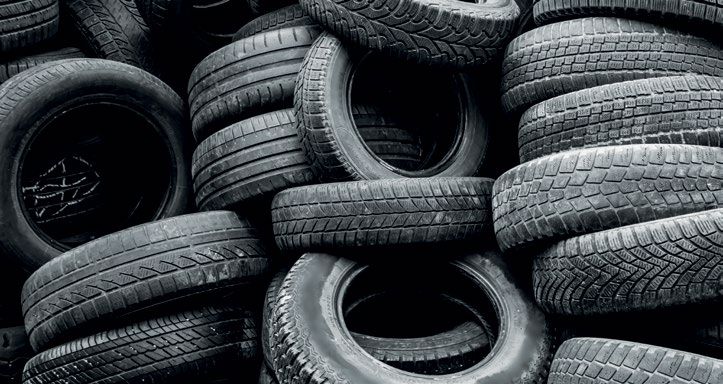
4   Overview > Our mission / Our values

          Our mission
          To deliver long-term value      We do this by:
          for our stakeholders            • Evolving our supply chain: maintaining
          through the production            quality and reliable supply
          and distribution of
                                          • Retaining strong customer relationships:
          waste-derived renewable           honesty and transparency in how we work
          transportation fuels.
                                          • Delivering change through innovation:
                                            developing and driving renewable projects
                                          • Responsibility and accountability:
                                            do no harm to people or place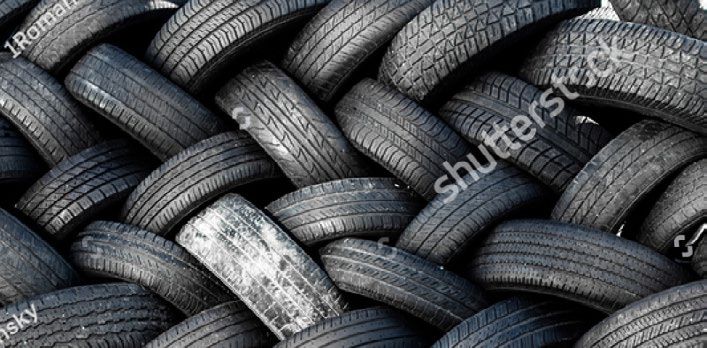
Greenergy > Sustainability Report 2020   5

                 white

Our values
Our values underpin every                   Respect

interaction we have, whether
with colleagues, customers,
suppliers and the communities   Integrity              Ownership
in which we operate.

                                             Care
6   Overview > Our history

    Our history
    Greenergy was founded in the early
    1990s as we saw an opportunity                       1992
    to improve air quality through the
    development of low sulphur fuels.                    to 2000
                                                         Improving local air quality

                                                         In the early 90s, standard-
                                                         grade petrol and diesel
                                                         had very high levels of
                                                         sulphur. Diesel in particular
                                                         produced extremely high
                                                         levels of nitrogen oxide
    As Greenergy has grown, our commitment to do         and particulates that
    the right thing remains and has seen Greenergy       created black smoke and
    become the largest producer of waste-derived
                                                         led to significant adverse
    biodiesel in Europe, reducing the carbon emissions
    in fuels we supply.
                                                         health effects.
                                                         In response, Greenergy created
    Greenergy’s lower carbon fuels have been
                                                         a new grade of low sulphur
    developed for existing vehicles, without requiring
                                                         fuel. Initially supplying into
    engine modification reducing the carbon emissions
                                                         the environmentally conscious
    of vehicles on the road today.
                                                         Swedish market, Greenergy
                                                         demonstrated its potential to
                                                         reduce harmful local air pollutants.
                                                         Building on this, Greenergy
                                                         was the first to introduce low
                                                         sulphur diesel to the UK market
                                                         and countries in Europe. In
                                                         1998 Greenergy’s ultra-low
                                                         sulphur petrol was rolled out
                                                         on supermarket forecourts, and
                                                         established the standard for fuels
                                                         at that time.
Greenergy > Sustainability Report 2020   7

2000                                                                         2020
to 2020                                                                      onwards
Focus on climate change                                                      Looking to the future

Greenergy has long                  Initially, Greenergy’s biodiesel         We believe everyone has
recognised that climate             blends were to be derived from           a role to play in reducing
                                    crops (UK-grown rapeseed
change was going to                                                          carbon for our future.
                                    sourced from UK farmers under
be one of the greatest              the Field to Forecourt contract)         We are continuing to invest in
challenges of the future.           and over time Greenergy                  the development of new forms
                                    converted its production to waste        of renewable and low carbon fuel
We took early action by investing
                                    oils, recognising the greater            that will be needed to support the
in world-leading expertise in
                                    environmental benefit of this            energy transition.
carbon measurement with the
Edinburgh Centre for Carbon         feedstock.
                                                                             Our waste tyre project supports
Management (ECCM) and Energy
                                    In order to secure a sustainable         the circular economy, reusing
for Sustainable Developments
                                    biodiesel supply, we invested in our     a waste resource – tyres –
(ESD).
                                    own production capability – first        to produce recovered Carbon
                                    at Immingham (opened 2007) and           Black (rCB) that can be used to
Our ambition was to be the first
                                    then Teesside (purchased 2015)           manufacture new tyres, advanced
business to supply biofuel blends
                                    and Amsterdam (purchased in              biofuels that will displace
on a commercial basis and we
                                    2018 and converted from virgin           petroleum products, and metal
applied our low carbon expertise
                                    oils to waste oils in 2019).             that can be recycled.
to our core business model.

                                    Today, Greenergy continues               Our experience with global waste
                                    to be a market-leader in waste-          origination uniquely positions
                                    based renewable fuel production          us to transition into more
                                    and supply.                              complicated wastes, delivering
                                                                             real carbon reductions today, and
                                    Lower carbon fuels p23                   we are continuing to progress
                                                                             projects in this space.

                                                                             Advanced biofuels p26
8   Overview > Our
               Business
                   business
                        model
                            model

    Our business model                                   From supplier

    Our unique global supply chain enables
    us to source and produce renewable fuels
    in the most efficient way to supply our
    customers and our own retail network.

                           From supplier

    Global origination
    We source from around the world
    in order to find the lowest-cost
    gasoline, diesel, biofuel feedstock
    and products. By maintaining
    flexibility and optionality in our
    purchasing, we are able to respond
    quickly to market requirements.

                                                            To customer

                                           To customer
Greenergy > Sustainability Report 2020      9

                >   Renewable fuel production
                    We continue to expand our
                    waste-to-biodiesel manufacturing
                    capability and invest in new
                    development fuels. This gives
                    us a low-cost and sustainable
                    supply of biofuel with which                 Retail
                    to meet rising renewable fuel                We own and operate forecourts
                    supply obligations.                          in Ireland and Canada. Leveraging
                                                                 our unique supply chains, we
                                                                 provide our forecourt customers
                                                                 with reliable supply of quality
                                                                 fuels and are able to meet their
                                                                 convenience needs.

Customer sales
We supply fuel to customers
in the UK, Ireland, Canada
and Brazil. Our customers come
from all key segments, including
oil companies, supermarkets,
independently-owned forecourts,
commercial and marine users.

                                       Logistics
                                       We manage the fuel supply chain
                                       for many of our customers, taking
                                       care of stock management and
                                       delivery as well as fuel supply.
                                       In the UK, our in-house haulage
                                       operation provides flexibility to
                                       deliver from the lowest-cost
                                       supply location and control over
                                       the quality of service we provide
                                       to customers.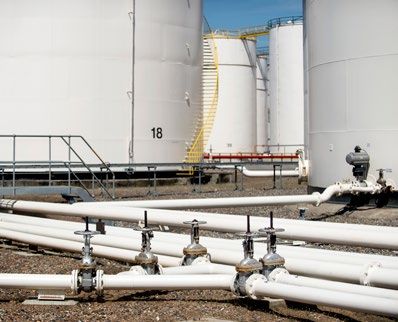
10   Overview > Messages

     Chairman’s message
     ‘Originally founded to reduce
      unhealthy emissions and to create a
      uniquely respectful and meritocratic
      working environment, Greenergy
      has for almost 30 years had
      environmental and social values at
      the core of everything we do.’

     Welcome to our 2020 Sustainability Report.                 As society considers the decarbonisation of the
                                                                transport sector and the pathway to Net Zero, it is
     We have a unique history and track record of
                                                                important that these pathways build on the products
     leadership in the environmental aspects of
                                                                and supply chains that are already in place. Greenergy
     transportation fuels. Reducing smog and particulate
                                                                is looking forward to playing its role in providing
     creating emissions from vehicles in the 90s, reducing
                                                                products and solutions that put us firmly on course
     carbon emissions in the 2000s, the development
                                                                to Net Zero.
     of waste-based low carbon fuels in the 2010s and
     now building on all of our experience to reduce            Thank you for reading our report and thank you to the
     and recycle waste to create advanced drop-in               team for creating what follows.
     renewable biofuels.

     In all of the regions we operate, governments are
     looking at the transport sector and introducing
     increasing mandates that specify the amount and
     type of renewable biofuels that are required to be
     supplied into the market to reduce emissions.
                                                                Andrew Owens
     Already being Europe’s largest producer of waste-          Chairman,
     derived biodiesel – with the team, traceable waste         Greenergy Group
     supply chain and major customer outlets already
     in place – that in combination represent around
     a quarter of all types of fuel sales. In the UK, we
     are in a tremendously positive position to invest
     in and supply advanced renewable biofuels made
     from waste.

     Our waste tyre project is particularly exciting, playing
     its part in the circular economy by processing worn
     out waste tyres into metals that can be recycled
     again, carbon black that once recovered can be
     used in the production of new tyres, and renewable
     biofuels to be supplied through our existing outlets
     into transport fuels to reduce their emissions. The
     tyre project, along with others we have under
     development, will play a significant role in our future
     and the low carbon objectives of the countries we
     operate in.

     Waste tyre project p26
11
CEO’s message
‘Our mission is to drive transport
decarbonisation through continued
leadership in renewables.’
Sustainability is in our DNA. Reducing the
environmental impact of our industry is why
Greenergy was established and this approach is
embedded in our operations, governance structure
and the way we interact with our stakeholders.
We are transparent in our approach and committed One of the key strengths of Greenergy is our resilience
to doing no harm to people or place. and ability to adapt.
Safety underpins everything we do at Greenergy. Throughout the pandemic, we have continued to
It is pleasing to see our safety record improve in 2020, support our customers, offering flexibility and
and a particular focus for us in 2021 is to increase our responsive customer service, all underpinned with
hazard observations, particularly as we return more reliable fuel supply. We could not have done this
staff to our sites and offices following the pandemic. without our people.
Safety record p15 As essential workers, many of our staff continued
to work at our plants, terminals and delivering fuels, all
I would like to thank our people for the dedication while adapting to new processes and procedures that
and commitment they have shown to our business have be introduced to ensure our working practices
throughout 2020. are COVID-secure and to protect our people.
Today we supply low carbon transport fuels in the We recognise the effect the pandemic has had on
UK, Ireland, Canada and Brazil. We are also a leading our staff, and the health and safety of our people is our
producer in waste-derived biofuels, and continue to key priority. To assist our staff through the pandemic,
invest in advanced biofuel projects such as turning we have implemented a number of wellness initiatives
waste tyres into ‘drop in’ fuels that reduce emissions to support the physical and mental health of our
in the transport sector today. workforce, and this remains a focus for us in 2021.
I would like to thank our people for the dedication
This year, we established an Environmental,
and commitment they have shown to our business
Social and Corporate Governance (ESG) Committee
throughout 2020, a year that will not be forgotten.
and a working group of champions to develop
our ESG framework across the Greenergy Group. In this, our first Sustainability Report, we outline the
This has never been more important, as the events existing processes and reporting within Greenergy.
of 2020 have accelerated plans to decarbonise as I am confident that the values on which Greenergy has
governments around the world have pledged to been built and our ESG principles will guide us as we
reduce emissions. develop a framework that supports our growth. We will
lead our stakeholders through the energy transition
At Greenergy, challenge presents opportunity, and
as we drive transport decarbonisation through our
decarbonisation is one of the greatest challenges we
continued leadership in waste-based renewables.
face. Our business has been built on change – and
recognising that the disruption that often comes from
change is an opportunity for innovation.
In the UK, the Government announced they would
phase out Internal Combustion Engines by 2030
and hybrid vehicles by 2035, ahead of the original
2050 targets. Similar strategies are being considered Christian Flach
in other regions. These policies are changing the Chief Executive Officer,
traditional fuel market, creating opportunities for Greenergy Group
innovation. Greenergy’s established track record of
innovation uniquely positions us to respond to these
challenges. While alternatives become more widely
adopted, there remains a continued role for liquid
fuels in the energy mix and circular economy.12 Sustainability > Principles
Sustainability
Sustainability is integral to the way ESG Committee
in which Greenergy operates. It is This year, we established an
ESG Committee to steward our
embedded in our history and is a key strategy for the future.
part of our values and culture. The ESG Committee has
established its Terms of Reference,
and will promote continuous
We are formalising our existing practices and
improvement in ESG across the
sustainability practices into an ESG framework.
entire Group.
We recognise that clarifying our approach is
important for all of our stakeholders and will The Committee is made up of
enable us to implement a transparent programme six members of the Management
of continual improvement. Team, and includes a dedicated
secretary and Chairperson
elected by its members from the
Group Board.
Meeting quarterly at a minimum,
the role of the group is to
review and guide policies, whilst
monitoring the development of
objectives and external trends in
the ESG space. The Committee
identifies ESG related risk, reviews
external documentation and
reports to the Board of Directors.
ESG Champions
ESG Champions have also been
identified to form a Greenergy-
wide working group and will help
the Committee deliver on our
ESG strategy.
The ESG Champions are subject
matter specialists within the
‘At Greenergy we are always looking business, and will implement the
for ways to operate more efficiently strategy, aid in the development of
our framework and help set future
and reduce our emissions from our targets.
own operations, and then sharing and
implementing those learnings where
possible across the Group.’
Darren Anderson
Biofuels Environmental Compliance ManagerGreenergy > Sustainability Report 2020 13
Our approach
Our business has been built on innovation and, in a rapidly evolving
world, it is essential that we continually assess our business practices,
and look to improve them to ensure we are sustainably driving the
decarbonisation of transport fuels.
By understanding the impacts of our business on the communities and environments that
we operate in, we are able to set clear objectives and targets to ensure we can contribute
to a better future for all. Our approach is based on the following core principles:
Safety Wellbeing, diversity, inclusion
Safety is our top priority, and every employee We support the physical and mental health
at Greenergy has a role to play in ensuring a of our employees. We strive to create a safe,
safe working environment for every individual. inclusive and diverse working environment
Our culture of open and honest reporting allows to operate within.
us to learn and improve, and plays an essential
role in our ‘no-blame’ culture. Community contributions
Environment We want to give back and support the
communities we operate in. We do this through
We continually work to minimise environmental our employee-led charity programme and
risk across our businesses and reduce the through the development of an educational
environmental impact in all of our activities. and STEM programme.
We ensure we manage these risks in line with
our values to cause no harm to people or place
Ethical sourcing, human rights
and comply with all relevant environmental
legislation. The Group is committed to acting responsibly
and ethically at all times and in every part of
We aim to use our resources appropriately
its business. We aim to deliver our success free
and in a way that makes a positive difference
of bribery, corruption and other unethical acts
to everyone that interacts with the business,
and are committed to opposing slavery and
including shareholders, employees, customers,
human trafficking in any form.
suppliers and the wider community.
Governance
Climate change
We maintain robust corporate governance
We aim to reduce our impact on climate policies across our Group, operating a
change by lowering our carbon emissions across governance framework with engagement
our supply chain to drive the decarbonisation from senior management to non-executive
of transport. We do this by maximising the directors. This framework allows the Group
carbon savings from the waste-based biodiesel to evaluate, consult and act upon the various
we supply, investing in our supply chain and needs of different stakeholders.
adopting more efficient technologies aiming
to give preference to suppliers based on their
carbon emissions.14 Process Integrity > Safety record
Process Integrity
Do no harm to people or place. Safety record
Our safety record across the Group
We focus on continuous
improved in 2020. improvement in safety across
our business, and a review of our
safety approach is how we begin
Process Integrity determines how we perform every meeting, including: Board
our roles each and every day. It covers health, meetings, weekly management
personal and process safety, quality, environment, meetings, monthly staff meetings
security, management of change and compliance. and customer meetings.
This year, our safety record across
the Group improved.
Minor injuries and near misses
declined in 2020. We encourage
staff to report any near miss,
whether it is a business near miss
or safety near miss. This allows
us to continuously review our
processes and ensure they
remain appropriate.
Hazard observations declined
per 100,000 hours worked as we
incorporated the retail business in
Canada into our reporting. These
will continue to be a focus for the
Group in 2021, particularly as we
look to reopen offices that were
closed as a result of COVID-19.
There were four separate
reportable injuries across the
business this period. All but one
was reportable because of the
duration of lost time, rather than
the severity of the injury:
• One injury related to retail staff
• Three injuries related to drivers.
Through our culture of open and
honest reporting, we are able
to identify trends, and launch
relevant campaigns across the
2,340 hours
whole Group to raise awareness
and share lessons learned.
This year, two campaigns centred
on The Care Work Triangle and
of Health, Safety, Security and Environment
‘Slips, Trips and Falls’.
Training hours provided to staffGreenergy > Sustainability Report 2020 15
Safety record
Safety underpins everything we do. We operate a comprehensive
central reporting system that supports the systematic investigation
of each reported observation and event.
Fatalities –
– 0.1
Reportable events/injuries
0.3
Lost time injuries
1.2
Minor injuries
7.5
Near misses
173.3
Hazard observations
2,982,603 total hours worked
Incident rate per 100,000 hours worked
Calendar 2020
Definitions
Reportable occurrence: an incident with a
high potential to cause death or serious injury –
(as defined by the UK RIDDOR regulations). Fatalities
Reportable injury: a specified major injury
such as a fracture or serious burns, or an injury – 0.3 Reportable events/injuries
resulting in an absence from or restricted
work for more than seven days. 0.5
Lost time injuries
Lost time injury: an injury resulting in an
absence from work beyond the shift in which
the injury was sustained.
1.4
Minor injuries
Minor injury: an injury which does not require
time off work or restricted work duties. 9.4
Near misses
Near miss: an unplanned event that did
not result in injury, illness, damage or 275.5
Hazard observations
non-compliance but which had the potential
to do so.
Hazard observation: an ‘act’ or a ‘condition’ 1,987,986 total hours worked
that has the potential to cause injury, loss Incident rate per 100,000 hours worked
or damage.
Calendar 201916 Process Integrity > COVID-19
COVID-19 – Operating through the pandemic
We recognise the challenges that have arisen from the pandemic and we
have expanded our employee wellbeing programme to support our people.
People As an essential business, many For our operational sites such
of our staff continued to attend as plants and terminals where
When COVID-19 spread across the
plants, terminals, scheduling social distancing is more difficult,
world, we transitioned as many
offices and our drivers remained we have introduced additional
of our staff as possible to remote
on the road. To help minimise control measures such as rapid
working, ahead of Government
the risk to these staff, we quickly lateral flow testing.
lockdowns and restrictions.
implemented additional control
We have introduced additional
measures and revised our risk
resources to support our people
assessments that are specific
through the pandemic. This has
to each role, location and region.
included additional training for
This work has continued as
all people managers within the
restrictions have been eased and
business on mental health, weekly
then tightened.
yoga and additional resources.
When permitted, we reopened
Our people p40
offices on an optional basis to our
staff only. We have introduced
risk controls including installing
sanitising dispensers, screens,
temperature monitoring units in
offices, one-way pathways, and
restricted the number of staff in
any setting, ensuring that social
distancing is maintained.
‘We have developed appropriate COVID-secure
plans for all of our locations, ensuring the
health and safety of our people is maintained.
We have continued to review and update
our risk assessments to ensure we are
reflecting the developing situation and latest
Government guidance.’
Sean Sexton
Head of Technical/TerminalsGreenergy > Sustainability Report 2020 17
We remain confident that our business continuity planning and the
strength of our business positions us to manage the effects of COVID-19,
and emerge stronger from it as a business.
Business continuity We have adapted our training As lockdowns continued around
programmes also, and this year the world, supply of used cooking
We maintain a robust business
saw Process Safety Leadership oil was constricted. Our global
continuity plan that is regularly
training and Crisis Training sourcing provides us with
reviewed and updated based
completed virtually for the first optionality to source feedstock
upon the most up-to-date advice.
time. Our in-house online training from different markets and
We also established a COVID-19 platform, Knowledge Hub, allowed maintain supply during periods
Taskforce that is responsible for us to continue to train and develop of disruption.
staying abreast of the changing our people in a virtual setting.
As we consider how regions
regulations and requirements,
In 2020 the market for biofuel around the world will exit
and proactively monitor, propose
raw materials and biofuels was lockdowns, we are confident our
and implement policies into the
significantly impacted by the planning will ensure we meet our
business. This ensures we have
pandemic. future customer requirements.
the most appropriate plans in
place to mitigate the impact Despite the decline in road fuel
of COVID-19 on our people, volumes owing to government
our business, and that of our lockdowns, demand for high
customers. quality biofuels such as the ones
we produce continued to increase
As part of this plan, we introduced
as legislative blending obligations
strict ‘bubbles’ across our
increase in the UK, Europe and
scheduling teams, terminals and
North America.
plants to minimise the risk to
our people, and ensure business Increasing obligations p27
continuity. Where staff tested
positive to COVID-19, the effect on
colleagues and the business has
been minimal.18 Process Integrity > Personal safety / Process safety
Personal safety
We operate with safety and environmental care as our first priority
in a culture of open and honest reporting.
Open and honest reporting Investigation and learning Safety awareness
We encourage observation and Our comprehensive central Recognising the importance
reporting of hazards, near misses reporting system supports the of extending our strong SHEQ
and unwanted events, however detailed reporting and systematic (Safety, Health, Environment and
small, without fear of blame. investigation of each reported Quality) culture to all parts of our
observation and unwanted event business remains a priority for us
As a business, we capture
so that we can identify lessons as we continue to expand.
information about minor hazards
learned from individual events,
and incidents, so that we can Gap assessments and audits are
and also broader trends. We then
reduce risks and improve safe completed on all new business
act to correct issues that have the
working practices across all parts areas to gain an understanding
potential to lead to injuries, asset
of the Group. This year, we have of the SHEQ culture. From these,
damage, environmental impacts or
implemented QR codes at our a tailored programme of training
significant business impacts.
sites to enable efficient reporting. in safety awareness, hazard
These will be extended across the Where key learnings are identified, observations and Greenergy
Group in 2021. a ‘lesson learned’ brief is shared expectations of safety walks, event
across the Group via noticeboards, reporting and investigations is
New staff, contractors, and new
our online training hub, monthly developed and implemented into
businesses are rapidly introduced
safety updates and toolbox talks. new businesses.
to the Greenergy culture of open
and honest reporting. Following our acquisition of over
200 Canadian retail forecourts
in February 2020, the integration
of our Process Integrity approach
has been a key priority and we
have expanded the team in
Canada to support the business.Greenergy > Sustainability Report 2020 19
Process safety
We maintain a strong reporting culture across all parts of the business,
and across all locations – from high hazard operating sites and haulage
operations to offices and retail forecourts.
101
Safe Operating Standards Auditing
We continue to review, extend Despite the additional challenges
and improve our Safe Operating posed by the pandemic, Group
Standards to provide a structured Process Integrity audits continued safety audits completed
and consistent approach to safety throughout the year, however across the Group in 2020
across all of our operations, third party terminal audits were
globally. suspended due to COVID-19.
Risk assessments form part To ensure compliance with
of these standards, and are Greenergy performance
completed across the entire requirements, we include third-
business, including where there party terminals and contract
is a change in process, a new haulage operations within our
customer for haulage or where audit programme.
a new retail forecourt may have
In 2020, we completed 101 audits,
planned opening events. Our risk
spread across Greenergy owned
assessments also take into account
terminals and plants, haulage
public safety. This year, staff
depots and third party operations,
were also required to complete
an increase from previous years.
individual risk assessments relating
As lockdowns and restrictions
to COVID-19.
were introduced as a result of
Continual improvement of the the pandemic, we transitioned to
standards is driven by the Process virtual audits to ensure we could
Integrity team. The team shares complete our audit programme.
knowledge and experience
Where opportunities for
from all parts of the Group. This
improvement of facilities or
includes joint venture businesses
processes are identified, follow-up
and contract operators working
audits take place to ensure
on behalf of Greenergy, formally
recommendations have been
and informally, through team and
implemented.
cross-site meetings, publications,
intranet and management As part of our programme of
leadership. continual improvement, in 2021
we will introduce a new Process
Safety Audit based on HSE
criteria. An intensive three-day
on-site process, it will bring a new
perspective.20 Process Integrity > Process safety continued
Where we have gained important learning from events, that
information is communicated across the entire business as part
of our policy of prevention and continual improvement.
Management of change Focus on human factors Preventative measures
We operate a robust management Human factors are vital Driver preparedness
of change programme. Where a considerations for our business.
All our drivers undertake
change is occurring within the Throughout 2020, we have
extensive, ongoing training and
business, we bring together the undertaken significant work to
assessment. This includes safe
necessary internal stakeholders to review and understand the impact
and defensive driving and correct
workshop the process. This aims of human factors in our business.
loading and delivery procedures.
to reduce the risk of any adverse
For COMAH1 regulated sites, Maintenance and monitoring
consequences from change.
such as our Plymouth terminal, programmes are in place for trucks
This year, we began supply of human factors consideration is and equipment to ensure they
a new product to one of our mandatory. remain in good condition.
customers. To ensure the smooth
We utilise a specialist human For employees who drive
implementation, stakeholders
factors consultant to provide often for work (outside of the
from Commercial, Product
expertise and software for task professional driver cohort), we
Quality, Haulage, IT and Finance
analysis. They also provided provide additional training via the
were brought together to work
training critical task analysis. Smith System, an industry leading
through the process and ensure
programme, to promote safe and
the product would be introduced In 2021, we are looking to begin a
effficient driving.
safely and with no disruption to programme of conducting human
our customers. factors critical task analysis on our
haulage and biofuels. Customer site safety
We visit and risk assess all our
customers’ sites to ensure the
safe delivery of our fuels. This has
proved more challenging with
COVID-19 this year, however we
have adapted our processes to
ensure we can still complete these
whilst keeping our team safe.
Our drivers have extensive
training on spill containment
and are equipped to respond
appropriately in the event of an
incident at a third party site.
1Sites regulated by The Control of Major
Accident HazardsGreenergy > Sustainability Report 2020 21
Crisis planning Recognition
Process containment/ and management RoSPA
spill prevention Our Process Integrity management The RoSPA2 Health & Safety Awards
We implement preventative systems focus strongly on the offer the opportunity to benchmark
measures to avoid spill incidents at prevention of unwanted events. safety performance year-on-year
terminals, on the road and during We recognise however the and ensure consistent performance
the transfer of supply. If a spill or potential for such events to occur, between sites.
loss of primary containment does and the need to be prepared for
them. In 2020, Greenergy received three
occur, we ensure an immediate
gold medals for
response to provide scene We ensure all of our facilities and
containment and recovery. business operations have effective • Immingham
emergency management plans (nine consecutive gold awards)
Across our company-owned and
in place, and we review and test • Teesside
leased retail forecourts in Canada
these plans on a regular basis. (five consecutive gold awards)
we maintain a robust fuel inventory
• Plymouth terminals
monitoring process that allows us Leveraging the experience of (seven consecutive gold awards).
to promptly detect and mitigate an existing partner, this year,
any unexpected fuel inventory we undertook a significant Our UK business is also ISO 9001
variances. We also have a risk- review and update of our crisis certified.
based approach to prioritising plan to ensure it aligns with our
the upgrading of our fuel systems business operations, anticipates
to reduce the likelihood of further growth and provides the Flexigrid
environmental releases. management team with clear We take every possible step to
processes to facilitate effective ensure our drivers, vehicles and
In 2020, we have installed decision-making in a crisis. equipment are prepared for all
electronic line leak detection at
We introduced a Virtual Incident foreseeable hazards.
all our Ontario sites well ahead of
regulatory deadlines. Control Centre (VICC) for Our drivers carry hazardous
emergency preparedness that product on the public highway
allows us to convene without and operate around members of
assembling at a physical location, the public at customer forecourts.
and with the addition of real time It is of paramount importance
sharing and data saving. that they are equipped and
As part of this process, the competent for the tasks they
Executive team and senior perform.
management undertook various To ensure the safety of our drivers
training on the new structure and and those around them, we provide
processes outlined within the ongoing training and assessment,
plan, and further VICC training is exceeding industry norms, to ensure
planned for 2021. that safety standards on the road,
in the terminal and at the customer
site are maintained.
In 2019, Flexigrid’s approach
to safety was recognised with
Motor Transport’s Safety in
Operation Award.
2Royal Society for the Prevention of Accidents22 Our environment > Climate change / Lower carbon fuels
Climate change
Our business was founded to supply
low emission diesel that offered
significant air quality benefits. As
we have grown, we have remained
committed to reducing emissions
in transport fuels.
As the transport sector moves to decarbonisation, the role
of petrol and diesel fuels remain vital until other affordable
alternatives are widely adopted. Different geographies
have also introduced differing timescales to decarbonise.
Therefore the most effective way to reduce carbon
emissions for existing transport today comes from the
blending of biofuels into petrol and diesel.
As Europe’s largest manufacturer of waste-based
biodiesel, renewables are integral to our core strategy,
and we continue to deploy significant capital to this area.
This investment enables us to make both incremental
improvements in our biodiesel manufacturing operations,
and also progress new advanced biofuel projects, such as
converting waste tyres into development fuels.
Our priority has always been to tangibly reduce our
emissions in both the fuel we supply and our own operations.
We continue to review credible opportunities for emissions
reduction across the wider Group.Greenergy > Sustainability Report 2020 23
Our environment
We blend sustainably-produced biofuel Lower carbon fuels
into our gasoline and diesel in order to We are continuing to increase our
reduce the greenhouse gas emissions of biofuel blending, both from our
own production and sourced from
the fuel we supply. third parties, in line with rising
renewable fuel obligations in the UK,
Ireland, Canada and beyond.
Our expertise allows us to meet
customer-specific sustainability
and local quality requirements,
recognising the characteristics of
different countries and markets.
By applying our unique sustainability
IP, we create value for customers
and maximise the sustainability of
the biofuel we supply.
We continue to invest in the
development, production and supply
of liquid fuels made from renewable
sources, to support the transition
to a lower carbon future.
Operational KPis
Biodieselmanufacturing
Biodiesel manufacturing
output KPI
cbm
We have increased the
greenhouse gas saving
of the fuel we supply by
71% 2018 2019 2020
Combined output from
Immingham, Teesside and
over the last five years. Amsterdam (cbm).24 Our environment > Lower carbon fuels continued / Our global biofuels supply chain
We continually seek to reduce the carbon emissions
from the fuel we supply, and our priorities are:
1 2 3
Expand production and Establish diverse and Develop new forms
supply of waste-based sustainable supply chains of renewable liquid fuels
biodiesel with robust certification We are actively exploring
Wherever possible, we blend systems opportunities to develop new
biofuels derived from wastes and advanced forms of renewable
We continue to expand our
because they deliver the greatest ‘drop-in’ fuels, capable of
purchasing of waste oils from
carbon benefit and have a lower replacing petrol and diesel in
around the world as raw materials
land-use impact than biofuels conventional combustion engines.
for our biodiesel manufacturing
made from crops. operations. Our waste tyre project, Green
In order to secure our own supply Tyre Technology Ltd (GTT) is one
We source not only in the UK and
of waste-based biofuel, we have such project. Using pyrolysis and
Europe, but also from countries
invested significantly in our own hydrotreatment technologies, we
where comparable biofuel
manufacturing capability, now will produce renewable fuels that
incentives do not exist and often
operating three production plants, act as a direct replacement for
waste oils are not disposed of
with further investments planned petrol and diesel.
responsibly.
to increase capacity. This will
allow us to expand our supply of In order to demonstrate that the
waste-based biofuel to meet rising oils we are using really are a waste,
renewable fuel obligations. we rely on robust supply chain
certification processes that meet
We also source waste-based the International Sustainability
ethanol from third parties for and Carbon Certification (ISCC)
blending into our gasoline. standards that trace every litre of
oil back to the specific restaurant
or food producer.
Choosing biofuels from waste p28
‘We recognise the urgent need to further reduce emissions
in the transportation sector. We continue to invest in the development,
production and supply of liquid fuels from renewable sources,
to support the transition to a lower carbon future.’
Paul Bateson
Chief Operating Officer, Chairman of ESG Committee, Greenergy GroupGreenergy > Sustainability Report 2020 25 Our global biofuels supply chain Global sourcing We purchase waste oils as feedstock for our biodiesel manufacturing activities. We have invested upstream to ensure our ability to secure raw materials for our biodiesel manufacturing operations, and to integrate the entire supply chain. This enables us to keep custody and quality- control of the fuel supply chain. By diversifying our supply chains globally, we are able to source increasing quantities of feedstock that best meet our technical abilities and sustainability specifications to meet our growing production requirements. Biodiesel production With two manufacturing facilities on the east coast of England, and a third in Amsterdam, we are Europe’s largest producer of waste-based biodiesel. We continue to expand our production and invest in ongoing process and technical improvements to improve efficiency and increase output to meet rising demand for biodiesel as a result of increasing Government mandates. Storage and supply We blend biodiesel and bioethanol into the petrol and diesel we supply in the UK, Ireland and Canada to meet regulatory requirements. We also supply biodiesel and bioethanol to other oil companies in the UK, Ireland and in Canada, meeting customer-specific sustainability requirements. We obtain verifiable evidence on the origin and sustainability impact of every litre of biofuel we blend into our fuel and sell. Our storage facilities in Europe, Canada, USA and Asia give us capacity to meet biofuel demand in different markets.
26   Our environment > Advanced biofuels / Increasing obligations

     Case study
     Advanced biofuels: playing our part in a
     lower carbon future

     As a leading producer of waste-      With a view to commence
     based biofuels, we believe           commercial production in 2025,
     development fuels (dRTFCs)           the manufacturing process also
     are a significant opportunity for    creates recovered carbon black,
     Greenergy. Our waste tyre project,   a product that can be used in the
     now at the Front End Engineering     circular economy to produce new
     Design stage, will process over      tyres and other industrial rubber
     300 tonnes of shredded tyres         products. The plant will also
     each day into renewable drop-in      have the capability to produce
     fuels that can be blended into       sustainable aviation fuel (SAF).
     diesel and petrol.

     The disposal of used tyres in the
     UK and around the world creates
     significant waste, and under a
     European Directive, used tyres
     have been banned from landfill,
     often resulting in their export to
     the developing world. In the UK
     alone, some 55 million* waste
     tyres are disposed of each year.

                                          *Source: Department for Environment,
                                           Food and Rural Affairs
Greenergy > Sustainability Report 2020 27
Increasing obligations
Rising biofuel obligations are being introduced in all of our key markets,
as governments around the world look to decarbonise transport.
Rising biofuel obligations Development fuels Greenhouse Gas legislation
In 2018, the percentage of As part of the UK legislation, the In 2019, the UK Government also
biofuel that UK fuel suppliers RTFO also requires that a growing introduced new Greenhouse
were required to blend into their percentage of biofuel must be Gas (GHG) legislation requiring
petrol and diesel increased as classed as development fuels. GHG savings from renewable fuel
the UK government amended inclusion of 4% in 2019 and 6%
Defined as advanced biofuels
the Renewable Transport Fuel in 2020.
made from sustainable wastes
Obligation (RTFO).
and residues of non-biological To comply, suppliers obtain
The legislation significantly origin, they are required to have a a certain number of GHG credits
increases the amount of waste- greenhouse gas savings threshold which are awarded according
based biofuels that can be of at least 65%. the carbon intensity of the fuel
blended into fuel in the UK, and they supply.
When complete, our waste tyre
introduces maximum levels for the
project, GTT, will exceed this This legislation incentivised the
use of crop-based biofuels.
requirement. lowest carbon biofuels, such as
If a supplier is unable to meet the waste-based biodiesel we
We are proactively progressing
their obligation, they are required manufacture. The legislation does
with projects to convert different
to pay a buy out price. From not apply from 2021 onwards.
types of waste, including
1 January 2021, the buy out price
household waste and commercial
has increased to 50p per litre.
waste to produce liquid fuels
We welcome the UK’s plans to or SNG, as defined under the
increase the RTFO obligations legislation.
further and beyond 2032 to reflect
the continuing drive to lower
carbon emissions from the cars
that are on the road today. We
acknowledge the part that we
play in helping our customers to
reduce the emissions from their
transportation fuel usage and
we look forward to responding Legislated increases in
to the Government’s consultation Renewable Transport Fuel Obligations
in due course. and development fuels
Legislated increases in Renewable Transport Fuel Obligations (RTFO) and development fuels1
14
12 RTFO Development fuels
10
Percentage %
8
6
4
2
0
2014 2016 2018 2020 2022 2024 2026 2028 2030 2032
Percentage biofuel inclusion rates required under the Renewable Transport Fuel Obligation28 Our environment > Biofuels sustainability / What is our biofuel made from?
Biofuels sustainability
We work to ensure we only use biofuels that use the world’s resources
responsibly. Our focus is on using biofuels which deliver the greatest
carbon benefit and have minimal land-use impacts.
Maximising the carbon We continue to work to maximise Preventing land-use change
savings from the biofuels the carbon savings from the and protecting biodiversity
biofuel we blend by choosing
we choose biofuels from waste with higher We sustainably source and obtain
We devote time and resources into carbon savings and capturing verifiable evidence on the origin
sourcing low carbon biofuels. detailed information to ensure and environmental impact of every
traceability throughout the litre of biofuel we blend into our
Our aim is to achieve at least fuel, to demonstrate compliance
supply chain.
70% carbon saving from the with the requirements of the
biofuels we produce. This is Where we do use biofuels derived EU Renewable Energy Directive.
significantly above Government from crops, we ensure they are These prohibit use of crops grown
mandates of 50% and is a highly produced in accordance with on newly deforested land and
ambitious target. approved biofuel sustainability ensures traceability of wastes from
standards. Of the crop-based the point of origin.
biofuel we supplied, 100% was
verified as compliant with one of
these standards. Choosing biofuels
made from waste
To minimise the land-use change
impacts and improve the emission
savings of our biofuel, we use
biofuels from wastes where
possible.
We have carried out pioneering
work with waste oil suppliers
Carbon savings globally to demonstrate
traceability back to the restaurant.
100
We recognise the importance of
Greenergy technological innovation to help
actual
80 drive continuous improvement,
Greenergy and we have been working
target
with industry innovators such
Percentage %
60
as Bioledger to introduce a
Government
mandates blockchain database that will
40
further improve the efficiency of
data collection.
20
0
2018 2019 2020
81.29% 31
carbon savings from audits of our biofuel
the biofuels we blend supply chainsGreenergy > Sustainability Report 2020 29
What is our biofuel made from?
Biodiesel accounts for 74%
of our biofuels sold. Since 2017,
95% of our total biodiesel sold
has come from wastes.
Biodiesel blended into diesel
supplied in the UK
Creating sustainable Biodiesel blended into diesel Biodiesel
supplied in the UK
biofuel supply chains We have made significant
Greenergy has been an industry investments in our biodiesel
leader in the development manufacturing infrastructure
of biofuel sustainability and in order to be able to increase
traceability standards since 2007, our production of biodiesel
when we developed the first from wastes, with ongoing
standard for Brazilian bioethanol. technical enhancements to our
We have continued to collaborate manufacturing facilities giving the
with NGOs, governments, and ability to process a broader range
regulatory bodies, along with the of waste oils and fats.
Used cooking oil
agricultural, waste management As a result, most of the
Crops
and oil industries to continuously biodiesel used in Greenergy's
Food waste
improve the audit standards that diesel has been derived from
Other wastes
are used to verify environmental waste products. Since 2017, 95%
sustainability and traceability of our total biodesel sold has
through our global biofuel and raw come from wastes.
material supply chains.
With various countries in
In 2020, we conducted 31 lockdown during 2020 and
independent audits of the biofuels restaurants closed, the volume
we supplied, with no adverse of used cooking oil was
findings. Our audit programme significantly affected.
Bioethanol blended into petrol
ensures we have the most robust
supplied in the UK
checks on biofuel procurement
and production within the industry.
Bioethanol blended into petrol
supplied in the UK
Bioethanol
Our team works closely with
the supply chain to source Although we are not ourselves
biofuels that deliver against our an ethanol producer, we work
sustainability objectives which with innovative third-party
are conducted according to EU manufacturers to maximise our
approved standards. use of waste-derived ethanol as a
petrol blend component.
We continue to work with
industry standards bodies and
national biofuel regulators to help
them improve the quality of the
certification process and adapt to
Waste materials
new biofuel supply chains.
Corn
Sugar cane
Wheat
Sugar beet
1ISCC, 2BVS and Bonsucro EU, all recognised
under EU RED recognised voluntary scheme30 Our environment > Delivering scalable efficiencies / Waste water
Delivering scalable efficiencies
At a Group level, we review our business to ensure we are operating
efficiently and cost-effectively.
Supply chain logistics Rail to road supply In 2021, we are converting a
portion of the fleet to B20, a high
Imports by sea In Ontario, Canada we have four
biodiesel blend, to further reduce
terminals, including three rail-to-
We aim to use more efficient ships our emissions.
road facilities. By creating new
to benefit from economies of scale supply facilities closer to the end- We have also developed Oil
and reduce bottlenecks at our customer and changing the way Planner, a new integrated order
terminals. Ships are vetted based that fuel is supplied to the market management and scheduling
on a number of factors, including we are reducing lengthy truck system which has enabled us to
their GHG emissions ratings and journeys from distant refineries or optimise our deliveries resulting
safety record. We use a leading terminals. in overall cost and energy savings.
risk assessment and due diligence Following this, we have also
firm to compare the relative upgraded our in-cab computing
efficiency of vessels. By road systems, allowing us to increase
In 2020, we entered into time- In the UK, we have our own delivery efficiency.
charter agreements for bunkering in-house haulage operation – In December 2020, Flexigrid
vessels based in the English Greenergy Flexigrid – delivering also commenced participation in
Channel and Irish Sea. These fuel for Greenergy and for third the Fuel Fleet Tyre Trial run by
vessels allow us to optimise our parties across the UK. Southampton University.
deliveries and maintain end-to-end
control of the supply chain. By in-housing this operation, we By identifying the optimal tyre
are able to optimise our haulage pressure, we will be able to
patterns across the fleet. improve overall fuel efficiency of
To further improve the efficiency the vehicle which will lower our
of our fleet, we operate a fleet carbon footprint and reduce costs,
replacement programme and in whilst ensuring safety. The tyre
2019 and 2020 replaced over a trial features four different tyre
third of our fleet with more fuel manufacturers and will operate
efficient models. Combined with until May 2021 out of our Thames
reduced traffic congestion owing Navigator terminal.
to COVID-19 lockdowns, our miles
per gallon (MPG) improved to 9.19
(FY19: 8.9) and is well above the
industry average of 7.9MPG.
Operational KPis Fuel efficiency
ShipShip
sizessizes
KPI in-house
Miles haulage
per gallon fleetKPI
(MPG)
25 10
Average ship size cbm (000)
8.93 9.19
8 8.82
20
6
20,027
MPG
19,109
4
17,102
15
2
10 0
2018 2019 2020 2018 2019 2020Greenergy > Sustainability Report 2020 31
Waste and waste water
As a company which collects and transforms wastes, we are acutely
aware of the extent and impact of waste disposal and the need
for the circular economy.
Operating principles Waste Waste water
All of our plants apply the Best We follow the waste hierarchy UK
Available Techniques (BAT)1. and try to avoid waste whenever
Our plants operate under the
possible.
Our Immingham and Teesside Environmental Permitting
plants have a combined ISO 14001 Digitisation has helped reduce (England and Wales) Regulations
accreditation – an international printing across the Group, and in 2016 that set out the limits on the
standard that specifies our haulage business where we emission to water. Wastewater
requirements for an effective have adopted in-cab technology leaves the sites as a waste under
environmental management and paperless deliveries. the Waste (England and Wales)
system (EMS). Regulations 2011 where it goes
We contract with expert third
to licensed sites for treatment
In the UK, our waste and party recycling experts in each
and disposal following the waste
wastewater processes are audited region to manage our office
hierarchy.
and follow a monthly maintenance recycling and minimise disposal
schedule. We report data annually to landfill. In 2020, we saw a
to the Environmental Agency. significant reduction in our office Netherlands
waste and recycling because
In Amsterdam, our plant meets all
of the closure of offices due to
Dutch and European regulations.²
COVID-19 and increased working
from home.
We are required to log all waste
that is disposed or recovered from
our plants, and we comply with all
regulations.
2Surface Water – Rijkswaterstaat – Water permit.
1As defined in the EU Large Volume Organic Discharge to Sewer – Waternet RWZI permit.
Chemical BAT Reference Documents Common Waste – Het Landelijk Afvalbeheerplan 2017-2029
Waste Water and Waste Gas BREF. (National Waste Management Plan 2017–2029)32 Our environment > Energy consumption / Carbon emission targets
Energy consumption
Energy consumption increased across the Group in 2020
as our third plant in Amsterdam commenced commercial production
and we expanded our retail presence in Canada.
Biodiesel plants Retail We will have
100%
We believe regular maintenance Across our company-owned retail
schedules and continued estate in Ireland and Canada, we
investment in our plants keeps are undertaking feasibility studies
them in optimal condition, to understand what investments
of electricity purchased
allowing us to operate them can be made to reduce their
as efficiently as possible and carbon footprint. coming from renewable
increase output. sources by 2025 or sooner.
We are committed to ensuring
In late 2020, we completed our retail operations operate
the transition of our UK-based as efficiently as possible, and
biodiesel plants to run off recognise the role these sites will
In 2021 we will introduce
renewable electricity. have in supporting end customers additional targets across
As part of recent upgrades at our
through the energy transition. the Group.
Amsterdam plant, we have piloted
the use of solar panels and energy
saving measures. Following the
success of this programme, we
plan to replicate this at both of our
UK biodiesel facilities.
Energy consumption (MWh by type) 2020 2019
Non-renewable fuel 73,961 95,385
Renewable fuel 4,472 4,559
Non-renewable electricity 59,322 46,928
Renewable electricity 5,865 0
Heat 255,684 238,644
Total non-renewable energy 388,967 380,957
Total renewable energy 10,337 4,559
Total energy consumption 399,304 385,516Greenergy > Sustainability Report 2020 33
Carbon emissions
We remain committed to reducing our emissions from our operations,
and the products we supply.
We do this by continually We are commited to
improving our processes to operate
more efficiently and our continued
leadership in waste-based Net zero operational
renewables.
To further drive our commitment
to providing lower carbon fuels,
emissions by 2035
this year we have created an against 2020 baseline.
ESG Committee and identified
ESG Champions across the business
to develop our framework for the
future. We have also introduced Through using our products, help our customers to
carbon targets across the Group.
We support the recommendations
of the Task Force on Climate-related
avoid 8mt CO₂e
Financial Disclosures, and are
working to align with it before it emissions by 2030
becomes a mandatory requirement
in the UK, including reporting on and 12mt CO₂e emissions by 2035 with our products.
total Scope 3 emissions in 2021.
Scope 3 emissions
Support our
customers to reach
net zero by 2050.You can also read


