SYDNEY'S FERRY FUTURE - Modernising Sydney's Ferries May 2013
←
→
Page content transcription
If your browser does not render page correctly, please read the page content below
SYDNEY’S FERRY FUTURE
Modernising Sydney’s Ferries
May 2013
Sydney’s Ferry Future                Disclaimer
                                     While every reasonable effort has been made to
May 2013
                                     ensure that this document is correct at the time of
ISBN: 978-1-922030-35-1
                                     printing, the State of NSW, its agents and employees,
© State of New South Wales through
                                     disclaim any and all liability to any person in respect
Transport for NSW, 2013.
                                     of anything or the consequences of anything done or
Transport for NSW                    omitted to be done in reliance upon the hole or any
18 Lee St, Chippendale NSW 2008.     part of this document.
SYDNEY’S FERRY FUTURE
MAY 2013

CONTENTS                                                                  1

MINISTER’S MESSAGE                                                        2

FERRIES TODAY                                                             3
Ferry customers                                                           3
What is important to ferry customers?                                     3
Sydney’s ferry services today                                             5
Capability and opportunity                                                6

OUR PLAN FOR SYDNEY’S FERRY FUTURE                                        9
Services to meet customer demand                                          9
Integrated network approach                                               9
Modernising and growing fleet and wharf infrastructure                    11
A ferry hub at Barangaroo                                                12
A more flexible environment for ferry operators                          14

THE FOUR STAGES OF SYDNEY’S FERRY FUTURE                                 15

PUTTING THE CUSTOMER FIRST                                               16
More services and better passenger comfort                               16
Better customer service                                                  16
Real-time information                                                    16
Easier access to wharves                                                 17
Accessing more destinations through better interchange and integration   18
Continuous improvements in safety                                        19

YOUR FERRY SERVICE                                                       20
Parramatta River                                                         20
Balmain/Woolwich                                                          21
Darling Harbour                                                          22
Eastern Suburbs                                                          22
Mosman and Taronga Zoo                                                   23
Neutral Bay                                                              23
Manly                                                                    24
Lane Cove River                                                          24
Cross Harbour                                                            24
Services beyond Sydney Harbour                                           24

WE LISTENED                                                              25

                                                                               1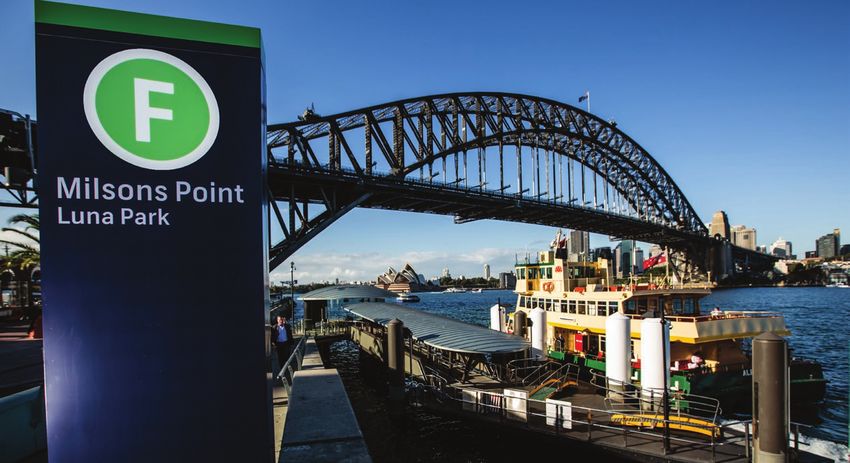
SYDNEY’S FERRY FUTURE
                                                                                                  MAY 2013

    MINISTER’S MESSAGE

                                    Sydney’s ferries are as iconic as the harbour itself. Since 1861 when
                                    the North Shore Ferry Company operated the first commercial
                                    cross harbour ferry service, residents and visitors to Sydney have
                                    relied on ferries to get them to work, education, or to simply take
                                    in the sights of Port Jackson as the city grew around it.

                                    Sydney’s Ferry Future is a twenty year plan that recognises the
                                    strengths of Sydney’s ferry services and takes action to improve
                                    the ferry transport experience for customers. It is a plan to
                                    modernise and grow the ferry system.

                                    We want to ensure ferries can maximise their service offering as
                                    part of a well-integrated transport system.

                                    The NSW Government has already reinstated 140 off-peak
                                    services and added 25 new services to fill gaps. We have
    contracted the private sector, through Harbour City Ferries, to deliver Sydney Ferries services
    and provide better customer service. Ferry services are now far more efficient than they were a
    decade ago.

    We have started the roll-out of the Opal electronic ticketing system on ferries first. As the roll-out
    continues and Opal becomes available to more customers, it will make it easier to pay fares and
    seamlessly connect to other services as Opal is extended to trains, buses and light rail.

    The upgrade and modernisation of wharves is already underway. Planning to replace the ferry
    fleet with modern, more efficient and more comfortable vessels is progressing. Investing in more
    boats and new wharves will give us greater flexibility to provide customers with more services on
    more routes to reflect the needs of a growing city.

    We are also cutting red tape so that it is easier for the private sector to introduce new services.
    Fairer access to wharves and fewer barriers for new services mean that customers will enjoy
    more options to travel around Sydney by ferry.

    Sydney’s Ferry Future is an integral part of the NSW Long Term Transport Master Plan. The NSW
    Government recognises ferries can play a larger role in Sydney’s transport task. Ferries are also
    an important part of what makes Sydney an attractive place to live and visit.

    Given the progress made in the past two years and the Transport Plan we have developed, there
    is no doubt Sydney’s Ferry Future is bright.

    Gladys Berejiklian MP
    Minister for Transport

2
SYDNEY’S FERRY FUTURE
MAY 2013

FERRIES TODAY

   •• Around 14.7 million trips are made on the       government include routes around the
      Sydney Ferries network every year.              harbour, along the Lane Cove River,
                                                      Pittwater, Port Hacking, the Hawkesbury
   •• The Sydney Ferries network consists of
                                                      River and between Palm Beach and the
      a fleet of 28 vessels in six vessel classes
                                                      Central Coast.
      serving eight routes and 39 wharves around
      the harbour and along the Parramatta River.   •• Deregulated private operators provide
                                                       fast services on the CBD to Manly route.
   •• A private sector consortium, Harbour
      City Ferries, is contracted by the NSW        •• Ferry customers report the highest level
      Government to operate services on                of customer satisfaction of any public
      these routes.                                    transport mode in Sydney.

   •• Other services provided by the                •• As many trips are for leisure as for
      private sector under contract to                 commuting to work.

Ferry customers                                     Watsons Bay, Milsons Point and Parramatta.
                                                    Opal will make travel for leisure customers
Ferry customers can be broadly split into two       more affordable. Customers who have reached
groups, each making up roughly half of the          their weekly travel cap will be able to take
patronage: commuters and leisure customers.         advantage of free travel on the weekend, and
Each of these customer segments has its own         all Opal users will be able to take advantage of
distinct needs and different travel patterns.       cheaper fares on Sunday.

Commuters
Those who rely on ferries to get to and from        What is important to
work want fast, reliable services. These            ferry customers?
customers also rely on good interchange
                                                    Customer research has shown there are
opportunities with other modes, whether it is
                                                    three main criteria which will attract and retain
switching from a bus, or catching a train from
                                                    ferry customers.
Circular Quay. Improving these interchange
points is critical to complement the                •• Travel time – customers value ferry services
introduction of the Opal electronic ticketing          that run frequently, reliably and get them
system that will make interchanging much               from the start to the end of their journey in a
easier. These customers generally travel in the        consistent amount of time.
morning and evening peaks.
                                                    •• Systems and efficiency – customers value
                                                       efficient ticketing across modes, car parking
Leisure Customers
                                                       facilities at wharves, real-time information,
A day on the harbour is an iconic Sydney
                                                       and accessibility for families with prams,
experience, whether it is for overseas or
                                                       older people and people in wheelchairs.
interstate visitors, or Sydney residents
and families taking advantage of the city’s         •• Comfort – customers value a seat on
waterways. Leisure customers want good,                the ferry as well as clean ferries and less
reliable services in the off-peak periods and          crowded wharves.
on weekends to key leisure destinations,
                                                    Improvements relating to timeliness were the
such as Manly, Taronga Zoo, Cockatoo Island,
                                                    most cited reason to use ferries more often.

                                                                                                         3
SYDNEY’S FERRY FUTURE
                                                         MAY 2013

    Figure 1   Ferry services in Sydney

4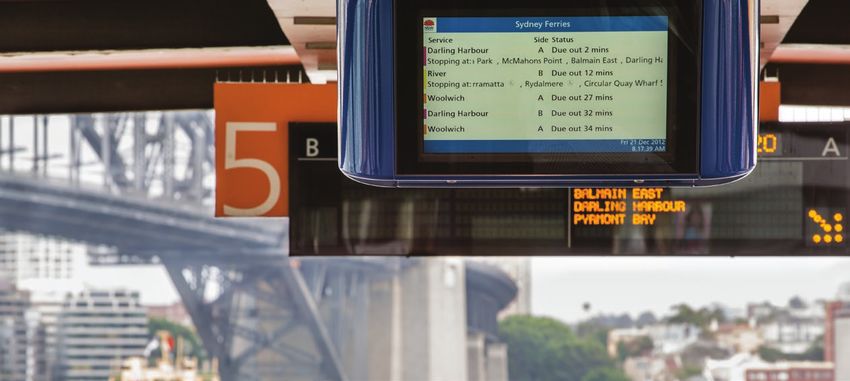
SYDNEY’S FERRY FUTURE
MAY 2013

Sydney’s ferry services today
Ferry services are provided in Sydney Harbour
and the Parramatta River, with a large number
of different services and stopping patterns
operating full or part time across the week.

In Sydney’s south, a ferry service connects
Cronulla to Bundeena across Port Hacking.

To Sydney’s north, ferry services connect
communities in Pittwater, the Hawkesbury
River and Brisbane Water, and across Broken
Bay between Palm Beach and Ettalong.

                                                5
SYDNEY’S FERRY FUTURE
                                                                                                       MAY 2013

    Capability and opportunity
    Ferry patronage has increased over the past                will be strong in the CBD and high rates of
    decade. Demand for ferry services is greatest              population growth are forecast near western
    to and from CBD wharves where jobs and                     wharves including Sydney Olympic Park,
    recreational activities are concentrated.                  Meadowbank and Cabarita along with Rose
                                                               Bay and Watsons Bay.
    Currently, about 40 percent of the 14.7 million
    annual trips on the Sydney Ferries network                 Darling Harbour Wharf is experiencing
    are on the Manly to Circular Quay route. In                patronage growth for both leisure use and
    addition, deregulated fast services on this                commuter access to the western part of the
    route are estimated to carry upwards of                    CBD. The development of Barangaroo will
    800,000 passengers annually.                               act as a large generator of extra trips to the
                                                               western part of the CBD. Integrated land use
    There is spare capacity over most of
                                                               and transport planning for Barangaroo is
    the network to accommodate growth.
                                                               targeting a very high proportion of trips to be
    Employment growth in the next 20 years
                                                               undertaken by public transport.

    Figure 2   Sydney ferry services – 2011/12 route patronage (million trips)

6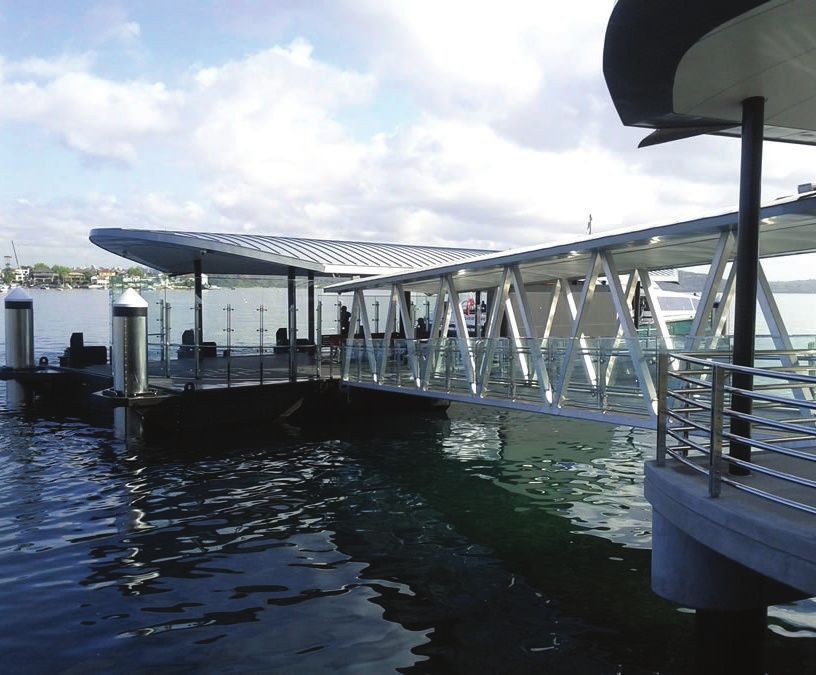
SYDNEY’S FERRY FUTURE
MAY 2013

Figure 3   Sydney Ferries network – patronage in the morning peak period by wharf (2012)

Across Sydney, the large majority of ferry trips          Figure 4    ccess distance to wharf for work
                                                                     A
                                                                     ferry trips
start within a 10 minute walk (800 metres) to
a wharf. About one-third of ferry trips on a
weekday are for leisure, increasing to nearly
three-quarters on weekends. This is much
higher than other transport modes and creates
high use outside the traditional commuter
peak, especially on sunny days and weekends.

Real-time information screens at Circular Quay

                                                                                                          7
SYDNEY’S FERRY FUTURE
                                                                                              MAY 2013

    Figure 5   Mode of access for ferry trips (2012)    On the weekend – and especially on Sundays
                                                        in good weather and during peak summer
                                                        holiday periods – Parramatta River, Manly
                                                        and other Sydney Harbour routes can require
                                                        extra unscheduled services to meet demand.
                                                        Similarly, Rose Bay and Parramatta River
                                                        services in the weekday peak can be extremely
                                                        busy. A small number of ferry wharves are
                                                        congested in commuter peak periods.

                                                        The introduction of the Opal electronic
                                                        ticketing system is expected to reinforce
                                                        weekend demand with the new fares allowing
                                                        all Opal users to access $2.50 Sunday fares,
                                                        and free travel if customers make more than
                                                        eight paid journeys during a week.

    Figure 6   Parramatta River trips across the week

8
SYDNEY’S FERRY FUTURE
MAY 2013
OUR PLAN FOR SYDNEY’S FERRY FUTURE
Sydney’s ferry services will play an expanded provide additional cross-harbour links. Service
role in our integrated transport system, frequency will be optimised to serve the mix
enhancing Sydney’s attractiveness as a of commuter and leisure demands at different
place to live and visit. New services will be times of the week, with an improved base level
introduced to meet customer needs and of service across the week.
demand. Modernisation and expansion
of the ferry fleet and wharf infrastructure
will support service delivery and enhance Integrated network approach
customer comfort. It will be easier for private
Ferries need to connect seamlessly to other
operators to initiate new routes and services
transport modes and include safe, convenient
within a policy and governance framework that
pedestrian access.
supports a sustainable ferry industry.
Interchanges with other transport modes
will be enhanced to allow customers to take
Services to meet advantage of the whole transport network.
customer demand Coordination with bus services will be
improved and there will be greater availability
Sydney’s Ferry Future is about re-designing of bicycle parking at wharves.
ferry services to respond to customer demand
and forecast growth. We have analysed Services will also be aligned to link into “ferry
demand for all routes, at each wharf and for to ferry” interchange points such as Balmain
future growth. East to make it easier for customers to travel
to different destinations across the harbour.
Sydney’s Ferry Future includes plans for
more direct services that will reduce travel Increasing ferry use will help to take pressure
times for commuters in peak periods and off key congested road corridors.
Figure 7 An integrated network approach
9SYDNEY’S FERRY FUTURE
MAY 2013
Figure 8 Sydney Ferries future network
NEW ‘FERRY EXPRESS’ BUSES FOR MANLY
Manly commuters have long been Submissions and correspondence from
concerned with the lack of good residents in these areas suggest that greater
connecting bus services at Manly Wharf to uptake of ferry services would occur if bus
get to and from surrounding areas easily. connections were improved. Bret Walker
SC’s 2008 Inquiry into Sydney Ferries also
A component of Sydney’s Ferry Future
noted this.
involves the introduction of new ‘Ferry
Express’ bus services, operating fast, These services will also encourage
non-stop services to and from Manly customers who might not normally use
Wharf during weekday peak times. These ferries because of inconvenient connections
services will meet Manly ferry arrivals and to now do so, freeing up capacity on
departures and will serve the suburbs of congested Military Road.
Freshwater, North Curl Curl, Balgowlah,
The new Ferry Express bus services will be
Balgowlah Heights, North Balgowlah and
introduced in the second half of 2013.
Manly Vale.
10SYDNEY’S FERRY FUTURE
MAY 2013
Modernising and growing fleet and wharf infrastructure
We will invest in new ferries, providing greater Customers have told us that the
flexibility to match services with demand convenience of wharf locations is an important
and reducing ongoing maintenance costs. factor in their decision to travel by ferry. The
A modern Sydney Ferries fleet with fewer NSW Government will investigate building
vessel classes will deliver better value, greater wharves at new locations where there is
reliability and improved customer comfort. growing demand.
The NSW Government is modernising Sydney
Harbour wharves to improve their accessibility,
decrease the time it takes for passengers to
board and alight from ferries, and improve the
amenity for customers with modern shelters
and seating.
11SYDNEY’S FERRY FUTURE
MAY 2013
DELIVERING NEW FERRIES
The process to deliver new ferries to replace, simplify and expand the Sydney Ferries fleet
has begun, with six new vessels expected to commence operations from 2016.
The specifications for the new fleet will be focussed on meeting customer needs and
delivering the capacity to provide improved services for the long term.
The specifications will also be shaped by the practical constraints of accessibility to
wharves, bridge clearances, shipyard facilities and waterway characteristics (including travel
between the heads to Manly and the shallowness in parts of the Parramatta River).
The benefits of replacing and simplifying the fleet include:
•• a more comfortable and, in some cases, quicker trip for customers
•• more services arriving on time due to improved operational flexibility and availability of
the fleet
•• lower overall service delivery cost
•• greater flexibility in maintenance schedules and facilities
•• better fuel efficiency and reduced noise levels.
Transport for NSW will pursue best practice in procuring the new ferries. It is anticipated
that there will be a two stage procurement process covering design and then construction.
The procurement process will include a period of industry and operator consultation to
refine the vessel specifications and ensure that value for money and customer service
considerations are satisfied.
The new vessel class will be designed and constructed to national standards.
A ferry hub at Barangaroo
The NSW Government will develop a new The new ferry hub at Barangaroo will:
ferry hub at Barangaroo to replace Darling
•• Serve the new commercial development
Harbour King Street Wharf. The Barangaroo
at this site with plans for a significant
site is currently being transformed from 22
proportion of commuters and visitors to
hectares of disused container wharves into
access the site by ferry
a waterfront precinct and will be the single
largest development in Sydney’s CBD over •• Connect ferry customers to the western
the next 20 years. Once fully occupied, and central parts of the CBD - a high quality
Barangaroo will accommodate more than pedestrian link, the Wynyard Walk, will
20,000 office workers and 2,500 residents. connect Barangaroo and Wynyard
Cultural and recreational facilities at the site
•• Relieve capacity constraints at the Circular
are also estimated to attract around 33,000
Quay ferry terminal.
visitors a day. Transport for NSW will work with
Harbour City Ferries to determine operational
and customer requirements of the new ferry
hub over the coming years.
12SYDNEY’S FERRY FUTURE
MAY 2013
ASSESSMENT OF NEW LOCATIONS TO BE SERVED
Transport for NSW has considered more than •• the frequency, cost, travel time and
30 new potential locations to be served by catchment of other modes compared
Sydney Ferries. Wharves exist at some of to ferries.
these but in some cases would need to be
Based on this assessment, locations
upgraded if to be used as commuter wharves.
recommended for further analysis are:
New wharves would need to be constructed
at others. Locations were assessed based on: •• Rhodes
•• current and future demand with a •• Glebe Point
focus on population, employment and
•• Johnstons Bay
attractions within the walking catchment
of the wharf •• Woolloomooloo
•• directness of the ferry route relative to •• Elizabeth Bay.
the road alternative
A potential new location for Birchgrove
•• the costs of new infrastructure Wharf will also be investigated.
Figure 9 Locations assessed for future ferry services
13SYDNEY’S FERRY FUTURE
MAY 2013
A more flexible environment for ferry operators
The franchising of Sydney Ferries is delivering priority will be maintained for NSW Government
customer focused and efficient services on the provided services, but other operators will be
core ferry network in Sydney Harbour. able to use the wharves at times that do not
interfere with the core services. The policy
Other important services provided by the
will provide greater certainty to operators and
private sector under contract to the NSW
allow recreational boats to temporarily access
Government include the Lane Cove River,
some commuter wharves where this does not
the City Loop Ferry, Port Hacking, Pittwater,
impede ferry services.
Hawkesbury River and to the Central Coast.
Deregulated services on the busiest route
The NSW Government is also maximising
between Manly and Circular Quay now
the opportunity for private operators to
supplement Sydney Ferries services. Proposed
supplement these services with new routes,
changes to the regulatory system will make
by providing access to wharves and reforming
it easier for deregulated private operators to
passenger transport legislation.
provide additional services.
A new draft policy for accessing NSW
Government owned wharves has recently been
open to public comment. Under this policy,
Recently upgraded Rose Bay Wharf
14SYDNEY’S FERRY FUTURE
MAY 2013
THE FOUR STAGES OF SYDNEY’S FERRY FUTURE
1
Restore
•• Restore service frequencies on inner-harbour routes (completed 2011)
service and
value •• Franchise Sydney Ferries to provide customer-focused and efficient
services on the core public transport network (completed 2012)
•• Introduce a new timetable with consistent stopping patterns
(commencing 2013)
•• Improve frequencies where demand is growing (commencing 2013)
2
Service
integration •• Introduce ‘Ferry Express’ Bus Services at Manly (commencing 2013)
and •• Better match bus connections with ferry services (commencing 2013)
improvements •• Opal electronic ticketing roll-out started with the Neutral Bay ferry
services (commenced 2012) and Manly services (commenced 2013)
•• Provide real time information at wharves and on ferries
(commencing 2013)
•• Enable unsubsidised ferry operators fairer access to wharves
(planned 2013)
• Upgrade wharves and wharf interchanges
3
Modernise • A new ferry hub at Barangaroo
wharves • Start replacing the Sydney Ferries fleet with modern vessels
and fleet (commencing 2016)
• Work with local governments and operators to ensure serviceable
fleet and wharves for services beyond Sydney Harbour
• Upgrade the central hub at Circular Quay to improve interchange with
trains, buses and the future light rail
• Progressive and ongoing development of the network with:
– higher frequency services on high demand routes
– more cross harbour links
– strengthened services from Manly to Circular Quay
4
Expand
services to – better leisure links, provided under contract as part of the public
provide for transport network or as unsubsidised services
growth • New wharves in high demand locations
• Modernise the Sydney Ferries fleet and progressively deliver more
vessels
• Additional bus connections that enable more customers to access ferries
• Ongoing planning, monitoring and tailoring of services as customer
travel patterns evolve
• Progressive best practice improvements to customer experience
15SYDNEY’S FERRY FUTURE
MAY 2013
PUTTING THE CUSTOMER FIRST
Sydney’s Ferry Future will provide customers with more frequent services and better connections
to where they want to go. On higher demand routes, more direct services will make journey times
shorter in the commuter peak. Integrated ticketing and real-time information services will mean
ferries are more convenient to use. Customers will also enjoy more comfortable wharf facilities
and modern, more reliable vessels.
More services and better •• New uniforms and name badges to promote
visibility of staff
passenger comfort
•• Removing physical barriers between
Customers will enjoy the benefits of a modern
customers and staff, for example, at
fleet as some older vessels are replaced and
information booths and facilitating face to
new vessels are used to support growth.
face interaction between staff and customers.
Additional vessels will enable more services,
increasing customer convenience. In some Other operators, especially on the fast Manly
cases, smaller, modern vessels may also result services, are also implementing service
in a quicker trip. innovations including bar and cafe services,
TVs, free Wi-Fi and free fruit.
Modern seating and on-board facilities will also
enhance passenger comfort and improve on-
board experience.
Real-time information
A Ferry Operations and Customer Information
Better customer service System (FOCIS) is being rolled out across the
network to provide real-time information through
Sydney Ferries is focused on creating an
screens and audio announcements on all
environment where customers are comfortable
wharves and vessels. Destination and timetable
and at ease, with visible and attentive staff on
information will be provided at wharves
ferries and wharves. Some new initiatives include:
including audio announcements with facilities
•• Customer service training of staff designed for hearing and vision impaired customers.
to ensure service excellence
16SYDNEY’S FERRY FUTURE
MAY 2013
Easier access to wharves
As part of the NSW Government’s Transport Access Program, upgrades are underway at a
number of wharves to make them secure, modern and accessible.
Many wharves are located in spectacular locations with challenging topography. The Government
will collaborate with local governments to identify opportunities to improve pedestrian access.
New wayfinding signage being tested at Milsons Point Wharf
TRANSPORT ACCESS PROGRAM
The NSW Government is investing more than $770 million over four years in the
Transport Access Program to deliver accessible, modern, secure and integrated transport
infrastructure where it is needed most. This includes station upgrades, better interchanges
and park and ride facilities as well as upgrades of ferry wharves that provide improved
access to people with disability, older people and parents with prams.
Planning and design work has identified future projects, taking into account current and
future patronage, the needs and demographics of customers, whether important services
such as hospitals or educational facilities are nearby, and the accessibility of other nearby
transport interchanges and facilities.
Since 2011, new wharves have been built at Milsons Point, Neutral Bay, Rose Bay, Balmain and
Huntleys Point. The next phase of the wharf upgrade program – part of the NSW Government’s
$770 million Transport Access Program – will see the following wharves upgraded:
•• Mosman Bay •• Balmain East •• Drummoyne
•• McMahons Point •• Sydney Olympic Park
•• Cremorne Point •• Pyrmont Bay
17SYDNEY’S FERRY FUTURE
MAY 2013
Accessing more destinations through better interchange
and integration
Service changes will mean customers will be In the commuter peak, shuttle services will
able to interchange to other ferry services be introduced between Parramatta and
to access a broader range of destinations Rydalmere. A small number of Parramatta
and connect easily to the rest of the Wharf customers will need to change at
transport network. Rydalmere for an express service to the CBD.
This will improve the reliability of services and
In the near future, customers will be able to
frequency of the main Parramatta River route.
change at Balmain East to transfer to routes
travelling to or from Barangaroo, McMahons Bus and ferry connections will be enhanced.
Point, Milsons Point and Circular Quay. As The switch between transport modes will also
cross-harbour routes are introduced, there be made easier as Opal electronic ticketing is
will be more options for customers to change rolled out.
services to get to their preferred destination.
Customers will be assisted by clearer
wayfinding and information.
ROLL-OUT OF OPAL ELECTRONIC TICKETING ON FERRIES
The roll-out of Opal electronic ticketing commenced with a trial on the Neutral Bay ferry
service in December 2012. During 2013, the trial is being extended to all ferry routes and
from the second half of 2013 to trains, followed by buses and light rail. The incentives to
encourage uptake of the Opal card are:
•• $2.50 Sunday fare cap for all Opal card customers
•• a reward of free travel for customers who have already made eight paid journeys in a
week (Monday to Sunday)
•• a daily cap of $15 for Opal Card customers Monday to Saturday.
18SYDNEY’S FERRY FUTURE
MAY 2013
Continuous improvements in safety
New national arrangements for domestic will promote continuous improvement in
commercial vessel safety will commence in marine safety with effective identification and
July 2013. All Australian states and territories management of safety risks.
have agreed to a single national regulator,
Roads and Maritime Services will continue to
the Australian Maritime Safety Authority,
be responsible for regulating wharf safety in
overseeing safety for commercial vessel
NSW through regular wharf inspections to
operators. The national standards have been
ensure the safety of customers and operators
developed over a number of years and NSW
of ferry services.
has progressively adopted them as they
have been agreed. The new arrangements
19SYDNEY’S FERRY FUTURE
MAY 2013
YOUR FERRY SERVICE
In the short term there are opportunities to to Circular Quay, with savings of up to ten
improve services utilising the existing fleet minutes. It will also mean better reliability
and wharf infrastructure. In the longer term, and capacity east of Chiswick.
customers on all routes will benefit from a
•• During the weekday off-peak and on
modern, expanded fleet, better wharves and
weekends, an all stop service will operate
new services.
between Parramatta, Darling Harbour and
Key enhancements to services include: Circular Quay to support leisure travel needs.
Additional services will also be provided in
•• Better Parramatta River, Eastern Suburbs
2013 along the Parramatta River during the
and Darling Harbour/Barangaroo services
off-peak and on Sundays when demand is at
•• New cross harbour links its highest.
•• New ‘Ferry Express’ bus services connecting •• The very poorly patronised wharf at Bayview
to Manly ferries. Park will no longer be served, but regular
bus services will provide a public transport
alternative1. This change frees up a vessel to
Parramatta River serve peak demands along more patronised
wharves along the Parramatta River.
Service integration and improvements
•• The new ferry timetable will also be
•• The frequency of Parramatta River services supported by better bus connections at key
will be enhanced for most wharf locations wharves along the Parramatta River, making
to reflect demand and growth potential and it easier for customers to transfer across the
to achieve more efficient use of available public transport network.
capacity. Timetables will also be easier
to understand for customers, with more
Modernise wharves and fleet
consistent stopping patterns of services.
•• Huntleys Point Wharf has recently
•• During the peak, three distinct stopping been upgraded under the Transport
patterns will be provided along the Access Program.
Parramatta River under the new ferry
•• Sydney Olympic Park and Balmain East
timetable in 2013:
wharves will be upgraded under the
–– An express service, stopping at all Transport Access Program.
wharves between Rydalmere and
•• A new ferry hub will be built at Barangaroo.
Abbotsford, then direct to McMahons
Point, Milsons Point and Circular Quay. •• The Transport Access Program will include
This service will connect with the further wharf upgrades in the longer term.
Parramatta to Rydalmere ferry shuttle.
–– Chiswick to Circular Quay, as an all stop Expand services to provide for growth
service to McMahons Point, Milsons Point •• As the fleet is expanded, Parramatta River
and Circular Quay services will be further simplified across peak
times, weekdays and on weekends:
–– Sydney Olympic Park to King Street
Wharf, as an all stop service to King Street –– Parramatta route, as a limited stop
Wharf that supports growing customer service from Parramatta / Rydalmere
demand at this Sydney CBD location. to Abbotsford, then Balmain East and
Circular Quay
•• Changes in peak stopping patterns in the
new timetable will mean shorter travel times
from most wharf locations west of Chiswick
1 B
ayview Park has average daily peak patronage
of 28 compared to 880 at Cabarita and 690
at Abbotsford
20SYDNEY’S FERRY FUTURE
MAY 2013
–– Inner River route, as an all stop service Balmain/Woolwich
between Cabarita and Barangaroo.
•• Once upgraded, Balmain East will be included Service integration and improvements
as a wharf on the Parramatta and Inner River •• Balmain/Woolwich services will be aligned
routes. This wharf will become an important to provide an all-stop service between
interchange hub, with customers able to Cockatoo Island and Circular Quay. Balmain
transfer to other ferry and bus services to will also receive additional peak services
get to a wider range of destinations. to McMahons Point and Milsons Point to
support customer demand.
•• A new wharf will be investigated at
Rhodes and, if warranted as development •• The very poorly patronised wharf at Balmain
there progresses, will be introduced as West will no longer be served2, freeing up
an additional stop on the Parramatta a vessel to serve peak demands on other
River route. ferry routes.
•• As demand grows in the medium and long
Modernise wharves and fleet
term, service frequencies and operating
hours will continue to be expanded and •• Balmain Wharf has recently been upgraded
supported by improved bus connections. under the Transport Access Program.
•• The Sydney Ferries fleet replacement •• Balmain East and Drummoyne wharves
program and the delivery of additional will be upgraded under the Transport
vessels will enhance customer comfort, Access Program.
enable more services and improve reliability. •• The Transport Access Program will include
further wharf upgrades in the longer term.
PARRAMATTA Expand services to provide for growth
COMMUTER SERVICES •• Once upgraded, Balmain East will be included
as a wharf on the Balmain/Woolwich
Ferries to and from Parramatta Wharf
route. This wharf will become an important
in the commuter peak are not being
interchange hub, with customers able to
well used. Average patronage on the
transfer to other ferry and bus services to
weekday morning services out of
get to a wider range of destinations.
Parramatta Wharf is only 12 people
per service, yet the Rivercat, with a •• As demand grows in the medium and long
capacity of 230 people takes 40 minutes term, service frequencies and operating
to make the journey from Rydalmere hours will continue to be expanded and
to Parramatta and back. This is poor supported by improved bus connections.
utilisation of a vessel that could be
better used providing extra services to •• The Sydney Ferries fleet replacement
the busy commuter services elsewhere program and the delivery of additional
on the Parramatta River. vessels will enhance customer comfort,
enable more services and improve reliability.
Under the new timetable, shuttle
services will be introduced between
Parramatta and Rydalmere, with
commuters interchanging to the Rivercat
service. Services will continue to operate
directly to Parramatta in off-peak times
and on weekends, reflecting demand.
2 B
almain West has average daily peak patronage
of 48 compared to 350 at Balmain East and 770
at Balmain
21SYDNEY’S FERRY FUTURE
MAY 2013
Darling Harbour Eastern Suburbs
Service integration and improvements Service integration and improvements
•• Timetables will be easier to understand, •• Service patterns will be simplified to
with regular service times. Opportunities reflect commuter and leisure demand. The
for more frequent weekend services will also frequency of Eastern Suburbs services will be
be considered. enhanced for key wharves to reflect demand
and growth potential, and to achieve
Modernise wharves and fleet more efficient use of available capacity.
•• Milsons Point Wharf has been upgraded Timetables will be easier to understand for
under the Transport Access Program. customers with regular service times.
•• Balmain East, McMahons Point and Pyrmont •• Two distinct routes will be provided for the
Bay wharves will be upgraded under the Eastern Suburbs:
Transport Access Program. –– Rose Bay route, with a direct Rose Bay
•• From 2016, new replacement vessels will service in the peak, and an extended
improve customer comfort and service service to Watsons Bay in the off-peak
reliability. weekdays and on weekends
•• A new ferry hub at Barangaroo will be built. –– Double Bay route, with stops at Double
Bay and Darling Point in the peak, and
•• The Transport Access Program will include Garden Island and Double Bay in the off-
further wharf upgrades in the longer term. peak weekdays and on weekends
•• These changes will commence in the peak
Expand services to provide for growth
and on weekends under the new 2013
•• In the medium term, the Darling
timetable, and for the weekday off-peak
Harbour route may be linked into a cross
in the short term. Additional services to
harbour service.
Darling Point during the weekday off-peak
•• Once upgraded, Balmain East will grow in and on weekends will also be introduced in
importance as an interchange hub, with the short term.
customers able to transfer to other ferry
and bus services to get to a wider range Modernise wharves and fleet
of destinations. •• Rose Bay Wharf has recently been upgraded
under the Transport Access Program.
•• As demand grows in the medium and long
term, service frequencies and operating •• From 2016, new replacement vessels
hours will be expanded and supported by will improve customer comfort and
improved bus connections. service reliability.
•• The Sydney Ferries fleet replacement •• The Transport Access Program will include
program and the delivery of additional further wharf upgrades in the longer term.
vessels will enhance customer comfort,
enable more services and improve reliability. Expand services to provide for growth
•• New wharves will be investigated at Johnstons •• There is an opportunity to link the Rose
Bay and Glebe Point and, if warranted, Bay / Watsons Bay route as part of a
will be introduced in the longer term as an cross harbour service to Pyrmont and by
extension to the Darling Harbour route. extending to Manly in the off-peak weekdays
and on weekends.
22SYDNEY’S FERRY FUTURE
MAY 2013
•• As demand grows in the medium and Expand services to provide for growth
long term, service frequencies and
•• As demand grows in the medium and long
operating hours will continue to be
term, service frequencies will be improved
expanded and opportunities for new bus
to support demand. An increase in the
connections investigated.
frequency of bus connections to meet these
•• The Sydney Ferries fleet replacement additional ferry services will be investigated.
program and the delivery of additional
•• The Sydney Ferries fleet replacement
vessels will enhance customer comfort,
program and the delivery of additional
enable more services and improve reliability.
vessels will enhance customer comfort,
•• New wharves will be investigated at enable more services and improve reliability.
Elizabeth Bay and Woolloomooloo, and if
warranted, will be introduced as part of the
Double Bay route. Neutral Bay
Service integration and improvements
Mosman and Taronga Zoo •• The all stops service between North Sydney,
Neutral Bay, Kurraba Point, Kirribilli and
Service integration and improvements Circular Quay will have easier to understand
•• Service patterns will be aligned to reflect timetables with regular service times.
commuter and leisure demand. The frequency
•• Customers will continue to benefit
of Mosman services will be enhanced for key
from the recent introduction of Opal
wharf locations in the peak to reflect demand
electronic ticketing.
and growth potential, and to achieve more
efficient use of available capacity. •• Existing bus connections at Neutral Bay
Wharf will be maintained as part of an
•• During the peak, two distinct stopping
integrated transport network.
patterns will be provided in the new 2013
timetable:
Modernise wharves and fleet
–– Mosman to Circular Quay as an all •• Neutral Bay Wharf has recently been upgraded
stop service under the Transport Access Program.
–– Mosman, Taronga Zoo and Cremorne
Point to Circular Quay Expand services to provide for growth
•• As demand grows in the medium and long
•• During weekday off-peak and on weekends,
term, opportunities to expand operating
all stops services will continue to operate
hours will be investigated. Bus connections
between Mosman and Circular Quay and
will be provided for additional ferry services.
express services between Taronga Zoo and
Circular Quay. •• The Sydney Ferries fleet replacement
program and the delivery of additional
Modernise wharves and fleet vessels will enhance customer comfort,
enable more services and improve reliability.
•• Cremorne Point and Mosman Bay Wharves
will be upgraded under the Transport
Access Program.
•• The Transport Access Program will include
further wharf upgrades in the longer term.
23SYDNEY’S FERRY FUTURE
MAY 2013
Manly Cross Harbour
•• In the future, a new east to west cross
Service integration and improvements harbour route can provide an opportunity
•• New ‘Ferry Express’ bus services will for customers to access more destinations
be introduced in 2013, providing better with a frequent and direct service. This route
connections to the Northern Beaches. will also provide strong linkages between
the Eastern Suburbs, Sydney CBD, Lower
Modernise wharves and fleet North Shore and the Inner West. This route
•• The Transport Access Program will include has the potential to be extended to Manly in
further wharf upgrades in the longer term, the longer term.
including to the central hub at Circular Quay.
•• Other north to south cross harbour
services will also be considered, such as
Expand services to provide for growth linkages between Taronga Zoo and the
•• Inclusion of Manly as part of a cross harbour Eastern Suburbs.
route that provides additional travel
destinations for customers within the same
journey will be investigated. Services beyond
•• The Sydney Ferries fleet replacement Sydney Harbour
program and the delivery of additional •• The NSW Government is committed to
vessels could allow increased service maintaining existing ferry links beyond
frequency and reduced travel times Sydney Harbour and recognises that in
between Manly and Circular Quay while some areas ferries provide the only public
providing improved reliability. transport service to isolated communities.
•• A deregulated service is currently serving Transport for NSW will continue to work
Darling Harbour from Manly and as with ferry operators to best meet customer
demand increases with the development of needs on these services.
Barangaroo further options for direct access •• Proposed changes to the regulatory
will be considered. environment will provide flexibility to allow
•• Opportunities for new and more frequent for existing contracts for these services to
bus connections will be investigated. be maintained and renewed, or moved onto
new procurement arrangements.
•• New operators may propose additional
Lane Cove River services. These may not require a contract
•• Lane Cove River services will be maintained but will rely on operators securing access
to support the important school transport to wharves, which are mostly owned by
and commuter task. Transport for NSW will local councils.
continue to work with the ferry operator to
best meet customer needs on this service.
24SYDNEY’S FERRY FUTURE
MAY 2013
WE LISTENED
The development of Sydney’s Ferry Future Specific suggestions were made to improve
draws on extensive consultation on the Long ferry services, including:
Term Transport Master Plan and targeted
•• increase the number of services and extend
customer research with existing and potential
the hours ferries operate, particularly on
ferry customers.
eastern suburbs services
Consultation on the NSW Long Term Transport
•• maintain and improve existing services on
Master Plan included:
Sydney Harbour
•• over 130,000 hits on our website
•• invest in more frequent ferries to
•• over 1200 submissions from the service growing areas such as Rhodes
public, industry and experts on the and Meadowbank
Discussion Paper
•• increase communication between ferry
•• over 480 submissions on the draft Plan operators and other transport modes to
improve linkages
•• consultation with customer, transport
specialist, industry and local government •• support ferry wharves with feeder bus services
advisory groups
•• increase the number of ferry interchanges
•• over 320 attendees at public forums
•• reduce travel times to the city.
in Sydney.
25For more information, visit www.transport.nsw.gov.au
You can also read


