National's Wellington and Hutt Valley Transport Package - Scoop
←
→
Page content transcription
If your browser does not render page correctly, please read the page content below
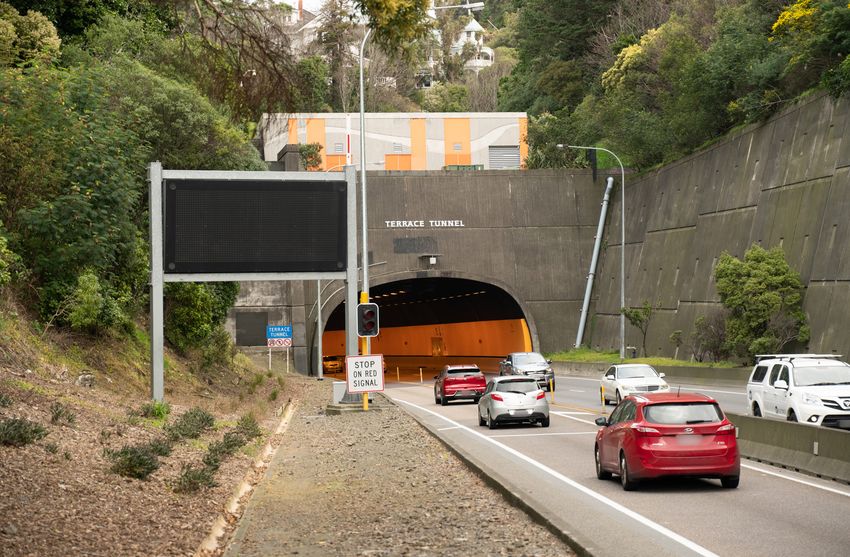
National’s Wellington and Hutt Valley
Transport Package
Overview                                             and increase walking and cycling links. We
                                                     are sceptical that light rail is the right mode
The Wellington region has argued about               for rapid transit, and more confident that bus
transport for far too long, to the region’s          rapid transit can be deployed more quickly
obvious and demonstrable detriment. While            and flexibly to deliver the high quality rapid
the rest of the country, notably Auckland, has       transit system Wellington needs.
been working with central Government to
unlock investment in world-class expressways         National’s package contains significant
and high quality public transport, Wellington        investment into the metro rail network for more
has been going backwards.                            trains, greater reliability, and an expanded
                                                     commuter network to Ōtaki (and in time, Levin).
Congestion chokes the city on major transport        We will prioritise the roll-out of integrated
corridors (SH1 and 2) and on major regional          ticketing on Wellington buses and trains. It is
arterial roads like the Petone Esplanade.            absurd that in the 2020s people can still buy
The region is vulnerable to major natural            train tickets using cash that are unusable on
disasters (and even minor disruptions like           buses.
rock falls), with a real lack of resilience in the
network. Forecasts suggest that by 2025,             We are deliberately taking a regional
commuters will be packed like “sardines” on          approach, recognising the significant and
trains without significant new investment. In        growing commuter and freight linkages
2018, Wellington’s popular and effective bus         between the northern suburbs of Wellington,
network experienced a “lasagne of failure”,          the city itself, and the Hutt Valley. On the
with residents losing confidence in the service      critical SH2 corridor stretching from the city
after months of disruption.                          to Te Marua, our aim is to eliminate all sets of
                                                     traffic lights by 2030, to allow traffic to flow
Safety is a significant issue at a number of         more freely, and to increase safety.
major intersections on SH2. A failure to build
new transport infrastructure has contributed to      A new governance structure will be required to
a housing shortage, which has caused record          execute our plan, which National will establish
house price and rent increases, a record social      quickly upon forming office.
housing waiting list, and real homelessness
across the region.                                   National’s Wellington and Hutt Valley Transport
                                                     Package will reduce congestion, improve
National’s transport plan for the Wellington         resilience, increase safety, improve public
region is ambitious and comprehensive. It            transport, and facilitate new housing through
builds on the Let’s Get Wellington Moving            greater densification on greenfield sites. It will
programme adopted by the current                     help make Wellington into the modern city
Government, but crucially, it also funds             and region it can and should be. In short, it will
important multimodal state highway projects          actually get Wellington moving.
that Wellingtonians have been demanding for
years - projects that the Let’s Get Wellington
Moving programme actually recommended
but were removed or delayed by the Labour
Government. We will deliver the full Let’s Get
Wellingon Moving programme.

Our package also funds rapid transit as a
complement to major roading projects, to spur
urban regeneration, decrease congestion,
                                                                                                        1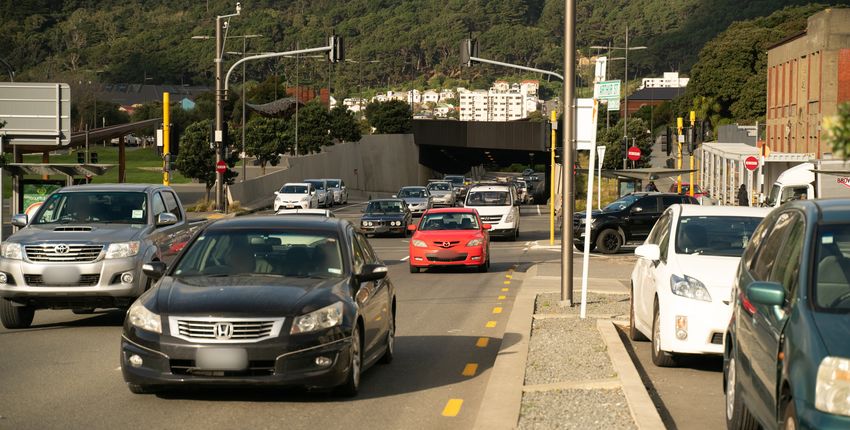
Let’s Get Wellington Moving –
what went wrong?
The Let’s Get Wellington Moving project          There are three further problems with Let’s Get
(LGWM) was commenced with good                   Wellington Moving:
intentions in 2016 by the previous National-
led Government alongside local government        •   It did not look at the whole region, only
in Wellington. The aim was to let bygones            at the area from Ngauranga through to
be bygones, figure out what Wellingtonians           the airport. The Hutt Valley and northern
wanted, gain as much consensus as possible           suburbs were left completely out of the
amongst key agencies, and design an                  package.
integrated package that looked at the            •   How the programme will actually be
needs of the city as a whole rather than on a        delivered is unclear. Accountability for
project-by-project basis.                            delivery of the programme is opaque, and
                                                     projects announced as being committed
LGWM was finally released to the public in           to by Government are, in reality, not
May 2019. However, the package announced             assured of funding through NZTA.
by the Government differed markedly from
the Recommended Programme of Investment          •   The cost split between local government
(RPI), dated October 2018, which was devised         and central government has never been
by the LGWM working group after extensive            satisfactorily resolved. Local government is
work and consultation.                               expected to pay for state highway projects
                                                     (traditionally the responsibility of central
The most notable omissions were two critical         government), with very limited funding
state highway projects –a second Terrace             tools available to them.
Tunnel, and undergrounding SH1 at Te Aro.
Both were recommended in the RPI, but were       National’s Transport Package will address
absent from the announced package.               these issues, as detailed below.

Furthermore, the package purported to
contain a second Mt Victoria Tunnel (which
was recommended in the RPI), but it was
obvious Ministers were lukewarm on the
prospect. Later, it was revealed that the
second Mt Victoria Tunnel had essentially been
pushed back to 2029 or later at the behest
of Associate Minister of Transport (and Green
Party Transport Spokesperson) Julie-Anne
Genter by way of still-unreleased “secret
letter” to Minister of Transport Phil Twyford.
The letter has never been released, but both
Twyford and Genter have all but admitted it
was her pressure that led to the tunnel being
pushed back.

                                                                                                 2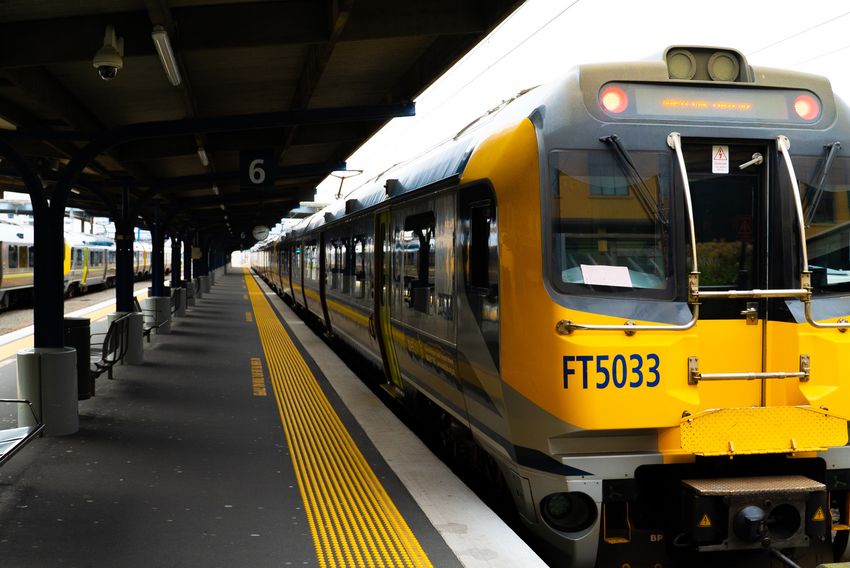
Overview of National’s                             local government pays for local roads and
                                                   other improvements.
commitments
                                                   National will fully fund the state highway
Funding                                            projects in our Wellington package from
                                                   central Government through the National
National’s $31 billion transport infrastructure    Land Transport Fund.
package, over and above what the current
Government is spending, is the biggest             Rapid Transit will continue. We have worked
infrastructure package in New Zealand history.     on the basis that $2.2 billion (the government’s
                                                   numbers) over 20 years will be spent on the
From the $31 billion in extra funding, we          project. Our preference for bus priority and
have allocated $3.9 billion to the Wellington      bus rapid transit means we expect to make
region. This is in addition to the funding         savings in this area. Any savings as routes
track of the current Government through            and business cases are developed will be
Let’s Get Wellington Moving, the National          reallocated to other projects in future years.
Land Transport Programme and NZ Upgrade
Programme. It will result in a massive boost to    Our move to make the Government pay for
transport spending in the Wellington region.       state highway projects (Fixing the Basin, Mt
It will bring estimated transport spending in      Vic, Terrace Tunnel, trenching under Te Aro)
the Wellington region over the next 20 years to    relieves ratepayers of the burden of paying for
at least $12 billion.                              central Government state highway projects.
                                                   This will save Wellington ratepayers hundreds
Our package is designed as a 20-year vision        of millions of dollars.
for the city and region. We will proceed with:
•   All of the current Let’s Get Wellington        Governance Changes
    Moving projects committed to by the            Transport governance in Wellington is
    current Government.                            fragmented and opaque. The regional
                                                   council has responsibility for the operation of
•   All of the NZ Upgrade Programme projects
                                                   public transport (buses and trains) while four
    for Wellington (Melling Interchange, rail
                                                   territorial local authorities (Wellington City,
    upgrades north of Wellington, SH58 safety
                                                   Hutt City, Upper Hutt City, Porirua City) are
    improvements).
                                                   responsible for local roads.
•   All of the existing National Land Transport
    Programme projects (for example, Te Ara        National believes there is a strong case for the
    Tupua – the Hutt Valley to Wellington          creation of a dedicated agency to plan, fund,
    Walking and Cycling Link).                     and manage transport across the Wellington
                                                   region.
We will also fund additional projects detailed
below.                                             National will:
                                                   •   Create a stand-alone agency to deliver
Central/Local Government cost share                    National’s redesigned and improved Let’s
LGWM was announced by the Government                   Get Wellington Moving package.
as a $6.4 billion package over 20 years,
                                                   •   In time, this agency will transition into
with funding assigned to Wellington from
                                                       Wellington Transport, which will take over
the National Land Transport Fund. Sixty per
                                                       the planning, funding and management of
cent of the package was to be paid for by
                                                       transport in Wellington.
Government ($3.8 billion), and $2.6 billion from
local government.

The package reverses the long-standing
policy, for no good reason, that central
Government pays for state highways while

                                                                                                     3
Committed projects

                                                                   Cost
 Project                  Description                                     Funding   Timeframe
                                                                   ($m)

 Melling Interchange      National successfully pressured          258    NZ        2022-2026
                          the Government into progressing                 Upgrade
                          the Melling Interchange, which
                          was delayed until 2028 or later.
                          The project is now funded and will
                          include replacing the road bridge
                          over the river, improving access to
                          walking, cycling and public transport
                          and adding to the resilience of the
                          transport route between Hutt Valley
                          and the wider Wellington region.

 Rail upgrades north of   Improving rail network capacity and      211    NZ        2022-2025
 Wellington               safety through extra tracks, level              Upgrade
                          crossing upgrades and removals,
                          and the introduction of a modern
                          safety system.

 SH58 Safety              This project will finally see upgrades   59     NZ        2020-2023
 Improvements (Stage 2)   to one of the region’s most                     Upgrade
                          dangerous stretches of road. The
                          project will include widening the
                          road, installing roadside and median
                          safety barriers, installing two new
                          roundabouts, and bridge widening
                          improvements.

 A walkable city          Accessibility and amenity                95     Current   2020-2024
                          improvements, setting safer                     LGWM
                          speeds for vehicles, and walking
                          improvements.

 Connected cycleways      Cycleways on Featherston Street,         40     Current   2020-2024
                          Thorndon Quay, Courtenay Place,                 LGWM
                          Dixon Street, Taranaki Street, Willis
                          Street, Victoria Street, Kent and
                          Cambridge Terraces and Bowen
                          Street.

 Public transport         Dual public transport spine through      360    Current   2020-2024
 (city and north)         the central city on the Golden Mile             LGWM
                          and Waterfront Quays, rail network
                          improvements and bus priority on
                          Thorndon Quay and Hutt Road.

 Smarter transport        Full integrated ticketing, transition    80     Current   2020-2024
 network                  to integrated transport network                 LGWM
                          operating systems, travel demand
                          management measures including
                          Mobility as a Service, parking policy
                          improvements and education and
                          engagement.

                                                                                                4
Cost
Project                 Description                                       Funding   Timeframe
                                                                  ($m)

Unblocking the          Package of minor at-grade changes         190     Current   2020-2024
Basin Reserve           to improve reliable access for                    LGWM
                        all modes, Basin Reserve grade
                        separation between north-south
                        movements, east-west movements
                        and any rapid transit corridors.

                        National will fully fund this project,
                        rather than cost-share with local
                        government.

Second Mt Victoria      Extra Mount Victoria Tunnel and           700     Current   2023/4
Tunnel and widening     widening of Ruahine Street/                       LGWM      onwards
of Ruahine Street       Wellington Road to improve access
                        for buses and dedicated walking
                        and cycling facilities.

                        National will fully fund this project,
                        rather than cost-share with local
                        government.

Rapid transit           Provide rapid transit as part of the      2,200   Current   2024
                        wider public transport network from               LGWM      onwards
                        the railway station to Newtown, and
                        Newtown to the airport.

Second Terrace Tunnel   Duplicating the Terrace Tunnel to         400     NEW       2027/8
                        bolster capacity for traffic through              Funding
                        the Wellington CBD, enabling less
                        through traffic on waterfront quays,
                        improving safety and amenity in the
                        CBD, and improving access to the
                        port from the north.

                        National will fully fund this project,
                        rather than cost-share with local
                        government.

Undergrounding          Undergrounding in Te Aro will             1,100   NEW       2029/30
SH1 through Te Aro      provide for a more efficient flow of              Funding
                        traffic through the Wellington CBD,
                        ensuring reliable travel times through
                        the city to the Airport and from the
                        CBD to the urban motorway.

Petone to Grenada       Constructing a new route between          900     NEW       2025/6
Link Road (part of      Petone and Grenada will provide                   Funding
new Seaview to          a critical link connecting the Hutt
Grenada Link Rd)        Valley with the wider Wellington
                        region. This will add resilience to the
                        transport network, improve travel
                        times, particularly on the Petone
                        to Ngauranga section of SH2, and
                        support growth in the region. It will
                        allow for direct public transport
                        between Petone and Porirua.

                                                                                                5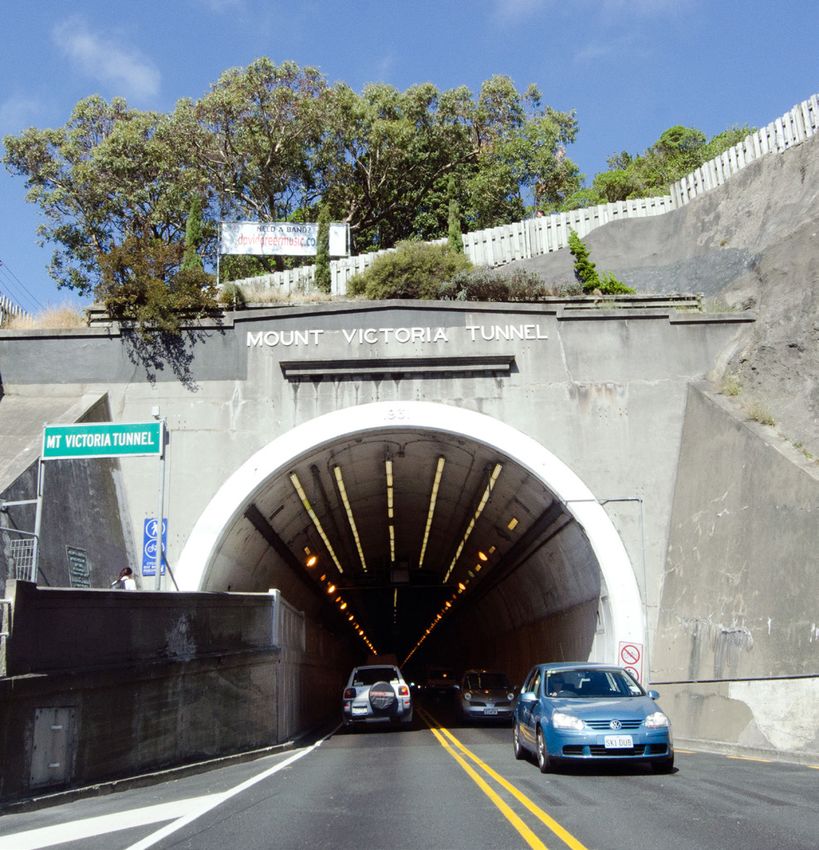
Cost
Project                      Description                                      Funding   Timeframe
                                                                       ($m)

Cross Valley Link (part of   The Cross Valley Link in the Hutt         160    NEW       2021/2
new Seaview to Grenada       Valley has been discussed since                  Funding   onwards
Link Rd)                     the 1960s. National will declare the
                             corridor a state highway and fully
                             fund the project as part of the new
                             Seaview to Grenada Link Road.
                             The project will improve network
                             resilience, improve transport choices,
                             improve accessibility and support
                             development and urban growth.
                             The new corridor will feature new
                             and upgraded road connections
                             to Seaview/Gracefield, bus priority
                             routes, and new and upgraded
                             active mode connections.

Kennedy Good                 The SH2 intersection at Kelson and        50     NEW       2026/7
(Kelson) Interchange         Kennedy Good bridge, connecting                  Funding
                             SH2 and Kelson with the valley floor,
                             is a notorious choke point and safety
                             risk. Housing growth in the western
                             hill suburbs and on the valley floor
                             means a new grade-separated
                             interchange should be fast-tracked.

Four-laning Silverstream     The section of SH2 from Whakatiki         100    NEW       2022
to Whakatiki St including    Street to Silverstream (known as the             Funding   onwards
a new Moonshine Bridge       River Road) is a notorious safety risk,
                             particularly the Moonshine Bridge.
                             National will four lane the road and
                             replace the dangerous bridge. In
                             time, we will look to extend four-
                             laning from Silverstream to Te Marua,
                             and we will grade separate the
                             Silverstream intersection.

Wellington Metro Rail        The Wellington commuter rail              300    NEW       2025/6
Upgrade                      network is growing strongly, and                 Funding
                             new trains are required from
                             2025 onwards. In particular the
                             Wairarapa and Manawatū areas are
                             experiencing strong growth. National
                             will fund the Greater Wellington
                             Regional Council’s investment
                             proposal for new trains, to replace
                             existing longer-distance rail rolling
                             stock with a fleet of four-car DMUs
                             or DMMUs. The new rolling stock will
                             operate services in the Wairarapa
                             and Manawatū, which will run at
                             improved frequencies to provide
                             better access and capacity between
                             Masterton/Palmerston North and
                             Wellington, including much needed
                             additional capacity at key stations
                             within the electrified area.

                                                                                                    6
Cost
Project Description Funding Timeframe
($m)
Te Ara Tupua (Hutt Valley The Hutt Valley to Wellington 130 NLTF 2020
to Wellington Walking/ Walking and Cycling Link will deliver
Cycling) a safe and efficient route between
Wellington and the Hutt Valley
for cyclists and pedestrians, and
connect with local paths. National
kick-started this project through its
Urban Cycleways Funding when last
in office and we will seek to fast-
track construction of the Petone
to Ngauranga section. We will also
seek to fast-track the Eastern Bays
Shared Path in the Hutt.
Projects to be investigated and considered for funding in future years:
• Extension of Melling train line to Kelson/Belmont.
• Second access into Wainuiomata.
• Silverstream Interchange upgrade.
• Haywards to Stokes Valley Connector Project.
• Four-laning of SH58.
7Second Mt Victoria • This issue will become more critical as the
available capacity on these other routes
Tunnel is increasingly prioritised away from cars
to other modes, including mass transit. An
additional Mt Victoria tunnel will enable
Context the transport system to cater for growth
and improve journey reliability on this
The existing Mt Victoria Tunnel, connecting
corridor. To align with the LGWM strategic
Wellington to the eastern suburbs, was built in
approach of moving more people without
1931 making the tunnel 89 years old.
more vehicles, the additional capacity
would need to be managed to give priority
A duplicate or second Mt Victoria tunnel has
to walking, cycling, public transport, and
been part of Wellington’s transport planning
high occupancy vehicles, and reduce
for decades. It was first proposed in the 1963
traffic on alternative routes, such as
de Leuw Cather report as part of the “Foothills
Oriental/Evans Bay Parade and Constable
Motorway” from Ngauranga to Mt Victoria.
Street in Newtown. This could increase the
person-carrying capacity of the corridor
About 45,000 cars travel through the Mt
while minimising the increase in vehicles.
Victoria tunnel every day and it is a major
congestion choke point. • Although the existing Mt Victoria tunnel
includes a walking and cycling connection,
Let’s Get Wellington Moving – Recommended it is of poor quality due to its sub-standard
Programme of Investment width and proximity to vehicles, resulting in
The Recommended Programme of Investment noise and air quality pollution issues and
from October 2018 for Let’s Get Wellington conflict between users. A new facility could
Moving recommended a second Mt Victoria encourage more people to walk and cycle
tunnel by 2024. between the eastern suburbs and the
central city.
The endorsed package by Ministers contains a
second Mt Victoria tunnel after 2029 but only A second Mt Victoria tunnel is critical to the
once “the earlier components including public delivery of wider LGWM goals
transport, walking and cycling, and rapid Official advice to Phil Twyford from the Ministry
transit have been delivered or are underway.” of Transport noted that the additional Mt
Victoria tunnel improvements are likely to:
Benefits of a new tunnel
• Deliver more reliable travel times between
The LGWM Programme Business Case outlines
the CBD and Wellington’s eastern suburbs/
the case for a second Mt Victoria tunnel:
airport.
• The Mt Victoria tunnel operates at or near
capacity for much of the day. It acts as a • Deliver more reliable travel times between
gate that restricts the number of vehicles the rest of the region, eastern suburbs and
entering the central city from the east the airport.
during peak times. It also operates, in • Reduce traffic volumes on Evans Bay
conjunction with the transport network Parade and Oriental Parade.
around the Basin Reserve, to meter the
amount of traffic that is released from • Enable rapid transit to be delivered by
the central city towards the east. This reducing traffic in Newtown.
function results in queuing traffic, creating
unreliable journeys to the regionally • Improve walking/cycling connections to
significant destinations of the central city the eastern suburbs.
and the airport, and causing some traffic
to divert along less suitable routes such as
around the bays or through Newtown.
8A second Mt Victoria tunnel is critical for mass • Delaying or removing the additional Mt
transit Victoria tunnel would remove several
benefits associated with pressures arising
The official advice to Phil Twyford also outlines
during the construction of rapid transit
the benefits that an additional Mt Victoria
through Newtown and between Newtown
tunnel would deliver during construction of
and the Airport.
rapid transit, including the following:
• Providing a discretionary route for National’s Commitment
general traffic to the east (currently
using Constable Street, Riddiford Street National believes Wellingtonians have waited
and Adelaide Road) which would be too long for a second Mt Victoria tunnel.
constrained.
National will:
• Providing an alternative temporary
• Build a second Mount Victoria Tunnel,
prioritised route for buses to the east
and widen SH1 along Ruahine Street and
(currently using Constable Street, Riddiford
Wellington Road.
Street and Adelaide Road).
• The extra Mt Victoria tunnel and widened
• Delivering improved bus services to
Ruahine St and Wellington Rd will contain
Kilbirnie, Miramar, and the airport in
new dedicated and separated walking
advance of rapid transit completion to the
and cycling connections to create a higher
east.
quality and more reliable connection for all
modes.
Problems with delaying a new tunnel
Official advice to Phil Twyford also reveals the National will fully fund this project rather than
problems with delaying the second tunnel. cost-share with local government.
• Poor quality walking and cycling
connections between the Basin Reserve If necessary, we will legislate for the tunnel to
and eastern suburbs. be constructed.
• Unreliable general traffic times between Funding and timeframe
the Wellington CBD and the eastern National will start this work as soon as possible
suburbs/airport. upon coming to government, aiming for work
• Lack of opportunity to prioritise high to begin in 2023/4.
occupancy vehicles through dedicated
high occupancy vehicle lanes.
• The continued rerouting of traffic away
from the desired state highway route to
the eastern suburbs (through Mt Victoria
tunnel) to the alternative waterfront route
(the waterfront quays and ‘around the
bays’) and Adelaide Road/Newtown,
resulting in the following impacts:
• Poorer amenity and levels of service
for people walking and cycling on the
waterfront route.
• Increased congestion through
Newtown/Adelaide Road, affecting
accessibility/amenity and potentially
affecting rapid transit reliability.
9Second Terrace Tunnel National’s Commitment
National will build a second Terrace Tunnel.
Context National will fully fund this project, rather than
The duplication of the Terrace Tunnel is an cost-share with local government.
important project to enhance the transport
network in Wellington and build a resilient If necessary, we will legislate for the tunnel to
transport link from the airport, through the be constructed.
CBD, and to the wider Wellington region.
Funding and timeframe
The tunnel duplication was recommended The project has been estimated to cost $400
as part of the Let’s Get Wellington Moving million.
Recommended Programme of Investment
(RPI) but was removed from the final LGWM National will start construction of the project
government package. by 2029 as per the Recommended Programme
of Investment sequencing.
Benefits of a new tunnel
The duplication of the Terrace Tunnel will
provide greater reliability and efficient travel
times through the Wellington CBD.
It will enhance the route between the airport
and the urban motorway, helping to connect
Wellington city to the wider region. NZTA has
also identified the benefit of facilitating the
reallocation of road space in the CBD for
public transport and pedestrians.
10Undergrounding SH1 Guaranteeing steady and efficient journey
times through the CBD are a vital part of
through Te Aro the city’s transport network, as traffic flows
through the CBD to the airport and from the
CBD to the urban motorway.
Context
Undergrounding the state highway and the
The Let’s Get Wellington Moving project
addition of a park will remove traffic from
identified Te Aro as one of the fastest growing
Vivian Street and the CBD, and allow a park to
areas of Wellington.
be built.
With increased projected growth in the area
This project will aid urban regeneration and
and current high levels of traffic flow through
beautification of the inner city, connecting to
the CBD to the airport and from the CBD to
walking and cycling links.
the urban motorway, investing in the resilience
of the transport network through the city is National’s Commitment
important to support commutes through the
CBD. Currently, State Highway 1 runs right National will complete the Te Aro
through the centre of Wellington. Various Undergrounding project. If necessary, we will
proposals to trench SH1 have been part of legislate for the project to be constructed.
Wellington’s transport planning for decades.
Funding and timeframe
Undergrounding through Te Aro was The project is estimated to cost $1.1 billion
recommended as part of the Let’s Get with construction beginning in 2029 as per
Wellington Moving Recommended Programme the Recommended Programme of Investment
of Investment (RPI) but was removed from the sequencing.
final LGWM government package.
Benefits of a new tunnel
With an estimated 28,000 vehicles traveling
on Karo Drive and 22,000 vehicles traveling
on Vivian Street per day, it is key for making
sure reliable travel times through the city are
reliable.
11Seaview to Grenada • Provide another route to/from the Hutt
Valley when SH2 is blocked or Wellington
Link Road, including the city when SH1 is blocked.
• Create more efficient journeys through a
Cross Valley Link new interchange at Petone.
• Support better public transport access
Context (particularly for buses) to/from Wellington,
The previous National Government was Porirua and the Hutt Valley by improving
progressing work on the Petone to Grenada traffic flow and creating the opportunity
Link Road. Following a $5 billion cut to state for new route.
highway funding by Labour in 2018, the project
• Support more walking and cycling
was re-evaluated and effectively cancelled,
opportunities.
meaning no work has progressed over the
past three years. • Make travel times on SH1 and SH2 more
reliable.
Despite three years on inaction, the region
has continued to grow and the need for a new • Open up future residential or business
route between SH2 and SH1 to add resilience growth opportunities by making Porirua,
and connect the wider Wellington region with Wellington and the Hutt Valley better
robust transport links has only become more connected.
necessary.
National’s Commitment
The Petone to Grenada Link Road was National will construct the Petone to Grenada
recommended as part of the Wellington Link Road as part of the new Seaview to
Lifelines Resilience study. Grenada Link Road project.
Benefits of the Petone to Grenada Link Road Funding and timeframe
• Make peak morning journeys between the The project is estimated to cost $900 million.
Hutt and Porirua about 10 minutes faster Construction is estimated to begin in 2025/26
and 7km shorter. with work beginning on advancing the project
as soon as possible.
12Cross Valley Link Road • Bus priority improvements at key
intersections e.g Hutt Road and The
Esplanade.
Context
• Train station access plans to improve
The Cross Valley Link, connecting the east of active mode access.
the Hutt Valley to SH2, has been talked about
for decades. It is a key priority for the Hutt City • Improvements to the existing Gracefield
Council. interchange to allow for full movements for
road based vehicles.
Southern Lower Hutt’s transport network lacks
resilience to major natural events and suffers Benefits of the Cross Valley Link
from regular network interruptions. Congestion
from the east of the city to SH2 is getting • Improved walking and cycling links.
worse. • Improved safety, particularly for walkers
and cyclists.
Seaview and Gracefield - major industrial
hubs - are located in the east of the city, and • East/West travel time variability improved,
connected by a single-lane road along the particularly for buses.
Petone Esplanade. High traffic volumes at
peak travel times causes travel time variability • Improved travel time efficiency.
for all transport modes. In particular, travel • Improved access to Wainuiomata,
times for buses, heavy commercial vehicles Seaview, and Eastbourne.
and private motor vehicles is unpredictable.
• Hutt City Council estimates the Benefit-
The Cross Valley Link Cost Ratio of the project at between 3.6
Hutt City Council has proposed a new to 5.3.
transport corridor that aligns with the Petone
to Grenada Link Road, which complements National’s Commitment
the project. The council’s Programme Business National will fully fund the Cross Valley Link as
Case notes that further benefits beyond those part of a new state highway: the new Seaview
identified below could be expected with to Grenada Link.
Petone to Grenada progressing.
Funding and timeframe
The project consists of: The project is estimated to cost $160 million.
• A new East/West multi-modal transport
corridor on a Wakefield St to Whites Line
/ Randwick Rd alignment, including an
upgraded or replaced Ava rail bridge, new
or upgraded road connection to Seaview
/ Gracefield, connections to Cuba St,
connections to the Dowse Interchange /
Hutt Road, and bus priority lanes on The
Esplanade.
• Active mode improvements on The
Esplanade, Hutt Road and Ewen Bridge.
• New active mode connection between
Woburn and the new Petone to Melling
section of the Hutt Valley to Wellington
Walking and Cycling Link.
13Wellington Metro Rail initiative and will work with the council to
determine the best option for the Wellington
region.
Context
Benefits of the Wellington Metro Rail Upgrade
In 2019, Greater Wellington Regional Council
(GWRC) presented a case for an upgrade • Enhanced regional connectivity.
of the rail connections between Wellington,
Wairarapa and the Manawatu. • Improved rail service quality.
• A more resilient transport network.
The region is growing faster than forecast
outside of Wellington city. This has resulted in
National’s Commitment
increased demand for rail services across the
wider region with rail patronage increasing by National will build provide $300 million to kick
6-8 per cent each year. start investment in the Greater Wellington
Regional Metro Rail upgrade and will work with
Additionally, the current longer-distance the regional council on delivering an upgrade
passenger trains are coming to the end of their that meets the current needs of the region
life which is resulting in increased maintenance and future proofs rail in the region.
costs and reduced customer satisfaction.
Providing for current and future rail patronage Funding and timeframe
is an important priority. Investing now in order National has allocated $300 million of our $31
to get the process of upgrading the network is billion transport infrastructure package to this
important. project. We would expect to start discussions
with Greater Wellington Reginal Council in
The GWRC business case provided a number 2021.
of options to upgrade the network. National
is committed to providing co-funding for the
14Public Opinion Survey – Let’s Get Wellington Moving
Bus Rapid Transit on major routes to and from central city 62% 7%
An extra Mt Vic tunnel with vehicle lanes, cycling and walking facilities 62% 9%
Dedicated public transport-only lanes on the Golden Mile 57% 11%
Tunnel under Te Aro for State Highway 1 traffic 56% 11%
Change road layout at Basin Reserve using a tunnel 53% 11%
An extra Terrace Tunnel and fewer lanes on waterfront 49% 15%
Authorised by Judith Collins, Leader of the Opposition, Parliament Buildings, Wellington.
15You can also read


