NATIONAL PREPAREDNESS SURVEY ON COVID-19 - NATIONAL SURVEY ON COVID-19 PREPAREDNESS 2020 - DARPG
←
→
Page content transcription
If your browser does not render page correctly, please read the page content below
NATIONAL SURVEY ON COVID-19 PREPAREDNESS 2020

           `

           NATIONAL PREPAREDNESS SURVEY ON COVID-19
                    RESPONSES OF DISTRICT COLLECTORS AND IAS OFFICERS (2014-2018 BATCHES)

DEPARTMENT OF ADMINISTRATIVE REFORMS AND PUBLIC GRIEVANCES, GOI                               30
NATIONAL SURVEY ON COVID-19 PREPAREDNESS 2020

                 NATIONAL PREPAREDNESS
                   SURVEY ON COVID 19
                  RESPONSES OF DISTRICT COLLECTORS
                 AND IAS OFFICERS (2014-2018 BATCHES)

           Department of Administrative Reforms & Public Grievances (DARPG)
           Government of India
           Sardar Patel Bhavan
           Sansad Marg
           New Delhi – 110 001

                                              April 1, 2020

DEPARTMENT OF ADMINISTRATIVE REFORMS AND PUBLIC GRIEVANCES, GOI                               2
NATIONAL SURVEY ON COVID-19 PREPAREDNESS 2020

DEPARTMENT OF ADMINISTRATIVE REFORMS AND PUBLIC GRIEVANCES, GOI                             3
NATIONAL SURVEY ON COVID-19 PREPAREDNESS 2020

                               Table of Contents
           1. Background COVID 19 Preparedness Survey 2020 ......................................6
           2. Rationale for COVID 19 Preparedness Survey 2020 ....................................6
           3. Objectives of the COVID 19 Preparedness Survey 2020...............................7
           4. Scope of COVID 19 Preparedness Survey 2020 ...........................................8
           5. Approach of COVID 19 Preparedness Survey 2020 .....................................8
           6. Outcomes ............................................................................................ 11
           7. Annexure............................................................................................. 34

DEPARTMENT OF ADMINISTRATIVE REFORMS AND PUBLIC GRIEVANCES, GOI                                                     4
NATIONAL SURVEY ON COVID-19 PREPAREDNESS 2020

DEPARTMENT OF ADMINISTRATIVE REFORMS AND PUBLIC GRIEVANCES, GOI                             5
NATIONAL SURVEY ON COVID-19 PREPAREDNESS 2020

                    National Preparedness Survey on COVID 19
                                                     Prepared by
                Department of Administrative Reforms and Public Grievances
                                      (DARPG), Government of India

           1. Background COVID 19 Preparedness Survey 2020

           The COVID 19 National Preparedness Survey was undertaken by DARPG in the backdrop of the
           global pandemic of COVID 19, with half a million confirmed cases and more than 20,000 deaths.
           More than 100,000 people had recovered globally.

           The COVID 19 National Preparedness Survey 2020 was conducted to attain a bird’s eye view of
           the governance challenges of the Nation while coping with the greatest health crisis India faced
           since Independence.

           2. Rationale for COVID 19 Preparedness Survey 2020

           The Prime Minister in his address to the Nation on March 19, 2020 and March 24, 2020 had urged
           the Indian people to fight to stop the virus with every resource at their disposal. India led the
           SAARC collaboration on COVID 19 preparedness and participated in the G20 Heads of
           Government meeting. The Nation united to confront the pandemic by observing the Janata
           Curfew on March 22, 2020 and a National Lockdown was announced on March 24, 2020. The
           Prime Minister’s commitment to fight the global pandemic in India, was implemented by millions
           of civil servants, doctors, nurses, health care workers, police officials and common people across
           the length and breadth of the sub-continent in the period March 22, 2020 to April 14, 2020.

           The COVID 19 National Preparedness Survey recognizes the contributions made by Officials in
           fighting the pandemic at local, District, State and National levels.

DEPARTMENT OF ADMINISTRATIVE REFORMS AND PUBLIC GRIEVANCES, GOI                                            6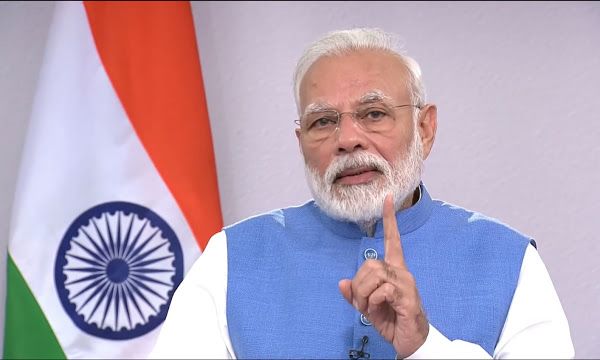
NATIONAL SURVEY ON COVID-19 PREPAREDNESS 2020

           3. Objectives of the COVID 19 Preparedness Survey 2020

           The objectives of this preparedness survey are as follows:

              •   to develop a comparative analysis of COVID 19 preparedness across States;

              •   to highlight the main priorities and constraints of COVID 19 preparedness, as they are
                  perceived by the civil servants working in the field;

              •   to access enabling factors in making institutional/ logistics/ hospital preparedness, etc.;

              •   to capture trends to identify systemic and process related deficiencies, in combating
                  COVID 19 in the districts of India.; and

              •   to specifically identify the roadmap forward and address vulnerabilities in the system.

DEPARTMENT OF ADMINISTRATIVE REFORMS AND PUBLIC GRIEVANCES, GOI                                             7
NATIONAL SURVEY ON COVID-19 PREPAREDNESS 2020

           4. Scope of COVID 19 Preparedness Survey 2020

           The first COVID 19 Preparedness Survey was conducted across all Districts of India, with
           responses from 410 civil servants who are providing field level leadership. District Collectors and
           IAS officers of (2014-2018) batches who have served as Assistant Secretaries in Government of
           India participated in the survey. The survey was conducted from March 25, 2020 to March 30,
           2020.

           5. Approach of COVID 19 Preparedness Survey 2020

           The questionnaire of the preparedness survey was circulated to the respondents through the
           DARPG portal www.darpg.gov.in on March 25, 2020. Individual officers including District
           Collectors/ District Magistrates and IAS Officers (Batches 2014 – 2018) were asked to register
           themselves into the portal and submit replies to the questionnaire. Participation was voluntary,
           and web based. The extensive outreach activities by DARPG included communicating with
           individual officers through video conferencing, emails, phone calls; and technical support was
           provided by the technical-support team and knowledge partner.

DEPARTMENT OF ADMINISTRATIVE REFORMS AND PUBLIC GRIEVANCES, GOI                                             8
NATIONAL SURVEY ON COVID-19 PREPAREDNESS 2020 DEPARTMENT OF ADMINISTRATIVE REFORMS AND PUBLIC GRIEVANCES, GOI 9
NATIONAL SURVEY ON COVID-19 PREPAREDNESS 2020

DEPARTMENT OF ADMINISTRATIVE REFORMS AND PUBLIC GRIEVANCES, GOI                            10
NATIONAL SURVEY ON COVID-19 PREPAREDNESS 2020

           6. Outcomes
            The online feedback mechanism for COVID 19 preparedness from the period 25th March 2020
           to 30th March 2020 resulted in registration of 410 District Collectors and IAS Officers (Batches
           2014-2018) on the portal. Furthermore, 266 complete Feedback application forms were
           submitted online on COVID-19 from across the nation providing a holistic view on the ground
           challenges to combat the outbreak of COVID 19 in India.

           Table 6.1 Synopsis of Feedback received from various States/ Union Territories

                #                               States/UTs                             Feedback Count
                1      Madhya Pradesh                                                        16
                2      Maharashtra                                                           16
                3      Assam                                                                 15
                4      Gujarat                                                               15
                5      Nagaland                                                              15
                6      Bihar                                                                 14
                7      Karnataka                                                             13
                8      Chhattisgarh                                                          12
                9      Rajasthan                                                             12
               10      Telangana                                                             12
               11      Uttar Pradesh                                                         12
               12      Andhra Pradesh                                                        11
               13      Arunachal Pradesh                                                     10
               14      Jammu And Kashmir                                                     10
               15      Orissa                                                                10
               16      Haryana                                                                9
               17      Tamil Nadu                                                             9
               18      Kerala                                                                 8
               19      Tripura                                                                7
               20      Uttarakhand                                                            6
               21      Himachal Pradesh                                                       5
               22      Jharkhand                                                              5
               23      Manipur                                                                5
               24      Punjab                                                                 4
               25      Sikkim                                                                 3
               26      Delhi                                                                  2
               27      Lakshadweep                                                            2
               28      Puducherry                                                             2
               29      Chandigarh                                                             1
               30      Daman & DIU                                                            1
               31      Ladakh                                                                 1
               32      Meghalaya                                                              1
               33      Mizoram                                                                1
               34      West Bengal                                                            1
                                     Total feedback Count                                   266

DEPARTMENT OF ADMINISTRATIVE REFORMS AND PUBLIC GRIEVANCES, GOI                                         11
NATIONAL SURVEY ON COVID-19 PREPAREDNESS 2020
Analysis of Objective Questions 1 – 20
Q1. People are aware and informed regarding the threat of Covid-19 virus
On the awareness about the threat for COVID 19 virus, 92% respondents strongly agreed /
agreed that people in the districts/ jurisdictions/ areas or regions were well aware and
informed.
Q2. People are alert and cautious – taking the necessary precaution
On the assessment that people are alert and cautious and are taking necessary precautions
districts and officers agreed with approximately 75% respondents in this category.
DEPARTMENT OF ADMINISTRATIVE REFORMS AND PUBLIC GRIEVANCES, GOI 12NATIONAL SURVEY ON COVID-19 PREPAREDNESS 2020
Q3. People are alarmed and panicking
Sixty-Nine percent (69 %) respondents took the view that people are handling the COVID 19
lockdown in a peaceful and orderly manner on being questioned on public being alarmed and
panicking, whilst thirty one percent (31%) agreed that people are alarmed and panicking.
Q4. Government machinery has been able to reach out, guide and assure the people
The respondents strongly agreed that Government machinery has reached out to the people
with 95% officers providing positive feedback that the Government machinery has guided and
assured the people in the region or area to adopt a rational approach to social distancing.
DEPARTMENT OF ADMINISTRATIVE REFORMS AND PUBLIC GRIEVANCES, GOI 13NATIONAL SURVEY ON COVID-19 PREPAREDNESS 2020
Q5. Government of India has taken sufficient steps to combat Covid-19
Eight two percent (82 percent) of the District collectors and the officers agreed that
Government of India has taken sufficient steps to combat the Covid-19 disease management.
Q6. State Government has taken sufficient steps to combat Covid-19
Eighty Five percent (85 percent) of the District Collectors and Officers said that the state
governments have taken sufficient steps to combat Covid-19.
DEPARTMENT OF ADMINISTRATIVE REFORMS AND PUBLIC GRIEVANCES, GOI 14NATIONAL SURVEY ON COVID-19 PREPAREDNESS 2020
Q7. Local Government has taken sufficient steps to combat Covid-19
Eighty Five percent (85 percent) of the District Collectors and Officers felt that the local
governments were taking sufficient steps to combat COVID 19.
Q8. People are adhering to Government advisories and directions
Seventy One percent (71 percent) of the District Collectors and Officers agreed that people
are adhering to Government advisories and directions
DEPARTMENT OF ADMINISTRATIVE REFORMS AND PUBLIC GRIEVANCES, GOI 15NATIONAL SURVEY ON COVID-19 PREPAREDNESS 2020
Q9. Essential services are functioning, and essential goods are available
The essential services and goods availability were largely addressed in the country with
ninety two percent ( 92%) District Collectors and Officers agreeing to it. There were no
disruptions in the essential services and goods availability.
Q10. PM’s appeal for Janata Curfew was effective on the ground in keeping people at home
The Prime Ministers’ appeal on Janata Curfew was very effective on ground in meeting its
objectives of motivating people to adopt social distancing while staying at home with ninety
one percent (91%) respondents agreed in this category.
DEPARTMENT OF ADMINISTRATIVE REFORMS AND PUBLIC GRIEVANCES, GOI 16NATIONAL SURVEY ON COVID-19 PREPAREDNESS 2020
Q11. Local administration has a functioning system to identify, test and quarantine infected
patients
Approximately, eighty percent (80%) respondents agreed that Local administration had a
functioning system to identify, test and quarantine infected patients.
Q12. Local administration has a functioning surveillance system for high risk people, such as
people with international travel history
Eighty six percent (86%) District Collectors and officers 86% agreed that local administration
has a surveillance system for people with recent international travel history.
DEPARTMENT OF ADMINISTRATIVE REFORMS AND PUBLIC GRIEVANCES, GOI 17NATIONAL SURVEY ON COVID-19 PREPAREDNESS 2020
Q13. Local health machinery is equipped and prepared to handle Covid-19 – protocols,
awareness, facilities
Fifty nine percent (59%) of the District Collectors and Officers said that the on-ground
preparedness of Local health machinery to handle Covid-19 is adequate, although twenty two
percent( 22%) of the respondents disagreed.
Q14. Local hospital is equipped and prepared to handle Covid-19 – staff, equipment
The COVID 19 Preparedness survey identified the need for enhanced hospital preparedness in
District/ Sub-District Hospitals, with Forty Percent (40 percent) of officials responding that
hospitals were adequately prepared.
DEPARTMENT OF ADMINISTRATIVE REFORMS AND PUBLIC GRIEVANCES, GOI 18NATIONAL SURVEY ON COVID-19 PREPAREDNESS 2020
Q15. Local doctors are aware of the prescribed medical protocol for treating Covid-19
The respondents approximately eighty one percent (81%) agreed/ strongly agreed that Local
doctors are aware of the prescribed medical protocol for treating COVID-19.
Q16. Sufficient personal protection equipment (masks, gloves etc.) is available
The District Collectors and Officers, felt that inadequate availability of Personal Protection
Equipment (masks, gloves etc.) in District/ Sub-District Hospitals is an area of concern.
DEPARTMENT OF ADMINISTRATIVE REFORMS AND PUBLIC GRIEVANCES, GOI 19NATIONAL SURVEY ON COVID-19 PREPAREDNESS 2020
Q17. Sufficient isolation beds are available
The availability of adequate isolation beds in District/ Sub-District Hospitals was agreed by
approximately fifty percent (50%) officers; with twenty eight percent ( 28%) disagreeing to its
availability.
Q18. Sufficient ICU beds are available
The survey highlights the non-availability of sufficient ICU beds in District/ Sub-District
Hospitals with fifty nine percent (59%) disagreeing in this category.
DEPARTMENT OF ADMINISTRATIVE REFORMS AND PUBLIC GRIEVANCES, GOI 20NATIONAL SURVEY ON COVID-19 PREPAREDNESS 2020
Q19. Sufficient Ventilator machines are available
The non-availability of adequate ventilator machines in District/ Sub-District Hospitals is
highlighted as an area of concern in this survey.
Q20. To be effective, a lockdown needs to be enforced / made mandatory?
The DCs/ DMs and other IAS Officers(2014 -2018 batches) strongly agreed or agreed that a
lockdown needs to be enforced/made mandatory, with ninety six percent (96%) responding
positively in this category.
DEPARTMENT OF ADMINISTRATIVE REFORMS AND PUBLIC GRIEVANCES, GOI 21NATIONAL SURVEY ON COVID-19 PREPAREDNESS 2020 DEPARTMENT OF ADMINISTRATIVE REFORMS AND PUBLIC GRIEVANCES, GOI 22
NATIONAL SURVEY ON COVID-19 PREPAREDNESS 2020

                               Analysis of Subjective Questions 21 – 23

            Question No. 21

                  What is the most serious gap in combating Covid-19 in your area?

            Situation Assessment:

              The above question enabled the respondents to provide a situation synopsis of the
              administrative regions of these Officers across the country and allows the reader an
              assessment at district/ regional level whilst highlighting the key risks.

              The District Collectors and IAS Officers of (batches 2014 -2018) highlighted
               following key risks at district or regional level:

                 1. Hospital Preparedness & Infrastructure: Majority of districts across the country
                    highlighted shortage of medical staff, equipment and facilities like ICU beds,
                    ventilators, ambulances, oxygen cylinders etc. The Sub-District hospitals and health
                    centers readiness is an area of focus, particularly in the North-Eastern region.
                    Furthermore, it was felt that the healthcare workers at district level need capacity
                    building trainings for COVID 19.

                 2. Quarantining and Isolation Facility: The district/ sub-district level hospitals need to
                    strengthen quarantining facility and isolation wards.

                 3. Testing Facilities: In some districts, there is a perceived shortage of testing kits, other
                    facilities and testing centers in large number of districts.

                 4. Personal Protection Equipment: PPE’s like masks, gloves etc. for medical staff was
                    an area of concern for several districts and across states.

                 5. Lack of Public Awareness: Absenteeism of awareness was noticed amongst
                    backward districts and amongst the tribal population.

DEPARTMENT OF ADMINISTRATIVE REFORMS AND PUBLIC GRIEVANCES, GOI                                              23
NATIONAL SURVEY ON COVID-19 PREPAREDNESS 2020
6. Law & order and Administration (State/ District): Several districts have successfully
implemented the National lockdown. Some Districts highlighted that enforcing a
complete lockdown needed additional police force in the district, particularly
required at village level.
7. Foreign travel history and Contact Tracing: Information collection regarding
foreign travel history of people in the district and states was emphasized upon as
most of the people hid their travel history. Thereby, resulting in delay of contact
tracing and prevention of human to human transmission
8. Temporary and Wage-worker Exodus: Post lockdown thousands of migrants moved
from metros to rural hinterlands. They were unwilling for health check-ups, taking
samples and testing on-route.
9. Sanitizing Public places: To control the spread of COVID 19 the respondents largely
felt the sanitizing and disinfecting public places was essential and was currently not
being adequately exercised at district/ sub-district levels.
10. Essential goods and services: Supply management and free flow of essential goods
and services was largely satisfactory. In some Districts, Price rise of essential edible
and non-edible items was witnessed which was flagged as an area of concern to be
addressed by the concerned department under local/ state administration.
PMO, Cabinet Secretariat, Nodal Ministries
& other Ministries, State governments &
National
Coordination
Technical Expert &
Research Network
Local Community
Donor Agencies,
NGOs & Private
State Coordination
District administration
sector
District
Coordination
DEPARTMENT OF ADMINISTRATIVE REFORMS AND PUBLIC GRIEVANCES, GOI 24NATIONAL SURVEY ON COVID-19 PREPAREDNESS 2020
`
Table 6.2 The table given below highlights the State wise major concerns and districts facing major challenges in combatting the COVID
19 outbreak in the state.
Hotspot Regions for COVID 19 and key Areas of Concerns
# State Districts Risk Points
Identification and isolation of the foreign returnees is a big challenge.
Identification of all the foreign returnees and people coming from Telangana border is the
Krishna
1 Andhra Pradesh most serious gap.
Visakhapatnam Lack of adequate PPEs.
Prakasam Due to lock down people staying outside the state are infiltrating and causing difficulty.
Lack of proper health facilities, shortage of sample collection kits, testing facilities, PPEs
and non-availability of ICU, Ventilator, etc.
Testing centre is located at Dibrugarh which is 379 km far hence sample collection and testing
Dibang Valley
takes a lot of time.
Lack of medical staff and healthcare facilities such as ventilators, ICU beds, ambulances,
East Siang
protective equipment.
2 Arunachal Pradesh Lack of proper health facilities in the District is the most serious gap currently. Don't have
Lohit ventilators and ICU beds. Proper quality PPE equipment is not available and there is no local
test lab.
Non availability of sufficient sample collection kits, PPE, testing facilities, ventilators and ICU,
Namsai
isolation wards as per protocol.
Shortage of Sample Collecting Kits, PPE ( Personal Protection equipment), Non availability of
Tawang
ICU, Ventilator, etc.`
DEPARTMENT OF ADMINISTRATIVE REFORMS AND PUBLIC GRIEVANCES, GOI 30NATIONAL SURVEY ON COVID-19 PREPAREDNESS 2020
People are not following lockdown properly. There is non-availability of PPE equipment
which increase the possibility of spread through doctors and paramedics staff. People are
migrating with in state and coming from other states like Mizoram.
People coming back from Mizoram and other part of Assam state is a challenge.
Cachar
People are not following lockdown and there is inadequate supply of PPE for health workers.
Charaideo Health infrastructure deficiency, public defying social distancing mechanism.
3 Assam There is no ICU or Ventilator in the government hospitals and there is no private nursing
Dima Hasao
home in the entire district.
Karimganj Non-availability of PPE equipment , less numbers of beds in isolations ward.
Nalbari There are no ICU and ventilator facilities at the Government Hospital of the district.
Sonitpur Non-availability of sufficient Isolation beds, PPEs, ICU beds, ventilators and medicines.
Lack of health infrastructure and trained health personnel in the remote areas. No ICU
Udalgudi
facility, no ventilation.
Lack of PPE and medical facilities. Some districts reported that there is a lack of basic
medical accessories such as masks, sanitizers etc.
Gaya Medical equipment as per requirement is not available.
Nalanda The lack of personal protective equipment.
Medical accessories such as masks, sanitizers are not adequately available. Lack of medical
Nawada
4 Bihar infrastructure and PPE.
Shortage of PPE, masks, ventilators, medicines, surgical gloves, oxygen cylinders, oxygen
Patna
regulators, disinfectants.
Purnea Lack of sufficient testing kits and medical safety gears.
Saharsa No testing labs, lack of doctors/paramedical staff, masks/PPEs/Ventilators etc.
Samastipur Lack of testing facility and infrared thermometers.
Lack of medical facilities and staff. Shortage of Personal protection equipment.
5 Chhattisgarh Balrampur Lack of healthcare facilities and staff.
Gariaband Medical facilities are not sufficient enough at local level.
DEPARTMENT OF ADMINISTRATIVE REFORMS AND PUBLIC GRIEVANCES, GOI 26NATIONAL SURVEY ON COVID-19 PREPAREDNESS 2020
Scarcity of PPE ,Mask ,Ventilators and testing kits is the most serious gap in combating Covid-
Jashpur
19.
Mahasamund Lack of number of ventilators.
Surguja Lack of basic health infrastructure, shortage of masks and sanitizers.
Mungeli Shortage of PPE, health care staff needs to be trained.
Lack of awareness of the people who are living in the jungles. Reaching out to them is a
Narayanpur
challenge because of roads bad condition.
Diu Inadequate health infrastructure and testing facilities.
6 Daman & DIU
There is a need to do enough testing for people who are suspected cases. Also, there is a
7 Delhi South Delhi
need for better equipment for the hospital.
High migrants inflow, risky slum areas and lack of PPEs for the staff. Migration of
population from urban areas to their native places.
Insufficient number of ventilators and testing kits or labs. People living in slum areas are not
Ahmedabad
following lockdown.
Banas Kantha Difficulty to stop migration of people from one district to another district.
High inflow of migrant population (approx. 2 lakhs in last 15 days), coupled with shortage of
Bhavnagar
PPE and other screening equipment.
8 Gujarat
Lack of resources with quality medical knowledge and migration of population from urban
Botad
centers. Lack of ventilators.
Dang People are living in villages so awareness about the disease is a challenge.
Community transmission chances are high because people are coming in bulk during evening
Gandhinagar
hours for purchasing grocery and vegetables.
Morbi Lack of PPE for the staff of all the departments (medical, surveillance, law & order etc.).
Punchmahal Poor health infrastructure and health professionals training .
Labor movement and migration inflow is a challenge to track and test them. Non-
9 Haryana
availability of PPE and ventilators.
DEPARTMENT OF ADMINISTRATIVE REFORMS AND PUBLIC GRIEVANCES, GOI 27NATIONAL SURVEY ON COVID-19 PREPAREDNESS 2020
Bhiwani Lack of health personnel and testing criteria.
Most serious gap is isolation and testing mechanism. Lack of health infrastructure and testing
Jhajjar
facilities. Labor movement in the rural area because of harvesting season.
Jind Supply of PPE (Personal Protective Equipment) is less.
Non-availability of PPEs for doctors & Heath workers. N95 masks and ventilators are less in
Karnal
numbers.
Many people are coming in the district from different areas of India and it is difficult to track
Mewat
and check all of them.
Few testing kits available. People movement is a challenge.
Tracking/tracing followed by effective testing is not happening due to lack of medical testing
Chamba
10 Himachal Pradesh kits and other infrastructure. Compliance of people to national lockdown is a challenge.
Inability to reduce/stop panic movement of people from place of work to their home/village
Hamirpur
locations.
Inadequate personal protection equipment and has no supply of drugs for approved
11 Jammu and Kashmir, Kulgam
treatment.
11 Jharkhand Dumka We don't have an anesthetic in Dumka. Hence, we can't run the ventilators.
Transportation and logistics are a challenge because of geographical spread of the islands.
12 Lakshadweep Lakshadweep
Not all islands have adequate facilities.
Poor health infrastructure and low availability of PPE and ventilators.
Health infrastructure is in poor condition, district does not have any private hospitals or
Panna
14 Madhya Pradesh doctors so total burden is on govt health infrastructure and only one ventilator is available.
low availability of PPE Kit and N-95 mask. Furthermore, non-availability of functioning
Neemuch
ventilation and staff are not equipped to handle ICU cases.
Availability of medical supplies such as PPE, masks, sanitizers, ventilators etc. is main
15 Maharashtra concern. Lack of trained staff.
Gadchiroli Medical supplies such as PPE, masks, sanitizers, ventilators etc. are not sufficiently available.
DEPARTMENT OF ADMINISTRATIVE REFORMS AND PUBLIC GRIEVANCES, GOI 28NATIONAL SURVEY ON COVID-19 PREPAREDNESS 2020
Tribal needs have to be better considered. Ensuring supply of essential goods in these areas
Palghar
is far more complicated when city supply-chain is affected.
Kolhapur Non-availability of medical equipment like Ventilators, PPE Kits and expert manpower.
Non-availability of PPEs, very limited availability of testing kits. Medical staff is not properly
Nashik
trained.
Parbhani There is no serious gap or such in combating COVID -19, however migration of people from
Pune and Mumbai could have been stopped earlier.
Availability of PPE is an issue. Problem is about the supply chain and funds. Shortage of health
Sangli
workforce, medical officers, nurses.
There is no testing centre in the state, shortage in ambulances, oxygen cylinders. There is
lack of essential goods as these have to come from outside the state and the sealing of
inter-state borders has resulted in numerous challenges faced by vehicles carrying
essential commodities in navigating checkpoints.
Lack of PPE, ICU facility, Ventilators. No testing centre in the state. Shortage in ambulances.
Mon
16 Nagaland Funding shortfall.
Lack of resources to ensure door to door supply of commodities and lack of medical material
Mokokchung
to deal with exigencies like PPEs/Gloves/Ventilators/Quarantine or Isolation facilities etc.
The transit of essential goods to nearby states like Manipur is becoming a challenge as it is
Phek obstructed by ground level staffs without understanding that these items are exempted from
lockdown.
DEPARTMENT OF ADMINISTRATIVE REFORMS AND PUBLIC GRIEVANCES, GOI 29NATIONAL SURVEY ON COVID-19 PREPAREDNESS 2020
`
Question No. 22
What is the one thing that Government of India should do to better combat Covid-19?
Strategic Areas of Engagement & Support
The overall goal of the regional responses requested from DCs and IAS
Officers(batches 2014-2018)for this question is to receive key
suggestions/measures to be taken, in addition to the existing response strategy
to combat COVID19 of Government of India.
The GOI aims to interrupt the transmission of the virus from an individual to
another to evade further community transmission. Furthermore, the second
objective is to prepare to mitigate the impact should community transmission
occur.
Some of the key actions recommended by the respondents across the country , in
addition to the already implemented response strategy of the Government of India to
combat the COVID- 19 situation across regions in the country are listed below:
1. Develop and issue standard operating procedures and guidelines for inter-state
movement of people across state borders considering temporary/ wage worker
exodus post nationwide lockdown.
2. Immediately address issues relating to procurement, logistics and supply chain
for medical equipment such as Testing kits, PPEs, ventilators, oxygen cylinders,
etc. by considering on priority the high alert districts / regions for demand and
supply gap.
3. Create more testing centers and capabilities for all district/ sub-district hospitals
along with isolation wards for fast & seamless results and initiate steps to avoid
unnecessary delays. ambulances with ALS/BLS, Ventilators and ICU. Moreover,
the COVID-19 Lab Diagnostic Facility should be made available in all the
Districts. Considering the exposure of the frontline workers to COVID 19 cases,
they should be equipped with all the necessary PPEs.
4. More awareness campaigns on COVID19 targeting slums in urban areas and
backward villages in all the districts.
DEPARTMENT OF ADMINISTRATIVE REFORMS AND PUBLIC GRIEVANCES, GOI 30NATIONAL SURVEY ON COVID-19 PREPAREDNESS 2020
5. Training and capacity building of existing Medical resources and increasing the
number nurses in areas where maximum number of cases are reported and is on
high alert.
6. Encourage domestic manufacturing of testing kits.
7. The respondents suggested increase in the fiscal spending (around 5 - 10 Lakh
Crore/ around 2% of GDP) on health infrastructure, essential commodities for
poor and vulnerable groups.
8. The survey highlighted the need for quick redressal of under reported cases in
the region on account of under testing people due to various challenges like
paucity of testing kits, no data on travel history, sudden migration of wage
workers across states; as this may actually end up in further transmission.
9. Attention to logistics was emphasized as an area for immediate improvement.
10. Preventive measure in rural areas to be enhanced and these must have separate
testing and treatment facilities.
11. The respondents suggested Interstate movement of essential commodities is
required. Also, the Inter-state coordination was necessary for better movements
of essential goods for health infrastructure & other essential goods.
12. Lock down should be continued till the Covid-19 is not controlled. Furthermore,
any instances of non-adherence to curfew/ lockdown should be dealt with
harshly particularly where gathering of more than 50 people.
13. Regular check on pricing for essential commodities to be made mandatory.
14. States should constantly share data about the positive cases for COVID 19 for
further contact tracing.
15. The list provided by the Government of India with all the details of Foreign
travelers to district administration doesn’t include contact details such as home
address, mobile numbers for all the listed.
DEPARTMENT OF ADMINISTRATIVE REFORMS AND PUBLIC GRIEVANCES, GOI 31NATIONAL SURVEY ON COVID-19 PREPAREDNESS 2020
16. IVR systems in local languages could be used for public outreach for awareness
and exhorting them to stay at home.
17. Officers suggested relief packages and food arrangements for millions of daily
wage earners.
18. Clear set of instructions and guidelines to be issued to end the struggle of
transporters at interstate check-posts during the lockdown.
19. Government should strengthen the R & D facilities to develop vaccines to fight
COVID 19 with a long-term solution. Research institutes may be given all the
necessary support and increased funding.
20. The period post- 21 days of lock down needs to be cautiously reviewed as it may
lead to wider spread of the virus.
21. Economic support to the poor, migrant workers, farmers, MSMEs and middle
class.
Question No. 23
Any other suggestion?
Other contingency measures may include the following:
1. Price fixation orders to be passed to combat black marketing.
2. Adequate buffer stock be made available at tehsil/circle level.
3. Regular Mapping of quarantined people. Efficiently creating a database of
people who have returned from abroad (Bureau of Immigration data) and
sharing the same with districts to help identify and quarantine people.
4. Setting up trainings for all stakeholders involved in tackling COVID 19 in
Professional training institutes and hiring technical experts/ micro-biologists
from other countries across the globe.
DEPARTMENT OF ADMINISTRATIVE REFORMS AND PUBLIC GRIEVANCES, GOI 32NATIONAL SURVEY ON COVID-19 PREPAREDNESS 2020
5. Collaborating with e-commerce sites to ensure delivery of goods.
6. Continue the lockdown for an extended period if necessary. The 21day
lockdown period is to be used to identify more positive cases and quarantine all
those who were in contact with them.
7. The Government of India may include the Start-ups to produce masks and
testing kits required.
8. It is required to give crisp and relevant medical information relating to COVID-
19 to administrators so that the DCS and DMs can give medically authentic
information to all.
9. Increased supply of notified disinfectants.
10. Need to coordinate with big data analytic firms for studying state wise patterns,
identifying areas of infection & disseminating the information through media.
11. Telemedicine portal or helpline may be launched where people can consult any
doctor for any medical help during the lockdown.
12. Some of the economic measures in relieving the common man may include
partial waive off the commercial rents for shops under lockdown.
13. Increasing the incentives and number of workforce/ labour involved in
manufacturing of essential goods.
14. Provide monetary support to migrant labour and daily wage workers
immediately.
15. Enough funding to be facilitated in districts for monitoring and logistic support.
16. Phase wise partial lock-down lifting approach may be taken up by the
Government of India once its decided to be lifted; this may be state-wise post
the states stop reporting anymore positive COVID 19 cases.
DEPARTMENT OF ADMINISTRATIVE REFORMS AND PUBLIC GRIEVANCES, GOI 33NATIONAL SURVEY ON COVID-19 PREPAREDNESS 2020
7. Annexure
Annexure-A: Reports for COVID-19 Feedback Survey received from 266 officers.
R1-COVID-19 R2-COVID-19
Report-Q1toQ20.xls Report-Q21toQ23.xls
DEPARTMENT OF ADMINISTRATIVE REFORMS AND PUBLIC GRIEVANCES, GOI 34NATIONAL SURVEY ON COVID-19 PREPAREDNESS 2020 DEPARTMENT OF ADMINISTRATIVE REFORMS AND PUBLIC GRIEVANCES, GOI 35
You can also read


