TAKING CARE OF YOUR OWN HEALTH AND WELL-BEING - Global Self ...
←
→
Page content transcription
If your browser does not render page correctly, please read the page content below

TAKING CARE OF YOUR OWN HEALTH AND WELL-BEING
CONTENTS

           2                         4                        6                       8                    10
        01                            02                       03                     04                    05
  FOREWORD FROM              ABOUT THE RESEARCH     SELF-CARE: EMPOWERING    WHY NEW ZEALANDERS     WHAT ARE WE BUYING
    SCOTT MILNE             & RESULTS AT A GLANCE   CONSUMERS TO TAKE CARE   BUY NON-PRESCRIPTION   OTC MEDICINES FOR?
 EXECUTIVE DIRECTOR NZSMI                            OF THEIR OWN HEALTH          MEDICINES

          12                        14                       16                      20                    22
        06                           07                       08                      09
WHERE ARE WE BUYING           COMMENTARY FROM             SELF-CARE:           SAFETY, EFFICACY        REFERENCES
OTC MEDICINES FROM?         NEW ZEALAND’S LARGEST     A WINNING FORMULA         AND THE FUTURE
                               PHARMACY GROUP                                  OF OTC MEDICINES
NZSMI                TAKING CARE OF YOUR OWN HEALTH & WELL-BEING   1

        Self-care is                INSIDE THIS REPORT

        healthy living
        and patient                 How health and well-being
                                    improve with self-care
        empowerment.
        As consumers,               What OTC medicines are
        it is the first step        consumers buying and where
        we take in                  are they buying them from?

        improving or                The economic impact
        maintaining                 of self-medication on
        our health and              our health system

        well-being and              The growing role
        includes all of the         pharmacists play in helping
        things we do to             us to maintain good health
                                    and well-being
        keep ourselves
        well, manage                Are we willing to pay
        minor ailments,             more for a wider range
                                    of non-prescription
        and treat health            medicines to be available?
        conditions.
2   TAKING CARE OF YOUR OWN HEALTH & WELL-BEING                                                                    NZSMI

                                                                             Through technology
                                                                             and greater access
                                                                             to information and
                                                                             therapies, we are better
                                                                             equipped to understand,
                                                                             and manage our own
                                                                             health than ever before.

                01
                                                                             We regularly make
                                                                             informed choices about
                                                  maintaining and improving our own physical and
                                                  mental health and well-being.
                                                  This publication looks at survey findings and discusses the value
                                                  of self-care and self-medication to consumers. We also examine
                                                  the likely impact of OTC medicines on our healthcare system, and
                                                  the economy, and look at ways to grow the understanding and
                                                  uptake of self-care in New Zealand.
FOREWORD FROM SCOTT MILNE                         As New Zealander’s we are enjoying longer and healthier lives,
             EXECUTIVE DIRECTOR                   and for many of us, self-care is the first step we take to keeping
    NEW ZEALAND SELF MEDICATION INDUSTRY          ourselves fit and healthy, treating minor ailments and managing
                                                  chronic conditions. Self-care empowers us to proactively look
                                                  after our own physical and mental health and well-being, and
                                                  that of our whanau, family and friends.
                                                  In addition to keeping us well, improving our general health and
                                                  supporting us to live our lives to its full potential, self-care also
                                                  helps to ensure we have a sustainable healthcare system in an
                                                  increasingly challenging environment.
NZSMI                                                                                   TAKING CARE OF YOUR OWN HEALTH & WELL-BEING      3

The demands on our healthcare system are growing – we                “Self-care empowers us to proactively
have an ageing population and an increasing prevalence of
chronic disease, with many older people living longer with           look after our own physical and mental
co-morbidities. This places huge pressure on our families            health and well-being, and that of our
and communities, and our healthcare system to support
people to live well, while ensuring that our system is
                                                                     whanau, family and friends”
sustainable and equitable.
Given these challenges it is more important than ever that
consumers are provided with the tools to enable them to
take a responsible approach to their own healthcare to enable        Not surprisingly, the survey found that painkillers are the most
them to live well, for longer.                                       commonly purchased product, with over two thirds
                                                                     of New Zealanders buying these at their local pharmacy
The New Zealand Self-Medication Industry (NZSMI) is encouraged       or supermarket. The survey also found that we are initially more
by the current Government’s commitment to putting people’s           likely to purchase an OTC medicine to treat minor ailments such
well-being at the heart of its policies and their understanding      as cough, cold, runny nose, headache and pain, than visit a GP.ii
that by prioritising well-being now, we are laying the foundations
for New Zealanders to have better lives for decades to come.i        These results present us with an opportunity. NZSMI believes
                                                                     that by focusing on empowering more individuals, families and
NZSMI recently commissioned a survey to understand                   whanau to proactively manage their own health, we can help
New Zealander’s behaviour and perceptions around self-care and       support the health and wellness of New Zealanders, and reduce
over the counter (OTC) or non-prescription medicines, including      the financial burden on our healthcare system.
the use of vitamins and health and wellness supplements.
The survey results show that while around 1/3 of us believe
we would visit our GP when we felt ill, what the majority of
people actually do is purchase a non-prescription medicine
from their local pharmacy or supermarket to see if that helps
to improve their health.ii If their symptoms don’t improve           SCOTT MILNE
after taking a self-care medicine, most New Zealanders               EXECUTIVE DIRECTOR
would then visit their GP.                                           NZSMI
4   TAKING CARE OF YOUR OWN HEALTH & WELL-BEING                                                             NZSMI

                                                  ABOUT THE RESEARCH
                                                  The New Zealand Self-Medication Industry (NZSMI)
                                                  commissioned Perceptive Research to conduct
                                                  a survey of the general public to look at their
                                                  behaviour and perceptions around self care,
                                                  over the counter medicines, vitamins and health
                                                  and well-being supplements.

              02
                                                  This was conducted as an online survey in August 2018
                                                  and resulted in a total of 1,081 responses from adults
                                                  aged 18 years and older. The data is weighted according
                                                  to NZ Census statistics around age, and gender.ii

       ABOUT THE RESEARCH &
        RESULTS AT A GLANCE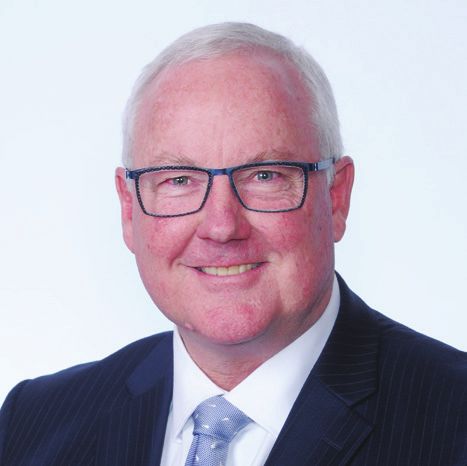
NZSMI                                                    TAKING CARE OF YOUR OWN HEALTH & WELL-BEING   5

SOME KEY SURVEY RESULTS AT A GLANCE

        68%                       56%              78%                            50%

      68% of                    56% of             78% of                     50% of
 New Zealanders               consumers         consumers                   consumers
 purchase an OTC            are prepared to       purchase                 would visit their
 medicine to deal             pay more for     painkillers over              GP if their
   with a minor              a wider range    the counter – the            symptoms still
   ailment, with           of OTC medicines    most commonly               remained after
   visiting a GP            to be available    purchased OTC                using an OTC
  or purchasing                                  medicine in                  medicine
  a prescription                                New Zealand
     medicine
  as a secondary
      solution
6 TAKING CARE OF YOUR OWN HEALTH & WELL-BEING NZSMI
Taking responsibility or caring for our ‘own’ health
and well-being is not a new concept. A large number
of kiwis enjoy good health throughout their life, want
to live longer and also more productively.
As part of the OECD Better Life Index, which compares well-being
across 35 countries, 88% of New Zealanders reported that we
were in good or very good health, when asked the question in
03
2017 ‘how is your health in general?’iii
Improved levels of health literacy, greater access to treatments
and information, new technologies and increased public
awareness about lifestyle factors and self-care needed to maintain
good health all helps more of us to proactively look after ourselves.
NZSMI says “Self-care is about healthy living and patient
empowerment. It is the first step we take in improving or
maintaining our health and well-being. It includes all of the
things we do to keep ourselves well, manage minor ailments,
and treat health conditions.
SELF-CARE: EMPOWERING
“As we live longer and the number of chronic health conditions
CONSUMERS TO TAKE CARE increase and become more complicated, our health and
OF THEIR OWN HEALTH disability landscape will be more complex. The system will
face a number of challenges and the value self-care provides
in managing these challenges cannot be underestimated.
“Self-care, is in essence, the most widely available form of
healthcare. It is a relatively broad concept, and includes the
safe and responsible use of non-prescription medicines that
can be purchased from a pharmacy or retail outlet such as a
local supermarket. These medicines, commonly called ‘over the
counter’ (OTC) medicines, allow individuals to address and treat
ailments at an early stage, limit the severity of symptoms, and
manage chronic conditions.
“OTC medicines play a key role in helping us get well, stay well
and live well. They provide consumers with the independence
to make decisions about their health. The NZSMI survey clearly
shows that, amid a changing healthcare landscape, the majority
of consumers recognise the benefits of using OTC medicines as a
first line treatment for dealing with their minor ailments.NZSMI TAKING CARE OF YOUR OWN HEALTH & WELL-BEING 7
A review of the value of self-medication in the 2018 Journal
of Medical Economics refers to the benefits of self-care. They
include increased access to effective treatments, reduced visits
to GP’s which alleviates pressure on the healthcare system,
increased productivity levels, increased patient independence
and reduced costs to third-party payers such as government
12 MILLION
and insurance companies.iv 88% GP consultations per
“OTC medicines are critical to our healthcare system and of New Zealanders year in New Zealand
empower people to take greater control of their own health said they were in good
choices. In addition, they also facilitate the better use of a or very good health
pharmacist’s clinical skills, increase access to medications for
common conditions, and contribute to reducing the costs
associated with prescribed medicines, such as GP visits.” 50%
“If OTC medicines were not available the consequences would of consumers willing
be significant. The survey results indicate that most consumers
to pay more money for
would visit their GP for treatment and a medicine prescription,
undoubtably resulting in unnecessary cost and resource a wider range of OTC
pressures being placed on our primary health system.” medicines
With around 12 million GP consultations per year in New Zealandv,
the responsible use of self-medication assists in providing an
alternative for consumers seeking medical treatment for more
common ailments. This ensures GP’s can focus on treating the
more serious health conditions and illnesses that have a large
impact on individuals and public health.
In fact, the survey found that consumers would like a greater
range of OTC medicines to be available, with over 50% willing
to pay more money for a wider range of medicines.ii This is
surprising as paying more for a product tends to go against our
natural purchasing behaviour. However, the results strongly
indicate that consumers feel empowered as OTC medicines allow
them to take control of their health, enabling them to manage
symptoms and treat minor ailments.
The importance of empowering individuals, families and whanau
to manage their own medicines and health is recognised in the
Government action plan: Implementing Medicines New Zealand
2015 to 2020 which outlines a number of actions that will drive
greater health outcomes.vi8 TAKING CARE OF YOUR OWN HEALTH & WELL-BEING NZSMI
Consumers regularly purchase OTC medicines to
provide timely treatment for their health symptoms
and minor ailments. OTC medicines are considered
accessible and affordable. They provide a sense of
empowerment – they allow us to take a proactive
approach to managing our own health.vii
The NZSMI survey shows that the majority of New Zealanders
purchase an OTC medicine as a first action when they are
04
feeling ill or needing to treat a symptom for a minor ailment.
Common colds, headaches, back, muscle pain and digestive
complaints are among the most common ailments we tend to
treat with an OTC medicine, with 33% of respondents buying a
non-prescription medicine for a cough, cold, sore throat, chest
cold or runny nose. In addition, 32% of those surveyed purchased
a product that would alleviate their headache, migraine, period
pain or dental pain.ii
Allergies, indigestion, first aid and sleep issues are also key
reasons why adults visit their pharmacy or other retail outlet
WHY NEW ZEALANDERS BUY to purchase OTC medicines.
NON-PRESCRIPTION MEDICINES The survey showed that females aged over 18 years are
significantly more likely to purchase OTC medicines for their
aches and pains than men. Younger adults, those aged between
25 – 35 years, are also are more likely to purchase medicines to
treat common cold symptoms and stress related issues than
those aged over 65.ii
CEO of the New Zealand Pharmacy Guild, Andrew Gaudin says
that because pharmacies are open long hours, patients can go
in and speak to a trained professional without the need for an
appointment. “This flexibility tends to suit the younger
generation. Although younger people may have lower medical
need and may not necessarily be suffering from an enduring or
significant medical condition, this age group tends to want to
treat their symptoms rather than either waiting to see their GP,
using a home remedy or simply doing nothing.
Scott Milne, Executive Director of NZSMI adds “Consumers are
definitely more aware of their health and well-being and they
have a greater understanding about possible treatment options
for when they feel unwell.NZSMI TAKING CARE OF YOUR OWN HEALTH & WELL-BEING 9
WHY NEW ZEALANDERS BUY NON-PRESCRIPTION MEDICINES
33% Cough, cold, sore throat, chest cold, runny nose
32% Headache, migraine, period pain, dental pain
16% Back, neck or joint pain (ie Arthritis)
16% Muscle pain
14% Allergies/sinuses
13% Indigestion, heartburn, acid reflux
12% Needed first aids, antiseptic, wound care
8% Sleep issues
6% Diarrhoea, constipation
5% Thrush, athlete’s foot, dermatitis, eczema, psoriasis
4% Hangover
3% Stress related issues
2% Weight gain, weight loss
2% Urinary tract infection
1% Colon & irritable bowel
1% Sunburn
1% Tried to quit smoking
1% Needed emergency contraceptives
Because OTC products are readily available at a local pharmacy
or supermarket, consumers are more inclined to treat their own
minor ailments to make themselves feel better.
The World Self-Medication Industry (WSMI) conducted a study
to understand the different influences on self-care behaviour and “The decision-making process that
what motivates consumers to purchase different OTC products. people employ to address a health
WSMI concluded that there are numerous influences on a need is considerably more deliberate
consumer’s decision to purchase a product to alleviate the
symptoms of a minor illness and the decision-making process than one might imagine. There are many
itself is sophisticated relative to how purchase decisions are inputs to the final actions taken and
made for many other consumer goods.
they are all important to understanding
Once a person recognises that they need healthcare, they tend to
seek out information to assess their options. Key sources of
how people behave in response to
information for what they should purchase to alleviate their an identified health need.”
symptoms comes from their health professionals, such as their WSMI – UNDERSTANDING INFLUENCES ON SELF-CARE BEHAVIOUR
pharmacist or GP and also recommendations from their friends
and family.viii10 TAKING CARE OF YOUR OWN HEALTH & WELL-BEING NZSMI
OTC products, along with vitamins and health
supplements, are used daily by New Zealanders to
proactively manage their own health and well-being
and treat minor health problems in a way that does
not require a prescription.
The NZSMI survey reveals that the OTC products which we buy
the most are painkillers, with over 78% of adults buying them
05
to ease their symptoms and treat minor ailments.ii
The second most commonly purchased products are those that
complement our general well-being. 64% of adults reported
purchasing vitamins, supplements and natural remedies. This
suggests that lifestyle factors including the desire to lose weight,
improve energy and sleep patterns, motivates consumers to
take responsibility for improving and maintaining their health.
Females are much more likely than males (83% vs. 44%) to
purchase complementary healthcare supplements with 57% of
WHAT ARE WE BUYING consumers buying multivitamins, 29% purchasing products to
OTC MEDICINES FOR? boost their iron intake, and 28% to assist with their immunity.ii
The survey also shows that as consumers get older, they
purchase less painkillers and cold and flu medicines from their
local pharmacy or retail outlet. However, the proportion of those
taking health supplements increases with 59% of consumers
aged 65 – 74 years using complementary healthcare products
to improve and maintain their health and well-being.ii
Scott Milne says the products New Zealanders buy over the
counter are no different to those from around the world. “When
looking at other countries, we are purchasing the same type of
products to treat exactly the same ailments as people in the UK,
Australia, America, India and Spain.ix
“Like these other countries, a large majority of New Zealanders
are using OTC products to treat minor ailments. Supporting
responsible self-medication allows individuals to take ownership
of their own health and well-being.NZSMI TAKING CARE OF YOUR OWN HEALTH & WELL-BEING 11
The survey results indicate
WHAT ARE WE BUYING OTC MEDICINES FOR? consumers prefer the convenience
of readily available medicines such
as painkillers and cold and flu
Painkillers 78%
products to the process of visiting
Vitamins/supplements 64%
their GP for a prescription.
Multivitamins 57%
Iron or other minerals 29% “NZSMI is determined to work with
Immunity supplements 28% pharmacists and the regulator to
Joint health supplements ie glucosamine 24% ensure consumers are aware that
Cold and flu tablets/medicine 24% OTC medicines are safe and effective
Gut health supplements 19% for use without a doctor’s
Heart health ie omega 3, aspirin 18% prescription.
First aid/bandaids/creams 16%
Andrew Gaudin of the Pharmacy
Energy boosters 15%
Guild says that community
Sleep aids 13%
pharmacists play an important role
Throat/cough lozenges 13% in addressing people’s health needs.
Hair or skin supplments 13%
Stress supplements 13%
12%
“Because pharmacies
Child or infant health supplements
Weight controllers 7%
are open long hours
Eye health supplements 7% patients can go and
Oral care health supplements 7%
7%
speak with a trained
Antihistamine/allergies
Antacid 6%
professional without
Preganancy or fertility supplements 6% the need for an
Other 5% appointment. As a 64
5%
None of the above
Teeth/body/cosmetics/personal care 5%
trusted health
Food products 5% provider, they can
Bowel health/probiotics/metamucil 4% provide advice on the
Nasal spray/sinus
Eye drops
4%
2%
correct use of
Contraception 1% medicines to improve
health outcomes”.12 TAKING CARE OF YOUR OWN HEALTH & WELL-BEING NZSMI
For a wide range of minor illnesses, consumers
prefer to purchase an OTC medicine to relieve their
symptoms, choosing to buy them from either their
pharmacy, supermarket or other retail outlet, rather
than visit their GP.
The NZSMI survey found that consumers wishing to buy OTC
medicines to treat their aches, pains, coughs, colds, first aid
06
needs, indigestion, and sunburn will do so from their
supermarket. However, for more complex ailments such as
thrush and athlete’s foot, diarrhoea, constipation, allergies
and emergency contraceptives, the preference is to buy them
from a pharmacy.ii
Scott Milne, Executive Director of NZSMI says these results
clearly indicate that as consumers become more knowledgeable
about their health and available treatment options, they have
also become more conscious about where they buy their OTC
medicines from.
WHERE ARE WE BUYING
OTC MEDICINES FROM? “Consumers definitely value the assistance, advice and
information pharmacists can provide about the use of non-
prescription medicines to help treat particular ailments.
Constipation for example can have a variety of causes, and as
such might require a range of different treatments. A pharmacist
can discuss what other medications a consumer might be taking
to ensure that the particular remedy is right for that patient’s
circumstances or symptoms. By contrast, these results show
that we are sufficiently confident in our own knowledge when
purchasing products to help manage symptoms for the more
common ailments such as headaches and colds.
“The survey also shows that for other more serious ailments,
such as irritable bowel complaints, urinary tract infections and
stress or sleep related issues, consumers would prefer to seek
advice from their GP. 50% of consumers will also go to their GP
if, after they have been taking an OTC medicine, their symptoms
haven’t improved, they have worsened (37%) or new symptoms
have developed (8%).iiNZSMI TAKING CARE OF YOUR OWN HEALTH & WELL-BEING 13
WHERE ARE WE BUYING OTC MEDICINES FROM?
Colon & irritable bowel 46% 21% 11%
Urinary tract infection 45% 27% 10%
Stress related issues 43% 19% 12%
Back, neck or joint pain (ie Arthritis) 36% 27% 22%
Sleep issues 36% 25% 15%
Thrush, athlete’s foot, dermatitis, eczema, psoriasis 28% 39% 18%
Weight gain, weight loss 22% 22% 18%
Allergies/sinuses 21% 38% 26%
Diarrhoea, constipation 19% 41% 23%
Emergency contraceptives 17% 37% 10%
Indigestion, heartburn, acid reflux 16% 29% 40%
Muscle pain 15% 32% 36%
Quit smoking aids 13% 27% 17%
Headache, migraine, period pain, dental pain 11% 34% 45%
Cough, cold, sore throat, chest cold, runny nose 11% 37% 42%
First aids, antiseptic, wound care 7% 34% 48%
Sunburn 4% 34% 49%
Hangover 3% 15% 44%
GP PHARMACY SUPERMARKET
“The OTC market has definitely been stimulated by consumer “The NZSMI survey revealed that 37% of respondents would
demand for making certain medicines available without the purchase their emergency contraceptives from their pharmacy
requirement for a prescription. with only 17% choosing to visit their doctor for treatment.
Not only does this give consumers timely access to these
“In recent years, New Zealand has had a number of medicines
medications, but they can be safely prescribed by a pharmacist
become available over the counter that have traditionally only
without a visit to their GP.ii
been available with a prescription. For example, emergency
contraceptives and erectile dysfunction products are now “The survey did not ask respondents about whether they
available from pharmacies, providing consumers convenient purchased products online, however along with the growing
access to those products. appetite for self-medication we would expect to see an
increasing trend to purchase OTC medicines online.14 TAKING CARE OF YOUR OWN HEALTH & WELL-BEING NZSMI
Green Cross Health, one of New Zealand’s leading
multi-disciplinary primary health care organisation
which includes the Unichem and Life Pharmacy
brands, is a strong advocate for ensuring
New Zealanders can access responsible self-care
treatments and advice.
Glenn Mills, General Manager of Green Cross Health Pharmacies
07
and Professional Services, says NZ pharmacists are often the first
port of call for health care in the community.
“The Pharmacy Action Plan 2016-2020 recognised the important
role community pharmacy can play in the management of timely
access to self-care, treatment of minor ailments and appropriate
referral to GPs or other health professionals. This is what our
pharmacists are doing every day in their community”.
The role of easily accessible pharmacists is critical in a health
system with multiple pressure points, including a shortage of
COMMENTARY FROM GPs, which is exacerbated in rural areas. The sale of OTC
NEW ZEALAND’S LARGEST medication to support self-care is a vital part of our health
system and as part of the clinical care team in the community,
PHARMACY GROUP Pharmacists have the skills to provide the care and advice to
support responsible and best practice self-care.
As medicines specialists, pharmacists can ensure that wellness,
OTC medications and prescription medicines can be taken
safely together and provide advice and products specific to
individual symptoms.
Raising awareness of the services and treatments available in
community pharmacy is more important than ever to ensure
consumers can access treatments in a timely manner. For
example, the research showed the 27% of respondents prefer
to visit their local pharmacy for treatments for urinary tract
infections (UTIs)NZSMI TAKING CARE OF YOUR OWN HEALTH & WELL-BEING 15
Green Cross Health has been instrumental in supporting moves
to reclassify medicines to enable pharmacists to treat issues
such as UTIs and erectile dysfunction without the need for As medicines specialists,
a GP prescription. pharmacists can ensure that
“Pharmacists are part of the primary health care team in their wellness, OTC medications and
communities and it is encouraging to see awareness growing prescription medicines can be
of the expanding range of services and treatments that people
can access from their local pharmacy”
taken safely together and provide
“But there are still many people who are not aware that
advice and products specific to
Trimethoprim, an antibiotic for the treatment of urinary tract individual symptoms.
infections, is available from trained pharmacists, without a
prescription needed from a GP. This is also the situation for
a number of important services from flu vaccinations to the
emergency contraceptive pill. NZ pharmacy aims to provide
easy access to quality health care and advice to our communities
and the need to access emergency contraceptive may not
coincide with when an appointment is available with a local GP.
NZ pharmacy welcomes the move by some DHBs to fund a
consultation with the pharmacist for women under 25 years
of age. The increase in funding lowers the barriers to access”
As OTC and self-care categories have extended into
supermarkets, it becomes important for customers to
understand that product ranges and options are limited
compared to those available in a community pharmacy.
“For some customers treating symptoms for pain or allergy
for example, a readily available off the shelf solution may be
adequate, but there is no substitute for the expert knowledge
of a pharmacist who may be able to suggest other treatments
and of course, refer on to a GP or other health professional if
they think it would be beneficial. Community pharmacy is the
self-care access point for New Zealand’.16 TAKING CARE OF YOUR OWN HEALTH & WELL-BEING NZSMI
The central concept of the New Health Strategy:
Future Direction 2016 is ‘all New Zealander’s live well,
stay well and get well’. While the objective of this
strategy is to improve health outcomes for all
New Zealander’s it also highlights wellness as a goal,
acknowledging that people want not just a long life,
but also quality of life so that they are well for as
08
many years of their life as possible.x
However, as we look to the future, we have a rapidly aging
population with an average life expectancy of 82 years. This
is 2 years higher than the OECD average, and combined with an
increasing number of complex chronic conditions, our health
system and communities face a number of challenges including
escalating healthcare costs. As a country we need to adapt the
way in which we deliver our health services.
In 2018/19 the Government invested $18.225b into our health and
disability system, a significant investment making up about 1/5th
SELF-CARE: of Government expenditure, to ensure all New Zealanders are
A WINNING FORMULA supported to live well, stay well, and get well.xi
Treasury estimates that if nothing were to change in the way we
fund and deliver services, Government health spending would
rise from about 7 percent of GDP now, to about 11 percent of
GDP by 2060.i
However, we have many opportunities to help address these
challenges. By focusing on preventing illness and supporting
consumers to make healthy choices, we can help people to
either avoid developing long-term health conditions, or to slow
the development of those conditions.
Critical to this is recognising the important role that OTC
medicines play in ensuring that our health resources are allocated
where they are needed. Not only do OTC medicines provide
greater treatment options, convenience and access to care for
consumers, they also have proven economic benefits as well.
The use of OTC medicines provides significant savings to both
consumers and the healthcare system by reducing unnecessary
GP visits for otherwise self-treatable conditions.NZSMI TAKING CARE OF YOUR OWN HEALTH & WELL-BEING 17
ALTERNATIVE SOLUTIONS IF OTC WAS NOT AVAILABLE
Urinary tract infection 73% 7% 6% 2%
Colon & irritable bowel 68% 8% 6% 5%
Thrush, athlete’s foot, dermatitis, eczema, psoriasis 66% 12% 7% 4%
Back, neck or joint pain (ie Arthritis) 56% 17% 13% 7%
Allergies/sinuses 51% 17% 16% 9%
Emergency contraceptives 48% 3% 4% 14%
Stress related issues 47% 17% 11% 14%
Headache, migraine, period pain, dental pain 45% 25% 14% 8%
Diarrhoea, constipation 44% 26% 11% 9%
Sleep issues 42% 19% 17% 14%
Indigestion, heartburn, acid reflux 40% 27% 15% 10%
Muscle pain 35% 29% 16% 13%
Quit smoking aids 30% 8% 8% 21%
First aids, antiseptic, wound care 28% 40% 9% 5%
Weight gain, weight loss 28% 21% 14% 22%
Cough, cold, sore throat, chest cold, runny nose 27% 38% 21% 10%
Sunburn 13% 53% 10% 15%
Hangover 7% 39% 7% 33%
GP HOME REMEDY SUPPLEMENTS NOTHING/WOULDN’T TREAT
The NZSMI survey revealed that if faced with the unavailability of highly relevant. In the UK, it is estimated that up to 18% of
an OTC product, 27 – 73% of consumers would visit their GP for GP workload relates to minor ailments at a cost of £2 billion
treatment depending on their medical conditions. This would annually. Similarly, the Australian Self Medication Industry
result in GP’s shouldering an increased burden and add to the (ASMI) estimates that 25 million GP consultations are for
growing overcrowding in waiting rooms in both GP clinics and our minor ailments.xii
hospitals. Other options were to use a homemade remedy or not
A study conducted by Macquarie University in Australia found
treat the ailment at all.ii The increase in consumers seeking
that with over 80% of adults and 40% of children using an OTC
prescriptions for self-treatable conditions would cause a surge in
medicine in any one month, OTC medicines saves the Australian
GP visits that would undoubtably place pressure on, and
economy about $10.4b per annum.xiii
probably cripple, our primary health system.
These results strongly suggest that OTC medicines provide financial
The social and economic value of self-care and self-medication
benefits to healthcare systems, allow Governments to deliver
are well documented and although no previous studies have
resources to areas in need, and ensure GP’s and other healthcare
been undertaken in New Zealand to measure the economic
benefits, we can look to other countries as their results are professionals can focus on the more difficult health priorities.18 TAKING CARE OF YOUR OWN HEALTH & WELL-BEING NZSMI
According to the Ministry of
Health, as at October 2018, 3.483m
New Zealanders, aged over 18 were
enrolled with a GP.xiv There are
around 12 million GP consultations
per year,xv and adults are paying
on average $42 per visitxvi in
addition to the Government
subsidy of $854,400,000.xviiNZSMI TAKING CARE OF YOUR OWN HEALTH & WELL-BEING 19
WILLING TO PAY FOR MORE MEDICINE OTC
56%
29% 19% 13% 9% 7%
56% of SAVE MONEY FREE UP GP’S A WIDER RANGE EASIER CONVENIENT
consumers
would be prepared Scott Milne, Executive Director of NZSMI says: The survey results indicate that 56% of consumers
to pay more for a would be prepared to pay more for a wider range of OTC medicines to be available.ii
wider range of OTC “OTC medicines are among the products that consumers use on a regular basis. The fact that the
medicines to be majority of us are willing to pay more for a wider range clearly shows that consumers recognise the
numerous benefits non-prescription medicines deliver not only to their own health and well-being
available.ii but also to the broader health system.
“Paying more for a product tends to go against our natural purchasing behaviour, however, in this
case it strongly indicates that consumers feel empowered that OTC medicines allow them to take
control of their health, enabling them to manage symptoms and treat minor ailments.”
Demographically, those aged between 18 – 24 years would be much more willing to pay more to
support a wider range of OTC medicines than those aged over 75 years. “I’m not all surprised by
this - families live in a busy, fast-paced society, and increasingly we value convenience when we
buy products. OTC medicines are easily accessible and provide a quick option to treat common
ailments such as headaches, coughs, colds and allergies.
Of those who were willing to pay more, 29% said they would end up saving money and 19% believed
that it would free up not only their GP’s time, but also their own time. One respondent said “the time
and cost of seeing a doctor, then a chemist rather than just making a purchase can be difficult to
manage physically when unwell. It would also mean you could get a relative or friend to make the
purchase for you.”20 TAKING CARE OF YOUR OWN HEALTH & WELL-BEING NZSMI
New Zealand’s regulatory authority for non-
prescription medicines, Medsafe, has stringent
policies and processes in place to ensure all OTC
medicines in New Zealand are safe and effective
for use by consumers.
NZSMI says that because Medsafe evaluates all the evidence
required to ensure the safety and efficacy of medicines,
09
consumers can be confident that the OTC medicines they
buy from New Zealand retailers have been clinically assessed
as safe and effective for use as per the instructions on the
product label and package inserts.
Like other international regulators, Medsafe is also responsible
for deciding which medicines are made available to consumers
over the counter, which should be sold only based on a
prescription, and which medicines should be shifted to the
OTC market to provide consumers with a wider range of non-
prescription medicines.
SAFETY, EFFICACY AND THE
FUTURE OF OTC MEDICINES The process of a prescription medicine becoming an OTC
medicine is often referred to as ‘switching’. There are several
advantages to increasing and broadening access to medicines:
they are easier, faster and more convenient to obtain, can cost
less than obtaining a prescription, empower patients to take a
proactive approach to their own health and well-being and ease
pressure on Government funding of medicines.
However, there are potential disadvantages of switching. The
risks of misdiagnosis, medical misuse and abuse, adverse events
and interaction with other medications are all challenges that
must be addressed in the decision to switch the status of a
medicine from prescription to OTC. The role of Medsafe is vital
to ensure the robustness of decision making around switching.NZSMI TAKING CARE OF YOUR OWN HEALTH & WELL-BEING 21
While people are becoming increasingly confident to practice
self-care and purchase medications to treat their own ailments,
it is important that in order to exercise good judgement they are
NZSMI COMMITMENT
informed and educated appropriately. NZSMI’s self-regulatory Self-care is about choice – consumers’ choice to
Code of Practice ensures all members provide balanced, make informed decisions about their own health
accurate and objective claims about non-prescription and well-being.
medicines, firmly advocating and supporting the responsible
NZSMI is is the industry body representing
use of self-medication.
companies involved in the manufacture and
In addition, the World Self-Medication Industry, of which NZSMI distribution of non-prescription consumer healthcare
is a member, strongly emphasises that the role of labelling on products in New Zealand. The organisation is
OTC products is to provide all information necessary to enable committed to working collaboratively to provide a
an individual without medical training to use the medicine regulatory system that supports the safe and
appropriately. effective use of self-care products. It is essential that
we have appropriate regulation with transparent
Because of their availability and close proximity to consumers
guidelines in order to provide consumer confidence,
who purchase OTC medications, pharmacists are often in the
empowering them to proactively look after their own
best position to provide information about the selection and use
physical and mental health and well-being, and that
of OTC medications and related health care products. They are
of their whanau, family and friends.
also on hand to provide information about possible interactions
with other medicines, side effects, adverse reactions,
instructions on how to take the particular medicine and
remind consumers when they should seek the advice of their GP.
As the trend for self-medication grows so will the number of
products available for OTC purchase increase. With newer,
stronger and more effective medicines making their way onto
pharmacy shelves, the role of the pharmacist in ensuring the
safe and responsible use of these medicines is critical to ensure
that consumers who wish to use them to treat minor ailments
and improve health outcomes, can do so.
As the trend for self-medication
grows so will the number of products
available for OTC purchase increase.REFERENCES
Keynote speech to the Third International Conference on
i
Well-being and Public Policy, Hon Dr David Clark, Minister of Health,
6 September 2018
ii
New Zealand Self-Medication Industry Association ‘Over the Counter
Survey’, September 2018
iii
OECD Better Life Index, New Zealand; http://www.oecdbetterlifeindex.
org/topics/health/
iv
Joshua Noone & Christopher M. Blanchette (2018) The Value of
self-medication: summary of existing evidence, Journal of Medical
Economics, 2018. Vol. 21, No. 2, 201-211, DOI:
10
10.1080/13696998.2017.1390473
v
Ministry of Health Primary Care Data and Stats 2013/14,
https://www.health.govt.nz/nz-health-statistics/health-statistics-
and-data-sets/primary-care-data-and-stats
vi
Ministry of Health. 2015. Implementing Medicines New Zealand 2015
to 2020 Wellington: Ministry of Health.
vii
Consumer Healthcare Products Association, Statistics on OTC Use.
https://www.chpa.org/marketstats.aspx
viii
World Self-Medication Industry. Understanding Influences on
Self-Care Behaviour. February 2017
ix
Responsible Self-Care and Self-Medication. A Worldwide review
REFERENCES of consumer surveys. The World Self-Medication Industry.
x
Minister of Health. 2016. New Zealand Health Strategy: Future
Direction. Wellington: Ministry of Health
xi
https://treasury.govt.nz/publications/estimates/vote-health-
health-sector-estimates-2018-2019-html#section-2
xii
MINA Study for Pharmacy Research UK, January 2014
xiii
The Value of OTC Medicines In Australia, March 2014.
Professor Scott Koslow, Macquarie University, The Macquarie
Centre For The Health Economy
xiv
PHO Enrolment Demographics as at October 2018. Based on
18 years and over. Sourced from https://www.health.govt.nz/
our-work/primary-health-care/about-primary-health-organisations/
enrolment-primary-health-organisation
xv
Ministry of Health Primary Care Data and Stats 2013/14,
https://www.health.govt.nz/nz-health-statistics/health-statistics-
and-data-sets/primary-care-data-and-stats
xvi
https://www.labour.org.nz/gp-fees
xvii
https://www.health.govt.nz/system/files/documents/pages/
primary-health-care-funding-2016.pdfYou can also read


