Improving health and wellbeing in Bath and North East Somerset, Swindon and Wiltshire - A resources pack for the local health and care system July ...
←
→
Page content transcription
If your browser does not render page correctly, please read the page content below
Improving health and
wellbeing in Bath and North
East Somerset, Swindon and
Wiltshire

A resources pack for the local health and care system

July 2019

Intro

This Resources Pack is one of a series produced for all those working
in and with local health and care systems across England. It was
commissioned by Age UK on behalf of the VCSE Health and Wellbeing
Alliance and Healthwatch following the January 2019 publication of
the NHS Long Term Plan.

The Resources Pack brings together a range of information and data to
build a shared understanding about the local population and the
communities in which they live, the wider local context affecting health
and wellbeing, and specific aspects related to the delivery of local health
and care services.

It is intended to be read as a standalone document, but please feel free
to use any or all of the material within the pack in your own way, for
your own purposes. This includes on websites, media (social or
otherwise), in presentations, research documents or other publications.
All we ask is that you acknowledge the source.
This pack

While it is framed within the context of the NHS Long Term Plan the
intended audience for this pack is broader than the NHS. We hope
this pack will be useful to all those working with people with health
or care needs in the Bath and North East Somerset, Swindon and
Wiltshire area.

We would like to encourage you to share this Resources Pack with
anyone you think might find it useful – whether they are an NHS or
other public sector manager or commissioner, health and social care
professional or clinician, social worker, charity, social enterprise,
business, special interest or community group, carer, family, friend,
neighbour or colleague.

This is a living document so do contact us if you have feedback or
additional information that you think could be useful to share in future
versions. Our contact details are on the back page. Thank you.
The NHS turned 70 last year

Like many of us reaching such a landmark,
it gave cause to reflect on the health and
wellbeing of the population, the recent
history of our health service and how to
improve it to keep up with the times and
the demands placed on it.

Our health and wellbeing in 2019

We are living longer than ever before and most people
can expect to live into their 80’s.

Our population is ageing with one in five people now
aged over 65.

The population is also more diverse with one in five
people being from ethnic groups other than White British.

Our health needs are becoming more complex with 25%
of people now living with two or more long-term health
conditions.

Social and environmental factors

People’s health and wellbeing is affected by many different
social and environmental factors. An estimated 20% of GP
consultations are about a social rather than a medical
problem.

An environment in which people are able to keep active,
meet others socially, eat well, maintain an appropriate
weight, and get support to stop smoking and reduce alcohol
consumption is good for health and wellbeing. Just taking
more regular physical activity reduces the risk of premature
mortality by 30%.

Housing, education, air pollution, personal relationships,
work and the like all have an impact. Improving air quality in
the UK would prevent 36,000 related deaths a year.
Income and inequalities

Money makes a difference. The UK is the seventh
most economically unequal country in Europe.
People in our more deprived areas die an average
16 years earlier than in more affluent areas.

Health inequalities also exist related to ethnicity,
gender and sexuality, and among those from
disadvantaged groups such as Gypsy and Traveller
communities, homeless people, asylum seekers, and
people in contact with the criminal justice system.
42% of English Gypsies have a long-term health
condition, compared to 18% in the population as a
whole.
National trends

       Demand is rising…

      The NHS is providing more GP appointments, A&E
      consultations, operations and outpatient treatments
      and diagnostic testing than ever before.
National trends

     NHS funding growth has fallen…            Workforce is under pressure…

      Many NHS organisations face difficult   NHS staffing levels have risen overall but the numbers of
      and deteriorating finances.             GPs, and some types of nurses have been falling. There is
                                              an estimated 100k shortfall in the NHS staff needed.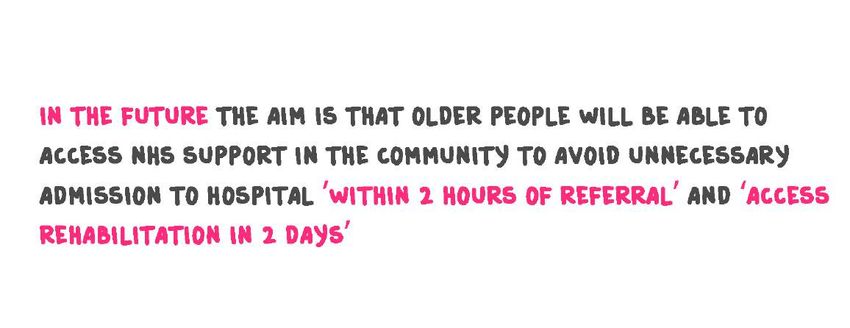
National trends              Funding for adult social            Over 50% of requests made by
                             care has fallen by nearly           older people for adult social
                             20% per head since 2010…            care in 2017-18 were turned
                                                                 down or passed to other
                                                                 agencies…

 One in seven older
 people report difficulty
 in carrying out everyday
 tasks like getting out of
 bed, going to the toilet
 or getting dressed.

 More than half of these
 people get no help at all
 from paid carers, family
 members or friends.

                             £21.7bn was spent on adult social     1.3 million older people made
                             care in 2017/18, 50% of which is      requests for government
                             spent on providing or arranging       supported care in 2017-18.
                             care for older people (over 65).
National trends
The number of people on The % of people spending over 4 30% of people report difficulty in
waiting lists for treatment hours waiting in A&E is getting a GP appointment.
are increasing. increasing and targets are being
missed.Recent reforms
Recent reforms

Rising pressure on health and care services is not a new thing.
There has been almost constant reform since the NHS began and
the last seven years is no exception…

2012 - Health and Social Care Act triggers extensive reorganisation of
NHS services in England.

April 2013 - Clinical Commissioning Groups (CCGs), Health and Wellbeing
Boards and Healthwatch are created. Local authorities are given statutory
responsibility for public health, competitive tendering is extended and NHS
England is created with operational independence.

October 2014 – The NHS Five Year Forward View (5YFV) is published. It
has a focus on prevention and the integration of services is proposed with
GPs, hospitals, district nurses, mental health services, social care, charities
and social enterprises working more closely together to meet health and
care needs. Different approaches to integration – like Multispeciality
Community Providers (MCPs) and Primary and Acute Care Systems (PACs) -
are piloted through ‘NHS vanguard sites’
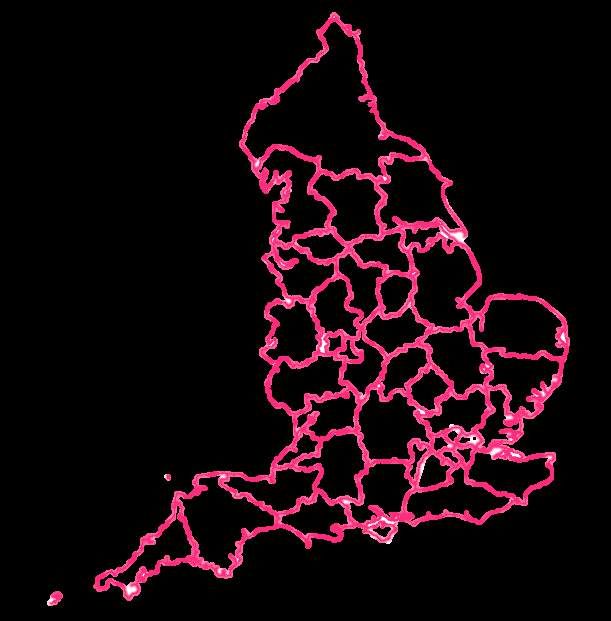
Recent reforms                                                             42 health and care
                                                                           planning footprints in England

December 2015 - Sustainability and Transformation Plan (STP)
footprints are established to implement the recommendations of the
5YFV, in effect creating a new planning framework for NHS services
centred around collaboration rather than competition.

STPs are tasked with bringing together CCGs, local authorities, acute
hospital providers, mental health and community hospital providers,
public health, primary care, social care, voluntary and community
sector organisations, local people and communities to develop five
year place-based STPs to improve the health and wellbeing of their
population. This is done in different ways by different areas – in some
STP footprints local authorities take the lead, in others it is CCGs, or
groups of NHS providers.

STPs are the first step towards a significant change in how local health
services are designed and delivered. The intention is that STPs will
become the future gateway to funding for local health and care
services.

June 2016 - Draft STPs are submitted to NHS England. There are 44
STP footprints initially, with some merging to create 42 by 2019.
Recent reforms October 2016 – the original 44 STPs are published outlining how local services will be transformed and made sustainable. They cover a wide range of issues from prevention through to the provision of specialised services. 14 plans are subsequently greenlighted to become Integrated Care Systems (ICSs), which more closely integrate the NHS and local councils around the design and delivery of health and care services and have more powers to act on the ambitions set out in their STP. April 2017 – the VCSE Health and Wellbeing Alliance is set up to facilitate integrated working between charities, social enterprises, the Department of Health and Social Care, NHS England and Public Health England at a national level. September 2017 – Sustainability and Transformation Plans are renamed Sustainability and Transformation Partnerships. June 2018 – HM Treasury gives NHS England a financial boost of £20.5bn in real terms over next five years. To access the money NHS England has to draw up a 10 year plan as to how it would make best use of the cash injection.
NATIONAL POLICY
PLANNING
                                          The health and care system in England
  LOCAL

                                                  Clinical                                 Sustainability and Transformation
                                                                     Health and
                      Local authorities        Commissioning                                Partnerships / Integrated Care
                                                                   Wellbeing Boards
                                                  Groups                                                Systems

                                                                 Ambulances &         Community &            Public health
SERVICES

                      Social work teams       Acute Hospitals
 LOCAL

                                                                  paramedics          District Nurses          officials

                      Minor Injury Units      Charity sector        Charities,        Mental health              GPs
                                              infrastructure       community            services
                                               organisations    groups and social
                                                                   enterprises
The charity and social enterprise sector
Sometimes referred to as the Voluntary, Community and Social Enterprise sector
– or the VCSE for short. The UK charity sector makes a vital contribution to
improving health and wellbeing, often providing support for the most vulnerable
and disadvantaged communities. There are over 160,000 charities in the UK
with nearly 1 million employees, 21 million volunteers and a combined
income of £43 billion. Social enterprises are businesses that reinvest their
profits to create positive social change. There are over 100,000 social
enterprises in the UK with 2 million employees.
There are lots of places to find information about the charity and social
enterprise sector – nationally and in local areas. This includes individual
charities like Age UK and Citizens Advice but also the many membership
organisations and representative bodies for specific types of organisation like
the National Council for Voluntary Organisations (NCVO), the National
Association for Voluntary and Community Action (NAVCA) and Social Enterprise
UK.Partnership working A number of initiatives are underway to try and increase partnership working and collaboration across and within statutory health and care services, charities and social enterprises. As well as the VCSE Health and Wellbeing Alliance, this includes the Building Health Partnership Programme and the piloting of VCSE leadership groups and alliances as part of the STP /ICS Accelerator programme in some local areas.
The VCSE Health and Wellbeing Alliance

                         • Age UK                               •   Men’s Health Forum
                         • Carers Partnership (formed by the    •   Mental Health Consortium
                           Carers Trust and Carers UK)          •   National Voices
                         • Citizens Advice                      •   National Association for Voluntary
                         • Clinks and Nacro                         and Community Action
                         • Complex Needs Consortium (a          •   National Council for Voluntary
                           partnership between VoiceAbility,        Organisations
                           The National Autistic Society, and   •   Race Equality Foundation
                           Sense)                               •   The National LGB&T Partnership
                         • End of Life Care Consortium          •   The Valuing People Alliance (made
                           (formed by Hospice UK, Marie Curie       up of Learning Disability England,
                           and Together for Short Lives)            the British Institute of Learning
                         • FaithAction                              Disabilities and the National
                         • Friends, Families and Travellers         Development Team for Inclusion)
                         • Homeless Link                        •   Young People’s Health Partnership
                         • Maternity Action                     •   Win-Win Alliance
The NHS Long Term Plan
The NHS Long Term Plan

                         It prioritises how the £20.5bn cash       The development of the NHS Long
                         injection from the Treasury will be       Term Plan involved consultation
                         spent over the next five years and sets   with patients’ groups, professional
                         out the NHS ambitions to improve the      bodies and frontline NHS staff
                         quality of care and health outcomes in    through 200 events, 2,500 separate
                         England over the next ten years.          responses and insight offered by
                                                                   85,000 members of the public and
                                                                   from organisations representing
                         It builds on the work started by the
                         STPs and follows the vision set out in    millions of people.
                         the 2014 Five Year Forward View. It
                         envisages a 21st century NHS that
                         partners with others to deliver joined-   It is a plan for the NHS, not the
                         up, tailored and community-based          whole health and care system. Plans
                         care to improve the health and            for the other pillars of the health
                         wellbeing of people. A plan for           and care system - public health and
                         universal personalised services, a new    social care – are expected to be
Published January 2019
                         draft GP contract and a consultation on   developed as part of the
                         primary legislation are published at a    Government’s next Spending Review,
                         similar time further developing the       with Green Papers exploring the
                         vision.                                   policy options published in advance.
Vision
The changes in the Long Term Plan aim to
ensure that everyone gets the help they
need to stay as well as possible for as long
as possible and have access to the right care
at the right time when they need it.
Tailored
People are supported to be as well as possible in a
way that best suits them, their family and carers,
and living situation. People are given choice about Community-based
treatment and have access to link workers who Services are designed and delivered locally, to be as
provide advice on different options for connecting close to home as possible, and GPs, community
with other support and people in communities that nurses and others working in local communities get a
can help improve health and wellbeing through greater share of the increased funding and staff.
non-medical means.
Preventative Targeted
Disease is diagnosed and treated earlier and people To help reduce the wide, growing and unjust
have more options to make healthier choices about inequalities and differences in health and life
smoking, drinking, clean air, diet, maintaining a expectancy between the best and worst off.
healthy weight and being physically active.Vision
A stable and supported workforce, with a Chief People Officer dedicated to
building sustainable NHS staffing levels and improving the health and
wellbeing of the existing 1.2 million NHS staff in England.
Improved funding More coordinated services
£20.5bn extra committed over the next NHS bodies and services, with local
five years, equivalent to 3.4% real terms authorities, the care sector, charities and
growth each year. social enterprises working together to
improve health and wellbeing.Delivery
The Long Term Plan outlines five practical changes to the way NHS services are delivered.
Integrated Care Systems (ICSs)
At the heart of future services, all the 42 designated STP footprints will become ICSs by April
2021. With this will come changes to commissioning arrangements and funding allocations with
decisions made at at a system level (for 1-3m people), place (250k-500k people) and
neighbourhood (30k-50k people). At each level integration will include NHS bodies, local
authorities, the voluntary sector and others working in health and care. The ICSs, in partnership
with local authorities, will increasingly focus on tackling the wider social determinants of
health – like money, work, environment, housing - and health inequalities to reduce the
differences in health and life expectancy between the richest and poorest.Delivery
Redesigned emergency care
More GP-led Urgent Treatment Centres and increased clinical streaming at A&E at times of
pressure.
Primary Care Networks (PCNs)
Bringing together GP practices in local areas that together serve 30-50,000 people. They are
expected to be in place by July 2019. PCNs will work together with other NHS providers, social
work teams, public health officials, charities, community groups and social enterprises to offer
more tailored, coordinated health and care to their local populations. Expanded teams in
primary care will include new roles such as social prescribing link workers, clinical pharmacists,
physician associates, physiotherapists and community paramedics. PCNs will have a
responsibility to proactively assess the local population’s health risks and inequalities and target
resource that prevents ill health and improves population wellbeing. PCN Clinical Directors will
be outward facing roles, with a remit to build relationships and work collaboratively across
different groups and organisations in local areas.Delivery
Personalised care
A new model of tailored care is rolled out to 2.5 million people within five years,
through Primary Care Networks, and includes the introduction of 1,000 new social
prescribing link workers, 200,000 personal health budgets and care and support
planning for 750,000 people with long-term health conditions.
Digital technology
This will be mainstreamed, giving people and professionals access to joined up medical
records, one online service through the NHS App, and online GP consultations.Programmes, Priorities & Targets
The Long Term Plan outlines 13 areas of work:
• Ageing well
• Cancer
• Cardiovascular Disease
• Digital transformation
• Learning disabilities and autism
• Mental health
• Personalised care
• Action on prevention and health inequalities The following pages summarise key highlights
from a selection of the programmes.
• Primary care
Further details about NHS England’s plans are
• Respiratory disease available on:
• Starting well www.longtermplan.nhs.uk/areas-of-work
• Stroke
• WorkforceAgeing well The aim is to support older people to live well and stay independent at home for longer. There will be: - An upgrade of healthcare for care homes so that residents have access to a named GP, out of hours emergency support, pharmacists and palliative care at the end-of-life. - Better use of technology such as monitors and wearable devices. - Increased capacity and responsiveness of community services to ensure that older people can get urgent access to GPs, district nurses, mental health teams and allied health professionals – such as physiotherapists – to help prevent unnecessary hospital admissions. Enhanced rapid community response at times of crisis. - More support for recovery after an illness or injury with increased access to rehabilitation and reablement services in the community.
NHS Long Term Plan, January 2019
Starting well

The care and treatment of children and young
people is prioritised in the Long Term Plan.
Commitments are made for women to have
the same midwife through pregnancy, and to
halve stillbirths, and infant and mother
mortality.
Additional services will be put in place for
children with common long-term conditions
like diabetes, asthma and epilepsy.
Children’s mental health services and care for
people with learning disabilities will be
improved through better joining up of support
in local areas.
Mental health

A greater proportion of the NHS budget will be spent on
mental health services to provide:
• more support for children and young people
• 24 hour mental health crisis care for people of all ages
• greater access to talking therapies for people with anxiety,
  depression and other common mental health problems
Learning disabilities and autism

More will be done to improve life for people living with
learning disabilities or autism.
The whole NHS, including all staff, will have awareness of
the needs of people with a learning disability and those with
autism and make sure they get access to good quality
appropriate care and treatment.
New targets are in place for people with learning disabilities
or autism that include:
• annual health checks
• medication reviews
• reduced waiting times for specialist services
• reduced numbers of people with learning disabilities or
  autism unnecessarily admitted to hospital
Prevention and inequalities

Earlier diagnosis and treatment of cancer,
cardiovascular disease, diabetes, stroke and
respiratory disease is prioritised. Screening
programmes and rapid diagnostic testing will be
expanded across the country.
Additional NHS prevention programmes will be
launched on smoking, obesity, Type 2 diabetes and
alcohol-related A&E admissions.
NHS Health checks will be made more effective and
widely available so that more people know their blood
pressure, cholesterol and other risks to their health.
Goals will be set for reducing inequalities, including
those relating to poverty.
Personalised Care

    The plan for universal personalised care aims to change the way NHS services and health professionals
        work so that rather than a one-size-fits-all approach, people (especially those with long term
         conditions) are given more choice and control over their care. There are six key elements:

              Choice                       Care and support planning
   People are more aware of the
                                                                                     Personal health budgets
                                          People work with professionals to          People can manage their own
choices they have over treatments,        develop individual, tailored care           health and care budget and
  where these take place and the               plans that fit with their                support if they choose.
      professionals they see.               preferences, lifestyles, values
                                           and things they want to achieve
                                                        in life.
       Social Prescribing
     People are connected into                                                           Self-management
 networks, activities and practical,            Shared Decisions                     People’s knowledge, skills and
  social and emotional support in          People’s personal preferences,             confidence are built to help
  communities and the voluntary           circumstances, goals and values             them find ways of improving
   sector to address non-medical             are combined with clinical             their own health and wellbeing
 needs that impact on their health       expertise to reach decisions about                 where possible.
           and wellbeing.                            treatment.
The Public’s Views
“Booking times are always
terrible. You always need to
book several months in
Recent research commissioned by Age UK and carried out by Britain advance. Who knows if
Thinks in May 2019 suggests that the things that are important to they’re going to be ill in
people with long-term conditions and their families are: several months time?”
• Reducing long waiting times for surgeries and referrals
• Improving access to GPs
• Ensuring there is enough time with the GP or Health Care
Professional to discuss their needs and health concerns
“I always feel
The research explored public perceptions of the NHS and changes when I go to the
proposed in the Long Term Plan. It involved six focus groups at doctors that I’ve
three locations across England, and eight in-depth interviews. got to say little
and rush out”Implementation NHS England published a detailed implementation framework on 27 June 2019. An interim workforce implementation plan – the NHS People Plan – was published on 9 June 2019. Local health and care systems – as represented by the Sustainability Transformation Partnerships and Integrated Care Systems (STPs and ICSs) – will be central to the implementation of the Long Term Plan’s vision for a more place-based approach to designing and delivering health and care services. To do this effectively the Long Term Plan recognises that the charity sector is a key part of future health services and as such STPs and ICSs will be looking to work closely with communities and their charities. The charity sector will be represented on ICS partnership boards. Primary Care Networks (PCNs) are tasked with understanding the wider social context locally that impacts on health and wellbeing as well as the prevalence of disease and exposure to risk factors, existing provision of health, care and other support services and practical support in communities and the voluntary sector. PCN Clinical Directors will have a remit to seek partnerships locally with the voluntary sector to reduce health inequalities and ensure there is effective and appropriate services and support to vulnerable people.
Bath and North East Somerset,
    Swindon and Wiltshire
Bath and North East Somerset, Swindon
Location and Wiltshire STP
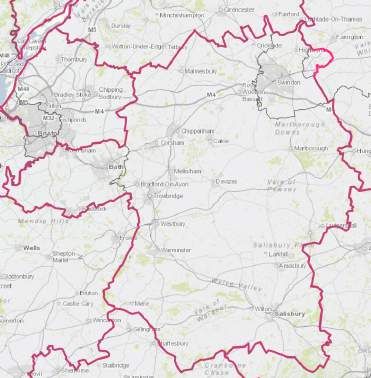
In the South West, the Bath and North East Somerset,
Swindon and Wiltshire Sustainability and Transformation
Partnership (STP) is bordered by Gloucestershire to the
north, Bristol and Somerset to the west, Dorset to the south
and Hampshire to the east.
The STP footprint includes 3 Clinical Commissioning Groups, 3
local councils and 7 providers.
STP footprintBath and North East Somerset, Swindon
Your health and care system and Wiltshire STP
Priorities highlighted in the October 2016 STP include: Over 90,000 emergency
admissions a year
• Creating locality-based integrated teams supporting
primary care.
• Shifting the focus of care from treatment to prevention
and proactive care.
• Developing an efficient infrastructure to support models
of care.
• Establishing a flexible and collaborative approach to
workforce.
• Enabling better collaboration between acute providers
A £1.4 billion health systemBath and North East Somerset, Swindon
Your health and care system and Wiltshire STP
Bath and North East Somerset, Care Quality Commission Assessments include
Swindon and Wiltshire STP was
considered to be Advanced (category
2 of 4) by NHS England in 2017.
Avon and Wiltshire Mental Health Partnership NHS Trust -
Requires Improvement
Great Western Hospitals NHS Foundation Trust - Good
Royal United Hospitals Bath NHS Foundation Trust - Good
Salisbury NHS Foundation Trust - Good
All three CCGs are classified as good
by NHS England.Bath and North East Somerset, Swindon
Your region and Wiltshire STP
2.4% of the population
Bath and North East Somerset, in the South West region
Swindon and Wiltshire STP is in identify as LGBT,
the less ethnically diverse compared to 2.1% for
region of the South West with: England as a whole.
92% white British
3.6% white non-British
2% Asian
0.9% Black
1.7% Mixed and other Ethnic 5,631 people in the South
Minorities West region identify
themselves as Gypsies or
Travellers, out of 58,000
across England as a whole.Bath and North East Somerset, Swindon
Your local population and Wiltshire STP
0.9 million
people
in Bath and North East
Average weekly wages Somerset, Swindon and 18% are over 65 (compared to
range from £421 in Wiltshire STP 17% nationally) but this varies
Bath to £430 in across the area.
Swindon (compared
to £530 nationally).
Around 3% unemployment in
most areas but 4.4% in Swindon
(compared to 4% nationally).Bath and North East Somerset, Swindon
Social context and Wiltshire STP
Somerset STP
Citizens Advice helps people to resolve
money, legal, benefits, health, housing
and a variety of other issues by
5,990 households were
providing free, independent and
assessed to be officially
confidential advice.
homeless and owed a
duty of care in the South
West region from Oct to
Dec 2018.
21,000 people in Bath and North East Somerset, Swindon and
Wiltshire seek advice from Citizens Advice each year
33% of advice requests relate to benefits, including universal credit
19% are for advice on debt and other financial services
8% have concerns about their housing
7% people want advice on relationships and familyBath and North East Somerset, Swindon
Voluntary and community sector and Wiltshire STP
The National Association for Voluntary and Community Action (NAVCA) is
England’s national membership body for local voluntary sector
infrastructure organisations. Between them nearly 200 NAVCA members
support over 145,000 local charities and voluntary groups across England.
217,000
NAVCA members often play a leadership role in the local voluntary, people volunteer
community and social enterprise sector, providing support and advice to locally
charities and social enterprises, helping to recruit, train and place
volunteers, and collecting and sharing information about the local sector
and national initiatives.
NAVCA members in the Bath and North East Somerset, Swindon and
Wiltshire STP area include:
There are over 3,281 registered
Voluntary Action Swindon (VAS) www.vas-swindon.org charities in the Bath and North East
Somerset, Swindon and Wiltshire
STP area, and a further 3,842
unregistered small, local, volunteer
led organisations such as sports
clubs, lunch clubs and some social
enterprises.Bath and North East Somerset, Swindon
Health risks in your area and Wiltshire STP
16% of 10 year olds are obese, compared to national average
of 20%
14% of adults smoke in the South West region, compared to
national average of 14%
19% of adults are inactive in the South West region,
compared to national average of 22%
650 hospital admissions out of 100,000 in the South West region
are related to alcohol, compared to national average of 632Bath and North East Somerset, Swindon
Health indicators in your area and Wiltshire STP
4.2% of over 65’s have
Frailty 9.3% of a dementia diagnosis
adults with
‘Frailty’ is a clinical term depression
that refers to a person’s
mental and physical
resilience, or their ability to
bounce back and recover
from events like illness and
injury.
1 in every 300 adults in the Rates of new
11,631 people in Bath and South West region receives dementia diagnosis
North East Somerset, long term support for are 10.7 per
Swindon and Wiltshire have learning disabilities 1,000 people
been assessed to have
moderate frailty and 4,184
have severe frailty.Bath and North East Somerset, Swindon
Health conditions in your area and Wiltshire STP
8.5% of people with diabetes
(estimated prevalence, diagnosed and undiagnosed)
Musculoskeletal Disease
6,600 people have
153 people per 10k have had a hospital rheumatoid arthritis
spell for diabetic foot disease 17% of the population suffer
with back pain
178 admissions per 100k people for stroke
18% of people aged over 45
have osteoarthritis of the
29 people per 100k under 75 die from coronary heart disease knee, and 11% of the hip
554 new cancer cases per 100k peopleResidents’ views
Bath and North East Somerset, Swindon
and Wiltshire STP
In the Bath and North East Somerset, Swindon and Wiltshire STP area, Healthwatch works to ensure that
people are at the heart of health and care services. Following the publication of the NHS Long Term Plan
Healthwatch surveyed residents to understand their priorities for future health and care services in the
local area.
Being able to
manage and
Having what I need to choose the The help I need to keep my
live a healthy life…. support I need… independence and stay
24% said ‘access to the 16% said ‘choosing healthy as I get older… The ways things can
help and treatment I the right 23% said ‘I want my family change to make this
need when I want it’ treatment is a and me to feel supported at happen…
joint decision the end of life’ 18% said ‘I have
between me and absolute confidence
the relevant that my personal
health and care data is managed
professional’ well and kept
secure’Sources Resources packs have been created for each of the 42 STP/ICS areas in England. These include existing information from national sources that STPs/ICSs may already know, along with other data that is perhaps less well known – for example wider social and contextual factors that impact on health and wellbeing locally, the needs of the most vulnerable, existing VCSE activities/ forums/ projects around these issues and the views of local people. Data used is from the Office of National Statistics, NHS England, NHS Digital, Public Health England, Age UK, Citizens Advice, NAVCA, Versus Arthritis or Healthwatch unless stated otherwise.
Contacts and credits

 For questions, comments, feedback about this resource
 pack please contact the Age UK health influencing team:
 healthinfluencing@ageuk.org.uk

 For info and general enquiries about the VCSE Health and
 Wellbeing Alliance please contact:
 HWAlliance@dhsc.gov.uk

 Credits

 Content: Raisin Consulting

 Design: Crackle & Pop

 Illustration: rawpixel.com
You can also read


