Teaching Media Literacy and fighting Disinformation with eTwinning - Erasmus+ School education
←
→
Page content transcription
If your browser does not render page correctly, please read the page content below

Teaching Media Literacy
and fighting Disinformation
       with eTwinning
                   #eTwinning
                                           Sport
               Erasmus+                    Jean Monnet
       Enriching lives, opening minds.
                                           Youth
                                           Higher education
                                           Vocational education and training
                                           Adult education

                                            School education

                                Erasmus+
TEACHING MEDIA LITERACY & FIGHTING DISINFORMATION WITH ETWINNING                                                                                                            3

    More information on the European Union is available on the Internet (http://europa.eu).

    Luxembourg : Publications Office of the European Union, 2021

    PRINT ISBN 978-92-9484-445-3		                  doi :10.2797/738409 		          EC-05-21-019-EN-C
    PDF   ISBN 978-92-9484-469-9		                  doi :10.2797/268 		             EC-05-21-019-EN-N
    EPUB ISBN 978-92-9484-443-9		                   doi: 10.2797/372947		           EC-05-21-019-EN-E

    © European Union, 2021

    This publication has been produced by the Central Support Services of eTwinning, operated by European
    Schoolnet (EUN Partnership) under a contract with the European Education and Culture Executive Agency
    financed by the Union's budget. The opinions expressed are those of the contractor only and do not
    represent the contracting authority's official position.
    The Commission’s reuse policy is implemented by Commission Decision 2011/833/EU of 12 December
    2011 on the reuse of Commission documents (OJ L 330, 14.12.2011, p. 39 – https://eur-lex.europa.eu/
    eli/dec/2011/833/oj).
    Unless otherwise noted, the reuse of this document is authorised under the Creative Commons
    Attribution 4.0 International (CC BY 4.0) licence (https://creativecommons.org/licenses/by/4.0/). This
    means that reuse is allowed, provided appropriate credit is given and any changes are indicated.

    For any use or reproduction of elements that are not owned by the EU, permission may need to be
    sought directly from the respective rightholders. The EU does not own the copyright in relation to any
    images which do not carry the copyright indicator © European Union.

    CREDITS
    Cover photo : © Fokussiert & dvulikaia, stock.adobe.com.
    Graphic Design: © Sophie Despras

2                                                                                                            TEACHING MEDIA LITERACY & FIGHTING DISINFORMATION WITH ETWINNING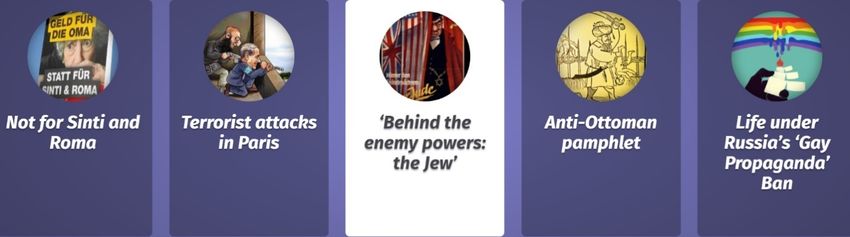
TEACHING MEDIA LITERACY & FIGHTING DISINFORMATION WITH ETWINNING                                                                                     5

                                                                           Contents
                                                                       ?
                                                                           FOREWORD                                                           6
                                                                           INTRODUCTION                                                      10
                                                                           CHAPTER 1                                                         14
                                                                           Media Literacy – Exploring the concepts through European policy

                                                                           CHAPTER 2                                                         22
                                                                           Disinformation and critical thinking

                                                                           CHAPTER 3                                                         32
                                                                           Youth and the media

                                                             1             CHAPTER 4                                                         40
                                                                           Media Literacy in eTwinning through project work
                                                             2             4.1. Age 0-6
                                                             3             4.2. Age 7-11
                                                                           4.3. Age 12-16
                                                                           4.4. Age 16-19
                                                                           4.5 Vocational Education & Training

                                                                           CHAPTER 5                                                         74
                                                                           Resources for teaching Media Literacy

                                                                           CHAPTER 6                                                         80
                                                                           Classroom activities for developing Media Literacy

                                                                           CONCLUSIONS                                                       88
                                                                           APPENDIX                                                          90

4                                                                                                                                             CONTENTS
TEACHING MEDIA LITERACY & FIGHTING DISINFORMATION WITH ETWINNING                                                                                                                                       7

    Foreword
                                                                                                  personal limitations, while collecting                media literacy skills. Thanks to its
                                                                                                  valid and reliable information and ideas              very collaborative nature, eTwinning
                                                                                                  from diverse and reputable sources. The               offers the perfect opportunity to
                                                                                                  next level involves comparing, analysing,             explore innovative teaching methods
                                                                                                  assessing, and synthesising information,              and innovative pedagogical concepts.
                                                                                                  ideas, and media messages in order                    Moreover, the transnational component
    Dear Reader,                                                                                  to draw logical conclusions. Finally,                 of eTwinning projects allows all
    We all live in extremely                                                                      students need to be ready to act.                     participants to gain a multiplicity of
    challenging and interesting                                                                   They should be empowered to develop                   perspectives – especially useful in
    times. On the one hand, the                                                                   creative ideas, synthesise and combine                breaking echo-chambers.
    information flows freely from                                                                 concepts and information from different
                                                                                                  sources in view of solving problems.                  This book should help teachers in their
    all directions and is readily                                                                                                                       classroom work with concrete examples
    available in a matter of seconds.                                                             This is a tall order of tasks, which                  of success stories, pedagogical
                                                                                                  requires the mobilisation of educators                strategies and activities, tools and
    On the other hand, the easiness of              planet, it is imperative for us to provide    and teaching institutions, of media                   resources.
    access creates myriad of opportunities          educational systems across the EU             outlets and businesses. It is clear that
    for disseminating incorrect messages,           with powerful tools that could help           teachers have a central role in leading
    which may lead to manipulation. In fact,        students to develop their critical thinking   their pupils on towards media literacy.
    studies have shown that, paradoxically,         ability to distinguish fact from fiction      They help their students develop
    the new information age has not                 and science from pseudo-science. The          critical thinking and online savviness.
    increased the level of knowledge and            European Commission has already               eTwinning has for many years provided
    understanding among the general                 developed some reference documents            valuable tools to support teachers in
    population because we often seek only           that help Member States in their efforts      this effort. This year’s eTwinning theme
                                                                                                                                                                         Therefore,
    information that confirms our existing          to improve the critical thinking and          “Teaching Media Literacy and fighting
                                                                                                                                                               its publication is a
    beliefs or because information (or              media literacy skills among EU citizens       Disinformation with eTwinning” has                      significant milestone in
    disinformation) travels so quickly and          in a lifelong learning perspective.           helped to boost awareness, cooperation                                our journey
    widely in a globalised, digital world. This     Media literacy is included in the digital     and tools to further help teachers to                     towards better media
    situation puts in danger the functioning        competence, which is described in
    of our democratic forms of governance           the Council Recommendation on Key
                                                                                                  be equipped with solid digital and                                literacy for all.
    and our efforts to tackle today’s global        Competences as well as in the more
    issues like climate change, sustainable         detailed LifeComp: The European
    development, and socio-economic                 Framework for Personal, Social and
    inequality.                                     Learning to Learn Key Competence.

    Therefore, for the sake of the future           Students need to develop awareness            1 https://ec.europa.eu/education/education-in-the-eu/council-recommendation-on-key-competences-for-li-
                                                                                                  felong-learning_en
    generations and the future of the               of potential biases in the data and one’s     2 https://publications.jrc.ec.europa.eu/repository/handle/JRC120911

6                                                                                                                                                                                              FOREWORD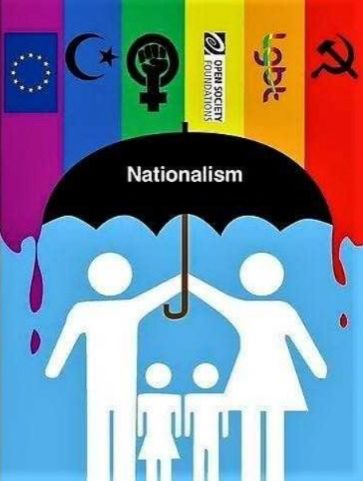
TEACHING MEDIA LITERACY & FIGHTING DISINFORMATION WITH ETWINNING                                                                                                                         9

    Introduction
                                                                                                   formats online, from news websites to        radio and TV broadcasts) they must
                                                                                                   social media content to podcasts to          understand how to successfully
                                                                                                   content in videogames. Understanding         process information through other
                                                                                                   how to navigate, select and critically       channels where fact-checking becomes
                                                                                                   evaluate information are skills that all     more tricky – for example: following
                                                                                                   online users should possess in order to      advice from their favourite vlogger,
    “Media Literacy – our capacity to                                                              manage the risks associated with issues      distinguishing between promoted posts
    access, have a critical understanding                                                          such as disinformation, online scams,        (paid advertising) and regular posts on
    of, and interact with the media –                                                              hate speech and managing online              social media, recognising photoshopped
    has never been as important as it                                                              relationships.                               or edited images and video, or
    is today. It enables citizens of all                                                                                                        encountering conspiracy theories or
    ages to navigate the modern news                                                               With children and young people               false information shared by family or
                                                                                                   increasingly turning to social media         friends.
    environment and take informed                                                                  or video sharing platforms to find
    decisions” (European Commission, 2019).                                                        news or information, critical reasoning      Understanding the motivations behind
                                                                                                   skills have never been so important          why an online user may edit or omit
                                                                                                   in enabling and empowering youth to          key details, how they may blend facts
    Media Literacy can be defined as                across Europe and the world, changes in
                                                                                                   be critical users of online content.         and opinions in their messages, how
    “the ability to access the media, to            the governance of personal data and the
                                                                                                   The ability to distinguish fact from         they select an audience and what they
    understand and critically evaluate              rethinking of the design of technology
                                                                                                   opinion and truth from falsehood has         wish that audience to do as a result
    different aspects of the media                  platforms.
                                                                                                   consequences not only for their own          of hearing their messages are all key
    and media contexts and to create
                                                                                                   personal safety online, but also for their   Media Literacy skills that all people in
    communications in a variety of                  This widespread belief in false
                                                                                                   actions that may impact on the well-         general and young people in particular
    contexts”                                       information circulating online is a critical
                                                                                                   being of other online users and of the       need in order to make positive choices
    (European Commission, 2007).                    challenge for today’s societies. Indeed,
                                                                                                   whole society.                               online and offline.
                                                    this has become even more apparent
    To be an independent and informed               in the last year during the pandemic.
                                                                                                   The modern online lives of children
    thinker in the digital world of the 21st        “The time is now,” tweeted the European
                                                                                                   and young people offer many
    century is a real challenge and, in reality,    Commission: “There has never been a
                                                                                                   opportunities to explore, learn, create
    few people are prepared effectively to          more urgent need for an Internet free
                                                                                                   and communicate. However, they
    navigate the online environment. This           of false or misleading information than
                                                                                                   also present a number of complex
    deficit in Digital Media Literacy across        during the coronavirus pandemic.”
                                                                                                   challenges that youth must be aware
    the world has been identified as a
                                                                                                   of in order to enjoy safe and positive
    critical factor explaining widespread           Media Literacy is crucial to being
                                                                                                   online experiences. As young people
    belief in online false information, be it       safe, positive and respectful online.
                                                                                                   do not encounter information purely
    misinformation or disinformation, which         Information can come from a wide
                                                                                                   from traditional news materials (such
    has led to changes in education policy          range of sources and in a variety of
                                                                                                   as newspapers, news websites,

8                                                                                                                                                                             INTRODUCTION
TEACHING MEDIA LITERACY & FIGHTING DISINFORMATION WITH ETWINNING 11
Alongside user behaviour, a young own beliefs) and “echo chambers”
person’s online experiences include (where like-minded users interact and
Internet and technology products reinforce a single viewpoint to the
that are increasingly driven by users’ exclusion of alternatives, creating a
personal data – the more a service, false impression that an opinion is more
In this book, the topic of Media Literacy and how it can be
device or app knows about you as a widely held in society than it actually is). used to combat disinformation forms the central topic, to help
consumer, the more it can adjust what teachers work in classrooms with their pupils to address this
challenge for their futures.
you see and experience in order to better Providing educational opportunities for
meet what it perceives to be your needs children and young people to explore
or interests. Media Literacy also plays and discuss how to manage and CHAPTER 1
a key role here – empowering youth to evaluate online information in all its Gives the European viewpoint, providing information on why the
theme of Media Literacy has been chosen, what is the impact
understand that what they see on social forms is fundamental to empowering on the educational community and how it has been channelled
media feeds and in search engines youth to be positive and safe online. through eTwinning.
results can differ from what others see,
and that they can take control over how eTwinning has been promoting Media
CHAPTER 2
their data are collected and used online. Literacy for the last 16 years by focusing Some of friends of eTwinning explain the concept of disinformation,
on the integration of digital tools in through current and historical lenses, and exploring the power of
The role of technology in filtering, the everyday lives of teachers and algorithms in the creation of news.
selecting and delivering the information students, with a special emphasis on
we encounter online has given rise the effect such tools have on our lives. CHAPTER 3
to concepts such as “filter bubbles” Looks at how young people engage with the media, where they
(where users encounter only information consume news and how they analyse information with the
cooperation of the Better Internet for Kids initiative.
that conforms to and reinforces their
CHAPTER 4
Showcases outstanding eTwinning projects on Media Literacy and
Media Literacy, in particular digital disinformation.
media literary, is crucial in today’s
world and this book is designed CHAPTER 5
to show how eTwinners approach Gives examples of tools and resources that are available to use in
this fundamental tenet of living classroom work and eTwinning project.
in the digital age, teaching their
pupils to take control and not be CHAPTER 6
Proposes some classroom activities on the topic for each
controlled by the digital world. We age group.
hope you enjoy reading it.
10 INTRODUCTIONTEACHING MEDIA LITERACY & FIGHTING DISINFORMATION WITH ETWINNING 13
CHAPTER 1
1000110001001010
0100001111010100
Media
Literacy
Exploring the concepts through
European policy
12 CHAPTER 1TEACHING MEDIA LITERACY & FIGHTING DISINFORMATION WITH ETWINNING 15
education to promote common EU training emphasised that education and
values and acknowledged that the training should provide learners with
Contributors primary purpose of education is not the competences and values required
Marta MARKOWSKA European Commission, Directorate-General for only to develop knowledge, skills, “to access, interpret, produce and use
Education, Youth, Sport and Culture competences and attitudes, but information and other media content,
Simona PETKOVA European Commission, Directorate-General for
Education, Youth, Sport and Culture
also to help young people – in close notably in the context of the Internet and
Lida POLITI European Commission, Directorate-General for cooperation with parents and families social media, in a safe and responsible
Communication Networks, Content & Technology – to become active, responsible and manner.” In a similar vein, the Council
Bronagh WALTON European Commission, Directorate-General for
Communication Networks, Content & Technology open-minded members of society. The Recommendation on Common Values,
Declaration highlighted the importance Inclusive Education and the European
of enhancing Media Literacy and Dimension of Teaching (22 May
critical thinking skills, particularly in the 2018) underlined the need to continue
Education and training have a fundamental use of the Internet and social media, so promoting common values as vectors
role to play in equipping citizens with as to raise awareness of risks related of cohesion and inclusion, favour the
the critical thinking required to exercise to the reliability of information sources implementation of participatory learning
judgement in the online world, taking into and to help exercise sound judgement environments at all levels of education,
in view of rising populism, xenophobia, improve training for teachers on
consideration its rapidly evolving nature, the
radicalisation and the spread of citizenship and diversity, and enhance
emergence of new technologies, the impact disinformation. the Media Literacy and critical thinking
of algorithms and the unprecedented risks skills of all learners.
related to information bubbles and echo The Strategic Framework for European
chambers. Cooperation in Education and Training The importance of Media Literacy
(ET 2020), which included a dedicated development is also strengthened in the
Working Group bringing together reviewed European Framework of Key
A rapidly changing media and citizenship and the common values Member States and stakeholders Competences for Lifelong Learning2
information landscape, coupled with a of freedom, tolerance and non- and focused on promoting common (May 2018). Together with sustainability,
plethora of online media platforms and discrimination through education values, inclusive education and European common values, openness to
sources of information, requires that (adopted by the European Commission the implementation of the Paris cultural diversity and innovation, Media
people are not only confident but also and EU Education Ministers in Declaration1.Furthermore, the European Literacy is one of the five underlying
knowledgeable, aware and critical users March 2015) to the newly adopted Council conclusions of May 2016 concepts which underpin the eight
when navigating the media, particularly Digital Education Action Plan 2021- on developing Media Literacy and key competences relevant for citizens
in the online world. 2027, it is clear that teachers and critical thinking through education and of all ages. Also, the Commission’s
educators continue to play a vital
Although Media Literacy has a long role in empowering young people to
history in relation with the means benefit from and contribute to online
of mass communication available, debate and discussion as part of the 1 The group published a Thematic Fiche on Uses and Abuses of Modern Media, available here:
https://op.europa.eu/en/publication-detail/-/publication/cd9faea8-ba77-11ea-811c-01aa75ed71a1/
we focus on very recent policy democratic process. language-en/format-PDF/source-search
developments. From the implementation 2 2018/C 189/01; https://ec.europa.eu/education/education-in-the-eu/council-recommendation-on-key-
of the Paris Declaration on Promoting The Paris Declaration mobilised competences-for-lifelong-learning_en
3 COM (2020) 790 final
14 CHAPTER 1TEACHING MEDIA LITERACY & FIGHTING DISINFORMATION WITH ETWINNING 17
Digital Competence Framework for potentially harmful information in the Education has a key role to play in the published in September 2022 as part of
Citizens identifies information and digital world. The profound impact fight against disinformation. Equipping a “Back to school” campaign.
data literacy, online safety and digital of the disinformation phenomenon teachers, educational staff, students
content creation as part of the wide mix has become increasingly critical in and parents, as well as lifelong learners, Lastly, in working to achieve the
of digital competences needed by all view of the rapid emergence of new with solid digital and Media Literacy European Education Area and its
learners today. technologies and the outbreak of the skills can contribute enormously to ambitious vision for excellence in
COVID-19 pandemic. The so-called shaping a well-informed public audience, education for all learners across
Moreover, the May 2020 Council “infodemic”, namely the flood of false capable of assessing the credibility of Europe, building democratic education
Conclusions on Media Literacy in an information around the virus, mainly online sources and detecting potentially environments free from bullying, harmful
Ever-Changing World stated that the through social media, emphasised the fake news, while fostering a healthy speech and disinformation is key. To this
exposure of citizens to a large amount substantial role digital technologies can public democratic debate. end, teachers and educators play a vital
of disinformation, especially in times play in disseminating a plethora of (dis) role in helping to create a safe learning
of major global crisis, such as the information and ultimately affecting the To this end, the Digital Education environment free of discrimination
COVID-19 pandemic, emphasises the decisions of EU citizens, especially in Action Plan (2021-2027) focuses including through the development of
importance of a systematic approach periods of global crisis. The need for a one of its two strategic priorities critical thinking.
to the development of Media Literacy. more coordinated action was addressed on developing digital skills and
According to the Council Conclusions, in the Joint Communication on Tackling competences for the digital transition The flagship funding programmes of
Media Literacy should not be limited to COVID-19 Disinformation4, published in of people of all ages. Digital literacy the Commission, namely Erasmus+ and
learning about tools and technologies June 2020. and addressing disinformation play a the European Solidarity Corps, have
but should also aim to equip citizens key role in this vision. With a view to been supporting a number of projects
with the critical thinking skills required At the centre of EU efforts to combat this, the Commission is developing in Media Literacy and will continue
to exercise judgement, analyse complex disinformation lies the Code of Practice common guidelines for teachers doing so under the new programming
realities and recognise the difference on Disinformation. In force since 2018, and educators on promoting digital period. Since 2014, over 2,600 Erasmus+
between opinion and fact. Likewise, the Code of Practice is a self-regulatory literacy and addressing disinformation projects dealing with Media Literacy
the Council Conclusions stress the instrument bringing together major through education and training. The and disinformation among other topics
importance of developing and sharing online platforms and other actors to guidelines will provide teachers and have been selected for funding, with an
Media Literacy teaching and training step up the fight against disinformation. educational staff with insight and overall budget of over EUR 241 million.
materials, and the development of a To address certain shortcomings practical guidance on how to promote Not to mention, of course, the eTwinning
systematic approach for enhancing of the Code, the Commission has a broad understanding of digital literacy projects in this area, which we will
the competencies of professionals in recently issued guidance to strengthen through education and training; foster further examine later in this book.
different fields, including teachers, with its application and ensure a more better awareness and knowledge
a view to strengthening their role in transparent and trustworthy online on disinformation; and allow for the To complement the work carried
developing citizens’ Media Literacy. ecosystem, while preserving freedom responsible and safe use of digital out by the Directorate-General for
of expression, as enshrined in the technologies. The guidelines will be Education, Youth, Sport and Culture
Building on the European Democracy Charter of Fundamental Rights. The
Action Plan3 presented in December strengthened Code will aim at creating
2020, the Commission has stepped a bridge with the proposed Digital
up its efforts to combat the spread Services Act (DSA)5. 4 JOIN (2020) 8 final
of misleading, inaccurate and 5 Proposal for a Regulation of the European Parliament and the Council on a Single Market For Digital
Services (Digital Services Act) and amending Directive 2000/31/EC - (COM (2020) 825 final)
16 CHAPTER 1TEACHING MEDIA LITERACY & FIGHTING DISINFORMATION WITH ETWINNING 19
(DG EAC), Media Literacy is further the power of influencers in the fight All of these bodies, programmes
supported by the Directorate-General against disinformation online.
and initiatives are of enormous
for Communications Networks, Content
and Technology (DG CNECT)’s Media From 2022, the activities supported
benefit to teachers working with
Policy Directorate, which is responsible under “Media Literacy for All” will be the topic of Media Literacy in
for disinformation policy and concrete mainstreamed within the Creative schools and demonstrate the
actions to combat disinformation online. Europe Programme’s Cross-sectorial attention given by European
scheme with an increased budget. institutions to such an essential
DG CNECT is responsible for a Media DG CNECT’s ambition is to build skill, fundamental to empower
Literacy Expert Group which provides on the lessons learned during the
active and digital citizenship.
a forum for exchange of good practice implementation of Media Literacy for All,
across Europe on Media Literacy, in order to scale up existing successful
working closely with the 27 Member activities across Member States’ cultural
States and a range of organisations and linguistic borders, whilst continuing
working in Media Literacy including to seek innovative ways to improve
UNESCO, European Audiovisual Media Literacy skills in Europe in a fast-
Observatory, European Digital Media moving media ecosphere.
Observatory and others.
In addition to the new Creative Europe
DG CNECT is working closely with Media Literacy scheme, DG CNECT
UNESCO on the implementation of the supports the work of the European
2021 edition of the European Media Digital Media Observatory (EDMO),
Literacy Week, which will, for the https://digital-strategy.ec.europa.eu/
first time, take place in late October en/policies/european-digital-media-
alongside UNESCO’s regular Media and observatory which includes within its
Information Literacy event. objectives the creation of a repository
of Media Literacy tools and materials,
DG CNECT has from 2016 supported to be made available to practitioners
the implementation of the European across Europe. Furthermore, a number
Parliament’s Pilot Project and of regional hubs will be set up during
Preparatory Action “Media Literacy for 2021 to support national Media Literacy
All.” This has enabled the Commission activities on disinformation.
to provide seed funding to a wide range
of innovative projects in the field of
Media Literacy, covering a diverse range
of subjects from educational toolkits to
fact-checking projects which harness
18 CHAPTER 1TEACHING MEDIA LITERACY & FIGHTING DISINFORMATION WITH ETWINNING 21
? CHAPTER 2
Disinformation &
critical thinking
In this chapter we have contributions from two organisations from
the “Friends of eTwinning” network. One is from Lie Detectors, which
focuses on how to deal with disinformation and equip young people
with the skills to recognise the false from the true. The other comes
from Anne Frank House and examines the role of propaganda in the
development of attitudes to groups.
20 CHAPTER 2TEACHING MEDIA LITERACY & FIGHTING DISINFORMATION WITH ETWINNING 23
2.1 universes without being aware of
this. Without a common basis of
challenges guide children and teachers
to apply basic journalistic investigative
Detecting lies in the digital world understanding or knowledge, discussion methods to checking online content for
about basic themes can become truthfulness. These simple techniques
increasingly difficult. are rooted in source-checking, testing
that the basis of the democratic process of context and personal bias, and
– increasingly difficult. Luckily there are ways for classrooms technical search-engine applications.
LIE DETECTORS
to tackle the problem of disinformation. Increasingly, we train teachers in how
Juliane von Reppert-Bismarck
A growing body of evidence and Lie At Lie Detectors, an independent to integrate critical Media Literacy into
and Adeline Brion
Detectors’ own work have shown that and award-winning Media Literacy teaching routines.
young people seek out information organisation, we work to equip young
Even before the COVID-19 pandemic, about these and other facts world people and teachers to tell apart fact We’ve found that Media Literacy
online disinformation was eroding trust not only via traditional media or in from falsehood and opinion online. teaching in the classroom can have a
in facts and science and threatening educational environments but on Our participating journalists deliver direct impact on how children interact
to stifle public debate in Europe. The encrypted and image-based online 90-minute sessions – either face- with the posts they encounter online.
pandemic has situated Media Literacy platforms, chatrooms and gaming to-face or, during the pandemic, via
as a skill that is as central to securing platforms where fact-checkers rarely videoconferencing – taking children As may be seen from the graph above,
public health as it is to safeguarding reach, such as Instagram, WhatsApp, through the basics of checking facts since the pandemic, there has been
democracy. TikTok, Twitch, YouTube and gaming and media bias and explaining how a rise of about 30% in the number of
apps such as Fortnite and Roblox. journalism works. Preparatory materials children who say they have changed
It is easy to think about disinformation constructed along a series of news their behaviour as a result of working
as working along partisan lines, trying Traditional print and broadcast media, on Media Literacy modules, becoming
to sway us in one political direction or meanwhile, have moved their news more aware of the need to check
another. But very often we see that its content online. At first glance, the sources. Our work has increased the
design is simply to confuse and sow online look and feel of a gaming blog number of teenagers and pre-teens who
uncertainty about basic facts, public or of political advertising can often be said they were now checking sources.
institutions and our own communities. deceptively similar to professionally
The questions remain: by whom, and written journalism. Children report being increasingly
why, and to what end? concerned about how to deal with
It is not only the ease with which conspiracy theories and viral content
The pandemic has thrown up much blogs or vloggers can look like quality online. Similarly, the work has shown
new disinformation, from the idea news. Platform algorithms often keep the pandemic to be acting as a powerful
that COVID-19 can be cured by eating us on our screens in a custom-made catalyst for the digital transformation,
garlic to the notion that it’s designed information universe that presents bringing teachers and educators into
to distract us while a killer technology information less in terms of quality or closer contact with children’s online
called 5G takes over the world. The credibility and more in terms of our own experience.
effect has been a hollowing-out of trust preferences. This means that in a single
in facts and basic science, making classroom, children and teachers may Yet while a growing number of teachers
informed decision-making – and with inhabit widely diverging information name critical Media Literacy in an online
22 CHAPTER 2TEACHING MEDIA LITERACY & FIGHTING DISINFORMATION WITH ETWINNING 25
universe as a essential literacy tool, a
limited number are willing to broach
to fact-checking sites and online Media
Literacy games.
2.2.
this sensitive issue in the classroom. •F
inally, the aim must not be to Stereotypes and prejudice: tools for
Teachers who aren’t already teaching prescribe a list of trusted news sources
Media Literacy can learn to do it. It’s and forbid the use of others. 21st- teaching young people awareness and
easier than it probably seems, as long
as they keep a few basic principles in
century learning must equip children
with the ability to gauge credibility
empathy
mind. wherever they are.
•F irstly, literacy work in the classroom
Dove soap was accused of racism
should explore children’s online news If you’d like to get started today, see ANNE FRANK HOUSE over an advert on Facebook in 2017
consumption habits. Open questions our partial list of favourite resources
Karen Polak showing a black woman turning into a
about news-gathering habits can below or request a classroom visit by
white woman. The brand apologised,
bring widely diverging answers from a participating journalist by visiting
admitting it had “missed the mark
one classroom to another and often the Lie Detectors website. We provide
We live in a world of constant exposure in representing women of colour
lay the foundations of all subsequent free teacher-training via the eTwinning
to advertising, 24-hour news cycles and thoughtfully,” but the fact that individuals
discussion. partnership.
limitless sources of information and and societies so often fail to recognise
•S econdly, it can be wise to keep Media
entertainment online. More than ever, the persistence of prejudices and hurtful
Literacy free of politics: the aim need A set of curated materials from Lie
we need to commit time and resources images is a challenge educators face
not always be to discuss sensitive or Detectors may be seen in Appendix
to understanding the messages when teaching about discrimination. For
political issues. 1: Materials for developing Media
bombarding us. We also need to example, anti-Roma and anti-Muslim
• Thirdly, the more age-relevant, Literacy – a curated selection from Lie
distinguish between unintentional use imagery also feature frequently in
engaging and gamified the approach, Detectors
of biased imagery and propaganda or newspapers and the advertising world.
the more Media Literacy training can
deliberate disinformation.
help children boost their critical online
Editors, marketing teams, educators and
thinking. A vast trove of resources
As recently as April 2021 a left-wing students often lack the knowledge and
exists online, from UNESCO curricula
Dutch national newspaper published a skills to be aware of such issues, and
cartoon depicting a public figure using do not take the time to look carefully or
antisemitic imagery with echoes from think deeply about them.
the Nazi-era. Neither the cartoonist nor
the editors had antisemitic intentions
and none of them was aware of
the prejudice it portrayed: a Jewish
puppeteer, controlling the world.
The apologies were profound, and
safeguards were promised, but the
question remains: how it is possible that
they all lacked the historical awareness
to recognise the image?
They are not alone.
24 CHAPTER 2TEACHING MEDIA LITERACY & FIGHTING DISINFORMATION WITH ETWINNING 27
manipulation and raise awareness against discrimination, the module migrants. The website “Teaching
Understanding the about what has changed over time “Mastering the media” uses the visible about refugees” includes animations
mechanisms of propaganda – and what has not changed. The thinking routines to look at racist, sexist, showing that “words matter”. Looking
and hate Mind over Media project run by the antisemitic, anti-Roma and anti-LGBT+ carefully at terms such as migrants,
United States Holocaust Memorial imagery in adverts and propaganda, asylum seekers, refugees and displaced
Museum offers lesson plans using helping students unpick the different persons helps us to think critically
Propaganda, the spreading of Nazi-propaganda posters to analyse layers of meaning and exploring why about the way people who have left
information to influence public opinion the mechanisms used. The exhibition advertisers or politicians are using their countries of origin are portrayed in
on an issue, can be based on facts, “Fake or Real: A history of forgery these images. It is one of the 5 learning simplified messages.
arguments, rumours, half-truths, or and falsification,” at the House of paths offered here.
lies. Although propaganda may use European History (2021) shows how
half-truths or lies, this need not be the forged documents were used during
case, but the currently much used term the Dreyfus Affair in France to stoke
“disinformation” involves deliberately antisemitism.
false information, presented with the
aim of deceiving. It comes from the Recognising propaganda and hateful
Russian dezinformatsiya, the name given stereotypes and being able to put them
to Stalin’s KGB department dedicated to into context is a complex process,
“black propaganda” – designed to create requiring critical thinking. Project Zero
the impression that it was being sent at Harvard University has developed
out by the very people it attacks. various accessible and attractive
It is always relevant to teach students to “visible thinking” routines. The idea
ask “Who is sending out this message, is that the routines reveal the learning
and why?” process, empowering the learner. “What
do I know?” at the start of a lesson
There are various excellent educational is contrasted with “What do I know
resources available to deconstruct the now?” at the end. Learning that even
techniques used in both propaganda complex issues can be unravelled by The message of this poster, for example,
and disinformation: the way strong taking time and care gives students is that the umbrella of nationalism
emotions are activated, the simplified a sense of achievement. The “See- “protects” the family from many threats.
use of facts, half-truths, opinions and Think-Wonder” routine helps them It is also valuable to show students
lies; and the attacks on opponents to look more closely, examine the ideas positive examples: journalists and
insult or belittle them. Media Education or associations triggered (What do I educators providing counter-narratives
Lab gives insight and offers a growing think?) and then consider questions to hateful propaganda. Large numbers
collection of contemporary examples. the image raises (What do I wonder?). of migrants arriving in Europe in
Careful observation and thoughtful 2015 triggered a lot of anti-refugee
There are, however, also advantages interpretation set the stage for inquiry. propaganda, so the UNHCR put
to using historical examples, as the together a useful guide: Countering
passage of time may highlight the In the online Stories that Move toolbox toxic narratives about refugees and
26 CHAPTER 2TEACHING MEDIA LITERACY & FIGHTING DISINFORMATION WITH ETWINNING 29
consider the (historical) background
Emotional intelligence and the aim of messages.
The basic mechanisms of propaganda
A next step is understanding the have not changed much, despite our
impact of discrimination. This requires fast-moving Internet world. We see
emotional intelligence. Essential it happening today. The conspiracy
elements of emotional intelligence, theories around the contribution of the
such as self-reflection and empathy, introduction of 5G technology to spread
need to be developed, and can be of Covid saw public anger unleashed
taught. Understanding how stereotypes against an invented enemy. We can all
and prejudices are used in advertising learn from the past, but we need to take From Stories that Move – Some examples of propaganda
campaigns is not the same as realising time to think critically and to learn the
how painful this can be. skills that can help us see which media
bubbles we are in and how clickbait can
Young people talking frankly about their catch us out.
experiences with discrimination are
central to the Stories that Move project. The focus on Media Literacy in the
For example, a young boy called Tyrell eTwinning network this year offers a
recounting how a classmate wanted to timely opportunity for teachers and
“rub out the colour of his skin” with an students geographically far apart to
eraser adds a personal dimension to the learn together how to strip the mask
Dove soap advert. from disinformation and “fake news”.
It would be wonderful to see projects
Students also respond well to Sophie making use of TwinSpace to develop
Haber’s story from Vienna in the 1930s. the understanding and skills needed to
“A girl at school called me a ‘Jewish pig’. achieve this.
So, I smacked her. The head teacher
asked: ‘What got into you?’ And I am
actually proud of my answer. I said: ‘She
called me a Jewish pig. I am a Jew, and I
am not ashamed of it, but I am not a pig.
And that is why I smacked her. Because
of the word pig.’ And the matter was
settled there and then.”
Taking time to listen to stories and
to discuss where hurtful words and
nasty images come from can sensitise
students to look more carefully, and to
28 CHAPTER 2TEACHING MEDIA LITERACY & FIGHTING DISINFORMATION WITH ETWINNING 31
? CHAPTER 3
Youth &
the media
Another Friend of eTwinning is the Better Internet for Kids network.6
Under the Better Internet for Kids (BIK)7 umbrella, a BIK Youth8 Ambassador pro-
gramme was established giving young people a platform to share their experiences
and to voice their opinion on how to build a better Internet. Today, the community of
BIK Youth Ambassadors consists of 40+ committed young people, aged 12 to 24,
from across Europe.
In this section, they share their views on Media Literacy education and how to iden-
tify and deal with disinformation online.
30 CHAPTER 3TEACHING MEDIA LITERACY & FIGHTING DISINFORMATION WITH ETWINNING 33
“For me, digital literacy means in particular, the development of
competences to find one’s way in the digital world. By this I mean
finding suitable sources quickly and specifically, understanding how
to interpret them correctly and then disseminating the findings via
STUDENT QUOTES
suitable online channels. Digital literacy among teachers and students
must therefore be promoted at an early stage. Progress in e-learning
1 What does “Digital
Media Literacy” mean
should be maintained even after COVID-19. For me, digital literacy also
means, as I get older, that I want to or should at least fundamentally
to you and how does understand profound topics in the field of digitisation. This includes,
it impact you? for example, topics such as digital standards, digital sovereignty,
“I feel it is one of the most data spaces, platform regulation and the functioning and use of data
streams. Above all, the area of data literacy is also moving more and
important skills to have these
more into the focus for me personally. Unfortunately, many people are
days. In school, in the job and
not aware of the regulations that should benefit us.”
in private life – perhaps even
in kindergarten – Digital Media Kathrin, 24, Germany
Literacy plays a huge role.
Without it, the Internet can be “To me, it means being able
used, but not in a sustainable “As digital media has
to navigate the Internet
way from which you can
benefit.” confidently. Understanding 2 What kind of offline tools
of communication do you
become a very powerful
tool of communication,
what we are giving when we engage with (reading traditional offline tools are
Lili, 22, Austria
use the Internet and what we books or print newspapers,
for example)? still popular outside of the
are gaining.” Internet world. I personally
“To me it is very important in order to counteract Eiman, 18, Ireland still engage with leaflets
issues such as cyberbullying, evaluate data I that are handed out on
see online and to generally navigate through the the streets, the radio, but
“It is hard to go away from the feel of going
Internet in a good way.” through the pages of a paper book, so there is most importantly, in-
Piero, 12, France always one of those on my bedside table. I do person events, where you
also like to casually open a print newspaper at
my local coffee shop. Why? It saves my battery
socialise with other people
and I am sure that the information is already and educate each other
curated and not personalised. In a biased way.” through conversation.”
João Pedro, 24, Portugal Violeta, 17, Greece
6 During the pandemic, through the European network of Safer Internet Centres, a number of resources were “Personally, during the past year, I realised how important it is to take some
produced in national languages to respond to issues such as scaremongering and infodemics, as well as time off from social media, online news and even school-related platforms
strategies for fact-checking online information. Further resources covering other aspects of Media Literacy at times. I found myself reading more and really enjoying it. Besides the
and online safety can also be found on the Better Internet for Kids portal at betterinternetforkids.eu. several entertaining novels, I rediscovered the more practical/educational
7 Under the Connecting Europe Facility (CEF), EUN Partnership AISBL (hereafter European Schoolnet) is side of literature with lockdown cookbooks and more interactive magazines
developing and maintaining – on behalf of the European Commission – a Better Internet for Kids (BIK) core
with fun challenges.”
service platform to share resources, services and practices among national providers of the services – the
European Safer Internet Centres (SICs) – and to provide services to their users, including industry. More
Joana, 16, Portugal
information at: www.betterinternetforkids.eu
8 www.bikyouth.eu/
32 CHAPTER 3TEACHING MEDIA LITERACY & FIGHTING DISINFORMATION WITH ETWINNING 35
“We had an assignment due which
carried 50% of our overall exam
mark and I searched for news on the
“I usually find news online
through finding articles on
3 How do you find your
news online? What criteria
incidents that were happening due to
climate and there was a fake article
Twitter or simply stumbling are relevant to you when which I thought was true and that was
upon a headline whilst on browsing and searching for what made me fail since the site went
Google. However before information? down and it was too late for me to
finding credibility in any
source, I always check to see
arrange my assignment.” 4 What experience
do you have with
if it’s first from a relatively Silenia, 16, Malta disinformation?
well-known news site (e.g.
BBC News). Other criteria
that are important to me are
also how accurate spelling “I browse through my phone’s news
and grammar are, and by site and read the online newspapers
checking other similar that I am a subscriber of. I like to check
“I am autistic, and disinformation can and has caused
articles to see if statements twice if the site that the news is on
and facts match up in order is trustworthy or if it has a lot of fake people’s perception of me to change. For example,
to determine which source news. The news having a neutral view on when I told my classmates I was autistic, they started
is the most trustworthy to the topic is also important I think, or at speaking slower to me because of disinformation.”
read.” least not bullying the other views when Sunna, 18, Iceland
Jess, 14, UK writing news with a different view to
your own.”
“I mainly follow state media and Frida, 17, Finland
information sites. I also listen to
podcasts by journalists I trust because “The past year has been eye-opening “I never felt directly impacted by
of their previous work. If I’m particularly when it comes to the importance malicious disinformation. I know,
interested in a topic or want to look at it of communication tools and good
again, I usually search on Ecosia. I select information sources. Most experiences I however, how easy it is to fall for
the results based on experience. Often have had with disinformation are related it. Recently, my home country
these are websites of newspapers that “Usually, which is typical to the pandemic: fake news about the
virus, symptoms, tests, treatments,
government created a propaganda
have a certain reputation. If a site seems for students, you always poster where it compared a national
vaccines and restrictions. A lot of new
a bit strange or one-dimensional in its
reporting, I research it again to find out take the first link in the material was created in a very short metric against the European
time span, so, alongside with reliable
who is behind it. A good example of this browser, but I do not and essential information, there was
average. With the scale used,
is the Rubikon news site. The articles use any pages that are disinformation and even inappropriate that deliberately did not start in
appear to be independent information, and alarmist spread of true stories. the axis zero origin, it looked like
but in reality, there is only one person marked as ‘not secure’, Now, in my country I can already see
the national performance was
behind it who ‘reports’ from the right- as my data could simply an improvement, not only in content
creators and managers, but also in the outpacing the Europe one by
wing corner.” be forwarded to third public’s ability to deal with such data
much, when in fact it was actually
Kathrin, 24, Germany parties.” (suspect; don’t share, in case of doubt;
borderline above.”
and report, if certain of the inaccuracy).”
Manahil, 16, Germany
Joana, 16, Portugal João Pedro, 24, Portugal
34 CHAPTER 3TEACHING MEDIA LITERACY & FIGHTING DISINFORMATION WITH ETWINNING 37
“I and the rest of our generation face
“In my environment, I notice disinformation every day, on social
how quickly opinions can media, news and TV. We can get very
affected by it and give us the wrong
be formed on the basis of
misinformation, which is
impression of what is happening in the “Because young
world. Therefore it is very important
then stubbornly maintained. I that we learn from an early age how
people otherwise
think it is insanely important to spot disinformation, know how to do not act carefully
to know how to consume deal with it and learn which sources is
consciously on the Internet,
“Disinformation can safe.” Solveig Emilie, 15, Norway enough online. And
and above all not to put be found both offline this can get very
aside all common sense and and online. I think
dangerous!”
independent thinking it’s fair to say that
“I believe this is like teaching young people how Jana, 17, Germany
Lili, 22, Austria every person has
to cross the street. Sooner or later, they will
stumbled upon some have to do it on their own, so it is better to be
sort of fake news in taught on how to do it. The same goes for the
way we consume (and produce) information
their life, that is why I
through media. That is something inherently
think it’s important to relevant on a day-to-day basis. Schools are the
learn how to filter all best place to teach the right competences to do “It’s important to
5 Why is it important to
teach “Digital Media the information that it well.”
know from an early
Literacy” in schools? we come across and João Pedro, 24, Portugal
age to be critical
not blindly accept all enough when being
the info that is given “Students are one of the most in touch with digital
to us.” noticeable presences in online
media, whether it
platforms – that is the short answer.
Violeta, 17, Greece Having informed and skilled young is to be trusted or
people is a huge step in the battle not. Teaching Digital
against the creation and spreading
“Children need to learn that media can be fake and easily manipulated and need to
of disinformation. But personally,
Media Literacy in
know how the media plays with words to give you the news and they also need to
learn how the media industry works. They need to realise that even through editing,
I think there is much more to that schools helps kids
visuals can also be manipulated. Also, students need to learn the tools which can
question. They have a great influence and young people
on many other Internet users (family
be used to disseminate information (script and visuals) and they should learn that
members, friends, teachers, …), thus
be aware of it and
the media sets the agenda and makes its users think on the matter which the media
owners wants and not what the users really want. Also, students need to realise that
teaching them Digital Media Literacy in the online world
what is uploaded on the digital online media would be available globally and it is not
is inherently making them carriers overall. It gives you
of that messages in their daily intra-
private anymore. So, it is important that one thinks before one posts, and that Digital
and intergenerational experience and
tools to make your
Media Literacy is the key to understand the messages around us.”
knowledge exchange.” own content and be
Yevgeny, 15, Malta in touch with other
Joana, 16, Portugal
people’s content.”
Frida, 17, Finland
36 CHAPTER 3TEACHING MEDIA LITERACY & FIGHTING DISINFORMATION WITH ETWINNING 39
CHAPTER 4
Media Literacy
in eTwinning
through project
work
38 CHAPTER 4TEACHING MEDIA LITERACY & FIGHTING DISINFORMATION WITH ETWINNING 41
In this chapter we give the floor to eTwinning teachers
who, via their collaborative projects, have taken on the 4.1 AGE 0-6
challenge of developing the skills of discernment in
their students in all areas of Media Literacy.
The project descriptions are set out according to the
ALPHA
age levels of the students and cover a wide variety of
approaches to the topic. This project grew out of the effect of the pandemic process. Preschool
children gained proficiency in technology and Media Literacy, while the
teachers continued the distance education process in the most efficient way.
4.1 Age 0-6
ALPHA CHILD BROADCAST TIME LOOK AT LIFE SAFE AND CAREFULLY
Aims:
SAFE MEDIA SAFE KIDS ETWINNING KIDS TV The Alpha project aimed for more efficient online education. The children were
1 taught about safe Internet use, cyberbullying, Media Literacy and correct use of
4.2 Age 7-11 2
3 Web 2.0 tools like LearningApps, Wordart or Jigsawplanet, while teachers also
improved their competence in technology. The main goals of this project were to
NORTH EAST WEST SOUTH = N.E.W.S.! YOUNG JOURNALISTS OF TODAY – help the children become aware of safe Internet usage and begin to learn the basics
RESPONSIBLE DIGITAL CITIZENS OF of Media Literacy. In this way they were introduced to the digital age by recognising
24 HOURS – 24 STUNDEN TOMORROW
Web 2.0 tools, discovering their talents as children of today – also known as Alpha
ALL ABOUT DIGITAL ENJOYING CODING children and experiencing an efficient distance education process during the
?
COVID-19 pandemic.
4.3 Age 12-16 Activities:
LITERATE-TWINNERS FAKETASTIC INFLUENCED During the project, the teachers first organised a seminar for themselves with an
expert on the theme of Media Literacy and Disinformation. They also developed
ART AUTOGRAPHS 2021 WEBA (WEB-ACADEMY)
information sheets for parents about the topic and the children were divided into
multi-national teams where they worked on many activities such a designing
4.4 Age 16-19 posters on Media Literacy and Disinformation, a selection of which may be viewed
here: https://youtu.be/kbxf29O28vg The teachers also developed a simple game in
COVERING COVID -19 THROUGH ART AUTOGRAPHS 2021 Kahoot where the children had to choose statements about photographs as being
DIGITAL MEDIA LITERACY
SOCIAL MEDIA CULTURAL true or false, to help them distinguish between real and fake.
DIGITAL BRIDGE! MONO-LOGOS DEGENERATION
Impact:
An educational online games catalogue was developed with several links to Web
4.5 Vocational Education & Training 2.0 tools. At the end of the project, the results showed that the children use the
Internet more consciously and receive digital education in accordance with their age
FIND THE TRUTH IN THE YOUNG EUROPEAN LANGUAGE, MEDIA requirements.
VIRTUAL WORLD ENTREPRENEURS (YEE) AND CULTURE
40 CHAPTER 4TEACHING MEDIA LITERACY & FIGHTING DISINFORMATION WITH ETWINNING 43
Countries: created puzzles, quizzes, etc. for their partners. They “produced” a cookery show
Poland, Italy, Bulgaria, Serbia, Turkey for broadcasting to their partners: https://youtu.be/AKv9uiikLWg Also the children
studied what music is suitable for TV programmes for their age group and produced
Link to Twinspace: their own musical story, having their first experience with musical instruments.
https://twinspace.etwinning.net/139565/home
Impact:
Tools: The students were able to adapt their experiences to their daily lives by working
Zoom, Adobe Connect, Wizer.me, Mentimeter, Wordart, igloo.games, Chatterpix, collaboratively during the project. In the published e-book of parents’ responses
Bitmoji, Avatarmaker, Wordwall, Jigsawplanet, Cram, Canva, Google Forms, Kizoa, after the project we can see a reported development in the selectivity shown by
Padlet, Nearpood, Google slides, Storyjumper, Bookcreator, Genially, Emaze, blogger. children when choosing TV programmes to watch: https://www.ourboox.com/
com, Tripline, WhatsApp, YouTube, Facebook books/cocuk-yayin-zamani-etwinning-projesi-veli-proje-degerlendirme-anketi-
childrens-broadcast-time-etwining-project-parent-project-evaluation-survey/
Countries:
CHILD BROADCAST TIME
Turkey, Poland, Lithuania, Romania, Malta, Italy
Child Broadcast Time is a project for those children affected by exposure
to TV programmes during the pandemic. During this period, children stayed Link to Twinspace:
at home for too long and faced negative influences from TV programmes https://twinspace.etwinning.net/141342/homeMalta, Italy
much more than adults. Children usually do not know the contents of the TV
programmes and they do not know which ones are appropriate for them. This Tools:
project focuses on Media Literacy awareness, media content production and Google Music Lab, TonnyTool
effective use of technology while doing this.
Aims:
LOOK AT LIFE SAFE AND CAREFULLY
The aim of the project was that the children would be able to understand the This project tackled the issue of screen addiction, one of the biggest
basics of Media Literacy, particularly in relation to the TV programmes they like to problems for students. It has been revealed by studies that screen addiction
watch. They learned whether a TV programme is suitable for them or not, and their causes eye disorders and autistic symptoms, decrease in attention and
awareness was raised on various media tools and for what purpose they are used. expression skills from an early age. For this reason, it is necessary to
By integrating current Media Literacy into traditional education, the children also support the use of technology and 21st-century skills at the level required
developed their social skills. In this way they gained social media awareness and by reducing children’s screen addiction.
became aware of social media channels and their contents even at this early age.
Activities: Aims:
Project activities included getting to know the other members, making a This project involved teachers, parents and students with the main aim of raising
representation of the school, city and region, making a project logo, online meetings, awareness among all these groups about safety on the Internet, useful content,
evaluation and dissemination of the project. Essentially the children learned technology addiction and Media Literacy.
about how TV broadcasting works. They learned to recognise signs relating to TV The goals of the project included:
programmes denoting their suitability for different age groups. With this signs they •E
ncouraging the children to enhance their listening, comprehension and
42 CHAPTER 4You can also read


