Exploration TERM 2020 - Birmingham-Southern College
←
→
Page content transcription
If your browser does not render page correctly, please read the page content below

Birmingham-Southern College

               exploration    TERM 2020
Photo Credits for the 2020 Bulletin
Front Cover: : Amelia Collins, “Liberia Aqua Alta, Venice,” from the E-Term 2019 trip
Classical and Renaissance Italy: The Major Cities and the Places in Between led by
Dr. McInturff and Dr. Cottrill.

More student photos /photo credits are printed on the inside back cover.
exploration                      TERM 2020

         BSC
   Birmingham-Southern College
Welcome to Exploration Term 2020
Exploration Term refers to a period of four weeks during January that provides an opportunity for innovation and experimentation for both
students and faculty. Exploration Term, formerly known as interim, has been a part of BSC’s curriculum since 1968. The projects offered during
Exploration Term may vary in content and technique, but they all share the goal of providing an opportunity for exploration not possible during
the regular term, including opportunities for study-travel and focused creative production. In addition to faculty-led projects, sophomore, junior,
and senior students are encouraged to use initiative and imagination to develop their own contracted projects through the Office of Exploration
Term and Contract Learning.

All first-year students must enroll in a project listed in the Exploration Term bulletin; they may not contract individualized Exploration Term
projects. Following the first year of study, students may contract individualized projects. Contracted projects meet the same academic standards
as projects listed in the Exploration Term bulletin and must be supervised by faculty members from Birmingham-Southern College. Each
contracted project must be approved by the project sponsor, the student’s faculty advisor, the appropriate department chair, and the Exploration
Term and Contract Learning Committee.

Under the Explorations curriculum, students must complete at least two Exploration Term projects. Each project counts as a full unit. All
projects, whether graded with a letter or S/U, count toward the requirement of two Exploration Term units. For those majors in which the
Exploration Term is used for the senior project, the course must receive a letter grade. A transfer student who meets only the minimum residency
requirements for a degree must complete two Exploration Term projects.

All Exploration Term projects are recorded on permanent records and class schedules according to discipline abbreviations (including “GEN” for
those projects outside of the disciplines offered at the College). If required for the major, senior Exploration Term projects will be recorded as 499.

Exploration Term projects do not count toward academic area requirements under the Explorations curriculum. Exploration Term projects used to
fulfill Explorations Curriculum Learning Outcomes must receive a letter grade.

Important Dates
Friday, September 13, 2019 		           January 2020 travel award applications for faculty-led travel* due to the Office of Exploration Term and
				                                    Contract Learning. Students who have paid deposits towards their trips will receive an invitation to apply.
				                                    *Students doing independently contracted service-learning travel may apply for the Koinonia award by
				                                    October 29 via the E-Term/Contract Learning Engage portal.

Thursday, September 26, 2019 First-year students meet with advisors during Common Hour to receive instructions for completing
				Exploration Term preference forms

Tuesday, October 1, 2019		              Last day for first-year students to complete online Exploration Term preference forms

October 22, 24, and 29, 2019            Exploration Term Registration begins for seniors, juniors, and sophomores

Tuesday, October 29, 2019 		            Exploration Term contracts due in the Office of Exploration Term and Contract Learning

Tuesday, October 29, 2019		             Koinonia travel award applications for students engaged in independently contracted travel study are due

Thursday, November 14, 2019             Exploration Term project orientation meetings for all projects during Common Hour

Thursday, January 2, 2020               Residence halls open at 10:00 am

Friday, January 3, 2020                 First day of Exploration Term

Tuesday, January 7, 2020 		             Last day to drop without a grade or to add an Exploration Term project

Wednesday, January 15, 2020             Last day to drop a project with a grade of “W”

Monday, January 20, 2020 		             Martin Luther King Jr. Day (no classes)

Thursday, January 30, 2020		            Last day of Exploration Term

                                                                           2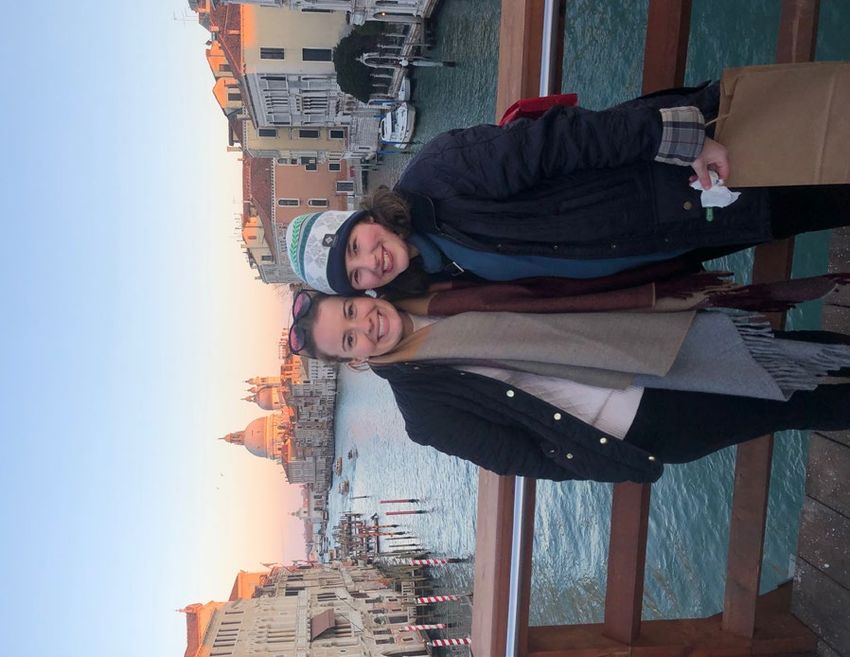
Friday, January 31 – 		                  Winter Break
Sunday, February 2, 2020

Friday, February 7, 2020		               Professors report Exploration Term grades

Monday, February 10, 2020		              E-Term photo contest entries due

Tuesday, February 11, 2020		             Grades available on Self-Service

How to Register for Exploration Term
Students are expected to register for only one Exploration Term project during the month of January and to be involved with that project for at least
150 clock hours for the term.

All projects have a required Exploration Term orientation on Thursday, November 14, 2019, during Common Hour.

First-Year Students
First-year students should complete online preference forms listing their top five choices of Exploration Term projects. Students will be placed in their
projects and registered by the Office of Exploration Term and Contract Learning.

     1.   See your advisor for registration instructions on Thursday, September 26, 2019, during Common Hour.

     2.   Submit your online preference form no later than midnight, Tuesday, October 1, 2019.

     3.   The Office of Exploration Term and Contract Learning will register you for the project in which you have been placed. Note that your
          placement may not be your first, second, third, or fourth choice, but it will be one of your five selections. You may change projects, subject
          to project capacity, at any time between the end of upper-division registration and Tuesday, January 7, 2020.

Upper-Division Students
Upper-division registration for Exploration Term for seniors, juniors, and sophomores begins October 22, 24, and 29, 2019, on Self Service.

     1.   Prior to Exploration Term registration, see your advisor to discuss Exploration Term projects and spring term projects.

     2.   Exploration Term registration times and instructions will be provided by Academic Records in the weeks prior to registration.

Drop and Add Policy
All Exploration Term project changes must be made by the third day of Exploration Term, Tuesday, January 7, 2020. A student cannot drop a project
without a grade of “W” after the third day of Exploration Term. If a student drops after Wednesday, January 15, 2020, a grade of “F” or “U” will
automatically be assigned.

QUESTIONS ABOUT EXPLORATION TERM?

Contact the Office of Exploration Term and Contract Learning
Katie Kauffman
Norton 262
tel. (205) 226-4647
kskauffm@bsc.edu

                                                                            3
Independent Study Contracts
Sophomores, juniors, and seniors who wish to engage in independent study for Exploration Term may do so through an
independent study contract. Any student wishing to pursue independent study should formulate a contract, working in close
consultation with a faculty sponsor. Once the contract is approved by the project sponsor, the student’s advisor, and the
department chair, the student submits the contract to the Office of Exploration Term and Contract Learning. After contracts are
reviewed, the Exploration Term and Contract Learning Committee notifies the student of any changes required for the contract to
receive approval and be registered. If the contract is not approved, the student has the option to instead register for an Exploration
Term project published in the bulletin.

Independent study contracts should meet the academic standards of all Exploration Term projects. The student is expected
to engage in 150 clock hours of focused academic activity and to meet the terms of the study contract: follow the project’s
methodology as stated in the study contract, attend all required meetings with the faculty sponsor, and submit the final academic
product as indicated in the contract.

Contracts for independent study and internships are due to the Office of Exploration Term and Contract Learning by Tuesday,
October 29, 2019.

The contract form may be found online at www.bit.ly/Kruform/. All contracts that include activities off campus also require
a release form. Additionally, all contracted internships require a signed Internship Agreement form. These may be obtained at
the Office of Exploration Term and Contract Learning (Norton 262) or at https://www.bsc.edu/academics/krulak/Forms.html.
Students engaged in contracts for Exploration Term 2020 will be registered automatically by the Office of Exploration Term
and Contract Learning; students pursuing Exploration Term contracts do not register on TheSIS, nor do they need to attend an
orientation meeting on November 14. Examples of completed individualized study contracts may be reviewed at the above
contract website.

Note: Students who wish to complete internships which fall under the purview of established faculty-directed projects (i.e.
Accounting, Business, Chemistry, Community & Social Change, Pre-Health, Pre-Law, Public History, and Student Teaching) simply
register for the project and do not complete an independent study contract.

Internships
Students interested in pursuing an internship for Exploration Term, whether through a course or through a contract, should start
planning early and are encouraged to meet with Katy Smith, Assistant Director of Internships (kesmith@bsc.edu), for assistance
and guidance. Students should begin by logging into Handshake (bsc.joinhandshake.com) to book a planning appointment, review
résumé resources, and search for opportunities.

Senior Exploration Term Projects
Many academic disciplines require students to complete a Senior Exploration Term Project in their major. This project is usually
carried out in the senior year, but occasionally students are given permission to complete the senior project in their junior year.
Students may either register for an E-Term senior project offered in their major or contract an independent senior project to fulfill
this requirement.

Requirements for Off-Campus Study and Travel
Any student traveling off campus during Exploration Term—whether for a BSC study-travel project, an independent study project,
or an internship—must complete and sign a release form. For students under 19 years of age, a parent or guardian must sign the
release. Release forms are located on the Exploration Term/Contract Learning section of the BSC website, under “Release Forms”
(http://www.bsc.edu/academics/krulak/exp-con/release-forms.html).

                                                                  4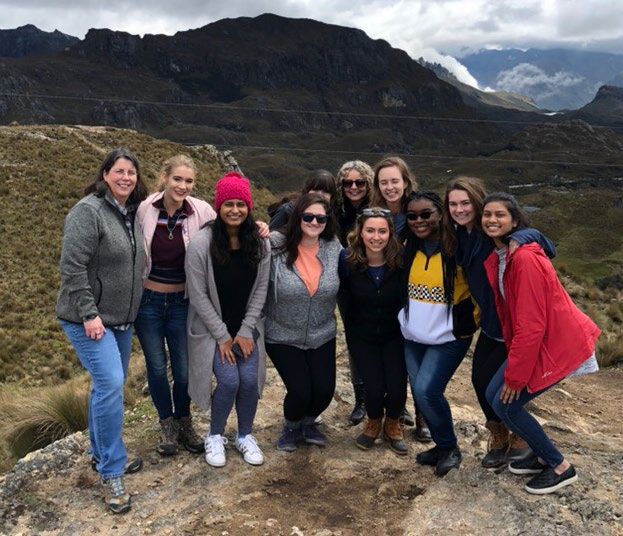
Students traveling internationally will be required to read the State Department’s Consular Information Sheets and
Travel Advisories at http://travel.state.gov/. Students are required to purchase BSC’s travel health insurance plan
(approximately $25 per week of travel), which will be automatically billed to each student’s account. Note that
international travel health insurance is not covered in the course fee, but will rather show up as a separate charge to
the student’s account. Students should be aware that, given the international safety and health concerns, there is
always the possibility that certain study-travel projects may be modified, canceled, or postponed.

Travel Policy
As our world becomes increasingly interconnected, study-travel is an important mode of experiential learning,
providing broad and diverse contexts for intellectual and personal growth. As such, Birmingham-Southern
encourages students to integrate a study-travel experience into their academic career by providing the opportunity
to study off-campus either independently or through a study-travel project led by a faculty member.

Since study-travel is in effect an extension of the physical campus, students studying off-campus are required to
conform to BSC’s academic and social regulations and policies as if they were in the classroom or on the campus.
Students who wish to participate in an Exploration Term study-travel project should be in good academic and social
standing. BSC requires all students to conform to both US and local laws of the host country when traveling abroad,
including those pertaining to the use of alcohol, controlled substances, prescription medication, and public behavior.

Students are expected to follow the directions of the faculty. Faculty leading study-travel projects may establish
additional policies of academic and social conduct to which students consent when they register for the project.
Failure to comply with either BSC’s general policies or the policies established by the faculty leading the project can
result in disciplinary action and/or a failing grade for the project. In extreme circumstances—should the student
endanger him or herself or others, or threaten the integrity of the project—and at the discretion of the project’s
faculty leader, the student may be sent home at his or her own expense.

Deposits and fees must be paid in a timely manner. Study-travel projects led by faculty require a deposit early in
fall term. Check with your faculty leader for the deposit amount and deadline. Refer to the financial agreement for
information on when the first and final payments for each study-travel project are due. If an insufficient number
of students express interest in any study-travel project, the College will cancel it before Tuesday, October 1, 2019.
Students who elect to withdraw from a study-travel project are not guaranteed a refund of any monies submitted
toward the project.

In order to participate in study-travel, students must:

     1.   Be in good academic and social standing at the College.
     2.   Submit a deposit and Commitment to Travel form to the Office of Exploration Term and Contract
          Learning (Norton 262) by Tuesday, October 1 (or Friday, September 13 to be travel award eligible), or an
          earlier date set by the project’s faculty leader.
     3.   Submit a signed financial agreement, release form, and proof of passport before the last day of fall
          classes to the Office of Exploration Term and Contract Learning.

NOTE: It is possible that some trips may still have available spots after Tuesday, October 1, however, the student runs
the risk of the trip being canceled or full if they wait until then to commit.

Failure to comply with these requirements will result in a student being rejected for or removed from the project,
regardless of whether he or she has paid a deposit or registered for the project.

                                                            5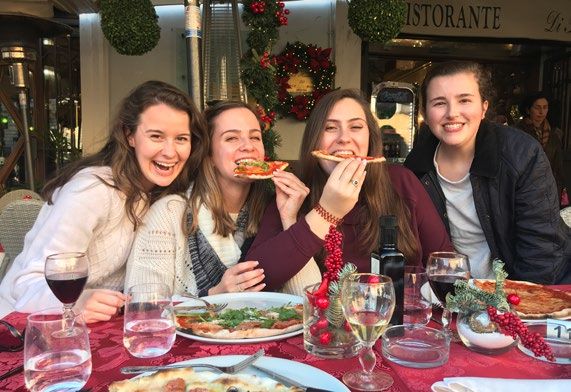
Exploration Term Travel Awards
Through the Student Government Association, funds are available for Exploration Term travel awards for sophomores, juniors, and
seniors who will be engaged in domestic or international study-travel. Preference will be based on financial need, student seniority,
demonstrated financial commitment (i.e., for students who have made a deposit prior to applying for a travel award), and not having
previously traveled for E-Term. The Exploration Term and Contract Learning Committee and SGA representatives determine the
recipients of the travel awards.

Applications for travel awards for faculty-led travel* are available on the E-Term/Contract Learning Engage page:
https://bsc.campuslabs.com/engage/organization/e-term-contract-learning. Note that you must be signed in to Engage with your
campus log-in in order to view the application.

Completed applications must be submitted to the Office of Exploration Term and Contract Learning on or before Friday, September
13, 2019. Students requesting funds for independent projects must submit a completed contract approved using the contract
requirements listed above.

*For independent student contracts, the Koinonia Scholarship provides financial support for a student or group of students to contract
an Exploration Term project concentrating on service issues in the global community. Applications for the Koinonia, as well as for other
travel awards for independently-contracted E-Term travel, are due on or before Tuesday, October 29, 2019; applications will be made
available on the E-Term/Contract Learning Engage portal.

Exploration Term Photography Contest
Be sure you’re photographing your E-Term experiences! You could win a cash prize and a place on the cover of the 2021 Exploration
Term bulletin!

Contest Rules: Contestants must be students of Birmingham-Southern College and have taken the photographs themselves. The
subject of the photographs must be an Exploration Term 2020 project. Photographs of both on- and off-campus projects are welcome!
High quality images are preferred, meaning (ideally) a minimum image size of 5 x 5 inches and a minimum resolution of 300 dpi. JPEG
and TIFF files provide best results. Setting your camera to its highest-quality setting should result in a print-quality image. Entries must
include the photograph’s title, location, Exploration Term project title, student’s name, student ID, and student’s campus box number.
Entries must be received by the Office of Exploration Term and Contract Learning by Monday, February 10, 2020. Entrants in the
contest consent to allow their photographs to be reproduced in Exploration Term and Contract Learning promotional materials.

                                                                     6
Project List
Project Number   Project Title						Faculty		Prerequisites and Notes

AC*499*01  Senior Project in Accounting                                   Klersey              Rise3, Junior and Senior Accounting
			                                                                                            Majors who have taken AC 322,
			                                                                                            AC 324, AC 421
CAC*299*02 Analyzing Kinesiology: Utilizing Computing and Sensors         Wagner
           to Analyze Athletic Movement
ARB*299*03 Couscous, Baklava, and Empire: Anthropology of                 Benyoussef           GWS, HRC, Leadership Studies, PVS
           Middle Eastern Food and Table Etiquette
AR*299*04  Independent Studio Projects                                    Neel                 Art Majors and Minors with at least
			                                                                                            two previous 300-level studio art
			                                                                                            courses or consent
AR*499*05  Independent Studio Projects                                    Neel                 For Senior BFA Majors with at least two
			                                                                                            previous 300-level studio art courses
			                                                                                            or consent
AR*299*06  The View Camera: Large Format Photography from Parts to Prints Venz
BI*299*07  Better than Fiction: Acclaimed Popular Reading in Biology      Gibbons
BI*299*08  Cancer Biology Journal Club: Demystifying and                  Hurt
           Deconstructing Scientific Articles
BI*499*09  Capstone Seminar in Biology                                    Duncan               Senior Biology Majors, Completion of
			                                                                                            a Research-Intensive Course or rise3
			                                                                                            Independent Research Experience
BI*299*10  Exploring the Galápagos Islands: Wildlife, Ecology,            Domcekova,           TRAVEL, Instructor Consent
           and Conservation                                               Gibbons
BI*299*11  A Global Perspective on Infectious Disease                     Rigdon
BA*299*12  Business Internships                                           Cleveland            Rise3, Sophomores, Juniors, and
			                                                                                            Seniors in Any Major, Internship
			                                                                                            placement prior to registration and
			                                                                                            instructor consent
BA*299*13  Moving Up the Food Chain: Vertical Integration in European     Morrow,              TRAVEL, Instructor Consent
           Agribusiness Firms                                             Robicheaux
BA*499*14  Moving Up the Food Chain: Vertical Integration in European     Morrow,              TRAVEL, Senior Business
           Agribusiness Firms                                             Robicheaux		Majors, Instructor Consent
BA*499*15  Senior Capstone in Business                                    Connolly, Harrison, Senior Business Majors who have
		                                                                        Shoreibah, Smith taken BA 400
CH*299*16  Internships in Chemistry                                       Dorman               Rise3, Sophomores, Juniors, and
			                                                                                            Seniors in Any Major; Completion of
			                                                                                            CH 211 or consent of instructor
EC*299*17  Economics of Eating Out and In                                 Cragun
ED*299*18  Exploring Teaching in Primary Schools                          Russell
ED*299*19  Exploring Teaching in Secondary Schools                        Jacobs
ED*499*20  Internship I                                                   Barnes               Senior Education Majors Approved for
			                                                                                            Student Teaching Internship
ED*499*21  Service Learning: Teaching in Uganda                           Harper,              TRAVEL, Instructor Consent, Senior
		                                                                        A. Spencer           Education Majors who have taken
			                                                                                            ED 489, rise3, Service-Learning
EH*299*22  The Art of Stand-up Comedy                                     Johnson
EH*299*23  Eat. Write. E-Term.                                            Thompson             EH 102, EH 208, or permission
			                                                                                            from instructor
EH*299*24  Family History: Research and Writing                           Cowan
EH*299*25  Four Russian Fictionists                                       Stitt
EH*299*26  Medieval Sex Ed: Desire, Sexuality, and Power                  Hines                EH 102 or 208 (or instructor
			                                                                                            permission), rise3, Service-Learning,
			 GWS
EH*299*27  A Month in Yoknapatawpha: Faulkner’s Fiction in                Ashe
           Oxford, Mississippi
GEN*299*28 The ABCs of European Capitals: Art, Business, and Culture      R. Lester, T. Lester TRAVEL, Instructor Consent,
           of 5 European Cities 		                                                             Leadership Studies
GEN*299*29 The Art and Science of Birth                                   Cashio               Public Health

                                                                  7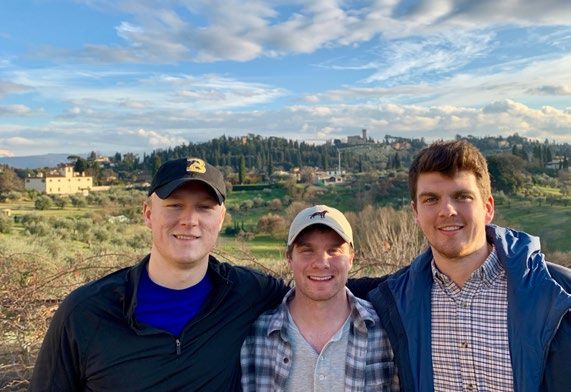
Project Number   Project Title						Faculty		Prerequisites and Notes

GEN*299*30 Beginning Duplicate Bridge                                    Riley
GEN*299*31 Beginning Sign Language                                       Mathison
GEN*299*32 Broadcasting and Announcing                                   Bloom
GEN*299*33 Chemistry: An Historical Perspective                          Schedler
GEN*299*34 Chinese Popular Culture                                       Xie
GEN*299*35 Crafting a Community                                          Allen, Hayden   Rise3, Service-Learning, students will have
			                                                                                      to participate in an on-site orientation and
			                                                                                      pass a background check conducted by our
			                                                                                      community partners
GEN*299*36 Criminal Law: An Overview                                     Taylor
GEN*299*37 Culture Club: The History and Practice of Fermentation        Drace
GEN*299*38 Disconnect and Unplug: The Lost Art of Solitude & Mindfulness Rhoades
GEN*299*39 Environmental Careers                                         Parker
GEN*299*40 Internships in Community and Social Change                    Sutton          Rise3, PVS, Leadership Studies, Students
			                                                                                      can choose internships from a list of
			                                                                                      options, or find their own by Thanksgiving
GEN*299*41 Introduction to 3D Printing                                   Stanton         No prior experience with 3D printing
GEN*299*42 Introduction to Mosaic                                        Tarrasch
GEN*299*43 Like a Rolling Stone: Bob Dylan in America, or                Schantz
           Why Bob Dylan Matters
GEN*299*44 Martial Arts: Philosophy and Practice                         Gannon          Students must be in good physical shape
GEN*299*45 Music Boot Camp                                               Phy             Minimum 2—3 recent years of singing or
			                                                                                      instrumental experience
GEN*299*46 Pre-Health Internship                                         Buckingham      Sophomores, Juniors, and Seniors on the
			                                                                                      Pre-Health track, 3.0 GPA, proof of current
			                                                                                      vaccinations, and health insurance.
			                                                                                      Pharm Tech license required for
			                                                                                      pharmacy shadowing.
GEN*299*47 Quilting Gee’s Bend                                           Sprayberry      Rise3, HRC, overnight travel,
			                                                                                      Instructor Consent
GEN*299*48 The Science of Cooking                                        Pontius
GEN*299*49 Service Learning: Teaching in Uganda                          Harper,         TRAVEL, Instructor Consent, rise3,
		                                                                       A. Spencer      Service-Learning
GEN*299*50 Typesetting Science and Mathematics                           Rupright        MA 231
GEN*299*51 Tyrants, Dictators, and Authoritarians                        Gawronski       HRC, Leadership Studies
GEN*299*52 The U.S. National Security System: A Historical and           Rowe            Leadership Studies
           Contemporary Overview
GEN*299*53 Volunteer in Imponderable Peru: Land of the Inca              Gawronski, Maye TRAVEL, Instructor Consent, rise3,
			 Service-Learning
GEN*299*54 Walking Birmingham: History and Habitat                       Rossmann
GEN*299*55 Water Wisdom                                                  South           Rise3, Service-Learning
GEN*299*56 Weird Movies with Weird Music                                 Grall
GEN*299*57 Where Underpants Come From                                    Qu
GRS*299*58 Ancient Magic                                                 Gilbert         GWS
GRS*299*59 Classical and Renaissance Italy: The Major Cities and the     McInturff,      TRAVEL, Instructor Consent
           Places in between                                             Cottrill
HS*499*60  Investigations into Human Biology and Health                  Gibbs           Senior Standing or Consent of Instructor;
			                                                                                      Seniors or Juniors majoring in
			                                                                                      Health Sciences
HS*299*61  Rise3 Pre-Health Internship                                   Buckingham      Rise3, Sophomores, Juniors, and Seniors on
the 				Pre-health track, 3.0 GPA, proof of current
			                                                                                      vaccinations, and health insurance.
			                                                                                      Pharm Tech license required for
			                                                                                      pharmacy shadowing.
HI*299*62  Public History Internships                                    Law             Rise3, Sophomores, Juniors, and Seniors in
			                                                                                      Any Major, at least one history course
			                                                                                      (preferably HI 300)
HI*299*63  World War II Films the World Over                             Levey
MA*499*64  Senior Project in Mathematics                                 Ray, Stiefel    Junior and Senior Math Majors; MA 470

                                                                 8
MFS*299*65 Italian Cinema Corna
MFS*299*66 Sundance Film Festival and the Independent Film Market Champion, Corna TRAVEL; Instructor Consent
MFS*299*67 The Southern Movie Database Champion None
MU*299*68 Children’s Opera Kensmoe Instructor Consent
PL*299*69 Imagine No Religion Hendley
PL*299*70 Philosophy and Film Myers First-Years and Sophomores
PS*299*71 Music, Politics, and Society Jenkins
PS*299*72 Pre-Law Internship Ashe Rise3, 3.3 GPA or consent; Juniors (or Seniors
by Consent)
PY*299*73 Changing Habits with Behavior Modification Trench
PY*299*74 Psychology of Games Kraemer
PY*299*75 Sport and Exercise Psychology Rector
PHS*499*76 Public Health Studies Capstone Mills Rise3, PH, PHS/SO 213; Junior and Senior
students completing a Distinction in Public
Health Studies who meet the prerequisite
requirement and have advanced approval
from Instructor.
SO*299*77 Community-Based Research in Tanzania Hansard, Holly TRAVEL, Instructor Consent, Students aged
18 years and up, rise3, Service-Learning
THA*299*78 Audition! Flowers THA 120 Beginning Acting
THA*299*79 Theatre Performance Ensemble: A Collaboration with Litsey, Glenn Audition/Interview, Instructor Consent
The Farm Project (producing a new play)
THA*499*80 Theatre Performance Ensemble: A Collaboration with Litsey, Glenn Senior Theatre Majors, Audition/Interview,
The Farm Project (producing a new play) Instructor Consent
Exploration Term 2020 Project Descriptions
Special Project Designations
rise
3
GWS
Leadership Service-Learning Study-Travel rise3 Poverty Studies Public Health Gender & Women Human Rights &
Studies Project Project Project Project Project Project Studies Project Conflict Studies Project
ACCOUNTING APPLIED COMPUTING
rise
AC*499*01 3 CAC*299*02
Senior Project in Accounting Analyzing Kinesiology: Utilizing Computing and Sensors to Analyze
George Klersey Athletic Movement
Prerequisites: AC 322, AC 324, AC 421 Amber Wagner
Open To: Junior and Senior Accounting Majors Prerequisites: None
Grading System: Letter Open To: All Students
Max Enrollment: 16 Grading System: Letter
Meeting Times: M Tu W Th F January 1 - March 9, 2020 Max Enrollment: 12
Meeting Times: M W F 9:30 am - 11:30 am, 12:00 pm - 2:00 pm
The Senior Project in Accounting is an experience designed to solidify and
enhance students’ knowledge in the accounting field. The experience may Have you ever wondered about the force that your body exerts when
include a ten-week internship or an in-class project. Topics may include pedaling uphill, tackling a receiver, or doing a pirouette? In this project,
recent accounting developments, extensions of accounting concepts, and students will learn about kinesiology—the science of body movement—
exploring basic business systems. Those students electing an internship for and apply that knowledge with hands-on experiences such as developing
their senior project should consult with the disciplinary faculty about the wearable sensors to measure forces. Combining this knowledge with the data
variety of internship options. collected, students will have the ability to biomechanically describe various
Estimated Student Fees: $250 facets of body movements. Students will be expected to learn the necessary
programming and architecture skills to build and program the sensors and to
learn the underlying kinesiology of various movements.
9The project will culminate with students selecting three clustered AR*499*05
movements in a given activity (e.g., three movements required in a Independent Studio Projects
particular sport or three common movements a student makes such as Jim Neel
walking, sitting at a desk, carrying a backpack) and presenting a detailed Prerequisites: Two previous 300-level studio art courses or consent
analysis of those movements. In addition to class time and readings, Open To: Required of BFA Seniors
students are expected to work an additional 15 hours outside of class each Grading System: Letter
week writing code and testing sensors. Grades are determined by class Max Enrollment: 12
participation, kinesiology quizzes, programming assignments, and a final Meeting Times: M Tu W Th 9:00 am - 4:30 pm
group project, which will include a three-page paper.
Estimated Student Fees: $0 An Independent Studio Art Project for BFA Seniors. The project will focus
on developing and refining a portfolio of serially produced works in the
ARABIC area of the individual student’s senior thesis. Themes, materials, and
production expectations will be determined by consultation. The project
ARB*299*03 will include readings, writing, seminar discussions, and scheduled
Couscous, Baklava, and Empire: Anthropology of individual and class critiques. Students are required to work outside of
Middle Eastern Food and Table Etiquette class time to complete a 40-hour work week. Grades are based on work
Lamia Benyoussef ethic, writing assignments and the final portfolio.
Prerequisites: None Estimated Student Fees: None
Open To: All Students
Grading System: Option
GWS AR*299*06
Max Enrollment: 12 The View Camera: Large Format Photography from Parts to Prints
Meeting Times: M W 10:00 am - 2:00 pm Pam Venz
Prerequisites: None
So much of Middle Eastern culture revolves around food, sharing, and Open To: All Students
storytelling, from the holy feasts in the Code of King Hammurabi (1792- Grading System: Letter
1750 B.C.), through the rise of the three Abrahamic religions, until the Max Enrollment: 10
modern battles over the origins of baklava (between Turkey and Greece), Meeting Times: M Tu W Th 9:00 am - 12:00 pm
couscous (Morocco and Algeria), or hummus (between Palestinians
and Israelis). Using historical archives, folktales, movies, music, and This project will investigate the opportunities and challenges posed
artwork, this project examines the production of food in the Middle by the large format view camera. Despite the cultural shift towards
East and beyond from Babylonian times to the present with a focus on digital photography, the image quality attained by the large format
gender, race, ethnicity, social class, table etiquette, empire, revolutions, view camera has yet to be surpassed. In a variety of fields that rely on
genocide, immigration, commodification, and cultural appropriation. photographic imagery, the large format negative is the format of choice
Besides reading assignments and in-class presentations, students are including high-end commercial photography, fine art photography, and
required to give a cooking demonstration as well as a presentation about architecture documentation for historical preservation. Beginning with
the history of the dish they are presenting. Both modern and ancient in-depth reading on the history of the view camera and the technical
recipes from medieval cookbooks are welcome. Class will meet in aspects of its use, students will learn the function of the camera through
instructor’s house. the construction of one, create large format negatives with the camera,
Estimated Student Fees: $100 and learn the process of both analog darkroom printing as well as digital
scanning and ink-jet printing processes.
ART Estimated Student Fees: Out-of-pocket student expense
AR*299*04 BIOLOGY
Independent Studio Projects
Jim Neel BI*299*07
Prerequisites: Two previous 300-level studio art courses or consent Better than Fiction: Acclaimed Popular Reading in Biology
Open To: Art Majors and Minors Megan Gibbons
Prerequisites: None
D
Grading System: Letter
E
Max Enrollment: 12 Open To: All Students
EL
Meeting Times: M Tu W Th 9:00 am - 4:30 pm Grading System: Letter
C
Max Enrollment: 16
CA N
An Independent Studio Art Project for the Art Studio major or minor. Meeting Times: M Tu W Th 9:00 am - 12:00 pm
The project will focus on developing and refining a portfolio of serially
produced works in the area of the individual student’s discipline Some of the greatest nonfiction books about biology read like novels.
concentration. Themes, materials, and production expectations will be They borrow tropes and narrative tricks from science fiction, fantasy,
determined by consultation. The project will include readings, writing, horror, and more—turning great discoveries into great adventures. In
seminar discussions, and scheduled individual and class critiques. this project, we will read and discuss four of the best current biology
Students are required to work outside of class time to complete a 40- books available (chosen by the students!). Students will complete all
hour work week. Grades are based on work ethic, writing assignments, readings, participate in online and in-class discussions, choose a topic
and the final portfolio. from the readings to research and present (in 15-20 minutes) to the
Estimated Student Fees: None
10class, and write four 5-page reflection papers (one for each book). BI*299*10
Depending on the books chosen, we may invite guest speakers to engage Exploring the Galápagos Islands:
with the class during some of the class periods. Wildlife, Ecology, and Conservation
Estimated Student Fees: $0 Barbara Domcekova and Megan Gibbons
Prerequisites: None
BI*299*08 Open To: All Students
Cancer Biology Journal Club: Demystifying and Deconstructing Grading System: Letter
Scientific Articles Max Enrollment: 20
Centdrika Hurt Meeting Times: January 2 - 9 (predeparture), January 27 - 30
Prerequisites: None (wrap-up sessions)
Open To: All Students Travel Dates: January 10 - 18
Grading System: Letter
Max Enrollment: 16 This project will focus on the study of the ecology, wildlife, and
Meeting Times: M Tu W Th 9:00 am - 12:00 pm conservation of the Galápagos Islands in Ecuador. We will spend the
first portion of the project on campus (meeting daily from 9:00 am
Cancer! One of the most dreaded words in the world we live in today. – 12:00 pm, and some days until 2:30 pm) studying the history and
How can we make it less dreadful? One way could be seeking a better ecology of the islands while introducing students to numerous species
understanding of the work being done to rid our societies of this beast. that are endemic to the Galápagos (i.e., species that exist nowhere
The goal of this project is to explore the diverse aspects of cancer biology else in the world). On-campus activities may include lectures,
and to practice deciphering and presenting research articles to the movies, guest speakers, and discussion sessions. We will then fly to
scientific community and lay people. Students will be taught how to the Galápagos Islands via Guayaquil, Ecuador. We will stay at Hotel
navigate platforms used to find scientific literature. Students will select Bamboo for two nights and Hotel Fernandina for the following four
recent papers that stimulate their interest and present the findings to nights as we visit several of the islands. Grades will be based on a)
their peers. Cancer researchers will be invited to share insights about completion of reading assignments and worksheets, b) one written
their career paths and current research. There may also be an opportunity exam, c) a natural history journal, and d) a personal journal maintained
for us to tour the cancer research facility at UAB. We will participate in a during the trip. Spanish proficiency is helpful, but not required.
weekly community-outreach project which will enable the students to Estimated Student Fees: $5,550
practice disseminating information about cancer to the general public.
Each student will be evaluated on the following: attendance, preparing BI*299*11
for presentations by reading the article selected by their peer and the Kenda Rigdon
invited speakers in advance, participating in general group discussions, A Global Perspective on Infectious Disease
weekly group presentations at the Lovelady center, and submission of Prerequisites: None
weekly reflections on the topics presented that week. Open To: All Students
Estimated Student Fees: None Grading System: Letter
Max Enrollment: 16
Meeting Times: M Tu W Th 9:00 am - 12:00 pm
BI*499*09
Capstone Seminar in Biology Interested in understanding the origins and spread of human
Scot Duncan pandemics such as AIDS, Ebola, the 1918 Spanish Flu, Lyme disease,
Prerequisites: Completion of a Research-Intensive Course or rise3 and more? Then join us as we journey through the nonfiction book,
Independent Research Experience Spillover, by award-winning National Geographic writer, David
Open To: Senior Biology Majors Quammen. This author will open your eyes and connect dots as
Grading System: Letter he travels the world to various outbreaks to interview the medical
Max Enrollment: 16 professionals in the “hot zone” that worked with “patient zero.”
Meeting Times: M Tu W Th 9:00 am - 12:00 pm After reading this book, you will be able to connect things like the
importance of a heavy rainy season, abundance of acorns, and
This culminating seminar for the biology major serves as the second human disease. In this project, students will be evaluated based on
half of the capstone experience and focuses on current research topics attendance, out-of-class reading, participation in book discussions,
and literature in biology. All students will lead an hour-long discussion quizzes, and an in-class, comprehensive small-group presentation on
on a scientific article relevant to their senior research project. Students an infectious disease of choice. A considerable amount of out-of-class
will also develop and present a polished 15-minute seminar focused on research will be expected to complete the final presentation. If you are
their previously conducted capstone research project. To demonstrate interested in a medical or health-related profession, this project is not
mastery of the core concepts of biology, students will complete the to be missed!
senior biology exam. Estimated Student Fees: Out-of-pocket expense for textbook (under
Estimated Student Fees: None $20, new)
11firms acquire inputs, access distribution channels, and manage their
BUSINESS labor and product markets. Students who plan to receive course
credit for BA 499 must present the results of a substantial research
rise
BA*299*12 3 project on a topic that has been approved by the faculty leaders. All
Business Internships students must write a reflection paper of at least 12 pages but not
Paul Cleveland more than 20 pages.
Prerequisites: Internship placement prior to registration and Estimated Student Fees: $4,950 + $275 BA 499 fee
instructor consent
Open To: Sophomores, Juniors, and Seniors BA*499*15
Grading System: S/U Senior Capstone in Business
Max Enrollment: 16 Michael Connolly, Mary Harrison, Ream Shoreibah, Tracy Smith
Meeting Times: TBD by Employer Prerequisites: BA 400
Open To: Senior Business Majors
Students will identify and secure an internship with a business or Grading System: Letter
organization (for-profit or non-profit). Students are expected to devote Max Enrollment: 40
150 hours to the completion of the project. Students will keep a journal of Meeting Times: M Tu W Th F 8:30 am - 4:30 pm
their experiences answering basic questions daily, relating their working
experience to their academic learning. The student will read relevant This project is designed for students to develop entrepreneurial
articles and books related to their work and write a critical-reflection thinking. The project will emphasize the entrepreneurial process,
paper to be turned in at the end of the experience. In addition, students will which includes evaluating entrepreneurial opportunities, launching
arrange for their supervisors to provide an evaluation of their performance the new venture, and managing the new business.
to the instructor. Students are encouraged to arrange an internship well Estimated Student Fees: $275
before registering for Exploration Term and to have it available for the
instructor when they seek consent to register for the course. CHEMISTRY
Estimated Student Fees: None
CH*299*16
rise
3
BA*299*13 Internships in Chemistry
Moving Up the Food Chain: Vertical Integration in European Scott Dorman
Agribusiness Firms Prerequisites: Completion of CH 211 or consent of instructor
Bert Morrow and Sara Robicheaux Open To: Sophomores, Juniors, and Seniors in Any Major
Prerequisites: Instructor Consent Grading System: Letter
Open To: All Students Max Enrollment: 8
Grading System: Option Meeting Times: M Tu W Th F 9:00 am - 3:00 pm, or as scheduled
Max Enrollment: 20
On Campus Meeting Dates: January 3 - 13 This project will involve active engagement in an internship with a
Travel Dates: January 14 - 30 chemistry- or biology-related technology company. There is also
a mandatory online component that will guide students through
Students will visit the Czech Republic and Italy to study agribusiness firms application of the scientific method within an industry-related
engaged in food production. Particular emphasis will be given to the issues working environment. The online portion of the project is designed to
of vertical integration and the extent to which technological innovations provide a venue of critical reflection, discussion, and co-mentorship
have been adopted in a firm’s value chain. We will also explore how these with the industry-related authentic research project. Example
firms acquire inputs, access distribution channels, and manage their labor companies include the Alabama Department of Forensic Science,
and product markets. All students must write a reflection paper of at least BioCryst Corporation, and Southern Research Corporation.
12 pages but not more than 20 pages. Estimated Student Fees: None
Estimated Student Fees: $4,950
ECONOMICS
BA*499*14
Moving Up the Food Chain: Vertical Integration in European EC*299*17
Agribusiness Firms Economics of Eating Out and In
Bert Morrow and Sara Robicheaux Randy Cragun
Prerequisites: Instructor Consent Prerequisites: None
Open To: Senior Business Majors Open To: All Students
Grading System: Letter Grading System: S/U
Max Enrollment: 20 Max Enrollment: 16
On Campus Meeting Dates: January 3 - 13 Meeting Times: W Th F Sat Sun, Fri-Sun 12:00 pm - 4:00 pm,
Travel Dates: January 14 - 30 Wed-Th 5:00 pm - 7:00 pm
Students will visit the Czech Republic and Italy to study agribusiness firms If a restaurant has a long menu, what does that tell you about the
engaged in food production. Particular emphasis will be given to the issues food quality? Why should you order the scariest thing on the menu?
of vertical integration and the extent to which technological innovations Why might strip malls have better food than tourist areas? Why do
have been adopted in a firm’s value chain. We will also explore how these barbecue places close in the afternoon? How does tipping work?
12What kinds of meals will be higher quality in the US, and what kinds regular seminars, engage in independent conferences, and participate in
will be higher quality in Mexico? Let’s work together to give you the the development of Individualized Education Programs for special-needs
best possible experience when eating out and illustrate the power students.
of economic ideas. This project will focus on how to use economic Estimated Student Fees: Some out-of-pocket expenses
reasoning to get great meals at low prices while eating out and
traveling. Economists would expect systematic analysis of data to ED*499*21
rise
3
back up the kinds of claims we will make, but instead you will gain an Service Learning: Teaching in Uganda
appreciation for the intuition behind economics through application Amelia Spencer and Kristin Harper
to food and will test hypotheses we generate informally by eating out Prerequisites: Instructor Consent; ED 489
together and visiting grocery stores around Birmingham. Open To: Senior Education Majors
Estimated Student Fees: $200 Grading System: Letter
Max Enrollment: 16
EDUCATION Meeting Times:
E D
We will meet on campus 2-3 days prior to departure
L
CE
Travel Dates: January 5-26 (tentative)
N
ED*299*18
A
Exploring Teaching in Primary Schools Project participants will travel to Mukono, Uganda, to work with the
C
Kelly Russell primary purpose of teaching English at the Buiga Sunrise School. Students
Prerequisites: None will experience cultural immersion through service. Participants will
Open To: All Students also experience the culture and natural resources of Uganda, visiting
Grading System: Letter Murchison Falls National Park and the source of the Nile River. Participation
Max Enrollment: 30 in this project is a major commitment by the student–both prior to and
Meeting Times: M Tu W Th F 7:30 am - 3:00 pm during Exploration Term, requiring self-motivation and self-discipline.
Requirements include fall preparation meetings, lesson planning, active
This project is a field-based Exploration Term project that requires participation on site in January and in discussions during class meetings,
75 hours of observation and participation in classrooms at the reading assigned literature, a reflective journal, and a final reflective essay.
elementary school level. Students will analyze assigned readings, Evaluation will be based on the quality of the student’s work on each of
observe in schools, and articulate their experiences in the classroom the above requirements.
in a reflection paper. Note: Participants will be selected through an application process. All
Estimated Student Fees: Some out-of-pocket expenses Senior Education majors must also take the Teaching Experience in
Education (ED 489) course during a semester prior to January.
ED*299*19 Estimated Student Fees: $5,500
Exploring Teaching in Secondary Schools
Louanne Jacobs ENGLISH
Prerequisites: None
Open To: All Students EH*299*22
Grading System: Letter The Art of Stand-up Comedy
Max Enrollment: 30 Lucas Johnson
Meeting Times: M Tu W Th F 7:30 am - 3:00 pm Prerequisites: None
Open To: All Students
This project is a field-based Exploration Term project that requires 75 Grading System: S/U
hours of observation and participation in classrooms. The observations Max Enrollment: 12
take place at the middle school and high school level. Students will Meeting Times: M Tu Th F 10:00 am - 1:00 pm
analyze assigned readings, observe in schools, and articulate their
experiences in the classroom in a reflection paper. In this E-Term experience, students will become acquainted with a brief
Estimated Student Fees: Some out-of-pocket expenses history of stand-up comedy in the United States. Stand-up has been
central to American culture and entertainment, and in this project, we will
ED*499*20 understand both how and why. We will spend much of class time watching
Internship I comedy routines from comics past and present, analyzing the form of the
Gay Barnes routines, the genre, the storytelling, the profanity (or lack thereof), and
Prerequisites: Approval for Student Teaching Internship the cultural packaging of humor. Students will create their own 10-minute
Open To: Senior Education Majors comedy routine and perform with their peers at BSC Comedy Night, which
Grading System: Letter will take place on the last Friday night of E-Term. (Do note that much
Max Enrollment: 15 of the content in this course will address adult issues and will contain
Meeting Times: M Tu W Th F 7:30 am - 3:00 pm elements of profanity.)
Estimated Student Fees: $0
ED 499 is the capstone experience in clinical practice that involves
full-time assignment to a collaborative classroom or resource room
for four weeks under the joint supervision of a certified teacher
and a college supervisor. Students will design, plan, and implement
coordinated learning experiences for special-needs children, attend
13EH*299*23 Tolstoy’s The Death of Ivan Ilych, then a selection of Chekhov stories,
Eat. Write. E-Term. among them “The Lady with the Little Dog,” “A Boring Story,” “Misery,”
Melinda Thompson “The Grasshopper,” and ‘The Black Monk.” Topics investigated will
Prerequisites: EH 102, EH 208, or permission from instructor include ethics, theism, liberalism, radicalism and reaction, nihilism,
Open To: All Students authenticity, prophecy, poshlost, modernity and its critics, family,
Grading System: S/U absurdity, pain, despair, love, and death. Historical and intellectual
Max Enrollment: 10 context will play a significant role in our analysis and appreciation of the
Meeting Times: M W 10:00 am - 2:00 pm works. Class meetings will center on lecture and discussion. Evaluation
will consist of reading quizzes, one short paper (~5 pages), one research
Join us for MRT’s Writing Salon—a month-long writing, discussing, and paper (12-18 pages), and a comprehensive final exam.
EATING experience. Yes, EATING! Students will spend one month exploring Estimated Student Fees: $0
the genre of short-form creative writing in a relaxed, no-pressure, off-
rise
campus workshop setting which will include a delicious luncheon and EH*299*26 3
lively conversation. Each menu will reinforce thematically the writing Medieval Sex Ed: Desire, Sexuality, and Power
goals and assignments for the day. We will meet two days a week in the Jessica Hines
home of the professor. Participants will be assigned readings and will be Prerequisites: EH 102 or 208 (or instructor permission)
required to participate in group discussions delving into the art and craft Open To: All Students
of writing. We will write for class and in class. In addition, students will Grading System: Letter
GWS
maintain a writing journal recording their writing progress during the Max Enrollment: 14
term. Evaluation will be based on: writing projects, reading discussion, Meeting Times: M W Th 1:00 pm - 3:30 pm
journal, active participation, and attendance.
Estimated Student Fees: $175 This project examines the ways sex, sexuality, and gender were
theorized in the Middle Ages, as well as their representation in literature.
EH*299*24 It explores how medieval authors understood sex and sexuality, as
Family History: Research and Writing well as their construction of behavioral and sexual norms. Reading
Tynes Cowan assignments include wide-ranging selections from European and
Prerequisites: None Middle Eastern prose (medical treatises, philosophy, and history)
Open To: All Students and poetry (drama, lyric, and romances). Subjects addressed include
Grading System: Letter gender stereotypes and ideals, power relations related to gender, queer
Max Enrollment: 12 identity, and the social conditions of women. We will also be working
Meeting Times: Tu W F 9:00 am - 12:00 pm with a local organization to consider the long and continuing history of
social and economic powers shaping sex and sexual education.
A 2014 Time magazine article promised to explore “How Genealogy Estimated Student Fees: $0
Became Almost as Popular as Porn.” Its author, Gregory Rodriquez,
explained that “genealogy is the second most popular hobby in the U.S., EH*299*27
after gardening . . . and the second most visited category of websites, A Month in Yoknapatawpha: Faulkner’s Fiction in Oxford, Mississippi
after pornography.” We’ve all seen the advertisements for ancestry.com Fred Ashe
and other companies that promise to get you in touch with your roots. Prerequisites: None
There’s no denying the satisfaction one might take from discovering Open To: All Students
Thomas Jefferson in the family tree, but surely such an end goal is Grading System: Letter
not the primary motivation for these hobbyists. Rather the discovery Max Enrollment: 16
process keeps them paying Ancestry twenty bucks a month. This project Meeting Times: M Tu Th 9:30 am - 12:00 pm
recognizes a correlation between the skills needed to trace family history
and to write a good academic research paper. During January, we will William Faulkner is considered by many to be the greatest American
hone those skills and hopefully make connections with our ancestors. novelist of all time, and he lived and wrote just a few hours from here.
Estimated Student Fees: None Thirty-five years of fiction is set in his meticulously developed fictional
Yaknapatawpha County, Mississippi. Much of that fiction is based in
EH*299*25 the ficitional county seat of Jefferson, based on Oxford (in Lafayette
Four Russian Fictionists County), Faulkner’s home for most of his life. We will read a selection
Joseph Stitt of short stories and two classic Faulkner novels (probably The Sound
Prerequisites: None and the Fury and Light in August) for their contributions to American
Open To: All Students literature and their insights into humanity. We will then spend three
Grading System: Letter days in Oxford visiting Faulkner’s house, hearing from major Faulkner
Max Enrollment: 16 scholars who work at Ole Miss, and touring specific sites from the fiction
Meeting Times: M Tu Th 9:00 am - 12:00 pm we have read. Students will be evaluated on reading quizzes, class
discussion, a group biography report, one response paper, and one
The writers the project will explore are Nikolai Gogol, Fyodor Dostoevsky, analysis paper.
Leo Tolstoy, and Anton Chekhov. The Gogol will include “The Nose” Estimated Student Fees: approximately $230 in out-of-pocket expense
and “The Overcoat” as well as other short works. After Gogol, we will for food, gas, and two nights in a hotel
tackle Dostoevsky’s The Double and Notes from the Underground, then
14GENERAL STUDIES GEN*299*30
Beginning Duplicate Bridge
GEN*299*28 Doug Riley
The ABCs of European Capitals: Art, Business, and Prerequisites: None
Culture of 5 European Cities Open To: All Students
Rick Lester and Treva Lester Grading System: Letter
Prerequisites: None Max Enrollment: 16
Open To: All Students Meeting Times: M Tu W Th F 9:30 am - 12:00 pm every day,
Grading System: S/U 1:00 pm - 3:30 pm all days except Friday
Max Enrollment: 20
Meeting Times: Bill Gates has called bridge the “king of all card games.” Warren Buffett
Travel Dates: On or about January 5 - 26 has described bridge as “the best intellectual exercise out there.”
Come see what these two businessmen find fascinating about bridge.
Is there a geography-based understanding of world events? Does Learn the rules of the game and explore some of the standard systems
culture impact the world view? What role do commerce and culture of communicating with your partner. Make your own bidding system
play in national identity? To examine these questions, we will travel and then test it against your peers. Go play bridge at the Birmingham
to five European cities. In previous trips, students have visited Duplicate Bridge Club and compete against experts of the game. Take
London, Madrid, Rome, St. Petersburg, Istanbul, Athens, Prague, Paris, a month to play cards. The morning hours will be spent discussing the
Barcelona, Berlin, and Venice. For 2020, we plan to visit Lisbon, Prague, rules of play, conventions, and assessing your understanding of those
Budapest, Berlin, and Paris. We will visit some of the most important rules. The afternoons will be spent playing bridge. Grades will be based
and exquisite museums of the world. In addition, we will contrast the on a presentation, papers and quizzes covering rules of the game,
old with the new by exploring the world of global commerce and media bidding systems, declarer play, and defensive play. Additional credit
of these important world capitals. We will start with what we know will be available for playing at the Birmingham Duplicate Bridge Club.
here in Birmingham, where students will give reports on aspects of our Estimated Student Fees: $30 in out-of-pocket expense
itinerary. Then we travel for 21 days. Students will keep a journal and
write a final paper of 8-10-pages where they will summarize their own GEN*299*31
perspectives on comparative elements of the trip. Beginning Sign Language
Estimated Student Fees: $5,300 Amy Mathison
Prerequisites: None
GEN*299*29 Open To: All Students
The Art and Science of Birth Grading System: Letter
Catherine Cashio Max Enrollment: 16
Prerequisites: None Meeting Times: M Tu W Th F 10:00 am - 1:00 pm, as well as two
Open To: All Students off-site meals to be scheduled outside of regular
Grading System: Letter class meeting times
Max Enrollment: 16
Meeting Times: M Tu W Th F 9:30 am - 12:30 pm The purpose of the project is to enable students to begin to acquire
proficiency in American Sign Language through a linguistic,
All Americans have experienced birth, and yet with the advent of communicative, and cultural approach. Emphasis will be placed on
hospitals, communal knowledge of birth has dissipated. This project will the development of receptive and expressive signing skills and on the
explore the evolution of assisted birth and its intersections with human acquisition of the fundamentals of applied grammar. ASL will include
rights, psychology, art, and economics. We will discuss current events basic grammar, vocabulary, fingerspelling, numbers, and cultural
such as cross-border surrogacy, licensing of direct entry midwives, information related to the deaf and hard of hearing. An exposure to
local birth-related lawsuits, and maternal health disparities, focusing on the deaf and hard-of-hearing culture will be presented, and students
normal physiological labor. Guest speakers include health professionals are expected to participate in deaf classrooms and deaf community
and artists, and students will lead and participate in class discussions groups via field trips. ASL is a visual language, and therefore regular
and field trips. Students will then design and present a project suited attendance and participation are mandatory to adequately acquire the
to their individual interests with regards to one of the many complex understanding of the language.
issues surrounding birth. Evaluation will encompass class involvement, Estimated Student Fees: out-of-pocket expense for a book and the
daily journal reflections, and the final academic or creative project. cost of two meals to be ordered via sign language at a restaurant
Estimated Student Fees: Some out-of-pocket expenses for
transportation to weekly local excursions including the art museum and
hospitals
15You can also read


