The Action Plan North Rhine-Westfalia - UrbanLinks 2 Landscape (UL2L) Unlocking the resources and adaptive capacities of urban landscapes for ...
←
→
Page content transcription
If your browser does not render page correctly, please read the page content below
The Action Plan North Rhine-Westfalia

                     UrbanLinks 2 Landscape (UL2L)
  Unlocking the resources and adaptive capacities of
urban landscapes for sustainable growth by inserting
new forms of active land use and ecosystem services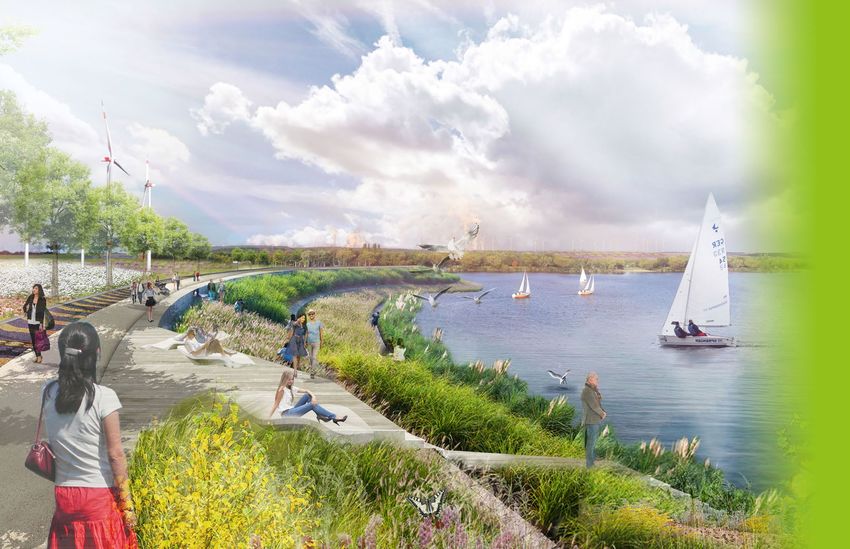
Project title:               Unlocking the resources and adaptive capacities of urban land-
                             scapes for sustainable growth by inserting new forms of active
                             land use and ecosystem services
Project acronym:             UrbanLinks 2 Landscape (UL2L)
Index Number:                PGI04846
Topic:                       Environment and resource efficiency
Specific objective:          4.1 Improving natural and cultural heritage policies
Partner organisation:        Rhineland Regional Council
Country:                     Germany
NUTS 1:                      North Rhine-Westfalia
NUTS 2:                      LVR Cologne
Contact:                     Roswitha Arnold
                             Mail: Roswitha.Arnold@lvr.de
                             Phone: +49-221-8093586
Action Plan submitted:       May 31, 2020
Signature

submitted on 31 May 2020
Authors:
Roswitha Arnold
Dominik Biergans
Katrin Prost
Rhineland Regional Council

2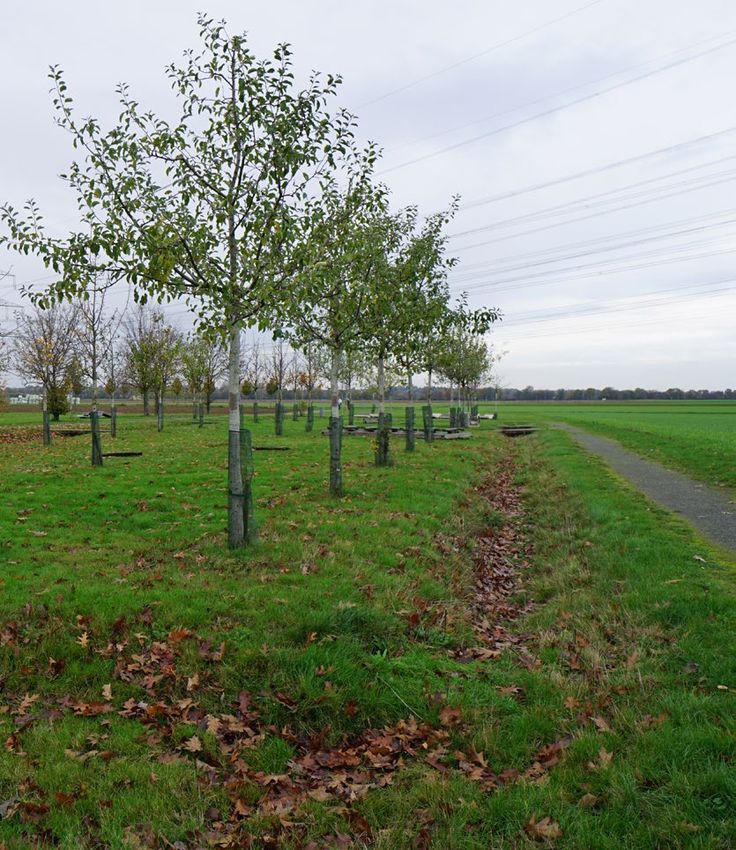
Preambel                                           Inhaltsverzeichnis

The Action Plan of the LVR project „UrbanLinks 2   1. Short overview UL2L                          4
Landscape“ – UL2L presented here was accom-
panied and elaborated by the stakeholders of       2. From Plan to Action                          5
the LVR in several meetings between October          2.1 Thematic background and                   5
2019 and April 2020.                               		   project objectives
                                                     2.2 Addressed funding structure               6
In the meeting on 13.05.2020, the stakeholders       2.3 Project phase 1:                          7
unanimously approved the now presented             		   the path to the Action Plan
version of the Action Plan with the selected       		   2.3.1 International cooperation,           7
measures for project phase 2.                      		   interregional learning and good
                                                   		 practices
The Action Plan was also submitted to the          		   2.3.2 Cooperation with the               13
members of the „Europe Commission“ for the         		 stakeholders
purposes of consultation at their meeting on
20.05.2020. The political representation fully     3. The Action Plan                            15
supports the projects of the Action Plan and has     3.1 Content design and evaluation           15
unanimously approved the submission.               		   of the expert interviews
                                                     3.2 The measures                            19
                                                   		   3.2.1 Workshop Landscape Park            21
                                                   		   Mönchengladbach-Wanlo: Entrance
                                                   		   to the Green Belt Garzweiler
                                                   		   3.2.2 Inclusive footpath and cycle path 25
                                                   		   in a climatic landscape: real laboratory
                                                   		   between Schloss Dyck and Jüchen-Süd
                                                   		   3.2.3 Park maintenance seminar:          28
                                                   		   communal gardening in the park
                                                   		   3.2.4 Planning workshop:                 32
                                                   		   new perspectives for Old Cultural Land-
                                                   		   scapes – Integration of Historical Cultural
                                                   		   Landscapes into Current Planning

                                                   4. Putting into practice what has been        35
                                                     learned:
                                                     outlook for the second project phase

3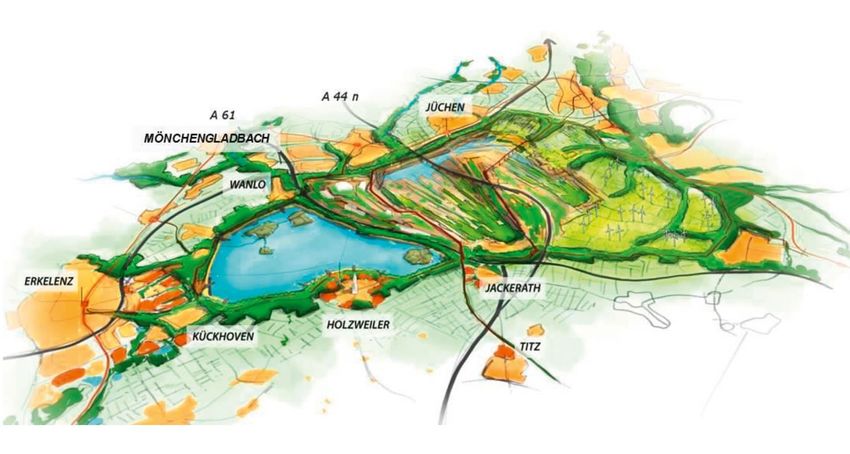
1. Short overview UL2L                              The following international partners are
                                                    involved in the project:
The pressure of use on vacant and brown-
field land is a factor that contributes due to an   • Rhineland Regional Council (Germany,
ever increasing demand for space, especially           Lead Partner)
in cities and areas close to cities, towards the
competition between different ways of using         • Surrey County Council (England)
space.
                                                    • Silesia Park (Poland)
For example, claims from the areas of housing
and infrastructure, agriculture and energy or       • Umbria Regional Authority (Italy)
nature conservation and environmental pro-
tection compete for these areas. At the same        • Kristianstad Municipality (Sweden)
time, the demands on space are growing, be-
cause the high pressure of use means that           • Kuldiga District Municipality (Latvia)
they have to be multifunctional all-rounders.
This applies both to urban and rural areas,         • Schloss Dyck Foundation (Germany).
but especially to areas in the transition areas
between town and country. The UrbanLinks            In addition to its function as lead partner, the
2 Landscape (UL2L) project is dedicated to          Landschaftsverband Rheinland is involved
this open space development and the issues          with its own sub-project.
surrounding the design of areas, taking into
account their economic, social and ecological       The duration of the project is four years and
functions and involving local players.              is divided into two project phases. The first
                                                    project phase from 1 June 2018 to 31 May
The project also addresses the funding struc-       2020 was dedicated to interregional learning
ture EFRE.NRW „Growth and Employment“               and the preparation of this Action Plan. The
2014-2020, financed by the European Fund            second project phase from 1 June 2020 to 31
for Regional Development (EFRE) and the             May 2022 is intended for the implementation
State of NRW, in order to develop impulses          of the measures of the Action Plan.
and proposals for a future funding structure
and funding criteria.                               This Action Plan presents the structural, me-
                                                    thodological and content-related work of the
The project is funded with a volume of              project, the results of the first project phase
€1,004,903 via the Interreg Europe program-         including the planned measures and provi-
me of the European Union. The total volume          des an outlook on the implementation in the
of the project is €1,193,175.00.                    second project phase.

4
2. From Plan to Action                              functional use, they are also called fallow land;
                                                    if they are areas whose function assignment is
2.1 Thematic background and project                 in a state of transformation, they are defined
objectives                                          as conversion areas.

Free and open spaces are a formative element        In addition to the high demand for space,
of the landscape and are of particular value in     there is also a high expectation of the type of
landscape development. They are carriers of         use – i.e. the demand for a „multifunctional
the most diverse ecological, social, economic       all-rounder“. Particularly with regard to climate
and cultural functions and are simultaneously       change, the awareness of the open space func-
subject to constantly changing demands for          tions of a room is becoming more and more
use. This applies to both urban and rural open      present. The functions of green infrastructure
spaces, but especially to areas in the transition   include recreational uses, social expectations,
zone between town and country, which repre-         ecosystem services such as fresh air produc-
sent a connection between the two landscapes.       tion, heat protection and rainwater infiltration
                                                    areas, but also the upgrading of land to pro-
The preservation and development of open            tect and preserve biodiversity and the cultural
spaces are always face fierce competition from      landscape heritage. In addition, functions such
other utilisation projects. Various sectors and     as health promotion and urban gardening are
different players, such as housing, agriculture,    gaining in importance, as they offer added
energy and industry, are showing great de-          value for citizens.
mand for land, which leads to a high pressure
to use it. This affects in particular fallow open   These green and social functions are already
spaces whose subsequent use has not yet             part of urban and landscape planning measu-
been determined and whose design has not            res and support programmes, but the value
yet been decided.                                   of open spaces and the importance of their
                                                    sustainable use must be communicated again
Since the design possibilities and functional       and again in view of the continuing consump-
allocation of open spaces are the central sub-      tion of resources and the increase in sealed
ject of the project, a project-related definition   surfaces. To this end, it is necessary to iden-
of the term open space is necessary. The open       tify new forms and categories of land use
spaces addressed here are usually cultural          and to create a changed planning backdrop.
landscapes that can be upgraded by targeted         Integrated urban planning with regard to the
interventions and thus a) should be protected       triad of economic – ecological – social func-
from use by competing requirements and/or           tions with the participation of relevant deci-
b) form a network that promotes their sus-          sion-makers and civil society can contribute
tainable use. If the areas in question have no      towards sustainable development.

5
The UrbanLinks 2 Landscape (UL2L) project           2.2 Addressed funding structure
is dedicated to the development of new ap-
proaches to the sustainable design of open          EFRE.NRW „Growth and Employment“ 2014-2020
spaces and new forms of active land use, in-        is an operational support programme based
cluding ecosystem services and other functi-        in the Ministry of Economic Affairs, Innovation,
ons. As the project title indicates, the focus is   Digitalisation and Energy of the State of North
particularly on the transition areas between        Rhine-Westphalia and financed by the Euro-
urban and rural areas, as they are mallea-          pean Regional Development Fund (ERDF) and
ble spatial units under strong user pressure        the State of NRW. It combines European stra-
but also have great potential. Thus, these          tegies for regional development with regional
spaces, occupied with various green functi-         requirements and the economic, social and
ons, can create harmonising transitions into        ecological situation in NRW. The programme
the surrounding cultural landscape and relie-       is based on four priority axes:
ve urban settlements, e.g. with regard to the
improvement of the urban climate or as a re-        • Priority 1: Strengthening research,
creational area.                                       technological development and innovation

The aim of the project is to develop a sustai-      • Priority 2: Improving the competitiveness
nable urban landscape with the involvement             of SMEs
of international good practices and local play-
ers, to identify the potential of open spaces       • Priority 3: Promotion of efforts to reduce
and synergies, to describe the value of natu-          CO2 emissions
ral and cultural capital and to provide impul-
ses for the funding backdrop, mainly ERDF.          • Priority 4: Sustainable urban and
NRW, with regard to the ecological and de-             neighbourhood development/prevention.
mand-oriented development of open spaces.
                                                    Within the UL2L project, priority axis four is
                                                    addressed. Its specific objectives are 1) the
                                                    improvement of the integration of disad-
                                                    vantaged social groups in work, education
                                                    and in the community, 2) the ecological re-
                                                    vitalisation of cities and urban-rural areas
                                                    and 3) the development and preparation of
                                                    brownfield and conversion areas for urban
                                                    development or ecological purposes (www.
                                                    efre.nrw.de).

6
The content of the UL2L project aims to iden-      2.3 Project phase 1: the path to the
tify needs, develop appropriate measures and       Action Plan
provide impetus for the ERDF.NRW funding
programme and the corresponding priority           2.3.1 International cooperation, interre-
axis.                                              gional learning and good practices

This will be achieved through the examina-         The idea for UL2L is partly based on results
tion of the main themes of the project such        of the former INTERREG IVC project „Hybrid
as climate change in urban and rural areas,        Parks – Combining abilities, creating syner-
community gardening as a social and ecologi-       gies, enhancing performances“ (2012 – 2014),
cal form of spatial design or the perception of    in which the Lead Partner LVR was also a part-
neglected areas and landscape elements with        ner along with 15 other European regions.
regard to potential functions, and coopera-        The content of hybrid parks was to identify
tion with local and international experts and      the contribution and potential of parks in the
stakeholders.                                      context of environmental and climate requi-
                                                   rements and their functions in social and eco-
The Ministry of Economics, Innovation, Di-         nomic contexts, to bundle existing knowledge
gitalisation and Energy and the Ministry of        and to present it as a model for Europe.
Homeland, Culture, Building and Equality of
the State of North Rhine-Westphalia have ag-       The current discussion on the design of ur-
reed in a letter of support to the LVR to consi-   ban and rural areas, new questions on forms
der the findings and proposals derived from        of active land use and the integration of func-
the project.                                       tions such as ecosystem services should be
                                                   dealt with in a new EU project. Partners from
                                                   Hybrid Parks, but also from the previous IN-
                                                   TERREG project European Garden Heritage
                                                   Network, a network of European historical
                                                   and contemporary gardens, as well as other
                                                   players from the European Union were infor-
                                                   med about the new project idea and invited
                                                   to participate. The cooperation of instituti-
                                                   ons and organisations from six countries was
                                                   established:

                                                   • Rhineland Regional Council (Lead Partner),
                                                     Germany

7
• Umbria Regional Authority, Regional               project website. Some of these good practi-
    Directorate of Agriculture, Environment,        ces were also included in the Policy Learning
    Energy, Culture, cultural heritage and          Platform of the Interreg Europe Programme
    spectacle, Italy                                after examination and evaluation by the ex-
                                                    perts of the Programme Secretariat because
• Surrey County Council, United Kingdom             of their special innovative content.

• Kristianstad Municipality, Sweden                 The good practices are defined as initiati-
                                                    ves (projects, methods, processes, etc.) that
• Silesia Park (Silesia Voivodship Park of          have been successfully implemented in a
    Culture and Rest), Poland                       priority theme of the programme and have
                                                    the potential to be transferred to other Eu-
• Kuldiga District Municipality, Latvia             ropean regions. These are projects in which
                                                    fallow, neglected or still free areas and
• Castle Dyck Foundation. Centre for Garden         landscape structures have been revitalised
    Art and Landscape Design (advisory partner),    and designed with a view to new functions.
    Germany.                                        These functions can be part of green infras-
                                                    tructure, include landscape conservation
A central component of the methodological           measures, contribute to the social fabric or
work of the INTERREG project is the exchange        serve health care. In any case, they serve
between the individual partner countries and        regional development, the linking of urban
the involvement of local stakeholders, experts      and rural areas and have an added value for
and influencers. The basic idea is to promote       the citizens.
interregional learning, both in the work at in-
ternational and local level. This was ensured       An overview of all good practices identified
by various measures such as the creation of a       by the project partners is available on the
database with good practice examples, work-         project homepage.     The profiles contain a
shops and study tours in the various partner        description of the project or the measure,
countries, as well as regular communication         the resources and financial means used and
and project updates between the project             an evaluation of the success of the project.
participants, especially in the form of a working
group or newsletter.                                The good practices selected by the German
                                                    project management are Nordpark in Pulheim,
The good practices were identified in ad-           BernePark in Bottrop and the Garzweiler open-
vance by the individual project regions and,        cast mining landscape.
after inspection and evaluation by the part-
ners, some of them were published on the

8
tion opened for visitors in 2014. The project
                                               is designed as a generational project and
                                               the park will arc around the entire north
                                               of Pulheim on one hundred hectares until
                                               its completion in 20 to 30 years. The first
                                               phase was financed by the ERDF, the urban
                                               development fund and the city of Pulheim.

                                               The Nordpark is designed to create a harmo-
                                               nious transition from the settlement area to
                                               the adjacent agricultural landscape. To this
                                               end, elements of the agricultural landscape
                                               such as field structures and drainage dit-
                                               ches, but also elements of the cultural land-
      „Mobility parkour“ in Pulheim Nordpark   scape, such as orchard meadows, are taken
                                               up. In addition, rest areas with benches and
                                               mobility courses were built in to allow for a
                                               variety of uses. The park is designed to be
                                               barrier-free.

                                               Geographically, the city of Pulheim is located
                                               in the catchment area of the city of Cologne.
                                               Within this context, the Nordpark also crea-
                                               tes a connection between the more rural
                                               fringe area of the Rhine-Erft district and the
                                               radius of the local recreation area „Äußerer
                                               Grüngürtel“ of the city of Cologne.

                                               The conversion of agricultural land into a
					                                          landscape park and the smooth transition
      Orchard meadow with drainage ditches     from urban to rural structures has created
                                               great added value for the local population.
The Nordpark in Pulheim is a designed          Due to the lack of green spaces in the city
landscape park whose concept was develo-       centre, Nordpark offers the possibilities of
ped within the framework of the REGIONALE      a social space and health promotion. The
2010. The first section of the landscape       sustainable     and   climate-friendly   design
park was opened in 2012, the second sec-       brings advantages for biodiversity and the

9
creation of orchard meadows a direct benefit         plants“. A special highlight is the Parkhotel,
for the visitors. In addition, the park is also      where accommodation is provided in con-
important in a regional context, as it is em-        verted concrete tubes.
bedded in the green space „Am alten Rhein“
and linked to a cycle route.                         The BernePark is an exceptional example of
                                                     the conversion of old technical facilities. The
BernePark in Bottrop is an old sewage                resulting park is both a place of social and
treatment plant site that has been conver-           cultural encounter and a tourist attraction.
ted into a park with gastronomy and special          Thanks to its connection to the Emscherrad-
hotel operations. In 1997, the operation of          weg and its location between the Gasome-
the sewage treatment plant with two clari-           ter in Oberhausen and the Nordsternpark
fication tanks was halted, which is why the          Gelsenkirchen, BernePark is also of regional
site was initially left fallow.                      importance.

Within the framework of the EMSCHER-                 The Rhenish mining district is Europe‘s
KUNST.2010, an art festival, the site was re-        largest lignite mining area. The early phase-
vitalised by artists and landscape architects        out of lignite mining is of great importance,
for around 6 million euros. One of the tanks         both in terms of state and federal policy. In
was preserved and can be accessed via a              addition to an exemplary management of
bridge; the second tank was modelled on              the structural change for the lignite mining
an amphitheatre and houses a „theatre of             areas, the focus here is above all on future-

                              Follow-up landscape of the Garzweiler opencast mine (www.landfolge.de)

10
shaping measures in the areas of climate ment. The local population was involved in
protection, economic development, conse- this process at an early stage.
quences of use and development.
In 2017, the city of Mönchengladbach, the
In 2018, the Federal Government set up the city of Erkelenz, the city of Jüchen and the
Commission on „Growth, Structural Change municipality of Titz then founded a speci-
and Employment“ to create a broad social al-purpose association for the joint develop-
consensus on how to shape the coal phase- ment of the Garzweiler post-mining landsca-
out based on energy and climate policy and pe and its surroundings.
the associated structural change in Germany,
and to balance the various interests. As a body responsible for public affairs,
the special-purpose association “Landfolge
The Federal Government and the Federal Garzweiler” also performs tasks in the sta-
States have set up an emergency programme tutory planning procedures and carries out
with a volume of 260 million euros for the the coordination of joint planning, the joint
lignite mining areas in Germany, from which further development of perspectives, quality
some 90 million euros will flow to the Rhe- assurance and joint land development and
nish mining area in North Rhine-Westphalia management.
(37%). The state of North Rhine-Westphalia
will supplement this emergency programme The above-mentioned script for the elabo-
and provide co-financing (ROP). ration of development perspectives is „the
basis for all further planning steps up to the
Strategic future fields have been identified in year 2035“ (www.landfolge.de). It also out-
the Rhenish mining area, which result from lines a visionary development perspective
the strengths of the region and offer pro- up to the year 2085, when the recultivation
mising potential for structural change. The of the area will be completed. The reculti-
Garzweiler open-cast mine is located within vated landscape will consist of a lake, a real
the Rhenish mining district and is expected laboratory landscape with return of land to
to continue producing coal until 2038. agriculture and energy production as well
as to research institutes and an Innovation
A common, visionary development per- Valley for testing new forms of business and
spective („script“) was conceived in 2016 by living. A connecting green structure, probably
all affected cities and municipalities in the the „Green Belt“, will link the sub-areas.
course of a one-week workshop dealing with
the economic, settlement and infrastructu- The concept presents new approaches
ral, social and ecological effects and offers to regional development and offers op-
concepts for a sustainable regional develop- portunities for both nature as well as for
11culture and society. The early participation of outside“, three others to the topics „Plan-
the public in strategies for long-term social, ning Procedures & Criteria“, „Accessibili-
economic and landscape solutions and the ty & Design“, „Business Partnerships“ and
cooperation between the four association the fifth to „Interregional Exchange on the
municipalities is exemplary. Despite the Action Plan“. In addition, a three-day study
large scale of the measures in Garzweiler, tour is still to take place, during which inten-
individual solutions and innovative concepts sive work will be carried out with the good
can also be transferred to smaller areas, practices of the region.
which is why this example offers great po-
tential for interregional learning. The workshops and study tours, organised
by the respective partner country, serve not
The considerations on the subsequent use of only for the thematic exchange on project
the Garzweiler open-cast mine and its topics contents, but also to discuss problems and
reflect a number of characteristics of the challenges within the project and to establish
project content of UL2L; the development an international network.
and implementation of measures from the
Action Plan presented are of great interest
to the players.
Good Practices and international exchange
Just as the German good practices differ in
type, design and scale, the good practices
from the other partner regions also show
great diversity. Since interregional learning
is an essential part of UL2L‘s work, the di-
versity of the examples results in a colourful
pool of possibilities and ideas. Thus, inter-
national concepts can be adopted and pro-
ject approaches can be transferred in the
design of the own measures. Besides the
good practices, various events also served
the international exchange.
In the first phase of the project, five work-
shops were held, one of which was dedi-
cated to the topic „good practice examples
and challenges within the partnership and
122.3.2 Cooperation with the stakeholders Art and Landscape Cultivation (function:
Advisory Partner), Jens Spanjer (Executive
The work within the North Rhine-Westpha- Board), Martin Wolthaus (Public Relations)
lian project team not only took place in ex-
change with the international partners, but • Office for Landscape Management and
especially with local stakeholders who were Green Spaces of the City of Cologne,
won over to participate in the project. The Dr. Joachim Bauer (Deputy Head of Office)
stakeholders, representatives of various of
political and non-political institutions, on the • Office of Parks, Cemeteries and Forestry
one hand acted as experts for identifying lo- of the State Capital Düsseldorf, Doris Törkel
cal problems and opportunities, exchanging (Head of Office)
and reflecting on content developments of
the project and on the other hand as part- • Landschaftsverband Westfalen-Lippe (LWL),
ners in the development and implementation Office for Monument Preservation, Land-
of measures for the Action Plan in the field of scape and Building Culture in Westphalia,
open space development. Department for the Urban Preservation of
Historical Monuments, Garden Culture,
In order to be able to provide high-quality Conservation of Garden Monuments and
and diversified work, stakeholders from dif- Cultural Landscape Development,
ferent institutions and with different perspec- Dr. Dorothee Boesler (Head of Department)
tives on space and spatial development were
selected. • Landschaftsverband Westfalen-Lippe (LWL),
Office for Monument Preservation, Land-
These are: scape and Building Culture in Westphalia,
Mediation and Building Culture, Udo
• Ministry of Homeland, Municipality, Woltering (Head of Department)
Construction and Equality (function: Letter
of Support), Evamaria Küppers-Ullrich • Region Köln/Bonn e.V., Reimar Molitor
(Head of Department), Ingeborg Summer (Managing Director)
Houses
• Zweckverband LandFolge Garzweiler,
• Ministry of Economic Affairs, Innovation, Volker Mielchen (Managing Director)
Digitalisation and Energy of the State of
North Rhine-Westphalia (function: Letter • Regionalverband Ruhr (RVR), Regional
of Support), Christian Roesgen Park/Emscher Landscape Park/Open Space
Protection Department, Frank Bothmann
• Schloss Dyck Foundation, Centre for Garden
13and was possible to create a highly differentiated
content, to bundle resources and to contri-
• Rhineland Regional Council (LVR), Cultural bute experiences in order to ensure a better
Committee, Prof. Dr. Jürgen Wilhelm use of public open spaces and a sustainable
regional development.
• Rhineland Regional Council (LVR), Cultural
Committee, Prof. Dr. Leo Peters (Deputy
Chairman)
• Rhineland Regional Council (LVR),
Environmental Committee, Rolf Fliß
(Chairman)
• Rhineland Regional Council (LVR), European
Commission, Lars Oliver Effertz (Chairman).
The cooperation with stakeholders was mainly
based on regular working meetings. In these
meetings, project contents and progress
were discussed and debated. In some cases,
stakeholders were also involved in the inter-
national meetings.
In addition, interviews were conducted with
the stakeholders in preparation for the Action
Plan. These interviews served to identify im-
portant issues concerning the development
of open spaces and to discuss the functions
of these spaces. Furthermore, the planned
measures were developed in close consulta-
tion with the stakeholders.
Thanks to the different project partners and
the involvement of the local stakeholders, the
cooperation at local, regional and internatio-
nal level as well as due to the different pro-
fessional backgrounds of the participants, it
143. The Action Plan clear that these framework issues reflect
only a part of the currently pressing develop-
3.1 Content design and evaluation ments. For this reason, the spectrum of topics
of the expert interviews was expanded during the course of the work
on UL2L. In the course of expert interviews
In the first phase of the project, good exam- with the respective stakeholders, not only the
ples for the design of urban green and urban topics defined in the project proposal were
open spaces were defined. In addition, the discussed, but also a number of other focal
processes underlying the examples were di- points. All topics relate to the development
scussed during the LVR stakeholder meetings of open spaces and were rated by the stake-
and in interviews with individual stakehol- holders on a scale of 1 = very important to 4
ders. The results of the framework and con- = not important.
tent discussion are presented below.
Due to the time required, the interviews
Some topics have already been identified as were only conducted with a part of the sta-
important in the project design. These inclu- keholders, but, due to the high professional
ded the development of open spaces with diversity of the conversation partners, they
regard to ecosystem services, health, urban provided a good basis for evaluation.
gardening and regional identity. In the regular
debates of the stakeholder group and also the The evaluation of the topics by the stakehol-
international working group, it quickly became ders is as follows:
Rank Subject Value
1 Climate change adaptation 1,25
2 Participation procedure 1,88
3 Social inclusion 1,93
4 Ecosystem services 2,06
5 Cultural landscape 2,13
6 Health 2,13
7 Regional identity (sense of community) 2,19
8 Urban gardening/community gardening 2,25
9 Sports activities 2,25
10 Climate change mitigation 2,57
Results of the stakeholder consultation
Ranking of the topics according to average rating;
rating from 1 = very important to 4 = not important, 0 = not specified.
151 Climate change adaptation ant element that contributes toward the suc-
cess of the design of open spaces and to the
Stakeholders have clearly identified adapta- appropriation of space by the citizens, since
tion to climate change as the most pressing they have or can develop a direct relation-
issue with regard to the development of open ship with the space. Failure to participate can
spaces. It is evident that despite the different be damaging in retrospect.
standards from which stakeholders view the
issue, there are converging problem descrip- 3 Social inclusion
tions. For example, it was pointed out that
green and open spaces, both in the city and in Social inclusion, i.e. the social acceptance and
urban and suburban areas, take on new func- participation of all people regardless of age,
tions. Be it the park in the city, which is plan- origin or physical limitations, was also rated
ted with climate-adapted trees and shrubs highly by the stakeholders. Thus, it is currently
and provides infiltration areas for precipita- evident how extensive open and green spaces
tion, or the areas around the cities, which are can contribute to a more inclusive society.
used for fresh and cold air production. The Whether through community gardens, civic
interaction between urban and rural areas is engagement or events that open up space for
also increasing in the wake of climate change, different social groups. The potential of open
as people seek cooling and access to water. spaces for social inclusion is high and has not
The demand for open spaces is therefore in- yet been exhausted. This is especially true in
creasing strongly in view of climate change. the urban context.
This leads to the conclusion that climate ad-
aptation measures should always be taken 4 Ecosystem services
into account when redesigning or converting
open and conversion areas. By listing the services provided by green
spaces, such as the production of fresh air or
2 Participation procedures the percolation of precipitation, ecosystem
services offer the possibility of making green
Participation procedures come in second spaces comparable to other forms of use,
place. The integration of affected citizens such as roads. These considerations can
and other stakeholders represent a major strengthen the perception of green and the
challenge in the targeted planning for the de- arguments for green, but the problem is that
velopment of open spaces. The usage needs the services are often not recorded. Areas
of citizens should be met by early participa- such as rainwater infiltration, the preserva-
tion in the conceptual design to ensure that tion of biodiversity or the binding of CO2 by
the space is used and accepted accordingly. different woody plants cannot always be
Participation processes are thus an import- precisely quantified. Nevertheless, the popu-
16lation has already recognised the value of 7 Regional identity
ecosystem services and is calling for increased
functional use of the potential of green, for The identification with open and green spaces
example in climate issues. is described as a consequence of the use of
the green structure. This identification is pro-
5 Cultural landscape moted by a variety of aspects, starting with
the hobby teams in the park, the use of local
The relevance of the cultural landscape with squares as meeting places and the feeling of
regard to the development of open spaces is belonging in entire districts or even regions,
acknowledged by the stakeholders. Important such as the Rhineland, Westphalia or the Ruhr
cultural values can be included in the new or area. In addition to the possibility of identi-
further development of open spaces or even fying oneself regionally across the area, the
new cultural landscapes can be created. Thus, smaller ones also mention local identity as a
urban structures such as Cologne‘s green belt cultural prerequisite for good togetherness.
are also part of the cultural landscape. A liberal planning of the areas allows for the
most individual use and appropriation possible
6 Health and thus promotes identification.
The health benefits of open spaces are con- 8 Urban gardening
sidered important by stakeholders. They offer
opportunities for recreation and exercise, Urban gardening, including gardens in the
which are taken up by various population city or community gardens, is considered im-
groups. Thus these spaces serve the health portant by stakeholders, but ranks eighth in
and quality of life of sports enthusiasts, chil- the list of ten themes to be evaluated. The ap-
dren and old people. Not least through the proach that urban gardening should not be
production of fresh and cold air, the function over-planned is countered by the demand for
of health can also be counted among the eco- more public support. There is general agree-
system services. Another important point is ment on the importance of allotment garden
the mental recovery for residents from dense culture in connection with urban gardening.
urban areas. However, this benefit is no lon- This offers great potential and enables many
ger anchored everywhere in society – quote people to become gardeners, alone or in
from the Stakeholder Meeting: „In particular, groups, despite their cramped living condi-
larger open spaces at medical facilities, e.g. tions. Young families in particular can impart
hospitals, are increasingly seen as merely po- knowledge about nature and plants to their
tential extension areas for the facilities. Their children through gardening in the city and
function of contributing towards the recovery grow their own vegetables. The appropriation
of patients is no longer used. of the areas and the social interaction also
17creates identity for the citizens. People can General findings
engage in positive activities and social spaces
are opened up. In addition to the assessments of the various
topics, structural insights can also be gai-
9 Sports activities ned from the work in the stakeholder group
and the expert interviews. For example, one
Sports facilities play a role in the development aspect frequently mentioned is the increa-
of open spaces and can provide both health se in the number of functions to be fulfilled
and entertainment benefits to people via out- by an open/green space. Accordingly, there
door gyms, playing fields for football, basket- is no longer just one defining function, but
ball or similar. It is recognised as problematic rather the area is defined by the sum of its
that many sporting activities are subject to functions.
changing fashion trends and therefore greater
investment in sports facilities must be well For example, a green space should no longer
thought out. The sealing of surfaces by ar- serve the purpose of recreation only, but
tificial turf pitches, for example, and the not should also be available for the infiltration
always high utilisation of the sports infrastruc- of rainwater or serve health through sports
ture, are also criticised. The importance of activities. However, the increase in function
green spaces for individual urban sports is not only refers to areas that are to be newly
also reflected in the fact that in Cologne, for designed, but also plays a role with regard to
example, 70% of sportspeople do not practice existing areas. Looking at the interviews with
their sport in clubs but in public spaces. the stakeholders, this increase in function is
already evident in the generally high rating
10 Climate change mitigation of the requested topics. Hardly any function
can be neglected or appears to be less im-
Climate change mitigation as a topic for open portant, resulting in a demand on open
space development is rated by stakeholders spaces to fulfil several functions.
tenth out of ten ranks ranging from im-
portant to less important. It is recognised that Further fundamental findings are the need to
green spaces, for example through strongly create green spaces in conflict with other
CO₂ binding woody plants, have a function usage possibilities, such as settlement cons-
here. However, the issue of climate change truction or agriculture and a frequently men-
mitigation is more one for larger scales. The tioned criticism of the over-regulation of
regional forests are part of the CO2 balance, land. Fundamental criticism has been levelled
but can only be seen as small measures in a at the concept of open space used here, since
global context. every area is already assigned a function, i.e.
it is never really free. In the context of this
18project, open spaces should therefore be un- 3.2 The measures
derstood as designable surfaces or surfaces
that can be used for new or changed function The following measures were designed and
assignments. These areas can thus represent elaborated by the stakeholders during the
a single park or a larger, coherent concept of project in cooperation with the project team.
space, such as the Cologne green belt. The stakeholders‘ knowledge of local needs
in green space development forms the basis
In addition to the evaluations of the topics of the concept. From the international good
and the findings described, exciting, future- practices and the knowledge gained within
oriented contributions were achieved. With the project and from the interviews, innova-
regard to existing areas and the increased tive approaches were developed which were
demand for functions, it can be assumed linked to local needs. From this, the measu-
that, also from a social and ecological point res with implementation plans were develo-
of view, the landscape and green spaces (will) ped in the second project phase. In selecting
increasingly develop into the city. the measures, emphasis was also placed on
different scales in order to show that inter-
The future potential is therefore not neces- ventions are meaningful and sustainable in
sarily to be sought only in the new design of both large and small contexts. All measures
green and open spaces, but rather by taking take up at least one of the thematic areas
a creative look at the existing and rethinking that must be taken into account in future
green in the existing structures. open space design:
-> Climate change adaptation:
environmental education, selection of building
materials/woods, identification and promotion
of ecosystem services
-> Changing perspective and scale:
participation of different players, value of
green infrastructure, integration into planning,
large scale consideration, connecting areas
-> Multifunctionality of the areas:
reflection of functions, function supplementa-
tion with area upgrading without overloading
the area
19-> Strengthening social and environmental participation of the user group, strengthening
aspects: social commitment in the area, joint gardening
The measures of the LVR at a glance:
Measures Implementation Project subjects Reference projects
Workshop Landfolge Garzweiler, Climate change Greenway, Umbria,
landscape park Region Köln-Bonn e.V., adaptation Italy
Mönchengladbach- MWIDE*
Wanlo MHKBG* Ecosystem services Climate for Silesia,
Entrance to the Poland
*Ministry of Economic Affairs, In-
Garzweiler greenbelt novation, Digital Affairs and Energy
Participation procedu-
NRW re The Water Kingdom
*Ministry for Homeland, Culture,
Kristianstad, Sweden
Building and Equality NRW Sports activities
The Landscape Labora-
Regional identity tory, Alnarp, Sweden
Perspectives workshop Schloss Dyck Social inclusion Saint Francis Wood,
Inclusive foot and Foundation, Umbria, Italy
cycle path in climatic Landfollowing Climate change adap-
landscape Garzweiler, tation Greenway, Umbria,
Real laboratory MWIDE Italy
between Schloss Dyck MHKBG Ecosystem services
and Jüchen-Süd City of Jüchen Climate for Silesia,
Sports activities Poland
Healthcare
Seminar Westphalia-Lippe Urban Gardening Participatory
Park maintenance Regional Council (LWL) photography work-
Joint gardening in the Social inclusion shop, Umbria, Italy
park Rhineland Regional /Regional identity
Council (LVR) Climate for Silesia,
Cultural landscape Poland
The Health Garden,
Healthcare Kristianstad, Sweden
Ecosystem services The vegetable gardens
of St. Peter, Perugia,
Italy
Workshop LWL Climate change The release of biodi-
Planners LVR adaptation versity in Trevi, Um-
New perspectives for old bria, Italy
cultural landscapes Cultural landscape
Integration of historical Participatory photogra-
cultural landscapes into Ecosystem services phy workshop, Um-
current planning Participation bria, Italy
procedure
The Landscape Labora-
tory, Alnarp, Sweden
203.2.1 Workshop Landscape Park The city is now proud of the wetlands and has
Mönchengladbach-Wanlo: Entrance developed a strong profile from it.
to the Green Belt Garzweiler
The Mönchengladbach district of Wanlo is lo-
cated in the immediate vicinity of the edge
of the opencast mine. After the end of the
open-cast mine and the flooding, however,
the town will have a very favourable loca-
tion as a lake district. The idea of designing
a landscape park is to create a connecting
space between Wanlo and the emerging lake. Entrance to the visitor center
What such a landscape park could look like,
which functions it would have to fulfil and b) The Landscape Laboratory (Southern
which demands the residents have on the Sweden)
developing area will be worked out in two The laboratory shows over 100 different
workshops. The conception and implemen- forest and meadow habitats. It thus offers
tation of these workshops is organised by space for learning, research, recreation and
the Zweckverband LandFolge in collabora- open-air workshops. The diversity of vege-
tion with the Region Köln/Bonn e.V., the Mi- tation is shown, such as urban forests, agri-
nistry of Economy, Innovation, Digitalisation cultural nature, parks, gardens and street
and Energy (MWIDE NRW) and the Ministry vegetation, and can be explored and studied.
of Homeland, Municipalities, Construction In addition, opportunities for active cultural
and Equality (MHKBG NRW). landscape design are demonstrated and peo-
ple are informed about how landscape areas
1. Reference projects from UL2L of very different character (wild or quiet) can
be created with identical means (e.g. bushes).
Learning from good practices
a) The Water Kingdom (Kristianstad, Sweden)
The Water Kingdom is a nature reserve ad-
jacent to the city centre. A visitor centre offers
educational opportunities and drives local and
regional tourism. The city‘s view of the wet-
land has been changed very positively through
the development. The conceptual focus of the
project is on the topic „Man and Biosphere“. Part of the Landscape Laboratoty
21c) Greenway (Umbria, Italy) Due to the planning character of the work-
The Greenway is a network of footpaths and shop, further „good practices“ from the UL2L
cycle paths to connect municipalities in Umbria. project or outside the project can be included.
It runs along some riverbanks where vegeta- The ones shown here offer an overview of in-
tion typical of the area has developed again. terregional learning with a focus on gardens
The Greenway is an open-air laboratory dedi- and park landscapes.
cated to sustainability and biodiversity.
Findings from the work with stakeholders
The priorities set by the stakeholders in the
discussions should also be taken into account
when implementing the workshop. Here, for
example, the general increase in require-
ments for a space to be designed can be men-
tioned, but also very specific functions such
as a stronger adaptation of green spaces to
the effects of climate change should be taken
into account.
Footpath and bike path along the river
2. Description of the measure
d) Climate for Silesia (Silesia, Poland)
The Silesia Botanical Garden offers expertise Workshops with decision-makers from poli-
in the revitalisation and planting of post- tics (representatives of the municipalities),
industrial wasteland. These include activities civil society and participating institutions as
such as workshops on environmental educa- well as the energy industry (RWE) are to pre-
tion, laboratory studies, creativity and garde- pare the competition procedure. Due to the
ning, but also scientific lectures, field trips, special situation at the edge of the open-cast
educational campaigns and exhibitions. mine and the associated ongoing changes in
the landscape, this is a particular challenge.
The workshops are to be held with 15 – 20
participants. The first workshop part (sum-
mer 2020) will deal thematically with the
development of new landscape parks as well
as with the core topic „Connection of town and
country“. It is to be designed deliberately open.
In the second part of the workshop, with the
Exhibition in the botanical garden support of a planning office and possible jury
22participants, site-specific criteria can be speci- The MHKBG NRW is a central player in the de-
fied and the competition procedure prepared. velopment of a concept eligible for funding
for the competition procedure and also be-
3. Stakeholders involved yond that as a provider of funding for future
individual projects of the municipalities.
a) LandFolge Garzweiler
The LandFolge Garzweiler as a special-purpose 4. Time frame
association is the cross-municipal player for
the development of the post-mining landscape October 2020 – May 2021
and its surroundings during and after lignite • Autumn 2020 – first workshop
mining. In addition to the conception of the • Winter 2020/2021 – commissioning
entire area, LandFolge also deals with the of a planning office
planning of projects in sub-areas. The „Green • Winter 2020/2021 – second workshop
Belt“, into which the Wanlo Landscape Park is • Spring/Summer 2021 – start of the
to be integrated, is a landscape structure sur- competition procedure
rounding the open-cast mine and linking up
the surroundings, which includes agricultural 5. Indicative costs
uses in addition to green structures and also
structures urban development areas. A preliminary cost estimate of approximately
€6,000 to €6,200 for a one-day workshop with
b) Region Köln/Bonn e.V. international speakers is given; for the second
Region Köln Bonn e.V. develops concepts for workshop without international participation
the regional development of the Rhineland approximately €5,000 is given. This results in
and has, for example, large regional references a total amount of about €11,000 – €11,200 for
in mind via the agglomeration plan. The em- the measure.
bedding of the landscape park in larger con-
texts can be ensured here. The estimated costs per workshop are as follows:
c) Ministry of Economics, Innovation, a) Professional moderation €1,200
Digitalisation and Energy (MWIDE NRW) b) Rental space €250
MWIDE NRW is responsible for the OP EFRE c) Preparation and follow-up €2,000
NRW and has a coordinating function within (incl. documentation)
the framework of the promotion of structural d) Materials €50
change in the Rhenish mining area. e) Catering €500
f) Travel expenses €1,200
d) Ministry for Homeland, Municipal Affairs, (international speakers)
Construction and Equality (MHKBG NRW) g) Fees (for five speakers) €1,000
236. Indicative sources of funding and North Rhine-Westphalia and will develop
best practices. The good practices of UL2L and
The „Green Belt“ project was submitted to the the AP support the objective of bringing plan-
Zukunftsagentur Rheinisches Revier GmbH ning closer to the citizens.
(ZRR)/MWIDE as a project outline in the so-
called relief package. It is intended to include 7. Policy learning
the two-day workshops and the competition
procedure for the Mönchengladbach-Wanlo From the workshop results, focal points for
Landscape Park as a measure. the future design of landscape parks can be
derived. These results can be attributed to the
Funding of the actions from the ongoing ROP acute development of the support policies of
has not been searched for as the stakehol- the Rhenish mining area, the final implemen-
ders and their partners have funding available tation of the current NRW ERDF OP (including
which can easier been made available for the the implementation recommendations in the
actions. context of municipal projects funded or due
for funding) and the development of the fun-
Current status of ERDF NRW and future calls: ding structure of the coming NRW ERDF OP,
The aspects and foci for the new period of particularly in the areas of land use planning,
ERDF in Germany and so in North-Rhine West- the reuse of brownfield land and measures in
phalia are in currently discussion. The relevant the field of ecosystem services.
policy objectives for Germany and North Rhi-
ne-Westphalia in the future, in line with the
investment guidelines of the EU are: “a more
intelligent Europe”, “a more green and sus-
tainable Europe” and a “Europe closer to ci-
tizens”. Sustainable urban planning will even
be closer to the citizens. These goals are al-
ready integrated in the new period of urban
development funding in Germany and North
Rhine-Westphalia which started in 2020. The
eligibility requirements make a condition for
the development of green infrastructure and
projects for adapting to climate change.
The action plan of the project UL2L will inspire
future calls for proposals. It aims to fulfill the
requirements for future funding in Germany
243.2.2 Inclusive footpath and cycle path b) Climate for Silesia (Silesia, Poland)
in a climatic landscape: real laboratory The Silesia Botanical Garden offers expertise
between Schloss Dyck and Jüchen-Süd in the revitalisation and planting of post-in-
dustrial wasteland. These include activities
Within the framework of a perspective workshop, such as workshops on environmental educa-
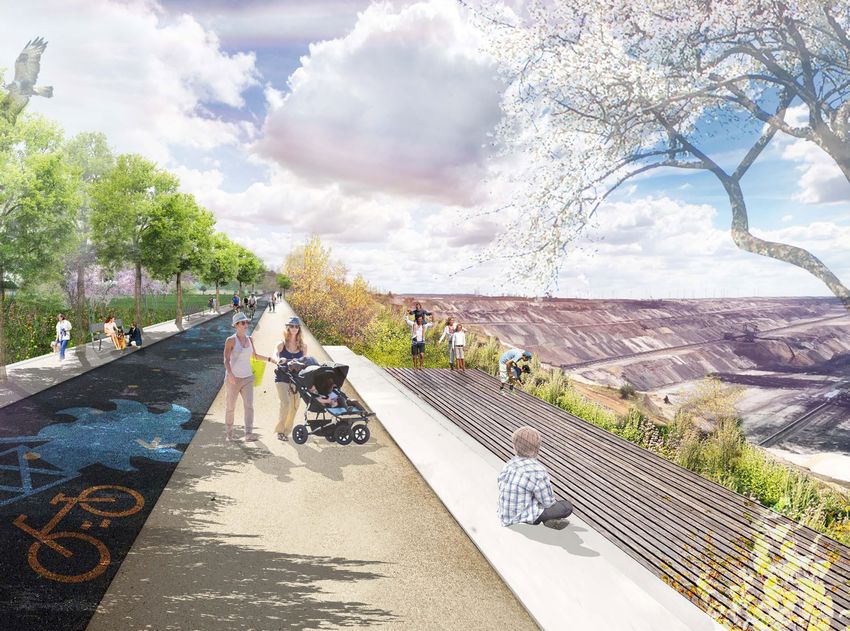
a concept for an inclusive „climate cycle and foot- tion, laboratory research, creativity and gar-
path“ can be developed. The path is to connect the dening, but also scientific lectures, field trips,
„green belt“ around the Garzweiler post-mining educational campaigns and exhibitions.
landscape with Schloss Dyck and present and
explain landscape elements such as rows of trees
and avenues, wild shrub hedges, wild herb borders,
flower strips and water body renaturation. Other
topics from the context of climate change, such as
rainwater retention, „smart houses“, renewable raw
materials or textile shading systems, can be added
to this. Two striking open spaces will serve as test
fields and demonstrators to show that climate ad- Path at the lakeside in Szczakowa
aptation and climate protection can be combined
well with attractive design. c) Saint Francis Wood (Umbria, Italy)
The area around the Basilica of St Francis in As-
1. Reference projects from UL2L sisi, which consists of park-like areas and forest
areas, was maintained and restored to make the
Learning from good practices area accessible. A newly constructed pedestrian
walkway connects the site with the historic city
a) Greenway (Umbria, Italy) centre. The cultural, ecological and social value
The Greenway is a network of footpaths and of this landscape is to be communicated to visi-
cycle paths to connect municipalities in Umbria. tors and sustainable tourism is to be promoted.
It runs along some riverbanks where vegetation
typical of the area has developed again. The
Greenway is an open-air laboratory dedicated
to sustainability and biodiversity.
Topino river
Footpath and bike path along the river in Bevagna, close to St. Francis Wood
25Findings from the work with stakeholders structures of the Jüchen urban area. Other
A cycle and footpath used by excursionists, topics from the context of climate change,
sportsmen and commuters between the town such as rainwater retention, „smart houses“,
of Jüchen, the nearby open-cast lignite mine renewable raw materials or textile shading
Garzweiler and Schloss Dyck is an excellent systems, can be added. Traversing the city of
match for the UL2L project and offers added Jüchen, the climate cycle/footpath is to provi-
value for many citizens due to its precisely fit- de a link to the new Jüchen West district and
ting functional layout. The thematic focus on the railway station. Here, two striking open
climate change is in line with the preferences spaces are to be designed in the sense of test
of the stakeholders. In the interviews, the in- fields and demonstrators for climate adap-
terviewed stakeholders evaluated the climate tation and climate protection. The inclusive
change adaptation as the most important topic character results from the consistently bar-
for the development of open spaces at present. rier-free planning of the cycle and footpath
to ensure that both visually impaired people
2. Description of the measure and wheelchair users can benefit from the
newly designed space.
For the development of a concept for an in-
clusive „climate bike/footpath“, a perspectives 3.Stakeholders involved
workshop with local and regional deci-
sion-makers is to take place. The cycle and a) Stiftung Schloss Dyck (Advisory Partner)
footpath is to be connected to the adjoining As a centre for garden art and landscape cul-
green structure around the open-cast mine, ture, the Schloss Dyck Foundation is one of
the „Green Belt“, which is runs about 6 km the few unique institutions in North Rhine-
from Schloss Dyck around the mining and Westphalia and in Europe that combines his-
recultivation areas of the Garzweiler open- torical gardens and cultural landscapes with
cast lignite mine. The path forms the back- current topics of landscape culture and urban
bone for the upgrading and redesign of this development in practice-oriented research
connecting landscape area. For this purpose, and makes them tangible on its own premises
the existing green axes along the valleys of and in the local environment. In addition, the
the Jüchener and Kelzenberger Bachs are foundation has the many years of expertise
being further linked up with landscape ele- required for the selection of climate-resistant
ments in the form of rows of trees, avenues, trees and vegetation forms along footpaths
wild shrub hedges, wild herb borders, flower and cycle paths.
strips and water body renaturation. The cli-
mate-resistant trees and vegetation forms b) LandFolge Garzweiler
tested in the Schloss Dyck model project will The LandFolge Garzweiler as a special-purpo-
be transferred to the landscape and urban se association is the cross-municipal player
26for the development of the post-mining land- a) Professional moderation €1,200
scape and its surroundings during and after b) Rental space €250
lignite mining. In addition to the conception c) Preparation and follow-up €2,000
of the entire area, LandFolge also deals with c) Materials €50
the planning of projects in sub-areas. The d) Catering €500
„Green Belt“, to which the footpath and cycle e) Fees (for five speakers) €1,000
path is to be linked, is a landscape structure
surrounding the open-cast mine and linking 6.Indicative sources of funding
the surrounding area. In addition to green
structures, it contains agricultural uses and After consultation with the MHKBG and the
also structures urban development areas. office responsible for the promotion of the
Rhenish district, the planned measure of the
c) Ministry of Economics, Innovation, perspective workshop can be subsidised within
Digitalisation and Energy (MWIDE NRW) the framework of the financing of the Rhenish
MWIDE NRW is responsible for the OP EFRE area. The „Green Belt“ project has already
NRW and has a coordinating function within been submitted to the Zukunftsagentur Rhei-
the framework of the promotion of structural nisches Revier GmbH (ZRR)/MWIDE as a pro-
change in the Rhenish mining area. ject outline in the so-called relief package –
the prospects workshop for the footpath and
d) Ministry for Homeland, Municipal Affairs, cycle path should be included as a measure.
Construction and Equality (MHKBG NRW)
The MHKBG NRW is a central player in the de- 7. Policy learning
velopment of a concept eligible for funding.
The measure can, through the innovative use
4. Time frame of cycle paths as a real laboratory and learning
location for climate change, serve to further
June 2020 – September/October 2021 shape the funding structure of the Rhenish
district. In addition, an influence on the cur-
5. Indicative costs rently valid funding structure of the NRW
ERDF OP is possible. The climate focus of the
A preliminary cost estimate of around €5,000 measure is of great importance both econo-
is being made for the implementation of a per- mically and socially. The playful approach to
spective workshop. The financial range will the topic of climate change shows ways for
depend on the number of participants, which a future integration of the topic into classical
has yet to be defined. measures, such as the development of the
mobility infrastructure.
The estimated costs are as follows:
27You can also read


