The Delta Project - Delta Framework
←
→
Page content transcription
If your browser does not render page correctly, please read the page content below
The Delta Project

                    Delta
                    Framework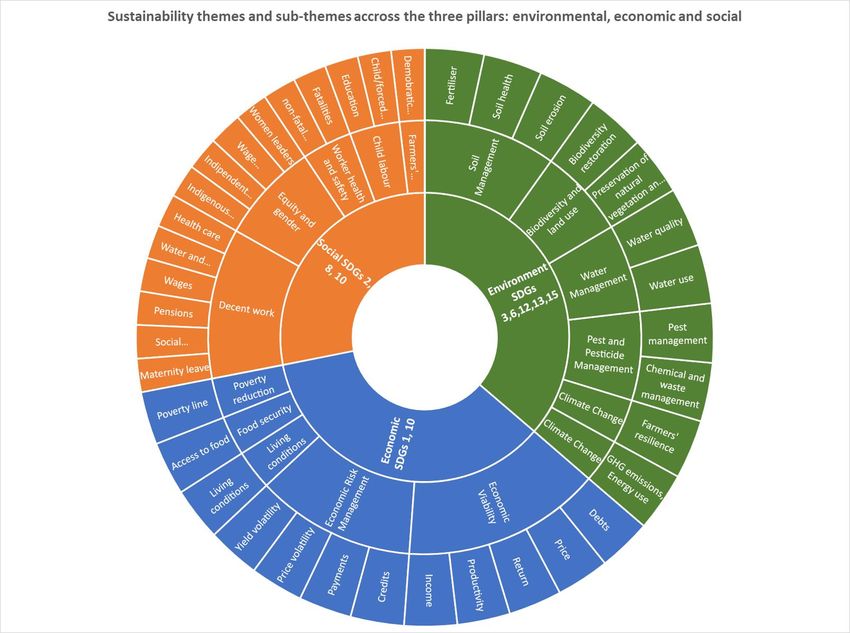
❑ Key Project Information

❑ Delta Sustainability Framework

❑ Process and timeline

❑ Sustainability goals and indicators

                                        Delta
                                        Framework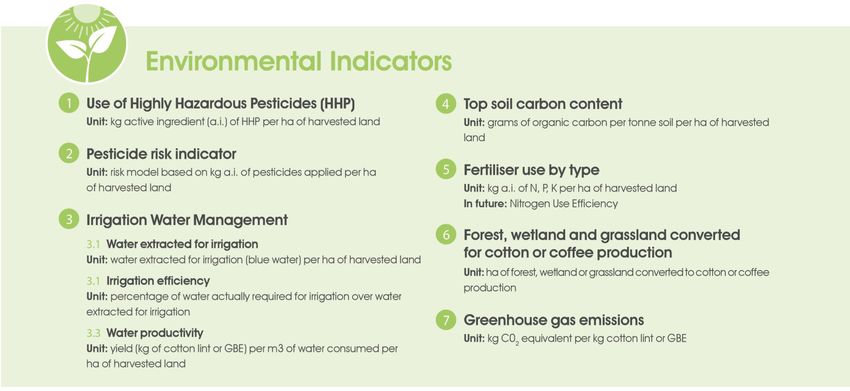
Delta Project
Introduction

 Funded by SECO through the ISEAL Innovation Fund for 3
 years (03-2019 to 03-2022)
 Partners: BCI, ICAC, Global Coffee Platform, and
 International Coffee Organisation
 Project’s aim: Bridging the gap in measuring and reporting
 sustainability performance in the agricultural commodity
 sector
  ❑ Build multi-stakeholder, international consensus for
    sustainability measurement on key common goals
  ❑ Harmonize approaches to assess progress and connect to
    SDG commitments from private and public sector actors
  ❑ Add value for farmers from their sustainability performance
    data
Delta Project
Objectives & Value proposition

  1. Develop a Sustainability Framework: impact indicators,
  guiding principles and data standardization
      ➢ For the sustainability community: common language
        on sustainability across agricultural commodity sectors
  2. Link sustainability performance to business actors and
  governments: method and guidance
      ➢ For companies & private sector: standardised
        sustainability information to customers/stakeholders,
        simplified data consolidation, consistent data
        collection
      ➢ For government & public sector: SDG commitments
        reporting, evidence-based decision making for
        agricultural policies & services
Delta Project
Objectives & Value proposition

  3. Add value for producers: feedback performance data to
  farmers, contextualise data by establishing links to open
  data sources (e.g. weather, market information),
  enhance the development of farmer-centred services
  (e.g. extension services, finance, insurance, etc.)
      ➢ Farmers: better learning and decision making,
        (improved) access to services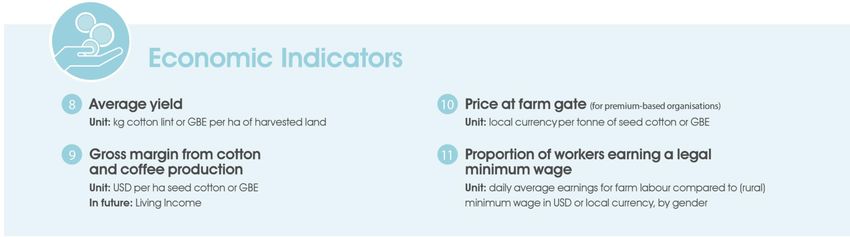
Delta Sustainability
Framework

Delta Sustainability Framework
3 components

  1. Guidelines for Sector Sustainability Information –
  Farm level
   ➢ Define the sector’s sustainability information
     do’s and don’ts
   ➢ How to derive claims from the sustainability
     information generated through the common
     set of indicators
   ➢ How to communicate sustainability information
     to customers and other stakeholders, building
     on the principles of reliability, relevance, clarity,
     transparency and accessibility
Delta Sustainability Framework
3 components

  2. A common set of cross-commodity impact and
  outcome indicators
   ➢   Farm-level
   ➢   Impact / Outcome
   ➢   Limited number
   ➢   Relevance in terms of measuring progress and
       capacity to adapt to other commodities

  3. Data standardization and indicators’ digitization
   ➢   Standardization of data points
   ➢   Data and information quality requirements
   ➢   Confidentiality and disclosure
   ➢   Data use options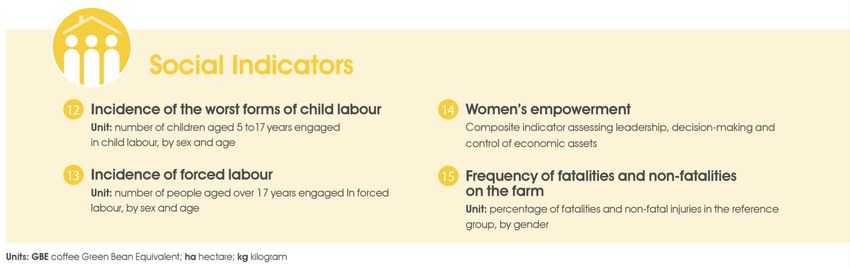
Consultation activities
                                                                                                                                                                                     Piloting activities
                                                                                                                                                                                     Core activities and

                                        Delta Sustainability Framework                                                                                                               key deliverables

                                        Timeline                                                                                                                                               Long
                                                                                                                                                                                               workstreams

                                                                                                                                       We are here

                            Consultations                                           Implementation protocols                   Joint pilots in India                               Delta Project Guidance
                            June 2019 – January 2020                                March – September 2020                     April – July 2021                                   Sept – Dec 2021
                            Sustainability goals and indicators                     Methodologies & data collection tools      Cotton 2040 WG Members                              For digitisation
                                                                                                                               (BCI, FTF, OCA, TE)                                 For sourcing companies claims
            Guiding                                                                                                                                                                For national reporting
            Principles                 First indicator                                                                                   Digitisation                              For farmers’ learnings
                                       set: 24 options

                            BCI    Cotton 2040 SEEP ISEAL ICAC Coffee                              Working groups:                                Sector & Experts
                                   Impact           ICO GCP sector
                                                                                                   - Pesticides                                   consultations:
                                   Alignment                                                       Expert consultations:                          - Land use change
                                   Workstream                                                      - GHG emissions                                - Child Labour
                                                                                                   - Soil Health                                  - Forced Labour
                                                                                                   - Gender                                       - Gender
Desk review of successful                                                                          - Water                                                Integration of pilots'               User guidance &
sustainability frameworks                                         Validated set of 15 indicators                  Indicators testing phase                feedback & learnings                 Comms material

May – June 2019                                                   February 2020                                   October - December 2020                  August 2021                         Jan - Mar 2022
Stocktaking                                                       Delta Indicators V0 for piloting                Cotton pilot in South Africa             Delta Indicators V1,                Dissemination
                                                                                                                  January – March 2021                     methodologies & tools
                                                                                                                  Coffee pilot in Vietnam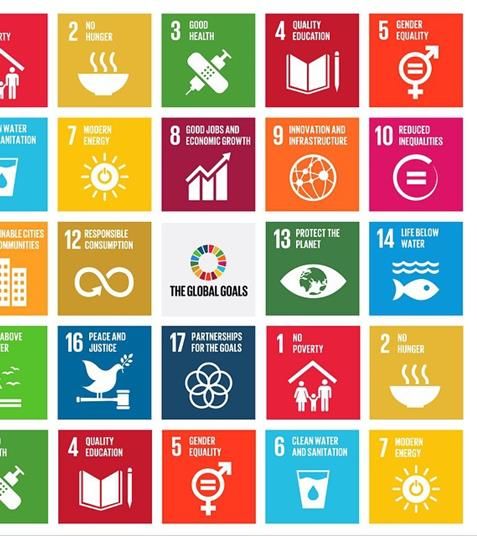
Delta Sustainability Framework
References

  Main reference sources for the selection of the
  indicators

     ➢ SDG indicator framework
     ➢ ISEAL Common Core Indicators
     ➢ ICAC-SEEP framework
     ➢ GCP Coffee Data Standard
Delta Sustainability Framework
Consultations
Main purpose of the consultations
➢ Share and confirm key sustainability goals for
the cotton and coffee sectors;
➢ Integrate learnings and perspectives from all
stakeholders into the development of the set
of Delta Sustainability Indicators;
➢ Foster both commodity specific and cross-
commodity collaboration in the alignment of
sustainability metrics
Modalities
➢ Physical workshops and webinars
➢ One-to-one calls
➢ On-line surveysDelta Sustainability Framework
Consultations
17 consultative events have taken place, reaching out to over 120 people
representing 54 organisations from the agricultural private and public sectors,
among which:
Other sustainable standards
Public and research ISEAL Members
organizations
SEEP Panel
UN Agencies
Cotton standards & codes
Cotton 2040 Impact Metrics
Alignment Working groupDelta Sustainability Goals and Indicators
Delta Sustainability Indicators
3 pillars of sustainability & SDGs
Delta Sustainability Indicators
                  Sustainability goals for cotton

            Sustainable Cotton Farming is expected to aim at the following goals:

Headline   Environmentally sustainable        Decent livelihoods/      Social wellbeing, equality &
 impact       agricultural practices          poverty reduction               empowerment
  areas      (SDGs 3,6,12,13,14, 15)            (SDGs 1, 8, 10)          (SDGs 2, 3, 6, 8, 10, 16)

                                          Make cotton farmers and      Ensure respect human rights
           Minimise contamination of
                                          workers earn a decent        on cotton farms, with no
           natural resources
                                          income                       forced and child labour

Common                                    Be economically viable and   Ensure healthy & safe
           Protect and regenerate
                                          farmers to be economically   working conditions for all
  goals    ecosystem services
                                          resilient                    farmers and workers

                                                                       Enhance equality and
           Reduce greenhouse gas
                                                                       empowerment, including in
           emissions and build            Alleviate poverty
                                                                       gender, for cotton farmers
           resilience to climate change
                                                                       and workers
Delta Sustainability Indicators
Criteria
Monitor progress towards the 9 goals and towards
sustainable agricultural commodities.
➢ Relevance: progress towards goals and credibility
➢ Usefulness: global commitments, comparability and
aggregation, stakeholders' needs
➢ Feasibility: easy of data collection and costs.
15 farm-level, outcome/impact indicators
Interdependences between social, economic and
environmental sustainability pillars
➢ Indicator set to be seen as a whole.
Not prescriptive on specific tools to use but setting
minimum requirements and providing guidanceDelta Sustainability Indicators Environmental dimension
Delta Sustainability Indicators
Economic dimension
Delta Sustainability Indicators
Social dimension
Do you want to provide feedback
or pilot the indicators?
       → Contact Us – Delta Framework

                www.deltaframework.org
You can also read


