A FUTURE OF FAILURE? The Flow of Technology Talent into Government and Civil Society-A Report
←
→
Page content transcription
If your browser does not render page correctly, please read the page content below

A FUTURE OF FAILURE?
                                           The Flow of Technology Talent into
                                       Government and Civil Society—A Report

Freedman Consulting, LLC
1301 Connecticut Avenue NW, Suite 502, Washington, DC 20036
P. (202) 506-5069 I F. (202) 506-5069
                                                              PREPARED BY FREEDMAN CONSULTING, LLC
                                                                                  www.tfreedmanconsulting.com | 0
About This Report
             This report was written by Freedman Consulting, LLC, and was commissioned by the Ford Foundation
             and the John D. and Catherine T. MacArthur Foundation.

             Freedman Consulting, LLC, a consulting firm located in Washington, D.C., provides high-level strategic
             consulting, communications planning and policy development. Building upon diverse experience in
             politics, policy, communications, high-level marketing and philanthropy, we advise a broad range of
             clients, including major foundations, elected officials, nonprofit organizations, political campaigns and
             Fortune 500 companies.

             The Ford Foundation is an independent, nonprofit grant-making organization. For more than 75 years it
             has worked with courageous people on the frontlines of social change worldwide, guided by its mission
             to strengthen democratic values, reduce poverty and injustice, promote international cooperation, and
             advance human achievement. With headquarters in New York, the foundation has offices in Latin
             America, Africa, the Middle East, and Asia.

             The John D. and Catherine T. MacArthur Foundation supports creative people and effective institutions
             committed to building a more just, verdant, and peaceful world. In addition to selecting the MacArthur
             Fellows, the Foundation works to defend human rights, advance global conservation and security, make
             cities better places, and understand how technology is affecting children and society.

Freedman Consulting, LLC
1818 N Street NW, Suite 450, Washington, DC 20036
P. (202) 506-5069 I F. (202) 506-7967

                                                                                                          www.tfreedmanconsulting.com | 1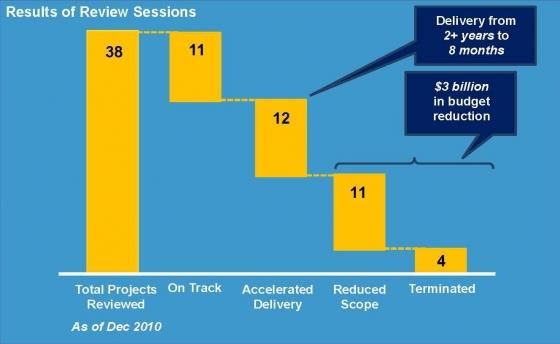
Table of Contents
               Glossary                                            2
               Executive Summary                                   3

               The Stakes: Why a Healthy Pipeline Matters          9

               A Deficit: Current State of the Pipeline            15

               Disconnect: Gaps in the Pipeline                    25

               Solutions: Approaches to Building the Pipeline      39

               Conclusion                                          51

               Appendices                                          52

               Appendix A: List of Interviewees                    53

               Appendix B: Bibliography                            56

Freedman Consulting, LLC
1818 N Street NW, Suite 450, Washington, DC 20036
P. (202) 506-5069 I F. (202) 506-5069

                                                                www.tfreedmanconsulting.com | 1
Glossary of Common Acronyms in this Report

             CDT – Center for Democracy and Technology
             EFF – Electronic Frontier Foundation
             IT – Information Technology
             FCC – Federal Communications Commission
             FTC – Federal Trade Commission
             OTI – The Open Technology Institute at the New America Foundation
             PIPA – PROTECT IP Act
             SOPA – Stop Online Piracy Act
             VC – Venture Capitalist

Freedman Consulting, LLC
1818 N Street NW, Suite 450, Washington, DC 20036
P. (202) 506-5069 I F. (202) 506-7967

                                                                                 www.tfreedmanconsulting.com | 2
EXECUTIVE SUMMARY
             T   he rapid pace of technology innovation and
                 development has had a profound and
             undeniable impact on all corners of
                                                                       through the effective use of technology is
                                                                       among the greatest contemporary
                                                                       opportunities for the public sector.
             contemporary society. It has changed many of
                                                                       Civil society faces a similar set of challenges and
             the day-to-day transactions that characterize
                                                                       opportunities. Technology has emerged as a
             personal and home life; it has radically
                                                                       transformative tool for how non-governmental
             reshaped and influenced domestic and global
                                                                       organizations are able to build movements,
             markets; and it has offered the potential to
                                                                       raise money, disseminate information, provide
             revolutionize how government works at the
                                                                       services, and generate conversation.
             same time that it challenges the ways in which
             government protects consumers. A few well-                In addition, both government and civil society
             worn statistics only confirm these trends:                will play a crucial role in making decisions about
             Facebook has over one billion users; each                 how technology should be used across all
             minute, YouTube adds 100 hours of video; as of            sectors of contemporary society. This includes
             last year, there were over 400 million  “tweets”          identifying opportunities to utilize technology
             per day on Twitter.1                                      as a solution, but it also involves a sophisticated
                                                                       and challenging set of conversations about
             Technology now mediates a vast set of
                                                                       limitations on the use of technology, whether
             relationships, but the number of individuals
                                                                       by private or public institutions.
             who can understand, build, and work with these
             evolving technology tools and platforms                   Recent examples illustrate in vivid
             remains relatively small. This collection of              detail both the complexity of these issues
             technically skilled and creative people –                 and their growing relevance. The launch of
             including programmers, designers, engineers,              President  Barack  Obama’s  signature  domestic
             and innovative thinkers with crucial skills in            policy initiative – health care reform – has been
             computer science, data science, and the                   stymied by significant malfunctioning
             Internet – represents just a fraction of the              of HealthCare.Gov, the online portal intended
             human capital across the many sectors of our              to provide health insurance to millions of
             society and economy.                                      Americans.  The  system’s  failures  have  incited  a
                                                                       highly visible debate about how the
             As information technology further suffuses
                                                                       government develops and acquires technology
             every aspect of our lives, government will
                                                                       and whether adequate expertise exists within
             inevitably have a role to play in ensuring that
                                                                       government to pursue such large-scale
             technology serves the public interest. The
                                                                       technology systems. In particular, because
             ability for government to improve operations
                                                                       HealthCare.Gov was built largely by private
             and provide services to citizens more efficiently

             1
               “Number  of  active  users  at  Facebook  over  the     “Twitter  Now  Seeing  400  Million  Tweets  Per  Day,
             years,”  The  Associated  Press,  Yahoo News, May 1,      Increased  Mobile  Ad  Revenue,  Says  CEO,”  Shea
             2013, http://news.yahoo.com/number-active-users-          Bennett, All Twitter, June 7, 2012,
             facebook-over-230449748.html;    “Statistics,”            http://www.mediabistro.com/alltwitter/twitter-400-
             Youtube,                                                  million-tweets_b23744
             http://www.youtube.com/yt/press/statistics.html;

Freedman Consulting, LLC
1818 N Street NW, Suite 450, Washington, DC 20036
P. (202) 506-5069 I F. (202) 506-7967

                                                                                                               www.tfreedmanconsulting.com | 3
contractors, questions have emerged about Day in November, huge political success met
whether government agencies employ enough financial opportunity,” according to The New
individuals with the skills to knowledgeably York Times, “The people in their 20s and 30s
manage outside vendors for extensive from the Obama tech team had seen others just
technology projects. like them get incredibly rich on innovations
(Facebook, Twitter, etc.) that were as
Over the past several months, revelations that
transformational as anything they could hope to
the U.S. National Security Agency has been at
achieve in government. Now they started to
the center of a massive telecommunications
think about what innovations they could bring
surveillance program – in some cases in
to the market.”2
cooperation with technology and telephone
companies – have put questions about While these examples showcase the need, the
technology firmly in center of the national opportunity, and the challenges associated with
conversation and raise thorny questions building robust information technology human
regarding the flow of technology talent into capital in government and civil society, the story
government and civil society. Some government is not entirely a bleak one. Local, state, and
agencies such as the NSA employ legion federal governments all have success stories to
technologists to engage in surveillance while, at share about the incipient role of
the same time, other government agencies – transformational innovators and technologists.
such as those involved in social problems – are The U.S. federal government today has a Chief
relatively starved for such talent. Despite this Technology Officer and Chief Information
comparatively better technology human capital, Officer. Cities such as Boston and Philadelphia
other difficult questions have been raised. For have offices of “New Urban Mechanics,”
example, the NSA’s vast technology needs designed to inject a spirit of innovation into
require giving private parties access to highly municipal government. The pace of change is
sensitive material. accelerating, and awareness of the stakes is
growing.
In addition, President Barack Obama was
reelected in 2012 in part on the strength of one Despite these gains, deep questions remain
of the most successful data-driven, analytical about the ability for many areas of government
political operations in history. As has been and civil society to identify, cultivate, and retain
widely reported, his campaign employed individuals with the necessary skills for success
cutting-edge tools to understand voters at the in a world increasingly driven by information
individual level, and to precisely deploy technology.
television advertisements, fundraising emails,
In response to the importance of these
and other campaign techniques. After the
questions, the Ford Foundation and the John D.
campaign, however, many of these individuals –
and Catherine T. MacArthur Foundation asked
most of them young, driven, and passionate
Freedman Consulting, LLC, to investigate
innovators – did not enter the public sector to
broadly the health of the talent pipeline that
deploy their skills in the service of the
connects individuals studying or working in
presidential administration. “[A]fter Election
information technology-related disciplines to
2
“Data You Can Believe In,” Jim Rutenberg, New e-obama-campaigns-digital-masterminds-cash-
York Times, June 30, 2013 in.html?pagewanted=all
http://www.nytimes.com/2013/06/23/magazine/th
Freedman Consulting, LLC
1818 N Street NW, Suite 450, Washington, DC 20036
P. (202) 506-5069 I F. (202) 506-7967
www.tfreedmanconsulting.com | 4careers in public sector and civil society perceived as providing both more
institutions. The following report, based on attractive compensation (especially to
dozens of interviews with key stakeholders as young talent) and fostering a culture of
well as secondary research, assesses the current innovation, openness, and creativity
state of the pipeline, key challenges and that was seen as more appealing to
barriers to the development of technology- technologists and innovators.
oriented human capital in government and civil
A Need to Examine Models from Other
society, models of successful interventions, and
Fields: interviewees noted significant
recommendations for a more robust pipeline.
space to develop new models to
Key Findings improve the robustness of the talent
pipeline; in part, many existing models
Among the key findings of this report: were regarded as unsustainable or
The Current Pipeline Is Insufficient: the incomplete. Interviewees did, however,
vast majority of interviewees indicated highlight approaches from other fields
that there is a severe paucity of that could provide relevant lessons to
individuals with technical skills in help guide investments in improving
computer science, data science, and the this pipeline.
Internet or other information Significant Opportunity for Connection
technology expertise in civil society and and Training: despite consonance
government. In particular, many of among those interviewed that the
those interviewed noted that existing pipeline was incomplete, many
talent levels fail to meet current needs individuals indicated the possibility for
to develop, leverage, or understand improved and more systematic efforts
technology. to expose young technologists to public
Barriers to Recruitment and Retention interest issues and connect them to
Are Acute: many of those interviewed government and civil society careers
said that substantial barriers thwart the through internships, fellowships, and
effective recruitment and retention of other training and recruitment tools.
individuals with the requisite skills in Culture Change Necessary: the culture
government and civil society. Among of government and civil society – and its
the most common barriers mentioned effects on recruitment and other
were those of compensation, an bureaucratic processes – was seen as a
inability to pursue groundbreaking vital challenge that would need to be
work, and a culture that is averse to addressed to improve the pipeline. This
hiring and utilizing potentially disruptive view manifested through comments
innovators. that government and civil society
A Major Gap between the Public- organizations needed to become more
Interest and For-Profit Sectors Persists: open to utilizing technology and
as a related matter, interviewees adopting a mindset of experimentation
discussed superior for-profit and disruption.
recruitment and retention models.
Specifically, the for-profit sector was
Freedman Consulting, LLC
1818 N Street NW, Suite 450, Washington, DC 20036
P. (202) 506-5069 I F. (202) 506-7967
www.tfreedmanconsulting.com | 5Recruitment
Interest and Growth and
Cultivation Training Retention
Skill- Skill
Building Deployment
Understanding the Scope of the may be the periodic rotation of individuals both
Pipeline into and out of civil society and government.
Based on conversations with stakeholders, the Due to the content of comments in the
basic character of the pipeline to facilitate the interviews, this report largely condenses the
flow of the technology talent is not altogether first and second points in the pipeline (“interest
distinct from other comparable skill sets and cultivation” and “skill-building”) and the fourth
fields. The diagram above provides the nodes and fifth (“skill deployment” and “growth and
that emerged in interviews. retention”).
There are, however, some unique elements to Who Are Technologists?
this pipeline that emerged through interviews. The range of skills associated with individuals
First, the point of entry at the “interest who understand, use, and deploy technology in
cultivation” and “skill-building” phases may be a government and civil society settings is diffuse.
traditional training institution, such as a This report defines technologists according to
university. Technology talent, however, is also the various categories of expertise that surfaced
cultivated on the job or, in many cases, outside organically through interviews. These include:
of an institutional environment. Second, due to
the growth in “Chief Technology Officer” and Computer Scientists and Engineers:
“Chief Innovation Officer” positions in these are “traditional” technologists
government especially, some especially high- including those who can understand
skill and senior technologists in civil society and and build technology solutions. This
government may be leaping from existing includes computer scientists, some of
careers, rather than entering from a training whom have served in “chief
setting. Third, some of those interviewed noted technologist” roles in local, state, and
that one way to envision a successful pipeline national government.
Freedman Consulting, LLC
1818 N Street NW, Suite 450, Washington, DC 20036
P. (202) 506-5069 I F. (202) 506-5069
www.tfreedmanconsulting.com | 6 “Lay” Technology Experts: this category innovation and have deep experience
includes, for example, researchers who building organizations and projects that
may not be able to build technology leverage technology and technologists.
solutions, but understand deeply how A less defined category, these
technology works and intersects with individuals are often represented in the
other domains and practices. This “Chief Innovation Officer” ranks,
category encompasses scholars who featuring a facility in technology project
study the implications of technology or management but not necessarily direct
private sector technology executives training in technology skills.
who emerge from a business
background but work in a technology- Methodology
related field. Freedman Consulting, LLC, conducted
Technology and Communications Policy interviews with dozens of thought-leaders
Lawyers: these attorneys specialize in including:
technology-related law topics, including Current and former federal, state, and
intellectual property, privacy, local policymakers
telecommunications policy, and other
similar topics. Many of the attorneys at Civil society leaders
the Federal Communications Scholars
Commission, or staffing the relevant
congressional committees, feature this Private sector executives and
type of technology expertise. technologists
Data Scientists: these mathematicians, Foundation leaders
statisticians, engineers, and others Interviewees were provided anonymity to
utilize “big data” tools and techniques. encourage candor, and have been quoted in
These individuals would be represented this report by domain only. A list of
by scholars in data-heavy fields, private interviewees is provided in Appendix A.
sector analysts and, lately, data analysts
in government.
Designers: the field of design has
increasingly become linked to advanced
engineering and technology domains,
and designers participate in a range of
technology-oriented disciplines. This
includes many private sector
consultants with a design background
or scholars who work on technology-
related projects in design schools.
Serial Organizational Innovators: this
category includes those who may not
themselves be technologists, but
understand the role and aims of
Freedman Consulting, LLC
1818 N Street NW, Suite 450, Washington, DC 20036
P. (202) 506-5069 I F. (202) 506-7967
www.tfreedmanconsulting.com | 7About the Authors strategic planning for firm clients on a broad
portfolio of issues, including technology
Tom Freedman, President: as President of openness and access, municipal policy, children
Freedman Consulting, LLC, Tom Freedman is an and family policy, and voting rights. Mr. Hart
advisor to leading political figures, corporations, has worked with major political campaigns,
and nonprofit organizations developing policy foundations, and nonprofit organizations
ideas that become part of an effective strategic including the Ford Foundation, Next
message. Mr. Freedman served in the Clinton Generation, Open Society Foundations, and
Administration as Senior Advisor to the President Obama’s 2012 reelection campaign.
President, and prior to that as Special Assistant
to the President for Policy Planning. In the 1996
presidential campaign, Mr. Freedman was Chief
of Staff for Strategy, helping to create the policy
and communications plan for Clinton/Gore ’96.
Previously he was Press Secretary and later
Legislative Director to then Congressman
Charles E. Schumer (D-NY). Mr. Freedman
served as a member of the 2008 presidential
Obama-Biden Transition Project on the
Technology, Innovation, and Government
Reform Policy Working Group, and was a policy
consultant for President Obama’s reelection
campaign in 2012, Obama for America.
Sam Gill, Policy Director: as Policy Director at
Freedman Consulting, LLC, Sam Gill directs
many of the firm’s projects, including strategic
evaluations and planning, policy development
and communications, and helps oversee all of
Freedman Consulting, LLC’s policy work. Mr. Gill
has led or participated in projects for elected
officials and candidates for office, Fortune 500
companies, and many of America’s leading
foundations, including the David and Lucile
Packard Foundation, the Ford Foundation, the
Annie E. Casey Foundation, the Rockefeller
Foundation, and the William and Flora Hewlett
Foundation, and organizations such as the U.S.
Global Leadership Coalition and the Leadership
Conference on Civil and Human Rights.
Alexander Hart, Senior Associate: as a Senior
Associate with Freedman Consulting, LLC,
Alexander Hart contributes to research, media
and program evaluation, and policy and
Freedman Consulting, LLC
1818 N Street NW, Suite 450, Washington, DC 20036
P. (202) 506-5069 I F. (202) 506-7967
www.tfreedmanconsulting.com | 8THE STAKES: WHY A HEALTHY PIPELINE MATTERS
I nterviewees articulated a wide range of
reasons for why having technical talent,
knowledge of technology, and individuals with
Several of those interviewed indicated that, as a
result of a shortage of technology expertise,
even where government deploys technology to
technology-aware mindsets in government and improve performance, it does so in inefficient
civil society is imperative. ways. Said a nonprofit technology expert, “The
lack of talent means that we’re mired into an
Government older model and fundamentally, if no one is
Advantages to including technical expertise and building products for you because they don’t
an understanding of technology in government see a market for you, you get the mom-and-pop
spanned three categories: (1) enabling more solutions that dominate government.” Added a
effective governance, (2) improving private sector voice:
policymaking, and (3) enhancing public I think it’s a huge problem, a huge cost in terms
institutions. of effectively and efficiently delivering
1. Enabling More Effective Governance government services. It is a not only an issue
with what is done today, but the reality is that
A key attribute of technology raised by those the pace of technology investment is increasing
interviewed was its capacity to improve the and not decreasing, and the government
effectiveness and efficiency of legacy processes. broadly defined in most places is ten to twenty
Technology was therefore seen as a vital tool in years behind the private sector.
improving government operations, such as the A former policymaker endorsed unequivocally
delivery of services to citizens. According to one the value to public services of this expertise,
former policymaker, “The first thing noting, “Yes, I think it would be beneficial to the
government needs is a service delivery agencies and really to the public we serve to
execution strategy. It needs to be able to think have a more intelligent [approach], to have
about how to do what it traditionally does with more tech savviness in house. We’d just be able
a smarter technology strategy.” This individual to do our job better, quicker, more efficiently.”
noted that a “near-term cost” to a deficit of
technology expertise in government “is you A distinct subset of this issue is the use of
don’t get done what you need to get done as technology, not to more effectively deliver
efficiently as you could.” government services, but as a means to achieve
specific policy goals. A policymaker highlighted
Some compared technology expertise to other “the potential of the use of information
kinds of technical knowledge more commonly technology to help achieve a national policy
deployed in policymaking institutions, arguing goal.” Citing data on the declining real wages of
that the need for technology expertise was individuals who lack a college education, this
equally crucial. A former policymaker noted individual noted, “The government is funding
that, for example, “Governments have to decide some work that is reducing the time required
how to set tax rates and that’s based on a lot of for new military veterans to acquire certain
pretty sophisticated economic analysis,” adding, technical skills from years to months.” As a
“You have this whole cadre of people [across result of this project, which involves a digital
government] who have a lot of technical training tool, veterans “are getting jobs with six
expertise in economics.”
Freedman Consulting, LLC
1818 N Street NW, Suite 450, Washington, DC 20036
P. (202) 506-5069 I F. (202) 506-7967
www.tfreedmanconsulting.com | 9to eight months of using this digital tutor at dynamism, it is important that you have people
salaries of $40,000 to $80,000.” In this case, the on your staff who understand your technology
policymaker said, “The government is using IT issues.”
not to directly provide a government service,
Few had confidence that such appropriate
but to solve a policy problem.” The individual
expertise currently suffused government.
suggested that other ways information
According to a scholar, “Very few jurists,
technology could be deployed to achieve a
officials [and] their staffers and so forth at the
national policy goal could include developing
state and federal level [have technical
engaging educational games and creating
knowledge].” “They just don’t always
mobile services to help the unbanked.
understand technology very well,” the scholar
2. Improving Policymaking added, “They don’t necessarily have what I like
to call an accurate mental model of the
The presence of technology expertise and
technology they are governing.” Those
knowledge was also regarded as a necessity
interviewed frequently pointed to recent
within government due to the increasing pace
examples of what they considered poor
of technology policy being made at all levels. As
policymaking, most notably the Stop Online
one advocate stated, “You can’t make
Piracy Act (SOPA), an effort in the House of
technology policy in the absence of experts, and
Representatives to regulate intellectual
to do so is a fool’s
property online that was
errand that will do more
ultimately derailed by a
harm than good.” Added “You can’t make technology massive backlash from
a scholar, “If a regulator
doesn’t understand how policy in the absence of Internet users and
companies. Said a former
the technology works, experts, and to do so is a policymaker, “SOPA was
doesn’t know the
difference between an fool’s errand that will do kind of a leading example
of this where the
Android operating more harm than good.” decision, the policy
system and a Windows
assessment required to
mobile operating
make a decision about
system, they’re not going to know where they
whether something like SOPA was a good idea
can have impact.” Said a former policymaker, “If
or was not a good idea depended on a very,
you’re a regulator, you’re an enforcement
very sophisticated understanding and analysis
agency and you are charged with perpetuating
of how the Internet works.”
various laws and developing public policy—you
really have to understand the industry that you In addition, several of those interviewed noted
have oversight around.” A funder noted that that the absence of technical and technology
this is an especially acute problem with regard expertise within the government tilted the
to technology because “the facts are changing policymaking balance in favor of industry
so quickly because technology is changing so voices. As a scholar said, “The basic problem is
quickly,” continuing, “You want people who are that the ignorance of technology makes it very
able to assess whether information we thought easy for technology companies to snow
of five months ago is applicable today.” Added a policymakers.” Another scholar added that
former policymaker, “Particularly in the tech “today everyone who explains technology to a
sector where there is an incredible amount of
Freedman Consulting, LLC
1818 N Street NW, Suite 450, Washington, DC 20036
P. (202) 506-5069 I F. (202) 506-5069
www.tfreedmanconsulting.com | 10do that in every other sphere of our lives,” then
“If the public sector can’t be “it’s impossible to imagine a government that
isn’t [interacting that way].” This person
as smart and agile with new explained further:
technologies, it will really The costs [of an inadequate pipeline] are two-
atrophy.” fold. It’s an increasingly poorly functioning
government, a government that isn’t serving
its citizens’ needs well. And it’s a heightened
disconnect between citizens and their
staffer has a dog in the race.” According to a government.
private sector expert, the challenge with this
information asymmetry is that “If you don’t Civil Society
have somebody who can assess the conflicting Perceived advantages associated with the
voices you’re actually hearing, you make presence of technologists and those with a
policies about technologies that are deep understanding of technology in civil
extraordinarily naïve.” A funder said that it is society organizations ran parallel to those in
not in the public interest to have major tech government. In particular, those interviewed
companies setting public policy, noting: “They identified three overall benefits: (1) improving
have a role to play, but we need a landscape of nonprofit techniques, (2) bolstering credibility,
people that have different perspectives and and (3) enhancing organizational effectiveness.
interests – personal financial interests – in the
outcome.” 1. Improving Nonprofit Techniques
3. Enhancing Public Institutions Interviewees described a principal advantage to
civil society organizations from the employment
Though stated less frequently, an additional of technology expertise as a more modern
concern centered on the fear that a failure to toolkit for the kind of work that civil society
incorporate technology expertise into organizations undertake. As a private sector
government risked allowing government and policy expert said, “There is this need [because]
governing institutions to grow moribund and there is a newer dynamic that the tools of doing
obsolete. As a former policymaker indicated,
“There’s a really important long-term cost” to
the lack of technical talent and technology
expertise in government,” explaining, “If the “The costs [of an inadequate
public sector can’t be as smart and agile with pipeline] are two-fold. It’s an
new technologies, it will really atrophy.” As a
private sector leader warned, “In the near term increasingly poorly
it’s a problem in [that] consumers’ or citizens’ functioning government, a
expectation of what they should be getting is
not driven by their experience with what they government that isn’t
have been getting [from government] but their serving its citizens’ needs
experience in life.” A nonprofit leader agreed,
“If nothing else, government is the way in which well. And it’s a heightened
we come together and interact with each other disconnect between citizens
and, if the Internet and technology is how we
and their government.”
Freedman Consulting, LLC
1818 N Street NW, Suite 450, Washington, DC 20036
P. (202) 506-5069 I F. (202) 506-7967
www.tfreedmanconsulting.com | 11what we do,” stating, “The tools of advocacy, of A particular challenge that some interviewees
effective social change are also rooted in described was a disjunction that now prevails
technology and technical capabilities.” Added a between how civil society organizations and
nonprofit leader, “Technology opens an entire technologists perceive the utility of technology
new community of people who are not a to address social problems. A nonprofit
member of Common Cause or not a member of technology expert explained, “What if the user
the Red Cross,” rather, “They’re just people is a teacher, a domestic violence counselor, a
who are looking to be connected.” An advocate human rights advocate?” Right now, “there’s a
noted, “It makes you more knowledgeable, gap between what those people want from
more effective to have that broad set of tools.” technology and what technologists think they’d
Said a funder, “I can’t think of a nonprofit that want,” the expert said. Added a policymaker,
couldn’t benefit in some way [and] on some “Having people with the right skills that can
level from some more sophisticated tech.” translate between the technology needs and
the human-scale needs is definitely important.
There were also comments about the potential
There aren’t many
for technology to
people with those skills.
enhance civil society. A
And that applies just as
policymaker said that “I can’t think of a nonprofit much in government as
technology could help
civil society organizations that couldn’t benefit in some in civil society.” A
nonprofit executive
dramatically extend their way [and] on some level agreed, “When we’re
reach in the same way
that businesses have. The
from some more talking about working
with states, working
individual noted, “In the sophisticated tech.” with cities, working with
business world they’re
coalitions, when we’re
talking about these micro-
placing fellows, there’s
multinationals. The notion is that access to this
an interesting demand for people who
information technology gives you this kind of
understand technology and have the executive
scale and scope that used to be reserved
experience and presence to roll out technology
exclusively for large multinationals, and now
in a way that engages people.”
you have these firms that can start going after
global markets right away.” In the civil society 2. Bolstering Policy Credibility
sector, the policymaker explained, “there are
Analogous to the regulatory necessity for
some examples, not as many as there are in the
government to employ technologists in order to
private sector, but there are examples of
credibly undertake technology-related
organizations that start off as like one person or
policymaking, those interviewed noted that civil
a small group just having an outsized impact. I
society would be unable to advance the public
would point to Wikipedia, Khan Academy, and
interest around technology issues without
Ushahidi.” The policymaker declared that,
tantamount technical expertise. As a skillset,
today, “with a really good idea and with the
this was defined as a broad competence in both
ability to mobilize the talent and the financial
technical issues and public policy knowledge
resources to support it, civil society can have
and experience. Said a private sector policy
this impact in a way that was very difficult to
expert, “We need a diversity of people who are
have in the past.”
in the policy world, and that includes people
Freedman Consulting, LLC
1818 N Street NW, Suite 450, Washington, DC 20036
P. (202) 506-5069 I F. (202) 506-7967
www.tfreedmanconsulting.com | 12making it necessary to ensure proposals are
“Those engineers show us developed by a commensurately talented staff.
Another advocate agreed, “What industry says
how policy plays out in a real to us when we propose policies – like on net
life. You don’t want to be in neutrality or spectrum allocation – they say,
‘You don’t have any technologists or engineers.
a place when you’re You don’t know what you’re talking about.’”
proposing a policy that’s out This individual continued, “Those engineers
show us how policy plays out in a real life. You
of line with the technology. don’t want to be in a place when you’re
That’s what Congress did proposing a policy that’s out of line with the
with SOPA/PIPA.” technology. That’s what Congress did with
SOPA/PIPA.”3 Another advocate pointed to the
recent controversy around National Security
Agency monitoring of telephonic and Internet
who have real technical competence.” This
communications as an example of how civil
individual added, “There has been and still is a
society credibility is essential to productive
very strong need for more people who good
discussion: “Right now we’re in the midst of a
technical intuitions, who are technically
very public debate where frankly there’s a lot of
competent or even better have a dual
obfuscation going on about how our privacy
competency in understanding policy.” An
might be at risk because they can get away with
advocate said, “It’s tremendously important. A
it frankly.” Another advocate was clear: “I think
huge amount of what we do now is mediated
10 years from now it will be utterly
by technology and that includes our speech, our
unacceptable to be doing policy work in this
privacy, innovation, our economy.”
area without technology expertise in your
Interviewees asserted that this diverse organization.”
knowledge and skill set played a vital role in
3. Enhancing Organizational Effectiveness
informing public policy advocacy around
technology issues. One advocate put it bluntly: Beyond the specific and concrete deployment
“I need a technologist in my organization…and of technology in the service of programmatic
so do all other organizations in my field.” objectives, many spoke to the underlying power
Another advocate explained that “having of technology as a mindset and framework to
people with those skills, backgrounds, [and] improve the robustness of civil society
experiences enhances how you understand organizations generally. As a private sector
where markets are working, whether there’s a technology expert said, the Internet is “the
need for government intervention,” and as a platform for everything.” A former policymaker
result equips civil society organizations to agreed, noting, “It’s hard to overstate how
“translate [that expertise] into policy proposals important it is to have people who understand
that make sense.” This individual warned that, how technology works, either in your nonprofit
“On the outside, you’re being evaluated by a organization or your government agency.” A
whole slew of extremely well-paid analysts,” private sector leader spoke to the broad trends
3
PIPA, or the PROTECT IP Act, was the Senate
companion – and precursor – to the House SOPA bill.
Freedman Consulting, LLC
1818 N Street NW, Suite 450, Washington, DC 20036
P. (202) 506-5069 I F. (202) 506-7967
www.tfreedmanconsulting.com | 13in the economy and society that are dominated legal mindset that places the emphasis on
by technology: certainty and stability toward cultures which
embrace experimentation. On a more specific
I think the stakes are very high. I think that level, technologists can think about how to
we’re in the midst of a profound use tech as a tool in the toolkit to solve
transformation of the entire global economy problems in the way that we think today
and that people who understand the way in about law and regulation.
which the mechanisms are affecting that
transformation are very valuable. And they’re
valuable in the commercial sector and they’re
valuable in the public sector.
Others spoke in greater detail with regard to
the specific ways that technical skills and
technology expertise enrich organizational
practice. Explained a former policymaker and
current scholar:
The benefit of this is to be able to almost
visualize what’s possible for an organization
or a government agency using digital
technology. Advances in efficiency and
organization and those sorts of things. And
also as a facilitator and generator of
increasing returns.
With real feedback loops set up, and real ability
to quickly gather the best ideas, and real ability
to have people look together to visualize a shared
problem, you can actually just be more
thoughtful and productive about the problems
facing society while using fewer resources.
Said an academic administrator, “Some of the
most importance affordances are not that I can
send an email to 1,000 people at once,” rather,
“what you can learn from technology.
Openness, the value of experimentation,
collaboration.” This person added, “If you get
geekier folks into the broad public interest
space, you might introduce more transparency,
more openness, more collaborative practices.”
Another scholar and former policymaker
described these skills and their impacts across
organizational practice:
In short, technologists are trained with an
agile and design-oriented mindset to think
about systems as being capable of being
changed. We need to move away from the
Freedman Consulting, LLC
1818 N Street NW, Suite 450, Washington, DC 20036
P. (202) 506-5069 I F. (202) 506-7967
www.tfreedmanconsulting.com | 14A DEFICIT: CURRENT STATE OF THE PIPELINE
O verall, those interviewed reported that the
pipeline of technology-related talent into
government, civil society, and the public
enough.” A private sector expert said, “That
talent, especially the best, is scarce and
expensive. They’re less generally attracted to
interest sector generally was inadequate to the the career path within the public sector and a
meet needs in those fields, either in terms of lot of it is handled through contracting, either
sheer numbers or in the alignment of taught directly outsourcing or, at a minimum, tasking
skills with sector needs. others, and that’s a huge problem. A lot of
projects are done over budget or late.”
Government
There was discussion in the interviews about
Although not unanimous, those interviewed the inconsistency of talent across government,
tended to be straightforward in their with some interviewees indicating that certain
assessments of the quality of the talent pipeline government agencies had access to a more
flowing into government: (1) the absolute robust talent pool than others. Said one
number of individuals with the right skill set is advocate, “Everything in the spook world
too low, and (2) current skills do not match probably has some pretty good techies, at the
government needs. high levels in terms of defense, CIA. Not clear to
1. Too Few me that it’s consistent across any particular
government agency. Certainly not Capitol Hill.”
Interviewees were largely consonant in the view
A scholar noted, “The FTC has had a chief
that there were too few individuals with
technologist who they’ve brought in from
technical skills and technology expertise in
academia. The FCC has done something similar
government, especially those who combined
over the last few years. I think that’s an
such knowledge with a sensitivity to policy and
important recognition of trying to bring in that
governance questions. Said a scholar, “There’s
kind of expertise and providing a model [for
just a handful. The range of skills one needs is
others].”
so broad. They’re unique people.” A nonprofit
leader concurred, “There are 52,000 cities in Several interviewees noted that the issue may
the country and 50 states, and I’ll bet you $5 not solely be quantity, but how such individuals
that at least 20 percent of people who work in are used. A former policymaker explained,
state government do not know how to “What I’ve found in [a municipal government]
effectively use technology themselves.” Said a as well as in the federal government [is that]
scholar, “The for-profit sector gets to these there are a lot of people in government already
students before the nonprofit and government who are just being underutilized.” A nonprofit
[sectors].” A policymaker added, “I think there’s leader agreed: “More often than not,
a paucity of them. I’m in New York City, so it’s a government and the public sector isn’t set up to
lot easier for me to find what few there are.” take advantage of their skills.” This person
One policymaker was more reserved, saying:
“It’s not rare but it’s not abundant either.” A
nonprofit leader echoed this sentiment, stating, “That talent, especially the
“I think there are a lot of people in the public
sector who understand technology and more best, is scarce and
and more every day. But I think there’s not expensive.”
Freedman Consulting, LLC
1818 N Street NW, Suite 450, Washington, DC 20036
P. (202) 506-5069 I F. (202) 506-7967
www.tfreedmanconsulting.com | 15Case Study: Making Cities Safer and Smarter with Predictive Analytics
Data scientists and technologists help solve regulatory challenges in New York City
Today, governments at all levels have access to more kinds and a greater volume of data than ever
before. Creative analysis of that data combined with careful application can increase safety, save
money, and improve life for citizens.
In the wake of a deadly fire, New York City broke down silos among data and combined several sources
to produce an analysis of what kinds of buildings were most likely to have high rates of illegal
conversions and were at elevated risk of catching fire. The analysis identified four factors that strongly
predicted a fire risk, such as whether the building was in foreclosure or if it was built before 1938. It
then used those factors to prioritize inspections, which led to the issuance of vacate orders at a rate
thirteen times higher than normal.
The city has also successfully used this kind of data modeling – called predictive analytics – to improve
the rate at which it finds stores selling bootleg cigarettes, crack down on pharmacies committing
Medicaid fraud and contributing to the black market for prescription painkillers, and identify people
flipping business licenses.1
1. “Predictive data analytics is saving lives and taxpayer dollars in New York City,” Alex Howard, O’Reilly Strata, June 26, 2012,
http://strata.oreilly.com/2012/06/predictive-data-analytics-big-data-nyc.html.
Freedman Consulting, LLC
1818 N Street NW, Suite 450, Washington, DC 20036
P. (202) 506-5069 I F. (202) 506-5069
www.tfreedmanconsulting.com | 16explained further that, “First and foremost, about culture change. It doesn’t negate the role
governments in general are IT management of the operations folks, and it is important to
shops, not IT development shops. They’re accept the yin-yang nature of both operations
usually not writing and building code and development.” This individual suggested
themselves.” Added a funder: “Another way of that this misperception constituted a deep
framing the problem is that there is a real challenge for the sector: “I believe strongly that
organizational gap in the dev[elopement] side the perception of technology only as an
of that, that technology is fundamentally cast as operational question, rather than
operations.” The individual continued, “There’s developmental one, as much as just general pay
something really important in this issue, which issues is one of the deep cultural divides that is
is less about the staffing pipeline and more really hindering a healthy pipeline.”
Employment by Sector for All Degree-Holders in
Computer and Mathematical Sciences, 2008
7%
6%
4%
4% 4-year institutions
4% 2-year and precollege institutions
Federal government
State/local government
5% Self-employed
Nonprofits
For-profits
70%
Figure 1. National Science Foundation, National Center for Science and Engineering Statistics, Scientists and Engineers
Statistical Data System (SESTAT) (1993–2008), http://sestat.nsf.gov.
Freedman Consulting, LLC
1818 N Street NW, Suite 450, Washington, DC 20036
P. (202) 506-5069 I F. (202) 506-5069
www.tfreedmanconsulting.com | 17You can also read


