The future of heritage - Have your say on He tātai muka, He tātai tangata Weave together the strands; Weave together the people - Christchurch ...
←
→
Page content transcription
If your browser does not render page correctly, please read the page content below
Have your say on
The future of heritage
Draft Heritage Strategy 2019–2029

He tātai muka, He tātai tangata
Weave together the strands; Weave together the people

ccc.govt.nz/haveyoursay

 Consultation closes Monday 12 November 2018
Weaving our stories together –
Connecting with Our Heritage, Our Taonga
                                                                       This tauparapara conveys the mauri (essence) of this strategy’s
    Tuia i runga                          Bind that which is above     purpose – to weave together, strengthen and provide for
    Tuia i raro                           Bind that which is below     all aspects of heritage and taonga tuku iho (heritage) in
                                                                       Christchurch and on Banks Peninsula.
    Tuia i roto                           Bind that which is within
                                                                       This strategy is centred on the metaphor of weaving a taura
    Tuia i waho                           Bind that which is without
                                                                       (rope), and focuses on how our individual strands are woven
    Tuia te herenga tangata               Bind together the people     together to tell the story of the district’s heritage.
    Ka rongo te pō                        Feel the night
                                                                       You will see throughout this strategy the importance placed on
    Ka rongo te ao                        Feel the day                 the environment, the landscape, the people and the places.
                                                                       Each of these tell stories, which can be interpreted and woven in
    Tīhei Mauri Ora                       Give it life!
                                                                       many ways.

                                                                       As we broaden our understanding of our diverse heritage, more
                                                                       strands are added and the rope becomes thicker and stronger.
                                                                       This conveys the strength we can gain from recognising all our
                                                                       stories and places and by working together to celebrate our
                                                                       heritage. It also shows the strength we gain as a community
                                                                       from having a strong connection to our taonga (heritage).

                                                                       As time goes on, and new generations weave their stories, the
                                                                       rope grows. Unbroken, the rope reflects heritage as a continuum
                                                                       of past, present and future, and our desire to pass our treasured
                                                                       places, stories and traditions on to future generations intact.

                                                                         “There were (also) some very fine korari (flax) bushes
                                                                         growing about, the fibre of these handsome plants being
                                                                         used as cordage for any and every purpose. The flax plant,
                                                                         we were told, was of great use for floor and door mats,
                                                                         baskets, fishing lines and nets, also serving the purpose of
                                                                         nails on many occasions.”
                                                                         Sarah Amelia Courage

                                                                        Source: Lights and Shadows of Colonial Life, Sarah
                                                                        Amelia Courage, 1976 (first published c.1896), p.21.

2       The future of heritage - Draft strategy 2019–2029
Credit: Christchurch City Council
Credit: Kelvin McMillan

                          Cabbage trees near Te Pōhue                                    Botanic Gardens and Canterbury Museum

                           How to Have Your Say                                           Drop-in sessions
                          This is your opportunity to influence the decisions we make,   Rewind at Ferrymead Heritage Park (The Bakery),
                          and we look forward to your feedback.                          50 Ferrymead Park Drive
                                                                                         Sunday 14 October, 10am–2pm
                          We’re keen to hear from as many of you as possible. See
                          our Have Your Say page at the back of this document or go      Tūranga (new Central Library) in Cathedral Square
                          online to ccc.govt.nz/haveyoursay for more information.        Wednesday 17 October, 10am–2pm
                                                                                         Akaroa Farmers Market
                          Come and talk to the Heritage Team at one of the drop-in
                                                                                         Madeira Hotel carpark, 48 Rue Lavaud, Akaroa
                          sessions.
                                                                                         Saturday 20 October, 10am–noon
                          There are several ways you can participate,                    Singlemen’s Quarters
                          so please tell us what you think.                              Halswell Quarry Park, 179 Kennedys Bush Road
                                                                                         Saturday 20 October, 2–4pm
                          Any questions? Contact Jennie Hamilton on (03) 941 5207 or
                          email heritage@ccc.govt.nz                                     Orton Bradley Park Spring Fair, Marine Drive, Charteris Bay
                                                                                         Sunday 21 October, 11am–2pm
                                                                                         Matuku Takotako: Sumner Centre
                                                                                         upstairs, 14/16 Wakefield Avenue, Sumner
                                                                                         Saturday 27 October, 10am–noon
                                                                                         Lyttelton Farmers Market, London Street
                                                                                         Saturday 3 November, 10am–1pm

                                                                                                          The future of heritage - Draft Heritage Strategy 2019–2029
                                                                                                                                                                       3
Message from the Deputy Mayor

Our heritage, our taonga                                               our heritage in a much broader, more inclusive and more
                                                                       meaningful way. We have a chance to work together to celebrate
Our heritage, our taonga defines us. It is who we are, where           the taonga tuku iho (heritage) of our six papatipu rūnanga and
we have come from and it guides what we will become. It                understand what this place means to them. It also provides
contributes to our own personal sense of belonging and identity        an opportunity to hear from Pasifika and other cultures and
  and anchors us to our communities and our city. Heritage             communities about how they have contributed to the story that
      connects us: to this place, to each other, to the past and to    is Christchurch and Banks Peninsula, and to build on the work
         those who will follow us.                                     done by previous generations and the knowledge and legacy
                                                                       they have built. It also lets us celebrate the local distinctiveness
                Our heritage is precious and valuable. It has
                                                                       which gives our communities their identity, and remember all
                  social, cultural, educational, recreational and
                                                                       that has been lost through memories which we can share and
                      commercial benefits. It contributes to our
                                                                       weave together to bind our stories and places and connect us.
                          cultural wellbeing and brings visitors to
                             the district. We are guardians of our     This strategy has been developed in partnership with Ngāi Tahu
                                 taonga, charged with caring for       and through extensive engagement with our communities. It
                                    these treasures and passing        affirms our city’s desire to understand, celebrate and protect
                                        them on to our children.       its heritage. We have a responsibility to future generations to
                                                                       safeguard our rich and diverse taonga. We can only do this if
                                               The devastating
                                                                       we work together in a spirit of partnership, collaboration and
                                                  environmental,
                                                                       engagement to understand and appreciate what our heritage is,
                                                     social and
                                                                       and why it is so important.
                                                     cultural impact
                                                 of the Canterbury
                                             earthquakes has           Andrew Turner
                                          changed the district         Deputy Mayor of Christchurch
                                       forever. They are a part        Banks Peninsula Ward Councillor
                                   of our story. We now have
                                an opportunity to look to
                            the future of our heritage and to
                         treasure and celebrate the heritage
                      buildings and places we still have left. This
                  strategy provides an opportunity to celebrate

4    The future of heritage - Draft Heritage Strategy 2019–2029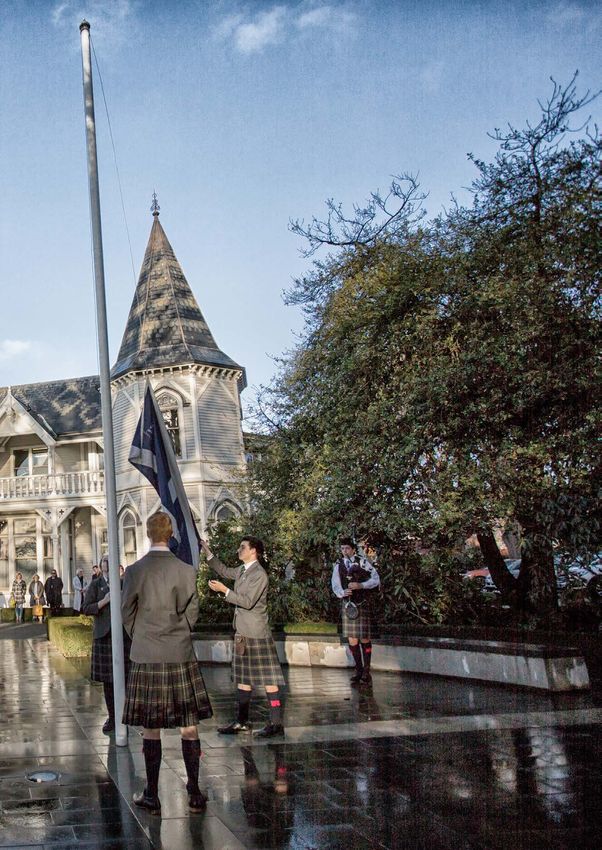
Credit: Christchurch City Council

Te Hononga, Christchurch City Council Civic Offices.

                                                       The future of heritage - Draft Heritage Strategy 2019–2029
                                                                                                                    5
Archaeologists on the site of the Piano Armagh Street.
Credit: Kim Bone.

                    6    The future of heritage - Draft Heritage Strategy 2019–2029
Rārangi Ūpoko
Contents Page
Message from Deputy Mayor                 4

Whakarāpopoto matua Executive summary    10

Whakataki Introduction and background    12

Ngā Pou Mātāpono Values and principles

Other considerations                     20

What is Our Heritage, Our Taonga?        22

The value of Our Heritage, Our Taonga    28

Whakakitenga Vision                      30

Ngā Whāinga Outcomes                     31

Whāinga Goals                            34

Mahinga Actions                          35

Whakatinanatanga Implementation          42

Appendix A                               46

Appendix B                               49

Appendix C                               54

Ways to make a submission                66

                                              The future of heritage - Draft Heritage Strategy 2019–2029
                                                                                                           7
Credit: Christchurch City Council

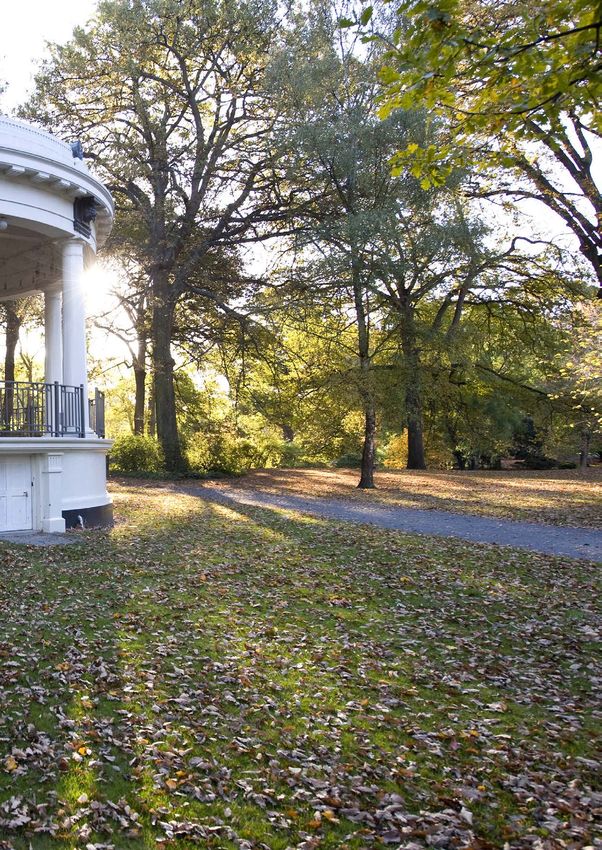
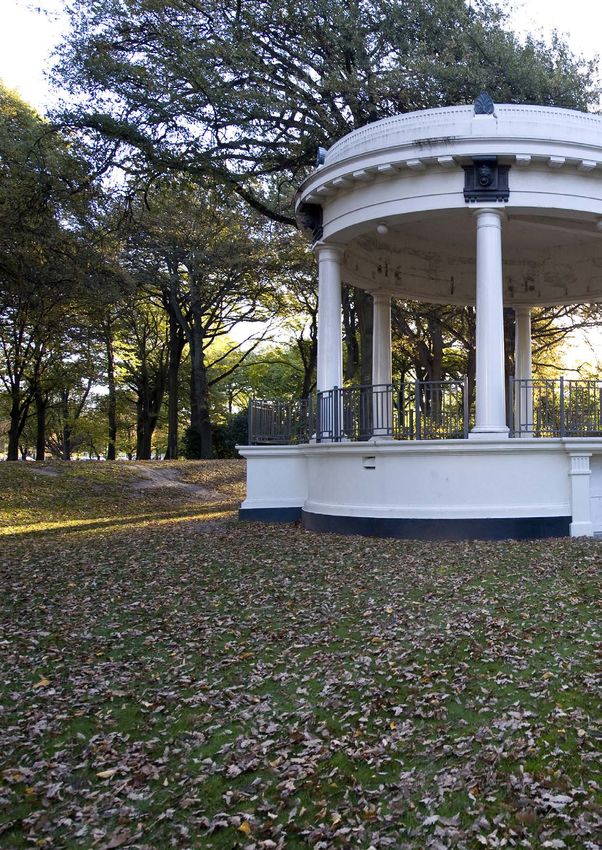
                                    Botanic Gardens Bandsmen’s Memorial Rotunda.

                                    8    The future of heritage - Draft Heritage Strategy 2019–2029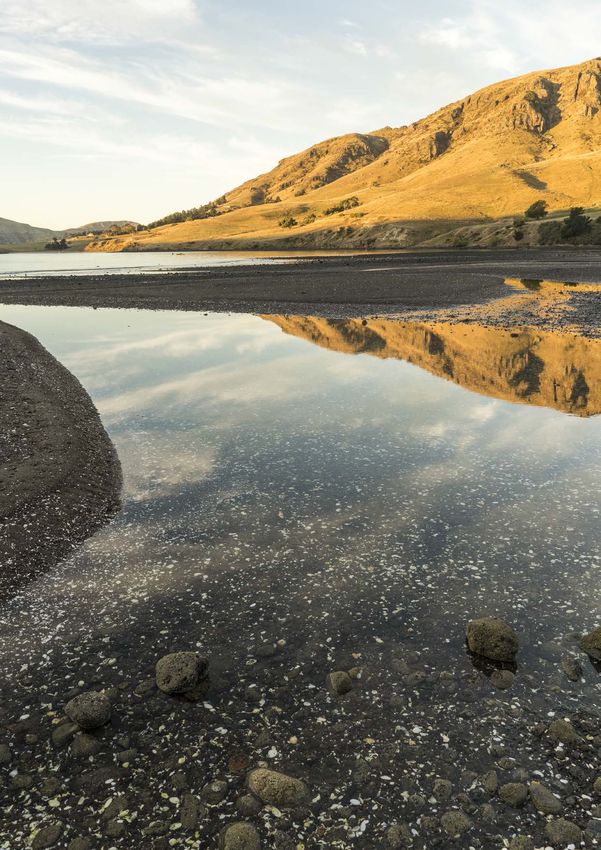
The future of heritage - Draft Heritage Strategy 2019–2029
                                                             9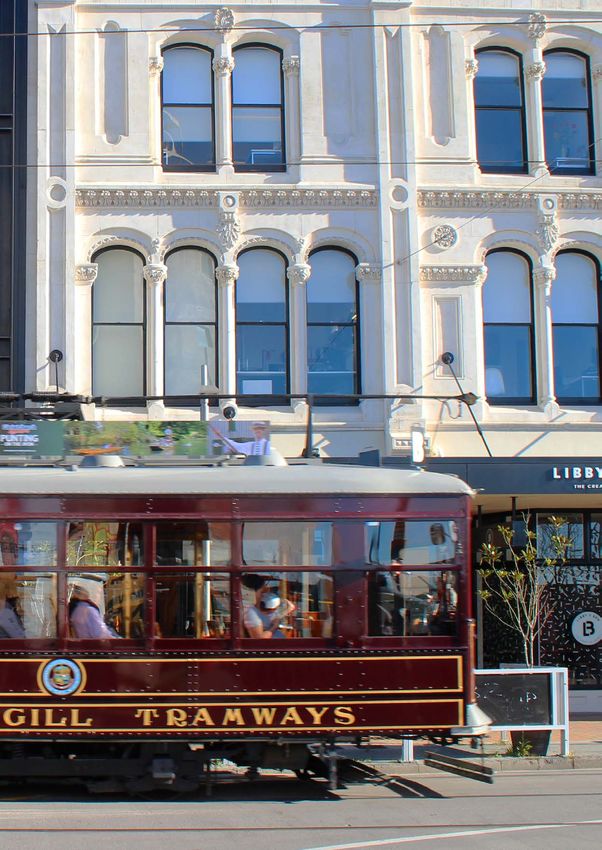
Whakarāpopoto matua
Executive summary
This heritage strategy is for all the people of Christchurch and Banks Peninsula.

  The Strategy vision is:
  Kia kōmiroa, kia whiria ngā weu kia ū,                                 As we weave together new strands into our rope,
  Kia roa, kia pītonga ai te taura                                       we lengthen and strengthen the essence within

  We work together to recognise, protect and celebrate our heritage, which weaves our stories and places together, and is vital to the
  identity and wellbeing of our communities and the district.

It will assist the Council in partnership with the respective
papatipu rūnanga and working together with the wider                      This strategy was developed in partnership with the six
community to better provide for our taonga.                               papatipu rūnanga and in consultation with the community
                                                                          and seeks the following outcomes:
We have always shown pride in our heritage, and have a
long history of striving to protect it. The loss of our heritage          Tohungatanga Identifying, Understanding and
buildings and places as a result of the Canterbury earthquakes            		                  Valuing Our Heritage, Our Taonga
changed Christchurch forever. The sense of loss has created a             Kaitiakitanga       Protecting and Caring for Our
desire to remember and to capture our memories and stories                		                  Heritage, Our Taonga
of this place. It has also raised awareness of the importance
of retaining our remaining built heritage as being vital to the           Manaakitanga Celebrating and Sharing Our Heritage,
district’s identity.                                                      		Our Taonga

This strategy recognises that the Council has a leadership role           Rangatiratanga Leadership and Respect for Our
in facilitating a collaborative approach with its partners and the        		                  Heritage, Our Taonga
community, ensuring a broad range of our built and natural,
tangible and intangible heritage is recognised, protected and             Wairuatanga         Spiritual Connections with Our
celebrated.                                                               		                  Heritage, Our Taonga

                                                                        These outcomes are supported by a set of goals and actions
  “The earthquakes have ignited how important the sense
                                                                        which include regulatory and non-regulatory measures.
  of place and belonging is to members of the Christchurch
  community.”                                                           The Council will develop an implementation plan with its
  Source: Valuing Non-Regulatory Methods of Protecting                  partners and the community which will enable the delivery of
  Privately Owned Heritage in Christchurch, University of               these actions.
  Otago, Master of Planning 2017, p.67
                                                                        The goals and actions build on the work already undertaken by
                                                                        the community, the Council and its partners to identify, protect
                                                                        and celebrate heritage and taonga in all its diversity in the city
                                                                        and peninsula.

10    The future of heritage - Draft Heritage Strategy 2019–2029
Purau Bay.
Credit: Kelvin McMillan
The future of heritage - Draft Heritage Strategy 2019–2029
11Whakataki
Introduction and background
Christchurch and Banks Peninsula have a rich and diverse heritage which is a
significant part of our identity.
The places, memories and stories of all our cultures are Banks Peninsula saw comparatively less devastation, with
treasures to be shared, celebrated and passed on to future the loss of 10% of its protected heritage stock. Built heritage
generations. Valuing and connecting with our taonga provides in Akaroa remained largely intact, while Lyttelton township
many benefits and is a vital foundation for a vibrant, dynamic lost almost a quarter of its protected heritage. There was also
and sustainable 21st century city. the large-scale loss of distinctive neighbourhoods east of the
central city, with around 7000 houses demolished in Avonside,
This whakataukī (proverb) reflects the Māori worldview of Dallington, Bexley and South Brighton.iv There was significant
the past and ancestors always being in front of us as we walk change to the natural environment, including landscape
backwards into the future, the unknown. It expresses the and geographic forms of cultural significance at Sumner and
importance of the past and those who have come before us and on the Port Hills. This included Rapanui/Shag Rock; and Te
their relevance to us today as we move towards and plan for the Poho Tamatea at Te Tihi o Kahukura/Castle Rock. The city’s
future. infrastructure and facilities were also impacted.v
As a result, the community has indicated that our remaining
Ka titiro whakamuri, Kia anga whakamua
built heritage is even more precious and valuable.vi
We look to our past, to face our future
Lost Protected Heritage Buildings as a result of the
This strategy builds on a significant legacy. We have a long Canterbury Earthquakes
history of recognition and protection of our taonga by the Christchurch City 204 of 588 protected buildings lost
Council, the six papatipu rūnanga and the community, which
we owe to earlier generations of kaitiaki (guardians), heritage Central City 135 of 309 protected buildings lost
professionals and advocates. The strategy is indebted to those Lyttelton
in whose footsteps we follow, and the mātauranga (knowledge) – Urban Township 30 out of 126 protected buildings lost
that they have passed on. This inheritance is one of the strands
we weave into the present for future generations. Banks Peninsula
(inc Lyttelton) 34 of 334 protected buildings lost
Prior to the Canterbury Earthquakes the district was
nationally and internationally recognised for its wealth of
heritage buildings.i The earthquakes had a devastating and
unprecedented impact on the built heritage of Christchurch.
The scale of loss and change in such a short time period is rare
in national and international terms.ii Almost half of the central
city’s protected heritage buildings, and more than a third of all
protected heritage buildings in Christchurch, were demolished.iii
i
Contextual Historical Overview for Christchurch City, John Wilson 2013, p.27
ii
Ibid., p.11
iii
Ibid., p.27
iv
Ibid., p. 18
v
Ibid., p.19
12 The future of heritage - Draft Heritage Strategy 2019–2029 vi
Key Stakeholders feedback, August 2018
vii
Excerpt from the song ‘Te Taukaea o Te Aroha’ composed by Charisma Rangipuna and Paulette Tamati-ElliffeIn the spirit of Te Tiriti o Waitangi (Treaty of Waitangi), the
Ko te whiringa o te The strands of the rope Council and the six papatipu rūnanga who hold mana whenua
taura tangata that binds man (jurisdiction over tribal land) rights and interests over the
Even though it is battered District – Ōnuku Rūnanga, Te Hapū o Ngāti Wheke (Rāpaki)
Ahakoa uaina e te ua,
by the rain Te Rūnanga o Koukourārata, Te Taumutu Rūnanga, Te Ngāi
whitikina e te rā Tūāhuriri Rūnanga and Wairewa Rūnanga – are partners in
And scorched by the sun this strategy. The six papatipu rūnanga are primary kaitiaki
He taukaea o te aroha,
The rope made of love (guardians) for the taonga tuku iho of the district. They are
ka mau ake tonu e vii
holders and providers of the whakapapa, knowledge, stories
Will always hold strong and documents that reach back hundreds of years. The six
papatipu rūnanga have their mana (status), therefore are to be
respected when they provide advice and support as partners in
The Council has a leading role in heritage in the district as a
this strategy and its implementation.
champion of the value of heritage to our identity. It has core
areas of responsibility – as an owner of heritage buildings and This strategy has been developed in partnership with the six
as a regulatory authority, as well taking an interest in relevant papatipu rūnanga.
heritage matters on a national scale. The Council’s partners,
the community and building owners also play vital roles.
This strategy recognises our ability to achieve better heritage
outcomes through working together.
The Council’s roles in heritage “With so much of our physical heritage fabric destroyed in
the aftermath of the earthquakes, it is imperative to look
• Leader
after what is left. ”
• Champion
Public engagement, 2017
• Regulatory authority
• Guardian and owner
• Policy maker and planner
• Advisor
• Funder
• Promoter
• Expertise and knowledge
• Provider of facilities and amenities
• Visitor host
• Storytelling
The future of heritage - Draft Heritage Strategy 2019–2029
13Credit: Christchurch City Council
H. Francis Willis’ plans for New Regent Street.
14 The future of heritage - Draft Heritage Strategy 2019–2029Credit: Akaroa Civic Trust
Akaroa Lighthouse with the French flag flying at half mast, November 15, 2015.
The future of heritage - Draft Heritage Strategy 2019–2029
15The communities of Christchurch and Banks Peninsula have shaped this strategy
Community input has been essential in shaping this strategy, This strategy recognises the need to provide:
through public and stakeholder engagement (online surveys, • Increased opportunities for collaboration and partnership in
drop-ins, and workshops) in 2017 and 2018 (see appendices heritage identification, protection and celebration.
A and B for the results). The Council engaged with private
owners of heritage, trusts, organisations, museums, archives • More support through increased access to information,
and galleries, professionals, Heritage New Zealand Pouhere advice and funding.
Taonga (HNZPT), the Department of Conservation (DOC), • Increased accessibility through effective storytelling, so that
ChristchurchNZ, and a number of resident, history, cultural and more people can connect with heritage and the benefits it
interest groups throughout the city. provides.
This strategy acknowledges the vital role these groups,
individuals and whanau (families) have in sustaining our “In the absence of the actual buildings and other items
heritage. which were lost in the earthquakes, education and
interpretation will be of greater importance than in the
The experience of the earthquakes and feedback from public past as a means of maintaining an awareness of the
engagement have indicated the need for a change in the way past.”ix
we approach heritage in Christchurch. This strategy outlines
the steps the Council will take together with its partners and
the community to achieve our shared vision for heritage. • Acknowledgement, recognition and integration of Ngāi Tahu
Recognising the limitations of regulatory protection, there is a taonga in accordance with their mana whenua status and the
need to increase the range of non-regulatory approaches for us Council’s statutory and regulatory responsibilities.x
to use as guardians of our heritage.
• Enhanced heritage protection and resilience through a
range of tools, processes and planning, including adequate
“I have a tremendous amount of pride in what a provision for disaster and climate change planning.
community of people passionate about heritage can
• Increased recognition of the distinctiveness and diversity of
achieve to enrich their community and preserve our
our different communities and their individual heritage.
heritage for the future.”
Public engagement, 2017
“The earthquakes emphasised the need to take
alternative approaches to keeping stories of the city’s
past alive... New ideas must be developed about the
most effective ways to be able to continue to tell
the stories of the city’s development when a huge
number of the physical reminders of that history and
development, especially buildings, have been lost.” viii
Contextual Historical Overview for Christchurch City, John Wilson 2013 p.8
viii
ix
Ibid., p.11
x
Council has statutory and regulatory responsibility under the Resource Management Act 1991 (RMA), Local Government Act (LGA),
Canterbury Regional Policy Statement, Mahaanui Iwi Management Plan 2013 and Christchurch District Plan.
16 The future of heritage - Draft Heritage Strategy 2019–2029Storytelling
We have always told stories of our heritage and heritage
places. In this strategy, storytelling means the many
different ways we share the history and stories of the
people, places, objects and memories of our district – this
includes through art, design, plaques, interpretation signs
and panels, events, walks and trails, mapping, audio,
visuals, sensory experiences, publications, the latest
technology and traditional practices.
Sharing stories
This strategy repects that some stories are held in
traditional ownership, some need permission
to be shared, some are private or sensitive Marae locations of the
and therefore may not be able to be six papatipu rūnanga
shared at all times and in all contexts.
Heritage funding
The identification, protection and promotion of Our Heritage, Our Taonga requires sufficient funding. This is a significant issue for
the district, as well as in national and international contexts. Given the range of heritage places and projects, funding needs can
vary from large scale restoration through to small scale local heritage initiatives.
Council’s role as funder
The Council is a major funder of heritage across Christchurch and Banks Peninsula.
Council owns and protects heritage buildings, features and places as guardians of these treasured assets for future generations.
Privately owned heritage is supported through the provision of Heritage Incentive Grants and the post-earthquake Heritage
Landmark Buildings Grant programme. The Council also runs an annual Heritage Week and provides grants to support
community heritage projects. Free heritage advice is available through the Council’s Heritage team.
Funding of this strategy
The extent to which this strategy is implemented will depend on decisions made in the Council’s Long Term Plan and Annual Plan
processes, as balanced against other Council projects and services. The Council will work with its partners and the community to
seek opportunities to access funding from other agencies and organisations.
The future of heritage - Draft Heritage Strategy 2019–2029
17The Mill House at Orton Bradley Park.
Credit: Orton Bradley Park
18 The future of heritage - Draft Heritage Strategy 2019–2029The future of heritage - Draft Heritage Strategy 2019–2029
19Ngā Pou Mātāpono
Values and principles
This strategy is based on the following pou (values) which ground us as we weave all
our stories through the heritage strategy and its implementation.
Traditionally, Māori would place pou on the landscape to Manaakitanga is the expression of reciprocity, hospitality
guide them to key locations. Just like traditional pou, the and care for each other and includes whanaungatanga which
pou outlined below guide the Council and its partners in this is about respecting, fostering and maintaining connections
strategy and its implementation. The community, including and relationships with each other. Genuine collaboration and
Ngāi Tahu representatives, nominated these pou in the strategy establishing enduring sustainable relationships is of the utmost
engagement workshops. Some of these values are expressed importance. Recognising and valuing our connections to one
in Te Reo Māori as they are traditional values – their meanings another is an important part of whanaungatanga, as we are all
correspond with the values that emerged from community part of a multitude of different collectives.
engagement. All pou are equally important and all are
interwoven. These pou have guided the goals of this strategy. Wairuatanga is about the connection people have to place
and the natural environment, and the spiritual aspects of that
Kaitiakitanga includes the concepts of stewardship and connection. Included in this pou is the concept of mauri (life
guardianship. It also goes beyond these concepts and includes force) and the principles associated with the way one interacts
respect, responsibility and reciprocity. Kaitiakitanga is about with others and their relationships.
our connection with the land, and means working strategically
to protect and nurture the environment in its entirety (land, air, Tohungatanga is recognising the value of experience, expertise
water), along with tikanga (custom) and Te Reo Māori (Māori and the ongoing pursuit of knowledge in empowering and
language) for the use, enjoyment and prosperity of present and supporting individuals, whānau and communities. We respect
future generations. each other’s experience, and recognise the need to bring people
with the relevant expertise and knowledge to work together.
Rangatiratanga is leadership through collaboration and This pou also encompasses mātauranga, which refers to
maintaining a high degree of personal integrity and ethical knowledge. Mātauranga includes keeping the purpose of this
behaviours in all actions and decisions. strategy foremost as we apply our knowledge and experience;
respecting the knowledge of elders; safeguarding knowledge,
and recognising the value of the intergenerational transfer of
knowledge.
20 The future of heritage - Draft Heritage Strategy 2019–2029In addition to the pou, this strategy is based on the following
principles: “Each one of us made a journey or has ancestors who
did, to make New Zealand home — by waka, by ship or by
• Accessibility – this strategy includes people of all abilities plane. It is that journey that we all have in common, and
through a range of accessible options. it is one of the foundation stones of our nation.”
• Respect for all cultures – this strategy includes and respects Mayor of Christchurch, Hon Lianne Dalziel,
all people in the district, their heritage and culture. Christchurch City Council Multicultural Strategy 2017
• Heritage Conservation Principles – The Council will
implement this strategy in alignment with best practice
conservation management of heritage places and the
safeguarding of intangible heritage.
- Heritage conservation principles and processes in
the ICOMOS New Zealand Charter for the
Conservation of Places of Cultural Heritage Value,
2010 (ICOMOS New Zealand Charter 2010)
(Appendix C).
- The Nara Document on Authenticity 1994; Historic
Gardens (The Florence Charter) 1982; The ICOMOS
Charter for the Interpretation and Presentation
of Cultural Heritage Sites 2008, Convention for the
Safeguarding of Intangible Heritage 2003; Quebec
Declaration on the Preservation of the Spirit of Place
2008.
The future of heritage - Draft Heritage Strategy 2019–2029
21What is Our Heritage, Our Taonga?
The community has told the Council that its concept of heritage is incredibly broad,
with many dimensions, all of which are important to the district.
This is summarised below. More details on the public Our Heritage, Our Taonga is those things we inherit, care for
engagement findings can be found in Appendices A and B. and pass on
Our heritage places represent the diversity of our communities
and their stories. Taking Ngāi Tahu and community identified
Our Heritage, Our Taonga is tangible and intangible, values, and all our cultures into account, this strategy addresses
built and natural and comprises places, objects, stories, a wide range of types of places and objects.
memories and traditions.
Our Heritage, Our Taonga is visible – and includes tangible,
Our Journey, Our Stories physical evidence such as buildings, public spaces, places of
We have all journeyed here, and brought our own stories, worship, monuments, archaeology, objects, artefacts, colours
traditions, objects and memories. In this place we and those in the landscape, urupā and graveyards, sports grounds,
before us have shaped the land, left our mark and created new artworks, literature, documents (physical and digitised) and
memories, stories and traditions to be passed on to future infrastructure.
generations. …and not so visible – it may be intangible, or it may be hidden
and includes knowledge, stories, waiata (song), sounds, oral
histories, smells, trails, past landscape features and vegetation,
“The climb up the bridle path (we had to lead the horses) past events and their associated sites, hidden archaeology, wahi
was a stiff pull for fellows just out of a three months’ voyage, tapu, wahi taonga and ingoa wahi (place names).
but we were repaid on reaching the top by the magnificent
Tangible and intangible aspects usually co-exist in heritage
panorama opened out before us. To our right was the open
places and items, and are interwoven.
ocean, blue and calm, dotted with a few white sails; to the
left the long low range of hills encircling the bay, and on a
pinnacle of which we stood…while beyond stretched away
for sixty miles the splendid Canterbury Plains bounded in “Visiting the cemetery where my great grandparents
their turn by the southern Alps with their towering snow- and other family members are buried, and sharing their
capped peaks and glaciers sparkling in the sun; the patches stories with my own children… keeps our family “alive”
of black pine forest lying sombre and dark against the with the younger generations.”
mountain sides, in contrast with the purple, blue, and grey Public engagement, 2017
of the receding gorges, changing, smiling, or frowning as
clouds or sunshine passed over them. All this heightened
by the extremely rare atmosphere of New Zealand, in which “[Heritage has benefitted me by] being secure in
every detail stood out at even that distance clear and the fact that the place you stand on was once the
distinct, made up a picture which for beauty and grandeur walking ground of your ancestors. 1000 years of
can rarely be equalled in the world.” occupation is something to behold.”
Robert Booth, Age 16, c1860 xi Public engagement, 2017
xi
Booth, Robert, Five Years in New Zealand, 1859 to 1864, p15-16 ENZB online.
From: Welch, David, Port to Plains, 2018, p.19, 20.
22 The future of heritage - Draft Heritage Strategy 2019–2029Our Heritage, Our Taonga is culturally diverse, reflecting all Our Heritage, Our Taonga includes cultural landscapes.
the cultures in our community, and includes places of worship, Usually there are important connections between buildings,
traditions, customs, folklore and language. Welcoming visitors places and items and their settings, and this can extend to
and new residents is part of our heritage. other nearby places and the wider landscapes in which they
are located. Ngā Tūtohu Whenua (cultural landscapes)xii is a
heritage concept which conveys the interaction of people with
“I would like Christchurch to be a city that honours, their environment over time, and the connection between
respects and acknowledges all the layers of history culture, nature and landscape and intangible and tangible
that go into its unique development. ” values within particular areas. Most of our landscapes have
Public engagement, 2017 cultural values as well as natural values, because of human
interaction with the land over time. Whakapapa is embedded
within the natural environment and this relationship is
Our Heritage, Our Taonga is varied in scale and type. It can reinforced through the naming of landscape features, myth and
be an individual building, place, garden or tree, or it may be an legend.
avenue of trees, a neighbourhood, street, area, view or a cultural
landscape on a large scale. It ranges from grand masonry Ko te whenua, ko te We know these lands and
public buildings, to humble timber cottages or fragments of a kiko. Ko ngā wai, ko te these lands know us.
lost building. Our heritage places reflect the broad ranges of
toto. Ko ngā maunga, We are in every blade of
themes of the development of the district, including settlement,
transport, industry, politics, entertainment, shopping and the ko ngā tīpuna. grass.
arts. Our heritage is contained within our built and natural Ko tēnei te
environment.
turangawaewae.
“I live in an old house, in a street of historic houses. Our Heritage, Our Taonga includes built heritage which
I love the character of the houses and that they were represents different styles, materials, designers and eras,
here long before me and have a story to tell.” and the people, uses and stories associated with them. Our
built heritage reflects a variety of traditional English and
Public engagement, 2017
other international influences and is also unique to this place.
The extent of remaining colonial buildings in Akaroa makes
“I love Akaroa and Banks Peninsula because of the way it a highly intact township. Original uses for buildings have
the history is expressed in its many structures, buildings, in some cases continued to the present day, creating a long
farms, fences, landscapes and the heritage towns.” tradition. Our built heritage also reflects our different cultures,
provides us with landmarks and contributes to our distinctive
Public engagement, 2017
neighbourhoods.
Our Heritage, Our Taonga is valued for different reasons
“We are living heritage. We are making the legacy and is seen through different lenses by different groups within
for our mokopuna.” the community. This strategy acknowledges that we need to
Public engagement, 2017 recognise all values and aims to improve understanding of
different viewpoints as there may be multiple heritage values
and stories all residing in one place.
“Akaroa’s heritage is felt and lived every day by me
and the whole community – it must be protected Our Heritage, Our Taonga is more than history – we live it
for future generations.” through traditions, tikanga, traditional practices, Te Reo Māori
Public engagement, 2017 and other languages, crafts, use of food and other resources,
music, dance, sport and recreational activities, costume,
commemorations and anniversaries, ideas, philosophy and
storytelling.
xii
“…an area possessing cultural heritage value arising from the relationships between people and the environment.
Cultural landscapes may have been designed, such as gardens, or may have evolved from human settlement and
land use over time, resulting in a diversity of distinctive landscapes in different areas. Associative cultural landscapes,
such as sacred mountains, may lack tangible cultural elements but may have strong intangible cultural or spiritual
associations.” ICOMOS NZ Charter, 2010. The future of heritage - Draft Heritage Strategy 2019–2029
23Our Heritage, Our Taonga is shaped by the Canterbury
“Heritage [is] language, faith, dancing, folklore, Earthquakes. These impacted our landscape, our people and
history, ancestors’ contribution.” our built and movable heritage, and are part of our history.
Public engagement – Ethnic Communities’
workshop, 2018 Our Heritage, Our Taonga is what we have lost in the recent
earthquakes, and throughout our history. We can research and
remember buildings and places which have been demolished,
Our Heritage, Our Taonga is expressed, recorded and shared changed or replaced, lost vegetation or landforms, and lost
in many ways – through the visual and performing arts, names, activities or traditions. That which has been lost is an
through literature and poetry, events, design and by using a important part of our history and shapes us and the story of the
variety of media and technology. district.
Our Heritage, Our Taonga has different levels of significance. …and what has been saved and survived. Because we have
It may be valued at a personal level, on a local scale such as lost a significant amount of built heritage in Christchurch our
your neighbourhood, or the community who use the place. The remaining heritage buildings are precious survivors. Many
level of significance may be local, national or international. of our remaining buildings and places are iconic landmarks
that characterise the district and document its history. Some
“The memorial avenues of trees in Papanui, near buildings have been saved by individuals or groups through
where I live and marked by plaques on street significant effort – this becomes part of their story.
corners, are a constant reminder to me of the local
Our Heritage, Our Taonga is ever evolving, and can be seen
lives lost in the World Wars.”
as a continuum from past to present to the future. It is vibrant
Public engagement, 2017 and alive, and includes our immediate past, more recent
buildings and contemporary changes in the landscape as well as
traditional practices which have evolved to make use of modern
Our Heritage, Our Taonga is shaped by local communities. technology. Our heritage includes innovation. Our heritage
Public engagement has told us that the community see the buildings often need sympathetic change to adapt to modern
district as a collection of distinct villages, neighbourhoods or requirements, safety needs or new uses, which ultimately
communities. Further engagement has seen this idea developed ensures their retention in the future.
into a notion of ‘City of Villages’, with different parts of the
district having their own special sense of place.xiii As well as Our natural cultural heritage is living and affected by life cycles,
district-wide heritage and stories, each marae, suburb or the need for renewal, environmental and other influences.
area has its own distinct and unique communities, features, Seasonal changes in the landscape also contribute to our
character and stories. heritage.
Our Heritage, Our Taonga is still being created and discovered.
“Part of Christchurch’s heritage is its green and Many of our stories are yet to be told, much of our archaeology is
peaceful leafy residential areas.” still to be uncovered, and some of our heritage places are yet to be
Public engagement, 2017 identified. With continuing research, we are still discovering new
aspects of our well-known heritage places and stories. Today’s
creations and stories could be tomorrow’s heritage.
“Heritage is the ability to value the past but integrate
it into your present and future.” “[Heritage is] not just something that happened in
the past, but an ongoing and enduring relationship
Public engagement, 2017
with the land.”
Mahaanui Iwi Management Plan 2013, 5.8 Ngā
Tūtohu Whenua, p.163
xiii
Public engagement workshop 6 May 2017
24 The future of heritage - Draft Heritage Strategy 2019–202923rd Feb 2011 photo of Jim Angus salvaging Honors Board Archaeological artefacts
Credit: Jessie Garland
Credit: Tim Baker
Archaeological artefacts (above).
Jim Angus salvaging Honours Board, 23 February 2011.
The future of heritage - Draft Heritage Strategy 2019–2029
25Tram on High Street.
Credit: Boyd Barber
26 The future of heritage - Draft Heritage Strategy 2019–2029The future of heritage - Draft strategy 2019–2029
27The value of Our Heritage, Our Taonga
Our Heritage, Our Taonga weaves our stories together
Our Heritage, Our Taonga is important to the communities of Christchurch and Banks Peninsula. Public engagement has told us that
heritage is of value for the many connections it provides to people, place, culture, identity and the past. It is also beneficial to the
wellbeing of individuals and the community.
Connects us to this place through “My encounters with heritage places have enriched
• sense of place my understanding of the history of the city and
• buildings, landscapes, places and objects connected me to this place.”
• stories and memories Public engagement, 2017
• familiar landmarks
• distinct areas and neighbourhoods (which the
community have described as a City of Villages) “Heritage gives our city its distinctness
• special character and imbues a sense of place for locals
• historical documentation and visitors alike.”
• place names
Public engagement, 2017
• human occupation; Iwi and family association
• sensory experiences
• contributing to the heart and soul of our city
“…being bought up on Te Pataka o Rakaihoutu has shaped and
moulded me to who I am today, the connection to our whenua and
being responsible kaitiaki is of most importance to me. The Peninsula
Connects us to the past and to those who will was a safe environment growing up and we learnt things hands on by
follow by good teachers. These things have supported me as an adult to have
• Teaching us about the past and those who came before us. a strong sense of belonging and in turn something I see important to
• Learning from past history and skills. transfer to my children.“
• Intergenerational knowledge-sharing and storytelling.
• Celebrating anniversaries and key milestones. Public engagement, 2018
• Memorials and commemorations.
• Providing visible evidence of the continuity between past,
present and future.
• Shared memory. “[Heritage has benefitted me by]… Attending St David’s
• Providing visible reminders of the past. Church – a place of peace and where I feel a sense of
• Linking our places and stories with the historical narrative of belonging. Built as a memorial to the early settlers of
the district. Belfast, I am mindful of the many sacrifices made by so
many to retain its standing in the community.”
Public engagement, 2018
Connects us with benefits to the community by “Heritage buildings and areas are an asset to the city…
• Providing a unique drawcard for visitors. Knowing these assets exist provides a hub for regeneration
Robert Booth, Age 16, c1860
• Providing educational opportunities. and growth in areas of the city… instead of looking at them
• Providing economic benefits.xiv as a liability I would rather embrace them as an asset. Our
• Contributing to sustainability. building will hopefully be a catalyst to continue the
• Holistically contributing to physical, mental, spiritual, growth of this area of the city”.
cultural, social and emotional wellbeing.
Public engagement, 2018
• Contributing to Central City revitalisation.
xiv
Heritage building retention provides increased employment and household income; generating development and
investment and creating small businesses. Valuing Non-Regulatory Methods of Protecting Privately Owned Heritage
in Christchurch, University of Otago, Master of Planning 2017, p.8
xv
Te Rūnanga o Ngāi Tahu (2014) He Rautaki Mō Te Ao Tūroa, (Ngāi Tahu Relationship with Te Ao Tūroa), page 3.
28 The future of heritage - Draft Heritage Strategy 2019–2029The Imprint of Memory “Heritage binds us together – traditional food,
“Buildings are not just about bricks and mortar. Buildings language, clothes, the way we treat people.”
are about collective memories; the intangible; the sense Ethnic Communities’ workshop, 2018
of place; family; friends and community, and the feeling
of belonging that this invokes. They are the tangible
objects that speak of a community’s culture, its history,
its aspirations, its desires, its future and its changes.”
Jenny May, Reconstruction: Conversations on a City,
Christchurch Art Gallery Te Puna O Waiwhetu, p.62
Connects us to each other by
“[Heritage is] important for having dialogues with
• Celebrating our diversity ‘other’ cultures to better relate to each other”
• Building understanding and
respect of different cultures (Ethnic Communities’ Workshop, 2018)
• Strengthening whanau.
Connects us with our culture and identity by
• Helping us to understand our identity.
“I have seen people hold heritage objects and learn of its
• Providing spiritual connections.
stories and in doing so reconnect with an aspect of their
• Providing understanding of where we have come from
culture and regain a sense of identity and belonging”
and where we are now.
• Giving us a place to stand – a feeling of belonging. Public engagement, 2017
• Acting as a tool for positive social outcomes.
• Generating pride.
• Generating understanding of the unique histories of
the development of our areas and neighbourhoods.
“…Mahinga kai, wāhi tapu and other taonga are of
paramount importance, the cornerstone of our physical,
spiritual, cultural, social and economic well-being…”
Public engagement, 2017
“Hagley Park and the gardens provided, and continue to provide,
a calm, restorative place, especially after the earthquakes. This is a “After the earthquakes, when so many of our historical
common feeling among those I have spoken to. buildings were lost, I gained a great feeling of strength
We are forever indebted to those who had the foresight and belonging from walking in the Botanic Gardens
to plant the magnificent trees.” among the ancient trees.”
Public engagement, 2017 Public engagement, 2017
The future of heritage - Draft Heritage Strategy 2019–2029
29Whakakitenga
Vision
Kia kōmiroa, kia whiria ngā As we weave together new strands
weu kia ū, into our rope, we lengthen and
Kia roa, kia pītonga ai te taura strengthen the essence within
We work together to recognise, protect and celebrate our heritage, which weaves
our stories and places together, and is vital to the identity and wellbeing of our
communities and the district.
Credit: Jimmy Chen
Credit: Jimmy Chen
Pasifika music performance, April 2017 Culture Galore, March 2016
30 The future of heritage - Draft Heritage Strategy 2019–2029Ngā Whāinga
Outcomes
Tohungatanga – Identifying, understanding and valuing Our The following whakataukī explains the partnership with the
Heritage, Our Taonga papatipu rūnanga in regards to continuous improvements
towards the environmental, social, cultural and economic
Our heritage is identified, researched, documented, understood,
wellbeing for all.
respected and valued in all its diversity.
Whiria ngā whenu o ngā papa, honoa ki te maurua tāukiuki; bind
Mā te mōhio, ka marama: Through awareness comes
together the strands of each mat and join together with the seams
understanding: through understanding, comes respect.
of respect and reciprocity.
Kaitiakitanga – Protecting and caring for Our Heritage, Our
Taonga
Wairuatanga – Spiritual connections with Our Heritage, Our
Our heritage is resilient and protected through best practice Taonga
conservation, traditional knowledge, support and stewardship.
Our heritage is a taonga, and has mauri (essence) with a
To give the taonga to the next generation in a better condition connection to our past. When we view heritage this way it
than when we received it. becomes a living entity, and our connections with it become
stronger.
Manaakitanga – Celebrating and sharing Our Heritage, Our
Taonga Ko tēnā ka kitea; he Those things we can see give us a
Through storytelling, our heritage is actively celebrated, hononga matakiko. physical connection.
promoted and shared as a living treasure which embodies all our Ko tēnā ka kitea; he Those things that aren’t seen give us a
stories. hononga wairua. spiritual connection.
He manawa whenua, he manawa tangata; kia atawhai ki te iwi – He Mauri kei rō; he
There’s essence within and so it
Care for the land, care for the people. whakapapa hoki
belongs.
Rangatiratanga – Leadership and respect for Our Heritage,
Our Taonga
Our heritage is a taonga. This means we will always work to
engage with the right people at the right time.
Credit: Brendan Smyth
Credit: Kelvin McMillan
Okains Bay waka, Waitangi Day celebration Lyttelton dry dock
The future of heritage - Draft Heritage Strategy 2019–2029
31Patrick Hanly’s Rainbow Pieces mural being conserved for redisplay at the Christchurch Town Hall.
Credit: Emily Fryer
32 The future of heritage - Draft strategy 2019–2029The future of heritage - Draft strategy 2019–2029
33Whāinga
Goals
This strategy will seek to achieve the following goals by creating
a heritage and taonga that is valued and recognised by all the “It would be great to see a richer tangible and intangible
communities of Christchurch and Banks Peninsula. heritage collectively understood and valued by our
community. To see it as part of our everyday life, providing
1. Our Heritage, Our Taonga is accessible to all and shared and us with a unique sense of place and belonging.”
celebrated.
Public engagement, 2017
2. Our Heritage, Our Taonga from Christchurch and Banks
Peninsula’s six papatipu rūnanga is acknowledged with
respect to their mana whenua and in accordance with their
“I would like future generations to be able to feel a part of
values and culture.
our city’s long history.”
3. Our Heritage, Our Taonga includes and respects all the Public engagement, 2017
cultures and distinct communities of the district.
4. Our Heritage, Our Taonga is protected through
collaboration and partnership.
It is only by working together that we will achieve these goals.
Credit: Kelvin McMillan
Credit: Christ’s College
Christ’s College. Governors Bay / Ōhinehou.
34 The future of heritage - Draft Heritage Strategy 2019–2029Mahinga
Actions
Whāinga Goal 1: Our Heritage, Our Taonga is Whāinga Goal 2: Our Heritage, Our Taonga from the
accessible to all and shared and celebrated. Christchurch and Banks Peninsula’s six papatipu
Mahinga rūnanga is acknowledged with respect to their
Actions: mana whenua and in accordance with their values
The Council, in partnership with the six papatipu rūnanga and
and culture.
together with the community, will seek to: Mahinga
Actions:
1. Work with its partners and the community to ensure heritage
places, spaces and stories are accessible to everyone. The Council, in partnership (see Implementation) with the six
papatipu rūnanga and together with the community, will seek to:
2. Facilitate the development of a Heritage Charter (see
Implementation) which will acknowledge the value of heritage 1. Build and maintain strong relationships with the papatipu
and taonga to Christchurch and Banks Peninsula and make rūnanga and involve rūnanga representatives in decision-making
a commitment to work together to achieve positive heritage on heritage and taonga.
outcomes.
2. Include Ngāi Tahu taonga throughout the narrative for
3. Continue with an annual Heritage Week and support groups and storytelling in the district.
communities to participate.
3. Provide a variety of opportunities for the community to connect
4. Celebrate and promote the Council’s role as heritage champion: with Ngāi Tahu and Māori heritage:
a) Promote the Council’s broad range of heritage assets. a) Work with the six papatipu rūnanga to build Heritage Week
into an event which includes Ngāi Tahu heritage.
b) Celebrate how the Council models best practice heritage
asset management. b) Provide opportunities to include Ngāi Tahu heritage as part
of relevant Council events, with a focus on partnering with
c) Enhance community access (physical, virtual or via
the six papatipu rūnanga to develop Matariki celebrations.
storytelling) to Council-owned heritage assets where
possible. c) Increase the use of Te Reo in the Council’s heritage
communications.
d) Create opportunities to share local heritage stories at Council
facilities. 4. Raise awareness of Ngāi Tahu heritage across the Council:
e) Promote storytelling opportunities as part of Council- a) Provide for Ngāi Tahu heritage in planning documents for
produced events where appropriate. Council works.
f) Promote heritage walks, cycleways and trails. b) Provide opportunities for Council staff to access training
related to Ngāi Tahu heritage including tikanga, Te Reo and Te
g) Promote Christchurch City Libraries’ repository for digital
Ao Māori (Māori worldview).
archives, and its capacity for community contribution.
The future of heritage - Draft Heritage Strategy 2019–2029
35St Andrew’s College Boarders’ Assembly on Friday 24 August 2018.
Credit: Sue Oxley Photography
36 The future of heritage - Draft Heritage Strategy 2019–2029The future of heritage - Draft Heritage Strategy 2019–2029
37Whāinga Goal 3: Our Heritage, Our Taonga
includes and respects all the cultures and distinct
communities of the district.
Mahinga
Actions:
The Council, in partnership with the six papatipu rūnanga and
together with the community will seek to:
1. Highlight and promote the cultural diversity of heritage and
taonga in the district, including ethnic communities:
a. Build and maintain strong relationships with different
cultural and ethnic communities and groups.
b. Support and facilitate community events which celebrate
and raise awareness of our diverse cultural heritage.
c. Identify opportunities for inclusive storytelling,
interpretation and communications.
d. Assist cultural groups and ethnic communities to identify
their places of heritage significance, and seek opportunities
to protect, promote and provide access to them.
e. Review and update the existing thematic history of the
district to ensure it is representative and inclusive.
2. Acknowledge, respect and where possible enhance the heritage
of the distinct communities and neighbourhoods which create a
sense of place and local uniqueness for those who live there
a. Support communities to identify, protect and celebrate their
local heritage places and histories, including developing tools
to identify community heritage values.
b. Build and maintain strong relationships with different
communities and groups.
c. Ensure community voices have a central role in identifying
and celebrating their local heritage.
d. Recognise the role heritage plays in strengthening
community identity and sense of place.
3. Acknowledge the importance of anniversaries, traditional Credit: Christchurch City Council
commemorations and events, and support communities to
celebrate them.
Cranmer Bridge Club building, Armagh Street.
38 The future of heritage - Draft Heritage Strategy 2019–2029Whāinga Goal 4: Our Heritage, Our Taonga is 5. Provide and facilitate accessible and centralised heritage
protected through collaboration and partnership. advice, advocacy and information, including:
• Information-sharing and networking opportunities.
Mahinga
Actions: • A centralised calendar of heritage-related events in the city.
The Council, in partnership with the six papatipu rūnanga and • Communication of heritage news and information to the
together with the community, will seek to: community.
1. Protect heritage: • Public talks on aspects of heritage.
a. Seek to increase the scope and breadth of regulatory and
• A variety of accessible opportunities for heritage education
non-regulatory protection measures which could achieve
for the young.
recognition of:
6. Review the Council’s Heritage Conservation Policy and identify
• heritage interiors
the need for any additional policy guidance required to support
• archaeological sites this strategy.
• places of significance to Ngāi Tahu 7. Review project management processes to identify tools and
systems to better provide for the identification, protection and
• a broadened range of heritage places and values
promotion of heritage places, names, features, neighbourhood
• cultural landscapes character, place-making and integrated storytelling as part of
Council projects.
• heritage areas
b. Promote the use of voluntary protection methods
(e.g. heritage conservation covenants and conservation
plans).
c. Provide for heritage in disaster planning, policy and response.
d. Identify and provide for the impact of climate change on
heritage.
2. Investigate and promote funding sources for heritage projects
available through other agencies, and provide information and
support to communities to access this funding.
3. Support the development of a more strategic approach to
the collection, conservation and management of our moveable
cultural heritage.
4. Support owners of heritage buildings through:
• Ongoing provision of Heritage Incentive Grant funding.
• Providing conservation information and advice including
promotion of the ICOMOS New Zealand Charter, 2010.
• Providing free heritage advice, including pre-application
advice for resource consents.
• Provide guidance and support on adaptive reuse of heritage
buildings.
• Investigate tools, mechanisms and funding to assist with
repair, strengthening and maintenance of heritage buildings.
The future of heritage - Draft Heritage Strategy 2019–2029
39Okains Bay historic library.
Credit: Kelvin McMillan
40 The future of heritage - Draft Heritage Strategy 2019–2029The future of heritage - Draft Heritage Strategy 2019–2029
41Whakatinanatanga
Implementation
Implementation of this strategy depends upon partnership and How will the Council work in partnership with the six papatipu
collaboration. Only by working together can we ensure our taonga rūnanga?
is accessible to everyone, and shared, valued and celebrated by
The Council recognises the rūnanga are kaitiaki for their
us all.
taonga and already have mechanisms in place to support its
In partnership with the six papatipu rūnanga and working with identification, promotion and protection. The six rūnanga
the communities of Christchurch and Banks Peninsula, the can support the Council through sharing their mātauranga
Council will develop an implementation plan with timeframes (knowledge and expertise). The Council and the six rūnanga will
that correspond to the Long Term Plans. This will identify and continue to strengthen relationships and work alongside one
prioritise the actions based on collective agreement. another in the spirit of Te Tiriti o Waitangi and the strategy’s ngā
pou mātāpono to implement the strategy.
The plan will include targets and indicators to measure success
which will be underpinned by the pou. The targets and success
measures will be developed collaboratively.
How will the Council collaborate with the community?
It is anticipated we will start effecting the implementation plan
As part of this process, the Council will facilitate the development
in 2019.
of a Heritage Charter that acknowledges the value of heritage
The implementation plan will include the priority actions and to the communities of Christchurch and Banks Peninsula.
other actions as identified in the strategy. Its outcomes will Signatories to the charter will make a commitment to work
require both internal (Council) and collaborative actions. together to protect, promote and celebrate our taonga. The
actions of the Charter signatories can be included as targets and
The strategy will be implemented in stages.
success measures for the external partnership and collaborative
actions.
What will the Council do to lead implementation of the strategy?
The Council will promote the heritage strategy and lead the What is a Heritage Charter?
development of the implementation plan and a Heritage
Charter. The Council will undertake actions where it has principal A Heritage Charter is a formal, independent agreement
responsibility such as asset owner and regulatory body. The for individuals and groups. Signatories voluntarily agree
Council will work alongside its partners and lead collaboration to establish a way of working towards a shared vision and
with the community to progress the joint actions in the goals.
implementation plan.
The Council will lead the development of a Heritage
• The Council will gradually integrate the strategy into the Charter in partnership with the six papatipu rūnanga
Council programmes and activities. and in collaboration with interested parties in the
• The Council will champion the importance of heritage and community.
taonga to the district.
• The Council will undertake regular reviews in collaboration
with its partners and the community to respond to the needs
and challenges of Christchurch and Banks Peninsula as they
present themselves.
• The Council will consider implementation funding through
future Long Term and Annual Plan processes, and balance this
against other Council priorities and services.
• The Council will review this strategy within 10 years, by 2029.
42 The future of heritage - Draft Heritage Strategy 2019–2029You can also read


