THE RETAIL WORLD 2020 - ISSUE 06 RETAILING IN A TIME OF CRISIS - A WORLD RETAIL CONGRESS PUBLICATION
←
→
Page content transcription
If your browser does not render page correctly, please read the page content below
THE RETAIL WORLD 2020
 RETAILING IN A TIME OF CRISIS
 ISSUE 06

A WORLD RETAIL CONGRESS PUBLICATION

CONTENT
         INTRODUCTION
                                         Welcome to Issue six of       In no particular order of importance, just some of the key
                                                                                                                                        ANALYSIS: Reigniting Retail Demand . . . . . . . . . . . . . . . . . . . . . . . . . . . . . . . . . . . . . . . . . . . . .  4
                                         our series on “Retailing      points to highlight from this issue are the following:
                                         in a time of crisis”. Since                                                                    ANALYSIS: Hallmarks of a Post-Covid winner . . . . . . . . . . . . . . . . . . . . . . . . . . . . . . . . . . . . . . . 6
                                         the World Retail Congress     •   Although the effects of the virus are starting to
                                                                           dissipate, we’re only just beginning to see the true         ANALYSIS: INNOVATION SPOTLIGHT: UAE | Fast-tracking change . . . . . . . . . . . . . . . . . . . .  8
                                         began publishing these
                                         special reports at the            long-term impact it will have                                ANALYSIS: As consumers keep adapting, how will your business
                                         very beginning of April       •   Avoiding crowded places is regarded by many                  keep changing with them? . . . . . . . . . . . . . . . . . . . . . . . . . . . . . . . . . . . . . . . . . . . . . . . . . . . . . . . 10
                                         it somehow feels as if            consumers as mandatory - they prefer to remain and           ANALYSIS: The world’s top 20 retail brands emerge from the crisis . . . . . . . . . . . . . . . . . . . 14
                                         everything we knew has            to shop local
                                         been swept away. Initially                                                                     INNOVATIONS: Retailers respond to coronavirus through innovation . . . . . . . . . . . . . . . . . . 16
                                         our reports were published    •   There isn’t a single company that hasn’t been
                                                                           impacted by the pandemic. But what has emerged is            RETAIL INTERVIEWS . . . . . . . . . . . . . . . . . . . . . . . . . . . . . . . . . . . . . . . . . . . . . . . . . . . . . . . . . .  20
                                         every two weeks in order
         to reflect the speed of events as the pandemic gathered           the importance of long-term trust with customers,
         pace across the world from east to west and north to              partners and society (Lei Xiu, CEO, JD.com)                COUNTRIES
         south. Today, in mid-July and now the sixth issue in this     •   We need international tourism to restart
         series, the focus isn’t so much on the arrival of the virus
         in country after country and the ensuing lockdowns and        •   Affordability first. Consumers around the world are          ASIA
         quarantines, but about how each country is living with            now having to live within reduced means so they will         China: Breaking records as China goes shopping. . . . . . . . . . . . . . . . . . . . . . . . . . . . . . . . . . . . . 22
         something that won’t go away any time soon but which              shop only from those they believe will deliver true
                                                                                                                                        India: Uncertainty, Hope and Resilience is the only way forward . . . . . . . . . . . . . . . . . . . . . . 26
         is meanwhile undermining economies and all sectors of             value and what they need
         business including retail. At the time of writing, we are
                                                                       •   The future focus has to be completely on the
         seeing local flare-ups or second waves from Australia
                                                                           customer                                                     MIDDLE EAST
         through to Europe and the Americas.                                                                                            Saudi Arabia: Sales boom to beat VAT rise . . . . . . . . . . . . . . . . . . . . . . . . . . . . . . . . . . . . . . . .  28
                                                                       •   Retailers will have to develop deeper insights into what
                                                                           BCG (page 4-5) describes as “the right demand spaces”
         In gathering together in these reports the local and
                                                                       •   Plan for second waves or local flare-ups                     EUROPE
         regional experiences of retailers and expert commentators                                                                      Europe | EuroCommerce: Europe awaits the big recovery package . . . . . . . . . . . . . . . . . . . .  30
         I am constantly surprised at the similarities at what is      •   Leadership and corporate culture has to be more agile
         happening across the world. But there are also differences        than ever before                                             Denmark: A quieter ‘new normal’ . . . . . . . . . . . . . . . . . . . . . . . . . . . . . . . . . . . . . . . . . . . . . . . . . 32
         and more importantly there are great examples of                                                                               France: The slow road to recovery for stores . . . . . . . . . . . . . . . . . . . . . . . . . . . . . . . . . . . . . . .  34
                                                                       •   Online to offline is the new retail landscape.
         innovation and creativity in the way that retailers are
         finding new solutions, new services and new products to           Consumers are now truly omnichannel                          Germany: German consumers support local stores . . . . . . . . . . . . . . . . . . . . . . . . . . . . . . . . .  36
         help and serve their customers. The collected series of       •   Corporate reputation is now in the spotlight as never        Italy: Collapse in tourism hurts Italy’s economy and retailers . . . . . . . . . . . . . . . . . . . . . . . .  38
         reports and analyses in this issue also provide a number          before: from what your brand represents and delivers to
         of important insights and takeaways that help summarise           how you are addressing major issues such as diversity        Spain | El Corte Inglés: How stores are driving online sales . . . . . . . . . . . . . . . . . . . . . . . . . . .  40
         where we are today and what most retail businesses are            and sustainability. Deeds not words are critical             Spain | Tendam: Loyalty pays off . . . . . . . . . . . . . . . . . . . . . . . . . . . . . . . . . . . . . . . . . . . . . . . .  42
         having to consider.
                                                                       These are just some of the highlights from this report           United Kingdom: England’s open and shut case . . . . . . . . . . . . . . . . . . . . . . . . . . . . . . . . . . . .  44
                                                                       and I hope you will take away many more to help your
                                                                       discussions within the business. These will no doubt
                                                                       build and develop in new directions as we learn more and         OCEANIA
                                                                       we hope to capture them in Issue seven and beyond and            Australia: The new normal landscape emerges. . . . . . . . . . . . . . . . . . . . . . . . . . . . . . . . . . . . .  46
                                                                       then brought to life at our Virtual World Retail Congress
                                                                       which takes place on September 15-17th. We look forward          New Zealand: How to react with speed and decisiveness . . . . . . . . . . . . . . . . . . . . . . . . . . . .  48
                                                                       to sending you further details when we announce the
                                                                       programme and speakers.
                                                                                                                                        LATIN AMERICA
                                                                                                                                        Latin America: Latin America battles against the pandemic . . . . . . . . . . . . . . . . . . . . . . . . .  50
                                                                                                                                        Brazil: In search of consumer confidence. . . . . . . . . . . . . . . . . . . . . . . . . . . . . . . . . . . . . . . . . .  54
                                                                       IAN MCGARRIGLE
                                                                       CHAIRMAN | WORLD RETAIL CONGRESS                                 NORTH AMERICA
                                                                       IAN.MCGARRIGLE@WORLDRETAILCONGRESS.COM                           United States | Coresight:US shoppers’ online habits will likely spur store closures. . . . . .  56

2 | Issue 06                                                                                                                                                                                                                                                                        Issue 06 | 3
ANALYSIS
DECIDE WHERE TO PLAY retailers may need to simplify their offering to
Merchandising, marketing, operations and innovation improve overall execution. Finally, they should ensure
teams all need to reset their understanding of consumer their supply chain and innovation pipeline can deliver
REIGNITING RETAIL DEMAND
needs and the context for who, when, and where those against changing consumer demand.
needs occur. These combinations of needs and contexts
• Reset pricing and promotions
form the ‘demand spaces’ that represent the relevant
Successfully reigniting demand requires changes to
pools of demand in the market.
pricing and promotional strategy to communicate
Lauren Taylor, BCG Managing Director & Partner, and Dewang Shavdia, BCG To target the right demand space(s), retailers must develop value and drive profitability. Communicating value
deep insights on how consumer needs are changing for has several dimensions to prioritise in line with the
Managing Director & Partner, offer their perspective on how retailers can their sub-sector – across consumption habits, occasions customer value proposition. Pricing itself can be a key
reignite customer demand in the changing reality by focusing on a new North and channels (see graphic). Consumer research, transaction lever – retailers should consider whether in a recession
Star to guide their strategy. data, and market analysis can shed light on these shifts consumers will respond better to an EDLP strategy or
and pinpoint where to reignite demand. to promotions. Emphasising quality (what you get vs.
what you pay) and leveraging private label products
Armed with this information, retailers must decide what
can also help communicate value.
their guiding ‘North Star’ will be – in other words, where
is the right demand space (or combination of demand • Make the service model safe and frictionless
spaces) which will drive revenue growth, and where With foot-traffic constrained by social distancing
they can build a winning, differentiated customer value requirements and discomfort with in-person
proposition. This strategic vision becomes the guide to shopping, customers need a seamless omnichannel
ensure short-term actions to reignite demand are aligned alternative. Retailers need to build the ecommerce
R
to a long-term plan. capacity to meet these needs, including curb-side
etailers are re-opening their doors to a changed world. The COVID-19 pandemic has altered what consumers pickup and click-and-collect services. Moreover, they
demand and has driven an even more radical shift in how they shop to meet those demands. In addition, Given the rapidly changing landscape, finding and
need to ensure customer journeys inside the store are
as consumers worry about their health and the prospect of a prolonged economic downturn, a return to executing on these opportunities also requires real-time
as safe and frictionless as possible, e.g. by setting up
pre-pandemic levels of shopping and spending is far from guaranteed. For retailers, this creates a daunting data. Retailers need to consolidate many disparate data
touchless check-out desks.
challenge: how can they reignite consumer demand in new ways that work within the new and changing reality? feeds (e.g. epidemiological trends and retail footfall) to
augment traditional sources of information and forecasts. • Adapt the store network for omnichannel
The answer can be found in understanding how the shape of demand and consumer behaviour have shifted and taking A hyperlocal, regularly-updated dashboard can be a Planning the store network of the future is a key area
concrete action to adapt. Doing this successfully, however, requires thinking along multiple time horizons at once. powerful tool to map demand shifts and inform decisions where short-term actions need to be aligned with
Retailers need to adjust to the structural changes emerging in this new reality while simultaneously making bold on store re-openings, staffing levels, assortment planning, the long-term strategy. Retailers must consider both
moves that drive future growth. For those that do this well, the rewards are substantial: our research shows that during inventory management and much more. time horizons as they decide: for example, determine
a downturn, companies that take a long-term perspective see four percentage points of additional revenue growth which stores to re-open (or close) and where to set up
TAKE BOLD ACTIONS TO WIN
compared to firms with a short-term focus. ‘dark stores’ to support ecommerce. Stores may also
With a clear North Star guiding their strategy, retailers
require new allocations of labor and space to ensure
need to take bold and tactical actions towards sustainable
consistent service levels, such as adding back room
growth. These actions cover six dimensions:
storage and pickers for ecommerce orders.
• Optimise marketing spend
• Invest in digital capabilities
CONSUMER NEEDS ARE EVOLVING—AS ARE SHOPPING HABITS Recent channel shifts make it critical to accelerate
Digital will be a key enabler for each of the five
re-allocation of marketing budgets to the most
aforementioned dimensions. Refreshing the
effective channels, capabilities and messages.
technology roadmap is a critical first step that
CONSUMER NEEDS ARE EVOLVING …AS THE WAYS THOSE NEEDS ARE MET IS Retailers are shifting resources to digital marketing,
enables retailers to build digital use cases in support
while simultaneously running tests to improve ROI.
IN THE FACE OF COVID-19… CHANGING DRAMATICALLY Investing in personalisation capabilities is also key:
of the North Star vision to win back demand. Across
the sector, we see leading companies building digital
proprietary data from loyalty programs can shed light
marketing capabilities, harnessing AI-powered
on how to reactivate the most profitable customers.
demand forecasting, and developing next-generation
Finally, retailers must adapt their messaging to
pricing and promo tools. The wisest of them will also
meet new customer priorities, such as safety and
invest in their workforces to ensure they have the
cleanliness, in line with their brand voice and identity.
skills to match.
Return of Pent-up Occasion shift Consumption shift Channel shift • Align offer to changing customer demand
The future for many retail sub-sectors is uncertain, and the
the basics demand for joy Once retailers have developed a clear perspective on
demand shifts they will face are only starting to emerge.
Factors such as safety As lockdowns ease, Altered shopping Search for value Step change in online how demand is shifting, they can strengthen their
Retailers need to get ahead of these changes by quickly
and cleanliness, consumers are likely behaviour (e.g. including trading down growth, part of which offer in the categories that have gained relevance.
defining the unique North Star demand spaces where
previously dismissed to spend more in fewer trips with is likely permanent This requires a holistic review of which categories
as ‘tablestakes’, categories that bring bigger baskets, more Decreased spending they want to focus – and then acting quickly to win them.
to play in and how to assign store space among
or minimum joy and beauty into spend on grocery vs. overall, especially in Growth of omnichannel Those who are successful will be well-positioned to thrive
them. Newly relevant categories such as home
expectations, their lives restaurants, etc.) households with lost and alternate formats/ in the face of economic headwinds and take the lead in the
fitness equipment, craft items or work-from-home
are becoming income models (e.g. curbside, eventual rebound.
differentiators that Changes in timing click-and-collect, dark accessories may require investments. In other areas,
drive decisions and location due to stores)
structural shifts in
work (e.g. work from
home, unemployment)
Issue 06 | 5
ANALYSIS
HALLMARKS OF A
s is widely discussed, we have been living COVID-19 is just one of a number of macro trends that
through a period of unprecedented change – the retailers must continue to address, with the additional
retail world of June 2020 is markedly different pressures of digitisation, deglobalisation, technological
to that of June 2019. And the rhetoric related to advance and sustainability equally important now as they
this scale of change has been extreme, with many popular were then.
A POST-COVID
media sources citing this as the ‘beginning of a new era in
And so, much of what has defined a winner then, will
retail’, and the ‘final straw’ in the death of physical retail
define a winner now: hybrid/multi-stream, vertically
and the high street.
integrated, close to customer and exposed to growth, more
It’s true that we have seen some clear in-the-moment localised with shorter supply chain, high-tech and low
WINNER
winners. The nature of the lockdown response has meant labour, agile and fast, and zero carbon.
certain categories have seen a surge in demand. A 50%
The future elite will need to ensure that they have strong
increase in digital market share and a 500% increase in
enough balance sheets to weather the current storm,
searches for influencer marketing have supported retailers
but critically, they will also be taking their time now to
who are more digitally enabled and have already embraced
consolidate ‘COVID-gains’ and build out their future
social selling. Scale platforms have been a default for
By Tom Charlick By Katherine Fiander lockdown needs, but shoppers have also re-appreciated
positioning around these key themes.
the novelty of local, community-based shopping. The good news is that with the tyranny of a 3% like-for-
like target temporarily suspended, there should be some
Judging the scale of long-term change is hard, and both
freedom to reset the shape of the P&L and face into these
overestimating and under-estimating it come with their
structural challenges.
own challenges. But we believe that the ‘new normal’
may be more normal than new, and that whilst change is
undeniably afoot, we are probably seeing a three-year ‘leap
forward’ rather than a 10-year ‘step change’.
With all retailers grappling with the reality of massive leaps forward
in industry transformation rather than step changes, OC&C Strategy
Consultants’ Katherine Fiander, Associate Partner, and Tom Charlick, THE ‘NEW NORMAL’ MAY BE MORE NORMAL THAN NEW
Partner look at what will define a winning retailer
Indicative Apparel Online Penetration Projections, 2019-23F
Online penetration will
(% Market Online)
step-up significantly
38% in 2020, but fall back
to a level only 2ppt
36% c. 35% c. 35% higher than pre-COVID
c. 34%
34% estimates in 2021
c. 33%
32% +6ppt +2ppt
30%
c. 28%
28%
26%
24%
Post-COVID Expectation
22%
Pre-COVID Base Case
20%
2019 2020F 2021F 2022F 2023F
Photo by Harry Cunningham on Unsplash
Issue 06 | 7
ANALYSIS

                                                            In their latest special report highlighting how retailers are developing innovative solutions
                                                            in response to this global crisis, AlixPartners focus on some outstanding examples of best
                                                            practice in the UAE.

         INNOVATION SPOTLIGHT: UAE

         FAST-TRACKING CHANGE
           Karl Nader                 Hisham Abdul Khalek   BRINGING THE MALL INTO THE HOME                                 PRIORITISING ESSENTIALS FOR ALL
           Managing Director,         Director,             Faced with the reality of losing footfall, mall operators       Most grocery retailers stayed open during the closures but
           AlixPartners               AlixPartners          and retailers made quick swerves into fast-tracking their       had to adapt to significant changes in market dynamics.
                                                            ecommerce and delivery capabilities. Mall operator Majid        To respond to increased volumes of online shopping,
                                                            Al Futtaim (MAF) upgraded the Carrefour UAE portal,             Carrefour launched a click-and-collect service, allowing
                                                            which had previously been on trial for almost six months,       customers to place orders online and pick up their groceries
                                                            into an online marketplace. This allowed MAF tenants            from the stores. LuLu Hypermarket ramped up its digital
                                                            to continue reaching their customers by listing products        offerings by also launching a new click-and-collect service
                                                            on Carrefour’s mobile app and website. Similarly, Emaar         as well as increasing self-checkout and drive-thru stations
                                                            Malls had tenants not only list their inventory on popular      at stores to comply with social distancing requirements.
                                                            ecommerce platforms Noon and Namshi but also utilize            Emaar’s Noon ecommerce platform launched nownow,
                                                            their superior distribution capabilities to get products into   a new service that delivered groceries, medicines, pet
                                                            the hands of customers.                                         supplies, and fresh meat products to customers in under
                                                                                                                            60 minutes.

                                                               Click&Collect your daily
                                                               essentials from LULU

                                                                      Grocery Click & Collect service, now
                                                                      available at LuLu Hypermarket
                                                                      Capsquare and LuLu Hypermarket
                                                                      1 Shamelin
                                                                                                                            ADAPTING TO THE NEW NORM
                                                                                               Operation hours:
                                                                                                                            Some of the diversified conglomerates took action to
                                                                                               9am- 5pm
                                                                                                                            redeploy their resources. MAF had more than 1,000 leisure,
                                                                                                                            entertainment, and cinema employees reskill and join
                                                                ORDER NOW !                                                 the company’s Carrefour business on a temporary basis.
                                                                                                                            Carrefour also collaborated with Dubai Taxi Corporation
                                                                                                                            and transport operator Aramex to facilitate fast delivery of
                                                                                                       &
                                                                                                                            essential supplies to consumers through dedicated delivery
                                                                                                                            vehicles. Luxury goods retailer Chalhoub Group pivoted
                                                                                                                            its marketing to create videos demonstrating hygiene
                                                                                                                            measures and hosting workshops on social media. With
                                                                                                                            re-opening in mind, volunteers were also trained to provide
                                                                                                                            safety tips and other information to returning shoppers.
Photo by mostafa meraji on Unsplash

                                                                                                                                                                                    Issue 06 | 9
ANALYSIS
                                                      A
                                                              ttention is turning now to what the world might be like once this crisis is behind us. What kind of consumer needs
                                                              and values will retailers be trying to serve then? Leaders with an answer to that question will be in a better position
                                                              to reframe the future and transform successfully.

         AS CONSUMERS KEEP
                                                      The EY Future Consumer Index suggests people are expecting to see further deep changes in their lives. Consumers say
                                                      they will adopt new habits, preferences and attitudes in the future. What they will expect from the products, brands and
                                                      retailers that want to win their custom will change fast. This will have a pivotal impact on consumption patterns and

         ADAPTING, HOW WILL
                                                      consumer identities over the next few years. The challenge for leaders is to anticipate which changes will stick and try to
                                                      shape how the consumer will evolve.
                                                      The Index explores five new segments that describe the consumers that retailers will need to engage beyond COVID-19.

         YOUR BUSINESS KEEP                           Each segment reflects the different ways people expect to be living their lives, how they will make choices, and what really
                                                      matters to them.

         CHANGING WITH THEM?
                                                      AFFORDABILITY FIRST
                                                      This is the biggest of our future segments, representing 30% of consumers. Their priority is to live within their means.
                                                      They avoid buying things they don’t really need. And when they do have to make a purchase, they are keen to look for the
                                                      best deals.
                                                      They don’t much care about what brands they buy, just that a product delivers what they need. They will likely trade
          By Thomas Harms, EY Global Retail Leader    down unless companies can convince them that their products are superior. How will you meet the expectations of these
                                                      consumers at a price they are willing to pay?

                                                       SENTIMENTS OF CONSUMERS IN THE ‘AFFORDABILITY FIRST’ SEGMENT

                                                         54%                   identify price as increasing in importance

                                                         30%                   are unwilling to pay a premium for any specific product characteristic

                                                         28%                   it will take years until their financial stability reaches pre-COVID-19 levels

                                                      HEALTH FIRST
                                                      This is the second largest segment, representing 26% of consumers globally. Their priority is to protect their health and
                                                      the health of their family, and that will guide the choices they make. They will prefer brands and products they trust to be
                                                      safe and will minimise unnecessary risks as much as they can. For example, they would rather shop online than in a store,
                                                      because that feels safer.
                                                      It’s understandable that so many consumers are focused on health risks. Retailers will need to work in a sustained way
                                                      to make consumers feel safe, revisiting store layouts and communal spaces and providing online shopping. How can you
                                                      demonstrate and communicate the health of your products and the safety of your spaces? How can you rebalance your
                                                      channel strategy to accommodate an increase in demand for online shopping?

                                                       SENTIMENTS OF CONSUMERS IN THE ‘HEALTH FIRST’ SEGMENT

                                                         70%                    will be more health-conscious long-term

                                                         35%                   would pay more for products that promote health and wellness

                                                          21%                  will feel uncomfortable going to a bar for years

                                                     Methodology
                                                     We surveyed 14,074 consumers across the US, Canada, Brazil, UK, France, Germany, Denmark, Sweden, Finland, Norway, India, UAE, Saudi Arabia, China,
                                                     Indonesia, Japan, Australia and New Zealand during the week of 8 June 2020. The survey questionnaire covered current behaviours, sentiment and intent.

Riana Ambarsari / Shutterstock.com

                                                                                                                                                                                               Issue 06 | 11
PLANET FIRST                                                                                                                   EXPERIENCE FIRST
           The 17% of consumers in this segment are acutely aware of the impact their consumption choices have on the world              The smallest of our future consumer segments is the one we call ‘Experience first.’ This represents the 11% of consumers
           around them. They will seek out brands that align with their beliefs and people who share their values. They are the          who are intent on living for the moment. They are always looking for experiences that help them get the most from life.
           most likely to change the products they buy. They would pay a premium for high-quality, ethically sourced sustainable         They like to try new brands, products and services, especially those that feel personalised. And they choose brands that
           goods and are most likely to support local or independent domestic brands.                                                    enable them to signal their values and their sense of purpose. They are less worried about the impact of the pandemic and
                                                                                                                                         less interested in changing the way they live. More than half of them are Millennials or Generation Z.
           Sustainability has been a hot topic in recent years. The Index shows that it remains high on the consumer’s
           expectations, even if other values (health and affordability) are likely to be front of mind in the near term. How will you   This consumer is constantly changing what, when and how they want to experience things. How will you tailor your
           create the transparency that will build consumer trust at a price they are willing to pay?                                    engagement to the ‘Experience first’ shopper in the micro-moment?

            SENTIMENTS OF CONSUMERS IN THE ‘PLANET FIRST’ SEGMENT                                                                         SENTIMENTS OF CONSUMERS IN THE ‘EXPERIENCE FIRST’ SEGMENT

                64%              will pay more attention to the environment long term                                                         66%              wil feel comfortable going to a mall just days or weeks following the end of the pandemic

                59%              will shop more local long term                                                                               30%              will shop more frequently

                40%              would pay more for sustainable products                                                                      16%              will pay a premium for luxury food and drink items

           SOCIETY FIRST                                                                                                                 SHAPING THE FUTURE - THREE ACTIONS TO PRIORITISE NOW
           The 16% of consumers in this segment believe that everyone should work together for the greater good. They pay more           Now is an opportunity to actively shape a successful future, not just to protect what worked in the past. As we move
           attention to the social impact of what they purchase and consume. They buy from organisations that are honest and             beyond COVID-19, the ability to plan in the face of uncertainty, resource projects flexibly, and execute at speed will be
           transparent about what they do. And they want proof that a business or brand is genuinely putting the needs of society        critical. There are three priorities we want to highlight:
           and the community on par with profits. They want to act in ways that benefit society, like sharing personal data to help      1.   Reshape your offering so it’s relevant to the future consumer - have products, services, experiences, formats and
           stop the spread of disease.                                                                                                        alternative business models that feel suitable to their future needs and values.
           This consumer demands brands that have a clear purpose that aligns with their values; they reject those that don’t.           2.   Provide digital customer journeys that reflect the way consumers will behave – assess the consumer experience to
           How will you embed a differentiated purpose at the heart of your transformation?                                                   identify points of friction and opportunities to replace physical touchpoints with digital ones so you can prioritise
                                                                                                                                              the technology and ecosystem investments that add the most value to the consumer.
            SENTIMENTS OF CONSUMERS IN THE ‘SOCIETY FIRST’ SEGMENT                                                                       3.   Create the transparency that will be needed to secure consumer trust - consumers are more mindful about what
                                                                                                                                              they buy and how; and, stakeholders have become much more interested in whether a company’s behaviour lives up
                73%              are prepared to change their behaviour for society                                                           to its promises (and how well it communicates this to the consumer). Organisations need to invest in supply chain
                                                                                                                                              and data capabilities to provide transparency in a way people can trust.

                59%              will be more attentive to the social impact of what they consume long term

                55%              will support domestic brands produced locally in the long term

                                                                                                                                                         To read the full article and for more insights from the EY Future Consumer Index and the
                                                                                                                                                                   implications for business, visit www.EY.com/FutureConsumerIndex

                                                                                                                                          The views reflected in this article are the views of the author and do not necessarily reflect the views of the global EY
                                                                                                                                          organization or its member firms.

12 | Issue 06                                                                                                                                                                                                                                                         Issue 06 | 13
ANALYSIS
I
f I’d wanted to invent a stress test for brands, I couldn’t More generally the value of the Top 100 most valuable
have imagined a global pandemic that in just a few brands has significantly increased - 245% since 2006,
months shut down a vibrant global and retail economy when the total brand value first reached US$1 trillion.
THE WORLD’S TOP 20 RETAIL challenging the fortunes of brands across categories.
If I’d wanted to predict the impact on the BrandZ™ Global
GROWING A BRAND IS AN INVESTMENT NOT A COST.
But how has retail performed in the BrandZ Top 10 Most
BRANDS EMERGE FROM THE CRISIS
Top 100 Most Valuable Brands would I have estimated that Valuable Brands 2020? The most valuable brand in the
the Top 100 would increase by a steady 6% compared with rankings was Amazon growing 32% to US$415.9bn.
7% a year ago? Amazon first entered the rankings in 2006. Amazon’s
value grew by almost $100bn this year and accounts for a
The healthy growth rate didn’t surprise me because, to
David Roth, third of the Top 100’s 2020 total growth.
use current terminology, we follow the science. The WPP
WPP. CEO The Store and Kantar proprietary BrandZ™ big data set contains The retail sector showed strong performance, growing the
WPP, Chairman BrandZ brand specific data from over 3.8m consumers about their fastest, 21% in brand value driven by the major ecommerce
attitudes and relationships with 17,801 brands across 512 players.
categories in 51 markets. All that produces more than
Retail ecommerce brands Amazon, Alibaba and JD.COM
5.3bn data points.
demonstrated innovation and agility during difficult
Our analysis consistently shows that strong brands provide times, along with more traditional retailers like Walmart,
resilience during periods of market volatility. They decline which has invested in its ecommerce capabilities. Brands
less in value and recover faster. that invested heavily in digitization and O2O including
Walmart, and Target —drove retail category growth.
That lesson was clear during the global financial crisis
over a decade ago. And it is clear today. During the five Now is a pivotal moment of renewal and rebirth –
weeks from 14 February to 20 March, when the MSCI economically, socially and emotionally. New days and New
Each year, BrandZ publishes it’s key report identifying the Top 100 Most World Index and the S&P 500 dropped 75% and 51%, ways for society, consumers and brands.
Valuable Global Brands. The 2020 report has just been released and includes respectively, our portfolio of brands with the highest
No one knows how long this pandemic will last and what
analysis on the performance of brands through the COVID-19 crisis. David equity, the BrandZ™ Powerful Brands Top 10, dropped only
the recovery arc will look like.
37% before turning upward.
Roth, Chairman of BrandZ and CEO of The Store WPP, provides an exclusive What we do know is that for brands to gain share during
look at the findings and which make up the world’s top 20 retail brands. The 2020 BrandZ report is full of actionable insights about
the recovery they need to start planning now.
how COVID-19 impacted retailing during the pandemic, but
I will pick out a few here:
1. The coronavirus drew many newcomers to ecommerce BRANDZ™ RETAIL TOP 20
2. Value-shopping increased Brand Brand Brand Value
Value2020 Value2019 %Change
3. Buying local moved from a sustainability practice to $Million $Million 2020 vs. 20I9
more mainstream. 1 Amazon 415,855 315,505 +32%
There are not just COVID related insights that you need to 2 Alibaba 152,525 131,246 +16%
know - these are also extensively covered in the report but 3 The Home Depot 57,585 53,507 +8%
here are three:
4 Walmart 45,783 36,801 +24%
4. Corporate reputation, especially environmental and
5 Costco 28,677 21,282 +35%
social responsibility, will have an increasing impact on
brand choice 6 JD 25,494 20,609 +24%
7 IKEA 18,017 18,949 -5%
5. Of the 20 BrandZ™ brand personality characteristics,
one stands out as most correlated with high brand 8 Aldi 15,927 14,692 +8%
value and rapid brand value growth - creativity 9 Lowe’s 13,717 14,964 -8%
6. Online and O2O will become even more important 10 eBay 11,767 11,511 +2%
channels post pandemic. 11 Target 10,590 8,337 +27%
12 Lidl 9,780 8,847 +11%
13 Pinduoduo 9,394 NEW
14 Whole Foods 9,051 9,101 -1%
15 CVS 8,727 8,759 0%
16 Tesco 8,491 9,157 -7%
DOWNLOAD THE FULL REPORT 17 7-Eleven 8,059 9,318 -14%
18 Woolworths 7,668 7,045 +9%
DOWNLOAD THE INTERACTIVE APP 19 Walgreens 6,815 9,220 -26%
Search for “Global Diginar” in the Apple or Google store. 20 Sam’s Club 6,808 NEW
Source: BrandZTM/Kantar (including data from Bloomberg)
Issue 06 | 15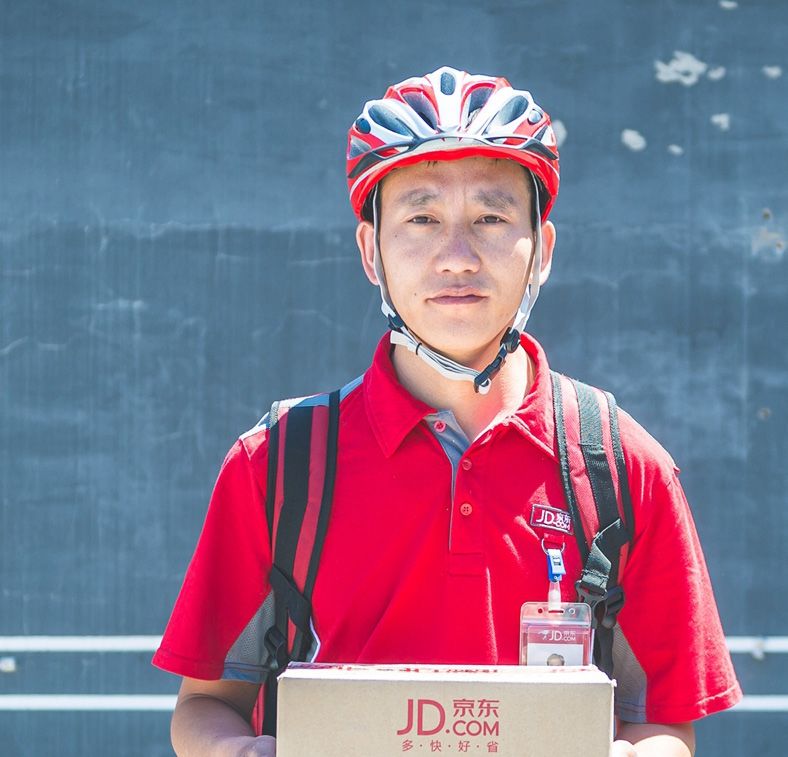
INNOVATIONS                                                                                                                        Aldi

             RETAILERS RESPOND
             TO CORONAVIRUS                                                                                                             SUPERMARKET INSTALLS TRAFFIC-LIGHT SYSTEM
                                                                                                                                        FOR SOCIAL DISTANCING

             THROUGH INNOVATION                                                                                                        Supermarket chain Aldi recently launched an ‘automated
                                                                                                                                       traffic light system’ across its UK stores to ensure that
                                                                                                                                                                                                      Takeaway: As lockdown measures are gradually eased
                                                                                                                                                                                                      across the world, supermarkets need to plan how to
              Justin Sablich, Editor,                                                                                                  social distancing measures are kept in place once the          maintain social distancing measures. While it is not known
              Springwise                                                                                                               lockdown is lifted. It will be set up at the entrance of       exactly how long measures will need to be in place, a recent
                                                                                                                                       stores, working in tandem with the outdoor queueing            survey found that a large number of Brits (32%) expect
                                                                                                                                       system. Depending on the size and layout of the store,         social distancing to remain in place until 2021. Having an
                                                                                                                                       each one will have a specific number of customers it can       automated system that can track the number of customers
                                                                                                                                       allow in at a time to enable a two-metre distance.             who can safely be in a store appears to be an accurate and
                                                                                                                                                                                                      effective way to ensure the protection of both shoppers
                                                                                                                                                                                                      and employees.
                                                                                                                                                                                                      Find out more

                                                                                                                                       Photo source Alex Holyoake on Unsplash

Photo by Nikita Kachanovsky on Unsplash
                                                                                                                                        PERSONAL-SHOPPING APPOINTMENTS, HELD
                                                                                                                                        AFTER-HOURS OR VIA VIDEO

   T
               he ‘Great Lockdown’ has led to unprecedented change at a dizzying pace, and we have been wanting to know how our
               global innovation community has been dealing with it. So we reached out to these business leaders and entrepreneurs     Selfridges’s popular personal-shopping services are            Takeaway: While many, like Selfridges, have increased their
               to gather some key insights.                                                                                            evolving to ensure social distancing. The retailer has         online sales during lockdown, this has not replaced the losses
                                                                                                                                       arranged to hold personal-shopping appointments for            from the closure of bricks-and-mortar stores. The future
           A recently conducted survey, in partnership with Re_Set, revealed that most are keenly aware of this moment’s
                                                                                                                                       fashion and beauty via video calls or after-hours in stores,   stability of the retail industry depends on being able to
   weight – recognising the importance of innovation and the ability to embrace major change as ways forward. But many are
                                                                                                                                       with social-distancing rules observed. With customer           convince customers that it is safe to come back to the stores.
   unsure of how exactly to proceed.
                                                                                                                                       numbers limited, shoppers will need to wait in line to enter   But enacting safety measures is only a part of this. Customers
   Among the key findings, 79% agreed that their organisation has never experienced such disruption as they are facing now, and 16%    the store, but they can expect to be entertained by live       must also be convinced that there is enough value in shopping
   went as far as saying that most companies in their industry are fighting for survival. The retail industry was also among the top   entertainers and DJs while they queue.                         in-person while social-distancing measures are in place.
   sectors cited as facing the greatest amount of disruption.                                                                                                                                         Selfridges is paving the way with its enhanced offerings.
                                                                                                                                                                                                      Find out more
   At the same time, 78% believe that this could be an extraordinary opportunity – if approached correctly. Another 36%
   admitted that they know their organisation has to reset, but are not sure how.
   The following innovations continue to demonstrate that creative and bold solutions do exist in response to the coronavirus
   pandemic, and we are sure to see many more emerge over the coming weeks and months.

                                                                                                                                                                                                                                                                Issue 06 | 17
Photo source instagram/olivier_rousteing                                                                                             Photo source Surreal Design Studio

                                                                                                                                         SANITISING TUNNELS AND BOOTHS COULD HELP
                                                                                                                                         RETAILERS RE-OPEN SAFELY
        FRENCH FASHION HOUSE OFFERS IMMERSIVE
        EXPERIENCE IN NEW DIGITAL SHOWROOM                                                                                               The Mumbai-based retail décor firm Surreal Design Studio     Takeaway: The ability to ensure that individuals have been
                                                                                                                                         has created sanitising tunnels and booths that can be used   sanitised before entering a public space with high human
                                                                                                                                         at the entrance of high-density public hotspots. These       traffic could be a step towards neutralising the impact of
       The French fashion house Balmain is now offering                 Takeaway: Since Olivier Rousteing became Artistic                walk-in systems provide individuals with a touch-free        the COVID-19 pandemic. These systems created by Surreal
       customers an immersive and futuristic experience with            Director of Balmain, he has been constantly innovating           experience and can sanitise them within a five-second        Design Studio also have the added bonus of using a liquid
       a digital showroom that will unveil its upcoming cruise          through his collections and his communication methods.           timeframe. They are fitted with an integrated supply and     disinfectant that is 100% safe for human consumption,
       collection. The showroom features virtual muses and giant        This fresh approach to unveiling a new collection comes at       drainage system to ensure no spillage or maintenance         meaning there are no short- or long-term effects.
       projectors, with a 3D avatar of Olivier Rousteing, the brand’s   an opportune time, as many restrictions are still placed on      issues. With social-distancing measures in place, the        Find out more
       Artistic Director, acting as a host and guide for customers      big public events. Launching a collection virtually allows       tunnels allow for approximately 750 walk-ins per hour.
       during their shopping experience.                                the brand to create a hype around the collection, and
                                                                        at the same time show customers that it cares for their
                                                                        health and safety.
                                                                        Find out more

                                                                                                                                          Photo source Lush

     Photo source PRNewsfoto/Meitu

                                                                                                                                         30-SECOND SOAP MADE TO LAST JUST LONG ENOUGH
                                                                                                                                         TO BE EFFECTIVE AGAINST COVID-19
        AR-POWERED TOOL SUPPORTS COSMETIC COMPANIES
        DURING COVID-19                                                                                                                  The beauty company Lush has developed a tiny bar of          Takeaway: By teaming up with Deliveroo, Lush is able to
                                                                                                                                         soap that lasts for just 30 seconds. The World Health        get its soap into more hands. In the UAE, three out of four
                                                                                                                                         Organization advises that one of the best ways to prevent    people order a takeaway or have food delivered at least
                                                                                                                                         catching COVID-19 is to wash your hands frequently,          once a week. The partnership provides a way for Lush to
       The Chinese beauty tech company Meitu has launched               Takeaway: The COVID-19 pandemic has forced most people
                                                                                                                                         and for no less than 30 seconds at a time. The soap was      reach potential customers in their own homes, and for
       a free augmented reality (AR) make-up trial system to            to isolate at home, removing the need for make-up and
                                                                                                                                         developed in partnership with Deliveroo UAE, which plans     Deliveroo to have its brand associated with safety. With
       help cosmetics companies overcome difficulties caused            also hindering the ability to physically trial products before
                                                                                                                                         to distribute the bars with each of its deliveries.          the growth of the food delivery industry, this type of
       by COVID-19. The Cosmetic Promotion Assistant system             making a purchase. With the AR tool, Meitu is giving
                                                                                                                                                                                                      partnership is likely to become more common. Lush and
       employs MeituGenius’ AR colour trial technology, designed        consumers the ability to correctly find their shade matches
                                                                                                                                                                                                      Deliveroo plan to expand the provision of the soap to other
       for HTML5. The tool features a fast and user-friendly            and colour suitability online, which could help recover some
                                                                                                                                                                                                      locations.
       program that generates virtual make-up effects in just           make-up sales during this period.
                                                                                                                                                                                                      Find out more
       a minute, with over 20 styles and effects to trial. It can       Find out more
       also make recommendations based on the user’s facial
       features.
                                                                                                                                         Every day, powered by its global community of innovators, Springwise spots and analyses the latest innovations that
                                                                                                                                         promote positive and sustainable change from around the globe. For further information and to sign up to Springwise
                                                                                                                                                            visit www.springwise.com/newsletter or email them at info@springwise.com.

18 | Issue 06                                                                                                                                                                                                                                                  Issue 06 | 19
RETAIL INTERVIEWS
X5 is Russia’s largest food retailer operating in one of the most competitive markets which was seeing a shift towards online
grocery shopping before the crisis began. The executive team led by CEO Igor Shekhterman restructured the way the company
operated to move faster and to embrace start-ups to help radically change direction and bring in new skills and services. As
Director of Strategy, Vladimir Salakhutdinov, describes in this interview how the timing ahead of the pandemic couldn’t have been
better and has helped drive its ability to meet the challenge.
WATCH THE INTERVIEW
Hani Weiss is the CEO of Majid Al Futtaim Retail which operates in 31 countries across the Middle East, Africa and Asia and is
headquartered in Dubai. It retails under the Carrefour banner in those markets, all of which have faced the problems caused by
COVID-19.
To understand in more detail how major retailers have been meeting the challenge of COVID-19 In this interview, Hani talks about how the company had to cope with the global spread from its markets in Asia then through to
the Middle East and Africa, how it affected its consumers and what the group has done to change and act quickly.
around the world, the World Retail Congress has been interviewing senior executives over the
last couple of months. We are pleased to include in this latest issue, the largest retailer in
Russia and one of the biggest operators in the Middle East, in conversation with Ian McGarrigle,
Chairman of the World Retail Congress.
WATCH THE INTERVIEW
20 | Issue 06 Issue 06 | 21ASIA | CHINA
By Ella Kidron, JD.com
F
rom 1-18 June, China’s largest retailer, JD.com, The most popular imported categories across the platform
held its annual 618 Grand Promotion. ‘618’ gets include electric shavers, luxury products, building blocks for
its name from JD’s founding anniversary date, children, music and entertainment, and coffee machines.
18 June. 618 originally started as a celebration of Best-selling brands include Apple, Sony, Siemens, Philips
BREAKING RECORDS AS CHINA JD’s birthday, and now in its 17th year it has become the
largest mid-year shopping festival, celebrated by online
players across China, including Alibaba, Pinduoduo and
Suning, as well as offline stores. JD’s transaction volume
and Panasonic. The proportion of imported products
purchases made by female users is 21.2% higher than that
of the platform overall, while the average age of buyers of
imported products is three years lower than the platform
GOES SHOPPING this year of RMB269.2bn (up more than 33.6% year-on-
year) is larger than that of both Black Friday and Cyber
Monday 2019 combined. But only looking at the number at
average. Top countries for imported brands include the US,
Japan, Germany, the Netherlands and Italy.
On 18 June, sales of JD Worldwide, JD’s platform for imported
face value is not nearly enough. Behind it is a much bigger
products, increased more than 110% year-on-year. Sales of
story. As the first major shopping event in the midst of
imported beauty products and pet products both increased
the global COVID-19 pandemic, JD’s 618 performance has
over 400% year-on-year. Best-selling brands include Estée
demonstrated the resilience of the Chinese economy and
Lauder, A2, Aptamil, Swisse and Nintendo.
the opportunity that remains for international brands,
even under uncertainty. During the ongoing pandemic globally, overseas consumers
have also turned to JD’s outbound ecommerce platform for
From the beginning of the epidemic, JD has played a key
supply of daily necessities. JD Global Sales, which runs the
role in ensuring livelihoods and supporting the economy.
outbound business, witnessed 271% growth in transaction
COVID-19 has turned aspects of the food supply chain on
volume during the 18-day campaign.
their heads, especially in terms of grocery shopping in
bricks-and-mortar stores. From 20 January to 28 February, LIVESTREAMING SURPASSES EXPECTATIONS
the company delivered 220 million products, including
290,000 tons of rice, grains, meat and vegetables, to its Livestreaming, which became a phenomenon early on in
consumers. Many consumers, including those who were the COVID-19 outbreak, served as a key new focus area
more accustomed to shopping for their groceries offline, for JD during this year’s 618 and we hosted over 300,000
turned to JD during COVID-19 and have continued to do so. livestreaming sessions. Sales of 31 brands’ livestreaming
From 1-18 June, fresh food sold online and offline increased rooms surpassed RMB100m and sales of 167 brands’
100% year-on-year. Sales of over 1,000 fresh produce livestreaming rooms surpassed RMB10m. JD’s partnership
brands increased 100% year-on-year. with popular short-video platform Kuaishou, announced
just before the Grand Promotion, officially kicked off on 16
The epidemic also helped drive people to embrace internet June. On the day, sales generated from livestreamings on
hospitals. From late January, when it first launched free the Kuaishou platform reached RMB1.4bn. The partnership
online medical consultation, to 18 June, JD Health carried is a good example of how JD can leverage its supply chain
out nearly 16 million medical consultations. capabilities to provide partners with top-notch products
and services.
WORKING WITH INTERNATIONAL BRANDS
LOWER-TIER CITIES POWER NEW GROWTH
The sudden outbreak of the epidemic at the beginning of
The lower-tier cities remain a key source of new user
the year has put significant pressure on brands around
growth. During 618, over 71% of new users came from
the world. JD Retail CEO, Lei Xu, shared in an interview
lower-tier cities.
with Bloomberg that whether looking at domestic or
imported brands, 618 is an even more important sales Based on data during 618, lower-tier city consumers on
opportunity, and as a result the participation by brands JD trend younger, with the average age being 32.8 years
this year has been even more enthusiastic. During this 618, old, and roughly 55% are female. These consumers also
the transaction volume of 187 brands, international and make up 61.5% of the group that pays attention to big
domestic, surpassed RMB100m. promotions, and roughly 82% of the group that pays
attention to customer reviews.
JD delivery man
Issue 06 | 23Cloud Warehouse
High-quality consumption in lower-tier markets doesn’t putting three additional Asia No.1 logistics parks into
seem to be going away any time soon. During 618, the operation just before 618, JD now has a total of 28 of these
number of ice-cream makers sold increased a whopping parks.
2,500% year-on-year. Transaction volume of renovation
JD’s external logistics business saw increasing demand
and design-related products increased 716% year-on-
during 618, a testament to the success of the company’s
year. The number of milk frothers sold increased nearly
strategy to open up its resources to partners in and outside
700% year-on-year, and the number of gaming tables
of the JD ecosystem. Revenue increased 80% year-on-year.
and air fryers sold both increased 376% year-on-year.
JD’s parcel delivery service, bulky supply chain, service+
According to Fei Lu, Senior Data Analyst at JD’s Big Data
and cold chain warehouse outbound inventory increased
Research Institute, water is one of the products where
311, 230, 309 and 110% respectively.
consumers in lower-tier cities prefer more premium brands
when compared with their first- and second-tier city This 18 June, in its continuous focus on sustainable
counterparts. For example, lower-tier city consumers have development, JD built the first demonstrative park for trash
a preference for Evian over more common water brands. sorting in JD’s Asia No.1 logistics park in Beijing. In total,
during the 618 Grand Promotion, JD Logistics prevented
CONSUMER INSIGHT DRIVES NEW PRODUCTS
42,000 tons of delivery waste via a recyclable packaging
A few years ago, JD was an early mover in launching its
programme, using slimmer tape and going paperless.
consumer-to-manufacturer (C2M) initiative. The goal
was to help brands and manufacturers better understand OMNICHANNEL INTEGRATION TECHNOLOGY SUPPORTS SERVICE
consumer preferences and use consumer insights to drive As omnichannel becomes a force to be reckoned with As JD is undergoing its transformation to a supply-chain-
product creation. It turns out that only 12% of consumers under the strain of COVID-19 around the world, the based technology and services provider, opening up
know what C2M is, but it doesn’t matter. Separately, nearly integration of online and offline deepened during this technology to parties beyond JD remains a focus. During
90% of consumers are satisfied or highly satisfied with year’s 618. Based on JD’s data, offline stores achieved 618, JD’s technology ensured comprehensive, steady and
C2M products, indicating the value of this initiative not record high sales: 12,000 home appliance stores secure support to guarantee another record-breaking
just for manufacturers and consumers but all beneficiaries simultaneously did livestreaming on JD, achieving a sales promotion – 90% of customer service enquiries were
in the supply chain. This year’s 618 data also reflects this. 240% growth in total transaction volume year-on-year. handled by JD’s AI-powered smart customer service, and AI
The average daily sales of a smart TV, a C2M product by Transaction volume based on livestreaming grew by 230% customer services responded over 380 million times.
JD and Huawei, grew more than five times during the 618 compared with the same period in the previous month.
campaign, compared with the number during its launch GOING FORWARD
More than 250 computer and digital product stores joined
period. A C2M refrigerator, between JD and Midea, saw an COVID-19 has certainly accelerated the adoption of
the 618 campaign.
almost four-fold growth in average daily sales, compared ecommerce, not just in China but globally. At the same
with May. JD’s Omnichannel Fulfilment programme was also a time, considerable uncertainty remains about how long
bright spot of this year’s 618. During 618, sales through the epidemic will persist. In response to a question about
EXPANDING LOGISTICS TO MEET DEMAND the programme grew 30 times compared with the same whether JD had “benefited from the epidemic”, JD Retail
On 8 June, JD Logistics announced the upgrade of its period in April, and more customers are now able to enjoy CEO, Lei Xu, said that while it may seem, by looking at
lower-tier markets programme to provide a 24-hour the one-hour delivery service. JD’s Life Services business, sales, like JD has benefited in the short term, owing to
delivery service in over 1,000 counties and tens of which offers consumers the chance to buy many services its leadership in digitalisation, supply chain, category
thousands of townships in China, in order to provide a online and enjoy them offline, also was in demand during advantages, etc., the pandemic has impacted the supply
superior experience for local customers. JD Logistics will the period: 80% of online tire buyers chose the in-store chain globally and locally. He said: “There isn’t a single
either expand or newly construct 13 local warehouses and instalment service. JD also saw nine times growth in sales company that won’t be impacted by the epidemic.” More
transfer centres. The new infrastructure will focus on of travel and daily life services. Orders for door-to-door than being a ‘big sale’, this year’s 618 demonstrates the
second- to fifth-tier cities. In addition to being technology- laundry services grew 150 times compared with the same importance of building long-term trust with customers,
driven, it will operate more Asia No.1 highly automated period last year. partners and society at large.
logistics parks, which traditionally have mainly focused
on first- and second-tier cities, in lower-tier cities. After
Ella Kidron, Global
Corporate Affairs, JD.com
24 | Issue 06 Issue 06 | 25ASIA | INDIA
I
ndia and Indian retail markets are going through
By B.S. Nagesh, Shoppers Stop Limited turmoil. State after State are forming new rules,
week after week in a knee-jerk reaction based on the
previous weeks’ COVID-19 results. People have become
restless and every easing of the rules is bringing out the
true nature of people. People are not following social
UNCERTAINTY, HOPE AND
norms with many not wearing masks and as a result, we
are seeing a surge in infections which lead to new rules
and restrictions being enforced.
Based on the current rules, stores and malls are open
RESILIENCE IS THE ONLY in certain states and closed in many others. More than
50% of the malls are still closed and even where they are
open, there are weekend restrictions. Retailers are making
WAY FORWARD
many different versions of business plans and recasting
them based on the new rules leading to uncertainty and
frustrations.
Since selling via ecommerce and deliveries are allowed,
there has been a migration of customers shopping offline
and moving to online business. Customers are becoming
used to digital platforms and shopping behaviours are
changing. India is full of start-ups and new technologies
are being introduced very frequently. Delivery jobs are the
only blue collared jobs growing with everything from food
to hardware being delivered to homes at the click of a
button. Customers are getting used to digital payments,
are becoming familiar with money in the digital wallet and
all employees are getting used to webinars and working
from home. If offline bricks- and-mortar retail does
not open in the next few months, retail will see a large
migration from offline to online.
Even in the stores which have been open for the last few
weeks, the number of customers has been quite low,
and the business is around -67% which is similar to the
previous fortnight results. Please click here to view the
survey results
Retailers have two options, one to pray to the Almighty
and seek help, and the second is to put all their effort into
setting up their business online in alignment with many
start-ups or established marketplaces. The time has come
to not only think of cutting costs but also start looking at
how to bring customers back to the brand whether online
or offline.
AyushDas / Shutterstock.com
So, take action and start changing course - the Next
Normal will not be the New Normal.
B.S.Nagesh, Founder,
TRRAIN
Non- Executive Chairman,
Shoppers Stop Limited
ABIR ROY BARMAN / Shutterstock.com
Issue 06 | 27R
ecent weeks have marked a new phase in Saudi brands, specifically in watches, as well as all automotive
MIDDLE EAST | SAUDI ARABIA Arabia. The curfew was completely lifted in a
challenging test for everyone to comply with
the safety precautions of social distancing,
retailers, managed to achieve their annual targets in the
weeks following the announcement. Some international
furniture brands had their stores closed because of the
By Muwaffaq M Jamal mask-wearing, and closed international borders. As the full excessive number of visitors. This is not to mention the
country was under complete curfew during the Eid holiday, pressure that built up again on delivery services.
the first phase was critical in ensuring that any passing on
With unprecedented retail sales taking place, it is natural
of the virus was limited.
to expect a significant slowdown after 1 July. That is also
As of 29 June, the total number of coronavirus cases very much anticipated as it follows the Ramadan and Eid
reached 190,823, with 130,766 recovery cases and 1,649 periods, which are always a slow time for retail.
deaths. Active cases stand at 58,408. Of these, 2,278 cases
SALES BOOM TO
Similarly, the travel sector is witnessing unprecedented
are critical and are in intensive care units. The daily rate of
local travel activities. All the west coast cities are
new cases rose to a little over 4,000 because of the lifting
remarkably busy with visitors from all corners of the
of the complete curfew, while the daily rate of recovery
country. That is driven by the closed borders, which has
BEAT VAT RISE
cases rose to an average of 3,500.
forced people to take their vacations close to the seaside or
Public offices are fully operational, though high-traffic in resorts in the mountains, both of which are on the west
places such as legal courts are reverting to online services coast. This is also expected to grow retail on this coast.
and managing crowds strictly. The same is taking place in The General Authority for Tourism and National Heritage is
the private sector, where employees have not completely focusing its efforts to grow tourism activities on the west
returned, with approximately 40% of the workforce still coast by launching the Summer Season there.
working remotely from home. Some public and private
Leading into Hajj, the authorities announced a limited
sector offices had to close for an average of one day when
number of pilgrims to be allowed to travel this year. That
cases surfaced among their employees.
will take place during the period from 29 July to 13 August.
Retail performance, on the other hand, has been Usually, the number of people who fly into the Kingdom
outstanding. The authorities announced an increase to VAT to perform Hajj is around 1.8 million, and another 0.7
from 1 July, from 5% to 15%. This drove people wild all over million people travel from within the Kingdom, making
the country and retail outlets were swamped with influxes the total an average of 2.5-3 million people. With the
of customers buying non-food items in order to save on current circumstances, the numbers that are expected
the impending 10% VAT rise. In only one week, purchases to be allowed are not going to be exceeding the low tens
through car dealerships increased 26%. Some luxury of thousands. Some procedures were announced for
those who are interested in performing Hajj, such as only
allowing those below the age of 65, social distancing and,
most importantly, being quarantined for two weeks after
the pilgrimage. (The number of people allowed has not yet
been announced.) This will for sure have a major impact
on the commercial benefit of Hajj in Makkah and Madinah,
specifically on the hospitality sector, not to mention the
impact on the retail sector.
The outlook for the retail sector in Saudi is positive, as
the recent abnormal growth in retail sales driven by the
imminent VAT rate increase has shown, but this will slow
over the next three months due to summer.
Muwaffaq M Jamal
Managing Partner,
Retail & Marketing
Consultancy Group and
former CEO, Panda Retail
Group
Volodymyr Dvornyk / Shutterstock.com
Photo by Sulthan Auliya on Unsplash
Issue 06 | 29You can also read


