What Price Cheap Goods? - Survivalists, informalists and competition in the township retail grocery trade - Centre of Excellence in Food ...
←
→
Page content transcription
If your browser does not render page correctly, please read the page content below
What Price
                         Cheap Goods?
                         Survivalists, informalists and
                         competition in the township
                         retail grocery trade

                         Leif Petersen, Camilla Thorogood, Andrew

                         Charman, Andries du Toit

                         WORKING PAPER 59
                         AUGUST 2019

Institute for Poverty, Land and Agrarian Studies
Faculty of Economic and Management Sciences
University of the Western Cape
Private Bag X17
Bellville 7535

Tel: +27-(0)21-9593733    Fax: +27(0)21-9593732
Website: www.plaas.org.za Email: info@plaas.org.za
Twitter: @PLAASuwc        Facebook: www.facebook.com/PLAASuwc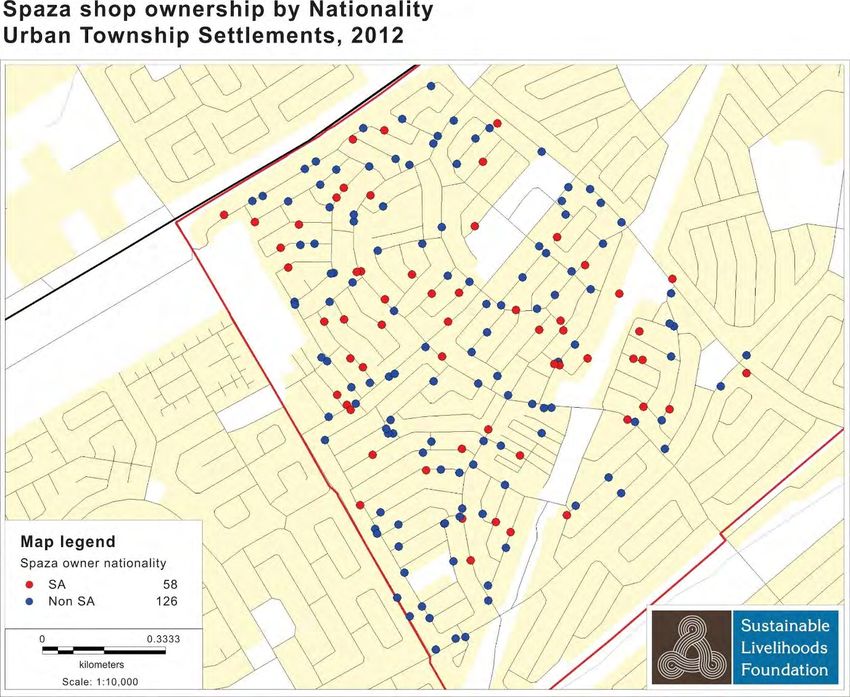
PLAAS Working Paper 59: What Price

Cheap Goods? Survivalists, informalists and competition in

the township retail grocery trade

The PLAAS Working Paper Series is designed to share work in progress.

Please send any suggestions or comments to the lead author at

leif.petersen@livelihoods.org.za.

©Institute for Poverty, Land and Agrarian Studies, University of the Western

Cape, August 2019.

Authors: Leif Petersen, Camilla Thorogood, Andrew Charman, Andries du Toit

Copy Editor: Ursula Arends

Layout: Esté Beerwinkel

Cite as: Petersen, L., Thorogood, C., Charman, A., and Du Toit, A. 2019. “What Price
Cheap Goods? Survivalists, informalists and competition in the township retail
grocery trade.” Working Paper No. 59. Institute for Poverty, Land and Agrarian
Studies, University of the Western Cape, Bellville, South Africa.
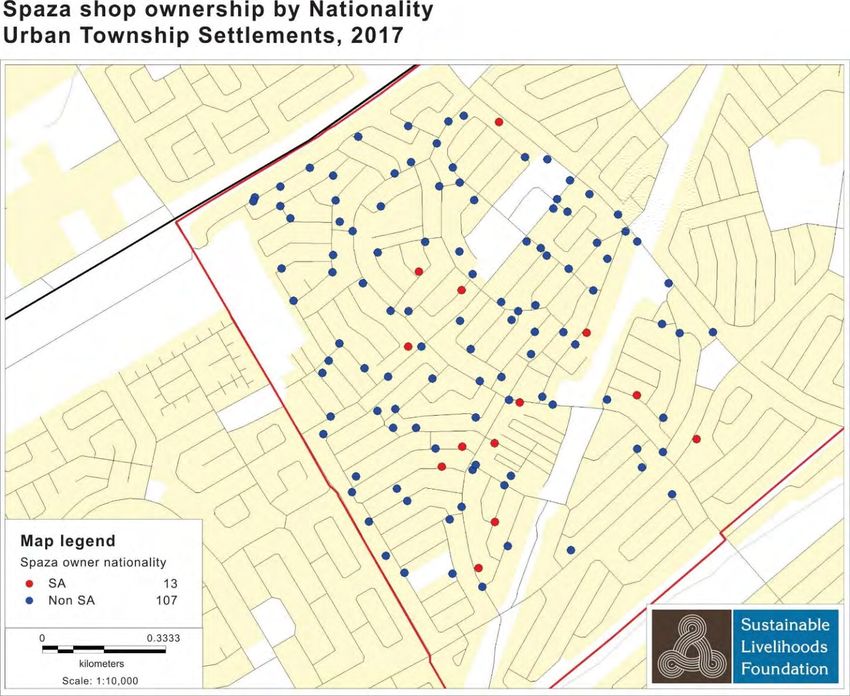
TABLE OF CONTENTS
LIST OF MAPS                                                4

LIST OF TABLES                                              4

LIST OF PLATES                                              5

ACRONYMS AND ABBREVIATIONS                                  6

GLOSSARY                                                    6

EXECUTIVE SUMMARY                                           9

ACKNOWLEDGEMENTS                                            15

1. INTRODUCTION                                             16

2. BACKGROUND                                               17

3. METHODOLOGY                                              26

4. FINDINGS                                                 30

5. CONCLUSION: SURVIVALISTS, INFORMALISTS AND COMPETITION

  IN THE RETAIL GROCERY TRADE                               57

6. REFERENCES                                               63

ANNEXURE I: FIELDWORK QUESTIONNAIRE                         67
WORKING PAPER #59 ǀ 4

List of maps
Map 1:      Delft South with relative distribution of foreign- and South African-owned            22
            spaza shops, 2011
Map 2:      Delft South with relative distribution of foreign- and South African-owned            22
            spaza shops, 2015
Map 3:      South African township research sites for informal economy grocery study             28
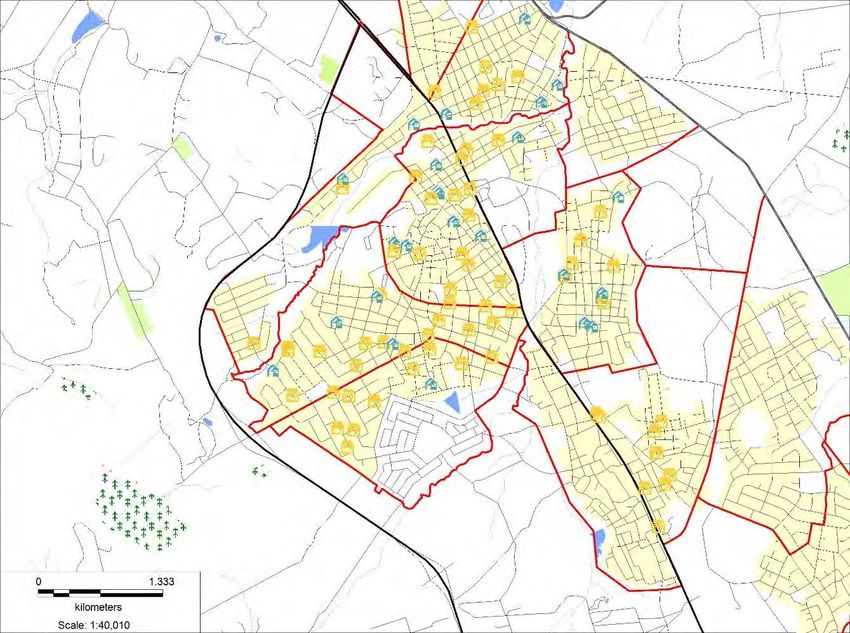
Map 4:      Peri-urban area (North West Province) showing distribution of house shops             31
            and spaza shops in May 2017
Map 5:      Spaza shop operations by nationality: Urban Cape Town, Western Cape, 2017             32
Map 6:      Spaza shop population, relative distribution and ownership status, urban              33
            township, Gauteng, 2012
Map 7:      Spaza shop population, relative distribution and ownership status, urban             34
            township, Gauteng, 2017
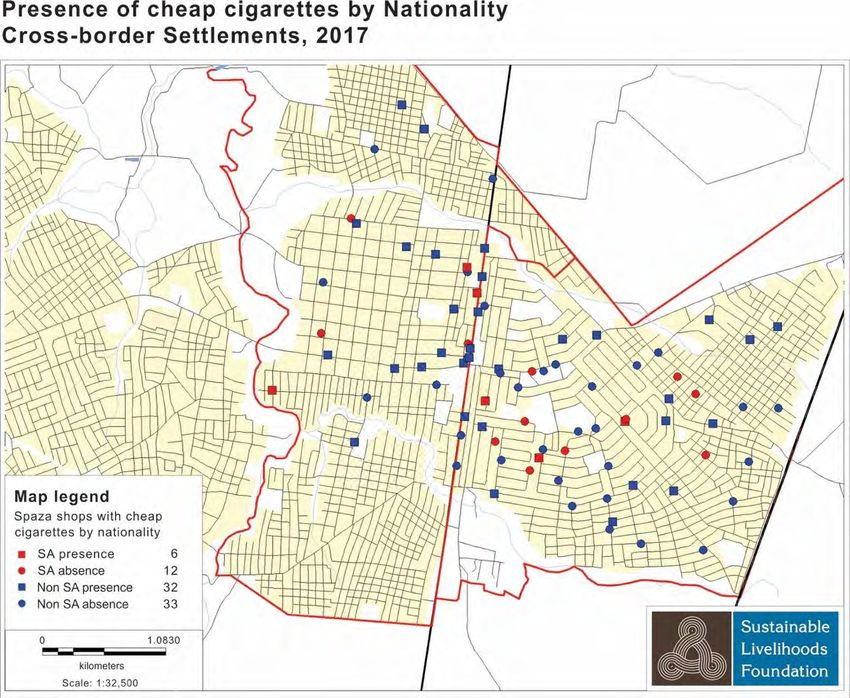
Map 8:      Presence or absence of cheap cigarettes in spaza shops by nationality of             50
            operations, Mpumalanga, 2017

List of tables
Table 1:    Research sites for informal grocery market competitiveness study                      27
Table 2:    Summary table of total informal retail grocery retailers located by type             29
Table 3:    Spaza shop ownership by province and nationality                                      32
Table 4:    Changes in spaza outlet numbers in four sites over time                               35
Table 5:    Spaza outlets that employ one person or more, by nationality, and the                 37
            number of South African jobs they create
Table 6:    Aggregated findings of operating hours in spaza shops (South African and             38
            non-South African outlets)
Table 7:    Aggregated survey data of products purchased in South African and non-               38
            South African spaza shops and their prices
Table 8:    Aggregated survey data of profits for South African and foreign-national              39
            spaza shops (South African N = 102 / foreign national N = 189)
Table 9:    Researchers’ systematic observations of legal/extra-legal/illegal business           42
            tactics used by survivalist and informalist outlets for competitive gain in the
            spaza sector
Table 10:   Evidence of under-priced cigarettes (actual purchases from spaza shops at            48
            R1.00 or less), by nationality
Table 11:   Research sites for the purchase and study of counterfeit items                        51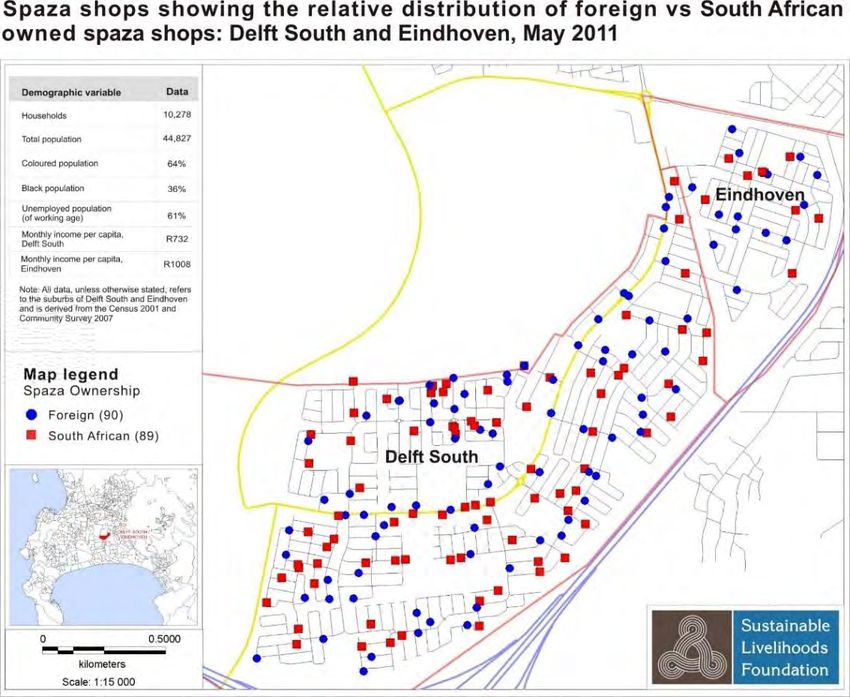
WORKING PAPER #59 ǀ 5

Table 12:   Incidence of likely counterfeit goods in relation to research area                    52
Table 13:   Item type, brand and percentage incidence of fraudulence within informal              52
            retail grocery outlets
Table 14:   Survivalist and informalist spaza outlets and retailing of counterfeit grocery        53
            items
Table 15:   New Pick n Pay and Shoprite supermarkets as listed in the Cape Peninsula              56
            Telkom White Pages Telephone Directory 2017 (unlisted in 2012)

List of plates
Plate 1:    A stand-alone, signposted township spaza shop in a Cape Town township,                18
            with researchers’ bicycles
Plate 2:    A range of under-priced cigarette boxes sampled from spaza shops across              49
            South Africa
Plate 3:    Commonly purchased counterfeit example 1: Razor blades                                54
Plate 4:    Commonly purchased counterfeit goods example 2: Matches                               54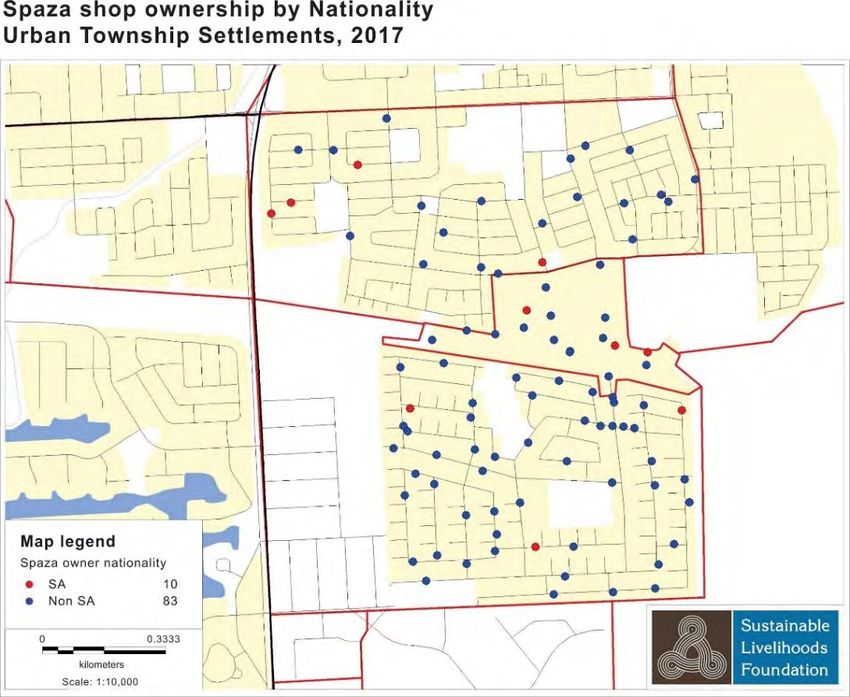
WORKING PAPER #59 ǀ 6

ACRONYMS & ABBREVIATIONS
B-BBEE                 Broad-Based Black Economic Empowerment

BCEA                   Basic Conditions of Employment Act

BEE                    Black Economic Empowerment

SLF                    Sustainable Livelihoods Foundation

StatsSA                Statistics South Africa

GLOSSARY

Business fronting      A deliberate or attempted circumvention of the B-BBEE Act.

                       The movement of microenterprises in, and out of, business over
Churning               time.

                       An enclosed, rectangular-shaped, metal structure for storing cargo
                       on ships, adapted for use as business premises for a range of
Container
                       microenterprises, including spaza shops.

                       In this context, an economic survivalist microenterprise would
                       generate enough income to sustain the owner, but not enough to
                       facilitate processes of business growth beyond the minimum, which
Economic survivalist
                       would include undertaking bulk buying, investing in business
                       premises or the medium- to long-term saving of income.

                       An account of social identity that sees it not as socially constructed
                       but as reflecting innate differences, e.g. between races or ethnic
Essentialism
                       groups.

                       Physical, social and economic access by individuals and households
                       to sufficient, safe and nutritious food that meets their dietary needs
Food security
                       and food preferences for an active and healthy life.

                       A small-scale retail grocery outlet with a limited product range
House shop             operating from within residential premises (see also spaza shop).

                       Those business environments in which informal enterprises and
                       individual operators predominate, both spatially (geographically)
                       and within the value chain of the production and distribution of
                       goods or services. It comprises economic activities that are
Informal economy
                       unregulated and unrecorded for taxation purposes. It includes both
                       enterprises (including self-employment) and undocumented
                       employees. Informal economic activities can include licit and illicit
                       products and services.
WORKING PAPER #59 ǀ 7

                       Statistics South Africa (StatsSA) considers informal enterprises to be
                       “[t]hose businesses that are not registered in any way. They are
                       generally small in nature, and are seldom run from business
Informal enterprise
                       premises. Instead, they are generally run from homes, street
                       pavements and other informal arrangements”.

                       The term is used to refer to marginalised, informal enterprises,
                       operating within the informal economy. For ‘informal economy’ see
Informal sector
                       above.

                       A business operator who capitalises on the terms and nature of
                       informality in order to gain competitive advantage over formal
Informalist            and/or informal business rivals in a strategy to maximise financial
                       profits.

                       In the National Small Business Act (1996 and 2003 amendment), a
                       microenterprise in the wholesale trade sector and catering and
                       accommodation sector has fewer than five full-time employees, a
Microenterprise
                       turnover below R0.2 million and total gross assets valued at less
                       than R0.1 million.

                       A location adjoining an urban area; between the suburbs and the
Peri-urban             countryside.

                       A competitive state where (in reference to this study) a company
                       attempts to undercut the competition’s prices by sacrificing quality
‘Race to the bottom’   standards or worker safety, defying regulations, or paying low
                       wages.

                       In cultural anthropology, this refers to the non-market exchange of
                       goods or labour ranging from direct barter (immediate exchange) to
Reciprocal exchange    forms of gift exchange where a return is eventually expected
                       (delayed exchange).

                       Workplace and employer practices to avoid workplace laws and
                       other statutory obligations, which undermine the coverage and
Regulatory avoidance   effectiveness of regulations established to maintain minimum labour
                       standards.

                       Where a microenterprise is unable to meet the necessary criteria for
                       falling within the regulatory fold. Involuntary exclusion comes
                       about when the business breaks the law through its very existence –
Regulatory exclusion   e.g. in a township or operating without certain licences or permits,
                       and that it cannot ever fall within the ambit of the law, or that doing
                       so will require considerable bureaucratic, legal or financial efforts.

                       The countryside, especially areas of predominant agricultural
Rural                  production.

                       A small, crudely built cabin; colloquially known as a ‘shanty’ or
Shack                  ‘bungalow’.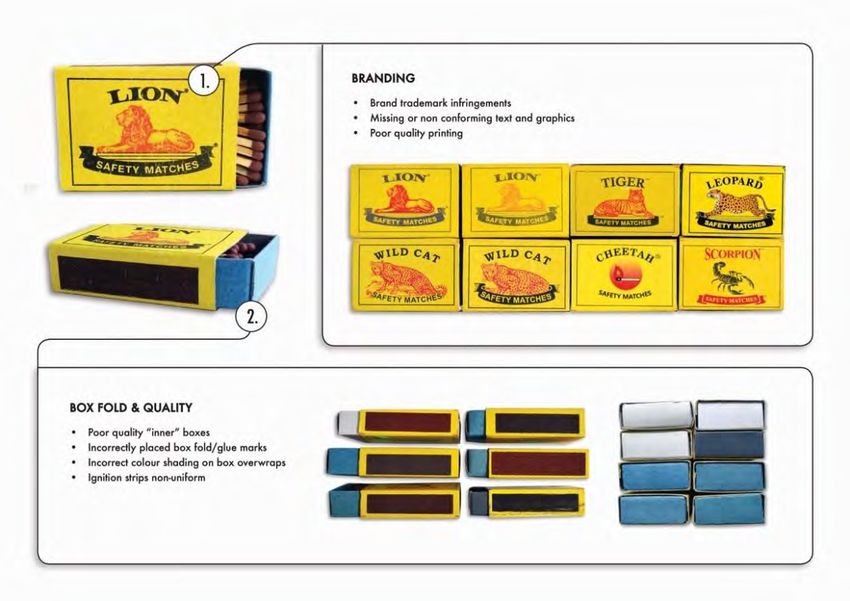
WORKING PAPER #59 ǀ 8

                  This is the individual who owns and runs the spaza shop. Commonly
                  shop employees are incorrectly referred to as shopkeepers.
Shopkeeper
                  Employees are, however, shop assistants.

                  A general retailer of household goods within a township context. For
                  the purposes of this study, a spaza shop enterprise has the following
                  features:
              •   situated in a stand-alone and dedicated structure/space (not
                  operating from a room primarily used as private residence);
Spaza shop    •   has a sign advertising the business;
              •   has at least one glass-door (commercial) fridge;
              •   is open to retail customers for five days per week or more; and
              •   sells at least six of the following eight grocery items: maize meal,
                  rice, bread, milk, sugar, cool drinks, cigarettes, and/or cooking oil.

                  In this study, a survivalist business refers to a microenterprise, run
                  by a sole proprietor who provides a minimum livelihood for the
Survivalist       entrepreneur but generates insufficient income to allow for
                  investment into the business.

                  In South Africa, a term for racially designated urban areas, usually
                  located far from commercial or business centres, which were set
                  aside during the apartheid period for black population groups. More
Township          recently, the term has become synonymous with housing
                  developments and planned settlements for poor black South Africans
                  and includes recently established low-cost housing settlements.

                  A common name for a retail grocery outlet in the township setting.
                  In this study we have interviewed enterprises of this nature and
Tuckshop          classified them in either ‘house shop’ or ‘spaza shop’ categories as
                  per their best category fit.

                  A business that sells to retailers who in turn on-sell to consumers.
                  These enterprises can be formal or informal businesses. The
Wholesaler        category includes independent operators as well as corporate and
                  multinational businesses.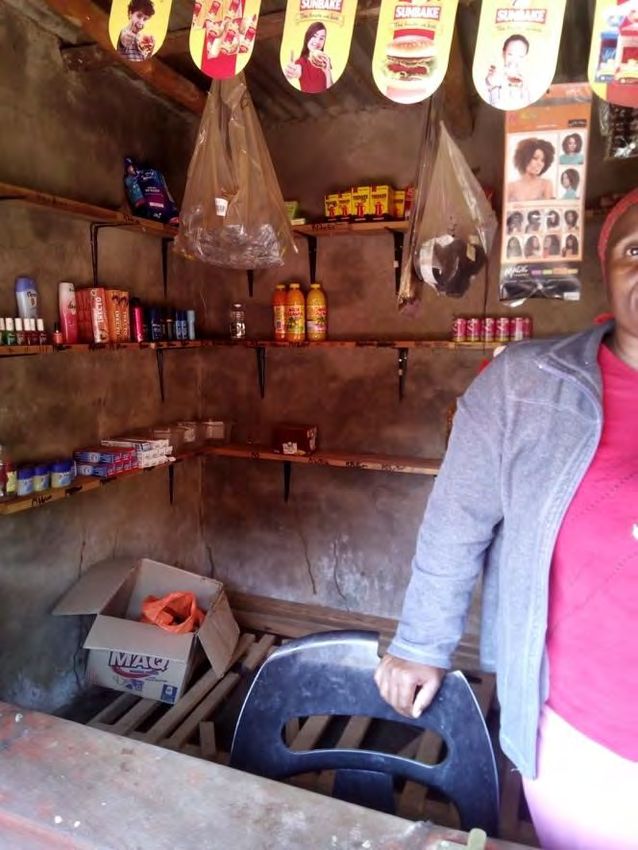
WORKING PAPER #59 ǀ 9

EXECUTIVE SUMMARY

About 54% of South Africa’s township microenterprises trade in food or drink. More
than two-thirds of these are grocery retail businesses in the form of spaza shops and
smaller ‘house shops’. These are the predominant businesses within the ‘township
economy’ and play an important role in food security, self-employment and community
cohesion. In the last decade, the business of spaza shops (dedicated, signposted
businesses with a range of foodstuffs and open five days per week or more) has
undergone extensive change towards a new class of entrepreneurial traders – mostly
foreign nationals. This change has meant that the sector has become increasingly
controversial and associated with chauvinistic and xenophobic discourses targeting
immigrants. While the nature, causes and extent of change in informal grocery retail
markets have been noted by various authors over the past decade, there is as yet no
comprehensive account of the changing nature of business dynamics and
competitiveness in the sector.

Methods

Building on previous work, and to further explore the nature of changes in the sector,
from January to October 2017 the Sustainable Livelihoods Foundation NPC (SLF)
conducted a qualitative research programme in nine urban, peri-urban and rural
township settlements across all provinces of South Africa. The research included a
business census that located, mapped and interviewed over 1 100 township-based
informal retail grocery outlets in order to draw a comprehensive picture of business and
competitive dynamics in informal retail grocery markets. Simultaneously, the
researchers also purchased a range of products such as cigarettes and grocery items from
each of these outlets, and conducted extensive discussions with relevant stakeholders
in supply chains, local communities and the retail grocery sector in general.

Results
Across the research sites the researchers noted demographic trends of change in the
sector. First, overall spaza shop numbers are declining in what appears to be market
contraction. Secondly, the share of foreign ownership is increasing, with South African
microenterprises bearing the brunt of business decline. About 72% of all spaza shops in
our sample are now owned by foreign (primarily Ethiopian, Bangladeshi and Somali)
nationals. While we cannot claim that our sample is statistically representative,
we believe it is broadly indicative of changes happening across the sector.

What is behind these changes? At first glance, the findings show that on many levels –
product range, operational hours and in some cases pricing – these new spaza shops offer
a superior customer experience to South African-owned shops.

WORKING PAPER #59 ǀ 10

However, a simplistic notion that the changes are simply owing to
entrepreneurial foreign nationals outcompeting undynamic South Africans is
misleading: in fact, there is a risk that these binary narratives fuel conflict and
xenophobic violence. What we learned is far more nuanced. First, the dynamics of
change in the informal sector are not solely driven by competition between spaza
outlets, but also by supermarket and shopping mall encroachment, which has
precipitated a ‘race to the bottom’ in the township retail grocery sector. Secondly, for
both foreign-owned and South African businesses, the competitive edge that allows
them to survive in this context is increasingly not simply entrepreneurial excellence but
a significant process of value chain re-organisation, coupled with the adoption of
strategies to avoid regulation.

The South African spaza sector is increasingly being characterised by
differentiation between two kinds of businesses: on the one hand, traditional
‘survivalist’ operators, who are typically poor and South African, and who operate
informally because of structural constraints; and on the other hand an emerging
category of ‘informalist’ enterprises (comprising both foreign nationals and South
Africans) that are significantly larger and more resilient, but which have embraced
informality as a business strategy. These ‘informalist’ enterprises constitute a new
and important phenomenon in the South African township economy, partly owing
to distinctive business strategies that set them apart from the traditional spaza sector.
These business strategies concern the nature of supply chain integration, the terms of
employment and the reliance on contraband and counterfeit goods.

Supply chain integration and ownership of multiple retail outlets

Instead of ‘traditional’ independent owner-operated spaza shops, the sector
is increasingly being characterised by outlets tightly linked to wholesalers through
their supply lines. The researchers found wholesalers of this nature based adjacent to
all the township research sites in the sample. These wholesale operators (often
referred to as the spaza owner or ‘boss’) commonly serve as sponsors, employers or
business partners of the ‘shop assistants’ responsible for running downstream
spaza outlets. Supply agreements between spaza shops and wholesale outlets allow for
enhanced economies of scale in stock procurement and aggregation of orders to
spaza shops through which groceries are sold, but they also ‘lock in’ the spaza shops to
their upstream sponsors. The implications of this value-chain arrangement are that
many ‘informalist’ spaza shops should be seen as the retail ‘front end’ of a larger,
vertically integrated informal grocery business entity, rather than (as is common in
the South African and survivalist case) a stand-alone informal business activity.
WORKING PAPER #59 ǀ 11

Employment

Informalist spaza shops are staffed by employee shop assistants (in our sample at least
45% of respondents were employees). Nearly a third of all spaza shops have two
employees or more, making them quite different from survivalist enterprises that
typically rely on an owner-operator, supported by household labour. Workplace
conditions are generally extremely poor. While our research could not ascertain complete
details across all the South African study sites, in urban township sites of eThekwini, Cape
Town and the rural Eastern Cape, shop assistants routinely reported that they lived inside
the shop, often working 15+ hours per day for a seven-days-a-week service. Salaries
varied, but in many cases (such as in eThekwini) wages were R400 to R800 per month
plus food while working under these conditions. In Cape Town wages were higher
(between R1 500 and R3 000). Migrants are particularly vulnerable to exploitation.
Building on anecdotal learning throughout the study, a subsequent small investigation of
Ethiopian shop assistants in Cape Town revealed that portions of wages are commonly
retained by the employer for travel and other debts (61% of the subsample). Similarly,
over 90% of spaza employees in this group have their passports retained by employers
and do not receive written employment contracts. While different and varied
employment models exist (such as working towards outlet shareholding), these
employment scenarios clearly violate South Africa’s Basic Conditions of Employment Act
(BCEA).

Contraband and counterfeit goods
The South African media occasionally reports allegations that contraband and counterfeit
goods are being sold in the informal sector. This research revealed an abundance of illegal
cigarettes and counterfeit groceries, sold by both South African and foreign operators. Of
the 577 retail spaza outlets where loose cigarettes were purchased, about 52% of the
cigarettes were untaxed (determined on the basis of the retail price) and therefore
contraband. Of the 177 spaza outlets with two employees or more (considered to be
informalist in nature) that volunteered cigarette retailing data (including 21 South African
shops), 138 outlets (78%) retailed contraband cigarettes. A variety of independently
verified counterfeit grocery items was identified in 90% of the informalist outlets visited,
in some cases representing up to 30% of set items purchased at an outlet. This included
a variety of consumer products such as spices, matches, cigarette papers, sanitary pads,
tea and razor blades. Contraband and counterfeit goods of this nature are sourced
through supply chains that link to national and transnational criminal networks. These
features and links are important characteristics of informalist businesses. The
researchers were unable to find any evidence of ‘fake foods’ as recently reported in the
media.
WORKING PAPER #59 ǀ 12

Discussion

Informality in South Africa reflects both the apartheid past and the future for the
economically marginalised. Yet, unlike economic survivalism, which involves involuntary
regulatory exclusion, the nature of informalist entrepreneurship in the spaza sector often
also represents a strategy of embracing informality. While it offers significant trading
advantages, the implications for inclusive growth are negative: it sustains a segmented
labour market, leaves workers unprotected, reduces state revenue through taxation,
weakens the influence of the state to minimise any negative impacts of these enterprises
(such as societal impacts arising from contraband and counterfeit goods) and affects the
ability of government programmes to shape macroeconomic development.

Public debate about the changing dynamics in the South African township grocery sector
have tended to be couched in a misleading dichotomy between ‘pro- versus anti-
immigration’ stances. This provides a poor framework for understanding the emerging
business dynamics of a sector that, instead of competing within the regulatory framework
now relies on competitive strategies that circumvent that framework; including trading
in ways that subvert the law and squeeze survivalist businesses out of the market. This
has, at times, resulted in violent and xenophobic responses. Further driving the
informalist strategy is the emergence of shopping malls and supermarkets in the
townships that use their considerable muscle to leverage the state for land access, zoning
and licensing. The long-term effect, however, is to start a ‘race to the bottom’ in the
grocery sector.

Survivalist spaza outlets are sandwiched between these market participants and
constrained by their enforced informality. Their reliance on alternative competitive
strategies (such as kinship and loyalty arrangements) has meant they have collectively
lost out in this race, being largely unable to compete within the changing competitive
environment. A further important group of victims of this rapidly changing dynamic,
often missed in the binary lens of xenophobic discourse, is the vulnerable newly arrived
foreign-national shop assistant employees themselves, residing and operating in isolated
outlets, some of them in highly exploitative working arrangements.

‘Informalist’ strategies for spaza competitiveness capitalise on the legal space of
informality accorded to survivalist enterprises (such as municipal concessions to operate
home-based businesses in townships) and also bypass other important forms of
regulation (such as labour laws and trading in legal products) in pursuit of profits. The
implications are complex. While a wider range of grocery items are now available to
township residents at reasonable cost, the unintended consequence of this transition (in
the absence of the enforcement of state regulations) is market concentration via new, and
potentially deeper, terms of informality and illegality.
WORKING PAPER #59 ǀ 13

Where does this lead? One precedent of this economic dynamic already exists: South
Africa’s minibus-taxi sector gives a sense of what the future could look like in an industry
built on systematic regulatory avoidance. Over the course of the last few decades, the
minibus-taxi sector has become an almost impenetrable, politically powerful and
concentrated network that operates vast local and regional transport services across
South Africa. This network is largely beyond the control of state authorities, picking and
choosing the elements of formality that suit its operations, and generally ignoring those
that do not. Its drivers serve at the coalface of the business, earning the least money and
carrying the majority of the personal risk. The situation for spaza shop employees in the
face of embraced informality, crime and an atmosphere of xenophobia (which is in part
fostered by these changing market conditions) is not dissimilar.

What is to be done?

The fact that debates about informal township businesses are dominated by the concern
with foreign incursion has had an unhelpful effect on discussions about regulatory
intervention, often framing the matter as if the choice is between ‘protectionist’
regulations protecting South Africans, or deregulation and tolerance of immigrant
entrepreneurs. This approach underestimates the seriousness of the situation, misses its
connection to the restructuring of South Africa’s retail sector and the growing dominance
of supermarkets, and misrepresents the nature of the regulatory choices that need to be
made. The sheer number and spatial distribution of informalist retailers, the
encroachment of supermarkets and malls, and South Africa’s overarching poorly
performing macroeconomic environment suggest the probable demise of survivalist
spaza shops.

The present situation reflects this culmination of state failures. The South African
government has failed to limit informalist regulatory avoidance throughout the value
chain while simultaneously succumbing to the corporate power of shopping mall
developers and supermarkets. Increasing numbers of politicians have come to simplify
the development challenge, stoking xenophobic tensions by scapegoating foreign-
national spaza shop workers. Many of these workers number among the most vulnerable
and exploited, operating at the coalface of xenophobia and violence. Note that many South
Africans currently profit from this state of affairs – from the 36% of South African spaza
outlets that we estimate sell contraband cigarettes (and their local manufacturers),
through to South Africa’s corporates that supply spazas and sponsor their branding.

Active state engagement is required, but more with respect to how township grocery
retailing is presently conducted than who now retails groceries. Suggested policy-maker
interventions include the following:
WORKING PAPER #59 ǀ 14

First, state attention must begin at the apex of grocery markets, working to understand
the power structures, networks and individuals that have come to dominate the sector.
This includes not only owners and employers in informalist spazas but also any of the
wholesalers, manufacturers and importers who capitalise on regulatory avoidance and
have variously supported the evolution of the market conditions to their present state.

Secondly, a regulatory approach to enhance fair competition and business practice is
necessary. This should address the macroeconomic environment underpinning the ‘race
to the bottom’ with genuine transformation of the shopping mall and supermarket
environments in ways that support the principles of broad-based black economic
empowerment (B-BBEE) and emerging microenterprises. It further requires
reconsideration of current municipal approaches to land-use zoning that reinforce
economic inequality in townships.

Thirdly, a process to ‘normalise’ the informal retail grocery sector must bring it towards
a path of formalisation. This is not a call for protectionism. There are existing state tools
and mechanisms to rein in the socially and economically undesirable consequences of this
unrestrained capitalism and the embracing of informality. A carefully considered
approach towards an appropriate regulatory environment must occur in ways that do not
drive informal economy grocery businesses into deeper states of informality – or out of
business altogether. While driving compliance poses capacity challenges, the financial
opportunity in recouping lost tax revenue from the illicit cigarette trade alone represents
billions of Rands to the fiscus annually.

Finally, the South African government must do more to recognise the informal economy
(which collectively employs more people than any individual sector) and embrace the
opportunity it represents. With township settlements being the epicentre of population
growth, it is critical that these local economies are stimulated in ways that benefit all
entrepreneurs, employees and consumers.

              Shop assistant in secured spaza outlet, Philippi, Cape Town
              2018. Photograph by J Patrick.
WORKING PAPER #59 ǀ 15 ACKNOWLEDGEMENTS The Competition Commission of South Africa (CCSA), Economics of Tobacco Control Project (University of Cape Town), and the National Research Foundation (NRF) Centre of Excellence in Food Security (CoE- FS) made resources available for various data-collection programmes relevant to the nature and scale of these interests. At the time, the principal author (Petersen) held a post-doctoral scholarship with the NRF CoE-FS. Various subsets of the collective findings dataset were shared with the resource providers above as per their separate briefs for their own analysis and interpretation. The Sustainable Livelihoods Foundation NPC (SLF) and the Institute for Poverty, Land and Agrarian Studies (PLAAS) at the University of the Western Cape funded the production of this report. Analysis developed for this study is based on the amalgamated dataset that is held by SLF alone – as such, the subsequent interpretations are entirely those of the authors.
WORKING PAPER #59 ǀ 16

1.      Introduction
Spaza shops play an important role in food security by retailing household groceries in South
African townships. These townships are home to as many as 50% of South Africans. Spaza shops
are widespread residential-based businesses in these settings, predominating among the 54%
of township businesses that retail food and drink (Petersen and Charman, 2017). Historically,
spaza shops have functioned as incubators for township entrepreneurship and have been an
important and accessible business opportunity for numerous generations of South African
families. Spaza retailers allowed consumers access to daily necessities in township residential
settings where formal retailers and shopping malls had limited presence, and in areas with high
formal unemployment. These small shops traded items easily acquired from wholesalers or
distributors and regularly demanded by neighbours. These items include products such as bread,
milk, grain staples, cooking oil, cold drinks, soap, cigarettes and alcohol. The majority of spaza
shops are unregistered, cash-based informal businesses and do not adhere, in the strict sense,
to municipal rules for conducting business in residential areas (Liedeman et al, 2013).

Spaza shops are visible and iconic township enterprises deeply ingrained in the South African
imagination. Research to date has focused on various aspects of this sector (Ibrahim, 2016;
Ligthelm, 2005; Rogerson and Beavon, 1982; Van Scheers, 2010). While few studies of the spaza
trade at national scale have been made, Nielsen Holdings Plc (2016) have suggested that there
are about 134 000 ‘traditional trade’ outlets, worth R46 billion in trade per annum. As much as
40% of all food in South Africa may be retailed through these outlets (Trade Intelligence, 2016).
Growth in this sector has been stimulated, among other reasons, by post-apartheid economic
expansion and the densification of township populations. Recent years have seen considerable
change in the sector, evidenced by the emergence of new forms of grocery businesses and a
growing class of immigrant entrepreneurs. Simultaneously, national supermarket chains have
aggressively pursued a share in township consumer markets (Brown et al, 2018). The impact of
the changes associated with the entry of migrants in particular has been widely reported in the
media and academia (such as Charman and Piper, 2012; Crush and Ramachandran, 2015)
stimulating a highly polarised debate on the merits or demerits of change for South African
township business, consumers and society.

In 2017, in order to broaden the state of knowledge and explore competitive dynamics in the
sector, the Sustainable Livelihoods Foundation NPC (SLF) conducted small-area censuses of nine
township settlements representing over 450 000 people across South Africa. Over 1 100
township-based informal grocery retailers were located and interviewed. This report begins with
a brief background discussion on the nature of the South African informal economy, followed by
an account of the research methodology used in this study. This is followed by a description of
the profile of informal retail traders that emerged, a discussion of their demographic
composition and an exploration of the ways in which traders have used informality as a
competitive strategy. In the concluding section we discuss the implications of the findings as to
the nature of competition in the retail grocery sector and make recommendations for regulatory
WORKING PAPER #59 ǀ 17

strategies that can support inclusive growth and avert or reduce xenophobic tensions and
violence.

2. Background
2.1    The informal economy
South Africa’s cities are characterised by sprawling, poorly serviced residential townships with
limited employment opportunities and high levels of poverty. These localities include formal and
informal settlements originating from pre-1994 apartheid and segregation planning as
dormitories for black citizens, legally established and perpetuated through the Group Areas Act
41 of 1950 (Union of South Africa, 1950). Throughout the 19th and 20th centuries, informal
traders and hawkers in these townships were legally considered ‘beggars’. This persecution was
exacerbated under apartheid-era segregation, where black township residents were ‘temporary
sojourners’ in white South Africa. Despite efforts to actively discourage informal economic
activity in these areas, considerable and varied trade emerged and persisted anyway.
With the abolition of influx control in the 1980s, townships became host to rapidly growing
residential populations and expanding economic activity. Apartheid policy was reformulated to
provide a measure of accommodation for an urban black population, and the South African
government of the time slowly started to recognise the existence of ‘microenterprise’ activities
that formed part of the ‘informal economy’. The state broadly characterised this sector as
consisting of ‘businesses that are not registered in any way … small in nature … operated from
homes, street pavements and other informal arrangements’ (StatsSA, 2007). The National Small
Business Act 102 of 1996 (DTI, 1996) and subsequent amendment (26 of 2003) classifies as
‘microenterprises’ all business activities employing fewer than five people, having a turnover of
less than R200 000 and assets of less than R100 000. The South African Revenue Service
considers businesses as informal when the operators (employers, employees or own-account
workers) are unregistered for income or value-added tax and where the employers do not deduct
income tax from salaries/wages (StatsSA, 2013). While South Africa’s informal economy is a
small contributor to the national gross domestic product, Ranchhod et al (2015) showed that in
Cape Town informal microenterprises bring about important localised economic impacts and
represent the city’s single largest employment option (in terms of numbers of people).
Furthermore, although historically conceptualised as separate from the ‘first economy’, the
township informal economy is characterised by strong forward and backward links to the formal
sector (Devey et al, 2006; Rogan and Skinner, 2017; Valodia, 2006).

Using StatsSA Quarterly Labour Force Survey data, Valodia et al (2005) and Wills (2009)
determined that trade constituted half of all informal business and employment activities. Wills
(2009) identifies the main occupations for informal self-employed persons as street vending
(38.4% of total non-agricultural informal employment), craft and related trade workers
(including construction workers, tailors, mechanics; 29.9%), service workers (including shebeen
owners and spaza shopkeepers; 16.5%) and technical occupations (5.7%). Over the course of the
last decade, the authors have undertaken mapping and analysis of these businesses in townships
WORKING PAPER #59 ǀ 18

across South Africa. This information has been visually mapped in a number of publications (see
e.g. Charman and Petersen, 2015).

2.2 Food in the informal economy
Food and drink are the mainstay of the informal township economy. Charman et al (2015),
reporting on a census of over 10 000 microenterprises at eight sites, found that the townships
hosted a well-established and fairly diverse local economy dominated by informal trade in liquor
(taverns, shebeens and ad hoc liquor sales) and groceries (spaza and house shops). Building on
that study, Petersen and Charman (2017) concluded that, when taking into account all related
businesses such as agriculture, greengrocers, butcheries, restaurants and informal food service,
54% of all township microenterprises were food- and drink-related. The food economy is a basis
for microenterprise establishment (particularly for women with dependent children). Of all
township food-related microenterprises, nearly 70% are grocery retailers in the form of spaza
and house shops – making them the predominant business activity in the sector (Petersen and
Charman, 2018).

2.3 Spaza shops and house shops
Spaza shops and smaller ‘house’ shops (see ‘Definitions’) are small retail grocery outlets or
convenience stores. Data from StatsSA’s Labour Force Survey (2007) indicates that spaza shops
account for 6.6% of self-employment and 9.2% of home-based self-employment (Wills, 2009).

        Plate 1: A stand-alone, signposted township spaza shop in a Cape Town
        township, with researchers’ bicycles.
WORKING PAPER #59 ǀ 19
While both spaza and house shop outlets are retail grocers, they are distinguished by important
differences in operations, scale and owner outlooks. Recognising these differences, Charman et
al. (2012) and Liedeman (2013) determined enterprise definitions for these outlets. In practical
terms, where a township retail grocery outlet traded from dedicated premises, had business
name signboards, a commercial (glass-door) fridge, operated five days a week or more and
traded six of eight staple products including bread, milk, maize meal, rice, eggs, sugar, soft
drinks and cigarettes, it was considered a ‘spaza shop’. Conversely, ‘house shops’ comprised
smaller retail outlets trading from residential households with limited ranges of items such as
chips (crisps), sweets, paraffin and frozen food, generally on an ad hoc basis. House shops are
largely economic survivalist in nature, whereas spaza shops (even if small) demonstrate
characteristics associated with entrepreneurial growth.
Box 1: House and spaza shops – definitions and the law (see Charman et al, 2017) 1
There are legal and general ambiguities in defining spaza shops, house shops and other
forms of informal businesses. In general, municipalities consider house shops as those
operating from a dwelling house / outbuilding on a residential property, which retail
grocery items, including perishable foods. Where the land-use scheme requires
municipal permission to operate a house shop, this is usually subject to the conditions
that the primary use of the property should be residential and the business operator
reside permanently on the property. Some land-use schemes specify maximum floor
area thresholds to ensure that the area devoted to business activities does not materially
reduce the residential area. The operation of house shops would be severely curtailed if
municipal land-use management regulations were systematically applied. But
enforcement is very uneven, not least owing to the absence of a national regulatory
framework on house shops, and limited municipal capacity to enforce land-use
infringements.
Spaza shops are considered in legislation as similar to house shops, but can operate
from within a residential property or structure and/or a container situated on public
open land, within a road reserve or informal settlement.
Each municipality has discretionary authority to permit or restrict business activities on
a particular land unit, as per their zoning scheme and high-order Spatial Development
Framework objectives. In the City of Cape Town Metro, for example, house shops are
permitted as a use right on properties zoned SR2, subject to a number of conditions. In
other residential zones, property owners require permission to operate a home-based
enterprise, unless the goods sold are produced or assembled on the property. In the City
of Johannesburg, house shops are a consent right and therefore can only be established
with municipal approval.
1
livelihoods.org.za/wp-content/uploads/2018/05/Post-Apartheid_Spatial_Inequality.pdf.WORKING PAPER #59 ǀ 20
Most municipalities permit home-based enterprises on condition that the business
proprietor resides on the property. The intention is to prevent a situation where a house
enterprise is operated by an absentee owner(s) (i.e. an entrepreneur who has placed
his/her employees in the house business). Furthermore, most schemes require a
separation of business and residential space through, for example, separate entrances.
This is to reduce the risk of harm to individuals in the household as a result of the
business operation, the operation of equipment and exposure to products. These
concerns are justified, not least in the context of the situation in which a business
operator (or his/her employee) resides within the home business floor space itself.
Understanding the strategies and practices of spaza shop operators presents students of the
South African urban economy with some important challenges. Much of the literature,
particularly that emanating from a business-school environment, has tended to approach spaza
shops as if they are classical firms. While a ‘firm analysis’ can clearly contribute much to the
understanding of spaza enterprises, these analyses have often tended to misunderstand the
social context and the nature of the economic rationality that determine small-scale spaza
operations. First, as Neves and Du Toit (2012) have pointed out, it is important to understand
that these enterprises are often deeply entangled in the domestic economy of the operating
household, being characterised by complex and hard-to-measure ‘hidden transfers’ between the
domestic and the enterprise economy. This manifests, for instance, in the reliance on free labour
by a household member, or in ‘offtake’ from the enterprise stocks by those same members.
Secondly, the operations of these enterprises are profoundly entangled with the underlying
social networks of reciprocal exchange on which poor South Africans depend. This extreme
reliance on ‘social capital’ both enables and constrains the strategies available to them. South
African spaza operators, for instance, are able to exploit significant resources of ‘social solidarity’
via their access to social capital and social networks to remain trading in the oversubscribed
context of township markets. At the same time, their reliance on these resources also limits their
ability to rely on traditional forms of competitive behaviour (e.g. price competition or the refusal
of credit to defaulting customers) (Neves and Du Toit, 2012). These aspects of South African
spaza economic strategy means that spaza operators are poorly positioned to compete with
entrants from outside the township economy – whether these are powerful supermarkets, or
foreign nationals with social and economic networks of their own.
2.4 The township food-retailing environment
The literature reveals considerable demographic and competitive change in informal retail
grocery markets since 1994. An important finding of informal microenterprise research from
2010 to 2015 by Charman et al (2015) is the extent to which foreign nationals (including citizensWORKING PAPER #59 ǀ 21
of Somalia, Ethiopia and Bangladesh) have come to dominate the sector, owning and operating
up to 80% of spaza businesses in certain township sites. Similarly, Das Nair and Dube (2016)
cite Minanawe Marketing (2015), which estimated that 70% of spaza shops were foreign-
operated. Where research has been done on these markets, it has focused on primarily three
broad areas:
1. general business characteristics (Charman et al, 2012; Liedeman, 2013; Rogerson and
Beavon, 1980, 1982);
2. the entrepreneurial characteristics (or deficiencies) of spaza operators (Crush et al,
2017; Gastrow and Amit, 2013; Ligthelm, 2004); and
3. the impact of external factors on these businesses, in particular competition from
supermarkets (Ligthelm, 2008).
With respect to business competitiveness, Charman et al (2012) in Delft South (Cape Town)
identified that an emerging sector of entrepreneurial grocery retailers has taken advantage of
local spatial opportunities. This involved strategically positioning retail shops within residential
areas and in close proximity to existing spaza shops. In addition, Charman et al (2012) and
Liedeman (2013) identified different business strategies explaining the rise and competitive edge
of immigrant (primarily Somali) spaza retailers. These strategies include collective purchases,
price discounting and accessing efficient distribution networks. These shops also had multiple
owners and were largely employee-operated. Liedeman (2013) further showed that illegal and
transnational labour-supply networks played a key role in securing shop workers. In recent
years, the collective impact of strategies like these has resulted in considerable advantage,
driving demographic change in the sector. In a panel study of Delft South, Charman and Petersen
(2015) found that the proportion of South African-operated spaza shops had decreased from
50% to 18% of all outlets between 2010 and 2015 (see Maps 1 and 2). Their research further
identified significant churning in the spatial positioning and ownership of foreign-national
shops: few remained operated by the same persons or remained in the same place (rather
moving to nearby sites).WORKING PAPER #59 ǀ 22 Map 1: Delft South with relative distribution of foreign- and South African-owned spaza shops, 2011 Map 2: Delft South with relative distribution of foreign- and South African-owned spaza shops, 2015
WORKING PAPER #59 ǀ 23

The influx of foreign nationals is not the only significant change taking place in the township
economy. Simultaneous to this transition, there has been considerable growth in the market
share of South Africa’s corporate businesses in serving township populations. The rapidly
growing South African township population represents a new frontier for corporate supermarket
businesses and shopping mall developers. Authors such as Ligthelm (2005) posited that South
African spaza shops were poorly positioned in the early 1990s for the emerging challenges of
such competition. This was for myriad reasons, but importantly because many spaza businesses
were operated by economic survivalists, and their enterprises were highly vulnerable to shocks
(such as family crises). While supermarkets increase food procurement options for township
households (accommodating 65% of township household food purchases in Philippi, according
to Brown et al (2018) they pressurise spaza shops on price competitiveness. While supermarkets
are not necessarily always cheaper, they are better positioned to take advantage of rising
demands at month-end when township residents conduct bulk household shopping. Township
shopping malls (with supermarkets as anchor tenants) have wrought significant business
impacts with, for example, Ligthelm (2010) reporting that 38.3% of township businesses in the
vicinity of Soweto’s Maponya Mall closed down within a year of the mall opening.

2.5 Interpreting the decline in South African-operated
    spaza shops

The changes in the township grocery retailing sector reflect a decline in South African spaza
outlets and a range of new competitive and social dynamics. In much of the academic and popular
literature, the interpretation of these changes and their significance is dominated by a focus on
the implications of the inflow of foreign nationals with differing perspectives on the rights to
trade and pursue livelihoods that should be afforded to the new generation of (foreign) spaza
operators as opposed to South African shopkeepers.

Perspectives favouring foreign-national spaza rights to trade
Advocates of the new generation of foreign-national shops highlight how the evolving informal
retail grocery market has given rise to new forms of entrepreneurship, decreased consumer
prices and enhanced customer service. In this respect, Gastrow and Amit (2013) and Ibrahim
(2016) in their respective studies argue that the competitive practice of Somali traders was to
provide better service to customers and offer broader product ranges and lower prices on goods
than their South African counterparts. These ‘flexible selling practices’ included end-of-month
sales, passing on wholesaler discounts, hampers comprising high-demand products, interest-free
credit and extended trading hours. Similarly, Plastow (2015, pg 2) claims that foreign-national
businesses provide shoppers with “what they want, reducing margins and selling more, whilst
cutting … overheads to the bone”, and compares this with retail supermarket chains that have
increasingly competed with informal grocery retailers in the last decade.
WORKING PAPER #59 ǀ 24 Gastrow and Amit (2013) and Ibrahim (2016) found Somali collective investment business models in terms of establishing business partnerships, multiple shop shareholdings, diversified business interests and pooled logistics. While some of these practices are not altogether innovative in general business practice, their emergence in the spaza sector has potentially resulted in cheaper groceries (albeit marginally, according to Charman et al, 2012) and reportedly other benefits to the township economy. For example, both Tawodzera et al (2015) and Gastrow and Amit (2013) claim that foreign-national spaza shops actively participate in job creation both directly (for predominantly South African women) and indirectly (acquiring their products from South African-owned businesses). Gastrow and Amit (2013) see the decline in the number of South Africans in the spaza sector as a consequence of South Africans’ resistance to changing their operating practices (such as not extending their operating hours and lacking business acumen), thus limiting their competitiveness. In this school of thought, the blame for the decline in South African-owned spaza shops is largely apportioned to insufficiently entrepreneurial South Africans themselves. These accounts do not acknowledge the broader structural constraints historically endured by South African spaza shop owners, their lack of finance and weak negotiating position with suppliers, and the social role of spaza shops in communities. Perspectives favouring South African shopkeeper livelihoods On the other side of the debate, a range of authors and bodies has argued that there is a need to moderate the change in dynamics in the spaza sector, highlighting the social costs of the current market-led trajectory. 2 Charman et al (2012) argued that these demographic changes have had a disproportionate impact on South African women, the traditional spaza shop operators who bear the brunt of business closures. The same authors also considered that, while foreign-owned spaza shops may provide groceries to township residents at cheaper prices, the loss of South African businesses may erode the local social fabric. Changing ownership and retailing dynamics and churning in the sector weaken personal ties and the community fabric, as shops change hands and store employees are regularly rotated. In the absence of other interventions in the sector, various South African spaza shop owners’ associations have emerged, purportedly in the interests of their constituents. The South African Spaza and Tuckshop Association 3 emerged in the late 1990s under the guidance of Johannesburg’s then-mayor, Isaac Mogase, alongside regional outlets such as Cape Town’s Khayelitsha-based Zanokhanyo Retailers’ Association. These bodies highlighted the nature of change in the spaza market and lobbied for protection against foreign encroachment. Some have taken practical steps to this end, in some cases advocating for the physical removal of foreign- national shops from the townships. This ongoing social and economic dynamic has almost 2 Later in this paper we introduce the term ‘informalist’ to describe the capitalist, entrepreneurial and informal businesses that characterise this market-led trajectory. 3 https://www.sastaa.org.za/
WORKING PAPER #59 ǀ 25

certainly contributed to the rise of xenophobic discourse and violence in township communities.
Antagonism towards foreign nationals has been noticeable since about 2008, with regular media
reports of sporadic attacks on spaza shops in particular. Charman and Piper (2012) indicate that
violence may also be used as a competitive strategy to keep foreigners out of local markets, and
between businesses (both South African and foreign) to preserve market share.

The real-world implications of this transition are complex: while customers have welcomed the
greater convenience and better prices from these new businesses, others have also articulated a
sense of frustration and anti-foreigner sentiment, leading at times to violent conflict. 4 The looting
of foreign-national spaza shops and the associated loss of lives have rightly been condemned. 5
These negative sentiments have led Crush (2008, pg 7) to declare that “South Africans have let
themselves down by tending and nurturing xenophobia”. Violent events of this nature have also
tarnished South Africa’s international standing.

Looking beyond identity
The direct link between positions on regulatory intervention with stances for or against the rights
to trade of foreign migrants has contributed to an increasingly unhelpful polarisation of the
debate on economic policy in the township economy. In these arguments, normative stances on
the desirability of affording rights to trade are closely linked to deeply differing assessments of
the reasons for demographic change and the factors underpinning the success of foreign traders.
As a result, commentators have tended to frame the policy debate as a choice between
‘deregulation’ (allowing more efficient traders to succeed) and ‘protectionism’ (shoring up
possibly inefficient but socially desirable survivalist traders).

However, blunt criticism of South Africans as xenophobes (or conversely blaming foreign
nationals for ‘taking over’ the spaza sector) does not reflect the many nuances in this story. The
changes in the retail grocery sector across the various research sites demonstrate a rapid and
remarkable transition. 6 As the field investigations unfolded, the researchers realised that the
nature of these changes was not simply a consequence of the supposed lack of business acumen
of (mostly South African) grocery survivalists. These changes were also caused by the changing
structural position of spaza outlets in the value chains that supply the township economy and
the changing entrepreneurial business strategies that have emerged to accompany this.

In this paper, we argue for a different, less morally and ideologically overdetermined angle from
which to assess the nature and implications of change in the township economy. Rather than
seeking to explain socio-economic change via essentialist appeals to the entrepreneurial cultures
of South African spaza owners and their foreign counterparts, we argue that competitive success

4
  There are many media articles on this topic. The link below is a summary of matters:
dailymaverick.co.za/opinionista/2015-04-20-spaza-shops-xenophobia-and-their-impact-on-the-south-african-
consumer/#.VUccZI6qpHz
5
  dailymaverick.co.za/opinionista/2018-05-21-south-africas-shameful-xenophobic-decade
6
  mg.co.za/article/2015-01-29-spazas-its-not-just-the-economy-stupid
WORKING PAPER #59 ǀ 26

needs to be understood structurally, by paying attention to the changing nature of value-chain
governance in the township economy, and considering the context of supermarket encroachment
(Peyton et al, 2015). Competitive outcomes in the township economy are related, not simply to
the entrepreneurial efficiency or inefficiency of particular spaza operators, but rather to their
changing structural position in the township economy and their ability to make use of the
opportunities (and avoid the downsides) of the local regulatory environment.

2.6 Why was this study conducted?

While the extent of change in informal grocery retail markets – in urban, peri-urban and rural
environments – has been noted by various authors over the past decade, little comprehensive
understanding has been gained on business dynamics within the sector across the geographic
breadth of South Africa. With spaza shops being an important part of the fabric of township life
and under new and different business pressures, changes in this sector may have unpredictable
and significant economic and social impacts. Through conducting primary field research across
a range of urban, peri-urban and rural research sites throughout South Africa, we aimed to draw
a comprehensive picture of the nature of business and competition in informal retail grocery
markets. Aggregating this data for analysis and then interpreting the findings through livelihoods
and rights perspectives will illuminate the nature, scope and scale of changes in the sector and
what this means for the spaza business, informal retail grocery markets, township businesses
and consumers in general.

3. Methodology
The research aimed to locate and interview owners and operators of retail spaza shops and
smaller house shops trading in residential township settings in rural, peri-urban and urban
townships in each of the nine provinces across South Africa. A cross-section of township localities
included the following:

      •   urban sites in Cape Town, Johannesburg and eThekwini;
      •   peri-urban areas in the North West, Northern Cape and Free State provinces;
      •   rural sites in the Limpopo and Eastern Cape provinces; and
      •   a cross-border locality in Mpumalanga to consider relevant international dynamics –
          such as import-export trade, cultural or cross-border influences.

For four of these localities (Cape Town, Johannesburg, eThekwini and the Free State) prior small-
area census data on township spaza shops was available (respectively from 2011, 2012, 2013 and
2015). This created a panel of comparative data. Building on that dataset, prior definitions for
categorising spazas and house shops were retained (see Charman et al, 2012).
You can also read


