The Rise of Food Tourism - Ontario Culinary Tourism Alliance + Skift Present: Marin Visitors Bureau
←
→
Page content transcription
If your browser does not render page correctly, please read the page content below
Ontario Culinary Tourism Alliance + Skift Present:

The Rise of
Food Tourism
                       Driven by today’s intense social media activity around
                       unique food experiences, destinations are developing
                       local food-themed travel products and promotions
                       to evolve their brand story.

 Skift Team + The Ontario Culinary Tourism Alliance

                            Culinary
                            Tourism

                                                                                If you have any questions about the report

     www.skift.com     https://ontarioculinary.com/                             please contact trends@skift.com.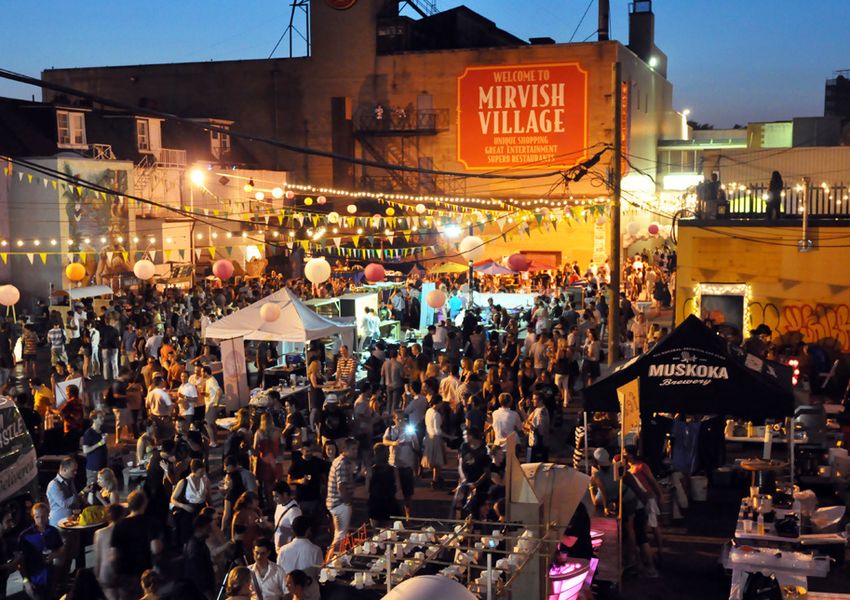
2

The Rise of Culinary Tourism                                                                   SKIFT REPORT 2015

About us
            We believe the best way to experience culture is
            through food.

            Food serves to connect us with the land, our herit-
            age, and the people around us. It is a diverse and dy-        Culinary
            namic channel for sharing stories, forming relation-          Tourism
            ships and building communities. By combining local
            food and drink with travel, food tourism offers both
            locals and tourists alike an authentic taste of place
            while contributing to a sustainable world economy.

            We are actively contributing to Ontario’s edible
            history by creating fruitful relationships in communities across the province
            - from the farm up. Though our roots are firmly planted in Ontario soil, our
            branches reach beyond borders, minimizing the distance between field and
            fork across the globe.

            By bridging the gap between the food & travel industries, we are strengthening
            viticulture, agriculture and aquaculture to promote the growth of food tourism.
            Our work lies in developing strong relationships between growers, chefs,
            processors, restauranteurs, accommodation providers, distributors,
            government and industry organizations.

            The Ontario Culinary Tourism Alliance is leading efforts in research, education,
            and product development to promote the growth of the tourism industry.

            We believe discovery is a medium for growth, and inspires change. Whether
            you’re a local or a tourist, edible experiences will change the way you think
            about your food, beyond the plate.

            We believe in local. We believe in authentic.

            We believe commitment and collaboration are the best avenues to success in
            this industry. Together, these fundamentals reinforce the economic, environ-
            mental and social health of our communities, globally.

            Contact us to find how you and your business can take advantage
            of culinary tourism, globally.

                                               3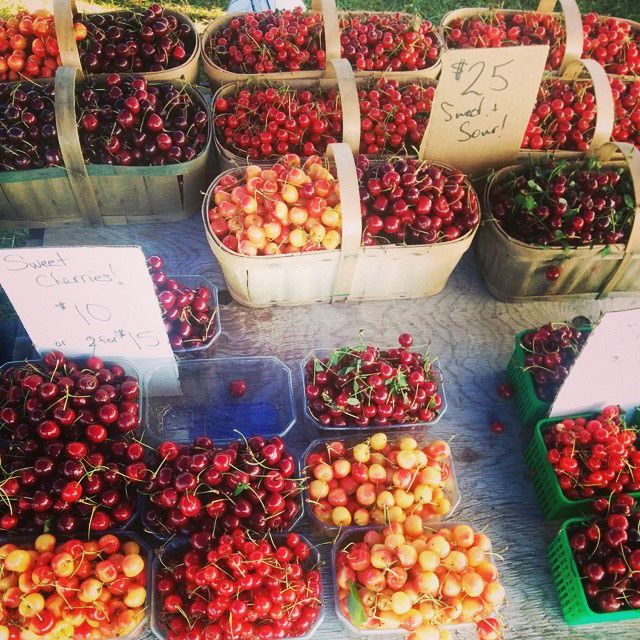
The Rise of Culinary Tourism                                                                               SKIFT REPORT 2015

Executive summary

            Food tourism tells the story of a destination’s history, culture and peo-   Sources:

            ple. Over the last decade, destination marketing organizations (DMOs)       Andrews’ Scenic Acres, Mil-
                                                                                        ton, ON, Courtesy of Ontario
                                                                                        Culinary Tourism Alliance
            have leveraged the rise of mainstream interest in food to open new
                                                                                        Dayali, Beijing Roast Duck,
            consumer markets and drive business to a wider range of regional travel     Toronto, ON, Courtesy of
                                                                                        Ontario Culinary Tourism
                                                                                        Alliance
            suppliers working in the food and beverage (F&B) sector.
                                                                                        Vicki’s Veggies Hurrah Heir-
                                                                                        loom Tomato Tasting, Milford
                                                                                        ON, Courtesy of Ontario
            According to the Ontario Culinary Tourism Alliance (OCTA), a non-           Culinary Tourism Alliance

            profit organization that consults on F&B-themed tourism development
            worldwide, “Food tourism is any tourism experience in which one
            learns about, appreciates, and/or consumes food and drink that reflects
            the local, regional or national cuisine, heritage and culture.”1

            While cuisine has always been an important part of most travel experi-
            ences, the concept of traveling to a destination specifically for its F&B
            product is a relatively recent mainstream consumer trend. The 2013
            “American Culinary Traveler Report,” published by Mandala Research,
            showed that the percentage of U.S. leisure travelers who travel to learn
            about and enjoy unique dining experiences grew from 40% to 51%
            between 2006 and 2013.2

            In response, DMOs are creating major promotional campaigns and events
            revolving specifically around their food and beverage experiences, de-
            signed with multiple storylines targeting different market segments.

            This is big business. In 2012, it was estimated that tourism expenditures
            on food services in the U.S. topped $201 billion, nearly a quarter of all
            travel income. That makes food service the highest category of travel

                                                 4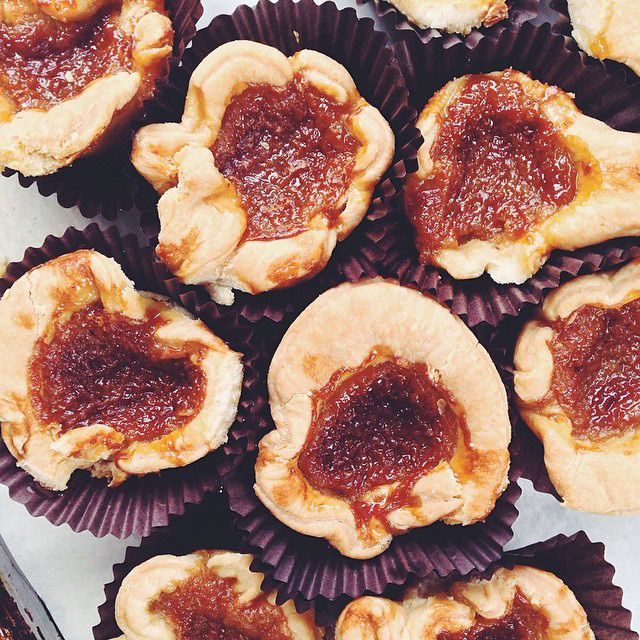
The Rise of Culinary Tourism                                                               SKIFT REPORT 2015

            spend, according to the University of Florida report: “A Flash of
            Culinary Tourism.”

            The report estimates that 39 million U.S. leisure travelers choose a des-
            tination based on the availability of culinary activities, while another 35
            million seek out culinary activities after a destination is decided upon.3

            Preferences revolving around food can also have an adverse impact on
            tourists’ decisions to travel to certain destinations. Travelers’ who prefer
            the comforts of familiar cuisine might be hesitant to travel to a destina-
            tion where it is difficult to find a “home-likeness” of food options.

            In the report, “An Analysis of the Travel Motivation of Tourists From the
            People’s Republic of China,” it reads: “Preferences in food are especial-
            ly important to Asian people. The food factor is likely to hold Chinese
            tourists in their own country or at least have them remain in Asia rather
            than draw them to Europe.” 4

            This is driving destinations and hotels to introduce services that cater
            to this emerging market. For example, New York’s Hotel Plaza Athénée
            introduced services geared toward China’s rapidly growing numbers
            of outbound travelers including in-room tea kettles, Chinese breakfast
            items, and Chinese-language newspapers.5 Los Angeles Tourism &
            Convention Board hosted a meeting with 75 industry executives to dis-
            cuss Chinese culture. As a result, the Sheraton Gateway in Los Angeles
            expanded its breakfast menu to include steamed rice and congee and
            tea and soy milk.6

            Every traveler today has the ability to digitally share their culinary
            experiences with friends and strangers around the world, fueling a
            veritable social media arms race to determine who has the most unique
            F&B experiences. This report examines how destinations and other
            travel suppliers are developing new strategies, special events, supplier
            networks and marketing campaigns to capitalize on the global foodie
            fervor, and the impact of those initiatives on local communities.

                                                  5
The Rise of Culinary Tourism                                                           SKIFT REPORT 2015

Introduction
            According to the 2010 World Food Travel Association (WFTA) report,
            ”The State of the Culinary Tourism Industry,” the growing interest in
            F&B-themed travel is driven by a number of factors. These include
            the explosion of food-focused media and social media, an farm-to-
            table movement among large travel brands, and the introduction of
            high-profile events celebrating local cuisine.7

            The Mandala Research firm, publisher of the 2013 “American Cu-
            linary Traveler Report,” says leisure travelers, defined as someone
            who has booked at least one vacation in the previous 12 months,
            represent 71% of the U.S. adult population, or around 170 million
            Americans. Mandala reports that 77% of those leisure travelers can
            be classified as culinary travelers, having participated in culinary
            travel activities such as dining out for a unique or memorable expe-
            rience, taking cooking classes, or attending food festivals.

            The most interesting data point in that study shows the growth of
            culinary tourists traveling specifically for the purpose of engaging in
            destination-specific culinary experiences. The report reads: “About
            half of all leisure travelers travel to learn about or enjoy unique and
            memorable eating and drinking experiences (51%), a notable gain
            from 2006 (when 40% said they traveled for these reasons).”8

            Another report by the American Journal of Tourism Management re-
            leased in 2013, “A Study of Factors Influencing Food Tourism Brand-
            ing” suggests that the growth of food tourism “is seen as an outcome
            of a trend where people spend much less time cooking, but choose to
            pursue their interest in food as part of a leisure experience.” Increas-
            ingly, going out for a meal with friends is as much about the social
            interaction as it is the food and the ambiance it is served in.9

            Driving these travel trends immeasurably, culinary tourists share
            millions of F&B-themed photos daily across social platforms like
            Twitter, Facebook, Instagram and especially Flickr. This increases
            travel consumers’ awareness of different cuisines and cultures, and
            it fuels their desire to experience them.

                                                6
The Rise of Culinary Tourism                                                                     SKIFT REPORT 2015

            In the study “A Flash of Culinary Tourism: Understanding the Influenc-
            es of Online Food Photography on People’s Travel Planning Process on
            Flickr” by Bingjie Liu, William C. Norman and Lori Pennington-Gray,
            169 Flickr members participated in an online survey and responded to
            questions about how food plays a role in their decision making. As seen
            below, the results overwhelmingly proved that food was an important
            factor in travel and discovering new destinations.3

                  THE ROLE OF FOOD AND FOOD PICTURES IN THE TRAVEL PLANNING PROCESS
                    ITEM                                     TOTAL % AGREED OR STRONGLY AGREED

                    I like to first decide the vacation destination
                    and then look for local food and restaurants                      73.8%
                    I like to go to new places to try some new food
                    and take pictures of them.                                        62.7%
                    Pictures of food motivate me to go
                    to a new place.                                                   54.1%
                    If I know of new places through food pictures,
                    I will go there and try the food.                                 46.9%
                    I look at food pictures when planning
                    a trip (recoded).                                                 46.8%
                    I like to look up some information on some new
                    food and then choose a destination where I can                    26.2%
                    find the food.

            “Postmodernists have portrayed food as embodied material culture
            and suggested that our social and cultural identities can be ex-
            pressed via food,” reads the same 2013 University of Florida white
            paper. Moreover, “consumer-generated media not only reflects
            individuals’ personal interests but also exerts a dramatic impact on
            other people who access this information.”3 As Instagram feeds are
            flooded with photos of food, they turn any user’s followers into a
            new market for that restaurant or destination.

            Much of the food and drink content in the early days of social media
            quickly expanded to find new homes on culinary-themed websites.
            In July 1997, Jim Leff and Bob Okumura founded Chowhound, an
            online discussion forum about food. There are now hundreds of
            thousands of similar sites in every language, produced by both ex-
            pert and amateur food lovers.

                                                                 7
The Rise of Culinary Tourism                                                                                                    SKIFT REPORT 2015

            A BRIEF FOOD BLOG TIMELINE
            DATE LAUNCHED             SITE

             7/2/97                   Chowhound                                A forum discussing food in New York.
             8/25/02                  The Julie/Julia Project                  A blog by Julie Powell narrating her trials of
                                                                               recreating the recipes in Julia Child’s book,
                                                                               Mastering the Art of French Cooking.
             10/13/03                 Slice (formerly Slice NY)                The first niche blog devoted to
                                                                               a New York City favorite, pizza.
             7/21/05                  Eater (formerly Eater NY)                A focus on celebrity chef culture and tales
                                                                               of the restaurant industry.
             2/14/06                  The New York Times’                      A blog for the Times’ food critic launches
                                      Diner’s Journal                          and grows interest in food media.
             6/30/06                  Smitten Kitchen                          Deb Perelman’s original blog adapts classic
                                                                               recipes and gains a strong following .
             12/1/06                  Serious Eats                             Food critic and author Ed Levine creates a
                                                                               home for curated recipes from chefs, writers
                                                                               and the community as well as a forum and
                                                                               advice section.

             1/1/10                   Foodspotting                             A social sharing site for food pictures.

             Source: http://www.saveur.com/article/Kitchen/A-Brief-Food-Blog-Timeline

            As new food blogs and websites are being created and expanding to
            cover more regions, print publications are also doubling down on
            their online presence. Lucky Peach, a creative quarterly journal that
            focuses on a specific theme in each issue, recently upgraded from
            a simple Tumblr page to a website filled with recipes, photography,
            videos and story content previously featured in print. Bon Appétit, a
            magazine that has been in circulation since 1956, also has a website
            brimming with daily video and recipe updates, kitchen advice, and
            trending topics.

            The development of food tourism by DMOs channels all of this robust
            online consumer engagement toward the food and beverage expe-
            riences specific to a particular destination. Best practice DMOs are
            successfully integrating user-generated social media content into their
            promotional campaigns, while at the same time developing their own
            sophisticated content platforms in cooperation with local food tourism
            suppliers.

            An effective food tourism development strategy covers a broad se-
            lection of travel activities including: food, wine and beer festivals;
            tours of farms and artisanal production facilities; immersive food
            tours of varying depth; myriad types of cooking classes and wine
            tastings; accommodations with F&B offerings; farm-to-table restau-
            rant dining and educational events; and the always popular farmers’
            markets. Agritourism, where travelers visit working farms, is also a

                                                                          8
The Rise of Culinary Tourism                                                          SKIFT REPORT 2015

            growing opportunity.

            Consulting on food-themed tourism development worldwide, the
            Ontario Culinary Tourism Alliance (OCTA) suggests the following
            ten criteria for developing successful food tourism destinations and
            ensuring a compelling local “taste of place” is offered.10

            The criteria are:

            1. Leadership
            2. Market-ready or near-market-ready culinary products
               and resources
            3. An integrated strategy
            4. Partnership and community-based collaboration
            5. Financial support and performance measures
            6. Destinations with good access from key origin markets
            7. Sufficient market intelligence
            8. Food tourism resources distinctive to the region
            9. A critical mass of agri- and/or food tourism experiences
            10. An effective Destination Marketing Organization

            “The challenge that many destinations and event organizations have
            in terms of developing authentic culinary experiences for travelers is
            the ability to ensure that suppliers of those experiences are execut-
            ing something that’s authentic,” says Rebecca LeHeup, Executive
            Director of OCTA. “And that they’re doing it in a way that truly does
            support their local growers and producers, as well as educate the
            consumers about them.”

            In this report, we’ll dive into the evolution of food tourism in desti-
            nations and their events, share how DMOs are engaging their stake-
            holders to develop local food communities, and identify best prac-
            tices for developing food tourism products.

                                                9
The Rise of Culinary Tourism                                                              SKIFT REPORT 2015

Table of contents

            About Us 3                                                             About Skift

                                                                                   Skift is a travel intel-
                                                                                   ligence company that
            Executive Summary 4                                                    offers news, data, and
                                                                                   services to professionals
                                                                                   in travel and professional
                                                                                   travelers, to help them
            Introduction 6                                                         make smart decisions
                                                                                   about travel.

                                                                                   Skift is the business of
            Table of Contents 10                                                   travel.

               How to Capture the Attention of Food Tourists 11
                      How Destinations Develop Food Tourism
                      Case Study #1: Developing Products in Ireland
                      Case Study #2: Focusing on Authenticity in South Australia
                      Case Study #3: Mastering Partnerships in Nashville
               The Rise of Interdisciplinary Culinary & Cultural Events 17
                      Case Study #1: The Stop Night Market, Toronto
                      Case Study #2: Art Basel, Switzerland, Miami, Hong Kong
                      Case Study #3: Life is Beautiful, Las Vegas
               Millennials Demand Authentic, Local & Experiential 20
                      Fascination With Food Trucks
               Marketing Food Tourism 24
                      Creating a Food Tourism Voice
                      Establishing & Communicating ROI Metrics

            6 Key Strategies to Develop Food Tourism 25

            Cultivating Food Tourism & Economic Growth 26

            About Skift 28

            Further Reading 29

                                                   10
The Rise of Culinary Tourism SKIFT REPORT 2015
How to Capture the Attention
of Food Tourists
OCTA organizes food tourists into three Likewise, the 2006 Travel Activities & Moti-
categories: People who deliberately plan vations Survey commissioned by Statistics
their trips around food; those who incorpo- Canada revealed a higher interest in cultural,
rate a food experience into their itinerary outdoor and historical activities by food
without it being the primary motivator; and tourists when compared to their generic
those who decide where to dine on the fly. tourist counterparts. This suggests that
a food tourist is also a cultural tourist, and
Likewise, the United Nations World Tourism vice versa – making their potential economic
Organization’s (UNWTO) 2012 “Global Report impact even greater for the destination they
on Food Tourism” identifies culinary-conscious choose to visit.
tourists by the following behaviors:
1. they are concerned about the origin of In a market study conducted by Brand USA
products for the countries, Australia, Canada, Brazil,
2. use dining as a means of socializing and China, France, Germany, Japan, Korea and
exchanging experiences with others the United Kingdom, results proved that
3. have a higher-than-average spend on trips food and dining played a big factor in the
4. a high degree of loyalty tourist’s travel experience.13
5. revisit destinations due to gastronomy. IMPORTANCE OF DINING AND CUISINE BY MARKET
% RANKING IT AS A % NOTING IT’S AN “IM- % SPENT ENJOYING
“MOST IMPORTANT PORTANT DESTINATION WINE & FOOD ON
In the UNWTO study, 88% of respondents TRAVEL EXPERIENCE” CHARACTERISTIC” LAST TRIP TO USA
indicated that culinary offerings were an im- Australia 39% 57% NA
Brazil 42% NA 52%
portant component for defining a destina- Canada 31% 55% 40%
tion’s brand and image.11 China 55% 84% 66%
France 38% 44% 38%
Germany 30%* 47% 35%
Understanding these consumer psycho- Japan 42% 55% 61%
graphics and spending behaviors is important Korea 25% 55% 55%
UK 34% 59% 41%
for DMO’s, because as mentioned in the
* 67% note cuisine important if part of “local culture.”
WFTA and UNWTO reports, travelers who Source: http://www.milespartnership.com/blog/will-travel-for-food-culinary-tourism
report culinary-themed travel experiences The growing interest in experiencing local
as a driving factor in trip planning exceed the food activities also aligns with the burgeon-
average spend not just on fine and casual din- ing sharing economy. Travelers are looking
ing, but also lodging, entertainment, shop- to their peers for recommendations about
ping, and other general travel experiences. specific local experiences, especially those
themed around F&B, or they’re engaging
A study of culinary tourists in the Ex- with locals through a wave of new sharing
tremadura region of Spain, published in Wine apps and websites. For example, the startup
Economics & Policy, established a strong EatWith connects local hosts and travelers
link between interest in culinary activities to enjoy a homemade dinner.14
and interest in exploring a region’s cultural
tourism attractions. A survey of 303 visi- Airbnb, meanwhile, recognizes exceptional
tors during the spring of 2012 found that hosts with its SuperHost program. Providing
food tourism has great potential as both a guests with a map or guide to local restaurants
tourism product differentiator and a tool and farmers’ markets is one of the most com-
for marketing the unique aspects of tourist mon expectations required of a SuperHost.
destinations in general.12
11The Rise of Culinary Tourism SKIFT REPORT 2015
How Destinations Develop Food Tourism It is not enough to simply find the unique Sources:
Niagara Cherries, Courtesy
regional F&B assets to tell the destina- of Ontario Culinary Tourism
Alliance
At the destination level, primary food capitals tion’s food story. Successful food tourism
St. Jacobs Farmers’ Market,
like San Francisco and Paris have always been development is successful when it delivers a St. Jacobs, ON, Courtesy of
Ontario Culinary Tourism
known for their excellent selection of dining fully integrated travel experience for today’s Alliance
experiences, from five-star restaurants to sophisticated travel foodies. Butter tarts, Peterborough,
ON, Courtesy of Ontario
back-alley cafes. More recently, lesser-known Culinary Tourism Alliance
food destinations are emerging and discov- To help determine the “market readiness” of
ering that celebrating their local cuisine can a business or experience through the lens of
help attract more visitor arrivals. Even more food tourism, OCTA developed the Experi-
encouraging, these emerging destinations ence Assessment Tool (EAT™) in 2012. The
are finding out they don’t need Michelin proprietary software assesses tourism-
starred chefs to be successful. related businesses and the destination as a
whole based on a specific set of
“The average consumer is becoming more standardized qualifications.
savvy in terms of their expectations from
their travels and the ways that they can The most obvious place for DMO’s to start
immerse themselves in a destination,” to develop their food tourism strategy is
says LeHeup. “They really want to feel with the actual growers and producers in
that they’re taking away a true authentic the destination. From farmers to brewers
experience of a place. One of the key ways to chefs, these local influencers can provide
to do that is through the food culture of a specific insight into authentic regional
destination, but it’s not only about eat- F&B experiences. Once a destination has
ing. It’s also about the opportunity to learn engaged these stakeholders, it can then
about the local food culture and food history. begin to build out the variety of experiences
It’s about being connected to local growers by working with businesses along the food
and producers and dining at restaurants that tourism value chain (restaurants, attractions
have chefs who support those local flavors and tour operators).
and local food cultures.”
The following case studies highlight DMO’s
Destinations looking to build their food tour- that have successfully created a culinary
ism offerings can do so in a number of ways. brand. We looked at three diverse destina-
First, DMO’s must clearly communicate a tions—Ireland, South Australia and Nash-
destination’s food tourism objectives to lo- ville—for insights into best practices for
cal stakeholders and bring them onboard product development and marketing.
as active participants in the overall strategy.
12The Rise of Culinary Tourism SKIFT REPORT 2015
Source: Carlingford Oyster
Festival, Courtesy of
visitcarlingford.com
Case Study #1: enticing and distinctive enough to moti-
Developing Products in Ireland vate them to travel. For the stakeholders,
success could be measured by increased
As Ireland’s national DMO, Fáilte Ireland initi- business and more profitable and sustain-
ated its food tourism strategy by identifying able businesses.”
on-the-ground travel products that gave
visitors the opportunity to interact with The Burren Food Trail, developed in part
Ireland’s local cuisine and its producers. through consultations with OCTA, is an
Then the organization developed a set of example of a food trail done right. The net-
standards called the National Quality Assur- work features 25 members, each of whom
ance Framework, which vetted tourism have signed a Burren Food Trail Customer
suppliers and labeled their products to Promise and are collectively bound by their
assure credibility. commitment to building a sustainable future
for the region. Trail visitors are encouraged
Following that, Fáilte Ireland launched the to attend “Burren Food Trail Mondays” to
“Discover Ireland” marketing campaign to participate in special events offered by
spread awareness of the country’s culinary members between April to October. Past
roots and new products. The DMO provided experiences have ranged from afternoon tea
visitors with an endless array of compelling in locals’ homes to kayaking trips with
reasons to visit the country, including new a gourmet picnic.
food-themed events and activities like the
Sheridan’s Irish Food Festival, Ballymaloe Fáilte Ireland also actively encourages local
Literary Festival, the Irish Whiskey Trail, and communities and individuals to become
the TASTE of Kilkenny Food Trail. involved in promotional efforts by awarding
communities that excel at marketing initia-
From the outset, Fáilte Ireland actively tives. In partnership with The Restaurants
encouraged business owners and destina- Association of Ireland and Admailer.ie, the
tions to showcase their culinary expertise organization promotes the annual “Ireland’s
and provided the B2B tools to help them do Top Foodie Town” competition. The award is
so. For example, the DMO’s website outlines given to towns and communities that best
the process of developing a food trail in step share their culinary experiences and why
by step detail. their local food community is unique.
It reads: “In order for it to be successful, a Ireland is a great example of an emerging
food trail must deliver for both the visi- culinary destination because it is not neces-
tor and the stakeholders. For the visitor it sarily top of mind for culinary tourists. Fol-
must offer unique food experiences that are lowing up on its efforts, the DMO conducted
13The Rise of Culinary Tourism SKIFT REPORT 2015
Source: Tasting Australia,
Courtesy of http://www.
tastingaustralia.com.au/
a study of 1,514 visitors to Ireland in 2013. and world-class wine, beer and spirits, while
The results showed that 39% of overseas also showcasing experiences and destinations
travelers agreed that their trip exceeded related to our produce. Research shows people
their expectations, with quality of food listed travel annually for food and wine events, and we
as one of the top factors. aim to capitalize further on this.”
Case Study #2: Focusing on Authenticity Tasting Australia was also the first culinary
in South Australia festival in the country to host a bloggers
conference during a food-themed event
One of Australia’s most popular tourist in an effort to gain low-cost international
destinations is the state of South Australia, exposure of the state’s culinary offerings.
home to Adelaide and Barossa Valley wine
country. In terms of food tourism, Yarra Other events in South Australia work to
Valley is equal in scope to other New World pair local cuisine with one-of-a-kind set-
wine destinations like Napa, Cape Town and tings. The Kangaroo Island Seafood Festival
Mendoza. organizes tasting menus, campfire cooking
experiences, and all-day seafood barbecues
The South Australian Tourism Commission along the seashore, often with participation
(SATC) is actively developing program- from celebrity Australian chefs.
ming around food and wine to build its food
tourism branding. The official “Tasting OCTA asserts that when building a food
Australia” festival highlights local food and tourism brand, businesses within the region
wine producers during more than 80 free should be encouraged to introduce their
and ticketed events over the course of eight own hyper-local products and events, ideally
days. Individual events include farmland in a way that will feed into and complement
feasts, food and wine master classes, pro- the tourism board’s promotional efforts;
ducer picnics, and other activities as unique SATC does this exceptionally well. For
as a nine-course mushroom tasting in a example, Kangaroo Island’s Southern Ocean
limestone cave. Most importantly, attend- Lodge hosts culinary events throughout the
ees have the opportunity to interact with year for its guests. Tour operators includ-
hospitality professionals, renowned chefs, ing Life is a Cabernet, A Taste of South
and local food and wine personalities. Australia, and Exceptional Kangaroo Island
curate their own food and wine experiences
Following the 2014 event, South Australia throughout the year.
Tourism Minister Leon Bignell said, “This has
been a week to celebrate what our state does Video has been another integral tool in
well all year round, serving up delicious food South Australia’s marketing strategy. The
14The Rise of Culinary Tourism SKIFT REPORT 2015
DMO’s “Through Local Eyes” project fea- The DMO’s efforts are paying off; in the Sources:
Holland House Bar & Refuge,
tures more than 30 films produced by local Tourism Australia Consumer Demand Courtesy of http://nash-
villeoriginals.com/
filmmakers. One short video, “About Food” Project of 2013, Australia moved from 10th
Urban Grub shrimp & grits,
features the region’s most talented chefs, to third place behind France and Italy as Courtesy of http://nash-
villeoriginals.com/
producers and winemakers who tell the top international destinations to visit for
story of South Australian culinary culture. culinary travel.
The videos have received over 61,000 views
FOOD AND WINE RANKS VERY HIGH AMONGST
since launching in September. PREVIOUS VISITORS TO AUSTRALIA
NOT VISITED AUSTRALIA VISITED AUSTRALIA
“The film isn’t polished or scripted,” says
France 54% France 62%
Phil Sandford, brand manager of SATC. “It’s Italy 53% Italy 57%
a really honest, gritty, authentic view into Japan 31% Australia 53%
Thailand 29% Japan 42%
what makes South Australia’s food and wine Hong Kong 28% Hong Kong 42%
scene so amazing.” Spain 27% Thailand 34%
Germany 26% Spain 33%
Mexico 23% Germany 30%
South Australia’s food tourism development USA 23% USA 30%
is further supported by the national DMO’s Australia 23% Taiwan 25%
effort to market Australia’s F&B experiences. Source: Tourism 2020, Tourism Australia
Tourism Australia launched an $8.6 million
advertising campaign called “Restaurant Case Study #3:
Australia” in May 2014, based on data that Mastering Partnerships in Nashville
showed Australia was viewed
as a destination with good food and wine. Marketing and branding play important roles
in raising awareness about Nashville’s culi-
Social media played a huge role in the cam- nary culture, which has always been over-
paign. At the culmination of the promotion, shadowed by its music industry. Key to this
the #restaurantaustralia hashtag reached development has been a partnership with
21,441 impressions on Instagram and Bon Appétit. The collaboration began with a
28,155 on Twitter, according to Totem.co music promotion including custom Spotify
and Tweet Archivist. The specific campaign playlists curated by Nashville’s top chefs.
has helped boost Tourism Australia’s overall
social following to the top of the SkiftIQ There were several synchronicities be-
Destinations leaderboard with 196,045 tween the media brand and the destination.
Twitter follows, 6,357,143 Facebook “Likes,” Bon Appétit named Nashville the “coolest,
21,492,945 YouTube video views, and tastiest city in the South,” and the trailer for
1,102,203 Instagram followers.15 the amazing Nashville music scene docu-
15The Rise of Culinary Tourism SKIFT REPORT 2015
mentary, “For the Love of Music, the Story the local music industry to develop new
of Nashville,” appeared on the magazine’s event marketing partnerships. The DMO
homepage. The city also hosted one of the saw these budding synergies between food
magazine’s popular Grub Crawls, which and music so they jumped in to help spread
turned out to be one of the fastest selling awareness to expand the Nashville brand
events they had ever organized. into new markets nationwide.
New urban development was also integral to “The thing that makes us different is the music
spreading awareness of Nashville’s culinary you get with the culinary experience,” Spyridon
offerings. The city’s new Music City Center told the Nashville Business Journal in late 2014.
convention facility attracts 350,000 conven- “If we try to go heads up with New York, San
tion visitors to Nashville each year, providing Francisco, Chicago, I think we can hold on, but
an instant customer base and compelling it’s far more believable and sellable with music.
reasons for aspiring restaurateurs to open in We don’t want to leave our brand.”
the downtown core.
The culmination of the food and music in-
As the Nashville Convention & Visitors Corpora- dustries’ collaborative efforts resulted in the
tion started focusing on its homegrown culinary development of the Music City Food + Wine
assets, it reached out to every kind of individual Festival. Formerly known as Music City Eats,
and business involved in the F&B industry. the annual two-day event is produced in part
by Grammy award winning artists Kings of
“We are reliant on the creative process of Leon and celebrity chef Jonathan Waxman.
the restaurants,” explains Butch Spyridon,
president/CEO of Nashville Convention Consumer interest in Nashville’s fine dining
& Visitors Corporation. “One of the great restaurants increased significantly between
strengths of Nashville overall, including the 2012 and 2014. According to a survey of
chefs, farmers, brewers, and distillers, is 1,143 people who had not visited Nashville
their willingness to collaborate, support and in five years, a third were most interested in
leverage each other. It speaks to everything enjoying the city’s restaurants compared to
we do in Nashville,” 25% of potential visitors who felt that way
in 2012. Nashville’s restaurants also jumped
Realizing how Nashville was suddenly entering from the fourth to the number one most
the mainstream tourism market over the last popular travel experience, surpassing the
decade, independent restaurant owners Country Music Hall of Fame and Grand Ole
began working together to create the Opry.
Nashville Originals restaurant association
to collectively promote the local dining
scene. Then the restaurants reached out to
16The Rise of Culinary Tourism SKIFT REPORT 2015
The Rise of Interdisciplinary
Culinary & Cultural Events
One of the strongest indicators support- they are food-driven festivals or festivals that Source:
ing the rise of food tourism is the growing happen to have great food programs within The Stop Night Market,
Toronto, ON, Courtesy of
number of local culinary programming being a broader subject,” says LeHeup. “We’re Ontario Culinary Tourism
Alliance
introduced at music and arts festivals. These exploring how many of these festivals and
events showcase a wide range of interdis- events are actually using local food, or show-
ciplinary creative energy, including modern casing a taste of place, as a way to add value
works of art, electronic music DJs, books, to consumers.”
speakers from the startup world, comic
books and other collector items, and every As one example, LeHeup says people don’t
kind of pop culture movement. think about Mardi Gras as a food festival.
People go to Mardi Gras because they love
There are a number of opportunities for local the music and the cultural expression of New
food tourism suppliers to access the large Orleans, but at the same time, local food is an
customer bases attracted to these events. integral part of the event.
One of the most popular approaches has
been the introduction of food trucks, which DMOs have taken note of the growth of fes-
provide a trendy selection of local flavors for tivals and the role that food can play in them.
every craving. Destinations are also partner- Today, many destinations are collaborating
ing with celebrated native chefs working in with local businesses to develop events fo-
pop-up restaurants and other unique dining cused primarily on their culinary offerings.
venues. Farmers’ markets are popping up at
festivals too. The Greenbelt Harvest Picnic, For example:
for example, is a massive outdoor con-
cert held each year just outside Hamilton, • The San Francisco Street Food Festival
Ontario, that includes a sprawling farmers’ is presented by Whole Foods Market and
market and a concert series stocked with big hosted by non-profit La Cocina. The event
name performers. combines food trucks, pop-up restaurant,
and Michelin-rated chefs throughout the city.
“Many festivals and events worldwide are • The three-day Southern Living Taste of
demand generators for tourists, whether Charleston festival is hosted by the Greater
17The Rise of Culinary Tourism SKIFT REPORT 2015
Charleston Restaurant Association. It fea- local area. Working with local businesses and Sources:
tures chef competitions, restaurant promo- influencers that hold similar culinary values Pastrami sandwich from Wise
Sons Deli, Courtesy of Flickr
tions, sampling stations, beer tastings and increases the synchronicity among everyone user, the tablehopper
musical performances. and builds a stronger brand for the event. To Ramen Burger from
Smorgasburg, Courtesy of
• Smorgasburg is a twice-weekly seasonal bring in a cultural component, the organizers Flickr user, Dan Nguyen
Babi & Co., Toronto Under-
event in New York City, featuring 75 to 100 work closely with Toronto designers who are ground Market, Courtesy
vendors from the city and across the region. invited to create one-of-a-kind food carts for of Field Trip Music & Arts
Facebook Page
Vendors must sell a unique product that is each of the restaurants. Attendees are then
not available at any other stall or market encouraged to vote on their favorite carts
within the city. and awards are given out following the event.
• The Field Trip festival in Toronto features
food from some of the city’s top restaurants, Event Case Study #2: Art Basel
alongside music and interactive performanc- in Switzerland, Miami & Hong Kong
es that combine art, photography,
technology and fashion. Art Basel is the world’s premier international
art show with sister festivals held annually
Event Case Study #1: The Stop in Basel, Miami and Hong Kong. Although
Night Market, Toronto the artwork is global in scope, each show is
defined by its host city and produced in col-
There are several paths that destinations and laboration with local institutions.
event managers can take when developing
culinary-themed events. Deciding which con- In 2013, Art Basel in Miami partnered with
cept to develop often depends on the type local James Beard Award-winning chef
of customer that the organization wants to Michelle Bernstein. Her catering company
attract. According to Lianne Holland and Cara helped develop a pop-up restaurant within
Goodman, fundraising coordinators for The Miami Beach Botanical Gardens that featured
Stop Night Market festival in Toronto, food a four-course experimental menu for 100
trucks appeal to a younger demographic, guests each night.
farm-to-table meals attract a mixed audi-
ence, and gala events pull in business leaders “To have the opportunity to showcase
and young professionals. Miami’s culinary flavors to such a discerning
and intellectual audience that frequents Art
In 2014, The Stop’s Night Market featured 65 Basel in Miami Beach is a great pleasure,”
chefs and sold out within one hour. By the end says Bernstein. “I hope, if even for just five
of the event, 2,4000 attendees had helped days, that I can give these guests the true
raise $80,000 for The Stop Community Miami experience, make our city proud, and
Food Centre’s anti-hunger and anti-poverty represent the hard work that our community
programs. has put forth to make Miami a dining and arts
destination.”
The Stop Night Market organizers work with
chefs that support the local farming commu- The event does an exceptional job integrat-
nity by sourcing meats and products in the ing artists and the local food scene with
18The Rise of Culinary Tourism SKIFT REPORT 2015
Source: Michy’s Miami Beach
Pop up, Courtesy of Chef
Michelle Bernstein’s
Facebook page
interactive installations set up inside some One of the key strategies behind the event’s
of the area’s bars. In 2014, the Nova Bar success included setting up the chefs for
featured the exhibit ‘Dancarchy Refuge’ by their own individual success by coach-
artist Naomi Fisher. Visitors escaped from ing them to develop high quality food in a
the crowds by strolling through a path lined festival-friendly package. According to Co-
with large green plants leading to a room with hen, festival food needs to be easy, affordable
colorful tie-dyed paintings where ballerinas and absolutely delicious. She then integrated
performed a short routine. several culinary concepts into the event with
food trucks, several pop-up restaurants and
Event Case Study #3: chef demonstrations.
Life is Beautiful, Las Vegas
“We’re in a culture now where food is ex-
Life is Beautiful was an instantly success- tremely important,” says Cohen, who asks
ful three-day festival held in Downtown Las that restaurant partners working at the event
Vegas when it launched in 2013. The lifestyle provide access to the chefs and/or owners,
event combining music, food, public speakers versus catering staff. “Our festival is a little
and art attracted more than 60,000 attend- different because we have the actual chef
ees that year. from the actual restaurant cooking the food
and interacting with the guest.”
Eve Cohen, the festival’s managing direc-
tor, previously produced the New York City Life Is Beautiful shifted how its culinary
Food & Wine Festival before joining the Life options were presented to festival attend-
is Beautiful team. She says she wanted to ees between 2013 and 2014, leading to an
build on her experience with traditional food increase in food and beverage sales. Event or-
and wine festivals by adding great music. She ganizers moved the individual chefs’ venues
enlisted culinary giants like Bruce Bromberg, from the central culinary village in year one to
co-owner of Blue Ribbon Restaurants, who a more dispersed layout near the four stages
was instrumental in attracting high-end in year two.
music talent to the event.
19The Rise of Culinary Tourism SKIFT REPORT 2015
Millennials Demand Authentic,
Local & Experiential
In September 2014, Forbes writer Stephanie like they’re insiders and in on this little secret
Denning wrote: “One thing is certain: Mil- about where to find a great little restaurant
lennials’ relationship to food is special. They in a hidden neighborhood. They’re always
want it to be authentic, they want to know looking for some level of inside information.
how it was produced, and they want it to be a It speaks to the millennial trend of wanting
shared experience.” something special.”16
Look at millennial travelers’ behaviors today When it comes to food and beverage, mil-
and you will have insights into the mass-mar- lennials are not just interested in the small
ket trends of 2020. Millennials were among boutique cafes and restaurants that locals
the first to embrace the sharing economy, frequent. They want to understand the entire
skip over travel agents in favor of online storytelling surrounding the experience,
bookings, trade big box chain hotels for well- because millennials tend to be more mindful
designed and independent boutique lodging, about their travel choices as they relate to a
and seek out authentic local culinary experi- particular local community.
ences in every destination they visit.
Talking about food options and culture in an
Therefore, understanding millennials’ authentic and conversational manner is as
gravitation toward local food experiences is important as the local ingredients and hidden
important for destinations, because it’s be- watering holes themselves. For many DMOs,
coming prevalent for all generations in many food and beverage has become a cornerstone
different markets. of tourism campaigns aimed at millennials.
Furthermore, according to Skift’s research For example, food was one of ten travel
report “The Rise of the Millennial Traveler,” niches that Tourisme Montréal identified
the annual purchasing power of millennials is when researching millennial travel trends. The
$170 billion and growing. The demographic organization then worked with food bloggers
is expected to account for half of all global and lifestyle publications to create web con-
travel spend by 2020.16 tent that spoke to millennials’ food interests.
The DMO also aligned with partners like
Millennials’ driving values are happiness, OpenTable to further promote the dynamism
passion, diversity, sharing and discovery. of the city’s impressive F&B infrastructure.
Millennials also look for immersive travel
experiences. They want to live like a local, “As we know with millennials, they’ll skimp
share their experiences across social media, on accommodations but they won’t on good
and seek recommendations from peers or food,” explains Emmanuelle Legault, VP of
user-generated sites who have already expe- marketing for Tourisme Montréal.
rienced the local vibe of a place.
Austin, Chicago, Philadelphia and other
The “Rise of the Millennial Traveler” report DMOs have also tapped local bloggers to
reads: “Millennials are looking to hack travel, communicate to millennial visitors their
based on their perceptions about what destinations’ diverse food scene within
everyone else doesn’t have. They want to feel a cultural context.
20The Rise of Culinary Tourism SKIFT REPORT 2015
TOP 15 CITIES WITH MOST FOOD TRUCKS BY POPULATION
FOOD TRUCKS
According to “The Rise of the Millennial # OF FOOD TRUCKS POPULATION
PER 100,00 PPL.
Traveler” report, events and destinations can Orlando, FL 94 249,562 37.67
attract more millennial travelers by Miami, FL 140 413,892 33.83
Washington, DC 172 646,449 26.61
1. creating a local travel blog Minneapolis, MN 87 392,880 22.14
2. paying attention to user reviews Austin, TX 156 842,592 18.51
3. crowdsourcing social media content Denver, CO 113 634,265 17.82
Atlanta, GA 78 443,775 17.58
4. investing in better media communications San Francisco, CA 127 837,442 15.17
and imagery Tampa, FL 51 347,645 14.67
Honolulu, HI 44 374,658 11.74
5. collaborating with millennials Seattle, WA 71 634,535 11.19
Nashville, TN 66 624,496 10.57
Cleveland, OH 39 390,928 9.98
Fascination With Food Trucks
Boston, MA 59 636,479 9.27
Las Vegas, NV 52 596,424 8.72
According to the Technomic report, ”Under- Source: http://www.businessinsider.com/best-cities-for-food-trucks-in-america-2014-5
standing the Foodservice Attitudes & Be- The food truck industry is rapidly ascending up
haviors of millennials,” the researchers found the food tourism value chain. Food trucks are ex-
that 88% of American millennials surveyed pected to generate about $2.7 billion in revenue
are interested in trying new types of food. 17 in the U.S. by 2017 according to Intuit’s report,
“Food Trucks Motor Into the Mainstream.” This
“Destinations creating new experiences, is a fourfold increase from 2012, as estimated by
whether it be a festival, food trail or tour, need the National Restaurant Association.20
to think about the millennial consumer and
what’s important to them,” says LeHeup. “It’s These one-stop, four-wheel shops with
very different from previous generations, signature dishes from literally every corner
and I think programming has to evolve to take of the world are now being integrated into
them into consideration.” major events and festivals as a way to attract
young attendees, increase spend and cater
One very visible indication of this is the explo- to every taste bud.
sion of food trucks in cities around the world.
According to Ypulse, 47% of millennials have Increasing awareness for different cultural cui-
eaten at a food truck before.18 In Portland, sines has led to the rise of food trucks, while at Sources:
the food truck scene has taken on legendary the same time, increased access to food trucks Brunch Truck Sundays,
Beamsville, ON, Courtesy
proportions with more than 500 trucks, chang- has raised awareness of different cultures’ sig- of Ontario Culinary Tourism
Alliance
ing the urban landscape while encouraging nature dishes. The mobile restaurants are also
Carte Blanche Food Truck.
sustainability, community, creativity and en- contributing to the rise in food-related media Portland, OR, Courtesy of
Flickr user, Jen Blatt
trepreneurship. In Austin, there are even tours both on social networks and major television Pastrami melt from The
dedicated solely to visiting food trucks.19 channels. For example, the Food Network Grilled Cheese Truck, Los An-
geles, CA, Courtesy of Flickr
user, esimpraim
introduced Eat Street in 2011 to appeal to
viewers’ interest in food truck culture.
21The Rise of Culinary Tourism SKIFT REPORT 2015
Marketing Food Tourism
Source: Southern Ocean
Lodge, Kangaroo Island, SA
Courtesy of Restaurant
Australia Homepage
Identifying and building upon a destination’s among all of the food tourism products to build
culinary heritage and assets requires the co- the credibility of the destination brand.
operation of many different travel suppliers
throughout the destination. It also requires For example, Spyridon in Nashville knew that
everyone to work together and market the building his city’s culinary reputation suc-
product to tell a unified story. cessfully had exponentially greater potential
with the cooperation of its much larger and
However, as discussed at the beginning of the more recognized music industry. “The willing-
report, OCTA recommends that destinations ness of some people in the music industry to
have their ten criteria for successful food take a chance on creating the Music City Food
tourism in place before they can authentically + Wine Festival has had a big impact,” he says.
market themselves as such.
In 2012 and 2013, Fáilte Ireland partnered with
“What we caution a lot of destinations is that a dozen “food ambassadors” selected for
before they go to market, and create the their passion for Irish food and commitment
expectation from a consumer, to make sure to spreading awareness of local cuisine in their
that the product that they’re marketing is respective regions. Many of these ambassadors
truly market-ready,” explains LeHeup. “Once were owners of food tourism businesses them-
they’ve done that then they can move into selves. The 2012 participants shared insights
the marketing phase.” about the importance of cooperation, a focus on
experience over product, and the necessity to
LeHeup suggests that marketing campaign start small and scale as demand increases.
priorities should begin with proactively engag-
ing all of the stakeholders, and encouraging Fáilte Ireland’s “Food Story Toolkit” creates
them to share in the vision by clearly communi- a single message around the country’s food
cating (internally and externally) the economic, tourism experiences and the tourism board’s
social and community benefits of food tourism. strategic priorities around building a food
By bringing together as many different ideas as tourism industry. It shares market research,
possible from all participants, it helps ensure resources and step-by-step guides to de-
more integrated, believable and rich storytell- velop food festivals and food trails. Providing
ing revolving around the culinary experience. such resources to all potential stakeholders
allows products to emerge organically with
The end goal is establishing consistency unique value propositions.
22The Rise of Culinary Tourism SKIFT REPORT 2015
Creating a Food Tourism Voice as personality” trend. This content was then
integrated into its advertising vehicles. Cam-
Equally as important as creating a culture paigns also ran in online media outlets with an
of collaboration, DMOs have to determine established “foodie” audience including the
the overall tone and messaging that will be Boston Globe, Eater and Saveur.
communicated to the consumer. Campaigns
require content from authentic sources that Providence continued to build on its culinary
are designed to be shared by both everyday media campaign each year, and in 2011, the
travelers and social media influencers. Hearing DMO launched a new website with a strong
about a product through one of these channels F&B focus, which increased traffic 59% in the
often has a significantly stronger impact than first year. In 2013, Travel + Leisure voted Provi-
direct marketing from the destination itself. dence the number one food city in the U.S.22
For example, South Australia defines its food Establish & Communicate ROI Metrics
tourism products as “accessible” and “adven-
turous,” versus using words like “sophisticat- In addition to clearly outlining messaging and
ed” and “refined,” to create the positioning it branding around a food tourism strategy, it
needs to attract next-generation experiential is equally important to establish measurable
travelers. That voice is a complete 180-de- and up-to-date metrics. These include visitor
gree shift from a decade ago.21 arrivals in a destination, total spend catego-
rized by activity, ticket revenues for events,
As part of its culinary advertising campaign, and/or shares for a social media campaign.
Tourism Australia invited 86 social media Outlining those goals not only activates
influencers for a one-day meet-up called “In- stakeholders and gives them targets to aim
vite the World to Dinner.” From a social media for, it also inspires involved parties to mea-
perspective, the event resulted in hundreds sure the impact of their own business efforts.
of thousands of impressions. According
to Tweet Archivist in November, 2014, the The Kentucky Bourbon Trail and newer
last 100 tweets for #seeaustralia garnered Kentucky Bourbon Craft Tour are both seeing
26,000 impressions, and #restaurantaus- annual increases in visitors. Mainstream dis-
tralia garnered 190,000 impressions. This tilleries welcomed a record 571,701 visitors
campaign also recorded a 7.3x discovery lift, in 2013, with an additional 61,698 visitors
or bump in awareness, of the brand hashtag. exploring smaller craft distilleries. The num-
bers are released annually by the Kentucky
In 2005, Providence ranked 7th out of ten Distillers’ Association, allowing both the state
New England cities for quality restaurants. To tourism board and participating distilleries to
improve their position, Providence Warwick see the impact of the bourbon trails and any
Convention & Visitors Bureau decided to de- new product development.
velop a food tourism brand, built around the
area’s abundance of seafood, fresh produce, For example, visits to distillers increased 12%
young talented chefs coming to the region, in 2012 in part due to the opening of the Evan
and Johnson & Wales University’s culinary Williams Bourbon Experience. Distillers are also
program. introducing new programing including blue-
grass music and mixology classes to further at-
The DMO started by launching a restaurant tract visitors, creating a culture of collaborative
week in 2006 that attracted almost 100 par- competition—or “co-opetition”— between
ticipating venues. Then it started developing the travel suppliers. The continually evolving
a significant volume of culinary content, with experiences also provide a continuous source
a particular focus on building off of the “chef of new content opportunities for Kentucky
Tourism.
23The Rise of Culinary Tourism SKIFT REPORT 2015
6 Key Strategies to Develop Food Tourism
Determine if you’re market ready to receive food tourists. The Ontario
Culinary Tourism Alliance recommends a set of ten criteria for developing
successful food tourism (listed in the report), which together will ensure a
local “taste of place” is delivered and meet the consumers’ expectations.
DMOs need to first honestly assess their agricultural assets, and their food
and beverage-specific travel products, to pull out what is unique, compel-
ling and marketable. Then DMOs have to determine if and how different
suppliers can be integrated to create a layered culinary travel experience
that aligns with the destination brand.
Create a network of like-minded hospitality and tourism suppliers.
There needs to be a dedicated network of people and companies who
are passionate about local food travel experiences. Equally important, all
participants should be committed to supporting the people in the com-
munity who produce and prepare the local food and beverage product.
The communal network needs to be open and available to all stakeholders.
It almost goes without saying that the more independent, locally focused
and like-minded that participating companies are, the better. Reach out to
cultural influencers and thought leaders who are active in ancillary fields
that can potentially complement the food travel experience, such as mu-
sic, design and the arts. The food tourist is looking for their experience to
be enriched by these areas.
Collaborate with the network to build food experiences. Co-creation is
important to develop a well-rounded food tourism infrastructure in any
destination. Once a network of suppliers is established, crowdsource as
many ideas as possible to create immersive local destination experiences.
Seek out different potential partnerships integrating meals, tours, tastings,
lodging, education and entertainment to develop dynamic product
opportunities. Determine how all of these experiences can help
deliver advocacy for the community and support special events.
Create special events and social media promotions. Interdisciplinary
events combining food and other cultural activities are popular because
they attract multiple markets and expand the audience beyond just hard-
core food fanatics. It is of primary importance to make sure the people
who actually produce and prepare the F&B in the destination are able to
engage with visitors at the event. Special events are also good business
drivers because participants and the media will assist in their promo-
24You can also read


