THE SONG SPARROW BIRDPROTECTIONQUEBEC-PROTECTIONDESOISEAUXDUQUÉBEC DECEMBER2019(VOL:62.2) - BIRD PROTECTION QUEBEC
←
→
Page content transcription
If your browser does not render page correctly, please read the page content below
The            SONG SPARROW
Bird Protection Quebec - Protection des oiseaux du Québec   December 2019 (vol: 62.2)

                                                                       For the Birds since 1917
                                                                 Pour les oiseaux depuis 1917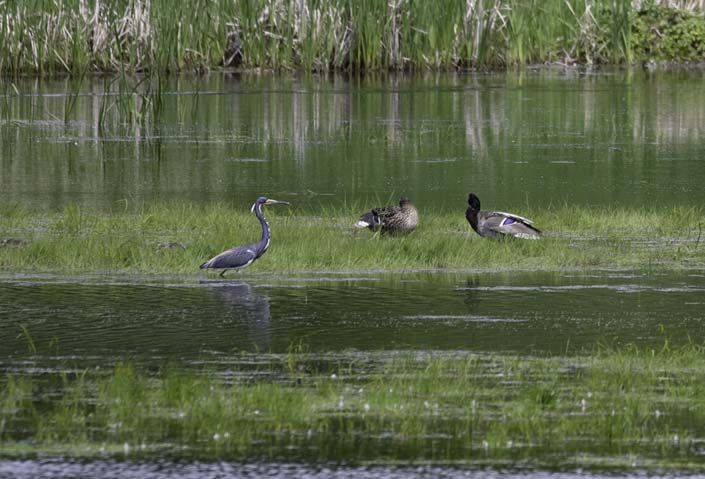
Bird Protection Quebec is a registered charity:                                         Cover Photo
Donations are tax deductible.
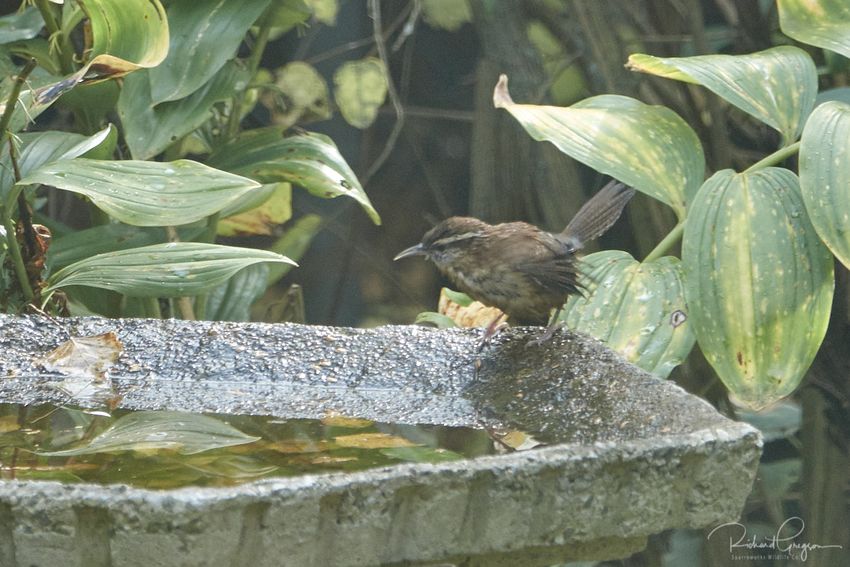
                                                                 Carolina Wren © Richard Gregson
Charity Registration #: 11925 2161 RR0001.

Principal Officers

President: Jane Cormack

Vice-Presidents: Sheldon Harvey, Connie Morgenstern
                                                                 In this Issue

                                                                 President’s Word 1
Treasurer: Sheldon Harvey
                                                                 Birding, Not Twitching 2
Secretary: Helen Meredith
                                                                 BPQ announces Bird Friendly® Coffee Partnership with Le
Membership Secretary: Darlene Harvey                             Nichoir 5
                   Contact: Bird Protection Quebec               Monday Night Lecture Kensington Presbyterian Church 6225
                        Box 67089 – Lemoyne                      Godfrey Ave., NDG 6
                     Saint-Lambert, QC J4R 2T8                   Bird Views 5 Parlons d’oiseaux 11
                          Tel.: 514-637-2141
                                                                 Past Field Trips 15
               E-mail: birdprotectionquebec@gmail.com
                Website: www.birdprotectionquebec.org            BPQ’s 2019 Christmas Bird Counts (CBC) 16

                      Online discussion group:
              http://groups.yahoo.com/group/Songsparrow

The Song Sparrow: ISSN 1710-3371
Legal Deposit: National Library and Archives of Canada

Publication Mail No.: 40044323
Newsletter Editor & Layout: Jane Cormack cormackjane@gmail.com
Cover Design: Richard Gregson sparroworks@gmail.com

Bird Views: Pierre Bannon pbannon@videotron.ca

                                                                                                                            i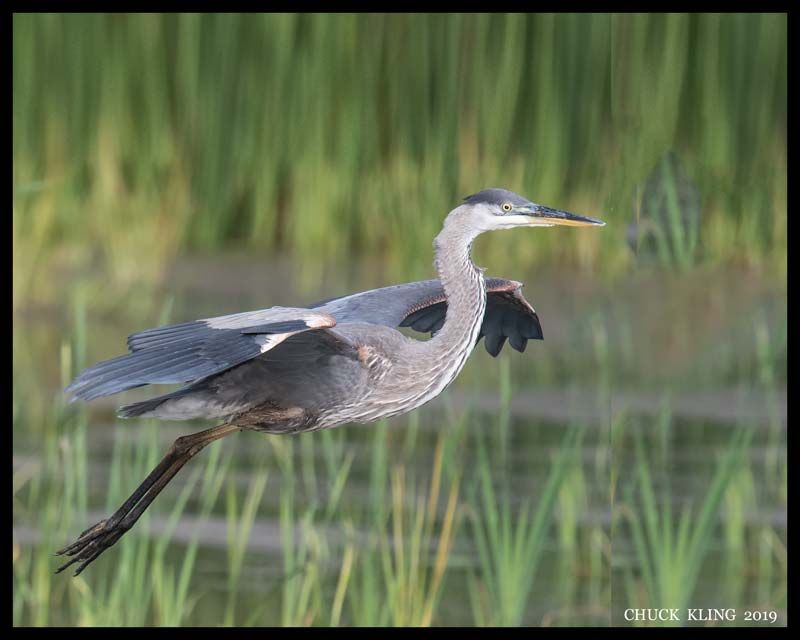
President’s Word                             100s of 1000s of people – young and old
                                             – have come together to demonstrate for
                                                                                            Set up feeders and install bird baths in
                                                                                            your backyard to help birds already
                                             radical change in government policies.         suffering from loss of habitat and ever-
by Jane Cormack                                                                             increasing threats.
BPQ President                                While the momentum is strong, you may
                                             still wonder what you can do – really. Here    Make sure to keep your feeders and bird
Why not make this winter your season         are some suggestions:                          baths clean and well maintained. Use a
year to get involved? Go out and do                                                         varety of seeds from a variety of
something for the birds.                     Winter is a wonderful time to make an          manufacturers.
                                             impact – contributing to the knowledge of
                                             local bird species and changes in bird         Take part in the Feederwatch program.
                                             populations. Keep lists and share them         Above all, get involved in a local
                                             on eBird.                                      conservation organization, like Bird
                                                                                            Protection Quebec. Talk to us about your
                                             Take part in a citizen science project. This   conservation concerns. We can achieve
                                             year, BPQ is organizing three Christmas        more working together than apart.
                                             Bird Counts, our long-standing Montreal
                                             and Hudson Christmas Bird Counts will
                                             take place on December 14 and
                                             December 21. This year, we are also
                                                                                            New Members
                                             organizing our first Kids’ Christmas Bird
                                             Count on December 15.                          We would like to extend a big welcome to
                                                                                            our new members: Quinn Thomas,
                                             The idea for Kids’ counts was initiated by     Matthew Pavouris, Jenna Schlener, Ann
                                             Régroupement QuébecOiseaux. Many               Marie Hanley, Alain Chevrette and family,
 White-breasted Nuthatch – Sitelle à
                                             birding clubs in the Montreal region and       Heidie Lenhart, Jennifer Callaghan,
 potrine blanche © Chuck Kling 2019
                                             across Quebec are participating. BPQ;s         Catherine Ford, Josée Brunelle, Philip
                                             count will take place at the Morgan            Short, Betty Crisante, Louise Falcon, and
Recent reports of the devastating decline                                                   Sam Liebman.
in bird species – 2.9 billion since 1970 –   Arboretum. Get the kids outside. Let
together with recent reports showing a       them have fun and learn something about
                                             birds.                                         We hope to see you out on field trips and
drastic decline in other wildlife species,                                                  at our monthly lectures and our other
and daily reports on the impact of climate                                                  events.
change have renewed interest in the          Introduce a new birder to the joys of
environment.                                 winter birding. Many people are surprised
                                             by the number of species they can see at
                                             this time of year. For the novice, the
                                             absence of leaves on the trees is a bonus.

Bird Protection Quebec                                                                                                             1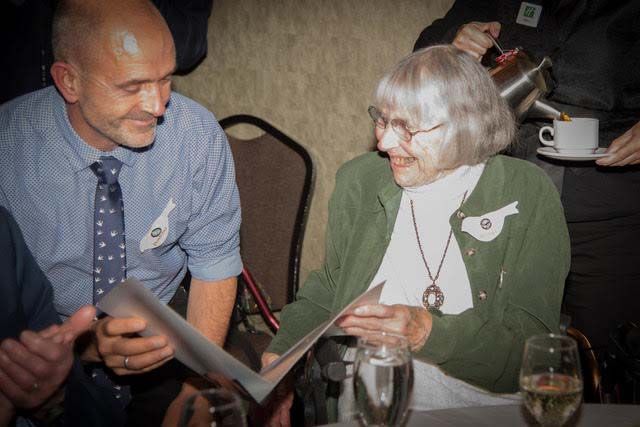
Birding, Not                                     eBird checklists. Sure some just put
                                                                                               on my life list unless it is reasonably close
                                                                                               to home base. I don’t really care if I have
Twitching                                        the tick on it, they may always do that
                                                                                               a longer list than anyone else. But
                                                                                               twitching? Yes, I understand the what and
                                                 or they may eventually want to add
                                                                                               the why.
                                                 more. Most, and that includes 99.9%
The Joys of Watching                             of rarity finders, contribute the sort        Twitching is not very environmentally friendly,
                                                 ofdata that could only have been
Local Birds                                      dreamed of pre-eBird. Counts,
                                                                                               so very much in keeping with virtually all
                                                                                               Human activity
                                                 distribution and dates for all the other
by Richard Gregson                               species seen are part of the package          Here we get to “Greenbirding” — using
                                                 along with the tick … You may not             only human motive power to get out to
A friend of mine, one of the two best            particularly like the notion of               where the birds are – walking, cycling,
birders I know and a chap who has                (responsible) twitching but you               canoeing, occasionally taking the bus. I
devoted his life to getting out looking at       cannot denigrate the data it                  was commissioned a few years ago to
birds every day of the year published an         generates.”                                   write a book about this so I know the pros
article on twitching at the end of last year.
                                                                                               and cons quite well – you can learn more
It is worth looking at again. Reading what      Non-birders clearly don’t get it, but          here.
he said sparked me to put down my own           birder-lites probably do get it while
thoughts on different approaches to             knowing it’s not for them. I once went         I do care about the environment. I do
birding. I am focusing on this paragraph        through a period of enthusiastic               what I can to keep my fuel consumption
and adding my own personal comments:            twitching. I still love to claim a lifer and   low and my GHG emissions minimal. I
                                                rarities always appeal, though nowadays        walk or use the bus for the most part, but
 Non-birders and birder-lite’s don’t                                                           I drive rental cars on vacation
 appreciate what twitching is all about.            I prefer to see birds where they are       considerable distances and often while
 Yes, it is irrational, but so are very            “supposed” to be, ideally on their          looking for birds, butterflies, or flowers. I
 many things that Humans do. Yes, it is            breeding territory.                         just go off somewhere for a good walk
 not very environmentally friendly, so                                                         (ideally with a pub at the end). I am not
 very much in keeping with virtually all                                                       here to criticize anyone. I can justify
 Human activity. Yes, it is only a tick,        Most years I travel afar - usually
                                                                                               Greenbirding with statistics and factoids,
 on a tick sheet designed to add ticks          northwards as I am not one for the
                                                                                               but I am a greenish birder mostly because
 to it. What is not considered,                 steamy tropics - to see birds. More often
                                                                                               I enjoy seeing and knowing more about
 especially by those who claim to be            than not I do so as part of a wildlife tour
                                                                                               the birds that live near to me rather than
 purists (no such thing, sorry!), is the        with local guides so I get the most out of
                                                                                               those far distant ones. I like to study the
 amount of data accumulated by those            the expensive opportunities. But I don’t
                                                                                               changes in their habits and populations
 who chase when they complete their             twitch. I almost never jump in the car and
                                                                                               with the seasons and over the years.
                                                hare off to maybe see something I “need”
                                                                                               That’s just me … as I said, I have

Bird Protection Quebec                                                                                                                      2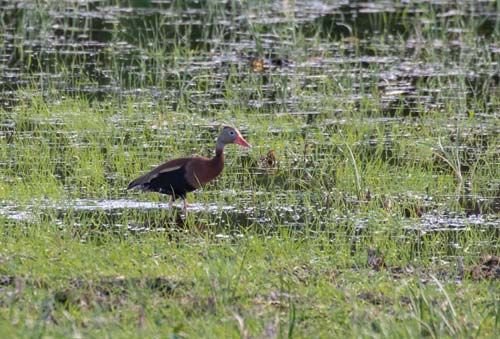
thought is not “what good birds are here”      well done. Twitching is optional,
                                               but rather “there’s an interesting field/      recording and reporting should not be.
                                               marsh/woodland, let’s go and see who
                                               lives there.”                                  So, today I am always exceptionally
                                                                                              pleased if I self-find a rarity or just spend
                                               Most twitchers, and that includes              time with some nice birds that I don’t
                                               99.9% of rarity finders, contribute            often see, but if someone else sees a
                                               data that could only have been                 rare/good bird somewhere distant to
                                               dreamed of pre-eBird.                          where I am I am probably not going off on
                                                                                              a twitch to see it myself. I am content to
                                               Here is where the two approaches meet          know that it still exists out there and is
                                               and where we totally agree. Birding            happily doing its birdy thing in suitable
                                               should not be about personal lists as far I    habitat. The record from the finder is now
                                               am concerned, interesting as they are,         in the database and the bird doesn’t need
                                               but about collecting and sharing data.         me peering at it. These days I am more
                                               Citizen Science, in other words. I have        concerned about, and work towards
                                               very little time for people – robin strokers   preserving, endangered habitat which,
                                               as they have been named – who say they         when lost, is going to affect all the
                                               like watching birds (or butterflies, or        wildlife that calls it home. Of course,
                                               plants or whatever) but don’t make a note      many twitchers do that also and more
                                               of what they have seen and certainly           strength to their elbows say I. Some don’t
                                               never make their observations available        but that’s between them and their
                                               to others. Their approach means that           consciences. Just ‘liking’ a conservation
                                               science and other enthusiasts cannot           project on social media doesn’t save any
                                               benefit from the data they have gathered.      bird’s habitat.
      Northern Cardinal – Cardinal
      rouge © Chuck Kling 2019                 The fact that rare bird X’s appearance in
                                               an unusual place at an atypical date is lost                  Get involved!
                                               forever. In today’s world with smartphone
twitched, I occasionally twitch but mostly
                                               apps, websites, eBird, iNaturalist and the     Perhaps even more important is making
my approach to birding has changed into
                                               like it takes very little time at all at the   sure the following generations come to
one of visiting localish habitats that I
                                               end of a day in the field or watching your     know and appreciate wildlife and want to
know well and just seeing and recording.
                                               garden to sit down with a cup of tea and       preserve it and the places it lives in.
If I can do some botanising at the same
                                               upload your sightings to one of the huge       Sadly, that seems less and less to be the
time (my wife is an avid botanist and I am
                                               databases sitting there eager for your         case unless we make efforts to show
becoming converted) then so much the
                                               contributions in the knowledge of a job        them what’s out there and how
better. Even more so if there are photos
to be had. If I am travelling, then my first                                                  vulnerable it is.

Bird Protection Quebec                                                                                                                   3
A good way to start the process of           BPQ's Kids Christmas Bird Count and
                                       “bestowing on our children the               Feederwatch. Enthuse them about the
 In our technology-fuelled world,
                                       importance of interacting with nature and    whole process. Show them birds and
 children are spending less time
                                       taking care of the environment” is to        critters and make sure they do not
 wandering around the great outdoors
                                       make sure their gardens are to attracting    become the sort of sad people who think
 and much more time plugged into a
                                       and holding native wildlife. Put up          all blackbirds are the same or that male
 screen … it becomes increasingly
                                       feeders and nesting boxes, plant fruit       and female Northern Cardinal are
 important to bestow on our children
                                       trees and seed-rich native flowers,          separate species. No need to lecture, if
 the importance of interacting with
                                       minimize the lawn, install a pond with a     the kids are anything like I was back then,
 nature and taking care of the
                                       waterfall, enroll the kids (and your adult   they will find it fun. Take them for walks
 environment.
                                       friends and relatives) in projects like      in local parks and along rivers and
                                                                                    continue the process of gentle education.
                                                                                    That way there might still be a habitable
                                                                                    world for them to grow up in.

                                                                                    And if the kids and your friends then want
                                                                                    to go twitching – good for them.

                                                                                          Great Blue Heron – Grand
                                                                                          Héron © Chuck Kling 2019

Bird Protection Quebec                                                                                                       4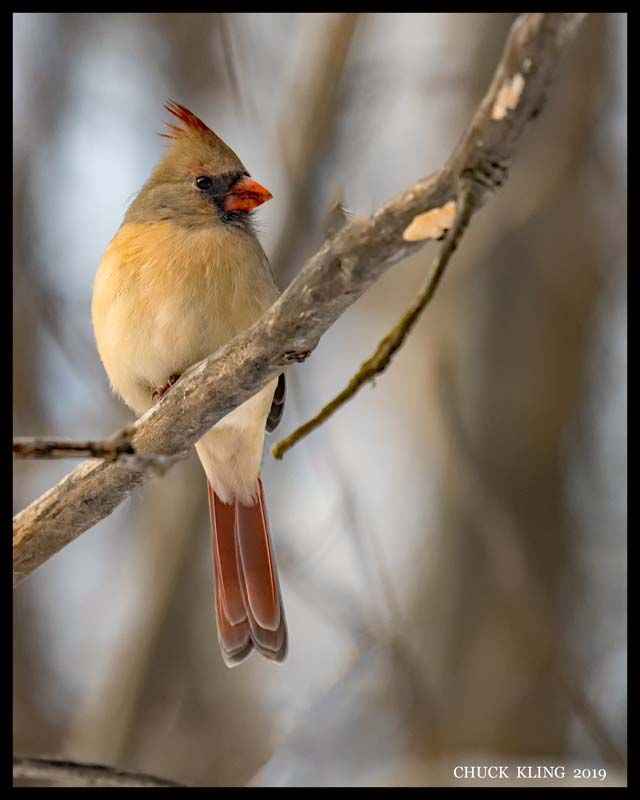
BPQ announces            New program partners                         Customers will have the option of
                                                                      choosing the organization they wish to
                         Quebec non-profits
Bird Friendly®
                                                                      support by purchasing coffee packages
                                                                      depicting the organization’s label at
                         with Le Nichoir to                           https://www.cafebirdfriendly.org/.
Coffee                   promote winter habitat                       Product options include dark or medium

Partnership with         preservation for
                                                                      roast, and either beans or ground coffee,
                                                                      all available in three bag sizes. Each bag
Le Nichoir               migratory birds
                                                                      contains 100% certified Bird Friendly®,
                                                                      organic and Fair Trade coffee locally
                                                                      roasted by Totem Roasters.
                         BPQ is pleased to announce the launch of
                         our own brand of coffee in partnership       By purchasing coffee at
                         with Le Nichoir. As part of a new program,   cafebirdfriendly.org, you support winter
                         you will be able to order certified Bird     habitat for boreal migrants, and at the
                         Friendly®, organic and Fair Trade coffee     same time support the important work of
                         online and support both organizations at     the charities you care about at home. A
                         once.                                        portion of the proceeds from each bag of
                                                                      coffee purchased on the website benefits
                         Le Nichoir’s brand of Bird Friendly®         Le Nichoir, the charity of your choice, as
                         certified coffee has been a popular choice   well as the Smithsonian Migratory Bird
                         for the last several years and has served    Center to support further conservation
                         to help promote the importance of            research.
                         shade-grown coffee plantations for
                         wintering northern birds.

                         To further this awareness initiative, Le
                         Nichoir has partnered with several other
                         Quebec-based non-profits with an
                         ecological mission. The program lets
                         each organization add their own label,
                         text, and logo to the Nichoir bag.
                         Currently, in addition to Bird Protection
                         Quebec, partners include the Ecomuseum
                         Zoo, Héritage Saint-Bernard and the
                         Union québécoise de réhabilitation des
                         oiseaux de proie (UQROP).

Bird Protection Quebec                                                                                        5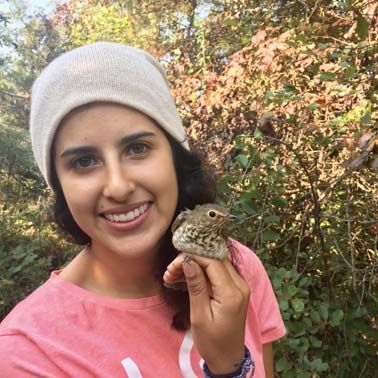
Monday Night Lecture                                                 On July 18, Mabel was awarded the Sovereign's Medal for
                                                                     Volunteers. The following citation is posted on their website:
Kensington Presbyterian                                                 Sovereign's Medal for Volunteers
Church                                                                  For more than half a century, Mabel Aston McIntosh has
6225 Godfrey Ave., NDG                                                  dedicated thousands of hours to studying and protecting
                                                                        birds in Quebec by conducting bird-banding projects,
All Monday night lectures take place at 7:30 p.m. at                    migration research and annual bird counts. As an expert in
Knox Crescent, Kensington & First Presbyterian Church,                  the field of ornithology, she has made invaluable
6225 Godfrey Ave, NDG, and are free of charge                           contributions to Bird Protection Quebec, Bird Studies
                                                                        Canada and the Hawk Migration Association of North
                                                                        America.

Monday, Dec 2, 7:30 p.m.
Celebrating Ornithology
The Hawkwatch
We will begin our December 2 meeting with a short ceremony in
honour of Mabel McIntosh, presenting her with two awards in
recognition of the 30,000 volunteer hours she has dedicated to the
hawkwatch.

Bird Protection Quebec                                                                                                               6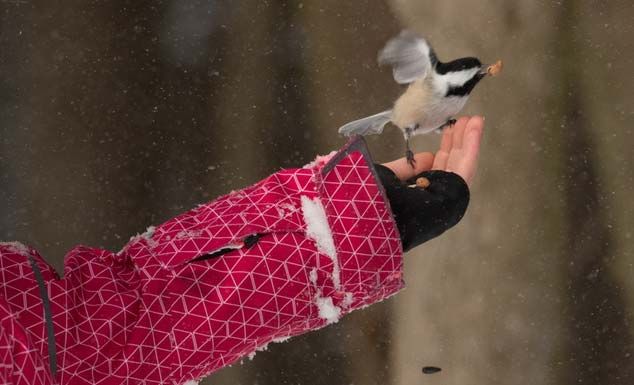
The Secret Life of Moult Migrant
                                                                       Songbirds

                                                                       Monday, December 2
                                                                       A Presentation by Ana Morales

               Mabel McIntosh celebrating BPQ’s
               Centennial Yearin 2017

In September, Regroupement QuébecOiseaux (RQO) recognized
Mabel for her efforts in conserving birds and their habitat. You can
read an article about the award here

Following the ceremony, we will take a short break to enjoy some                      Ana Morales with a Moult Migrant
refreshments. Then, we will continue with our monthly speaker.                        Swainson’s Thrush

                                                                       Moult, or the process of replacing worn feathers with fresh ones, is
               We hope you will join us for both                       a vital part of a bird’s life cycle. Migratory birds must moult their
               parts the evening!                                      flight feathers at least once per year to help them successfully and
                                                                       efficiently complete their long and arduous migratory journeys.

                                                                       Scientists have long assumed that all migratory songbirds moulted
                                                                       close to their nesting grounds, but recent findings suggest
                                                                       otherwise. Some songbirds appear to undergo a process known as

Bird Protection Quebec                                                                                                                    7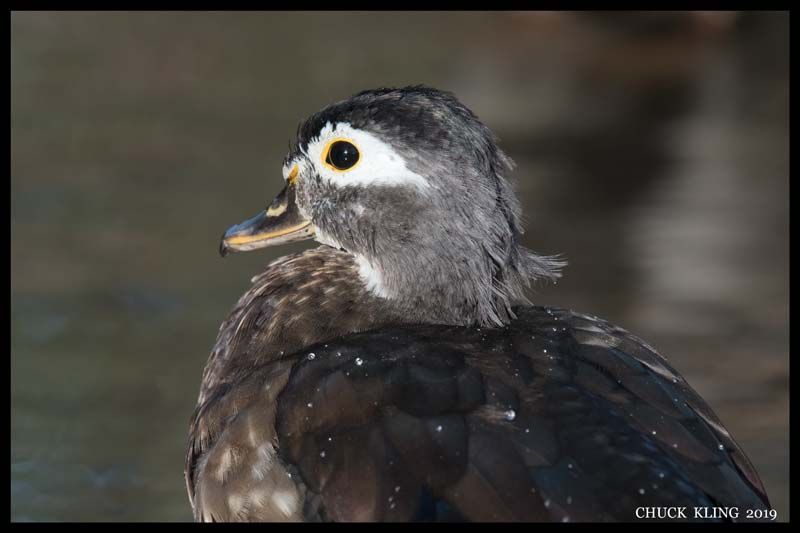
moult migration, during which they move to special moulting
locations away from their breeding grounds to replace their               The Second Quebec
feathers right before the start of fall migration. Why do moult
migrants do this and how important are these moulting habitats for        Breeding Bird Atlas
these birds? One thing is certain: if these birds rely heavily on these
areas during this crucial period of their life cycle, preserving these
habitats must be critical for the conservation and safeguard of           Monday, January 6, 2020,
these migratory species.
                                                                          at 7:30 p.m.
In this talk Ana will tell us all about the poorly known phenomenon
of moult migration in songbirds, and how she managed to shed
some light on this fascinating behaviour by using a novel tracking        A Presentation by Marie-Hélène
technology that allowed her to “spy” and follow the secret lives of
moult migrants during their moulting stopovers in Montreal.
                                                                          Hachey
About the Speaker

Ana is a masters student at McGill University and a current BPQ
board member. Growing up in Ecuador, surrounded by the mighty
Andean mountains and biodiverse rainforests, she developed a
fondness for nature and wildlife from a very young age.

After completing an undergrad in environmental biology at McGill,
Ana became involved in a variety of bird-related research projects
in Ecuador, from monitoring Galapagos hawks in remote islands, to
studying hummingbird physiology in the Andean highlands.

Eventually, her fascination for migratory songbirds brought her
back to Montreal and the McGill Bird Observatory, where she began
a masters project supervised by Dr. Kyle Elliott from McGill
University and Dr. Barbara Frei from the McGill Bird Observatory.
Her masters thesis focuses on the the stopover ecology of moult           Released last spring, the Second Atlas of the Breeding Birds of
migrant songbirds in Montreal.                                            Southern Québec is a reference work that will guide many projects
                                                                          for the conservation of Quebec birds in the coming decades. It is
                                                                          the culmination of the largest ornithological project undertaken in
                                                                          Quebec for a quarter of a century. From 2010 to 2014, hundreds of
                                                                          birdwatchers spent more than 100,000 hours raking the various
                                                                          habitats of southern Quebec. They collected half a million records

Bird Protection Quebec                                                                                                                     8
which are the basis of the new atlas. The writing took over a year
and required no fewer than 30 authors. Photographers from all over William Henry Mousley
Quebec provided more than 5,000 photos, from among which we
selected those illustrating the Atlas. Marie-Hélène will present the Quebec Ornithologist
history of the Atlas, from its beginnings in 2009 to its publication
in April 2019. Ten years of effort by hundreds of people whose
(1865-1949)
result is a beautiful book.
Monday February 3, 2020
About the Speaker
Marie-Hélène Hachey works for the A Presentation by Dwane Wilkin
Regroupement QuébecOiseaux.
She was Assistant Coordinator of William Henry Mousley was a father
the Québec Breeding Bird Atlas. of seven and well into middle age
She is a biologist with a master’s when his career in the family’s
degree (MSc) in forest science, railroad-building firm came
which she obtained from Laval crashing to an inglorious end. The
University in 2011, for a project Mousleys were forced to sell their
that investigated the factors London home to stay out of debt,
affecting the feeding of chicks and parting ways forever with their
the transport of food by boreal prosperous life in the metropolitan
nesting birds. Before returning to nerve-centre of the British Empire.
do her masters, she worked for But riches of another kind awaited
eight years as a park warden and Henry in the bogs and woodlands
interpreter in different national of the Eastern Townships: an
parks across Québec. Previous to abundance of birds and wildflowers
her career in ornithology Marie- that seemed to reawaken his
Hélène obtained an undergraduate degree in media boyhood love of nature, fed his
communications and worked as a journalist for Espace magazine mind, and eventually furnished him
and Radio-Canada. with the means to earn a living after
sailing to Quebec in 1910. In the
course of the next four decades,
while living first near Hatley Village and later in Montreal, Mousley
gained a reputation as the best all-round naturalist-ornithologist
of 20th century Canada.
Bird Protection Quebec 9In ornithology, Mousley was perhaps best known for his extensive
field studies on birds such as the American Black Duck, Spotted
Sandpiper, Sedge Wren and the Great Crested Flycatcher which were
published in important publications such as Auk and the Canadian
Field-Naturalist.
About the Speaker
Dwane Wilkin was born in the Eastern Townships. He obtained an
BA in Economics and Political Science from McGill University and a
Graduate Diploma in Journalism from Concordia University. Dwane
started his career as a newspaper reporter with the Stanstead
Journal, the Sherbrooke Record and the Nunatsiaq News and
freelanced for the Montreal Gazette, the Ottawa Citizen, the Globe
and Mail and other newspapers. Since 2002 Dwane has worked with
the Quebec Anglophone Heritage Network (QAHN) in a number of
capacities including researcher, writer, editor and community
organizer.
Wood Duck – Carnard branchu ©
Chuck Kling 2019
Bird Protection Quebec 10Bird Views Parlons d’oiseaux
A summary of interesting bird sightings Un bilan des observations
in Montréal and around the province of intéressantes à Montréal et à travers la
Québec province de Québec
June - July 2019 Juin - juillet 2019
by Pierre Bannon par Pierre Bannon
Left – À gauche: Black-bellied
Whistling Duck – Dendrocyne à
ventre noir © Suzanne Labbé 2019
Dendrocygne à ventre noir: un oiseau signalé à l’Assomption 6
juin (Robert Dupuis) puis un impressionnant groupe de 10 a
séjourné à Saint-Ignace-de-Loyola 20 juin-5 juillet (Jean
Lemoyne, pl.ob.). Cygne tuberculé: 3 oiseaux à Coteau-du-Lac
12 juin (J. Cantara, Luc Tremblay et al.) et un à Saint-Barthélemy
5-26 juin (Raymond Piché, Bertrand Dumont, pl.ob). Cygne
trompette: un à Forestville, un nouvel endroit pour cette espèce,
3 juillet (Andrew Coughlan). Canard siffleur: cette espèce
eurasienne a choisi d’estiver à 6 endroits différents. Grèbe
esclavon: rare en Abitibi en été, un a séjourné à Val d’Or 7-25
Black-bellied Whistling-Duck: a bird was reported at juillet (Raymond Ladurantaye). Grèbe élégant: un à Rivière-
l’Assomption 6 June (Robert Dupuis) and then an impressive Ouelle 7 juillet, une 3e présence seulement dans la province
group of 10 resided at Saint-Ignace-de-Loyola 20 June through (Claude Auchu, Christiane Girard).
5 July (Jean Lemoyne, m.ob.). Mute Swan: 3 birds at Côteau-du-
Lac 12 June (J. Cantara, Luc Tremblay et al.) and one at Saint-
Barthélemy 5-26 June (Raymond Piché, Berttrand Dumont,
m.ob). Trumpeter Swan: one at Forestville, a new place for this
11species, 3 July (Andrew Coughlan). Eurasian Wigeon: this Barge marbrée: une à Baie-du-Febvre 20 juin (Jules Brunelle,
Eurasian species has chosen to stay at 6 different locations in the Yves Dugré). Chevalier semipalmé: un à Saint-Gédéon19 juillet
province during the summer. Horned Grebe: rare in Abitibi in (Jacques Ibarzabal). Phalarope de Wilson: maintenant rare en été,
summer, one was at Val d’Or 7-25 July (Raymond Ladurantaye). un couple a été aperçu à Baie-du-Febvre 16 juin (Serge
Western Grebe: one at Rivière-Ouelle 7 July, the third record only Morneau).
in the province (Claude Auchu, Christiane Girard).
Mouette pygmée: maintenant rare en été près de Montréal, 2 ad
Marbled Godwit: one at Baie-du-Febvre 20 June (Jules Brunelle, ont été trouvés à Sainte-Catherine 20 juillet (Pascale Berthe,
Yves Dugré). Willet: one at Saint-Gédéon19 July (Jacques Lucien Lemay). Goéland à bec cerclé: un au nord de son aire 17-
Ibarzabal). Wilson’s Phalarope: now rare in summer, a pair was 18 juin au camp Norpaq (56,827 Nord, -64,981 Ouest) le long
located at Baie-du-Febvre 16 June (Serge Morneau). de la rivière George au Nunavik (Michel Robert).
Little Gull: now rare near Montréal in summer, 2 ad were found
at Sainte-Catherine 20 July (Pascale Berthe, Lucien Lemay). Ring-
billed Gull: one north of its range 17-18 June at camp
Norpaq (56,827 North, -64,981 West) along George R., Nunavik
(Michel Robert).
Right — À droit: Tricolored Heron –
Aigrette tricolore © Suzanne Labbé
American White Pelican: now annual in summer, singles were
reported in at least 10 localities. Snowy Egret: singles found at
Rimouski 6-9 June (Gilbert Bouchard, Lucille Saint-Laurent),
Saint-Barthélemy 14 June (Joanne Masson) and Grosse-Île (Les
îles de la Madeleine) 24 June-7 July (Claude Roy). Little Blue
Heron: one continued at Grosse-Île until 6 June. Tricolored
Heron: one at Saint-Joachim 20 June-28 July (Gilles Garrant,
m.ob.). Cattle Egret: one at Rivière-Ouelle 4 June (Isabelle
Trembley), found later at nearby Saint-André 27 June-9 July
(Denyse Bérubé). Black Vulture: one at Lévis 17 July (Chantal
Labbé, Marc Grondin). Eastern Screech-Owl: one north of its Pélican d’Amérique: maintenant annuel en été, des oiseaux ont
range at Boileau 2 July (Sylvie Hébert). été signalés dans au moins une dizaine de localités. Aigrette
neigeuse: des oiseaux signalés à Rimouski 6-9 juin (Gilbert
Bouchard, Lucille Saint-Laurent), Saint-Barthélemy 14 juin
(Joanne Masson) et Grosse-Île (Les îles de la Madeleine) 24 juin-
12Red-bellied Woodpecker: a nest with young 19 June at Sainte- 7 juillet (Claude Roy). Aigrette bleue: une encore présente à
Anne-de-Bellevue was a first for the province (Alyssa De Rubeis). Grosse-Île jusqu’au 6 juin. Aigrette tricolore: une à Saint-
Western Kingbird: one at Pointe-aux-Outardes 1 June (Edward Joachim 20 juin-28 juillet (Gilles Garrant, pl.ob.). Héron garde-
Brotherton, Emmanuel Hains). Loggerhead Shrike: one boeuf: un à Rivière-Ouelle 4 juin (Isabelle Trembley), retrouvé
discovered 13 June at Bristol (Émile Brisson-Curadeau); then 2 plus tard dans la localité voisine de Saint-André 27 juin-9 juillet
birds were later found there including a female showing (Denyse Bérubé). Urubu noir: un à Lévis 17 juillet (Chantal Labbé,
coloured bands and incubating on a nest 15-20 June (Pascale Marc Grondin). Petit-duc maculé: un au nord de son aire à
Berthe, Chantal Trudel, m. ob.). Unfortunately, the pair left the Boileau 2 juillet (Sylvie Hébert).
area after a nearby field covered with mullein used by the birds
as perch was cut. The female had been banded and released Pic à ventre roux: une première pour la province, un nid avec
from captivity at Carden, Ont. in July 2017. Barn Swallow: one jeunes trouvé le 19 juin à Sainte-Anne-de-Bellevue (Alyssa De
well north of its range 15 June at camp Norpaq (56,827 North, - Rubeis). Tyran de l’Ouest: un à Pointe-aux-Outardes 1 juin
64,981 West) along George R., Nunavik (Michel Robert). (Edward Brotherton, Emmanuel Hains). Pie-grièche migratrice:
un individu signalé 13 juin à Bristol (Émile Brisson-Curadeau);
puis 2 oiseaux présents par la suite dont une femelle affichant
des bagues de couleur, et couvant sur un nid 15-20 juin (Pascale
Berthe, Chantal Trudel, pl. ob.). Malheureusement, les 2 oiseaux
sont disparus suite à la coupe d’un champ de molène voisin du
nid et dont les tiges leur servaient de perchoir. La femelle avait
été baguée et relâchée à Carden, Ont. en juillet 2017. Hirondelle
rustique: une au nord de son aire 15 juin au camp
Norpaq (56,827 Nord, -64,981 Ouest) au bord de la rivière
Georges, Nunavik (Michel Robert).
Right – À droit: Loggerhead Shrike
– Pie-grièche migratrice
© Suzanne Labbé 2019
Lawrence’s Warbler: a juvenile banded at Godmanchester 4 July Paruline de Lawrence: un juv bagué à Godmanchester 4 juillet
(McGill Bird Observatory). Hooded Warbler: a male at Québec (Observatoire d’oiseaux McGill). Paruline à capuchon: un mâle à
City 3 June (Linda Coté). Yellow-throated Warbler: one at Hudson Québec 3 juin (Linda Coté). Paruline à gorge jaune: une à Hudson
2 June (Wayne Grubert). Clay-coloured Sparrow: a male was 2 juin (Wayne Grubert). Bruant des plaines: un mâle apparié à
paired with a Chipping Sparrow and was seen feeding young at une femelle de Bruant familier nourrissait des jeunes en juillet à
Granby in late July (Monique Berlinguette, Monique Maheu). Field Granby (Monique Berlinguette, Monique Maheu). Bruant des
Sparrow X Clay-coloured Sparrow: this presumed hybrid champs X Bruant des plaines: un hybride toujours présent à
continued at Godmanchester until at least 17 June (m.ob.). Lark Godmanchester jusqu’au 17 juin (pl. ob.). Bruant à joues
13Sparrow: previously seen only twice in summer, singles were marron: précédemment signalé seulement 2 fois en été, des
found at Île aux Lièvres 7-8 June (Joanne Masson, M. Lemay), oiseaux furent trouvés à l’Île aux Lièvres 7-8 juin (Joanne
Rivière-Saint-Jean 18 June (Réal Poulin), and Île Niapiscau 15 July Masson, M.Lemay), à Rivière-Saint-Jean 18 juin (Réal Poulin), et
(Yves Journet). Grasshopper Sparrow: a juv photographed at à l’Île Niapiscau 15 juillet (Yves Journet). Bruant sauterelle: un juv
Bristol 21 July, a rare confirmation of breeding for the species photographié à Bristol 21 juillet, une rare confirmation de
(Miriam Baril). LeConte’s Sparrow: singles at Petit-Saguenay 25- nidification pour l’espèce (Miriam Baril). Bruant de LeConte: des
29 June (Gilles Falardeau), Île aux Grues 12-17 July (Frédéric oiseaux à Petit-Saguenay 25-29 juin (Gilles Falardeau), l’Île aux
Hareau) and Cap Tourmente 16-21 July (Anne Déry, Laval Roy). Grues 12-17 juillet (Frédéric Hareau) et au cap Tourmente 16-
21 juillet (Anne Déry, Laval Roy).
Blue Grosbeak: a male at Kamouraska 1 July (Céline Boilard).
Yellow-headed Blackbird: a female at Rouyn-Noranda 8 June Guiraca bleu: un mâle à Kamouraska 1 juillet (Céline Boilard).
(Milan Kerby) and a male at Rivière-Ouelle 23 June (Claude Carouge à tête jaune: une femelle à Rouyn-Noranda 8 juin (Milan
Auchu et al.). Orchard Oriole: a nesting pair was present near Kerby) et un mâle à Rivière-Ouelle 23 juin (Claude Auchu et al.).
Pike River 18 June-13 July (Bertrand Hamel, m. ob.). Single birds Oriole des vergers: un couple nicheur présent à Pike River18
were also reported at Sept-Îles 13 June (Jean-François Laporte) juin-13 juillet (Bertrand Hamel, pl. ob.). Des oiseaux aussi
and at Hinchinbrooke 24 June (Benoit Goyette). signalés à Sept-Îles 13 juin (Jean-François Laporte) et à
Hinchinbrooke 24 juin (Benoit Goyette).
Please report your interesting bird sightings to Pierre Bannon, by
e-mail at pbannon@videotron.ca Veuillez communiquer vos observations intéressantes à Pierre
Bannon, tél : 450-905-1127 en soirée ou préférablement par
courriel à : pbannon@videotron.ca
14Past Field Trips Other Birds of Note: Wild Turkey,
American Bittern, Green Heron, Osprey,
21/09/19 – Parc National
Northern Harrier, Sharp-shinned Hawk, Mont-Tremblant, Mont-
31/08/19 – Saint-Lazare Red-tailed Hawk, Ruby-throated Tremblant
Hummingbird, Swamp Sparrow, White-
Sandpits (Sablière), Saint- throated Sparrow, Rose-breasted Guide: Jeff Harrison
Lazare Grosbeak Weather: Sunny, mid-20s, light wind
Guides: Jean Demers and Clémence Participants: 13; Species: 40
Soulard
14/09/19 - Parc-nature du
Birds of the Day: White-winged
Weather: Excellent!
Cap-Saint-Jacques, Crossbill; Lincoln Sparrow
Participants: 26; Species: 48 species
Pierrefonds Other Birds of Note: Common Loon,
Guide: Wayne Grubert Belted Kingfisher, Pileated Woodpecker,
Birds of the Day: Greater Yellowlegs and Blue-headed Vireo, Red-breasted
Lesser Yellowlegs Weather: Drizzle, cloudy, humid Nuthatch, Golden-crowned Kinglet,
Other Birds of Note: Blue-winged Teal, Participants: 5; Species: 40 Ruby-crowned Kinglet, Black and white
Northern Pintail, Killdeer, Least Warbler, Tennessee Warbler, Common
Sandpiper, Pectoral Sandpiper, Spotted Bird of the Day: Black-throated Green Yellowthroat, Cape May Warbler,
Sandpiper, Solitary Sandpiper, Great Warbler Northern Parula, Bay-breasted Warbler,
Egret, Bald Eagle, Red-shouldered Hawk, Other Birds of Note: Wood Duck, Black-throated Blue Warbler, Yellow-
Olive-sided Flycatcher, Palm Warbler Cooper's Hawk, Spotted Sandpiper, rumped Warbler, Black-throated Green
Belted Kingfisher, Yellow-bellied Warbler, White-crowned Sparrow
07/09/19 – La réserve Sapsucker, Common Raven, Tennessee
Warbler, Cape May Warbler, Yellow- 28/09/19 – Parc Frédéric-
nationale de faune (RNF) du rumped Warbler, Blackpoll Warbler,
Lac-Saint-François, Dundee American Redstart, Wilson's Warbler, Back, Montreal
Scarlet Tanager Guide: Claude Cloutier
Guides: Wayne Grubert and Sheldon
Harvey Weather: Overcast, brief sprinkles of rain
Weather: Mid teens, light breeze, rain Participants: 5; Species: 21
later Bird of the Day: Red-tailed Hawk
Participants: 14; Species: 41 Other Birds of Note: Cooper's Hawk,
Bird of the Day: Sandhill Crane American Kestrel, Wilson's Snipe, Herring
Gull, Common Raven, Cedar Waxwing,
White-throated Sparrow
Bird Protection Quebec 15BPQ’s 2019 Christmas Bird Counts (CBC)
The 84th Annual Montreal CBC – Saturday, December 14
and the 79th Annual Hudson CBC – Saturday, December 21
Two of Bird Protection Quebec’s (BPQ) Teams of birders are assigned
most popular annual events, the Montreal designated sections of territory
Christmas Bird Count and the Hudson within the Montreal and Hudson
Christmas Bird Count will take place on circles. It’s a fun day of birding,
Saturday, December 14, 2019, and all for a valuable and important
Saturday, December 21, 2019, purpose. The key thing to
respectively. The annual bird counts play remember on a Christmas Bird
a vital role in tracking local and national Count is that every single bird
birding trends and are very important you see is important,
events on the citizen science calendar. We regardless of whether it’s a
are once again counting on your common or rare species. Seeing
participation. Jean Demers, Clémence some “good birds” is always a
Soulard, and Sheldon Harvey make up the bonus, but the goal of the day is
BPQ Christmas Count Committee. to count each and every bird of
Sheldon will be responsible for the each and every species. If you
Montreal Count, with Jean and Clémence live anywhere within the count
looking after the Hudson Count. circles and have feeders
installed,but are unable to join
We hope that many of you who
one of our field teams, you can still assist If you are new to the Christmas counts
participated in previous years will return
us without leaving the comfort of your and are interested in becoming a field
again this year, but we encourage those
home. Our website explains how to participant, please contact us and we will
of you who have not previously
participate as a Feeder Watcher. All assign you to a sector on a team with
participated to get involved. We still have
previous participants will be receiving an some experienced Christmas counters.
space and territory available to add more
people. We have a long-standing e-mail from us inquiring about your
possible participation again this year, Following the Montreal count, an informal
tradition to uphold and, with everyone’s
covering the same territory. If you would social will be held at the Montreal West
support and cooperation, we aim to carry
like to move to a different territory, we Curling Club, 17 Ainslie Road in Montreal
it on.
will do our best to accommodate. West, at 4:00 p.m. All participants are
invited to attend for a bite to eat and to
submit their findings of the day. Food will
Bird Protection Quebec 16be provided and there will be a cash bar.
The results of the day’s count will be BPQ’s Kids’
Christmas Bird
tabulated and everyone is encouraged to What to bring
share their birding experiences of the
day. Count This is primarily an outdoor event so
remember to dress for the weather!
Following the Hudson count, an informal
social will be held at the St-Hubert Morgan Arboretum There is no potable water at the
Barbecue restaurant, 601 avenue St- Arboretum so a small backpack
Charles, in Vaudreuil; Exit 35 from (conservation centre) with snacks and a water bottle are
Highway 40. Various finger foods will be recommended.
provided (onion rings, chicken wings, Sunday, December 15,
nachos, mini-brochettes, mini-spring 2019 9:30 am – noon Don’t forget your binoculars!
rolls, etc.). The room will be available
from 4:00 to 7:00 p.m. Admission: Please note that there is a fee to
The Christmas Bird Count is a yearly
Full details of both BPQ Christmas Bird census to track overwintering bird enter the Morgan Arboretum: https://
Counts can be found on the BPQ website populations. Come join us to learn all mcgill.ca/morganarboretum/visit-us-0
http://pqspb.org/bpq2/?page_id=139 about this important Citizen Science
event and bird identification! We will go Registration: Send us an email
We look forward to your participation on a Christmas count-style guided bird at education@pqspb.org to register. Please give
again this year. If you have any questions, walk. This event is geared towards kids us your name and the number of adults and
please contact us. and their families, but everyone is children that will be attending.
welcome to attend. If you are already a
For the Montreal Christmas Bird Count, bird lover, consider bringing along
please contact Sheldon Harvey, e-mail: a young friend or family member and
ve2shw@yahoo.com or telephone: 450- “fledging” a new birder!
462-1459.
Hot chocolate and cookies will be
For the Hudson Christmas Bird Count, served after the count.
please contact Jean Demers, e-mail:
cbchudson2@gmail.com or telephone: 514-
694-8240.
Watch the Songsparrow e-mail forum and
the BPQ Facebook page for further
information.
Bird Protection Quebec 17Recensement des Des biscuits et du chocolat chaud seront
servis après le recensement.
Frais d’admission : Veuillez noter que
l’entrée pour l’Arboretum Morgan est
oiseaux de Noël payante : https://mcgill.ca/
morganarboretum/fr/visitez-nous
pour enfants de
Que dois-je apporter ?
Habillez-vous en conséquence : Inscription : par courriel
Protection des l’évènement a lieu principalement à education@pqspb.org Veuillez nous
indiquer votre nom et le nombre
oiseaux du en extérieur !
d’enfants et d’adultes participants.
Québec Une bouteille d’eau et collation (il
n’y a pas d’eau potable à Black-capped Chickadee –
l’Arboretum) Mesange à tête noire © Connie
Morgenstern
Arboretum Morgan N’oubliez pas vos jumelles !
(centre de
conservation)
Dimanche 15 décembre
2019 De 9h30 à midi
Le Recensement des oiseaux de Noël a
pour but de recenser les oiseaux
hivernants chaque année. Joignez-vous à
nous pour en apprendre plus sur cet
évènement de Science citoyenne et sur
l’identification des oiseaux. Nous ferons
une promenade ornithologue guidée
selon le protocole du recensement. Cet
évènement est prévu pour les enfants et
leur famille, mais vous êtes tous les
bienvenus. Si vous aimez les oiseaux,
amenez un ami ou membre de votre
famille pour lui transmettre votre
passion !
Bird Protection Quebec 18You can also read


