The Voice of the European Ventilation Industry - ISH 2019
←
→
Page content transcription
If your browser does not render page correctly, please read the page content below

The Voice of the European Ventilation Industry

                                         ISH 2019

© Claus Händel, EVIA                         1
How to evaluate indoor air Qualitty

           Jelle Laverge, University of Ghent
           Yves Lambert, Renson
           Jelmer de Jong, Brink Climate Systems

                                                                                  Dipl.- Ing. Claus Händel
                                                                                           Technical Secretary
                                                                     European Ventilation Industry Association
                                                                                           Avenue des Arts 46
                                                                                      1000 Brussels, Belgium
                                                                                         Tel.: +32 2 732 70 40
                                                                                     E-mail: haendel@fgk.de

© Claus Händel, EVIA                               2
Good Indoor Air Quality is a Basic Human Right

           EPBD
                 The 2009 WHO guidelines provide that, concerning
                 indoor air quality, better performing buildings provide
                 higher comfort levels and wellbeing for their occupants
                 and improve health.
                 ‘Article 2a Long-term renovation strategy
                 (g) an evidence-based estimate of expected energy
                 savings and wider benefits, such as those related to
                 health, safety and air quality.
                 The energy needs for technical building systems shall be
                 calculated in order to optimise health, indoor air
                 quality and comfort levels defined by Member States at
                 national or regional level.
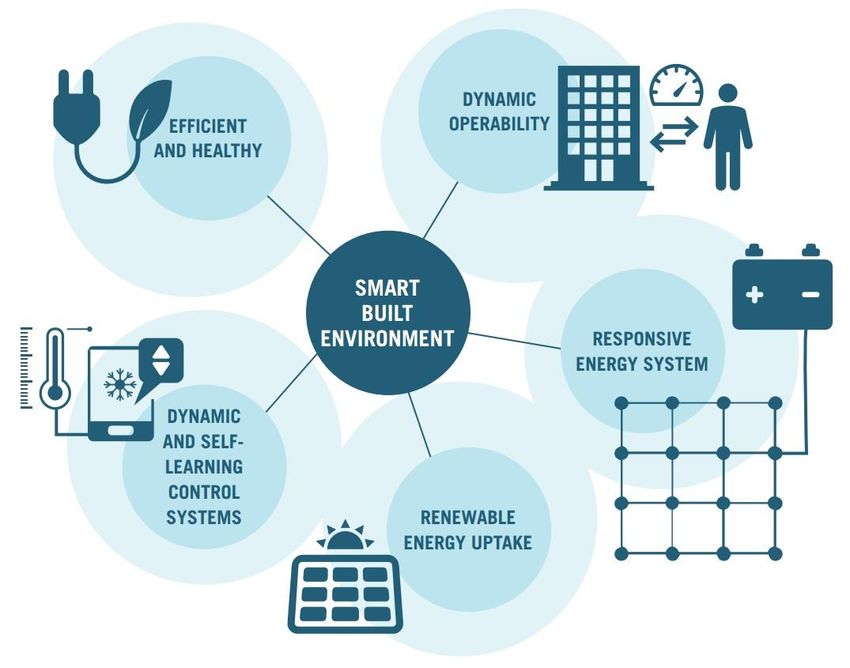
                 THE SMART READINESS OF BUILDINGS
                 the interoperability between systems (… regulation of
                 indoor air temperature within the building and indoor air
                 quality sensors and ventilations);

© Claus Händel, EVIA                                               3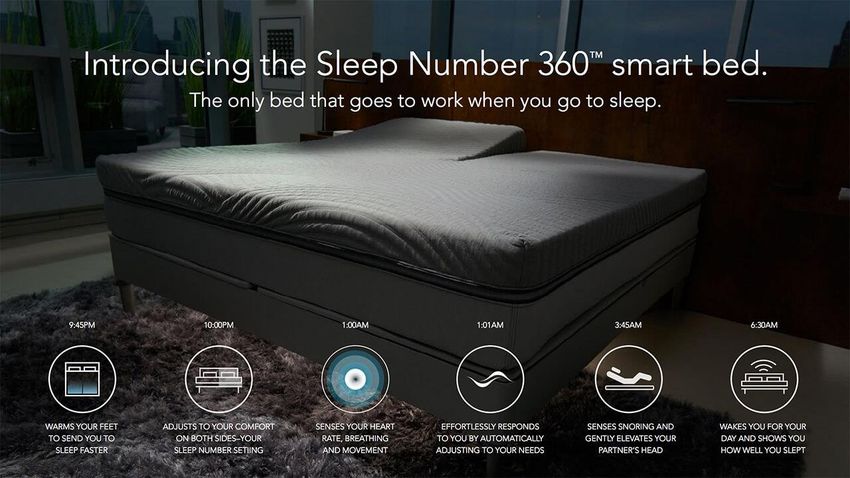
Regulatory Perspective EPBD

                       Currently - No Indicator for IAQ in Building
                                       Certificates

© Claus Händel, EVIA                             44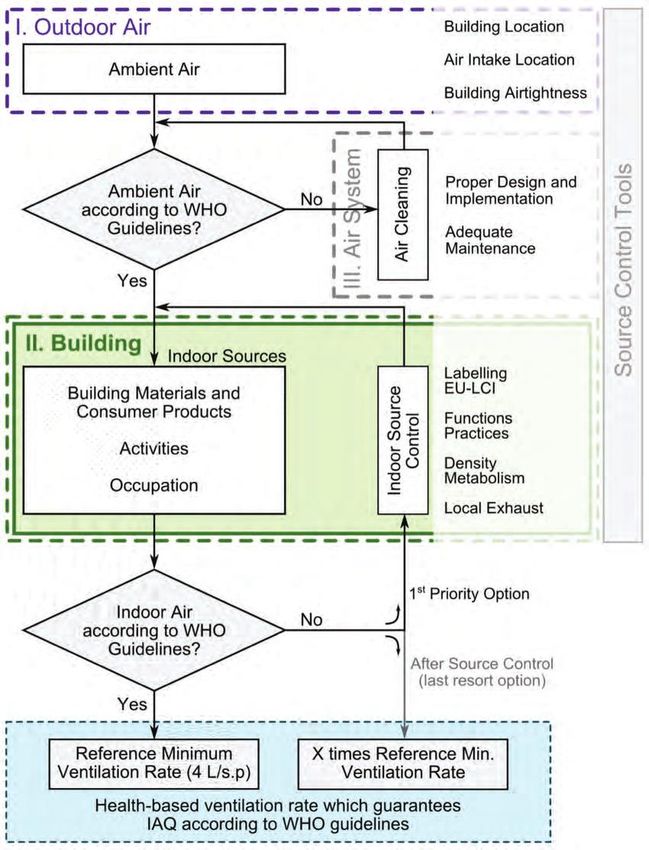
Currently no indicator for IAQ Parameters in ErP Label

           No indicator for IAQ controls options
           No indicator for filtration
           No indicator for sufficient air volume floe
           design

           Simply energy aspects are missleading

           Other products sometime have additional
           indicators
                 Washing maschines
                 Tyres

© Claus Händel, EVIA                                     5
Industry views
                       with respect to smart ventilation
                               as an enabler of
                              Indoor Air Quality

                            Yves Lambert, Renson

© Claus Händel, EVIA                   6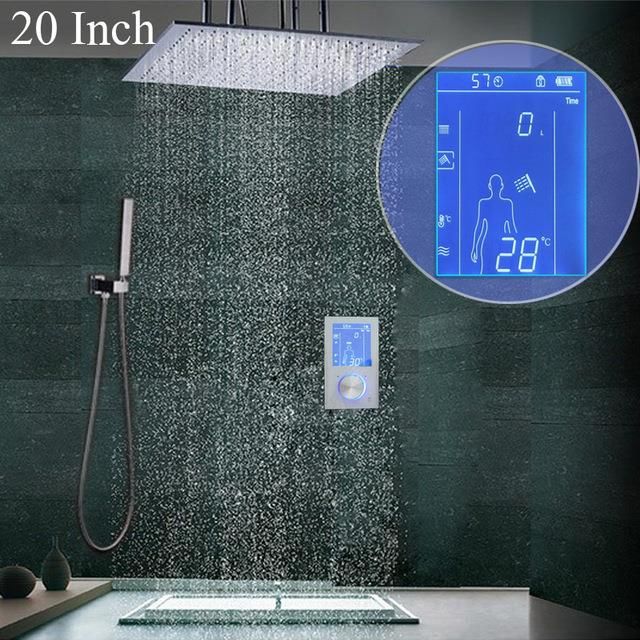
“WE ARE LIVING IN THE AGE OF THE IPHONE,
                       YET THE ARCHITECTURE AND CONSTRUCTION
                       INDUSTRIES ARE STILL IN THE WALKMAN
                       PHASE“
                       QUOTE UNSTUDIO - BEN VAN BERKEL

                                                                      Dipl.- Ing. Claus Händel
                                                                               Technical Secretary
                                                         European Ventilation Industry Association
                                                                               Avenue des Arts 46
                                                                          1000 Brussels, Belgium
                                                                             Tel.: +32 2 732 70 40
                                                                         E-mail: haendel@fgk.de

© Claus Händel, EVIA                       7
Smart items in our daily life ?

© Claus Händel, EVIA                8
Smart home ?

© Claus Händel, EVIA   9

Smart ventilation ?

© Claus Händel, EVIA     10
Economic reality

© Claus Händel, EVIA           11
The Voice of the European Ventilation Industry

                                         ISH 2019

© Claus Händel, EVIA                         12
Smart ventilation in SRI
Focus on ENERGY
The Voice of the European Ventilation Industry
ISH 2019
= Boundary condition
© Claus Händel, EVIA 13Smart ventilation in Ecodesign Lot 6 ? © Claus Händel, EVIA 14
Simulate IAQ or measure ?

                                                   Ventilation system
                                           •       Demand controlled
                                               •    IAQ sensor based
                                                    •   Data online

                               Installer                                             User
                           •     Status                                     •   Feedback on IAQ
                       •   Maintenance                                  •       Increase awareness

© Claus Händel, EVIA                                       15
To measure is to know
VOC
T°
H2O
© Claus Händel, EVIA 16© Claus Händel, EVIA 17
We believe

                            Smart
                            Ventilation
                            IAQ

© Claus Händel, EVIA   18
EVIA IAQ label
VOC CO2 RH Filtration
© Claus Händel, EVIA 19IAQ label main targets
o Raise awareness of the impact of smart ventilation systems on IAQ
• Help to move the market to efficient solutions (sensors, filtration, etc …)
• Assert the main purpose of ventilation system -> improving IAQ
o Complement energy aspects (energy labelling)
• Introduce efficiency of ventilation system on IAQ in parallel to their energy efficiency.
o Propose a European common method for all type of mechanical ventilation
systems existing in Europe
o Label has to be clear and simple to understand by the general public
© Claus Händel, EVIA 20Proposal voluntary IAQ label © Claus Händel, EVIA 21
Scientific partners

                           taskforce

© Claus Händel, EVIA          22
DEPARTMENT OF ARCHITECTURE AND URBAN PLANNING
BUILDING PHYSICS, CONSTRUCTION AND SERVICES RESEARCH GROUP
VENTILATION
PERFORMANCE
A method for assessing the effectiveness of a ventilation systemIf there is a pile of manure in a space,
do not try to remove the odor by ventilation.
Remove the pile of manure.
Max von Pettenkofer, 1858VENTILATION IS NOT A PANACEA
IAQ control strategy:
1. Source control
2. Local exhaust
3. General ventilation
26
Source: HealthVent projectWHAT DO WE EXPECT? A good (residential) ventilation system should ̶ reliably deliver ̶ the needed amount of fresh air ̶ at the location ̶ and the time needed
ASSESSMENT METHOD
                    28
WHAT DO WE EXPECT?
A European performance assessment of residential
ventilation systems should:
̶ be an indicator for ventilation performance
̶ include essential features of the layout of the dwelling
̶ work for natural and mechanical ventilation
̶ include control
̶ be EuropeanAEP AND AER
AEP HS;i = AER HS;i / AER = ( q
ref v;inst;HS;i · Pq · f
v;inst cntrl;HS;i ) / AER ref
30OVERALL SCHEME
PERFORMANCE ASSESSMENT METHOD:
To what extent are the reference
air exchange rates (ref. AER) achieved ?
Room / Space
Assess expected supply based on Asses expected exhaust based on
probability depending on: probability depending on:
- Type of operation/control - Type of operation/control
- Type of supply (VST) - Type of exhaust (VST)
- -
Dominant value determines
probable AER
AEP Room or Space
AEP = Probable AER / Reference AER
31DEPARTMENT OF ARCHITECTURE AND URBAN PLANNING
BUILDING PHYSICS, CONSTRUCTION AND SERVICES RESEARCH GROUP
VENTILATION
PERFORMANCE
A method for assessing the effectiveness of a ventilation systemJelle Laverge
Assistant Professor
ARCHITECTURE & URBAN PLANNING Ghent University
@Jlaverge
E jelle.laverge@ugent.be Jelle Laverge
T +32 9 264 37 49
architecture.ugent.be1087 ;2019
Ventilation in building;
Dutch determination method with focus on IAQ
Jelmer de Jong, Brink Climate SystemsNEN1087 AND IAQ
̶ Required Air Flow Rates in wet – and habitable spaces are
specified in the Dutch building regulation
̶ Studies shown that ventilation systems that fully comply with the
Dutch building regulations, shown in practice major differences
in their performance in terms of indoor air quality
̶ Even stronger, an installed capacity according to the
requirements guarantees not automaticly a good IAQ
̶ In 2017 a new determination method for ventilation is started;
the NEN1087
̶ Parallel approach to the EVIA IAQ labelNEN1087 AND IAQ
̶ Introduction of a Air Exchange Performance factor (AEP)
̶ AEP strongly depending on:
- Type of controls (in habitable and wet rooms)
- Mechanical of natural driven forces
- Direct or indirect exhaust and supply in the rooms
(with or without overflow components)
̶ AEP less depending on:
- Airthightness of the dwellingNEN1087 AND IAQ
Overview:
̶ Good insight of the performance of a system in practice.
̶ Overall Air Flow Rate in the whole dwelling sufficient.
̶ Big differences in IAQ during presence in habitable rooms
̶ Best performance of systems with at least one mechanical
driven force in the habitable rooms (exhaust or supply).
̶ Best performance with IAQ sensor in rooms instead of a
central manual control.NEN1087 AND IAQ To do: ̶ Argumentation (partly scientific) for probability values ̶ Create market acceptance ̶ Determine a minimum AEP value ̶ Make a connection to the energy calculation
Ventilating Europe
You can also read


